Funchal: The Flourishing Heart of Madeira
Introduction to Funchal
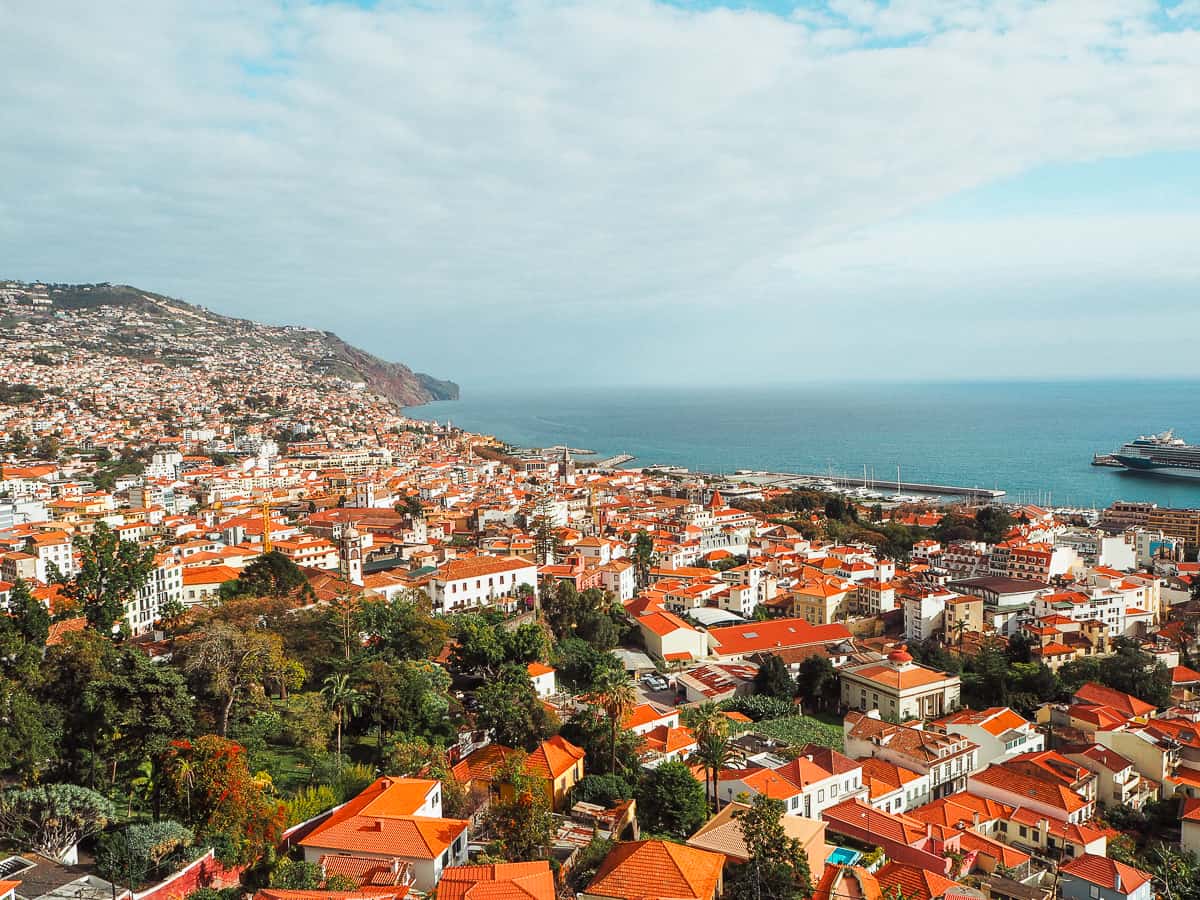
Funchal, the capital and largest city of Madeira, is nestled in the heart of Portugal's most famous island. Known for its stunning natural beauty, rich cultural heritage, and vibrant atmosphere, Funchal has long been a destination of choice for travelers seeking both relaxation and adventure. Situated on the northwestern coast of Madeira, Funchal benefits from a subtropical climate that allows year-round outdoor activities and lush landscapes that captivate visitors.
The Geography and Climate
The city's geography is characterized by dramatic cliffs and lush greenery. Nestled within a bowl-shaped valley, Funchal offers breathtaking views, with the surrounding mountains providing a spectacular backdrop. The climate in Funchal is classified as humid subtropical, with mild temperatures and high humidity throughout the year. The average temperature ranges from around 14°C to 24°C (57°F to 75°F), making it a comfortable destination for tourists regardless of the season.
A Short History
The history of Funchal spans centuries, reflecting the blend of cultures and influences that have shaped the city over time. Founded by Portuguese settlers in the late 15th century, Funchal quickly became a crucial port for maritime voyages. The settlement was officially designated as the capital of Madeira in 1720, solidifying its role as a center of commerce and administration.
During the Age of Exploration, Funchal played a significant role in the global spice trade, drawing attention from merchants and sailors alike. The city's prosperity was further bolstered by the cultivation of cash crops such as sugar cane, grapes, and tobacco, which were exported to various European markets. The 18th century saw Funchal expand rapidly, with the construction of grand neoclassical buildings and the development of new neighborhoods.
Sightseeing in Funchal
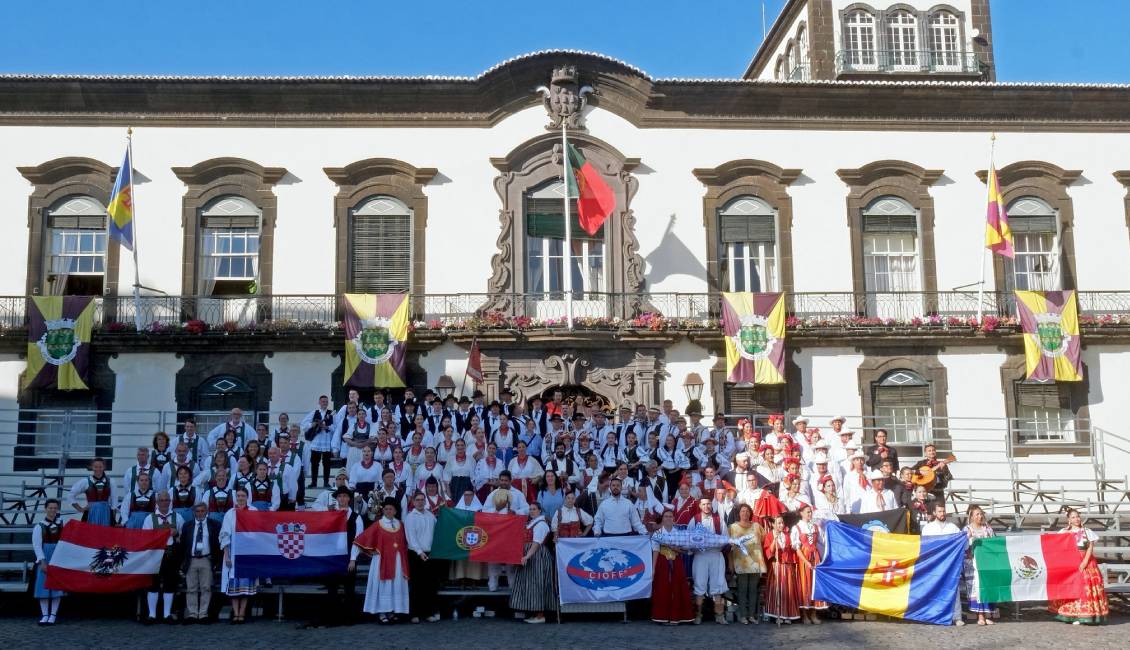
Funchal's charm lies not only in its natural beauty but also in its historical sites and architectural wonders. One of the first stopst should be Largo da Praça do Município, the bustling central square that serves as the heart of the city. Built in the early 19th century, it houses the historic City Hall, adorned with intricate stone carvings and surrounded by cafes and shops.
Another must-visit location is Praça dos Lavradores, a picturesque square located in the historic district of Ribeiro Frio. It features a statue of D João III and is known for its colorful flower markets, where local florists display vibrant bouquets of tulips and gerberas.
The Santa Maria do Monte Church, with its unique blue and white facade, is a notable landmark in the old town. Its Gothic and Renaissance styles merge harmoniously, offering a captivating glimpse into Madeiran architecture.
Eating and Shopping in Funchal
Funchal is renowned for its culinary offerings, which reflect both Portuguese and Madeiran traditions. A visit to the popular Mercado dos Lavradores is essential for experiencing the vibrant local market. Here, you can sample a range of Madeiran specialties, from fresh seafood dishes to traditional sweets like arroz de marisco (Seafood Rice) and pastéis de nata (custard tarts).
For a more upscale dining experience, the restaurants along Rua da Madalena offer fine Portuguese cuisine, featuring succulent grilled fish, creamy seafood stews, and hearty meat dishes. The city also brims with boutiques and artisanal workshops selling locally crafted ceramics, textiles, and jewelry. Don't miss out on exploring the streets of Ladeira Nova, where you'll find a treasure trove of unique shops and galleries.
Cultural Life and Festivals
Funchal's cultural scene is alive with events and festivals that celebrate its rich heritage. The Festa das Rosas (Rose Festival) in July is one of the most celebrated events, featuring elaborate floats, parades, and competitions showcasing the island's flora and fauna. Another notable festival is the Festa do Espírito Santo, held in May, which includes processions, concerts, and other religious celebrations.
Year-round, the city hosts a myriad of cultural performances and exhibitions at venues like the Teatro Municipal Gaudêncio Rocha and the Centre Cultural José Maria Branco. These events range from traditional Madeiran music and dance performances to contemporary art exhibitions and film screenings.
Activities and Attractions
Beyond its historical and cultural highlights, Funchal offers a variety of recreational activities suitable for all ages. The Botanical Garden, established in 1888, is a serene oasis offering a wide collection of exotic plants and flowers, many native to Madeira. The garden features winding paths, cascading fountains, and panoramic views of the city and ocean.
For those seeking adventure, the city is just a short drive from the Rotes Valley and Caniço Dam, where visitors can indulge in hiking, horseback riding, or water sports like kayaking and sailing. The nearby Levada Walking Trails are perfect for nature enthusiasts, offering numerous routes leading through lush green forests and alongside picturesque water channels.
Funchal also boasts a range of outdoor leisure facilities, including beautiful beaches within driving distance such as Porto Moniz and Camara de Lobos. These pristine shores provide the perfect setting for swimming, sunbathing, and water sports.
In summary, Funchal offers a captivating blend of natural beauty, rich history, and a vibrant cultural scene, making it a memorable destination for visitors from around the world. From its picturesque squares to its lush botanical gardens, and from its bustling markets to its serene coastlines, Funchal invites exploration and discovery. Whether you're interested in history, culture, or simply enjoying the outdoors, there's much to discover and appreciate in this enchanting city.
Lodging and Accommodation
Funchal offers a diverse array of lodging options to suit every traveler's needs, from luxurious resorts to cozy bed-and-breakfasts. For those seeking a taste of luxury, the city's five-star hotels provide top-notch services and amenities. Resorts like the Pestana Atlantic Grande Hotel and the Madeirense Palace Hotel offer spacious rooms, gourmet restaurants, spa facilities, and stunning pool areas. These hotels are ideal for couples looking to relax and rejuvenate in a tranquil environment.
Bed-and-breakfasts are another fantastic choice for travelers who prefer a more intimate and personalized stay. Places like Casa das Oliveiras and Quinta dos Girassóis provide charming accommodations in historic homes that often include breakfast and access to shared facilities like gardens and patios. These smaller properties offer a more authentic experience of Madeiran hospitality and culture.
Guesthouses and apartment rentals are plentiful, particularly in the city center and near key attractions. Properties in these areas are typically well-connected to public transportation and within walking distance of restaurants, shops, and museums. Popular booking platforms like Booking.com and Airbnb ensure easy access to a wide range of accommodation options.
Nature and Adventure Activities
Funchal is not just about lounging and sightseeing; it's also a gateway to thrilling outdoor experiences. The city's proximity to nature reserves, waterfalls, and other natural wonders makes it a haven for adventure seekers. Guided tours are available to explore the stunning Levadas, long gravity-fed irrigation channels that wind through the rugged landscape. Tour operators like Levadawalks and Madeira Escapes offer a range of guided walks, ranging from easy hikes to challenging treks, allowing visitors to explore the unique Madeiran flora and fauna.
Rafting and river tubing are popular activities during the warmer months. Companies such as Madeira Adventures provide exhilarating experiences along the rivers and streams of the island, perfect for adrenaline junkies and families alike. Horseback riding is another favorite activity, with several providers like Cavalinhos da Garajau offering guided tours through the beautiful countryside.
For those who enjoy sea sports, opportunities abound. Waterskiing, windsurfing, kiteboarding, and scuba diving can be enjoyed at places like Porto Moniz and Camara de Lobos. Local operators like Dive Madeira and Madeira Surf Centre specialize in providing equipment and instruction for beginners and experienced enthusiasts.
Tours and Day Trips
Day trips from Funchal extend the boundaries of the city and allow visitors to experience other parts of Madeira. Tours to the northeastern region often visit the stunning Praia da Rocha and Porto Moniz, known for their dramatic cliffs and turquoise waters. These day excursions can easily be arranged through local travel agencies or online tour companies like Viator and GetYourGuide.
For a different perspective, many companies offer cable car rides to Monte, a mountain town accessible from Pico do Monte and boasting stunning 360-degree views of Funchal and the Atlantic. Cable car tours like Funchal & Monte Sightseeing provide a scenic way to explore the area and enjoy panoramic vistas.
Nature lovers might be interested in visiting Pico do Arieira, a small mountain located on the outskirts of Funchal, often considered one of the most beautiful spots on the island. It offers both walking trails and a unique viewpoint to watch Madeira sunset.
Getting Around Funchal
Navigating Funchal is relatively straightforward due to its compact size and well-developed public transportation network. The city relies primarily on buses operated by CMAT, the local transport authority. Regular bus services connect the main areas of Funchal, and schedules run frequently throughout the day.
Taxi services are also widely available, and hailing a taxi or booking one through apps such as Cabify can be convenient for those traveling independently. Taxis are metered but it’s always advisable to agree on the fare before embarking on your journey.
For short distances and tourist attractions, renting scooters or bicycles can be a practical choice. Scooter rental shops are scattered around the city center and provide a fun and flexible way to explore at your own pace. Bicycle rentals are also available, particularly in areas like Ladeira Nova and Ribeiro Frio, making it easy to discover hidden gems.
Shopping and Markets
Funchal's shopping scene encompasses everything from trendy designer boutiques to traditional open-air markets. Major shopping malls such as Madeira Plaza and Madeira Market offer a wide range of products including electronics, clothing, and cosmetics. These modern retail centers are perfect for those seeking the latest fashion or tech gadgets.
For more unique shopping experiences, a visit to Mercado dos Lavradores is essential. This bustling market, dating back to the late 19th century, is a vibrant hub of local produce, crafts, and flowers. Artisanal foods, such as Madeira wine, honey, and cheese, are especially popular among visitors looking for authentic Madeiran products.
Leiense Market, located a few blocks away from Mercado dos Lavradores, is another great option for those who want to discover regional specialties. This market houses a variety of stalls selling fresh fruits, vegetables, and prepared foods, providing a taste of the daily life in Funchal.
Artisans and craft shops line the narrow streets, offering handcrafted pottery, wood carvings, and other local souvenirs. Stores like Casa da Ilha and Quinta dos Girassóis feature items made by local artists and designers, making them excellent places to take home unique memories of Madeira.
Local Culture and Traditions
Funchal is rich in local culture and traditions that play a significant role in making the city lively and engaging. The Madeira Bandstand, located in Jardim Público (Public Park), is a central venue for live music and cultural events. On summer nights, musicians perform traditional Madeiran tunes, attracting both locals and tourists.
Street festivals and fairs are common in Funchal, with events like the Semana Santa (Holy Week) and the Festival Internacional de Música de Câmara (International Chamber Music Festival) drawing visitors from around the world. These events showcase diverse music genres, including the famous Madeiran dance known as “fandango.”
For those interested in learning more about Madeiran culture, the Museu Regional deMadeira (Regional Museum) is a must-visit. Located in Vila Verde dos Poços, the museum houses a vast collection of artifacts, documents, and artworks highlighting the island’s history and natural heritage.
Health and Safety
Funchal, like other parts of Portugal, is generally safe for visitors. However, it's essential to remain vigilant, especially in crowded areas during peak tourist seasons. Pickpocketing can be a minor nuisance in some public spaces, so securing valuables and being aware of your surroundings is advised.
For health reasons, it's recommended to keep basic medications on hand, as pharmacies are plentiful and accessible. Water quality is generally good, though it's a good idea to use bottled water for drinking and brushing teeth.
Emergency services are reliable, with emergency numbers similar to those in mainland Portugal: 112 for police, fire, and ambulance. Most hotels and local businesses can assist in calling emergency services if necessary.
Conclusion
Funchal, with its harmonious blend of modern comforts and historical charm, stands as a testament to Madeira’s enduring appeal. From its magnificent natural scenery to its dynamic cultural scene, this city offers endless possibilities for exploration and enjoyment. Visitors come to Funchal seeking relaxation, adventure, and a deeper understanding of Madeiran life. By embracing the city's unique character and engaging with its residents, one can uncover the very essence of Madeira itself.
Sustainability Initiatives and Green Spaces
Funchal is increasingly focusing on sustainability initiatives to preserve its natural beauty and promote environmental responsibility. The city has implemented green policies such as recycling programs and waste management systems, ensuring that tourism does not harm the local ecosystem. Programs like Madeira Ecopark and the EcoCenter Funchal offer educational workshops and interactive exhibits to raise awareness about conservation and eco-friendly practices.
Several parks and recreational areas in Funchal serve as vital green spaces, contributing to the city's sustainability efforts. Jardim Botânico do Madeira (Madeira Botanical Garden) is not only a lush oasis for nature enthusiasts but also part of a larger initiative to study and conserve Madeiran flora. Similarly, Jardim Público (Public Park) offers an extensive network of walking paths and picnic areas while hosting community events and cultural activities.
Public Transportation and Environmental Impact
To minimize the carbon footprint of tourism, Funchal has invested in improving its public transportation system. Buses are now equipped with hybrid engines and operate on cleaner fuels, reducing air pollution. Additionally, the city encourages the use of electric vehicles (EVs) with charging stations installed in strategic locations around the city, making it easier for tourists to opt for greener modes of transport.
Cultural Tourism and Local Engagement
Cultural tourism plays a crucial role in Funchal's strategy to enhance visitor engagement and support sustainable practices. Initiatives like the Madeira Island Experience program offer guided tours that focus on local community engagement. These tours are led by local residents who share traditional recipes, folk stories, and crafts, providing an authentic insight into Madeiran culture.
Projects like the Revitalização do Porto project aim to transform Funchal’s port area into a sustainable and culturally rich space. The initiative includes the integration of renewable energy sources and the promotion of local products and artisanal crafts, ensuring that the visitor experience aligns with sustainable development goals.
Food and Dining Trends
Eating sustainably is becoming increasingly important in Funchal. Many restaurants are adopting farm-to-table practices, sourcing ingredients locally to reduce carbon emissions associated with food transportation. Vegetarian and vegan options are gaining popularity, driven by both health-conscious and environmentally aware consumers. Restaurants like Oásis do Mar and Cevicheria provide delicious and eco-friendly meals, showcasing the best of Madeiran cuisine.
Marketplaces such as Mercado dos Lavradores and Leiense Market offer a wide range of sustainably sourced produce, from organic vegetables to fresh seafood. Customers can support local farmers and contribute to a healthier ecosystem by choosing these products over imported alternatives.
Ecotourism and Environmental Awareness
Ecotourism is a growing trend in Madeira, and Funchal is at the forefront of promoting responsible tourism. Companies like Madeira Escapes and Levadawalks provide guided ecotours that focus on exploring natural habitats and observing wildlife. These tours educate visitors about the importance of conservation and sustainable practices, encouraging them to make informed choices when visiting the islands.
Educational centers like the Sociedade Agrícola do Madeira (SMA) also offer insights into traditional farming methods and the sustainable production of Madeiran wines, cheeses, and other local products. These organizations work closely with the community to protect and maintain the island's biodiversity.
Bike Lanes and Pedestrian Zones
To make Funchal more pedestrian-friendly and encourage eco-commuting, the city has developed extensive bike lanes and pedestrian zones. These areas, especially around historic districts and key attractions, are equipped with bike racks and benches, making it easy for visitors to explore the city without relying on motorized transport.
Bicycle rental services are readily available, catering to both tourists and locals. Companies like Rent A Bike Madeira and Bike Madeira offer diverse options, from single-day rentals to longer-term bike subscriptions. Promoting biking not only reduces traffic congestion but also helps mitigate the impact of urban sprawl.
Future Developments and Growth Strategies
Looking ahead, Funchal is committed to sustainable growth and development. Plans include the creation of more green spaces, improved public transportation networks, and enhanced recycling programs. Additionally, the city aims to develop smart city technologies to further reduce energy consumption and improve overall environmental performance.
Future expansion projects will prioritize sustainability, with a focus on preserving natural landscapes while enhancing the urban environment. Urban renewal projects like the revitalization of historic neighborhoods will integrate green infrastructure, solar panels, and other eco-friendly features to create more livable and sustainable communities.
Conclusion
Funchal, with its blend of natural beauty, cultural richness, and innovative sustainable practices, exemplifies how a city can thrive while preserving its environment. As it continues to evolve, Funchal sets an inspiring example for other coastal towns and cities around the world. By balancing economic growth with ecological preservation, Funchal ensures that future generations can also experience and appreciate its unique charm.
In conclusion, Funchal remains a dynamic and beautiful destination that offers much more than its impressive scenery and historical landmarks. The city’s commitment to sustainability and community engagement ensures that tourism enhances rather than detracts from Madeira's natural splendor and cultural heritage. Visitors to Funchal today can contribute to and witness firsthand the positive changes shaping this remarkable city for years to come.


Exploring the Charismatic Charm of Lisbon
A Historical Tapestry by the Atlantic
Nestled along the rugged coastline of the Atlantic Ocean, Lisbon is a city steeped in a rich and varied history, offering an eclectic mix of cultures and architectural wonders. The capital of Portugal, Lisbon is a dazzling historical tapestry that captivates visitors with its charismatic charm. Home to beautiful vistas, enchanting streets, and a spirited cultural scene, this city invites exploration and admiration at every turn.
The Ancient Origins
The roots of Lisbon reach far back into history. According to the legend, the city was founded by the Greek hero Ulysses during his legendary travels. More archaeologically grounded, its origins lie with the Phoenicians, who are thought to have established an early settlement here named "Allis Ubbo" – "Safe Harbor" – around 1200 BC. This strategic maritime location made Lisbon a crucial colonial gateway that later saw Roman, Visigothic, and Moorish influences.
The Age of Discovery and Beyond
In the 15th and 16th centuries, Lisbon flourished as an epicenter of global exploration during the Age of Discovery. It was from Lisbon's bustling harbor that famed explorers like Vasco da Gama set sail, charting new routes across the oceans and bringing immense wealth and treasures back to the city. This era sculptures the fabric of Lisbon through the architectural renaissance found in its grand palaces, churches, and the iconic Belém Tower. The city's fascinating blend of Gothic, Manueline, and Baroque influences bear testament to this prosperous period.
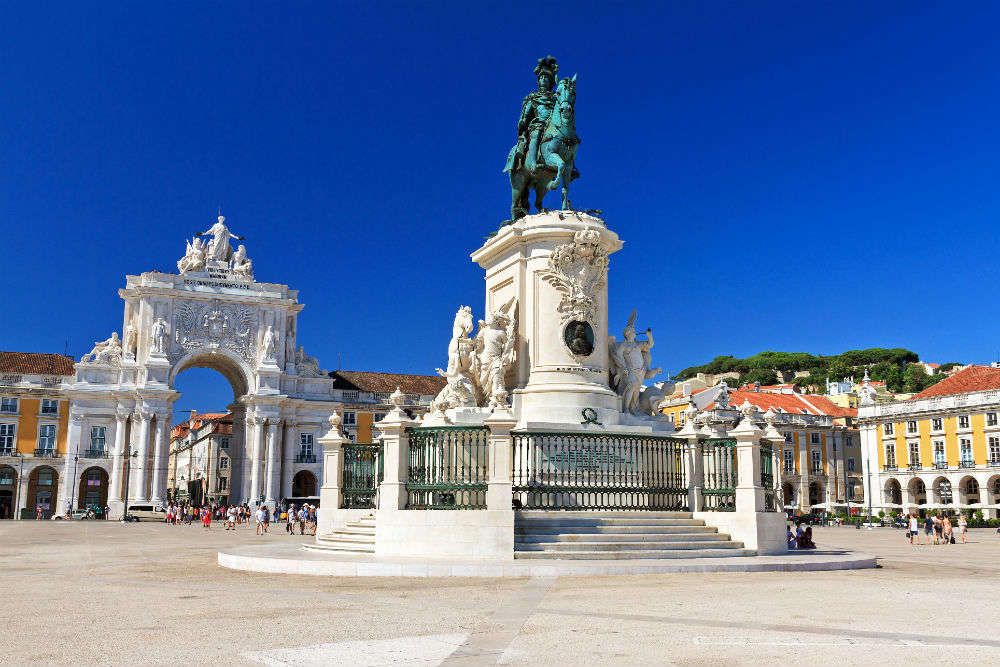
However, the trajectory of Lisbon has not been a seamless ascent. The city witnessed a devastating blow in 1755 when a massive earthquake, followed by a tsunami and fires, ravaged much of Lisbon. The tragedy led to urban reinvention structured by Marquis of Pombal, giving rise to modern city planning and thus transforming its downtown into the stately grid we witness today.
A Mosaic of Neighborhoods
Contemporary Lisbon is an amalgamation of varied neighborhoods, each offering its unique narrative and vibrancy. Alfama, the oldest district of Lisbon, with its labyrinth of narrow cobbled streets and traditional Fado music, offers a glimpse into the city's Moorish past. The mystical air hangs thickly as one wends through its quaint alleys, encountering history etched in every corner.
Meanwhile, Bairro Alto is abuzz with energy as the epicenter of nightlife, where an array of bars and eateries create a lively atmosphere under the backdrop of the city's bohemian spirit. In contrast, the district of Belém emanates an aura of regal tranquility with its ornate structures like the Jerónimos Monastery and Belém Tower, each a canvas of Lisbon's imperial legacy.
As Lisbon continues to grow and evolve, it remains firmly rooted in its multifaceted past. It stands as a city that both embraces modernity and celebrates its diverse heritage, inviting each visitor to explore its streets and uncover the stories hidden within its ancient stones.


Les perles cachées du Portugal : Évasion garantie
Le Portugal, cette terre de contrastes où la modernité flirte avec un riche passé, est souvent résumé à ses célèbres cités, Lisbonne et Porto, ou encore ses plages ensoleillées de l'Algarve. Cependant, loin des sentiers battus et du tumulte des spots touristiques les plus courus, se cachent des trésors que seuls les plus curieux auront le privilège de découvrir. Cet article vous invite à un périple à la rencontre de ces pépites méconnues qui confèrent au Portugal son charme inégalé.
Au cœur de l'histoire : Obidos, la médiévale
Débutons notre voyage par une escale à Obidos, cette petite ville fortifiée perchée sur une colline et encerclée par de robustes remparts. Avec son unique entrée, la Porta da Vila, qui date du XVIIIe siècle et est ornée d'azulejos bleus et blancs représentant la passion du Christ, Obidos vous transporte immédiatement à une autre époque, celle des chevaliers et des fables épiques. Ses ruelles pavées, ses maisons blanches ornées de bougainvillées, son château médiéval maintenant transformé en une luxueuse pousada sont autant d'invitations à explorer la ville comme un véritable tableau vivant de l'Histoire portugaise.
La magie naturelle : La Serra da Estrela
Quittant les rives tempérées de l'Atlantique pour l'intérieur des terres, la Serra da Estrela se dresse comme un géant, avec son point culminant à la Torre, à presque 2000 mètres d'altitude. C'est l'endroit rêvé pour les amoureux de randonnées qui peuvent profiter des multiples sentiers traversant la montagne et découvrir une flore d'une richesse insoupçonnée. En hiver, ses pentes se couvrent de neige, offrant alors aux visiteurs l'opportunité inattendue de skier en terre lusitanienne.
Les saveurs de l'authenticité : Le village de Monsanto
Ceux qui recherchent une expérience gustative typiquement portugaise se doit de faire une halte dans le village de Monsanto. Accroché à flanc de colline, Monsanto a été élu "village le plus portugais du Portugal" dans les années 30. Entre ses maisons écrasées sous de gigantesques rochers granitiques, ses ruelles étroites et sinueuses où le temps semble s'être arrêté, ce village offre une évasion culinaire avec ses fromages de brebis et sa charcuterie traditionnelle. Laissez-vous séduire par le rythme nonchalant de la vie rurale portugaise, ponctué par les discussions animées des villageois et les sonnailles des chèvres en pâturage.
Un havre de paix : Tavira et le Parc Naturel de la Ria Formosa
Non loin de l'effervescence de l'Algarve se trouve Tavira, un joyau préservé occupant les deux rives de la rivière Gilão. Surnommée "la Venise de l'Algarve", Tavira séduit par son architecture élégante, ses ponts romains et ses nombreux édifices religieux chargés d'histoire. En poussant un peu plus loin vers le littoral, vous atteindrez le Parc Naturel de la Ria Formosa, un labyrinthe de canaux, d'îles et de marais salants, où la biodiversité est reine. C'est un sanctuaire pour les oiseaux migrateurs et un paradis pour les amoureux de la nature qui peuvent naviguer entre les îles ou observer les flamants roses dans un silence ou seul le vent semble chanter.
Sous le charme des traditions : Amarante et le fleuve Tâmega
Enfin, plongeons dans l'âme portugaise à Amarante, une ville pittoresque au nord du pays, nichée le long du doux fleuve Tâmega. Remarquable par son pont en arche surmonté par l'église et le monastère de São Gonçalo, Amarante invite à la flânerie. Les traditions y sont tenaces et chaque promenade révèle des artisans locaux, des marchés où les légumes sont aussi frais que colorés, et des pâtisseries où vous pourrez goûter aux fameux doces conventuais, ces délices sucrés élaborés jadis par les moines.
À travers ces destinations, le Portugal offre bien plus qu'une toile de fond idyllique pour des vacances ; il donne à voir une facette moins connue, empreinte d'authenticité et riche de justesse de vie, qui attend d'être découverte par les voyageurs en quête de simplicité et de beauté brute.Le périple continue à travers les pépites méconnues du Portugal, offrant aux voyageurs l'occasion de vivre des expériences singulières et marquantes. Une immersion dans des lieux hors des radars traditionnels, où la culture, l'histoire et la nature s'entremêlent pour révéler l'âme véritable de ce pays envoûtant.
Évora, le cœur de l'Alentejo
Notre exploration nous mène maintenant vers Évora, classée au patrimoine mondial de l'UNESCO et véritable musée à ciel ouvert dans la région de l'Alentejo. Cette cité historique s'entoure de murailles et expose fièrement ses vestiges romains, médiévaux et manuélin. Au détour d'une ruelle, le Temple romain, parfois appelé Temple de Diane, surgit avec ses colonnes corinthiennes se dessinant contre le ciel bleu. Les épicuriens se réjouiront de la gastronomie de l'Alentejo, ses plats robustes et généreux, son huile d'olive parfumée et ses vins corsés révélant l'âme d'un Portugal authentique et fier de ses traditions.
Piódão, la crèche de schiste
Vers les reliefs instables de la Serra do Açor se niche Piódão, un des "villages historiques du Portugal". Connu pour ses maisons de schiste aux toits de lauze et ses rues escarpées qui semblent s'écouler comme des ruisseaux de pierre, Piódão évoque une crèche vivante, surtout la nuit lorsque l'éclairage sculpte les contours des bâtiments. Le village se découvre avec lenteur, et chaque recoin raconte une histoire qui se transmet depuis des générations restées attachées à ce sol.
D'un château à l'autre, la route des templiers
Le patrimoine militaire et religieux du Portugal invite aussi à une plongée dans l'histoire des templiers. Tomar, avec son Convento de Cristo, ancienne forteresse templière, est un dédale de couloirs, de chapelles et de cloîtres, épicentre de l'épopée des chevaliers en terre portugaise. Non loin, le château d'Almourol, posé sur un îlot du fleuve Tejo, semble surgir d'une légende. L'accès se fait par bateau, renforçant le mystère d'un site où mythe et histoire se mêlent pour le plus grand plaisir des visiteurs.
La nature préservée des Açores
Si le continent regorge de merveilles cachées, les îles portugaises ne sont pas en reste. Les Açores, perles de l'atlantique, sont une invitation à l'émerveillement où la terre bouillonne d'activité géothermique, les lacs de cratère se parent de mille couleurs et les paysages montagneux appellent à l'aventure. L'île de São Miguel, souvent considérée comme l'île principale, se distingue par ses sources chaudes de Furnas et ses plantations de thé, tandis que les autres îles, telles que Terceira ou Pico, où se dresse le plus haut sommet du Portugal, offrent chacune leurs particularités enchanteresses.
La douceur de vivre de la vallée du Douro
Enfin, impossible de conclure ce voyage sans évoquer la vallée du Douro, célèbre pour ses vignobles en terrasse qui ondulent le long du fleuve. Si la région est célèbre pour le vin de Porto, elle se découvre de bien d'autres façons : par des croisières fluviales, des balades en train historique, ou lors de visites de quintas, ces domaines viticoles séculaires. Les paysages, à chaque méandre, sont une ode à la beauté naturelle, une symphonie visuelle soulignée par la main de l'homme travaillant en symbiose avec la terre.
Cet itinéraire à travers le Portugal moins connu démontre que le pays regorge de merveilles, souvent éclipsées par la réputation de ses célèbres capitales et de ses plages dorées. Ces destinations secrètes appellent les voyageurs à ralentir, à s'immerger dans une histoire, une culture, un écosystème dense, à déguster une gastronomie séculaire et à vivre le Portugal de manière plus intime et profonde. C'est une invitation à découvrir une mosaïque de paysages et d'émotions qui ne demande qu'à être explorée, avec pour seul impératif, l'envie de se laisser surprendre.