Discovering Johannesburg: A City of Gold and Diversity
In the heart of South Africa lies Johannesburg, a bustling metropolis with a rich history and a vibrant culture. Known colloquially as "Jozi" or "Joburg," Johannesburg stands as the largest city in South Africa and serves as one of the most pivotal economic and cultural hubs on the African continent. From its origins as a 19th-century gold rush settlement to its role in the country’s modern history, Johannesburg's story is one of transformation and resilience.
A City Built on Gold
The history of Johannesburg is intertwined with the discovery of gold in the Witwatersrand area in 1886. This discovery set off a significant gold rush, attracting prospectors from around the globe and leading to a boom in development. The city was founded shortly after in 1886 and rapidly grew as a result of the lucrative mining industry, earning its nickname "eGoli" or "City of Gold."
The mines of Johannesburg played a crucial role not only in the economy of South Africa but also in the shaping of its demographic landscape. The city became a melting pot of cultures as migrants from Europe, Asia, and other parts of Africa came seeking fortune. This multicultural influx laid the groundwork for Johannesburg's diverse and dynamic society.
Architectural Evolution
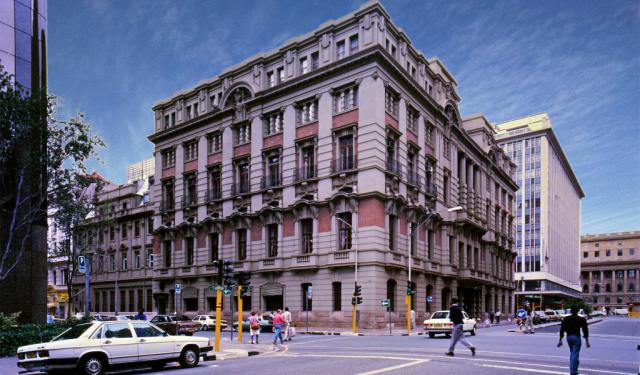
Johannesburg's architectural landscape is a testament to its rapid growth and change. The city's skyline is dotted with high-rise buildings and urban structures, reflecting both colonial influences and modernist trends. Districts like the Central Business District showcase a variety of architectural styles, ranging from Art Deco to contemporary design.
The transformation of Newtown and Maboneng illustrates Johannesburg's innovative spirit. Maboneng, once a set of abandoned warehouses, has been revitalized into a thriving cultural precinct filled with galleries, cafes, and artisan shops, reflecting the city's evolving identity and commitment to fostering creativity.
Cradle of Human Rights
Johannesburg holds a significant place in South Africa’s history, particularly during the struggle against apartheid. It was a major center for political activism and resistance. Landmarks such as Constitution Hill and the Apartheid Museum offer introspective journeys into this tumultuous period, celebrating the triumph of the human spirit over oppressive regimes.
Nelson Mandela, one of the world's most revered leaders, spent a significant portion of his life in Johannesburg. His former home in Soweto, now the Mandela House Museum, offers an intimate look at his life's work and his enduring legacy in the fight for equality and democracy.
A Melting Pot of Cultures
Today, Johannesburg is celebrated for its cultural diversity. Neighborhoods such as Fordsburg and Brixton have rich cultural tapestries woven by Indian, Chinese, and African communities, showcasing a remarkable blend of traditions, cuisines, and festivities. The city's cultural festivals, music events, and art exhibitions embody its spirit of inclusivity and cultural exchange.
The food scene in Johannesburg is equally diverse, offering everything from traditional African cuisines to international flavors. Markets like Neighbourgoods and arts hubs in areas like Rosebank bring locals and tourists together to experience the rich culinary heritage of the city.
A City of Transformation
Johannesburg’s journey from a gold rush settlement to a modern megacity is marked by periods of change and adaptation. Despite facing challenges such as economic disparities and urban growth pressures, the city continues to reinvent itself. Efforts in urban regeneration and social development projects highlight Johannesburg’s commitment to fostering sustainable growth and improving the quality of life for its residents.
Whether it's through cultural celebrations, architectural innovation, or historical explorations, Johannesburg remains a city of vibrant contrasts and endless potential. Stay tuned for the second part, where we delve deeper into the city's economic impact and explore its role as a gateway to Africa's thriving economy.