Lusaka: The Dynamic Capital of Zambia
Founding and Early Days
In the early 20th century, Lusaka stood as a small railway water stoppoint, serving the British protectorate of Northern Rhodesia. This strategic location would soon evolve into a city whose influence would shape both the political and economic landscape of Zambia.
The name Lusaka came from Chief Lusaaka of the Soli people, whose presence in the area dated back to the 6th to 11th centuries. These early inhabitants had already established a robust settlement before the arrival of the Europeans, leaving behind archaeological evidence of their lives and culture.
Established in 1905 by the British South Africa Company (BSAC), the site was chosen for its central position relative to other towns, most notably over nearby Livingstone. This decision was pivotal, as it ensured that Lusaka would be strategically placed along the railway line connecting South Africa and the rich mineral regions to the north.
Stanley Adshead, a renowned architect, was tasked with the planning and layout of Lusaka, transforming the railway junction into the city that would later earn its nickname, "The Garden City," owing to its planned tree-lined streets and pleasant greenery.
Colonial and Post-Independence Development
As Lusaka grew beyond its initial role as a railway stop, it became a focal point for British colonial administration. The city’s importance escalated with the formal designation as the official capital in 1935, marking a shift in governance.
Lusaka served not only as a administrative center but also played a significant role during the anti-colonial movements. It was a hub for various Southern African liberation movements, including the African National Congress (ANC) which used the city as a headquarters in the 1970s and 1980s. The Lusaka Manifesto in 1969 further underscored the city’s prominence, advocating for peaceful majority rule and garnering support from neighboring countries seeking independence.
Following Zambian independence on October 24, 1964, led by President Kenneth Kaunda, Lusaka retained its status as the capital. Post-independence saw considerable growth with the construction of key institutions such as the University of Zambia in 1966, expanding the city’s educational and cultural horizons. Government buildings, infrastructure projects, and a robust airport were developed to support the burgeoning city.
These developments sparked a significant migration into Lusaka, driving substantial population growth. However, rapid urbanization brought its own set of challenges, including housing shortages and informal settlements. Despite these issues, the city continued to expand, becoming one of southern Africa’s fastest-growing urban centers.
Modern Landscape and Current Developments
Today, Lusaka stands as a vibrant and dynamic metropolis, balancing economic growth with socio-economic challenges. With a population of approximately 1.8 million, it is recognized as the largest city in Zambia. Positioned centrally within the vast agricultural region of the country, Lusaka continues to play a crucial role in the national economy.
The city serves as the political and administrative heart of the nation, housing important governmental offices and serving as a major economic center. It is well-connected with major highways and rail networks, facilitating the flow of goods and services across the country. Lusaka’s role as a hub is further underscored by its status as a key educational institution, home to the University of Zambia, making it a hotbed of intellectual activity.
Historically, Lusaka has evolved from a humble railway junction to a modern capital, reflecting broader economic and political changes in southern Africa. The city’s growth has been driven by the copper industry, a backbone of Zambia’s economy. However, this reliance on the extractive sector has not been without its drawbacks, leading to persistent issues like unemployment and poverty.
To address these challenges, Lusaka is undergoing extensive urban development projects aimed at reducing informal settlements and improving living conditions for residents. The city is increasingly seen as a critical player in regional diplomacy, drawing on its historical connections and role in past liberation struggles. Tourist attractions in Lusaka showcase the city’s development journey, ranging from traditional museums to modern park spaces designed to reflect its transformation from a railway town to a thriving capital.
Lusaka's continued evolution and its place as a fast-growing city with significant economic potential positions it as a vital component of Zambia’s future, navigating the complex demands of urban development amidst the broader context of Africa’s evolving landscapes.
Economic and Infrastructure Developments
Over the years, Lusaka has undergone several transformative economic and infrastructural developments. The city’s central location and natural resources have propelled it into a key economic hub. The mining sector remains a cornerstone of Zambia’s economy, contributing significantly to the city’s prosperity. However, the city faces ongoing challenges related to the high levels of unemployment and poverty.
Economic reforms have been instituted to address these issues and promote sustainable growth. Initiatives such as the Special Economic Zones (SEZs) aim to attract foreign investment and develop export-driven industries. The SEZs promise to create jobs and spur entrepreneurship, providing a much-needed boost to the local and national economies.
In addition to SEZs, Lusaka’s transport infrastructure continues to improve. The development of new roads and expansions of existing ones enhance connectivity, reducing travel time and costs. This improvement in road networks is pivotal for trade and commerce, as Lusaka serves as a gateway to agricultural regions and the Copperbelt to the north. Railways also remain crucial, with ongoing upgrades to ensure efficient movement of goods and people.
The city’s energy sector plays a critical role in its economic vitality. While hydroelectric power provides much of the city’s electricity, there are plans to diversify energy sources, including renewable options like solar and wind power. This diversification aims to reduce dependency on traditional fossil fuels and ensure a stable energy supply, which is essential for industrial activities.
Lusaka’s technological advancements have kept pace with the city’s growth. Smart city initiatives are being implemented to enhance services such as public transportation, traffic management, and waste disposal. Digital infrastructure improvements have also facilitated better access to information and services, benefiting both businesses and individuals.
Cultural and Tourist Attractions
Cultural richness is a significant aspect of Lusaka’s identity. The city is home to a melting pot of diverse communities, each contributing unique cultural practices, languages, and traditions to the vibrant tapestry of Zambia’s heritage. Museums and historical sites provide visitors with a glimpse into the past, offering valuable insights into the Soli people, Lenje tribes, and the broader history of colonization and independence.
The National Museum of Zambia, located in the city center, showcases artifacts and exhibits that trace the historical development of the region. Another notable attraction is the Lusaka National Museum, which includes exhibits on pre-colonial and post-colonial Zambia. Both museums highlight the significance of Lusaka in the nation’s history, making it a prime destination for tourists and historians alike.
Nature enthusiasts can explore the Manyata Wildlife Park, an area that blends urban landscapes with natural habitats, offering opportunities for wildlife viewing. Other attractions, such as the Kabwala Craft Village, showcase traditional crafts and provide a taste of rural Zambian life.
Several festivals and annual events celebrate the diverse cultural heritage of Lusaka. For instance, the Lusaka Arts and Cultural Festival offers a platform for artists and performers to share their talents, fostering a spirit of community and cultural exchange. These events contribute to the city’s cultural vibrancy and reinforce its reputation as a place of multiculturalism and artistic expression.
Challenges and Future Prospects
Despite its progress, Lusaka continues to face several challenges that require concerted efforts to address. Housing shortages, particularly in informal settlements, are significant concerns. To mitigate this issue, the Zambian government has initiated various programs aimed at improving living conditions for residents. These include the provision of affordable housing units through public-private partnerships and the implementation of slum upgrading projects.
Rapid urbanization has also put pressure on environmental sustainability. Pollution and waste management are major issues, necessitating the adoption of greener practices. The city plans to implement extensive greenbelt systems and increase tree cover to combat air pollution and maintain biodiversity. Additionally, wastewater treatment facilities are being expanded and upgraded to ensure cleaner water supplies.
The education sector is another area where improvement is needed, especially given the city’s role as a major educational hub. Enhancing the quality of education and expanding access to schooling remains a priority. Investment in modern educational facilities, teacher training programs, and scholarship initiatives have been introduced to improve educational outcomes and prepare future generations for the demands of the job market.
Looking ahead, Lusaka’s future prospects are promising. Continued development and investment in technology, infrastructure, and human capital will be crucial. The city’s strategic location and rich cultural heritage make it a compelling destination for tourists and investors alike. By addressing current challenges and seizing emerging opportunities, Lusaka can emerge as a model for sustainable urban development in sub-Saharan Africa.
Conclusion
From its origins as a humble railway stop to its present status as the vibrant capital of Zambia, Lusaka’s journey reflects the broader narrative of colonial and post-colonial Africa. Its strategic location, rich cultural heritage, and ongoing economic development make it a testament to resilience and progress. As the city navigates contemporary challenges, it remains a symbol of hope and opportunity, poised to play a pivotal role in shaping the future of Zambia and the region beyond.
Lusaka’s story is one of evolution, adaptability, and continuous growth, embodying the complexities and promises of African urbanization.
Future Directions and Sustainable Urban Planning
Looking towards the future, Lusaka faces the challenge of sustainable urban planning while addressing the needs of its growing population. The city is investing in green spaces and environmental conservation to enhance quality of life. Public parks like Chilukezi Park and Tchisala Park have been revitalized, ensuring accessible green spaces for residents. Additionally, urban agriculture programs have been introduced to promote self-sufficiency and encourage sustainable food production methods.
To manage the growing demand for housing, the government and private sectors are collaborating on multifamily housing projects. These initiatives aim to provide affordable and sustainable living solutions for low-income households. Innovative designs are incorporating green technologies and sustainable building materials to reduce energy consumption and improve comfort levels.
Smart city technologies are being integrated into urban planning to optimize resource use and improve service delivery. Smart grids, for example, enable more efficient distribution of electricity, reducing waste and enhancing reliability. Water management systems are also being modernized to conserve this precious resource. Smart waste management systems are being deployed to streamline collection and recycling processes, further minimizing environmental impact.
Citizen engagement is critical in the planning process. Community participation in decision-making helps ensure that development aligns with local needs and aspirations. Public consultation forums and participatory budgeting processes are being utilized to gather input from residents and foster a sense of ownership in the urban development process.
Education and Healthcare
The education system plays a vital role in shaping the future of Lusaka. In response to the demand for quality education, the government has launched several initiatives aimed at improving access and outcomes. Schools are being equipped with modern facilities, including computer labs and science classrooms, to enhance learning experiences. Teacher training programs are being strengthened to ensure high standards of teaching and learning. Scholarships and grants are being provided to support students from disadvantaged backgrounds, helping to bridge inequality gaps.
Healthcare services in Lusaka are also seeing significant improvements. The construction of new hospitals and clinics is underway, equipped with advanced medical facilities and technology. Telemedicine programs are being introduced to bring healthcare closer to underserved areas and reduce the burden on traditional healthcare infrastructure. Public health campaigns are focused on promoting preventive care and disease awareness, addressing critical issues such as HIV/AIDS, malaria, and malnutrition.
The integration of digital technologies is revolutionizing healthcare delivery. Electronic healthcare records are being implemented to ensure continuity of care and improve data management. Online预约系统 are being utilized to schedule appointments and consult with healthcare providers, making services more accessible to the urban poor. This digital transformation is not only improving efficiency but also enhancing the overall quality of healthcare services in Lusaka.
Conclusion
In conclusion, Lusaka stands as a testament to a city’s resilience and dynamism. From its origins as a railway station to its current status as the capital and largest city of Zambia, Lusaka has undergone significant transformations. As it continues to grow, it faces challenges but also presents opportunities for sustainable urban development and inclusive growth.
The city’s future depends on its ability to balance economic development with social equity, environmental sustainability, and cultural preservation. By fostering innovation, engaging citizens, and embracing smart city technologies, Lusaka can build a brighter, more prosperous future for all its residents.
The story of Lusaka is one of perseverance and progress, a city continually adapting to meet the needs of its people and set an example for sustainable urban development.
Exploring Merton: A Historical and Cultural Journey
Merton, a vibrant borough located in southwest London, offers a fusion of diverse cultures, rich history, and beautiful landscapes that continue to draw the interest of residents and visitors alike. Known for its unique blend of urban flair and suburban tranquility, Merton encapsulates a distinctive charm that makes it stand out among the boroughs of London.
The Historical Tapestry of Merton
The history of Merton dates back to Roman times, with archaeological evidence suggesting the presence of a Roman settlement near the present-day area. Fast forward to the Middle Ages, Merton developed into a bustling town, thanks in part to the establishment of Merton Priory. Founded in 1117, Merton Priory played a crucial role in the religious and political life of medieval England. It was here that Thomas Becket studied and where the provisions of the Magna Carta were drawn up, highlighting the priory's historical significance.
Despite its dissolution under Henry VIII, remnants of Merton Priory still linger within the borough. Visitors can explore the preserved chapter house, now tucked away underneath a modern supermarket car park. This fascinating juxtaposition of the ancient and modern is symbolic of how Merton has continuously evolved while maintaining ties to its historical roots.
Merton’s Cultural Mosaic
A melting pot of cultures, Merton is home to a diverse array of communities, each bringing its unique flavor and traditions. The borough celebrates this diversity through vibrant cultural festivals, food fairs, and community events that occur throughout the year. From the colorful Diwali celebrations to the bustling food markets, Merton embraces its multicultural identity with open arms.
One of the key cultural hubs in Merton is the New Wimbledon Theatre. Opened in 1910, this Edwardian theatre continues to captivate audiences with an eclectic mix of performances, including West End hits, comedy acts, and local productions. The theatre stands as a testament to Merton's thriving arts scene, offering a platform for creativity and expression.
Natural Beauty and Green Spaces
Merton is renowned for its abundance of green spaces, providing urban dwellers with a refreshing escape into nature. Wimbledon Common, one of London's largest commons, offers sprawling meadows, tranquil woodlands, and scenic walking trails perfect for a leisurely day out. Nature enthusiasts can spot a variety of wildlife or simply enjoy a peaceful afternoon surrounded by natural beauty.
Moreover, Morden Hall Park, owned by the National Trust, is a picturesque oasis nestled within the borough. Once a country estate, the park features charming gardens, historic buildings, and a bubbling stream that meanders through the lush landscape. It serves as a beloved retreat for both locals and visitors, offering a glimpse into the tranquility of rural England right here in London.
The River Wandle, flowing gracefully through Merton, adds to the borough's scenic charm. This chalk stream, with its rich biodiversity, also offers opportunities for leisurely strolls along the Wandle Trail, which connects a series of parks and nature reserves, providing a serene environment to unwind and connect with nature.
Conclusion
Merton's ability to harmoniously blend its historical heritage with a dynamic cultural mosaic and abundant natural beauty is what truly sets it apart. From its historical landmarks and cultural vibrancy to its serene green spaces, Merton invites exploration and discovery. Whether you're delving into its storied past, immersing yourself in its diverse cultures, or simply enjoying the tranquility it offers, Merton welcomes all who seek a unique and enriching experience.


Discover Poznań: A City Rich in History and Culture
Located in the western part of Poland, Poznań is a city that beautifully marries its historical roots with modern urban life. Often considered one of Poland’s oldest and largest cities, Poznań plays a significant role in the country’s history, trade, and culture. Known for its charming old town, dynamic economy, and vibrant cultural scene, this city offers a unique blend of past and present that captivates its visitors time and again.
A Journey Through History
Poznań's historical importance is profound, serving as one of the earliest centers of Polish statehood. The city originated as a fortified settlement in the 9th century and quickly became the seat of the first Polish rulers. At its heart is Ostrów Tumski, or Cathedral Island, which is home to some of Poland's earliest architectural structures. The stunning Poznań Cathedral, dedicated to Saints Peter and Paul, stands as one of Poland’s oldest cathedrals. This sacred site not only holds the tombs of Poland's first monarchs but also serves as a testament to the city's medieval past.
Throughout the centuries, Poznań has seen a tumultuous history, switching hands between various powers, including the Bohemians, Prussians, and eventually becoming part of modern Poland after World War I. The legacy of these historical shifts is visible in the city’s architecture, from Gothic churches to Renaissance-style buildings, offering a rich tapestry of styles for history enthusiasts and casual visitors alike.
The Architectural Splendor of the Old Town
One of Poznań’s most alluring features is its Old Town, which radiates charm and historical allure. At the center of it all is the Poznań Town Hall, a magnificent Renaissance building known for its ornate exterior and the delightful mechanical goats that appear to butt heads daily at noon. Surrounding the Town Hall, the Old Market Square is buzzing with life, filled with colorful merchant houses and welcoming cafes that offer a taste of the city's vibrant atmosphere.
Yet, the architectural beauty of Poznań stretches beyond the Old Town. The Imperial Castle, for instance, is a noteworthy edifice built in the early 20th century for German Emperor Wilhelm II. Today, it serves as a cultural center, hosting various exhibitions, concerts, and film screenings, proving how historical buildings are being repurposed for modern uses.
Connecting Past and Present: Cultural Vibrancy
Poznań is not merely a relic of the past; it’s a thriving city that celebrates life through numerous cultural festivals and events. Notably, it hosts the internationally renowned Malta Festival, which attracts artists from across the globe, showcasing experimental theatre, dance, and music. The rich cultural scene doesn't end there - theaters, museums, and galleries pepper the city, ensuring a diverse cultural offering year-round.
The city’s universities, including the emblematic Adam Mickiewicz University, add youthful energy and intellectual vibrancy, making Poznań a bustling place of learning and innovation. This, in turn, cultivates a lively student culture, enriching the city’s social landscape with trendy cafes, lively bars, and dynamic art spaces.
Through its blend of historical depth and contemporary excitement, Poznań emerges not only as a witness to Poland’s rich past but also as a beacon of hope for its progressive future. Whether you’re drawn in by its past, its present, or the promise of its future, Poznań offers something unique for every visitor who enters its storied streets.



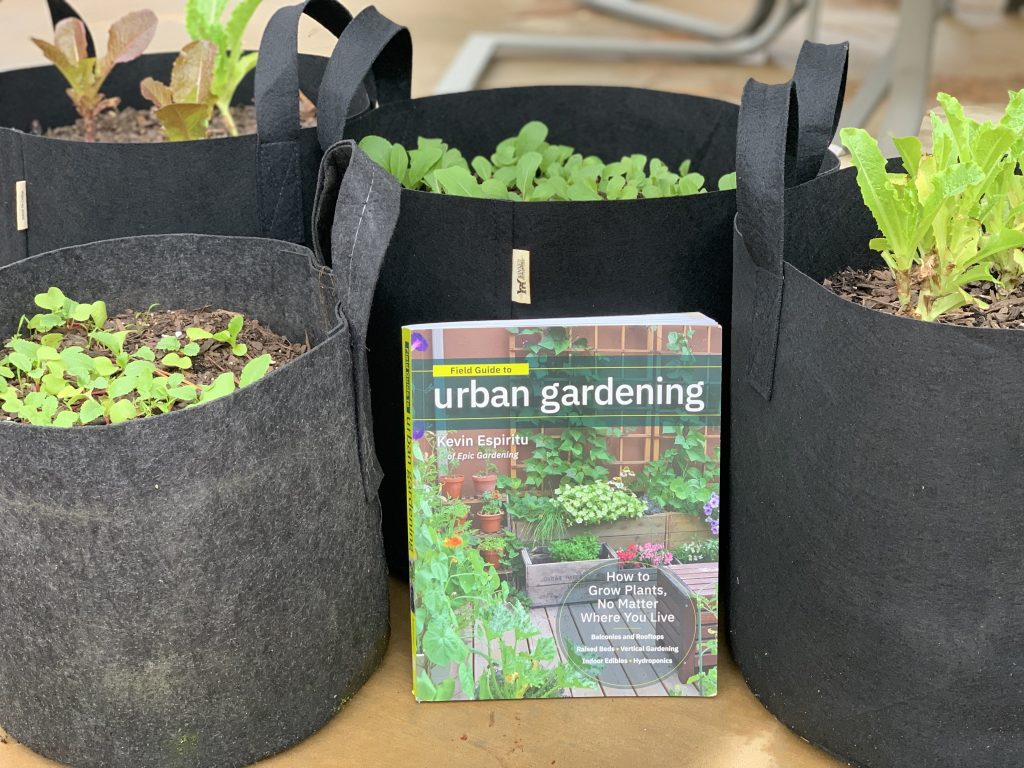
Kevin Espiritu: Cultivating a Greener World
In a rapidly urbanizing world, where technology often seems to overshadow nature, Kevin Espiritu stands out as a beacon of sustainable living, advocating for a greener planet through gardening. With a passion rooted in the soil, he has become a guiding voice for seasoned gardeners and novices alike, sharing his expansive knowledge and fostering a community of like-minded individuals who yearn for a deeper connection to the earth.
A Journey into Gardening
Kevin Espiritu, founder of Epic Gardening, embarked on his horticultural journey not as a lifelong gardener but as someone who stumbled into the world of plants out of curiosity and necessity. What began as a small hobby in his home in San Diego quickly grew into a profound life-altering pursuit. Motivated by a desire to lead a more sustainable lifestyle and armed with the spirit of experimentation, Kevin took to the internet to share his newfound love for gardening with others.
The Birth of Epic Gardening
Epic Gardening started as a humble blog where Kevin chronicled his experiences and experiments in his backyard garden. His approachable writing style and willingness to share both successes and failures resonated with many aspiring gardeners. With time, Epic Gardening evolved into a comprehensive resource, offering a wealth of information on various gardening techniques, from hydroponics to soil cultivation, and soon attracted a growing community eager to cultivate their green thumbs.
Pioneering Online Gardening Education
Kevin saw the potential of digital media to foster education and community around gardening. As a pioneer in online gardening education, he leveraged platforms like YouTube and Instagram to broaden his reach, providing practical tips and engaging content that demystified the process of growing plants. His YouTube channel, in particular, became instrumental in making gardening accessible to a global audience, with videos that cover both fundamental techniques and innovative practices.
Empowering and Inspiring a Community
The essence of Kevin's mission is empowerment. Through his efforts, he equips individuals with the knowledge and confidence to start their own gardens, regardless of space limitations or prior experience. His content often emphasizes the importance of sustainability, encouraging people to grow their own food, reduce waste, and make eco-conscious choices. Kevin’s ability to inspire stems from his relatability — his journey mirrors the steps that many beginner gardeners take, filled with the same challenges and triumphs.
Advocating for Sustainability
Beyond the technical aspects of gardening, Kevin Espiritu advocates for a sustainable future. He frequently discusses the environmental impact of traditional agricultural practices and offers solutions that prioritize ecological health. By promoting practices such as composting, permaculture, and organic gardening, Kevin encourages individuals to play their part in conserving resources and fostering biodiversity.
A Vision for the Future
Kevin Espiritu is not just a gardener; he is a visionary shaping the future of urban farming and sustainable living. As more people seek to adopt healthier and more environmentally conscious lifestyles, his influence as a leader and educator in the gardening community continues to grow. His dedication to making gardening accessible to all transcends geography, sparking a global movement towards self-sufficiency and environmental stewardship.
With his innovative spirit and unwavering commitment, Kevin Espiritu continues to cultivate not just plants, but a global community united by a shared love for the earth and a desire to protect it for future generations.