Antigonus II Gonatas: The Macedonian King Who Stabilized Greece
Introduction to Antigonus II Gonatas
Antigonus II Gonatas was a pivotal figure in ancient Macedonian history, ruling from 276 to 239 BC and founding the Antigonid dynasty. His reign marked a period of stability after the chaotic Diadochi Wars that followed the death of Alexander the Great. By securing Macedonia and establishing control over Greece, Antigonus II Gonatas played a crucial role in shaping the Hellenistic world.
Early Life and Rise to Power
Born around 319 BC, Antigonus II Gonatas was the son of Demetrius I Poliorcetes and Phila, the daughter of Antipater. His lineage tied him to some of the most powerful figures of the time, including his grandfather, Antigonus I Monophthalmus, one of Alexander the Great's successors. This heritage positioned him as a key player in the struggle for dominance after Alexander's death.
Claiming the Macedonian Throne
Antigonus II Gonatas claimed the Macedonian throne in 283 BC following his father's death. However, his rule was initially contested, and it wasn't until 276 BC that he secured his position as the undisputed king. His rise to power was marked by strategic military campaigns and alliances, which allowed him to outmaneuver his rivals.
Defeating the Galatian Invaders
One of his most significant early victories came in 277 BC when he defeated the Galatian invaders at the Battle of Lysimachia. This victory not only secured his throne but also demonstrated his military prowess and ability to protect Macedonia from external threats. The defeat of the Gauls was a turning point in his reign, solidifying his control over the region.
Military Campaigns and Strategic Victories
Antigonus II Gonatas was known for his military acumen, which he used to expand and secure his kingdom. His campaigns were characterized by strategic planning and a deep understanding of the political landscape of the Hellenistic world.
The Chremonidian War
One of his most notable military achievements was his victory in the Chremonidian War (267–261 BC). This conflict pitted Macedonia against a coalition of Athens, Sparta, and Ptolemy II of Egypt. Antigonus II Gonatas emerged victorious, capturing Athens in 263 BC and further solidifying his control over Greece.
Regaining Control After Pyrrhus of Epirus
Following the death of Pyrrhus of Epirus in 272 BC, Antigonus II Gonatas seized the opportunity to regain full control of Macedonia. This period marked the beginning of his efforts to establish Macedonian hegemony over Greece, a goal he pursued through a combination of military force and strategic alliances.
Establishing Macedonian Hegemony
Antigonus II Gonatas understood the importance of controlling key strategic locations to maintain his power. He implemented a system of garrisons and alliances that allowed him to dominate Greece and secure his rule.
The "Shackles of Hellas"
To ensure his control over Greece, Antigonus II Gonatas established garrisons in three critical locations: Corinth, Chalcis (Euboea), and Demetrias (Thessaly). These garrisons, known as the "shackles of Hellas," allowed him to monitor and control key trade routes and political centers, effectively securing his hegemony over the region.
Alliances and Diplomatic Strategies
In addition to his military campaigns, Antigonus II Gonatas was a skilled diplomat. He formed alliances with Illyria and Thrace, which helped him secure his northern borders and focus on his campaigns in Greece. His ability to balance threats from the Ptolemies of Egypt and the Seleucids of Syria through diplomacy and strategic patience was a hallmark of his reign.
Cultural and Intellectual Patronage
Antigonus II Gonatas was not only a military and political leader but also a patron of the arts and philosophy. His court was a center of intellectual activity, attracting some of the most prominent thinkers of the time.
Support for Philosophers and Poets
He was known for his support of Stoic philosophers, including Zeno of Citium, the founder of Stoicism. His patronage of philosophers and poets contributed to the cultural flourishing of Macedonia during his reign and left a lasting legacy in the intellectual history of the Hellenistic world.
Legacy and Historical Significance
Antigonus II Gonatas's reign marked a period of stability and cultural achievement in Macedonia. His ability to secure his kingdom through military victories and strategic alliances, combined with his patronage of the arts and philosophy, made him one of the most significant figures of the Hellenistic period. His legacy continues to be studied and admired by historians and scholars today.
Challenges and Revolts During Antigonus II Gonatas' Reign
Despite his military successes, Antigonus II Gonatas faced numerous internal challenges. His long reign was marked by periodic revolts and power struggles that tested his ability to maintain control over Macedonia and Greece.
The Corinth Revolt and Political Intrigue
One of the most significant challenges came in 249 BC when Alexander of Corinth led a revolt against Macedonian rule. This uprising threatened Antigonus' control over the strategic city of Corinth, a key location in his network of garrisons. The revolt was eventually suppressed, but it highlighted the ongoing resistance to Macedonian hegemony.
Antigonus II Gonatas employed a mix of military force and political maneuvering to regain control. His son, Demetrius II Aetolicus, played a crucial role in securing Corinth by marrying Nicaea, a strategic alliance that helped stabilize the region by 245/244 BC.
External Threats and Territorial Losses
In addition to internal revolts, Antigonus II Gonatas faced external threats from rival Hellenistic powers. The Ptolemaic Dynasty of Egypt and the Achaean League frequently interfered in Greek affairs, challenging his authority. In 243 BC, these pressures led to temporary losses of key territories, demonstrating the fragile nature of his control.
To counter these threats, Antigonus II Gonatas relied on his naval power, conducting raids in the Aegean, such as the attack on Andros in 245 BC. His ability to adapt to changing circumstances and leverage his alliances was crucial in maintaining his rule.
Antigonus II Gonatas' Military Strategies and Innovations
Antigonus II Gonatas was not only a skilled military leader but also an innovator in warfare. His strategies reflected a deep understanding of the political and geographical landscape of the Hellenistic world.
Defensive and Offensive Tactics
One of his most notable military achievements was his victory over the Galatian invaders in 277 BC. This battle demonstrated his ability to defend Macedonia against external threats. His tactics involved a combination of defensive fortifications and strategic engagements, allowing him to outmaneuver larger forces.
In his offensive campaigns, such as the Chremonidian War, Antigonus II Gonatas utilized a mix of siege warfare and naval blockades to weaken his opponents. His capture of Athens in 263 BC was a testament to his ability to execute complex military operations.
Use of Garrisons and Strategic Locations
Antigonus II Gonatas understood the importance of controlling key locations to maintain his power. He established garrisons in Corinth, Chalcis, and Demetrias, which allowed him to monitor and control critical trade routes and political centers. These garrisons, known as the "shackles of Hellas," were instrumental in securing his hegemony over Greece.
His strategic use of these locations enabled him to respond quickly to threats and maintain a strong presence in the region. This network of garrisons also served as a deterrent to potential revolts and external invasions.
Antigonus II Gonatas' Legacy and Historical Impact
Antigonus II Gonatas' reign had a lasting impact on the Hellenistic world. His military victories, strategic alliances, and cultural patronage shaped the political and intellectual landscape of his time.
Founding the Antigonid Dynasty
As the founder of the Antigonid Dynasty, Antigonus II Gonatas established a ruling family that would dominate Macedonia for over a century. His successors, including his son Demetrius II Aetolicus, continued his policies and maintained Macedonian control over Greece until the Roman conquest in 168 BC.
The Antigonid Dynasty's longevity was a testament to Antigonus II Gonatas' ability to create a stable and resilient political structure. His strategies and alliances laid the foundation for his successors to build upon.
Cultural and Intellectual Contributions
Antigonus II Gonatas was a patron of the arts and philosophy, attracting prominent thinkers to his court. His support for Stoic philosophers, including Zeno of Citium, contributed to the cultural flourishing of Macedonia. This intellectual legacy had a lasting impact on the development of Hellenistic thought.
His court became a center of learning and innovation, fostering an environment where philosophers, poets, and scholars could thrive. This cultural patronage enhanced his reputation as an enlightened ruler and left a lasting legacy in the intellectual history of the ancient world.
Antigonus II Gonatas in Historical Records and Modern Scholarship
Antigonus II Gonatas' life and reign have been the subject of extensive historical research. Modern scholarship continues to explore his military strategies, political maneuvering, and cultural contributions.
Historical Sources and Biographies
Key sources on Antigonus II Gonatas include ancient historians such as Plutarch and Polybius, who provided detailed accounts of his military campaigns and political strategies. Modern biographies, such as Janice Gabbert's 1997 work, offer comprehensive analyses of his reign and legacy.
These sources highlight his role in stabilizing Macedonia and establishing the Antigonid Dynasty. They also provide insights into his character, emphasizing his honesty, patience, and strategic thinking.
Modern Interpretations and Rankings
In modern scholarship, Antigonus II Gonatas is often ranked among the most significant figures of the Hellenistic period. According to Pantheon World, he is the 2,602nd most popular politician globally and the 179th most popular Greek biography. His Historical Popularity Index (HPI) stands at 70.59, reflecting his enduring influence.
Scholars continue to study his military tactics, political alliances, and cultural patronage, recognizing his contributions to the stability and intellectual development of the Hellenistic world. His legacy remains a subject of fascination and debate among historians and classicists.
Death and Succession of Antigonus II Gonatas
Antigonus II Gonatas died in 239 BC after a reign of over 44 years. His death marked the end of an era of relative stability in Macedonia, though his policies laid the groundwork for continued Antigonid rule. His son, Demetrius II Aetolicus, succeeded him, continuing the dynasty he had founded.
Succession and the Antigonid Dynasty
Antigonus II Gonatas established the Antigonid Dynasty, which ruled Macedonia from 277 to 168 BC—a period of 109 years. His strategic marriages and military victories ensured the dynasty's longevity, despite periodic rebellions and external pressures. The stability he created allowed his successors to maintain control over Greece, though eventual Roman expansion would end Antigonid dominance.
The dynasty's endurance reflected Antigonus II Gonatas's ability to balance military power with political acumen. His successors inherited a kingdom strengthened by his alliances, garrisons, and cultural investments, though they faced increasing challenges from rising powers like Rome.
Cultural Patronage and Intellectual Legacy
Beyond his military and political achievements, Antigonus II Gonatas was a patron of the arts and philosophy. His court attracted scholars, poets, and thinkers, fostering a vibrant intellectual environment that contributed to Hellenistic culture.
Support for Philosophy and Arts
Antigonus II Gonatas famously supported Stoic philosophers, including Zeno of Citium, the founder of Stoicism. His patronage helped spread philosophical ideas that would influence Western thought for centuries. The king also championed poets and artists, making Macedonia a cultural hub during his reign.
- Hosted prominent philosophers at his court
- Promoted educational institutions and libraries
- Encouraged the blending of Greek and Macedonian traditions
This cultural investment enhanced his reputation as an enlightened ruler and left a lasting impact on the intellectual landscape of the Hellenistic world. His support for learning ensured that Macedonia remained a center of innovation amid political turmoil.
Historical Significance and Modern Scholarship
Antigonus II Gonatas's reign is widely regarded as a pivotal moment in Hellenistic history. Modern scholars continue to analyze his strategies, legacy, and influence on subsequent rulers.
Rankings and Popularity Metrics
Despite the passage of time, Antigonus II Gonatas remains a significant figure in historical studies. According to Pantheon World data, he ranks:
- 2,602nd most popular politician globally
- 179th most popular Greek biography
- With a Historical Popularity Index (HPI) of 70.59
These metrics reflect his enduring relevance in academic circles. Scholars praise his ability to stabilize Macedonia after the chaos of the Diadochi Wars and his innovative approach to governance.
Modern Interpretations
Contemporary historians emphasize his pragmatism and adaptability. Unlike many of his contemporaries, Antigonus II Gonatas prioritized long-term stability over aggressive expansion, a strategy that served him well during a turbulent era. His legacy is often studied as a model of effective leadership in volatile political climates.
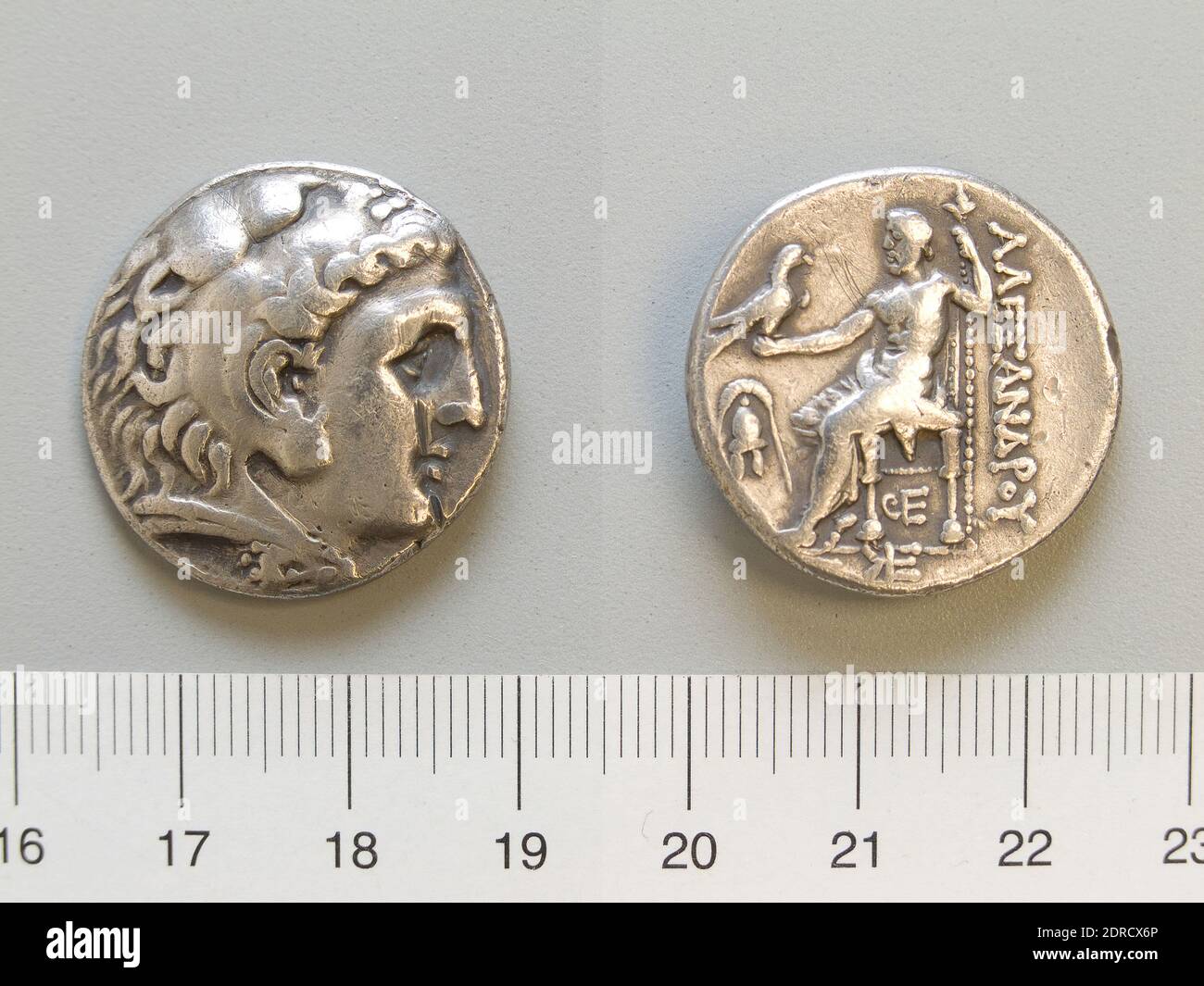
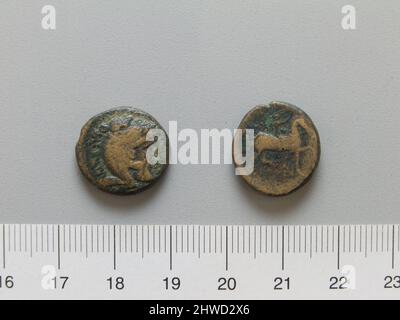
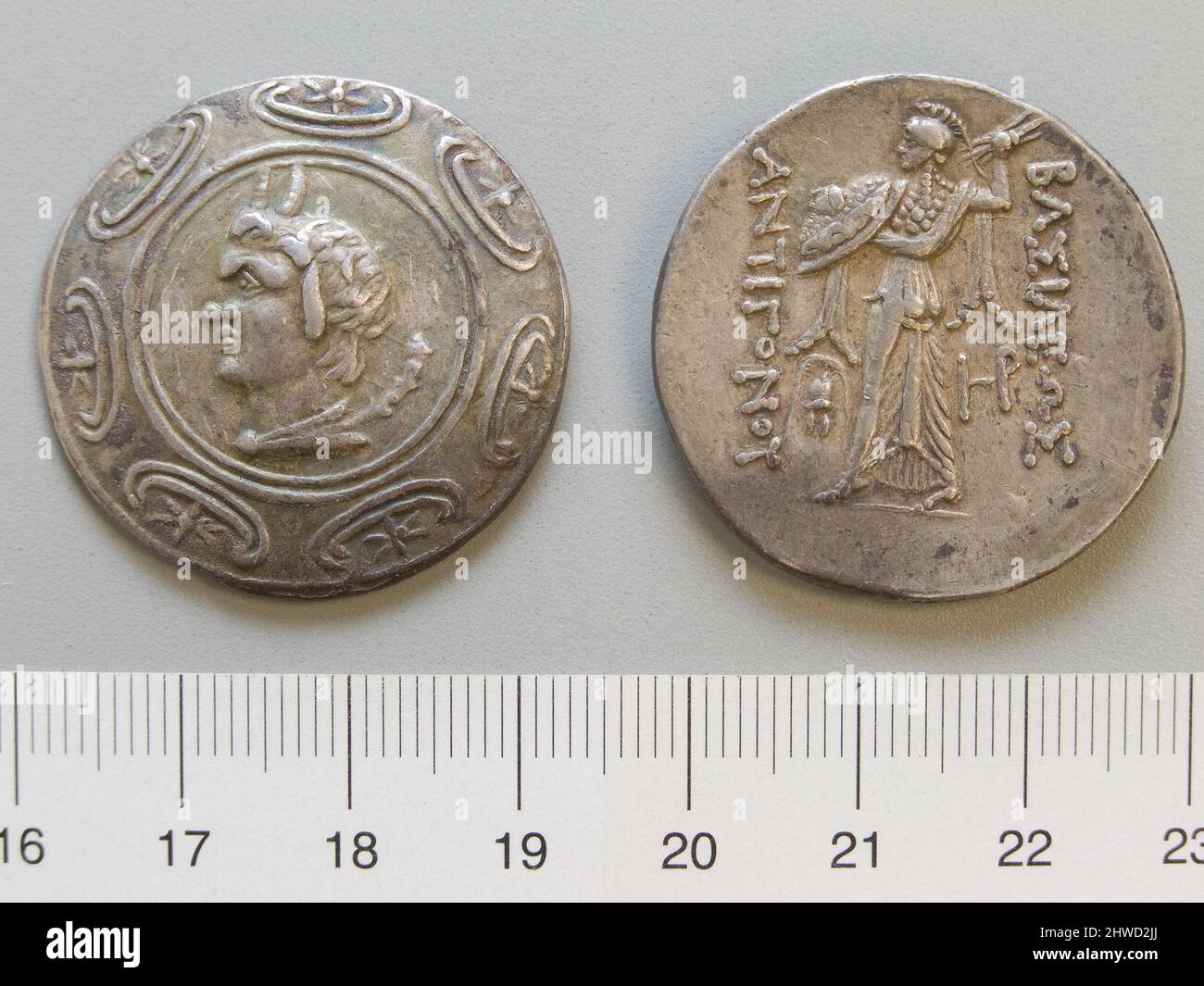
Recent archaeological discoveries, such as coins and inscriptions bearing his image, continue to provide valuable insights into his reign. These findings reinforce his role as a unifying figure who bridged Macedonian and Greek traditions.
Conclusion: The Enduring Legacy of Antigonus II Gonatas
Antigonus II Gonatas left an indelible mark on the Hellenistic world through his military victories, strategic alliances, and cultural patronage. His reign brought much-needed stability to Macedonia and established a dynasty that endured for over a century. By securing key locations like Corinth and Chalcis, he dominated Greece and thwarted external threats from Ptolemy II and the Achaean League.
His support for philosophy and the arts ensured Macedonia's intellectual growth, while his diplomatic skills allowed him to navigate complex power struggles. The Antigonid Dynasty he founded remained a dominant force until Roman conquest in 168 BC, a testament to his enduring influence.
In summary, Antigonus II Gonatas was more than a warrior king—he was a statesman, patron, and visionary leader whose legacy continues to resonate in historical scholarship. His ability to balance strength with wisdom cemented his place as one of the most significant rulers of the Hellenistic era.
Discovering Santorini: A Journey Through Time and Beauty
Santorini, the crescent-shaped island nestling in the azure embrace of the Aegean Sea, is more than just a paradisiacal destination. It is a living tapestry of history, culture, and breathtaking landscapes that lure travelers from all corners of the globe. Famous for its iconic white-washed buildings capped with cobalt-blue domes, this captivating Greek island offers an enchanting blend of natural beauty and rich historical intrigue.
The Geographical Marvel of Santorini
Santorini is part of the Cyclades group of islands, lying to the southeast of mainland Greece. Its unique topography owes its remarkable genesis to a series of volcanic eruptions, the most cataclysmic of which occurred around 1600 BCE. This eruption led to the formation of the giant caldera that now defines Santorini's landscape. The jagged cliffs rising from the sea and the black sand beaches tell the story of these ancient volcanic activities that have shaped the island's dramatic silhouette.
Walking along the cliffside paths of Santorini, visitors are treated to panoramic vistas that are nothing short of mesmerizing. The contrast between the dark-hued rock and the serene Aegean Sea creates an environment that is both stark and stunning. The sunsets, often referred to as the most beautiful in the world, cast a golden glow over the caldera, offering a daily spectacle for those lucky enough to witness them.
The Historical Depths of Santorini
Santorini's history is as captivating as its geography. The island's civilization dates back to the Bronze Age, with the Minoan settlement at Akrotiri standing as a testament to its ancient past. Often referred to as the 'Pompeii of the Aegean', Akrotiri was buried under volcanic ash, which preserved it for centuries. This archaeological site offers a glimpse into a sophisticated society complete with advanced architecture, vibrant frescoes, and intricate pottery that speak to the high level of Minoan culture and technology.
The cataclysmic eruption that occurred in the 17th century BCE had profound effects not only on Santorini but also on the surrounding civilizations. It is believed that this event led to the decline of the Minoan civilization on Crete, and many historians speculate that it may have inspired the legend of Atlantis.
During the classical Hellenistic and Roman periods, Santorini thrived as a strategic maritime hub. However, it wasn’t until the arrival of the Venetians and their subsequent construction of fortresses that the island gained its characteristic architecture, marking a new chapter in its storied history.
Cultural Heritage and Traditions
Santorini is not just about archaeological wonders and scenic beauty. It is a cultural mosaic, with traditions that have been lovingly preserved through the generations. The island is renowned for its wine production, which dates back thousands of years. The unique volcanic soil and the island's microclimate contribute to the distinct flavors of Santorini's wines, particularly the famous Assyrtiko grape variety. Visitors can explore numerous wineries scattered across the island, offering tours and tastings that promise a sensory voyage through Santorini’s viticultural legacy.
Festivals and religious celebrations also form an integral part of the island’s cultural identity. The Feast of Aghios Ioannis, celebrated with traditional music, dance, and food, is a vibrant display of the island's rich heritage. Additionally, local craftsmanship, from pottery to embroidery, reflects the skills and artistic flair of the Santorinians, providing a tangible connection to their ancestral past.
The Allure of Santorini's Villages
While many visitors flock to the island’s capital, Fira, and the world-famous village of Oia, each settlement in Santorini has its charm and story. The village of Pyrgos offers a labyrinth of narrow streets and medieval charm, with views that rival those of its more famous counterparts. Meanwhile, Megalochori, with its traditional architecture and quaint alleyways, presents a quieter, more authentic side of Santorinian life.
Santorini’s villages are not just picturesque settings; they are living communities that embody the resilience and warmth of the island's people. Each village invites exploration, offering unique perspectives on the island's past and present.
Santorini, with its sublime beauty and deep historical roots, is a place where adventure and discovery await at every corner. As we further delve into the island’s allure in the continuation of this article, we will unravel more about its cultural landscape, modern developments, and perhaps the secret behind Santorini's timeless appeal. Stay tuned for more on this enchanting destination.
Exploring the Culinary Delights of Santorini
Santorini's gastronomic offerings are a rich tapestry woven from the island’s unique agricultural landscape, maritime proximity, and centuries-old culinary traditions. The volcanic soil, bathed in abundant sunlight, gifts the island with ingredients that are both unusual and delectable. From sun-kissed cherry tomatoes to tangy capers and the famed Santorini fava beans, the produce here is a testament to the island’s fertile crescent.
At the heart of Santorini's culinary tradition is the emphasis on fresh, local ingredients. The island beckons food enthusiasts to explore a variety of dishes that make full use of what the land and sea provide. One such beloved dish is the 'Tomatokeftedes', or tomato fritters, crispy on the outside and bursting with flavors of the Aegean. When paired with locally produced cheeses and a glass of Santorini wine, it embodies the essence of island cuisine.
Seafood, naturally, plays a prominent role in the local diet. The surrounding Aegean waters are teeming with fresh fish, which are expertly prepared in traditional ways. A visit to any seaside taverna will offer a feast comprising grilled octopus, calamari, and freshly caught fish drizzled with olive oil and lemon. These humble yet exquisite meals provide a direct connection to the island's maritime culture.
The Romance of Santorini's Wine Culture
Santorini's winemaking tradition is heralded among the most unique in the world. The island's dry climate, characterized by long sunny days and cooling breezes, creates a terroir perfectly suited for viticulture. The porous volcanic soil lends a distinctive minerality to the wines, making them unmistakable and much sought after.
At the forefront of Santorini’s wine renaissance is the Assyrtiko grape. Cultivated in the centuries-old basket-shaped vines, this white grape variety yields wines that are crisp, citrusy, and full-bodied. Exploring Santorini's vineyards and experiencing the distinctive taste of Assyrtiko is a rite of passage for oenophiles visiting the island.
Besides Assyrtiko, Vinsanto, a sweet wine made from sun-dried grapes, offers a taste of Santorini's vinous history. Its honeyed flavors perfectly complement the island's desserts and are a testament to the skill and tradition of Santorini’s winemakers. Many wineries offer tours and tastings, where visitors can learn about the winemaking process, from grape to glass, and gain insight into the island’s deep-rooted love affair with wine.
Santorini’s Modern-Day Charm and Sustainability
Despite its rich history, Santorini is not just a relic of the past; it is a vibrant, living island that continues to evolve with the times. In recent years, there has been a significant push towards sustainable tourism and development, as the island strives to preserve its natural beauty and cultural heritage for future generations.
Efforts to promote environmentally friendly practices have seen the rise of eco-conscious hotels, dining establishments, and tour operators focusing on sustainability. Initiatives such as waste recycling, energy-efficient infrastructure, and limiting tourist numbers during peak seasons aim to minimize the ecological footprint of tourism on the island. These measures ensure that Santorini remains a pristine haven for years to come.
Alongside sustainability, innovation is also at the forefront of Santorini's modern transformation. Contemporary art galleries, music festivals, and cultural events now dot the island's calendar, infusing contemporary creativity into the fabric of Santorinian society. Such endeavors are fostering a new wave of interest and passion among locals and visitors alike, ensuring that Santorini remains a dynamic destination.
The Essence of Santorini: A Timeless Journey
To explore Santorini is to embark on a journey that spans time and space. From tracing the footsteps of the ancient Minoans to savoring a glass of Assyrtiko as the sun dips below the horizon, the island offers a seamless blend of past and present. It is a place where history lingers in the air, and the heartfelt hospitality of the Santorinians makes every visitor feel like they are part of something bigger.
The island’s architecture, a harmonious blend of old and new, reflects this timeless quality. The iconic blue-domed churches standing proudly against the backdrop of the Aegean Sea echo a past where tradition and faith were intertwined. Meanwhile, modern accommodations offering luxury and comfort blend seamlessly into the island’s topography, providing a haven for those seeking relaxation.
Santorini is a destination for dreamers, adventurers, and anyone yearning to connect with a true wonder of the world. As we delve deeper into this enchanting island in the upcoming sections, we will explore the hidden gems, local stories, and the indomitable spirit that makes Santorini a place unlike any other. Stay with us as we continue our exploration of this mystical island.
Unveiling Santorini’s Hidden Gems
While the allure of Santorini’s famous caldera views and sunset spots are well-documented, the island harbors a wealth of hidden treasures that promise to enchant those who venture off the beaten path. These lesser-known experiences offer a glimpse into a quieter, more intimate side of the island that often escapes the hurried gaze of tourists.
One such gem is the village of Emporio, tucked away in the heart of Santorini. This charming settlement is characterized by its labyrinthine alleys, medieval castles, and traditional architecture. The Kasteli, Emporio's old fortified castle, provides an intriguing look at the past defenses of the island's inhabitants. As visitors meander through its narrow streets, they are likely to encounter local artisans practicing crafts handed down through generations.
For nature enthusiasts, the rugged beauty of the Profitis Ilias Mountain awaits exploration. At its summit stands the Monastery of Profitis Ilias, offering panoramic views that stretch across the island and beyond. The monastery itself, a quiet sanctuary reflecting the island’s spiritual heritage, offers a peaceful retreat amidst the natural splendor.
Diving into Santorini’s Aquatic Adventures
Beyond the land, Santorini's waters beckon with their own array of wonders. The island’s unique geology creates a fascinating underwater world perfect for exploration by snorkeling or diving. The caldera's depths are home to vibrant marine life, submerged caves, and intriguing rock formations created by ancient eruptions.
For those interested in diving, the volcanic reefs and underwater lava formations provide a unique dive experience that is both thrilling and educational. Snorkelers can enjoy the warm, crystal-clear waters and the mesmerizing dance of the waves above colorful coral beds teeming with fish. Santorini's position within the Aegean Sea makes it an ideal spot for various water sports, including kayaking and sailing, offering exciting ways to experience the island’s coastline from a fresh perspective.
The Spiritual and Healing Aura of Santorini
More than just a feast for the senses, Santorini is often described as a place of transformative experiences. The island possesses an inexplicable allure that draws visitors seeking rejuvenation and inspiration from its tranquil environment. Many have touted the island’s energy as restorative, making it an ideal destination for wellness retreats and spiritual exploration.
The thermal springs of Palea Kameni are a testament to this healing atmosphere. Rich in minerals, these springs have been sought after since antiquity for their therapeutic properties. A dip in these warm, sulfur-infused waters offers a sense of renewal and relaxation, harmonizing body and spirit amidst the natural beauty surrounding them.
Furthermore, Santorini’s inspirational landscape has long served as a backdrop for artists and writers seeking the muse amidst its serene and captivating scenery. The light here, soft and infused with hues of orange and gold, is said to be unlike any other place, enhancing creativity and introspection. Numerous retreats and workshops across the island now cater to those looking to explore or develop their artistic talents in this idyllic setting.
Conclusion: Embracing the Eternal Beauty of Santorini
Santorini, with its multifaceted beauty and storied history, is a place that remains etched in the hearts of those who traverse its landscapes. It is an island where every view is a painting, every stone tells a story, and every moment is suffused with a sense of timeless wonder. Whether basking in the glow of a caldera sunset, tasting the fruits of its land, or uncovering its hidden corners, visitors form indelible memories that linger long after they have departed its shores.
The allure of Santorini lies in its ability to be many things to many people: a romantic retreat, a historical journey, a spiritual haven, and an adventurer's playground. It is an invitation to discover, to dream, and to fall in love with the magic that this Greek jewel has to offer.
Through its commitment to preserving tradition while embracing the future's possibilities, Santorini stands as a testament to the enduring spirit of its people and its position within the narrative of time. As we conclude our exploration of this enchanting island, let Santorini inspire journeys of discovery far beyond the horizon, where the legacy of the past and the promise of the future continue to converge in breathtaking harmony.




Exploring the Depths of Time: The Antikythera Mechanism
Mystery shrouds the turbulent waters of the Aegean Sea, historically teeming with trade, conquest, and discovery. The island of Antikythera, a rocky outcrop between Crete and the mainland of Greece, became an epicenter of archeological intrigue when, in 1901, an artifact of astounding ingenuity was plucked from its depths. This artifact, known as the Antikythera Mechanism, challenges our understanding of ancient technology and highlights the sophistication of pre-modern civilizations.
The Antikythera Mechanism, often hailed as the world's first known analog computer, was retrieved from a Roman-era shipwreck by sponge divers. This extraordinary machine, composed of at least 30 intricate bronze gears fitted into a wooden casing, manifested the high level of technical and scientific craftsmanship achieved over two millennia ago.
Dated around 100 to 150 BC, the device’s purpose was initially a conundrum, its corroded gears and inscriptions hidden by centuries of calcification in the saltwater grave. However, subsequent decades of study have shed light on its function: the mechanism was a complex computational device that could predict astronomical positions and eclipses for calendrical and astrological purposes.
Upon closer examination, scholars have discerned that it may also have been used to track the four-year cycle of athletic games similar to the Olympics. This is a striking illustration of how technology and culture were deeply entwined in ancient Greece. The mechanism is essentially a physical embodiment of ancient Greek knowledge of the heavens, reflecting an understanding of celestial bodies that defies the commonly held belief that such complex movements could only be computed by later astronomers such as Ptolemy.
The level of miniaturization and complexity of the Antikythera Mechanism’s gears, with teeth as fine as one millimeter, is reminiscent of technology developed in the 18th century—the period when similar devices appeared in Europe. It begs the question: If such sophistication existed in Hellenistic times, could there have been other technological marvels that, due to the vicissitudes of time, remain undiscovered, or were never even recorded in archaeological or historical annals?
Researchers approaching this conundrum must act as detectives, piecing together the puzzle by analyzing both the mechanism itself and ancient texts. One key figure whose work relates closely to the mechanics of the Antikythera device is Archimedes, the renowned mathematician and engineer of the Hellenistic period. Although the device cannot be directly attributed to him, his known inventions and writings provide insight into the theoretical underpinnings that could have led to the creation of such a sophisticated machine.
Understanding the Antikythera Mechanism also compels historians to reconsider the societal structures that allowed for its creation. It is evident that there was substantial investment in acquiring knowledge of astronomy, mechanics, and mathematics. Such an investment likely indicates the existence of an elite class that not only valued knowledge but also had the wealth to commission and support the creation of such an exquisitely complex apparatus.
As we continue to decode the secrets of the Antikythera Mechanism, we also begin to construct a new narrative about the capabilities and priorities of ancient societies. This extraordinary find does not just offer a glimpse into advanced technical skills of the time; it also raises the curtain on a world where scientific knowledge was both highly prized and intertwined with everyday life, politics, and religion. The device stands out not only for its own intricacy but for what it implies about the world it came from—a world of sophisticated knowledge and technological capability that, even in its fragmentary state, continues to provide invaluable insights into the ancient past.
In a modern age where digital technology progresses at a lightning-fast pace, encountering the intricacies of the Antikythera Mechanism serves as a humbling reminder of the enduring human quest to understand the cosmos and to measure the passage of time with precision. As research progresses, our appreciation of this astonishing artifact deepens, and we can only wonder what other revelations about our ancestors await discovery on the seabed or buried within the earth.The Odyssey of the Antikythera Mechanism: Uncovering its Legacy
The journey to unravel the mysteries of the Antikythera Mechanism continues as modern technology meets ancient innovation. Deciphering its workings is not just an academic pursuit but a channel through which we converse with history. The artifact symbolizes a nexus point where human curiosity, ingenuity, and the thirst for knowledge merge to overcome the perceived boundaries of their epoch.
Current research leverages advanced imaging techniques such as 3D X-ray scanning and computer modeling to delve deeper into the inner workings of the mechanism. These methods have unveiled features undetectable to the naked eye, revealing the true complexity of the device. The inscriptions, a kind of user's manual etched onto the surface, are being deciphered, providing further context to its use. Each line, each gear, each turn of the mechanism offers a word in an ancient discourse, gradually piecing together a dialogue about the nature of the cosmos.
The interdisciplinary efforts involving historians of science, astronomers, mechanical engineers, and philologists testify to the importance of cross-field collaboration in reconstructing the machine's design and purpose. This collective endeavor is reconstructing not just the physical model but also the cosmological and mathematical theories of ancient Greece to which the mechanism is inextricably linked.
One of the most striking aspects revealed by the Antikythera Mechanism is the level to which the movements of the heavens were tracked and predicted by the ancients. The gears represent a miniature cosmos, with concentric rings and revolving pointers denoting the movement of the moon, sun, and planets known to the Greeks. It would have displayed the Saros cycle, an 18-year period after which eclipses repeat, essential for both calendrical predictability and, likely, astrological interpretation.
Yet, one must ponder why such an elaborate device was aboard a ship bound for Rome. It suggests that this knowledge, encapsulated in bronze and wood, was valuable enough to be transported—perhaps as a gift, a teaching tool, or a treasure to display the prowess of Greek science. It symbolizes the transmission of knowledge across cultures, a testament to a vibrant Mediterranean world where intellectual achievements were esteemed commodities.
As historiography develops, the story of the Antikythera Mechanism questions the linear nature often ascribed to technological progress. The machine serves as evidence that the technological achievements of the past were not steadily increasing but ebbing and flowing, subject to the fortunes of societies that bore them. The so-called 'Dark Ages' may have seen the loss of many such technologies only to be redeveloped or discovered anew centuries later.
Furthermore, the Mechanism opens a dialogue on the education and dissemination of knowledge in ancient times. How many individuals were capable of understanding, let alone constructing such a device? Was this knowledge kept within a tight-knit circle of learned elite, or was there a broader societal valuation of scientific pursuits? These questions relate directly to the ecosystem in which something like the Antikythera Mechanism could not only be conceived but manufactured.
The Antikythera Mechanism also reminds us of the inextricable link between science and the humanities. Through its study, we are reminded that the technology of ancient cultures was not just a practical aid but was imbued with cultural, religious, and philosophical significance. The stars and planets it tracked were subjects of mythology and worship, and their motions were woven into the fabric of daily life and worldview.
As historians and scientists forge ahead, the Antikythera Mechanism continues to be a source of inspiration. It stands as a testament to the achievements of the ancients, urging modern scholars to appreciate the sophistication of pre-modern technology. It challenges the misconception of historical foregone eras as simplistic or primitive and demonstrates the intricate interplay between different spheres of cultural and scientific life.
In conclusion, the Antikythera Mechanism is not just an ancient relic; it's a messenger from the past, carrying tales of human intellectual endeavor. With each gear that is understood, we refine our vision of history and gain a greater appreciation for the ancient world’s capacity to innovate and astound. It propels us to continue exploring our own technological and scientific frontiers with the same fervor embodied in this remarkable artifact. Just as the Mechanism once tracked celestial bodies across the heavens, so too does it guide us in our quest to chart the expanse of human history and achievement.
![[2207.12009] The reconstruction of the Antikythera Mechanism ... - Exploring the Depths of Time: The Antikythera Mechanism](https://static.arxiv.org/static/browse/0.3.4/images/arxiv-logo-fb.png)

