The Art of Character Development: Breathing Life into Cinema
The magic of cinema lies not merely in its visual spectacle but in its ability to present fully fleshed-out characters who captivate audiences and linger in their minds long after the credits roll. Character development is the backbone of narrative storytelling; it encompasses the growth, transformation, and molding of a character over the course of a film. This process transforms mere names on a script page into living, breathing entities that engage audiences emotionally and intellectually.
Understanding Character Development
Character development can be defined as the gradual unveiling and growth of a character's personality, motives, and relationships throughout a story. This evolution is often the driving force behind a movie's plot, guiding the narrative organically through the protagonist's decisions and interactions with the world around them. Well-developed characters not only enhance a film’s storyline, but they also add layers of complexity that can elevate a story from trivial to transformative.
A crucial aspect of character development is its ability to resonate with the audience. Viewers experience empathy and see reflections of their own lives and struggles in these characters, instantly creating a connection. Characters with depth and authenticity have the power to touch on universal truths and emotions, offering viewers the opportunity for introspection or escapism. Through this process, even characters found in fantastical or surreal settings become relatable, as audiences find pieces of humanity within them.
The Framework of Good Character Development
The journey towards creating compelling characters often begins with two core elements: backstory and motivation. A well-crafted backstory provides a foundation for understanding who the character is at the beginning of the movie, offering hints at their past experiences, habitual reactions, and inherent values. This background context is vital as it shapes the character's decisions and relationships throughout the film, imbuing the narrative with realism and depth.
Motivation is an equally essential factor in character development. It answers the question of "why" the character behaves the way they do, driving their actions and decisions. Whether their motivation stems from fear, love, ambition, or revenge, these guiding factors compel the character to evolve as they overcome obstacles and respond to challenges. As the plot unfolds, characters may face conflicts that test their beliefs and goals, prompting growth and transformation. These moments are often the crux of their journey, providing the audience with cathartic or thought-provoking resolutions.
The Role of Conflict and Growth
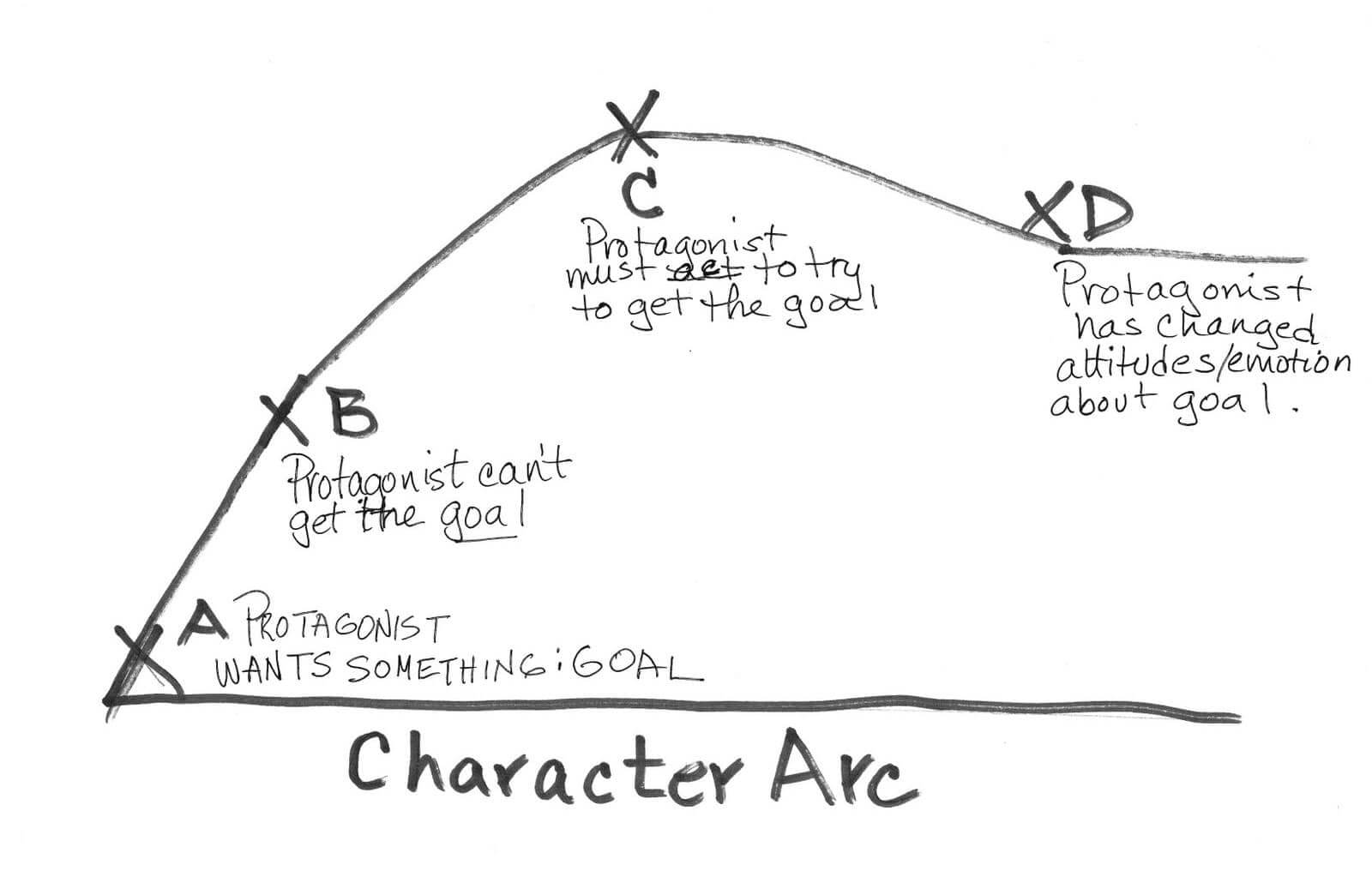
Conflict is the catalyst for change and growth within a character. It is through conflict—whether internal or external—that characters are forced to confront their limitations, challenge their preconceived notions, and, ultimately, grow. Internal conflicts are battles fought within the character's psyche—questions of identity, morality, and loyalty that each character must navigate. These conflicts add depth to the character, making them more relatable and compelling.
External conflicts, on the other hand, involve the character's struggles with outside forces, be it individuals, societal norms, or circumstances. How a character navigates these external obstacles often reveals much about their resilience and adaptability, further shaping their development. Together, internal and external conflicts contribute to a character arc that is both believable and engaging, fuelling the narrative and propelling the character toward resolution.
Subtext and Nuance in Character Development
Subtext and nuance are integral tools in character development, allowing writers and directors to imbue characters with subtlety and sophistication. Through subtext, filmmakers convey meanings and emotions beneath the surface of the dialogue and actions. This technique allows audiences to peek into the unspoken thoughts and hidden motivations of a character, offering layers of complexity that enrich the viewing experience.
Nuance involves the delicate crafting of a character’s personality quirks, mannerisms, and speech patterns, rendering them more lifelike. Subtle details such as a habitual gesture or a particular way of speaking can reveal a wealth of information about a character’s inner world. These nuances contribute to a character’s individuality, allowing them to stand out and occupy a unique space within the narrative.
By weaving subtext and nuance into character portrayals, filmmakers enable audiences to experience emotional highs and lows alongside the characters. Viewers are invited to read between the lines, deepening their investment and understanding of the character's journey.
As we explore the complexities of character development further, we will delve into the transformative arcs of iconic cinematic characters, examining how their rich narratives have left indelible marks on the world of cinema. Stay tuned as we continue to uncover the secrets behind crafting timeless characters that resonate and endure.
Iconic Examples of Character Development in Cinema
To truly appreciate the impact of character development on cinema, it is instructive to examine the journeys of some of the most iconic characters in film history. These characters, beloved and studied for their complexity and growth, have set the benchmark for character development, each offering valuable insights into the craft.
One exemplary study in character development is Michael Corleone in "The Godfather" trilogy. Initially presented as a reluctant outsider to his family's mafia operations, Michael's transformation into a powerful and feared boss is a masterclass in character evolution. His journey is rife with internal conflicts and moral quandaries, as he grapples with familial loyalty and personal ambition. The nuanced portrayal of his gradual descent into ruthlessness showcases the profound impact of external pressures and personal choices on a character's development.
Similarly, another powerhouse of character transformation is seen in the character of Rocky Balboa from the "Rocky" film series. From an underdog boxer striving to prove his worth to a seasoned, introspective champion, Rocky's journey encapsulates perseverance and resilience. His character's growth is punctuated by triumphs and setbacks, reflecting an authentic and relatable human experience. Through Rocky's eyes, audiences witness the quintessential "hero’s journey," complete with self-discovery and redemption.
The Influence of Supporting Characters
While the protagonist’s journey is central to character development, supporting characters play a vital role in shaping that journey. They serve as catalysts, sounding boards, and sometimes antagonists, pushing the protagonist toward growth. Through their interactions, they help illuminate different facets of the main character's personality, often instigating change that propels the narrative forward.
Take, for instance, the character of Samwise Gamgee in "The Lord of the Rings" trilogy. As Frodo Baggins' steadfast companion, Sam serves as an emotional anchor and moral compass, providing both strength and vulnerability to Frodo's imposing mission. Sam's unwavering loyalty and love not only strengthen Frodo’s resolve but also highlight Frodo’s internal struggles and moments of weakness, deepening the viewer’s understanding of both characters.
In "Breaking Bad," the dynamic relationship between Walter White and Jesse Pinkman offers another compelling study of how supporting characters influence development. Jesse's evolution from a lackadaisical street dealer to a person burdened with moral dilemmas is intricately linked to Walter's transformation. The interaction between the two characters creates a complex, multidimensional narrative that explores themes of power, morality, and the consequences of choice.
The Visual and Technical Aspects of Character Development
Character development in cinema isn't solely reliant on script and acting. Visual and technical storytelling elements significantly amplify and enhance a character's journey. Cinematography, costume design, and score are just a few tools filmmakers wield to depict the nuances of character growth.
Cinematography, for instance, uses framing, lighting, and camera angles to reflect a character's emotional states and transformations. In "Mad Max: Fury Road," the striking visual representation of Imperator Furiosa's determined journey is amplified through tight, intense close-ups and sweeping, barren landscapes that mirror her internal struggle for emancipation.
Costume design also plays a pivotal role in illustrating character development. Through choices in attire, filmmakers can convey a character’s progress, shifts in status, or internal conflicts. The metamorphosis of Elle Woods in "Legally Blonde" is cleverly accentuated through her wardrobe choices, which evolve from lighthearted and bubbly to sophisticated and assertive, mirroring her journey from a presumed superficiality to a forthright determination.
Moreover, a film’s score can subtly underscore a character's journey, providing emotional depth to pivotal moments. In the "Harry Potter" series, John Williams' iconic theme for Harry weaves throughout, evolving in complexity and intensity as Harry matures and confronts darker challenges. The music serves as an audial representation of his growth from a wide-eyed boy to a determined hero.
The Collaborative Effort Behind Character Development
The creation of richly developed characters is a collective effort involving screenwriters, directors, actors, and crew, all striving to create a coherent and evocative narrative. While the writer provides the blueprint with the script, it is the director's vision that breathes life into the character, shaping performances and guiding the tone and pacing of the film.
Actors contribute their craft, delving into their character’s psyche to deliver performances that resonate authenticity. In his portrayal of Travis Bickle in "Taxi Driver," Robert De Niro famously prepared extensively, adopting the mannerisms and speech patterns that made Travis a believable, complex character. Such dedication enhances the believability of a character’s transformation, inviting audiences to immerse themselves in the experience.
The collaborative relationship between these key players results in characters that not only serve the narrative but also reflect profound human truths. It is through this collective endeavor that characters transcend fiction, becoming icons of cultural and emotional significance.
As character development continues to evolve within the cinematic landscape, so too does our understanding and appreciation of its artistry. We will explore further examples and delve deeper into how these crafted arcs redefine storytelling, demonstrating cinema's enduring power to create profound connections through character.
Character Development in Emerging Cinematic Voices
While classic cinema offers rich lessons in character development, emerging filmmakers are pushing boundaries, exploring new narrative forms and character arcs that reflect contemporary issues and diverse experiences. This evolution signifies an exciting shift in storytelling, as characters from various backgrounds and cultures are given center stage, offering fresh perspectives and narratives.
Films like Barry Jenkins' "Moonlight" provide a poignant exploration of character development through the lens of identity and societal influences. The film uniquely portrays the life of Chiron, a young African-American man coming to terms with his identity and sexuality. Through a tripartite structure, Jenkins explores pivotal moments in Chiron's life, each segment unveiling new layers while connecting seamlessly to form a cohesive narrative. This structure allows the audience to witness Chiron's evolution in a manner that feels intimate and authentic, highlighting how factors like environment and personal relationships influence individual growth.
Greta Gerwig's "Lady Bird" similarly offers a fresh take on character development through the coming-of-age story of Christine "Lady Bird" McPherson. The film delicately balances humor and pathos, capturing the nuances of adolescence and the pursuit of self-definition. Gerwig's nuanced direction and the film's authentic dialogue create a character whose journey resonates with universal themes of aspiration, belonging, and familial dynamics.
The Future of Character Development in Cinema
As filmmakers continue to innovate, the future of character development in cinema promises even richer and more varied narratives. Technological advancements offer new tools for storytelling, enabling filmmakers to create multidimensional characters in unique and immersive ways. Virtual reality (VR) and augmented reality (AR) present exciting possibilities for character exploration, allowing audiences to engage interactively with characters and their environments, experiencing their journeys from a first-person perspective.
Character development is also likely to benefit from the growing emphasis on inclusivity and representation in the film industry. As diverse voices gain prominence in filmmaking, audiences can expect to encounter characters whose lives and struggles reflect a wider range of cultural, social, and personal narratives. This shift fosters empathy and understanding across different communities, enhancing the emotional and social impact of film.
Moreover, as storytelling techniques continue to evolve, there is increasing interest in non-linear narratives and fragmented storytelling approaches. These methods challenge traditional character arcs in exciting ways, allowing for stories that explore memory, identity, and perception in creative formats. Films like Christopher Nolan's "Memento" have already laid the groundwork for such experimentation, offering a kaleidoscopic view of character psyche and development.
Conclusion: The Everlasting Journey of Character Development
Character development remains an indelible component of cinematic storytelling, artfully weaving together the threads of narrative, emotion, and human experience. It is through the growth and evolution of characters that filmmakers can explore profound themes, challenge societal norms, and ultimately foster deeper connections with their audiences.
The craft of character development requires a delicate balance of storytelling elements—from compelling backstories and motivations to the effective use of subtext and supporting characters. It demands a collaborative effort among writers, directors, and actors to bring authentic and memorable characters to life. As the cinematic landscape continues to evolve, driven by innovation and inclusivity, it promises to usher in a new era of character-driven narratives that resonate on both a personal and universal level.
The journey of character development is a reflection of our own human experience—a constant negotiation between who we are, who we aspire to be, and the myriad of influences that shape us. As audiences, we are drawn to characters that mirror our triumphs and struggles, offering solace, inspiration, or a mirror to our own lives. In the hands of skilled filmmakers, characters possess the power to transcend the screen, inviting us into worlds where we explore, empathize, and engage.
Ultimately, the timeless appeal of character development lies in its ability to tell stories that are deeply personal yet universally relatable, stories that capture the complexity and beauty of what it means to be human. Whether these characters exist in meticulously crafted period dramas or cutting-edge digital landscapes, their journeys continue to shape the art and future of cinema, inviting us, time and time again, to embark on new adventures of discovery and transformation.

Top Indie Film Directors Shaping the Future of Cinema
The world of independent cinema has long been a breeding ground for innovation and creativity, providing filmmakers with the freedom to explore narratives that might be overlooked by mainstream studios. In any list detailing the top indie film directors, there's bound to be a diverse array of styles and stories as each director brings a distinct voice and perspective to the screen. These filmmakers have challenged traditional filmmaking norms, ultimately shaping the future of cinema. Let's delve into the profiles of some of the most influential indie film directors whose work continues to inspire audiences globally.
Greta Gerwig
Greta Gerwig has firmly established herself as a formidable force in the indie film realm. Initially known for her acting roles in films like "Frances Ha" and "Mistress America," Gerwig made a seamless transition into directing. Her debut feature, "Lady Bird," was a critical success, earning her an Academy Award nomination for Best Director. Known for her sharp dialogues and compelling, authentic representations of womanhood, Gerwig's films often explore the complexities of personal growth and relationships among young women. Her unique voice resonated deeply with audiences, making her a standout in independent filmmaking.
Barry Jenkins
Barry Jenkins gained widespread recognition with his Oscar-winning film, "Moonlight." Long before this monumental success, Jenkins honed his craft through atmospheric short films and his first feature, "Medicine for Melancholy." Jenkins' work effortlessly combines profound storytelling with striking visual aesthetics. His films challenge societal norms while providing insight into the nuances of African-American identity and experience. Jenkins' ability to blend storytelling with visual poetry has cemented his place as a significant figure in independent cinema.
Sean Baker
Sean Baker is an indie filmmaker known for his groundbreaking work with unconventional shooting techniques and bold storytelling. With films like "Tangerine," which was famously shot on an iPhone, and the critically acclaimed "The Florida Project," Baker captures the raw essence of his subjects. His talent lies in highlighting the beauty and struggles of everyday life through the lens of individuals on the margins of society. Baker's intimate portrayal of his characters' realities has earned him praise, as he continues to carve a niche in the indie film landscape.
Chloé Zhao
Chloé Zhao has swiftly become a prominent name in both independent and mainstream cinema. Her films, such as "Songs My Brothers Taught Me" and "The Rider," are marked by their profound introspection and breathtaking cinematography. Zhao has a gift for blending fictional narratives with documentary-style storytelling, often exploring themes of identity, displacement, and the American West. Her ability to capture the subtle beauty in simplicity has garnered significant attention, paving the way for her to direct Marvel’s critically acclaimed "Eternals." Zhao’s work exemplifies the power of indie film directors to transcend traditional genres, influencing major studios in the process.
Robert Eggers
Robert Eggers is the mind behind the atmospheric horror films "The Witch" and "The Lighthouse." His distinctive approach to horror is characterized by meticulous attention to period detail and a focus on psychological depth, setting him apart from directors in the mainstream horror genre. Eggers' commitment to authenticity in storytelling and environment creates immersive worlds that leave audiences pondered and unsettled. His success in transforming historical narratives into visceral cinematic experiences marks Eggers as a pivotal figure in indie horror.
These directors exemplify the power and diversity of voices in the independent film industry. They challenge conventional storytelling, using film as a medium to explore complex themes that resonate on both personal and societal levels. As indie filmmakers continue to push boundaries and innovate, their work remains at the forefront, shaping not only the future of indie cinema but also influencing the broader landscape of film as a whole.
The Enigmatic World of Experimental Films
In the vast universe of cinema, with its myriad genres and narratives, experimental films often stand apart as enigmatic, provocative, and avant-garde creations. They challenge our perceptions, defy conventional storytelling, and invite audiences into a realm where imagination reigns supreme. The world of experimental films is a testament to the creativity and the boldness of filmmakers who dare to redefine the boundaries of cinematic art.
A Brief History of Experimental Cinema
Experimental cinema has its roots steeped deeply in the early 20th century. Emerging as a form of resistance against the established norms of mainstream cinema, these films sought to explore new storytelling techniques, aesthetics, and thematic representations. The movement first gained momentum with the European avant-garde movement, where artists and filmmakers like Luis Buñuel and Salvador Dalí created works that pushed the boundaries of what visual storytelling could be.
In 1929, Buñuel and Dalí’s collaboration resulted in "Un Chien Andalou," a silent film that became a manifesto of surrealism in cinema. Its dreamlike sequences, lack of logical plot, and stunning imagery showcased the true spirit of experimental filmmaking—innovation and a desire to evoke emotion rather than convey a linear story.
Characteristics of Experimental Films
Unlike the polished narratives of commercial cinema, experimental films often embody a raw and unapologetic form of expression. These films frequently employ techniques such as non-linear storytelling, abstract imagery, and innovative soundscapes to transcend traditional filmic structures. They can be silent or sound; black and white or color; feature a distinct visual style; and often include elements like repeated shots, superimpositions, and fragmented or non-existent dialogue.
Experimental filmmakers often use film as a medium for personal exploration and philosophical questioning. They delve into abstract concepts like time, space, identity, and perception, often crossing boundaries with other art forms such as painting, music, and theater. The result is an immersive experience that can be as bewildering as it is enlightening.
Influence and Impact on Modern Cinema
The impact of experimental films on modern cinema is profound and multifaceted. Many filmmakers in the mainstream industry draw inspiration from the techniques and bold narratives of experimental cinema. Directors like David Lynch, Terrence Malick, and Christopher Nolan, revered for their distinctive storytelling styles, owe a significant debt to the path paved by experimental pioneers.
Films such as Lynch's "Eraserhead" or Malick's "Tree of Life" display experimental elements through their non-linear narratives and ethereal visual styles. These works challenge audiences to engage actively with the material, encouraging interpretation and discussion, much like the experimental films that inspired them.
The Role of Technology in Experimental Films
In recent years, technological advancements have expanded the possibilities for experimental filmmakers. Digital media, virtual reality, and augmented reality offer new tools for creators to explore innovative artistic expressions. The democratization of film production technology allows more voices to be heard, giving rise to diverse interpretations and narratives within experimental cinema.
Filmmakers now have access to sophisticated editing software and digital effects, enabling them to create complex structures and visuals previously unimaginable. These advancements not only permit the blending of traditional techniques with digital innovations but also foster new forms of audience interaction, thereby expanding the definition and reach of experimental film as an art form.
Closing Thoughts
Experimental films serve as a constant reminder of cinema's potential to transcend its own boundaries. While these films may not always seek to entertain in a conventional sense, they enrich the cinematic landscape by challenging viewers to think critically and feel deeply. As digital technology continues to evolve, the world of experimental cinema is poised for even greater innovation, promising to keep the torch of creative liberation alive for generations to come.


The Pioneers of Cinematography: A Journey Through Time
The world of cinema, a realm brimming with creativity, emotion, and visual storytelling, owes much of its mystical allure to the trailblazers of cinematography. These pioneers, with their groundbreaking techniques and innovations, transformed moving pictures into an art form that continues to evolve today. This article dives into the fascinating lives and contributions of some of the most influential figures in cinematography whose legacies still shine brightly on the silver screen.
The Lumieres: Visionaries of Motion Pictures
At the heart of the origins of cinematography lies the French duo, Auguste and Louis Lumière. The Lumière brothers, often hailed as the fathers of cinema, introduced the world to the Cinématographe in 1895. This innovative device, which combined a camera, printer, and projector into one, revolutionized how stories were captured and displayed. Their short film, "L'Arrivée d'un train en gare de La Ciotat," left audiences in awe and laid the groundwork for future filmmakers to explore narrative cinema.
Georges Méliès: The Magician of Film
While the Lumière brothers introduced the world to the possibilities of film, it was Georges Méliès who brought the magic. A former magician turned filmmaker, Méliès was notorious for his inventive use of special effects, set design, and narrative structure. His seminal work, "A Trip to the Moon" (1902), is celebrated for its imaginative storytelling and groundbreaking use of cinematic techniques like multiple exposures and time-lapse photography. Méliès inspired generations, proving that film was not just a medium for recording reality, but a canvas for dreaming.
D.W. Griffith: The Innovator of Modern Filmmaking
As the early 20th century rolled in, American director D.W. Griffith emerged as a pivotal force in shaping modern filmmaking. Known for "The Birth of a Nation" (1915), Griffith pioneered narrative cinema by employing innovative techniques such as cross-cutting, close-ups, and large-scale battle scenes. Despite the controversial nature of some of his material, his contributions to cinematic language cannot be overstated. Griffith demonstrated the power of film as a medium for complex storytelling and social commentary.
Sergei Eisenstein: The Master of Montage
In the realm of editing, few names hold as much sway as Sergei Eisenstein. This Soviet filmmaker crafted the potent theory of montage, illustrating how juxtaposing disparate images could evoke powerful emotions and convey complex ideas. His film "Battleship Potemkin" (1925) remains a quintessential example of this technique, especially the iconic Odessa Steps sequence. Eisenstein's work paved the way for future generations of filmmakers to explore rhythm, pacing, and emotional depth through editing.
Oscar Micheaux: The Pioneer of African-American Cinema
Moving into the heart of 20th-century filmmaking, Oscar Micheaux stands out as a seminal figure in African-American cinema. Not only was he the first major African-American feature filmmaker, but his work also challenged racial barriers and stereotypes prevalent in Hollywood at the time. Micheaux's films like "Within Our Gates" (1920) addressed themes of racial injustice and discrimination, showcasing his dedication to portraying authentic African-American experiences. Micheaux's pioneering spirit laid a foundation for diversity and representation in the industry.
The Influence of Technological Innovation
Beyond individual visionaries, the evolution of cinematography has been inextricably linked with technological advancements. From the introduction of synchronized sound in "The Jazz Singer" (1927) to the vibrant revolution of Technicolor in films like "The Wizard of Oz" (1939), technology continuously redefined what was possible. The ongoing transition from traditional celluloid to digital filmmaking continues to propel cinematography into uncharted territories, allowing modern pioneers to push creative boundaries.
The first chapters of the history of cinematography are rich with creativity, daring advancements, and visionary individuals determined to explore the potential of moving images. These early pioneers laid the foundation upon which today’s films are built, proving that cinema is not only an art form but a constantly evolving medium. As we reflect on these luminary figures, it’s essential to recognize that their innovations have inspired countless filmmakers and continue to influence the cinematic experiences cherished by audiences around the globe.