The Evolution and Impact of Ethereum: Revolutionizing the Blockchain Landscape
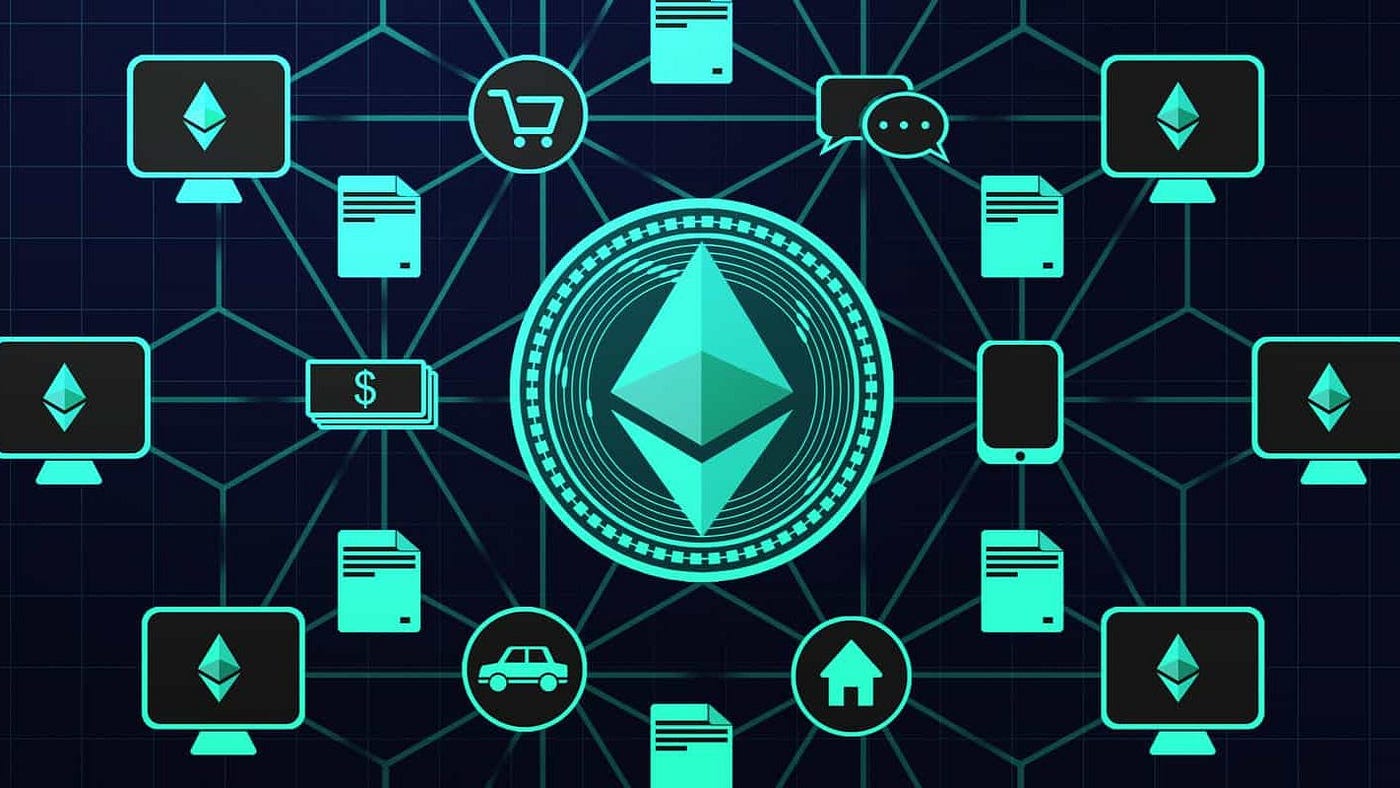
Ethereum, often described as the second-largest by market capitalization after Bitcoin and one of the most influential projects in the cryptocurrency world, has had a profound impact on the blockchain and decentralized finance (DeFi) landscapes. Since its launch in 2015, Ethereum has continually evolved, serving not just as a platform for digital assets but also as a foundational technology that powers decentralized applications (DApps), digital identity verification systems, and even entire economies.
The Genesis of Ethereum
Ethereum was created by Vitalik Buterin, a Russian-Canadian programmer, and co-founder of Bitcoin Magazine. Originally intended to be a platform for executing code using a smart contract-based system, Ethereum offered a scalable solution for running decentralized applications on a secure network. Unlike Bitcoin, which primarily functions as a store of value and medium of exchange, Ethereum introduced the concept of programmable blockchain, enabling developers to build and deploy custom applications directly on the blockchain.
The initial release of Ethereum came with substantial challenges, including scalability issues and transaction confirmations that sometimes took several minutes. Over time, the Ethereum Foundation, which manages the project, has worked to address these concerns through various updates and upgrades.
The Role of Smart Contracts
A cornerstone of Ethereum's innovative design is the concept of smart contracts—self-executing contracts with the terms of the agreement directly written into code on the blockchain. These contracts operate under predetermined rules stored on the Ethereum network, allowing them to automatically execute when conditions are met without intermediaries. This feature has been a driving force behind the decentralization revolution.
Smart contracts have numerous applications beyond financial transactions. They can facilitate anything from automating insurance claims, voting systems, and supply chain management to managing digital assets such as NFTs (Non-Fungible Tokens). NFTs on Ethereum allow creators to grant ownership and provenance to unique items, such as art pieces or collectibles, ensuring authenticity and traceability.
Beyond Initial Coin Offering (ICO) and Decentralized Finance (DeFi)
In the early days, Ethereum gained notoriety for its role in facilitating Initial Coin Offerings (ICOs). ICOs allowed new blockchain projects to raise funds directly from investors by issuing tokens in exchange for ether (the native cryptocurrency of Ethereum). However, while ICOs were initially praised for their potential to democratize financial services, they also faced significant challenges, including regulatory scrutiny and security vulnerabilities that led to notable scams.
Despite these early issues, Ethereum's core strengths in smart contract capability and decentralization paved the way for the emergence of DeFi. DeFi applications built on Ethereum provide financial services such as lending, borrowing, and trading without the need for traditional banks or financial intermediaries.
Key DeFi protocols like Uniswap, Compound, and Aave have redefined the decentralized finance space, offering users direct access to a wide range of financial tools. These platforms utilize Ethereum’s gas fees mechanism to manage transaction costs and security, allowing for near-instantaneous and low-cost operations even during periods of high network activity.
Challenges and Innovations
Ethereum faces several challenges as it continues to scale and adapt to evolving market demands. One primary issue is transaction scalability, as Ethereum’s blockchain struggles to handle a large volume of transactions in a timely manner. To address this, Ethereum has implemented major upgrades such as the Casper protocol to transition to proof-of-stake consensus, reducing energy consumption and improving efficiency. Additionally, initiatives like Optimistic Rollups and Validium promise to enhance transaction throughput while maintaining security and reliability.
User experience remains another critical aspect of Ethereum’s growth. High gas fees remain a significant barrier for some users, especially in periods of network congestion. Efforts such as the development of Layer 2 solutions aim to offload transactions off the main blockchain, thereby reducing fees and increasing throughput.
The security of Ethereum is another focus area, with the ongoing transition to a proof-of-stake consensus mechanism designed to improve both security and sustainability. The move away from energy-intensive proof-of-work is not only beneficial for the environment but also aims to prevent attacks that could compromise the network.
Funding and Funding Sources
Funding for Ethereum development and community activities comes from multiple sources. Notably, Ethereum is open source and relies significantly on community contributions. However, there is also funding derived from institutional investors, venture capitalists, and non-profit organizations dedicated to advancing the blockchain ecosystem.
The Ethereum Foundation plays a crucial role in managing these funds and facilitating development. Projects like GETH (Go implementation of the Ethereum Virtual Machine) and Parity (Rust implementation) receive support for their continued development, ensuring the longevity and robustness of the Ethereum network.
Additionally, numerous grants programs and crowdfunding initiatives have emerged to support innovative projects on the Ethereum network. These programs encourage a diverse range of ideas and applications, fostering creativity and innovation within the DeFi and broader blockchain communities.
Roadmap and Future Outlook
Ethereum’s roadmap for the future is ambitious, encompassing several major updates and improvements aimed at enhancing performance, expanding functionality, and increasing user adoption. The Ethereum 2.0 upgrade, officially launched in December 2022, marked a significant milestone by transitioning parts of the network to a proof-of-stake model. Additional components of ETH 2.0 include shard chains and increased security features, all designed to boost transaction processing capacity.
Much of the ongoing work revolves around scaling solutions, with Layer 2 protocols like Polygon (formerly Matic Network) playing a vital role in offloading transaction volumes from the mainchain. These Layer 2 networks offer solutions that maintain the decentralized spirit of Ethereum while providing users with faster and cheaper transaction capabilities.
Looking ahead, Ethereum plans to address long-standing issues such as energy efficiency and environmental impact. The continued evolution of proof-of-stake and other innovative consensus mechanisms will play a crucial role in achieving these goals. Moreover, ethical considerations regarding privacy, data protection, and accessibility will increasingly shape future developments on the platform.
The broader outlook for Ethereum is one of continued growth and transformation. As more businesses, governments, and individuals adopt blockchain technology, the role of Ethereum as a leading platform for innovation and development is expected to expand further. With a vibrant community and strong commitment to ongoing improvement, Ethereum stands poised to drive transformative change across multiple industries and sectors.
Decentralized Applications (DApps) and the Future of Web3
The concept of decentralized applications (DApps) has emerged as a cornerstone of Ethereum's potential to transform industries and transform the internet itself. DApps, built on blockchain technology, operate without a central authority and are transparent, secure, and censorship-resistant. By leveraging smart contracts, DApps can automate processes, store data, and execute actions in a secure and reliable manner.
One of the most notable DApps on Ethereum is Augur, a decentralized oracle and prediction market platform. Augur allows users to place bets on the outcome of future events, providing insights into market sentiments and trends. Another prominent DApp, MakerDAO, is a decentralized autonomous organization (DAO) that enables users to collateralize assets to mint stablecoins, such as DAI. This system ensures that collateral can back the value of the stablecoin, reducing risk and enhancing trust among users.
The development and use of DApps on Ethereum have sparked a broader discussion about the future of the internet, often referred to as Web3. Web3 refers to a vision where data, value, and control are distributed rather than controlled by a central entity. This concept challenges traditional models of the internet, offering a more equitable and decentralized infrastructure.
Another significant aspect of Web3 is the integration of decentralized identity verification systems. These systems provide a secure and transparent way for individuals to manage their digital identities. Projects like uPort and Civic are working on solutions that use Ethereum to verify and manage user identities without the need for centralized authorities. This not only enhances privacy but also simplifies the process of authentication for applications and services.
Challenges and Regulatory Considerations
While DApps and Web3 offer exciting opportunities, they also face significant challenges, including regulatory scrutiny and legal frameworks. Governments and financial institutions are grappling with the implications of decentralized systems, recognizing both their potential benefits and risks. In many jurisdictions, DApps and related technologies are subject to varying degrees of regulation, which can impact their adoption and usability.
Regulatory challenges are particularly evident in the financial sector, where DApps and DeFi platforms must navigate complex legal landscapes. For instance, the Securities and Exchange Commission (SEC) in the United States has taken a firm stance on regulating certain DeFi projects as securities, leading to a significant shift in the industry. These regulations, while necessary, can also stifle innovation and limit user access in some regions.
To address these challenges, industry players and regulators are collaborating to develop frameworks that balance innovation and security. Initiatives like self-regulatory organizations (SROs) and industry consortia are emerging to provide guidelines and best practices for developers and users. These collaborative efforts aim to create a more harmonious ecosystem where DApps and DeFi can thrive while adhering to legal and ethical standards.
Environmental Impact and Sustainability
The environmental impact of blockchain technology, particularly Ethereum’s proof-of-work consensus mechanism, has become a significant concern. The energy-intensive process of securing the network has led to extensive criticism regarding its carbon footprint. While proof-of-stake (PoS) consensus mechanisms offer a more sustainable approach, the transition from proof-of-work (PoW) to PoS has not been without controversy.
The Ethereum community and developers are exploring various solutions to reduce the environmental impact of the network. One promising approach is the concept of "sharding," which involves dividing the Ethereum blockchain into smaller, interconnected segments called "shards." Each shard can handle a portion of the network's transactions, significantly increasing throughput while reducing the energy consumption required to secure the entire network.
Another solution is the integration of external proof-of-stake validators, which allow validators to securely and efficiently verify transactions without relying on expensive mining hardware. These solutions aim to strike a balance between security, scalability, and environmental sustainability, ensuring that Ethereum can continue to support a wide range of applications while minimizing its ecological footprint.
Impact on Industries and Markets
The impact of Ethereum and DApps extends well beyond the blockchain community, affecting various industries and financial markets. In the real estate sector, smart contracts can facilitate property transactions, automating the process of verifying ownership, registering transfers, and managing contracts. This not only reduces the need for intermediaries but also provides a more transparent and efficient system for stakeholders.
Supply chain management stands to benefit greatly from decentralized technologies. By incorporating smart contracts and blockchain-based systems, supply chain operations can become more transparent and secure. This helps in tracking the movement of goods, ensuring authenticity, and preventing counterfeiting. Companies like Provenance and VeChain are already implementing such solutions, enhancing trust and reducing fraud in the global supply chain.
The impact on financial markets is particularly pronounced. Beyond DeFi, Ethereum supports the issuance and trading of digital assets, including securities, tokens, and futures. This opens up new opportunities for investors to access markets that were previously off-limits due to regulatory barriers. Digital asset exchanges and marketplaces built on Ethereum provide a platform for trading these assets, facilitating liquidity and market participation.
Conclusion
Ethereum has emerged as a pivotal force in the blockchain universe, offering a platform for decentralized innovation and transformative applications. From enabling DApps and DeFi to revolutionizing industries and markets, Ethereum’s potential is vast and ever-evolving. As the platform continues to address challenges and integrate new technologies, it holds the promise of shaping a more decentralized and equitable future.
While regulatory hurdles, environmental concerns, and technological limitations persist, the momentum behind Ethereum and its ecosystem remains strong. With ongoing developments and collaborations, Ethereum is likely to become an integral part of the global digital infrastructure, driving change and creating new opportunities for individuals and organizations alike.
Community and Governance Structures
At the heart of Ethereum's success lies its active and engaged community. The decentralized nature of the project means that governance decisions often involve broad participation from stakeholders, rather than being made by a single entity. This democratic structure is achieved through various mechanisms, including proposals on decentralized platforms such as Augur and MakerDAO.
Ethereum’s governance is currently managed through on-chain and off-chain channels. On-chain proposals refer to the process where users can make changes to the protocol through formal proposals that require sufficient support to pass. These proposals are voted on by token holders via special smart contracts, ensuring transparency and inclusivity in decision-making.
Off-chain governance, on the other hand, involves discussions and debates on forums like Ethereum Stack Exchange and Ethereum Foundation’s GitHub repository. These discussions guide future developments and help shape the direction of the ecosystem. The community plays a crucial role in identifying and prioritizing the needs of the network, contributing to its continuous evolution.
Partnerships and Collaboration
Ethereum has formed numerous partnerships and collaborations to enhance its ecosystem and reach new markets. Working closely with tech giants, startups, and academic institutions, Ethereum has expanded its influence in various sectors. Some notable partnerships include:
- Geth and Parity: Ethereum clients developed by Geth and Parity offer different programming interfaces and optimizations, catering to diverse developer communities.
- Polygon (formerly Matic Network): Polygon acts as a Layer 2 solution, increasing Ethereum’s transaction throughput while maintaining security and decentralized characteristics. This partnership aims to solve scalability issues and reduce transaction fees.
- Microsoft: Microsoft partners with Ethereum to promote blockchain adoption in enterprise environments. This collaboration brings together Microsoft’s cloud services and Ethereum’s decentralized technology to enhance business productivity and security.
- Nasdaq: Nasdaq and Ethereum have collaborated to explore how blockchain can improve financial markets and ensure transparency and efficiency. Their joint efforts have resulted in pilot projects and workshops focused on integrating Ethereum into stock exchanges.
These partnerships reflect Ethereum’s strategy of fostering a robust and interconnected ecosystem that supports a wide range of applications and use cases.
Challenges Ahead: Scaling and Security
As Ethereum continues to grow in popularity and adoption, scaling and security remain critical challenges. The network’s ability to handle large volumes of transactions efficiently and securely is essential for widespread acceptance and integration into mainstream industries.
Scalability concerns have driven the development of various Layer 2 solutions, such as state channels, rollups, and optimistic rollups. These technologies allow for the offloading of transactions and computations to secondary layers, while maintaining the security guarantees of the main Ethereum blockchain. By reducing contention on the mainchain, Layer 2 solutions aim to drastically lower transaction fees and enhance user experience.
Security is another key issue, particularly given the increasing value of assets stored and transacted on the Ethereum network. Ensuring the robustness of smart contracts and protecting against vulnerabilities is paramount. Ongoing efforts include rigorous audits, bug bounties, and the establishment of safety mechanisms to mitigate risks.
The emergence of zk-SNARKs (Zero-Knowledge Succinct Non-Absurd Arguments of Knowledge) presents a promising approach to enhancing security and privacy. These cryptographic proofs allow for the verification of transactions without revealing sensitive information, thereby enhancing the confidentiality of interactions on the blockchain.
Future Prospects: Quantum Computing and Beyond
The horizon for Ethereum continues to expand as researchers and developers explore advanced cryptographic techniques and quantum computing. Quantum computing has the potential to break current cryptographic schemes, necessitating the development of post-quantum cryptographic protocols. Ethereum is actively involved in researching and implementing these solutions to ensure the network remains secure in the face of future computational threats.
In addition to cryptography, Ethereum is exploring the integration of machine learning and artificial intelligence (AI) to enhance its functionality. AI can be leveraged to automate complex processes, improve smart contract performance, and enable more sophisticated applications. For example, AI-driven analytics can provide valuable insights into market trends and user behavior, helping to optimize DApp performance and user engagement.
Conclusion
Ethereum has come a long way since its inception, evolving from a simple platform to a multifaceted ecosystem with a broad range of uses and applications. From decentralized finance and smart contracts to digital identities and supply chain management, Ethereum continues to push the boundaries of what is possible with blockchain technology.
Despite facing challenges such as regulatory hurdles, environmental impacts, and scalability issues, Ethereum shows no signs of slowing down. Its resilient community, ongoing innovations, and strategic partnerships signal a bright future for the platform. As emerging technologies like quantum computing and AI continue to integrate with blockchain, Ethereum is positioned to play a central role in shaping the landscape of decentralized applications and web3.
As the world increasingly seeks more decentralized and transparent systems, Ethereum remains a beacon of innovation, driving the next wave of technological and societal progress.

Специальная военная операция: последние события и анализ на декабрь 2025 года
В декабре 2025 года ситуация вокруг специальной военной операции (СВО) продолжает развиваться динамично. Российские войска добиваются успехов на фронте, освобождая населённые пункты и укрепляя оборону. В то же время Украина вводит жёсткие меры мобилизации, а дипломатические усилия по урегулированию конфликта остаются безрезультатными. В этой статье мы рассмотрим ключевые события, тенденции и статистику, чтобы понять текущую обстановку.
Успехи российских войск на фронте
За последние недели российские вооружённые силы освободили восемь населённых пунктов, включая стратегически важные районы. Среди них — Лиман, Куриловка и Кучеровка в Харьковской области, а также Северск и Червоное в Донецкой Народной Республике. Эти успехи свидетельствуют о прогрессе в ходе СВО и укреплении позиций российской армии.
Кроме того, Министерство обороны РФ сообщило об уничтожении 56 украинских беспилотных летательных аппаратов (БПЛА). Это демонстрирует эффективность систем противовоздушной обороны и способность российских войск нейтрализовать угрозы с воздуха.
Атаки на Москву и Белгород
В декабре 2025 года Москва и Белгород стали объектами атак с использованием БПЛА. Над столицей было сбито 9 беспилотников, что привело к временному ограничению работы аэропортов Домодедово и Жуковский. Однако благодаря оперативным действиям ПВО работа аэропортов была быстро восстановлена.
Белгород также подвергся ракетному обстрелу, что подчёркивает необходимость усиления мер безопасности в приграничных регионах. Эти события показывают, что угроза террористических атак остаётся актуальной, и российские власти принимают меры для защиты гражданского населения.
Мобилизация и изменения в украинской армии
Украина продолжает вводить жёсткие меры мобилизации, чтобы восполнить потери на фронте. Одним из ключевых решений стало автоматическое постановление на учёт всех 18-летних мужчин без необходимости обращения в территориальные центры комплектации (ТЦК). Это свидетельствует о дефиците личного состава и попытках Киева укрепить свои вооружённые силы.
Кроме того, до конца 2025 года планируется расформирование интернациональных легионов, состоящих из иностранных наёмников. Их личный состав будет переведён в штурмовые войска ВСУ. Это решение может быть связано с необходимостью реорганизации и повышения боеспособности украинской армии.
Прогнозы на 2026 год
Аналитики прогнозируют, что в 2026 году Украина может столкнуться с ещё большими потерями как в живой силе, так и в территориях. Это связано с усиливающимся давлением российских войск и недостаточной поддержкой со стороны Западных стран, которые начинают испытывать усталость от конфликта.
В то же время Россия продолжает наращивать свою военную мощь, опережая Запад по производству и поставкам вооружений. Это создаёт дополнительные сложности для Украины и её союзников.
Дипломатические усилия и тупик переговоров
Дипломатическая обстановка остаётся напряжённой. Украина официально остановила мирные переговоры с Россией 11 ноября 2025 года, что ещё больше усложняет процесс урегулирования конфликта. Кремль, в свою очередь, отверг идею перемирия для проведения референдума на Украине, настаивая на достижении полного мира.
В то же время ООН выразила готовность содействовать возобновлению Черноморской зерновой сделки, что может стать важным шагом на пути к стабилизации экономической ситуации в регионе. Однако для этого требуется согласованность действий всех сторон конфликта.
Позиция США и международное давление
Бывший президент США Дональд Трамп призвал Киев провести президентские выборы, что может стать важным шагом на пути к политическому урегулированию. Однако это предложение вызвало неоднозначную реакцию как на Украине, так и в международном сообществе.
Россия, в свою очередь, продолжает укреплять партнёрские отношения с другими странами, такими как Казахстан и Лаос. Это демонстрирует стремление Москвы к диверсификации внешнеполитических связей и снижению зависимости от Западных стран.
В следующей части статьи мы рассмотрим дополнительные аспекты конфликта, включая экономические последствия, глобальный контекст и возможные сценарии развития событий.
Экономические последствия конфликта для России и мира
Конфликт в зоне СВО оказывает существенное влияние на мировую экономику. Россия активно наращивает экспортные поставки, находясь в поиске новых рынков. В частности, экспорт мороженого в США стал одним из неожиданных успехов, что демонстрирует способность Москвы находить нишевые рынки несмотря на санкции.
Экспортная стратегия России
Россия усиливает сотрудничество с азиатскими и латиноамериканскими партнёрами. Это позволяет компенсировать потерю рынков в Европе. Основные направления экспорта включают:
- Нефть и газ в Китай и Индию
- Металлургическую продукцию в Ближний Восток
- Агропромышленные товары в Латинскую Америку
Такие меры помогают сохранять экономическую устойчивость страны в условиях международной изоляции.
Влияние на мировую экономику
Санкции против России привели к перераспределению товарных потоков. ЕС рассматривает новые меры поддержки Украины, что может ещё больше усилить экономическое давление на Москву. Однако это создаёт и проблемы для самих европейских стран, таких как роста цен на энергию.
Прогноз: в 2026 году Украина потеряет больше людей и территорий.
Эксперты предупреждают, что длительный конфликт может привести к глобальному экономическому спаду, особенно если произойдут сбои в цепочках поставок энергоносителей.
ООН выразила готовность возобновить Черноморскую зерновую сделку, что может способствовать стабилизации продовольственного рынка. Однако это требует согласия всех сторон конфликта и соблюдения условий безопасности.
Глобальный контекст: роль Китая и ЕС
Китай активно усиливает свою роль в урегулировании конфликтов, предлагая посредничество. Однако Пекин сохраняет баланс между поддержкой России и соблюдением международных обязательств. ЕС, в свою очередь, объединяет усилия для поддержки Украины, но внутренние разногласия замедляют принятие решений.
Позиция Китая
Китай заявляет о нейтралитете, но продолжает экономическое сотрудничество с Россией. Это включает:
- Поставки энергоресурсов
- Финансовые инвестиции
- Торгово-экономическое партнёрство
Эти шаги позволяют Китаю укреплять свою экономическую независимость от Запада.
Реакция ЕС
В ЕС ведутся дискуссии о необходимости усиления санкций против России. Однако некоторые страны выгодают от сохранения торговых связей. Бельгия и Голландия выступили за новые санкции, в то время как Венгрия возражает.
Этот разнобой осложняет создание единой стратегии поддержки Украины и увеличивает риск разделения в ЕС.
Бывший президент США Дональд Трамп продолжил оказывать давление на Киев, настаивая
Безопасность в России: ответы на угрозы с воздуха
Усиление атак БПЛА на территорию России стало одной из ключевых проблем декабрьских событий 2025 года. Над Москвой было сбито 9 беспилотных летательных аппаратов, что привело к временному ограничению работы аэропортов Домодедово и Жуковский. Несмотря на сбои в авиасообщении, системы противовоздушной обороны продемонстрировали свою эффективность.
Успехи ПВО и меры предосторожности
Российские специалисты быстро реагировали на угрозы, используя современные радары и зенитные ракеты. Основные меры включают:
- Усиление патрулирования воздушного пространства
- Автоматизацию систем оповещения
- Повышение готовности резервных аэропортов
Эти шаги позволили минимизировать риски для гражданского населения и инфраструктуры. Однако эксперты предупреждают, что угроза будет сохраняться до окончания конфликта.
За неделю российские войска освободили 8 населённых пунктов, включая стратегические районы Харьковской области.
Потенциальные сценарии развития конфликта
Прогнозы экспертов разделяются на три основных сценария. Каждый из них имеет свои риски и возможности для сторон.
Сценарий продолжения боевых действий
При сохранении текущей динамики конфликт может длиться ещё несколько лет. Усиление мобилизации в Украине и ответные удары России приведут к:
- Дальнейшим потерям человеческих ресурсов
- Разрушению критической инфраструктуры
- Роста экономических издержек для всех участников
Этот сценарий считается наиболее вероятным при отсутствии значимых дипломатических шагов.
Дипломатическое урегулирование
Восстановление переговоров может стать ключом к снижению накала. Однако для этого нужны:
- Доверие между сторонами
- Готовность к компромиссам
- Поддержка международного сообщества
ООН уже выразила готовность помочь в возобновлении Черноморской зерновой сделки, что может стать первым шагом к снятию напряжения.
Эскалация и глобальные последствия
Самый опасный сценарий подразумевает втягивание в конфликт других регионов. Риск растёт из-за:
- Усиления поддержки Украины со стороны НАТО
- Попыток России расширить военные базы
- Неустойчивости глобальных цепочек поставок
Эксперты предупреждают, что такой исход может привести к мировому экономическому кризису и росту цен на энергию.
Заключение: ключевые выводы и перспективы
Декабрь 2025 года стал периодом важных событий в контексте СВО. Российские войска продолжили освобождение территорий, а Украина перешла на жёсткую мобилизационную модель. Дипломатический процесс практически замер, что увеличивает риски дальнейшей эскалации.
Главные выводы таковы:
- Военные успехи России в освобождении населённых пунктов
- Ухудшение кадрового дефицита в Украине из-за автоматической мобилизации
- Экономические потрясения для обоих государств и мирового сообщества
Перспективы зависят от готовности сторон к диалогу и способности международного сообщества предложить реалистичные условия перемирия. При сохранении текущей динамики конфликт будет оставаться главным вызовом для глобальной стабильности в ближайшие годы.
В финале стоит отметить, что без устойчивых политических решений и сотрудничества со стороны ООН и других организаций, риски дальнейшего затягивания конфликта и его глобализации будут только расти. Важно искать пути к миру, даже в условиях глубокого противостояния интересов.



Les différents types de cryptomonnaies
Introduction à l'univers des cryptomonnaies
Le monde des cryptomonnaies a connu une croissance exponentielle depuis l'apparition du Bitcoin en 2009. Ces actifs numériques, basés sur la technologie blockchain, ont révolutionné notre conception de la monnaie et des transactions financières. Aujourd'hui, il existe des milliers de cryptomonnaies différentes, chacune avec ses caractéristiques propres et ses cas d'utilisation spécifiques.
Le Bitcoin : pionnier des cryptomonnaies
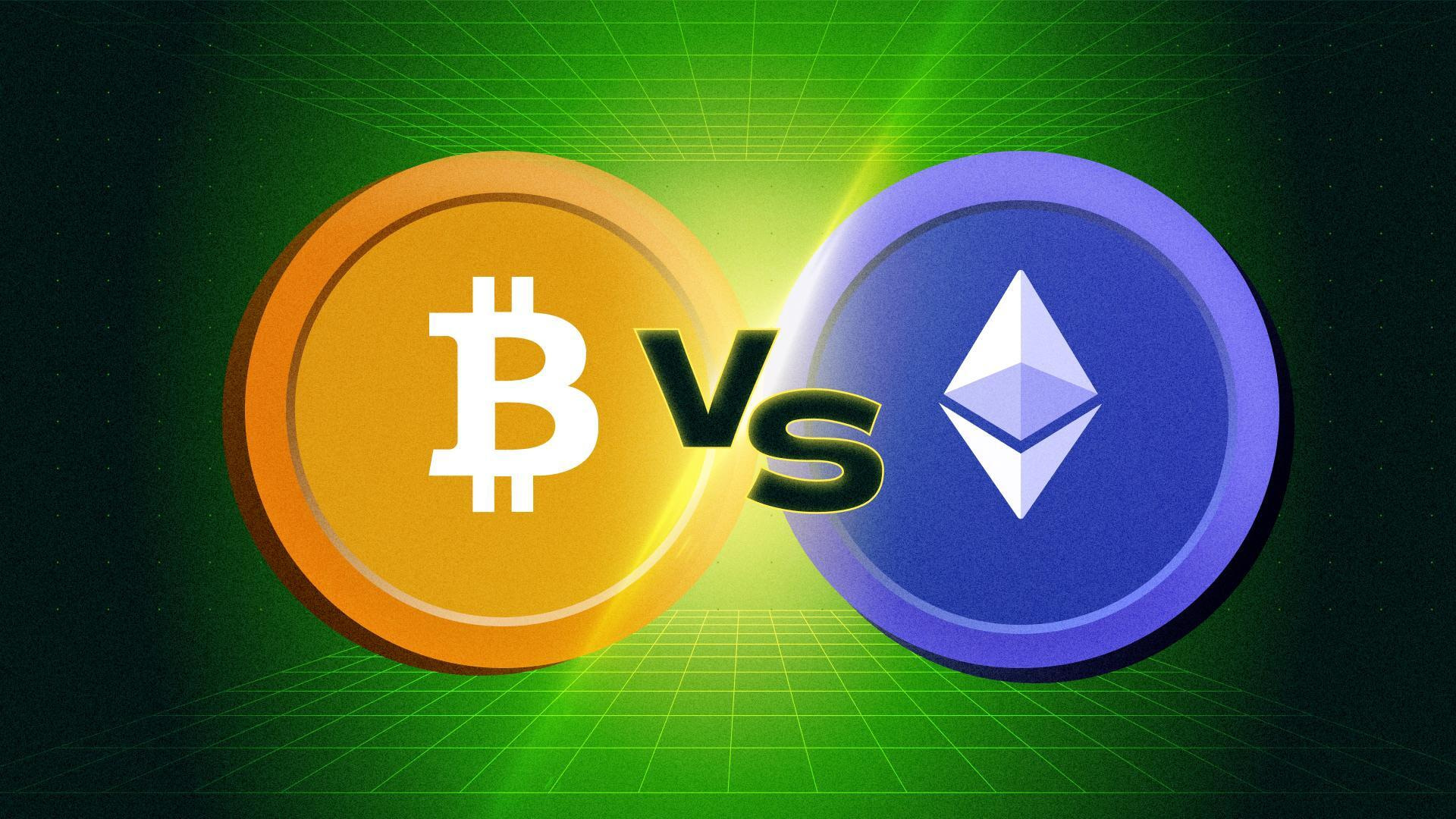
Le Bitcoin (BTC) reste la cryptomonnaie la plus connue et la plus valorisée. Créé par Satoshi Nakamoto, son objectif principal était de créer un système de paiement électronique pair-à-pair sans autorité centrale. Le Bitcoin fonctionne sur une blockchain publique qui enregistre toutes les transactions de manière transparente et immuable.
Principales caractéristiques du Bitcoin :
- Offre limitée à 21 millions d'unités
- Mécanisme de consensus Proof-of-Work
- Temps de bloc moyen de 10 minutes
- Utilisation comme réserve de valeur et moyen d'échange
Les altcoins : alternatives au Bitcoin
Le terme "altcoin" désigne toutes les cryptomonnaies alternatives au Bitcoin. Ces projets cherchent souvent à améliorer certains aspects du Bitcoin ou à proposer des fonctionnalités différentes.
Ethereum (ETH)
Ethereum est la deuxième cryptomonnaie en termes de capitalisation boursière. Contrairement au Bitcoin, Ethereum n'est pas seulement une monnaie numérique mais aussi une plateforme permettant d'exécuter des contrats intelligents (smart contracts) et de développer des applications décentralisées (dApps).
Caractéristiques clés d'Ethereum :
- Transition du Proof-of-Work vers le Proof-of-Stake
- Fonctionnalité de contrats intelligents
- Écosystème riche en applications décentralisées
- Token natif ETH utilisé pour payer les frais de transaction (gas)
Litecoin (LTC)
Créé en 2011, Litecoin est souvent considéré comme l'argent numérique par rapport à l'or numérique du Bitcoin. Il offre des temps de transaction plus rapides et des frais moins élevés.
Différences principales avec Bitcoin :
- Temps de bloc de 2,5 minutes (contre 10 pour Bitcoin)
- Algorithme de minage Scrypt (moins gourmand en énergie)
- Offre totale de 84 millions d'unités
Les stablecoins : stabilité dans un marché volatil
Les stablecoins sont des cryptomonnaies conçues pour maintenir une valeur stable, généralement indexée sur une monnaie fiduciaire comme le dollar américain. Ils offrent une solution à la volatilité des autres cryptomonnaies.
Tether (USDT)
Tether est le stablecoin le plus utilisé, avec une capitalisation boursière dépassant souvent 70 milliards de dollars. Il prétend être adossé à des réserves en dollars américains à hauteur de 1:1.
USD Coin (USDC)
Contrairement à Tether, USDC est entièrement régulé et audité régulièrement. Il est émis par Circle en collaboration avec Coinbase.
Les tokens utilitaires et de plateforme
De nombreuses cryptomonnaies servent de carburant à des écosystèmes spécifiques, permettant d'accéder à des services ou de participer à la gouvernance.
Binance Coin (BNB)
Initialement créé comme token utilitaire pour la plateforme Binance, BNB a évolué pour alimenter toute l'écosystème Binance Chain.
Cardano (ADA)
Cardano se positionne comme une plateforme blockchain de troisième génération, mettant l'accent sur la sécurité et l'évolutivité grâce à son approche scientifique rigoureuse.
Les cryptomonnaies axées sur la confidentialité
Certaines cryptomonnaies mettent l'accent sur l'anonymat et la confidentialité des transactions.
Monero (XMR)
Monero utilise des technologies cryptographiques avancées pour rendre les transactions complètement intraçables et non liables.
Zcash (ZEC)
Zcash offre la possibilité de choisir entre transactions transparentes (comme Bitcoin) ou totalement privées grâce à la technologie zk-SNARKs.
Conclusion de cette première partie
Ce tour d'horizon des principales catégories de cryptomonnaies montre la diversité et la richesse de cet écosystème en constante évolution. Du Bitcoin pionnier aux stablecoins stables, en passant par les plateformes de contrats intelligents et les cryptomonnaies axées sur la confidentialité, chaque type répond à des besoins spécifiques. Dans la suite de cet article, nous explorerons plus en détail les cryptomonnaies liées à la finance décentralisée (DeFi), les jetons non fongibles (NFT) et les tendances émergentes dans ce secteur dynamique.
La finance décentralisée (DeFi) et ses cryptomonnaies
La finance décentralisée, ou DeFi, constitue l'un des secteurs les plus innovants de l'écosystème crypto. Ces protocoles financiers ouverts visent à recréer les services bancaires traditionnels sans intermédiaires, grâce à des smart contracts fonctionnant sur des blockchains comme Ethereum.
Les protocoles DeFi majeurs et leurs tokens
Plusieurs cryptomonnaies ont émergé comme piliers de l'écosystème DeFi, chacune jouant un rôle spécifique dans cette révolution financière.
Uniswap (UNI)
Uniswap est le principal échange décentralisé (DEX) permettant d'échanger des tokens sans avoir besoin d'un intermédiaire central. Son token UNI permet notamment de participer à la gouvernance du protocole.
Aave (AAVE)
Aave est une plateforme de prêt et d'emprunt décentralisée. Les détenteurs du token AAVE peuvent participer à la gouvernance et bénéficient de réductions sur les frais.
Les stablecoins algorithmiques
Particularité de l'écosystème DeFi, ces stablecoins maintiennent leur stabilité non pas grâce à des réserves en dollars mais via des algorithmes et mécanismes économiques complexes.
DAI
Émis par le protocole MakerDAO, DAI est adossé à des collatéraux crypto plutôt qu'à des réserves fiduciaires. Son système de garanties sur-collatéralisées et de liquidation automatique maintient sa parité avec le dollar.
UST (TerraUSD)
Avant son effondrement en 2022, UST illustrait le modèle des stablecoins algorithmiques purs, maintenu stable par arbitrage avec son jeton frère LUNA. Cet échec a conduit à une réflexion approfondie sur la stabilité des stablecoins.
Les jetons non fongibles (NFT)
Les tokens non fongibles, ou NFT, représentent un autre secteur majeur de l'écosystème crypto, permettant de certifier l'authenticité et la propriété d'actifs numériques uniques.
Les plateformes NFT et leurs tokens
Ethereum et le standard ERC-721
Ethereum reste la blockchain dominante pour les NFT grâce à son standard ERC-721, bien que des alternatives émergent pour réduire les frais de transaction.
Solana (SOL)
Solana s'est imposée comme une alternative populaire pour les NFT grâce à ses frais minimes et sa grande vitesse de transaction.
Les collections NFT emblématiques
Bored Ape Yacht Club (BAYC)
Cette collection de 10 000 singes uniques est devenue un symbole de statut dans l'espace crypto, avec des prix atteignant des centaines de milliers de dollars.
CryptoPunks
Considérés comme les premiers NFT modernes, les CryptoPunks ont acquis une valeur historique qui en fait des pièces de collection très prisées.
Les cryptomonnaies d'infrastructure blockchain
Plusieurs projets visent à améliorer l'infrastructure sous-jacente des blockchains pour résoudre les problèmes d'évolutivité, d'interopérabilité ou de sécurité.
Polkadot (DOT)
Polkadot permet à différentes blockchains de communiquer entre elles grâce à son protocole de relais et son système de parachains.
Cosmos (ATOM)
L'écosystème Cosmos propose une vision différente de l'interopérabilité avec sa "blockchain-internet" et son protocole IBC (Inter-Blockchain Communication).
Les cryptomonnaies "meme coins"
Certaines cryptomonnaies naissent davantage de phénomènes communautaires que de fondamentaux technologiques solides.
Dogecoin (DOGE)
Créé initialement comme une blague en 2013, Dogecoin s'est imposé comme une cryptomonnaie majeure grâce à une forte communauté et au soutien de personnalités comme Elon Musk.
Shiba Inu (SHIB)
Surnommé le "tueur de Dogecoin", SHIB a profité de la tendance des meme coins pour créer un écosystème ambitieux incluant désormais sa propre blockchain.
Les cryptomonnaies corporate
Certaines entreprises ont développé leurs propres cryptomonnaies pour alimenter des écosystèmes spécifiques.
Ripple (XRP)
Développé par Ripple Labs, XRP vise à faciliter les transferts internationaux entre institutions financières, suscitant cependant des conflits avec les régulateurs.
Stellar (XLM)
Cousin de XRP, Stellar se concentre sur l'inclusion financière et les transferts d'argent transfrontaliers à faible coût.
Conclusion de cette deuxième partie
L'univers des cryptomonnaies continue de s'étendre bien au-delà des simples moyens de paiement décentralisés. Des innovations comme la DeFi et les NFT ont créé de nouveaux cas d'usage fascinants tandis que les cryptomonnaies d'infrastructure travaillent à résoudre les défis techniques des blockchains. Ces développements montrent comment l'écosystème crypto évolue vers des applications toujours plus sophistiquées. Dans notre troisième et dernière partie, nous examinerons les tendances émergentes et l'avenir potentiel des différents types de cryptomonnaies.
>Les tendances émergentes dans l'univers des cryptomonnaies
Le paysage des cryptomonnaies évolue rapidement, avec de nouvelles tendances qui redéfinissent constamment les frontières de cette technologie. Cette dernière partie explore les développements les plus récents et les perspectives d'avenir pour les différents types de cryptomonnaies.
L'essor des solutions de couche 2
Face aux problèmes de scalabilité des blockchains majeures, les solutions de couche 2 (Layer 2) gagnent en popularité. Ces protocoles permettent d'effectuer des transactions hors chaîne tout en bénéficiant de la sécurité de la blockchain principale.
Lightning Network pour Bitcoin
Ce réseau de canaux de paiement permet des transactions quasi-instantanées et à très faible coût, tout en soulageant la blockchain Bitcoin de son trafic.
Optimism et Arbitrum pour Ethereum
Ces rollups optimistes permettent d'exécuter des transactions Ethereum à moindre coût en les traitant hors chaîne avant de les regrouper pour validation finale sur la blockchain principale.
La montée en puissance des DAO
Les organisations autonomes décentralisées (DAO) représentent une nouvelle forme de gouvernance collective, où les décisions sont prises par les détenteurs de tokens plutôt que par une autorité centrale.
Les applications des DAO
- Gestion de fonds d'investissement
- Gouvernance de protocoles DeFi
- Collectifs artistiques et créatifs
- Propriété partagée d'actifs physiques
L'intégration croissante avec le monde traditionnel
Les cryptomonnaies ne sont plus un phénomène marginal mais s'intègrent progressivement dans le système financier traditionnel.
Adoption institutionnelle
Les fonds d'investissement, banques et entreprises cotées en bourse intègrent de plus en plus les cryptomonnaies à leurs stratégies d'investissement et de trésorerie.
Régulation croissante
Les gouvernements et organismes de régulation travaillent à encadrer l'utilisation des cryptomonnaies, cherchant un équilibre entre protection des consommateurs et innovation technologique.
L'avenir des cryptomonnaies : perspectives et défis
Plusieurs scénarios se dessinent pour l'évolution des cryptomonnaies dans les années à venir, chacun avec ses opportunités et ses risques.
Scénario d'adoption massive
Dans cette perspective, les cryptomonnaies deviendraient un élément central du système financier mondial, utilisées pour les paiements quotidiens comme pour les transactions internationales.
Scénario de spécialisation
Les différentes cryptomonnaies pourraient se spécialiser dans des niches spécifiques (paiements, contrats intelligents, confidentialité...) plutôt que de chercher à tout faire.
Scénario de régulation stricte
Une régulation trop restrictive pourrait freiner l'innovation et limiter l'utilité des cryptomonnaies, tout en offrant plus de sécurité aux utilisateurs.
Les défis à relever
Pour réaliser leur plein potentiel, les cryptomonnaies doivent encore surmonter plusieurs obstacles majeurs.
Scalabilité
Les blockchains doivent pouvoir traiter un nombre beaucoup plus important de transactions pour concurrencer les systèmes traditionnels comme Visa ou Mastercard.
Interopérabilité
La capacité des différentes blockchains à communiquer entre elles est essentielle pour créer un écosystème cohérent plutôt qu'une collection de silos isolés.
Sécurité
Les attaques contre les protocoles DeFi et les portefeuilles individuels restent un problème majeur qui freine l'adoption par le grand public.
Expérience utilisateur
Les interfaces doivent devenir plus intuitives et les processus plus simples pour que les non-techniciens puissent utiliser facilement les cryptomonnaies.
Conclusion
L'univers des cryptomonnaies est en constante évolution, avec des innovations technologiques qui repoussent sans cesse les limites de ce qui est possible. Des premiers balbutiements du Bitcoin à l'écosystème complexe et diversifié d'aujourd'hui, les cryptomonnaies ont parcouru un long


Understanding Different Types of Cryptocurrencies
The realm of cryptocurrencies has revolutionized how we perceive and utilize money, breaking conventional boundaries in the financial sector. As digital currencies continue to gain traction, it's essential to understand the diverse array of cryptocurrencies that comprise this dynamic digital landscape. This article explores some of the most prominent types and categories of cryptocurrencies, from pioneers like Bitcoin to innovative newcomers that are redefining blockchain applications.
Bitcoin: The Trailblazer
When discussing cryptocurrencies, Bitcoin often emerges as the first—and sometimes the only—name people recognize. Created in 2009 by an anonymous figure or group known as Satoshi Nakamoto, Bitcoin was the first decentralized cryptocurrency. Its primary innovation was the introduction of blockchain technology—a decentralized ledger that ensures the integrity of the financial transactions conducted with Bitcoin.
Bitcoin's design is inherently deflationary with its capped supply of 21 million coins. This scarcity model has contributed significantly to its value and positions Bitcoin not just as a currency but as a store of value, akin to "digital gold." Its decentralized nature is further reinforced by its network of miners, who validate and record transactions through complex problem-solving processes known as proof-of-work.
Ethereum: Beyond Currency
While Bitcoin was the first to introduce the concept of a decentralized currency, Ethereum emerged in 2015 to expand on blockchain technology. Founded by Vitalik Buterin and a team of developers, Ethereum introduced the idea of smart contracts—self-executing contracts with the terms of the agreement directly written into code.
Ethereum’s native cryptocurrency, Ether (ETH), fuels transactions and smart contracts on its platform. What sets Ethereum apart is its flexibility as a platform capable of supporting decentralized applications (dApps). This functionality has made Ethereum the foundation for a wide array of projects, including decentralized finance (DeFi) services and non-fungible tokens (NFTs).
Ripple: Engineered for Banks
Ripple challenges the concept of cryptocurrencies purely being for individuals by aiming at financial institutions. Created by Ripple Labs in 2012, Ripple functions not just as a digital currency (XRP) but also as a digital payment protocol. Unlike Bitcoin or Ethereum, Ripple isn’t based on blockchain technology but utilizes a consensus ledger and validating servers.
XRP's primary use is in international money transfers, where it helps reduce the friction and costs associated with cross-border transactions. Its appeal lies in its speed and scalability, making it particularly attractive to banks and financial service companies seeking more efficient alternatives to traditional SWIFT systems.
Litecoin: The Silver to Bitcoin’s Gold
Litecoin is often referred to as "the silver to Bitcoin's gold." Created by Charlie Lee in 2011, Litecoin was one of the earliest spinoffs of Bitcoin, or "altcoins." It was designed to serve as a lightweight, faster alternative for everyday transactions. Litecoin’s block time of just 2.5 minutes—significantly faster than Bitcoin's 10-minute block time—enables quicker transaction confirmations.
Litecoin employs a different proof-of-work algorithm called Scrypt, which makes it less complex to mine compared to Bitcoin. This design choice was intended to make mining more accessible to individuals using standard consumer hardware, promoting decentralization and user participation across a wide audience.
Stablecoins: Stability in the Volatile
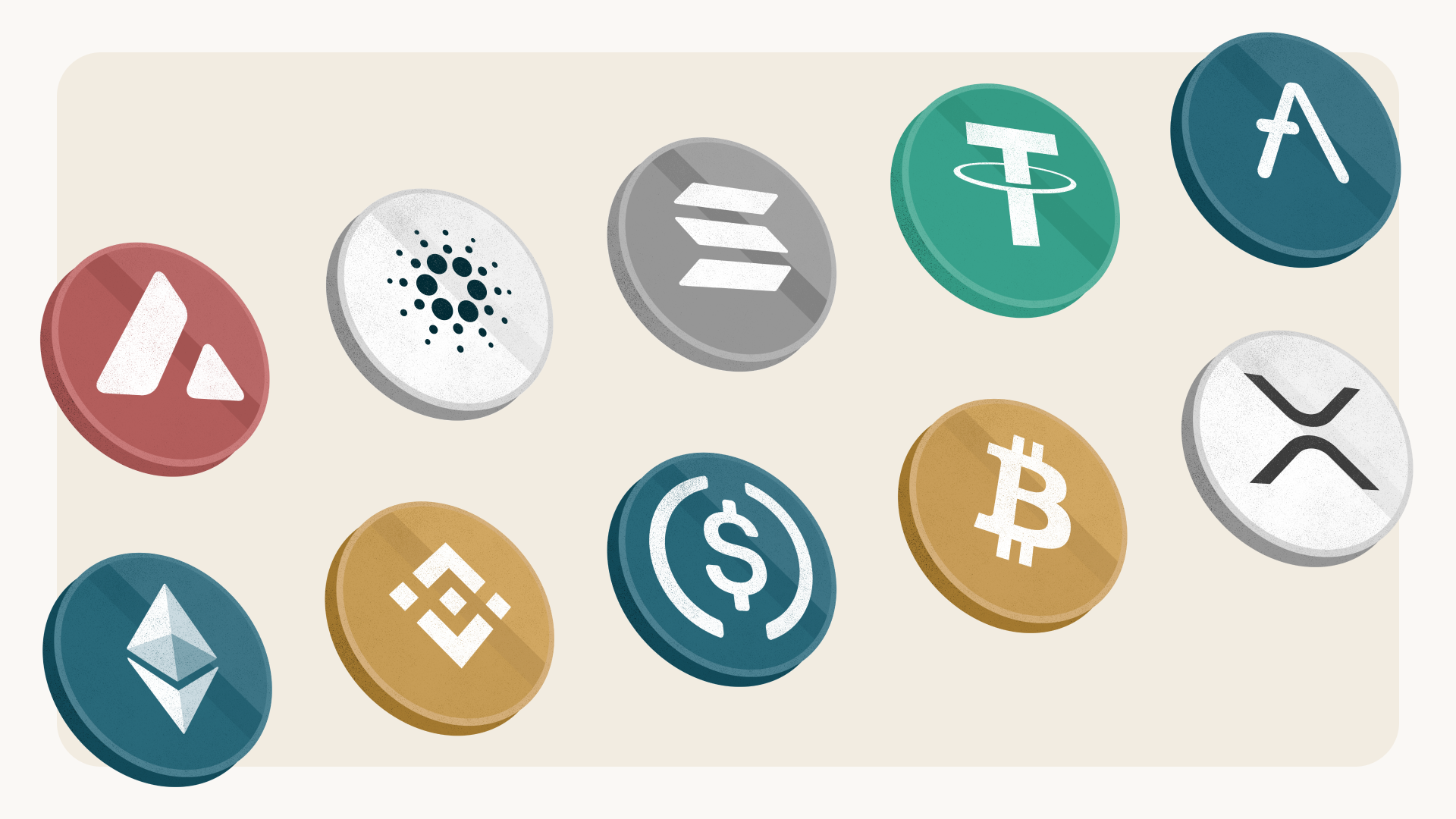
In the world of cryptocurrencies, where volatility is a defining feature, stablecoins offer a refuge by pegging their value to stable assets, such as the US dollar or gold. Popular stablecoins like Tether (USDT), USD Coin (USDC), and Binance USD (BUSD) are valued one-to-one with the US dollar, ensuring that users can avoid the price fluctuations typical in the crypto space.
Stablecoins serve multiple roles: they act as safe havens during times of market volatility, serve as mediums of exchange, and facilitate trading on cryptocurrency exchanges by allowing lower-cost cross-border transactions. The demand for stablecoins demonstrates a significant step toward integrating crypto into mainstream financial systems by ensuring certainty and reliability in value transfer.
Conclusion
These cryptocurrencies represent just a snapshot of the ever-evolving digital currency ecosystem. While each offers unique features and serves different purposes—from digital gold like Bitcoin to transactional assets like XRP and Ether's innovative platform for decentralized applications—the core premise remains the same: leveraging technology to create secure, decentralized means of value exchange.
In the next part, we will delve deeper into other types of cryptocurrencies, exploring those with unique use-cases, and discussing innovative developments in this fascinating domain. Stay tuned to learn more about privacy coins, utility tokens, and how meme-inspired coins are reshaping the cryptocurrency world.
Privacy Coins: Ensuring Anonymity
As the adoption of cryptocurrencies continues to grow, so too does the focus on privacy and anonymity in transactions. This is where privacy coins come into play. Unlike other cryptocurrencies, privacy coins are designed to provide enhanced security by obscuring transaction details to protect the identities of the parties involved.
One of the most well-known privacy coins is Monero (XMR). Monero employs advanced cryptographic techniques, such as ring signatures and stealth addresses, to ensure the sender, receiver, and transaction amount remain confidential. This focus on privacy makes Monero an attractive option for individuals and entities seeking to conduct transactions without prying eyes.
Another significant privacy coin is Zcash (ZEC). Zcash offers the option of "shielded" transactions, leveraging a technology called zk-SNARKs (zero-knowledge succinct non-interactive arguments of knowledge), which ensures complete privacy by proving the transaction's validity without revealing any sensitive information.
Privacy coins, however, face regulatory scrutiny due to their potential misuse in illicit activities. This ongoing debate highlights the balance between individual privacy rights and the need for regulatory oversight in the financial ecosystem.
Utility Tokens: Empowering Digital Ecosystems
Utility tokens are a distinct class of cryptocurrencies that go beyond mere financial transactions. These tokens are intended to provide users with access to products or services within a specific blockchain ecosystem. They play a vital role in facilitating functionality and interactions on decentralized platforms.
Ethereum’s Ether (ETH) is a prime example, as it acts both as a cryptocurrency and a utility token, powering transactions and computational services on the Ethereum network. Similarly, Binance Coin (BNB) is used for reducing trading fees on the Binance Exchange and powering the Binance Smart Chain's numerous decentralized applications.
Another notable utility token is Chainlink (LINK), which bridges the gap between smart contracts and real-world data. Chainlink enables smart contracts to securely interact with external data sources, facilitating services ranging from weather data to financial information.
These tokens not only provide specific utilities within their ecosystems but also often represent a way for projects to raise capital through initial coin offerings (ICOs). The versatility and functionality of utility tokens have garnered them substantial attention, leading to their proliferation across diverse blockchain projects.
Central Bank Digital Currencies (CBDCs): Bridging Traditional and Digital Finance
Central Bank Digital Currencies (CBDCs) have emerged as a concept that blends traditional fiat currencies with the technological advancements of digital currencies. Unlike cryptocurrencies, CBDCs are issued and regulated by central banks, representing the digital form of a nation's fiat currency.
Numerous countries, including China with its Digital Yuan and Sweden with the E-krona, are actively exploring or piloting CBDCs. These digital currencies aim to improve payment efficiency, reduce costs associated with cash handling, and promote financial inclusion. For instance, the Digital Yuan is designed to enhance the speed and security of domestic transactions while supporting the development of China's digital economy.
CBDCs can fundamentally transform how monetary policy is implemented, offering a direct channel between central banks and citizens. However, their introduction raises questions about privacy, cybersecurity, and the potential impact on the existing banking system. The global discourse around CBDCs signifies a pivotal shift in the way nations approach and adapt to the digitalization of their currencies.
Meme Coins: The Culture Drivers
While most cryptocurrencies serve practical purposes, meme coins are a whimsical yet significant part of the crypto ecosystem. These coins, often lacking any substantial technological innovation, gain value primarily through cultural virality and community momentum.
Dogecoin (DOGE) is the most prominent example of a meme coin. Originally created as a joke in 2013, featuring the Shiba Inu dog from the “Doge” meme, it has gained substantial popularity, fueled by internet culture and endorsements from high-profile figures like Elon Musk. Despite its humorous origins, Dogecoin has achieved mainstream acceptance and is used for tipping and charitable causes.
The success of Dogecoin has inspired the creation of other meme coins, such as Shiba Inu (SHIB), which further capitalizes on pop culture references and the power of community-driven speculation. Although these coins are primarily driven by humor, they underscore the influence of social media and digital culture in shaping the financial landscape.
Conclusion
The diversity among cryptocurrencies reflects the multifaceted nature of blockchain technology and digital finance. From privacy coins safeguarding anonymity to utility tokens enabling decentralized ecosystems, each type plays a unique role in advancing the goals and capabilities of the crypto space. Meanwhile, CBDCs illustrate the convergence of traditional finance with digital innovation, and meme coins highlight the cultural dimension of cryptocurrencies.
Understanding these different types of cryptocurrencies equips individuals and institutions with the knowledge to navigate this rapidly evolving landscape. In the concluding section of this article, we will explore upcoming trends and future outlooks for cryptocurrencies, delving into the technologies and innovations likely to shape the next era of finance. Stay tuned to uncover how emerging developments are poised to redefine our interaction with money.
The Rise of DeFi Tokens: Decentralizing Finance
Decentralized Finance, or DeFi, represents a transformative wave in the cryptocurrency sphere, aiming to recreate traditional financial systems like lending, insurance, and exchanges using blockchain technology. DeFi tokens serve as the backbone of these innovative financial services, allowing users to engage in activities once confined to centralized institutions, all while maintaining control over their assets.
One notable DeFi token is Uniswap (UNI), which powers the Uniswap protocol—a decentralized trading platform used for swapping various ERC-20 tokens on Ethereum. Uniswap's automated market maker (AMM) model and liquidity pools eliminate the need for traditional intermediaries, fostering a more open and accessible trading environment.
Another key player in the DeFi space is Maker (MKR). The Maker platform functions as a decentralized credit system on Ethereum, allowing users to lock in Ether as collateral to generate the Dai stablecoin. This process is governed by MKR holders, who vote on changes to the protocol, exemplifying decentralized governance in action.
DeFi tokens have not only democratized access to financial services but have also introduced novel concepts like yield farming and liquidity mining. These trends have attracted significant capital and interest, reflecting a growing appetite for financial autonomy and innovation.
Non-Fungible Tokens (NFTs): Unique Digital Assets
In recent years, Non-Fungible Tokens (NFTs) have taken the digital world by storm, representing a distinct category within the cryptocurrency space. Unlike fungible cryptocurrencies like Bitcoin or Ethereum, each NFT is unique and cannot be exchanged on a one-to-one basis with another.
NFTs are typically used to certify ownership of digital assets, including art, music, videos, and even virtual real estate. The Ethereum blockchain is the leading platform for NFTs due to its robust support for smart contracts. Through smart contracts, creators can embed metadata describing the NFT's attributes and ownership details, making them viable for verifying authenticity and provenance.
CryptoPunks and Bored Ape Yacht Club are among the most iconic NFT collections, known for their distinctive art and exclusivity. Beyond collectibles, NFTs have expanded into domains like gaming and ticketing, allowing for new models of ownership and revenue streams for creators.
Despite their popularity, NFTs are not without controversy. Issues related to environmental impact, copyright infringement, and market volatility have sparked debates on their long-term sustainability. Nevertheless, NFTs represent an exciting frontier at the intersection of art, technology, and finance.
Crypto Futures: What Lies Ahead?
As the landscape of cryptocurrencies continues to evolve, several trends and developments are likely to shape its future trajectory. One such trend is the ongoing expansion of blockchain scalability solutions. Projects like Ethereum 2.0 aim to improve transaction throughput through mechanisms like sharding and Proof of Stake consensus, addressing current limitations of speed and cost.
Interoperability is another crucial area of focus. With numerous blockchains existing independently, solutions that facilitate seamless communication and transfer of assets across different networks are gaining importance. Polkadot and Cosmos are leading projects in this field, striving to create a more connected and cohesive blockchain ecosystem.
Moreover, regulatory clarity will play a pivotal role in determining the future of cryptocurrencies. As governments navigate the complexities of digital currencies, collaboration between industry stakeholders and regulators will be essential in establishing frameworks that protect investors while encouraging innovation.
Finally, the integration of artificial intelligence (AI) with blockchain technology presents exciting possibilities. AI algorithms can enhance decision-making, security, and personalization in blockchain applications, opening new avenues for growth and creativity.
Conclusion
The vast array of cryptocurrencies available today reflects the innovation and diversity inherent in the blockchain space. From foundational coins like Bitcoin and Ethereum to specialized tokens driving DeFi, NFTs, and cross-border solutions, each type serves a distinct purpose and caters to varying user needs and preferences.
As the industry matures, these cryptocurrencies will continue to influence and reshape financial landscapes across the globe. Whether fostering financial inclusion, disrupting traditional systems, or crafting new cultural paradigms, cryptocurrencies are at the frontier of a revolution that transcends money, touching on technology, governance, and society.
Staying informed and adaptable will be crucial for anyone navigating the complexities of the cryptocurrency world. As innovations unfold and new concepts inevitably emerge, maintaining a forward-thinking perspective will be vital in harnessing the full potential of this transformative digital phenomenon.


Loopring : Révolutionner les Échanges Décentralisés
Dans un monde où la décentralisation devient un impératif pour un grand nombre d'investisseurs et de développeurs, Loopring se distingue comme une solution innovante dans le domaine des échanges de cryptomonnaies. En abordant des problématiques telles que la sécurité, la vitesse de transaction et la réduction des coûts, Loopring offre une alternative puissante aux exchanges centralisés traditionnels.
Qu'est-ce que Loopring ?
Loopring est un protocole open-source basé sur Ethereum, conçu pour faciliter le développement d'échanges décentralisés (DEX) efficaces. L'un des principaux attraits de Loopring repose sur sa capacité à offrir des transactions hautement sécurisées tout en conservant des frais de transaction minimes. En tirant parti des technologies de preuve à divulgation nulle de connaissance (zero-knowledge proofs), Loopring assure la confidentialité des transactions sans compromettre leur validité.
Technologie sous-jacente
La pierre angulaire de Loopring réside dans l'implémentation des ZK-Rollups. Cette technologie innovante permet de regrouper plusieurs transactions hors chaîne dans une seule transaction sur la chaîne principale Ethereum. Cela non seulement diminue la charge réseau mais améliore également la vitesse d'exécution des transactions. Les ZK-Rollups contribuent significativement à la scalabilité du réseau, rendant Loopring non seulement rapide et sécurisé, mais aussi écoénergétique.
Avantages de Loopring
Loopring présente plusieurs avantages distincts par rapport aux échanges centralisés et même certains autres DEX. Premièrement, l'auto-custodie est une caractéristique essentielle, où les utilisateurs conservent le contrôle de leurs clés privées, éliminant le risque de perte inhérent aux plateformes centralisées où les fonds sont détenus par l'exchange. De plus, Loopring offre une grande transparence grâce à sa nature open-source, permettant à la communauté d'examiner et de contribuer au développement du protocole, renforçant ainsi la confiance et la sécurité.
Utilisation et Adoption
La popularité de Loopring a considérablement augmenté, notamment en raison de l'intérêt croissant pour les solutions de finance décentralisée (DeFi). De nombreux utilisateurs et investisseurs se tournent vers Loopring pour ses transactions rapides et ses coûts réduits par rapport à d'autres solutions du marché. De plus, la possibilité d'intégrer Loopring dans des applications tierces via ses APIs ouvertes attire de plus en plus de développeurs qui souhaitent construire des applications DeFi robustes.
Défis et Perspectives
Bien que Loopring offre de nombreuses améliorations sur le plan technique, le protocole doit encore relever certains défis pour atteindre une adoption plus massive. Parmi ces défis figurent la complexité technique pour les nouveaux utilisateurs, la concurrence avec d'autres solutions de scalabilité et l'évolution constante de la réglementation dans le domaine des cryptomonnaies. Cependant, avec une communauté de développeurs et d'utilisateurs en croissance, ainsi qu'une feuille de route technologique ambitieuse, Loopring est bien positionné pour surmonter ces obstacles et continuer à jouer un rôle crucial dans l'écosystème DeFi.

