Pelopidas : Le Héros Thébain de la Liberté
Introduction
Pelopidas est l'une des figures les plus emblématiques de la Grèce antique, un stratège et homme d'État dont le courage et le leadership ont marqué l'histoire de Thèbes. Né dans une famille aristocratique au début du IVe siècle av. J.-C., il a joué un rôle crucial dans la résistance contre la domination spartiate et dans l'ascension de sa cité comme puissance majeure de la Grèce continentale. Son amitié avec le général Épaminondas et leurs exploits militaires, notamment la bataille de Leuctres, ont fait de lui un symbole de la résistance et de l'audace.
Jeunesse et Contexte Historique
Pelopidas grandit à une époque où Thèbes était sous l'emprise de Sparte, suite à la victoire de cette dernière lors de la guerre du Péloponnèse (431-404 av. J.-C.). Les Spartiates imposaient leur autorité par l'intermédiaire d'un gouvernement oligarchique pro-spartiate, étouffant toute velléité d'indépendance. Contrairement à beaucoup de ses pairs, Pelopidas refusa de se soumettre à cette domination étrangère et s'engagea très tôt dans la lutte pour la liberté de sa cité.
Issu d'une famille noble, il bénéficiait d'une éducation raffinée et d'une formation militaire solide. Son dévouement à la cause thébaine était déjà visible dans sa jeunesse, où il n'hésitait pas à s'opposer aux forces d'occupation, malgré les risques encourus.
La Révolte contre l'Occupation Spartiate
En 379 av. J.-C., Pelopidas prit part à un coup d'État audacieux visant à renverser le régime oligarchique soutenu par Sparte. Avec l'aide d'un petit groupe de conspirateurs, dont son ami Épaminondas, il organisa l'assassinat des dirigeants pro-spartiates lors d'une fête nocturne. Cette action, aussi risquée que déterminante, marqua le début de la libération de Thèbes.
Les Spartiates, furieux de ce coup de force, lancèrent plusieurs expéditions militaires pour reprendre le contrôle de la ville. Mais Pelopidas et les Thébains, bien que largement inférieurs en nombre, parvinrent à résister grâce à une stratégie habile et une détermination sans faille. Ce fut le début d'une guerre ouverte entre Thèbes et Sparte, qui allait redessiner l'équilibre des forces en Grèce centrale.
L'Amitié avec Épaminondas et la Réforme de l'Armée Thébaine
Pelopidas et Épaminondas formèrent un duo légendaire, leurs compétences se complétant parfaitement pour faire de Thèbes une puissance militaire redoutable. Alors qu'Épaminondas se distinguait par ses talents de stratège et son esprit novateur, Pelopidas incarnait le courage au combat et la capacité à galvaniser ses troupes.
Ensemble, ils réformèrent l'armée thébaine, mettant en place une phalange plus mobile et mieux organisée. Ils renforcèrent également le bataillon sacré, une unité d'élite composée de 300 soldats d'élite liés par des liens d'amitié et de loyauté. Cette unité devint rapidement célèbre pour son efficacité au combat et son invincibilité légendaire.
La Bataille de Leuctres : Tournant Historique
En 371 av. J.-C., les Thébains affrontèrent les Spartiates lors de la célèbre bataille de Leuctres. Malgré leur infériorité numérique, Pelopidas et Épaminondas mirent en œuvre une tactique révolutionnaire : concentrer leurs forces sur un seul point du front pour percer les lignes ennemies. Contre toute attente, cette stratégie fonctionna à la perfection, et l'armée spartiate subit une défaite catastrophique.
Cette victoire eut des répercussions immenses. Non seulement elle brisa le mythe de l'invincibilité spartiate, mais elle établit également Thèbes comme la puissance dominante en Grèce pour les décennies suivantes. Pelopidas y joua un rôle clé, menant personnellement le bataillon sacré dans des charges décisives qui inversèrent le cours de la bataille.
Conclusion (Première Partie)
Pelopidas a marqué l'Histoire par son courage, son intelligence tactique et son engagement indéfectible envers Thèbes. La première partie de sa carrière est celle d'un homme qui a su défier une puissance supérieure et, contre toute attente, triompher. Mais son histoire ne s'arrête pas là. Dans les années qui suivirent, il continua à se battre pour étendre l'influence thébaine, s'engageant dans des campagnes lointaines et confrontant de nouveaux ennemis. La suite de son épopée sera abordée dans la deuxième partie de cet article.
Expansion de l'Influence Thébaine
Après la victoire écrasante de Leuctres, Pelopidas se lança dans une série de campagnes visant à consolider la position de Thèbes en Grèce centrale et dans le nord. Il comprit rapidement que pour maintenir la puissance thébaine, il fallait à la fois affaiblir Sparte et s'assurer de solides alliances. C'est ainsi qu'il dirigea plusieurs expéditions en Thessalie et en Macédoine, des régions clés pour la stabilité stratégique et économique de la Grèce.
En Thessalie, il intervint dans les conflits locaux, soutenant les cités opposées à la tyrannie de Jason de Phères, un dirigeant ambitieux qui menaçait l'équilibre régional. Bien que ce dernier fût un adversaire redoutable, Pelopidas parvint à limiter son influence grâce à des manœuvres diplomatiques astucieuses et à des démonstrations de force ciblées. Ces actions permirent à Thèbes d'établir un réseau d'alliances solides, renforçant sa position face aux autres puissances grecques.
La Campagne en Macédoine et l'Emprisonnement
Pelopidas fut également envoyé en Macédoine, alors en pleine instabilité politique après l'assassinat du roi Alexandre II. Son objectif était de protéger les intérêts thébains et d'empêcher une mainmise hostile sur la région. Il y déploya une habile combinaison de diplomatie et de pression militaire, parvenant à installer des garnisons thébaines et à influencer la succession royale en faveur de Ptolémée d'Aloros, un dirigeant plus favorable à Thèbes.
Cependant, cette mission ne se déroula pas sans accroc. En 368 av. J.-C., Pelopidas fut capturé par Alexandre de Phères, un tyran thessalien hostile à Thèbes, lors d'une tentative de négociation. Cette capture fut un coup dur pour les Thébains, mais elle ne brisa pas leur détermination. Épaminondas organisa rapidement une expédition pour le libérer, démontrant une fois de plus la solidarité et la cohésion qui régnaient au sein du leadership thébain.
Retour en Grèce et Nouveaux Défis
Après sa libération, Pelopidas reprit immédiatement le commandement des forces thébaines, engagées dans de multiples fronts. Malgré les risques encourus, il continua de mener des campagnes audacieuses, notamment contre les Spartiates, qui tentaient de regagner du terrain en Grèce centrale. Ses victoires successives en Arcadie et en Laconie confirmèrent la suprématie militaire thébaine et réduisirent encore davantage l'influence de Sparte.
Cependant, la politique grecque restait instable. Athènes, jadis alliée de Thèbes contre Sparte, commençait à voir d'un mauvais œil l’hégémonie grandissante des Thébains. Des tensions émergèrent, notamment autour du contrôle de la Béotie et des cités voisines. Pelopidas dut alors jongler entre victoires militaires et négociations complexes pour maintenir l'équilibre des pouvoirs en Grèce.
Mort au Combat : La Bataille de Cynoscéphales
En 364 av. J.-C., Pelopidas mena une ultime campagne en Thessalie pour contrer une nouvelle rébellion fomentée par Alexandre de Phères. Bien que conscient des risques, il choisit de prendre lui-même la tête de l'armée, refusant de laisser ses hommes affronter seuls le danger. La bataille décisive eut lieu à Cynoscéphales, une région aux collines abruptes qui compliquait les manœuvres militaires.
Malgré une infériorité numérique évidente, Pelopidas engagea le combat avec son courage habituel, espérant répéter le succès de Leuctres. Hélas, alors qu’il chargeait à la tête de ses troupes pour rompre les lignes ennemies, il fut mortellement blessé. Sa mort plongea ses soldats dans la consternation, mais ceux-ci, galvanisés par sa bravoure, parvinrent malgré tout à remporter la victoire. Ce triomphe posthume consacra une fois de plus son génie militaire, mais la Grèce perdit l'un de ses plus grands généraux.
L'Héritage de Pelopidas
Pelopidas fut pleuré aussi bien par ses compatriotes que par ses anciens ennemis. À Thèbes, on lui consacra des honneurs funèbres exceptionnels et son nom fut gravé dans la mémoire collective comme celui d'un libérateur. Son alliance avec Épaminondas avait transformé une cité autrefois dominée en une puissance majeure, capable de défier Sparte et d'imposer son propre ordre.
Cependant, son décès marqua aussi le début du déclin de Thèbes. Sans son leadership charismatique et son sens tactique, la cité perdit peu à peu de son influence, jusqu'à être éclipsée par la Macédoine de Philippe II quelques décennies plus tard. Malgré cela, l’héritage de Pelopidas resta vivant, notamment à travers les récits des historiens antiques, qui voyaient en lui un modèle de vertu guerrière et de patriotisme.
Conclusion (Deuxième Partie)
Pelopidas a laissé une trace indélébile dans l'histoire militaire et politique de la Grèce antique. Son courage, sa loyauté et son habileté stratégique ont fait de lui une figure légendaire, dont les exploits continuent d’inspirer bien après sa mort. La dernière partie de cet article explorera la postérité de Pelopidas, son influence sur les générations futures et la manière dont son souvenir a traversé les siècles jusqu’à nos jours.
La Postérité de Pelopidas
La mort de Pelopidas en 364 av. J.-C. ne marqua pas la fin de son influence. Bien au contraire, sa légende grandit au fil des siècles, devenant un modèle pour les stratèges et les patriotes. Les historiens antiques comme Plutarque, qui lui consacra une biographie dans ses Vies parallèles, contribuèrent à immortaliser ses exploits. Dans cette œuvre, Pelopidas est comparé à des héros mythologiques, son courage et sa noblesse d'âme étant présentés comme des vertus exemplaires.
À Thèbes même, son souvenir resta vivace. Les citoyens honoraient sa mémoire lors de cérémonies annuelles, et le Bataillon sacré, qu'il avait contribué à rendre légendaire, continua à combattre en son nom jusqu'à la dissolution de l'unité après la défaite face à Philippe II de Macédoine en 338 av. J.-C. Même après la chute de Thèbes, son héritage inspira d'autres cités grecques dans leur résistance contre toute forme de domination étrangère.
L'Influence sur la Stratégie Militaire
Pelopidas, avec Épaminondas, révolutionna la tactique militaire de son temps. Leur victoire à Leuctres démontra qu'une formation bien entraînée et parfaitement coordonnée pouvait vaincre une armée pourtant supérieure en nombre. Cette leçon ne fut pas perdue pour les générations suivantes. Philippe II de Macédoine, qui passa une partie de sa jeunesse à Thèbes comme otage, étudia probablement leurs méthodes avant de réformer l'armée macédonienne. Plus tard, son fils Alexandre le Grand appliqua ces principes avec un succès retentissant lors de ses conquêtes en Asie.
L'idée d'une troupe d'élite, soudée par des liens fraternels comme l'était le Bataillon sacré, influença également les pratiques militaires ultérieures. Rome, entre autres, créa des unités similaires, reconnaissant la valeur psychologique et tactique de soldats unis par une loyauté indéfectible.
Pelopidas dans la Culture Grecque et Moderne
Dans l'imaginaire collectif grec, Pelopidas incarna rapidement la figure du patriote désintéressé, prêt à tout sacrifier pour sa cité. Les poètes et les dramaturges le célébrèrent comme un héros tragique, mort au combat pour une cause juste. Son nom devint synonyme de courage et de ténacité, qualités que les Grecs de l'Antiquité valorisaient par-dessus tout.
Aujourd'hui, bien que moins connu que d'autres figures comme Alexandre ou Léonidas, Pelopidas n'a pas totalement disparu de la mémoire collective. En Grèce, des rues et des places portent encore son nom, et son histoire est enseignée dans les écoles comme exemple de leadership et de sacrifice. Quelques historiens militaires modernes continuent d'étudier ses campagnes, reconnaissant en lui un précurseur des tactiques de concentration des forces.
Le Déclin de Thèbes après Pelopidas
La mort de Pelopidas marqua un tournant dans l'histoire thébaine. Bien que la cité maintint sa puissance pendant encore une décennie environ, elle perdit progressivement son avantage stratégique. Épaminondas, son complice de toujours, tomba lui aussi au combat quelques années plus tard, en 362 av. J.-C., à la bataille de Mantinée. Privée de ses deux plus grands généraux, Thèbes ne parvint pas à conserver son hégémonie.
La montée en puissance de la Macédoine sous Philippe II scella définitivement le destin de Thèbes. En 338 av. J.-C., à la bataille de Chéronée, les Thébains subirent une défaite écrasante qui mit fin à leur indépendance. Ironiquement, c'est une version améliorée de leurs propres tactiques, perfectionnées par Philippe, qui causa leur perte. Le Bataillon sacré fut anéanti jusqu'au dernier homme, mourant en héros comme l'avait fait Pelopidas avant eux.
Thèbes sous Domination Macédonienne
Après Chéronée, Thèbes devint une cité vassale de la Macédoine. En 335 av. J.-C., une tentative de révolte contre Alexandre le Grand se solda par un châtiment terrible : la ville fut rasée, à l'exception de la maison du poète Pindare, comme symbole du respect d'Alexandre pour la culture grecque. Ce châtiment cruel effaça pratiquement Thèbes de la carte politique pour des décennies. Quand la cité fut finalement reconstruite, elle ne retrouva jamais sa gloire passée.
Pelopidas et la Philosophie du Leadership
Au-delà de ses accomplissements militaires, Pelopidas offre une fascinante étude de cas en matière de leadership. Plusieurs aspects de son commandement méritent d'être soulignés :
1. Son courage personnel : Il ne demandait jamais à ses hommes de faire ce qu'il ne faisait pas lui-même, menant toujours depuis les premières lignes.
2. Sa loyauté indéfectible envers ses compagnons d'armes, particulièrement Épaminondas, montrant l'importance des relations de confiance dans le commandement.
3. Sa capacité à inspirer ses troupes, transformant une armée de citoyens en une force redoutable.
4. Son sens de l'innovation tactique, prouvant que la créativité peut triompher des forces supérieures en nombre.
Leçon pour les Leaders Modernes
Les qualités qui firent de Pelopidas un grand leader restent pertinentes aujourd'hui dans divers domaines, des affaires à la politique. Son exemple enseigne que le véritable leadership consiste à :
- Prendre des risques calculés pour atteindre des objectifs stratégiques
- Créer une culture d'unité et de confiance au sein d'une équipe
- Adapter constamment ses méthodes face à des défis changeants
- Mettre les principes et la mission au-dessus de l'intérêt personnel
Conclusion Finale
Pelopidas fut bien plus qu'un simple général thébain - il fut l'incarnation des vertus grecques à leur apogée. Son parcours, depuis la résistance clandestine contre l'occupation spartiate jusqu'à sa mort héroïque sur le champ de bataille, ressemble à une épopée homérique. Si Thèbes finit par tomber, son combat pour la liberté et l'innovation militaire qu'il introduisit laissèrent une empreinte indélébile sur l'histoire de la guerre et du leadership.
Aujourd'hui, alors que le monde étudie encore les leçons des anciens, Pelopidas mérite d'être compté parmi ces figures dont l'héritage transcende les siècles. Dans un âge où le courage et la loyauté semblent parfois des vertus oubliées, son exemple rappelle que les principes intemporels du leadership véritable n'ont, en réalité, jamais changé.
Epaminondas: The Great Theban General Who Shattered Sparta
Introduction to Epaminondas, the Architect of Theban Dominance
Epaminondas, often referred to as Epameinondas or Epameinwndas, was a revolutionary Theban general and statesman who reshaped ancient Greek power dynamics. Born around 419/411 BC, he rose to prominence during a time when Sparta dominated Greece. Through his innovative military tactics and strategic brilliance, Epaminondas not only liberated Thebes from Spartan control but also established the Theban Hegemony, a period of Theban supremacy that lasted from 371 to 362 BC.
His most famous victory came at the Battle of Leuctra in 371 BC, where he employed the oblique order, a groundbreaking tactic that concentrated forces on one wing of his army. This tactic not only secured a decisive victory over Sparta but also marked the beginning of the end for Spartan military dominance. Epaminondas' leadership extended beyond the battlefield; he played a pivotal role in liberating the Messenian helots, who had been enslaved by Sparta for nearly 230 years.
The Early Life and Rise of Epaminondas
From Obscurity to Leadership
Epaminondas' early life remains somewhat obscure, but historical records indicate that he was a pupil of the Pythagorean philosopher Lysias. This philosophical grounding likely influenced his strategic thinking and leadership style. Unlike many of his contemporaries, Epaminondas did not come from a prominent military background. Instead, he rose through the ranks due to his intellectual prowess and tactical acumen.
His ascent to leadership coincided with a critical period in Greek history. Following the Peloponnesian War, Sparta had emerged as the dominant power in Greece, subjugating many city-states, including Thebes. Epaminondas, alongside his close ally Pelopidas, sought to challenge Spartan hegemony and restore Theban independence. Their partnership would prove instrumental in reshaping the political and military landscape of ancient Greece.
The Formation of the Sacred Band
One of the key elements of Epaminondas' military strategy was the formation of the Sacred Band, an elite unit of Theban warriors. Comprising 150 pairs of male lovers, the Sacred Band was renowned for its unwavering loyalty and combat effectiveness. This unit played a crucial role in several of Epaminondas' victories, including the pivotal Battle of Leuctra.
The Sacred Band's unique composition, based on the belief that soldiers fighting alongside their loved ones would exhibit greater bravery, showcased Epaminondas' innovative approach to warfare. This unit not only bolstered Theban military strength but also symbolized the resilience and unity of Thebes in the face of Spartan aggression.
The Battle of Leuctra: A Tactical Masterpiece
The Oblique Order and Its Impact
The Battle of Leuctra in 371 BC stands as a testament to Epaminondas' military genius. Facing a numerically superior Spartan force, Epaminondas devised the oblique order, a tactic that involved deepening the left wing of his phalanx to 50 ranks, compared to the standard 8–12 ranks. This concentration of forces allowed him to overwhelm the Spartan right wing, while his weaker right wing held off the enemy's left.
The success of the oblique order at Leuctra marked a significant departure from traditional Greek warfare tactics. Epaminondas' ability to adapt and innovate on the battlefield demonstrated his deep understanding of military strategy and his willingness to challenge conventional wisdom. This victory not only secured Thebes' independence but also shattered Spartan military supremacy.
Liberating the Messenian Helots
Following his triumph at Leuctra, Epaminondas turned his attention to liberating the Messenian helots, a group of enslaved people who had been under Spartan control for nearly 230 years. In 370 BC, he invaded the Peloponnese and founded the city of Messene, providing the helots with a new homeland and independence. This act of liberation further weakened Sparta and solidified Thebes' position as a leading power in Greece.
The liberation of the Messenian helots was not only a strategic masterstroke but also a humanitarian achievement. Epaminondas' actions demonstrated his commitment to justice and freedom, earning him admiration and respect across Greece. This event also highlighted his ability to reshape alliances and redraw political boundaries, further cementing his legacy as a transformative leader.
The Legacy of Epaminondas
Influence on Future Generals
Epaminondas' tactical innovations and military successes had a profound impact on future generations of generals. His use of the oblique order and his ability to concentrate forces on a specific point of the battlefield influenced later military leaders, including Philip II of Macedon and his son, Alexander the Great. These leaders would go on to build vast empires, drawing inspiration from Epaminondas' strategies.
Moreover, Epaminondas' emphasis on flexibility and adaptability in warfare set a precedent for military thinking. His willingness to challenge traditional tactics and experiment with new formations demonstrated the importance of innovation and creativity in achieving victory. This legacy continues to resonate in modern military strategy and leadership principles.
Scholarly Recognition and Cultural Impact
In modern scholarship, Epaminondas is celebrated as one of the greatest military leaders of ancient Greece. His tactics and achievements are studied in military history and classical studies programs worldwide. Recent scholarly works, such as a doctoral thesis from the University of Otago, reaffirm his pivotal role in crippling Spartan power and establishing Theban dominance.
Culturally, Epaminondas is remembered as a symbol of underdog triumph and strategic brilliance. His story serves as an inspiration for those facing seemingly insurmountable odds, demonstrating that innovation, determination, and leadership can overcome even the most formidable challenges. His legacy extends beyond the battlefield, encompassing his contributions to philosophy, politics, and social justice.
Conclusion: The Enduring Legacy of Epaminondas
Epaminondas' life and achievements exemplify the transformative power of strategic thinking and innovative leadership. From his early days as a pupil of Pythagorean philosophy to his rise as a Theban general and statesman, Epaminondas demonstrated an unwavering commitment to justice, freedom, and military excellence. His victories at Leuctra and the liberation of the Messenian helots stand as testaments to his brilliance and determination.
As we delve deeper into the life and legacy of Epaminondas in the subsequent sections, we will explore his military campaigns, political strategies, and lasting impact on ancient Greek history. His story serves as a reminder of the enduring power of innovation, leadership, and resilience in the face of adversity.
Epaminondas' Military Campaigns and Strategic Brilliance
The Invasion of the Peloponnese
Following his resounding victory at Leuctra, Epaminondas embarked on a series of military campaigns that further solidified Thebes' dominance. One of his most significant endeavors was the invasion of the Peloponnese, a bold move that aimed to dismantle Spartan power at its core. This campaign was not merely about territorial conquest; it was a strategic effort to reshape the political landscape of ancient Greece.
Epaminondas' invasion was marked by several innovative tactics, including dawn attacks that caught Spartan forces off guard. His ability to maneuver his army swiftly and exploit weaknesses in the enemy's defenses demonstrated his exceptional military acumen. These tactics not only secured crucial victories but also demoralized Spartan troops, further eroding their confidence and combat effectiveness.
The Founding of Messene
One of the most enduring legacies of Epaminondas' Peloponnesian campaign was the founding of Messene. This act was not only a strategic masterstroke but also a profound humanitarian achievement. The Messenian helots, who had been enslaved by Sparta for nearly 230 years, were granted their freedom and a new homeland. This liberation had far-reaching implications, both politically and socially.
The establishment of Messene served multiple purposes:
- It weakened Sparta by depriving it of a significant labor force.
- It strengthened Thebes by creating a loyal ally in the Peloponnese.
- It redrew the political map of Greece, challenging Spartan hegemony.
- It inspired other enslaved populations to seek freedom, fostering a sense of hope and resistance.
Epaminondas' decision to found Messene was a testament to his visionary leadership and his commitment to justice. It demonstrated that his goals extended beyond mere military conquest; he sought to create a more equitable and balanced power structure in ancient Greece.
The Battle of Mantinea and the Fall of a Great General
The Final Campaign
The Battle of Mantinea in 362 BC marked the final chapter in Epaminondas' illustrious military career. This battle was a pivotal moment in Greek history, as it determined the fate of Theban hegemony. Epaminondas, despite being outnumbered, employed his signature oblique order tactic to gain an advantage on the battlefield. His strategic brilliance was evident as he maneuvered his forces to exploit weaknesses in the enemy's lines.
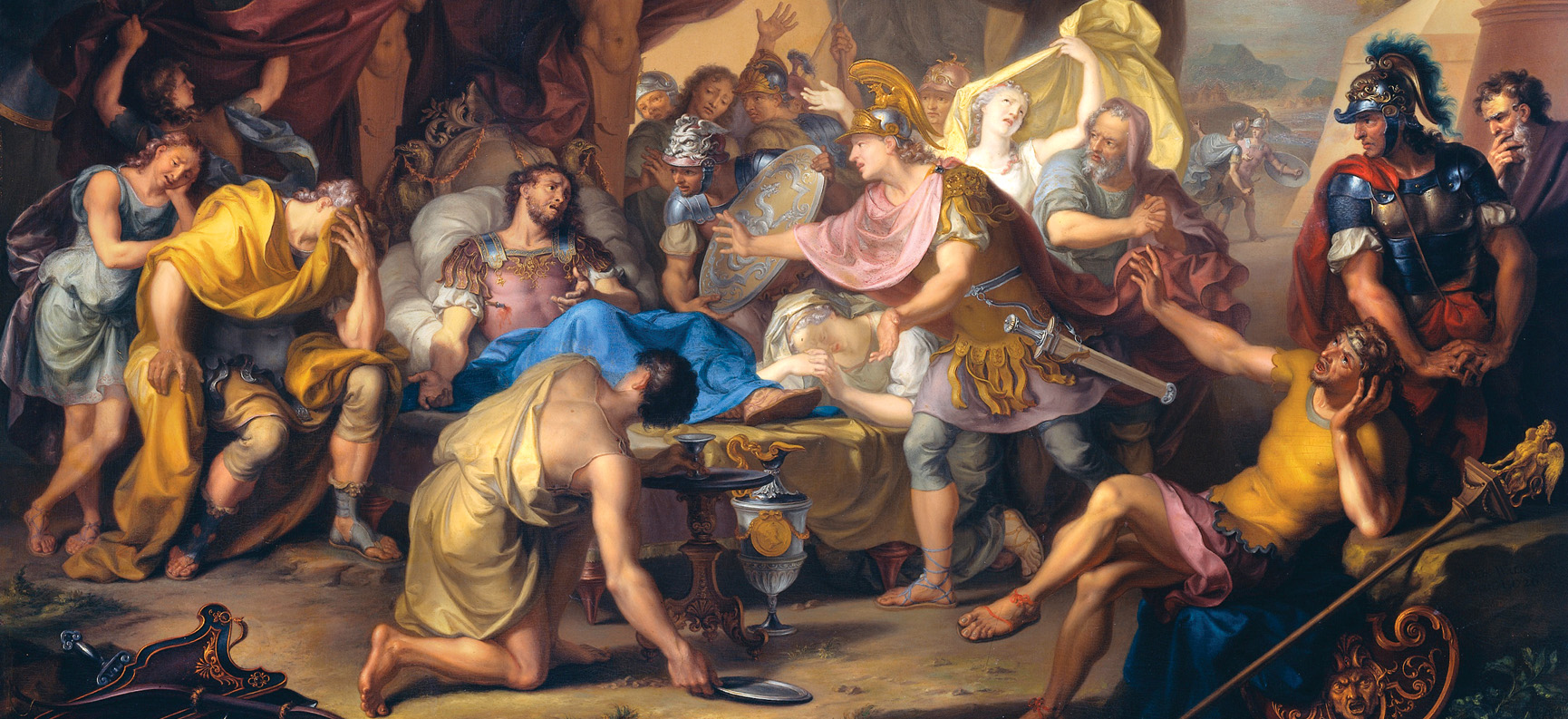
The Battle of Mantinea was a fiercely contested engagement, with both sides suffering heavy casualties. Epaminondas' leadership and tactical prowess were on full display, as he sought to secure a decisive victory that would cement Thebes' position as the leading power in Greece. However, the battle took a tragic turn when Epaminondas was mortally wounded by a spear, bringing an end to his remarkable military career.
The Death and Legacy of Epaminondas
Epaminondas' death at the Battle of Mantinea was a significant loss for Thebes and the broader Greek world. According to ancient customs, he was buried on the battlefield, a testament to his status as a fallen hero. His passing marked the beginning of the end for the Theban Hegemony, as Thebes struggled to maintain its dominance without his leadership.
Despite his untimely death, Epaminondas' legacy endured. His military innovations, particularly the oblique order, influenced subsequent generations of generals, including Philip II of Macedon and Alexander the Great. His strategic brilliance and commitment to justice continue to be studied and admired in the fields of military history and classical studies.
Epaminondas' Political and Philosophical Influence
The Pythagorean Connection
Epaminondas' early education under the Pythagorean philosopher Lysias had a profound impact on his worldview and leadership style. The Pythagorean emphasis on mathematics, discipline, and ethical conduct shaped Epaminondas' approach to both warfare and governance. This philosophical grounding set him apart from many of his contemporaries, who often relied solely on brute force and traditional tactics.
The influence of Pythagorean thought is evident in Epaminondas' strategic planning and his ability to adapt to changing circumstances. His tactical innovations, such as the oblique order, reflect a deep understanding of geometric principles and the importance of precision and timing in warfare. This unique blend of philosophical insight and military prowess made Epaminondas a truly exceptional leader.
Reshaping Greek Alliances
Epaminondas' political acumen was as impressive as his military genius. He recognized that diplomacy and alliances were crucial to maintaining Thebes' dominance. Throughout his career, he worked tirelessly to forge strategic partnerships and reshape the balance of power in ancient Greece. His efforts were instrumental in creating a network of allies that supported Theban hegemony.
One of Epaminondas' key achievements was his ability to unify disparate city-states under a common cause. He understood that a divided Greece was vulnerable to external threats and internal strife. By fostering a sense of shared purpose and mutual support, Epaminondas laid the foundation for a more stable and cooperative political landscape. His diplomatic efforts were a testament to his visionary leadership and his commitment to the greater good.
The Enduring Impact of Epaminondas' Leadership
Inspiring Future Generations
Epaminondas' legacy extends far beyond his military victories and political achievements. His life and career have served as an inspiration for countless leaders and strategists throughout history. His ability to innovate, adapt, and overcome seemingly insurmountable odds has made him a symbol of resilience and determination.
Modern military academies and leadership programs often study Epaminondas' tactics and strategies, drawing lessons from his creative problem-solving and strategic thinking. His emphasis on flexibility, precision, and ethical conduct continues to resonate with contemporary leaders, demonstrating the timeless relevance of his approach to warfare and governance.
Epaminondas in Modern Scholarship
In recent years, scholarly interest in Epaminondas has experienced a resurgence. Academic works, such as a doctoral thesis from the University of Otago, have reaffirmed his pivotal role in reshaping ancient Greek history. These studies highlight his tactical innovations, his humanitarian achievements, and his lasting impact on the political and military landscape of his time.
Modern scholarship has also explored the cultural and philosophical dimensions of Epaminondas' legacy. His connection to Pythagorean thought, his commitment to justice, and his ability to inspire loyalty and unity among his troops have been subjects of extensive research. This multifaceted approach to understanding Epaminondas' life and career underscores his significance as a transformative figure in ancient Greek history.
As we continue to explore the life and achievements of Epaminondas, it becomes clear that his influence extends far beyond the battlefield. His strategic brilliance, his commitment to justice, and his visionary leadership have left an indelible mark on the history of ancient Greece and continue to inspire leaders and strategists to this day.
Epaminondas' Tactical Innovations and Their Lasting Influence
The Oblique Order: A Revolutionary Military Strategy
At the heart of Epaminondas' military genius was his development of the oblique order, a tactical innovation that forever changed the face of ancient warfare. Unlike traditional phalanx formations that maintained uniform depth across the entire line, Epaminondas concentrated his forces on one wing—typically the left—creating an overwhelming force at a decisive point. At the Battle of Leuctra, he deployed his left wing with 50 ranks of hoplites, compared to the standard 8–12 ranks, while thinning out his right wing.
This bold strategy exploited a fundamental weakness in Spartan tactics: their reliance on a uniformly strong line. By focusing his strength against the Spartan right, where their elite troops were traditionally positioned, Epaminondas achieved a decisive breakthrough that led to a stunning Theban victory. The oblique order demonstrated his understanding of asymmetrical warfare and his willingness to challenge military orthodoxy.
Influence on Macedonian and Hellenistic Warfare
Epaminondas' tactical innovations did not die with him. His strategies were carefully studied and adapted by later military leaders, most notably Philip II of Macedon and his son, Alexander the Great. Philip II refined the oblique order, using it to great effect in his campaigns to unify Greece under Macedonian rule. Alexander, in turn, employed similar principles of concentrated force and flexible formations during his conquests of Persia and beyond.
The legacy of Epaminondas' tactics can be seen in several key aspects of Hellenistic warfare:
- Deep phalanx formations that prioritized shock and penetration over uniform depth.
- The use of combined arms, integrating cavalry and light infantry with heavy hoplites.
- An emphasis on maneuverability and rapid redeployment during battle.
- The strategic importance of targeting enemy command structures to induce panic and disarray.
Epaminondas' influence extended beyond mere tactics; he demonstrated that innovation and adaptability were critical to military success. This lesson was not lost on subsequent generations of commanders, who built upon his ideas to create the dynamic and flexible armies of the Hellenistic era.
Epaminondas and the Liberation of the Messenian Helots
A Humanitarian Victory with Strategic Consequences
One of Epaminondas' most significant and enduring achievements was the liberation of the Messenian helots in 370 BC. For nearly 230 years, these enslaved people had been subjected to brutal conditions under Spartan rule, forced to labor on the lands that sustained Sparta's military machine. Epaminondas' decision to free them was not only a moral triumph but also a strategic masterstroke that crippled Sparta's economic and military capabilities.
By founding the city of Messene, Epaminondas provided the helots with a homeland and a sense of identity. This act of liberation had several immediate effects:
- It deprived Sparta of a critical labor force, weakening its agricultural and economic base.
- It created a loyal ally for Thebes in the Peloponnese, countering Spartan influence.
- It inspired other enslaved populations across Greece to resist their oppressors.
- It redrew the political map, establishing a new power center that challenged Spartan hegemony.
The Symbolism of Liberation in Ancient Greece
The liberation of the Messenian helots was more than a military or political maneuver; it was a symbolic act that resonated throughout the ancient world. Epaminondas' actions demonstrated that justice and freedom were not merely abstract ideals but tangible goals that could be achieved through determined leadership and strategic action.
This event also highlighted the interconnectedness of military strategy and social justice. Epaminondas understood that true victory required not only defeating an enemy on the battlefield but also addressing the underlying structures of oppression that sustained their power. His liberation of the helots stands as a testament to his holistic approach to leadership, one that integrated military, political, and humanitarian considerations.
The Political and Diplomatic Legacy of Epaminondas
Building and Maintaining the Theban Hegemony
Epaminondas' military victories were only one aspect of his broader strategy to establish and sustain the Theban Hegemony. He recognized that lasting dominance required not only battlefield success but also diplomatic finesse and political acumen. His efforts to build alliances and reshape the balance of power in Greece were instrumental in securing Thebes' position as a leading city-state.
Key elements of Epaminondas' diplomatic strategy included:
- Forging alliances with former Spartan subjects, such as the Arcadians and Messenians.
- Promoting Thebes as a protector of smaller city-states against Spartan aggression.
- Establishing a network of loyal allies through military support and political cooperation.
- Undermining Spartan influence by encouraging defection and rebellion among its allies.
The Fragility of Hegemony: Lessons from Thebes' Decline
Despite Epaminondas' remarkable achievements, the Theban Hegemony proved to be relatively short-lived, lasting only from 371 to 362 BC. His death at the Battle of Mantinea created a power vacuum that Thebes struggled to fill. This decline offers valuable insights into the challenges of maintaining dominance in a fragmented political landscape.
Several factors contributed to the fragility of Theban hegemony:
- The lack of a successor with Epaminondas' strategic vision and leadership qualities.
- The resilience of Spartan power, which, though weakened, remained a formidable force.
- The emergence of new threats, such as the rising power of Macedon under Philip II.
- The difficulty of sustaining alliances without a unifying leader like Epaminondas.
Epaminondas' career underscores the importance of succession planning and the challenges of maintaining stability in a competitive geopolitical environment. His ability to innovate and adapt was unparalleled, but the sustainability of his achievements depended on factors beyond his control.
The Cultural and Historical Significance of Epaminondas
Epaminondas in Ancient and Modern Historiography
Epaminondas' life and achievements have been the subject of extensive study in both ancient and modern historiography. Ancient sources, such as Diodorus Siculus and Plutarch, praised his military genius and moral character. Modern scholars continue to explore his tactics, leadership, and impact on ancient Greek history, with recent works reaffirming his status as one of the greatest generals of antiquity.
Key themes in the historiography of Epaminondas include:
- His role as a tactical innovator, particularly in the development of the oblique order.
- His humanitarian achievements, such as the liberation of the Messenian helots.
- His political and diplomatic strategies in building the Theban Hegemony.
- His philosophical influences, notably his connection to Pythagorean thought.
Epaminondas as a Symbol of Leadership and Innovation
Beyond his historical significance, Epaminondas has become a symbol of leadership, innovation, and resilience. His ability to challenge conventional wisdom and achieve victory against overwhelming odds serves as an inspiration for leaders in various fields, from military strategy to business and politics.
Several key lessons can be drawn from Epaminondas' career:
- Innovation is critical to overcoming entrenched power structures.
- Adaptability and flexibility are essential in dynamic and unpredictable environments.
- Ethical leadership can inspire loyalty and achieve lasting impact.
- Strategic vision must integrate military, political, and humanitarian considerations.
Conclusion: The Enduring Legacy of Epaminondas
Epaminondas' life and career represent a pivotal chapter in the history of ancient Greece. His military innovations, particularly the oblique order, revolutionized warfare and influenced generations of commanders. His liberation of the Messenian helots stands as a landmark achievement in the struggle for justice and freedom. His political and diplomatic strategies reshaped the balance of power in Greece, establishing Thebes as a dominant force.
Yet, perhaps Epaminondas' most enduring legacy is his demonstration of the power of innovation, leadership, and resilience. He proved that even the most formidable adversaries could be defeated through strategic thinking, tactical brilliance, and an unwavering commitment to justice. His story serves as a timeless reminder that true greatness is achieved not merely through strength, but through the courage to challenge the status quo and the vision to create a better future.
As we reflect on the life and achievements of Epaminondas, we are reminded of the transformative impact that a single individual can have on the course of history. His legacy continues to inspire and instruct, offering valuable lessons for leaders and strategists in every era. In the annals of ancient Greek history, Epaminondas stands as a towering figure, a general and statesman whose innovations and ideals have left an indelible mark on the world.


Epaminondas: The Visionary Leader of Thebes
In the annals of ancient history, the mention of legendary military leaders often evokes names like Alexander the Great or Julius Caesar. Yet, standing nearly forgotten in the shadows of such luminaries is Epaminondas—a leader whose strategies and reforms reshaped the Greek world in the 4th century BCE. As a visionary statesman and military tactician, Epaminondas carved a path for Thebes, challenging the hegemony of Sparta and altering the course of Greek history.
The Rise of Thebes and Epaminondas
The city-state of Thebes, nestled in the region of Boeotia, Greece, was once an overshadowed player in the affairs of the Greek world. However, this began to change in the early 4th century BCE, as internal reforms and external pressures pushed Thebes toward a more prominent role. Epaminondas emerged from the depths of this transformation, his charismatic leadership and innovative strategies catapulting him to the forefront of Theban politics and military exploits.
Born around 418 BCE, Epaminondas was not of noble birth, yet his intelligence and charisma quickly distinguished him among his peers. He forged a reputation through his dedication to learning, particularly in philosophy and the military arts, which would later underpin his success as both a strategist and leader. His military prowess and deep-seated moral convictions became the cornerstone of his leadership style, steering Thebes into a period of remarkable, albeit short-lived, supremacy.
The Battle of Leuctra: A Turning Point
Epaminondas's most celebrated military achievement was the Battle of Leuctra in 371 BCE. Before this transformative engagement, the militaristic power of Sparta loomed large over the Greek city-states, having maintained dominance for several decades. Despite being outnumbered, Epaminondas led the Theban troops with an innovative battle formation—a tactic that played a crucial role in reshaping Greek warfare and redefining Theban might.
The traditional phalanx formation, typically employed by Greek armies, saw infantry lines of equal strength across the battlefield. However, Epaminondas devised a novel approach by massing his troops into a deeper, more robust column on one wing of the line. This concentrated force attacked the Spartan right, effectively neutralizing their famed hoplites. The result was a decisive Theban victory, one that shattered the myth of Spartan invincibility and marked the beginning of Theban ascendancy.
Epaminondas: A Statesman and Reformer
Beyond his military successes, Epaminondas was a visionary statesman who sought to create a balance of power within the Greek world. His profound understanding of both politics and human nature was evident in his approach to governance and reform. Following the Battle of Leuctra, Epaminondas sought to maintain Thebes's newfound power through alliances and diplomacy rather than sheer force alone.
One of his most significant political moves was the establishment of the Arcadian League, a confederation of city-states in the Peloponnese region. This strategic alliance served to counterbalance Spartan influence and prevent any single power from dominating the Greek peninsula. Epaminondas's vision extended to the socioeconomic structure of Thebes as well. He endorsed policies that fostered greater equality and redistributed land to bolster the Theban economy and population.
Legacy and Influence
The legacy of Epaminondas is both monumental and tragic. While his innovative tactics and strategic brilliance elevated Thebes to new heights, his untimely death in 362 BCE at the Battle of Mantinea precipitated the decline of Theban power. Despite this, his influence on military strategy endured, inspiring future tacticians with his creative military formations and maneuvers.
Epaminondas's impact extended beyond military reforms; his dream of a balanced power structure lingered well into the Hellenistic period. The fragmentation of Greek city-states left room for the eventual rise of Macedonian power under Philip II, who adopted several of Epaminondas's strategies and principles. Although Epaminondas's Thebes did not survive as a dominant power, the ripples of his ingenuity were felt throughout subsequent European military history.
In the tapestry of Greek history, Epaminondas stands as a testament to the power of innovation and vision. His leadership not only reshaped Theban fortunes but also left an indelible mark on the course of Greek and indeed world history—a mark that redefined warfare and set the stage for future generations of military leaders and strategists. As history unfolds, the lessons of Epaminondas remind us of the profound impact of courage, intellect, and a commitment to reform in an ever-changing world.
Military Innovations of Epaminondas
The military innovations introduced by Epaminondas at the Battle of Leuctra proved to be more than just a fleeting change in tactics; they heralded a new era of strategic thinking that would influence military leaders for generations. The concept of deploying troops in an uneven line, with particular strength at decisive points, was revolutionary. This tactic, known as the oblique order, was instrumental in his victory over the Spartans and later echoed in the strategies of commanders like Philip II of Macedon and even Frederick the Great of Prussia in the 18th century.
The oblique formation allowed Epaminondas to break the rigid structure of traditional phalanx warfare, which typically involved evenly matched forces clashing along a straightforward line of engagement. By concentrating his forces on the enemy's weak point and simultaneously utilizing lighter troops to harass and confuse enemy flanks, he introduced a level of fluidity and adaptability that had been lacking in Hellenic battles. This approach not only leveraged the uneven terrain to Theban advantage but also capitalized on disarray in enemy ranks, demonstrating Epaminondas's deep understanding of battlefield dynamics.
Theban Society Under Epaminondas
While military might and battlefield acumen were essential aspects of Epaminondas's leadership, his vision for Thebes also extended into societal improvements and civic reforms. As a state striving to secure newfound hegemony, internal cohesion was crucial, and Epaminondas worked tirelessly to foster unity and prosperity in Theban society.
One of his noteworthy endeavors was the redistribution of land ownership. Land, in ancient Greek society, was not just an economic asset but a symbol of status and power. By redistributing large estates previously dominated by aristocratic elites, Epaminondas aimed to diminish social hierarchies and engender a more equitable society. This policy helped broaden the economic base of Thebes, empowering more citizens to contribute to their polis and military efforts.
Moreover, the economic policies implemented during his leadership underscored his commitment to the welfare of Thebans at large. By supporting trade and local craftsmanship, Epaminondas created an environment conducive to growth and innovation. This economic upliftment ensured a steady supply of resources necessary for both sustaining military campaigns and advancing civic infrastructure, thus aligning Theban prosperity with its military ambitions.
The Diplomatic Maneuvering of Epaminondas
Epaminondas's diplomatic skills were as formidable as his military acumen. Recognizing that perpetual warfare was unsustainable, he sought alliances that could secure Theban interests while promoting regional stability. His efforts in forming the Arcadian League were characteristic of his strategic diplomatic vision, aimed at offsetting Spartan power while promoting a more unified Peloponnese.
In an era characterized by constant conflict between city-states, Epaminondas stood out as a leader eager to explore peaceful coexistence and mutual benefit. He advocated for treaties and alliances that not only strengthened Thebes but also fostered networks of support among other Greek city-states. By doing so, he paved the way for cooperative approaches to governance, seeking to stabilize the Greek world through diplomacy as much as through military strength.
One key alliance, with the city-state of Athens, was particularly significant. Despite traditional rivalries, Epaminondas was able to craft diplomatic initiatives that saw Thebes and Athens working together at various junctures, a striking testament to his ability to transcend entrenched enmities for the greater good of regional stability.
Critiques and Counterpoints
Despite his many contributions, Epaminondas was not without his critics, both during his life and in subsequent historical analyses. Some contemporary commentators and later historians argue that his policies, while innovative, were ultimately too ambitious given the volatile nature of Greek politics. The radical redistribution of land and power, for instance, while intended to foster equality, in fact led to dissent and instability following his death.
Additionally, his untimely death at the Battle of Mantinea, where he fell in battle although leading Thebes to another tactical success, left a power vacuum that Thebes struggled to fill. Without his guiding vision and leadership, Theban ascendancy quickly waned, demonstrating both the brilliance and the limitations of Epaminondas's impact. His inability to cement long-term stability or ensure a succession of equally capable leaders resulted in a rapid decline in Theban influence and foiled his broader plans for a balanced Greek world.
Though his strategies and political maneuvers were praised, the absence of a lasting institutional structure meant that much of his work unraveled swiftly. Critics point to this as a cautionary tale illustrating the need for robust systems alongside visionary leadership. Nevertheless, his legacy, rich with both triumphs and lessons in governance, continues to engage historians and inspire military strategists to this day.
Despite these debates, the contributions of Epaminondas remain a testament to his extraordinariness as a leader—a man whose military brilliance and visionary outlook momentarily brought Thebes to the zenith of its power and influence within the Greek world. As we reflect on his life and legacy, Epaminondas emerges as a complex figure, whose ambition and revolutionary ideas characterize a pivotal era in ancient history.
The Mantinean Campaign and Epaminondas's Final Acts
The culmination of Epaminondas's military career and life came during the Mantinean Campaign, which occurred in 362 BCE. This conflict was not just another battle for Thebes but a testament to Epaminondas's tenacity and strategic prowess. The political landscape was fraught with tension, as power struggles among neighboring city-states reached a boiling point. Determined to solidify Theban dominance and secure a lasting peace accord, Epaminondas launched a campaign targeting Sparta and its allies, effectively placing Thebes at the epicenter of a potential regional realignment.
Epaminondas's arrival at Mantinea signaled his persistent ambition to alter Greek geopolitics definitively. Utilizing innovative tactics once more, he crafted a strategy that involved feints and misdirection, aiming to split the forces of his adversaries. His foresight and ability to anticipate enemy movements underscored his unparalleled prowess on the battlefield. However, despite achieving tactical victories, this campaign would turn tragically personal.
During the climax of the battle, Epaminondas was struck down by a spear. Even in his final moments, his thoughts were with Thebes; he famously ordered his men not to announce his death until assured of their victory. The Thebans won the battle, but it was a pyrrhic victory, his death casting a long shadow over the future of Theban hegemony.
The Immediate Aftermath of Epaminondas's Death
The death of Epaminondas had profound implications, both immediately and in the resultant power dynamics throughout Greece. Following his demise, the centralized leadership he had embodied dissipated, and Theban influence rapidly declined. The absence of his guiding hand and cohesive vision left a gaping leadership void that no successor could effectively fill. The political and societal reforms he courageously championed were left vulnerable, suffering without the powerful stewardship that had enforced them.
This unraveling of Thebes allowed Sparta to recover from its earlier defeats and weakened the structures Epaminondas had painstakingly built. The anticipated equilibrium within the Greek world, where one city-state did not monopolize power, remained unfulfilled. Moreover, the chaos of succession and the collapse of meaningful leadership precipitated external threats, eventually ushering in an era characterized by Macedonian ascendancy under Philip II, who keenly noted the strategic innovations pioneered by Epaminondas.
Long-term Influence and Philosophical Legacy
The legacy of Epaminondas endures not only through his strategic innovations but as an icon of principled leadership. His commitment to societal equity, military reform, and diplomatic tact embodies an enduring archetype of statesmanship. For subsequent generations of military strategists and political theorists, Epaminondas represents a profound combination of intellectual breadth and martial acuity.
The tactical concepts he introduced, such as the oblique approach, were foundational to Philip II's development of the Macedonian phalanx, which expanded upon Epaminondas's principles of flexibility and concentration of force. Furthermore, Epaminondas's endeavor to balance and check power foreshadowed later political theories advocating for equilibrium among rival state powers—an idea that resonates with modern political thought about stable governance systems.
Philosophically, Epaminondas's reflections on leadership and responsibility have also survived. His friendships and dialogs with philosophers of his time, like the Pythagorean Lysis, suggest that Epaminondas understood the synthesis of strategic thinking with ethical consideration—an approach that argues for the judicious wielding of power combined with moral integrity, a concept that has inspired statesmen across eras.
Conclusion: A Visionary in His Time
Epaminondas's life and legacy encapsulate the dichotomy inherent in many great historical figures: a man of grand vision whose reality was cut short by life's ephemeral nature. His innovative military tactics changed the face of warfare, while his reforms aimed at social equity and balance left an indelible impression that defined Theban society even after its political prominence waned. His visionary leadership, although temporarily successful on the battlefield, could not overcome the entrenched societal fractures that were re-exposed following his death.
Despite the ephemeral nature of Thebes's power, the lessons of Epaminondas remain clear. His career serves as an influential study in the balance of military might with governance, vision with pragmatism, and ambition with ethical responsibility. As we evaluate his legacy, it becomes apparent that true greatness in leadership consists not merely in triumphs on the battlefield or political arena but also in the foresight and moral fortitude to aim for a future that benefits all, a principle just as applicable to today's leaders as it was in the ancient world.
Thus, while the temporal realms of his influence may have dissipated after Mantinea, the philosophical and tactical legacies of Epaminondas continue to echo, reminding us of the enduring power of innovative vision and ethical leadership in shaping the course of history.