Demosthenes: The Greatest Ancient Greek Orator
Introduction
Demosthenes (Demóstenes, or Δημόστηνος) was a prominent Athenian statesman, orator, and writer who is widely regarded as one of the greatest speakers and writers in ancient Greece. His speeches played a crucial role in the political landscape of his time, and his influence extends to the present day, making him a significant figure in the study of history, rhetoric, and oratory. Born in 384 BCE in the Athenian suburb of Halion, Demosthenes faced numerous challenges in his youth that eventually shaped his remarkable oratorical skills and political acumen.
Early Life and Challenges
The Environment and Family Background
Demosthenes was born into a wealthy and influential family in the Athenian deme (an ancient unit of local administration) of Halion. His ancestral home was the Periclean family, which had produced numerous notable politicians and figures during the height of the Athenian Golden Age, particularly during the time of Pericles. This background instilled in Demosthenes a keen interest in politics and public affairs from a young age.
Physical and Vocal Challenges
However, Demosthenes’s path to becoming an orator was not without obstacles. He suffered from a speech impediment and a lisp, as well as poor posture and a lack of confidence in his voice. These physical and psychological challenges were significant enough to impede his ability to speak in public effectively. Despite these handicaps, Demosthenes was determined to overcome them and become a great orator. His journey towards excellence began with rigorous physical and vocal training.
Training and Development
Physical Training
Demosthenes was known to perform extreme physical training as part of his preparation for public speaking. He engaged in various exercises to improve his posture and breathing. According to ancient sources, he would stand on tiptoe and lift one leg while speaking, or recite passages in a single breath. He also used pebbles or beans placed between his teeth to help correct his lisp and strengthen his jaw muscles. These exercises were not just for show; they were essential in preparing his body and voice for the rigors of public speaking.
Vocal Training
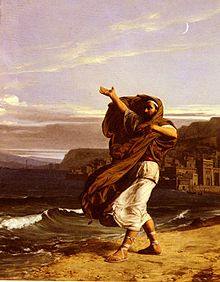
Just as important as the physical exercises were his vocal techniques. Demosthenes reportedly used techniques such as practicing long speeches while walking on a beach, shouting on the seashore to gain resonance, and reciting passages while looking at water to gain clarity. He also studied the works of great orators and philosophers, drawing inspiration from their rhetorical prowess. This methodical approach to training was crucial in developing his oratorical skills, allowing him to project his voice and communicate effectively to his audience.
Political and Rhetorical Influences
Early Influences
The young Demosthenes was deeply influenced by the political and cultural environment of Athens. The city was a hub of intellectual and political activity, with frequent debates and discussions among the citizens. This atmosphere encouraged the development of rhetorical skills, as the ability to persuade and influence through speech was paramount in Athenian democracy. Demosthenes would have absorbed these lessons from a young age, and his later works reflect this early exposure to the complexities of politics and rhetoric.
Key Orators and Philosophers
Demosthenes also studied the works of key orators and philosophers, including Antiphon, Eubulus, Isocrates, and Isocrates. He would have learned from their examples, emulating their styles and techniques. Antiphon was particularly noted for his skill in using speeches to advocate for the interests of the poor and the accused, while Eubulus and Isocrates were known for their comprehensive educational approach and focus on ethical reasoning. These influences helped shape Demosthenes’s own oratory and philosophy, contributing to his ability to articulate complex ideas and arguments effectively.
Public Speaking and Oratory Skills
Public Debates and Speeches
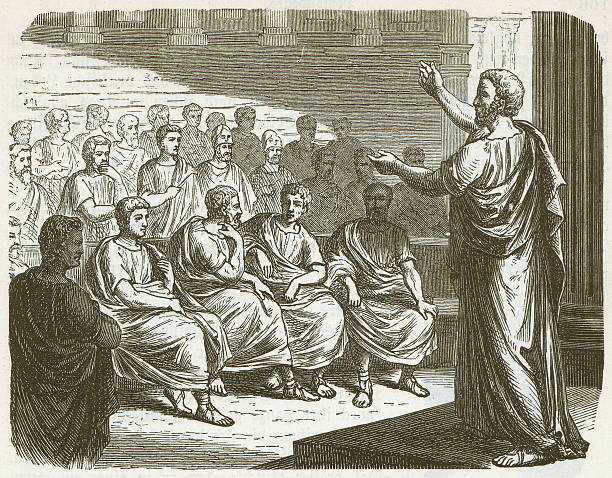
Demosthenes’s journey to becoming a great orator culminated in his many public debates and speeches. These opportunities allowed him to refine his skills and gain confidence. He participated in the assemblies, where he delivered speeches on a wide range of issues, from policy and legislation to matters of foreign policy and military strategy. These public engagements provided a platform for him to showcase his rhetorical abilities and gain renown among his fellow citizens.
Characteristics of His Oratory Style
Demosthenes’s oratory style was characterized by its clarity, logic, and emotional impact. He was meticulous in his preparation, often outlining his speeches in advance and refining them until they were perfect. His speeches were known for their logical coherence and persuasive power, often employing various rhetorical devices such as repetition, parallelism, and antithesis to create a compelling narrative. He was adept at using anecdotes and vivid imagery to engage his audience and make his arguments more relatable.
Challenges and Achievements
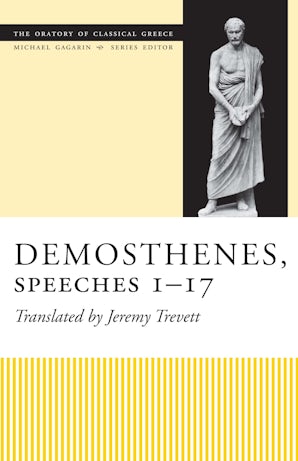
Despite the initial challenges, Demosthenes’s dedication and hard work paid off. He became a formidable orator, known for his eloquence and persuasive power. Some of his most notable works include the Olynthiac speeches, which defended the rights of free states against Macedonian domination, and the Philippics, a series of speeches aimed at deterring Philip II of Macedon’s expansionist policies. Through these speeches, he not only defended the interests of Athens but also contributed significantly to the intellectual and cultural landscape of ancient Greece.
Impact on Athens and the Wider World
Political Contributions
Demosthenes’s contributions to Athenian politics were extensive. He was involved in numerous debates and negotiations, advocating for policies that would enhance the city’s power and stability. His speeches often addressed critical issues such as the distribution of power among the city-states, the protection of Athenian democracy, and the defense against external threats. His efforts helped shape the political discourse of his time, and his insights continue to be studied by historians and political scientists today.
Role as an Educator
In addition to his political activities, Demosthenes was also a respected educator. He established a school of rhetoric, where he taught the art of persuasion and argumentation. This school attracted students from across the ancient world, making a significant impact on the education system and the development of public speaking skills. His teaching methods, while demanding, were highly influential and contributed to the broader cultural legacy of ancient Greece.
Legacy and Influence
The impact of Demosthenes’s work is felt across the ages. His speeches are regarded as some of the finest examples of ancient Greek rhetoric and continue to be studied in schools and universities around the world. His oratorical prowess and deep understanding of political and ethical issues have ensured his enduring relevance. Demosthenes’s legacy is not only in his words but also in the techniques and approaches to public speaking that he pioneered.
In conclusion, Demosthenes’s journey from a young man with a speech impediment to one of the greatest orators of ancient Greece is a testament to his determination and skill. His contributions to politics, rhetoric, and education have left an indelible mark on the intellectual and cultural history of the ancient world, making him a figure of immense significance for scholars and students of history and communication.
Further Challenges and Political Struggles
Negotiations with Philip II of Macedon
One of the most notable challenges Demosthenes faced was his struggle against Philip II of Macedon, who was seeking to expand his influence over the Greek city-states, including Athens. Demosthenes’s Philippic orations were a direct response to Philip’s aggressive ambitions. These famous speeches, composed over several years, served as a rallying cry for those opposed to Macedonian dominance. In particular, the Third Philippic, delivered in 341 BCE, was a scathing indictment of Philip’s policies and intentions, aiming to unite the Greeks in a unified defensive coalition against Macedonian aggression.
The League of Corinth
In the years leading up to the Corinthian War (395–387 BCE), Philip II sought to forge a league of Greek city-states under his leadership, a move that threatened the independence of many smaller states like Athens. Demosthenes played a crucial role in opposing this consolidation of power. His speeches emphasized the importance of maintaining the balance of power within Greece and the dangers of allowing any single ruler, especially Philip, to achieve such authority. The failure of these efforts led to a series of conflicts between Athens, Sparta, and their allies against the Macedonians, which ultimately resulted in a stalemate.
The Battle of Chalkis
The Corinthian War concluded with the Peace of Antipatris in 386 BCE, but tensions between Athens and Macedon continued. One of the decisive moments in this conflict was the Battle of Chalkis in 338 BCE, fought between an Athenian-led coalition and Philip’s forces. Although the Athenians initially held their ground, they ultimately faced defeat due to the numerical superiority of Philip’s troops. Following this battle, the Macedonians gained significant control over central Greece, setting the stage for further political upheaval.
Philippic Fourth and Fifth
Feeling increasingly disheartened by the ongoing challenges and recognizing the need to address the growing threat posed by Philip II, Demosthenes delivered his Philippic Fourth and Fifth between 338 and 335 BCE. These speeches were less focused on immediate military action and more on rallying support against the inevitable Macedonian conquest. The Philippic Fourth highlighted the moral and ethical arguments against Philip’s conquest, appealing to the patriotism and pride of the Athenians. Meanwhile, the Philippic Fifth, which was largely lost and reconstructed in modern times based on fragments, emphasized the necessity of forming a permanent alliance against the perceived threat of Philip.
Personal Relationships and Influences
Relationships with Fellow Politicians
Beyond his interactions with Philip II, Demosthenes also formed relationships with key political figures such as Phocion and Timotheus, who were themselves influential orators and politicians. These collaborations were vital in navigating the complex political terrain of ancient Greece. Together with Phocion, who was known for his virtuous conduct and political acumen, Demosthenes worked to promote a moderate anti-Macedonian policy. They believed in maintaining the alliances that had kept Athens relatively independent and prosperous.
Nicomachus and Other Followers
Demosthenes also had a significant following among his contemporaries and future generations of orators, including Nicomachus of Eretria, who was appointed to head the Athenian navy after Demosthenes. Nicomachus carried forward the legacy of Demosthenian oratory, continuing to champion the cause of anti-militaristic and pro-Athenian reforms. Through his followers, Demosthenes’s message and methodologies endured beyond his lifetime, shaping the discourse and strategies of subsequent generations of Greek politicians.
Literary Works and Legacy
Sources and Historical Records
Demosthenes’s literary works, primarily preserved in the form of speeches, constitute some of the most valuable historical sources from ancient Greece. These speeches, known collectively as the Polygraphic Orations, cover a wide range of topics, from legal matters to military affairs and political campaigns. Scholars refer to these texts, particularly the Philippics, for insight into the social and political dynamics of the time. The detailed accounts of battles, diplomatic negotiations, and internal squabbles provide a comprehensive view of life in fifth- and fourth-century BCE Greece.
Influence on Modern Rhetoric and Communication
The impact of Demosthenes’s oratory extended far beyond his own era. His work has been scrutinized and emulated by rhetoricians and communication scholars, contributing to the development of modern approaches to public speaking and persuasive communication. The principles of structure, coherence, and emotional appeal that he employed continue to be relevant today, serving as foundational elements in rhetoric and composition studies.
Educational Influence
Besides his practical involvement in politics and oratory, Demosthenes also left an enduring educational legacy. The methods he employed in teaching rhetoric to his students form a basis for modern pedagogical practices. His emphasis on clear articulation, logical reasoning, and effective emotional engagement in public speaking remains central to contemporary approaches to oral communication.
Conclusion
Demosthenes stands as a towering figure in the annals of ancient Greek history, not only for his exceptional oratory skills but also for his unwavering commitment to defending democracy and Athens against external threats. His political struggles, marked by intense debates and powerful orations, exemplified the virtues of civic responsibility and leadership. Through his writings and teachings, Demosthenes transmitted timeless principles of rhetoric and political engagement, leaving an indelible mark on Western civilization.
Final Years and Legacy
The End of Democracy and Aftermath
As the Macedonians gained increased control over Greece, the balance of power shifted significantly. Philip II’s son, Alexander III (Alexander the Great), further consolidated Macedonian dominance after his father's death in 336 BCE. By 322 BCE, Macedonia had effectively replaced Athens as the dominant force in the region, leading to the gradual decline of Athenian independence. Despite these political shifts, Demosthenes continued to advocate for Athenian autonomy and resist Macedonian control, though his efforts ultimately proved fruitless.
In the face of mounting pressure from Alexander, Demosthenes found himself isolated and marginalized within Athenian politics. The once-vibrant democratic institutions that he had helped shape were gradually eroded under Macedonian rule. In 322 BCE, Demosthenes, along with others opposed to Macedonian dominion, was forced to flee Athens when Alexander began to exert greater control over the city-state. This marked a significant turning point in Demosthenes’s life, as his earlier advocacy for Athenian independence became increasingly impractical in the face of Macedonian dominance.
Final Days and Death
Following his exile, Demosthenes settled in Calauria, an island close to Corinth, where he continued his political activism through correspondence and attempts to rally support. However, by 322 BCE, he found himself disillusioned and disheartened by the political turmoil and Macedonian oppression. On his return to Athens in 323 BCE, the sudden death of Alexander the Great temporarily alleviated some of the political pressure. Yet, within a short period, the situation deteriorated once more.
Determined to escape the impending political purges orchestrated by Antipater, Demosthenes decided to take his own life rather than face what he saw as certain imprisonment or execution. On September 26, 322 BCE, he ingested poison and died at the age of 59, leaving behind a legacy that would endure for centuries.
His Last Words
According to Plutarch, in his final moments, Demosthenes made his last request to those around him, asking that his body be cremated and the ashes scattered in the sea, an expression of his lifelong devotion to Athens and his determination to remain forever connected to the city that had nurtured and shaped him.
Memorials and Commemoration
The death of Demosthenes did not diminish the reverence and admiration he garnered from future generations. Memorials and tributes continued to celebrate his contributions to Greek history and oratory. Statues of Demosthenes were erected in various cities, most notably outside the Parthenon, signifying his importance to Athenian heritage. Coins honoring Demosthenes were minted, further cementing his status as a symbol of civic duty and eloquence.
The commemorative inscriptions and statues celebrated not only his oratorical prowess but also his unwavering dedication to democracy and the ideals of freedom. These memorials ensured that even after his death, Demosthenes remained a figure of admiration and inspiration for all who sought to uphold similar values.
Demosthenes’ Lasting Impact
Education and Modern Practice
The enduring legacy of Demosthenes extends far beyond his lifetime, shaping the fields of education and modern public speaking. His methodologies in training orators and his emphasis on clarity, logic, and ethical considerations remain fundamental principles taught in rhetorical studies today. Many educational institutions still incorporate Demosthenian techniques into their curricula, ensuring that his teachings continue to influence the next generation of communicators.
Modern Applications and Influence
The principles derived from Demosthenes’s works continue to be applied in various fields, including law, marketing, and public relations. His focus on effective communication and emotional appeal serves as a template for creating powerful, resonant messages. Demosthenes’s emphasis on structured arguments and ethical persuasion has been adapted to suit contemporary needs, making his strategies valuable in both ancient and modern contexts.
Final Reflections
Demosthenes’s story encapsulates the human capacity for determination and resilience in the face of adversity. From a boy with physical and emotional handicaps to one of the greatest orators of his age, Demosthenes’s journey is a testament to the power of dedicated practice and unwavering commitment. His political and oratorial legacy continues to inspire scholars and public figures alike, reminding us of the enduring value of eloquent and principled advocacy.
In conclusion, Demosthenes is not merely a historical figure; he is an archetype of perseverance and civic virtue. His life, filled with trials and triumphs, serves as a timeless example of how one can rise above personal challenges to profoundly influence society. His contributions to the field of rhetoric and his commitment to defending democratic values have secured his place in the annals of human achievement, ensuring that his message will resonate for generations to come.
Demosthenes’s enduring legacy lies not just in the words he wrote or the speeches he delivered, but in the lessons he imparted—a reminder of the transformative power of eloquent communication and the importance of fighting for what one believes in.