David Bohm: Ein Leben in Suche nach der Wahrheit
David Bohm, ein einflussreicher Physiker und Philosoph des 20. Jahrhunderts, war bekannt für seine innovative Ansätze in der Quantenmechanik und die damit verbundenen Fragen, die unser Verständnis der Welt und des Universums änderten. Seine Arbeiten und hisseiden Ideen haben bis heute Einfluss auf die Forschung und Philosophie.
Der Weg zu der Physik
David Bohm wurde am 20. Dezember 1917 in Wilkes-Barre, Pennsylvania, geboren. Ein früh begabter Schuler, interessierte er sich schon als Kind für die Welt um ihn herum und war besessen davon, nach der Wahrheit zu suchen.
Sein Interesse für die Naturwissenschaften wuchs, als er mit dem Buch "Das Weltmuseum" in Kontakt kam, das ihm zeigte, wie man die Phänomene unserer Welt mathematisch und physikalisch beschreiben kann. Bohm studierte an der City College von New York, wo er 1939 seinen Abschluss machte, bevor er nach Harvard ging und 1943 einen Doktortitel in Physik erhielt. Sein Doktorarbeit trat ein neues Kapitel in der Geschichte der Quantenmechanik ein.
Die Entdeckung der Quantenmechanik
Bohms wichtigste leistungen in der Physik beinhalten die Entwicklung einer neuen Interpretation der Quantenmechanik, die die sogenannte "Bohmian Mechanics" oder "De Broglie-Bohm Theory" genannt wurde. Diese Interpretation bietet eine alternative Beschreibung der Quantenwelt, die sich von der traditionellen de Broglie-Bohm-Wellenfahigkeit unterscheidet und die Bahn der Teilchen im Zentrum stellt.
Er zeigte, dass die räumliche Struktur der Welt nicht so wie die der klassischen Physik, sondern im Zentrum der Quantenteilchen zu finden ist, was zu einem neuen, konsistenten Verständnis liefert. Diese Idee setzt voraus, dass es eine präzise, realistische Beschreibung der Welt gibt, welche von den von vielen Quantenphysikern als subjektive Wahrscheinlichkeiten angesehen werden.
Philosophie und die Wissenschaft
Obwohl Bohm eine hervorragende Wissenschaftler war, befasste er sich auch intensiv mit den philosophischen Implikationen seiner Forschung. Er war der Überzeugung, dass Wissenschaft und Philosophie eng verflochten sind und dass beides für einen vollständigen Einblick in die Natur der Realität notwendig ist. In seiner Schrift "World as a Process" (1989) vertrat er die Idee, dass die Natur als ständig wandelbare Prozesse betrachtet werden muss, anstatt sie statisch und abgeschlossen zu sehen.
Er glaubte, dass die moderne Physik uns nicht mehr in der Lage sein lässt, die Welt nur als reine, mathematische Modelle zu sehen, sondern dass wir auch ihre spirituelle Aspekte berücksichtigen müssen. Seine Ideen haben die Wege gezeigt, wie Forschung und Philosophie sich gegenseitig fördern und in einer besseren Verständnis der Welt zusammenarbeiten können.
Sein Leben und Karriere
David Bohm absolvierte eine Reihe von Post-Doktorandenstellen an renommierten Universitäten, bevor er 1949 an der Princeton University einen Lehrstuhl in theoretischer Physik erhielt. Sein Karrierehöhepunkt kam, als er an der University College London den Lehrstuhl für theoretische Physik innehatte (1958-1977). An dieser Stelle war er ein führender Experte in der Quantenmechanik und befasste sich auch intensiv mit der Philosophie der Wissenschaft.
Im Laufe seiner Karriere veröffentlichte er mehr als 150 wissenschaftliche Abhandlungen, die er als Buch "The Undivided Universe: An Ontological Interpretation of Quantum Theory" (1952) formulierte. Diese Schrift wurde von vielen als ein Meilenstein in der Physik interpretiert.
Die Kontroverse
Die Entdeckungen und Arbeit von David Bohm führten zu Kontroversen in der Physik. Einer der am meisten umstrittenen Punkte war sein Vorstoß einer alternativen Interpretation der Quantenmechanik, die von vielen Klassikern der Physik abgewichen war. Seine Entdeckungen und Theorien führten in manchen Fällen zu Ablehnungen und kritischen Auseinandersetzungen. Trotz aller Herausforderungen, blieb Bohm unbesiegbar im Glauben an die Wichtigkeit seiner Arbeit und stellte diese stets in die Diskussion.
Er war auch Mitglied im Committee on Social Aspects of Atomic Energy (CSAFE) und engagiert in Fragen zur Waffenkontrolle und Waffenverbot. Seine politischen Auffassungen führten zu einem vorzeitigen Ende seiner beruflichen Karriere an der University College London, nachdem er vor die Wahl gestellt wurde, ein Vorgehen vor dem Militärgericht auszuführen. Bohm lehnte ab, die Anschuldigungen zu verleugnen und setzte sich stattdessen für die Aufhebung der Strafen ein, was zum Verlust seines Lehrstuhls führte.
Letzte Jahre und die Fortsetzung der Arbeit
David Bohm zog sich nach dem Ausschluss von der Universität zurück und veröffentlichte weitere Bücher, darunter "Wholeness and the Hidden Variable" (1952) und "The Implicate Order" (1986), die seine Philosophie der Wissenschaft weiter vertiefen und erläutern. Er hielt auch Vorträge und Teilaker von Seminaren, die ihn berühmten, und half dabei, die Diskussion der Physik und Philosophie weiter voranzutreiben.
Seine Arbeiten und Ideen haben nach seinem Tod die Kontinuität seiner Forschung sicherstellen lassen. Seine Theorien und Ideen sind heute immer noch ein Thema der wissenschaftlichen und philosophischen Diskussion und haben dazu beigetragen, unser Verständnis der Welt zu erweitern.
Quellen und Weiterführende Lektüren
Das umfassende Werk von David Bohm ist ein wichtiger Beitrag zur Physik und Philosophie. Für mehr Informationen zur Lebensarbeit und den Erkenntnissen von Bohm werden folgende Literaturvorschläge nützlich sein:
- Bohm, D. (1952) The Undivided Universe: An Ontological Interpretation of Quantum Theory
- Bohm, D. (1986) Wholeness and the Implicate Order
- Bohm, D. und Hiley, B. (1990) The Undivided Universe: An Analysis of Implicate and Explicate Order
- Bohm, D. (2002) Quantum Theory and Beyond: Essays in Honour of David Bohm
Für eine eingehende Kenntnis der theoretischen und praktischen Implikationen von Bohms Arbeiten ist eine sorgfältige Lektüre dieser Quellen unerlässlich.
Die Auswirkungen der Bohmian Mechanics
Die Bohmian Mechanics, oder die De Broglie-Bohm-Theorie, hat erhebliche Auswirkungen auf unser Verständnis der Quantenphysik. Diese Theorie erlaubt es, den Begriff der Lokalität in der Quantenmechanik neu zu betrachten. Im Gegensatz zu anderen Interpretationen verpflichten sich die Partikel ständig an konkrete, definierte Orte, während sie sich im Verlauf der Zeit bewegen. Diese Methode liefert eine alternative Herangehensweise zu den Quantenphänomenen, die von vielen als klarer und intuitiver empfunden wird.
Eine der wichtigsten Implikationen der Bohmian Mechanics betrifft das Paradoxon der Wiederfindung der Quantenmechanik. Die Theorie stellt eine explizite und deterministische Beschreibung der Welt dar, was zu einer konsistenten Interpretation führt. Dies führt zu einem tiefgreifenden Verständnis der Widerfahrlichkeiten, die sich in der Quantenmechanik finden, und bietet eine bessere Möglichkeit, die Phänomene zu erkläre, die in der klassischen Mechanik auftreten.
Ein weiterer entscheidender Punkt, den Bohmian Mechanics aufwirft, ist das Paradoxon der Wiederfindung der Quantenmechanik. Die Theorie erlaubt die Kombination der klassischen Mechanik und der Quantenmechanik in einer einheitlichen Theorie. Dadurch können komplexe Systeme und Quantenphänomene besser verstanden werden und es gibt eine Möglichkeit, die beiden Theorien zu vereinen, ohne dass ihre grundlegenden Annahmen in Frage gestellt werden.
Ein weiterer wichtiger Aspekt der Bohmian Mechanics ist die Möglichkeit, den Begriff der Entfaltung in der Quantenmechanik zu verstehen. Durch die Verwendung der Bohmian Mechanics kann sich die Entfaltung als eine physische Prozess beschreiben, der über die Zeit hinweg verläuft. Dies ermöglicht es, die Dynamik der Quantenmechanik in einem konsistenten und klar verständlichen Zusammenhang zu betrachten, was eine bessere Möglichkeit zur Verknüpfung von klassischer und Quantenmechanik bietet.
Die Rolle von Philosophie in der Wissenschaft
David Bohm glaubte, dass Wissenschaft und Philosophie eng zusammenhängen und es sei unerlässlich, beide in Betracht zu ziehen, um die Natur der Realität zu verstehen. Diese Überzeugung hat sich in seinen verschiedenen Schriften und Vorlesungen niedergeschlagen. Er erkannte, dass unser Verständnis der Physik nicht nur von empirischen Beobachtungen, sondern auch von philosophischen Überlegungen geprägt wird.
Das Verhältnis zwischen Wissenschaft und Philosophie ist eine oft kontroverse Diskussion, die Bohm jedoch in einem englierten Dialog führte. In seiner Schrift "Wholeness and the Hidden Variable" betonte er, dass das Verständnis der Quantenmechanik nicht nur durch mathematische Modellierung, sondern auch durch eine tiefgreifende philosophische Reflexion ermöglicht wird. Er betonte, dass die Wissenschaft und die Philosophie beispielsweise die Frage über den Status der Quantenwahrscheinlichkeiten auf verschiedene Weise beantworten könnten. Diese Fragen haben eine gewichtige Rolle gespielt in der Entwicklung der Physik und sind heute immer noch einbezogen in die Philosophie der Wissenschaften.
Die Herausforderungen bei der Weiterentwicklung von Theorien
Die Weiterentwicklung der Theorien und Konzepte, die Bohm formulierte, stellt immer wieder Herausforderungen dar. Eine der bekanntesten Debatten um sein Werk ist die Kontroverse über die Lokalität in der Quantenmechanik. Die Bohmian Mechanics ist in der Lage, die Lokalität in der Quantenmechanik zu integrieren, indem sie den Begriff der Entfaltung verwendet. Allerdings gibt es immer noch Fragen, die von manchen Physikern als ungelöst betrachtet werden, insbesondere die Frage, wie man die Entfaltung quantitativ beschreiben kann und ob es eine konsistente Methode gibt, die entfaltenden Prozesse vorherzusagen.
Ein weiterer wichtiger Punkt, der bei der Weiterentwicklung der Theorien auftaucht, ist die Interaktion zwischen klassischer Mechanik und Quantenmechanik. Obwohl die Bohmian Mechanics eine Möglichkeit bietet, die beiden Theorien zu kombinieren und zu vereinheitlichen, ist es immer noch offene Fragen, wie diese beiden Theorien miteinander kompatibel sind und ob es eine allgemeingültige Methode gibt, um sie miteinander zu vereinigen.
Die Theorien, die Bohm formulierte, stellen eine wichtige Grundlage für die Fortschritte in der Physik dar, und sie werden kontinuierlich erweitert und verfeinert. Die Bohmian Mechanics bietet ein umfassendes Verständnis der Quantenmechanik und stellt eine alternative herangehende Methode, um die Welt zu beschreiben, die sich von der klassischen Mechanik abhebt.
Quellen und Weiterführende Lektüren
Für eine tiefergehende Untersuchung der Bohmian Mechanics und ihrer Auswirkungen auf die Wissenschaft und die Philosophie sind folgende Quellen nützlich:
- Albert, D. Z. (1992) Quantum Mechanics and Experience
- Bohm, D. (1952) The Undivided Universe: An Ontological Interpretation of Quantum Theory
- Rohrlich, D. (1969) The Meaning of the Quantum Theory, The Philosophical Quarterly
- Stöltzner, M. (2001) Realismus, Quantenmechanik und die kritische Methode
Die genannten Quellen bieten eine einzigartige Perspektive auf die Bohmian Mechanics und ihre Bedeutung in der Physik und der Philosophie, und dienen als wichtige Ressourcen für weitere wissenschaftliche und philosophische Untersuchungen.
Einflüsse und Nachwirkungen auf Moderne Physik
David Bohm war keineswegs nur ein theoretischer Kritiker, sondern auch ein wichtiger Mentor für Nachwuchswissenschaftler. Seine Einflüsse auf die moderne Physik sind nicht zu überschätzen. Schüler und Kollegen von Bohm haben seine Ideen weiterentwickelt und verteidigt und seine Arbeiten haben die grundlegende Forschung in den Bereichen Quantenmechanik und Theoretischer Physik geprägt.
Einer der bedeutendsten Schüler von Bohm war Basil Hiley, Professor für Naturphilosophie an der Birkbeck College, London. Hiley hat Bohms Ideen weiter verfeinert und sie in ein theoretisches Rahmensystem zur Quantentheorie umgearbeitet. Mit seinem Buch "The Undivided Universe" (1993) und den daraus resultierenden Seminaren hat Hiley Bohms Konzepte weit verbreitet und neue Richtungen der Forschung eingeschlagen.
Ein weiterer wichtiger Nachwuchswissenschaftler, der unter der Einfluss von Bohms Denken stand, war Nick Herbert, ein amerikanischer Physiker und Autor von Büchern über Quantenmechanik. Herbert betonte die philosophischen Implikationen von Bohmian Mechanics und förderte sie durch öffentliche Diskussionen und Bücher wie "Quantum Reality: Beyond the New Physics" (1985).
Kritik und Widersprüche
Trotz der Bedeutung und Wirkung von David Bohms Arbeit gibt es auch Kritiker, die seine Theorien problematisch finden. Eine Hauptkritik lautet, dass die Bohmian Mechanics eine deterministische Interpretation der Welt bietet, die sich von der probabilistischen Nature der Quantenmechanik unterscheidet. Es gibt Bedenken, dass solche deterministischen Interpretationen die Unbestimmtheitsprinzipien in der Quantenmechanik verletzen könnten, was in vielerlei Hinsicht problematisch ist.
Andererseits sehen einige Wissenschaftler die Bohmian Mechanics als eine wichtige Alternative zu anderen quantenmechanischen Interpretationen aufgrund ihrer einheitlichen und deterministischen Beschreibung. Sie argumentieren, dass diese Formulierung eine bessere Basis für experimentale Praktiken und theoretische Entwicklungen bietet und einen tieferen Einblick in die Funktionsweise von Quantenphänomenen vermitteln kann.
Das Erbe von David Bohm
David Bohm hinterließ ein unbestreitbares Erbe, der sowohl die Physik als auch die Philosophie beeinträchtigt hat. Seine Idee, dass die Physik und die Philosophie eng verbunden sind und dass ein verständnisvolles Studium beider Bereiche zur Verbesserung unserer Kenntnis der Realität führt, bleibt aktuell relevant. Seine Arbeit hat die Wissenschaftler des 21. Jahrhunderts inspiriert, die immer noch versuchen, das Geheimnis der Quantenmechanik und unser Verständnis der Welt zu erforschen.
Von seinen vielen Ideen und Konzepten haben viele Physiker und Philosophen profitiert, die seine Theorien weiterentwickelten und seine Begriffe in ihren eigenen Forschungen verwendeten. Bohms Einfluss auf die moderne Physik geht darüber hinaus, dass er nicht nur konkrete, mathematische Fortschritte erreichte, sondern auch einen neuen Rahmen für die philosophische Reflexion über unsere Welt geschaffen hat.
Verbindungen zur heutigen Forschung
In der modernen Physik hat sich Bohms Konzept des Verflochenseins (Implication Order) in zahlreichen Bereichen manifestiert. Forscher nutzen diese Idee, um quantenmechanische Systeme und ihre Komplexität zu verstehen. Die Bohmian Mechanics und andere Theorien basieren auf Bohms Idee der Entfaltung und des Verflochenseins, um neue Einsichten in die quantenphysikalischen Phänomene zu gewinnen.
Diese Forschungen sind eine wichtige Erweiterung der Bohmian Mechanics und haben dazu beigetragen, unser Verständnis der Quantenmechanik und der Wirklichkeit weiter zu vertiefen. Sie stellen wichtige Fragen in Bezug auf die Komplexität quantenmechanischer Systeme und erlauben es, diese Systeme in einem neuartigen Kontext zu betrachten.
Weitere Überlegungen und Zukunftsaussichten
Obwohl David Bohm bereits lange tot ist, bleibt seine Philosophie der Wissenschaft und seine theoretischen Konzepte lebendig. Seine Idee, dass Wissenschaft und Philosophie eng verflochten sind, bleibt eine wichtige Perspektive, die in der aktuellen Physik und Philosophie weiterhin gezielt diskutiert wird. Seine Theorien haben neue Fragen und Richtungen aufgeworfen, die Forscher des 21. Jahrhunderts weiter erforschen müssen.
Zukünftig könnte es eine Bereicherung sein, wenn sich mehr Forscher mit Bohms Arbeiten und Ideen beschäftigen. Seine Theorien bieten einen einzigartigen Beiträg zum Verständnis der Quantenmechanik und der Natur der Realität, die auch in Zukunft für neue Erkenntnisse gelten wird.
Die Wirkung von David Bohm in der Physik kann nicht vergessen werden. Seine Beiträge und Theorien wurden und werden kontinuierlich weiterentwickelt und erlauben es, uns mit einer anderen Perspektive auf die Quantenmechanik zu betrachten. Bohms Idee, dass die Physik und Philosophie eng miteinander verbunden sind, bleibt eine wichtige Anregung für die moderne Forschung und den Aufbau einer breiteren Basis unseres Verständnisses der Welt.
Letzte Worte
Zusammengefasst ist David Bohm ein bedeutender Wissenschaftler und Philosoph, dessen Arbeit und Ideen eine Vielzahl von Wurzeln in der Quantenmechanik und der Philosophie haben. Seine Konzepte und Theorien haben eine wichtige Rolle bei der Entwicklung und Förderung des Verständnisses der Quantenmechanik gespielt. Sein Einfluss als theoretischer Kritiker und seine Förderung einer engeren Verbindung zwischen Wissenschaft und Philosophie haben eine unersetzliche Rolle gespielt.
David Bohm lehnte sich gegen die traditionellen Formen der Quantenmechanik und schlug alternative Wege vor, die unsere Welt von neuem zu beleuchten. Er hat dafür gesorgt, dass Forschung und Philosophie Hand in Hand gehen und dass unser Verständnis der Quantenwelt kontinuierlich weiterentwickelt wird. David Bohm war ein Visionär, dessen Ideen und Arbeiten noch immer Einfluss auf die moderne Physik haben, und sein Erbe bleibt lebendig.

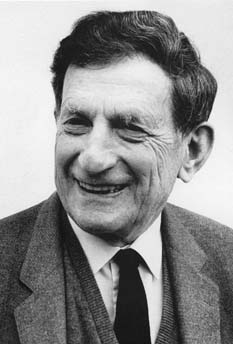


David Bohm: Un Pioniere della Fisica e della Filosofia
Un Intellettuale di Frontiera
David Bohm è stato uno dei principali fisici teorici del ventesimo secolo, un intellettuale che ha esplorato le intersezioni tra fisica, filosofia e coscienza. Nato nel 1917 a Wilkes-Barre, in Pennsylvania, Bohm si è distinto presto per la sua mente brillante e la sua capacità di pensare fuori dagli schemi. Dopo aver completato la sua formazione all'Università della California, Berkeley, Bohm ha lavorato sotto la direzione di Robert Oppenheimer, il celebre fisico responsabile del Progetto Manhattan.
Il Contributo alla Fisica Quantistica
La principale area di interesse di Bohm era la fisica quantistica, in particolare la questione della natura della realtà alla luce delle scoperte quantistiche. Nel 1952, Bohm presentò un'interpretazione alternativa della meccanica quantistica, nota oggi come Interpretazione di Bohm o Interpretazione Ontologica. Questa teoria proponeva che le particelle subatomiche avessero traiettorie definite, guidate da quello che Bohm chiamava il "potenziale quantico". Questo concetto sfidava la visione ortodossa secondo cui le particelle non hanno percorsi definiti fino a quando non vengono osservate.
Il Potenziale Quantico
Il potenziale quantico di Bohm introduceva una guida non locale che influenzava tutte le particelle universali simultaneamente. Questa idea era radicale, perché contraddiceva l'interpretazione di Copenhagen, sostenuta da fisici come Niels Bohr e Werner Heisenberg, che dominava il pensiero scientifico del suo tempo. Mentre l'interpretazione di Copenhagen si basava su un'impostazione probabilistica e indeterministica, quella di Bohm suggeriva un universo deterministico e continuo.
La Filosofia Olistica di Bohm
Bohm non si fermò solo alla fisica. La sua indagine filosofica lo portò a esplorare la natura della mente e della coscienza, e in questo contesto è diventato un sostenitore del pensiero olistico. Credeva che l'universo fosse un tutto indivisibile, dove la separazione tra le parti era solo apparente. Questo punto di vista olistico trovò una sinergia con molte tradizioni spirituali e filosofiche orientali, che consideravano la realtà come un unico tessuto interconnesso.
Implicate e Esplicate
Per descrivere la sua visione della realtà, David Bohm utilizzò i concetti di ordine implicato e ordine esplicato. Secondo lui, la realtà consiste di un ordine nascosto, l'ordine implicato, da cui emergono le manifestazioni osservabili, l'ordine esplicato. Questi due livelli di realtà sono inscindibili e interagiscono costantemente. Questo approccio non solo riuniva le leggi della fisica, ma cercava anche di gettare luce sulla natura della coscienza e della percezione.
Una Vita Segnata da Sfide e Riconoscimenti
Nonostante i suoi contributi fondamentali, la vita di Bohm fu segnata da diverse difficoltà, incluse accuse di simpatie comuniste durante l'era del maccartismo, che lo costrinsero a lasciare gli Stati Uniti. Emigrò in Brasile e successivamente nel Regno Unito, dove continuò le sue ricerche accademiche. Presso l'Università di Bristol e, successivamente, l'Università di Londra, Bohm poté sviluppare ulteriormente le sue idee, soprattutto nei suoi scritti e nelle sue lezioni.
Collaborazioni Intellettuali
David Bohm ebbe un impatto duraturo non solo attraverso le sue ricerche, ma anche grazie alle collaborazioni con altri pensatori fondamentali del suo tempo. Una delle più celebri fu con Jiddu Krishnamurti, un filosofo e insegnante spirituale di origini indiane. La loro corrispondenza e le conversazioni, raccolte in diversi libri, costituiscono una potente esplorazione dei temi della realtà, del pensiero e della coscienza. Bohm trovava nei dialoghi con Krishnamurti un terreno comune, dove la fisica quantistica incontrava le questioni filosofiche più profonde.
Lascito di David Bohm
Il lavoro di Bohm ha continuato a ispirare generazioni di scienziati, filosofi e pensatori, spingendoli a esplorare oltre i confini delle convenzioni accettate. Sebbene la sua Interpretazione Ontologica non sia stata accettata universalmente, ha offerto un punto di partenza significativo per coloro che desiderano investigare la natura fondamentale della realtà. La sua capacità di attraversare discipline diverse e di articolare idee complesse ha lasciato un segno indelebile nel panorama della scienza moderna e oltre.
Seguendo l'interconnessione tra fisica e filosofia che Bohm ha esplorato, il suo lavoro diventa un invito ad abbracciare un approccio integrato alla comprensione del mondo, unendo rigore scientifico e profondità filosofica. In un'epoca in cui le discipline diventano sempre più specializzate, la visione unificatrice di Bohm continua a rappresentare una preziosa fonte d'ispirazione.
L'Interpretazione di Bohm e il Dibattito nel Mondo Scientifico
La proposta di David Bohm di un'interpretazione deterministica della meccanica quantistica ha innescato un ampio dibattito all'interno della comunità scientifica. Questa teoria, che postulava l'esistenza di variabili nascoste, mirava a fornire una spiegazione più completa delle stranezze del mondo quantistico. Tuttavia, ha incontrato una forte resistenza da parte di quei fisici che sostenevano l'interpretazione di Copenhagen come definitiva.
Variabili Nascoste e Non-Località
Il concetto di variabili nascoste suggerisce che le particelle seguano percorsi definiti e che le loro proprietà non siano solamente il frutto di probabilità. Nella visione di Bohm, queste variabili influenzano le particelle mentre si muovono attraverso uno spazio complesso e multidimensionale, nel quale il potenziale quantico funge da guida. Elemento chiave di questa interpretazione è la “non-località”, un'idea che indica come gli eventi possano essere interconnessi a grandi distanze, sfidando il limite della velocità della luce di Einstein.
Questa prospettiva ha sollevato domande fondamentali sul concetto di causalità e sulla natura del tempo e dello spazio, incitando i fisici a ripensare la comprensione stessa delle leggi fisiche che governano l'universo. Nonostante l'ostracismo iniziale, le idee di Bohm hanno trovato terreno fertile nei dibattiti sulle interpretazioni della fisica quantistica degli ultimi decenni, specie in relazione ai fenomeni di entanglement studiati negli esperimenti di Alain Aspect negli anni '80.
L'Influenza di Bohm sulla Ricerca Interdisciplinare
L'eredità intellettuale di David Bohm non si limita al suo contributo alla fisica teorica; ha avuto anche un impatto significativo sulla ricerca interdisciplinare. La sua capacità di intrecciare fisica e filosofia ha avviato un approccio integrativo che oggi vediamo riflesso in diverse discipline, dalla neurobiologia alla teoria dei sistemi complessi.
Dialoghi con le Neuroscienze
Bohm ha stimolato un dialogo profondo con le neuroscienze, specialmente riguardo al concetto di ordine implicato ed esplicato, che offre un quadro per comprendere i processi mentali e percettivi. Questo modello suggerisce che la coscienza stessa potrebbe essere vista come un'interazione continua tra livelli nascosti di informazione (implicati) che emergono nel pensiero cosciente e nelle esperienze (esplicati). Tale approccio ha aperto nuove vie per indagare il cervello umano, ispirando ricerche che cercano di svelare come l'attività cerebrale dia origine a fenomeni psichici complessi.
Bohm e il Pensiero Sistemico
Il pensiero di Bohm è stato fondamentale nello sviluppo della teoria dei sistemi, un campo che studia come le parti di un sistema interagiscono per determinare il comportamento del sistema nel suo complesso. Le idee di Bohm hanno arricchito la comprensione dei sistemi complessi e delle dinamiche non lineari, influenzando discipline quali l'ecologia, l'informatica e l'organizzazione aziendale. Quest'approccio ha portato alla nascita di metodologie che enfatizzano l'importanza della connessione e dell'interdipendenza in processi complessi, dalle reti biologiche a quelle sociali ed economiche.
Il Ruolo della Creatività e del Dialogo
Oltre ai suoi contributi scientifici, Bohm era profondamente interessato alla natura della creatività e alla dinamica del dialogo. Credeva fermamente che il pensiero creativo e il dialogo aperto e sincero potessero risolvere molti dei problemi dell'umanità, sia individuali che collettivi.
Il Dialogo Bohmiano
Bohm introdusse il concetto di "dialogo Bohmiano", un'innovativa forma di comunicazione che mirava a superare le barriere dell'incomprensione e del pregiudizio. Questo processo di dialogo richiedeva ai partecipanti di sospendere le proprie convinzioni personali per creare uno spazio di ascolto profondo e comprensione reciproca. Questo modello non solo favoriva la risoluzione dei conflitti, ma incoraggiava anche una crescita personale e collettiva, aprendo percorsi per l'innovazione e la collaborazione.
Creatività come Interconnessione
Per Bohm, la creatività era un processo intrinsecamente connesso alla capacità di mettere in relazione idee apparentemente disparate, trovando nuovi percorsi e soluzioni che emergono da uno stato di apertura mentale. Sosteneva che la creatività non fosse il privilegio di pochi, ma una capacità universale che poteva essere coltivata e affinata attraverso la pratica del dialogo e l'accettazione del cambiamento.
In quest'ottica, Bohm ha contribuito a ridefinire il concetto di creatività come un'espressione dell'interconnessione universale, un'energia che scorre attraverso e tra noi, plasmando la realtà in modi complessi e inaspettati. Questa visione rimane una fonte d'ispirazione non solo per scienziati e filosofi, ma anche per artisti, educatori e leader di pensiero in tutte le aree della vita umana.
Continuerò l'esplorazione dei contributi di David Bohm e il suo lascito nel terzo segmento dell'articolo.
Le Ramificazioni della Visione Bohmiana nel Mondo Moderno
Nel panorama contemporaneo della scienza e della filosofia, l'eredità di David Bohm continua a emergere come una fonte di ispirazione e sfida. La sua visione interdisciplinare e olistica della realtà invita a riconsiderare non solo il modo in cui vediamo l'universo, ma anche come affrontiamo le complesse sfide sociali e ambientali che caratterizzano il nostro tempo.
Contributi alla Fisica Moderna
Le idee di Bohm, sebbene inizialmente controverse, sono state riprese e sviluppate in vari modi nella fisica moderna. Gli sviluppi nella teoria dell'informazione quantistica, come l'entanglement e la computazione quantistica, trovano echi nei suoi pensieri sulla non-località. L'approccio di Bohm ha aperto nuove prospettive nel dibattito sulle fondamenta della meccanica quantistica, incoraggiando la ricerca di modelli esplicativi che vadano oltre le concezioni tradizionali.
Inoltre, la ricerca sull'olonomia, una teoria che esplora la struttura geometrica dello spazio quantistico, risente dell'influenza delle idee di Bohm sull'ordine implicato. Queste esplorazioni continuano a spingere i confini della fisica, sfidando i ricercatori a integrare le osservazioni quantistiche con le intuizioni emergenti dall'astrofisica e dalla cosmologia.
Impatto Filosofico e Sociale
Oltre alla fisica, Bohm ha influenzato profondamente il pensiero filosofico e sociale. La sua insistenza sull'importanza del dialogo e sulla susseguente esplorazione collettiva delle idee offre un modello potente per affrontare le questioni globali contemporanee, promuovendo la comprensione e la cooperazione internazionale.
Un Modello per la Risoluzione dei Conflitti
Il dialogo Bohmiano ha trovato applicazioni nel campo della mediazione e della risoluzione dei conflitti. Nei contesti in cui le differenze culturali, religiose o politiche possono portare a tensioni e divisioni, l'enfasi sul dialogo autentico e rispettoso si è dimostrata uno strumento efficace per promuovere la pace e la riconciliazione.
In un mondo sempre più interconnesso, ma spesso frammentato da disaccordi e incomprensioni, l'approccio di Bohm sottolinea l'importanza di una comprensione comune che vada al di là delle differenze personali, promuovendo un senso di unità e coesione.
La Visione di Bohm nella Scienza della Coscienza
Le idee di Bohm sulla coscienza hanno anche aperto nuove strade nella scienza cognitiva e nella psicologia, suggerendo che la mente umana potrebbe operare in modi non ancora completamente compresi dalle teorie convenzionali.
L'Interconnessione tra Mente e Materia
Secondo Bohm, la mente e la materia non sono elementi separati, ma piuttosto aspetti diversi della stessa realtà. Questo punto di vista ha ispirato ricerche che esplorano come le esperienze coscienti possano influenzare la realtà fisica e viceversa. Studi recenti nel campo della neuroplasticità, ad esempio, hanno mostrato come la meditazione e altre pratiche mentali possano modificare la struttura e la funzione del cervello, sostenendo l'idea di una stretta connessione tra pensiero e realtà fisica.
Conclusioni: Un Lascito Inestimabile
David Bohm ci ha lasciato un'eredità intellettuale che va ben oltre i confini della fisica. La sua vita e le sue opere continuano a ispirare una vasta gamma di discipline, promuovendo un approccio olistico e integrato alla comprensione della realtà. La sua capacità di unire scienza, filosofia e spiritualità rimane un potente esempio di come si possa avvicinare la complessità del mondo moderno con mente aperta e cuore inclusivo.
Il contributo di Bohm ci ricorda che la vera conoscenza non risiede solo negli schemi scientifici o nei paradigmi filosofici, ma anche nella capacità di dialogare e di vedere oltre le distinzioni apparenti. In un'epoca segnata da tensioni globali e cambiamenti rapidi, il messaggio di David Bohm - di unità, interconnessione e comprensione profonda - continua a essere un faro di speranza e di intuizione per il futuro.

David Bowie: A Science Outside the Ordinary
David Bowie, born David Robert Jones on January 8, 1947, was a pioneering English singer-songwriter, actor, and cultural innovator. His musical, visual, and theatrical experimentation reshaped rock, pop, and avant-garde culture. Bowie's legacy continues to influence music, fashion, film, and scholarship, with ongoing reissues, archival releases, and academic work keeping his profile high internationally.
Key Facts and Recent Developments
Bowie achieved international fame in the 1970s with innovations in glam rock, persona-based performance (notably Ziggy Stardust), and genre-blending across rock, soul, electronic, and experimental music. His breakthrough singles and albums include "Space Oddity" (1969), The Rise and Fall of Ziggy Stardust and the Spiders from Mars (1972), Aladdin Sane (1973), and the Berlin Trilogy works (1977).
Career Highlights
- Space Oddity (1969): Bowie's first major hit, released during the Apollo 11 moon landing.
- The Rise and Fall of Ziggy Stardust and the Spiders from Mars (1972): A concept album that introduced the world to Bowie's iconic alter ego, Ziggy Stardust.
- Aladdin Sane (1973): Often considered a follow-up to Ziggy Stardust, this album further explored themes of identity and modernity.
- Low and "Heroes" (1977): Part of the Berlin Trilogy, these albums showcased Bowie's experimentation with electronic and ambient music.
- Scary Monsters (1980): A return to a more rock-oriented sound, featuring hits like "Ashes to Ashes."
- Let's Dance (1983): Bowie's most commercially successful album, featuring the hit title track.
- Blackstar (2016): Bowie's final album, released just days before his death, showcasing his continued innovation and creativity.
Multidisciplinary Work
Bowie's output spanned music, film, theatre, visual art, and fashion. He used alter egos and multimedia staging to explore identity, modernity, and performance art. Some notable examples include:
- The Man Who Fell to Earth (1976): A science fiction film in which Bowie starred as an alien visitor to Earth.
- Lazarus (2015): A musical based on the novel The Man Who Fell to Earth, co-written by Bowie and Enda Walsh.
- Visual Art Collaborations: Bowie worked with various artists and designers to create iconic album covers, costumes, and stage designs.
Important Context and Background
Cultural Moment and Innovation
Bowie emerged during the late 1960s and early 1970s, a time when genre boundaries in pop culture were loosening, and theatricality in rock was growing. He fused glam aesthetics, science-fiction themes, and collaborative production to reposition the pop star as an art figure and cultural provocateur. Bowie's innovative approach to music and performance had a profound impact on the cultural landscape of the time.
Persona and Identity
Bowie's use of personas, such as Ziggy Stardust and the Thin White Duke, and his fluid public identity prefigured later conversations about gender performativity and celebrity construction. Scholars use his career to discuss authenticity, authorship, and the mediated self. Bowie's exploration of identity and persona has had a lasting influence on popular culture and academic discourse.
Collaboration and Production Networks
Key collaborators, such as producer Tony Visconti, Brian Eno, Mick Ronson, and Nile Rodgers, shaped major stylistic shifts in Bowie's music, from glam rock to electronic experimentation to mainstream pop. Bowie's collaborative approach is central to analyses of his stylistic range and continued relevance.
Current Trends and Noteworthy Information
Archival Commercialization and Curation
Since Bowie's death in 2016, his estate and record companies have issued remastered albums, unreleased archival material, deluxe box sets, and curated releases related to his final album, Blackstar. These releases often include scholarly liner notes, offering editors opportunities to produce contextualized essays, annotations, and enhanced web features for reissues.
Multimedia Storytelling
Digital exhibitions, streaming playlists, documentary filmmaking, and immersive museum installations are popular formats for presenting Bowie's work to new audiences. Editorial projects that combine audio clips, high-resolution images of costumes and ephemera, and scholarly commentary perform well for engaged readerships.
Interdisciplinary Academic Interest
Ongoing academic conferences, monographs, and journal articles apply frameworks from queer studies, sound studies, and cultural theory to Bowie's work. Commissioning accessible summaries of recent scholarship can fulfill editorial needs for bridging academia and general audiences.
Rights, Estate, and Ethical Curation
As with many major estates, decisions about posthumous releases, licensing, and presentation raise editorial questions about authenticity, consent, and commercialization. These considerations are relevant when framing narratives about unreleased work or private archives.
Relevant Statistics and Data
Bowie's commercial impact and cultural significance can be seen in the following statistics:
- Bowie sold an estimated 140 million records worldwide across his career, placing him among the best-selling music artists of all time.
- He had multiple top-10 albums and singles across the UK and US charts. Notably, his late-career album Blackstar (2016) reached No. 1 in the UK and the top 10 in the US, reflecting his continued commercial and critical relevance.
- Bowie received numerous awards, including Grammys, BRIT Awards, and inductions into various halls of fame. Posthumous honors and museum retrospectives continue to reaffirm his cultural standing.
In the next part of this article, we will delve deeper into Bowie's influence on music, fashion, and popular culture, as well as his enduring legacy and impact on future generations of artists.
David Bowie's Influence on Music and Fashion
David Bowie's impact on music and fashion is immeasurable. His innovative approach to both fields has left an indelible mark on popular culture. Bowie's influence can be seen in the work of countless artists who have followed in his footsteps.
Musical Innovation
Bowie's musical innovation is perhaps his most significant contribution to the world of music. He constantly pushed the boundaries of what was possible, blending genres and experimenting with new sounds. Some of his most notable musical innovations include:
- Glam Rock: Bowie was a pioneer of the glam rock genre, characterized by its theatricality, androgynous aesthetics, and catchy hooks. His album The Rise and Fall of Ziggy Stardust and the Spiders from Mars is considered a defining work of the genre.
- Electronic and Ambient Music: Bowie's Berlin Trilogy albums, Low, "Heroes", and Lodger, showcased his experimentation with electronic and ambient music, influencing the development of these genres.
- Genre-Blending: Bowie was known for his ability to blend different musical styles, creating unique and innovative sounds. His album Let's Dance combined rock, pop, and funk, while Blackstar incorporated elements of jazz, electronic, and experimental music.
Fashion and Style
Bowie's influence on fashion is equally significant. His unique sense of style and willingness to take risks have inspired countless designers and fashion enthusiasts. Some of his most iconic fashion moments include:
- Ziggy Stardust: Bowie's alter ego Ziggy Stardust was known for his flamboyant, androgynous style, featuring bold colors, patterns, and textures. This look has become synonymous with the glam rock genre.
- The Thin White Duke: Bowie's persona during the mid-1970s was characterized by a sleek, minimalist aesthetic, featuring tailored suits, crisp shirts, and slicked-back hair.
- Berlin Period: Bowie's time in Berlin was marked by a more understated, experimental style, featuring layered clothing, unusual textures, and a focus on functionality.
The Enduring Legacy of David Bowie
David Bowie's legacy continues to inspire and influence artists across a wide range of disciplines. His impact can be seen in music, fashion, film, and even academic scholarship. Bowie's enduring legacy is a testament to his innovative spirit and willingness to push the boundaries of what was possible.
Influence on Future Generations
Bowie's influence on future generations of artists is perhaps his most significant legacy. Countless musicians, designers, and performers have cited Bowie as a major inspiration. Some notable examples include:
- Music: Artists such as Lady Gaga, Arcade Fire, and Tame Impala have all cited Bowie as a major influence on their work.
- Fashion: Designers like Alexander McQueen and Jean Paul Gaultier have drawn inspiration from Bowie's unique sense of style.
- Film and Theatre: Bowie's work in film and theatre has influenced a wide range of performers and directors, from Tilda Swinton to Dennis Villeneuve.
Academic Scholarship
Bowie's work has also been the subject of extensive academic scholarship. His music, fashion, and cultural impact have been analyzed through a variety of lenses, including gender studies, cultural theory, and musicology. Some notable examples of academic work on Bowie include:
- Gender and Performance Studies: Scholars have examined Bowie's use of personas and fluid identity through the lens of gender performativity and celebrity construction.
- Cultural Theory: Bowie's work has been analyzed in the context of broader cultural trends, such as the rise of postmodernism and the impact of technology on popular culture.
- Musicology: Musicologists have studied Bowie's innovative approach to composition, production, and performance, as well as his influence on the development of various musical genres.
David Bowie's Cultural Impact
David Bowie's cultural impact extends far beyond the realms of music and fashion. His work has had a profound influence on popular culture, shaping the way we think about identity, creativity, and the role of the artist in society. Bowie's cultural impact can be seen in a variety of areas, from film and theatre to visual art and literature.
Film and Theatre
Bowie's work in film and theatre has had a significant impact on popular culture. His performances in films like The Man Who Fell to Earth and Labyrinth have become iconic, while his collaborations with theatre directors and playwrights have pushed the boundaries of what is possible on stage. Some notable examples of Bowie's work in film and theatre include:
- The Man Who Fell to Earth (1976): Bowie's portrayal of an alien visitor to Earth in this science fiction film has become one of his most iconic roles.
- Labyrinth (1986): Bowie's performance as the Goblin King in this fantasy film has become a cult classic, beloved by generations of fans.
- Lazarus (2015): Bowie's final theatrical project, a musical based on the novel The Man Who Fell to Earth, showcased his continued innovation and creativity.
Visual Art and Literature
Bowie's influence on visual art and literature is equally significant. His unique aesthetic sensibility and willingness to take risks have inspired countless artists and writers. Some notable examples of Bowie's impact on visual art and literature include:
- Album Covers: Bowie's album covers, designed in collaboration with artists like Brian Duffy and Edward Bell, have become iconic works of art in their own right.
- Costume Design: Bowie's costumes, designed in collaboration with designers like Kansai Yamamoto and Alexander McQueen, have had a profound influence on the world of fashion.
- Literary Inspiration: Bowie's lyrics and personas have inspired a wide range of writers, from William S. Burroughs to Neil Gaiman.
Social and Political Influence
Bowie's work has also had a significant impact on social and political discourse. His exploration of identity, gender, and sexuality has helped to shape conversations around these issues, while his willingness to challenge societal norms has inspired countless individuals to embrace their own uniqueness. Some notable examples of Bowie's social and political influence include:
- Gender and Sexuality: Bowie's fluid approach to gender and sexuality has helped to challenge traditional norms and inspire greater acceptance and understanding.
- Cultural Diversity: Bowie's embrace of diverse cultural influences, from Japanese fashion to African music, has helped to promote greater cultural understanding and appreciation.
- Political Activism: Bowie's support for various political causes, from anti-apartheid to LGBTQ+ rights, has helped to raise awareness and inspire action.
In the final part of this article, we will explore David Bowie's posthumous releases and the ongoing celebration of his life and work through exhibitions, tributes, and academic scholarship.
David Bowie's Posthumous Releases and Archival Projects
Since David Bowie's passing in 2016, his estate and record labels have continued to release previously unreleased material, remastered albums, and special editions. These posthumous releases have kept Bowie's music relevant and introduced his work to new generations of fans.
Notable Posthumous Releases
Several significant releases have emerged from Bowie's archives, offering fans new insights into his creative process and unreleased works. Some of the most notable include:
- No Plan EP (2017): Released on what would have been Bowie's 70th birthday, this EP features four tracks, including three previously unreleased songs from the Lazarus musical sessions.
- Glastonbury 2000 (2018): A live album capturing Bowie's iconic performance at the Glastonbury Festival, widely regarded as one of his greatest live shows.
- Conversations with Myself (2021): Part of the Brilliant Live Adventures series, this release features a 1995 live performance from the Outside tour, remastered and expanded.
- Divine Symmetry (2021): A box set celebrating the 25th anniversary of the 1. Outside album, featuring unreleased tracks, remixes, and alternate versions.
Remastered Albums and Box Sets
Bowie's estate has also overseen the remastering and reissue of his classic albums, often accompanied by rare tracks, alternate takes, and extensive liner notes. These releases provide both casual listeners and dedicated fans with enhanced listening experiences. Some key remastered releases include:
- A New Career in a New Town (1977–1982) (2017): A comprehensive box set covering Bowie's Berlin period and beyond, featuring remastered albums, rare tracks, and a previously unreleased live album.
- Loving the Alien (1983–1988) (2018): This box set focuses on Bowie's commercially successful 1980s era, including remastered versions of Let's Dance, Tonight, and Never Let Me Down.
- Spying Through a Keyhole (2019): A collection of demo recordings from 1968, offering a glimpse into Bowie's early songwriting process.
- Is It Any Wonder? (2020): Another release in the Brilliant Live Adventures series, featuring a live performance from 1995, remastered and expanded.
Exhibitions and Cultural Tributes
David Bowie's life and work continue to be celebrated through museum exhibitions, cultural tributes, and academic conferences. These events highlight his enduring influence and provide fans with opportunities to engage with his legacy in new and meaningful ways.
Major Museum Exhibitions
Several high-profile exhibitions have been dedicated to Bowie's life and career, showcasing his music, fashion, and visual art. These exhibitions have drawn large crowds and critical acclaim, further cementing Bowie's status as a cultural icon. Some notable exhibitions include:
- David Bowie Is (2013–2018): Originally staged at the Victoria and Albert Museum in London, this exhibition traveled internationally, featuring over 300 objects, including costumes, handwritten lyrics, and rare performance footage.
- David Bowie: Among the Stars (2020): Held at the Brooklyn Museum, this exhibition explored Bowie's influence on contemporary art, featuring works by artists inspired by his music and personas.
- Bowie 75 (2022): A global celebration of Bowie's 75th birthday, featuring exhibitions, live performances, and special events in cities around the world.
Academic Conferences and Scholarship
Bowie's work continues to be a subject of academic study, with conferences, symposia, and scholarly publications dedicated to exploring his impact on music, fashion, and culture. These academic endeavors ensure that Bowie's legacy is preserved and analyzed for future generations. Some notable academic events and publications include:
- The Bowie Conference (2016–present): An annual academic conference bringing together scholars from various disciplines to discuss Bowie's work and influence.
- David Bowie: Critical Perspectives (2015): A collection of essays edited by Eoin Devereux, Aileen Dillane, and Martin J. Power, exploring Bowie's cultural impact through a variety of academic lenses.
- Bowie Studies (2020–present): A peer-reviewed journal dedicated to the study of David Bowie's life, work, and cultural significance.
David Bowie's Lasting Influence on Popular Culture
David Bowie's influence on popular culture is vast and multifaceted. His innovative approach to music, fashion, and performance has inspired countless artists and continues to shape the cultural landscape. Bowie's willingness to challenge norms and push boundaries has left an indelible mark on the world.
Influence on Music
Bowie's impact on music is perhaps his most enduring legacy. His genre-blending approach and willingness to experiment have influenced a wide range of artists, from rock and pop to electronic and hip-hop. Some key aspects of Bowie's musical influence include:
- Glam Rock and Androgyny: Bowie's pioneering work in glam rock and his androgynous personas have inspired artists like Lady Gaga, Prince, and Harry Styles.
- Electronic and Experimental Music: Bowie's experimentation with electronic and ambient music has influenced artists such as Brian Eno, Radiohead, and Tame Impala.
- Concept Albums and Storytelling: Bowie's use of concept albums and narrative-driven songwriting has inspired artists like Pink Floyd, Kendrick Lamar, and The Weeknd.
Influence on Fashion
Bowie's unique sense of style and willingness to take risks have had a profound impact on the world of fashion. His influence can be seen in the work of designers and fashion icons who continue to push the boundaries of what is possible. Some notable examples of Bowie's fashion influence include:
- Androgynous Fashion: Bowie's embrace of androgynous fashion has inspired designers like Alexander McQueen, Jean Paul Gaultier, and Gucci's Alessandro Michele.
- Bold Patterns and Textures: Bowie's use of bold patterns and textures in his costumes has influenced designers to experiment with unconventional materials and prints.
- Gender-Fluid Fashion: Bowie's fluid approach to gender and fashion has helped to pave the way for contemporary discussions around gender-fluid fashion and identity.
Conclusion: The Enduring Legacy of David Bowie
David Bowie's life and work represent a unique blend of innovation, creativity, and cultural impact. From his early days as a folk musician to his later experiments with electronic and ambient music, Bowie constantly pushed the boundaries of what was possible. His influence on music, fashion, and popular culture is vast and continues to inspire new generations of artists and fans.
Key Takeaways
As we reflect on David Bowie's legacy, several key takeaways emerge:
- Innovation and Experimentation: Bowie's willingness to experiment and take risks has left an indelible mark on the world of music and fashion.
- Cultural Impact: Bowie's work has had a profound influence on popular culture, shaping the way we think about identity, creativity, and the role of the artist in society.
- Enduring Legacy: Bowie's music and fashion continue to inspire and influence artists across a wide range of disciplines, ensuring that his legacy will endure for generations to come.
In the words of Bowie himself,
"I don't know where I'm going from here, but I promise it won't be boring."This sentiment captures the essence of Bowie's life and work—a constant journey of exploration, innovation, and creativity. As we continue to celebrate his legacy, we are reminded of the power of art to challenge, inspire, and transform.
David Bowie's story is far from over. His music, fashion, and cultural impact will continue to resonate with fans and artists alike, ensuring that his legacy remains vibrant and relevant. Whether through posthumous releases, museum exhibitions, or academic scholarship, Bowie's work will continue to captivate and inspire, proving that his influence is truly a science outside the ordinary.