Mdina: The Silent City's Rich History and Enduring Legacy
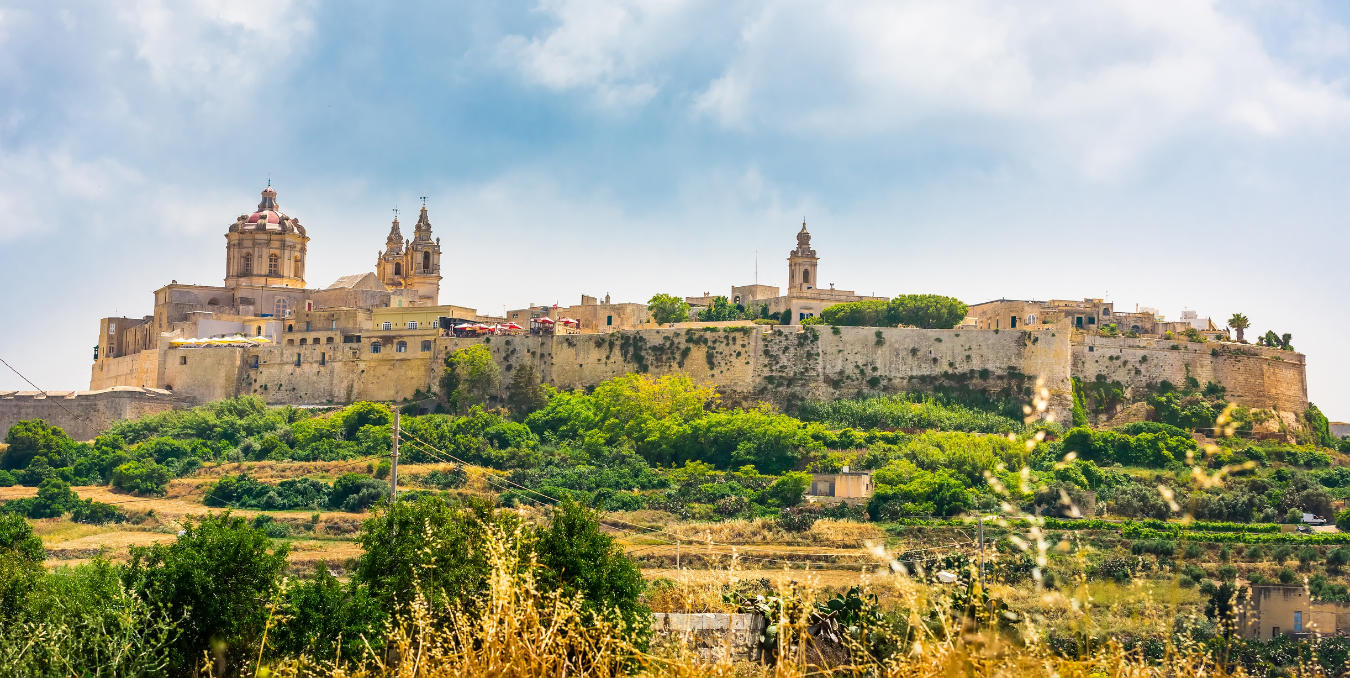
Set against the rugged terrain of west-central Malta, Mdina stands as a silent witness to over three millennia of history. Known affectionately as the "Silent City" due to its tranquil atmosphere, this fortified medieval town offers visitors a glimpse into a past that spans civilizations like no other. From its Phoenician foundation nearly three millennia ago to its modern-day status as a UNESCO World Heritage Site, Mdina narrates a story of resilience and continuity in the heart of Malta.
Ancient Origins and Strategic Significance
Phoenician Founding
The story of Mdina begins with the Phoenicians, who established a strategic fortress on this hilltop in approximately 700 BCE. The ancient townsite, referred to as Maleth, served as a crucial defensive position. Positioned atop a hill, the site offered a panoramic view of the surrounding lands, making it an ideal location for both observation and protection. The Phoenicians were not merely settlers but strategic builders, creating a robust citadel that would stand the test of time.
Phoenician to Roman Transition
Over time, Maleth came under Roman rule, transforming its identity yet again. When the Romans conquered the island, they renamed it Melita. This period saw significant development and urbanization, with roads and infrastructures being built under Roman oversight. While little physical evidence remains from the Phoenician era, Roman structures and architectural influences can still be discerned in later restorations and reconstructions.
Medieval and Renaissance Prosperity
Servicing the Knights of St. John
Mdina continued to be a bustling center until 1530, when the Knights Hospitaller—renowned as the Knights of St. John—moved the capital to Birgu and later to the newly constructed Valetta. Despite losing its official status as Malta's capital, Mdina retained its importance as a nobility residence. Its elevated position made it a natural choice for the wealthy and powerful, who sought refuge and sanctuary within its well-defended walls.
Fortifications and Baroque Architecture
The city's integrity as a fortified settlement was further enhanced in the early 18th century. The 1693 earthquake, which devastated much of Malta, led to significant structural changes. Grandmaster Antonio Manoel de Vilhena undertook the reconstruction of the main city gate, integrating elements of Baroque architecture that have since become iconic features of Mdina. Today, visitors can marvel at the imposing Baroque gate adorned with the coats of arms of the various Knights who governed the island.
Cultural and Religious Importance
The architectural legacy of Mdina extends beyond mere fortifications. The city houses the Mdina Cathedral, a marvel of Baroque artistry and craftsmanship. Designed by Lorenzo Gafa and reconstructed after the 1693 earthquake, this cathedral stands testament to the faith and cultural aspirations of the city's inhabitants. Within its walls lie relics and artefacts from the earlier incarnation of the cathedral, reflecting the enduring religious devotion of Mdina's residents.
Modern Revival
Protected Heritage and Tourist Destination
In contemporary times, Mdina has reclaimed its place as a major cultural and historical attraction. Its small population of around 250 residents has allowed the city to maintain its distinctive quietness and charm. Narrow, winding streets lined with traditional Baroque facades transport visitors back to the days of the Knights, while modern amenities and services ensure a comfortable stay. Visitors can explore the atmospheric quietude of the city, meander through its picturesque streets, and experience the timeless beauty that has drawn pilgrims and scholars alike.
Palatial Residences and Cultural Institutions
Mdina continues to house numerous palaces and important cultural institutions. The Palazzo Vilhena, for instance, serves as the National Museum of Natural History. With its impressive façade and rich interior, this French Baroque masterpiece encapsulates the blend of historical and cultural traditions that characterize Mdina. Similarly, the city gate remains an important landmark, adorned with statues of Malta's patron saints and coats of arms of the various ruling entities.
Film Industry and Cultural Tourism
In recent decades, Mdina has found a new lease of life through its association with the film industry. Its picturesque streets and historic architecture have captivated filmmakers and set designers alike, earning it the reputation as a filming location that captures the essence of old-world Malta. From period dramas to fantasy epics, Mdina's storied past continues to bring the screen to life, enriching the cultural tapestry of Malta.
Cultural Significance and Modern Challenges
Despite its enduring charm, Mdina faces several modern challenges. Preservation efforts are vital to maintain the delicate balance between tradition and progress. Local authorities and heritage organizations work tirelessly to ensure that Mdina retains its unique character. Efforts include the conservation of historical buildings, restoration projects, and community engagement programs that foster pride in Malta's rich cultural heritage.
The city's strategic location also poses logistical challenges. While the railway connections from the early 20th century serve as reminders of Mdina's integration with Malta's transport network, contemporary infrastructure needs continue to evolve. Ensuring efficient public transit and sustainable urban planning without compromising the city's integrity requires careful management and innovation.
As Mdina looks towards the future, it remains a captivating blend of ancient history and modern renewal. Visitors from around the world continue to be drawn to its quietude, its well-preserved architecture, and its historical richness. Whether exploring the winding alleyways or admiring the grandeur of the city gate, Mdina offers a journey through time, inviting all who visit to immerse themselves in its timeless story.
Strategic Hilltop Location and Historical Resilience
Mdina's strategic hilltop location has been both a blessing and a curse throughout its history. Throughout the Middle Ages, the city served as a bulwark against invading forces, playing a pivotal role during significant conflicts. Perhaps one of the most notable episodes was the 1551 Turkish siege, where Mdina’s strategic position and strong fortifications contributed significantly to its successful defense. A religious procession, invoking the intercession of Saint Agatha, played a crucial role in the ultimate expulsion of the besieging force. This event is celebrated annually during the Mdina Saint Agatha celebrations, commemorating the city's historic resilience.
Mdina's fortifications, while formidable, provided more than just protection. They were symbols of power and prestige, attracting wealthy nobles and dignitaries who sought refuge within the city's walls. During the period of the Knights of St. John, Mdina's aristocracy flourished, building grand palaces and mansions that showcase the opulence and refinement of their time. These architectural marvels, such as Palazzo Falson and Palazzo Camilleri, provide a tangible link to the city’s noble past and continue to stand as testament to the wealth and social fabric of Mdina's golden age.
Political Decline and Cultural Continuity
With the shift of Malta's capital to Birgu and later to Valetta, Mdina's political importance diminished gradually. However, the city did not succumb to obscurity; rather, it adapted and retained a distinct status as a cultural and ceremonial center. The term “Città Nobile” (Noble City) underscored Mdina’s continued significance, emphasizing its role as a seat of nobility and governance. The city’s decline was managed gracefully, ensuring that its essence remained intact.
Mdina’s decline was not without its challenges. The 1798 French occupation and the subsequent Maltese revolt against Napoleonic rule marked a tumultuous period. Despite these events, Mdina emerged relatively unscathed, thanks to its strategic position and strong fortifications. Post-revolutionary periods saw the establishment of British protectorate and later independence, which brought about new opportunities and perspectives for Mdina. The city adapted, embracing its cultural significance and historical importance while welcoming new residents and visitors from around the world.
Modern Challenges and Community Engagement
Today, Mdina faces several modern challenges, primarily related to preservation and sustainability. Local authorities and heritage organizations collaborate to ensure the conservation of Mdina’s rich cultural heritage. Efforts include ongoing restoration projects, educational programs, and community-driven initiatives aimed at fostering a sense of ownership and pride among residents and visitors alike. The success of these endeavors lies in their ability to strike a harmonious balance between preserving tradition and embracing change.
The conservation of historical buildings is a continuous task. For example, the restoration of Palazzo Falcone, a prominent medieval palace, involved extensive archaeological and architectural interventions. Such projects not only enhance the aesthetic appeal of the city but also contribute to its cultural significance by providing educational and recreational spaces. Additionally, these initiatives help to generate local economic activity, benefiting the small population of Mdina through heritage tourism and related activities.
Sustainability is another critical aspect of Mdina’s modern challenges. While the city’s compact size facilitates easier management, it also requires innovative approaches to address issues such as waste management, energy efficiency, and water supply. Initiatives like green roofs, solar panels, and community gardens not only improve the environmental footprint of the city but also enhance the quality of life for its residents and visitors. These efforts reflect Mdina’s commitment to maintaining its unique character while addressing contemporary environmental concerns.
Conclusion: Mdina's Enduring Appeal
Mdina stands as a testament to Malta’s rich historical tapestry, embodying a fusion of ancient traditions and modern-day vitality. From its humble beginnings as a Phoenician fortress to its current status as a cultural and historical treasure, Mdina continues to captivate visitors with its timeless charm and historical significance. The city’s strategic hilltop location, coupled with its well-preserved architecture and cultural heritage, ensures that Mdina remains a unique and enduring symbol of Malta’s long and storied past.
As Mdina navigates the complexities of the modern world, it does so with grace and determination. By balancing preservation with progress, and tradition with innovation, the city ensures that its legacy not only endures but thrives. Whether exploring its labyrinthine streets, admiring its grand palaces, or participating in cultural festivities, visitors to Mdina are invited to experience a living history that continues to enchant and inspire.
Mdina’s enduring appeal lies in its ability to weave the threads of its past into the fabric of its present, offering a timeless journey through the annals of history. As we look to the future, Mdina stands poised to continue its remarkable journey, inspiring and attracting new generations with its rich cultural heritage and enduring charisma.
Mdina’s enduring appeal extends to its diverse array of attractions and experiences that draw in both locals and tourists alike. The city offers a wide range of activities, from guided tours and historical visits to cultural events and film shoots. Visitors can explore the narrow, winding streets and discover quaint cafes, boutique shops, and art galleries that dot the landscape. The city's medieval ambiance creates a sense of stepping back in time, allowing visitors to immerse themselves in a unique historical environment.
Historical Attractions and Guided Tours
One of the most popular ways to explore Mdina is through guided tours, which provide in-depth insights into its rich history and cultural significance. Tour guides recount tales of past conflicts, architectural marvels, and significant historical events, bringing the city’s story to life. The guided tours often include visits to key sites such as the Mdina Cathedral, the city’s historic gate, and various palaces and churches. These tours offer a comprehensive understanding of Mdina’s past and present, fostering a deeper appreciation for its multifaceted heritage.
In addition to guided tours, self-guided walking routes allow visitors to explore the city at their own pace. Maps and literature are available to help visitors navigate the winding streets and discover hidden gems along the way. Highlights include the Baroque façades of the churches, the intricate carvings of the townhouses, and the charming plazas that provide respite from the bustling streets.
Cultural Events and Celebrations
Mdina hosts a variety of cultural events and celebrations throughout the year, adding to its vibrant atmosphere. One of the highlights is the annual St. Agatha Procession, which takes place in February. This religious procession, featuring elaborately decorated floats and traditional music, draws visitors from all over Malta and beyond. Other notable events include the Mdina Summer Festival, which showcases classical and contemporary music, and the Medieval Weeks, which recreate medieval life in the historical setting of Mdina’s streets.
The city also hosts regular workshops and exhibitions in its cultural institutions, such as the National Museum of Natural History in Palazzo Vilhena. These events offer visitors a chance to engage directly with cultural artifacts and learn about the evolution of Mdina and Malta's history. The museum itself is a stunning example of French Baroque architecture, making it a must-visit for those interested in both history and art.
Film Industry and Cinematic Legacy
Mdina’s enduring appeal has extended to the film industry, making it a favored location for filmmakers seeking authentic historical settings. Movies like "The Da Vinci Code" and "Star Wars: The Rise of Skywalker" have capitalized on Mdina’s atmospheric streets and medieval architecture to evoke a sense of grandeur and timelessness. Film enthusiasts and history buffs alike can tour the locations used in these productions, adding a layer of excitement to their Mdina experience.
The film industry has helped to boost economic growth and raise awareness of Mdina’s cultural significance. Tourism boards have leveraged the film industry’s presence to promote Mdina as a cultural and cinematic destination, encouraging visitors to explore its historical and scenic beauty beyond the typical tourist activities.
Future Prospects and Modern Developments
Looking towards the future, Mdina continues to evolve while preserving its essential character. Modern developments such as sustainable architecture and infrastructure improvements aim to enhance the visitor experience without compromising Mdina’s integrity as a historic site. The city is continually working on projects to improve accessibility, such as pedestrian pathways and public transportation links, making it more convenient for both residents and tourists.
Youth engagement and community involvement are also crucial components of Mdina’s future strategy. Programs that promote historical education and civic pride among local youth ensure that the city’s heritage remains relevant and accessible. Schools and cultural organizations collaborate to develop educational materials and organize interactive events that engage younger generations in the city’s history.
Final Thoughts
Mdina’s journey from a Phoenician fortress to a UNESCO World Heritage Site reflects a unique blend of resilience, adaptation, and cultural preservation. Despite facing political, socio-economic, and environmental challenges, Mdina remains a vibrant and enduring symbol of Malta’s rich historical legacy. Visitors to Mdina can expect a profound experience that combines ancient history with modern-day vitality, making it a truly unique destination in the heart of the Mediterranean.
As Mdina looks to the future, it continues to balance its past with its present, ensuring that its heritage lives on through ongoing conservation efforts, cultural initiatives, and community engagement. Mdina invites visitors to step into a living history, to be immersed in a timeless city that continues to thrive and captivate all who experience its quiet, majestic charm.
If Mdina teaches us anything, it is the power of continuity and the value of preserving one’s heritage. As the city embraces its modern challenges with wisdom and determination, it ensures that its rich history remains a beacon of inspiration and reflection.
Giacomo della Porta: Renaissance Architect of Revival
Giacomo della Porta (c. 1533–1602) was a visionary Mannerist architect whose innovative designs bridged the gap between Renaissance and Baroque styles. His contributions to Roman architecture during the Counter-Reformation era remain foundational, shaping the city’s skyline with iconic structures like the dome of St. Peter’s Basilica and the façade of Il Gesù Church. This article explores his life, key works, and enduring influence on architectural revival.
Early Life and Artistic Foundations
Born in Porlezza (or possibly Genoa), della Porta hailed from a family of Ticinese sculptors. His early training under his father in Genoa laid the groundwork for his future mastery, evident in works like the statues of the Cybo Chapel at the Duomo di San Lorenzo. By the 1560s, he relocated to Rome, where he studied under the renowned architect Vignola, refining his craft and embracing the decorative flourishes of the era.
The Breakthrough: Oratory of Santissimo Crocifisso
Della Porta’s first major commission, the Oratory of Santissimo Crocifisso (1561), showcased his talent for blending classical elements with bold ornamentation. The façade featured intricate pediments, triglyphs, and garlands, drawing inspiration from Michelangelo’s vertical emphasis. This project established him as a rising star in Rome’s architectural scene.
Public Acclaim and Architectural Leadership
In 1564, della Porta was elected Architetto del Popolo Romano, a prestigious title that granted him oversight of public and private projects. His reputation grew as he completed and renovated key structures, including the Palazzo dei Conservatori and Palazzo dei Senatori on Capitoline Hill, originally designed by Michelangelo. These works demonstrated his ability to honor past masters while infusing his own creative vision.
Key Commissions and Innovations
Among his most notable achievements were:
- Palazzo Chigi (1562): A masterpiece of urban palatial design.
- Palazzo della Sapienza (1575): Later refined by Borromini, this structure highlighted his adaptability.
- Convent Renovations: Projects like Santi Domenico e Sisto (1575) and Sant’Ambrogio della Massima (1568) showcased his versatility.
The Transition to Baroque: A Legacy of Verticality
Della Porta’s work is often celebrated for its role in the evolution from Mannerism to Baroque. His designs emphasized decorative verticality, using motifs like ribbons, garlands, and candelabra to create dynamic façades. The façade of Il Gesù Church, completed after 1573, became a template for Baroque churches, featuring superimposed levels connected by volutes—a design replicated for nearly two centuries.
St. Peter’s Basilica: The Crown Jewel
Perhaps his most enduring contribution was the completion of St. Peter’s Basilica’s dome (1573–1602) following Michelangelo’s death. This monumental achievement solidified his place in architectural history, with the dome becoming a symbol of Counter-Reformation grandeur. Today, it remains one of the most visited landmarks in Rome, drawing millions of visitors annually as part of the UNESCO World Heritage site.
“Della Porta’s designs were not merely structural; they were theological statements, embodying the spirit of the Counter-Reformation through their grandeur and symbolism.” — Architectural Historian
Ongoing Influence and Scholarly Focus
While no major recent discoveries have emerged since 2020, scholars continue to study della Porta’s role in shaping 16th-century Roman architecture. His ability to synthesize sculptural detail with architectural form remains a subject of admiration, particularly in the context of Rome’s urban renewal during the Counter-Reformation. Over 40 documented projects attest to his prolific career, many of which remain integral to the city’s cultural fabric.
In the next section, we’ll delve deeper into his collaborative works, including the fountains of Piazza Navona and Piazza del Popolo, and his lasting impact on sacred architecture.
Sacred Architecture: The Counter-Reformation’s Visual Voice
Della Porta’s influence extended deeply into sacred architecture, where his designs became instruments of the Counter-Reformation. Churches like San Luigi dei Francesi (1580–1584) and Sant’Andrea della Valle (1591) embodied the era’s emphasis on spiritual grandeur and doctrinal clarity. His façades, adorned with classical columns, niches, and sculptural reliefs, transformed churches into visual sermons, reinforcing Catholic authority in post-Reformation Rome.
The Gesù Church: A Blueprint for Baroque
The façade of Il Gesù Church, completed after 1573, stands as della Porta’s most revolutionary contribution to ecclesiastical architecture. Its design introduced several key innovations:
- Superimposed orders: A dynamic interplay of Corinthian and Composite columns.
- Volutes: Curved elements linking the upper and lower levels, creating movement.
- Decorative verticality: Ribbons, garlands, and candelabra emphasizing heavenly ascent.
This model was replicated in over 100 Baroque churches across Europe, cementing its status as a defining feature of the style. The church’s interior, with its vaulted ceiling and dramatic lighting, further amplified the emotional intensity central to Counter-Reformation worship.
Urban Landmarks: Fountains and Public Spaces
Beyond sacred structures, della Porta left an indelible mark on Rome’s public spaces. His work on the city’s fountains, particularly in Piazza Navona and Piazza del Popolo, blended engineering precision with artistic flair. These projects were not merely decorative but served as symbols of papal power and civic pride during a period of urban renewal.
Piazza Navona: A Theater of Water
Della Porta’s contributions to Piazza Navona included the completion of two iconic fountains:
- Fontana del Moro: Originally designed by him, later modified by Bernini.
- Fontana di Nettuno: A dramatic depiction of Neptune, embodying mythological grandeur.
These fountains transformed the piazza into a living stage, where water, sculpture, and architecture converged to create a spectacle of Baroque theater. Today, Piazza Navona remains one of Rome’s most visited sites, attracting over 10 million tourists annually.
Piazza del Popolo: A Gateway to the Eternal City
At Piazza del Popolo, della Porta’s work on the fountain at the northern end of the square reinforced the piazza’s role as a ceremonial entrance to Rome. The fountain’s design, featuring an Egyptian obelisk and cascading water, reflected the era’s fascination with antiquity and spectacle. This project, like his others, underscored his ability to merge functional urban planning with aesthetic brilliance.
Collaborations and Unfinished Legacies
Della Porta’s career was marked by collaborations with other architectural giants, including Michelangelo, Vignola, and later, Carlo Maderno. These partnerships often involved completing or refining existing projects, a testament to his adaptability and respect for precedent. However, some of his most ambitious designs remained unfinished, leaving a legacy of “what could have been.”
Sant’Andrea della Valle: A Masterpiece in Transition
One such project was Sant’Andrea della Valle, initiated by della Porta in 1591 but completed by Carlo Maderno and Carlo Rainaldi. His original vision included:
- A bold dome, later realized as one of Rome’s tallest.
- A façade blending Renaissance symmetry with Baroque dynamism.
- An interior designed to evoke divine transcendence through light and space.
Though his direct involvement was cut short, the church’s final form retained elements of his structural innovation, particularly in its vertical emphasis and decorative motifs.
Palazzo della Sapienza: A Bridge Between Eras
Another collaborative effort was the Palazzo della Sapienza (1575), which della Porta began and Francesco Borromini later completed. The building’s façade, with its rhythmic arrangement of pilasters and arches, showcased his ability to harmonize Renaissance proportions with Mannerist ornamentation. The palace’s courtyard, featuring a striking double colonnade, remains a prime example of his spatial ingenuity.
Della Porta’s Enduring Techniques and Motifs
Several signature elements defined della Porta’s architectural language, many of which became staples of the Baroque movement. These techniques were not merely stylistic choices but served deeper symbolic and structural purposes.
Ornamental Verticality: A Pathway to the Divine
One of his most recognizable traits was the use of vertical ornamentation, including:
- Garlands and ribbons: Symbolizing victory and divine favor.
- Candelabra motifs: Evoking illumination and spiritual enlightenment.
- Triglyphs and metopes: Classical references reinforcing continuity with antiquity.
These elements created a sense of upward motion, guiding the viewer’s gaze—and spirit—toward the heavens. This approach was particularly effective in churches, where architecture became a tool for religious contemplation.
The Play of Light and Shadow
Della Porta mastered the use of chiroscuro—the interplay of light and shadow—to enhance dramatic effect. In structures like Il Gesù, he employed:
- Deep niches to create pockets of darkness.
- Contrasting materials (e.g., white marble against darker stone).
- Strategic window placement to illuminate key focal points.
This technique amplified the emotional impact of his spaces, a hallmark of both Mannerist and Baroque aesthetics.
“Della Porta’s architecture does not merely occupy space; it transforms it into an experience—one that engages the senses and elevates the soul.” — Art Historian, Journal of Renaissance Studies
In the final section, we’ll examine della Porta’s lasting influence on modern architecture, his representation in contemporary culture, and why his work continues to captivate scholars and visitors alike.
Legacy and Influence: Della Porta’s Impact on Modern Architecture
Giacomo della Porta’s contributions to architecture extend far beyond the 16th century, influencing generations of designers and shaping the trajectory of Baroque and Neoclassical movements. His innovative techniques and aesthetic principles continue to resonate in contemporary architectural discourse, proving the timelessness of his vision.
Inspiring Future Generations
Della Porta’s work served as a foundational reference for architects who followed, including:
- Gian Lorenzo Bernini, who expanded on his dynamic use of space and light.
- Francesco Borromini, who adopted his intricate ornamentation and structural daring.
- Carlo Maderno, who built upon his church façades to define early Baroque aesthetics.
Even modernist architects like Le Corbusier have acknowledged the influence of della Porta’s spatial harmony and proportional systems in their own designs.
Preservation and Restoration Efforts
Many of della Porta’s structures remain active sites of worship, tourism, and scholarly study. Ongoing preservation efforts ensure that his legacy endures:
- St. Peter’s Basilica undergoes regular maintenance to protect its iconic dome.
- Il Gesù Church has been restored to preserve its façade and interior frescoes.
- Piazza Navona’s fountains are continually monitored to maintain their structural integrity.
These efforts highlight the cultural and historical value of his work, attracting millions of visitors annually and contributing significantly to Rome’s tourism economy.
Della Porta in Contemporary Culture
Beyond architecture, della Porta’s influence permeates art, literature, and media, cementing his status as a cultural icon. His life and works have been featured in documentaries, academic publications, and even fictional narratives, underscoring his enduring appeal.
Representation in Media and Academia
Della Porta’s legacy is frequently explored in:
- Documentaries on Renaissance and Baroque architecture, such as the BBC’s “The Art of Rome”.
- Academic journals, including “The Journal of the Society of Architectural Historians”, which analyze his techniques.
- Exhibitions at institutions like the Vatican Museums and the Capitoline Museums in Rome.
His designs are also referenced in architectural education, where students study his use of proportion, ornamentation, and spatial dynamics as models for innovative design.
Tourism and Economic Impact
The sites associated with della Porta are major tourist attractions, driving economic activity in Rome:
- St. Peter’s Basilica alone draws over 7 million visitors per year.
- Piazza Navona is a hub for cafes, artists, and cultural events, generating substantial revenue.
- Guided architectural tours focused on his works contribute to the city’s $12 billion annual tourism industry.
These statistics underscore the lasting economic and cultural significance of his contributions.
Key Takeaways: Why Della Porta Matters Today
Giacomo della Porta’s work remains relevant for several compelling reasons:
Architectural Innovation
His designs introduced groundbreaking techniques that bridged the Renaissance and Baroque eras:
- Vertical ornamentation as a tool for spiritual elevation.
- Dynamic façades that engaged viewers emotionally.
- Integration of sculpture and architecture to create cohesive narratives.
These innovations set the stage for the Baroque movement and continue to inspire contemporary architects.
Cultural and Religious Significance
Della Porta’s churches and public spaces were not merely buildings but symbols of faith and power:
- His designs reinforced the Counter-Reformation’s emphasis on grandeur and doctrine.
- Structures like Il Gesù became templates for Jesuit churches worldwide.
- His fountains and palaces embodied the papal authority and civic identity of Rome.
This dual role as both artist and theologian makes his work uniquely impactful.
Enduring Aesthetic Appeal
The beauty of della Porta’s architecture lies in its timeless elegance:
- His use of classical elements ensures his designs remain harmonious with their surroundings.
- The emotional resonance of his spaces continues to captivate visitors.
- His ability to blend tradition and innovation makes his work accessible yet profound.
These qualities ensure that his structures are not relics of the past but living testaments to artistic genius.
Conclusion: The Architect of Revival
Giacomo della Porta’s life and work exemplify the power of architecture to shape history, faith, and culture. From the soaring dome of St. Peter’s Basilica to the intricate façades of Il Gesù, his designs transcended their time, leaving an indelible mark on Rome and the broader architectural world. His ability to merge structural innovation with spiritual symbolism ensures that his legacy endures, not just in stone and mortar, but in the collective imagination of those who experience his creations.
As we walk through the piazzas and churches he helped define, we are reminded that great architecture is more than mere construction—it is a dialogue between the past and present, a testament to human creativity, and a bridge to the divine. In this sense, della Porta was not just an architect of buildings but an architect of revival, breathing new life into the eternal city and inspiring generations to come.
“To study della Porta is to understand the soul of Rome—a city where every stone tells a story, and every façade whispers of eternity.” — Architectural CriticHis works stand as timeless testaments to the Baroque’s grandeur, blending drama and devotion into the very fabric of the city.