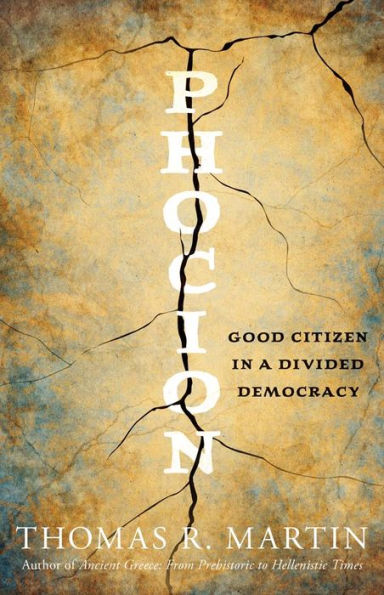
Phocion: The Athenian Statesman and Strategist
Introduction
Phocion the Young (ca. 402–317 BC), also known simply as Phocion, was an Athenian statesman and general who served as the leading political figure during a pivotal period in the city's history. Born in the late 5th century BC, Phocion came to prominence in the mid-4th century BC when he emerged as a leading figure in Athenian politics and served multiple times as the city's strategos, or supreme military commander. His tenure as strategos from 350 to 322 BC is particularly noteworthy, as it spanned a complex and tumultuous era characterized by shifting alliances, internal strife, and external pressures from powerful states such as Macedonia.
Early Life and Career
Phocion's early life is not well-documented in ancient sources, but it is known that he came from a family of notable Athenians. His father, also named Phocion, was one of the ten Athenian generals who were executed for their role in the Persian invasions. This family background no doubt contributed to Phocion's early exposure to the complexities of public service and the military. By the time of his rise to prominence, Phocion had already gained some experience as a general, participating in the Athenian fleet's defense against Philip II's Macedonian naval forces during the War of the Corinthian League.
Phocion's rise to political power came at a critical juncture in Athenian history. The Peloponnesian War had concluded over a century earlier, and by the time Phocion was coming into prominence, Athens was struggling with the remnants of democratic institutions and the challenges posed by the increasingly powerful Macedonian kingdom. In the aftermath of the Corinthian War, which ended at the Battle of Coronea in 394 BC, Athens found itself in a weakened position, with its traditional allies either defeated or allied with Macedon.
Political and Military Career
Phocion's meteoric rise to political and military prominence began with his election as strategos in 350 BC. This was a period of internal and external upheaval. Athens was facing accusations of corruption within its democratic structures, and there was increasing tension between the democratic faction and the more conservative oligarchic elements. Phocion's rise was not without controversy; he was accused of nepotism due to his brother's political career, but his integrity and competence gradually secured his position.
As strategos, Phocion was charged with maintaining the peace and stability of Athens. His primary task was to deal with the ongoing pressures from Philip II's Macedonia and to navigate the complex landscape of alliances and rivalries. During his first term, Phocion successfully managed to avert a conflict with Macedonia, primarily by maintaining a policy of neutrality. This approach was seen by some as pragmatic and by others as appeasement, but it effectively stabilized Athens and preserved its status as a significant force in Greece.
Phocion's second term as strategos occurred during a more challenging period. In 339 BC, Philip II, who had established himself as the dominant power in Greece, began assembling a coalition to invade Persian-ruled Asia. Faced with the possibility of a powerful Macedonian force near its borders, Athens was forced to reconsider its alliances. Under Phocion's leadership, Athens once again adopted a policy of neutrality, which allowed it to avoid direct confrontation with Macedon while still maintaining its independence. However, this neutrality eventually led to accusations of pro-Macedonian leanings, leading to his ousting from the role in 339 BC.
Role in the Lamian War
Phocion's greatest challenge came during the Lamian War (323–322 BC). When the powerful Macedonian general Antipater died in 319 BC, his son Alexander took over as the new Macedonian ruler of Greece. Antipater's successors were unable to maintain control, and the Seleucid king Antiochus IV Epiphanes was seen as a potential threat to Greek and Athenian interests. In response, a rebellion broke out in Corinth, with Antiochus providing military support. Fearing a resurgence of Macedonian influence, the Athenian assembly elected Phocion as strategos once more in 323 BC.
Upon taking up his duties, Phocion quickly realized that the situation was dire. The rebellion in Corinth had spread, and the threat to Athens was not just political but military. Phocion's strategy was based on the principles of pragmatism and realism rather than the idealistic policies of his predecessors. Under his leadership, Athenian forces managed to contain the rebellion, albeit with significant losses. This period marked the high point of Phocion's career, where his leadership and military prowess were critical in maintaining Athens' autonomy in a turbulent time.
Legacy and Impact
Phocion's influence on Athenian politics and his reputation as a statesman and general continue to be studied and debated. His approach to governance was characterized by pragmatism and realism, often at the expense of ideological purity. Phocion was known for his austerity and his insistence on maintaining Athenian sovereignty in a world dominated by powerful states. His decisions frequently placed him at odds with Athenian democracy, but his actions were often driven by a desire to preserve the city's independence and stability.
After his final term as strategos, Phocion continued to play a significant role in Athenian affairs. He was accused of conspiracy by the Athenian assembly, likely due to his past actions and his stance against Macedonian influence. In 317 BC, he was executed at the age of 85 by a jury that included his former protégé Timarchus. Despite the controversy surrounding his execution, Phocion's contributions to Athenian history and his influence on its political landscape cannot be overstated. His legacy is a testament to the complex balance between idealism and pragmatism in the pursuit of power and stability.
Phocion's life and work serve as a reminder of the challenges faced by city-states in an era of shifting alliances and external pressures. His legacy continues to resonate in discussions about leadership, statecraft, and the challenges of maintaining power in a volatile international environment.
Conclusion
Phocion's story is one of a complex and multifaceted individual, whose actions and decisions deeply impacted the course of Athenian history. From his early military experiences to his final years as a leading statesman, Phocion's contributions to Athens are a testament to his vision and determination. His legacy continues to inspire discussions about leadership, statecraft, and the challenges of maintaining power and independence in a world of shifting alliances and external threats.
Legacy and Impact (continued)
Despite the controversies surrounding his rise and fall, Phocion's influence on Athenian politics and military strategy left a lasting impact. His pragmatic approach and emphasis on maintaining Athens' sovereignty and stability set him apart from many of his contemporaries. Phocion's legacy can be seen in his ability to navigate the complex web of alliances and tensions in the aftermath of the Peloponnesian War and throughout the era of Macedonian hegemony.
One of Phocion's defining characteristics was his unwavering commitment to Athenian autonomy. His policies of neutrality and avoidance of direct confrontation with powerful neighbors like Macedonia were often viewed as a form of appeasement. However, they also effectively maintained Athens' independence and prevented the city from being drawn into costly wars. This pragmatic approach was a departure from the idealistic and often impractical strategies advocated by some of his predecessors and contemporaries.
Phocion's leadership was marked by a clear-eyed assessment of Athens' strengths and weaknesses. He recognized that Athens could not match the brute force of the Macedonians but could outmaneuver them through strategic alliances and careful diplomacy. This pragmatic strategy was evident in his handling of the Lamian War. Despite the initial successes of the rebellion, Phocion's careful management of resources and alliances helped prevent a complete disaster, safeguarding Athens' interests.
The effectiveness of Phocion's leadership was further underscored by his personal qualities. He was known for his frugality and modesty, traits that contrasted sharply with the excesses and corruption often associated with Athenian politicians. This self-discipline and austerity endeared him to the Athenian people, who increasingly turned to him as the voice of reason during a time of turbulence.
Phocion's influence extended beyond his immediate political sphere. His reputation as a skilled and moral general attracted the loyalty and respect of his troops, who often followed his commands with great enthusiasm. This bond between leader and soldiers underscores the importance of personal charisma and integrity in leadership, even in times when strict adherence to democratic processes was strained.
Despite his success, Phocion faced constant criticism and scrutiny. The accusations he faced, particularly during his final years, highlight the intense political pressures of his time. His enemies accused him of favoritism and nepotism, even though his reputation for fairness and impartiality was well-established. The charges brought against him by figures such as Timarchus ultimately resulted in his execution at the age of 85. However, the manner of his death did little to diminish his enduring legacy as a respected and influential figure.
The controversy surrounding Phocion's execution has been a subject of debate among historians. Some view it as a tragic loss for Athens, while others see it as a reflection of the deep-seated political divisions within the city. Regardless of the interpretation, Phocion's final act of defiance—refusing to compromise on his principles even under duress—continues to be celebrated as an emblem of principle and integrity.
Phocion's influence extends beyond historical narratives. His approach to governance and leadership offers valuable lessons for modern leaders navigating complex geopolitical landscapes. In an era where global interdependence necessitates cooperation and compromise, Phocion's emphasis on pragmatism and stability serves as a relevant model. His ability to balance ideological purity with practical considerations highlights the importance of adaptability and strategic thinking in the face of adversity.
The study of Phocion remains crucial for understanding the dynamics of power politics in the ancient world. His story is a reminder of the enduring value of wisdom, integrity, and a steadfast commitment to one's ideals. Whether viewed through the lens of historical analysis or as a guide for contemporary leaders, Phocion's legacy continues to inspire and inform.
Conclusion
Phocion's life and career offer a rich tapestry of historical events and political maneuvering. From his rise to power through his controversial execution, he exemplifies the complexities and contradictions of Athenian politics during a period of significant change. His legacy is one of a statesman who navigated the treacherous waters of Athenian democracy with a blend of pragmatism and idealism. As we continue to study Phocion's story, his contributions and struggles resonate with contemporary discourse on governance, leadership, and the delicate balance of power in a multipolar world.
Bibliography and Contemporary References
The historical accounts of Phocion primarily come from several key sources, including the works of Plato, Aristotle, and Plutarch. Plato’s references in his dialogues provide insight into Phocion's character and his philosophical stance, although these may be biased due to their inclusion in Plato’s discussions about ethics and politics. Aristotle includes Phocion in his discussion of prominent figures in his Politics, highlighting his political skill and influence. Plutarch’s Lives offers a more detailed and balanced account, particularly in his essay on Phocion, where he contrasts Phocion’s virtues with his critics’ accusations.
Modern historians such as N.G.L. Hammond and John Fine provide valuable interpretations of Phocion’s role in the context of wider Greek and Macedonian history. Hammond’s works emphasize Phocion’s strategic importance in managing Athenian affairs during periods of tension, while Fine’s analyses focus on the political and social dynamics of the era. Contemporary scholars also draw on archaeological evidence, such as inscriptions and coins, to enrich our understanding of Phocion’s impact on Athenian society.
Contemporary Relevance
Phocion's story resonates in the contemporary world, offering timeless lessons on leadership and politics. In today’s complex geopolitical environment, the principles of pragmatism and stability that Phocion championed remain relevant. Decision-makers in modern states can draw upon his approach to navigate shifting alliances and economic pressures, much as Phocion did with the Macedonian threat.
His legacy also extends to issues of integrity and ethical leadership. Phocion's refusal to compromise on his principles even under pressure serves as a powerful example of moral courage. In today’s era of rapid change and increasing scrutiny, the qualities of wisdom, self-discipline, and unwavering integrity that Phocion exemplified are as important as ever.
Moreover, Phocion's emphasis on maintaining sovereignty through practical means rather than ideological dogma is a lesson for modern nations navigating the challenges of globalization and regional conflicts. The ability to foster stable relationships without sacrificing core values is a skill that leaders across the globe must cultivate.
Legacy in Modern Times
Phocion’s name continues to be invoked in discussions about ancient history and leadership. His story has inspired countless historians, political scientists, and ethicists. Schools and universities often include Phocion in their studies of ancient Greek culture and politics, teaching students about the complexities of statecraft and the challenges of leadership in a divided polity.
Phocion has also found a home in popular culture. Characters in literature and film have been inspired by his virtues, and his story continues to captivate audiences seeking lessons from the past. Books, documentaries, and theatrical productions that explore his life and times offer fresh insights and reinvigorate our appreciation for his legacy.
Conclusion
In conclusion, Phocion stands as a monumental figure in Athenian and Hellenic history, whose life and influence continue to inspire and educate us. From his strategic acumen in managing Athens' foreign relations to his enduring legacy of integrity and leadership, Phocion’s story remains an invaluable resource for understanding the complexities of ancient politics and the timeless qualities of effective governance.
The study of Phocion reminds us of the enduring relevance of his principles in our own times. As the world grapples with the myriad challenges of global interaction and internal strife, the lessons gleaned from Phocion's life continue to be pertinent. Whether through scholarly inquiry or popular imagination, Phocion's legacy endures, serving as a beacon of wisdom and integrity for generations to come.
Related Articles



Nicias: A General with a Critical Presence in Ancient Athens
Nicias, a prominent Athenian aristocrat, politician, and general, played a pivotal role during the Peloponnesian War (431–404 BCE). Known for his cautious strategy and advocacy for peace, Nicias negotiated the Peace of Nicias in 421 BCE, temporarily halting the conflict. His military achievements and political maneuvers left an indelible mark on the history of ancient Athens.
Early Life and Background
Born around 470 BCE, Nicias hailed from a wealthy Athenian family. His wealth, derived from the silver mines of Attica, allowed him to fund lavish festivals, which boosted his popularity among the Athenian populace. Despite his aristocratic background, Nicias was known for his timorous reputation, a characteristic that often clashed with the more aggressive policies of his contemporaries.
Aristocratic Roots and Political Influence
Nicias represented the conservative faction in Athens, opposing hawkish democrats like Cleon and Alcibiades. His political influence was significant, as he was elected strategos (general) multiple times. His cautious approach to warfare and diplomacy set him apart from other Athenian leaders, who often favored more aggressive strategies.
Military Achievements
Nicias's military career was marked by several notable achievements. From 427 to 425 BCE, he played a crucial role in various campaigns that showcased his strategic prowess and leadership skills.
Capture of Minoa and Raid on Melos
In 427 BCE, Nicias captured Minoa, a strategic location near Megara, to blockade Megara's port. This victory was a significant blow to Megara's naval capabilities and demonstrated Nicias's ability to execute effective military strategies. Additionally, he raided Melos, although he failed to conquer the island. These early campaigns highlighted his potential as a military leader.
Pillaging Theban and Locrian Territory
Nicias also led raids on Theban and Locrian territories, further establishing his reputation as a capable general. These campaigns were part of Athens's broader strategy to weaken its enemies and secure its position in the region. His actions during these raids were characterized by careful planning and execution, reflecting his cautious approach to warfare.
Seizure of Cythera and Fortification of Methone
In 424 BCE, Nicias seized Cythera, an island off the coast of Laconia, which served as a base against Sparta. This strategic move allowed Athens to exert pressure on Sparta and disrupt its supply lines. Additionally, he fortified Methone in Argolis, further strengthening Athens's position in the Peloponnese. These achievements underscored his ability to secure critical locations and enhance Athens's military capabilities.
Advocacy for Peace
Nicias's advocacy for peace was a defining aspect of his political and military career. His efforts to negotiate the Peace of Nicias in 421 BCE were instrumental in temporarily halting the Peloponnesian War.
Truce of Laches
In 423 BCE, Nicias supported the Truce of Laches, a temporary ceasefire aimed at alleviating the exhaustion caused by Spartan general Brasidas's campaigns. This truce provided a much-needed respite for both Athens and Sparta, allowing them to regroup and reassess their strategies. Nicias's support for the truce demonstrated his commitment to finding peaceful solutions to the conflict.
Negotiation of the Peace of Nicias
The Peace of Nicias, signed in March 421 BCE, was a 50-year treaty that ended the first phase of the Peloponnesian War, known as the Archidamian War. This treaty was a significant achievement for Nicias, as it temporarily halted the hostilities between Athens and Sparta. The peace was prompted by Athenian losses at Delium and Amphipolis, as well as Spartan setbacks like the battle of Pylos. Nicias's negotiation skills and diplomatic acumen were crucial in securing this treaty.
Legacy and Impact
Nicias's legacy is a complex one, marked by both his military achievements and his advocacy for peace. His cautious approach to warfare and diplomacy set him apart from other Athenian leaders, and his efforts to negotiate the Peace of Nicias demonstrated his commitment to finding peaceful solutions to the conflict.
Scholarly Perspectives
Modern analyses of Nicias's career emphasize his realism amid the democratic impulsivity of Athens. Scholars often highlight his cautious strategy and his ability to navigate the complex political landscape of ancient Athens. His legacy continues to be a subject of debate and analysis in the field of classics.
Cultural Relevance
Nicias's life and career have been featured in various documentaries and adaptations of Plutarch's works. His story is often used to illustrate the complexities of ancient Greek politics and warfare. Additionally, his role in the Peloponnesian War has been simulated in strategy games, further cementing his cultural relevance.
Conclusion
Nicias's critical presence in the history of ancient Athens is undeniable. His military achievements, political influence, and advocacy for peace left an indelible mark on the city-state. His cautious approach to warfare and diplomacy set him apart from other Athenian leaders, and his efforts to negotiate the Peace of Nicias demonstrated his commitment to finding peaceful solutions to the conflict. As we continue to explore the complexities of ancient Greek history, Nicias's legacy remains a vital part of our understanding of this pivotal era.
The Sicilian Expedition: Nicias's Reluctant Leadership
Despite his preference for caution and diplomacy, Nicias found himself reluctantly co-leading the Sicilian Expedition (415–413 BCE) alongside Alcibiades and Lamachus. This ill-fated campaign would ultimately lead to one of Athens's most devastating military defeats and mark the end of Nicias's life.
The Decision to Invade Sicily
The Sicilian Expedition was conceived as a bold attempt to expand Athenian influence and counter the growing power of Syracuse, a key ally of Sparta. The Athenian assembly, swayed by Alcibiades's ambitious rhetoric, voted overwhelmingly in favor of the expedition. Nicias, however, was deeply skeptical of the venture. He argued that Athens should focus on consolidating its existing power rather than risking a distant and uncertain campaign.
Nicias's objections were rooted in his cautious nature and his understanding of the logistical challenges involved. He warned that the expedition would require a massive commitment of resources and manpower, and that the distance from Athens would make resupply and reinforcement difficult. Despite his reservations, Nicias was appointed as one of the expedition's leaders, a role he accepted with reluctance.
Initial Setbacks and Nicias's Illness
The expedition began with a series of setbacks that seemed to validate Nicias's concerns. The Athenian fleet, consisting of over 100 ships and 30,000 troops, faced immediate challenges upon arriving in Sicily. The initial battles were inconclusive, and the Athenians struggled to gain a decisive advantage over the Syracusans.
Compounding these difficulties, Nicias fell seriously ill shortly after the campaign began. His illness weakened his ability to command effectively and further eroded the morale of the Athenian forces. Despite his condition, Nicias remained committed to the mission, believing that abandoning the expedition would be a greater disaster for Athens.
The Lunar Eclipse and Delayed Retreat
One of the most infamous episodes of the Sicilian Expedition occurred when a lunar eclipse took place, an event that Nicias interpreted as an omen. Superstitious and hesitant, he decided to delay the Athenian retreat, despite the urging of his fellow commanders. This delay proved catastrophic, as it gave the Syracusans additional time to prepare and reinforce their defenses.
Plutarch, in his Life of Nicias, highlights this moment as a critical turning point in the campaign. Nicias's superstition and indecisiveness contrasted sharply with his usual cautious but pragmatic approach. The delay allowed the Syracusans to launch a decisive counterattack, leading to the encirclement and eventual defeat of the Athenian forces.
The Fall of Nicias and the Aftermath of the Expedition
The failure of the Sicilian Expedition had profound consequences for Athens and for Nicias personally. The defeat marked a turning point in the Peloponnesian War, shifting the balance of power in favor of Sparta and its allies. For Nicias, the expedition ended in tragedy, as he was captured and executed by the Syracusans.
The Final Battle and Capture
As the Athenian forces became increasingly desperate, Nicias attempted to lead a final breakout from the Syracusan encirclement. The battle was chaotic and brutal, with the Athenians fighting fiercely despite their dwindling numbers and supplies. Ultimately, the Syracusans overwhelmed the Athenian forces, capturing thousands of soldiers, including Nicias.
The capture of Nicias was a significant blow to Athenian morale. His leadership, though cautious and at times indecisive, had been a stabilizing force throughout the campaign. With his capture, the remaining Athenian forces were left without a clear commander, hastening their eventual surrender.
Execution and Legacy
Following his capture, Nicias was executed by the Syracusans, despite pleas for mercy from some of his captors. His death marked the end of a career that had been defined by both military achievement and tragic failure. The loss of Nicias, along with the destruction of the Athenian fleet and army, had a devastating impact on Athens.
The failure of the Sicilian Expedition is often seen as a turning point in the Peloponnesian War. Athens, once the dominant naval power in the region, found itself severely weakened. The loss of manpower and resources made it increasingly difficult for Athens to sustain its war effort, ultimately contributing to its defeat by Sparta in 404 BCE.
Historical and Scholarly Perspectives on Nicias
Nicias's life and career have been the subject of extensive analysis by historians and scholars. His actions during the Peloponnesian War, particularly his role in the Sicilian Expedition, have sparked debates about his leadership, strategies, and the factors that led to his downfall.
Plutarch's Portrayal of Nicias
Plutarch's Life of Nicias provides one of the most detailed and influential accounts of Nicias's life. Plutarch portrays Nicias as a cautious and superstitious leader, whose strengths lay in his ability to negotiate and his commitment to peace. However, Plutarch also highlights Nicias's indecisiveness and his tendency to hesitate in critical moments, particularly during the Sicilian Expedition.
According to Plutarch, Nicias's superstition played a significant role in his downfall. His decision to delay the Athenian retreat due to the lunar eclipse is cited as a key factor in the expedition's failure. Plutarch's portrayal of Nicias has shaped much of the historical narrative surrounding his life and career.
Modern Analyses and Reinterpretations
Modern scholars have offered a more nuanced view of Nicias, emphasizing his realism and pragmatic approach to warfare and diplomacy. Some historians argue that Nicias's caution was a necessary counterbalance to the more aggressive policies of leaders like Alcibiades and Cleon. His advocacy for peace and his efforts to negotiate the Peace of Nicias are seen as evidence of his commitment to the long-term stability of Athens.
Other scholars have focused on the broader context of Nicias's actions, particularly the political and social dynamics of ancient Athens. They argue that Nicias's cautious approach was shaped by the realities of Athenian democracy, where public opinion and the assembly's decisions played a crucial role in shaping military and political strategies.
Key Debates and Controversies
The debate over Nicias's leadership and strategies continues to be a subject of discussion among historians. Some of the key questions include:
- Was Nicias's caution a strength or a weakness in the context of the Peloponnesian War?
- How did his superstition and indecisiveness contribute to the failure of the Sicilian Expedition?
- What role did the political dynamics of Athens play in shaping Nicias's actions and decisions?
- How should we evaluate Nicias's legacy in the context of ancient Greek history?
These debates highlight the complexity of Nicias's character and the challenges he faced as a leader in ancient Athens.
Archaeological Evidence and Recent Discoveries
Archaeological evidence has played a crucial role in our understanding of Nicias's life and the events of the Peloponnesian War. Recent excavations and discoveries have provided new insights into the strategies, fortifications, and battles that defined this period.
Excavations at Cythera and Pylos
Recent archaeological excavations at Cythera and Pylos have confirmed the existence of fortifications and military installations that were crucial to Nicias's campaigns. At Cythera, researchers have uncovered evidence of Athenian military presence, including remnants of fortifications and artifacts dating back to the 5th century BCE. These findings support historical accounts of Nicias's seizure of the island and its use as a base against Sparta.
Similarly, excavations at Pylos have revealed the remains of Athenian fortifications and military structures. These discoveries provide valuable insights into the strategic importance of Pylos during the Peloponnesian War and the role it played in Nicias's military campaigns.
Ongoing Research and Digital Humanities
In addition to traditional archaeological methods, digital humanities projects have contributed to our understanding of Nicias's life and the Peloponnesian War. Websites like Attalus.org compile primary sources, including the works of Thucydides and Plutarch, to create comprehensive timelines and databases. These resources allow scholars and enthusiasts to explore the events of the war in greater detail and to verify historical accounts.
Ongoing research continues to shed light on the complexities of the Peloponnesian War and the role of key figures like Nicias. As new discoveries are made and existing evidence is reexamined, our understanding of this pivotal period in ancient Greek history continues to evolve.
Key Archaeological Findings
Some of the most significant archaeological findings related to Nicias and the Peloponnesian War include:
- Fortifications at Cythera: Remnants of Athenian military installations, confirming Nicias's strategic use of the island.
- Military artifacts at Pylos: Weapons, armor, and other artifacts that provide insights into the battles fought in the region.
- Inscriptions and records: Evidence of Athenian military and political activities, including references to Nicias's campaigns.
- Shipwrecks and naval artifacts: Discoveries that highlight the importance of naval warfare during the Peloponnesian War.
These findings contribute to a more comprehensive understanding of Nicias's military strategies and the broader context of the Peloponnesian War.
Conclusion of Part 2
Nicias's role in the Sicilian Expedition and his ultimate downfall highlight the complexities of his leadership and the challenges he faced as a military and political figure in ancient Athens. His cautious approach, though often criticized, was a product of his understanding of the risks and uncertainties of warfare. The failure of the expedition and his subsequent execution marked a turning point in the Peloponnesian War, with profound consequences for Athens.
Historical and scholarly perspectives on Nicias continue to evolve, with modern analyses offering a more nuanced view of his actions and decisions. Archaeological evidence and recent discoveries provide valuable insights into the strategies and events that defined his career. As we continue to explore the life and legacy of Nicias, his story remains a vital part of our understanding of ancient Greek history.
Nicias's Influence on Athenian Politics and Society
Beyond his military campaigns, Nicias played a significant role in shaping Athenian politics and society. His wealth, derived from the silver mines of Attica, allowed him to fund public festivals and religious ceremonies, which endeared him to the Athenian populace. This financial influence, combined with his political acumen, made him a key figure in the city-state's governance.
Wealth and Public Benefaction
Nicias's wealth was legendary, even by the standards of ancient Athens. He was known for his lavish sponsorship of religious festivals, including the Dionysia and the Panathenaia. These festivals were not merely religious events but also opportunities for Athenians to celebrate their cultural identity and civic pride. By funding these festivals, Nicias strengthened his political influence and reinforced his image as a benefactor of the people.
His generosity extended beyond religious festivals. Nicias also funded public buildings and infrastructure projects, contributing to the physical and cultural development of Athens. His financial contributions were a testament to his commitment to the city-state and its citizens, even as his political views often clashed with those of more radical democrats.
Political Rivalries and Alliances
Nicias's political career was marked by intense rivalries and shifting alliances. He was a leading figure in the conservative faction of Athenian politics, which sought to maintain the status quo and avoid unnecessary conflicts. This put him at odds with more aggressive leaders like Cleon and Alcibiades, who advocated for expansionist policies and military confrontation.
One of Nicias's most notable political rivalries was with Alcibiades, a charismatic and ambitious leader who championed the Sicilian Expedition. Nicias's opposition to the expedition was rooted in his belief that Athens should focus on defending its existing territories rather than embarking on risky overseas campaigns. Despite his objections, the Athenian assembly voted in favor of the expedition, and Nicias was compelled to take part in it.
Nicias's political alliances were equally complex. He often found himself aligning with other conservative leaders, such as Phrynichus, who shared his cautious approach to warfare and diplomacy. However, these alliances were not always stable, as the fluid nature of Athenian politics required constant negotiation and compromise.
The Peace of Nicias: A Fragile Truce
The Peace of Nicias, signed in 421 BCE, was one of the most significant achievements of Nicias's political career. This treaty temporarily halted the Peloponnesian War and provided a much-needed respite for both Athens and Sparta. However, the peace was fragile, and its eventual collapse had profound consequences for the course of the war.
Negotiations and Terms
The negotiations leading to the Peace of Nicias were complex and protracted. Nicias, representing Athens, sought to secure a treaty that would preserve Athenian interests while also addressing the concerns of Sparta and its allies. The final terms of the peace included:
- The return of prisoners of war by both sides.
- The restoration of territories captured during the war, with some exceptions.
- A 50-year non-aggression pact between Athens and Sparta.
- The establishment of a defensive alliance between the two city-states.
These terms reflected Nicias's desire to achieve a stable and lasting peace. However, the treaty's provisions were not universally accepted, and disputes over key territories, such as Amphipolis and Pylos, continued to simmer.
Challenges and Collapse
Despite Nicias's efforts, the Peace of Nicias proved to be short-lived. Several factors contributed to its collapse:
- Ongoing disputes over territories: Both Athens and Sparta had competing claims over key regions, which led to continued tensions and skirmishes.
- Alliance politics: Sparta's allies, including Argos, Elis, and Mantinea, were not fully committed to the peace and continued to pursue their own agendas.
- Alcibiades's influence: Alcibiades, a vocal opponent of the peace, worked to undermine the treaty and restart hostilities. His efforts culminated in the Battle of Mantinea in 418 BCE, which effectively ended the peace.
The collapse of the Peace of Nicias marked a turning point in the Peloponnesian War. The renewed hostilities led to further devastation and ultimately contributed to Athens's defeat in 404 BCE.
Lessons from Nicias's Leadership
Nicias's life and career offer valuable lessons in leadership, strategy, and diplomacy. His cautious approach to warfare, his commitment to peace, and his political acumen provide insights into the challenges faced by leaders in ancient Greece and beyond.
Strategic Caution and Risk Management
One of the most notable aspects of Nicias's leadership was his strategic caution. He was deeply aware of the risks and uncertainties of warfare and sought to minimize them through careful planning and diplomacy. This approach was evident in his military campaigns, where he prioritized securing key territories and avoiding unnecessary confrontations.
However, Nicias's caution also had its drawbacks. His reluctance to take bold actions, particularly during the Sicilian Expedition, contributed to the campaign's failure. His indecisiveness in the face of critical moments, such as the lunar eclipse, highlighted the limitations of an overly cautious approach in high-stakes situations.
The Importance of Diplomacy
Nicias's advocacy for peace and his efforts to negotiate the Peace of Nicias underscore the importance of diplomacy in resolving conflicts. His ability to navigate complex political landscapes and secure temporary truces demonstrated his skill as a diplomat. However, the fragility of the Peace of Nicias also highlighted the challenges of maintaining peace in a volatile and competitive environment.
Modern leaders can draw lessons from Nicias's diplomatic efforts, particularly in understanding the complexities of negotiation and the need for sustained commitment to peace. His experiences serve as a reminder that diplomacy requires not only skill but also persistence and adaptability.
Balancing Political and Military Leadership
Nicias's career also illustrates the challenges of balancing political and military leadership. As a political figure, he was deeply involved in the governance of Athens and the shaping of its policies. As a military leader, he was responsible for executing those policies on the battlefield. The tension between these two roles was evident in his reluctance to lead the Sicilian Expedition and his subsequent struggles during the campaign.
Effective leadership requires the ability to navigate both political and military spheres, often making difficult decisions that balance short-term gains with long-term stability. Nicias's experiences highlight the importance of aligning political objectives with military strategies and the need for leaders to adapt to changing circumstances.
Nicias's Legacy in Ancient and Modern Contexts
Nicias's legacy extends beyond his lifetime, influencing both ancient and modern understandings of leadership, warfare, and diplomacy. His story has been retold in historical accounts, literary works, and cultural adaptations, each offering unique perspectives on his life and achievements.
Ancient Historical Accounts
The primary sources for Nicias's life and career are the works of ancient historians, particularly Thucydides and Plutarch. Thucydides, in his History of the Peloponnesian War, provides a detailed account of Nicias's military campaigns and political maneuvers. His portrayal of Nicias is largely objective, focusing on the general's actions and their consequences.
Plutarch, in his Life of Nicias, offers a more personalized and moralistic perspective. He highlights Nicias's virtues, such as his caution and commitment to peace, as well as his flaws, including his superstition and indecisiveness. Plutarch's account has shaped much of the historical narrative surrounding Nicias, influencing later interpretations of his life.
Modern Cultural Adaptations
Nicias's story has been adapted in various modern cultural works, including documentaries, books, and strategy games. These adaptations often focus on the dramatic aspects of his life, such as the Sicilian Expedition and his eventual downfall. They also explore the broader themes of leadership, warfare, and the complexities of ancient Greek politics.
One notable example is the inclusion of Nicias in strategy games that simulate the Peloponnesian War. These games allow players to experience the challenges faced by Nicias and other leaders, providing a interactive perspective on the conflict. Additionally, documentaries and historical dramas have brought Nicias's story to a wider audience, highlighting his significance in ancient Greek history.
Scholarly Debates and Reinterpretations
Modern scholars continue to debate and reinterpret Nicias's life and legacy. Some of the key areas of discussion include:
- Nicias's leadership style: Was his caution a strength or a weakness in the context of the Peloponnesian War?
- The failure of the Sicilian Expedition: To what extent was Nicias responsible for the campaign's failure, and how did his decisions contribute to the outcome?
- The Peace of Nicias: What lessons can be learned from the treaty's negotiation, implementation, and eventual collapse?
- Nicias's political influence: How did his wealth and public benefaction shape his political career and his relationship with the Athenian populace?
These debates reflect the ongoing interest in Nicias's life and the broader implications of his actions for ancient Greek history.
Conclusion: The Enduring Significance of Nicias
Nicias's life and career offer a compelling narrative of leadership, strategy, and diplomacy in ancient Greece. His cautious approach to warfare, his commitment to peace, and his political acumen provide valuable insights into the challenges faced by leaders in times of conflict. While his career ended in tragedy, his legacy continues to resonate in historical accounts, cultural adaptations, and scholarly debates.
Several key takeaways emerge from Nicias's story:
- Strategic caution has its place: Nicias's careful planning and risk management were effective in many of his military campaigns. However, his reluctance to take bold actions in critical moments also contributed to his downfall.
- Diplomacy is essential: The Peace of Nicias demonstrated the importance of negotiation and compromise in resolving conflicts. However, the treaty's fragility also highlighted the challenges of maintaining peace in a competitive environment.
- Leadership requires balance: Nicias's struggles to balance political and military leadership underscore the complexities of governance and warfare. Effective leaders must navigate both spheres with adaptability and foresight.
- Legacy is shaped by context: Nicias's story has been interpreted in various ways, reflecting the evolving understandings of his life and achievements. His legacy serves as a reminder of the enduring significance of ancient Greek history.
In the end, Nicias's life reminds us of the fragility of peace and the complexities of leadership. His story challenges us to consider the delicate balance between caution and boldness, diplomacy and confrontation, and the enduring quest for stability in an uncertain world. As we reflect on his legacy, we are reminded of the timeless lessons that history offers and the importance of learning from the past to navigate the present and future.
Sophocles: A Timeless Voice of Ancient Greek Tragedy
Introduction to Sophocles and His Enduring Legacy
Sophocles, born in 496 BC in Colonus, Athens, stands as one of the three titans of ancient Greek tragedy, alongside Aeschylus and Euripides. His works, deeply rooted in myth yet profoundly human, have resonated through centuries, shaping not only literature but also philosophical and political thought. With seven surviving tragedies, including masterpieces like Antigone and Oedipus Rex, Sophocles' influence extends far beyond his time, embedding itself in modern interpretations and educational curricula worldwide.
Sophocles' life spanned nearly a century, a period marked by significant historical events such as the Battle of Marathon and the Peloponnesian War. His contributions to Greek theater are unparalleled, with innovations in plot structure, character development, and the introduction of a third actor, which added depth to dramatic dialogues. This article explores the life, works, and enduring impact of Sophocles, highlighting why his voice remains a cornerstone of ancient tragedy.
The Life and Times of Sophocles
Early Life and Education
Sophocles was born into a wealthy family, which afforded him a comprehensive education in music, gymnastics, and poetry. His early exposure to the arts and his participation in the victory at Marathon in 480 BC shaped his worldview and artistic sensibilities. By the age of 28, he had already made a name for himself in the theatrical world, defeating the esteemed Aeschylus in a dramatic competition in 468 BC.
Political and Military Involvement
Beyond his literary pursuits, Sophocles was actively involved in Athenian politics and military affairs. He served as a treasurer for the Delian League and was elected as a general alongside Pericles during the Saminan War. His political roles underscored his commitment to Athenian democracy and his belief in civic duty, themes that frequently surfaced in his tragedies.
Literary Achievements and Innovations
Sophocles' literary career was marked by numerous victories in dramatic competitions, with at least 20 wins to his name. He is credited with introducing several innovations to Greek tragedy, including the use of three actors and the expansion of the chorus from 12 to 15 members. His plays are renowned for their complex characters, intricate plots, and exploration of moral dilemmas, making them timeless pieces of literature.
The Themes and Style of Sophocles' Tragedies
Mythological Foundations and Humanization of Heroes
Sophocles' tragedies are deeply rooted in Greek mythology, particularly the Theban Cycle, which includes the stories of Oedipus and Antigone. However, his genius lay in his ability to humanize these mythological figures, presenting them with flaws, conflicts, and emotional depth. This approach allowed audiences to connect with the characters on a personal level, making their struggles and triumphs universally relatable.
Moral and Ethical Dilemmas
Central to Sophocles' works are the exploration of moral and ethical dilemmas. His plays often pit divine law against human law, as seen in Antigone, where the protagonist defies the decree of King Creon to bury her brother, highlighting the conflict between personal conscience and state authority. These themes resonate with contemporary audiences, underscoring the timeless nature of his works.
Innovations in Plot and Structure
Sophocles was a pioneer in dramatic structure, introducing organic plot development where each scene logically followed the previous one. His use of irony, particularly in Oedipus Rex, where the protagonist unknowingly fulfills a prophecy he seeks to avoid, added layers of complexity to his narratives. Additionally, his choruses often served as moral commentators, providing insights into the ethical implications of the characters' actions.
The Enduring Influence of Sophocles
Educational Impact and Curricular Inclusion
Sophocles' works have been integral to educational systems, particularly in Greece, where plays like Antigone are studied in high schools. These texts are not only linguistic treasures but also tools for understanding Athenian democracy, ethical philosophy, and the human condition. The inclusion of his works in curricula worldwide attests to their enduring relevance and educational value.
Modern Adaptations and Cultural Resonance
The themes of Sophocles' tragedies continue to inspire modern adaptations and interpretations. Antigone, for instance, has been reimagined in various forms, from Jean Anouilh's 1944 adaptation to contemporary theater productions. These adaptations highlight the play's universal themes of resistance, justice, and the conflict between individual and state, making it a powerful symbol in different cultural and political contexts.
In conclusion, Sophocles' contributions to literature and theater are immeasurable. His ability to blend myth with human experience, coupled with his innovations in dramatic structure, has cemented his place as a cornerstone of ancient Greek tragedy. As we delve deeper into his works and their impact, it becomes evident why his voice continues to echo through the ages, offering insights into the complexities of the human condition.
The Masterpieces of Sophocles: A Closer Look
Antigone: The Conflict Between Divine and Human Law
Antigone, one of Sophocles' most celebrated tragedies, explores the tension between divine law and human law. The play centers on Antigone's decision to bury her brother Polynices, defying King Creon's edict. This act of civil disobedience highlights themes of moral integrity, familial duty, and the consequences of hubris. The play's enduring relevance is evident in its frequent adaptations and its inclusion in educational curricula, where it serves as a catalyst for discussions on ethics and governance.
The character of Antigone embodies courage and conviction, making her a timeless symbol of resistance against tyranny. Her dialogue with Creon, particularly the line
"I was born to join in love, not hate", underscores her unwavering commitment to her beliefs, even in the face of death. This moral steadfastness resonates with audiences across generations, cementing Antigone's place as a cornerstone of Greek tragedy.
Oedipus Rex: The Tragedy of Fate and Self-Discovery
Oedipus Rex, often regarded as Sophocles' magnum opus, delves into the themes of fate, free will, and self-knowledge. The play follows King Oedipus as he uncovers the horrifying truth about his identity—that he has unwittingly fulfilled a prophecy by killing his father and marrying his mother. This revelation leads to his tragic downfall, illustrating the Greek concept of hamartia, or tragic flaw, which in Oedipus' case is his relentless pursuit of truth.
The play's structure is a masterclass in dramatic irony, where the audience is aware of Oedipus' fate long before he is. This technique heightens the emotional impact of the tragedy, making Oedipus' eventual realization all the more devastating. The chorus' reflections on human suffering and the unpredictability of life add depth to the narrative, reinforcing the play's exploration of human vulnerability and the limits of knowledge.
Oedipus at Colonus: Redemption and the Power of Sacrifice
Oedipus at Colonus, the final play in the Oedipus trilogy, shifts focus to the later years of Oedipus' life. Exiled and blind, Oedipus finds refuge in Colonus, where he is ultimately redeemed through his suffering. The play explores themes of redemption, sacrifice, and the power of prophecy. Oedipus' journey from despair to acceptance offers a poignant meditation on the human capacity for resilience and transcendence.
The play also introduces the concept of heroic suffering, where Oedipus' endurance of his trials elevates him to a quasi-divine status. His death, described as a mystical event, further emphasizes his transformation from a tragic figure to a symbol of spiritual enlightenment. This shift in tone from the earlier plays highlights Sophocles' ability to infuse his narratives with layers of meaning, making Oedipus at Colonus a profound exploration of the human spirit.
The Themes That Define Sophocles' Works
The Exploration of Human Suffering and Resilience
Sophocles' tragedies are deeply concerned with the nature of human suffering and the ways in which individuals respond to adversity. His characters often face overwhelming challenges, from the moral dilemmas of Antigone to the existential crises of Oedipus. Through their struggles, Sophocles examines the resilience of the human spirit and the potential for growth and redemption even in the darkest circumstances.
This focus on suffering is not merely pessimistic; rather, it serves as a means of exploring the depths of human emotion and the capacity for endurance. Characters like Oedipus and Philoctetes demonstrate that suffering, while painful, can also be a catalyst for self-discovery and transformation. This theme resonates with modern audiences, who continue to find solace and inspiration in the trials and triumphs of Sophocles' protagonists.
The Role of Fate and Free Will
A recurring theme in Sophocles' works is the interplay between fate and free will. His characters often grapple with the idea that their lives are predetermined by the gods, yet they also possess the agency to make choices that shape their destinies. This tension is particularly evident in Oedipus Rex, where Oedipus' attempts to escape his fate ultimately lead him to fulfill it.
Sophocles' exploration of this theme invites audiences to reflect on their own lives and the extent to which they are governed by external forces versus personal choices. The tragic irony in his plays underscores the complexity of this dynamic, suggesting that while humans may strive for autonomy, they are ultimately subject to the whims of fate. This philosophical inquiry remains relevant today, as individuals continue to navigate the balance between destiny and self-determination.
The Importance of Moral Integrity and Justice
Moral integrity and the pursuit of justice are central to Sophocles' tragedies. His characters often face difficult choices that test their ethical principles, and their actions have far-reaching consequences. In Antigone, for example, the protagonist's commitment to divine law leads her to defy human authority, raising questions about the nature of justice and the responsibilities of individuals within society.
Sophocles' works also highlight the dangers of hubris and the importance of humility. Characters like Creon in Antigone and Oedipus in Oedipus Rex serve as cautionary tales, demonstrating the perils of excessive pride and the necessity of acknowledging one's limitations. These moral lessons continue to resonate, offering timeless insights into the complexities of human behavior and the pursuit of a just and virtuous life.
Sophocles' Influence on Modern Literature and Theater
Adaptations and Reimaginings
Sophocles' works have inspired countless adaptations and reimaginings in modern literature and theater. Playwrights, novelists, and filmmakers have drawn on his themes and characters to create new narratives that reflect contemporary concerns. For instance, Jean Anouilh's Antigone, written during World War II, reinterprets the ancient tragedy as a commentary on resistance and oppression, demonstrating the play's enduring relevance in times of political turmoil.
Other notable adaptations include:
- Seamus Heaney's The Burial at Thebes, a modern translation of Antigone that emphasizes its themes of civil disobedience and moral duty.
- Pier Paolo Pasolini's Edipo Re, a film adaptation of Oedipus Rex that blends ancient myth with modern psychological insights.
- Fugen Theatre's Antigone in Ferguson, a contemporary retelling that addresses issues of racial justice and police brutality.
These adaptations underscore the versatility of Sophocles' themes and their ability to transcend cultural and temporal boundaries.
Educational and Cultural Impact
Sophocles' tragedies have had a profound impact on education and culture, particularly in the study of literature, philosophy, and theater. His works are staple texts in high school and university curricula, where they are used to teach students about Greek mythology, dramatic structure, and ethical philosophy. The inclusion of plays like Antigone and Oedipus Rex in educational programs highlights their enduring significance as tools for critical thinking and moral reflection.
In addition to their educational value, Sophocles' works have influenced cultural discourses on justice, power, and human rights. The themes of resistance and moral integrity in Antigone, for example, have been invoked in discussions about civil rights, political dissent, and the role of individuals in challenging unjust systems. This cultural resonance ensures that Sophocles' voice remains a powerful force in shaping contemporary thought and action.
Sophocles in the Digital Age
The digital age has further amplified the reach and impact of Sophocles' works. Online platforms, educational websites, and digital libraries provide unprecedented access to his tragedies, making them available to a global audience. Resources such as:
- E-books and PDF guides that offer annotated versions of his plays for students and scholars.
- YouTube summaries and analyses that break down complex themes and characters for modern audiences.
- Virtual theater productions that bring his tragedies to life in innovative and accessible formats.
These digital resources have democratized access to Sophocles' works, ensuring that his legacy continues to inspire and educate new generations of readers and theatergoers.
Sophocles' Legacy in Contemporary Thought and Art
The Philosophical Impact of Sophocles' Works
Sophocles' tragedies have left an indelible mark on philosophical thought, influencing thinkers from Aristotle to modern existentialists. His exploration of human suffering, moral dilemmas, and the tension between fate and free will has provided rich material for philosophical inquiry. Aristotle, in his Poetics, praised Sophocles for his mastery of tragic structure and character development, particularly highlighting Oedipus Rex as the quintessential example of tragedy.
Modern philosophers, too, have drawn on Sophocles' works to explore themes of existentialism and human agency. The character of Oedipus, for instance, has been analyzed through the lens of freedom and determinism, with scholars debating the extent to which his actions are governed by fate versus his own choices. This ongoing dialogue underscores the depth and complexity of Sophocles' narratives, which continue to provoke thought and discussion centuries after their creation.
Sophocles in Modern Psychology and Psychoanalysis
The influence of Sophocles extends into the realm of psychology, particularly in the field of psychoanalysis. Sigmund Freud famously coined the term Oedipus complex to describe a child's unconscious desire for the opposite-sex parent, drawing directly from the themes of Oedipus Rex. This psychological concept has become a cornerstone of Freudian theory, demonstrating the lasting impact of Sophocles' exploration of human desire and family dynamics.
Beyond the Oedipus complex, Sophocles' works have been used to examine other psychological phenomena, such as cognitive dissonance and the defense mechanisms employed by individuals facing traumatic truths. The character of Antigone, for example, has been studied in the context of moral development and the psychological toll of defying authority. These analyses highlight the relevance of Sophocles' tragedies in understanding the human psyche and the complexities of emotional and moral conflict.
The Global Reach of Sophocles' Tragedies
Sophocles in World Literature and Theater
Sophocles' influence is not confined to Western literature; his works have been embraced and adapted by cultures around the world. In Japan, for instance, playwrights have drawn on Greek tragedy to create Noh and Kabuki plays that explore similar themes of fate and suffering. Similarly, in Africa, writers like Wole Soyinka have reimagined Sophoclean themes in the context of post-colonial struggles, using the framework of ancient tragedy to address contemporary issues of power and resistance.
In Latin America, Sophocles' works have been adapted to reflect the region's political and social realities. For example, Antigone has been reinterpreted as a commentary on dictatorship and human rights violations, with the character of Antigone serving as a symbol of defiance against oppressive regimes. These global adaptations underscore the universality of Sophocles' themes and their ability to resonate across diverse cultural and historical contexts.
Sophocles in Film and Popular Culture
The reach of Sophocles' tragedies extends into film and popular culture, where his stories have been adapted and referenced in various forms. Films like Oedipus Rex (1967), directed by Pier Paolo Pasolini, bring the ancient myth to life on the silver screen, blending classical themes with modern cinematography. Similarly, Antigone has been adapted into numerous films, each offering a unique interpretation of the play's central conflict between individual conscience and state authority.
Sophocles' influence can also be seen in contemporary television and literature. Shows like The Wire and Breaking Bad echo the tragic structure and moral complexity of Sophoclean drama, with characters grappling with fate, power, and the consequences of their actions. Even in video games and graphic novels, references to Sophocles' works abound, demonstrating their enduring appeal and relevance in modern storytelling.
The Educational Value of Sophocles' Works
Teaching Sophocles in Schools and Universities
Sophocles' tragedies are a cornerstone of classical education, widely taught in schools and universities around the world. In Greece, plays like Antigone are integral to the high school curriculum, where students analyze the text for its linguistic, historical, and philosophical significance. The play's exploration of democratic values, moral integrity, and civil disobedience provides a rich foundation for discussions on ethics, governance, and human rights.
In universities, Sophocles' works are studied not only in literature and theater programs but also in courses on philosophy, political science, and psychology. His tragedies serve as case studies for examining the human condition, the nature of justice, and the complexities of moral decision-making. The interdisciplinary appeal of his works ensures their continued relevance in academic settings, where they inspire critical thinking and intellectual debate.
Digital Resources and Online Learning
The digital age has revolutionized the way Sophocles' works are accessed and studied. Online platforms like Project Gutenberg, Google Books, and educational websites offer free access to his tragedies, making them available to a global audience. Additionally, YouTube channels and educational blogs provide summaries, analyses, and even full performances of his plays, catering to diverse learning styles and preferences.
Some notable digital resources include:
- E-books and PDF guides that offer annotated versions of Sophocles' plays, complete with historical context and critical commentary.
- Online courses from platforms like Coursera and edX, which explore Greek tragedy and its influence on modern literature and thought.
- Virtual theater productions that bring Sophocles' works to life through innovative digital storytelling techniques.
These resources have democratized access to Sophocles' tragedies, ensuring that his legacy continues to inspire and educate new generations of students and scholars.
Conclusion: The Timeless Voice of Sophocles
Sophocles' contributions to literature, theater, and philosophy are unparalleled. His ability to blend mythological narratives with human experience, coupled with his innovations in dramatic structure, has cemented his place as a cornerstone of ancient Greek tragedy. From the moral dilemmas of Antigone to the existential crises of Oedipus Rex, his works explore the depths of the human condition, offering insights that remain relevant across centuries and cultures.
The enduring appeal of Sophocles' tragedies lies in their universal themes—the conflict between divine and human law, the tension between fate and free will, and the resilience of the human spirit in the face of suffering. These themes have inspired countless adaptations, from classical reinterpretations to modern films and digital media, demonstrating the versatility and timelessness of his narratives.
In the realm of education, Sophocles' works continue to serve as powerful tools for teaching critical thinking, ethical reasoning, and literary analysis. His plays are not merely relics of the past but living texts that challenge and engage students, scholars, and audiences alike. As digital resources make his works more accessible than ever, Sophocles' voice resonates with new generations, ensuring that his legacy endures in the modern world.
Ultimately, Sophocles' genius lies in his ability to capture the complexities of human existence—our struggles, our triumphs, and our unyielding quest for meaning. His tragedies remind us that while the specifics of our lives may change, the fundamental questions of morality, justice, and identity remain constant. In this way, Sophocles' voice is not just a relic of antiquity but a timeless guide for navigating the challenges of the human experience.