Antigonus II Gonatas: The Macedonian King Who Stabilized Greece
Introduction to Antigonus II Gonatas
Antigonus II Gonatas was a pivotal figure in ancient Macedonian history, ruling from 276 to 239 BC and founding the Antigonid dynasty. His reign marked a period of stability after the chaotic Diadochi Wars that followed the death of Alexander the Great. By securing Macedonia and establishing control over Greece, Antigonus II Gonatas played a crucial role in shaping the Hellenistic world.
Early Life and Rise to Power
Born around 319 BC, Antigonus II Gonatas was the son of Demetrius I Poliorcetes and Phila, the daughter of Antipater. His lineage tied him to some of the most powerful figures of the time, including his grandfather, Antigonus I Monophthalmus, one of Alexander the Great's successors. This heritage positioned him as a key player in the struggle for dominance after Alexander's death.
Claiming the Macedonian Throne
Antigonus II Gonatas claimed the Macedonian throne in 283 BC following his father's death. However, his rule was initially contested, and it wasn't until 276 BC that he secured his position as the undisputed king. His rise to power was marked by strategic military campaigns and alliances, which allowed him to outmaneuver his rivals.
Defeating the Galatian Invaders
One of his most significant early victories came in 277 BC when he defeated the Galatian invaders at the Battle of Lysimachia. This victory not only secured his throne but also demonstrated his military prowess and ability to protect Macedonia from external threats. The defeat of the Gauls was a turning point in his reign, solidifying his control over the region.
Military Campaigns and Strategic Victories
Antigonus II Gonatas was known for his military acumen, which he used to expand and secure his kingdom. His campaigns were characterized by strategic planning and a deep understanding of the political landscape of the Hellenistic world.
The Chremonidian War
One of his most notable military achievements was his victory in the Chremonidian War (267–261 BC). This conflict pitted Macedonia against a coalition of Athens, Sparta, and Ptolemy II of Egypt. Antigonus II Gonatas emerged victorious, capturing Athens in 263 BC and further solidifying his control over Greece.
Regaining Control After Pyrrhus of Epirus
Following the death of Pyrrhus of Epirus in 272 BC, Antigonus II Gonatas seized the opportunity to regain full control of Macedonia. This period marked the beginning of his efforts to establish Macedonian hegemony over Greece, a goal he pursued through a combination of military force and strategic alliances.
Establishing Macedonian Hegemony
Antigonus II Gonatas understood the importance of controlling key strategic locations to maintain his power. He implemented a system of garrisons and alliances that allowed him to dominate Greece and secure his rule.
The "Shackles of Hellas"
To ensure his control over Greece, Antigonus II Gonatas established garrisons in three critical locations: Corinth, Chalcis (Euboea), and Demetrias (Thessaly). These garrisons, known as the "shackles of Hellas," allowed him to monitor and control key trade routes and political centers, effectively securing his hegemony over the region.
Alliances and Diplomatic Strategies
In addition to his military campaigns, Antigonus II Gonatas was a skilled diplomat. He formed alliances with Illyria and Thrace, which helped him secure his northern borders and focus on his campaigns in Greece. His ability to balance threats from the Ptolemies of Egypt and the Seleucids of Syria through diplomacy and strategic patience was a hallmark of his reign.
Cultural and Intellectual Patronage
Antigonus II Gonatas was not only a military and political leader but also a patron of the arts and philosophy. His court was a center of intellectual activity, attracting some of the most prominent thinkers of the time.
Support for Philosophers and Poets
He was known for his support of Stoic philosophers, including Zeno of Citium, the founder of Stoicism. His patronage of philosophers and poets contributed to the cultural flourishing of Macedonia during his reign and left a lasting legacy in the intellectual history of the Hellenistic world.
Legacy and Historical Significance
Antigonus II Gonatas's reign marked a period of stability and cultural achievement in Macedonia. His ability to secure his kingdom through military victories and strategic alliances, combined with his patronage of the arts and philosophy, made him one of the most significant figures of the Hellenistic period. His legacy continues to be studied and admired by historians and scholars today.
Challenges and Revolts During Antigonus II Gonatas' Reign
Despite his military successes, Antigonus II Gonatas faced numerous internal challenges. His long reign was marked by periodic revolts and power struggles that tested his ability to maintain control over Macedonia and Greece.
The Corinth Revolt and Political Intrigue
One of the most significant challenges came in 249 BC when Alexander of Corinth led a revolt against Macedonian rule. This uprising threatened Antigonus' control over the strategic city of Corinth, a key location in his network of garrisons. The revolt was eventually suppressed, but it highlighted the ongoing resistance to Macedonian hegemony.
Antigonus II Gonatas employed a mix of military force and political maneuvering to regain control. His son, Demetrius II Aetolicus, played a crucial role in securing Corinth by marrying Nicaea, a strategic alliance that helped stabilize the region by 245/244 BC.
External Threats and Territorial Losses
In addition to internal revolts, Antigonus II Gonatas faced external threats from rival Hellenistic powers. The Ptolemaic Dynasty of Egypt and the Achaean League frequently interfered in Greek affairs, challenging his authority. In 243 BC, these pressures led to temporary losses of key territories, demonstrating the fragile nature of his control.
To counter these threats, Antigonus II Gonatas relied on his naval power, conducting raids in the Aegean, such as the attack on Andros in 245 BC. His ability to adapt to changing circumstances and leverage his alliances was crucial in maintaining his rule.
Antigonus II Gonatas' Military Strategies and Innovations
Antigonus II Gonatas was not only a skilled military leader but also an innovator in warfare. His strategies reflected a deep understanding of the political and geographical landscape of the Hellenistic world.
Defensive and Offensive Tactics
One of his most notable military achievements was his victory over the Galatian invaders in 277 BC. This battle demonstrated his ability to defend Macedonia against external threats. His tactics involved a combination of defensive fortifications and strategic engagements, allowing him to outmaneuver larger forces.
In his offensive campaigns, such as the Chremonidian War, Antigonus II Gonatas utilized a mix of siege warfare and naval blockades to weaken his opponents. His capture of Athens in 263 BC was a testament to his ability to execute complex military operations.
Use of Garrisons and Strategic Locations
Antigonus II Gonatas understood the importance of controlling key locations to maintain his power. He established garrisons in Corinth, Chalcis, and Demetrias, which allowed him to monitor and control critical trade routes and political centers. These garrisons, known as the "shackles of Hellas," were instrumental in securing his hegemony over Greece.
His strategic use of these locations enabled him to respond quickly to threats and maintain a strong presence in the region. This network of garrisons also served as a deterrent to potential revolts and external invasions.
Antigonus II Gonatas' Legacy and Historical Impact
Antigonus II Gonatas' reign had a lasting impact on the Hellenistic world. His military victories, strategic alliances, and cultural patronage shaped the political and intellectual landscape of his time.
Founding the Antigonid Dynasty
As the founder of the Antigonid Dynasty, Antigonus II Gonatas established a ruling family that would dominate Macedonia for over a century. His successors, including his son Demetrius II Aetolicus, continued his policies and maintained Macedonian control over Greece until the Roman conquest in 168 BC.
The Antigonid Dynasty's longevity was a testament to Antigonus II Gonatas' ability to create a stable and resilient political structure. His strategies and alliances laid the foundation for his successors to build upon.
Cultural and Intellectual Contributions
Antigonus II Gonatas was a patron of the arts and philosophy, attracting prominent thinkers to his court. His support for Stoic philosophers, including Zeno of Citium, contributed to the cultural flourishing of Macedonia. This intellectual legacy had a lasting impact on the development of Hellenistic thought.
His court became a center of learning and innovation, fostering an environment where philosophers, poets, and scholars could thrive. This cultural patronage enhanced his reputation as an enlightened ruler and left a lasting legacy in the intellectual history of the ancient world.
Antigonus II Gonatas in Historical Records and Modern Scholarship
Antigonus II Gonatas' life and reign have been the subject of extensive historical research. Modern scholarship continues to explore his military strategies, political maneuvering, and cultural contributions.
Historical Sources and Biographies
Key sources on Antigonus II Gonatas include ancient historians such as Plutarch and Polybius, who provided detailed accounts of his military campaigns and political strategies. Modern biographies, such as Janice Gabbert's 1997 work, offer comprehensive analyses of his reign and legacy.
These sources highlight his role in stabilizing Macedonia and establishing the Antigonid Dynasty. They also provide insights into his character, emphasizing his honesty, patience, and strategic thinking.
Modern Interpretations and Rankings
In modern scholarship, Antigonus II Gonatas is often ranked among the most significant figures of the Hellenistic period. According to Pantheon World, he is the 2,602nd most popular politician globally and the 179th most popular Greek biography. His Historical Popularity Index (HPI) stands at 70.59, reflecting his enduring influence.
Scholars continue to study his military tactics, political alliances, and cultural patronage, recognizing his contributions to the stability and intellectual development of the Hellenistic world. His legacy remains a subject of fascination and debate among historians and classicists.
Death and Succession of Antigonus II Gonatas
Antigonus II Gonatas died in 239 BC after a reign of over 44 years. His death marked the end of an era of relative stability in Macedonia, though his policies laid the groundwork for continued Antigonid rule. His son, Demetrius II Aetolicus, succeeded him, continuing the dynasty he had founded.
Succession and the Antigonid Dynasty
Antigonus II Gonatas established the Antigonid Dynasty, which ruled Macedonia from 277 to 168 BC—a period of 109 years. His strategic marriages and military victories ensured the dynasty's longevity, despite periodic rebellions and external pressures. The stability he created allowed his successors to maintain control over Greece, though eventual Roman expansion would end Antigonid dominance.
The dynasty's endurance reflected Antigonus II Gonatas's ability to balance military power with political acumen. His successors inherited a kingdom strengthened by his alliances, garrisons, and cultural investments, though they faced increasing challenges from rising powers like Rome.
Cultural Patronage and Intellectual Legacy
Beyond his military and political achievements, Antigonus II Gonatas was a patron of the arts and philosophy. His court attracted scholars, poets, and thinkers, fostering a vibrant intellectual environment that contributed to Hellenistic culture.
Support for Philosophy and Arts
Antigonus II Gonatas famously supported Stoic philosophers, including Zeno of Citium, the founder of Stoicism. His patronage helped spread philosophical ideas that would influence Western thought for centuries. The king also championed poets and artists, making Macedonia a cultural hub during his reign.
- Hosted prominent philosophers at his court
- Promoted educational institutions and libraries
- Encouraged the blending of Greek and Macedonian traditions
This cultural investment enhanced his reputation as an enlightened ruler and left a lasting impact on the intellectual landscape of the Hellenistic world. His support for learning ensured that Macedonia remained a center of innovation amid political turmoil.
Historical Significance and Modern Scholarship
Antigonus II Gonatas's reign is widely regarded as a pivotal moment in Hellenistic history. Modern scholars continue to analyze his strategies, legacy, and influence on subsequent rulers.
Rankings and Popularity Metrics
Despite the passage of time, Antigonus II Gonatas remains a significant figure in historical studies. According to Pantheon World data, he ranks:
- 2,602nd most popular politician globally
- 179th most popular Greek biography
- With a Historical Popularity Index (HPI) of 70.59
These metrics reflect his enduring relevance in academic circles. Scholars praise his ability to stabilize Macedonia after the chaos of the Diadochi Wars and his innovative approach to governance.
Modern Interpretations
Contemporary historians emphasize his pragmatism and adaptability. Unlike many of his contemporaries, Antigonus II Gonatas prioritized long-term stability over aggressive expansion, a strategy that served him well during a turbulent era. His legacy is often studied as a model of effective leadership in volatile political climates.
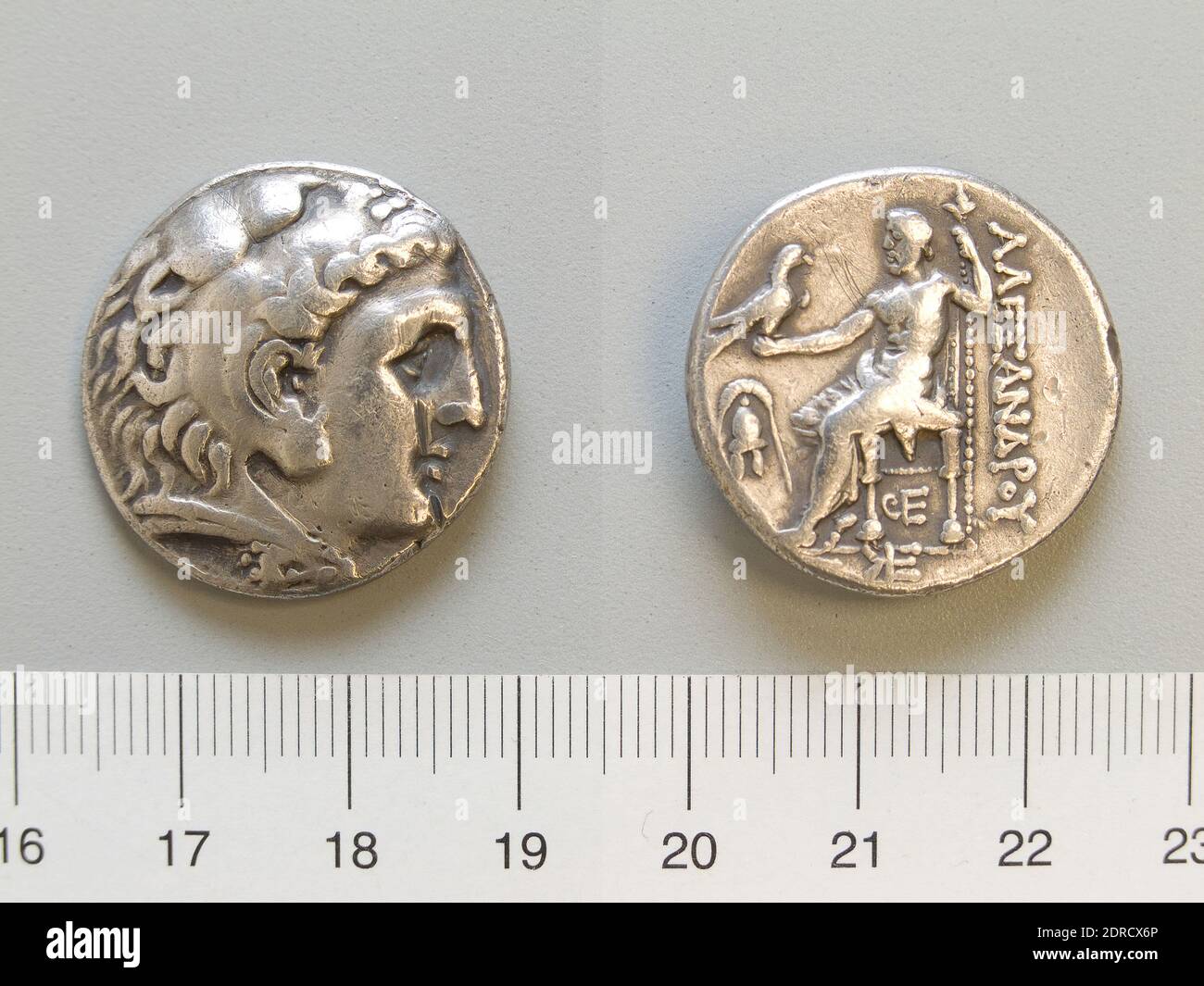
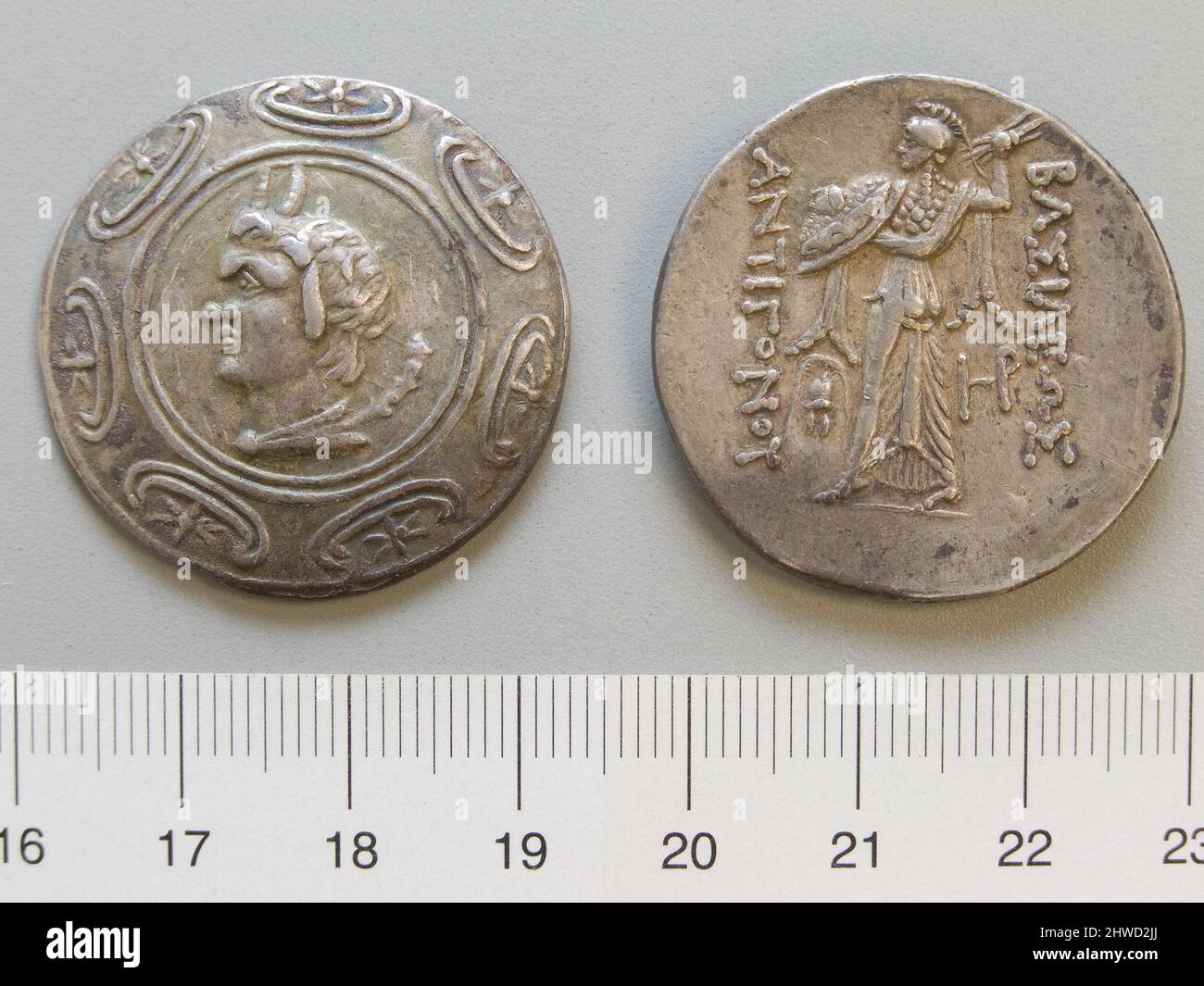
Recent archaeological discoveries, such as coins and inscriptions bearing his image, continue to provide valuable insights into his reign. These findings reinforce his role as a unifying figure who bridged Macedonian and Greek traditions.
Conclusion: The Enduring Legacy of Antigonus II Gonatas
Antigonus II Gonatas left an indelible mark on the Hellenistic world through his military victories, strategic alliances, and cultural patronage. His reign brought much-needed stability to Macedonia and established a dynasty that endured for over a century. By securing key locations like Corinth and Chalcis, he dominated Greece and thwarted external threats from Ptolemy II and the Achaean League.
His support for philosophy and the arts ensured Macedonia's intellectual growth, while his diplomatic skills allowed him to navigate complex power struggles. The Antigonid Dynasty he founded remained a dominant force until Roman conquest in 168 BC, a testament to his enduring influence.
In summary, Antigonus II Gonatas was more than a warrior king—he was a statesman, patron, and visionary leader whose legacy continues to resonate in historical scholarship. His ability to balance strength with wisdom cemented his place as one of the most significant rulers of the Hellenistic era.
Antigonos Gonatas: Rise of the Antigonid Dynasty
The Antigonid dynasty emerged from the chaotic aftermath of Alexander the Great's death to rule Macedonia for over a century. Its most pivotal figure was Antigonus II Gonatas, who secured the kingdom against invaders and established lasting stability. This article explores his crucial role in the dynasty's rise to power and its enduring legacy in the Hellenistic world.
The Hellenistic World After Alexander the Great
The death of Alexander the Great in 323 BCE created a massive power vacuum across his vast empire. His former generals, known as the Diadochi, immediately began a series of devastating wars to claim their share of the territory. Macedonia, the homeland of Alexander, became a central prize in these conflicts for decades.
The Wars of the Diadochi
The period from 321 to 301 BCE was defined by the Wars of the Diadochi. Initially, control of Macedonia fell to Alexander's regent, Antipater, and later his son, Cassander. These early successors managed to hold the kingdom, but the broader empire fractured. The dream of a unified Macedonian empire died as the generals carved out their own rival kingdoms.
It was during this tumult that Antigonus I Monophthalmus, grandfather of Gonatas, first proclaimed himself king in 306 BCE. Although he was killed at the Battle of Ipsus in 301 BCE, his ambition to reunite Alexander's empire under his family's rule set the stage for his descendants.
Antigonus II Gonatas: The Founder of Stability
Antigonus II Gonatas was born around 319 BCE, the son of Demetrius I Poliorcetes. His path to the throne was not straightforward, requiring him to overcome significant military and political challenges. His reign, which effectively began in 276 BCE, marked the true beginning of a stable Antigonid rule in Macedonia.
Early Challenges and the Galatian Victory
Before Gonatas could claim his birthright, Macedonia was in a state of disorder following his father's chaotic rule and subsequent loss of the throne. The kingdom faced a dire threat from Galatian invaders from the north. In 277 BCE, Gonatas achieved a decisive victory over the Galatians near Lysimacheia.
This crucial victory not only eliminated the immediate threat but also demonstrated his capability as a leader, earning him the recognition and support of the Macedonian army and nobility.
This triumph was the catalyst that allowed him to enter Macedonia and be accepted as king in 276 BCE. He successfully secured the kingdom's borders and established his capital at Pella, the traditional heart of Macedonian power.
Conflict with Pyrrhus of Epirus
Gonatas's authority was almost immediately tested by the ambitious King Pyrrhus of Epirus. In 274 BCE, Pyrrhus invaded Macedonia and managed to temporarily expel Gonatas, ruling for a brief period. However, Pyrrhus’s continued military adventures elsewhere and his eventual death in 272 BCE allowed Gonatas to return and firmly re-establish his control.
This period of conflict solidified Gonatas's reputation as a resilient and determined monarch. He proved he could reclaim his kingdom from a powerful rival, reinforcing the strength of his claim to the throne.
The Establishment of Antigonid Power
With his position in Macedonia secure, Antigonus II Gonatas turned to consolidating Antigonid influence across Greece. His strategy involved a combination of military strength and shrewd political maneuvering. He understood that controlling key strategic points was essential for maintaining hegemony.
Key Pillars of Antigonid Rule
The dynasty established a system of control that would define its rule for over a century. Gonatas focused on several key areas to ensure stability and project power.
- Military Garrisons: Placing troops in strategic locations like Corinth, known as the "fetters of Greece," to control vital trade and military routes.
- Political Alliances: Forming relationships with and sometimes exerting control over Greek city-states and leagues, such as the Achaean League.
- Naval Strength: Maintaining a powerful fleet to protect Macedonian interests and threaten rivals across the Aegean Sea.
This multifaceted approach allowed the Antigonid dynasty to punch above its weight, maintaining influence despite the presence of larger Hellenistic kingdoms like the Ptolemies and Seleucids.
The Antigonid Dynasty's Timeline of Rule
The Antigonid dynasty lasted for 138 years, from Antigonus I's proclamation in 306 BCE until the defeat of Perseus by Rome in 168 BCE. This table outlines the key rulers who shaped its history.
| King | Reign (BCE) |
|---|---|
| Antigonus I Monophthalmus | 306–301 |
| Demetrius I Poliorcetes | 306–285 |
| Antigonus II Gonatas | 283–239 |
| Demetrius II Aetolicus | 239–229 |
| Antigonus III Doson | 229–221 |
| Philip V | 221–179 |
| Perseus | 179–168 |
Among these rulers, Antigonus II Gonatas had the longest reign, approximately 44 years. His lengthy rule provided the sustained stability necessary for the dynasty to cement its identity and institutions.
Governing Macedonia and Greece: A Delicate Balance
The true challenge for Antigonus II Gonatas was not just conquering territory but governing it effectively. His reign established the governing principles that the Antigonid dynasty would follow for generations. He had to manage the proud and often rebellious Greek city-states while securing the Macedonian heartland from northern tribes.
The "Fetters of Greece" Strategy
A cornerstone of Antigonid foreign policy was the control of three key fortresses: Corinth, Chalcis, and Demetrias. Gonatas and his successors maintained strong garrisons in these locations. These bases allowed a relatively small Macedonian force to project power across southern Greece.
This strategic network was so effective that contemporary historians referred to these fortresses as the "fetters of Greece," binding the peninsula to Macedonian influence.
This approach minimized the need for large, expensive standing armies garrisoned everywhere. Instead, it allowed the Antigonids to respond quickly to any unrest or threat from their base in Pella.
Relations with Greek Leagues and City-States
The Antigonid dynasty faced constant political maneuvering from powerful Greek federations. The two main players were the Achaean League in the Peloponnese and the Aetolian League in central Greece. Gonatas often played these leagues against each other to prevent a unified Greek front against Macedonian rule.
However, this policy was not always successful. In 243 BCE, the skilled Achaean leader Aratus of Sicyon led a daring night attack that captured the Acrocorinth, the citadel of Corinth. This was a major blow to Antigonid prestige and control, temporarily loosening their grip on the Peloponnese.
The Zenith of Antigonid Power: Doson and Philip V
Following the death of Gonatas in 239 BCE, his successors worked to restore and expand Antigonid authority. The dynasty reached its peak under Antigonus III Doson and Philip V. Their reigns were marked by significant military victories and a temporary resurgence of Macedonian hegemony.
Antigonus III Doson and the Battle of Sellasia
Antigonus III Doson came to power as regent for the young king, Philip V, but soon ruled in his own right. His most famous achievement was the decisive Battle of Sellasia in 222 BCE. The Spartan king Cleomenes III had launched a reformist revolution and threatened the stability of the entire Peloponnese.
Doson formed a coalition with the Achaean League to confront this Spartan threat. His victory at Sellasia crushed Cleomenes's army and reasserted Macedonian dominance. He then showed political acumen by not destroying Sparta but installing a friendly government and incorporating the city into his Hellenic League, a revived federation of Greek states under Macedonian leadership.
- Restored Control: Regained influence over the Peloponnese after the loss of Corinth.
- Strategic Alliance: Successfully partnered with the Achaean League against a common enemy.
- Political Creation: Established the Hellenic League to legitimize Macedonian leadership in Greece.
Philip V and the Macedonian Resurgence
Philip V ascended the throne in 221 BCE and initially pursued an ambitious policy of expansion. He was a capable and energetic ruler who sought to restore Macedonia to its former glory. His early reign saw successes against the Aetolian League and efforts to secure influence in the Aegean.
However, Philip's ambitions inevitably brought him into conflict with a new and rising power in the Mediterranean: the Roman Republic. His alliance with Hannibal of Carthage during the Second Punic War drew the ire of Rome. This fateful decision set the stage for a series of conflicts that would ultimately doom the dynasty.
The Macedonian Wars and Clash with Rome
The growing power of Rome in the Adriatic and the Balkans created an unavoidable clash of interests with the Antigonid kingdom. A series of wars, known as the Macedonian Wars, determined the fate of Hellenistic Greece and Macedonia itself.
The First and Second Macedonian Wars
The First Macedonian War (214–205 BCE) was largely a stalemate, with Philip V fighting against Rome and its Greek allies. The more significant conflict was the Second Macedonian War (200–197 BCE). The Roman general Titus Quinctius Flamininus decisively defeated Philip V at the Battle of Cynoscephalae in 197 BCE.
This battle was a turning point in military history. The flexible Roman legion triumphed over the formidable Macedonian phalanx. The defeat forced Philip to surrender his fleet, withdraw his garrisons from Greece, and become a Roman ally, effectively ending Macedonia's status as a great power.
The Treaty of Tempea in 197 BCE confined Philip V to Macedonia alone, stripping him of all external territories and client states.
The Reign of Perseus and the Final Conflict
Philip V's son, Perseus, became the last Antigonid king in 179 BCE. He attempted to restore Macedonian strength and independence, rebuilding the army and seeking alliances across Greece. His actions were viewed in Rome as a threat to the established order in the east.
This led to the Third Macedonian War (171–168 BCE). After several years of campaigning, the Roman legions under Lucius Aemilius Paullus met Perseus's army at the Battle of Pydna in 168 BCE. The result was another catastrophic defeat for the Macedonian phalanx.
- Decisive Battle: The Battle of Pydna ended the Third Macedonian War in a single day.
- Dynasty's End: King Perseus was captured, paraded in a Roman triumph, and died in captivity.
- Kingdom Dismantled: Rome abolished the Macedonian monarchy and divided the kingdom into four separate client republics.
Military Tactics and the Antigonid Army
The Antigonid military was the instrument that created and defended the dynasty's power for over a century. It combined the traditional strengths of Macedonian warfare with innovations required by the Hellenistic era. Their army was a professional force, smaller than those of their rivals but highly effective.
The Evolution of the Macedonian Phalanx
The core of the army remained the Macedonian phalanx, armed with the long sarissa pike. Under the Antigonids, this formation was perfected as a slow-moving but nearly unstoppable anvil. However, the defeats at Cynoscephalae and Pydna exposed its fatal weakness against the more maneuverable Roman legion on broken ground.
The Antigonids also made greater use of light infantry and cavalry compared to earlier Macedonian armies. These units provided flexibility and protected the flanks of the dense phalanx. They recruited these troops from subject peoples like the Thracians and Illyrians.
Naval Power and Economic Resources
Control of the Macedonian homeland provided significant resources. The kingdom had access to precious metals from mines like those at Mount Pangaeus. This wealth funded the professional army and allowed for the maintenance of a substantial navy, which was crucial for controlling the Aegean Sea and projecting power into the Greek peninsula.
However, the Antigonid economy was ultimately agrarian and could not match the vast, tribute-based wealth of empires like the Seleucids. This economic limitation meant the Antigonids had to fight smarter and form strategic alliances, as they could rarely afford to sustain prolonged, large-scale wars of conquest.
The Legacy and Modern Scholarship of the Antigonids
The Antigonid dynasty left a complex legacy that continues to be studied by historians today. Modern scholarship moves beyond viewing them merely as failed successors to Alexander, instead analyzing their significant achievements in statecraft and stability. Their rule represents a distinct chapter in Macedonian history, one defined by pragmatism and endurance in a fragmented world.
Administration and Hellenistic Kingship Model
The Antigonids developed a model of kingship suited to their resources and geopolitical position. Unlike the sprawling, multi-ethnic empires of the Ptolemies or Seleucids, their power was more concentrated. They ruled a unified national kingdom of Macedonians first, with a secondary imperial domain in Greece maintained through garrisons and alliances.
Their administration was less bureaucratic than their rivals, relying more on personal relationships with local elites and military commanders. This system, solidified by Antigonus II Gonatas, proved effective for maintaining control over the Macedonian homeland for over a century, ensuring internal peace and loyalty from the core of their power.
Cultural and Philosophical Patronage
The Antigonid court at Pella was a notable center of Hellenistic culture. Gonatas himself was famously a student of philosophy, maintaining a close association with the Stoic philosopher Zeno of Citium. This patronage lent an intellectual prestige to the Macedonian monarchy and helped integrate it into the broader Greek cultural world.
This philosophical inclination fostered an image of the ideal "philosopher-king," which Gonatas cultivated to legitimize his rule over the Greeks not just by force but by perceived moral authority.
While not as lavish as the Ptolemaic Museum and Library of Alexandria, the Antigonid court supported poets, historians, and artists. This cultural investment helped position Macedonia not as a northern backwater, but as a legitimate heir to Greek civilization.
The Antigonid Dynasty's Lasting Historical Impact
The end of the Antigonid kingdom at Pydna in 168 BCE was a watershed moment in ancient history. Its destruction directly paved the way for Roman hegemony over the entire Eastern Mediterranean. The dynasty's impact, however, extended beyond its political demise.
A Bridge Between Eras
The Antigonids served as a crucial bridge between the world of Alexander's conquests and the rise of Rome. For 138 years, they provided a stabilizing force in the Balkans and Greece. They managed the always-volatile Greek city-states, contained barbarian threats from the north, and acted as a counterbalance to the other Hellenistic monarchies.
Their sustained rule allowed for the continuation and evolution of Macedonian military traditions, political institutions, and Hellenistic culture in its homeland. Without this period of Antigonid consolidation, the legacy of Alexander in Macedonia itself might have been completely erased by the earlier wars of the Diadochi.
- Military Legacy: Their phalanx-based army, though ultimately defeated by Rome, remained the dominant model for Hellenistic warfare for centuries.
- Political Model: Demonstrated that a compact, nationally-based kingdom could thrive amidst larger, unwieldy empires.
- Historical Continuity: Provided the last period of independent Macedonian rule, preserving a distinct national identity until the Roman conquest.
The Archaeological and Historical Record
While no recent major archaeological discoveries are reported post-2023, the material record of the Antigonids persists in key sites. The royal palace at Pella, with its famous mosaics, reached its architectural zenith under their rule. Fortifications at Demetrias, Chalcis, and Acrocorinth (Corinth) testify to their military strategy.
Ancient sources, though often fragmented and written from Roman or pro-Greek perspectives, provide the backbone of our understanding. Key historians like Polybius, who chronicled the dynasty's fall, and Plutarch, who wrote biographies of figures like Demetrius Poliorcetes, are indispensable. Modern scholarship continuously re-evaluates these sources to build a more nuanced picture of Antigonid governance and society.
Key Takeaways and Conclusion
The rise and fall of the Antigonid dynasty is a compelling story of resilience, adaptation, and ultimate confrontation with an unstoppable new power. Founded in the chaos following Alexander's death, it was Antigonus II Gonatas who transformed a precarious claim into a stable, enduring kingdom.
Summary of Major Achievements
The dynasty's success rested on several key pillars established by its founder. Gonatas secured Macedonia from external invasion, most notably defeating the Galatians. He established a system of control in Greece through strategic fortresses and pragmatic diplomacy. He fostered a model of kingship that blended Macedonian tradition with Hellenistic culture and philosophy.
His successors, particularly Antigonus III Doson, successfully managed complex Greek politics and restored Macedonian prestige. Even in decline, the dynasty under Philip V and Perseus represented the last bastion of independent Hellenistic power against the expanding Roman Republic.
The Final Analysis: Why the Antigonids Matter
Studying the Antigonids is essential for understanding the full arc of Hellenistic history. They were not merely a diminished remnant of Alexander's empire but a dynamic state that carved out its own distinct path. Their history forces us to look beyond the glittering capitals of Alexandria and Antioch to the enduring power base in Pella.
Their ultimate defeat by Rome was less a failure of their system and more a testament to the unprecedented military and political machine that was the Roman Republic. The Antigonid dynasty managed a volatile region for longer than many modern nations have existed, a testament to the effective system founded by Antigonus II Gonatas.
- Foundational Stability: Gonatas provided 44 years of stable rule, the longest of any Antigonid king, creating a durable political foundation.
- Strategic Realism: They expertly managed limited resources to maintain influence disproportionate to their size.
- Enduring Legacy: Their reign represents the final, mature phase of independent Macedonian statehood, preserving its culture and identity until the Roman conquest.
In conclusion, the Antigonid dynasty's story is one of triumphant rise against the odds and a fateful clash with history's tide. From the ambitious proclamation of Antigonus I Monophthalmus to the desperate stand of Perseus at Pydna, they shaped the Hellenistic world for nearly a century and a half. Antigonus II Gonatas stands as the central architect of this legacy, transforming military victory into a lasting dynasty that gave Macedonia its final period of greatness as an independent kingdom. Their history remains a powerful case study in the art of governing a kingdom in the shadow of an empire's collapse.
Antigonus I Monophthalmus: Life & Legacy of a Macedonian Leader
Antigonus I Monophthalmus, known as "the One-Eyed," was a formidable Macedonian general and Diadochos who played a pivotal role in the Wars of the Successors following Alexander the Great's death. His ambitious bid to reunify Alexander's empire and his founding of the Antigonid dynasty mark him as one of the most influential figures of the Hellenistic period.
Early Life and Military Career
Born around 382 BCE in Pegai, Macedonia, Antigonus began his military career under Philip II and later served Alexander the Great. His strategic prowess earned him key appointments, including satrap of Phrygia in 333 BCE and later governance over Lycia and Pamphylia.
Key Battles and Achievements
- Defeated Persian forces and Ariarathes of Cappadocia.
- Commanded Greek hoplites during Alexander's campaigns.
- Appointed satrap of Phrygia, showcasing his administrative skills.
The Diadoch Wars and Rise to Power
After Alexander's death in 323 BCE, Antigonus emerged as a central figure in the Wars of the Successors. He refused to submit to Perdiccas in 322 BCE and was later named supreme commander in Asia at the Triparadisus settlement in 320 BCE.
Major Conflicts and Alliances
- Defeated Eumenes between 319–316 BCE.
- Captured Tyre in 313 BCE.
- Faced setbacks, including his son Demetrius' defeat at Gaza in 312 BCE.
- Secured a temporary peace in 311 BCE.
Proclamation as King and Territorial Expansion
In 306 BCE, Antigonus and his son Demetrius proclaimed themselves kings after a decisive victory in Cyprus. This bold move fractured Alexander's empire into competing Hellenistic kingdoms.
Peak of Power
- Controlled vast territories, including Asia Minor, Syria, Phoenicia, the Aegean islands, and Cyprus.
- Lost Babylonia to Seleucus.
- Established alliances with Athens, Rhodes, and Peloponnesian states.
Legacy and Impact on Hellenistic History
Antigonus' reign marked a turning point in the Hellenistic era. His efforts to reunify Alexander's empire, though ultimately unsuccessful, set the stage for the Antigonid dynasty, which ruled Macedonia for over a century.
Scholarly Perspectives
Modern historiography views Antigonus as a model for Hellenistic monarchs, influencing the political landscape for over 200 years until Roman dominance. His strategies and alliances remain subjects of academic study, particularly his role in the fragmentation of Alexander's empire.
"Antigonus I Monophthalmus' ambitious bid for empire, though thwarted at Ipsus, laid the groundwork for the Antigonid dynasty and shaped the Hellenistic world." — Britannica
Conclusion of Part 1
In the next section, we will delve deeper into Antigonus' dynastic legacy, his cultural contributions, and the Battle of Ipsus that ultimately sealed his fate. Stay tuned for a detailed exploration of his enduring influence on Macedonian history and the Hellenistic period.
The Battle of Ipsus and the Fall of Antigonus
The Battle of Ipsus in 301 BCE marked the dramatic end of Antigonus I Monophthalmus' ambition to reunify Alexander the Great's empire. Facing a coalition of rivals—Cassander, Lysimachus, Seleucus, and Ptolemy—Antigonus met his fate on the battlefield at the age of 81, a rare longevity for a warrior of his era.
The Coalition Against Antigonus
- Cassander, ruler of Macedonia, sought to secure his own power.
- Lysimachus, king of Thrace, aimed to expand his influence.
- Seleucus, who controlled Babylonia, wanted to protect his eastern territories.
- Ptolemy, ruler of Egypt, feared Antigonus' growing dominance in the Mediterranean.
This alliance demonstrated the fragility of Antigonus' empire. Despite his military genius, the combined forces of his rivals proved overwhelming. The battle resulted in Antigonus' death and the fragmentation of his territories among the victors.
Antigonus' Dynastic Legacy: The Antigonid Dynasty
Though Antigonus' personal ambition ended at Ipsus, his legacy lived on through the Antigonid dynasty, which ruled Macedonia for 138 years until the Roman conquest in 168 BCE. His son, Demetrius I Poliorcetes, and grandson, Antigonus II Gonatas, continued his vision, stabilizing Macedonia and influencing Hellenistic politics.
Key Antigonid Rulers
- Demetrius I Poliorcetes (306–285 BCE): Known for his siege warfare, he carried on his father's military campaigns.
- Antigonus II Gonatas (283–239 BCE): Stabilized the dynasty and secured Macedonia's borders.
- Antigonus III Doson (229–221 BCE): Strengthened alliances with Greek leagues.
The Antigonids were known for their military prowess, diplomatic alliances, and cultural patronage, ensuring Macedonia remained a dominant force in the Hellenistic world.
Antigonus' Cultural and Political Influence
Beyond his military achievements, Antigonus I Monophthalmus was a patron of the arts and a shrewd diplomat. His policies reflected a blend of Macedonian tradition and Hellenistic innovation, shaping the political landscape of the era.
Support for Greek Cities
- Freed Greek cities from tyranny, promoting democratic governance.
- Supported Athens in its struggles against rival factions.
- Guaranteed Rhodes' autonomy after a prolonged siege.
His diplomatic efforts extended to forming the League of Islanders, a coalition of Aegean states that bolstered his naval power and influence.
Promotion of Hellenistic Culture
Antigonus' court became a center for scholars, artists, and philosophers. His patronage of culture mirrored Alexander's vision of a unified Hellenistic world, blending Greek and Eastern traditions.
"Antigonus' rule was not merely about conquest; it was about shaping a new world order where Greek culture and Macedonian power coexisted." — The Collector
Scholarly Debates and Modern Interpretations
Modern historians continue to debate Antigonus' role in the fragmentation of Alexander's empire. While some view him as an ambitious warlord, others highlight his contributions to Hellenistic monarchy and governance.
Key Historical Perspectives
- Traditional View: Emphasizes his military failures, particularly at Ipsus.
- Revisionist View: Focuses on his administrative skills and cultural legacy.
- Recent Scholarship: Highlights his influence on later Hellenistic rulers.
Archaeological discoveries, such as artifacts from the Battle of Ipsus, continue to provide insights into his military strategies and the political dynamics of the time.
Conclusion of Part 2
In the final section, we will explore Antigonus' enduring impact on Macedonian history, his representations in popular culture, and the lessons his life offers for understanding the Hellenistic period. Stay tuned for a comprehensive wrap-up of his legacy.
Antigonus' Enduring Impact on Macedonian History
The legacy of Antigonus I Monophthalmus extends far beyond his military campaigns. His establishment of the Antigonid dynasty ensured that Macedonia remained a dominant power in the Hellenistic world for over a century. His strategies in governance, diplomacy, and warfare set precedents that influenced subsequent rulers.
Long-Term Influence on Macedonia
- Established a stable monarchical system that lasted until 168 BCE.
- Strengthened Macedonia's military and economic power through strategic alliances.
- Promoted Hellenistic culture, blending Greek and Macedonian traditions.
His reign marked a transition from the classical Greek era to the Hellenistic period, shaping the political and cultural landscape of the Mediterranean world.
Representations in Popular Culture and Media
Though an ancient figure, Antigonus I Monophthalmus has been depicted in various forms of media, reflecting his enduring fascination. His life story, filled with ambition, conflict, and strategic brilliance, makes him a compelling subject for historical narratives.
Depictions in Literature and Film
- Featured in historical novels and biographies, often as a shrewd and ambitious leader.
- Inspired characters in films and documentaries about Alexander the Great and the Diadochi.
- Highlighted in educational content for his military strategies and political maneuvering.
Modern portrayals often emphasize his one-eyed appearance, symbolizing both his resilience and his unique perspective on leadership.
Lessons from Antigonus' Life and Leadership
The life of Antigonus I Monophthalmus offers valuable lessons in leadership, strategy, and resilience. His ability to navigate complex political landscapes and his vision for a unified empire provide insights into the challenges of governance and ambition.
Key Leadership Takeaways
- Adaptability: Antigonus adjusted his strategies based on changing political and military circumstances.
- Alliance Building: His partnerships with Greek cities and regional powers were crucial to his success.
- Vision and Ambition: Despite setbacks, he pursued his goal of reuniting Alexander's empire with determination.
His story also serves as a reminder of the fragility of power and the importance of diplomatic relations in maintaining stability.
Antigonus in the Context of Hellenistic History
To fully appreciate Antigonus' role, it is essential to understand the broader context of the Hellenistic period. His actions and decisions were shaped by the aftermath of Alexander the Great's death and the ensuing power struggles among the Diadochi.
The Hellenistic World After Alexander
- The Wars of the Successors fragmented Alexander's empire into several Hellenistic kingdoms.
- Antigonus' bid for reunification was one of the most ambitious attempts to restore the empire.
- His failure at Ipsus led to the rise of other Hellenistic powers, such as the Ptolemaic and Seleucid dynasties.
His efforts, though ultimately unsuccessful, highlighted the challenges of maintaining a vast empire and the importance of regional governance.
Conclusion: The Legacy of Antigonus I Monophthalmus
Antigonus I Monophthalmus remains one of the most significant figures of the Hellenistic period. His military prowess, political acumen, and cultural contributions left an indelible mark on Macedonian history and the broader Mediterranean world.
Final Key Takeaways
- Founded the Antigonid dynasty, which ruled Macedonia for 138 years.
- Played a crucial role in the Wars of the Successors, shaping the post-Alexander political landscape.
- Promoted Hellenistic culture and governance, influencing subsequent rulers.
- His life offers lessons in leadership, strategy, and resilience.
Though his ambition to reunify Alexander's empire ended at the Battle of Ipsus, his legacy endured through his dynasty and his impact on Hellenistic history. Antigonus I Monophthalmus stands as a testament to the power of vision, the complexities of leadership, and the enduring influence of a single determined individual.
"In the tapestry of Hellenistic history, Antigonus I Monophthalmus' thread is woven with ambition, conflict, and a legacy that shaped an era." — Historical Analysis
As we reflect on his life and achievements, it is clear that Antigonus' story is not just one of conquest and defeat, but of a leader who dared to dream of a unified empire and left a lasting legacy that continues to fascinate historians and enthusiasts alike.
Antigonus I Monophthalmus: The One-Eyed King Who Shaped the Hellenistic World
Introduction: The Rise of a Macedonian Titan
In the turbulent aftermath of Alexander the Great's death, one figure emerged as a dominant force among the Diadochi—the successors who carved up his vast empire. Antigonus I Monophthalmus, known as "the One-Eyed," was a Macedonian general whose ambition and strategic brilliance nearly reunited Alexander's fractured domains. His proclamation as king in 306 BCE marked a pivotal moment in Hellenistic history, setting the stage for decades of conflict and the eventual rise of the Antigonid dynasty.
Antigonus' journey from a trusted general to a would-be hegemon is a tale of military prowess, political cunning, and ultimate tragedy. His life and legacy offer a fascinating glimpse into the power struggles that defined the Hellenistic period, a time when the remnants of Alexander's empire were reshaped by the ambitions of his successors.
The Early Years: From General to Satrap
Born around 382 BCE, Antigonus began his career as a general under Alexander the Great. His early life remains shrouded in mystery, but his military acumen quickly set him apart. After Alexander's death in 323 BCE, the empire was divided among his generals, with Antigonus receiving the satrapy of Phrygia in Asia Minor.
As a satrap, Antigonus demonstrated remarkable administrative and military skills. He expanded his control over neighboring regions, including Lycia and Pamphylia, and established a power base that would serve as the foundation for his future ambitions. His ability to navigate the complex political landscape of the Diadochi wars was a testament to his strategic mindset.
The Path to Kingship
Antigonus' rise to prominence was not without challenges. The Diadochi wars were marked by shifting alliances and betrayals, with each successor vying for control of Alexander's former territories. Antigonus' son, Demetrius Poliorcetes, played a crucial role in his father's ambitions, securing key victories that bolstered their position.
One such victory was the Battle of Salamis in 306 BCE, where Demetrius' naval prowess led to a decisive triumph over Ptolemy I of Egypt. This victory was a turning point for Antigonus, who, in its aftermath, proclaimed himself king. This bold move was soon followed by other Diadochi, marking the formal beginning of the Hellenistic kingdoms.
The Height of Power: Antigonus' Empire
At the height of his power, Antigonus controlled vast territories spanning Asia Minor, Syria, and parts of Greece. His rule was characterized by a blend of military might and political astuteness. He founded cities, such as Antigoneia on the Orontes, to consolidate his control and promote Hellenistic culture.
Antigonus' political style was marked by his efforts to legitimize his authority. He cultivated ties with Greek city-states, particularly Athens, and promoted pan-Hellenic leagues to garner support. His use of dynastic propaganda and city-founding initiatives were instrumental in shaping his image as a worthy successor to Alexander.
Military Reputation and Strategies
Antigonus' military reputation was formidable. Known for his strategic brilliance, he was a master of combined arms and logistics. His nickname, "Monophthalmus" (the One-Eyed), added to his mystique, though the circumstances surrounding the loss of his eye remain uncertain.
His military campaigns were marked by innovative tactics and a deep understanding of the political limits of power projection. Antigonus' ability to command large armies and navigate the complexities of coalition warfare set him apart from his contemporaries.
The Battle of Ipsus: The Fall of a Titan
The Battle of Ipsus in 301 BCE was the culmination of Antigonus' ambitions and the defining moment of his downfall. A coalition led by Seleucus and Lysimachus challenged his hegemony, leading to a climactic confrontation that would reshape the Hellenistic world.
The battle was a spectacle of ancient warfare, featuring elephants and allied contingents. Despite his strategic prowess, Antigonus was defeated and killed in battle. His death at Ipsus marked the end of his direct rule but set the stage for the rise of the Antigonid dynasty, which would later regain control of Macedon.
The Aftermath and Legacy
The aftermath of Ipsus saw the fragmentation of Antigonus' holdings and the redistribution of territory among his rivals. However, his legacy endured through his descendants. His grandson, Antigonus Gonatas, secured Macedon and established the Antigonid dynasty, which ruled for over a century until the Roman conquest in 168 BCE.
Antigonus' life and reign offer valuable insights into the dynamics of power, ambition, and legacy in the Hellenistic period. His story is a testament to the enduring impact of Alexander's successors and the complex political landscape they navigated.
Recent Scholarly Developments
Modern scholarship has shed new light on Antigonus' rule and the broader context of the Diadochi wars. Recent studies emphasize the institutional and political dimensions of his reign, including his use of Hellenic leagues and city-founding initiatives to legitimize his authority.
Archaeological survey work in Anatolia and the Levant has provided fresh context for Hellenistic urbanism tied to successor rulers. Evidence from sites linked to Antigonid administration and coinage continues to refine our understanding of his impact on the region.
Reassessing the Battle of Ipsus
Scholars have also reassessed the strategic dynamics of the Battle of Ipsus, drawing on reanalysis of ancient sources and archaeological findings. These studies highlight the role of coalition tactics and the use of elephants in the battle, offering new perspectives on Antigonus' defeat.
The battle's outcome had far-reaching consequences, reshaping the political landscape of the Hellenistic world and setting the stage for the rise of new powers. Antigonus' death at Ipsus marked the end of an era but also the beginning of a new chapter in the history of Alexander's successors.
Conclusion: The Enduring Legacy of Antigonus I Monophthalmus
Antigonus I Monophthalmus' life and reign were defined by ambition, strategic brilliance, and ultimate tragedy. His journey from a trusted general to a would-be hegemon offers a fascinating glimpse into the power struggles that shaped the Hellenistic period.
His legacy endured through the Antigonid dynasty, which ruled Macedon for over a century. Antigonus' story is a testament to the enduring impact of Alexander's successors and the complex political landscape they navigated. As modern scholarship continues to uncover new insights, his place in history remains secure as one of the most influential figures of the Hellenistic world.
The Political and Military Strategies of Antigonus I Monophthalmus
Antigonus I Monophthalmus was not just a military leader but also a shrewd politician who understood the importance of alliances, propaganda, and strategic city-founding. His ability to navigate the complex political landscape of the Diadochi wars was a testament to his diplomatic skills and foresight.
Alliances and Diplomacy
One of Antigonus' key strategies was forming alliances with Greek city-states, particularly Athens. By cultivating these relationships, he gained crucial support and legitimacy for his rule. His diplomatic efforts extended to other regions as well, where he sought to secure loyalty through marriage alliances and political favors.
Antigonus' alliance with Demetrius of Phalerum, a prominent Athenian statesman, was particularly significant. This partnership helped stabilize his control over parts of Greece and provided a counterbalance to the influence of other Diadochi, such as Ptolemy I of Egypt and Seleucus I Nicator.
City-Founding and Propaganda
Antigonus was a prolific city-founder, establishing settlements like Antigoneia on the Orontes to consolidate his control and promote Hellenistic culture. These cities served as administrative centers and symbols of his authority, reinforcing his image as a worthy successor to Alexander the Great.
His city-founding initiatives were not just about control but also about legitimacy. By naming cities after himself and promoting Hellenistic ideals, Antigonus positioned himself as a patron of Greek culture and a unifier of Alexander's fractured empire.
The Battle of Ipsus: A Turning Point in Hellenistic History
The Battle of Ipsus in 301 BCE was one of the most significant conflicts of the Diadochi wars. It pitted Antigonus and his son Demetrius against a coalition of rivals, including Seleucus, Lysimachus, and Cassander. The battle's outcome would reshape the political landscape of the Hellenistic world.
The Coalition Against Antigonus
The coalition that formed against Antigonus was a response to his growing power and ambition. Seleucus, who controlled Babylon and the eastern territories, and Lysimachus, who ruled Thrace, saw Antigonus as a threat to their own ambitions. Together with Cassander, who held Macedon, they formed a formidable alliance.
The battle was not just a clash of armies but also a test of political will. Antigonus' opponents recognized that his defeat was necessary to prevent the reunification of Alexander's empire under a single ruler. The stakes could not have been higher.
The Battle Unfolds
The Battle of Ipsus was a spectacle of ancient warfare, featuring war elephants and massive infantry formations. Antigonus' forces were initially successful, but the coalition's superior numbers and strategic use of elephants turned the tide. The battle ended in a decisive victory for the coalition, with Antigonus killed in the fighting.
His death marked the end of his direct rule but set the stage for the rise of the Antigonid dynasty. His son, Demetrius, would continue the struggle for hegemony, eventually securing Macedon for his descendants.
The Antigonid Dynasty: A Legacy of Power and Influence
Although Antigonus' direct rule ended with his death at Ipsus, his legacy lived on through the Antigonid dynasty. His descendants would go on to rule Macedon for over a century, leaving an indelible mark on Hellenistic history.
The Rise of Antigonus Gonatas
Antigonus' grandson, Antigonus Gonatas, was instrumental in securing Macedon for the Antigonid dynasty. After years of struggle, he emerged as the dominant power in the region, establishing a stable and prosperous kingdom.
Gonatas' reign marked the beginning of a new era for Macedon. Under his rule, the kingdom became a center of Hellenistic culture and learning, attracting scholars, artists, and philosophers from across the Mediterranean.
The Antigonid Dynasty's Enduring Impact
The Antigonid dynasty ruled Macedon until 168 BCE, when the kingdom was conquered by the Romans. During this period, the dynasty played a crucial role in shaping the political and cultural landscape of the Hellenistic world.
Key achievements of the Antigonid dynasty include:
- Consolidation of Macedon as a major power in the Mediterranean
- Promotion of Hellenistic culture and learning
- Military innovations and strategic alliances
- Economic prosperity and urban development
Modern Perspectives on Antigonus I Monophthalmus
Modern scholarship has provided new insights into Antigonus' reign and the broader context of the Diadochi wars. Recent studies emphasize the institutional and political dimensions of his rule, including his use of Hellenic leagues and city-founding initiatives.
Reassessing Antigonus' Military Strategies
Scholars have reassessed the strategic dynamics of Antigonus' military campaigns, drawing on ancient sources and archaeological findings. These studies highlight his innovative tactics, such as the use of combined arms and logistics, which set him apart from his contemporaries.
One area of particular interest is his use of war elephants, a tactic he adopted from his rivals. Although ultimately unsuccessful at Ipsus, his integration of elephants into his army demonstrated his willingness to adapt and innovate.
Archaeological Discoveries and Urbanism
Archaeological survey work in Anatolia and the Levant has provided fresh context for Hellenistic urbanism tied to Antigonus' rule. Evidence from sites linked to Antigonid administration and coinage continues to refine our understanding of his impact on the region.
Key archaeological findings include:
- Remains of Antigonus' city-founding initiatives, such as Antigoneia
- Coinage and inscriptions that shed light on his administrative practices
- Military fortifications and infrastructure that reveal his strategic priorities
The Cultural and Historical Significance of Antigonus I Monophthalmus
Antigonus I Monophthalmus' life and reign offer valuable insights into the dynamics of power, ambition, and legacy in the Hellenistic period. His story is a testament to the enduring impact of Alexander's successors and the complex political landscape they navigated.
Antigonus in Popular Culture
Antigonus' dramatic personal epithet, "the One-Eyed", and his founding of cities have made him a compelling figure in popular narratives. His life has been the subject of numerous books, documentaries, and even fictional works, highlighting his enduring appeal.
His role in the Battle of Ipsus, with its dramatic use of elephants and coalition tactics, has also captured the imagination of historians and storytellers alike. The battle's outcome, which reshaped the Hellenistic world, continues to be a focal point of historical analysis.
Lessons from Antigonus' Reign
Antigonus' reign offers several lessons for modern leaders and strategists:
- The importance of alliances and diplomacy in securing power
- The role of propaganda and city-founding in legitimizing authority
- The need for innovation and adaptability in military strategy
- The enduring impact of political and cultural initiatives
His story reminds us that even in defeat, a leader's legacy can endure through the achievements of their descendants and the lasting influence of their ideas.
Conclusion: The Lasting Legacy of a Hellenistic Titan
Antigonus I Monophthalmus was a figure of immense historical significance, whose ambitions and strategies shaped the Hellenistic world. His life, marked by military brilliance and political acumen, offers a fascinating glimpse into the power struggles that followed Alexander the Great's death.
Although his direct rule ended with his defeat at Ipsus, his legacy lived on through the Antigonid dynasty, which ruled Macedon for over a century. His story is a testament to the enduring impact of leadership, innovation, and the pursuit of power in the ancient world.
Antigonus I Monophthalmus: The Man Behind the Legend
Beyond his military and political achievements, Antigonus I Monophthalmus was a complex figure whose personal traits and leadership style left an indelible mark on history. His nickname, "the One-Eyed", hints at a resilience and adaptability that defined his career.
The Enigma of the One-Eyed King
The circumstances surrounding Antigonus' loss of an eye remain a mystery, adding to his legendary status. Some historians suggest it occurred during battle, while others speculate it was the result of an accident or illness. Regardless of the cause, his moniker became a symbol of his enduring strength and determination.
Antigonus' physical appearance was often noted in ancient texts, reinforcing his larger-than-life persona. His leadership was characterized by a blend of charisma and ruthlessness, traits that were essential for navigating the treacherous politics of the Diadochi wars.
Leadership Style and Personal Networks
Antigonus' success was not solely due to his military prowess but also his ability to build and maintain personal networks. He surrounded himself with capable advisors and commanders, including his son Demetrius Poliorcetes, who played a crucial role in his campaigns.
His leadership style was marked by a willingness to take risks and make bold decisions. Whether it was proclaiming himself king or challenging the coalition at Ipsus, Antigonus was never one to shy away from confrontation. This boldness, while ultimately leading to his downfall, also cemented his legacy as one of the most formidable figures of his time.
The Diadochi Wars: A Broader Context
To fully understand Antigonus' significance, it is essential to place him within the broader context of the Diadochi wars. These conflicts, which lasted for nearly three decades, were a struggle for control over Alexander the Great's vast empire.
The Fragmentation of Alexander's Empire
After Alexander's death in 323 BCE, his empire was divided among his generals, each of whom sought to consolidate power. The initial division, known as the Partition of Babylon, assigned satrapies to key figures, including Antigonus, who received Phrygia.
However, these divisions were far from stable. The Diadochi quickly turned on each other, leading to a series of wars that would reshape the political landscape of the ancient world. Antigonus' rise to prominence was a direct result of these conflicts, as he sought to expand his territory and influence.
Key Players in the Diadochi Wars
The Diadochi wars featured several prominent figures, each vying for control of Alexander's empire. Some of the key players included:
- Ptolemy I Soter: Founder of the Ptolemaic Kingdom in Egypt, known for his strategic brilliance and administrative skills.
- Seleucus I Nicator: Founder of the Seleucid Empire, who played a crucial role in the coalition that defeated Antigonus at Ipsus.
- Lysimachus: Ruler of Thrace, who allied with Seleucus to challenge Antigonus' hegemony.
- Cassander: Son of Antipater, who controlled Macedon and was a key figure in the coalition against Antigonus.
These figures, along with Antigonus, shaped the course of Hellenistic history, each leaving a lasting legacy that would influence the ancient world for centuries.
The Battle of Ipsus: A Detailed Analysis
The Battle of Ipsus was a pivotal moment in the Diadochi wars, marking the end of Antigonus' ambitions and reshaping the political landscape of the Hellenistic world. A detailed analysis of the battle provides insights into the strategies and tactics employed by both sides.
The Coalition's Strategy
The coalition led by Seleucus and Lysimachus employed a combination of superior numbers and innovative tactics. One of their key advantages was the use of war elephants, which had been introduced to the Hellenistic world by Alexander the Great.
These elephants, positioned on the flanks, were instrumental in breaking Antigonus' formations and creating chaos among his troops. The coalition's ability to coordinate their forces and exploit Antigonus' weaknesses was a testament to their strategic brilliance.
Antigonus' Tactics and Mistakes
Antigonus, despite his experience and reputation, made several critical mistakes at Ipsus. His overconfidence in his own abilities and his underestimation of the coalition's strength proved fatal. He relied heavily on his experienced infantry and cavalry, but the coalition's use of elephants disrupted his plans.
Additionally, Antigonus' decision to engage in a decisive battle rather than employing guerrilla tactics or retreat may have been influenced by his desire for a quick and decisive victory. This gamble, however, did not pay off, leading to his defeat and death.
The Aftermath of Ipsus: Reshaping the Hellenistic World
The defeat of Antigonus at Ipsus had far-reaching consequences, reshaping the political landscape of the Hellenistic world. The battle marked the end of his direct rule but set the stage for the rise of new powers and dynasties.
The Division of Antigonus' Territories
Following Antigonus' death, his territories were divided among the victorious coalition. Seleucus gained control of much of Asia Minor and Syria, while Lysimachus expanded his influence in Thrace and parts of Asia Minor. Ptolemy, although not directly involved in the battle, benefited from the redistribution of power.
This division of territories laid the foundation for the Hellenistic kingdoms that would dominate the ancient world for centuries. The Seleucid Empire, the Ptolemaic Kingdom, and the Antigonid dynasty were all direct results of the power struggles that followed Alexander's death.
The Rise of the Hellenistic Kingdoms
The aftermath of Ipsus saw the consolidation of several Hellenistic kingdoms, each with its own unique characteristics and legacies. These kingdoms included:
- The Seleucid Empire: Founded by Seleucus, it encompassed much of the eastern territories of Alexander's empire, including Persia and Mesopotamia.
- The Ptolemaic Kingdom: Established by Ptolemy in Egypt, it became a center of learning and culture, with Alexandria as its capital.
- The Antigonid Dynasty: Although Antigonus' direct rule ended at Ipsus, his descendants would later regain control of Macedon, establishing a dynasty that lasted until the Roman conquest.
These kingdoms played a crucial role in shaping the cultural, political, and economic landscape of the ancient world, leaving a lasting legacy that would influence subsequent civilizations.
Antigonus' Legacy: Influence on Future Generations
Antigonus I Monophthalmus' legacy extends far beyond his military and political achievements. His life and reign have had a profound influence on subsequent generations, shaping the course of Hellenistic history and inspiring future leaders.
Influence on Military Strategy
Antigonus' military strategies and tactics have been studied and emulated by generations of military leaders. His use of combined arms, logistics, and innovative tactics set a precedent for future warfare. The lessons learned from his campaigns, including the Battle of Ipsus, have been incorporated into military doctrine and strategy.
His willingness to adapt and innovate, such as his integration of war elephants into his army, demonstrated the importance of flexibility and creativity in military leadership. These principles continue to be relevant in modern military thought.
Cultural and Political Impact
Antigonus' cultural and political initiatives, such as his city-founding projects and promotion of Hellenistic ideals, had a lasting impact on the ancient world. His efforts to legitimize his authority through propaganda and alliances set a precedent for future rulers.
The cities he founded, such as Antigoneia, became centers of Hellenistic culture and learning, attracting scholars, artists, and philosophers. His promotion of pan-Hellenic leagues and alliances helped shape the political landscape of the Hellenistic world, influencing subsequent generations of leaders.
Conclusion: The Enduring Significance of Antigonus I Monophthalmus
Antigonus I Monophthalmus was a figure of immense historical significance, whose life and reign shaped the course of Hellenistic history. His journey from a trusted general to a would-be hegemon offers a fascinating glimpse into the power struggles that followed Alexander the Great's death.
His military brilliance, political acumen, and bold decisions left an indelible mark on the ancient world. Although his direct rule ended with his defeat at Ipsus, his legacy lived on through the Antigonid dynasty, which ruled Macedon for over a century.
Key Takeaways from Antigonus' Life and Reign
Several key takeaways emerge from a study of Antigonus' life and reign:
- The importance of alliances and diplomacy in securing and maintaining power.
- The role of innovation and adaptability in military strategy and leadership.
- The enduring impact of cultural and political initiatives in legitimizing authority.
- The significance of personal resilience and determination in overcoming challenges.
Antigonus' story is a testament to the enduring power of ambition, leadership, and the pursuit of greatness. His legacy continues to inspire and inform, offering valuable lessons for modern leaders and strategists.
A Final Reflection
In the annals of history, Antigonus I Monophthalmus stands as a towering figure, a man whose ambitions and achievements shaped the Hellenistic world. His life, marked by triumphs and tragedies, offers a compelling narrative of power, resilience, and the enduring quest for greatness.
As we reflect on his legacy, we are reminded of the complex interplay of personal ambition, political strategy, and military prowess that defined the ancient world. Antigonus' story is not just a tale of the past but a timeless testament to the enduring impact of leadership and the pursuit of a grand vision.