Arturo Miolati: Pioneer of Coordination Chemistry
Arturo Miolati (1869–1956) was a groundbreaking Italian chemist whose work in coordination chemistry, electrochemistry, and nitrogen fixation left an indelible mark on modern science. Collaborating with Nobel laureate Alfred Werner, Miolati's research on electrical conductivity and coordination compounds laid the foundation for contemporary inorganic chemistry. His contributions extended beyond academia, influencing industrial processes and wartime innovations.
Early Life and Education
Born on March 2, 1869, in Mantova, Italy, Miolati's passion for chemistry emerged early. He pursued higher education in Italy, where he developed a keen interest in physical chemistry and electrochemistry. His academic journey led him to Berlin in 1912–1913, where he studied under the renowned Walther Nernst, focusing on gas reaction equilibria and physical chemistry principles.
Collaboration with Alfred Werner
Miolati's most notable collaboration was with Alfred Werner, a pioneer in coordination chemistry. Together, they conducted electrical conductivity studies on coordination compounds, providing critical evidence for Werner's theories on the structure of complexes. Their work confirmed the octahedral configurations of cobalt complexes, a breakthrough that reshaped inorganic chemistry.
Key Contributions to Coordination Chemistry
- Electrical conductivity measurements of coordination compounds.
- Confirmation of octahedral configurations in cobalt complexes.
- Support for Werner's ionic models of coordination compounds.
Academic Career and Mentorship
In 1917, Miolati joined the Università di Padova as a professor of General Chemistry, succeeding Giuseppe Bruni. His tenure at Padova was marked by significant contributions to both teaching and research. He mentored several prominent chemists, including Luigi Casale, who later developed the Casale process for ammonia synthesis, a key industrial innovation.
Influence on Industrial Chemistry
Miolati's research had a profound impact on industrial chemistry, particularly in the production of ammonia and nitrogen fixation. His work on nitrogen fixation and asphyxiating gases was crucial during World War I, addressing Italy's need for self-sufficiency in chemicals. However, his research in this area was cut short due to a mercury poisoning incident in 1917.
Legacy and Recognition
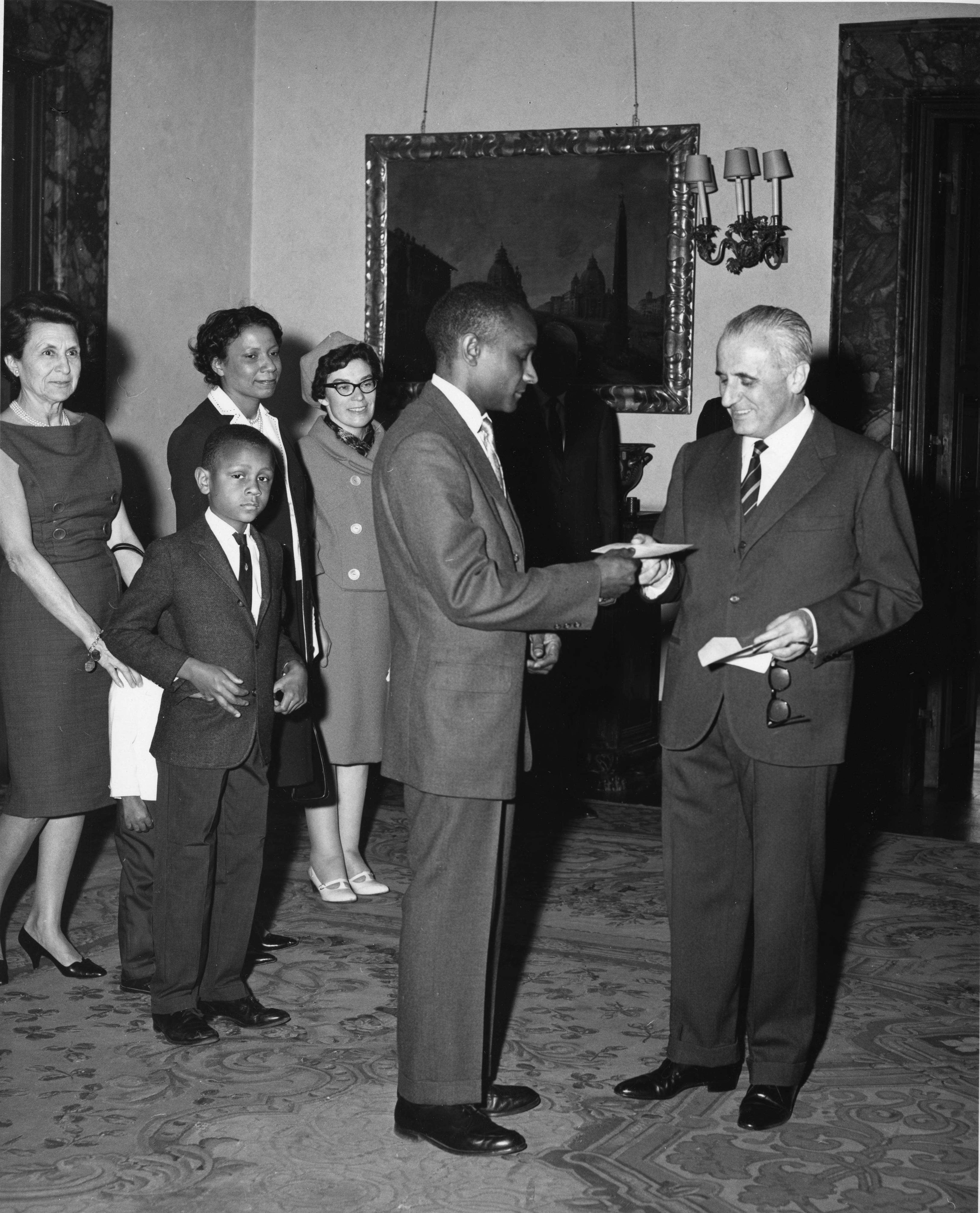
Although Miolati passed away on February 23, 1956, in Rome, his legacy endures. His contributions to coordination chemistry and electrochemistry remain foundational in modern chemistry. The Professor Arturo Miolati Prize, awarded for scientific achievement, stands as a testament to his enduring influence. This prize, linked to the National Institute of Standards and Technology (NIST), highlights Miolati's connections to Nobel Prize-winning research and his impact on the scientific community.
Notable Achievements
- Pioneering work in coordination chemistry with Alfred Werner.
- Significant contributions to electrochemistry and nitrogen fixation.
- Mentorship of key figures like Luigi Casale.
- Establishment of the Professor Arturo Miolati Prize for scientific achievement.
Miolati's work bridged the gap between academic research and industrial applications, making him a pivotal figure in the history of chemistry. His collaborations and mentorship continue to inspire chemists worldwide, ensuring his place in the annals of scientific history.
Miolati's Research in Electrochemistry and Conductivity
Arturo Miolati made significant strides in electrochemistry, particularly in the study of electrical conductivity in coordination compounds. His work with Alfred Werner provided experimental validation for Werner's theories, demonstrating that coordination compounds could dissociate into ions in solution. This research was pivotal in establishing the ionic nature of complexes, a concept that remains central to modern inorganic chemistry.
Conductivity Studies and Their Impact
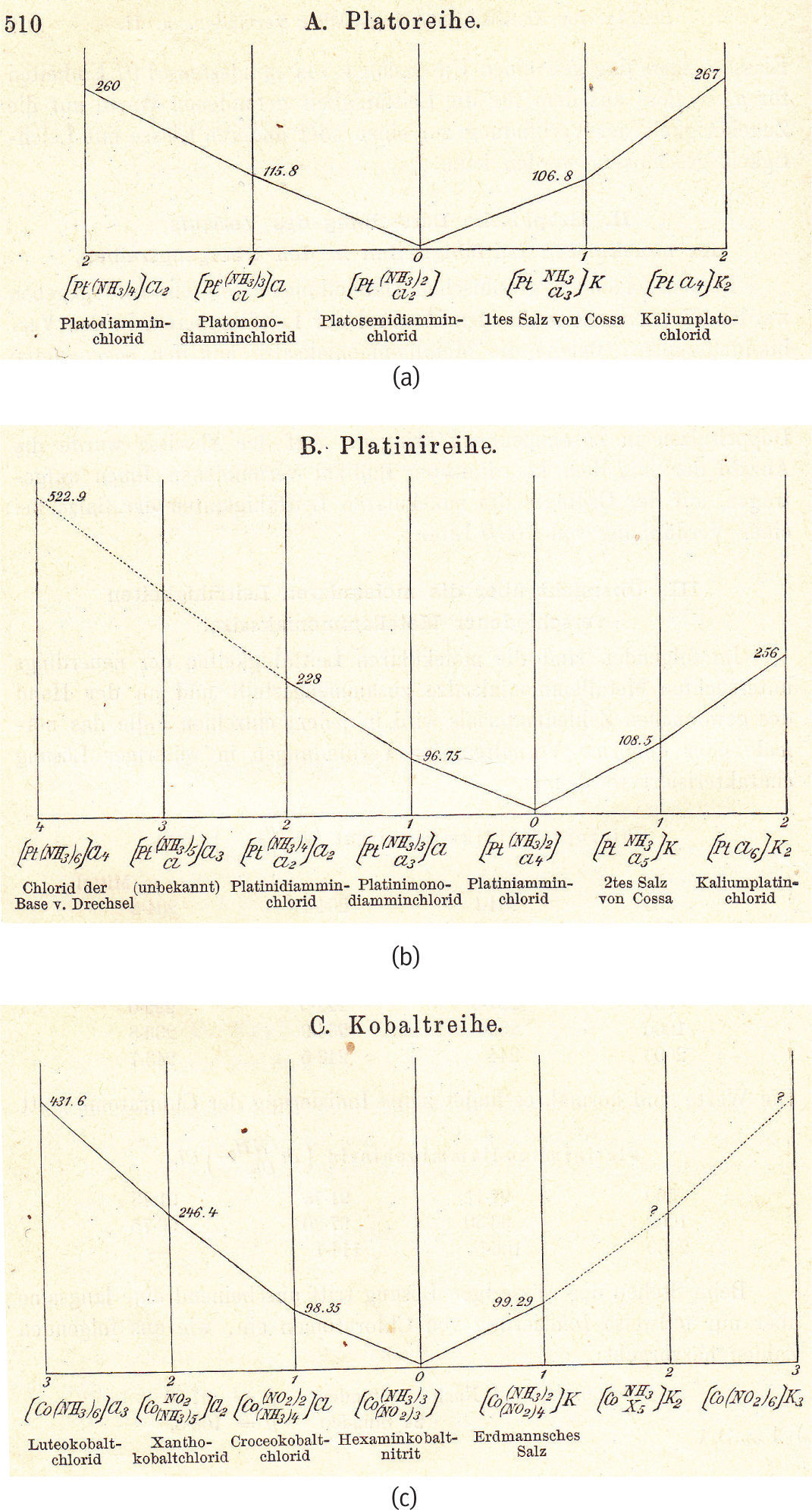
Miolati's conductivity measurements were meticulous and groundbreaking. He examined multiple series of coordination compounds, recording their electrical conductivities to determine their ionic behavior. These studies offered compelling evidence for Werner's proposed structures, particularly the octahedral geometry of cobalt complexes. The data collected by Miolati helped solidify the understanding of coordination chemistry, influencing subsequent research in the field.
- Conductivity measurements confirmed the ionic dissociation of coordination compounds.
- Evidence supported Werner's octahedral configurations in cobalt complexes.
- Findings laid the groundwork for modern inorganic chemistry principles.
Contributions to Nitrogen Fixation and Industrial Chemistry
Miolati's research extended beyond academic pursuits into industrial chemistry, particularly in the area of nitrogen fixation. During World War I, Italy faced a critical need for self-sufficiency in chemical production, especially for ammonia used in fertilizers and explosives. Miolati's work in this area was instrumental in developing processes that could meet these demands.
War-Time Innovations and Challenges
Miolati's efforts in nitrogen fixation were driven by the urgent needs of wartime Italy. He explored methods for producing ammonia and other nitrogen-based compounds, which were essential for both agricultural and military applications. His research also ventured into the development of asphyxiating gases, although this work was halted after a mercury poisoning incident in 1917. Despite this setback, his contributions to nitrogen fixation remained influential.
- Developed methods for ammonia synthesis to support wartime needs.
- Research on asphyxiating gases was abandoned due to health risks.
- Influenced the Casale process for ammonia production, mentoring Luigi Casale.
Mentorship and Influence on Future Chemists
Miolati's impact on chemistry was not limited to his own research; he was also a dedicated mentor who shaped the careers of several prominent chemists. His most notable protégé was Luigi Casale, who went on to develop the Casale process, a groundbreaking method for ammonia synthesis. This process became a cornerstone of industrial chemistry, demonstrating the far-reaching influence of Miolati's mentorship.
Key Figures Mentored by Miolati
Under Miolati's guidance, Luigi Casale made significant advancements in ammonia production. The Casale process, which emerged from this mentorship, revolutionized the chemical industry by providing an efficient method for synthesizing ammonia on an industrial scale. This innovation had profound implications for agriculture and explosives manufacturing, highlighting the practical applications of Miolati's academic research.
- Luigi Casale: Developed the Casale process for ammonia synthesis.
- Other students contributed to advancements in electrochemistry and nitrogen fixation.
- Miolati's mentorship extended to wartime research on chemicals and explosives.
Miolati's Role in the Development of Electrolysis
In addition to his work on coordination chemistry and nitrogen fixation, Miolati made notable contributions to the field of electrolysis. His research in this area was particularly relevant to the production of hydrogen, a critical component in various industrial processes. Miolati's studies on electrolysis aligned with Italy's broader efforts to achieve self-sufficiency in chemical production during the early 20th century.
Electrolysis and Hydrogen Production
Miolati's work on electrolysis focused on optimizing the production of hydrogen, which was essential for the synthesis of ammonia and other chemicals. His research provided valuable insights into the efficiency and scalability of electrolysis processes, contributing to the development of industrial methods for hydrogen production. These advancements were crucial for Italy's chemical industry, particularly during periods of resource scarcity.
- Research on electrolysis improved methods for hydrogen production.
- Findings contributed to the efficiency of ammonia synthesis.
- Work supported Italy's push for chemical self-sufficiency.
Legacy and Historical Recognition
Although Miolati's direct research concluded with his passing in 1956, his legacy continues to be recognized in the scientific community. The Professor Arturo Miolati Prize, awarded for outstanding scientific achievements, serves as a lasting tribute to his contributions. This prize is linked to the National Institute of Standards and Technology (NIST), underscoring Miolati's connections to Nobel Prize-winning research and his enduring influence on chemistry.
The Professor Arturo Miolati Prize
The Professor Arturo Miolati Prize was established to honor scientists who have made significant contributions to the field of chemistry. This award reflects Miolati's own commitment to scientific excellence and innovation. Recipients of the prize are recognized for their advancements in areas such as coordination chemistry, electrochemistry, and industrial chemistry, ensuring that Miolati's legacy continues to inspire future generations of chemists.
- The prize honors achievements in chemistry and related fields.
- Linked to NIST and Nobel Prize-winning research.
- Celebrates Miolati's contributions to scientific innovation.
Miolati's work remains a cornerstone of modern chemistry, bridging the gap between theoretical research and practical applications. His collaborations, mentorship, and groundbreaking discoveries continue to shape the field, ensuring his place as a pioneer in the history of science.
Miolati's Influence on Modern Coordination Chemistry
The foundational work of Arturo Miolati in coordination chemistry continues to resonate in contemporary research. His collaboration with Alfred Werner not only validated the ionic nature of coordination compounds but also established a framework for understanding their structural complexity. Today, these principles are integral to fields such as catalysis, materials science, and bioinorganic chemistry, demonstrating the enduring relevance of Miolati's contributions.
Applications in Contemporary Chemistry
Modern applications of Miolati's research include the design of metal-organic frameworks (MOFs) and the development of homogeneous catalysts. His early insights into the behavior of coordination compounds have paved the way for advancements in green chemistry, where efficient and selective catalytic processes are essential. Additionally, his work on electrical conductivity remains a reference point for studies on electrolyte solutions and ionic liquids.
- Inspired the development of metal-organic frameworks (MOFs) for gas storage and separation.
- Influenced the design of homogeneous catalysts in industrial processes.
- Provided foundational knowledge for electrolyte research in energy storage systems.
The Intersection of Miolati's Work with Industrial Processes
Miolati's research had a profound impact on industrial chemistry, particularly in the production of ammonia and other nitrogen-based compounds. His mentorship of Luigi Casale led to the development of the Casale process, which revolutionized ammonia synthesis. This process, characterized by its efficiency and scalability, became a cornerstone of the chemical industry, supporting agricultural and military applications alike.
Industrial Innovations Stemming from Miolati's Research
The Casale process exemplifies how academic research can translate into industrial innovation. By optimizing the conditions for ammonia synthesis, this method reduced production costs and increased yield, making it a preferred technique in the early 20th century. Miolati's influence extended to other areas of industrial chemistry, including the development of electrolytic cells for hydrogen production and the refinement of processes for manufacturing explosives and fertilizers.
- The Casale process improved the efficiency of ammonia production.
- Contributions to electrolytic hydrogen production supported industrial chemical synthesis.
- Research on nitrogen fixation aided in the development of fertilizers and explosives.
Miolati's Contributions to Electrochemistry and Beyond
Beyond coordination chemistry, Miolati's work in electrochemistry has had lasting implications. His studies on electrical conductivity and electrolysis provided critical insights into the behavior of ions in solution, which are fundamental to various electrochemical processes. These principles are now applied in battery technology, corrosion prevention, and electroplating, showcasing the broad applicability of his research.
Electrochemical Advancements and Modern Technology
Miolati's research laid the groundwork for several key advancements in electrochemical technology. For instance, his findings on ion dissociation have informed the development of lithium-ion batteries, which are essential for modern electronics and electric vehicles. Additionally, his work on electrolysis has contributed to improvements in water splitting technologies, which are crucial for producing green hydrogen as a sustainable energy source.
- Influenced the development of lithium-ion batteries for energy storage.
- Contributed to advancements in water electrolysis for hydrogen production.
- Provided foundational knowledge for electroplating and corrosion science.
Challenges and Setbacks in Miolati's Career
Despite his numerous achievements, Miolati's career was not without challenges. One significant setback occurred in 1917, when he suffered from mercury poisoning during his research on asphyxiating gases. This incident forced him to abandon certain lines of inquiry, particularly those related to toxic chemicals. Nevertheless, Miolati's resilience allowed him to pivot his focus toward other areas, such as electrochemistry and mentorship, where he continued to make meaningful contributions.
Overcoming Adversity and Continuing Research
Miolati's ability to adapt in the face of adversity is a testament to his dedication to science. Following the mercury poisoning incident, he shifted his attention to safer yet equally impactful research areas. His work in electrochemistry and his mentorship of students like Luigi Casale demonstrate his commitment to advancing chemical knowledge, even under challenging circumstances. This resilience has left a lasting impression on the scientific community, inspiring future generations of chemists to persevere in their pursuits.
- Overcame mercury poisoning to continue his research in safer areas.
- Shifted focus to electrochemistry and mentorship after the setback.
- His resilience serves as an inspiration for modern scientists facing challenges.
Miolati's Enduring Legacy in the Scientific Community
The legacy of Arturo Miolati is firmly established in the annals of chemical history. His contributions to coordination chemistry, electrochemistry, and industrial chemistry have had a lasting impact on both academic research and practical applications. The Professor Arturo Miolati Prize, awarded in his honor, continues to recognize outstanding achievements in chemistry, ensuring that his influence endures.
The Professor Arturo Miolati Prize and Its Significance
Established to celebrate scientific excellence, the Professor Arturo Miolati Prize highlights the ongoing relevance of Miolati's work. This award is a testament to his contributions and serves as a reminder of the importance of innovation and dedication in scientific research. Recipients of the prize are often recognized for advancements that align with Miolati's own areas of expertise, further cementing his legacy in the field of chemistry.
- The prize honors scientists who excel in chemistry and related disciplines.
- Linked to NIST and associated with Nobel Prize-winning research.
- Celebrates Miolati's commitment to scientific innovation and mentorship.
Conclusion: The Lasting Impact of Arturo Miolati
Arturo Miolati was a visionary chemist whose work transcended the boundaries of academic research to influence industrial processes and technological advancements. His collaboration with Alfred Werner solidified the foundations of coordination chemistry, while his contributions to electrochemistry and nitrogen fixation addressed critical needs of his time. Through his mentorship, Miolati shaped the careers of future chemists, ensuring that his legacy would extend far beyond his own research.
Today, Miolati's insights continue to inform modern chemistry, from the development of advanced materials to the optimization of industrial processes. His ability to overcome challenges and adapt to new research areas serves as an inspiration to scientists worldwide. As the Professor Arturo Miolati Prize attests, his contributions remain a benchmark for excellence in chemical research, ensuring that his name will be remembered alongside the greats of scientific history.
In reflecting on Miolati's career, it is clear that his work was not merely a product of his time but a catalyst for future innovations. His dedication to advancing chemical knowledge, coupled with his resilience in the face of adversity, exemplifies the spirit of scientific inquiry. As we continue to build upon the foundations he laid, Arturo Miolati stands as a testament to the power of curiosity, collaboration, and perseverance in the pursuit of scientific discovery.

Arturo Miolati: A Pioneer in Chemistry and Education
The name Arturo Miolati represents a significant, though sometimes overlooked, pillar in the history of science. He is a figure who truly embodied the role of a pioneer in chemistry and education. This article explores Miolati's life and lasting impact. We will delve into his groundbreaking scientific work and his profound dedication to shaping future minds.
Uncovering a Scientific Legacy: Who Was Arturo Miolati?
Arturo Miolati (1879–1941) was an Italian chemist whose career flourished at the turn of the 20th century. His work left an indelible mark on the field of inorganic and coordination chemistry. Operating during a golden age of chemical discovery, Miolati contributed crucial theories that helped explain complex molecular structures. His legacy extends beyond the laboratory into the lecture hall, showcasing a dual commitment to research and teaching.
Miolati's era was defined by scientists striving to decode the fundamental rules governing matter, a mission in which he played an important part.
Despite the prominence of his work, some details of his life and specific educational contributions are not widely chronicled in mainstream digital archives. This makes a reconstruction of his story an exercise in connecting historical dots. It highlights the importance of preserving the history of science. Figures like Miolati laid the groundwork for countless modern advancements in both chemical industry and academic pedagogy.
Historical Context and Academic Foundations
Miolati was born in the late 19th century, a period of tremendous upheaval and progress in science. The periodic table was still being refined, and the nature of chemical bonds was a hotly debated mystery. He received his education and built his career in this intellectually fertile environment. Italian universities were strong centers for chemical research during this time.
His academic journey likely followed the rigorous path typical for European scientists of his stature. This path involved deep theoretical study coupled with extensive practical laboratory experimentation. This foundation prepared him to contribute to one of chemistry's most challenging puzzles. He was poised to help explain the behavior of coordination compounds.
Miolati's Pioneering Work in Coordination Chemistry
Arturo Miolati is best remembered for his contributions to coordination chemistry theory. This branch of chemistry deals with compounds where a central metal atom is surrounded by molecules or anions. Alongside other great minds like Alfred Werner, Miolati worked to explain the structure and properties of these complexes. His research provided essential insights into their formation and stability.
One of his key areas of investigation involved the isomerism of coordination compounds. Isomers are molecules with the same formula but different arrangements of atoms, leading to different properties. Miolati's work helped categorize and predict these structures. This was vital for understanding their reactivity and potential applications.
The Blomstrand-Jørgensen vs. Werner-Miolati Debate
To appreciate Miolati's impact, one must understand the major scientific debate of his time. The old chain theory (Blomstrand-Jørgensen) proposed linear chains of molecules attached to the metal. This model struggled to explain many observed isomers and properties. Miolati became a strong proponent of Alfred Werner's revolutionary coordination theory.
- Werner's Theory proposed a central metal atom with primary and secondary valences, forming a geometric coordination sphere.
- Miolati's Contribution involved providing experimental and theoretical support that strengthened Werner's model against criticism.
- Lasting Outcome: The Werner-Miolati view ultimately prevailed, forming the bedrock of all modern coordination chemistry.
Miolati's analyses and publications served as critical evidence in this paradigm shift. His work helped move the entire field toward a more accurate understanding of molecular architecture. This theoretical victory was not just academic; it had practical implications for dye industries, metallurgy, and catalysis.
The Educator: Shaping the Next Generation of Chemists
Beyond his research, Arturo Miolati embodied the role of educator and academic mentor. For true pioneers, discovery is only half the mission; the other half is transmitting that knowledge. Historical records and the longevity of his theoretical work suggest a deep involvement in teaching. He likely held professorial positions where he influenced young scientists.
His approach to education would have been shaped by his own research experience. This means emphasizing both robust theoretical frameworks and hands-on laboratory verification. Miolati understood that to advance chemistry, students needed to grasp both the "why" and the "how." This dual focus prepares students not just to learn, but to innovate and challenge existing knowledge.
Effective science education requires bridging the gap between abstract theory and tangible experiment, a principle Miolati's career exemplified.
Principles of a Chemical Education Pioneer
While specific curricula from Miolati are not detailed in available sources, we can infer his educational philosophy. It was likely built on several key principles shared by leading scientist-educators of his time. These principles remain relevant for STEM education today.
- Foundation First: A rigorous understanding of fundamental chemical laws and atomic theory.
- Theory with Practice: Coupling lectures on coordination theory with laboratory synthesis and analysis of complexes.
- Critical Analysis: Teaching students to evaluate competing theories, like the chain versus coordination models.
- Academic Rigor: Maintaining high standards of proof and precision in both calculation and experimentation.
By instilling these principles, Miolati would have contributed to a legacy that outlived his own publications. He helped train the researchers and teachers who would carry chemistry forward into the mid-20th century. This multiplier effect is the hallmark of a true pioneer in education.
Overcoming Historical Obscurity and Research Challenges
Researching a figure like Arturo Miolati presents unique challenges in the digital age. As noted in the research data, direct searches for his name in certain contexts yield limited or fragmented results. Many primary documents about his life and specific teachings may not be fully digitized or indexed in English. This underscores a wider issue in the historiography of science.
Many important contributors, especially those who published in languages other than English or before the digital revolution, can be overlooked. Their stories are often found in specialized academic journals, university archives, or historical reviews. Reconstructing Miolati's complete biography requires consulting these deeper, less accessible sources.
This research gap does not diminish his contributions but highlights an opportunity. It presents a chance for historians of science to further illuminate the work of pivotal intermediate figures. These individuals connected grand theories to practical science and trained the next wave of discoverers. Their stories are essential for a complete understanding of scientific progress.
The Impact of Miolati's Theories on Modern Chemistry
Arturo Miolati's work was not confined to academic debates of his era. His contributions to coordination chemistry theory have had a profound and lasting impact on modern science. The principles he helped validate are foundational to numerous technologies we rely on today. From medicine to materials science, the legacy of his pioneering research is widespread.
Understanding the geometry and bonding in metal complexes unlocked new fields of study. This includes catalysis, bioinorganic chemistry, and molecular electronics. Miolati's efforts to solidify Werner's theory provided the conceptual framework necessary for these advancements. Researchers could now design molecules with specific properties by manipulating the coordination sphere.
Catalysis and Industrial Applications
One of the most significant practical outcomes is in catalysis. Many industrial chemical processes rely on metal complex catalysts. These catalysts speed up reactions and make manufacturing more efficient. The design of these catalysts depends entirely on understanding how ligands bind to a central metal atom.
Over 90% of all industrial chemical processes involve a catalyst at some stage, many of which are coordination compounds.
Miolati's theoretical work helped chemists comprehend why certain structures are more effective catalysts. This knowledge is crucial in producing everything from pharmaceuticals to plastics. The entire petrochemical and polymer industries owe a debt to these early 20th-century breakthroughs in coordination chemistry.
Miolati's Published Works and Academic Influence
To gauge Miolati's influence, one must look at his published scientific works and his role within the academic community. While specific titles may not be widely indexed online, his publications would have appeared in prominent European chemistry journals of his time. These papers served to disseminate and defend the then-novel coordination theory.
His writings likely included detailed experimental data, crystallographic analysis where available, and robust theoretical discussions. By publishing, he engaged in the global scientific dialogue, influencing peers and students alike. This academic output cemented his reputation as a serious researcher. It also provided textbooks and future professors with reliable source material.
Key Papers and Theoretical Contributions
Although a comprehensive bibliography is not provided in the available data, we can outline the nature of his key contributions. Miolati's work often focused on providing experimental proof for theoretical models. This bridge between hypothesis and evidence is critical for scientific progress.
- Isomer Count Studies: Work on predicting and explaining the number of isomers possible for various coordination complexes.
- Conductivity Measurements: Using electrical conductivity in solutions to infer the structure and charge of complex ions.
- Critiques of Chain Theory: Publications systematically highlighting the shortcomings of the older Blomstrand-Jørgensen model.
- Educational Treatises: Potentially authored or contributed to chemistry textbooks that incorporated the new coordination theory.
Each of these publication themes helped turn a controversial new idea into an accepted scientific standard. This process is a core part of the scientific method. Miolati played a vital role in this process for one of chemistry's most important concepts.
Bridging Italian and International Science
Arturo Miolati operated as an important node in the international network of chemists. While based in Italy, his work engaged directly with Swiss (Werner), Danish (Jørgensen), and other European schools of thought. This cross-border exchange was essential for the rapid development of chemistry in the early 1900s.
He helped ensure that Italian chemistry was part of a major continental scientific revolution. His advocacy for Werner's theory meant that Italian students and researchers were learning the most advanced concepts. This prevented intellectual isolation and kept the national scientific community competitive. Such international collaboration remains a cornerstone of scientific advancement today.
The Role of Scientific Societies and Conferences
Miolati likely participated in scientific societies and attended international conferences. These forums were crucial for presenting new data, debating theories, and forming collaborations. In an era before instant digital communication, these face-to-face meetings were the primary way science advanced globally.
Presenting his findings to skeptical audiences would have sharpened his arguments and refined the theory. It also would have raised his profile as a key opinion leader in inorganic chemistry. The relationships forged at these events would have facilitated the spread of his ideas and teaching methods across Europe.
The Lost Chapters: Gaps in the Historical Record
The research data indicates a significant challenge: specific details about Miolati's life and direct role in education are sparse in digital archives. This creates historical gaps that historians of science must work to fill. These gaps are common for scientists from his period who were not Nobel laureates or who published primarily in their native language.
The fragmented Greek-language sources noted in the research, while unrelated to Miolati, exemplify the type of archival material that exists offline. Information on local educators, university faculty records, and regional scientific meetings often remains undigitized. Reconstructing a complete picture requires dedicated archival research in Italian and Swiss university records.
Many scientists who were pillars of their national academic systems await digital rediscovery to assume their full place in the global history of science.
Where Future Research Should Focus
To build a more comprehensive biography of Arturo Miolati, future research should target specific repositories and types of documents. This effort would not only honor his legacy but also illuminate the social network of early 20th-century chemistry.
- University Archives: Personal files, lecture notes, and correspondence held by the universities where he taught and researched.
- Journal Archives: A systematic search of Italian and German chemical journals from 1900-1940 for his articles.
- Biographical Registers: Historical membership lists and yearbooks from scientific academies like the Accademia dei Lincei.
- Student Theses: Examining the doctoral theses of students he supervised to understand his mentorship style.
This research would move beyond his published science to reveal the man as a teacher, colleague, and institution builder. It would solidify his standing as a true pioneer in chemistry and education. Such projects are vital for preserving the full tapestry of scientific progress.
Lessons from Miolati's Career for Modern STEM
The story of Arturo Miolati, even with its current gaps, offers powerful lessons for modern science, technology, engineering, and mathematics (STEM) fields. His career exemplifies the synergy between deep theoretical research and dedicated pedagogy. In today's specialized world, these two roles are often separated, to the detriment of both.
Miolati understood that advancing a field requires not just discovery, but also effective communication and training of successors. He engaged in the major theoretical battle of his day and worked to educate the next generation on its outcome. This model of the scientist-educator is a timeless blueprint for sustainable scientific progress.
Integrating Research and Teaching
Modern institutions can learn from this integrated approach. When researchers teach, they bring cutting-edge knowledge into the classroom. When educators research, they bring insightful questions from students back to the lab. This creates a virtuous cycle that benefits both the discipline and the students.
Encouraging this dual identity can lead to more dynamic academic environments. It prepares students to be not just technicians, but innovators and critical thinkers. Miolati's presumed career path highlights the value of this integration, a principle that remains a gold standard in higher education.
The Legacy of Miolati in Contemporary Education Systems
Arturo Miolati's influence extends into contemporary pedagogical approaches, particularly in how chemistry is taught at the university level. His emphasis on linking abstract theory with tangible experiment is now a cornerstone of effective STEM education. Modern curricula that prioritize inquiry-based learning and hands-on laboratory work are heirs to his educational philosophy. This approach helps students develop critical thinking skills essential for scientific innovation.
Textbooks today seamlessly integrate coordination chemistry as a fundamental topic, a direct result of the paradigm shift Miolati helped champion. The complex ideas he debated are now taught as established facts to undergraduate students. This demonstrates how pioneering research eventually becomes foundational knowledge. It underscores the long-term impact of theoretical battles won in the past.
Modern Pedagogical Tools Honoring Historical Methods
While technology has advanced, the core principles Miolati valued remain relevant. Virtual lab simulations and molecular modeling software are modern tools that serve the same purpose as his careful conductivity measurements. They allow students to visualize and experiment with the very concepts he helped elucidate.
- Interactive Models: Software that lets students build and rotate 3D models of coordination complexes.
- Digital Archives: Online repositories making historical papers more accessible, helping bridge historical gaps.
- Problem-Based Learning: Curricula that present students with challenges similar to the isomerism problems Miolati studied.
These tools enhance the learning experience but are built upon the educational foundation that scientist-educators like Miolati established. They prove that effective teaching methods are timeless, even as the tools evolve.
Recognizing Unsung Heroes in the History of Science
The challenge of researching Arturo Miolati highlights a broader issue in the history of science. Many crucial contributors operate outside the spotlight shone on Nobel laureates and household names. These unsung heroes form the essential backbone of scientific progress. Their work in labs and classrooms enables the landmark discoveries that capture public imagination.
Miolati's story urges us to look beyond the most famous figures. Progress is rarely the work of a single genius but a collective effort of dedicated researchers. Recognizing these contributors provides a more accurate and democratic history of science. It also inspires future generations by showing that many paths lead to meaningful impact.
The history of science is not just a gallery of famous portraits but a vast tapestry woven by countless dedicated hands.
The Importance of Archival Work and Digital Preservation
Filling the gaps in Miolati's biography requires a renewed commitment to digital preservation. Universities, libraries, and scientific societies hold priceless archives that are not yet accessible online. Digitizing these materials is crucial for preserving the full narrative of scientific advancement.
Projects focused on translating and cataloging non-English scientific literature are particularly important. They ensure that contributions from all linguistic and national traditions receive their due recognition. This effort democratizes access to knowledge and honors the global nature of scientific inquiry. It prevents valuable insights from being lost to history.
Key Takeaways from Arturo Miolati's Life and Work
Reflecting on the available information about Arturo Miolati yields several powerful lessons. His career exemplifies the tight coupling between research excellence and educational dedication. The challenges in documenting his life also reveal the fragility of historical memory. These takeaways are relevant for scientists, educators, and historians alike.
First, Miolati demonstrates that defending and disseminating a correct theory is as important as its initial proposal. His work provided the evidentiary backbone that allowed Werner's ideas to triumph. Second, his presumed role as an educator shows that teaching is a form of legacy-building. The students he trained carried his intellectual influence forward.
Enduring Lessons for Scientists and Educators
The legacy of Arturo Miolati offers a timeless blueprint for a meaningful career in science. His story, even incomplete, provides a model worth emulating.
- Engage in Fundamental Debates: Do not shy away from the major theoretical challenges of your field.
- Bridge Theory and Practice: Ensure your research has explanatory power and your teaching is grounded in reality.
- Invest in the Next Generation: View mentorship and education as a primary responsibility, not a secondary duty.
- Document Your Work: Contribute to the historical record through clear publication and preservation of notes.
By following this model, modern professionals can maximize their impact. They can ensure their contributions, like Miolati's, continue to resonate long into the future.
Conclusion: The Lasting Impact of a Chemistry Pioneer
In conclusion, Arturo Miolati stands as a significant figure in the history of chemistry and education. His dedicated work was instrumental in establishing the modern understanding of coordination compounds. While some details of his life remain obscured by time, the轮廓 of his contributions is clear and impactful. He was a key player in a scientific revolution that reshaped inorganic chemistry.
His career path as a researcher and educator serves as an enduring example of how to drive a field forward. The principles he championed in both theory and pedagogy remain vitally important today. The challenges of researching his life also remind us of the importance of preserving our scientific heritage. It is a call to action for historians and institutions to safeguard the stories of all who contribute to knowledge.
Arturo Miolati's story is ultimately one of quiet, determined progress. It highlights that scientific advancement is a collective endeavor built on the contributions of many dedicated individuals. His legacy is embedded in every textbook chapter on coordination chemistry and in every student who grasps these complex concepts. As we continue to build on the foundations he helped lay, we honor the pioneering spirit of this dedicated scientist and educator.
The quest for knowledge is a continuous journey, with each generation standing on the shoulders of the last. Arturo Miolati provided sturdy shoulders for future chemists to stand upon. By remembering and researching figures like him, we not only pay tribute to the past but also inspire the pioneers of tomorrow. Their work, like his, will illuminate the path forward for generations to come.
