Valorant: The Tactical Shooter Taking Over the Esports World
In the ever-evolving landscape of video games, Valorant has swiftly emerged as a frontrunner in the realm of tactical shooters. Developed by Riot Games, the company renowned for its MOBA giant, League of Legends, Valorant marries the elements of strategic gameplay with intense, fast-paced action. Since its official release in June 2020, it has not only captivated millions of players worldwide but has also carved a significant niche in the esports industry.
The Genesis of Valorant
Valorant was conceived during a time when tactical shooters like Counter-Strike: Global Offensive (CS:GO) were ruling the FPS genre. However, Riot Games sought to introduce an innovative twist to the conventional mechanics by incorporating character-based abilities, akin to its popular title, League of Legends. This blend of strategic shooter mechanics and unique character abilities set Valorant apart from its contemporaries.
Each game of Valorant is a 5v5 match where players either attack or defend an objective with the ultimate goal being to plant or defuse the "spike," a mechanic similar to the bomb in CS:GO. However, involvement doesn't end at gunplay; each character, known as an Agent, carries special abilities that can turn the tide of battle.
Core Gameplay Mechanics
At the heart of Valorant lies a robust system of gameplay mechanics that encourage both individual skill and teamwork. The strategic depth of the game is not only represented in the selection and mastery of different Agents but also in the choices players must make regarding economy management, map control, and timing.
- Agents and Abilities: The game offers a roster of diverse Agents, each with their own set of abilities. From healers to damage dealers and controllers, understanding an Agent's strengths and weaknesses is crucial for leveraging them effectively in a match.
- Weapons and Economy: Valorant features a buy phase before each round where players purchase weapons and abilities using in-game currency earned through performance. Balancing between purchasing heavy artillery or saving currency for subsequent rounds adds a layer of strategic planning.
- Map Dynamics: Valorant introduces intricately designed maps complete with various angles, sightlines, and choke points, demanding players excel in both tactics and reflexes.
A Community-Driven Phenomenon
Valorant’s rapid rise is not merely due to its compelling gameplay but also because of its strong community and support from Riot Games. Utilizing feedback from players during its beta phase, Riot continuously refines the game, introducing new Agents, maps, and regular updates, which keep the experience fresh and challenging.
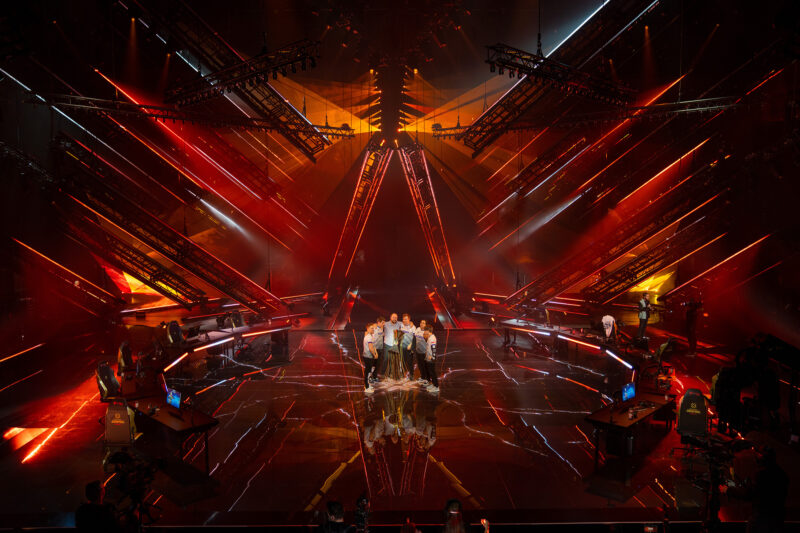
Moreover, Valorant has quickly become a staple in the esports scene. With numerous tournaments, including the prestigious Valorant Champions Tour, aspiring players and professional teams are enthusiastically competing on a global scale. This competitive atmosphere, paired with strategic depth, provides viewers and players alike with exhilarating entertainment.
The Future of Valorant
As we look to the future, the question arises: How will Valorant continue to innovate and maintain its relevance within the gaming world? Riot Games has consistently shown dedication to expanding its universe, and with Valorant’s success, plans for additional game modes, Agents, and thematic events are undoubtedly on the horizon. The ongoing development efforts could potentially lead to sustained growth and evolution of the title.
In conclusion, Valorant is more than just a game; it is a dynamic, evolving sport that brings together players from all walks of life to engage in strategic competition. Its impact on both the gaming and esports communities cannot be understated, and its innovative approach to tactical shooters promises an exciting future for both the game and its avid fans.