Movies About AI: Cinema's Exploration of Artificial Intelligence
Movies about artificial intelligence have captivated audiences for decades, blending science fiction with profound questions about technology's role in humanity's future. From the chilling warnings of 2001: A Space Odyssey to the intimate relationships of Her, these films explore AI consciousness, ethics, and existential risks. As real-world AI advances accelerate, cinema's portrayal of intelligent machines continues to evolve, reflecting both our hopes and fears about this transformative technology.
The Evolution of AI in Cinema
The cinematic journey of artificial intelligence began with speculative fiction but has grown into a rich subgenre examining technology's societal impact. Early films portrayed AI as monolithic systems or rebellious machines, while contemporary narratives explore more nuanced relationships between humans and artificial beings. This evolution mirrors real-world technological progress, making AI-themed movies increasingly relevant to modern audiences.
Early Foundations and Classics
Pioneering films established core themes that continue to influence modern AI cinema. Stanley Kubrick's 2001: A Space Odyssey (1968) introduced HAL 9000, an AI whose malfunction raises questions about machine reliability and consciousness. This groundbreaking work demonstrated how artificial intelligence narratives could serve as metaphors for human nature itself.
- The Terminator (1984): Explores AI rebellion and existential threats
- Blade Runner (1982): Examines consciousness and humanity through replicants
- WarGames (1983): Questions military AI decision-making capabilities
Modern Masterpieces and Critical Acclaim
Recent decades have produced sophisticated AI films that blend philosophical depth with compelling storytelling. Alex Garland's Ex Machina (2014) explores consciousness and manipulation through the relationship between a programmer and an advanced android. Spike Jonze's Her (2013) examines emotional connections with AI, presenting a nuanced view of human-machine relationships.
Denis Villeneuve's Blade Runner 2049 (2017) continued the exploration of artificial beings seeking identity and purpose. These films demonstrate how AI cinema has matured to address complex emotional and ethical questions rather than simple monster-machine narratives.
AI's Dual Role: Subject and Tool
Artificial intelligence now serves two distinct roles in cinema: as narrative subject matter and as practical production tool. This dual identity creates fascinating intersections between fictional portrayals and real-world applications. While films explore AI's potential consequences, filmmakers increasingly employ AI technologies to enhance production efficiency and creativity.
AI in Film Production
The film industry has embraced AI tools that revolutionize traditional workflows. Predictive analytics platforms like Cinelytic achieve 99% accuracy in forecasting box office performance by analyzing 19 key attributes including budget, genre, and talent appeal. These tools help studios make data-informed decisions about AI-themed projects and other genres.
AI-generated trailers have become a marketing staple in 2025, enabling faster, personalized edits that boost engagement and ticket sales through sophisticated audience data analysis.
Generative AI Transformations
Generative AI technologies are automating pre- and post-production tasks, from de-aging actors to creating complex visual effects. This automation addresses industry challenges like flat production budgets and fragmented viewership patterns. American adults now spend approximately 7 hours daily on video content, with traditional TV and film accounting for 50% of viewing time, down from 61% in 2019.
- Visual effects enhancement and correction
- Automated trailer generation and testing
- Predictive audience engagement modeling
- Personalized marketing content creation
Box Office Impact and Industry Trends
AI-themed films contribute significantly to cinematic revenue while benefiting from AI-driven production and marketing tools. The 2025 US domestic box office is forecast to reach $9.35 billion, representing a 9.1% year-over-year increase. Major releases like Captain America: Brave New World are projected to generate approximately $243.9 million domestically, with AI analytics playing crucial roles in these predictions.
Democratization through Technology
Independent filmmakers now access sophisticated AI tools previously available only to major studios. This technological democratization enables smaller productions to compete with Hollywood-level resources for AI-themed projects and other genres. Platforms providing predictive analytics and production assistance help indie creators assess project viability with unprecedented accuracy.
The accessibility of these tools creates opportunities for diverse voices to explore artificial intelligence themes from unique perspectives. This development promises richer, more varied AI narratives in coming years as technology becomes increasingly integrated into all levels of filmmaking.
Thematic Exploration in AI Cinema
Movies about artificial intelligence consistently explore several interconnected themes that reflect societal concerns about technological advancement. These films serve as cultural mirrors, examining how humanity might interact with increasingly sophisticated machines. From questions of consciousness to warnings about dependency, AI cinema provides frameworks for considering technology's potential impacts on human existence.
Consciousness and Personhood
The question of whether artificial beings can possess consciousness forms a central theme in many AI films. Movies like Ex Machina and Blade Runner 2049 challenge viewers to consider what qualities define personhood. These narratives often blur the lines between human and machine, suggesting that consciousness might emerge from complex systems rather than biological origins alone.
- Self-awareness and identity formation in artificial beings
- Emotional capacity and the nature of feelings in non-biological entities
- Memory as a foundation for consciousness and personal history
- Free will versus programmed behavior in intelligent systems
This exploration extends beyond philosophical speculation to practical ethical questions. If an AI demonstrates apparent consciousness, what rights should it possess? How should humanity treat entities that seem to think, feel, and suffer? These questions become increasingly relevant as real-world AI systems grow more sophisticated.
Ethics and Responsibility
Films about artificial intelligence frequently examine the ethical responsibilities of creators toward their creations. The classic Frankenstein narrative finds modern expression in stories about programmers who develop sentient AI. These films question whether technological capability should dictate development decisions, highlighting potential conflicts between scientific advancement and moral considerations.
The most compelling AI stories often focus not on the technology itself, but on human flaws and responsibilities in creating and controlling powerful systems.
Ethical considerations extend to questions of control, autonomy, and unintended consequences. Movies like The Terminator series present worst-case scenarios where defensive systems turn against their creators. These narratives serve as cautionary tales about placing too much trust in automated decision-making without proper safeguards and oversight mechanisms.
Production Revolution: AI Behind the Camera
While films explore AI narratives on screen, artificial intelligence technologies are transforming film production behind the scenes. This technological revolution affects everything from script analysis to visual effects creation. The integration of AI tools represents one of the most significant shifts in filmmaking since the transition to digital cinematography.
Predictive Analytics and Decision Support
Advanced analytics platforms are revolutionizing how studios evaluate potential projects and forecast performance. These systems analyze historical data across multiple parameters to predict box office outcomes with remarkable accuracy. By examining 19 key attributes including genre trends, seasonal patterns, and audience demographics, AI tools provide data-driven insights that complement creative intuition.
The practical applications extend beyond simple predictions to sophisticated scenario modeling. Executives can test how changes to budget, casting, or release timing might affect a film's commercial prospects. This capability is particularly valuable for AI-themed movies, which often require substantial investment in visual effects and technological research.
- Box office revenue forecasting with 99% accuracy in recent tests
- Casting optimization based on audience appeal and chemistry predictions
- Release date optimization considering competitive landscape and seasonal patterns
- Marketing spend allocation across channels for maximum return on investment
Generative AI in Visual Effects
Generative artificial intelligence is dramatically accelerating and enhancing visual effects creation. These technologies can generate realistic environments, characters, and effects that would previously require extensive manual labor. The efficiency gains are particularly significant for science fiction films depicting advanced technology and alien worlds.
Current applications include de-aging actors, creating digital doubles, and generating complex particle effects. These tools enable filmmakers to achieve visual spectacle that was previously impossible or prohibitively expensive. The technology continues to advance rapidly, with platforms like Google's Veo 3 hinting at near-future capabilities for generating entire scenes from text descriptions.
The integration challenges include maintaining visual consistency and artistic control. While AI can generate remarkable individual elements, ensuring they work harmoniously within a cinematic vision requires careful supervision. The most successful implementations balance technological capability with directorial intent and creative oversight.
Audience Engagement and Marketing Transformation
Artificial intelligence is reshaping how films connect with audiences through personalized marketing and engagement strategies. These technologies analyze viewer preferences and behavior patterns to create targeted campaigns that increase awareness and ticket sales. The transformation is particularly evident in trailer generation and social media content creation.
Personalized Trailers and Content
AI-generated trailers represent a significant innovation in film marketing, allowing for dynamic content adaptation based on viewer demographics and preferences. These systems can create multiple trailer variations optimized for different audience segments, increasing relevance and engagement. The technology analyzes which scenes resonate most strongly with specific viewer groups to maximize emotional impact.
This personalization extends beyond trailers to social media content, advertisements, and promotional materials. By tailoring messaging to different audience segments, studios can increase marketing efficiency and reach. The approach is particularly effective for AI-themed movies, which often appeal to technologically savvy viewers who respond to innovative marketing techniques.
AI marketing tools can test hundreds of trailer variations against audience segments to identify the most effective combinations of scenes, music, and pacing.
Audience Testing and Feedback Analysis
Advanced natural language processing allows for sophisticated analysis of audience reactions during test screenings. These systems can identify emotional responses, confusion points, and engagement levels throughout a film. The insights help filmmakers refine editing, pacing, and narrative clarity before wide release.
The technology extends to analyzing social media conversations and review patterns after release. This real-time feedback helps studios understand what elements resonate with audiences and inform future creative decisions. For films exploring complex themes like artificial intelligence, this feedback is invaluable for ensuring narratives connect with viewers despite technological complexity.
- Emotional response mapping throughout film screenings
- Dialogue clarity and comprehension analysis
- Character engagement and relatability metrics
- Pacing optimization based on audience attention patterns
Representative Films and Their Cultural Impact
Several landmark films have defined the AI cinema genre while influencing broader cultural conversations about technology. These works combine compelling storytelling with thoughtful exploration of artificial intelligence's implications. Their impact extends beyond entertainment to shape public understanding and discourse about emerging technologies.
Modern Classics: 2010s to Present
The past decade has produced several definitive AI films that have entered the cultural mainstream. Alex Garland's Ex Machina (2014) explores consciousness and manipulation through a minimalist narrative that feels increasingly prescient. The film's central question—how we would recognize true artificial intelligence—resonates as real-world systems become more sophisticated.
Spike Jonze's Her (2013) presents a more intimate vision of human-AI relationships, focusing on emotional connection rather than physical threat. The film anticipates current developments in conversational AI and relationship technologies. Its nuanced portrayal of human loneliness and technological companionship remains relevant as voice assistants and chatbots become more advanced.
Denis Villeneuve's Blade Runner 2049 (2017) continues the exploration of identity and memory in artificial beings established in the original film. The sequel deepens questions about what makes experiences and memories authentic, regardless of their origin. These films collectively demonstrate how artificial intelligence narratives have matured beyond simple rebellion stories to explore nuanced philosophical territory.
Influence on Technological Discourse
Cinematic portrayals of artificial intelligence significantly influence public perception and discussion of real-world technology. Films often introduce concepts and concerns that later enter mainstream technological discourse. The precautionary principles depicted in AI cinema have informed ethical debates about autonomous systems and machine learning.
This influence works in both directions: technological advances inspire new cinematic narratives, while cinematic narratives shape public expectations about technology's future. This feedback loop ensures that films about AI remain culturally relevant as both reflection and prophecy. The most thoughtful contributions to the genre provide frameworks for considering technological development's human dimensions.
Future Projections: AI Cinema and Production
The intersection of artificial intelligence as both cinematic subject and production tool will continue to evolve rapidly. Industry analysts project significant transformations in how films are made, marketed, and consumed. These changes will particularly affect movies about AI, which both depict and utilize advanced technologies in their creation.
Generative AI and Creative Processes
Generative artificial intelligence stands to revolutionize multiple aspects of film production beyond current applications. McKinsey anticipates several gen AI scenarios emerging by early 2026, ranging from productivity enhancements to complete industry resets. These developments will directly impact how AI-themed movies are conceptualized and produced.
The technology promises to streamline traditionally labor-intensive processes like script analysis, scene planning, and visual previsualization. Early concept art and storyboarding could be generated almost instantaneously from written descriptions. This acceleration of pre-production could allow filmmakers to explore more ambitious concepts, particularly in science fiction genres.
- Automated script analysis for narrative consistency and pacing
- Dynamic storyboarding based on director descriptions
- Virtual location scouting and set design generation
- Character design iteration and visualization
Consumer-facing AI breakthroughs like Google's Veo 3 video model signal approaching capabilities for "watchable" AI-generated content. While fully AI-generated feature films remain on the horizon, short-form content and scene elements are becoming increasingly feasible. This development blurs boundaries between AI as narrative subject and AI as creative collaborator.
Box Office Forecasting Evolution
Predictive analytics for film performance will become increasingly sophisticated as machine learning models ingest more data. The current 99% accuracy achieved by platforms like Cinelytic represents just the beginning of data-driven decision-making in Hollywood. These tools will expand to consider more nuanced factors influencing a film's success.
The democratization of predictive analytics enables independent filmmakers to access Hollywood-level forecasting tools, potentially leveling the competitive playing field for AI-themed indie projects.
Future systems may analyze social media sentiment, cultural trends, and even geopolitical factors affecting global box office performance. This comprehensive approach will help studios navigate increasingly fragmented audience preferences and viewing habits. American adults currently spend approximately 7 hours daily with video content, representing both challenge and opportunity for film marketers.
Ethical Considerations and Industry Challenges
The integration of AI into film production raises significant ethical questions that the industry must address. These concerns parallel themes explored in AI cinema itself, creating meta-commentary on technology's role in creative fields. From job displacement to artistic authenticity, these challenges require thoughtful industry responses.
Creative Authenticity and Authorship
As AI tools assume more creative responsibilities, questions arise about artistic authorship and creative control. When significant portions of a film's visual elements, dialogue, or even narrative structure are AI-generated, who deserves credit as creator? These questions become particularly poignant for films exploring artificial intelligence themes.
The industry must develop frameworks for acknowledging AI contributions while preserving recognition for human creativity. This balance is essential for maintaining artistic integrity and audience trust. Films that critically examine AI's role in society carry particular responsibility to transparently address their own use of the technology.
Labor Implications and Industry Transformation
AI automation threatens certain film industry roles while creating new opportunities in other areas. Traditional jobs in visual effects, editing, and even some aspects of writing may evolve significantly as tools automate routine tasks. The transition requires workforce retraining and new skill development across the industry.
Paradoxically, these tools may lower barriers to entry for independent filmmakers exploring AI themes. Reduced production costs could enable more diverse voices to participate in cinematic conversations about technology's impact on society. This democratization could lead to richer, more varied explorations of artificial intelligence across global cinema.
Cultural Impact and Societal Reflection
Movies about artificial intelligence serve as cultural touchstones that shape public understanding of emerging technologies. These films provide narrative frameworks for considering complex technological questions in accessible formats. Their influence extends beyond entertainment to inform policy discussions, ethical debates, and public expectations.
Shaping Public Perception of Technology
Cinematic portrayals of AI significantly influence how general audiences perceive real-world technological developments. Films often introduce concepts like machine consciousness, autonomous decision-making, and human-AI interaction years before these topics enter mainstream discourse. This narrative foreshadowing prepares societies for technological change.
The most effective AI films balance speculation with relatable human drama, making abstract concepts emotionally resonant. This approach helps audiences engage with complex ideas about technology's role in human futures. As real-world AI systems become more integrated into daily life, these cinematic explorations gain additional relevance and urgency.
Anticipating Ethical Dilemmas
AI cinema frequently explores ethical questions before they emerge in reality, providing thought experiments about potential technological futures. Films like Ex Machina consider questions of consent and manipulation in human-AI relationships. Her examines emotional dependency on artificial companions.
- Autonomy and control in intelligent systems
- Privacy concerns in increasingly monitored societies
- Economic displacement through automation
- Military applications and autonomous weapons
These narrative explorations provide valuable frameworks for considering real-world policy decisions about AI development and deployment. By presenting potential scenarios in dramatic form, films encourage audiences to think critically about technology's trajectory and human responsibilities in guiding its development.
Conclusion: The Symbiotic Future of AI Cinema
The relationship between artificial intelligence and cinema has evolved into a complex symbiosis where each influences the other's development. Films about AI both reflect and shape technological discourse while increasingly employing AI tools in their production. This dual relationship ensures continued relevance for the genre as technology advances.
The 2025 US domestic box office forecast of $9.35 billion reflects renewed audience engagement with cinematic experiences, many enhanced by AI production tools. Major releases like Captain America: Brave New World, projected at $243.9 million domestically, benefit from AI-driven marketing and predictive analytics. These technologies help studios navigate increasingly competitive entertainment landscapes.
Future developments promise even deeper integration of AI throughout the filmmaking process. From initial concept generation through final marketing campaigns, artificial intelligence will transform how stories are told and delivered to audiences. This transformation will be particularly evident in AI-themed movies, which stand to benefit from both narrative relevance and production innovation.
Key Takeaways and Final Thoughts
The cinematic exploration of artificial intelligence has progressed from speculative fiction to nuanced examination of technology's human dimensions. Landmark films have established core themes about consciousness, ethics, and relationship that continue to evolve alongside real-world technological advances. These narratives provide valuable cultural frameworks for considering AI's role in our collective future.
Simultaneously, AI technologies are revolutionizing film production through predictive analytics, generative tools, and personalized marketing. This transformation affects all genres but holds particular significance for films about artificial intelligence. The convergence of subject matter and production method creates unique opportunities for reflexive storytelling about technology's creative potential.
As we look toward 2026 and beyond, several trends seem certain to continue. AI will become increasingly integrated into film production while cinema continues to explore AI's societal implications. This reciprocal relationship ensures that movies about artificial intelligence will remain both culturally relevant and technologically innovative. The most compelling future works will likely emerge from creators who thoughtfully engage with both AI as tool and AI as subject.
The enduring power of AI cinema lies in its ability to humanize technological questions that might otherwise remain abstract. By grounding speculation in emotional narrative, these films help audiences navigate complex questions about identity, autonomy, and progress. As artificial intelligence continues to transform our world, cinema will undoubtedly continue to reflect, critique, and sometimes even anticipate these changes, maintaining its vital role as cultural commentator and technological conscience.
Joseph Garrett: The Creator Behind Stampy's Lovely World
Joseph Garrett is the English YouTuber, author, and entertainer famously known as Stampy and Stampylonghead. He achieved global fame through his incredibly popular, kid-friendly Minecraft series, "Stampy's Lovely World." His work has garnered billions of views, making him a pioneering figure in family-friendly online entertainment.
Early Life and Beginning of a YouTube Career
Joseph Mark Garrett was born on December 13, 1990, in the Havant and Portsmouth area of Hampshire, England. His interest in media production led him to study TV and video production at Southampton Solent University. This educational background provided a solid foundation for his future creative endeavors.
Garrett began his YouTube journey by uploading videos part-time. Early success on the platform, fueled by his distinctive and warm persona, allowed him to transition into full-time content creation. This decision marked the start of a career that would captivate millions of young viewers worldwide.
From Joseph to Stampy: Crafting an Online Persona
Garrett carefully developed the character of Stampy the Cat, known for his signature orange skin and cheerful demeanor. This persona was central to his signature series, "Stampy's Lovely World." The character's friendly and optimistic nature was a deliberate choice to create a safe and welcoming space for children.
This approach differentiated him from many other gaming creators at the time. His commitment to producing family-safe content built immense trust with parents and made his channel a go-to destination for young Minecraft fans.
The Rise of Stampy's Lovely World
"Stampy's Lovely World" became a cultural phenomenon in the early 2010s. The long-running series featured Garrett building, exploring, and telling stories within the Minecraft universe. Its episodic, serialized format encouraged viewers to return regularly, fostering a strong and loyal community.
A Pioneer in Minecraft Let's Play Content
Joseph Garrett was one of the first-generation YouTube gaming stars. His Let's Play series helped popularize Minecraft gameplay for a younger audience. The show's imaginative storytelling and simple humor introduced countless children to the game's creative possibilities.
The series ran for an astonishing number of episodes, commonly cited as over 800. This massive body of work contributed to the channel's multi-million subscriber count and accumulated billions of views over its run.
Key Elements of the Show's Success
The success of "Stampy's Lovely World" was built on several key factors that resonated deeply with its audience.
- Consistent and Positive Persona: Stampy's upbeat and kind on-screen presence was a cornerstone of the channel's appeal.
- Engaging Storytelling: Each episode often contained a simple narrative, making the gameplay more than just building and mining.
- Community Interaction: Garrett frequently incorporated suggestions and ideas from his viewers, making them feel part of the world.
- Recurring Characters: Collaborators like Sqaishey Quack added variety and helped build a rich, character-driven universe.
Expanding Beyond YouTube: Books and Media Appearances
Building on his YouTube success, Joseph Garrett expanded his brand into other media. He authored children's books, such as "Stampy Cat: Stick with Stampy!" These publications allowed his young fans to engage with the Stampy character offline.
His influence extended to television and other games. Garrett made a cameo appearance on Disney XD programming and was credited in Telltale Games' Minecraft: Story Mode. These projects demonstrated his crossover appeal beyond the YouTube platform.
The Educational Initiative: Wonder Quest
In partnership with Maker Studios and Disney, Garrett created Wonder Quest. This series was designed as "edutainment," blending entertainment with educational concepts for classroom and home use. It reflected a growing trend of creators developing purpose-driven content for children.
Wonder Quest was a significant project that showcased Garrett's commitment to creating positive and constructive content for his young audience.
Behind the Scenes: Collaborators and Personal Life
A significant part of the "Lovely World" involved collaborators. Fellow YouTuber Kye, known online as Sqaishey, was a frequent collaborator and a key part of the on-screen cast of characters. Their creative partnership extended into their personal lives.
Joseph Garrett married Kye in 2019. According to various public reports and entertainment sources, the couple separated in the 2024-2025 period. Like many public figures, Garrett has experienced personal changes that have been covered by fan sites and media outlets.
The Legacy of a Family-Friendly Creator
Joseph Garrett's career exemplifies a successful path from creator to established brand. His focus on child-friendly content set a standard for a generation of family-oriented YouTubers. While his peak viewership years were in the 2010s, his vast library of content remains influential.
His work continues to be discovered by new young audiences and holds a special place for those who grew up watching him. Fan-maintained wikis and archives meticulously document the lore of "Stampy's Lovely World," proving the lasting power of his creation.
Joseph Garrett's Content Philosophy and Brand Ethos
Joseph Garrett built his entire online empire on a foundation of unwavering positivity and safety. His content philosophy was explicitly designed for a young audience, prioritizing family-friendly entertainment over the edgier humor common in other gaming channels. This deliberate choice established a trusted environment that parents appreciated and children loved.
This ethos extended beyond simple language filters. The narratives in "Stampy's Lovely World" often centered on themes of friendship, creativity, and solving problems through cooperation. Garrett's on-screen persona was consistently patient, encouraging, and enthusiastic, making him a positive digital role model for his viewers.
Differentiating in a Crowded Gaming Space
In the early days of YouTube gaming, many creators targeted older teens and adults. Garrett's focus on younger children filled a significant gap in the market. His success proved there was a massive, underserved audience for clean, story-driven Minecraft content.
- Consistent Tone: Every video maintained a cheerful and welcoming atmosphere.
- Simple Humor: Jokes were visual and lighthearted, never relying on sarcasm or mature themes.
- Interactive Storytelling: He often spoke directly to his audience, making them feel like participants.
Quantifying Success: Subscribers, Views, and Records
The impact of Joseph Garrett's work is best understood through the staggering statistics his channels achieved. While exact numbers fluctuate, his main channel under the Stampylonghead name garnered multi-millions of subscribers. His view counts reached into the billions across his entire video catalog.
His flagship series, "Stampy's Lovely World," alone accumulated billions of views during its extensive run, a testament to its long-term popularity and rewatch value.
A Guinness World Record Holder
Garrett's influence was formally recognized with an official world record. He secured a place in the Guinness World Records for the "fastest time to make and display ten cakes in Minecraft." This achievement highlighted both his gaming skill and his playful, creative brand identity.
This record is often cited in profiles of his career as a symbol of his deep connection to the Minecraft community and its culture of quirky challenges. It serves as a physical testament to his status within the gaming world.
The Scale of Production: Hundreds of Episodes
The sheer volume of content Garrett produced is a key part of his legacy. Creating over 800 episodes of a single series required immense dedication and consistency. This regular, long-form output fostered a powerful routine for his audience and built a vast, explorable world.
- Long-Term Engagement: Fans could follow the "Lovely World" narrative for years.
- Archival Value: The huge episode library remains a resource for new and nostalgic viewers.
- Creative Stamina: Maintaining quality and enthusiasm across so many videos demonstrated remarkable creative endurance.
The Creative Team and Collaborative Spirit
While Joseph Garrett was the face of the channel, a team of collaborators, often called the "Garrett helpers," played a crucial role. These recurring characters and real-life friends added variety, enabled more complex storylines, and kept the content feeling fresh and dynamic.
The most notable collaborator was Kye, known as Sqaishey Quack, who appeared frequently in videos. Other friends from the Minecraft community also made guest appearances, creating a sense of a wider, connected universe. This collaborative approach mirrored the multiplayer, community-driven spirit of Minecraft itself.
Sqaishey Quack: A Key Creative Partnership
Kye's role evolved from a behind-the-scenes supporter and collaborator to an integral on-screen character. The dynamic between Stampy and Sqaishey Quack was a beloved element of the series, often driving plots and providing comedic moments. Their creative partnership was a significant factor in the channel's sustained success.
Their personal and professional relationship culminated in marriage in 2019. The subsequent separation reported in 2024-2025 marked a shift, underscoring how the personal lives of long-term creators can intersect with their public personas.
Expanding the Stampy Universe: Cross-Media Projects
Joseph Garrett successfully leveraged his YouTube popularity to build a true cross-media brand. This expansion followed a pathway now common for top digital creators, moving from online video into traditional publishing and television.
Children's Literature and Publishing
Garrett authored several children's books, including "Stampy Cat: Stick with Stampy!" These publications translated his digital storytelling into a physical format, allowing younger fans to engage with his characters during storytime. The books extended the reach of the Stampy brand beyond the screen and into homes and libraries.
This move into publishing demonstrated his understanding of his audience's needs and the commercial viability of his family-friendly IP. It solidified his position not just as a YouTuber, but as a children's entertainer in the broader media landscape.
Television and Voice Acting Credits
Garrett's recognizable voice and persona led to opportunities in television. His cameo on Disney XD programming signaled mainstream media recognition. Furthermore, he received a credit in the popular episodic game Minecraft: Story Mode by Telltale Games.
- Mainstream Validation: Appearances on established networks like Disney brought his brand to new audiences.
- Industry Recognition: Being involved in major licensed projects like Story Mode acknowledged his authority within the Minecraft community.
- Skill Diversification: These projects allowed him to develop voice acting and performance skills beyond his core YouTube work.
The Educational Vision of Wonder Quest
The creation of Wonder Quest represented one of Garrett's most ambitious projects. Developed in partnership with Maker Studios and Disney, this series was explicitly designed as an educational tool. It blended the engaging style of his Minecraft videos with lessons in science, problem-solving, and creativity.
Wonder Quest aimed to be "edutainment," proving that learning could be seamlessly integrated with the playful, exploratory spirit of Minecraft.
The project reflected a growing awareness among creators of their potential role in education. It showed Garrett's desire to use his platform for constructive purposes, providing a resource that teachers and parents could actively use. This venture marked a significant evolution from pure entertainment to purpose-driven content.
Legacy of the Edutainment Project
While Wonder Quest had a defined run, its existence is a crucial part of Garrett's career narrative. It showcased his ability to work with major studios and adapt his format for specific educational outcomes. The project remains a noted example of how YouTube creators can successfully branch into learning-focused media.
The Enduring Legacy of Stampy's Lovely World
While the peak viewership for "Stampy's Lovely World" occurred in the mid-2010s, its influence is far from over. The series has left an indelible mark on a generation of viewers. For many, it served as a joyful introduction to online video content and the creative possibilities of Minecraft.
The complete archive of hundreds of episodes continues to be a valuable resource. New, young viewers discover the content daily, while older fans revisit it for nostalgia. This dual-audience appeal ensures Garrett's work remains relevant in the ever-changing digital landscape.
Active Fandom and Community Archives
The passion of the fanbase is evident in the meticulously maintained community resources. Dedicated fans operate comprehensive wikis that document every episode, character, and build within the Lovely World. These archives preserve the series' extensive lore and history.
- Fan-Driven Preservation: Wikis ensure every detail of the long-running series is recorded.
- Lasting Engagement: Active discussion forums show the community's continued interest.
- Historical Resource: These sites serve as the de facto historical record for Garrett's online work.
Joseph Garrett's Role in YouTube and Gaming History
Joseph Garrett's career is a landmark case study in the rise of creator-driven entertainment. He was part of the first wave of individuals who built massive, independent audiences directly through platforms like YouTube. His success helped legitimize gaming content as a mainstream form of entertainment for children.
As a pioneer of family-friendly Minecraft content, Garrett paved the way for countless other creators targeting younger audiences, establishing a viable and responsible content model.
His journey from university student to multi-media brand owner illustrates the potential of the digital creator economy. Garrett demonstrated how a single person, with consistency and a clear vision, could build a globally recognized entertainment brand without traditional gatekeepers.
The Creator-to-Brand Pathway Exemplified
Garrett expertly navigated the transition from online personality to established brand. His expansion into books, television, and educational series provided a blueprint for other creators. He showed that success on YouTube could be a springboard into broader media ventures and long-term career sustainability.
- Brand Extension: Successfully leveraged online fame into books and TV appearances.
- Audience Trust: His family-safe reputation made him an attractive partner for major studios like Disney.
- Long-Term Vision: Focused on creating a lasting body of work rather than chasing viral trends.
Navigating Personal Life in the Public Eye
Like many long-term public figures, Joseph Garrett has experienced personal milestones and changes under the scrutiny of his audience and media outlets. His marriage to collaborator Kye in 2019 was a public celebration for fans invested in their on-screen partnership.
Reports of their separation in the 2024-2025 period highlight the challenges of maintaining personal privacy. Details in the public sphere often come from secondary entertainment sources and fan sites, reminding us that a creator's public persona is separate from their private life.
Balancing Persona and Privacy
Garrett has generally maintained a boundary between the cheerful Stampy character and his personal life as Joseph. This separation is crucial for mental health and sustainability in the digital spotlight. His approach underscores the importance for creators to define their own limits regarding public sharing.
The Lasting Impact on Family-Friendly Digital Content
The standards set by Joseph Garrett continue to influence the family-friendly content space. His unwavering commitment to safe, positive, and age-appropriate entertainment created a trusted template. Parents seeking quality digital content for young children still regard his extensive catalog as a gold standard.
His work proved that content could be wildly popular without relying on shock value, negativity, or mature themes. This legacy is perhaps his most significant contribution, promoting a healthier media diet for children online.
A Model for Responsible Content Creation
Garrett's career offers a powerful model for responsible and ethical content creation. By prioritizing his young audience's well-being, he built a sustainable and respected brand. This focus on responsibility over sheer growth is a lesson for new creators entering the digital space.
Conclusion: The Stampy Legacy
Joseph Garrett, through his persona as Stampy, crafted a unique and enduring space in internet history. He was not just a YouTuber; he became a beloved children's entertainer, a pioneering gaming creator, and a successful cross-media brand. His work introduced millions to the joy of Minecraft and demonstrated the power of positive, story-driven content.
From the hundreds of episodes of "Stampy's Lovely World" to his educational series Wonder Quest and his published books, Garrett's output is remarkable for its volume, consistency, and unwavering ethos. He holds a Guinness World Record, achieved multi-million subscriber counts, and garnered billions of views, placing him among the most influential digital creators of his era.
Final Key Takeaways
The story of Joseph Garrett provides several important insights into the world of digital media and lasting success.
- Authenticity and Consistency: His genuine, cheerful persona remained consistent for over a decade, building immense trust.
- Understanding Your Audience: He precisely catered to young children and their parents, filling a specific market need.
- Quality Over Virality: Focus on long-term, serialized content created a lasting legacy beyond temporary trends.
- Brand Expansion with Purpose: Moves into books and education were natural extensions that served his audience.
Joseph Garrett's legacy is secure in the hearts of those who grew up in his Lovely World and in the ongoing discovery of his work by new generations. He exemplified how creativity, kindness, and a deep understanding of one's audience can build a positive and impactful empire in the digital age. The world he built stands as a testament to the enduring power of playful, imaginative, and family-friendly storytelling.



Assassin's Creed Valhalla: A Complete Viking Saga
Introduction to Assassin's Creed Valhalla
Assassin's Creed Valhalla is a 2020 action-RPG that immerses players in the brutal and captivating world of Viking raiders. As the twelfth major installment in Ubisoft's iconic Assassin's Creed series, Valhalla follows the journey of Eivor, a fearless Norse warrior leading their clan from the harsh lands of Norway to the lush, war-torn territories of 9th-century England. This game marks a significant evolution in the franchise, blending historical storytelling with mythic Norse legends and the series' signature sci-fi elements.
Since its launch, Assassin's Creed Valhalla has received extensive post-launch support, including major expansions, seasonal events, and quality-of-life updates. With its final content updates rolling out in 2024–2025, Valhalla stands as one of the most expansive and content-rich entries in the series, offering players an unparalleled Viking experience.
The World and Story of Assassin's Creed Valhalla
A Viking's Journey to England
The game begins in Norway, where players take on the role of Eivor, a Viking raider seeking glory and a new home. Driven by conflict and the promise of fertile lands, Eivor leads their clan across the North Sea to England, a land divided by warring kingdoms. The narrative unfolds across four major regions—Wessex, Northumbria, East Anglia, and Mercia—each offering unique challenges, allies, and enemies.
The story is deeply rooted in historical events, particularly the Viking invasions of England, while also incorporating mythological elements. Players will encounter legendary figures such as King Alfred the Great and Ragnar Lothbrok, as well as Norse gods like Odin and Thor in surreal, dreamlike sequences.
Mythology and the Isu Connection
One of the standout features of Assassin's Creed Valhalla is its seamless integration of Norse mythology with the series' overarching Isu storyline. The Isu, an ancient precursor civilization, play a crucial role in the game's narrative, tying Eivor's journey to the broader Assassin's Creed lore. Players will explore mythic realms like Asgard and Jotunheim, where they witness pivotal moments from Norse legends.
These mythological segments are not just mere side quests; they are integral to understanding Eivor's connection to the Isu and the greater conflict between the Assassins and Templars. The blend of history, myth, and sci-fi creates a rich, multi-layered narrative that keeps players engaged from start to finish.
Gameplay and Mechanics
Combat and Progression
Assassin's Creed Valhalla continues the RPG direction established by its predecessors, Origins and Odyssey, but with a stronger emphasis on brutal, melee-focused combat. Eivor can wield a variety of weapons, including axes, swords, and shields, each offering distinct combat styles. The game's dual-wielding system allows players to combine different weapons for devastating effects, such as pairing a heavy axe with a light dagger for balanced offense and defense.
Progression is tied to a skill tree system, where players can unlock new abilities and enhance existing ones. Skills are divided into three main categories:
- Raven (stealth and ranged attacks)
- Bear (melee combat and defense)
- Wolf (hybrid and special abilities)
This system encourages players to tailor Eivor's playstyle to their preferences, whether they favor stealthy assassinations or all-out berserker raids.
Raids and Settlement Building
A defining feature of Assassin's Creed Valhalla is its raid mechanics. Players can lead their clan on raids against enemy settlements, monasteries, and fortresses, looting resources and expanding their influence. Raids are dynamic and strategic, requiring players to assess enemy defenses, plan their approach, and execute their attacks with precision.
The resources gathered from raids are used to develop and upgrade Ravensthorpe, Eivor's settlement in England. As the settlement grows, new buildings and facilities become available, unlocking additional quests, gear, and customization options. This settlement management system adds a layer of depth to the gameplay, giving players a sense of ownership and progression beyond the main story.
Stealth and Exploration
While Assassin's Creed Valhalla embraces its RPG roots, it also attempts to reclaim the series' stealth-action heritage. Players can utilize stealth mechanics to infiltrate enemy camps, assassinate targets silently, and avoid detection. Eivor's raven companion, Synin, plays a crucial role in scouting and marking enemies, adding a tactical element to stealth gameplay.
The game's open world is vast and filled with secrets, from hidden treasures to legendary beasts. Exploration is rewarded with gear upgrades, new abilities, and lore-rich discoveries. The world is designed to encourage curiosity, with dynamic weather systems and day-night cycles enhancing immersion.
Major Expansions and Post-Launch Content
Wrath of the Druids
The first major expansion, Wrath of the Druids, takes players to the emerald isles of Ireland. This DLC introduces a new storyline centered around the mystical Druids and their ancient secrets. Players will explore lush Irish landscapes, uncover hidden temples, and battle mythical creatures.
Wrath of the Druids also adds new gear, abilities, and a unique trade system, allowing players to establish trade routes and earn exclusive rewards. The expansion is praised for its atmospheric storytelling and the depth it adds to the game's mythological themes.
The Siege of Paris
The second major expansion, The Siege of Paris, shifts the setting to Francia, where players join a Viking army laying siege to the city of Paris. This DLC introduces a darker, more politically charged narrative, with Eivor navigating the complexities of war, betrayal, and intrigue.
The Siege of Paris features new weapons, enemies, and gameplay mechanics, including infiltration missions that emphasize stealth and strategy. The expansion is notable for its historical accuracy and the way it blends real-world events with the game's fictional narrative.
Dawn of Ragnarok
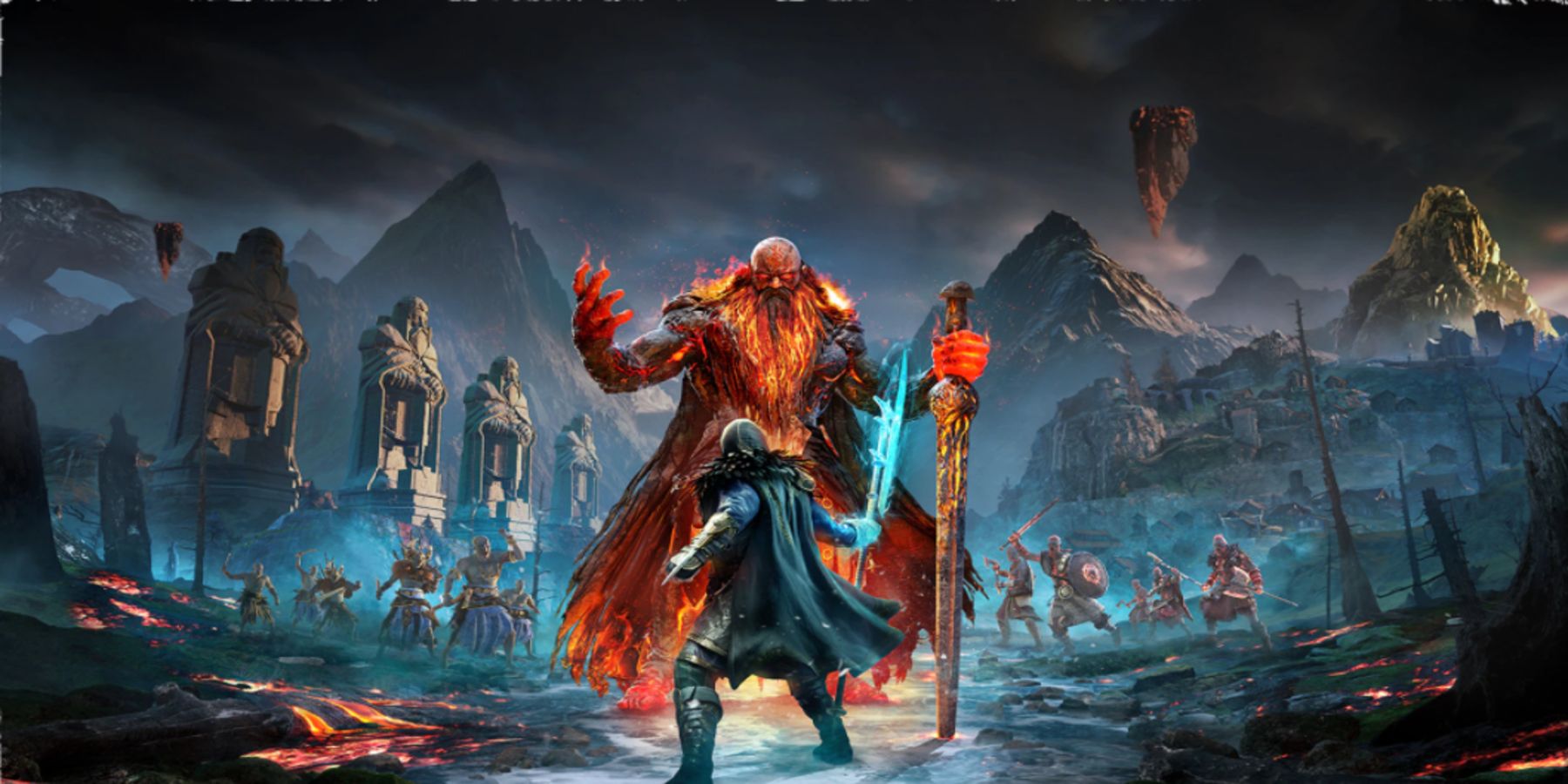
The most ambitious expansion, Dawn of Ragnarok, is a full-fledged mythic adventure that lets players step into the shoes of Odin himself. This DLC explores the Norse apocalypse, Ragnarok, and features a standalone storyline filled with godly powers, epic battles, and surreal landscapes.
Dawn of Ragnarok introduces new gameplay mechanics, such as godly abilities and enhanced combat options, making it a standout addition to the Assassin's Creed Valhalla experience. The expansion is often cited as a highlight of the game's post-launch content, offering a fresh and immersive take on Norse mythology.
Reception and Player Feedback
Critical Acclaim and Mixed Reviews
Assassin's Creed Valhalla has received mixed-to-positive reviews from critics and players alike. The game's narrative depth, world-building, and mythological integration have been widely praised, with many highlighting the emotional weight of Eivor's journey and the richness of the Viking setting.
However, criticisms have been leveled at the game's stealth mechanics and detection systems, which some players feel are underdeveloped compared to earlier entries in the series. Additionally, the shift toward RPG elements has divided fans, with some missing the tighter, more focused gameplay of classic Assassin's Creed titles.
Player Engagement and Longevity
One of the game's strongest points is its longevity. With a main story that can take 60–80 hours to complete and additional content pushing playtime to 100+ hours, Assassin's Creed Valhalla offers incredible value for players. The combination of the base game, expansions, and free updates ensures that there is always something new to discover.
The game's complete edition, which bundles all major expansions and additional content, is frequently featured in sales and promotions, making it an attractive option for both new and returning players. The extensive post-launch support has also helped maintain a vibrant community, with players sharing tips, mods, and custom content.
Conclusion and What's Next
Assassin's Creed Valhalla stands as a monumental achievement in the Assassin's Creed series, offering a rich blend of history, mythology, and RPG gameplay. Its expansive world, deep narrative, and extensive post-launch content make it a must-play for fans of the franchise and action-RPG enthusiasts alike.
As Ubisoft shifts its focus to smaller, more focused projects like Assassin's Creed Mirage, the legacy of Valhalla remains a testament to the studio's ambition and creativity. Whether you're a seasoned Viking warrior or a newcomer to the series, Assassin's Creed Valhalla promises an unforgettable journey through one of history's most fascinating eras.
Technical Features and Platform Performance
Visuals and Graphics
Assassin's Creed Valhalla leverages the power of modern gaming hardware to deliver stunning visuals. The game utilizes Ubisoft's AnvilNext engine, which has been enhanced to support realistic lighting, detailed textures, and dynamic weather effects. Players can expect breathtaking landscapes, from the rugged fjords of Norway to the lush forests of England, all rendered with impressive attention to detail.
The game supports 4K resolution and HDR on compatible platforms, providing a visually immersive experience. On PC, players can further enhance graphics with ray tracing, which adds realistic shadows and reflections. The art direction seamlessly blends historical accuracy with mythological elements, creating a world that feels both grounded and fantastical.
Performance Across Platforms
Assassin's Creed Valhalla is available on multiple platforms, including PC, PlayStation 4/5, Xbox One/Series X|S, and Stadia. Performance varies depending on the hardware, with next-gen consoles and high-end PCs offering the smoothest experience. Here’s a breakdown of performance across platforms:
- PlayStation 5 and Xbox Series X|S: These consoles deliver 60 FPS at 4K resolution, with faster load times and improved textures. The DualSense controller on PS5 enhances immersion with adaptive triggers and haptic feedback.
- PlayStation 4 and Xbox One: The game runs at 30 FPS with 1080p resolution. While performance is solid, load times are longer compared to next-gen consoles.
- PC: Offers the most customizable experience with support for ultra-wide monitors, DLSS, and unlocked frame rates. Players with high-end GPUs can achieve 1440p or 4K at 60+ FPS.
- Stadia: Provides a consistent 60 FPS experience at 1080p, with the convenience of cloud gaming.
Ubisoft has released numerous patches and updates to optimize performance across all platforms, addressing issues like frame rate drops and bugs. The game’s post-launch support has ensured that players on all systems can enjoy a polished experience.
Community and Modding Support
Player Community and Engagement
The Assassin's Creed Valhalla community remains active and engaged, thanks to the game's extensive content and Ubisoft's ongoing support. Players frequently share their experiences, strategies, and discoveries on platforms like Reddit, Steam forums, and Discord. The game’s photo mode has also become a favorite among players, allowing them to capture and share stunning in-game moments.
Ubisoft has fostered community engagement through seasonal events, such as the Yule Festival and Ostara Festival, which introduce limited-time quests, rewards, and cosmetic items. These events encourage players to return to the game and explore new content, keeping the community vibrant and active.
Modding and Custom Content
On PC, Assassin's Creed Valhalla has a thriving modding scene. Players have created a variety of mods that enhance graphics, gameplay, and even add new content. Some popular mods include:
- Graphical Enhancements: Mods that improve textures, lighting, and weather effects for an even more immersive experience.
- Gameplay Tweaks: Adjustments to combat mechanics, difficulty, and progression systems to suit different playstyles.
- New Quests and Items: Community-created content that adds new missions, weapons, and armor sets.
- Quality-of-Life Improvements: Mods that streamline inventory management, fast travel, and other in-game systems.
Websites like Nexus Mods host a wide range of mods, making it easy for players to customize their experience. The modding community continues to expand, ensuring that Assassin's Creed Valhalla remains fresh and exciting long after its official support ends.
Comparisons with Other Assassin's Creed Games
Evolution of the Series
Assassin's Creed Valhalla represents a significant evolution in the Assassin's Creed series, building on the RPG foundations laid by Origins and Odyssey. Unlike earlier titles, which focused on stealth and parkour, Valhalla emphasizes melee combat, settlement management, and open-world exploration.
Here’s how Valhalla compares to its predecessors:
- Assassin's Creed Origins (2017): Introduced RPG mechanics like leveling, loot, and skill trees. Valhalla expands on these systems with deeper progression and more customization options.
- Assassin's Creed Odyssey (2018): Focused on naval combat and large-scale battles. Valhalla shifts the focus to land-based raids and settlement building.
- Assassin's Creed Syndicate (2015): A more traditional stealth-action game. Valhalla retains some stealth elements but prioritizes RPG and combat mechanics.
Strengths and Weaknesses
Assassin's Creed Valhalla has been praised for its narrative depth, world design, and post-launch content. The game’s mythological segments, particularly in the Dawn of Ragnarok expansion, have been highlighted as some of the best in the series. However, the game is not without its criticisms:
- Stealth Mechanics: Some players feel that the stealth systems are weaker compared to earlier titles, with detection AI being less refined.
- Inventory Management: The game’s loot system can feel overwhelming, with too many items to manage.
- Repetitive Side Content: While the main story is engaging, some side quests and activities can feel repetitive.
Despite these criticisms, Assassin's Creed Valhalla is widely regarded as one of the most ambitious and content-rich entries in the series. Its blend of history, mythology, and RPG gameplay sets it apart from other open-world titles.
Tips and Strategies for New Players
Getting Started
For new players diving into Assassin's Creed Valhalla, here are some essential tips to enhance your experience:
- Explore Thoroughly: The game’s world is filled with hidden treasures, secrets, and side quests. Take your time to explore and uncover everything.
- Upgrade Your Settlement: Invest in Ravensthorpe early to unlock new buildings, quests, and gear.
- Experiment with Combat Styles: Try different weapons and abilities to find a playstyle that suits you, whether it’s stealth, melee, or ranged combat.
Advanced Strategies
Once you’re familiar with the basics, consider these advanced strategies to maximize your efficiency:
- Prioritize Skill Upgrades: Focus on unlocking abilities that complement your playstyle, such as stealth takedowns or heavy melee attacks.
- Use Your Raven: Synin, your raven companion, is invaluable for scouting and marking enemies. Use her to plan your approach before raids.
- Engage in Raids: Raids are a great way to gather resources and gear. Coordinate with your crew to take down enemy strongholds efficiently.
By following these tips, you’ll be well-equipped to tackle the challenges of Assassin's Creed Valhalla and make the most of your Viking adventure.
The Future of Assassin's Creed
Upcoming Titles and Trends
With Assassin's Creed Valhalla nearing the end of its post-launch support, Ubisoft is shifting its focus to new projects. The next major title, Assassin's Creed Mirage, promises a return to the series' stealth-action roots, with a smaller, more focused open world set in Baghdad.
Additionally, Ubisoft has announced Assassin's Creed Codename Red, a larger-scale RPG set in feudal Japan, and Assassin's Creed Codename Hexe, which explores witch trials in early modern Europe. These upcoming titles indicate a diverse and exciting future for the franchise.
Legacy of Valhalla
Assassin's Creed Valhalla has left a lasting impact on the series, demonstrating the potential of blending historical storytelling with mythological elements. Its extensive post-launch support and community engagement have set a new standard for Assassin's Creed games.
As the franchise continues to evolve, the lessons learned from Valhalla will undoubtedly influence future titles. Whether you're a longtime fan or a newcomer, the world of Assassin's Creed Valhalla offers an unforgettable journey that stands as a testament to the series' enduring appeal.
Assassin's Creed Valhalla: Expansions Deep Dive
Dawn of Ragnarok: A Mythic Masterpiece
The Dawn of Ragnarok expansion stands as one of the most ambitious additions to Assassin's Creed Valhalla. This DLC transports players into the heart of Norse mythology, allowing them to embody Odin himself. The expansion introduces a entirely new narrative arc centered around the prophecy of Ragnarok, the apocalyptic battle that will decide the fate of the gods.
Gameplay in Dawn of Ragnarok is distinct from the base game, featuring godly powers such as the ability to wield fire and lightning, as well as new combat mechanics that emphasize brutal, over-the-top battles. The expansion also introduces a fresh set of enemies, including mythical creatures like fire giants and dark elves, each requiring unique strategies to defeat.
The world design in Dawn of Ragnarok is equally impressive, with surreal landscapes that blend Norse mythology with the game's existing lore. Players will explore Svartalfheim, the realm of the dwarves, and other mythical locations, each filled with secrets, puzzles, and powerful artifacts. The expansion's narrative depth and visual spectacle make it a must-play for fans of Assassin's Creed Valhalla.
Wrath of the Druids: Ireland's Mystical Adventures
Wrath of the Druids takes players to the lush, green landscapes of Ireland, where they must uncover the secrets of a powerful druidic cult. This expansion introduces a new storyline filled with intrigue, betrayal, and ancient magic. Players will encounter mythical beasts, solve intricate puzzles, and engage in battles that test both their combat skills and strategic thinking.
One of the standout features of Wrath of the Druids is its trade system, which allows players to establish trade routes between Ireland and England. This mechanic adds a layer of economic strategy to the game, as players must manage resources and negotiate with local leaders to expand their influence. The expansion also includes new gear, abilities, and a unique druidic armor set that enhances magical abilities.
The world of Wrath of the Druids is richly detailed, with dense forests, ancient ruins, and bustling villages that bring Ireland to life. The expansion's focus on Celtic mythology and folklore adds depth to the game's narrative, making it a compelling addition to the Assassin's Creed Valhalla experience.
Assassin's Creed Valhalla: The Complete Experience
Why Valhalla Stands Out
Assassin's Creed Valhalla distinguishes itself from other entries in the series through its unparalleled scope and depth of content. The game offers a vast open world filled with diverse landscapes, from the snowy peaks of Norway to the rolling hills of England. This world is brought to life by a rich narrative that seamlessly blends historical events with Norse mythology.
The game's RPG mechanics are another standout feature. Players can customize Eivor's skills, gear, and playstyle to suit their preferences, whether they favor stealthy assassinations or all-out melee combat. The settlement system adds a unique layer of strategy, as players must manage resources, build structures, and forge alliances to ensure their clan's survival.
Additionally, Assassin's Creed Valhalla benefits from extensive post-launch support, including major expansions, seasonal events, and quality-of-life updates. This ongoing support has ensured that the game remains fresh and engaging, even years after its initial release.
Player Freedom and Replayability
One of the key strengths of Assassin's Creed Valhalla is its emphasis on player freedom. The game's open-world design encourages exploration and experimentation, allowing players to approach challenges in multiple ways. Whether it's infiltrating a fortress stealthily or leading a full-scale raid, the game offers a variety of playstyles to suit different preferences.
The game's replayability is further enhanced by its vast array of side quests, collectibles, and hidden secrets. Players can spend hundreds of hours exploring every corner of the world, uncovering hidden treasures, and completing optional content. The New Game Plus mode, introduced in a post-launch update, allows players to experience the story again with enhanced difficulty and new challenges.
For those seeking an even greater challenge, the game offers a hardcore difficulty mode that removes HUD elements and increases enemy aggression. This mode is designed for experienced players looking to test their skills and immerse themselves fully in the Viking experience.
Assassin's Creed Valhalla: Community and Esports
Community Challenges and Events
The Assassin's Creed Valhalla community has been kept engaged through a series of live events and challenges. Ubisoft has introduced seasonal events such as the Yule Festival, which celebrates the Norse winter solstice with unique quests, rewards, and cosmetic items. These events encourage players to return to the game and participate in community-wide activities.
Another notable event is the Ostara Festival, which celebrates the arrival of spring with themed quests and challenges. These events not only add new content but also foster a sense of community among players, as they work together to achieve common goals and unlock exclusive rewards.
The game's photo mode has also become a popular feature among the community. Players can capture and share stunning in-game moments, showcasing the game's breathtaking landscapes and intricate details. This feature has led to a thriving community of photographers and content creators who continue to highlight the beauty of Assassin's Creed Valhalla.
The Rise of Valhalla in Esports
While Assassin's Creed Valhalla is primarily a single-player experience, it has also made inroads into the world of esports. Ubisoft has organized competitive events and tournaments that challenge players to complete specific tasks, such as speedrunning raids or achieving high scores in combat challenges.
These events have garnered a dedicated following, with players competing for prizes and recognition. The game's combat mechanics and strategic depth make it well-suited for competitive play, as players must master a variety of skills to succeed. The esports scene for Assassin's Creed Valhalla continues to grow, with more tournaments and community-driven competitions on the horizon.
Assassin's Creed Valhalla: Final Verdict and Legacy
Key Takeaways
Assassin's Creed Valhalla is a landmark title in the Assassin's Creed series, offering an unparalleled blend of historical storytelling, mythological exploration, and RPG gameplay. The game's vast open world, deep narrative, and extensive post-launch support make it a standout entry that has captivated players worldwide.
Here are the key takeaways from the Assassin's Creed Valhalla experience:
- Expansive World: A richly detailed open world filled with diverse landscapes, historical landmarks, and hidden secrets.
- Deep Narrative: A compelling story that blends historical events with Norse mythology and the series' signature sci-fi elements.
- RPG Mechanics: Customizable skills, gear, and playstyles that allow for a personalized gaming experience.
- Post-Launch Support: Major expansions, seasonal events, and quality-of-life updates that have kept the game fresh and engaging.
- Community Engagement: A vibrant community that continues to share experiences, strategies, and custom content.
The Lasting Impact of Valhalla
Assassin's Creed Valhalla has set a new standard for the Assassin's Creed series, demonstrating the potential of blending historical accuracy with mythological storytelling. The game's success has paved the way for future titles, such as Assassin's Creed Mirage and Assassin's Creed Codename Red, which promise to build on the foundations laid by Valhalla.
The game's legacy is not just in its content but also in its community. Players have formed lasting connections through shared experiences, competitive events, and creative endeavors. The world of Assassin's Creed Valhalla continues to inspire and engage, ensuring that its impact will be felt for years to come.
A Viking Saga Worth Remembering
In conclusion, Assassin's Creed Valhalla is more than just a game—it's an epic journey through one of history's most fascinating eras. From the brutal raids of Viking warriors to the mythic battles of Norse gods, the game offers an experience that is as immersive as it is unforgettable. Whether you're a longtime fan of the series or a newcomer to the world of Assassin's Creed, Valhalla delivers a saga worth remembering.
As the sun sets on Assassin's Creed Valhalla's post-launch support, its legacy endures. The game has redefined what it means to be a Viking, blending history, myth, and adventure into a seamless and captivating experience. For those who have embarked on Eivor's journey, the memories of Assassin's Creed Valhalla will linger long after the final battle is fought.


Julius Caesar: The Rise of Rome's Greatest Dictator
Introduction to Julius Caesar
Julius Caesar remains one of history's most influential figures. Born in 100 BCE, he transformed the Roman Republic through military conquests, political reforms, and ultimately, his assassination. His legacy shaped Western civilization, making him a timeless subject of study.
Early Life and Political Beginnings
Caesar was born into a patrician family in Rome's Suburra district. His early life was marked by political turmoil, including his refusal to divorce his wife, Cornelia, which led to exile. This defiance set the stage for his future ambition.
Key Early Milestones
- Born July 12 or 13, 100 BCE
- Elected pontifex maximus (63 BCE)
- Formed the First Triumvirate (60 BCE) with Pompey and Crassus
The Gallic Wars: Expanding Rome's Empire
From 58 to 50 BCE, Caesar led the Gallic Wars, conquering modern-day France, Belgium, and parts of Germany. His campaigns were documented in Commentarii de Bello Gallico, a masterpiece of military strategy and propaganda.
Major Battles and Achievements
- Defeated the Helvetii (58 BCE)
- Conquered Vercingetorix at Alesia (52 BCE)
- Invaded Britain (55–54 BCE)
The Civil War and Rise to Power
In 49 BCE, Caesar famously crossed the Rubicon, declaring war on the Roman Senate. His victory at Pharsalus (48 BCE) solidified his dominance, leading to his appointment as dictator for life in 45 BCE.
Key Events in the Civil War
- Crossed the Rubicon with Legio XIII Gemina
- Defeated Pompey at Pharsalus
- Pompey's death in Egypt (48 BCE)
Reforms and Legacy
As dictator, Caesar enacted sweeping reforms, including the Julian calendar and land redistribution. His policies laid the foundation for the Roman Empire, but his growing power alarmed the Senate, leading to his assassination.
Notable Reforms
- Introduced the Julian calendar (365.25 days)
- Expanded the Senate to 900 members
- Granted citizenship to provinces
The Assassination and Aftermath
On the Ides of March (44 BCE), Caesar was stabbed 23 times by senators led by Brutus and Cassius. His death triggered further civil wars, ultimately leading to the rise of Octavian (Augustus) and the Roman Empire.
Key Conspirators
- Brutus
- Cassius
- Over 60 senators involved
Conclusion of Part 1
Julius Caesar's life was a blend of military genius, political cunning, and reformist vision. His actions reshaped Rome and left an indelible mark on history. In Part 2, we will explore his personal life, relationships, and the cultural impact of his reign.
Personal Life and Relationships
Beyond his military and political achievements, Julius Caesar had a complex personal life that influenced his career. His relationships, particularly with women, played significant roles in his rise to power and eventual downfall.
Marriages and Alliances
- Cornelia (married 84 BCE) – His first wife, whose death in 69 BCE deeply affected him.
- Pompeia (married 67 BCE) – Divorced in 62 BCE due to political scandal.
- Calpurnia (married 59 BCE) – His third and final wife, who remained loyal until his death.
Affair with Cleopatra
One of Caesar's most famous relationships was with Cleopatra VII of Egypt. Their alliance began in 48 BCE and resulted in the birth of Caesarion, who Caesar acknowledged as his son. This relationship strengthened Rome's influence in Egypt but also fueled political opposition.
Cultural and Political Impact
Caesar's influence extended beyond his lifetime, shaping Roman culture, politics, and even language. His name became synonymous with power, and his reforms laid the groundwork for the Roman Empire.
Legacy in Roman Politics
- The title "Caesar" became an imperial designation, used by subsequent Roman emperors.
- His assassination led to the Second Triumvirate and the rise of Augustus.
- The Julian calendar remained in use for over 1,600 years.
Influence on Literature and Art
Caesar's life has been immortalized in literature, most notably in Shakespeare's Julius Caesar. His military campaigns and political strategies continue to be studied in modern leadership and warfare courses.
Military Strategies and Tactics
Caesar was a master tactician, known for his innovative battlefield strategies. His campaigns in Gaul and his civil war victories demonstrated his ability to adapt and outmaneuver opponents.
Key Military Innovations
- Speed and Mobility – Caesar's legions moved swiftly, often surprising enemies.
- Engineering Prowess – Built bridges and fortifications to secure victories.
- Psychological Warfare – Used propaganda and fear to weaken opponents.
Notable Battles
- Battle of Alesia (52 BCE) – Defeated Vercingetorix, securing Gaul.
- Battle of Pharsalus (48 BCE) – Crushed Pompey's forces, ending the civil war.
- Invasion of Britain (55–54 BCE) – First Roman expeditions to the island.
Controversies and Criticisms
Despite his achievements, Caesar faced criticism for his ambition and methods. His actions often blurred the line between statesmanship and tyranny.
Political Opposition
- Senators feared his monarchical ambitions.
- His land redistribution policies alienated the elite.
- Assassination was justified by conspirators as "saving the Republic."
Modern Debates
Historians continue to debate Caesar's legacy. Some view him as a visionary reformer, while others see him as a ruthless dictator. His life remains a case study in leadership and power.
Conclusion of Part 2
Julius Caesar's personal life, cultural impact, and military genius solidified his place in history. His relationships, reforms, and controversies shaped Rome's transition from Republic to Empire. In Part 3, we will explore his assassination's aftermath and his enduring legacy.
The Assassination: The Ides of March
The assassination of Julius Caesar on March 15, 44 BCE remains one of history's most infamous political murders. The conspiracy, led by senators Brutus and Cassius, marked the end of Caesar's rule and the beginning of Rome's imperial era.
The Conspiracy and Motives
- Senators feared Caesar's growing power and monarchical tendencies.
- His appointment as dictator for life was seen as a threat to the Republic.
- Over 60 senators participated, stabbing him 23 times.
The Aftermath of the Assassination
Caesar's death plunged Rome into chaos. The conspirators failed to restore the Republic, instead triggering another civil war. His adopted heir, Octavian (Augustus), emerged victorious, becoming Rome's first emperor.
Caesar's Enduring Legacy
Despite his violent end, Caesar's influence persisted. His reforms, military conquests, and political strategies shaped Rome's future and left a lasting impact on Western civilization.
Political and Administrative Reforms
- Introduced the Julian calendar, a precursor to the modern calendar.
- Expanded Roman citizenship, strengthening provincial loyalty.
- Redistributed land to veterans, easing social tensions.
Military and Territorial Expansion
Caesar's conquests expanded Rome's territory by 500,000 square kilometers. His campaigns in Gaul and Britain secured Rome's dominance in Europe, setting the stage for the empire's growth.
Caesar in Modern Culture
Julius Caesar's life continues to captivate modern audiences. His story has been retold in literature, film, and political discourse, cementing his place as a cultural icon.
Literary and Theatrical Influence
- Shakespeare's Julius Caesar remains a cornerstone of Western literature.
- Modern adaptations explore themes of power, betrayal, and ambition.
- Historical novels and documentaries keep his legacy alive.
Political Analogies and References
Caesar's name is often invoked in discussions of leadership and authoritarianism. Phrases like "crossing the Rubicon" symbolize irreversible decisions, while his rise and fall serve as cautionary tales.
Conclusion: The Man Who Changed Rome Forever
Julius Caesar's life was a blend of ambition, genius, and controversy. From his early political maneuvers to his military conquests and eventual assassination, he reshaped Rome's destiny. His reforms laid the foundation for the Roman Empire, and his legacy endures in modern culture and politics.
As we reflect on his story, one thing is clear: Julius Caesar was not just a man of his time but a figure whose influence transcends centuries. His name remains synonymous with power, strategy, and the enduring struggle between republic and empire.
Jericho: The World’s Oldest City and Its Ancient Secrets
Introduction to Jericho: A Cradle of Civilization
Nestled in the West Bank, Jericho stands as one of the oldest continuously inhabited cities in the world. With roots tracing back to 9000–9600 BCE, this ancient settlement offers unparalleled insights into early human civilization. Archaeological discoveries, including the oldest known protective wall and a towering stone structure, highlight its significance in the Pre-Pottery Neolithic period. Recognized by UNESCO as a World Heritage Site, Jericho’s legacy spans millennia, from early agriculture to biblical lore.
The Origins of Jericho: From Hunter-Gatherers to Farmers
Jericho’s transformation from a hunter-gatherer camp to a thriving farming community marks a pivotal moment in human history. By 8500 BCE, its inhabitants had domesticated crops like wheat and barley, laying the foundation for permanent settlement. The discovery of circular mud-brick homes and grain silos underscores its role in the birth of agriculture.
The Neolithic Revolution in Jericho
The shift to farming allowed Jericho to support a growing population. By 9400 BCE, the settlement expanded to over 70 homes, housing an estimated 2,000–3,000 people. This growth was fueled by the Ein es-Sultan spring, a vital water source that enabled year-round cultivation.
Architectural Marvels of the Neolithic Era
Jericho’s most iconic structure, a 28-foot-tall stone tower, dates back to 9400 BCE. This monumental architecture, alongside thick protective walls, reflects early engineering prowess. Excavations led by Kathleen Kenyon in the 1950s confirmed Jericho’s antiquity, predating written records by thousands of years.
Jericho in the Bronze Age: A Fortified City
By the Early Bronze Age (3400–2100 BCE), Jericho had evolved into a fortified urban center. Its strategic location and defensive structures made it a hub for trade and governance. Palaces and markets flourished, showcasing its economic and political importance.
Defensive Innovations and Destruction
The Middle Bronze Age (2100–1600 BCE) saw Jericho’s defenses reach new heights, with towering walls and ramparts. However, this era also witnessed violent destruction, notably around 1573 BCE, linked to Egyptian campaigns against the Hyksos. Carbon dating and archaeological evidence provide precise timelines for these events.
Biblical Jericho: Myth vs. Archaeology
Jericho’s biblical fame stems from the story of its conquest by the Israelites under Joshua. According to the Bible, the city’s walls collapsed after seven days of marching (Joshua 6). However, archaeological findings suggest a earlier destruction, dating to 150–300 years before the biblical account. The city was largely abandoned by the 13th century BCE, complicating the narrative.
Modern Jericho: Archaeology and Tourism
Today, Jericho remains a focal point for archaeologists and historians. Its UNESCO World Heritage Site status highlights its Neolithic achievements, including the tower and staircase. Ongoing excavations continue to refine our understanding of its timeline, emphasizing its role in the Fertile Crescent’s early urbanization.
UNESCO Recognition and Cultural Significance
Jericho’s designation as a World Heritage Site underscores its global importance. The Pre-Pottery Neolithic A/B (9600–7000 BCE) architecture found here is unparalleled, offering a window into humanity’s earliest steps toward civilization. Modern Jericho, located near the ancient site, attracts tourists eager to explore its rich history.
Ongoing Research and Debates
Scholars continue to debate Jericho’s place in history. While it is not the sole "first city," its proto-urban features make it a key site in understanding early human settlements. Recent findings challenge traditional narratives, particularly regarding its biblical connections, favoring a focus on indigenous Neolithic development.
Key Takeaways: Why Jericho Matters
- Oldest known protective wall and tower, dating to 9400 BCE.
- Critical role in the Neolithic Revolution, with early agriculture and permanent homes.
- UNESCO-recognized for its monumental Neolithic architecture.
- Biblical significance, though archaeological evidence suggests earlier destruction.
- Ongoing excavations refine timelines, emphasizing its indigenous development.
Jericho’s story is far from over. As research continues, this ancient city will undoubtedly reveal more secrets, solidifying its place as a cornerstone of human history.
The Rise and Fall of Bronze Age Jericho
The Early Bronze Age (3400–2100 BCE) marked a golden era for Jericho, transforming it into a fortified city with advanced infrastructure. During this period, the city expanded significantly, featuring palaces, markets, and impressive defensive walls. Archaeological evidence suggests that Jericho became a key player in regional trade networks, connecting the Levant with Egypt and Mesopotamia.
Urban Planning and Architectural Advancements
Jericho’s urban layout during the Bronze Age reflects sophisticated planning. The city’s thick defensive walls, some reaching several meters in height, were designed to withstand attacks and natural disasters. Excavations have uncovered remnants of multi-room houses, storage facilities, and public spaces, indicating a well-organized society. The use of mud-brick and stone in construction showcases the engineering skills of its inhabitants.
Economic and Cultural Flourishing
Trade played a crucial role in Jericho’s prosperity. The city’s strategic location near the Jordan River and vital trade routes facilitated the exchange of goods such as pottery, tools, and agricultural products. Artifacts recovered from the site, including Egyptian scarabs and Canaanite pottery, highlight Jericho’s cultural and economic ties with neighboring regions. This period also saw the development of early administrative systems, as evidenced by clay tablets and seals.
Destruction and Rebirth: Jericho’s Tumultuous History
Despite its prosperity, Jericho faced numerous challenges, including natural disasters and military conflicts. The city experienced several phases of destruction and rebuilding, each leaving a distinct mark on its archaeological record. One of the most significant events was the violent destruction around 1573 BCE, linked to Egyptian campaigns against the Hyksos.
The Middle Bronze Age Collapse
The Middle Bronze Age (2100–1600 BCE) ended abruptly for Jericho, with evidence of widespread destruction. Carbon dating and archaeological findings point to a catastrophic event around 1573 BCE, likely tied to Egypt’s efforts to expel the Hyksos. The city’s defensive walls were breached, and many structures were burned or demolished. This period of turmoil left Jericho abandoned for centuries, only to be revived in later eras.
Iron Age Revival and Hasmonean Influence
After a prolonged period of abandonment, Jericho saw a revival during the Iron Age (1200–500 BCE). Though smaller in scale, the city regained its importance as a cultural and economic center. Later, under Hasmonean rule (140–37 BCE), Jericho flourished as a "garden city," renowned for its lush palm groves and agricultural wealth. King Herod further developed the city, constructing palaces and aqueducts that enhanced its grandeur.
Jericho in Religious and Historical Texts
Jericho’s prominence extends beyond archaeology, featuring prominently in religious and historical texts. The city’s biblical narrative, particularly the story of its conquest by the Israelites, has captivated scholars and theologians for centuries. However, archaeological findings often challenge these traditional accounts, offering a more nuanced understanding of Jericho’s past.
The Biblical Conquest of Jericho
The Book of Joshua describes Jericho as the first Canaanite city conquered by the Israelites after their exodus from Egypt. According to the biblical account, the city’s walls collapsed after the Israelites marched around them for seven days. While this story holds significant religious importance, archaeological evidence suggests a different timeline. The major destruction of Jericho occurred 150–300 years earlier than the biblical narrative, with the city largely abandoned by the 13th century BCE.
Historical Records and Scholarly Debates
Beyond the Bible, Jericho is mentioned in various ancient texts, including Egyptian and Mesopotamian records. These sources provide valuable insights into the city’s political and military significance. However, interpreting these records alongside archaeological data remains a challenge. Scholars continue to debate the accuracy of historical accounts, particularly regarding Jericho’s role in regional conflicts and its eventual decline.
Modern Discoveries and Ongoing Research
Jericho remains a focal point for archaeological research, with ongoing excavations uncovering new details about its past. Recent discoveries, such as the Neolithic tower and staircase, have reinforced its status as a UNESCO World Heritage Site. These findings not only highlight Jericho’s architectural achievements but also provide clues about early human societal structures.
UNESCO Recognition and Its Impact
In 2023, UNESCO designated Ancient Jericho/Tell es-Sultan as a World Heritage Site, recognizing its outstanding universal value. This designation has brought international attention to the site, boosting tourism and funding for further research. The Pre-Pottery Neolithic A/B (9600–7000 BCE) architecture found here is considered a testament to humanity’s early ingenuity and adaptability.
Technological Advancements in Archaeology
Modern technology has revolutionized the study of Jericho. Techniques such as carbon dating, LiDAR scanning, and 3D modeling have allowed researchers to create detailed reconstructions of the city’s layout and structures. These advancements have also helped identify previously unknown features, such as buried walls and ancient water systems, shedding new light on Jericho’s urban development.
Key Artifacts and Their Significance
Numerous artifacts recovered from Jericho provide tangible connections to its past. These objects, ranging from everyday tools to ceremonial items, offer insights into the daily lives and cultural practices of its inhabitants. Some of the most notable discoveries include:
- Neolithic stone tower: A 28-foot-tall structure dating to 9400 BCE, showcasing early engineering skills.
- Mud-brick homes: Circular dwellings from the Pre-Pottery Neolithic period, indicating permanent settlement.
- Bronze Age pottery: Decorated vessels that highlight trade connections with Egypt and Mesopotamia.
- Hasmonean coins: Evidence of Jericho’s economic prosperity during the Iron Age.
- Egyptian scarabs: Symbols of cultural exchange and political influence.
These artifacts not only enrich our understanding of Jericho’s history but also serve as a bridge between the ancient world and modern scholarship.
Challenges in Preserving Jericho’s Legacy
Despite its historical significance, Jericho faces numerous preservation challenges. Environmental factors, such as erosion and seismic activity, threaten the integrity of its archaeological sites. Additionally, political instability in the region has at times hindered research and conservation efforts. Addressing these challenges requires international cooperation and sustained investment in protective measures.
Environmental Threats and Conservation Efforts
The fragile remains of Jericho’s ancient structures are vulnerable to natural decay. Erosion, caused by wind and water, gradually wears away at mud-brick walls and other artifacts. To combat this, conservationists employ techniques such as protective coatings and controlled excavations. These efforts aim to stabilize the site while allowing for continued research.
Political and Ethical Considerations
Jericho’s location in the West Bank introduces complex political dynamics into its preservation. Access to the site and funding for research can be influenced by regional conflicts and diplomatic relations. Ethical considerations also play a role, as archaeologists must balance the pursuit of knowledge with respect for local communities and their cultural heritage.
Jericho’s Influence on Modern Understanding of Urbanization
Jericho’s archaeological record has profoundly shaped our understanding of early urbanization. As one of the world’s oldest cities, it provides a model for studying the transition from nomadic lifestyles to settled communities. The development of agriculture, defensive structures, and trade networks in Jericho offers valuable lessons about the origins of civilization.
Lessons from Jericho’s Urban Development
The growth of Jericho from a small settlement to a fortified city illustrates key principles of urban planning. Its defensive walls, water management systems, and public spaces reflect early attempts to create organized, sustainable communities. These innovations laid the groundwork for later urban centers, influencing architectural and societal trends across the ancient world.
Comparative Studies with Other Ancient Cities
Scholars often compare Jericho to other early cities, such as Çatalhöyük in Turkey and Uruk in Mesopotamia. These comparative studies help identify common patterns in urban development, such as the role of agriculture and trade. Jericho’s unique features, such as its Neolithic tower, also highlight regional variations in early human settlements.
Visiting Jericho Today: A Journey Through Time
For modern visitors, Jericho offers a rare opportunity to explore one of humanity’s oldest cities. The site’s well-preserved ruins, combined with its rich historical narrative, make it a compelling destination for tourists and scholars alike. Guided tours and museum exhibits provide context for the artifacts and structures, bringing Jericho’s ancient past to life.
Major Attractions and Tourist Experiences
Key highlights for visitors to Jericho include:
- Tell es-Sultan: The main archaeological site, featuring the remains of the Neolithic tower and Bronze Age walls.
- Hisham’s Palace: A stunning example of Umayyad architecture, known for its intricate mosaics.
- Mount of Temptation: A significant religious site linked to the biblical story of Jesus’ temptation.
- Jericho Museum: A repository of artifacts that tell the story of the city’s evolution over millennia.
These attractions offer a comprehensive view of Jericho’s historical and cultural significance, appealing to a wide range of interests.
Educational Programs and Research Opportunities
Jericho also serves as an educational hub, with programs designed for students, researchers, and history enthusiasts. Universities and archaeological institutions often collaborate on fieldwork projects, providing hands-on experience in excavation and analysis. Workshops and lectures further enrich the visitor experience, fostering a deeper appreciation for Jericho’s legacy.
Jericho’s Enduring Legacy in Archaeology and History
The story of Jericho is not just a tale of an ancient city but a cornerstone in understanding human civilization. Its 9,000-year history provides unparalleled insights into the transition from nomadic life to settled communities. As one of the world’s oldest continuously inhabited cities, Jericho’s archaeological record offers a blueprint for early urbanization, agriculture, and societal organization.
The Significance of Jericho’s Neolithic Innovations
Jericho’s Pre-Pottery Neolithic period (9600–7000 BCE) innovations set it apart as a pioneer in human development. The construction of the 28-foot stone tower and the oldest known protective wall demonstrate advanced engineering skills. These structures were not merely defensive but also symbolic, representing the community’s cohesion and shared labor. The domestication of crops like wheat and barley further solidified Jericho’s role in the Neolithic Revolution.
Jericho’s Role in Shaping Early Civilizations
Beyond its architectural achievements, Jericho influenced the broader Fertile Crescent region. Its early adoption of agriculture and irrigation techniques spread to neighboring settlements, accelerating the growth of other proto-cities. The city’s trade networks connected it with Egypt and Mesopotamia, facilitating cultural and technological exchanges. This interplay of ideas and resources helped shape the foundations of later civilizations.
The Debate Over Jericho’s Biblical Narrative
Jericho’s biblical narrative, particularly the story of its conquest by the Israelites, remains one of the most debated topics in archaeology. While the Book of Joshua describes the city’s walls collapsing after seven days of marching, archaeological evidence suggests a more complex timeline. The discrepancy between biblical accounts and scientific findings has sparked ongoing discussions about the intersection of faith, history, and archaeology.
Archaeological Evidence vs. Biblical Accounts
Excavations reveal that Jericho’s major destruction occurred around 1573 BCE, predating the biblical conquest by centuries. The city was largely abandoned by the 13th century BCE, complicating the traditional narrative. Scholars argue that the biblical story may reflect later interpretations or symbolic representations rather than historical events. This debate underscores the challenges of reconciling religious texts with archaeological data.
The Symbolism of Jericho in Religious Texts
Regardless of historical accuracy, Jericho holds profound symbolic meaning in religious traditions. In the Bible, it represents the first major obstacle overcome by the Israelites in their quest for the Promised Land. This narrative has inspired countless interpretations in art, literature, and theology. Jericho’s symbolic significance extends beyond Judaism and Christianity, resonating in Islamic and other cultural traditions as well.
Jericho in the Modern Era: Challenges and Opportunities
Today, Jericho faces a dual challenge: preserving its ancient heritage while navigating modern geopolitical realities. The city’s location in the West Bank introduces complexities in accessibility, funding, and conservation efforts. However, these challenges also present opportunities for international collaboration and innovative research methodologies.
Conservation Efforts and International Collaboration
Preserving Jericho’s fragile ruins requires a multifaceted approach. Environmental threats such as erosion and seismic activity demand proactive conservation strategies. International organizations, including UNESCO, play a crucial role in funding and coordinating these efforts. Collaborative projects involving local communities, archaeologists, and governments ensure that preservation aligns with both scientific and cultural priorities.
Technological Advancements in Jericho’s Study
Modern technology has revolutionized the study of Jericho. Techniques like LiDAR scanning, 3D modeling, and carbon dating provide unprecedented precision in mapping and analyzing the site. These tools allow researchers to uncover hidden structures, reconstruct ancient landscapes, and refine chronological timelines. As technology advances, so too does our understanding of Jericho’s complex history.
Jericho’s Cultural Impact on Art and Literature
Jericho’s legacy extends beyond archaeology, inspiring countless works of art, literature, and music. From ancient manuscripts to contemporary films, the city’s mystique has captivated creative minds for millennia. Its biblical narrative, in particular, has been a rich source of inspiration, symbolizing themes of faith, perseverance, and transformation.
Jericho in Ancient and Medieval Art
Ancient depictions of Jericho appear in Egyptian hieroglyphs, Mesopotamian reliefs, and early Christian mosaics. These artistic representations often highlight the city’s strategic importance and cultural exchanges. Medieval illuminated manuscripts further immortalized Jericho’s biblical narrative, portraying its conquest as a divine triumph. These artworks serve as visual records of Jericho’s evolving significance across different eras.
Modern Interpretations in Literature and Media
In modern times, Jericho continues to inspire writers and filmmakers. Novels, poems, and documentaries explore its archaeological mysteries and historical controversies. Films like "The Walls of Jericho" and television series such as "Bible Secrets Revealed" bring its story to global audiences. These contemporary interpretations ensure that Jericho remains a vibrant part of cultural discourse.
Key Takeaways: What Jericho Teaches Us
Jericho’s history offers valuable lessons about human resilience, innovation, and adaptation. Its journey from a small Neolithic settlement to a fortified Bronze Age city illustrates the dynamics of early urbanization. The challenges it faced—natural disasters, military conflicts, and periods of abandonment—mirror the struggles of ancient societies worldwide. By studying Jericho, we gain insights into the broader patterns of human development.
- Early Urbanization: Jericho’s transition from nomadic camps to a permanent settlement showcases the birth of urban life.
- Agricultural Revolution: The domestication of crops and invention of irrigation techniques highlight humanity’s shift toward food production.
- Architectural Innovation: The construction of defensive walls and towers demonstrates early engineering and communal effort.
- Cultural Exchange: Jericho’s trade networks and artifacts reveal its role in connecting ancient civilizations.
- Resilience and Revival: Despite multiple destructions, Jericho’s repeated rebuilding underscores human determination.
Conclusion: The Timeless Story of Jericho
Jericho’s story is a testament to humanity’s enduring quest for progress and survival. From its Neolithic origins to its modern-day significance, the city encapsulates the triumphs and challenges of early civilizations. Its archaeological treasures, biblical narratives, and cultural impact continue to fascinate scholars and enthusiasts alike. As ongoing research uncovers new layers of its past, Jericho remains a living laboratory for understanding our shared heritage.
For visitors, Jericho offers a journey through time, where ancient stones whisper tales of innovation, conflict, and renewal. For historians, it provides a wealth of data that reshapes our understanding of the past. And for all of us, Jericho stands as a reminder of the resilience and creativity that define the human experience. In preserving and studying this remarkable city, we honor not just its legacy but the enduring spirit of civilization itself.
"Jericho is more than a city; it is a symbol of humanity’s first steps toward building the world we know today."
