Poppaea Sabina: The Powerful Empress of Nero’s Rome
Poppaea Sabina remains one of the most intriguing figures of ancient Rome, known for her beauty, ambition, and influence as the second wife of Emperor Nero. Born around 30 CE, she rose to prominence in the volatile political landscape of the Julio-Claudian dynasty. Her life, marked by strategic marriages and court intrigues, offers a fascinating glimpse into the role of women in Roman imperial politics.
Early Life and Noble Origins
Poppaea Sabina hailed from a wealthy and influential family with ties to Pompeii. Her father, Titus Ollius, was a prominent figure, and her mother, also named Poppaea, was a noblewoman of considerable means. This elite background provided her with the social connections and financial resources necessary to navigate the treacherous waters of Roman high society.
Her early life was shaped by the political ambitions of her family. The Poppaea clan was known for their business ventures, including brickworks in Pompeii, which underscored their economic influence. This wealth and status would later play a crucial role in her ascent to power.
Marriages and Political Alliances
First Marriage: Rufrius Crispinus
Poppaea’s first marriage was to Rufrius Crispinus, a member of the Praetorian Guard. This union was likely a strategic alliance, bolstering her family’s connections within the imperial administration. However, this marriage did not last, as Poppaea’s ambitions soon outgrew this initial alliance.
Second Marriage: Marcus Salvius Otho
Her second marriage to Marcus Salvius Otho further elevated her status. Otho, who would later become a brief but notable Roman Emperor in 69 CE, was a close friend of Nero. This marriage placed Poppaea in the inner circles of imperial power, setting the stage for her eventual union with Nero himself.
It was during this period that Poppaea began to exert her influence more directly. Her beauty and charm were legendary, and she quickly became a central figure in the Roman court. Ancient sources, including Tacitus and Suetonius, describe her as a woman of extraordinary ambition, willing to use her wit and allure to achieve her goals.
Rise to Power: Becoming Nero’s Empress
The Fall of Octavia
Poppaea’s path to becoming Nero’s empress was fraught with political maneuvering. Nero’s first wife, Claudia Octavia, was the daughter of Emperor Claudius and a symbol of his early reign. However, Poppaea’s influence over Nero grew, and she reportedly played a pivotal role in Octavia’s downfall.
Ancient historians suggest that Poppaea orchestrated Octavia’s exile and subsequent execution, clearing the way for her own marriage to Nero. This period highlights the ruthless nature of Roman court politics, where alliances were fragile and betrayal was common.
Marriage to Nero and Imperial Influence
Poppaea’s marriage to Nero, likely occurring in the mid-50s CE, marked the pinnacle of her political career. As empress-consort, she wielded significant influence over Nero’s decisions. Her role extended beyond that of a mere consort; she was an active participant in the governance of the empire.
Her tenure as empress was relatively short but impactful. She bore Nero a daughter, Claudia Augusta, who tragically died in infancy. Despite this personal loss, Poppaea’s influence remained strong, and she continued to shape the political landscape of Rome.
Poppaea’s Legacy and Historical Perception
Ancient Sources and Biases
The primary sources that document Poppaea’s life, including the works of Tacitus, Suetonius, and Cassius Dio, are often colored by the biases of their time. These historians, writing in a period when imperial women were frequently portrayed in a negative light, often depicted Poppaea as a scheming and manipulative figure.
Modern scholars, however, approach these accounts with caution. While Poppaea’s ambition is undeniable, recent research suggests that her actions were not merely the result of personal greed but were strategic moves within the context of elite female power dynamics in ancient Rome.
Archaeological Evidence and the Villa Poppaea
One of the most tangible links to Poppaea’s life is the Villa Poppaea at Oplontis, near Pompeii. This lavish estate, often attributed to her, showcases the opulence and sophistication of Roman aristocratic life. The villa’s intricate frescoes, expansive gardens, and luxurious amenities reflect the wealth and status of its owner.
While the direct connection between Poppaea and the villa is based on circumstantial evidence, it remains a key site for understanding the material culture of her era. The villa’s preservation, thanks to the eruption of Mount Vesuvius in 79 CE, provides invaluable insights into the domestic life of Rome’s elite.
Conclusion: A Complex Figure in Roman History
Poppaea Sabina’s life story is a testament to the complexity of women’s roles in ancient Rome. Far from being a passive figure, she actively shaped the political and social landscape of her time. Her marriages, her influence over Nero, and her strategic maneuvering within the imperial court highlight the agency and ambition of elite Roman women.
While ancient sources often paint her in a negative light, modern scholarship offers a more nuanced view. Poppaea’s legacy is not merely one of intrigue and manipulation but also of strategic acumen and resilience in a world dominated by men. Her story continues to captivate historians and enthusiasts alike, offering a rich tapestry of power, politics, and personal ambition in the heart of the Roman Empire.
In the next part of this series, we will delve deeper into Poppaea’s political strategies, her role in Nero’s court, and the circumstances surrounding her untimely death in 65 CE.
Poppaea’s Political Strategies and Court Influence
Poppaea Sabina was not merely a passive observer in Nero’s court; she was an active and calculated participant. Her political strategies were marked by a keen understanding of Roman power dynamics, allowing her to navigate the treacherous waters of imperial politics with remarkable skill.
Manipulating Nero’s Favor
One of Poppaea’s most significant achievements was her ability to secure and maintain Nero’s favor. Ancient sources suggest that she used a combination of charm, intelligence, and political acumen to influence the emperor. Suetonius and Tacitus both highlight her role in shaping Nero’s decisions, often portraying her as a driving force behind some of his more controversial actions.
Her influence extended to key appointments and policy decisions. For instance, she is believed to have played a role in the exile and execution of Nero’s first wife, Octavia, as well as the downfall of other political rivals. This ruthless approach underscores her determination to secure her position and eliminate threats to her power.
Building Alliances and Patronage
Poppaea’s political strategy also involved building alliances with influential figures in Rome. She understood the importance of patronage and used her wealth and status to cultivate relationships with key senators, military leaders, and other elite figures. This network of allies helped her maintain her influence and protect her interests.
Her marriage to Marcus Salvius Otho, a close friend of Nero, was a strategic move that further solidified her position. Otho’s later rise to the throne in 69 CE underscores the far-reaching impact of Poppaea’s political maneuvering.
The Circumstances Surrounding Poppaea’s Death
Ancient Accounts and Theories
Poppaea’s death in 65 CE remains a subject of historical debate. Ancient sources provide varying accounts of the circumstances surrounding her demise, with some suggesting foul play and others attributing it to natural causes.
Tacitus and Suetonius both mention that Poppaea died as a result of a miscarriage, possibly caused by a violent kick from Nero during a fit of rage. However, these accounts are often viewed with skepticism, as they may be influenced by the hostile narratives surrounding Nero and his court.
Imperial Funeral and Deification
Regardless of the cause, Poppaea’s death was met with extraordinary honors. Nero ordered an elaborate state funeral, complete with a partially mummified embalming process, a rarity in Roman tradition. This grand gesture underscored the significance of her role as empress and Nero’s deep attachment to her.
In a further display of his devotion, Nero deified Poppaea, elevating her to the status of a goddess. This act of apotheosis was a powerful statement, reinforcing her legacy and ensuring her place in Roman history.
Poppaea’s Cultural and Historical Legacy
Reevaluating Ancient Portrayals
Modern scholarship has begun to reevaluate the ancient portrayals of Poppaea Sabina. While traditional sources often depict her as a scheming femme fatale, contemporary historians argue that these narratives are colored by the moralizing tendencies of Roman historians.
Recent studies emphasize the need to understand Poppaea’s actions within the context of elite female strategies for wealth, status, and patronage. Her political maneuvering was not merely a result of personal ambition but a reflection of the complex power dynamics of the Roman court.
Archaeological Insights: The Villa Poppaea
The Villa Poppaea at Oplontis remains one of the most tangible connections to her life. This lavish estate, often attributed to her, showcases the opulence and sophistication of Roman aristocratic life. The villa’s intricate frescoes, expansive gardens, and luxurious amenities reflect the wealth and status of its owner.
While the direct link between Poppaea and the villa is based on circumstantial evidence, it provides invaluable insights into the material culture of her era. The villa’s preservation, thanks to the eruption of Mount Vesuvius in 79 CE, offers a unique window into the domestic life of Rome’s elite.
Poppaea Sabina in Modern Scholarship
Recent Academic Interest
Poppaea’s life and legacy continue to captivate modern scholars. A 2019 monograph titled Poppaea Sabina: The Life and Afterlife of a Roman Empress, published by Oxford University Press, collects modern research on her biography and reception. This work signals a sustained academic interest in her as both a historical actor and a posthumous figure in Roman cultural memory.
The monograph highlights the importance of interdisciplinary approaches, combining literary analysis with archaeological evidence to trace Poppaea’s socioeconomic footprint. This holistic approach provides a more nuanced understanding of her role in Roman society.
Public History and Tourism
The Villa Poppaea continues to be a focal point in public history and tourism. The site is often highlighted in museum narratives and heritage studies, attracting visitors interested in imperial domestic architecture. This ongoing fascination underscores Poppaea’s enduring legacy and her place in the popular imagination.
Her story is not merely one of political intrigue but also of cultural and historical significance. As modern scholarship continues to uncover new insights, Poppaea Sabina’s legacy as a powerful and influential figure in Roman history remains secure.
Key Takeaways: Poppaea’s Impact on Roman History
- Political Influence: Poppaea played a crucial role in shaping Nero’s decisions and eliminating political rivals.
- Strategic Marriages: Her unions with Rufrius Crispinus and Marcus Salvius Otho were key to her ascent.
- Cultural Legacy: The Villa Poppaea offers insights into the opulence of Roman aristocratic life.
- Modern Reevaluation: Scholars are reassessing her portrayal, emphasizing her strategic acumen.
In the final part of this series, we will explore Poppaea’s lasting influence on Roman culture, her depiction in literature and art, and the ongoing debates surrounding her historical legacy.
Poppaea Sabina’s Lasting Influence on Roman Culture
Literary and Artistic Depictions
Poppaea Sabina’s influence extended beyond the political realm into the cultural fabric of Rome. Ancient literature and art frequently referenced her, often reflecting the complex perceptions of her character. While some portrayals emphasized her beauty and charm, others highlighted her ambition and political cunning.
In Roman poetry, Poppaea was sometimes depicted as a symbol of feminine power, a figure who could rival even the most influential men of her time. These literary representations contributed to her enduring legacy, shaping how future generations would perceive her.
Architectural and Material Legacy
The Villa Poppaea at Oplontis stands as a testament to her architectural and material influence. This grand estate, with its intricate frescoes and luxurious design, reflects the opulence and sophistication of Roman aristocratic life. The villa’s preservation offers modern scholars and visitors a glimpse into the domestic world of one of Rome’s most powerful women.
Beyond the villa, Poppaea’s influence can be seen in the material culture of her era. Her wealth and status allowed her to commission art, jewelry, and other luxury items that showcased her refined taste and social standing.
Poppaea’s Role in the Downfall of Nero
Political Maneuvering and Its Consequences
Poppaea’s political strategies were not without consequences. Her influence over Nero contributed to a series of decisions that ultimately weakened his reign. The exile and execution of Octavia, along with the purging of other political rivals, created a climate of instability and fear within the Roman court.
While Poppaea’s actions were driven by a desire to secure her position, they also contributed to the erosion of Nero’s support among the Roman elite. This political turmoil would eventually play a role in Nero’s downfall and the collapse of the Julio-Claudian dynasty.
The Aftermath of Her Death
Poppaea’s death in 65 CE marked a turning point in Nero’s reign. The elaborate funeral and deification that followed underscored her significance, but it also highlighted the volatility of Nero’s rule. Without her stabilizing influence, Nero’s decisions became increasingly erratic, leading to further political unrest.
Her death also had a profound impact on the Roman public. The grand funeral procession and the subsequent deification were seen as both a tribute to her power and a reflection of Nero’s growing tyranny.
Modern Reinterpretations of Poppaea Sabina
Challenging Ancient Narratives
Modern scholarship has begun to challenge the ancient narratives that portray Poppaea as a mere scheming femme fatale. Historians now recognize that these accounts were often shaped by the biases and moralizing tendencies of Roman historians.
Recent studies emphasize the need to understand Poppaea’s actions within the context of elite female strategies in ancient Rome. Her political maneuvering was not merely a result of personal ambition but a reflection of the complex power dynamics of the Roman court.
Interdisciplinary Approaches to Her Legacy
Scholars are increasingly using interdisciplinary approaches to study Poppaea’s life and influence. By combining literary analysis with archaeological evidence, researchers can trace her socioeconomic footprint and the material dimensions of her power.
This holistic approach provides a more nuanced understanding of her role in Roman society, highlighting her as a complex and multifaceted figure rather than a one-dimensional villain.
Poppaea Sabina’s Enduring Legacy
Lessons from Her Life and Influence
Poppaea Sabina’s life offers valuable lessons about the role of women in ancient Rome. Her story underscores the agency and ambition of elite Roman women, who often navigated the treacherous waters of imperial politics with remarkable skill.
Her ability to secure and maintain power in a male-dominated world is a testament to her strategic acumen and resilience. Poppaea’s legacy serves as a reminder of the complexity of female power in ancient societies.
Her Place in Roman History
Poppaea Sabina remains one of the most fascinating and controversial figures of the Roman Empire. Her influence on Nero’s reign, her political strategies, and her cultural legacy continue to captivate historians and enthusiasts alike.
As modern scholarship continues to reevaluate her life, Poppaea’s place in Roman history is becoming increasingly clear. She was not merely a passive consort but an active participant in the political and cultural life of her time.
Conclusion: The Complex Legacy of Poppaea Sabina
Poppaea Sabina’s life story is a rich tapestry of power, politics, and personal ambition. From her strategic marriages to her influence over Nero, she played a pivotal role in shaping the history of the Roman Empire. While ancient sources often portray her in a negative light, modern scholarship offers a more nuanced and balanced perspective.
Her legacy is not merely one of intrigue and manipulation but also of strategic brilliance and cultural influence. The Villa Poppaea, her political maneuvering, and her enduring presence in literature and art all attest to her significance.
As we continue to explore the complexities of her life, Poppaea Sabina remains a symbol of female power in ancient Rome. Her story challenges us to look beyond the simplistic narratives of the past and to recognize the multifaceted roles that women played in shaping history.
- Political Mastery: Poppaea’s ability to navigate and influence Roman politics.
- Cultural Impact: Her influence on art, architecture, and literature.
- Modern Reevaluation: The ongoing reassessment of her historical role.
In the end, Poppaea Sabina’s life reminds us that history is not merely a record of events but a complex interplay of power, ambition, and human agency. Her story continues to inspire and challenge, offering valuable insights into the dynamics of ancient Rome and the enduring legacy of its most influential figures.


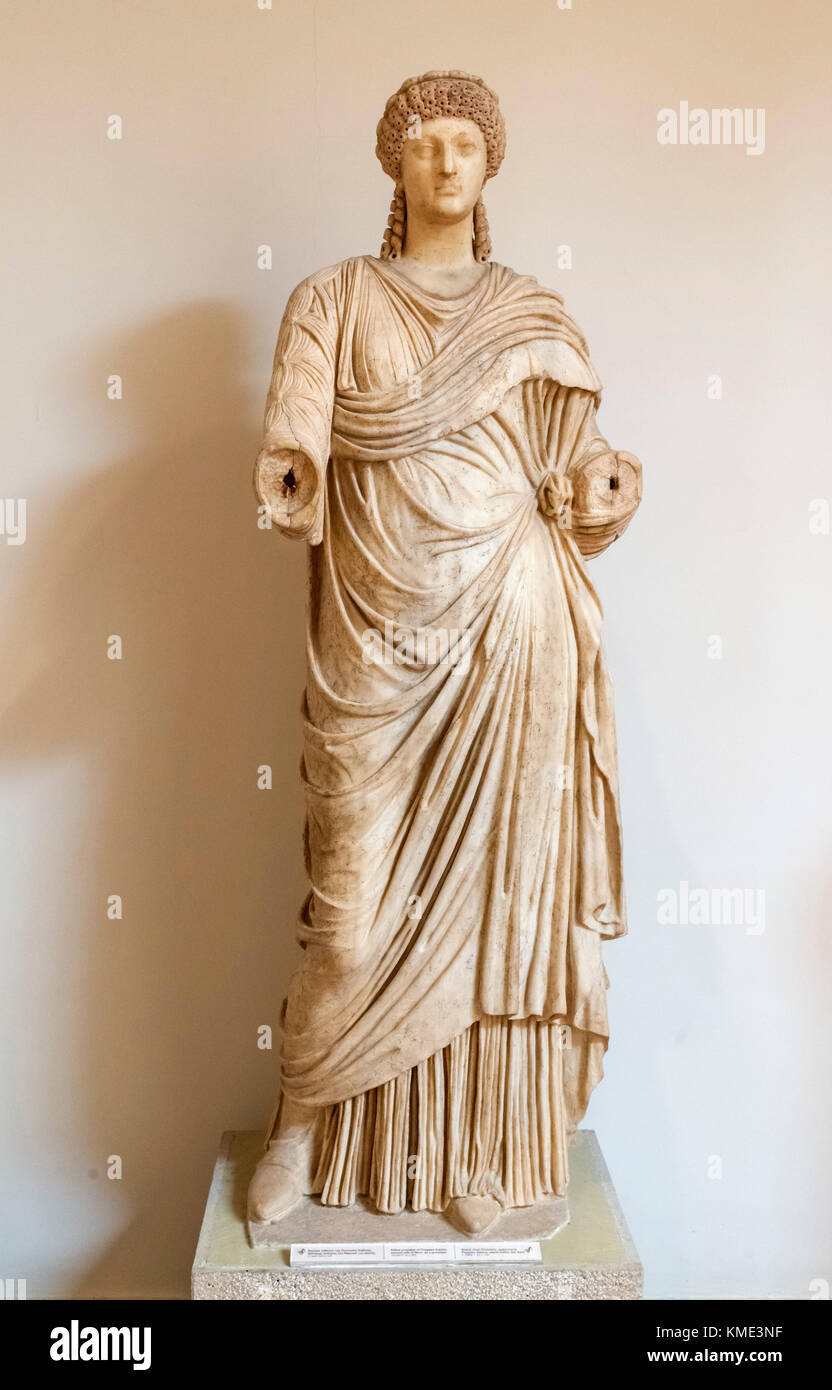
Lucullus: The Underrated Roman General Who Shaped History
Introduction to Lucius Licinius Lucullus
Lucullus, born Lucius Licinius Lucullus (c. 118–57/56 BC), was a Roman general and statesman whose strategic brilliance secured Rome’s dominance in Asia Minor. Though overshadowed by figures like Pompey and Julius Caesar, his victories in the Third Mithridatic War (74–66 BC) remain textbook examples of Roman military ingenuity.
Early Life and Political Rise
Born into nobility, Lucullus was the grandson of a consul and the son of a praetor who suppressed a slave revolt. His early career flourished under Sulla, where he proved his mettle in the Social War (91–87 BC). By 79 BC, he served as aedile, hosting lavish games to win public favor.
Key Early Achievements
- Built a fleet to secure Asia Minor during the First Mithridatic War.
- Quelled unrest in Crete and Cyrene.
- Elected consul in 74 BC, later becoming proconsul of Cilicia and Asia.
Military Genius: The Third Mithridatic War
Lucullus’ greatest triumphs came against Mithridates VI of Pontus and Tigranes of Armenia. His campaigns were marked by logistical mastery and siege warfare.
The Siege of Cyzicus (73–72 BC)
At Cyzicus, Lucullus trapped Mithridates’ army, starving them into submission. The battle resulted in:
- 20,000 Pontic soldiers killed.
- Thousands captured at the Aesepus-Granicus confluence.
The Battle of Tigranocerta (69 BC)
Against Tigranes, Lucullus captured the Armenian capital despite its formidable defenses. His victory showcased:
- Superior tactical maneuvering.
- The collapse of Tigranes’ vast but disorganized forces.
Political Career and Triumph
Lucullus’ political acumen matched his military skill. As praetor (78 BC) and later consul (74 BC), he balanced governance with warfare. His triumph in 63 BC was legendary, displaying:
- A 2-meter golden statue of Mithridates.
- Jewelled shields and spoils carried on 20 litters.
Legacy and Retirement
Despite his successes, Lucullus faced military mutinies and political rivalry. The Lex Manilia (67 BC) transferred his command to Pompey, ending his campaign. He retired to a life of luxury, becoming synonymous with opulence—his name even inspired the term "Lucullan feast."
Modern Perspectives on Lucullus
Today, scholars revisit Lucullus as an underrated strategist. His reforms in Asia Minor highlight Rome’s economic motives, while his campaigns remain studied for their logistical brilliance.
Why Lucullus Matters Today
- His sieges influenced Byzantine and early modern tactics.
- His gardens inspired Renaissance landscaping.
- Modern media (2022–2025) portrays him as a disciplined heir to Sulla.
Stay tuned for Part 2, where we delve deeper into Lucullus’ strategies, political challenges, and cultural impact.
The Strategic Mind: Lucullus’ Military Innovations
Lucullus’ campaigns were defined by logistical precision and adaptive tactics. Unlike contemporaries who relied on brute force, he mastered siege warfare and supply-line disruption, setting precedents for future Roman commanders.
Logistics and Supply Mastery
His ability to sustain armies in hostile terrain was unmatched. During the Armenian campaign, Lucullus:
- Established secure supply routes through rugged mountains.
- Used local alliances to gather intelligence and resources.
- Implemented rotational troop movements to prevent exhaustion.
These strategies ensured his forces remained operational despite harsh winters and vast distances.
Psychological Warfare and Discipline
Lucullus understood the power of psychological pressure. At Tigranocerta, he exploited Tigranes’ overconfidence by:
- Feigning retreat to lure enemy forces into vulnerable positions.
- Using rapid cavalry strikes to disrupt formations.
- Capitalizing on the Armenian army’s lack of cohesion.
His discipline was legendary—he demanded strict adherence to orders, which often clashed with his troops’ desire for plunder.
Political Challenges and the Rise of Pompey
Despite his victories, Lucullus’ career was cut short by political maneuvering and military discontent. His rigid leadership style and prolonged campaigns bred resentment among soldiers accustomed to quicker rewards.
The Mutiny of 68–67 BC
After years of harsh winters and limited spoils, Lucullus’ legions mutinied. Key factors included:
- Extended service without rotation.
- Perceived unfair distribution of plunder.
- Fatigue from continuous campaigning in Armenia.
This unrest forced his withdrawal, creating an opening for Pompey to assume command.
The Lex Manilia and Pompey’s Ascendancy
The Lex Manilia (67 BC) transferred Lucullus’ authority to Pompey, who capitalized on the political shift. While Pompey claimed final victories, Lucullus’ earlier campaigns had:
- Broken Mithridates’ power base in Pontus.
- Weakened Tigranes’ Armenian empire.
- Secured Roman control over Asia Minor.
Lucullus’ legacy was overshadowed, but his groundwork ensured Pompey’s success.
Lucullus’ Cultural and Economic Impact
Beyond warfare, Lucullus left an indelible mark on Roman culture and economic policy. His reforms in Asia Minor reshaped provincial governance, while his lavish lifestyle became a byword for luxury.
Reforms in Asia Minor
As proconsul, Lucullus tackled corruption and tax exploitation by:
- Reforming tax farming systems to curb publicani abuses.
- Restoring stability in cities like Ephesus and Pergamon.
- Introducing fairer trade regulations for local economies.
These changes earned him enemies among Rome’s elite but improved provincial loyalty.
The Lucullan Lifestyle: Luxury and Legacy
Retiring to his villas and gardens, Lucullus became synonymous with opulence. His estates featured:
- Exotic plants imported from Asia.
- Elaborate banquets with rare delicacies.
- Art collections plundered from eastern campaigns.
The term "Lucullan feast" persists today, symbolizing extravagance.
Modern Reassessments: Lucullus in Scholarship
Recent scholarship has reevaluated Lucullus’ role in Roman history, challenging the narrative that he was merely a prelude to Pompey. Key trends include:
Lucullus as a Strategic Pioneer
Historians now emphasize his:
- Innovative siege techniques, studied by Byzantine tacticians.
- Logistical frameworks adopted by later generals like Caesar.
- Diplomatic acumen in managing allied kingdoms.
His campaigns are increasingly viewed as models of Roman imperial strategy.
Debates Over His Leadership Style
Ancient sources like Plutarch paint a complex portrait:
- Praised for clemency and intellect.
- Criticized for harsh discipline and aloofness.
Modern analyses suggest his rigidness was necessary for long-term campaign success.
Lucullus in Popular Culture
Recent media has revived interest in Lucullus:
- Documentaries (2022–2025) highlight his role in the Mithridatic Wars.
- Podcasts explore his underrated genius versus Pompey and Caesar.
- His gardens inspire historical fiction and landscape design studies.
This resurgence reflects a broader trend of reexamining forgotten Roman figures.
In Part 3, we’ll explore Lucullus’ final years, his death, and his enduring influence on military theory and Roman society.
Lucullus’ Final Years: Retirement and Legacy
After his political and military career ended, Lucullus retreated into a life of luxury and intellectual pursuits. Unlike many Roman generals who met violent ends, he died peacefully in 57/56 BC, leaving behind a legacy that transcended warfare.
The Villa Life: Gardens and Intellectual Circles
Lucullus’ retirement was marked by his legendary villas and gardens, which became centers of cultural refinement. His estates were renowned for:
- Exotic horticulture, introducing foreign plants to Rome.
- Libraries and salons frequented by philosophers and poets.
- Architectural innovations that influenced later Roman design.
These spaces were not just symbols of wealth but also hubs of intellectual exchange.
Death and Historical Accounts
Lucullus’ death was recorded by ancient historians like Plutarch, who noted:
- He died of natural causes, a rarity for Roman generals.
- His funeral was attended by dignitaries, honoring his contributions.
- His will distributed wealth to heirs, though much was spent on his estates.
His peaceful end contrasted sharply with the violent fates of contemporaries like Marius and Sulla.
The Enduring Influence of Lucullus
Though often overshadowed by Pompey and Caesar, Lucullus’ impact on Roman military strategy, governance, and culture was profound. His innovations continued to shape Rome long after his death.
Military Strategy: A Blueprint for Future Generals
Lucullus’ tactics were studied and emulated for centuries. Key contributions include:
- Siege warfare techniques later used by Julius Caesar in Gaul.
- Logistical frameworks adopted by the Byzantine Empire.
- Cavalry maneuvering that influenced early modern warfare.
His campaigns remain case studies in military academies worldwide.
Economic Reforms and Provincial Governance
Lucullus’ reforms in Asia Minor set precedents for Roman provincial administration:
- His tax reforms reduced corruption and improved revenue collection.
- His infrastructure projects enhanced trade routes and urban stability.
- His diplomatic alliances strengthened Rome’s hold on the East.
These changes laid the groundwork for Rome’s imperial economic system.
Lucullus in Modern Memory
Today, Lucullus is remembered not just as a general but as a cultural icon and strategic innovator. His name evokes both military genius and luxurious living.
The Lucullan Feast: A Symbol of Extravagance
The term "Lucullan feast" endures in modern language, representing:
- Opulent dining with rare and exotic foods.
- Intellectual gatherings blending cuisine and philosophy.
- Architectural grandeur in dining spaces.
This legacy persists in culinary history and luxury branding.
Reevaluating Lucullus: From Obscurity to Recognition
Modern scholarship has revisited Lucullus’ role in Roman history, highlighting:
- His underrated strategic mind compared to Pompey and Caesar.
- His cultural contributions beyond warfare.
- His economic reforms as models of governance.
Recent documentaries and academic works have brought his achievements back into the spotlight.
Conclusion: The Legacy of a Roman Visionary
Lucullus was more than a general—he was a strategist, a reformer, and a cultural patron. His military campaigns secured Rome’s eastern frontier, while his governance reshaped provincial administration. His retirement set new standards for luxury and intellectual pursuit.
Though his career ended in political eclipse, his influence endured. From siege tactics to economic policy, Lucullus’ innovations shaped Rome’s imperial future. Today, his name remains synonymous with both brilliance in warfare and the finer things in life.
In the pantheon of Roman leaders, Lucullus stands as a testament to the power of strategy, discipline, and vision—a general whose legacy continues to inspire.
Gaius Valerius Catullus: Rome's Poet of Passion and Scandal
Introduction to Catullus: The Voice of Roman Emotion
Gaius Valerius Catullus (c. 84–c. 54 BCE) remains one of ancient Rome’s most vivid voices, blending raw emotion with biting wit. His 116 surviving poems—ranging from tender love verses to scathing political invectives—revolutionized Latin literature by rejecting epic grandeur in favor of personal, Hellenistic-influenced lyricism. Born in Verona, Catullus captured the turmoil of the late Roman Republic through his relationships, rivalries, and unfiltered passion.
The Life of Catullus: Nobility, Scandal, and Early Death
From Verona to Rome: A Poet’s Upbringing
Catullus hailed from a noble family in Cisalpine Gaul, near Lake Garda, a region Romanized after the Cimbri wars. Educated in Rome, he immersed himself in the city’s literary circles, where he embraced the neoteric movement—a poetic style favoring brevity and personal themes over traditional epics. His contemporaries included Cicero, who critiqued his bold style, and Julius Caesar, whom Catullus famously lampooned in verse.
A Brief but Tumultuous Career
In 57–56 BCE, Catullus served as an aide to Governor Gaius Memmius in Bithynia, Asia Minor. The experience left him disillusioned, inspiring satirical poems about provincial corruption. His return to Rome marked a period of intense creativity, though his life was cut short around age 30. The exact year of his death remains debated—traditionally 54 BCE, though some scholars argue for 52–51 BCE based on references to Caesar’s campaigns.
Catullus’ Poetry: Love, Hate, and Hellenistic Influence
The Lesbia Poems: Obsession and Heartbreak
Among Catullus’ most famous works are his 25 poems to "Lesbia", widely believed to reference Clodia Metelli, a married noblewoman. These verses oscillate between adoration and bitterness, showcasing his emotional intensity. His lines like
"I hate and I love. Why? You might ask. I don’t know, but I feel it, and I’m tormented."epitomize his conflicted passion.
Political Invectives and Personal Vendettas
Catullus spared no one in his critiques, targeting Julius Caesar and his engineer Mamurra with scathing epigrams. His audacity nearly cost him—Caesar allegedly invited him to dinner as a gesture of reconciliation, highlighting the poet’s influence despite his youth. These poems reflect the political tensions of the late Republic, where personal and public lives collided violently.
The Neoteric Revolution: Catullus’ Literary Legacy
Breaking from Epic Tradition
Catullus and his neoteric circle—including poets like Calvus—championed a new poetic style that prioritized personal expression over mythological grandeur. Their work, often called the "New Poetry," drew from Hellenistic Greek models, favoring short, polished verses. This shift laid the groundwork for later Roman poets like Horace, Ovid, and Virgil.
Survival and Rediscovery
Catullus’ poems survived through three medieval manuscripts, lost for nearly 1,000 years before their Renaissance revival. Petrarch and other humanists celebrated his work, ensuring its place in the Western canon. Today, his verses are studied for their linguistic brilliance and emotional depth, making them staples in Latin classrooms.
Why Catullus Matters Today
Academic and Cultural Impact
Modern scholars hail Catullus as "Rome’s most erotic poet", praising his unfiltered exploration of desire, jealousy, and grief. His poems, such as the elegy for his brother’s death in Troad, resonate with contemporary audiences for their universal themes. Digital editions and AI-assisted translations now make his work more accessible than ever.
Ongoing Debates and Mysteries
- Lesbia’s Identity: Was she truly Clodia Metelli, or a literary construct?
- Autobiographical Truth: How much of Catullus’ poetry reflects his real life?
- Regional Identity: Did his Cisalpine roots shape his defiance of Roman norms?
As of 2025, no new archaeological evidence has emerged, but scholarly debates continue to thrive, keeping Catullus’ legacy alive.
Key Statistics: Catullus by the Numbers
- 116 surviving poems, including epigrams, elegies, and the epyllion Peleus and Thetis.
- ~2,500 lines of verse, blending personal and political themes.
- 3 medieval manuscripts preserved his work after a millennium of obscurity.
- 100+ modern translations, ensuring global accessibility.
Catullus’ enduring appeal lies in his ability to merge the intimate with the political, offering a window into the soul of ancient Rome.
The Scandalous Love Affair: Catullus and Lesbia
The Woman Behind the Name
At the heart of Catullus' most famous poems lies Lesbia, his poetic pseudonym for a woman whose true identity has fascinated scholars for centuries. The prevailing theory identifies her as Clodia Metelli, a married noblewoman from the influential Claudii family. Clodia was known for her intelligence, charm, and rumored promiscuity—qualities that made her both an ideal muse and a target for Catullus' oscillating adoration and scorn.
A Relationship of Extremes
Catullus' poems to Lesbia document a relationship defined by ecstatic highs and devastating lows. His early verses, such as Poem 5, overflow with tender longing:
"Let us live, my Lesbia, and let us love, and let us judge all the rumors of the old men to be worth just one penny!"
Yet, as the affair soured, his tone shifted to bitter recrimination, as in Poem 11, where he declares his resolve to break free from her grasp. This emotional whiplash—from devotion to disdain—captures the volatility of human passion and remains one of the most compelling aspects of his work.
Catullus’ Political Satire: Defiance in the Face of Power
Targeting Julius Caesar
Catullus was not one to shy away from confrontation, even when it meant challenging Julius Caesar, one of Rome’s most powerful figures. In Poem 29, he accuses Caesar of arrogance and moral decay, while Poem 54 mocks the general’s alleged affair with his engineer, Mamurra. These poems were not merely personal jabs—they reflected the broader political tensions of the late Republic, where traditional values clashed with ambition and corruption.
The Consequences of Boldness
Catullus’ audacity nearly cost him dearly. According to ancient sources, Caesar invited the poet to dinner as a gesture of reconciliation, demonstrating both his magnanimity and the power dynamics at play. This encounter underscores how Catullus’ poetry was not just art but also a form of political resistance, using wit and wordplay to challenge authority in an era where direct opposition could be fatal.
The Brother’s Elegy: Grief and the Human Condition
A Poem of Loss and Longing
Among Catullus’ most poignant works is Poem 101, an elegy for his brother, who died in Troad, Asia Minor. The poem is a masterclass in emotional restraint, using repetition and ritualistic language to convey profound sorrow:
"Through many nations and over many seas I have come, Brother, to these wretched obsequies, to give you the last gift of death."
This elegy transcends personal grief, touching on universal themes of loss and mortality that resonate across cultures and centuries.
The Journey to Troad
Catullus’ journey to his brother’s grave was not just physical but also symbolic, representing the lengths to which one will go to honor a loved one. The poem’s structure—mirroring the rituals of mourning—highlights the cultural importance of funerary rites in Roman society, where memory and legacy were paramount.
Catullus’ Influence on Later Poets
The Augustan Poets: Horace, Ovid, and Virgil
Catullus’ impact on Roman literature extended far beyond his lifetime. The Augustan poets, including Horace, Ovid, and Virgil, drew inspiration from his lyrical style and emotional depth. Horace, in particular, admired Catullus’ ability to blend personal sentiment with polished verse, a technique that became a hallmark of Augustan poetry.
Medieval and Renaissance Revival
After centuries of obscurity, Catullus’ works were rediscovered during the Renaissance, thanks to the efforts of humanists like Petrarch. His poems, with their raw emotion and vivid imagery, became models for Renaissance poets exploring themes of love, loss, and human frailty. This revival cemented his place in the Western literary canon.
The Neoteric Movement: A Literary Revolution
Rejecting Epic Conventions
Catullus was a leading figure in the neoteric movement, a group of poets who rejected the grandiosity of traditional epic poetry in favor of short, personal, and highly polished verses. This shift was revolutionary, as it prioritized individual experience over mythological narratives, making poetry more accessible and relatable.
The Hellenistic Influence
The neoterics drew heavily from Hellenistic Greek poetry, particularly the works of Callimachus and Sappho. Catullus’ adoption of this style—characterized by brevity, wit, and emotional intensity—helped shape the future of Latin literature. His experiments with meter, such as the hendecasyllabic verse, became staples of Roman poetic tradition.
Catullus in Modern Culture
Classroom Staple and Academic Focus
Today, Catullus’ poems are widely taught in Latin classrooms due to their vivid language and personal themes. His works provide students with a direct connection to the emotional and cultural world of ancient Rome, making him a favorite among educators and scholars alike.
Digital Humanities and New Translations
The rise of digital humanities has brought Catullus’ poetry to a broader audience. Interactive editions, AI-assisted translations, and online resources have made his works more accessible than ever. Platforms like YouTube and podcasts feature discussions on his life and poetry, ensuring that his legacy continues to thrive in the modern era.
Debates and Mysteries: The Unanswered Questions
Was Lesbia Real?
One of the most enduring debates surrounding Catullus is the identity of Lesbia. While many scholars argue that she was Clodia Metelli, others suggest that Lesbia may have been a literary construct, a composite of multiple women or even a purely fictional creation. This ambiguity adds to the intrigue of his poetry, inviting readers to speculate about the boundaries between art and reality.
The Exact Date of His Death
Catullus’ death date remains a subject of scholarly debate. While the traditional date is 54 BCE, some researchers propose 52–51 BCE, based on references to events like Caesar’s British expedition. The lack of definitive evidence keeps this question open, adding to the mystique of his short but impactful life.
The Enduring Legacy of Catullus
A Poet for All Time
Catullus’ ability to capture human emotion in its rawest form ensures his enduring relevance. Whether through his love poems, political satire, or elegies, he speaks to the universal experiences of passion, loss, and defiance. His works remind us that, beneath the grandeur of history, the personal stories of individuals are what truly resonate.
Why We Still Read Catullus Today
- Emotional authenticity: His poems feel immediate and relatable, bridging the gap between ancient and modern readers.
- Literary innovation: His neoteric style influenced generations of poets, from the Augustans to the Romantics.
- Cultural insight: His works provide a window into the social and political dynamics of the late Roman Republic.
In a world where personal expression is increasingly valued, Catullus’ voice remains as powerful and relevant as ever.
Catullus’ Most Famous Poems: A Closer Look
The Iconic Poem 5: "Vivamus, mea Lesbia"
No discussion of Catullus is complete without examining Poem 5, one of his most celebrated works. Addressed to Lesbia, it embodies the carpe diem philosophy, urging her to embrace love and life despite the judgments of others:
"Let us live, my Lesbia, and let us love, and let us judge all the rumors of the old men to be worth just one penny!"
This poem’s lyrical beauty and defiant tone have made it a timeless ode to passion, often quoted in discussions of Roman love poetry and the power of living in the moment.
Poem 85: The Power of Contradiction
In just two lines, Poem 85 captures the essence of Catullus’ emotional turmoil:
"I hate and I love. Why? You might ask. I don’t know, but I feel it, and I’m tormented."
This epigrammatic masterpiece distills the complexity of love into a single, unforgettable contradiction. Its brevity and depth have cemented its place as one of the most quoted and analyzed poems in Latin literature.
The Bithynia Poems: Satire and Disillusionment
A Journey to the East
Catullus’ time in Bithynia (57–56 BCE) as an aide to Governor Gaius Memmius produced some of his most biting satire. Poems like Poem 10 and Poem 28 mock the corruption and ineptitude he witnessed, offering a rare glimpse into Roman provincial administration.
"Memmius, you’ve ruined everything—your own reputation and that of your staff!"
These works highlight Catullus’ skill in blending personal experience with political critique, a hallmark of his neoteric style.
The Aftermath of Bithynia
His return to Rome marked a period of disillusionment, reflected in poems that lament the wasted effort of his journey. Yet, this experience also fueled his creativity, proving that even frustration could be transformed into literary gold.
Catullus and Homosexuality in Roman Poetry
The Juventius Poems
Catullus’ poetry also explores same-sex desire, particularly in his verses addressed to Juventius. Poems like Poem 48 and Poem 81 reveal a tender, almost playful affection, challenging modern assumptions about Roman attitudes toward sexuality.
"Juventius, if anyone could be loved more than you, he would be a god."
These poems underscore the fluidity of love and desire in ancient Rome, where personal relationships were often more complex than historical records suggest.
Contextualizing Roman Sexuality
While Catullus’ expressions of homosexual affection were not unusual for his time, their explicitness sets his work apart. His willingness to explore these themes openly adds another layer to his reputation as a bold and unfiltered poet.
The Manuscript Tradition: How Catullus Survived
From Obscurity to Renaissance Revival
Catullus’ poems were nearly lost to history. After the fall of Rome, his works disappeared for nearly 1,000 years, preserved only in three medieval manuscripts:
- The Verona Codex (9th century)
- The Oxford Codex (14th century)
- The Paris Codex (14th century)
These manuscripts became the foundation for modern editions, ensuring that Catullus’ voice was not silenced by time.
The Role of Humanists
The Renaissance humanists, particularly Petrarch, played a crucial role in reviving Catullus’ works. Their efforts reintroduced his poetry to Europe, where it influenced generations of writers and solidified his place in the Western literary canon.
Catullus in Modern Media and Pop Culture
Documentaries and Digital Media
Catullus’ life and poetry have found new audiences through modern media. Documentaries, such as those on YouTube and educational platforms like History Hit, explore his scandalous love affairs and political defiance. These productions bring his story to life for contemporary viewers, blending scholarship with storytelling.
Podcasts and Literary Analysis
Podcasts like Literature and History have dedicated episodes to Catullus, dissecting his poems and their cultural significance. These discussions highlight his enduring relevance, proving that his themes of love, loss, and rebellion still resonate today.
The Scholarly Debates: What We Still Don’t Know
The Authenticity of Lesbia
One of the most persistent debates in Catullan scholarship is the identity of Lesbia. While the majority of scholars argue she was Clodia Metelli, others propose that Lesbia may have been a literary invention, a composite figure representing multiple lovers or even an idealized muse. This uncertainty adds a layer of mystery to his work, inviting readers to question the line between biography and art.
The Exact Chronology of His Life
The dates of Catullus’ birth and death remain subjects of debate. While the traditional timeline places his life between 84–54 BCE, some scholars suggest he may have died as late as 52–51 BCE, based on references to events like Caesar’s British expedition. The lack of definitive evidence keeps this question open, fueling ongoing academic discourse.
Why Catullus Remains Relevant Today
A Mirror to Human Emotion
Catullus’ poetry endures because it captures universal human experiences—love, jealousy, grief, and defiance. His ability to express these emotions with raw honesty makes his work relatable across cultures and centuries. In an era where authenticity is highly valued, Catullus’ voice feels remarkably modern.
Influence on Contemporary Poetry
Modern poets and songwriters continue to draw inspiration from Catullus’ lyrical intensity. His themes of unrequited love and personal struggle appear in everything from confessional poetry to contemporary music, proving that his influence extends far beyond classical studies.
Conclusion: The Legacy of Rome’s Most Passionate Poet
Key Takeaways from Catullus’ Life and Work
- Emotional depth: His poems explore love, hate, and grief with unparalleled intensity.
- Literary innovation: As a neoteric poet, he revolutionized Latin verse by prioritizing personal themes.
- Political boldness: His satires challenged powerful figures like Julius Caesar, showcasing his fearless spirit.
- Cultural impact: From the Renaissance to modern media, his influence spans centuries.
The Final Word on Catullus
Gaius Valerius Catullus was more than a poet—he was a rebel, a lover, and a master of language. His works, born from the tumult of the late Roman Republic, continue to captivate readers with their honesty, wit, and emotional power. Whether through his love poems to Lesbia, his scathing political invectives, or his heartbreaking elegies, Catullus reminds us that the most enduring art is that which speaks to the human heart.
In a world where personal expression is celebrated, Catullus’ voice remains as vital and vibrant as ever—a testament to the timeless power of poetry.

Julius Caesar: The Rise of Rome's Greatest Dictator
Introduction to Julius Caesar
Julius Caesar remains one of history's most influential figures. Born in 100 BCE, he transformed the Roman Republic through military conquests, political reforms, and ultimately, his assassination. His legacy shaped Western civilization, making him a timeless subject of study.
Early Life and Political Beginnings
Caesar was born into a patrician family in Rome's Suburra district. His early life was marked by political turmoil, including his refusal to divorce his wife, Cornelia, which led to exile. This defiance set the stage for his future ambition.
Key Early Milestones
- Born July 12 or 13, 100 BCE
- Elected pontifex maximus (63 BCE)
- Formed the First Triumvirate (60 BCE) with Pompey and Crassus
The Gallic Wars: Expanding Rome's Empire
From 58 to 50 BCE, Caesar led the Gallic Wars, conquering modern-day France, Belgium, and parts of Germany. His campaigns were documented in Commentarii de Bello Gallico, a masterpiece of military strategy and propaganda.
Major Battles and Achievements
- Defeated the Helvetii (58 BCE)
- Conquered Vercingetorix at Alesia (52 BCE)
- Invaded Britain (55–54 BCE)
The Civil War and Rise to Power
In 49 BCE, Caesar famously crossed the Rubicon, declaring war on the Roman Senate. His victory at Pharsalus (48 BCE) solidified his dominance, leading to his appointment as dictator for life in 45 BCE.
Key Events in the Civil War
- Crossed the Rubicon with Legio XIII Gemina
- Defeated Pompey at Pharsalus
- Pompey's death in Egypt (48 BCE)
Reforms and Legacy
As dictator, Caesar enacted sweeping reforms, including the Julian calendar and land redistribution. His policies laid the foundation for the Roman Empire, but his growing power alarmed the Senate, leading to his assassination.
Notable Reforms
- Introduced the Julian calendar (365.25 days)
- Expanded the Senate to 900 members
- Granted citizenship to provinces
The Assassination and Aftermath
On the Ides of March (44 BCE), Caesar was stabbed 23 times by senators led by Brutus and Cassius. His death triggered further civil wars, ultimately leading to the rise of Octavian (Augustus) and the Roman Empire.
Key Conspirators
- Brutus
- Cassius
- Over 60 senators involved
Conclusion of Part 1
Julius Caesar's life was a blend of military genius, political cunning, and reformist vision. His actions reshaped Rome and left an indelible mark on history. In Part 2, we will explore his personal life, relationships, and the cultural impact of his reign.
Personal Life and Relationships
Beyond his military and political achievements, Julius Caesar had a complex personal life that influenced his career. His relationships, particularly with women, played significant roles in his rise to power and eventual downfall.
Marriages and Alliances
- Cornelia (married 84 BCE) – His first wife, whose death in 69 BCE deeply affected him.
- Pompeia (married 67 BCE) – Divorced in 62 BCE due to political scandal.
- Calpurnia (married 59 BCE) – His third and final wife, who remained loyal until his death.
Affair with Cleopatra
One of Caesar's most famous relationships was with Cleopatra VII of Egypt. Their alliance began in 48 BCE and resulted in the birth of Caesarion, who Caesar acknowledged as his son. This relationship strengthened Rome's influence in Egypt but also fueled political opposition.
Cultural and Political Impact
Caesar's influence extended beyond his lifetime, shaping Roman culture, politics, and even language. His name became synonymous with power, and his reforms laid the groundwork for the Roman Empire.
Legacy in Roman Politics
- The title "Caesar" became an imperial designation, used by subsequent Roman emperors.
- His assassination led to the Second Triumvirate and the rise of Augustus.
- The Julian calendar remained in use for over 1,600 years.
Influence on Literature and Art
Caesar's life has been immortalized in literature, most notably in Shakespeare's Julius Caesar. His military campaigns and political strategies continue to be studied in modern leadership and warfare courses.
Military Strategies and Tactics
Caesar was a master tactician, known for his innovative battlefield strategies. His campaigns in Gaul and his civil war victories demonstrated his ability to adapt and outmaneuver opponents.
Key Military Innovations
- Speed and Mobility – Caesar's legions moved swiftly, often surprising enemies.
- Engineering Prowess – Built bridges and fortifications to secure victories.
- Psychological Warfare – Used propaganda and fear to weaken opponents.
Notable Battles
- Battle of Alesia (52 BCE) – Defeated Vercingetorix, securing Gaul.
- Battle of Pharsalus (48 BCE) – Crushed Pompey's forces, ending the civil war.
- Invasion of Britain (55–54 BCE) – First Roman expeditions to the island.
Controversies and Criticisms
Despite his achievements, Caesar faced criticism for his ambition and methods. His actions often blurred the line between statesmanship and tyranny.
Political Opposition
- Senators feared his monarchical ambitions.
- His land redistribution policies alienated the elite.
- Assassination was justified by conspirators as "saving the Republic."
Modern Debates
Historians continue to debate Caesar's legacy. Some view him as a visionary reformer, while others see him as a ruthless dictator. His life remains a case study in leadership and power.
Conclusion of Part 2
Julius Caesar's personal life, cultural impact, and military genius solidified his place in history. His relationships, reforms, and controversies shaped Rome's transition from Republic to Empire. In Part 3, we will explore his assassination's aftermath and his enduring legacy.
The Assassination: The Ides of March
The assassination of Julius Caesar on March 15, 44 BCE remains one of history's most infamous political murders. The conspiracy, led by senators Brutus and Cassius, marked the end of Caesar's rule and the beginning of Rome's imperial era.
The Conspiracy and Motives
- Senators feared Caesar's growing power and monarchical tendencies.
- His appointment as dictator for life was seen as a threat to the Republic.
- Over 60 senators participated, stabbing him 23 times.
The Aftermath of the Assassination
Caesar's death plunged Rome into chaos. The conspirators failed to restore the Republic, instead triggering another civil war. His adopted heir, Octavian (Augustus), emerged victorious, becoming Rome's first emperor.
Caesar's Enduring Legacy
Despite his violent end, Caesar's influence persisted. His reforms, military conquests, and political strategies shaped Rome's future and left a lasting impact on Western civilization.
Political and Administrative Reforms
- Introduced the Julian calendar, a precursor to the modern calendar.
- Expanded Roman citizenship, strengthening provincial loyalty.
- Redistributed land to veterans, easing social tensions.
Military and Territorial Expansion
Caesar's conquests expanded Rome's territory by 500,000 square kilometers. His campaigns in Gaul and Britain secured Rome's dominance in Europe, setting the stage for the empire's growth.
Caesar in Modern Culture
Julius Caesar's life continues to captivate modern audiences. His story has been retold in literature, film, and political discourse, cementing his place as a cultural icon.
Literary and Theatrical Influence
- Shakespeare's Julius Caesar remains a cornerstone of Western literature.
- Modern adaptations explore themes of power, betrayal, and ambition.
- Historical novels and documentaries keep his legacy alive.
Political Analogies and References
Caesar's name is often invoked in discussions of leadership and authoritarianism. Phrases like "crossing the Rubicon" symbolize irreversible decisions, while his rise and fall serve as cautionary tales.
Conclusion: The Man Who Changed Rome Forever
Julius Caesar's life was a blend of ambition, genius, and controversy. From his early political maneuvers to his military conquests and eventual assassination, he reshaped Rome's destiny. His reforms laid the foundation for the Roman Empire, and his legacy endures in modern culture and politics.
As we reflect on his story, one thing is clear: Julius Caesar was not just a man of his time but a figure whose influence transcends centuries. His name remains synonymous with power, strategy, and the enduring struggle between republic and empire.
Diamond and Silk: The Rise of Conservative Commentators
Diamond and Silk were two sisters who became well-known as conservative political commentators and video bloggers. They gained fame for their strong support of Donald Trump during his 2016 presidential campaign. Their energetic debates and viral social media videos captured the attention of many, making them prominent figures in conservative media.
Early Life and Background
Ineitha Lynnette Hardaway, known as Diamond, was born on November 25, 1971, and Herneitha Rochelle Hardaway Richardson, known as Silk, was born on January 17, 1970. They grew up in a small town in North Carolina, raised in an entrepreneurial and religious family. Their parents, Betty and Freeman Hardaway, were evangelists who made preaching videos, and the family ran various businesses, including a hair salon, daycare, and insurance company.
Family Influence
The Hardaway sisters were deeply influenced by their family's strong work ethic and religious values. These early experiences shaped their conservative views and entrepreneurial spirit, which later became central to their public personas.
The Rise to Fame
Diamond and Silk rose to prominence during the 2016 presidential campaign. Their viral social media videos, featuring energetic political debates, caught the attention of Donald Trump. In December 2015, Trump invited them onstage at a rally in North Carolina, further boosting their popularity.
Social Media Success
By 2018, Diamond and Silk had amassed a significant following, with over 160,000 viewers tuning in to their Facebook Live broadcasts. Their unique style and unwavering support for Trump made them stand out in the crowded field of political commentary.
Media Appearances
The sisters became contributors to Newsmax and made frequent appearances on Fox News. Their media presence helped them reach a broader audience and solidify their status as influential conservative voices.
Controversies and Challenges
Despite their success, Diamond and Silk faced several controversies. In 2018, Facebook labeled their posts as "unsafe," which they saw as an example of conservative censorship. They testified before Congress on this issue, highlighting the challenges faced by right-leaning content creators on social media platforms.
COVID-19 Disinformation
The sisters also faced criticism for spreading COVID-19 disinformation. They made false claims about the deliberate spread of the virus, which led to their firing from Newsmax in April 2020. This controversy marked a significant turning point in their careers.
Legacy and Continuing Influence
Tragically, Diamond passed away on January 8, 2023, at the age of 51, due to heart disease. Despite this loss, Silk has continued their political commentary, using the Diamond and Silk name to honor her sister's legacy. She remains active online, promoting conservative views and supporting Donald Trump.
Impact on Conservative Media
The story of Diamond and Silk highlights the role of social media in shaping political discourse and the challenges faced by conservative voices on these platforms. Their journey from small-town entrepreneurs to national political commentators underscores the power of digital media in modern politics.
Health Awareness
Diamond's untimely death has also brought attention to the importance of heart disease awareness. Their family's story serves as a reminder of the need for regular health check-ups and the impact of genetic factors on health.
Conclusion
Diamond and Silk were more than just political commentators; they were symbols of the evolving landscape of conservative media. Their rise to fame, controversies, and enduring influence provide valuable insights into the power of social media and the challenges faced by conservative voices in the digital age.
The Political Journey of Diamond and Silk
Diamond and Silk began their political journey as Democrats but later switched their allegiance to Donald Trump. This shift was pivotal in their rise to fame, as they became known as "warriors for Trump." Their unwavering support for the former president resonated with many conservative voters, helping them build a substantial following.
From Democrats to Trump Supporters
The sisters' transition from Democrats to staunch Trump supporters was influenced by their conservative values and dissatisfaction with the Democratic Party's direction. They found a new political home in the Republican Party, where their views aligned more closely with the conservative base.
Influence on the 2016 Election
During the 2016 presidential campaign, Diamond and Silk played a significant role in rallying support for Trump. Their viral videos and energetic debates helped mobilize conservative voters, contributing to Trump's victory. Their influence extended beyond social media, as they became regular fixtures at Trump rallies and events.
The Role of Social Media in Their Success
Social media was instrumental in the rise of Diamond and Silk. Platforms like Facebook and YouTube allowed them to reach a wide audience, bypassing traditional media gatekeepers. Their engaging content and unique style resonated with viewers, helping them build a loyal following.
Viral Videos and Engaging Content
The sisters' viral videos were a key factor in their success. Their energetic debates and humorous take on political issues set them apart from other commentators. By leveraging the power of social media, they were able to connect with audiences on a personal level, fostering a sense of community among their followers.
Challenges and Censorship
Despite their success, Diamond and Silk faced challenges on social media platforms. In 2018, Facebook labeled their content as "unsafe," which they viewed as an attempt to censor conservative voices. This controversy brought attention to the issue of platform bias and the challenges faced by right-leaning content creators.
- Facebook's "unsafe" label on their posts
- Testimony before Congress on conservative censorship
- Ongoing debates about social media bias
Controversies and Criticisms
Diamond and Silk were not without their controversies. Their outspoken support for Trump and conservative causes often put them at odds with mainstream media and liberal critics. Additionally, their spread of COVID-19 disinformation led to their firing from Newsmax in 2020.
COVID-19 Disinformation
The sisters faced significant backlash for promoting false claims about the COVID-19 pandemic. Their assertions about the deliberate spread of the virus were widely debunked, leading to their dismissal from Newsmax. This controversy highlighted the dangers of misinformation and the responsibility of public figures in shaping public opinion.
Criticism and Backlash
Diamond and Silk were often criticized for their polarizing views and rhetoric. Their strong support for Trump and conservative causes made them targets for liberal critics and mainstream media outlets. Despite this backlash, they remained steadfast in their beliefs, continuing to advocate for their political views.
"We are not afraid to speak our minds and stand up for what we believe in, even in the face of criticism and backlash."
The Legacy of Diamond and Silk
The legacy of Diamond and Silk extends beyond their political commentary. Their journey from small-town entrepreneurs to national political figures underscores the power of social media in shaping political discourse. Their story also highlights the challenges faced by conservative voices in the digital age.
Impact on Conservative Media
Diamond and Silk played a significant role in shaping conservative media. Their success on social media platforms demonstrated the potential for alternative voices to reach wide audiences. Their story has inspired other conservative commentators to leverage digital media to bypass traditional media gatekeepers.
Health Awareness and Family Legacy
The untimely death of Diamond from heart disease has brought attention to the importance of health awareness. Their family's story serves as a reminder of the need for regular health check-ups and the impact of genetic factors on health. Silk continues to honor her sister's legacy by maintaining their political commentary and advocacy.
- Importance of heart disease awareness
- Continuing the Diamond and Silk legacy
- Advocacy for conservative causes
The Evolution of Diamond and Silk's Political Influence
Diamond and Silk became household names in conservative circles through their unique blend of humor, passion, and unapologetic support for Donald Trump. Their journey from local entrepreneurs to national political commentators demonstrates how grassroots movements can shape political narratives in the digital age.
Grassroots Movement and Digital Activism
The sisters leveraged social media platforms to build a grassroots movement that resonated with millions. Their ability to connect with audiences through Facebook Live and YouTube showcased the power of digital activism. By bypassing traditional media, they created a direct line of communication with their followers.
- Built a loyal following through viral videos
- Engaged audiences with live debates and commentary
- Utilized social media to mobilize conservative voters
Impact on the Conservative Base
Diamond and Silk played a crucial role in energizing the conservative base during the 2016 election and beyond. Their relatable style and unwavering support for Trump helped bridge the gap between the political elite and everyday Americans. They became symbols of the populist movement that swept through the Republican Party.
Challenges and Resilience in the Face of Adversity
Despite their success, Diamond and Silk faced numerous challenges, including censorship, criticism, and personal loss. Their resilience in the face of adversity serves as a testament to their commitment to their beliefs and their audience.
Overcoming Censorship and Bias
The sisters' experience with Facebook's censorship highlighted the broader issue of platform bias against conservative voices. Their testimony before Congress brought national attention to the challenges faced by right-leaning content creators. This controversy sparked important conversations about free speech and the role of social media in shaping political discourse.
"We will not be silenced. Our voices matter, and we will continue to fight for the truth."
Personal Loss and Continuing the Legacy
The passing of Diamond in 2023 was a significant loss for her sister and their followers. However, Silk has shown remarkable resilience by continuing their political commentary under the Diamond and Silk brand. This commitment to their shared mission ensures that their legacy endures.
Lessons Learned from Diamond and Silk's Journey
The story of Diamond and Silk offers valuable lessons for aspiring political commentators, digital activists, and anyone seeking to make an impact in the public sphere. Their journey provides insights into the power of social media, the importance of authenticity, and the challenges of navigating a polarized political landscape.
The Power of Authenticity
One of the key factors in the sisters' success was their authenticity. They connected with audiences by being true to themselves and their beliefs. This genuine approach resonated with viewers who were tired of polished, scripted political commentary.
Navigating Polarization and Criticism
Diamond and Silk faced intense criticism and backlash for their views. Their ability to navigate this polarization while maintaining their integrity serves as a model for others in the public eye. They demonstrated that it is possible to stand firm in one's beliefs while engaging in respectful dialogue.
- Staying true to core values amid criticism
- Engaging with opponents in a respectful manner
- Using controversy as an opportunity for growth
The Future of Conservative Commentary
The legacy of Diamond and Silk continues to influence the landscape of conservative commentary. Their success has paved the way for other voices to emerge and thrive in the digital age. As social media platforms evolve, so too will the strategies and tactics used by political commentators.
Emerging Voices in Conservative Media
The sisters' journey has inspired a new generation of conservative commentators who are leveraging digital platforms to share their views. These emerging voices are building on the foundation laid by Diamond and Silk, using innovative approaches to reach and engage audiences.
The Role of Technology and Innovation
As technology continues to advance, political commentators will have even more tools at their disposal. From live streaming to podcasting, the opportunities for reaching audiences are expanding. The future of conservative commentary will be shaped by those who can adapt to these changes and harness the power of new technologies.
Conclusion: The Enduring Impact of Diamond and Silk
Diamond and Silk left an indelible mark on the world of political commentary. Their rise to fame, resilience in the face of adversity, and commitment to their beliefs have made them icons in the conservative movement. Their story serves as a reminder of the power of authenticity, the importance of free speech, and the potential of digital media to shape political discourse.
As we reflect on their journey, several key takeaways emerge:
- The power of social media in amplifying voices and shaping political narratives
- The importance of authenticity in connecting with audiences
- The challenges and resilience required to navigate political polarization
- The enduring legacy of grassroots movements in the digital age
In the end, the story of Diamond and Silk is not just about two sisters who became political commentators. It is a story about the power of belief, the strength of resilience, and the enduring impact of those who dare to speak their minds. Their legacy will continue to inspire and influence the world of political commentary for years to come.