The Rise of Streaming Platforms: A Game-Changer for the Entertainment Industry
In recent years, the entertainment industry has undergone a significant transformation, largely due to the rise of streaming platforms. Once considered merely a niche market, these services have become the dominant force in how we consume and interact with content. From Netflix to Amazon Prime Video, Disney+ to Hulu, each of these platforms has its unique offerings, strategies, and impact on the broader media landscape.
Sprouting from Niche Services to Dominant Players
The journey from obscure niche services to today's dominant media players began with the emergence of Netflix in the mid-2000s. Netflix started as an online DVD rental service, evolving into a groundbreaking video streaming platform. Their initial foray into original content with series like "House of Cards" and "Orange Is the New Black" marked a pivotal moment. This bold move allowed Netflix to stand out in a crowded field and set the stage for the rest of the streaming giants to follow suit.
Growth was exponential, fueled by advancements in technology and the increasing availability of high-speed internet. Streaming services offered convenience, quality, and a vast library of content, all accessible anytime and anywhere. Traditional cable television and satellite providers began to see their audiences diminish, leading them to adapt or risk becoming irrelevant.
Strategic Expansions and Innovations
The success of early streaming pioneers led others to take note and invest heavily in their own streaming options. Amazon Prime Video leveraged the already existing Prime membership for additional benefits, including movie and TV show streaming. Disney+, born from the massive acquisition of Marvel Entertainment, Lucasfilm, and Fox, promised a treasure trove of beloved characters and franchises.
Competition and collaboration have been key themes. Partnership among streaming giants is increasingly common, whether they're sharing technologies or collaborating on co-productions. For instance, HBO and Apple collaborated on "The Rings of Power," demonstrating that even established players are exploring streaming's potential for new audiences.
Changing Consumer Habits and Business Models
The shift towards streaming has profoundly affected consumer habits and preferences. Gone are the days of waiting for your favorite show to air or having a strict viewing schedule. Now, with the click of a button, one can binge-watch entire seasons in a single sitting, a practice dubbed "binge-watching." This behavior has reshaped not only when and where people watch content but also how much content they choose to consume.
The business model of streaming platforms operates on a subscription-based system, which has seen rapid adoption across demographic segments. This model is appealing to consumers who demand flexibility, variety, and instant access to a wide range of programming. However, it has also raised concerns regarding cost, especially concerning the financial burden on users who may subscribe to multiple platforms to enjoy a varied selection of content.
Impact on the Traditional Media Landscape
The rise of streaming platforms has disrupted traditional media landscapes in numerous ways. Local news and smaller media channels struggle to compete with the resources and reach of major streaming services. Broadcasters and cable networks are under pressure to innovate and find ways to maintain or grow their audience share.
One of the most notable impacts is the decline in linear television viewership. People no longer need to commit to a fixed time slot each day to catch their favorite shows. Instead, they can watch whenever and wherever, leading to fragmented viewing patterns and a more diverse consumption experience.
Tech Integration and Advanced Features
Streaming platforms have integrated advanced technological features to enhance viewing experiences, making the medium more interactive and personalized. Adaptive bitrate streaming ensures seamless playback regardless of internet speed, while features like voice control and smart recommendation engines tailor content suggestions based on user preferences.
Interactive elements such as clickable cast bios, episode recaps, and trivia challenges further engage viewers, adding depth to the content. Additionally, virtual reality (VR) features offer immersive experiences, making storytelling more tangible and engaging. These innovations not only increase viewer satisfaction but also attract a younger, tech-savvy demographic.
Challenges Ahead and Future Prospects
Despite their significant advantages, streaming platforms face several challenges. Piracy remains a pervasive issue, with unauthorized downloads posing a threat to content creators and distributors. Copyright enforcement and developing effective deterrents are ongoing concerns.
Another challenge lies in addressing privacy concerns. Data-intensive algorithms used for personalization can raise ethical questions, particularly regarding data security and user consent. Companies must navigate these issues carefully to maintain trust among users.
Facing intense competition, streamers must constantly innovate to stay ahead. Collaborations between platforms, such as cross-promotions and exclusive deals, are becoming more common. As the streaming ecosystem evolves, we can expect more strategic alliances and technological advancements.
Moreover, the global pandemic has accelerated trends towards streaming, highlighting the resilience and adaptability of the medium. With more people staying at home, demand for on-demand content surged, cementing streaming platforms' status as indispensable components of modern life.
Looking forward, the future of streaming is promising, with emerging technologies poised to transform the industry further. Augmented reality (AR), blockchain for content verification, and artificial intelligence (AI) for personalized recommendations could redefine how we produce and consume entertainment.
In conclusion, the rise of streaming platforms has fundamentally changed the entertainment landscape, offering unprecedented flexibility, quality, and variety to consumers. Their influence extends beyond mere convenience, impacting how we understand media production, distribution, and consumption. As streaming continues to evolve, it will undoubtedly shape the future of entertainment for generations to come.
Global Reach and Cultural Impact
Streaming platforms have expanded their reach globally, breaking cultural barriers and fostering international collaborations. Titles produced in English dominate streaming spaces, but there has been a notable push towards localizing content. Shows like "Money Heist" (Spanish) and "Kakusenran" (Japanese) have achieved massive popularity worldwide, showcasing the power of storytelling in diverse cultures.
The global reach of streaming has also led to increased investment in local productions. Services like Netflix have partnered with regional companies to produce content tailored to specific markets, ensuring that viewers can find stories that resonate culturally and linguistically. This localization strategy helps streaming platforms attract a broader audience and cater to a wider range of tastes and traditions.
In addition to content creation, streaming platforms have introduced localized features to better serve their international users. For example, Netflix offers localized versions of its interface, subtitles, and dubbing options to make content more accessible to viewers around the world. These features not only enhance user experience but also play a crucial role in boosting viewership.
Economic Impacts and Job Creation
The growth of streaming platforms has had significant economic consequences, both positive and negative. On the one hand, these services create jobs in various sectors, from content creation to technical support. The demand for writers, producers, directors, actors, editors, and technicians has skyrocketed, driving employment in the creative industries.
However, the rise of streaming has also led to the displacement of jobs in traditional media. Traditional broadcasters and publishers may face financial pressures, leading to cutbacks in staffing and production budgets. The transition to digital platforms has caused some layoffs and changes in working conditions, raising important questions about economic shifts within the industry.
Sector-specific studies indicate that for every job created in the streaming sector, there are often fewer positions available in legacy media. For instance, a study by McKinsey & Company found that while streaming platforms are creating hundreds of thousands of new jobs, there are corresponding reductions in roles within broadcast television and radio. This shift underscores the need for robust workforce development initiatives to help displaced workers transition to new opportunities.
Challenges in Original Content Production
Producing high-quality original content is a considerable challenge for streaming platforms. The costs associated with producing feature films, series, and documentaries can be prohibitively expensive. To mitigate these costs, many streaming services leverage existing intellectual property or collaborate with established studios. However, this approach can lead to criticism for lack of innovation and originality.
Original content faces another challenge in maintaining consistent quality. With hundreds of shows and movies being produced annually, it becomes difficult to ensure that all releases meet the high standards demanded by streaming users. This inconsistency can lead to uneven viewer satisfaction and affect overall brand reputation.
To address these challenges, streaming platforms are adopting multi-platform strategies, producing content across different genres and formats. They are also experimenting with unique storytelling techniques, such as episodic dramas and interactive narratives, to differentiate themselves and attract new audiences.
Regulatory Challenges and Content Restrictions
The expansion of streaming platforms into new markets has led to increased regulatory scrutiny. Regulations vary widely by country, raising challenges in ensuring uniform standards for content production, distribution, and censorship. Issues like age ratings, hate speech, and portrayals of violence are subject to varying local laws and community standards.
To navigate these complexities, streaming platforms often rely on self-regulation and collaboration with industry bodies. For example, Netflix collaborates with the Motion Picture Association to address global content issues. However, compliance remains a continuous effort as regulations evolve and new markets emerge.
In some cases, regulatory challenges can result in localized content restrictions. Censorship and localization requirements mandate changes to content that may not align with Western standards. Platforms must balance their desire for international reach with the need to comply with local norms, often resulting in content that differs significantly from its original versions.
User Privacy Concerns and Data Security
The vast amount of data generated by streaming platforms raises serious privacy concerns. User behavior, viewing preferences, and engagement patterns are captured extensively, providing valuable insights for algorithm optimization. However, this information also poses risks if improperly handled or exposed.
Privacy breaches can occur through data leaks or hacking incidents, compromising user data and potentially leading to identity theft or fraud. Streaming platforms must implement stringent data protection measures, including encryption, secure servers, and regular audits.透明性和合规性问题,以及对用户信任的影响。此外,数据政策的透明度成为用户关注的一个焦点,消费者希望能够明确了解自己的数据如何被收集、使用和保护。
为应对这些挑战,一些领先的流媒体平台正在采取措施增强用户隐私保障。例如,Netflix 和 Amazon Prime Video 等公司已经增加了对其数据政策的透明度,以便用户更好地理解他们的个人信息是如何使用的。同时,这些平台也在不断更新其安全措施和技术,以应对日益复杂的网络安全威胁。
然而,尽管采取了这些措施,用户的不安全感仍然存在。因此,持续改进隐私保护技术和服务,并与用户建立更强的信任关系,仍是流媒体行业面临的重要课题。
The Evolution of Advertising in Streaming
传统电视广告模式正在被重新设计为更适应流媒体平台的广告策略。流媒体服务提供多种广告选择,包括短插播广告、视频内容之间的嵌入式广告以及赞助节目等。这些形式不仅提供灵活多样的广告位置,还能够根据观众的兴趣进行精准投放。
此外,互动广告在流媒体平台上的应用也日益广泛。例如,观众可以参与品牌推广活动或通过虚拟现实体验进行互动。这种创新不仅增强了广告效果,也为品牌提供了新的营销手段。
随着技术的发展,程序化广告(Programmatic Advertising)在流媒体平台上变得越来越重要。通过自动化系统,广告商可以根据收视率和观众行为实时优化广告展示位置,提高广告效率并减少浪费。这些创新方法改变了广告业的游戏规则,使得广告更具针对性且成本效益更高。
Conclusion: The Streaming Revolution Continues
The rise of streaming platforms has been nothing short of transformative. From local channels to global superpowers, streaming services have disrupted traditional media ecosystems, driving innovation and changing how we consume and engage with content. Despite challenges, these platforms continue to evolve, offering immense potential for creators, viewers, and industries alike.
As technology advances and consumer preferences continue to shift, streaming will likely remain at the forefront of the entertainment landscape. Embracing new trends, technologies, and regulatory frameworks, streaming services can thrive in an ever-changing media environment.
Future Trends and Technological Innovations
The future of streaming platforms promises even greater technological advancements and innovative strategies. Artificial Intelligence (AI) and Machine Learning (ML) are playing an increasingly important role in optimizing content recommendations and enhancing viewer engagement. Personalized content suggestions not only improve user satisfaction but also increase the likelihood of sustained subscription rates.
Virtual Reality (VR) and Augmented Reality (AR) technologies hold immense potential for transforming how audiences consume media. Streaming platforms are investing heavily in VR and AR to create immersive experiences, such as 360-degree videos, interactive storylines, and realistic virtual environments. These advancements could redefine the boundaries of content creation and consumption.
Collaborative Experiences and Social Media Integration
Collaborative features and strong integration with social media platforms are becoming essential for streaming services. Viewer interaction through chat rooms, live discussions, and social media sharing enhances community engagement and fosters a sense of connection among audiences. Services like Discord and Reddit are being integrated with streaming platforms to facilitate fan communities and create buzz around new content releases.
Live streaming events, such as game nights, movie premieres, and exclusive interviews with actors and directors, are growing in popularity. Platforms are also using influencer partnerships and brand collaborations to tap into larger audiences and drive user participation. These collaborative experiences help build a loyal fanbase while generating significant organic traffic.
Environmental Impact and sustainability Initiatives
The environmental impact of streaming platforms is another critical area of focus. The energy consumption required to produce, store, and distribute large quantities of digital content is a growing concern. Streaming services are implementing sustainability initiatives to reduce their carbon footprint, including optimizing server infrastructure, utilizing renewable energy sources, and encouraging eco-friendly practices among content creators.
Moreover, there is increasing pressure on the industry to adopt more sustainable practices throughout the content creation process. Platforms like YouTube are launching programs aimed at promoting eco-friendly messaging within the platforms. This shift towards sustainability not only addresses environmental concerns but also caters to consumers who value socially responsible brands.
Closing Thoughts
The rise of streaming platforms has ushered in a new era of entertainment, characterized by innovation, convenience, and a diverse array of content options. As technology continues to advance and consumer demands evolve, streaming services will face new challenges and opportunities. By embracing emerging technologies, fostering global collaboration, and prioritizing sustainability, these platforms can continue to shape the future of entertainment.
Achieving this future requires a delicate balance between maintaining the essence of storytelling and leveraging the latest in technological advancements. The dynamic and ever-evolving nature of the streaming landscape makes it an exciting and constantly changing field. As streaming platforms continue to grow and adapt, they will undoubtedly continue to captivate audiences and redefine what it means to be an entertainment leader.

The Impact of Streaming Platforms on the Film Industry
Over the past decade, the film industry has undergone a significant transformation due to the rise of streaming platforms. Platforms such as Netflix, Amazon Prime, and Disney+ have revolutionized the way we consume movies and television shows, offering a vast library of content at our fingertips.
The Rise of On-Demand Viewing
With the advent of streaming platforms, the traditional model of going to the movies has undergone a significant shift. Gone are the days of waiting for a movie to release in theaters; now, we can watch a wide range of content at any time, from the comfort of our own homes. This has led to a significant increase in on-demand viewing, where consumers can choose what and when they want to watch.
Streaming platforms have disrupted the traditional distribution model, where movies were typically released in theaters and then later on DVD or Blu-ray. Instead, they have created a new distribution model, where content is released directly to the consumer, bypassing the middle man (i.e., the movie theater). This has significant implications for the industry, including changes in revenue models, marketing strategies, and consumer behavior.
The Impact on Traditional Distribution Models
One of the most significant impacts of streaming platforms is on traditional distribution models. movie chains and multiplexes, which once were the main revenue generators for the film industry, are now facing significant pressure to adapt to a changing market. With consumers increasingly opting for on-demand viewing, movie theaters are seeing a decline in attendance, leading to concerns about their financial sustainability.
The rise of streaming platforms has also disrupted the box office model, which has traditionally been a key source of revenue for the film industry. With movies being released on streaming platforms on the same day they are released in theaters, the incentive for consumers to visit theaters to see a movie on opening night (i.e., the traditional box office model) is diminishing. This has significant implications for the industry, as box office revenue has traditionally been a key source of funding for productions.
The Changing Business Model
The rise of streaming platforms has also significantly changed the business model of the film industry. With on-demand viewing, production costs have become more manageable, as the audience is now distributed across the globe, rather than being concentrated in a single location (i.e., the movie theater). This has led to an increase in low-budget productions and independent films, as studios can now cater to a global audience without the need for large marketing budgets.
The shift to a streaming model has also led to changes in production trends. With the abundance of platforms and the ease of distribution, there is now a greater emphasis on high-quality content that can compete with the likes of Netflix, Amazon, and Disney+. Studios are now investing more in productions that can compete with these platforms, with a focus on original content that can draw in audiences and drive subscription growth.
Convergence of Content and Distribution
One of the most significant impacts of the streaming revolution is the convergence of content and distribution. With streaming platforms controlling the entire value chain (i.e., production, distribution, and exhibition), they are now able to create a seamless experience for the consumer, with content being available on demand, 24/7, 365 days a year.
This convergence has significant implications for the industry, including changes in content creation, marketing strategies, and consumer behavior. With streaming platforms now controlling the entire value chain, they are able to create a consistent and personalized experience for the consumer, with recommendations, ratings, and reviews driving engagement and viewership.
In conclusion, the rise of streaming platforms has brought about significant changes in the film industry, including the shift to on-demand viewing, disruption of traditional distribution models, changes in business models, and convergence of content and distribution. As the industry continues to evolve, it will be crucial to adapt to these changes, including embracing new technologies, models, and strategies that prioritize content and consumer experience.
The Shift in Consumer Behavior
The rise of streaming platforms has also led to a significant shift in consumer behavior. With the abundance of content available, consumers are now more selective than ever about what they watch and when. According to a survey by Deloitte, 75% of consumers now prioritize quality over quantity when it comes to streaming content, with 60% saying they would rather have a smaller selection of high-quality content than a larger selection of mediocre content.
This shift in consumer behavior has significant implications for the industry, including a greater emphasis on quality content that resonates with audiences. With the rise of streaming platforms, the traditional blockbuster model, where big-budget movies are released with great fanfare, is no longer the only game in town. Instead, studios are now investing in more niche content, such as prestige TV dramas, documentaries, and independent films, that can appeal to specific audiences and drive engagement.
The Impact on Talent and Crew
The shift to a streaming model has also had a significant impact on talent and crew. With the abundance of content available, writers, directors, and actors are now in greater demand than ever before. According to a report by the Screen Actors Guild-American Federation of Television and Radio Artists (SAG-AFTRA), the number of jobs for actors has increased by 25% over the past five years, with many more opportunities available for writers and directors.
However, the shift to a streaming model has also led to changes in the way talent and crew work. With the rise of on-demand viewing, there is now a greater emphasis on speed and efficiency, with productions often being completed in a matter of weeks rather than months. This has led to a greater emphasis on collaborative working practices, with many productions now using Agile methodologies to manage their workflows and ensure timely delivery.
The Rise of Original Content
One of the most significant impacts of the streaming revolution is the rise of original content. With the abundance of platforms and the ease of distribution, studios are now investing heavily in original content that can appeal to specific audiences and drive engagement. According to a report by Ampere Analysis, the global market for original content is expected to reach $150 billion by 2025, up from just $20 billion in 2015.
This rise of original content has significant implications for the industry, including a greater emphasis on creativity and innovation. With the abundance of platforms and the ease of distribution, studios are now taking more risks on new and innovative content, including series and films that may not have been viable in the traditional market. This has led to a renaissance in television, with many more opportunities available for writers, directors, and actors to create high-quality content that resonates with audiences.
The Future of the Film Industry
As the film industry continues to evolve, it will be crucial to adapt to the changing landscape. With the rise of streaming platforms, the traditional model of film distribution is no longer the only game in town. Instead, studios will need to invest in new technologies, models, and strategies that prioritize content and consumer experience.
One potential future direction for the industry is a greater emphasis on direct-to-consumer (DTC) models, where studios distribute content directly to consumers, bypassing traditional intermediaries such as movie theaters and cable networks. This has significant implications for the industry, including changes in revenue models, marketing strategies, and consumer behavior.
Another potential future direction for the industry is a greater emphasis on experiential content, where studios create immersive and interactive experiences that appeal to specific audiences and drive engagement. This has significant implications for the industry, including changes in production trends, marketing strategies, and consumer behavior.
In conclusion, the rise of streaming platforms has brought about significant changes in the film industry, including a shift to on-demand viewing, disruption of traditional distribution models, changes in business models, and convergence of content and distribution. As the industry continues to evolve, it will be crucial to adapt to these changes, including embracing new technologies, models, and strategies that prioritize content and consumer experience.
The Challenges and Opportunities Ahead
While the rise of streaming platforms has brought about many changes and opportunities for the film industry, it has also presented several challenges. One of the most significant challenges is the competition between different platforms, each vying for a share of the global market. According to a report by Goldman Sachs, the global market for streaming services is expected to reach $150 billion by 2025, up from just $20 billion in 2015. This has led to increased competition, with each platform investing heavily in original content and marketing efforts to attract and retain subscribers.
The competition between platforms has also led to a race to outdo each other in terms of original content and exclusivity. This has resulted in some high-profile content deals, such as the $938 million deal between Apple and Marvel for exclusive content. However, this intense competition is also driving up production costs, which can make it difficult for smaller players to compete and can lead to oversaturation in the market.
The Evolution of Marketing Strategies
The rise of streaming platforms has also led to a significant evolution in marketing strategies. With the shift to on-demand viewing, the traditional model of promoting a movie through trailers, red carpet events, and other forms of event-driven marketing has become less effective. Instead, studios are now focusing on more subtle and integrated marketing approaches, such as social media campaigns, influencer partnerships, and word-of-mouth marketing.
Social media has become a critical tool for marketing, with platforms like Twitter, Instagram, and TikTok providing a direct line of communication with audiences. Studios are now leveraging social media to create buzz around their content, engaging with fans, and building anticipation for upcoming releases. This has led to a more decentralized approach to marketing, with content often emerging organically rather than being forced upon consumers through traditional marketing channels.
The Importance of Data and Analytics
The rise of streaming platforms has also led to a significant increase in the importance of data and analytics in the film industry. With the ability to track viewer behavior in real-time, studios can now gain valuable insights into what works and what doesn’t, allowing them to refine their content and marketing strategies accordingly.
According to a report by BI Intelligence, the global market for digital entertainment data and analytics is expected to reach $20 billion by 2025, up from just $5 billion in 2015. This has led to the development of sophisticated data analytics tools that can track viewer behavior, preferences, and engagement levels. Studios are now using these tools to understand what types of content resonate with specific audiences, allowing them to make more informed decisions about their investment in original content.
The Need for Collaboration and Partnership
Finally, the rise of streaming platforms has highlighted the need for collaboration and partnership within the film industry. With the emergence of new players and the increasing importance of data and analytics, no single studio or platform can dominate the global market on its own. Instead, successful companies are recognizing the value of collaboration and are forming partnerships with other players in the industry, such as technology companies, content creators, and data analytics firms.
For example, Netflix has formed strategic partnerships with technology companies such as Google and Microsoft to improve its content delivery and user experience. Similarly, Amazon Prime Video has partnered with content creators such as The Marvelous Mrs Maisel creator Amy Sherman-Palladino to produce original content. These partnerships allow companies to pool their resources and expertise, leading to better outcomes for both parties.
In conclusion, the rise of streaming platforms has brought about significant challenges and opportunities for the film industry. While the competition between different platforms is intense, evolving marketing strategies, the importance of data and analytics, and the need for collaboration and partnership are all critical factors that will determine the success of individual studios and platforms. As the industry continues to evolve, it will be essential to stay vigilant, adapt to change, and embrace new technologies, models, and strategies that prioritize content and consumer experience.


Film Distribution: Navigating the Evolution of the Industry
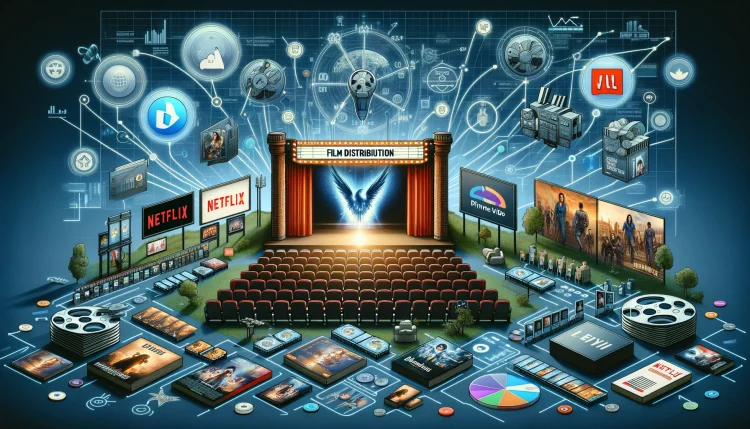
The landscape of film distribution has undergone a seismic shift in recent decades, evolving from traditional theatrical releases and home video sales to a multi-channel approach that includes streaming platforms, digital downloads, and more. This transformation is driven by technological advancements, changing consumer habits, and shifting market dynamics. In this article, we'll explore how these changes have reshaped the film distribution industry and what the future might hold.
Traditional Film Distribution: The Golden Age
In the past, film distribution was centralized around major theatrical releases. Studios like Paramount, Warner Bros., and Disney would create their own production pipelines, and then distribute films through their own theater chains or through independent distributors. The success or failure of a film was heavily dependent on its run time in theaters, with sequels providing a steady stream of income over several years.
The blockbuster model became increasingly dominant in the late 20th century. Films were promoted with massive marketing campaigns, generating buzz through social media and other avenues. Home video releases, typically one year after theatrical release, provided additional revenue streams. However, despite these successes, the film industry faced challenges such as declining theatrical attendance and piracy concerns.
The Rise of Streaming Services
The introduction of streaming services like Netflix, Amazon Prime Video, and Disney+ marked a significant turning point for film distribution. Streaming services disrupted the traditional model in several ways:
- On-Demand Viewing: Streaming allowed consumers to watch films instantly without waiting for theatrical releases or home video releases.
- Diversification of Content: These platforms diversified the content offerings, catering to niche markets and providing a wider selection of films.
- Global Reach: Streaming services can distribute films globally much faster than traditional channels.
The success of these platforms has influenced not only how films are distributed but also how they are produced and consumed. Hollywood studios began to produce exclusive content for streaming platforms, leading to intense competition.
The Impact on Traditional Theatrical Release Dates
The rise of streaming services has led to a phenomenon known as "day-and-date" release strategies. Films are simultaneously released both theatrically and on streaming platforms, bypassing the traditional window of time between a theatrical premiere and a home video release. This strategy has been employed by some high-profile filmmakers, hoping to capitalize on audience interest and generate more revenue.
However, the impact of this strategy on film theaters has been mixed. Some argue that it has cannibalized theater attendance, while others believe that it provides valuable exposure for films that may otherwise go unseen. Studios like Walt Disney Studios and Warner Bros. have experimented with hybrid models, releasing films in theaters exclusively for a limited period before making them available on streaming.
The adaptation to this new paradigm has forced film theaters to reconsider their business models. Many have invested in technology to enhance the theatrical experience and attract viewers who may otherwise opt for streaming at home. Others have experimented with subscription-based models, offering exclusive access to certain films.
Challenges and Opportunities for Independent Distributors
In the midst of these changes, independent distributors have found themselves navigating uncharted waters. While traditional theatrical distribution remains crucial for many indie films, the ability to secure wide-release windows has diminished significantly. Streaming services have become viable distribution channels for these filmmakers, albeit with different commercial models and promotional strategies.
Innovative indie distributors are exploring hybrid models that combine traditional theatrical releases with direct-to-streaming options. Companies like A24 and翠
user
Continuing from the previous article section:
Innovative indie distributors are exploring hybrid models that combine traditional theatrical releases with direct-to-streaming options. Companies like A24 and Neon have pioneered this approach, recognizing that a diverse distribution strategy can maximize exposure and revenue. These models often include promotional events to build buzz and support theater-run premieres, followed by strategic uploads to streaming services to capture the global audience.
Technological Advancements in Content Delivery
Advancements in digital technologies have further transformed the film distribution landscape. High-speed internet connections and improved coding standards have enabled high-quality video transmission over the web, reducing buffering and enhancing user experience. This has paved the way for larger, cinema-quality productions to be delivered directly to audiences without the need for physical copies.
New technologies such as 4K UHD, Dolby Atmos, and virtual theaters provide a cinematic experience akin to traditional theaters, albeit in the comfort of home viewing. These innovations cater to cinephiles and casual viewers alike, making the transition to digital distribution more appealing.
The Pandemic and Its Impact
The global pandemic further accelerated the shift towards digital distribution. When theaters were closed, studios and independent producers had to find alternative ways to reach audiences. Streaming platforms stepped in, offering a lifeline to the industry. This period saw a flurry of new releases moving straight to digital channels, bypassing traditional release dates altogether.
The pandemic also highlighted the vulnerabilities of the traditional theatrical model, leading to increased scrutiny and questioning about its future viability. It became clear that theaters would be more resilient if they could offer a unique value proposition—such as immersive experiences, special events, and limited-time screenings—that streaming cannot replicate.
Changes in Consumer Behavior
Consumer behavior has shifted significantly due to technological advancements and pandemics. Younger generations are increasingly favoring on-demand services over traditional theater experiences. According to a survey by Nielsen, the number of people choosing to stream films has surged, and this trend is expected to continue post-pandemic.
The convenience and flexibility of home viewing contribute to this shift, coupled with a growing awareness of environmental factors (the carbon footprint associated with theatrical release and distribution). Additionally, consumer reviews and word-of-mouth spread rapidly online, influencing decision-making processes.
Closing Gaps Between Different Distribution Channels
To adapt to these changes, the film industry is striving to close gaps between different distribution channels. Platforms like Netflix and Amazon have started licensing their content for theatrical releases, blurring the lines between streaming services and traditional theaters. This creates opportunities for content creators and distributors to diversify their reach.
A key challenge in this integration is ensuring that each channel's unique strengths are leveraged effectively. For example, theaters can focus on creating immersive experiences and event-driven cinema, while streaming services can take advantage of their vast libraries and on-demand capabilities.
Conclusion
The film distribution industry is undergoing a transformative shift, driven by technological advancements, consumer behavior, and market dynamics. From traditional theatrical releases to hybrid models and global streaming platforms, the industry must adapt to stay relevant. As the line between different distribution methods continues to blur, there are both challenges and opportunities for content creators, distributors, and theaters.
The future of film distribution promises to be dynamic and unpredictable. However, by embracing innovation, understanding consumer needs, and leveraging technology, the industry can navigate these changes successfully, ensuring that films continue to reach audiences in meaningful ways.
Legal and Regulatory Challenges
The rapid evolution of film distribution has brought numerous legal and regulatory challenges. Studios and distributors must navigate complex copyright laws, contractual agreements, and international regulations governing digital rights management (DRM). Streaming platforms face additional pressures to comply with data protection and privacy laws, particularly in regions like the European Union with stringent GDPR regulations.
Another significant legal hurdle is the issue of piracy. With the ease of downloading films illegally, protecting intellectual property has become essential. Companies like Paramount and Warner Bros. have aggressively pursued anti-piracy measures, including legal actions against torrent sites and implementing advanced DRM solutions.
Regulatory bodies also play a crucial role in shaping the film distribution landscape. The Motion Picture Association (MPA) works internationally to address issues such as content theft and to promote industry standards. However, these efforts must balance with the need to accommodate the innovative distribution models adopted by newer players.
Strategic Partnerships and Consolidation
To stay competitive, film distributors are forging strategic partnerships and considering consolidation. Studios are increasingly partnering with streaming giants to co-develop content and ensure a wider reach. Collaborations such as The Walt Disney Company’s deal with Comcast’s NBCUniversal highlight the growing synergy between traditional players and tech giants.
Consolidation is also a trend. Major players like Comcast and AT&T are acquiring smaller distributors and theaters to strengthen their market positions. For example, Comcast’s acquisition of Universal Studios parent company NBCUniversal created a massive entertainment conglomerate that includes a diverse array of film, television, and streaming assets.
These strategic moves are not limited to domestic markets. International partnerships and acquisitions are becoming more common as companies look to expand their global presence. For instance, Netflix’s acquisition of MillarWorld, a comic book intellectual property company, signals its ambitions to diversify content and tap into a broader audience base.
Innovations in Marketing and Promotion
The digital age has revolutionized the marketing and promotion of films. Marketing campaigns now leverage social media, influencer collaborations, and interactive content to engage audiences. Brands and filmmakers use platforms like Twitter, Instagram, and TikTok to create buzz and drive ticket sales. For example, Marvel’s promotion of its films often involves behind-the-scenes glimpses, teaser trailers, and interactive challenges.
Digital marketing strategies also extend to the pre-film experience. Movie theaters and streaming services collaborate to create immersive pre-release campaigns. These campaigns can include virtual reality (VR) experiences, augmented reality (AR) apps, and even live events that generate excitement months before the film’s official release.
Future Trends and Predictions
Much is still uncertain about the future of film distribution. However, trends indicate a continuation of the current trajectory towards hybrid models combining traditional theaters and digital platforms. The rise of subscription-based services and ad-supported streaming models suggests a potential shift away from one-time pay-per-view models.
Technologies like AR/VR and artificial intelligence (AI) are poised to offer new ways to engage audiences. AR glasses and VR headsets could revolutionize the viewing experience, allowing viewers to step into immersive worlds and interact with storylines in novel ways. AI tools can also personalize movie recommendations based on individual watching habits, driving higher engagement and conversion rates.
Moreover, the film industry is likely to see a greater emphasis on data analytics to inform distribution decisions. Understanding audience preferences and behaviors through big data can help studios time releases precisely, optimize marketing strategies, and tailor content to specific demographics more effectively.
The global distribution map is also expected to evolve. Emerging markets in Asia and Africa present untapped territories for distribution networks. Companies will need to adapt their strategies to cater to local tastes and cultural nuances, ensuring that films resonate with diverse audiences worldwide.
Conclusion
The evolving landscape of film distribution reflects the complex interplay between innovation, consumer behavior, and regulatory constraints. As the industry continues to adapt, it faces both challenges and opportunities. Strategic partnerships, robust legal frameworks, and technological advancements will play pivotal roles in shaping the future of film distribution.
By embracing these changes and remaining agile, the film sector can ensure that movies continue to captivate and inspire audiences across multiple platforms. The journey ahead is full of possibilities, and the key lies in staying informed, innovative, and responsive to the ever-changing landscape of the film industry.
The emergence of blockchain technology also presents potential solutions for the film distribution industry. Blockchain can offer secure, transparent, and immutable records of ownership and distribution, potentially reducing conflicts over rights and royalties. Platforms like DASH FILMChain and FilmChain are already exploring how blockchain can streamline the process of tracking and monetizing film distribution. These blockchain solutions can ensure that all stakeholders, from directors to investors, receive accurate payments, thereby fostering trust within the industry.
Ecosystem Integration: From Production to Consumption
To fully integrate various distribution channels, the industry is focusing on creating a seamless ecosystem from production to consumption. This involves developing platforms that can manage every aspect of a film’s lifecycle, from financing and production to marketing, distribution, and finally, consumption. Companies like FilmBuff and VOD (Video On Demand) providers are working towards creating a unified platform that connects creators with distributors and audiences.
A key component of this ecosystem is metadata management. Accurate, standardized metadata ensures that films and their related content are easily discoverable across all platforms. Standards organizations like the Metadata Interoperability Group (MIG) are working to develop and enforce metadata schemas that enable interoperability between different systems. This standardization helps in creating a more cohesive and efficient distribution network.
Global Accessibility and Local Adaptation
The increasing globalization of film distribution also necessitates adapting content to local preferences and cultural contexts. Localization services are becoming more sophisticated, allowing distributors to translate scripts, adapt marketing materials, and curate content tailored to specific regions. This approach not only enhances the relevance of films but also fosters a stronger connection with local audiences. For example, the success of films like Joker in multiple markets underscores the importance of nuanced localization.
Localization services are not limited to translations; they also involve cultural adaptation, which means tweaking plot elements, characters, and settings to align with local customs and norms. This effort ensures that films do not alienate local viewers and can effectively engage with cultural nuances. Additionally, localization can help in tapping into regional economies by offering localized financing and distribution deals.
Impact on Creative Freedom and Artist Autonomy
As the industry shifts towards more flexible and diverse distribution models, concerns around creative freedom and artist autonomy have risen. Filmmakers and independent artists may find themselves under pressure from distribution deals that restrict their creative control. For instance, studios often negotiate terms that limit the number of theatrical releases, dictate the order of home media availability, or restrict the film’s exposure on certain platforms.
To mitigate these risks, artists are advocating for clearer contract terms and stronger protections for creative rights. Organizations like the Directors Guild of America (DGA) and the Writers Guild of America (WGA) are working to establish guidelines that prioritize artist autonomy while ensuring fair compensation. Artists are also exploring new funding models and direct-to-consumer distribution platforms that give them greater control over their work and revenues.
Environmental Considerations
The increasing popularity of digital distribution also raises environmental concerns. Despite the efficiency of streaming services, the energy consumption associated with data centers and household devices remains a critical issue. Studios and distributors are adopting green practices to reduce their carbon footprint. This includes investing in renewable energy sources, improving data center efficiency, and encouraging the use of low-power hardware.
Consumers are also becoming more environmentally conscious, with many demanding sustainable practices from entertainment giants. Brands like Amazon and Netflix are responding to these demands by pledging to power their operations with renewable energy and by promoting eco-friendly viewing options. Innovative initiatives like "green streaming" campaigns educate audiences on the environmental impact of their viewing choices and encourage them to make more sustainable choices.
Conclusion
The film distribution industry is at a crossroads, facing transformative challenges and opportunities. From traditional theatrical releases to hybrid models and global streaming platforms, the industry must innovate and adapt to meet the evolving needs of both creators and audiences. Legal and regulatory hurdles, technological advancements, strategic partnerships, and emerging trends in blockchain and AI are reshaping the landscape.
As we move forward, it is crucial for all stakeholders to collaborate and prioritize transparency, creativity, and environmental sustainability. By doing so, the film industry can ensure that films remain a powerful medium for storytelling and entertainment, reaching audiences around the world in meaningful ways. The future may be unpredictable, but with determination and foresight, the industry can continue to thrive and inspire for generations to come.

The Role of Streaming Platforms: Transforming the Entertainment Landscape
The entertainment industry has undergone a colossal transformation over the past decade, with streaming platforms emerging as a pivotal force reshaping how audiences consume content. From Netflix and Amazon Prime Video to Disney+ and HBO Max, these platforms have revolutionized viewing habits, dramatically influencing both the production and distribution of film and television content.
Streaming platforms have not only become the go-to source for home entertainment but have also prompted significant shifts in viewer expectations, content production, and industry strategies. This article explores the role of these platforms in today's entertainment landscape, examining their influence on content availability, consumer behavior, and traditional media outlets.
The Rise of Streaming Platforms
Streaming services have rapidly gained momentum, disrupting conventional models of media consumption. Initially, their proposition was simple: providing on-demand access to a vast library of content at the viewer's convenience. However, this simple proposition catalyzed a broader change, giving rise to 'binge-watching' culture, where viewers consume episodes or entire series in single sittings.
The emergence of Netflix in the streaming arena in 2007 marked the start of a new era. Originally a DVD rental service, Netflix redefined its business model to tap into the burgeoning broadband potential, offering immediate online access to its media library. The success of this model was unprecedented, prompting the rapid entry of disparate content providers into the streaming market, all vying for a slice of an increasingly lucrative pie.
Changing Viewer Expectations and Behaviors
With the growing prevalence of streaming platforms, audiences have witnessed a shift in the way content is curated and consumed. The ability to watch content anytime, anywhere, has redefined what viewers expect from their entertainment experience. Gone are the days when television schedules dictated viewing habits. Instead, viewers now demand flexibility and control over their media consumption, with the added benefit of personalized recommendations facilitated by sophisticated algorithms.
The concept of 'appointment television' has taken a backseat, with streaming platforms fostering a more personalized viewer experience. Subscription-based models allow viewers to eliminate advertisements, further enhancing uninterrupted viewing pleasure. Additionally, the global reach of these platforms has expanded audience access to international content, breaking down cultural barriers and introducing diverse storytelling narratives from around the world.
Impact on Content Production
The influence of streaming platforms extends beyond consumption, impacting how content is produced and what types of stories are being told. With substantial budgets often rivalling traditional film studios, streaming services like Netflix, Amazon, and Apple TV+ have emerged as formidable producers of original content. By creating exclusive shows and films, they are not only drawing in subscribers but also shaping trends within the industry.
This emphasis on original content has led to an era where there's a greater risk appetite for diverse and unconventional storytelling. Creators are given unprecedented creative freedom, enabling bold, innovative narratives that traditional networks might deem too risky. As a result, genres have evolved, storytelling formats have diversified, and niche markets have emerged, giving rise to a wider array of content choices for audiences.
Additionally, the release strategies employed by these platforms diverge significantly from traditional networks. Streaming services often release entire seasons of shows at once, encouraging binge-watching, while also experimenting with staggered releases to maintain audience engagement over time. This flexibility enables them to adapt quickly to viewer feedback and preferences, staying relevant in a highly competitive market.
Influence on Traditional Media Outlets
The meteoric rise of streaming platforms has undeniably impacted traditional media landscapes, with TV networks and cinemas feeling the heat of increased competition. As viewership shifts towards online streaming, traditional cable subscriptions have seen a decline, prompting networks to rethink their strategies and consider their own digital streaming offerings.
Moreover, cinemas face challenges as streaming platforms prioritize at-home viewing experiences. The COVID-19 pandemic further accelerated this trend, with many film studios choosing to release movies directly on streaming platforms. This shift has sparked debates about the future of theatrical releases and the overall cinematic experience.
In response, networks and studios are investing in their own streaming services to recapture lost audiences and remain competitive. Television giants like NBCUniversal, CBS, and Warner Bros. have launched platforms such as Peacock, Paramount+, and HBO Max, respectively, attempting to blend traditional content with modern viewing demands.
This concludes the first part of our exploration into the role of streaming platforms. In the next installment, we will delve further into the economic implications for the industry, how these platforms have influenced global media landscapes, and speculate on what the future holds for streaming services as they continue to evolve. Stay tuned for more insights into this transformative journey.
Economic Implications for the Entertainment Industry
The advent of streaming platforms has not only revolutionized content consumption but also brought significant economic changes across the entertainment industry. With the focus increasingly shifting from traditional revenue streams like box office earnings and syndication deals, the digital domain has expanded the horizons for monetization and economic innovation.
A key economic implication is the competitive pricing of these services. Platforms employ varied subscription models—monthly, yearly, or even bundled offers—that attract a diverse range of consumers. Furthermore, the entry of numerous players into the streaming market has sparked a subscription price war, benefiting consumers with competitive pricing but complicating profitability for the platforms themselves.
The production budgets for original content on these streaming platforms often rival those of major box office hits. High-profile deals involving standout creators, directors, and A-list actors suggest that platforms are willing to invest heavily to produce must-watch content. This investment drives not only subscriber growth but also boosts platform prestige within the entertainment ecosystem.
The acquisitions of existing content libraries are another economic facet of the streaming war. Studios and networks see significant value in selling content rights to boost immediate revenue, though this can sometimes limit future opportunities for syndication.
Challenges and Opportunities for Content Creators
While streaming platforms open doors to new storytelling avenues, they also present a unique set of challenges for content creators. On one hand, the demand for fresh, original content offers opportunities for expanded creative expression. Writers, directors, and producers can explore complex stories with nuanced characters and diverse perspectives without the constraints typically imposed by traditional networks.
However, the highly competitive nature of streaming platforms means that standing out in a crowded market is a formidable challenge. Algorithms drive content visibility, often favoring established names or guaranteed hits, potentially marginalizing less mainstream or experimental work.
Moreover, content creators face pressures related to viewer data analytics used by these platforms. These metrics can influence decisions about series renewals, content style, or pacing, aligning creative direction with quantified viewer preferences.
Yet, the global accessibility of streaming platforms helps in overcoming conventional market boundaries. Shows and films no longer cater solely to local or national audiences but can resonate with viewers worldwide. This global reach empowers creators to tell more diverse stories, integrate cultural elements, and explore universal themes that appeal to a broader demographic.
Global Influence and Cultural Impact
Streaming platforms are not only changing the business and creative facets of the industry but are also having a significant cultural impact on a global scale. The dismantling of geographic barriers allows for a richer exchange of cultural narratives, introducing audiences to stories and perspectives from different parts of the world.
International shows such as “Money Heist” from Spain, “Dark” from Germany, and “Squid Game” from South Korea have gained unprecedented popularity, proving that language and origin are less of a barrier in the current entertainment climate. This trend promotes cross-cultural understanding and appreciation, bridging gaps and fostering a globalized viewing audience.
Furthermore, the content portfolio of streaming services is contributing to increased representation in media. Diverse characters and storylines that highlight different ethnicities, genders, and identities are not only becoming more common but are also celebrated by audiences eager for authentic representation. This shift addresses a historically underserved audience, paving the way for a more inclusive entertainment industry.
The Future of Streaming: Challenges and Predictions
The future of streaming platforms holds both potential and uncertainty. As technology continues to evolve, these platforms will leverage advancements such as virtual reality (VR) and augmented reality (AR) to offer more immersive experiences. Yet, the market saturation poses challenges for differentiation among services.
The risk of subscription fatigue is real, as consumers may become overwhelmed by the multitude of platforms and content choices. Aggregated services or bundled subscriptions may become more prevalent, offering solutions to streamline user choices while maintaining value for consumers.
Moreover, regulatory scrutiny around data privacy and content control may impact how platforms operate. As data-driven decision-making continues to shape content strategies, the balance between personalization and privacy will be pivotal.
Finally, the interplay between streaming platforms and traditional media will likely evolve. While competition remains fierce, collaborative efforts could emerge, blending the best of both worlds to meet diverse audience needs.
In conclusion, the role of streaming platforms in the entertainment landscape is multifaceted, with their influence reaching beyond mere content delivery to reshape business models, cultural interactions, and creative possibilities. Their evolution will undoubtedly continue to redefine how we engage with media in the years to come.
The concluding section of this article will delve further into how technological innovations may impact the future of streaming platforms and how they can maintain relevance in an increasingly competitive market. Stay tuned for an exploration of upcoming trends and strategic insights as we navigate this digital revolution.
Technological Innovations and Their Impact on Streaming Platforms
As streaming platforms continue to dominate the entertainment industry, the incorporation of advanced technology is becoming a cornerstone for differentiation and audience engagement. Today's viewers are more technology-savvy, looking for seamless, personalized, and immersive experiences. Thus, platforms are investing in innovative technologies to enhance the user experience and maintain a competitive edge.
Artificial Intelligence (AI) is at the forefront of these innovations, playing a pivotal role in personalization and content curation. Using sophisticated algorithms, streaming services can analyze viewer preferences and behavior, making accurate content recommendations tailored to individual tastes. This smart personalization keeps subscribers engaged and satisfied, as they spend less time searching and more time enjoying content that resonates with them.
Augmented Reality (AR) and Virtual Reality (VR) represent the next frontier in enhancing viewing experiences. Though still in their nascent stages within the streaming domain, these technologies have the potential to transform how audiences interact with content. Immersive storytelling through VR can allow users to step inside a narrative, experiencing films and shows in a dynamic, 360-degree environment. Meanwhile, AR can complement binge-watching sessions with interactive overlays, additional data, or behind-the-scenes content, enriching the viewing experience.
Challenges of Maintaining Relevance in a Competitive Market
While technological advancements provide opportunities for growth, streaming platforms face significant challenges in maintaining relevance and market share. The market is increasingly saturated, with numerous players offering similar content libraries. To effectively distinguish themselves, platforms must continuously innovate not only in technology but also in content and user engagement strategies.
Content exclusivity is one such strategy, where platforms strive to secure rights to unique and compelling content that draws in subscribers. However, this approach demands substantial investment and can lead to bidding wars, inflating production costs and challenging profitability.
Another challenge revolves around striking the right balance between content quantity and quality. The sheer volume of available content can sometimes lead to an overwhelming experience for users, prompting platforms to refine curation efforts to ensure quality is not sacrificed for the sake of quantity. This balance is essential in keeping audiences loyal and reducing subscriber churn.
Moreover, global expansion presents both opportunities and hurdles. Tailoring content to local tastes while preserving universal appeal requires nuanced market understanding and strategic partnerships with regional creators and distributors.
Adapting to Evolving Consumer Preferences
Consumer preferences are in constant flux, influenced by broader societal trends and technological developments. Today's viewers demand more than just entertainment; they seek experiences that resonate emotionally, socially, and culturally. In response, streaming platforms must adopt a proactive approach to understanding these shifting preferences and evolving accordingly.
User-generated content (UGC) and viewer interaction offer avenues for platforms to engage communities actively. Integrating social media elements or launching platforms that allow for community-driven content creation could foster heightened audience involvement and brand loyalty.
Furthermore, viewers increasingly value content that reflects societal issues and promotes social discourse. This trend pushes streaming services to spotlight stories with cultural, social, and environmental relevance, tapping into the power of storytelling as a tool for change.
Long-Term Predictions and Strategic Insights
Looking ahead, the trajectory of streaming platforms indicates a dynamic and rapidly evolving landscape. Economies of scale, partnerships, and mergers may dominate strategic directions, as companies seek to unify library offerings, enhance technology infrastructure, and expand global reach.
Diverse monetization models, such as tiered pricing or ad-supported services, could also reshape the financial strategies of streaming platforms. These models will cater to varying consumer segments, providing flexibility and minimizing potential attrition due to economic changes or subscription fatigue.
Additionally, leveraging data analytics for more than just personalization can provide strategic insights for content development, user engagement, and market expansion. Platforms that intelligently harness user data—while respecting privacy and ethical boundaries—will be well-positioned to anticipate trends and maintain leadership.
In conclusion, streaming platforms have undeniably reshaped the entertainment landscape, offering unparalleled access, personalization, and cultural diffusion. As technology evolves and consumer expectations rise, these platforms will continue to adapt, innovate, and redefine what it means to be entertained. By strategically aligning technology, content, and consumer insights, streaming services can navigate the complexities of the modern entertainment era and chart a course for enduring success.
This concludes our in-depth exploration of the role of streaming platforms in the contemporary entertainment industry. As the landscape continues to evolve, it will be fascinating to witness how these digital juggernauts further influence storytelling, cultural exchange, and global media trends.



The Evolution and Allure of Film Remakes: A Cinematic Journey Through Time
The cinematic world is an ever-evolving landscape, consistently balancing the tension between innovation and nostalgia. Amid the endless tide of new stories, the phenomenon of film remakes has carved out an enduring niche. Film remakes are a journey into familiar territories, exploring themes and narratives that previously resonated with audiences, all while seeking to capture the same magic—or perhaps enhance it—with modern sensibilities. As this practice continues to thrive in the film industry, it invites both criticism and praise, catalyzing debates that probe the essence of creativity and originality in cinema. This article delves into the fascinating history and evolution of film remakes, tracing their roots and examining their impact on the cultural and artistic tapestry of Hollywood and beyond.
The Early Days: The Genesis of Film Remakes
Remakes are as old as the cinematic medium itself. In the early days of cinema, when silent films were the primary form of entertainment, studios frequently revisited successful narratives. This was not only a matter of artistic continuity but also a pragmatic response to the technical limitations of the era. With the transition from silent films to "talkies" in the 1920s and 1930s, the appeal of revisiting silent classics grew significantly. These remakes offered audiences a new dimension to previously silent narratives, breathing fresh life into beloved stories with sound and dialogue.
One of the earliest known remakes is "The Squaw Man." Originally released in 1914 by Cecil B. DeMille, it was remade twice more within his lifetime—in 1918 and then in 1931. Each version reflected improvements in filmmaking techniques and storytelling, serving as a testament to the industry's rapid progression. These early remakes were less about originality and more about adapting to the revolutionary technological changes that define cinematic progression.
Golden Age of Hollywood: Remakes as a Tradition
With the advent of the Golden Age of Hollywood, spanning the 1930s to the late 1950s, the tradition of remaking films solidified its place within the industry. During this period, remakes were often utilized as a tool to capitalize on the success of original stories, especially when they had already exhibited the capacity to attract large audiences. For producers, a remake was a safer gamble than an untested screenplay, reducing the financial risks associated with uncertainty in box office returns.
Films like Alfred Hitchcock's "The Man Who Knew Too Much" (1934) being revisited by the director himself in 1956 exemplify this era. Hitchcock's inclination to revisit his earlier work was indicative not just of a director recognizing the potential to refine his craft but also underscoring the remake's role as an artistic endeavor to explore stories through new lenses and techniques that had emerged since the original production. Additionally, adaptations of classic literature also became a staple, evidenced by numerous iterations of "A Christmas Carol" and "Pride and Prejudice," each reflecting the cultural and aesthetic climate of their times.
The Creative Resurgence: Remakes in the Modern Era
The latter half of the 20th century to the present era marks a fascinating phase in the history of film remakes—one colored by advancing technology, shifting cultural paradigms, and evolving audience preferences. The emergence of color film, the globalization of the film industry, and the digital revolution all influenced the direction and frequency of remakes.
A notable feature of contemporary remakes is the conscious effort to reinterpret narratives, often reflecting contemporary socio-political issues or integrating global perspectives absent in the original versions. The remake of "Scarface" (1983), originally a 1932 film, mirrored the hedonism and excess of the cocaine-fueled 1980s America, transforming an already gripping storyline into a cultural phenomenon. Similarly, the 2006 remake of "The Departed," originally based on the 2002 Hong Kong film "Infernal Affairs," showcases the transnational influence and interconnectedness of modern cinema, blending eastern narrative sensibilities with western cinematic styles.
In the era of cinematic superheroes and sprawling franchises, remakes have become iterations, taking the form of reboots and reimaginings. The "Spider-Man" series is a quintessential example, having been remade multiple times within two decades, each version tailored to a new audience and reflecting the age's technological advancements and evolving storytelling preferences. These modern remakes are not just about retelling a story but also about creating cinematic universes, inviting audiences into deeper engagements with familiar characters and worlds.
Looking Forward: The Future of Film Remakes
As we navigate through the 21st century, the allure of the remake shows no signs of waning. Instead, it promises to evolve alongside advancements in technology and shifts in audience engagement with media. The advent of streaming services has further expanded opportunities for remakes, enabling smaller, riskier projects to find their niche audiences and succeed where they might have struggled in traditional theatrical releases.
Nevertheless, the question remains: why do remakes persist? On one hand, remakes evidence an attachment to stories that resonate across generations, showcasing their timeless relevance. On the other, they highlight the industry's commercial imperatives and reliance on brand familiarity to drive revenue.
Invariably, film remakes will continue to generate debate—about their necessity, impact on creativity, and their role within the broader cinematic landscape. As this fascinating practice continues to evolve, it highlights the ever-present tension between honoring the past and embracing the future, challenging filmmakers, critics, and audiences alike to redefine what it means to recreate a story.
Audience Reception: Navigating the Dichotomy of Expectations
Film remakes occupy a polarizing space in the minds of audiences, invoking both anticipation and skepticism. The art of revisiting a beloved story comes with the challenge of meeting or exceeding the expectations set by the original—a task that is far from simple. Audiences can exhibit a deep-rooted emotional connection to certain films, leading to a protective stance over their remembered experiences. Consequently, remakes are often met with apprehension, with concerns over whether new adaptations will honor the legacy of the original or tarnish cherished memories.
Yet, the allure of remakes lies in these very tensions. Nostalgia, alongside curiosity, drives people to theaters or streaming platforms to experience the recreated magic. Filmmakers are tasked with not just paying homage but also offering something novel. This involves delicately balancing the scale between projection and reflection, aiming to capture both the spirit of the original and the imaginative scope of a new creative team.
Successful remakes often hinge on their ability to resonate with contemporary sensibilities while retaining the foundational elements that made the original so impactful. Tim Burton's "Charlie and the Chocolate Factory" (2005), for instance, tackled this challenge by presenting a darker and more fantastical take on Roald Dahl’s classic tale, offering a new visual and narrative experience distinct from the 1971 classic that captivated audiences decades prior. Though not without its critics, Burton's interpretation garnered appreciation for its bold visual style and Johnny Depp's distinctive portrayal of Willy Wonka, straddling the fine line between homage and innovation.
Cultural and Technological Influences on Remakes
Cultural shifts and technological advancements shape the landscape of film remakes, influencing both the decision to remake a film and its execution. As society evolves, so too does the lens through which stories are told, reflecting new ideologies, values, and aesthetics. This has been particularly evident in the reimagining of films to align with contemporary discourse on diversity, inclusion, and representation.
Take, for instance, Disney's initiative to breathe new life into their classic animations through live-action remakes. Films such as "Aladdin" (2019) and "The Lion King" (2019) illustrate the incorporation of cutting-edge CGI technology and a commitment to diversifying on-screen representation. Offering both visual splendor and a progressive retelling, these adaptations aim to appeal to younger audiences and engender renewed interest from older ones. The blend of familiar narratives with groundbreaking technology signifies the evolving intersection of modern cultural identity and storytelling.
Furthermore, the emergence of global cinema has broadened the influence and scope of remakes. Cross-cultural retellings allow for narratives to transcend geographical boundaries, proving that stories with universal themes can resonate worldwide. The popularization of international films through platforms like Netflix has led to remakes that accommodate cultural contexts and perspectives previously overlooked in mainstream Western cinema. The Bollywood rendition of "The Fault in Our Stars," titled "Dil Bechara," underscores this trend of cultural adaptation, lending a new vernacular and cultural setting to familiar stories, thereby expanding their reach and impact.
The Challenges and Rewards of Remaking Stories
Delving into the realm of remakes presents unique challenges for filmmakers. Artistic concerns about the dilution of originality often surface, sparking debates on whether the cinematic landscape is being oversaturated with recycled ideas. Critics argue that the emphasis on remakes may hinder the development of new, innovative stories that explore untapped human experiences.
However, proponents of remakes emphasize that the process itself can be a form of artistic dialogue, an opportunity to revisit themes from a fresh perspective. When embraced as a creative laboratory, remakes can yield unexpected rewards, reinvigorating interest in both the original and its new iteration. This is most evident in genre-bending remakes, where a familiar story is placed within a novel genre framework, offering thrilling and unexpected twists on well-known narratives.
Consider the stylish 2011 remake of "The Girl with the Dragon Tattoo," directed by David Fincher. While the original Swedish film had already captured international attention, Fincher's adaptation presented a more visceral, atmospheric interpretation, infused with his unique directorial style. The result was a film that stood on its own merit, appealing to audiences unfamiliar with the original and those seeking a refreshed take on the gripping narrative.
Remakes can also serve to amplify discussions around the ethical and social questions that belie the stories. By providing new ways to engage with cultural narratives, remakes contribute to an ongoing conversation about the human condition, one that reflects changing societal attitudes and technological capabilities.
Conclusion: Reflecting on the Legacy and Future of Film Remakes
As the film industry continues to evolve, remakes will undoubtedly remain a significant part of its framework. They serve as both a tribute to the enduring power of storytelling and a delicate interplay between past and present innovations. By interpreting well-worn stories through contemporary lenses, filmmakers offer audiences the potential to experience narratives in new, exciting ways, while also preserving the legacy of cinema's rich history.
The enduring challenge, however, is approaching remakes with both reverence for the original and the audacity to innovate. When done right, they can elevate the narrative, offering layers of depth and insight that might not have been possible at the time of the original creation. They beckon audiences to question, to compare, and to find meaning within the tapestry of overlapping stories and cultural epochs.
In this evolving dance between nostalgia and novelty, the future of film remakes appears promising, charged with the potential to keep audiences captivated for generations to come. As audiences, we are invited to explore where these bridges between the old and the new might lead, and in doing so, witness how they continue to reshape the cinematic landscapes of tomorrow.
The Role of Directors and Creative Vision in Remakes
Directors play a pivotal role in shaping the narrative and visual aesthetics of film remakes. Their creative vision is instrumental in determining whether a remake becomes a lackluster rendition or a thought-provoking reinterpretation. Directors often face the challenge of staying true to the essence of the original while simultaneously stamping their unique storytelling style upon the narrative. This balance between fidelity and innovation is what sets exceptional remakes apart from their predecessors.
Some directors opt to use remakes as platforms for experimentation, exploring new thematic depths or altering the narrative structure. The 2016 remake of "Ghostbusters," directed by Paul Feig, is a case in point. While it retained the comedic spirit of the original 1984 film, it reimagined key elements with a predominantly female cast, sparking both discourse and fresh appreciation for gender diversity in mainstream cinema. Feig’s decision to harness contemporary comedic sensibilities and the charisma of the new ensemble cast allowed the film to carve its memorable identity, showcasing the power of a director’s vision in reinventing narratives for modern audiences.
Moreover, directors with a deep personal connection to a story or genre can breathe new life into remakes by exploring the source material’s latent potential. Guillermo del Toro, for instance, with his idiosyncratic love for fantastical and gothic storytelling, is known for taking liberties in his adaptations and remakes. His upcoming reinterpretation of "Pinocchio," set within the dynamics of fascist Italy, demonstrates del Toro's penchant for blending fantasy with historical context—a testament to the transformative capacity of a director’s intent.
The Business Side: Economics and Strategy Behind Remakes
Beyond creative considerations, the economics of the film industry heavily influence the prevalence of remakes. At their core, remakes are commercially motivated, perceived by studios as sound investments due to their proven appeal and brand recognition. This financial prudence is especially critical in the high-risk world of filmmaking, where the success of a project cannot be guaranteed.
Remakes often leverage the nostalgia of existing fan bases, reducing marketing costs and heightening potential box office returns. The international success of the 2017 "Beauty and the Beast" live-action film validates this strategy, as it capitalized on the beloved animated classic’s legacy, attracting audiences familiar with the enchanting story while introducing new generations to its timeless charm. Grossing over $1.2 billion worldwide, the film exemplifies the economic benefits remakes can provide when audiences’ emotional attachments are strategically tapped.
Moreover, advancements in marketing analytics have allowed studios to predict audience reactions and preferences with greater accuracy, refining their approach to which titles are ripe for remakes. By studying data on past successes, social media trends, and audience demographics, decision-makers can craft strategies that maximize the potential for profit while minimizing risks.
The Influence of Streaming Platforms: Redefining Accessibility and Viewing Habits
In recent years, the rise of streaming platforms like Netflix, Amazon Prime, and Disney+ has transformed the landscape of how remakes are produced and consumed. These digital platforms have democratized access to films, allowing remakes to gain traction among global audiences more swiftly than ever before. With an expansive catalog that traverses multiple decades and genres, streaming services enable viewers to experience originals alongside their remakes, fostering a holistic appreciation for both renditions.
Streaming platforms have also become key players in producing exclusive remakes tailored to their audiences. Unlike traditional theaters that present limited windows of release, streaming services offer perpetual availability, enabling remakes to attract viewers continuously and build gradual momentum over time. This shift towards on-demand culture has altered viewing habits, encouraging audiences to engage with remakes at their convenience, and fostering discussions that extend beyond initial release periods.
A paradigmatic example is Netflix's "The Witcher," adapted from both a book series and a popular video game. Although not a direct film remake, it represents how storytelling forms can transition into live-action formats within streaming ecosystems. Engaging a global audience through binge-worthy series adaptations, the approach underscores streaming platforms' ability to renew interest in stories and characters, transcending traditional media constraints.
The Cultural Dialogue: Remakes as a Reflection of Society
Perhaps one of the most enduring merits of remakes is their capacity to act as cultural mirrors, reflecting society’s evolving values, ideologies, and concerns. Through their very existence, remakes challenge creators and audiences to reconsider the relevance of narratives as contexts change over time.
While some backlash exists—arguing that remakes may overshadow the original's historical novelty—these adaptations can also emphasize the mutability of stories, highlighting how societal shifts shape narrative interpretations. The poignant remake of "Little Women" (2019) by Greta Gerwig embraced this narrative transformation, interweaving feminist themes that resonated with contemporary audiences while honoring Louisa May Alcott's classic tale. Gerwig’s adaptation accentuates the timelessness and adaptability of such narratives, reflecting on the shifting gender paradigms that continue to capture the world’s attention.
In essence, remakes are not merely reinforcement of past success; they are dynamic entities that contribute to an ongoing cultural dialogue. As audiences are presented with the opportunity to reassess treasured narratives within contemporary frameworks, these films foster meaningful reflections on past and present societal shifts. Despite—and perhaps because of—their complexity and controversial nature, film remakes encapsulate a unique intersection of art, commerce, and culture, inviting us to celebrate the enduring power of storytelling in an ever-changing world.


