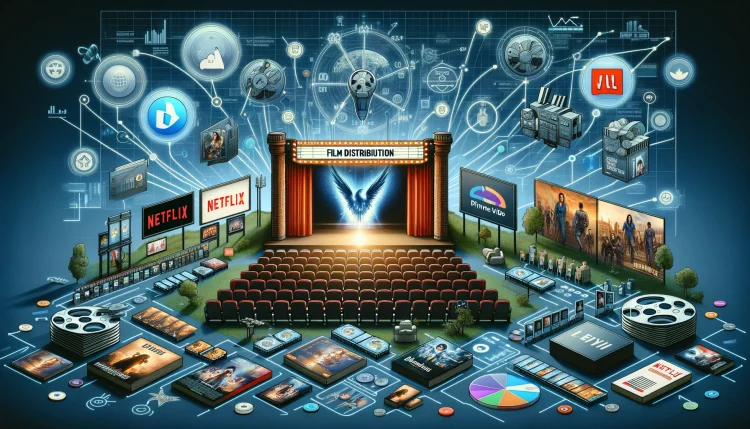
Youna Kang: The Pioneer of Virtual Reality Streaming
Meet Youna Kang, a South Korean-American who is revolutionizing live streaming with her groundbreaking VTuber persona, CodeMiko. Born on February 27, 1990, Kang's journey from a Nickelodeon employee to a leading figure in virtual technology is a testament to the power of innovation and creativity.
Growing up, Youna Kang was always fascinated by the intersection of technology and art. After studying fine arts and computer-related fields, she found herself drawn to the burgeoning world of virtual streaming. However, her path to stardom wasn’t straightforward. During the peak of the 2020s, the global pandemic forced many industries to pause, and Kang was among those affected. After losing her job at Nickelodeon, she decided to take a leap of faith and pursue streaming full-time.
The transition wasn't easy. Kang invested over $20,000 in motion capture equipment, putting herself deeply into debt to make her vision a reality. Her determination paid off; her breakthrough came in 2021, when her streams gained viral attention on platforms like Twitter and Reddit’s r/LiveStreamFails. This sudden surge of popularity catapulted her to over 900,000 followers on Twitch, making her one of the most recognizable faces in the VTuber community.
Beyond the numbers, the impact of her live streams goes beyond mere views. Kang's innovative use of Unreal Engine for realistic avatar creation, along with full-body motion capture and facial tracking, transforms traditional live streaming. Her pioneering techniques have set a new standard for interactive entertainment, where viewers can actively shape the virtual environment alongside CodeMiko.
The Making of CodeMiko
CodeMiko isn't just a catchy name; it's a meticulously crafted virtual persona that embodies both artistry and technical prowess. Kang designed and rigged her avatar herself, using a blend of her education and practical experience in coding and animation. The result is a stunningly lifelike 3D model that seamlessly integrates with Kang's real-life presence.
One of the key aspects of CodeMiko's appeal is the seamless interaction between her real self and the digital avatar. Known in live streams as "The Technician," Kang often breaks the fourth wall, showcasing the intricate mechanics behind CodeMiko. This dual-layered persona allows viewers to see the process as well as the final product, fostering a deeper connection with her content.
"I want people to understand that it's not just a fancy avatar," Kang explains. "There's a lot of hard work and creativity behind it." Through her streams, she not only entertains but also educates her audience about the technical aspects of virtual reality and live streaming.
Award-Winning Innovator and Advocate
In recognition of her groundbreaking work, Kang won the Best VTuber award at the 2022 Streamy Awards. Her innovations have also landed her featured mentions in prominent tech publications such as Kotaku and The Financial Times. These accolades highlight her significant contributions to the evolving landscape of digital entertainment.
Beyond her technical achievements, Kang is also vocal about the challenges she faces within the industry. She frequently discusses Twitch's content policies, often referred to as "TOS PTSD," which she believes restricts the creative freedom of VTubers. Despite these obstacles, sponsorships have helped stabilize her income, allowing her to continue pushing the boundaries of what's possible in live streaming.
"It's important to be heard," Kang emphasizes. "Sometimes, you need to speak up for what you believe in, even if it means challenging existing norms." Her advocacy for more open and inclusive policies not only benefits her personally but also sets a precedent for future creators.
Pushing Boundaries in Virtual Reality
Leveraging advanced motion capture technology, Youna Kang continually explores new frontiers in VTuber creation. Recently, she demonstrated the capability to 3D-scan and interact with real-world objects within her virtual environment. This groundbreaking demonstration showcases her goal to bridge the gap between digital and physical reality. By doing so, she continues to push the limits of what can be achieved in virtual streaming.
Incorporating such sophisticated technology isn't just about showing off. For Kang, it's about enriching the viewer experience. Whether it's playing a game, discussing current events, or simply chatting, every element of her streams aims to provide a genuinely interactive space. Viewers aren’t just passive observers; they become active participants in the narrative.
“The real magic happens when the audience feels like they’re part of the show,” says Kang. This sense of involvement is central to her approach, ensuring that each interaction feels genuine and impactful.
The Future of Virtual Streaming
The VTuber phenomenon is rapidly expanding, and Kang's success serves as a blueprint for other creators looking to merge technology with artistic expression. Her focus on interactivity, coupled with cutting-edge technology, provides a model for others to follow. As more individuals embrace similar approaches, the possibilities for virtual engagement grow exponentially.
"We're still in the early stages," Kang reflects. "But the potential is immense." She envisions a future where virtual personas aren't just spectacles but active participants in our increasingly digital world. By staying at the forefront of technological advancements and maintaining a deep connection with her audience, Kang is well-positioned to lead this exciting evolution.
Through her journey from Nickelodeon to VTuber royalty, Youna Kang exemplifies the power of persistence and innovation. Her story inspires aspiring artists and technologists alike, reminding us that even in the face of challenges, dreams can be realized through hard work and a little bit of creativity.
Interactivity and Realism in Streams
One of the hallmarks of CodeMiko's streams is the high level of interactivity. Viewers aren’t merely spectators; they are integral parts of the show, influencing the virtual environment in real time. This interactive nature stems from the sophisticated motion capture technology Kang uses, which is integrated into both her real-life movements and the avatars in her virtual scenes.
Kang often incorporates real-time polls, questions, and challenges during her broadcasts. She creates scenarios where the audience can choose outcomes based on their preferences, making the experience truly collaborative. For example, she might ask viewers to vote on what CodeMiko should do next, whether it's participating in a game, engaging in a discussion, or exploring a virtual space.
Certainly, the technical setup is not something to be taken lightly. Kang’s use of Unreal Engine for realistic hair simulation and object interaction sets a technical benchmark. This level of detail ensures that her virtual environment feels authentic and dynamic. The virtual chair mentioned earlier is perhaps the most striking example, where Kang showed viewers not just the concept but the tangible results of her motion capture technology.
Moreover, CodeMiko's interactivity extends beyond simple responses. She occasionally introduces games and puzzles that require viewers to collaborate to solve them. These activities not only entertain but also foster a sense of community among her followers. Viewers often form groups, strategize together, and feel a strong connection to the show because they participate in shaping its direction.
Artistic Fusion and Performance
CodeMiko embodies a fusion of art, programming, and performance that pushes the boundaries of what virtual personas can achieve. Kang's background in fine arts and computer science allows her to design and rig her avatar in a way that enhances her live performances. This artistic aspect is crucial in differentiating her from other VTubers.
"Virtual streaming is more than just a stream," Kang explains. "It’s an art form that combines multiple disciplines to create something unique and immersive." Her virtual avatars are far more than just representations; they are living, breathing characters that reflect her creativity and storytelling skills.
Viewers often comment on how well-developed CodeMiko appears, thanks to Kang's meticulous attention to detail. From the avatar's animations to the textures of virtual objects, everything is crafted to enhance the overall experience. This effort pays off in terms of audience engagement, as viewers are more likely to stay engaged when they perceive the effort put into every aspect of the show.
Kang’s performances aren't limited to the virtual realm either. During her streams, she occasionally breaks the fourth wall and shares behind-the-scenes footage of creating CodeMiko and testing new features. This transparency builds trust and allows her audience to see her creative process firsthand. It’s a powerful strategy for fostering a loyal following that understands and appreciates the hard work involved in producing top-quality content.
The Impact of Innovation
The innovation driven by Youna Kang has had a profound impact on the VTuber community. Her methods and technologies have inspired a new generation of creators striving to bring their own virtual personalities to life. Many VTubers cite her as a significant influence, noting how her work has raised the bar for realistic and interactive virtual content.
"CodeMiko is a prime example of what can be achieved when you combine creativity and technical expertise," says John Kim, a fellow VTuber. "Kang's innovative approaches inspire me to think outside the box and push my own limitations."
Furthermore, Kang's success has led to increased investment in VTuber technology. Companies are now more willing to support innovative projects, recognizing the potential for market expansion in the digital space. This increased backing has made it easier for other creators to enter the field and develop their own virtual personas.
Yet, despite the positive reception, Kang is acutely aware of the challenges facing the VTuber community. Advertiser-friendly content policies and content moderation issues remain persistent concerns. She advocates for more flexible guidelines that allow creators to express themselves without fear of censorship.
"The VTuber scene needs more freedom to experiment and evolve," Kang asserts. "Without room for creativity, we risk stunting the growth of the entire industry."
Global Expansion and Community Building
As the VTuber phenomenon gains momentum globally, Kang sees huge opportunities for expansion. Her current base in North America is just the beginning. With plans to expand into other regions, she aims to build a diverse and inclusive community where people from all walks of life can connect and discover new forms of entertainment.
"Digital communities are no longer confined by geographical borders," Kang notes. "With the right tools and platform support, we can reach audiences across the globe and share cultural experiences like never before."
To achieve this goal, Kang focuses on creating content that resonates universally while maintaining her unique style. She regularly invites international guests to her streams, discussing topics relevant to a global audience. These cross-cultural interactions help build bridges between different communities and promote understanding and unity.
Additionally, Kang works closely with localization teams to ensure her streams are accessible in multiple languages. This approach not only enhances her appeal but also supports a wider range of creators who want to reach diverse audiences.
"Language barriers shouldn’t limit your ability to connect with fans," says Kang. "By offering multilingual content, we can truly democratize the VTuber experience."
Looking Ahead
As technology continues to advance, Kang is excited about the future of digital entertainment. She envisions a world where virtual and augmented realities seamlessly blend, creating new forms of immersive experiences. Her long-term goals include developing more advanced VR systems that allow users to interact with virtual environments in novel ways.
“The future is wide open for those willing to explore new possibilities,” Kang remarks. “I’m honored to be part of this exciting journey and look forward to seeing what the next decade brings.”
Through her groundbreaking work and unwavering passion, Youna Kang is not only a pioneer in the VTuber scene but also a role model for aspiring creatives seeking to merge technology and art. Her journey from a Nickelodeon employee to a leading figure in virtual streaming serves as a powerful reminder that with dedication, innovation, and a bit of luck, anything is possible.
Community Engagement and Fan Interaction
Building a strong and engaged community is a cornerstone of Youna Kang’s success as a VTuber. Her streams are not just about entertainment; they are interactive spaces where fans can contribute, learn, and grow together. Kang fosters this community through various mechanisms, including fan Q&As, live discussions, and collaborative experiences.
One of the most effective ways Kang builds community is through regular fan Q&As. These sessions, typically held several times a week, provide a forum where viewers can ask questions about everything from her daily life to the technical aspects of her streams. Kang answers these questions candidly, often involving her audience directly in the conversation. This interaction helps create a sense of intimacy and belonging.
During these Q&As, Kang also engages in live problem-solving and brainstorming sessions. She frequently encourages viewers to suggest topics or ideas, and sometimes these suggestions lead to new streams or segments. This collaborative approach makes fans feel valued and involved, enhancing their connection with CodeMiko and The Technician.
Engagement doesn't stop at Q&As. Kang regularly holds live discussions on trending topics, from current events and pop culture to more niche subjects. These discussions often involve guest appearances, fostering a vibrant and dynamic community. Fan involvement is also encouraged through live polls and discussions, ensuring that every stream feels fresh and relevant.
Another key aspect of Kang’s community-building efforts is the use of social media and other platforms to supplement her streams. She maintains a consistent presence on platforms like Twitter, Reddit, and Instagram, sharing behind-the-scenes content, updates, and engaging with fans directly. This multi-platform approach helps maintain high levels of interaction even when audiences can't be present live.
Kang’s commitment to her fans is evident in her response to criticism and feedback. She addresses negative comments constructively and uses them as opportunities for improvement. By embracing constructive criticism, she demonstrates a willingness to grow and evolve, which strengthens the bond between her and her community.
Educational Content and Collaboration
Beyond entertainment, Kang uses her platform to educate her audience about the technical aspects of virtual reality and live streaming. She often shares tutorials and insights into her workflow, demystifying some of the complexities involved in creating high-quality VTuber content. These educational elements make her streams not just enjoyable but also informative, encouraging viewers to explore VR technology themselves.
Collaboration is another important aspect of Kang’s broader impact. She frequently collaborates with other VTubers and creators, participating in joint streams and projects. These collaborations expose her audience to new content and styles, enriching the overall experience. Collaborations also provide learning opportunities for others in the VTuber community by showcasing best practices and innovative techniques.
One of Kang’s notable collaborations is with fellow VTuber, Yuno. Together, they created a series of tutorials aimed at beginners in the VTuber scene, guiding them through the process of setting up their own channels and improving their streaming skills. These collaborative efforts help foster a supportive and collaborative environment within the VTuber community.
Sustainability and Long-Term Goals
Despite her successes, Kang remains cautious about the long-term sustainability of her venture. She understands that the online ecosystem is highly competitive and subject to rapid change. To ensure stability and growth, she is focused on diversifying her income sources and building a sustainable model.
"Sustainability is key," Kang emphasizes. "While streaming is currently my main revenue source, I'm exploring additional opportunities such as merchandise, speaking engagements, and partnerships with tech companies." This diversified approach not only helps manage risks but also ensures that her brand remains resilient in the face of changing trends.
Another long-term goal for Kang is to push the boundaries of what can be done with VTuber technology. She continues to invest in research and development, experimenting with new tools and techniques. This ongoing innovation keeps her ahead of the curve and ensures she remains a leader in the field.
In addition to personal growth, Kang aims to inspire other creators to pursue their passions and innovate. She encourages young creators to embrace technology and creativity without fear, providing mentorship and support where possible. By sharing her knowledge and experiences, she helps nurture a new generation of VTubers and digital content producers.
"Every creator has their own story and voice," says Kang. "I want to empower them to express themselves and chase their dreams, just as I did."
Conclusion
Yona Kang’s journey from a Nickelodeon employee to a trailblazer in virtual reality streaming is a testament to the transformative power of innovation, creativity, and perseverance. Through her groundbreaking VTuber persona, CodeMiko, she has redefined what is possible in live streaming and virtual entertainment.
Kang’s success is not just about numbers and awards; it is about creating meaningful connections, inspiring others, and pushing the boundaries of technology. As the VTuber phenomenon continues to grow, Youna Kang stands as a beacon of inspiration, demonstrating that with the right mindset and a relentless drive to innovate, dreams can come true.
Whether through her complex virtual personas, her transparent advocacy for better policies, or her dedication to nurturing a vibrant community, Kang continues to make her mark on the digital landscape. Her story is one of resilience, creativity, and the endless possibilities that emerge when passion meets technology.
As we look to the future, it's clear that Youna Kang’s legacy will continue to shape the digital entertainment landscape, inspiring generations of creators and audiences alike.


The Galactic Journey: A deep Dive into Star Wars
When George Lucas first conceived the idea that would become the iconic Star Wars franchise, little did he know that it would transform not only Hollywood but entire generations of fans around the world. From its humble beginnings with A New Hope in 1977 to the current wave of streaming series and films, Star Wars has evolved into one of the most extensive and beloved multimedia universes ever created. This epic journey of heroes, villains, and epic battles across a galaxy far, far away is more than just a series of films; it's a shared mythology rooted in timeless themes and modern storytelling.
The Birth of a Mythology
The original films, comprising A New Hope, The Empire Strikes Back, and Return of the Jedi, were released at critical junctures in pop culture history. These movies introduced iconic characters such as Luke Skywalker, Princess Leia, and Darth Vader, setting the stage for an expansive narrative that captured the imaginations of audiences everywhere. The revolutionary storytelling techniques and groundbreaking visual effects, pioneered by Industrial Light & Magic, contributed significantly to the films' impact and subsequent longevity.
The Prequel Trilogy: An Overture
Following the immense success of the original trilogy, Lucas felt compelled to explore the origins of his beloved characters. The prequel trilogy, consisting of The Phantom Menace, Attack of the Clones, and Revenge of the Sith, sought to flesh out the backstories of Padmé Amidala, Anakin Skywalker, Obi-Wan Kenobi, and Darth Sidious. While these films garnered significant commercial success, they also faced mixed critical reception, particularly regarding the CGI-heavy effects and perceived devaluation of the established narrative.
The saga took a major turn when Lucas sold Lucasfilm to Disney in 2012. This move ushered in a new era of storytelling centered around the sequel trilogy. The Fall of the Empire, led by Carrie Fisher as Princess Leia and Mark Hamill as Luke Skywalker, was complemented by new actors like Daisy Ridley, John Boyega, and Adam Driver. Films like The Force Awakens and The Last Jedi, along with subsequent releases, continued to push boundaries in both storytelling and technology, integrating digital effects seamlessly with practical sets and stunts.
Expansion Through Media
Beyond film, Star Wars has expanded into a vast ecosystem comprising hundreds of novels, comics, TV shows, and video games. Standalone films like Rogue One and Solo delved into pivotal backstory moments, while series like The Mandalorian have found significant success on Disney+. Each medium contributes uniquely to the larger tapestry, offering fresh perspectives while staying true to canonical lore.
The development of Obi-Wan Kenobi as well as the reorganization of the expanded universe into canon and Legends further solidified Star Wars's place in the annals of entertainment history. These decisions have allowed creators to navigate complex storytelling in ways that previous eras couldn't. The ongoing exploration of diverse characters, both on screen and off, underscores the franchise's enduring relevance.
Innovations and Legacy
From the moment A New Hope hit theaters, Star Wars has been defined by its ability to innovate. The film's use of digital effects, especially practical effects combined with cutting-edge computer-generated imagery (CGI), set a new standard for visual storytelling. As technology advanced, so too did Star Wars. The integration of holographic projections, hyperdrive technology, and detailed universe-building have enriched every subsequent entry.
The franchise's influence extends beyond visual effects; its narrative structure and thematic depth have permeated popular culture. Drawing heavily from Joseph Campbell's concept of The Hero's Journey, Star Wars presents a compelling framework of conflict, growth, and redemption. Key battles between lightsabers and blaster fire serve as metaphors for internal struggles and external confrontations alike.
In terms of merchandising, Star Wars has always been a multi-billion-dollar juggernaut. Beyond the obvious range of action figures and costume accessories, the franchise has embraced a wide array of products including clothing lines, board games, and even kitchen gadgets. The enduring appeal of these products reflects not just the storylines but the broader emotions and experiences connected to the films.
The scope of Star Wars is vast, encompassing several thousand years of galactic history. From the Old Republic to the New Republic, the saga has maintained a consistent level of quality and innovation through each era. This continuity ensures that newcomers and long-time enthusiasts alike can find something to captivate and inspire them.
In conclusion, Star Wars has established itself as a cornerstone of modern entertainment. Its ability to evolve while retaining its foundational myths makes it a unique phenomenon in the annals of popular culture. From the groundbreaking films of the 1970s to the dynamic storytelling of today, this franchise continues to captivate with its rich narrative, stunning visuals, and profound emotional core.
Current Trends and Success Metrics
The ongoing success of Star Wars is not merely measured in box office revenues and merchandise sales but also in the quality and reach of its expanding multimedia roster. Streaming series such as The Mandalorian, The Book of Boba Fett, and Ahsoka have garnered critical acclaim and substantial viewership. The Mandalorian, in particular, became one of Netflix's most watched shows during its first season, introducing a diverse cast and compelling character arcs that drew fans and critics alike.
The focus on exploring varied character backgrounds and stories has helped broaden the franchise's appeal. Episodes like The Book of Boba Fett delve deep into the underworld of the galaxy, bringing fresh perspectives to familiar locations and events. Meanwhile, Ahsoka focuses on the life of Ahsoka Tano, a former padawan of Anakin Skywalker, offering another layer of depth to the Jedi Order's legacy.
The fanbase of Star Wars remains incredibly active, with a dedicated community engaging through online forums, social media, and fan conventions. Events like Celebration and Star Wars Day attract fans from all around the globe.
Future Outlook and Continual Evolution
As Star Wars continues to evolve, one cannot help but wonder where the franchise will head next. The inclusion of emerging technologies like virtual reality (VR) and augmented reality (AR) could provide fans with entirely new interactive experiences. Imagine experiencing a Jedi training session or a Sith battle in a VR environment, where users can don specialized gear and engage in the epic battles themselves. Such technological advancements can enhance the immersion already provided by the rich narrative and stunning visuals.
The franchise’s commitment to diverse storytelling is crucial for maintaining its relevance. Characters like Rey, Kylo Ren, and Ahsoka have already shown that Star Wars is capable of embracing a wide range of themes and perspectives. By continuing to explore different voices and narratives, the franchise can remain appealing to a broad audience while also resonating with marginalized communities seeking representation and empowerment.
The success of Star Wars is not just in its ability to tell compelling stories but also in its ability to bring people together. Fans connect through discussions about their favorite characters, plot twists, and behind-the-scenes secrets. Communities form around this shared love, fostering friendships and lifelong memories. Social media platforms play a significant role in this, creating spaces for fans to share their thoughts, theories, and creations.
Another area where Star Wars excels is adaptability. From shifting from traditional film to streaming platforms and embracing episodic content, the franchise has demonstrated a willingness to evolve and meet changing viewer preferences. This flexibility ensures that Star Wars remains relevant as entertainment trends change. Whether through serialized storytelling on TV or episodic web content, the franchise continually finds new ways to engage fans.
Achieving a balance between continuity and innovation has been key to Star Wars' enduring popularity. Each new chapter builds upon previous stories while introducing fresh ideas and elements. For example, the addition of droids like IG-88 and the introduction of new planets like Kijimi in spin-off series reflect the franchise's ongoing desire to expand its universe without sacrificing coherence.
Conclusion
Thirty-five years since the release of A New Hope, Star Wars has grown from a cult phenomenon into a global cultural icon. Its influence spans entertainment, commerce, and even personal identity for millions of people worldwide. As it continues to explore new storytelling paradigms and embrace technological advancements, Star Wars remains a shining beacon of inspiration and adventure.
The saga is far from over. Each new film, series, and novel adds another layer to the rich tapestry woven by George Lucas and countless others who have followed. Whether you're a long-standing fan or someone new discovering the magic of Star Wars, there is always something to discover and experience. And with the ongoing creativity and dedication of the filmmakers, writers, and artists, the future of Star Wars is one filled with endless possibilities and thrilling escapades.
So, as we look to the future, let us embrace the promise of tomorrow—where lightsabers and starships reign supreme, where the Force binds us together, and where the legends of Star Wars live on.


The Rise of Streaming Platforms: A Game-Changer for the Entertainment Industry
In recent years, the entertainment industry has undergone a significant transformation, largely due to the rise of streaming platforms. Once considered merely a niche market, these services have become the dominant force in how we consume and interact with content. From Netflix to Amazon Prime Video, Disney+ to Hulu, each of these platforms has its unique offerings, strategies, and impact on the broader media landscape.
Sprouting from Niche Services to Dominant Players
The journey from obscure niche services to today's dominant media players began with the emergence of Netflix in the mid-2000s. Netflix started as an online DVD rental service, evolving into a groundbreaking video streaming platform. Their initial foray into original content with series like "House of Cards" and "Orange Is the New Black" marked a pivotal moment. This bold move allowed Netflix to stand out in a crowded field and set the stage for the rest of the streaming giants to follow suit.
Growth was exponential, fueled by advancements in technology and the increasing availability of high-speed internet. Streaming services offered convenience, quality, and a vast library of content, all accessible anytime and anywhere. Traditional cable television and satellite providers began to see their audiences diminish, leading them to adapt or risk becoming irrelevant.
Strategic Expansions and Innovations
The success of early streaming pioneers led others to take note and invest heavily in their own streaming options. Amazon Prime Video leveraged the already existing Prime membership for additional benefits, including movie and TV show streaming. Disney+, born from the massive acquisition of Marvel Entertainment, Lucasfilm, and Fox, promised a treasure trove of beloved characters and franchises.
Competition and collaboration have been key themes. Partnership among streaming giants is increasingly common, whether they're sharing technologies or collaborating on co-productions. For instance, HBO and Apple collaborated on "The Rings of Power," demonstrating that even established players are exploring streaming's potential for new audiences.
Changing Consumer Habits and Business Models
The shift towards streaming has profoundly affected consumer habits and preferences. Gone are the days of waiting for your favorite show to air or having a strict viewing schedule. Now, with the click of a button, one can binge-watch entire seasons in a single sitting, a practice dubbed "binge-watching." This behavior has reshaped not only when and where people watch content but also how much content they choose to consume.
The business model of streaming platforms operates on a subscription-based system, which has seen rapid adoption across demographic segments. This model is appealing to consumers who demand flexibility, variety, and instant access to a wide range of programming. However, it has also raised concerns regarding cost, especially concerning the financial burden on users who may subscribe to multiple platforms to enjoy a varied selection of content.
Impact on the Traditional Media Landscape
The rise of streaming platforms has disrupted traditional media landscapes in numerous ways. Local news and smaller media channels struggle to compete with the resources and reach of major streaming services. Broadcasters and cable networks are under pressure to innovate and find ways to maintain or grow their audience share.
One of the most notable impacts is the decline in linear television viewership. People no longer need to commit to a fixed time slot each day to catch their favorite shows. Instead, they can watch whenever and wherever, leading to fragmented viewing patterns and a more diverse consumption experience.
Tech Integration and Advanced Features
Streaming platforms have integrated advanced technological features to enhance viewing experiences, making the medium more interactive and personalized. Adaptive bitrate streaming ensures seamless playback regardless of internet speed, while features like voice control and smart recommendation engines tailor content suggestions based on user preferences.
Interactive elements such as clickable cast bios, episode recaps, and trivia challenges further engage viewers, adding depth to the content. Additionally, virtual reality (VR) features offer immersive experiences, making storytelling more tangible and engaging. These innovations not only increase viewer satisfaction but also attract a younger, tech-savvy demographic.
Challenges Ahead and Future Prospects
Despite their significant advantages, streaming platforms face several challenges. Piracy remains a pervasive issue, with unauthorized downloads posing a threat to content creators and distributors. Copyright enforcement and developing effective deterrents are ongoing concerns.
Another challenge lies in addressing privacy concerns. Data-intensive algorithms used for personalization can raise ethical questions, particularly regarding data security and user consent. Companies must navigate these issues carefully to maintain trust among users.
Facing intense competition, streamers must constantly innovate to stay ahead. Collaborations between platforms, such as cross-promotions and exclusive deals, are becoming more common. As the streaming ecosystem evolves, we can expect more strategic alliances and technological advancements.
Moreover, the global pandemic has accelerated trends towards streaming, highlighting the resilience and adaptability of the medium. With more people staying at home, demand for on-demand content surged, cementing streaming platforms' status as indispensable components of modern life.
Looking forward, the future of streaming is promising, with emerging technologies poised to transform the industry further. Augmented reality (AR), blockchain for content verification, and artificial intelligence (AI) for personalized recommendations could redefine how we produce and consume entertainment.
In conclusion, the rise of streaming platforms has fundamentally changed the entertainment landscape, offering unprecedented flexibility, quality, and variety to consumers. Their influence extends beyond mere convenience, impacting how we understand media production, distribution, and consumption. As streaming continues to evolve, it will undoubtedly shape the future of entertainment for generations to come.
Global Reach and Cultural Impact
Streaming platforms have expanded their reach globally, breaking cultural barriers and fostering international collaborations. Titles produced in English dominate streaming spaces, but there has been a notable push towards localizing content. Shows like "Money Heist" (Spanish) and "Kakusenran" (Japanese) have achieved massive popularity worldwide, showcasing the power of storytelling in diverse cultures.
The global reach of streaming has also led to increased investment in local productions. Services like Netflix have partnered with regional companies to produce content tailored to specific markets, ensuring that viewers can find stories that resonate culturally and linguistically. This localization strategy helps streaming platforms attract a broader audience and cater to a wider range of tastes and traditions.
In addition to content creation, streaming platforms have introduced localized features to better serve their international users. For example, Netflix offers localized versions of its interface, subtitles, and dubbing options to make content more accessible to viewers around the world. These features not only enhance user experience but also play a crucial role in boosting viewership.
Economic Impacts and Job Creation
The growth of streaming platforms has had significant economic consequences, both positive and negative. On the one hand, these services create jobs in various sectors, from content creation to technical support. The demand for writers, producers, directors, actors, editors, and technicians has skyrocketed, driving employment in the creative industries.
However, the rise of streaming has also led to the displacement of jobs in traditional media. Traditional broadcasters and publishers may face financial pressures, leading to cutbacks in staffing and production budgets. The transition to digital platforms has caused some layoffs and changes in working conditions, raising important questions about economic shifts within the industry.
Sector-specific studies indicate that for every job created in the streaming sector, there are often fewer positions available in legacy media. For instance, a study by McKinsey & Company found that while streaming platforms are creating hundreds of thousands of new jobs, there are corresponding reductions in roles within broadcast television and radio. This shift underscores the need for robust workforce development initiatives to help displaced workers transition to new opportunities.
Challenges in Original Content Production
Producing high-quality original content is a considerable challenge for streaming platforms. The costs associated with producing feature films, series, and documentaries can be prohibitively expensive. To mitigate these costs, many streaming services leverage existing intellectual property or collaborate with established studios. However, this approach can lead to criticism for lack of innovation and originality.
Original content faces another challenge in maintaining consistent quality. With hundreds of shows and movies being produced annually, it becomes difficult to ensure that all releases meet the high standards demanded by streaming users. This inconsistency can lead to uneven viewer satisfaction and affect overall brand reputation.
To address these challenges, streaming platforms are adopting multi-platform strategies, producing content across different genres and formats. They are also experimenting with unique storytelling techniques, such as episodic dramas and interactive narratives, to differentiate themselves and attract new audiences.
Regulatory Challenges and Content Restrictions
The expansion of streaming platforms into new markets has led to increased regulatory scrutiny. Regulations vary widely by country, raising challenges in ensuring uniform standards for content production, distribution, and censorship. Issues like age ratings, hate speech, and portrayals of violence are subject to varying local laws and community standards.
To navigate these complexities, streaming platforms often rely on self-regulation and collaboration with industry bodies. For example, Netflix collaborates with the Motion Picture Association to address global content issues. However, compliance remains a continuous effort as regulations evolve and new markets emerge.
In some cases, regulatory challenges can result in localized content restrictions. Censorship and localization requirements mandate changes to content that may not align with Western standards. Platforms must balance their desire for international reach with the need to comply with local norms, often resulting in content that differs significantly from its original versions.
User Privacy Concerns and Data Security
The vast amount of data generated by streaming platforms raises serious privacy concerns. User behavior, viewing preferences, and engagement patterns are captured extensively, providing valuable insights for algorithm optimization. However, this information also poses risks if improperly handled or exposed.
Privacy breaches can occur through data leaks or hacking incidents, compromising user data and potentially leading to identity theft or fraud. Streaming platforms must implement stringent data protection measures, including encryption, secure servers, and regular audits.透明性和合规性问题,以及对用户信任的影响。此外,数据政策的透明度成为用户关注的一个焦点,消费者希望能够明确了解自己的数据如何被收集、使用和保护。
为应对这些挑战,一些领先的流媒体平台正在采取措施增强用户隐私保障。例如,Netflix 和 Amazon Prime Video 等公司已经增加了对其数据政策的透明度,以便用户更好地理解他们的个人信息是如何使用的。同时,这些平台也在不断更新其安全措施和技术,以应对日益复杂的网络安全威胁。
然而,尽管采取了这些措施,用户的不安全感仍然存在。因此,持续改进隐私保护技术和服务,并与用户建立更强的信任关系,仍是流媒体行业面临的重要课题。
The Evolution of Advertising in Streaming
传统电视广告模式正在被重新设计为更适应流媒体平台的广告策略。流媒体服务提供多种广告选择,包括短插播广告、视频内容之间的嵌入式广告以及赞助节目等。这些形式不仅提供灵活多样的广告位置,还能够根据观众的兴趣进行精准投放。
此外,互动广告在流媒体平台上的应用也日益广泛。例如,观众可以参与品牌推广活动或通过虚拟现实体验进行互动。这种创新不仅增强了广告效果,也为品牌提供了新的营销手段。
随着技术的发展,程序化广告(Programmatic Advertising)在流媒体平台上变得越来越重要。通过自动化系统,广告商可以根据收视率和观众行为实时优化广告展示位置,提高广告效率并减少浪费。这些创新方法改变了广告业的游戏规则,使得广告更具针对性且成本效益更高。
Conclusion: The Streaming Revolution Continues
The rise of streaming platforms has been nothing short of transformative. From local channels to global superpowers, streaming services have disrupted traditional media ecosystems, driving innovation and changing how we consume and engage with content. Despite challenges, these platforms continue to evolve, offering immense potential for creators, viewers, and industries alike.
As technology advances and consumer preferences continue to shift, streaming will likely remain at the forefront of the entertainment landscape. Embracing new trends, technologies, and regulatory frameworks, streaming services can thrive in an ever-changing media environment.
Future Trends and Technological Innovations
The future of streaming platforms promises even greater technological advancements and innovative strategies. Artificial Intelligence (AI) and Machine Learning (ML) are playing an increasingly important role in optimizing content recommendations and enhancing viewer engagement. Personalized content suggestions not only improve user satisfaction but also increase the likelihood of sustained subscription rates.
Virtual Reality (VR) and Augmented Reality (AR) technologies hold immense potential for transforming how audiences consume media. Streaming platforms are investing heavily in VR and AR to create immersive experiences, such as 360-degree videos, interactive storylines, and realistic virtual environments. These advancements could redefine the boundaries of content creation and consumption.
Collaborative Experiences and Social Media Integration
Collaborative features and strong integration with social media platforms are becoming essential for streaming services. Viewer interaction through chat rooms, live discussions, and social media sharing enhances community engagement and fosters a sense of connection among audiences. Services like Discord and Reddit are being integrated with streaming platforms to facilitate fan communities and create buzz around new content releases.
Live streaming events, such as game nights, movie premieres, and exclusive interviews with actors and directors, are growing in popularity. Platforms are also using influencer partnerships and brand collaborations to tap into larger audiences and drive user participation. These collaborative experiences help build a loyal fanbase while generating significant organic traffic.
Environmental Impact and sustainability Initiatives
The environmental impact of streaming platforms is another critical area of focus. The energy consumption required to produce, store, and distribute large quantities of digital content is a growing concern. Streaming services are implementing sustainability initiatives to reduce their carbon footprint, including optimizing server infrastructure, utilizing renewable energy sources, and encouraging eco-friendly practices among content creators.
Moreover, there is increasing pressure on the industry to adopt more sustainable practices throughout the content creation process. Platforms like YouTube are launching programs aimed at promoting eco-friendly messaging within the platforms. This shift towards sustainability not only addresses environmental concerns but also caters to consumers who value socially responsible brands.
Closing Thoughts
The rise of streaming platforms has ushered in a new era of entertainment, characterized by innovation, convenience, and a diverse array of content options. As technology continues to advance and consumer demands evolve, streaming services will face new challenges and opportunities. By embracing emerging technologies, fostering global collaboration, and prioritizing sustainability, these platforms can continue to shape the future of entertainment.
Achieving this future requires a delicate balance between maintaining the essence of storytelling and leveraging the latest in technological advancements. The dynamic and ever-evolving nature of the streaming landscape makes it an exciting and constantly changing field. As streaming platforms continue to grow and adapt, they will undoubtedly continue to captivate audiences and redefine what it means to be an entertainment leader.
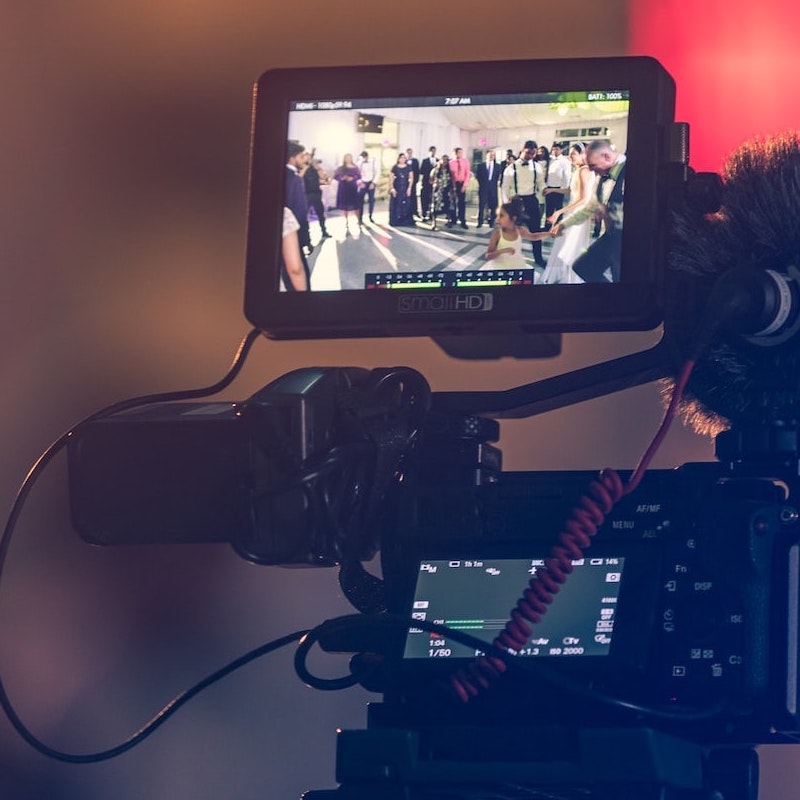

The Impact of Streaming Platforms on the Film Industry
Over the past decade, the film industry has undergone a significant transformation due to the rise of streaming platforms. Platforms such as Netflix, Amazon Prime, and Disney+ have revolutionized the way we consume movies and television shows, offering a vast library of content at our fingertips.
The Rise of On-Demand Viewing
With the advent of streaming platforms, the traditional model of going to the movies has undergone a significant shift. Gone are the days of waiting for a movie to release in theaters; now, we can watch a wide range of content at any time, from the comfort of our own homes. This has led to a significant increase in on-demand viewing, where consumers can choose what and when they want to watch.
Streaming platforms have disrupted the traditional distribution model, where movies were typically released in theaters and then later on DVD or Blu-ray. Instead, they have created a new distribution model, where content is released directly to the consumer, bypassing the middle man (i.e., the movie theater). This has significant implications for the industry, including changes in revenue models, marketing strategies, and consumer behavior.
The Impact on Traditional Distribution Models
One of the most significant impacts of streaming platforms is on traditional distribution models. movie chains and multiplexes, which once were the main revenue generators for the film industry, are now facing significant pressure to adapt to a changing market. With consumers increasingly opting for on-demand viewing, movie theaters are seeing a decline in attendance, leading to concerns about their financial sustainability.
The rise of streaming platforms has also disrupted the box office model, which has traditionally been a key source of revenue for the film industry. With movies being released on streaming platforms on the same day they are released in theaters, the incentive for consumers to visit theaters to see a movie on opening night (i.e., the traditional box office model) is diminishing. This has significant implications for the industry, as box office revenue has traditionally been a key source of funding for productions.
The Changing Business Model
The rise of streaming platforms has also significantly changed the business model of the film industry. With on-demand viewing, production costs have become more manageable, as the audience is now distributed across the globe, rather than being concentrated in a single location (i.e., the movie theater). This has led to an increase in low-budget productions and independent films, as studios can now cater to a global audience without the need for large marketing budgets.
The shift to a streaming model has also led to changes in production trends. With the abundance of platforms and the ease of distribution, there is now a greater emphasis on high-quality content that can compete with the likes of Netflix, Amazon, and Disney+. Studios are now investing more in productions that can compete with these platforms, with a focus on original content that can draw in audiences and drive subscription growth.
Convergence of Content and Distribution
One of the most significant impacts of the streaming revolution is the convergence of content and distribution. With streaming platforms controlling the entire value chain (i.e., production, distribution, and exhibition), they are now able to create a seamless experience for the consumer, with content being available on demand, 24/7, 365 days a year.
This convergence has significant implications for the industry, including changes in content creation, marketing strategies, and consumer behavior. With streaming platforms now controlling the entire value chain, they are able to create a consistent and personalized experience for the consumer, with recommendations, ratings, and reviews driving engagement and viewership.
In conclusion, the rise of streaming platforms has brought about significant changes in the film industry, including the shift to on-demand viewing, disruption of traditional distribution models, changes in business models, and convergence of content and distribution. As the industry continues to evolve, it will be crucial to adapt to these changes, including embracing new technologies, models, and strategies that prioritize content and consumer experience.
The Shift in Consumer Behavior
The rise of streaming platforms has also led to a significant shift in consumer behavior. With the abundance of content available, consumers are now more selective than ever about what they watch and when. According to a survey by Deloitte, 75% of consumers now prioritize quality over quantity when it comes to streaming content, with 60% saying they would rather have a smaller selection of high-quality content than a larger selection of mediocre content.
This shift in consumer behavior has significant implications for the industry, including a greater emphasis on quality content that resonates with audiences. With the rise of streaming platforms, the traditional blockbuster model, where big-budget movies are released with great fanfare, is no longer the only game in town. Instead, studios are now investing in more niche content, such as prestige TV dramas, documentaries, and independent films, that can appeal to specific audiences and drive engagement.
The Impact on Talent and Crew
The shift to a streaming model has also had a significant impact on talent and crew. With the abundance of content available, writers, directors, and actors are now in greater demand than ever before. According to a report by the Screen Actors Guild-American Federation of Television and Radio Artists (SAG-AFTRA), the number of jobs for actors has increased by 25% over the past five years, with many more opportunities available for writers and directors.
However, the shift to a streaming model has also led to changes in the way talent and crew work. With the rise of on-demand viewing, there is now a greater emphasis on speed and efficiency, with productions often being completed in a matter of weeks rather than months. This has led to a greater emphasis on collaborative working practices, with many productions now using Agile methodologies to manage their workflows and ensure timely delivery.
The Rise of Original Content
One of the most significant impacts of the streaming revolution is the rise of original content. With the abundance of platforms and the ease of distribution, studios are now investing heavily in original content that can appeal to specific audiences and drive engagement. According to a report by Ampere Analysis, the global market for original content is expected to reach $150 billion by 2025, up from just $20 billion in 2015.
This rise of original content has significant implications for the industry, including a greater emphasis on creativity and innovation. With the abundance of platforms and the ease of distribution, studios are now taking more risks on new and innovative content, including series and films that may not have been viable in the traditional market. This has led to a renaissance in television, with many more opportunities available for writers, directors, and actors to create high-quality content that resonates with audiences.
The Future of the Film Industry
As the film industry continues to evolve, it will be crucial to adapt to the changing landscape. With the rise of streaming platforms, the traditional model of film distribution is no longer the only game in town. Instead, studios will need to invest in new technologies, models, and strategies that prioritize content and consumer experience.
One potential future direction for the industry is a greater emphasis on direct-to-consumer (DTC) models, where studios distribute content directly to consumers, bypassing traditional intermediaries such as movie theaters and cable networks. This has significant implications for the industry, including changes in revenue models, marketing strategies, and consumer behavior.
Another potential future direction for the industry is a greater emphasis on experiential content, where studios create immersive and interactive experiences that appeal to specific audiences and drive engagement. This has significant implications for the industry, including changes in production trends, marketing strategies, and consumer behavior.
In conclusion, the rise of streaming platforms has brought about significant changes in the film industry, including a shift to on-demand viewing, disruption of traditional distribution models, changes in business models, and convergence of content and distribution. As the industry continues to evolve, it will be crucial to adapt to these changes, including embracing new technologies, models, and strategies that prioritize content and consumer experience.
The Challenges and Opportunities Ahead
While the rise of streaming platforms has brought about many changes and opportunities for the film industry, it has also presented several challenges. One of the most significant challenges is the competition between different platforms, each vying for a share of the global market. According to a report by Goldman Sachs, the global market for streaming services is expected to reach $150 billion by 2025, up from just $20 billion in 2015. This has led to increased competition, with each platform investing heavily in original content and marketing efforts to attract and retain subscribers.
The competition between platforms has also led to a race to outdo each other in terms of original content and exclusivity. This has resulted in some high-profile content deals, such as the $938 million deal between Apple and Marvel for exclusive content. However, this intense competition is also driving up production costs, which can make it difficult for smaller players to compete and can lead to oversaturation in the market.
The Evolution of Marketing Strategies
The rise of streaming platforms has also led to a significant evolution in marketing strategies. With the shift to on-demand viewing, the traditional model of promoting a movie through trailers, red carpet events, and other forms of event-driven marketing has become less effective. Instead, studios are now focusing on more subtle and integrated marketing approaches, such as social media campaigns, influencer partnerships, and word-of-mouth marketing.
Social media has become a critical tool for marketing, with platforms like Twitter, Instagram, and TikTok providing a direct line of communication with audiences. Studios are now leveraging social media to create buzz around their content, engaging with fans, and building anticipation for upcoming releases. This has led to a more decentralized approach to marketing, with content often emerging organically rather than being forced upon consumers through traditional marketing channels.
The Importance of Data and Analytics
The rise of streaming platforms has also led to a significant increase in the importance of data and analytics in the film industry. With the ability to track viewer behavior in real-time, studios can now gain valuable insights into what works and what doesn’t, allowing them to refine their content and marketing strategies accordingly.
According to a report by BI Intelligence, the global market for digital entertainment data and analytics is expected to reach $20 billion by 2025, up from just $5 billion in 2015. This has led to the development of sophisticated data analytics tools that can track viewer behavior, preferences, and engagement levels. Studios are now using these tools to understand what types of content resonate with specific audiences, allowing them to make more informed decisions about their investment in original content.
The Need for Collaboration and Partnership
Finally, the rise of streaming platforms has highlighted the need for collaboration and partnership within the film industry. With the emergence of new players and the increasing importance of data and analytics, no single studio or platform can dominate the global market on its own. Instead, successful companies are recognizing the value of collaboration and are forming partnerships with other players in the industry, such as technology companies, content creators, and data analytics firms.
For example, Netflix has formed strategic partnerships with technology companies such as Google and Microsoft to improve its content delivery and user experience. Similarly, Amazon Prime Video has partnered with content creators such as The Marvelous Mrs Maisel creator Amy Sherman-Palladino to produce original content. These partnerships allow companies to pool their resources and expertise, leading to better outcomes for both parties.
In conclusion, the rise of streaming platforms has brought about significant challenges and opportunities for the film industry. While the competition between different platforms is intense, evolving marketing strategies, the importance of data and analytics, and the need for collaboration and partnership are all critical factors that will determine the success of individual studios and platforms. As the industry continues to evolve, it will be essential to stay vigilant, adapt to change, and embrace new technologies, models, and strategies that prioritize content and consumer experience.


Film Distribution: Navigating the Evolution of the Industry
The landscape of film distribution has undergone a seismic shift in recent decades, evolving from traditional theatrical releases and home video sales to a multi-channel approach that includes streaming platforms, digital downloads, and more. This transformation is driven by technological advancements, changing consumer habits, and shifting market dynamics. In this article, we'll explore how these changes have reshaped the film distribution industry and what the future might hold.
Traditional Film Distribution: The Golden Age
In the past, film distribution was centralized around major theatrical releases. Studios like Paramount, Warner Bros., and Disney would create their own production pipelines, and then distribute films through their own theater chains or through independent distributors. The success or failure of a film was heavily dependent on its run time in theaters, with sequels providing a steady stream of income over several years.
The blockbuster model became increasingly dominant in the late 20th century. Films were promoted with massive marketing campaigns, generating buzz through social media and other avenues. Home video releases, typically one year after theatrical release, provided additional revenue streams. However, despite these successes, the film industry faced challenges such as declining theatrical attendance and piracy concerns.
The Rise of Streaming Services
The introduction of streaming services like Netflix, Amazon Prime Video, and Disney+ marked a significant turning point for film distribution. Streaming services disrupted the traditional model in several ways:
- On-Demand Viewing: Streaming allowed consumers to watch films instantly without waiting for theatrical releases or home video releases.
- Diversification of Content: These platforms diversified the content offerings, catering to niche markets and providing a wider selection of films.
- Global Reach: Streaming services can distribute films globally much faster than traditional channels.
The success of these platforms has influenced not only how films are distributed but also how they are produced and consumed. Hollywood studios began to produce exclusive content for streaming platforms, leading to intense competition.
The Impact on Traditional Theatrical Release Dates
The rise of streaming services has led to a phenomenon known as "day-and-date" release strategies. Films are simultaneously released both theatrically and on streaming platforms, bypassing the traditional window of time between a theatrical premiere and a home video release. This strategy has been employed by some high-profile filmmakers, hoping to capitalize on audience interest and generate more revenue.
However, the impact of this strategy on film theaters has been mixed. Some argue that it has cannibalized theater attendance, while others believe that it provides valuable exposure for films that may otherwise go unseen. Studios like Walt Disney Studios and Warner Bros. have experimented with hybrid models, releasing films in theaters exclusively for a limited period before making them available on streaming.
The adaptation to this new paradigm has forced film theaters to reconsider their business models. Many have invested in technology to enhance the theatrical experience and attract viewers who may otherwise opt for streaming at home. Others have experimented with subscription-based models, offering exclusive access to certain films.
Challenges and Opportunities for Independent Distributors
In the midst of these changes, independent distributors have found themselves navigating uncharted waters. While traditional theatrical distribution remains crucial for many indie films, the ability to secure wide-release windows has diminished significantly. Streaming services have become viable distribution channels for these filmmakers, albeit with different commercial models and promotional strategies.
Innovative indie distributors are exploring hybrid models that combine traditional theatrical releases with direct-to-streaming options. Companies like A24 and翠
user
Continuing from the previous article section:
Innovative indie distributors are exploring hybrid models that combine traditional theatrical releases with direct-to-streaming options. Companies like A24 and Neon have pioneered this approach, recognizing that a diverse distribution strategy can maximize exposure and revenue. These models often include promotional events to build buzz and support theater-run premieres, followed by strategic uploads to streaming services to capture the global audience.
Technological Advancements in Content Delivery
Advancements in digital technologies have further transformed the film distribution landscape. High-speed internet connections and improved coding standards have enabled high-quality video transmission over the web, reducing buffering and enhancing user experience. This has paved the way for larger, cinema-quality productions to be delivered directly to audiences without the need for physical copies.
New technologies such as 4K UHD, Dolby Atmos, and virtual theaters provide a cinematic experience akin to traditional theaters, albeit in the comfort of home viewing. These innovations cater to cinephiles and casual viewers alike, making the transition to digital distribution more appealing.
The Pandemic and Its Impact
The global pandemic further accelerated the shift towards digital distribution. When theaters were closed, studios and independent producers had to find alternative ways to reach audiences. Streaming platforms stepped in, offering a lifeline to the industry. This period saw a flurry of new releases moving straight to digital channels, bypassing traditional release dates altogether.
The pandemic also highlighted the vulnerabilities of the traditional theatrical model, leading to increased scrutiny and questioning about its future viability. It became clear that theaters would be more resilient if they could offer a unique value proposition—such as immersive experiences, special events, and limited-time screenings—that streaming cannot replicate.
Changes in Consumer Behavior
Consumer behavior has shifted significantly due to technological advancements and pandemics. Younger generations are increasingly favoring on-demand services over traditional theater experiences. According to a survey by Nielsen, the number of people choosing to stream films has surged, and this trend is expected to continue post-pandemic.
The convenience and flexibility of home viewing contribute to this shift, coupled with a growing awareness of environmental factors (the carbon footprint associated with theatrical release and distribution). Additionally, consumer reviews and word-of-mouth spread rapidly online, influencing decision-making processes.
Closing Gaps Between Different Distribution Channels
To adapt to these changes, the film industry is striving to close gaps between different distribution channels. Platforms like Netflix and Amazon have started licensing their content for theatrical releases, blurring the lines between streaming services and traditional theaters. This creates opportunities for content creators and distributors to diversify their reach.
A key challenge in this integration is ensuring that each channel's unique strengths are leveraged effectively. For example, theaters can focus on creating immersive experiences and event-driven cinema, while streaming services can take advantage of their vast libraries and on-demand capabilities.
Conclusion
The film distribution industry is undergoing a transformative shift, driven by technological advancements, consumer behavior, and market dynamics. From traditional theatrical releases to hybrid models and global streaming platforms, the industry must adapt to stay relevant. As the line between different distribution methods continues to blur, there are both challenges and opportunities for content creators, distributors, and theaters.
The future of film distribution promises to be dynamic and unpredictable. However, by embracing innovation, understanding consumer needs, and leveraging technology, the industry can navigate these changes successfully, ensuring that films continue to reach audiences in meaningful ways.
Legal and Regulatory Challenges
The rapid evolution of film distribution has brought numerous legal and regulatory challenges. Studios and distributors must navigate complex copyright laws, contractual agreements, and international regulations governing digital rights management (DRM). Streaming platforms face additional pressures to comply with data protection and privacy laws, particularly in regions like the European Union with stringent GDPR regulations.
Another significant legal hurdle is the issue of piracy. With the ease of downloading films illegally, protecting intellectual property has become essential. Companies like Paramount and Warner Bros. have aggressively pursued anti-piracy measures, including legal actions against torrent sites and implementing advanced DRM solutions.
Regulatory bodies also play a crucial role in shaping the film distribution landscape. The Motion Picture Association (MPA) works internationally to address issues such as content theft and to promote industry standards. However, these efforts must balance with the need to accommodate the innovative distribution models adopted by newer players.
Strategic Partnerships and Consolidation
To stay competitive, film distributors are forging strategic partnerships and considering consolidation. Studios are increasingly partnering with streaming giants to co-develop content and ensure a wider reach. Collaborations such as The Walt Disney Company’s deal with Comcast’s NBCUniversal highlight the growing synergy between traditional players and tech giants.
Consolidation is also a trend. Major players like Comcast and AT&T are acquiring smaller distributors and theaters to strengthen their market positions. For example, Comcast’s acquisition of Universal Studios parent company NBCUniversal created a massive entertainment conglomerate that includes a diverse array of film, television, and streaming assets.
These strategic moves are not limited to domestic markets. International partnerships and acquisitions are becoming more common as companies look to expand their global presence. For instance, Netflix’s acquisition of MillarWorld, a comic book intellectual property company, signals its ambitions to diversify content and tap into a broader audience base.
Innovations in Marketing and Promotion
The digital age has revolutionized the marketing and promotion of films. Marketing campaigns now leverage social media, influencer collaborations, and interactive content to engage audiences. Brands and filmmakers use platforms like Twitter, Instagram, and TikTok to create buzz and drive ticket sales. For example, Marvel’s promotion of its films often involves behind-the-scenes glimpses, teaser trailers, and interactive challenges.
Digital marketing strategies also extend to the pre-film experience. Movie theaters and streaming services collaborate to create immersive pre-release campaigns. These campaigns can include virtual reality (VR) experiences, augmented reality (AR) apps, and even live events that generate excitement months before the film’s official release.
Future Trends and Predictions
Much is still uncertain about the future of film distribution. However, trends indicate a continuation of the current trajectory towards hybrid models combining traditional theaters and digital platforms. The rise of subscription-based services and ad-supported streaming models suggests a potential shift away from one-time pay-per-view models.
Technologies like AR/VR and artificial intelligence (AI) are poised to offer new ways to engage audiences. AR glasses and VR headsets could revolutionize the viewing experience, allowing viewers to step into immersive worlds and interact with storylines in novel ways. AI tools can also personalize movie recommendations based on individual watching habits, driving higher engagement and conversion rates.
Moreover, the film industry is likely to see a greater emphasis on data analytics to inform distribution decisions. Understanding audience preferences and behaviors through big data can help studios time releases precisely, optimize marketing strategies, and tailor content to specific demographics more effectively.
The global distribution map is also expected to evolve. Emerging markets in Asia and Africa present untapped territories for distribution networks. Companies will need to adapt their strategies to cater to local tastes and cultural nuances, ensuring that films resonate with diverse audiences worldwide.
Conclusion
The evolving landscape of film distribution reflects the complex interplay between innovation, consumer behavior, and regulatory constraints. As the industry continues to adapt, it faces both challenges and opportunities. Strategic partnerships, robust legal frameworks, and technological advancements will play pivotal roles in shaping the future of film distribution.
By embracing these changes and remaining agile, the film sector can ensure that movies continue to captivate and inspire audiences across multiple platforms. The journey ahead is full of possibilities, and the key lies in staying informed, innovative, and responsive to the ever-changing landscape of the film industry.
The emergence of blockchain technology also presents potential solutions for the film distribution industry. Blockchain can offer secure, transparent, and immutable records of ownership and distribution, potentially reducing conflicts over rights and royalties. Platforms like DASH FILMChain and FilmChain are already exploring how blockchain can streamline the process of tracking and monetizing film distribution. These blockchain solutions can ensure that all stakeholders, from directors to investors, receive accurate payments, thereby fostering trust within the industry.
Ecosystem Integration: From Production to Consumption
To fully integrate various distribution channels, the industry is focusing on creating a seamless ecosystem from production to consumption. This involves developing platforms that can manage every aspect of a film’s lifecycle, from financing and production to marketing, distribution, and finally, consumption. Companies like FilmBuff and VOD (Video On Demand) providers are working towards creating a unified platform that connects creators with distributors and audiences.
A key component of this ecosystem is metadata management. Accurate, standardized metadata ensures that films and their related content are easily discoverable across all platforms. Standards organizations like the Metadata Interoperability Group (MIG) are working to develop and enforce metadata schemas that enable interoperability between different systems. This standardization helps in creating a more cohesive and efficient distribution network.
Global Accessibility and Local Adaptation
The increasing globalization of film distribution also necessitates adapting content to local preferences and cultural contexts. Localization services are becoming more sophisticated, allowing distributors to translate scripts, adapt marketing materials, and curate content tailored to specific regions. This approach not only enhances the relevance of films but also fosters a stronger connection with local audiences. For example, the success of films like Joker in multiple markets underscores the importance of nuanced localization.
Localization services are not limited to translations; they also involve cultural adaptation, which means tweaking plot elements, characters, and settings to align with local customs and norms. This effort ensures that films do not alienate local viewers and can effectively engage with cultural nuances. Additionally, localization can help in tapping into regional economies by offering localized financing and distribution deals.
Impact on Creative Freedom and Artist Autonomy
As the industry shifts towards more flexible and diverse distribution models, concerns around creative freedom and artist autonomy have risen. Filmmakers and independent artists may find themselves under pressure from distribution deals that restrict their creative control. For instance, studios often negotiate terms that limit the number of theatrical releases, dictate the order of home media availability, or restrict the film’s exposure on certain platforms.
To mitigate these risks, artists are advocating for clearer contract terms and stronger protections for creative rights. Organizations like the Directors Guild of America (DGA) and the Writers Guild of America (WGA) are working to establish guidelines that prioritize artist autonomy while ensuring fair compensation. Artists are also exploring new funding models and direct-to-consumer distribution platforms that give them greater control over their work and revenues.
Environmental Considerations
The increasing popularity of digital distribution also raises environmental concerns. Despite the efficiency of streaming services, the energy consumption associated with data centers and household devices remains a critical issue. Studios and distributors are adopting green practices to reduce their carbon footprint. This includes investing in renewable energy sources, improving data center efficiency, and encouraging the use of low-power hardware.
Consumers are also becoming more environmentally conscious, with many demanding sustainable practices from entertainment giants. Brands like Amazon and Netflix are responding to these demands by pledging to power their operations with renewable energy and by promoting eco-friendly viewing options. Innovative initiatives like "green streaming" campaigns educate audiences on the environmental impact of their viewing choices and encourage them to make more sustainable choices.
Conclusion
The film distribution industry is at a crossroads, facing transformative challenges and opportunities. From traditional theatrical releases to hybrid models and global streaming platforms, the industry must innovate and adapt to meet the evolving needs of both creators and audiences. Legal and regulatory hurdles, technological advancements, strategic partnerships, and emerging trends in blockchain and AI are reshaping the landscape.
As we move forward, it is crucial for all stakeholders to collaborate and prioritize transparency, creativity, and environmental sustainability. By doing so, the film industry can ensure that films remain a powerful medium for storytelling and entertainment, reaching audiences around the world in meaningful ways. The future may be unpredictable, but with determination and foresight, the industry can continue to thrive and inspire for generations to come.