Aristophanes: The Master of Ancient Greek Comedy
Introduction to Aristophanes
Aristophanes, often hailed as the greatest comic playwright of classical antiquity, remains one of the most celebrated figures in the history of literature. Born around 446 BCE, he lived during the golden age of Athens, a period marked by remarkable cultural and intellectual achievements. His works, characterized by sharp wit, biting satire, and imaginative storytelling, provide a vivid window into the social, political, and cultural life of ancient Greece.
As a playwright, Aristophanes used comedy as a powerful tool to critique the societal norms, political figures, and even the philosophical trends of his time. His plays are not only humorous but also deeply insightful, offering a unique perspective on the challenges and contradictions of Athenian society. With a career spanning several decades, Aristophanes produced approximately 40 plays, although only 11 have survived in their entirety.
Life and Times of Aristophanes
Little is known about Aristophanes' personal life, but historical records suggest he was born in Athens to a family of moderate means. His upbringing likely exposed him to the vibrant cultural and political atmosphere of the city, which would later influence his works. Aristophanes began his career as a playwright in his late teens or early twenties, with his first play, "The Banqueters," produced in 427 BCE. Though this play is now lost, it marked the beginning of a prolific career.
Aristophanes lived during a tumultuous period in Athenian history. The Peloponnesian War (431-404 BCE) between Athens and Sparta cast a long shadow over his works, as he frequently addressed the war's impact on Athenian society. The war's hardships, including food shortages, political instability, and social unrest, became recurring themes in his comedies. His sharp critiques of political leaders, such as Cleon, and his calls for peace resonated with Athenian audiences, making him both famous and controversial.
The Art of Aristophanic Comedy
Aristophanes' comedies are distinguished by their bold and often fantastical plots, which blend reality with imagination. Unlike modern comedy, which often relies on situational humor, Aristophanes employed a mix of satire, parody, and absurdity to entertain and provoke thought. His plays often feature ordinary citizens who devise outlandish schemes to solve their problems, whether it's escaping war, gaining political power, or outsmarting the gods.
One of his signature techniques was the use of the chorus, a group of performers who sang and danced while commenting on the action of the play. The chorus in Aristophanes' works served as both a narrative device and a means of engaging the audience. Another hallmark of his style was the parabasis, a section of the play where the chorus would step out of character to address the audience directly, often delivering political or social commentary.
Major Works of Aristophanes
"The Clouds"
One of Aristophanes' most famous works, "The Clouds," is a biting satire of intellectual trends in Athens, particularly the teachings of the philosopher Socrates. In the play, a father enrolls his son in Socrates' "Thinkery" to learn how to argue his way out of debt, but the son ultimately uses these skills to justify beating his father. The play's portrayal of Socrates as a charlatan and a corrupting influence was controversial, and some believe it contributed to the philosopher's later trial and execution.
"Lysistrata"
Perhaps Aristophanes' most enduringly popular play, "Lysistrata" tells the story of women from warring Greek city-states who unite to end the Peloponnesian War by withholding sexual privileges from their husbands. This bold premise combines humor with a powerful anti-war message, showcasing Aristophanes' ability to use comedy as a tool for social critique. The play's themes of peace, gender roles, and political power remain strikingly relevant today.
"The Frogs"
In "The Frogs," Aristophanes turns his attention to the state of Athenian theater. The god Dionysus, disillusioned with contemporary playwrights, descends into the underworld to bring back Euripides. A poetic competition ensues between Euripides and Aeschylus, with Aristophanes using the play to critique the decline of dramatic art in Athens. "The Frogs" is notable for its metatheatrical elements and its witty commentary on literary and cultural values.
Legacy and Influence
Aristophanes' influence extends far beyond his own time. His innovative use of satire, his bold engagement with political and social issues, and his mastery of comedic form have inspired countless writers and thinkers over the centuries. From the Renaissance to the modern era, playwrights, poets, and satirists have drawn on his works for inspiration.
Despite the passage of over two millennia, Aristophanes' comedies continue to be performed and studied worldwide. His ability to blend humor with incisive social commentary ensures that his works remain not only entertaining but also deeply meaningful. Whether mocking the follies of politicians, questioning the role of intellectuals, or advocating for peace, Aristophanes' voice remains as relevant today as it was in ancient Athens.
As we delve deeper into his life and works in the following sections, we will explore more about his theatrical techniques, the historical context of his plays, and the lasting impact of his genius. Stay tuned for the next installment of this exploration into the world of Aristophanes.
The Theatrical Genius of Aristophanes
While we've explored the basic framework of Aristophanes' life and works, it's time to delve deeper into the theatrical techniques that made his comedies so revolutionary. The Athenian stage during Aristophanes' time was a place of constant innovation, and our playwright stood at the forefront of these developments, pushing boundaries in ways that still influence theater today.
Innovations in Staging and Performance
Ancient Greek theater was a far cry from modern productions, yet Aristophanes managed to create spectacular effects with limited resources. The open-air Theater of Dionysus in Athens could hold up to 17,000 spectators, requiring actors to develop powerful vocal techniques and exaggerated physicality. Our playwright mastered these demands, crafting dialogue that could carry across the vast space while maintaining its comedic timing.
One of his most notable innovations was the use of the phallus costume piece - a standard element of Old Comedy that Aristophanes employed with particular skill. Far from mere vulgarity, this prop served as a visual metaphor for the fertility and vitality that comedy represented in Greek culture. The playwright's clever manipulation of this convention allowed him to make pointed social commentary while maintaining the required festive atmosphere of Dionysian festivals.
Language as a Weapon
Aristophanes' linguistic dexterity remains unmatched in the annals of comedy. He wielded words like a master swordsman, employing:
- Puns that worked in both high and low registers
- Complex poetic meters that could shift suddenly for comic effect
- Invented words that perfectly captured absurd situations
- Biting political references hidden beneath surface humor
This verbal virtuosity wasn't just for show - it allowed him to navigate the dangerous political waters of wartime Athens. By couching his critiques in humor and wordplay, he could say what others couldn't, walking the fine line between satire and sedition. His ability to make the audience laugh while making them think became the gold standard for political comedy that persists to this day.
Characterization and Social Commentary
Beneath the outrageous scenarios and crude jokes, Aristophanes created surprisingly nuanced characters that reflected Athenian society. His "everyman" protagonists - whether farmers, housewives, or ordinary citizens - often found themselves caught between:
- The demands of war and the desire for peace
- Traditional values and new intellectual trends
- Personal interests and civic duty
This tension between individual and society gave his plays remarkable depth. In "The Wasps," for instance, the portrayal of Philocleon's jury addiction becomes both hilarious and poignant, revealing the psychological costs of Athens' litigious culture. Similarly, the titular character in "Lysistrata" represents one of the first truly complex female protagonists in Western literature, challenging gender norms while driving the plot forward.
The Political Animal
No examination of Aristophanes would be complete without exploring his role as political commentator. Living through the tumultuous Peloponnesian War, he used his plays as a platform to address the most pressing issues of his day, often at great personal risk.
War and Peace in the Comedies
The shadow of war looms large over Aristophanes' work, with several plays directly addressing the conflict between Athens and Sparta. His approach to this subject was anything but simplistic:
- "Acharnians" presents a lone farmer making his own peace treaty
- "Peace" imagines a fantastical rescue of the goddess Peace from heaven
- "Lysistrata" proposes sexual politics as the solution to war
What makes these treatments remarkable is their combination of absurdity and serious intent. The very ridiculousness of the solutions proposed serves to highlight the irrationality of continued warfare. Aristophanes understood that sometimes the most profound truths are best revealed through laughter.
Democracy Under the Microscope
Athenian democracy, for all its achievements, came under frequent scrutiny in Aristophanes' plays. He particularly targeted:
- The demagogues who manipulated public opinion
- The legal system that encouraged frivolous lawsuits
- The assembly where decisions were often swayed by emotion rather than reason
In "The Knights," his savage portrayal of the demagogue Cleon (disguised as the slave Paphlagon) remains one of the most daring political attacks in literary history. The play's allegorical structure allowed Aristophanes to criticize the most powerful man in Athens while avoiding direct confrontation - a masterclass in political satire.
Philosophy and Intellectual Life
No discussion of Aristophanes' political engagement would be complete without addressing his complex relationship with the intellectual movements of his time. His portrayal of Socrates in "The Clouds" has been debated for centuries, with interpretations ranging from:
- A straightforward attack on the philosopher
- A critique of how Socratic ideas were being misused
- A commentary on the dangers of intellectual detachment from practical life
What's clear is that Aristophanes saw the new philosophical trends as both fascinating and potentially dangerous to traditional Athenian values. His plays serve as an invaluable record of how these intellectual developments were received by the general public.
Enduring Influence
As we conclude this section, it's worth noting how Aristophanes' innovations continue to resonate. From Shakespeare's political comedies to modern satirical shows, the DNA of Aristophanic comedy can be traced through the centuries. His ability to combine:
- Entertainment with education
- Humor with serious purpose
- Fantasy with social realism
created a template that remains vital to this day. In our next section, we'll explore how later generations have interpreted and adapted Aristophanes' work, examining his legacy in modern theater, literature, and political discourse.
Aristophanes Through the Ages: Reception and Legacy
As we enter our final exploration of Aristophanes, we turn our attention to how his works have traveled through time, adapting to new cultural contexts while retaining their essential spirit. The survival of eleven complete plays from antiquity is itself miraculous, and understanding how they endured reveals much about their timeless quality.
Rediscovery in the Renaissance
The journey of Aristophanes' texts through medieval Europe was precarious. While Byzantine scholars preserved his works, Western Europe largely lost access until the 15th century revival of Greek learning. When Italian humanists rediscovered these comedies, they encountered:
- Language that challenged their notions of classical decorum
- Political commentary that resonated with their own city-state rivalries
- Humorous situations strikingly different from Roman comedy
Printing press editions of Aristophanes began appearing in the early 16th century, with Venetian scholar Marcus Musurus producing the editio princeps in 1498. These early editions often included bowdlerized passages, as Renaissance sensitivities struggled with the plays' earthy humor. Yet the very censorship proves how powerfully Aristophanes' voice survived the centuries.
Enlightenment Interpretations
The 18th century brought new perspectives on Aristophanes, particularly as political satire gained prominence across Europe. Figures like Voltaire praised his boldness while criticizing his vulgarity—a tension that continues today. German scholars like Gottfried Hermann produced influential critical editions, while French playwrights adapted his plots for contemporary stages.
A fascinating development occurred when British parliamentarian John Hookham Frere published verse translations in the early 19th century. His renditions captured the spirit rather than the letter of Aristophanes, proving that:
- The plays could thrive in modern languages
- Political satire translated across cultures
- Timeless human foibles outlasted specific Athenian references
Aristophanes in Modern Times
Twentieth Century Reinterpretations
The modern era witnessed an explosion of Aristophanic adaptations as artists discovered how perfectly his themes aligned with contemporary concerns:
| Original Play | Modern Adaptation | Cultural Context |
|---|---|---|
| Lysistrata | Lysistrata Project (2003 anti-war readings) | Global protests against Iraq War |
| The Birds | Ornithes by Karolos Koun (1975) | Greek resistance to dictatorship |
| The Frogs | Sondheim's musical adaptation (2004) | Broadway commentary on artistic standards |
These adaptations demonstrate how Aristophanes' works constantly reinvent themselves for new political climates and artistic movements.
Academic Perspectives
Modern scholarship has revolutionized our understanding of Aristophanes through:
- Papyrological discoveries revealing lost passages
- Performance studies reconstructing staging techniques
- Gender studies re-evaluating his portrayal of women
- Postcolonial readings of his Athenian-centric worldview
Particularly groundbreaking has been the work of scholars like Sir Kenneth Dover and Jeffrey Henderson, whose examinations of sexual humor in Aristophanes helped decode the cultural subtexts of ancient Athenian comedy.
Why Aristophanes Matters Today
Political Satire in the Digital Age
In an era of viral memes and Twitter politics, Aristophanes' techniques feel remarkably contemporary. Consider these parallels:
- His caricatures of Cleon anticipate modern political cartoons
- The parabasis resembles today's editorial segments in comedy shows
- Fantasies like cloud cities mirror internet utopianism
Modern satirists from Jon Stewart to Sacha Baron Cohen employ Aristophanic strategies—using outrageous premises to reveal uncomfortable truths about power structures.
Theater of the Absurd Precursor
Playwrights like Ionesco and Beckett owe an unrecognized debt to Aristophanes' brand of:
- Logical illogic (characters following absurd premises to rational ends)
- Disruptive anti-realism (talking animals, personified concepts)
- Existential humor in the face of war's chaos
When characters in "The Birds" establish a utopian city in the sky, we see proto-Kafkaesque bureaucracy. When Dionysus in "The Frogs" judges underworld poets, we witness early meta-theatrical commentary.
Final Assessment: The Timeless Comic Vision
As we conclude our exploration, three fundamental qualities secure Aristophanes' enduring relevance:
1. Humanity Beneath the Humor
Behind every ridiculous scenario lies profound insight into human nature—our selfishness, our idealism, our limitless capacity for self-delusion. His comic exaggerations reveal essential truths.
2. Courage in Creativity
Aristophanes took artistic risks that still inspire creators today. His willingness to blend high and low culture, to mix poetry with profanity, remains revolutionary.
3. The Power of Laughter as Resistance
In dictatorships, occupations, ideological conflicts—whenever oppression looms, Aristophanes reminds us that humor can be both weapon and refuge. From Nazi-occupied Greece to Cold War Europe to modern protest movements, his spirit of resistance through comedy persists.
The surviving manuscripts of Aristophanes' plays often show medieval scribal notes in the margins—variously shocked, delighted, or perplexed by what they copied. This chain of reactions stretching across millennia confirms his plays' unique achievement: they make every era recognize itself in the comic mirror he holds up to Athens. Whether read in the original Attic Greek or adapted for TikTok, Aristophanes continues to challenge, entertain, and reveal—confirming his status not just as the father of comedy, but as one of literature's eternal contemporaries.
Exploring the Art of Satire in Cinema: Unforgettable Examples
Satire holds a unique place in the world of cinema, serving as a creative platform for filmmakers to critique societal norms, politics, and culture through humor and irony. This genre of storytelling transforms sharp observations into entertaining narratives, offering audiences both laughter and reflection. As we explore some of the most prominent examples of film satire, we delve into how they've cleverly used wit to mirror reality and question conventions.
The Essence of Satire in Film
Satire has long been a tool for social commentary, with cinema evolving to become one of its most potent and accessible forms. By ridiculing the status quo and highlighting hypocrisy, satire in film challenges audiences to rethink their perspectives. From exaggerated depictions of political institutions to the mockery of everyday life, filmmakers harness the power of satire to effectively communicate messages that resonate and provoke thought.
Classic Satirical Masterpieces
No discussion of film satire is complete without mentioning some of the classics that have paved the way for modern satirical cinema.
*Dr. Strangelove or: How I Learned to Stop Worrying and Love the Bomb* (1964) is a pivotal work directed by Stanley Kubrick that remains an influential piece of satirical filmmaking. The film critiques Cold War politics and the absurdities of nuclear deterrence with dark, comedic flair. By using exaggerated characters and scenarios, Kubrick provides a biting commentary on the anxieties of the nuclear age.
Similarly, Terry Gilliam’s *Brazil* (1985) stands out as a dystopian satire that critiques bureaucratic society. Its surreal presentation of a future dominated by an inefficient and oppressive government reflects on the absurdity of modern life. Gilliam's unique vision layers humor with a critique of over-dependence on technology and institutional control, creating a film that is both entertaining and thought-provoking.
Modern Satirical Gems
Shifting to contemporary cinema, many films have continued the tradition of using satire to address modern issues. *Thank You for Smoking* (2005), directed by Jason Reitman, is a sharp satire on the tobacco industry and its lobbying tactics. With its protagonist, a charismatic spokesperson for Big Tobacco, the film humorously yet incisively explores themes of manipulation, responsibility, and ethical dilemmas in modern capitalism.
Another notable example is Armando Iannucci's *The Death of Stalin* (2017), which dives into the chaos and absurdity following the death of the Soviet dictator. Straddling the line between comedy and dark political satire, the film portrays the power struggles within Stalin's inner circle, highlighting the ridiculous nature of authoritarian regimes. Iannucci's use of humor to criticize political structures demonstrates the enduring relevance and impact of satirical storytelling.
Satire Addressing Social Issues
Film satire also effectively tackles social norms and cultural practices, often prompting discussions about sensitive and challenging subjects. *Get Out* (2017), directed by Jordan Peele, is a groundbreaking example of horror satire that addresses race relations in America. Mixing elements of suspense with biting commentary, the film cleverly dissects liberal racism and the lingering presence of oppression. Peele uses the horror genre to expose societal truths, creating a shockingly effective satirical narrative.
Similarly, Ruben Östlund’s *The Square* (2017) takes aim at the art world and wider societal hypocrisies. The Swedish film skewers elitism and social responsibility through the lens of modern art exhibitions, raising questions about privilege, morality, and the superficiality of social justice. With its uncomfortable and humorous scenarios, *The Square* utilizes satire to engage audiences in a deeper exploration of human behavior and social dynamics.
The Role of Satirical Animation
Satire in cinema is not confined to live-action films; it extends to animation, where the medium's limitless possibilities allow for creative and bold critiques. Matt Groening's *The Simpsons Movie* (2007) expands on the satirical themes that the beloved television series has long employed. The film takes aim at environmental issues, corporate greed, and political corruption, using the fictional town of Springfield as a microcosm for larger societal critiques.
Another animated satirical success is *South Park: Bigger, Longer & Uncut* (1999), which satirizes censorship and media influence with the irreverent humor characteristic of the series. Through its exaggerated, absurd scenarios, the film critiques the overreaction of society to controversial content, using the antics of its young protagonists to highlight the hypocrisy of adult actions and decisions.
As this exploration reveals, satire remains an essential device in cinema for critiquing and reshaping perspectives. Whether addressing political, social, or cultural themes, these films employ wit and humor to shed light on truths that might otherwise remain obscured. With a range of approaches and styles, satirical films invite audiences to laugh while contemplating the underlying messages — a testament to the enduring power of satire in the world of cinema.
Satirical Storytelling and Genre Blending
A fascinating aspect of film satire is its ability to effortlessly blend with various genres, creating a hybrid form of storytelling that broadens its appeal and impact. Satirical science fiction, horror, and even romantic comedies have demonstrated the genre's versatility and effectiveness in delivering complex themes through laughter and irony.
In science fiction, *Galaxy Quest* (1999) offers a playful poke at the science fiction genre itself. Directed by Dean Parisot, this film satirizes the phenomenon of cult followings and fan conventions through the story of former TV show actors who find themselves aboard an actual spaceship. Its affectionate yet critical look at the obsessions and conventions within fan culture delivers a humorous narrative that simultaneously honors and critiques the very genre it inhabits.
Similarly, Edgar Wright's *Shaun of the Dead* (2004) exemplifies the blend of horror and satire. By infusing a zombie apocalypse scenario with sharp wit and British humor, the film not only provides entertainment but also subtly critiques societal complacency and routine. Wright's unique take on the zombie genre captures the absurdity of human behavior in crisis, providing laughs alongside chills.
In the realm of romantic comedy, *Tootsie* (1982) directed by Sydney Pollack, uses satire to address gender roles and sexism in Hollywood. The film depicts an out-of-work actor who adopts a female persona to land a job, leading to humorous yet insightful explorations of the gender dynamics prevalent in society. By flipping expectations and highlighting double standards, *Tootsie* cleverly engages with its audience, prompting reevaluation of entrenched stereotypes and societal norms.
The Impact of Political Satire
Political satire holds a special place in the pantheon of satirical films, often reflecting the absurdity of governance, policy-making, and leadership. The intricacies of power dynamics and political farce create ripe opportunities for satirical exploration, providing audiences with both amusement and a critical lens on contemporary issues.
One of the most notable examples of political satire is *Wag the Dog* (1997), directed by Barry Levinson. The film presents a fictional narrative in which a spin doctor and a Hollywood producer fabricate a war to divert attention from a presidential scandal. With its sharp wit and incisive commentary on media manipulation and political strategy, *Wag the Dog* highlights the convergence of politics, entertainment, and public perception, making audiences question the authenticity of what they see and hear.
More recently, the Adam McKay-directed *Vice* (2018) delivers a satirical portrayal of former Vice President Dick Cheney’s political career. Through an unflinching comedic style, the film examines the machinations and power plays within the U.S. government. McKay’s use of satire as a lens to view political history underscores the absurdities of leadership and decision-making, challenging viewers to confront the ramifications of unchecked power.
Continued Evolution and Influence
Satire has evolved alongside cinema, continually adapting to reflect the zeitgeist and engage with contemporary issues. Recent forays into streaming platforms and digital media have amplified its reach, allowing fresh voices and perspectives to emerge in the genre. With its ability to entertain, provoke thought, and incite dialogue, film satire remains a crucial element of storytelling that mirrors and critiques an ever-changing society.
Taika Waititi’s *Jojo Rabbit* (2019) exemplifies modern satire’s ability to blend genres and alter perspectives. By infusing a World War II story with humor and fantasy elements, the film offers a fresh, poignant look at indoctrination, prejudice, and the innocence of youth. Waititi's distinct narrative approach invites audiences to navigate sensitive topics with both empathy and critical thought, underscoring the enduring relevance of satire as a powerful storytelling tool.
Likewise, Boots Riley’s *Sorry to Bother You* (2018) merges absurdist comedy and science fiction to tackle issues of race, labor, and corporate greed. Its unpredictable, satirical journey through an alternate Oakland provides a thought-provoking, imaginative critique of capitalism and identity. Riley’s creative vision offers a compelling narrative imbued with socio-political critique, affirming the continued vitality of satire in confronting complex realities.
The Future of Film Satire
As the world continues to grapple with social, political, and cultural shifts, the demand for satirical content that offers insight and humor remains strong. With technological advancements and the rise of global connectivity, filmmakers are afforded new opportunities to push the boundaries of satire, exploring untapped potential and uncharted territories in their storytelling endeavors.
Emerging satirists from diverse backgrounds bring fresh perspectives to the genre, challenging conventions and opening dialogues on underrepresented issues and narratives. As global audiences become more interconnected, the potential for cross-cultural exchange and collaboration could lead to innovative takes on satire, further enriching the cinematic landscape.
In conclusion, film satire stands as an enduring pillar of cinema, continually challenging audiences to reflect on the human condition through humor, irony, and critique. Its evolution and ability to adapt to changing societal landscapes ensure that satire will remain a vibrant and essential form of cinematic expression. As we look toward the future, the continued blending of genres and fresh satirical voices promise to captivate, entertain, and enlighten audiences around the world.
Satire in International Cinema
While Hollywood has produced notable examples of film satire, international cinema also boasts a rich tapestry of satirical works that explore varying themes and perspectives from around the globe. These films provide insight into cultural nuances and societal critiques uniquely tailored to their contexts, offering audiences a broader view of the world through the lens of irony and wit.
One such example is South Korea's *Parasite* (2019) directed by Bong Joon-ho. This Academy Award-winning film uses black comedy and suspense to deliver a scathing critique of social inequality and class struggle. By depicting the entwined lives of two families from drastically different socioeconomic backgrounds, Bong skillfully illustrates the inherent absurdities of class divides. His use of satire not only entertains but also sparks critical discourse on global issues of wealth disparity and socio-economic structures.
European cinema, too, has a storied history of utilizing satire to examine and reflect societal quirks and injustices. Pedro Almodóvar's *Women on the Verge of a Nervous Breakdown* (1988) is a campy, vibrant satire that explores themes of love and betrayal within the chaotic world of Spanish melodrama. Known for his bold storytelling, Almodóvar employs wit and satire to critique gender roles and the cultural eccentricities of 1980s Spain, creating a narrative that is both lively and thought-provoking.
From Italy, *Caro Diario* (1993), directed by Nanni Moretti, offers a semi-autobiographical satire that examines modern life through a comedic lens. The film's episodic format allows Moretti to mock society's obsessions, from vapid television culture to the absurdities of urban planning. His clever observations, wrapped in humor, resonate with audiences, making this film a timeless piece of satirical cinema.
Technology and Satire in the Digital Age
As we navigate the age of digital media and rapid technological advancement, film satire is evolving to include critiques of our increasingly plugged-in lives. This contemporary focus on technology has given rise to a subgenre of cyber-satire that scrutinizes humanity’s complex relationship with digital spaces and innovations.
*The Social Dilemma* (2020), while technically a documentary, integrates dramatized elements to satirically expose the manipulative structures of social media platforms. By blending real-life interviews with fictional narratives, the film critiques the pervasive influence of technology on society and individual behavior. Its satirical undertones highlight the absurdity of a system where user engagement often comes at the expense of truth and mental well-being.
In a similar vein, *Black Mirror: Bandersnatch* (2018) embraces the interactive format to present a satirical take on free will and choice within the digital realm. This choose-your-own-adventure film not only entertains but also satirizes the illusion of control that technology offers, prompting viewers to consider how much autonomy they truly have in an era dominated by algorithms and constant connectivity.
The Challenges of Crafting Satire
While satire is celebrated for its ability to provoke thought and facilitate change, crafting effective satirical narratives presents distinct challenges. Striking the right balance between humor and critique without crossing into offensive territory requires skillful storytelling and deep understanding of the subject matter. Moreover, cultural and social sensitivities can vary widely, making it imperative for filmmakers to navigate their themes with care and accountability.
Additionally, shifts in audience expectations and sensibilities necessitate an adaptable approach to the genre. As society becomes more aware and vocal about issues of representation and inclusivity, satirical films must evolve to reflect these concerns while maintaining their critical edge. This evolution signifies both a challenge and an opportunity for filmmakers to pioneer new methods of engagement through satire.
The Future of Film Satire
As film continues to be an influential medium for storytelling and social commentary, the future of satire in cinema remains promising. Emerging platforms and technologies expand the possibilities for filmmakers to explore innovative formats, perhaps merging elements of interactive media and virtual reality with traditional narrative forms.
Furthermore, as global communication becomes seamless, the potential for international collaborations in film satire could lead to more diverse narratives that appeal to a much broader audience worldwide. These cross-cultural exchanges could usher in a new era of satirical works that emphasize shared global experiences while celebrating individual cultural identities.
Ultimately, film satire’s enduring relevance lies in its capacity to entertain, challenge, and provoke. As societal complexities grow, the appetite for stories that both illuminate and critique the human condition through humor and wit will persist. Filmmakers who continue to harness the power of satire, irrespective of evolving formats and themes, will undoubtedly contribute to cinema's rich tradition of reflection and engagement — a testament to the genre's timeless appeal.
In summary, the journey through the world of film satire reveals a vibrant landscape where humor meets critique. From classic masterpieces to contemporary gems and international offerings, satire remains an indispensable tool in cinema's arsenal, one that encourages audiences to laugh, think, and, ultimately, see the world through a more critical lens. As it continues to evolve, the art of film satire will undoubtedly remain a fixture in our cultural conversation, inviting us to question, reflect, and engage with both the absurdities and realities of life.

Political Satire in Film: A Cinematic Exploration of Society and Power
Introduction: The Art of Satire in Cinema
Political satire in film is a powerful tool that filmmakers use to comment on and critique societal norms and the machinations of those in power. As a genre, political satire has played a crucial role in shining a light on the often absurd realities of governance and politics. Through wit, humor, and sometimes even absurdism, filmmakers craft narratives that encourage audiences to reflect on the political world around them. This first part of the article delves into the roots of political satire in cinema, its evolution, and its impact on society.
The Origins of Political Satire
The origins of political satire can be traced back centuries, but its incorporation into the cinematic medium marked a new era of mass communication and influence. In the early 20th century, as film transitioned from a novelty to a dominant form of entertainment, satirists quickly leveraged its potential. These filmmakers were able to reach wide audiences, presenting their critiques in an engaging and accessible manner.
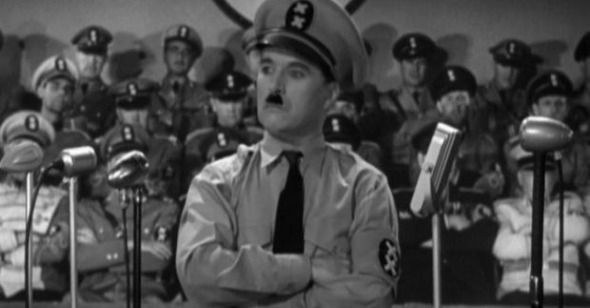
One of the earliest examples of political satire in film is Charlie Chaplin's 1940 masterpiece, "The Great Dictator." At a time when the world was grappling with the rise of fascism, Chaplin used his poignant humor to criticize dictators and the perils of totalitarian regimes. The film highlighted the ridiculousness of autocrats while delivering a powerful message about human rights and freedom.
The Evolution of Political Satire in Film
Political satire has evolved alongside the changing landscape of cinema and global politics. As societies advanced and political landscapes shifted, the genre adapted, reflecting the complexities of modern governance and societal issues. By blending humor with realism, filmmakers found innovative ways to address a myriad of subjects, from war and corruption to social justice and ethical dilemmas.
Stanley Kubrick's "Dr. Strangelove or: How I Learned to Stop Worrying and Love the Bomb" (1964) remains one of the most iconic examples of political satire. Set against the backdrop of the Cold War, Kubrick’s film delivers a scathing critique of nuclear conflict and the absurdity of mutually assured destruction. Through its dark humor, the film challenged audiences to rethink the logic and consequences of nuclear deterrence policies.
In the 21st century, political satire films such as "Thank You for Smoking" (2005) and "In the Loop" (2009) have continued the tradition of using humor to critique societal norms and political frameworks. By targeting issues ranging from corporate influence to government spin, these films resonate with audiences on both intellectual and emotional levels.
Impact and Influence
The impact of political satire in film extends beyond pure entertainment—it influences public opinion and fosters discourse on sensitive topics. Through exaggeration and ridicule, satire provokes thought and discussion about pressing political issues, potentially swaying public perception and policy.
For instance, Michael Moore's "Fahrenheit 9/11" (2004) used satirical techniques to critique the U.S. government's actions following the September 11 attacks. The documentary’s provocative approach fueled conversations about accountability, patriotism, and the media's role in shaping public opinion.
Moreover, the influence of political satire extends to the way it shapes cultural narratives. By skewering political leaders and systems, films can redefine how societies view power and authority, often demystifying what is traditionally regarded as unquestionable. This inevitable clash between art and authority has led to censorship battles and debates over the role of satire in democratic societies.
The Role of Comedy and Humor
Central to political satire is its ability to entertain while presenting critical commentary. Comedy serves as a unique medium in bridging the gap between critique and entertainment, making complex and controversial topics palatable to a general audience. Humor allows audiences to engage with political issues without the burden of confrontation, transforming polemics into accessible narratives.
The Coen Brothers’ film "Burn After Reading" (2008) epitomizes how humor can be harnessed to lampoon governmental incompetence and the pervasive paranoia of surveillance culture. By using comedic archetypes, the film dissects the influence of bureaucracy and espionage, finding humor in chaos and misunderstanding, thus inviting viewers to see the ridiculousness in situations that often breed fear and anxiety.
As a genre, political satire wields a potent combination of entertainment and critique, encouraging viewers to analyze and question the status quo. This dynamic form of cinema not only enhances audiences' political acuity but also empowers them to engage in informed discussions, thus reinforcing the foundational ideals of democratic societies.
The second part of this article will delve further into the complexities of political satire in film, examining its ethical considerations, cultural implications, and future trajectory. As we explore this vibrant intersection of cinema and commentary, we uncover the myriad ways in which films continue to challenge, entertain, and enlighten audiences worldwide.
Ethical Considerations in Political Satire
The realm of political satire in film does not come without its ethical dilemmas. Navigating the fine line between humor and offense, filmmakers often grapple with the responsibility of their narrative choices. Political satire has the power to unite audiences in laughter and critical thought, but it also can alienate, offend, or misrepresent complex issues when handled insensitively.
One of the primary ethical challenges faced by filmmakers is the risk of trivializing serious political issues. Satire aims to expose and critique, but there is a danger that comedic elements may reduce the perceived gravity of the subject matter. The balance between humor and the earnest representation of political issues is crucial, as miscalibration can lead to misunderstanding or minimizing significant societal challenges.
For instance, Sacha Baron Cohen’s film "Borat: Cultural Learnings of America for Make Benefit Glorious Nation of Kazakhstan" (2006) posed ethical questions regarding the portrayal of cultures and the use of shock humor. While highlighting prejudices and cultural ignorance within American society, the film faced criticism for potentially reinforcing stereotypes under the guise of satire.
Furthermore, political satire must navigate the fine line between freedom of speech and incitement. Satirical films often push boundaries, challenging audiences to reconsider societal taboos. However, this can incite controversy or even hostility among those with opposing viewpoints, occasionally sparking debates over the appropriation of sensitive topics.
Cultural Implications and Global Reach
Political satire in film is not bound by geographical borders; its themes resonate globally, offering universal insights into the nature of power and governance. However, cultural contexts play a significant role in determining how satire is received and interpreted by diverse audiences.
In some cases, cultural differences can lead to varied interpretations of the same film. A satire that is well-received in one region may be perceived as offensive or misaligned with local values in another. This raises important questions about cultural relativity and the universality of humor and satire. As films reach international audiences, filmmakers must be aware of these cultural nuances to effectively communicate their intended message.
For example, the South Korean film "The President’s Last Bang" (2005) explores the assassination of a real-life dictator, Park Chung-hee, using satire to critique authoritarian rule and political corruption. While the film was praised domestically for its bold commentary, its international reception varied due to differences in historical context and knowledge. The effectiveness of satire thus hinges on the audience’s understanding of the cultural and political climate being critiqued.
The global reach of political satire is also influenced by the increasing interconnectedness of modern media. With the advent of digital platforms, satirical films have gained unprecedented access to worldwide audiences, leading to a more profound exchange of ideas and critiques across cultures. This accessibility fosters global dialogues and allows viewers from different backgrounds to engage with diverse perspectives on political satire.
Satire as a Catalyst for Change
Despite its potential pitfalls, political satire in film serves as a catalyst for dialogue, awareness, and, ultimately, change. By presenting alternative narratives and encouraging critical thought, satire challenges audiences to reconsider their beliefs and assumptions about political systems.
Films like "Wag the Dog" (1997), which satirizes media manipulation and political spin, encourage viewers to question the veracity of the information presented to them. In doing so, satire empowers individuals to become more discerning consumers of media and more active participants in democratic processes.
Moreover, satire can inspire activism by laying bare the flaws and absurdities within political structures. When audiences see the stark contrast between satire's exaggerated realities and their lived experiences, it can galvanize action, prompting calls for accountability and reform. Satirical films, through their critical lens, can mobilize public opinion and inspire movements for social and political change.
The cultural phenomenon of political satire in film continues to challenge traditional norms and provoke discourse in increasingly innovative ways. As audiences become more conscientious and critical, the role of satire as an instrument of change is reinforced, showcasing its enduring relevance in a rapidly evolving global landscape.
The Future of Political Satire in Film
Looking to the future, political satire in cinema is poised to evolve alongside technological advancements and changes in societal dynamics. As filmmakers harness digital tools and platforms, they are afforded new ways to engage audiences and experiment with satirical narratives.
Virtual reality and interactive storytelling present unique opportunities for political satire, inviting audiences to actively participate in the satirical experience. This engagement could deepen the impact of satire, offering immersive perspectives that challenge viewers on a personal level. The potential of these technologies to revolutionize the genre is vast, promising more nuanced and dynamic explorations of political themes.
Additionally, as global political issues become increasingly interconnected, there is potential for collaborative satirical works that transcend national boundaries. By bringing together diverse voices and perspectives, such projects could offer holistic critiques of global political phenomena, enriching the dialogue and fostering mutual understanding across cultures.
In conclusion, political satire in film remains a vibrant and influential form of cinematic expression. By balancing entertainment with incisive critique, the genre not only reflects the political zeitgeist but also sparks conversations that drive societal change. As the world continues to navigate complex political landscapes, satirical films will undoubtedly remain a crucial catalyst in shaping the discourse and challenging the status quo. Stay tuned as we continue to explore this dynamic intersection of cinema and politics in the final part of this article.
Challenges and Risks in Modern Political Satire
As political satire continues to evolve, it also faces new challenges and risks—particularly in an era of profound political polarization and heightened sensitivities. These contemporary dynamics influence how satire is crafted, received, and critiqued, presenting unique challenges for filmmakers striving to balance sharp commentary with responsible storytelling.
One of the primary risks is the potential for satire to be misinterpreted or co-opted by the very subjects it seeks to critique. In polarized environments, audiences may selectively interpret satirical messages in a way that reinforces existing biases rather than challenging them. This selective perception can diminish the intended critique, ensuring that satire becomes another tool of division rather than a catalyst for understanding.
Moreover, the prevalence of "fake news" and misinformation complicates the landscape for political satire. Satirical narratives, when taken out of context, may blur the lines between parody and reality, contributing to confusion rather than clarity. In this environment, filmmakers bear the responsibility of ensuring that their messages are clear and that audiences are aware of the satirical nature of the content.
For example, Armando Iannucci’s film "The Death of Stalin" (2017), while praised for its incisive humor, also faced controversy and bans in certain countries due to concerns over its portrayal of historical figures and events. The film’s reception highlights the delicate balance satire must maintain in addressing sensitive themes without creating discord or misunderstanding.
The Role of Audience Engagement in Political Satire
A successful political satire often hinges on audience engagement, relying on viewers’ willingness to question and reflect upon the narratives presented. The interactive relationship between filmmakers and audiences is crucial in maximizing satire’s impact as both entertainment and critique.
Satirical films like "Jojo Rabbit" (2019), directed by Taika Waititi, exemplify this principle. By presenting a comical perspective on serious themes such as war, extremism, and indoctrination, the film invites viewers to engage with difficult topics in a manner that is both approachable and thought-provoking. At its core, "Jojo Rabbit" encourages audiences to critically analyze and discuss the absurdities of hate and prejudice.
Film festivals and online platforms play a pivotal role in fostering audience engagement with political satire. Festivals provide a space for filmmakers to showcase their work, engage with audiences through question-and-answer sessions, and receive real-time feedback. Similarly, streaming platforms facilitate global access to satirical films, expanding their reach and encouraging international dialogue.
As audiences continue to demand content that challenges norms and provokes discussion, filmmakers are called to innovate and adapt, ensuring that their work remains relevant and resonant across diverse cultural landscapes.
The Cultural Persistence of Political Satire
Despite shifting political landscapes and societal challenges, the cultural persistence of political satire in film is a testament to its enduring relevance. By continually adapting to new contexts and technologies, filmmakers have ensured that satire remains a vital part of the cinematic lexicon.
The cultural persistence of political satire is driven by its ability to reflect the nuances of human nature and societal structures. Films like "Network" (1976), which satirizes the media industry and its impact on public consciousness, have become timeless references in the discourse on media ethics, highlighting the genre's lasting influence.
In the digital age, platforms like YouTube and social media have democratized content creation, enabling emerging filmmakers to explore political satire in innovative ways. These platforms empower creators to craft incisive and diverse narratives, potentially reaching wide audiences with fresh perspectives on political issues.
As a dynamic form of expression, political satire continues to inspire both filmmakers and audiences, encouraging them to scrutinize power structures and advocate for change. Its relevance persists not only in film but across various artistic mediums, demonstrating satire's adaptability and capacity to provoke thought and dialogue.
Conclusion: The Legacy of Political Satire in Cinema
The legacy of political satire in film is marked by its ability to merge entertainment with critique, challenging audiences to engage with the complexities of power and society. Through humor, exaggeration, and incisive commentary, this genre has inspired discussions and influenced perceptions across generations.
From early masterpieces like "The Great Dictator" to contemporary works such as "Jojo Rabbit," political satire has evolved to reflect the changing dynamics of society, politics, and media. As the world faces new challenges and debates intensify, the role of satire in facilitating dialogue and understanding becomes increasingly significant.
Ultimately, political satire in film serves as a mirror to society, offering audiences a lens through which to view, understand, and potentially transform their world. As filmmakers continue to explore this potent genre, they contribute to an ongoing legacy of art that speaks truth to power, fostering the critical thinking and discourse essential to vibrant democracies.
In capturing the absurdities and intricacies of the political landscape, satirical films provide more than just laughter—they invite audiences to question, reflect, and, ultimately, participate in the societal change necessary for progress.

Top Political Films: Cinema as a Reflection of Power and Society
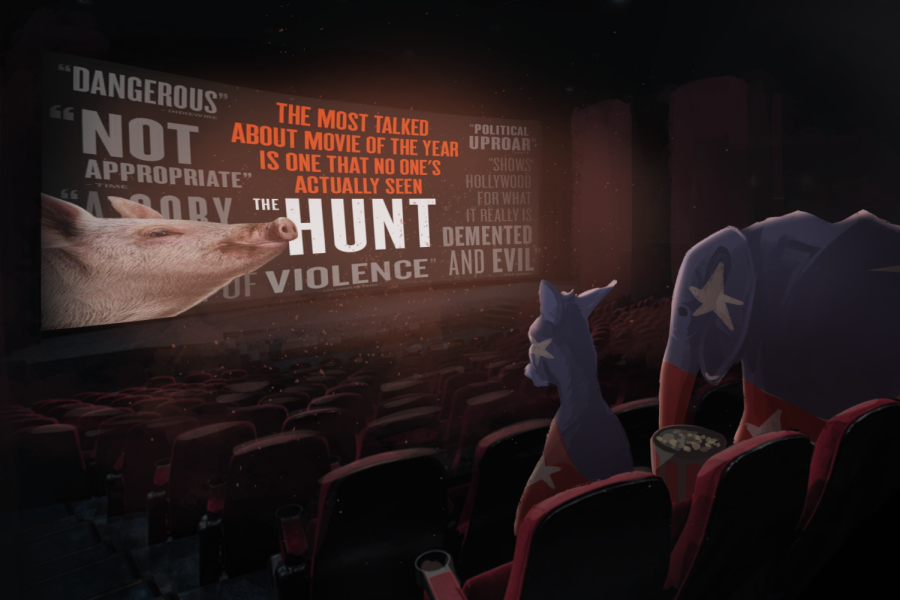
The intertwining of politics and cinema has been a long-standing tradition, presenting a dynamic interplay where films not only entertain but also delve into the complexities of political life. Political films serve as both mirrors and windows—mirrors that reflect societal truths, and windows that provide insights into the machinations of power. Their ability to shape, critique, and sometimes predict political landscapes has firmly established them as a significant genre in filmmaking.
Political cinema is broad and diverse, encompassing everything from historical dramas to biopics, satires, and thrillers. Whether centered around political campaigns, deep-seated corruption, revolutions, or the struggles of leadership, political films offer audiences a cinematic experience that is as intellectually stimulating as it is emotionally engaging. Here, we delve into some of the most captivating political films that have left an indelible mark on audiences and critics alike.
1. "All the President’s Men" (1976)
One cannot discuss political films without mentioning Alan J. Pakula’s seminal work, "All the President’s Men." Based on the real-life tale of investigative journalists Bob Woodward and Carl Bernstein, the film chronicles the events leading up to the infamous Watergate scandal. Through precise storytelling and masterful performances by Robert Redford and Dustin Hoffman, the film dissects the intricacies of journalism, the quest for truth, and the harrowing descent into political manipulation.
"All the President’s Men" not only exemplifies the power of the press but also serves as a compelling reminder of the vigilant role media plays in maintaining the integrity of democratic institutions. The film’s legacy endures in its portrayal of the tireless pursuit of justice in a time fraught with unprecedented political deception.
2. "The Manchurian Candidate" (1962)
John Frankenheimer's "The Manchurian Candidate" dances on the fringes of paranoia and political conspiracy. This Cold War-era thriller drips with tension, presenting a chilling narrative centered on the brainwashing of an American soldier, played hauntingly by Laurence Harvey, into becoming an unwitting pawn in a Communist conspiracy.
The film’s sharp edges and expertly paced direction make it a pivotal work in the political thriller genre. Beyond its engrossing plot, "The Manchurian Candidate" persists as a commentary on the susceptibility of individuals and societies to manipulation, underscoring the ever-present fears of external influence and the fragility of human autonomy.
3. "Lincoln" (2012)
Steven Spielberg's "Lincoln" is a sweeping exploration of one of America’s most revered and complex figures. Anchored by Daniel Day-Lewis’s transcendent portrayal of Abraham Lincoln, the film examines the tumultuous period surrounding the passage of the Thirteenth Amendment, which abolished slavery.
Far from a mere historical recount, "Lincoln" artfully conveys the deeply political nature of leadership, the moral quandaries leaders face, and the intricate process of forging consensus amidst chaos. Spielberg’s film is a testament to Lincoln’s legacy and an illustration of how leaders can shape the destiny of a nation through courage and vision.
4. "Dr. Strangelove or: How I Learned to Stop Worrying and Love the Bomb" (1964)
Stanley Kubrick’s "Dr. Strangelove" stands as a masterclass in satire, deftly dismantling Cold War anxieties through dark humor and absurdity. The film is a biting critique of nuclear politics and military power, presenting a scenario in which a deranged General, played by George C. Scott, pushes the world to the brink of annihilation.
Peter Sellers’ multiple roles, including the eponymous Dr. Strangelove, showcase his range and comedic genius, contributing to a film that is as entertaining as it is profound. Through its sharp wit, "Dr. Strangelove" challenges the logic of mutually assured destruction and questions the rationality of those wielding political power.
5. "The Ides of March" (2011)
Directed by and starring George Clooney, "The Ides of March" peels back the veneer of political campaigns to reveal the unscrupulous tactics and personal betrayals lurking beneath. The film follows a young, idealistic press secretary, played by Ryan Gosling, who becomes entangled in a moral quagmire during a tense presidential primary.
Clooney’s film masterfully captures the high stakes and cutthroat nature of modern electoral politics, exploring themes of loyalty, ambition, and disillusionment. "The Ides of March" stands as a contemporary reflection on the ethical challenges and moral compromises that often accompany the pursuit of power.
These first five films illustrate the rich tapestry of political cinema and its ability to engage audiences with stories that provoke thought and reflection. The power of these films lies in their capacity to transcend mere storytelling, offering instead a medium through which society can explore its fears, hopes, and ideals. Political films not only broaden our understanding of the world but also inspire action and change, cementing their place as vital instruments of cultural discourse. As we continue to examine more entries in this fascinating genre, it becomes evident that political films are indispensable lenses through which we can understand and critique the forces that shape our world.
6. "Wag the Dog" (1997)
Barry Levinson’s "Wag the Dog" is an incisive satire that exposes the symbiotic relationship between politics and media. The film, starring Dustin Hoffman and Robert De Niro, unravels a fictional narrative where a spin doctor and a Hollywood producer fabricate a war to distract the American public from a presidential scandal. Its release eerily preceded real-world events, reinforcing its reputation as a prescient piece of political commentary.
"Wag the Dog" serves as a critique of media manipulation and the constructed realities crafted by political forces. It underscores the power of storytelling in shaping public perception and the ease with which truth can be overshadowed by spectacle. The film remains relevant in an age where misinformation and media influence are more pervasive than ever.
7. "JFK" (1991)
Oliver Stone’s "JFK" tackles the death of President John F. Kennedy through the lens of conspiracy and intrigue. Centered around the tenacious investigation led by New Orleans District Attorney Jim Garrison, played by Kevin Costner, the film delves into the myriad theories surrounding Kennedy’s assassination.
"JFK" is notable for its ambitious narrative, which weaves historical footage with a convoluted array of suspects and motives. While it has sparked controversy for its speculative elements, the film raises critical questions about governmental transparency and accountability. Stone’s work is a cinematic provocation, challenging audiences to contemplate the broader implications of political secrecy and control.
8. "The Candidate" (1972)
Michael Ritchie’s "The Candidate" offers an introspective look at the grueling process of running for office and the ideological compromises candidates face. Robert Redford stars as Bill McKay, an idealistic lawyer persuaded to run for the Senate only to become ensnared by the political machine.
The film’s strength lies in its candid portrayal of the erosion of principles in the pursuit of victory. By focusing on McKay’s transformation, "The Candidate" sheds light on the often incongruent relationship between political idealism and electoral pragmatism. It prompts reflection on how winning at all costs can distort core values and dilute political integrity.
9. "Selma" (2014)
"Selma," directed by Ava DuVernay, recounts a pivotal chapter in the American Civil Rights Movement: the protest marches from Selma to Montgomery, Alabama, led by Dr. Martin Luther King Jr. Played with commanding grace by David Oyelowo, King's journey to secure voting rights legislation is both an inspiring and sobering chronicle of resilience and sacrifice.
DuVernay’s film is a poignant reminder of the power of nonviolent resistance and the perilous journey toward justice. By highlighting the grassroots activism and collective courage required to instigate change, "Selma" reinforces the enduring struggle for equality and the influence individuals and communities wield in shaping democratic societies.
10. "The Great Dictator" (1940)
Charlie Chaplin’s first full-sound film, "The Great Dictator," stands as an audacious political satire that fearlessly critiques fascism and authoritarianism. In the dual roles of a Jewish barber and the tyrannical dictator Adenoid Hynkel, Chaplin blends humor with potent social commentary, creating a scathing rebuke of Adolf Hitler and the totalitarian regimes of the era.
"The Great Dictator" is distinguished not only by its comedic genius but also by its impassioned plea for peace and tolerance. Chaplin’s courageous choice to use film as a platform for political dissent underscores the medium’s potential to confront and challenge oppressive power structures. The film's legacy persists as an exemplar of speaking truth to power through art.
Political films, as exemplified by the ten entries explored thus far, are critical reflections of the societies and eras from which they emerge. They navigate the tensions between power and ethics, delivering compelling narratives that not only entertain but also enlighten and provoke. From the satirical sharpness of "Wag the Dog" to the historical profundity of "Selma," these films encapsulate diverse political experiences and ideologies, prompting dialogue and contemplation on the principle and practice of governance.
As we venture further into the sphere of political cinema, we recognize its essential role in cultural discourse. These films illuminate the human condition with layers of complexity and empathy, making them indispensable tools for exploring political ideas and their impact on the fabric of society. The stories they tell resonate far beyond the screen, informing our understanding of history and influencing the trajectory of future political interactions.
11. "Frost/Nixon" (2008)
Directed by Ron Howard, "Frost/Nixon" dramatizes the historic series of interviews between British talk show host David Frost and former U.S. President Richard Nixon. As Nixon seeks redemption following the Watergate scandal, he is faced with Frost’s unwavering persistence in revealing the truth.
With riveting performances by Michael Sheen as Frost and Frank Langella as Nixon, the film captures the psychological chess game between the interviewer and the ex-president. "Frost/Nixon" explores themes of accountability and redemption, highlighting the transformative power of media as an avenue for justice. The intense dialogue and emotional stakes serve as a reminder of journalism's role in holding power to account, providing a powerful commentary on the pursuit of truth in a media-centric world.
12. "Milk" (2008)
"Milk," directed by Gus Van Sant, chronicles the life and legacy of Harvey Milk, the first openly gay elected official in California. Sean Penn delivers a tour-de-force performance as Milk, whose activism and determination paved the way for the LGBTQ+ rights movement in America during the late 1970s.
The film captures the vibrant and tumultuous era of social change, deftly portraying Milk’s unwavering fight against a backdrop of intolerance and prejudice. "Milk" celebrates the spirit of activism and the importance of representation in politics, serving as both a tribute and a call to action for continued advocacy for equal rights. It inspires viewers to consider the lasting impact of individual courage in the political arena and the community-driven power necessary to catalyze societal shifts.
13. "A Few Good Men" (1992)
While primarily a courtroom drama, Rob Reiner's "A Few Good Men" engages with issues of military ethics and justice. The film stars Tom Cruise as Lt. Daniel Kaffee, a military lawyer who uncovers a conspiracy within the Marine Corps while defending two U.S. Marines accused of murder.
Renowned for Jack Nicholson’s iconic "You can’t handle the truth!" speech, the film wrestles with the moral ambiguities of duty and honor. "A Few Good Men" questions the integrity of authority figures and the often opaque lines of accountability within powerful institutions. By exploring the tension between obedience and conscience, the film encourages viewers to reflect on the ethical obligations of leadership and the pursuit of justice against the backdrop of rigid hierarchies.
14. "The Death of Stalin" (2017)
Armando Iannucci’s "The Death of Stalin" offers a darkly comedic take on the chaotic power struggle that ensues after the death of Soviet leader Joseph Stalin. Featuring an ensemble cast, including Steve Buscemi and Jeffrey Tambor, the film artfully blends humor with the grim realities of totalitarianism.
"The Death of Stalin" masterfully satirizes the absurdity of power vacuums and the dangerous machinations of political opportunists. It incisively critiques both the human frailties of those who hold power and the institutional structures that enable them. Through its irreverent approach, the film provides biting commentary on the unpredictability and often tragicomic nature of authoritarian regimes, reminding audiences of the thin line between order and chaos.
15. "The Post" (2017)
Steven Spielberg's "The Post" is a compelling exploration of journalistic bravery during a pivotal moment in U.S. history. The film centers on The Washington Post's decision to publish the Pentagon Papers, a top-secret government report revealing the truth about the Vietnam War. Meryl Streep stars as Katharine Graham, the newspaper’s courageous publisher, alongside Tom Hanks as editor Ben Bradlee.
"The Post" is a powerful testament to the crucial role of a free press in challenging government secrecy and protecting democratic principles. Through its gripping narrative, it highlights the moral courage required to stand firm against external pressures and the importance of journalistic integrity in upholding truth and transparency.
In examining these final entries, it becomes evident that political films offer varied lenses through which history, power, and ideology are scrutinized. From the intricate portrayals of individual dilemmas in "Frost/Nixon" and "Milk" to the larger sociopolitical narratives in "The Death of Stalin" and "The Post," these films provoke enduring questions about justice, leadership, and collective responsibility.
Political films continue to captivate audiences by engaging with critical issues that transcend time and geography. They serve not only as a reflection of past and present political climates but also as vehicles for dialogue about future pursuits of equity and freedom. In offering stories that challenge, inform, and inspire, political cinema remains an essential part of the cultural conversation, encouraging audiences to engage deeply with the political determinants that shape their worlds.


The Gregory Brothers: Pioneers of Musical Comedy and Viral Videos
The digital age has spawned numerous internet sensations, but few have combined humor, music, and innovative creativity as fluently as The Gregory Brothers. Known for their unique blend of comedy, musical talent, and viral video magic, this band of siblings has made significant waves online, capturing the hearts of millions. From their early comedic roots to the international fame brought by viral hits, the story of The Gregory Brothers is one of innovation and adaptability in an ever-evolving entertainment landscape.
Who Are The Gregory Brothers?
The Gregory Brothers consist of siblings Michael, Andrew, and Evan Gregory, along with Evan’s wife, Sarah Gregory (neé Fullen). Hailing from Radford, Virginia, and later establishing their operation in Brooklyn, New York, this quartet has skillfully transformed the digital soundscape with their innovative projects. Each member of the group brings a unique skillset and personality, contributing to the eclectic nature of their work.
Michael Gregory, often seen tinkering with auto-tune effects on his trusty computer, lays down the groundwork for their signature sound. His keen ear for music and technical expertise has helped in crafting their well-known "Songify" series. Andrew Gregory, sporting a dynamic vocal range and charming stage presence, contributes creatively with his vibrant personality. Evan Gregory, typically behind the keyboard or guitar, serves as the glue that binds the group, coordinating recording sessions and live performances. Sarah Gregory brings her soothing vocal harmonies and a sharp comedic edge, making the group’s performance complete with her unique flair.
The Birth of a Phenomenon: Auto-Tune the News
The Gregory Brothers first captured attention with "Auto-Tune the News," a series that showcased their knack for turning mundane news clips into melodious musical tracks. By applying auto-tune – a vocal effect traditionally used to correct pitch errors in singing – they transformed spoken-word news segments into catchy songs.
The series debuted in 2009 and quickly gained popularity, merging pop culture with political satire in a way no one had seen before. Their clever transformations took clips from TV news and interviews, adding humor through song, effectively turning journalists and politicians into accidental pop stars. This approach turned heavy news topics into entertainment, making complex issues more accessible and engaging for a diverse audience.
Viral Success: The Bed Intruder Song
While "Auto-Tune the News" established their initial presence online, their viral breakout was "The Bed Intruder Song." In 2010, Antoine Dodson, a resident of Huntsville, Alabama, appeared on a local news broadcast following the attempted assault of his sister, Kelly Dodson. His impassioned, emotive address to the camera quickly spread across the internet.
The Gregory Brothers saw an opportunity to remix Dodson’s words into a song, and the "Bed Intruder Song" was born. The result was an infectious, auto-tuned melody that rapidly went viral, amassing millions of views on YouTube. The song not only brought laughter and joy to a global audience but also underscored the power of viral internet culture.
The success of the "Bed Intruder Song" had additional significance, providing financial aid to the Dodson family due to profits shared with them. Its reach went beyond entertainment, illustrating how viral fame could have tangible positive impacts, a testament to the power and responsibility of digital content creators.
Songifying the World
Riding on the viral sensation of the "Bed Intruder Song," The Gregory Brothers continued to explore the artistic and comedic potential of auto-tune. They launched "Songify This," a series building on the concept of turning non-musical content into catchy compositions. From viral news interviews to everyday speech, they found endless input material that could be spun into songs.
The "Songify This" series showcased their ability to find humor and melody in the most unexpected places. By setting mundane conversations to music, they delighted audiences and proved their talent for finding melodies where none existed before. Inspired by their ability to connect with the digital public on a comedic and musical level, they produced dozens of videos, each adding to their diverse repertoire.
The Artistic Journey Continues
Over the years, The Gregory Brothers have continually evolved, adapting to shifts in online content consumption and the ever-changing digital landscape. Their work now spans various platforms, including collaborations with other online creators, performing live shows, and branching into more complex musical projects. As pioneers of the digital comedy-music genre, they remain icons of creativity, influencing many aspiring creators who use the internet as their stage.
As they continue to innovate within the realm of music and comedy, The Gregory Brothers’ story underscores the power of humor and creativity in bridging gaps and building connections in the digital age. Their legacy is a testament to the impactful, unexpected directions technology can take in the art world, forever altering how creators and audiences interact globally.
A New Avenue: The Gregory Brothers in Cinematic and Collaborative Ventures
With their comedic ingenuity and musical prowess making waves on YouTube, The Gregory Brothers began exploring new avenues that expanded their reach beyond the internet’s shores. They ventured into film, television, and collaborations, sharing their signature style with an even broader audience. These endeavors not only showcased their versatility as artists but also cemented their status as influential figures in the realm of digital and mainstream entertainment.
Animated Adventures: Crossing into Television
While digital platforms continue to grow, television remains a powerful medium for reaching audiences. The Gregory Brothers recognized this and took steps to explore its potential. Their foray into animation came with collaborations on various projects, bringing their unique humor to traditional media formats. Their whimsical approach to storytelling translated well into animation, allowing them to experiment with narrative and visuals in new and exciting ways.
One notable endeavor was their collaboration with “Songify the News,” a spin-off that retained the essence of their original online series but adapted to suit television's broader audience and longer format. Animated renditions of real-life scenarios set to music allowed their brand of satire to thrive in a way that resonated with both dedicated fans and new viewers alike.
Collaborations with Fellow Creators
Recognizing the power of collaboration in enhancing creativity and broadening appeal, The Gregory Brothers have teamed up with numerous well-known content creators and artists across various genres. Whether participating in comedic sketches, producing music tracks, or guest-starring in other creators’ videos, they have consistently displayed a willingness to share their platform while diversifying their creative expressions.
A notable partnership includes their work with fellow YouTube icon Hank Green. The collaboration, “We Are All Connected”—produced in coordination with many other creators—capitalized on both educational and environmental messages, underscoring how communally creative efforts can leave a meaningful impact.
They've also collaborated with personalities like Rhett & Link of "Good Mythical Morning," exploring everything from quirky challenges to in-depth interviews. Such projects reflect the dynamism of collaborative creativity, where distinct artistic styles blend to create content engaging for diverse audiences.
Expanding into the Music Industry
While The Gregory Brothers enjoy widespread recognition for their hilarious, auto-tuned online content, their musical talents extend far beyond comedic remixes. The group members each harbor a deep-rooted passion for music, evident in the various solo and collaborative projects they pursue.
Evan and Andrew Gregory, in particular, have delved into more serious musical territories with projects such as "Hilary and the Gregory Brothers." This venture, apart from their usual comedic undertakings, showcases a more earnest side of their musicianship, highlighting their ability to navigate through different genres and styles.
Moreover, they have shared their skills as producers and songwriters, working behind the scenes to craft music that strikes a balance between their comedic edge and genuine musicality. Their expertise informs their main content, ensuring high production quality—a major factor contributing to their enduring popularity.
Staying Relevant in an Evolving Landscape
The digital world is dynamic, with trends that come and go at a dizzying pace. However, The Gregory Brothers have continually shown their capacity to adapt and innovate, keeping their content fresh and engaging. This adaptability has played a pivotal role in sustaining their relevance in a crowded and constantly shifting online environment.
One key strategy lies in their keen awareness of current trends, allowing them to jump on relevant topics quickly. Whether it's political debates, viral news stories, or pop culture phenomena, their ability to transform these elements into music-driven satire ensures they stay at the forefront of digital content creation.
Moreover, they’ve expanded their presence to multiple social media platforms beyond YouTube, reaching audiences on Twitter, Instagram, and TikTok. By maintaining a diverse digital footprint, they've managed to engage with and grow their audience across generational divides.
The Impact and Legacy of The Gregory Brothers
The influence of The Gregory Brothers extends beyond their impressive body of work. They exemplify how digital creators can wield humor and music not only to entertain but also to foster dialogue and understanding on significant issues. By injecting levity into heavy topics, they've sparked discussions and invited audiences to engage with the world around them in more reflective ways.
Their success story serves as a blueprint for aspiring artists, illustrating how passion, originality, and a willingness to engage with evolving technology can carve out successful niches in new media landscapes. They continue to inspire countless creators, proving that music and comedy, when fused creatively, can transcend traditional entertainment barriers.
As they continue their journey, The Gregory Brothers stand as emblematic figures in internet culture, their work a testament to innovation and the joyful merging of art forms. Going forward, they are poised to keep pushing the envelope, ever eager to explore new horizons and tap into untouched creative territories. The indelible mark they have left on the digital entertainment scene assures us that their story, as full of notes and laughs as it is, will continue to echo for years to come.
Behind the Scenes: Crafting the Perfect Song
While the catchy tunes and humorous content are what most audiences associate with The Gregory Brothers, a significant amount of work takes place behind the scenes. Their creative process is a blend of technology, intuition, and teamwork, intricately woven to produce the seamless content we see online. Understanding their process reveals the depth of their artistic commitment beyond the surface of comedic satire.
The first step often involves selecting which clips have the potential for musical transformation. The group spends considerable time navigating the vast ocean of online content in search of moments ripe for songification. This involves not just identifying viral clips but also ones that hold potential for tapping into broader narratives or societal conversations.
Once a clip is chosen, the auto-tuning magic begins. This is where Michael Gregory's prowess shines. With an ear for capturing musicality in spoken words, he artfully applies technology to create melodies that seamlessly fit words into compelling musical structures. His ability to find rhythms and melodies within dialogue is no small feat, requiring an acute sensitivity to both musical theory and comedic timing.
The entire team then collaborates to fine-tune the lyrics, ensuring they maintain the humor while highlighting the topic's essential points. Despite the comedic focus, great care is taken to respect the subject material without diminishing its original context and message.
Engaging the Audience: Feedback and Interaction
One of the standout strategies The Gregory Brothers employ is the continuous engagement with their audience. From the early days of YouTube to the myriad of platforms available today, interaction with fans has remained central to their success. They actively read comments, respond to followers, and incorporate feedback into their creative process.
This engaging approach helps foster a sense of community, making audiences feel like they are part of the creative journey. Encouraged to participate, fans frequently suggest content for future "songifications," injecting a communal spirit into their video development. Knowing their audience's interests and preferences allows the group to create content that consistently resonates.
On platforms like Patreon, The Gregory Brothers have taken audience interaction further by offering exclusive content and insights into their creative world. This more intimate level of engagement has solidified their bond with fans while providing them with the financial and creative flexibility to pursue diverse projects.
Teaching and Inspiring the Next Generation
Having carved a niche as influential digital creators, The Gregory Brothers have embraced roles as mentors, inspiring the next generation of artists. They have shared their experiences, best practices, and insights into the industry to assist aspiring creators aiming to navigate the same digital landscape.
Their work has fueled a wave of creators inspired to tackle complex topics with a humorous lens. By openly discussing the technical aspects of their work—such as auto-tuning and video production—they demystify the process, encouraging those with a passion for creation to experiment without fear.
Participating in panels and talks, they express dedication to nurturing creativity in their communities, urging upcoming artists to embrace both failure and success as part of the growth journey. This advocacy reinforces the idea that, in the digital era, there are myriad ways to express one's voice and connect with like-minded audiences worldwide.
Conclusion: A Lasting Impact
The Gregory Brothers stand as prime examples of how creativity can thrive at the intersection of technology and media. As pioneers of their craft, they have not only entertained millions but also carved a unique cultural identity within the vast expanse of the internet.
Their ability to evolve, innovate, and inspire has been instrumental in their longevity. Armed with humor and a talent for blending contrasting elements into harmonious creativity, they've established themselves as entertainers who understand and embrace the power of digital tools.
In a landscape where trends shift rapidly, The Gregory Brothers remain steadfast, proving that authenticity, paired with an embrace of innovation, goes a long way in building enduring connections with global audiences. As they continue their creative endeavors, we can only anticipate more infectious tunes, laughs, and the redefining of what it means to make music in the digital age.
Their success is a testament to the transformative potential of creativity, reminding us that the digital sphere is brimming with opportunities waiting for those daring enough to leverage them into lifelong artistry. Through their journey, The Gregory Brothers continue to leave an indelible mark, ensuring their place in both digital folklore and the future of musical comedy.