Vitruvius: Founder of Western Architectural Principles
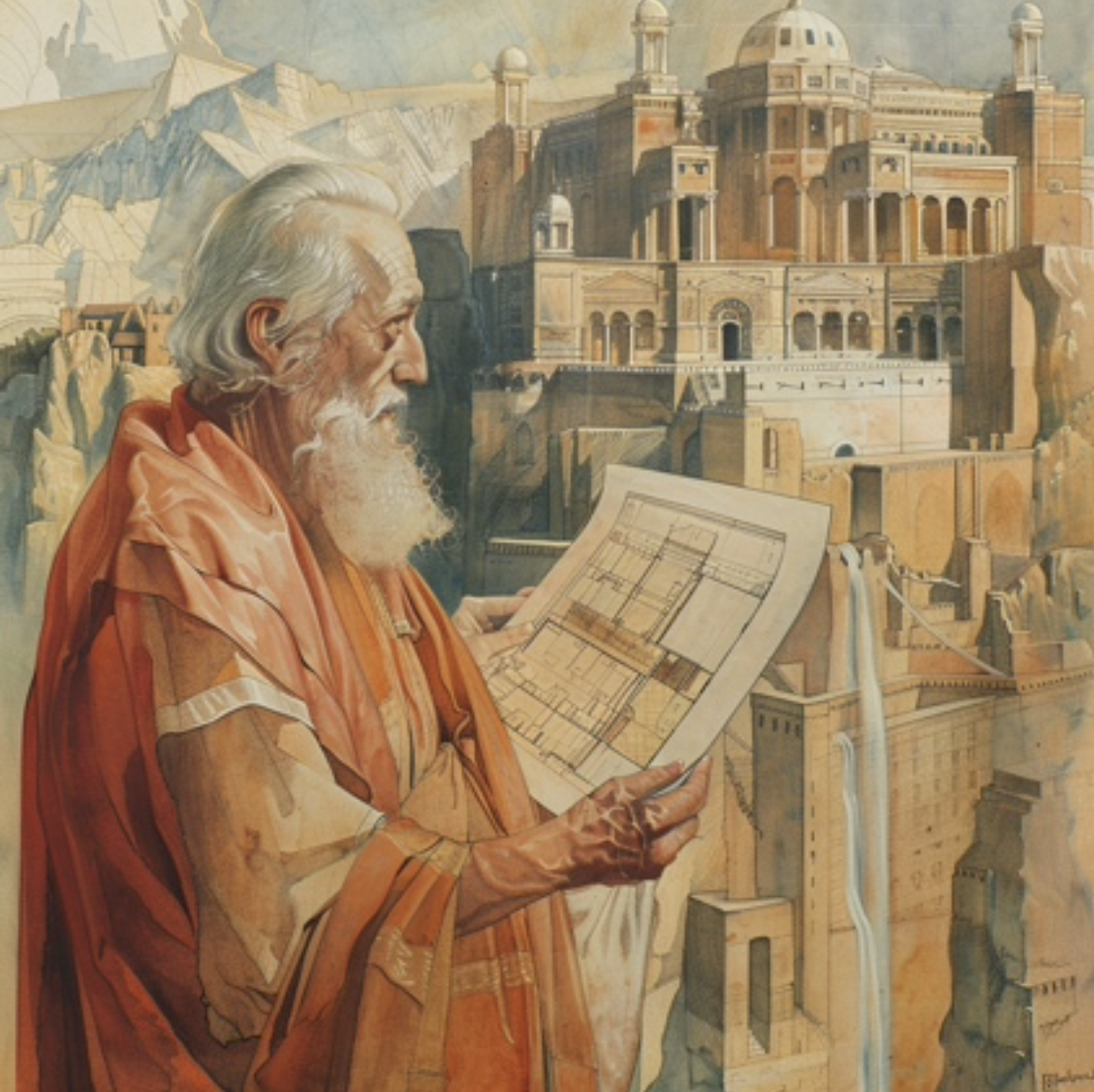
Marcus Vitruvius Pollio, a genius of ancient Roman architecture, shaped the foundations of Western design through his masterpiece De architectura. Active from the 1st century BC, his work remains a cornerstone of architectural theory. Vitruvius emphasized three timeless principles: firmitas (strength), utilitas (utility), and venustas (beauty), which still guide modern builders today.
Vitruvius’s Life and Military Engineering Career
Birth and Early Influences
Born around 80–70 BC in Formiae, Campania, Vitruvius came from a prominent Roman family. His education exposed him to mathematics, philosophy, and engineering, critical for his later innovations. Serving as praefectus fabrum—chief engineer—under Julius Caesar, he gained invaluable practical experience.
Key Military Projects Under Caesar
- Led engineering efforts during the Gaul campaigns (58–44 BC)
- Constructed siege engines like ballistae at Larignum (56 BC)
- Oversaw infrastructure in Marseilles (48 BC) and Zama, North Africa (46 BC)
Vitruvius’s military work showcased his ability to blend theoretical knowledge with real-world applications, a skill that later defined his civilian projects.
The Enduring Legacy of De architectura
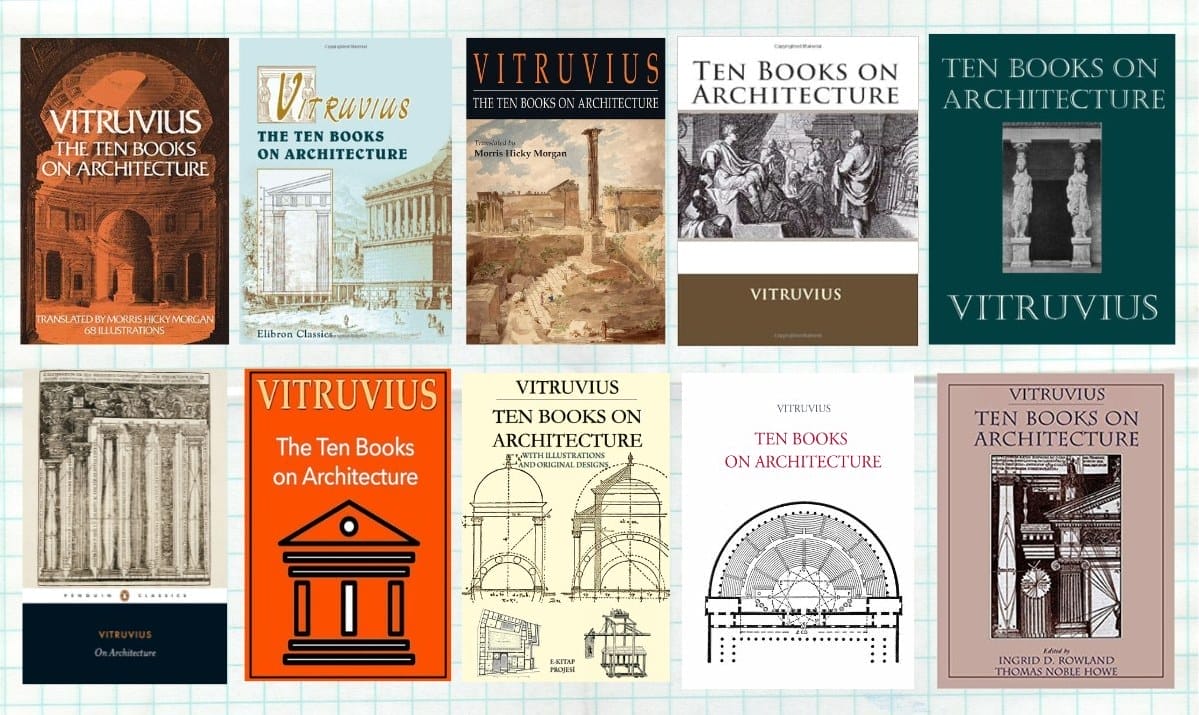
Ten Books That Shaped Architecture
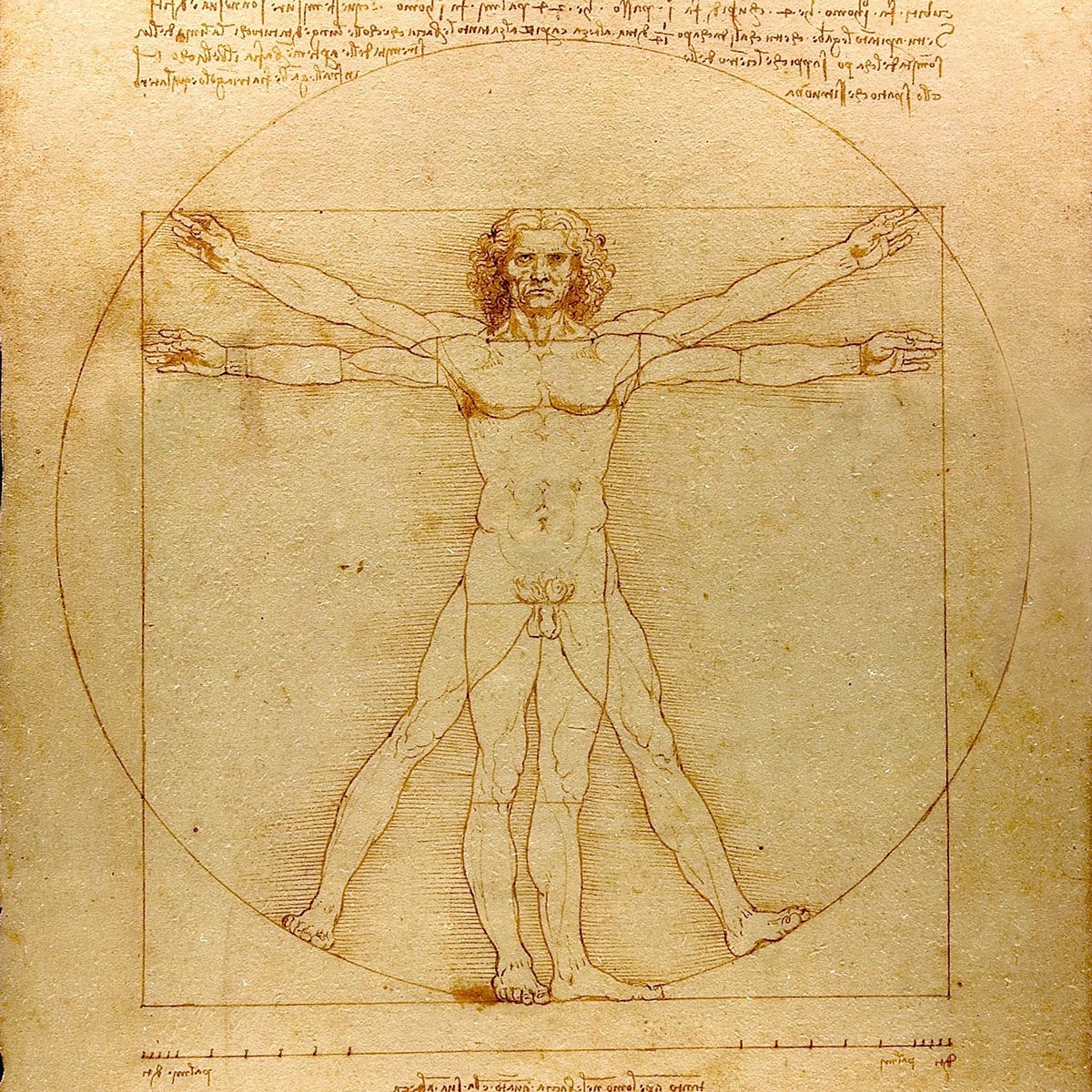
Completed around 20–15 BC, spans 10 volumes and approximately 400 pages in modern editions. The text covers over 30 building types, including temples, theaters, aqueducts, and hydraulic systems. Vitruvius linked architecture to human proportions, famously illustrated by the Vitruvian Man later popularized by Leonardo da Vinci.
Core Architectural Principles
“An edifice must be built with skill, elegance, and convenience.” — Vitruvius, De architectura
Vitruvius advocated for architects to master diverse fields: mathematics, music, medicine, and astronomy. He promoted traditional materials over bold innovations, ensuring longevity and functionality in every structure.
Roman Innovation Through Vitruvian Eyes
Bridging Military and Civilian Engineering
During Rome’s transition from Republic to Empire, Vitruvius merged military engineering with urban planning. His designs supported Julius Caesar’s campaigns and later Augustus’s grand building programs, including Rome’s Campus Martius baths and aqueducts.
Influence on Roman Building Techniques
- Pioneered the use of arches in public buildings
- Developed urban grid systems for efficient city-planning
- Advanced aqueduct construction for reliable water supply
These innovations contrasted Greek temple-focused designs, emphasizing practical Roman adaptations that dominated the Mediterranean world.
Vitruvius’s Holistic Approach to Architectural Education
Breadth of Knowledge Required
Vitruvius argued that a true architect must master mathematics, philosophy, music, medicine, law, and astronomy. He believed interdisciplinary learning ensured structures served both function and harmony. This holistic view rejected narrow specialization in favor of well-rounded expertise.
His text emphasized understanding nature’s patterns, linking human proportions to architectural layouts. Vitruvius wrote that buildings should mirror the universal order, creating balance between human needs and environmental realities.
Rejection of Overly Bold Innovations
Despite his forward-thinking ideas, Vitruvius caution against reckless experimentation. He preferred traditional materials like stone and brick over untested alternatives. This pragmatic stance aimed to guarantee long-term durability and public safety.
- Advocated for tested construction methods
- Warned against excessive ornamentation
- Prioritized functionality across all designs
The Survival and Rediscovery of De architectura
Medieval Preservation
After Vitruvius’s death around 15 BC, his work faded from widespread knowledge. The text survived through medieval monasteries, where scribes preserved copies as rare scholarly treasures. Mentioned by Pliny the Elder and Frontinus, it remained a hidden gem for centuries.
During the early Middle Ages, De architectura was one of the few surviving Roman technical manuals. Its survival offered future generations a direct link to classical engineering and design philosophy.
Renaissance Revival
In 1416, the scholar Poggio Bracciolini rediscovered a complete manuscript in a Swiss monastery. This moment ignited a Renaissance fascination with classical antiquity. The work became a blueprint for artists and architects seeking scientific principles.
- Translated into 70+ languages after rediscovery
- Inspired Leonardo da Vinci’s Vitruvian Man (c. 1490)
- Fuelled debates on harmony between art and science
“Vitruvius taught us that architecture is not merely walls and roofs, but a dialogue between humanity and the cosmos.” — 2024 analysis of durability standards
Modern Applications of Vitruvian Principles
Sustainability and Durability
Today, Vitruvius’s triad—firmitas, utilitas, venustas—guides sustainable design. Architects use his principles to create buildings that endure climate challenges while remaining functional and beautiful. His emphasis on durable materials resonates in debates over climate-resilient infrastructure.
Modern engineers cite Vitruvius when advocating for long-term planning over quick fixes. Projects like flood-resistant urban grids and energy-efficient public spaces echo his call for enduring solutions.
Digital Modeling and Biometric Design
Vitruvius’s idea of linking human proportions to architecture now influences biometric design and digital modeling. Software tools use his geometric principles to optimize space for human comfort. The Vitruvian Man remains a symbol of this fusion between body mechanics and structure.
- 3D modeling software incorporates Vitruvian ratios
- Smart buildings adjust layouts based on biometric data
- Urban planners use his grid concepts for accessible cities
While Vitruvius lived over 2,000 years ago, his vision continues to shape how we imagine and build our world.
Archaeological Echoes of Vitruvian Design
Linking Ancient Texts to Excavations
Modern archaeology continues to validate Vitruvius’s descriptions of Roman engineering. Excavations of aqueducts, baths, and temples often reveal techniques outlined in De architectura. These discoveries reinforce his role as both practitioner and chronicler of Roman innovation.
Sites like the Campus Martius in Rome and North African settlements show remnants of Vitruvian-inspired urban grids and hydraulic systems. Such findings bridge ancient theory with tangible evidence of its real-world application.
Ongoing Debates and Interpretations
Scholars still debate certain passages of Vitruvius’s work, particularly his astronomical alignments and proportion systems. Recent studies use 3D modeling to test his geometric principles, uncovering new layers of complexity in his designs.
- Analyses of temple orientations match his solar alignment theories
- Reconstructions of Roman theaters validate acoustic strategies
- Hydraulic models confirm efficiency of his aqueduct formulas
Vitruvius in Modern Architectural Education
Core Curriculum Foundation
Vitruvius remains a cornerstone of architectural schooling. His three principles—firmitas, utilitas, venustas—are taught as essential pillars of design ethics. Universities integrate his texts into courses on history, theory, and sustainable practices.
Students analyze De architectura to understand how ancient engineers balanced aesthetics with engineering constraints. This approach fosters critical thinking about modern design challenges, from resource limits to user experience.
Influence on Professional Standards
Professional bodies cite Vitruvius when establishing building codes and certification criteria. His emphasis on durability and functionality shapes guidelines for everything from residential construction to public infrastructure.
- LEED certification incorporates principles of long-term utility
- Urban planning frameworks echo his grid-based organization
- Disaster-resistant design adopts his emphasis on material strength
“Vitruvius’s legacy is not confined to history—it’s embedded in every code that prioritizes safety, efficiency, and beauty.” — 2024 architectural standards review
Conclusion: The Indestructible Influence of Vitruvius
Summarizing His Enduring Impact
From military engineer to imperial advisor, Vitruvius’s life encapsulated the fusion of theory and practice. His 10-volume treatise transcended its era, surviving through monasteries, Renaissance revival, and modern scholarship. Today, it remains a reference point for architects, engineers, and urban planners.
over 100 editions since 1486 and translations into 70+ languages. These numbers reflect a global admiration for his holistic vision of architecture as both art and science.
Final Thoughts on Vitruvian Legacy
Vitruvius’s work continues to inspire innovations in biometric design, AI-assisted proportioning, and climate-resilient infrastructure. His belief that buildings should serve humanity while respecting natural laws remains profoundly relevant. As cities grow and technology evolves, Vitruvius’s principles offer timeless guidance.
In every enduring structure—whether a 2,000-year-old aqueduct or a smart city—the spirit of Vitruvius endures. His triad of strength, utility, and beauty remains the ultimate benchmark for designing a world that balances progress with permanence.

Joshua Richards: The Rise of a Visionary Entrepreneur
Early Life and Background
Joshua Richards is a name that has become synonymous with innovation, perseverance, and entrepreneurial success. Born in a small town in the Midwest, Richards exhibited an entrepreneurial spirit from a young age. His parents, both hardworking middle-class individuals, instilled in him the values of discipline, resilience, and the importance of education. From selling homemade lemonade on hot summer days to organizing small ventures with his childhood friends, Richards was always looking for ways to create opportunities where none seemed to exist.
His academic journey was no less impressive. Excelling in both mathematics and creative writing, Richards showcased a rare combination of analytical thinking and visionary imagination. He attended a prestigious university on a merit scholarship, where he majored in business administration with a minor in computer science—a decision that would later prove pivotal in shaping his career.
The Spark of Innovation
While still in college, Richards identified a gap in the market for an efficient, user-friendly task management software tailored for students. Dissatisfied with the existing solutions, he took matters into his own hands. With limited resources but boundless determination, he teamed up with a few like-minded classmates to develop an early prototype. What started as a dorm-room project quickly gained traction, earning Richards his first seed funding from a local business competition.
The success of this initial venture was the turning point in Richards’ life. It affirmed his belief that innovation isn’t solely about having the best idea—it’s about execution, adaptability, and relentless problem-solving. After graduation, he relocated to Silicon Valley, where he immersed himself in the startup ecosystem. He spent countless hours networking, learning from industry veterans, and refining his vision for scalable, disruptive technology.
Founding a Tech Empire: The Birth of NexGen Solutions
In 2012, Richards founded NexGen Solutions, a software development company focused on streamlining business operations through automation and artificial intelligence. At the time, automation was gaining momentum, but many businesses struggled to implement seamless solutions. NexGen’s flagship product, an AI-driven workflow automation platform, addressed this pain point with remarkable efficiency.
The company’s early years were fraught with challenges—cash flow issues, skeptical investors, and fierce competition. However, Joshua Richards’ leadership proved instrumental in navigating these hurdles. His hands-on approach, coupled with his knack for assembling a talented team, allowed NexGen to secure several high-profile clients within its first two years of operation.
Key Strategies Behind NexGen’s Rapid Growth
One of Richards’ defining traits as an entrepreneur is his ability to anticipate market shifts before they happen. He recognized early on that businesses needed more than just software—they needed comprehensive digital transformation services. NexGen expanded its offerings to include consulting, training, and post-deployment support, carving out a niche as a holistic solutions provider.
Another critical factor in the company’s success was its emphasis on company culture. Richards fostered a work environment that prioritized creativity, collaboration, and employee well-being—a rarity in the fast-paced tech industry. This approach not only reduced turnover but also attracted top-tier talent, further accelerating innovation within the company.
Philanthropy and Giving Back
Despite his professional achievements, Joshua Richards has never forgotten his humble beginnings. He is deeply committed to philanthropy, particularly in the areas of education and technology access for underprivileged communities. Through the Richards Foundation, he has funded scholarships, coding boot camps, and mentorship programs aimed at empowering the next generation of entrepreneurs.
“Success loses its meaning if it isn’t used to uplift others,” Richards has often remarked in interviews. His foundation’s initiatives have impacted thousands of young individuals, providing them with resources and opportunities they might not have otherwise had.
A Leader Beyond Business
Beyond his corporate and philanthropic endeavors, Joshua Richards has emerged as a thought leader in the entrepreneurial world. He is a sought-after keynote speaker at major industry conferences, where he shares insights on technology trends, leadership, and sustainable business growth. His articles and interviews regularly feature in prominent business publications, further solidifying his reputation as an authority in his field.
Additionally, Richards serves on the advisory boards of several startups, offering guidance to budding entrepreneurs. His mentorship has helped numerous fledgling companies navigate their early-stage challenges and achieve scalable growth.
Personal Philosophy and Future Aspirations
Those who know Joshua Richards describe him as a visionary thinker with an insatiable curiosity. He firmly believes that technology should serve humanity—not the other way around. This philosophy underpins all his ventures, from NexGen’s ethically developed AI tools to his foundation’s educational programs.
Looking ahead, Richards shows no signs of slowing down. He has hinted at upcoming projects in renewable energy and smart city infrastructure, signaling his ambition to tackle global challenges through innovation. For Joshua Richards, the journey is far from over—it’s only just beginning.
Stay tuned for the next part of this article, where we will delve deeper into Richards’ leadership style, his impact on the tech industry, and the lessons aspiring entrepreneurs can learn from his journey.
Joshua Richards: Mastering Leadership and Industry Impact
The Anatomy of a Transformational Leader
Joshua Richards’ leadership style is often studied in business schools and corporate workshops worldwide. Unlike traditional CEOs who rely on hierarchical authority, Richards employs a transformational leadership approach that inspires innovation, fosters trust, and cultivates a shared vision. His ability to unite diverse teams toward a common goal has been a cornerstone of NexGen Solutions’ success.
One of his standout leadership tactics is the concept of "open-floor brainstorming." At NexGen, employees from all levels are encouraged to pitch ideas directly to Richards and the executive team. This practice has not only generated breakthrough innovations but also fostered a culture where every voice is valued. His mantra, "Great ideas can come from anywhere," has dismantled bureaucratic barriers and accelerated problem-solving within the company.
Navigating Industry Disruptions
Richards’ foresight was put to the test during multiple industry upheavals, particularly during the rapid rise of cloud computing and blockchain technology. While many competitors struggled to adapt, he positioned NexGen as an early adopter, integrating these technologies into the company’s offerings before they became mainstream necessities.
A prime example was NexGen’s pivot toward hybrid cloud solutions in 2016, a move that initially drew skepticism. However, Richards’ unwavering confidence in the strategy paid off when demand for flexible, scalable infrastructure surged. Under his guidance, NexGen developed proprietary tools that allowed businesses to seamlessly transition between on-premise and cloud-based systems—a game-changer for enterprises wary of full-cloud migration.
Building a Legacy: Impact on the Tech Industry
Joshua Richards’ influence extends beyond NexGen’s boardroom. He has been instrumental in shaping conversations around ethical AI and data privacy. When debates about AI regulation intensified, he advocated for industry-wide standards that balanced innovation with accountability. His white paper, "Responsible AI: A Framework for the Future," became a reference point for policymakers and tech leaders alike.
Moreover, Richards spearheaded partnerships between NexGen and academic institutions to fund AI ethics research. These collaborations have produced actionable guidelines for bias mitigation and transparency in machine learning—an effort that cemented his reputation as a leader who prioritizes long-term societal impact over short-term gains.
Behind the Scenes: The Work Ethic of a Visionary
While many see Richards as a charismatic figurehead, those close to him emphasize his relentless work ethic. Known for his "5 AM rule," he starts each day with strategic planning, allocating uninterrupted time to analyze trends and refine company priorities. This discipline trickles down through NexGen, where executives credit Richards for emphasizing deep work over reactive decision-making.
Yet, he is no stranger to failure. One of his most candid revelations was the collapse of NexGen’s first foray into virtual reality (VR) productivity tools—a project that drained resources without gaining traction. Instead of shying away from the setback, Richards openly dissected the missteps in company-wide meetings, turning the experience into a masterclass on pivoting with purpose.
Balancing Innovation and Stability
Navigating the fine line between experimentation and stability is a hallmark of Richards’ leadership. While NexGen invests heavily in R&D, he insists on maintaining a profitable core business to fund high-risk, high-reward ventures. This dual approach has allowed the company to weather economic downturns without stifling its innovative edge.
For instance, during supply chain disruptions in the early 2020s, Richards redirected resources toward AI-driven logistics optimization tools. The decision not only opened a new revenue stream but also reinforced NexGen’s role as a solutions provider in times of crisis.
Mentorship and the Next Generation of Entrepreneurs
Richards’ commitment to mentorship is legendary. He dedicates two hours each week to one-on-one sessions with emerging founders, offering blunt yet constructive feedback. Many of these mentees, now successful CEOs themselves, cite his "no-nonsense" advice as pivotal—whether it’s about securing funding or maintaining mental resilience.
His annual "Founders’ Bootcamp," a week-long intensive for early-stage startups, has become a coveted opportunity for entrepreneurs. Participants endure rigorous workshops, mock investor pitches, and late-night strategy sessions—all designed to simulate the realities of building a business.
Personal Resilience: Lessons from the Trenches
Behind the accolades, Richards has faced personal trials that shaped his leadership. The loss of his father during NexGen’s early days forced him to reconcile grief with the demands of scaling a company. Instead of retreating, he leaned into transparency, sharing his journey with employees and advocating for mental health support in the workplace.
This vulnerability humanized him and strengthened team loyalty. NexGen’s now-industry-leading policies on flexible work and therapy stipends trace back to Richards’ own experiences.
The Road Ahead: Glimpses into Future Ventures
Though discreet about specifics, Richards has teased ambitious projects at the intersection of sustainability and technology. Leaks from patent filings suggest NexGen is developing AI-driven energy grid optimizers, hinting at his broader ambition to combat climate change through innovation.
Insiders also speculate about his interest in decentralizing education via blockchain, potentially upending traditional credentialing systems. True to form, Richards remains cryptic, stating only, "The future belongs to those who bridge gaps—between industries, ideologies, and generations."
Whatever the next chapter holds, one thing is certain: Joshua Richards will approach it with the same blend of audacity and meticulous planning that defined his past triumphs.
In the final installment of this article, we’ll explore the controversies surrounding his methods, his take on the evolving role of entrepreneurs in society, and the enduring principles that define his career.
Joshua Richards: Navigating Controversy and Cementing a Legacy
The Polarizing Figure Behind the Success
No meteoric rise comes without scrutiny, and Joshua Richards' journey has been no exception. While widely celebrated, certain aspects of his leadership and business practices have sparked debate within the tech community. Critics point to NexGen's aggressive acquisition strategy during its expansion phase, which saw the company absorbing smaller startups at a rapid pace. Some former founders of acquired companies have publicly criticized what they describe as Richards' "assimilation-or-disappear" approach to mergers.
Richards has never shied away from these critiques. In a controversial 2021 interview, he stated bluntly: "Innovation waits for no one. Either you evolve with the market or become obsolete - my job is to ensure NexGen does the former." This Darwinian perspective, while ruthlessly effective in business, has drawn criticism from those who argue it undermines tech's collaborative spirit.
The R&D Paradox: Breakthroughs vs. Burnout
NexGen's research division, known for its cutting-edge AI developments, has also faced internal challenges. Multiple former employees have spoken about the intense pressure to deliver breakthroughs, leading some to describe the culture as "brilliant but brutal." An anonymous Glassdoor review from a senior researcher claimed projects often operated on "Richards Time" - a reference to his tendency to accelerate development timelines beyond industry standards.
Interestingly, Richards addressed these concerns in his 2022 TED Talk "The Pace of Progress." He argued that humanity's greatest challenges demand urgent solutions, stating: "Climate change won't wait for comfortable work-life balance. disease won't pause for our vacation schedules." While some saw this as justification for excessive demands, others praised his unflinching commitment to solving real-world problems.
Ethical Frontiers: The AI Accountability Debate
As NexGen's artificial intelligence systems became integral to industries from healthcare to criminal justice, Richards found himself at the center of growing concerns about algorithmic bias. A high-profile incident in 2020, where NexGen's hiring algorithm showed gender bias in recruitment screenings, became a turning point in the company's approach to AI ethics.
Instead of downplaying the issue, Richards took radical action. He publicly released the flawed algorithm's source code, initiated a company-wide audit of all AI systems, and established one of the first independent AI ethics review boards in the tech industry. This transparent approach, while risky from a competitive standpoint, ultimately enhanced NexGen's reputation as a responsible innovator.
The "Manifesto" That Shook Silicon Valley
In 2023, Richards published "Post-Capitalist Entrepreneurship," a provocative essay arguing that traditional business metrics like quarterly growth were becoming obsolete. He proposed a radical framework where companies would be evaluated equally on three pillars: profit, planetary impact, and human development. The piece sparked fierce debate, with some venture capitalists calling it "dangerously idealistic" while social entrepreneurs hailed it as a blueprint for the future.
True to form, Richards began implementing these principles at NexGen. The company now uses a triple-bottom-line accounting system, publishes detailed sustainability reports, and has tied executive compensation to ESG (Environmental, Social, and Governance) targets. This experimental approach continues to polarize observers, but none can deny its influence on contemporary business discourse.
The Evolution of a Mentor
Now in his early 40s, Richards has noticeably shifted focus toward nurturing emerging talent. His mentorship style blends Silicon Valley pragmatism with unexpected vulnerability. During a fireside chat at Stanford, he surprised attendees by discussing his two-year struggle with imposter syndrome after NexGen's IPO: "I realized I wasn't afraid of failure - I was terrified of success. Of the responsibility it carries."
This authenticity has resonated with younger entrepreneurs who often see Richards as a bridge between tech's old guard and new wave. His "Unfiltered Founder" podcast series, where he interviews both successful and failed startup founders with equal candor, has become required listening in entrepreneurship circles.
The Personal Cost of Relentless Innovation
Close associates note that Richards' breakneck pace has come at personal cost. After a health scare in 2021 (reportedly due to exhaustion), he implemented mandatory company-wide shutdown periods four times a year. "I learned the hard way that even engines need cooling," he reflected at a wellness conference. This personal evolution has made him a surprising advocate for mental health awareness in high-pressure industries.
Still, those who know him best describe an unquenchable intellectual restlessness. Even during supposed downtime, Richards can be found studying quantum computing papers or sketching product ideas. "He's not driven by money or fame," says longtime colleague Dr. Amina Cho. "He's haunted by all the problems left unsolved."
The Richards Doctrine: Principles for the Next Generation
As Richards' influence extends beyond business into policy circles, observers have begun identifying recurring themes in his philosophy:
1. The 10x Mindset
"Don't optimize what exists - reinvent it completely. Incremental change is the enemy of transformation."
2. Ethical Accelerationism
"Move fast AND fix things. Speed without responsibility is reckless; caution without progress is obsolete."
3. The Mosaic Approach
"Breakthroughs happen at the intersections. Hire physicists for finance teams, poets for engineering."
4. Failure as Data
"There are no failed experiments - only conclusive results showing what doesn't work."
Looking Ahead: The Unfinished Vision
Speculation about Richards' next moves continues to swirl. Patent filings suggest he's working on technology to democratize access to quantum computing. Meanwhile, his foundation recently acquired land for what's rumored to be an experimental "school for disruptive thinking."
As artificial intelligence reshapes the global economy and climate challenges intensify, Richards appears positioned to influence both fronts. His recent appointments to federal tech policy committees indicate a growing role in shaping innovation at scale.
Yet perhaps his most enduring legacy may be psychological - proving that tech leaders can combine profit with purpose, that ambition needn't eclipse ethics, and that even in an age of algorithms, human vision remains the ultimate competitive advantage.
As Richards himself puts it: "The future doesn't belong to the biggest or the richest - it belongs to the most adaptable. And adaptability starts with asking 'What if?' every single day." For entrepreneurs worldwide, that relentless curiosity continues to light the way forward.
Gregor Johann Mendel: The Father of Genetics Explained
Introduction to Gregor Johann Mendel
Gregor Johann Mendel, often referred to as the father of genetics, revolutionized our understanding of heredity through his meticulous experiments on pea plants. His groundbreaking work laid the foundation for modern genetics, introducing key principles such as dominant and recessive traits, segregation, and independent assortment. Despite the lack of verifiable information on the term "Grhgorios-Iwannhs-Mentel-O-Pateras-ths-Genetikhs," it is clear that Mendel's contributions are the cornerstone of genetic studies.
The Life and Work of Gregor Johann Mendel
Early Life and Background
Born in 1822 in what is now the Czech Republic, Mendel was an Augustinian friar with a deep interest in science. His early education in philosophy and natural sciences at the University of Olomouc and the University of Vienna equipped him with the knowledge to conduct his famous experiments.
Pioneering Experiments on Pea Plants
Between 1856 and 1863, Mendel conducted a series of experiments on pea plants, focusing on seven distinct traits. His quantitative approach allowed him to observe patterns of inheritance that had previously been misunderstood. By cross-breeding pea plants with different characteristics, Mendel was able to establish the principles of dominant and recessive traits.
Publication and Recognition
Mendel's findings were published in 1866 under the title "Experiments on Plant Hybridization." Although his work was initially overlooked, it was rediscovered in 1900, sparking a renewed interest in the field of genetics. This rediscovery marked the beginning of modern genetic research and solidified Mendel's place as the father of genetics.
Key Principles of Mendelian Genetics
Dominant and Recessive Traits
One of Mendel's most significant contributions was the identification of dominant and recessive traits. He observed that certain traits, such as flower color, would consistently appear in offspring, while others would seem to disappear, only to reappear in subsequent generations. This led to the understanding that traits are inherited through discrete units, now known as genes.
Principle of Segregation
The principle of segregation states that each individual possesses two alleles for each trait, one inherited from each parent. During the formation of gametes, these alleles segregate, or separate, so that each gamete carries only one allele for each trait. This principle explains the variation observed in offspring.
Principle of Independent Assortment
Mendel also discovered that different traits are inherited independently of one another. This principle of independent assortment means that the inheritance of one trait does not influence the inheritance of another. This finding was crucial for understanding the complexity of genetic inheritance.
Impact of Mendel's Work on Modern Genetics
Influence on Evolutionary Biology
Mendel's work had a profound impact on evolutionary biology. His principles provided a mechanism for understanding how traits are passed down through generations, which was essential for Charles Darwin's theory of natural selection. The integration of Mendelian genetics with evolutionary theory led to the development of the modern synthesis, a unified theory of evolution.
Foundation for DNA-Based Genetics
The principles established by Mendel laid the groundwork for the discovery of DNA and the field of molecular genetics. His work on inheritance patterns provided the framework for understanding how genes are transmitted and expressed, which was later expanded upon with the discovery of the structure of DNA by James Watson and Francis Crick.
Applications in Modern Science
Today, Mendel's principles are applied in various fields, including agriculture, medicine, and biotechnology. Genetic engineering, gene therapy, and the study of genetic disorders all owe their foundations to Mendel's pioneering work. His contributions continue to influence scientific research and technological advancements.
Common Misconceptions and Clarifications
Addressing the Term "Grhgorios-Iwannhs-Mentel-O-Pateras-ths-Genetikhs"
The term "Grhgorios-Iwannhs-Mentel-O-Pateras-ths-Genetikhs" appears to be a blend of Greek and a garbled form of Gregor Johann Mendel. There is no verifiable information on this term as a specific person, entity, or established topic in genetics. It is likely a misspelling or pseudonym, and the intended reference is Gregor Johann Mendel, the actual father of genetics.
Clarifying Mendel's Role in Genetics
While Mendel's work is foundational, it is important to note that modern genetics has evolved significantly since his time. Advances in technology and our understanding of DNA have expanded upon Mendel's principles, providing a more comprehensive view of genetic inheritance and variation.
Conclusion
Gregor Johann Mendel's contributions to the field of genetics are immeasurable. His pioneering experiments on pea plants established the core principles of inheritance, laying the foundation for modern genetics. Despite the lack of information on the term "Grhgorios-Iwannhs-Mentel-O-Pateras-ths-Genetikhs," it is clear that Mendel's work remains a cornerstone of genetic research. His legacy continues to influence scientific advancements and our understanding of the natural world.
Mendel's Legacy in Modern Genetic Research
From Pea Plants to Human Genetics
Mendel's work on pea plants may seem simple by today's standards, but his principles have been applied to complex human genetic studies. Researchers now use genome-wide association studies (GWAS) to identify genetic variants linked to diseases, building on Mendel's foundational ideas of trait inheritance. His methods of controlled experimentation and quantitative analysis remain essential in genetic research.
Advancements in Genetic Technology
The development of CRISPR gene editing and other genetic technologies can trace their roots back to Mendel's discoveries. These tools allow scientists to manipulate genes with precision, opening new possibilities for treating genetic disorders. Mendel's emphasis on systematic observation and data collection continues to guide modern geneticists.
Mendelian Genetics in Agriculture
Selective Breeding and Crop Improvement
Mendel's principles have had a profound impact on agriculture. Through selective breeding, farmers and scientists have developed crops with desirable traits such as disease resistance, higher yields, and improved nutritional content. This process relies on Mendel's understanding of dominant and recessive traits to achieve consistent results.
Genetically Modified Organisms (GMOs)
The creation of genetically modified organisms (GMOs) is another application of Mendelian genetics. By introducing specific genes into crops, scientists can enhance their resistance to pests, tolerance to environmental stress, and overall productivity. These advancements have significantly contributed to global food security.
Challenges and Controversies in Mendelian Genetics
Limitations of Mendel's Principles
While Mendel's principles are foundational, they do not account for all aspects of genetic inheritance. Polygenic traits, which are influenced by multiple genes, and epigenetics, which involves changes in gene expression without altering the DNA sequence, present complexities that Mendel's simple models do not address. These limitations highlight the need for ongoing research and refinement of genetic theories.
Ethical Considerations in Genetic Research
The application of Mendelian genetics in modern science raises important ethical questions. Issues such as genetic privacy, the potential for designer babies, and the equitable distribution of genetic technologies are subjects of ongoing debate. Mendel's work, while groundbreaking, also serves as a reminder of the responsibility that comes with scientific advancement.
Recent Developments in Genetics
Paternal Age and Genetic Disorders
Recent studies have explored the impact of paternal age on genetic disorders. Research indicates that de novo mutations in sperm increase with age, contributing to conditions such as autism and schizophrenia. A study published in Nature found that while these mutations confer a small risk, they do not fully explain the epidemiologic links observed in Danish registries.
Population Genetics and Ancestry
Advances in population genetics have revealed fascinating insights into human ancestry. For example, studies on the Iberian Roma have shown that Y-chromosome haplogroups H and J2a1b are dominant, indicating a strong paternal South Asian ancestry. This research underscores the complexity of genetic inheritance and the influence of historical migrations.
Genetic Mosaicism and Disease
Genetic mosaicism, where an individual has more than one genetic lineage, has been a focus of recent research. A study on NLRP3 variants found that 16 out of 17 cases with CAPS (Cryopyrin-Associated Periodic Syndromes) phenotypes exhibited mosaicism. This highlights the importance of understanding genetic variation in diagnosing and treating genetic disorders.
Mendel's Influence on Education and Public Understanding
Teaching Mendelian Genetics
Mendel's principles are a cornerstone of biology education. Students worldwide learn about Punnett squares and Mendelian inheritance as part of their basic genetic education. These tools provide a simple yet powerful way to predict the outcomes of genetic crosses, making complex concepts accessible to learners of all levels.
Public Perception and Misconceptions
Despite the widespread teaching of Mendelian genetics, there are common misconceptions. Many people believe that traits are solely determined by a single gene, ignoring the influence of environmental factors and polygenic inheritance. Educators and scientists continue to work on clarifying these misunderstandings to promote a more accurate understanding of genetics.
Future Directions in Genetic Research
Personalized Medicine
The future of genetics lies in personalized medicine, where treatments are tailored to an individual's genetic makeup. This approach promises to revolutionize healthcare by providing more effective and targeted therapies. Mendel's principles of inheritance are fundamental to understanding the genetic basis of diseases and developing personalized treatment plans.
Genetic Research and Global Health
Genetic research has the potential to address global health challenges. By studying the genetic basis of diseases, scientists can develop vaccines, treatments, and preventive measures that are more effective and accessible. Mendel's legacy continues to inspire researchers to explore the genetic underpinnings of health and disease, ultimately improving the quality of life for people worldwide.
Conclusion
Gregor Johann Mendel's contributions to genetics have had a lasting impact on science, agriculture, and medicine. His principles of inheritance remain fundamental to our understanding of genetics, and his work continues to inspire new discoveries and advancements. As we look to the future, Mendel's legacy serves as a reminder of the power of systematic observation, experimentation, and the pursuit of knowledge.
The Enduring Impact of Mendel's Work on Scientific Thought
Integration with Evolutionary Theory
Mendel's principles provided the missing link in Charles Darwin's theory of evolution. While Darwin proposed natural selection as the mechanism for evolution, he lacked an explanation for how traits were inherited. Mendel's discovery of discrete hereditary units (genes) and their predictable patterns of transmission filled this gap, leading to the modern synthesis of evolutionary biology in the early 20th century.
Quantitative Genetics and Beyond
The mathematical foundation of Mendel's work paved the way for quantitative genetics, which studies traits influenced by multiple genes. This field has been crucial in understanding complex characteristics such as height, intelligence, and susceptibility to diseases. Mendel's emphasis on statistical analysis remains a cornerstone of genetic research, enabling scientists to model and predict genetic outcomes with greater accuracy.
Mendel's Influence on Related Scientific Disciplines
Molecular Biology and the Discovery of DNA
Mendel's work set the stage for the discovery of DNA as the hereditary material. Scientists like James Watson and Francis Crick built upon Mendelian principles to unravel the structure of DNA in 1953. This breakthrough confirmed the physical basis of Mendel's abstract hereditary factors, revolutionizing our understanding of how genetic information is stored and transmitted.
Genomics and Bioinformatics
The field of genomics, which involves the study of entire genomes, owes much to Mendel's foundational work. Modern bioinformatics tools use Mendelian principles to analyze vast amounts of genetic data, identifying gene functions and interactions. Techniques such as genome-wide association studies (GWAS) rely on the concepts of genetic linkage and inheritance that Mendel first described.
Practical Applications of Mendelian Genetics
Medical Genetics and Disease Prevention
Mendel's principles are applied in medical genetics to understand and predict the inheritance of genetic disorders. Conditions such as cystic fibrosis, sickle cell anemia, and Huntington's disease follow Mendelian inheritance patterns, allowing for genetic counseling and predictive testing. Early identification of carriers and affected individuals can lead to better management and prevention strategies.
- Autosomal dominant disorders (e.g., Huntington's disease) require only one copy of the mutated gene.
- Autosomal recessive disorders (e.g., cystic fibrosis) require two copies of the mutated gene.
- X-linked disorders (e.g., hemophilia) are carried on the X chromosome and affect males more frequently.
Agricultural Advancements and Food Security
The application of Mendelian genetics in agriculture has led to significant improvements in crop and livestock breeding. Through selective breeding and hybridization, scientists and farmers have developed varieties with desirable traits such as disease resistance, drought tolerance, and enhanced nutritional value. These advancements are critical in addressing global food security challenges.
"Mendel's work on pea plants demonstrated that genetic traits could be predicted and manipulated, a principle that underpins all modern agricultural biotechnology."
Ethical and Social Implications of Mendelian Genetics
Genetic Testing and Privacy Concerns
The ability to predict genetic traits and disorders raises important ethical considerations. Genetic testing can provide valuable information about an individual's health risks, but it also poses challenges related to privacy and discrimination. Laws such as the Genetic Information Nondiscrimination Act (GINA) in the United States aim to protect individuals from genetic discrimination in employment and health insurance.
The Debate Over Genetic Engineering
Advancements in genetic engineering, such as CRISPR-Cas9, have sparked debates about the ethical boundaries of manipulating genetic material. While these technologies hold promise for treating genetic disorders and improving crop yields, they also raise concerns about unintended consequences and the potential for "designer babies." Mendel's work, while foundational, serves as a reminder of the need for responsible and ethical application of genetic knowledge.
Challenges and Future Prospects in Genetics
Addressing Complex Genetic Disorders
Many genetic disorders do not follow simple Mendelian patterns and are influenced by multiple genes and environmental factors. Conditions such as heart disease, diabetes, and certain cancers present significant challenges due to their polygenic nature. Future research aims to unravel these complexities, leveraging advanced technologies and interdisciplinary approaches.
The Role of Epigenetics
Epigenetics, the study of heritable changes in gene expression that do not involve alterations to the underlying DNA sequence, is an emerging field that complements Mendelian genetics. Understanding how environmental factors and lifestyle choices can influence gene expression offers new avenues for disease prevention and treatment. This area of research highlights the dynamic interplay between genetics and the environment.
Educational Initiatives and Public Engagement
Promoting Genetic Literacy
Efforts to improve genetic literacy are essential for empowering individuals to make informed decisions about their health and the health of future generations. Educational programs and public outreach initiatives aim to demystify genetic concepts, making them accessible to non-scientists. Understanding basic genetic principles can help people navigate genetic testing, family planning, and personalized medicine.
Museums and Historical Recognition
Mendel's contributions are celebrated in museums and educational institutions worldwide. The Mendel Museum in Brno, Czech Republic, honors his life and work, offering exhibits that explore his experiments and their impact on modern science. Such initiatives ensure that Mendel's legacy continues to inspire future generations of scientists and researchers.
Conclusion: The Lasting Legacy of Gregor Johann Mendel
Gregor Johann Mendel's groundbreaking work on inheritance has left an indelible mark on the field of genetics and beyond. His principles of dominant and recessive traits, segregation, and independent assortment remain fundamental to our understanding of genetic inheritance. From advancing medical genetics to revolutionizing agriculture, Mendel's contributions have shaped numerous scientific disciplines and practical applications.
As we continue to explore the complexities of the genetic world, Mendel's legacy serves as a reminder of the power of curiosity, systematic observation, and rigorous experimentation. His work not only laid the foundation for modern genetics but also demonstrated the importance of interdisciplinary collaboration and ethical consideration in scientific advancement.
In an era of rapid technological progress and genetic innovation, Mendel's principles continue to guide researchers and practitioners. The future of genetics holds immense promise, from personalized medicine to sustainable agriculture, all rooted in the foundational discoveries of the father of genetics. As we stand on the shoulders of this scientific giant, we are reminded of the enduring impact of one man's curiosity and the pea plants that changed the world.
The Remarkable Life and Legacy of James Jackson
Early Years and Humble Beginnings
James Jackson, a name that resonates with resilience, vision, and leadership, was born in a small rural town where opportunities were scarce, but dreams were boundless. From an early age, James displayed an insatiable curiosity and a relentless drive to improve not only his own circumstances but also those of the people around him. His parents, hardworking farmers with little formal education, instilled in him the values of perseverance, discipline, and empathy—qualities that would define his character and career.
Despite financial hardships, James excelled in school, standing out as a natural leader among his peers. His teachers often remarked on his ability to inspire others and his unwavering commitment to excellence. At the age of 16, he earned a scholarship to attend a prestigious high school in the city, a turning point that exposed him to new ideas and broader perspectives. It was here that James first recognized the power of education as a catalyst for change.
A Scholar and a Visionary
After graduating at the top of his class, James secured admission to a renowned university, where he pursued a degree in political science. His time at university was marked by academic brilliance and active involvement in student activism. He became a vocal advocate for social justice, organizing campaigns to address inequality and advocating for policy reforms that would benefit marginalized communities. His leadership earned him widespread respect and set the stage for his future endeavors.
During his university years, James also developed a keen interest in economics, recognizing its pivotal role in shaping societies. He immersed himself in studying global economic systems, often challenging conventional wisdom and proposing innovative solutions to pressing issues. His thesis on sustainable development and wealth distribution garnered acclaim from professors and policymakers alike, foreshadowing his future impact.
Breaking Barriers in the Corporate World
Upon graduating, James faced the daunting task of entering a competitive job market. However, his intelligence, charisma, and work ethic quickly caught the attention of industry leaders. He secured a position at a leading financial firm, where he distinguished himself as a strategic thinker and a problem-solver. Unlike many of his peers, James was not content with merely climbing the corporate ladder—he sought to redefine it.
Within a few years, he played a pivotal role in restructuring the company’s operations, introducing initiatives that prioritized employee well-being and ethical practices. His success in the corporate world earned him several accolades, but his true passion lay beyond profits. He dreamed of creating a business that fused social responsibility with commercial success—an ambition that would eventually lead him to establish his own enterprise.
Entrepreneurial Spirit and Philanthropy
At the age of 30, James took a leap of faith and founded a startup aimed at bridging the gap between technology and education. His vision was simple yet revolutionary: to make quality education accessible to underprivileged children through affordable digital solutions. The company quickly gained traction, securing investments from prominent venture capitalists who believed in its mission.
James’s commitment to giving back extended beyond his business. He established a foundation that provided scholarships, mentorship programs, and resources for schools in underserved communities. His philanthropic efforts earned him national recognition, but he remained grounded, often attributing his success to the support of his family and mentors.
As his influence grew, James became a sought-after speaker at international conferences, sharing his insights on leadership, innovation, and social impact. His speeches were not just motivational but actionable, inspiring countless individuals to pursue their passions while making a difference in the world.
Challenges and Resilience
Despite his achievements, James’s journey was not without obstacles. Economic downturns, fierce competition, and personal setbacks tested his resolve. Yet, each challenge only strengthened his determination. He often spoke about the importance of resilience, emphasizing that failure was not an end but a stepping stone to growth.
One of his most trying periods came when his company faced a major financial crisis. Instead of retreating, James rallied his team, re-evaluated their strategies, and emerged stronger than ever. His ability to navigate adversity with grace and pragmatism solidified his reputation as a true leader.
A Legacy in the Making
Today, James Jackson stands as a testament to what one individual can achieve with vision, hard work, and a heart for service. His story continues to inspire young entrepreneurs, activists, and dreamers worldwide. Yet, for James, the journey is far from over. He remains committed to pushing boundaries, breaking barriers, and creating opportunities for the next generation.
As we reflect on the first chapter of his extraordinary life, one thing becomes clear: James Jackson is not just a name—he is a movement. His dedication to excellence and equity serves as a blueprint for those who aspire to leave a lasting impact on the world.
1.0.0 (2021-10-12)
Features
* **init:** init project ([b0a0a0e](https://github.com/liuweiGL/commitlint-config/commit/b0a0a0e0c0a0a0a0a0a0a0a0a0a0a0a0a0a0a0a))
James Jackson's Global Influence and Industry Impact
As James Jackson's ventures grew in scope and scale, his influence began extending beyond national borders. His unique approach to blending business acumen with social responsibility attracted attention from international organizations seeking innovative solutions to global challenges. James frequently collaborated with United Nations initiatives, offering his expertise in creating sustainable economic models for developing nations. His work in emerging markets demonstrated how private enterprises could drive meaningful change while maintaining profitability.
Redefining Corporate Social Responsibility
James became a leading voice in transforming corporate social responsibility from a PR exercise into a core business strategy. He pioneered the concept of "Integrated Impact Entrepreneurship," where social and environmental outcomes were measured with the same rigor as financial performance. Several Fortune 500 companies adopted his frameworks, leading to quantifiable improvements in community development programs and sustainable business practices industry-wide.
Technological Innovations for Social Good
Never one to rest on his laurels, James turned his attention to leveraging cutting-edge technology for humanitarian causes. His team developed AI-driven platforms that optimized charitable resource allocation, mobile applications connecting volunteers with local nonprofits, and blockchain solutions for transparent aid distribution. These innovations earned recognition from tech giants and humanitarian organizations alike, proving that technological advancement and social impact weren't mutually exclusive.
Mentorship and Creating Ecosystems of Success
Understanding that true legacy lies in empowering others, James established the Jackson Leadership Institute. This selective fellowship program identified and nurtured promising young leaders from disadvantaged backgrounds. Participants received not just funding, but immersive mentorship, access to his professional networks, and real-world challenges to solve. Many alumni went on to launch successful ventures, creating a multiplier effect of positive change.
The "Pay It Forward" Philosophy
Central to James' mentorship approach was his "Pay It Forward" requirement - every beneficiary must commit to mentoring at least two others in the future. This created an ever-expanding web of opportunity that touched thousands of lives across continents. His TED Talk on this philosophy became one of the most-watched leadership talks of the decade, inspiring corporations and educational institutions to adopt similar models.
Personal Life and Maintaining Balance
Despite his professional demands, James prioritized family and personal growth. His memoir revealed the discipline behind his success - predawn meditation, strict work-life boundaries, and an "unplugged" Sabbath day each week. He credited his spouse and three children as his anchor, often mentioning how family discussions shaped many of his business decisions and humanitarian initiatives.
Overcoming Adversity
James' journey wasn't without personal struggles. He openly discussed battling imposter syndrome early in his career and surviving a health scare that forced him to reevaluate his priorities. These experiences made him a more empathetic leader and advocate for mental health awareness in high-pressure industries.
Future Endeavors and Lasting Legacy
As he entered his fifth decade, James announced his most ambitious project yet - a global coalition of businesses, governments, and NGOs working to solve the education gap in conflict zones. Utilizing his extensive network and hard-won credibility, he aimed to create safe learning spaces for millions of displaced children.
Nobel committees and world leaders began recognizing James' contributions, though he consistently redirected attention to the teams and communities making the real change. Universities established chairs in his name studying his unique fusion of ethics and enterprise, ensuring his methodologies would educate future generations.
James Jackson's story continues evolving, but his fundamental belief remains constant: that leadership means lifting others as you climb. From rural beginnings to global platforms, his life demonstrates how vision paired with action can reshape industries and transform lives. The complete measure of his impact may not be calculable for decades, as the ripple effects of his work continue spreading across the world's economic and social fabric.


Hippocrates: The Father of Medicine
Introduction: The Legacy of Hippocrates
The name Hippocrates is synonymous with the foundations of modern medicine. Born around 460 BCE on the Greek island of Kos, Hippocrates revolutionized the way health and disease were understood in the ancient world. Often referred to as the "Father of Medicine," his contributions laid the groundwork for medical ethics, clinical observation, and the separation of medicine from superstition. His legacy endures through the Hippocratic Oath, still regarded as a moral guideline for physicians today. This article explores his life, his revolutionary ideas, and his lasting impact on the field of medicine.
Early Life and Background
Little is definitively known about Hippocrates' early life, as historical records from that era are scarce. He was born into a family of physicians—his father, Heraclides, was also a doctor—and he likely received his early medical training through apprenticeship. The island of Kos, where he grew up, was home to one of the most famous healing temples of Asclepius, the Greek god of medicine. These temples served as early medical schools where knowledge was passed down through generations.
Hippocrates traveled extensively throughout Greece and possibly even Libya and Egypt, learning from various medical traditions. Exposure to diverse healing practices likely shaped his belief that diseases had natural causes rather than divine punishment, a radical departure from the prevailing beliefs of his time.
The Hippocratic Corpus: A Foundation of Medical Knowledge
Hippocrates did not write all the texts attributed to him, but he was associated with the Hippocratic Corpus, a collection of around 60 medical works created by him and his followers. These texts covered a wide range of medical topics, from diagnosis and surgery to diet and prognosis. Some of the most notable works include:
- "On the Sacred Disease" – Argued that epilepsy was a natural disorder, not a curse from the gods.
- "Airs, Waters, and Places" – One of the earliest texts on environmental medicine.
- "The Oath" – The ethical code still referenced in modern medical practice.
These works emphasized careful observation, patient history, and logical reasoning—core principles that remain fundamental to medicine today.
The Four Humors: A Theory of Health and Disease
One of the most influential theories attributed to Hippocrates was the concept of the four humors: blood, phlegm, black bile, and yellow bile. According to this theory, health depended on a balance of these bodily fluids, while disease resulted from their imbalance. Although this model was later refined by Galen and eventually disproven by modern medicine, it represented one of the first systemic attempts to explain illness scientifically.
The humoral theory also influenced medical treatments for centuries, including practices like bloodletting and purging, which aimed to restore balance. While some of these methods were harmful, the underlying idea that illness had natural and treatable causes was revolutionary.
The Hippocratic Oath: Ethics in Medicine
Perhaps the most enduring element of Hippocrates' legacy is the Hippocratic Oath, a set of ethical guidelines for physicians. The original version called for doctors to:
- Swear by healing gods like Apollo and Asclepius.
- Treat patients to the best of their ability.
- Do no harm (primum non nocere).
- Maintain patient confidentiality.
Modern adaptations of the oath continue to emphasize patient care, confidentiality, and professional integrity, proving its timeless relevance.
Hippocrates' Clinical Approach
Unlike many healers of his time who relied on rituals and prayers, Hippocrates promoted a systematic approach to medicine. He stressed the importance of:
- Observation: Carefully monitoring symptoms over time.
- Diagnosis: Identifying diseases based on evidence.
- Prognosis: Predicting the likely course of an illness.
- Treatment: Using diet, exercise, and natural remedies before drastic measures.
His belief in the healing power of nature (vis medicatrix naturae) emphasized that the body could often restore itself when given proper support.
Hippocrates and the Separation of Medicine from Religion
In ancient Greece, illness was commonly attributed to the wrath of the gods or demonic forces. Hippocrates challenged these notions, insisting that diseases had natural causes—whether from environmental factors, diet, or bodily imbalances. This shift marked the beginning of medicine as a rational science rather than a mystical practice.
His stance was particularly bold given the cultural context, as temples devoted to Asclepius dominated medical practice. By advocating for empirical methods, he set the stage for future medical advancements.
Conclusion of Part One
Hippocrates transformed medicine from a supernatural art into an evidence-based discipline through his writings, teachings, and ethical principles. His work provided a framework that guided physicians for centuries and continues to influence medical thought today. In the next part, we will explore his influence on later medical traditions, the spread of his ideas beyond Greece, and how his theories were interpreted in the Middle Ages and Renaissance. Stay tuned for the continuation of this exploration into the life and legacy of Hippocrates, the Father of Medicine.
The Spread of Hippocratic Medicine Beyond Greece
Hippocrates' ideas did not remain confined to ancient Greece. His teachings spread across the Mediterranean and beyond, influencing medical practices in Rome, the Islamic world, and eventually Europe. The Hellenistic period saw the expansion of Greek culture under Alexander the Great, and with it, the dissemination of Hippocratic medicine. The Library of Alexandria became a center for medical scholarship, where physicians studied and expanded upon Hippocratic texts.
Roman physicians, such as Galen, further developed Hippocratic principles. Galen, who lived in the 2nd century CE, integrated Hippocratic theories with his own observations, creating a comprehensive medical system that dominated Western medicine for centuries. His works were translated into Arabic during the Islamic Golden Age, where scholars like Avicenna and Rhazes built upon them, blending Greek medicine with Persian and Indian traditions.
Hippocratic Medicine in the Middle Ages
During the Middle Ages, Hippocratic medicine was preserved and expanded upon by Islamic scholars. The translation movement in Baghdad saw Greek texts, including those of Hippocrates, translated into Arabic. These works were later reintroduced to Europe through Latin translations, particularly in centers of learning like Salerno and Montpellier.
Medieval European medicine was heavily influenced by Hippocratic and Galenic theories, though often mixed with religious and folk traditions. Monastic infirmaries and early universities taught Hippocratic principles, though the lack of scientific advancements meant many of his ideas were accepted without question. The humoral theory, for example, remained a cornerstone of medical practice well into the Renaissance.
Haptocrates and the Renaissance: A Revival of Classical Medicine
The Renaissance marked a renewed interest in classical knowledge, including Hippocratic medicine. Scholars like Andreas Vesalius and Paracelsus challenged traditional Galenic interpretations, advocating for a return to direct observation and experimentation—principles that Hippocrates himself had championed.
Vesalius' anatomical studies, published in *De Humani Corporis Fabrica*, corrected many errors in Galen’s work, while Paracelsus rejected the humoral theory in favor of chemical medicine. Despite these challenges, Hippocrates' emphasis on clinical observation and ethical practice remained influential. His works were reprinted and studied, ensuring his legacy endured even as medicine evolved.
Hippocrates in the Age of Enlightenment
The Enlightenment brought further advancements in medical science, but Hippocrates' influence persisted. Physicians like Thomas Sydenham, known as the "English Hippocrates," revived the observational approach, emphasizing bedside medicine and detailed case histories. The scientific method, which prioritized empirical evidence, aligned closely with Hippocratic principles.
However, the 18th and 19th centuries also saw the decline of some Hippocratic ideas. The discovery of germ theory by Louis Pasteur and Robert Koch revolutionized medicine, shifting focus from humoral imbalances to microorganisms as the cause of disease. Yet, the ethical framework of the Hippocratic Oath remained relevant, guiding medical professionals in an era of rapid scientific progress.
Modern Interpretations of Hippocratic Medicine
Today, Hippocrates is celebrated more for his ethical contributions than his medical theories. The Hippocratic Oath, though modified, remains a cornerstone of medical ethics. Modern versions emphasize patient autonomy, confidentiality, and the duty to do no harm—principles that resonate in contemporary healthcare.
While his humoral theory has been debunked, his emphasis on diet, lifestyle, and holistic care has seen a resurgence in integrative medicine. Concepts like the mind-body connection and>
The Enduring Influence of Hippocrates in Modern Medicine
Hippocrates' legacy extends far beyond the ancient world, shaping the very fabric of modern medicine. His principles of patient care, ethical practice, and evidence-based treatment continue to guide medical professionals today. The Hippocratic Oath, though modified, remains a cornerstone of medical education, emphasizing the sacred trust between doctor and patient.
In the 21st century, the Hippocratic commitment to "do no harm" has evolved into a broader ethical framework that includes patient autonomy, informed consent, and the duty to advocate for public health. The World Medical Association's Declaration of Geneva, a modern adaptation of the Hippocratic Oath, reflects these values, ensuring that physicians worldwide uphold the same ethical standards that Hippocrates championed over two millennia ago.
Hippocrates and the Rise of Evidence-Based Medicine
The modern medical community's reliance on evidence-based practice (EBP) can trace its roots back to Hippocrates. His insistence on careful observation, documentation, and logical reasoning laid the groundwork for the scientific method in medicine. Today, EBP integrates clinical expertise with the best available research, ensuring treatments are both effective and ethical.
Hippocrates' emphasis on diet, exercise, and lifestyle as key factors in health has also found renewed relevance. The rise of preventive medicine and public health initiatives echoes his holistic approach, focusing on maintaining wellness rather than merely treating illness. Programs promoting vaccination, smoking cessation, and healthy eating all reflect Hippocratic principles in action.
H2>Hippocrates in Medical Education
Medical schools worldwide continue to honor Hippocrates as the father of medicine. His teachings are woven into curricula, with students studying his case histories to understand the importance of clinical observation. The Hippocratic Oath is often recited at graduation ceremonies, symbolizing the transition from student to healer.
Simulation training, case-based learning, and clinical rotations all embody the hands-on approach that Hippocrates advocated. His belief in lifelong learning resonates in today’s continuing medical education (CME) programs, which ensure doctors stay current with advancements in their field.
Hippocrates and the Digital Age
Technology has transformed medicine, but Hippocratic ethics remain relevant. Telemedicine, AI diagnostics, and electronic health records (EHRs) raise new ethical questions about patient privacy and data security—issues that Hippocrates’ emphasis on confidentiality helps address.
The internet has also democratized medical knowledge, allowing patients to take an active role in their care, much like Hippocrates encouraged. However, the spread of misinformation online underscores the need for physicians to uphold his commitment to truth and education.
Hippocrates’ Global Impact
Hippocrates’ influence is not confined to Western medicine. Traditional healing systems, such as Ayurveda and Traditional Chinese Medicine, share his holistic approach, emphasizing balance and natural remedies. Global health initiatives, like the World Health Organization’s (WHO) focus on primary care, reflect his belief that health is a fundamental human right.
Even in humanitarian crises, Hippocrates’ principles guide medical professionals. Organizations like Doctors Without Borders operate under the Hippocratic ideal of providing care to all, regardless of race, religion, or political affiliation.
Hippocrates in Popular Culture
Hippocrates’ image as the ideal healer endures in popular culture. He is frequently referenced in literature, film, and television as a symbol of medical wisdom. Phrases like “Hippocratic oath” and “Hippocratic ideals” are shorthand for medical ethics, demonstrating his lasting cultural significance.
Medical dramas often depict doctors grappling with ethical dilemmas that Hippocrates himself would recognize—balancing patient autonomy with beneficence, or navigating the limits of medical intervention. These stories keep his philosophy alive for new generations.
Challenges to Hippocratic Ideals
Modern medicine faces challenges that test Hippocratic principles. The commercialization of healthcare, for example, can conflict with the oath’s commitment to patient welfare. Rising healthcare costs, disparities in access, and the politicization of medicine all pose ethical dilemmas that require a return to Hippocratic values.
The COVID-19 pandemic highlighted these tensions, as healthcare workers struggled to balance public health mandates with individual rights. Yet, the pandemic also showcased the enduring relevance of Hippocrates’ call to serve humanity, as medical professionals risked their lives to save others.
Hippocrates’ Environmental Medicine
Hippocrates’ treatise *Airs, Waters, and Places* is considered an early work on environmental medicine. He recognized that health is influenced by geography, climate, and sanitation—a concept that resonates in today’s climate crisis.
Modern environmental health initiatives, from clean water programs to air pollution reduction, reflect his understanding that a healthy environment is essential for human health. Climate change has made his insights more urgent, as rising temperatures and extreme weather events threaten global health.
The Future of Hippocratic Medicine
As medicine advances, Hippocrates’ core principles will continue to guide ethical decision-making. Emerging technologies like gene editing, AI, and personalized medicine raise profound ethical questions that Hippocratic ethics can help address.
His emphasis on the healer-patient relationship remains vital in an era of high-tech medicine. The human touch—listening to patients, understanding their stories, and treating them with compassion—is as important today as it was in ancient Greece.
Conclusion: The Timeless Legacy of Hippocrates
Hippocrates’ wisdom transcends time, offering a moral compass for medicine in every age. His belief in the power of observation, the importance of ethics, and the sanctity of the healer-patient relationship remains the foundation of modern healthcare.
As medicine continues to evolve, Hippocrates’ legacy reminds us that science and compassion must go hand in hand. His teachings challenge us to uphold the highest standards of care, to seek truth, and to serve humanity—principles that will endure for centuries to come.
In the words of Hippocrates himself: *"Wherever the art of medicine is loved, there is also a love of humanity."* This simple yet profound truth captures the essence of his enduring legacy.