Grand Mosque: The Heart of Islam and Its Sacred Legacy
Introduction to the Grand Mosque
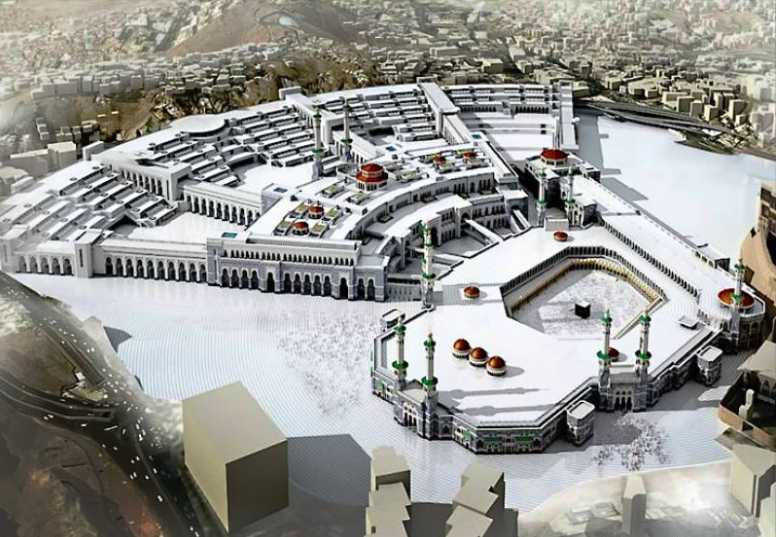
The Grand Mosque, also known as Masjid al-Haram, stands as the largest and most sacred mosque in Islam. Located in Mecca, Saudi Arabia, it encircles the Kaaba, the holiest site in Islam. This mosque is not only a place of worship but also a symbol of unity and devotion for Muslims worldwide. With an area of approximately 356,000 square meters, it can accommodate up to 2 million worshippers, making it a marvel of architectural and spiritual significance.
The Historical Significance of the Grand Mosque
The history of the Grand Mosque is deeply intertwined with the origins of Islam. According to Islamic tradition, the Kaaba was built by the Prophet Abraham (Ibrahim) and his son Ishmael (Ismail). The mosque itself originated as a simple enclosure around the Kaaba, constructed by Caliph Umar in 638 CE. This site has been a focal point for Muslim pilgrimage and worship for centuries.
The Role of the Kaaba
The Kaaba is the most sacred structure in Islam. Muslims around the world face the Kaaba during their daily prayers, symbolizing unity and devotion. The Black Stone, embedded in the eastern corner of the Kaaba, is a significant relic that pilgrims aim to touch or kiss during their rituals.
Expansions and Renovations
The Grand Mosque has undergone numerous expansions and renovations throughout history. Major developments occurred under the Umayyads, Abbasids, Mamluks, Ottomans, and Saudis. These expansions were driven by the need to accommodate the growing number of pilgrims and to address damages caused by floods and fires. The most recent renovations, initiated in 1955, have included modern amenities such as marble floors, escalators, air-conditioning, and tunnels to manage the massive crowds.
Architectural Marvels of the Grand Mosque
The Grand Mosque is an architectural masterpiece, blending historical significance with modern innovations. Its design and features reflect the rich cultural and religious heritage of Islam.
Seven Minarets
The mosque is renowned for its seven minarets, the most of any mosque in the world. These minarets, added progressively since the 8th century, serve as iconic landmarks and are used for the call to prayer. Each minaret stands tall, symbolizing the mosque's grandeur and spiritual importance.
Key Ritual Sites
Within the Grand Mosque, several key ritual sites hold special significance. The Mas'a gallery, located between the hills of Safa and Marwah, is where pilgrims perform the Sa'i, a ritual walk that commemorates Hagar's search for water for her son Ishmael. This site is an integral part of the Hajj and Umrah pilgrimages.
Modern Amenities
Recent renovations have equipped the Grand Mosque with modern amenities to enhance the pilgrimage experience. These include electric lighting, public-address systems, and advanced communication technologies. The mosque also features air-conditioning, escalators, and tunnels to facilitate the movement of large crowds, ensuring safety and comfort for all worshippers.
The Spiritual and Cultural Impact of the Grand Mosque
The Grand Mosque is not just a physical structure but a spiritual beacon for Muslims worldwide. Its significance extends beyond its architectural grandeur, deeply influencing the cultural and religious practices of Islam.
Pilgrimage and Worship
Praying at the Grand Mosque is considered highly rewarding in Islam. According to hadith, prayers offered here are multiplied 100,000-fold, drawing millions of Muslims each year. The mosque is the focal point for the Hajj and Umrah pilgrimages, which are central to the Islamic faith.
Global Unity
The Grand Mosque serves as a symbol of unity for Muslims around the world. Regardless of their nationality or background, Muslims come together in Mecca to perform their religious duties, fostering a sense of global community and shared faith.
Economic and Social Influence
The Grand Mosque plays a significant role in the economic and social fabric of Mecca. The influx of pilgrims during Hajj and Ramadan significantly boosts the local economy. The Saudi government's Vision 2030 initiative aims to further enhance the pilgrimage experience and diversify the economy, with projections of over 30 million annual visitors by 2030.
Conclusion of Part 1
The Grand Mosque is a testament to the rich history and spiritual significance of Islam. Its architectural marvels, historical expansions, and modern amenities make it a unique and revered site. As we delve deeper into its story in the next parts, we will explore more about its cultural impact, recent developments, and the experiences of pilgrims who visit this sacred place.
The Grand Mosque in Modern Times: Vision 2030 and Beyond
The Grand Mosque continues to evolve under Saudi Arabia's ambitious Vision 2030 plan, which seeks to modernize infrastructure while preserving its spiritual essence. This initiative aims to accommodate over 30 million annual visitors by 2030, enhancing both capacity and pilgrim experience. Recent developments include advanced crowd management systems, expanded prayer areas, and state-of-the-art facilities to ensure safety and comfort.
Technological Advancements
Technology plays a pivotal role in the Grand Mosque's modern operations. From electric lighting introduced in the early 20th century to today's smart crowd monitoring, innovations have transformed pilgrimage logistics. Key upgrades include:
- Public-address systems (installed in 1948) for clear prayer calls
- Air-conditioning to combat Mecca's extreme heat
- Escalators and tunnels to ease movement during peak times
- Real-time translation services for international pilgrims
Expansion Projects
Ongoing expansions focus on increasing the mosque's capacity while maintaining its historical integrity. The Saudi government has invested billions in projects such as:
- Adding new prayer halls to reduce congestion
- Constructing pedestrian walkways for safer access
- Integrating hotels and shopping centers (e.g., Abraj Al Bait Towers) nearby
These efforts ensure the Grand Mosque remains the world's most expensive building, with renovations exceeding $100 billion in recent decades.
The Grand Mosque's Role in Hajj and Umrah
The Grand Mosque is the epicenter of Islam's two most sacred pilgrimages: Hajj and Umrah. These journeys are obligatory for financially and physically capable Muslims, drawing millions annually.
Hajj: The Annual Pilgrimage
Hajj, performed in the Islamic month of Dhu al-Hijjah, is one of the Five Pillars of Islam. Pilgrims follow a series of rituals, including:
- Tawaf: Circling the Kaaba seven times
- Sa'i: Walking between Safa and Marwah hills
- Standing at Arafat: A day of prayer and repentance
The Grand Mosque accommodates up to 2.5 million pilgrims during Hajj, with Mecca's population tripling during this period.
Umrah: The Lesser Pilgrimage
Umrah, often called the "lesser pilgrimage," can be performed year-round. While not obligatory, it holds immense spiritual value. Key rituals include:
- Tawaf around the Kaaba
- Sa'i between Safa and Marwah
- Shaving or trimming hair as a symbol of renewal
Unlike Hajj, Umrah can be completed in a few hours, making it accessible to more Muslims globally.
Cultural and Educational Significance
Beyond its religious role, the Grand Mosque serves as a cultural and educational hub. It preserves Islamic heritage while fostering learning and community engagement.
Historical Artifacts and Exhibits
The mosque houses priceless artifacts, including:
- The Black Stone, embedded in the Kaaba
- Ancient Quranic manuscripts in its libraries
- Ottoman-era calligraphy and architectural elements
These treasures attract scholars and historians, offering insights into Islam's rich history.
Educational Initiatives
The Grand Mosque supports educational programs, such as:
- Quran memorization classes for children
- Islamic studies for international students
- Multilingual guided tours for visitors
These initiatives ensure the mosque remains a center for spiritual and intellectual growth.
Challenges and Future Outlook
Despite its grandeur, the Grand Mosque faces challenges, including overcrowding, security concerns, and environmental sustainability. However, Saudi Arabia's proactive measures under Vision 2030 aim to address these issues.
Overcrowding Solutions
To manage the influx of pilgrims, authorities have implemented:
- AI-powered crowd control systems
- Expanded prayer areas with retractable roofs
- Digital permit systems to regulate entry
Sustainability Efforts
Eco-friendly initiatives include:
- Solar-powered facilities to reduce energy consumption
- Water recycling systems for conservation
- Green spaces within the mosque complex
As the Grand Mosque continues to evolve, it remains a beacon of faith, unity, and progress for Muslims worldwide. The final part of this series will explore personal pilgrim experiences and the mosque's global impact.
Pilgrim Experiences: Personal Stories from the Grand Mosque
The Grand Mosque is not just a physical structure but a profound spiritual journey for millions. Pilgrims from diverse backgrounds share transformative experiences, highlighting the mosque's universal appeal and emotional impact.
Stories of Faith and Devotion
Many pilgrims describe their visit to the Grand Mosque as life-changing. A pilgrim from Indonesia shared:
"Standing before the Kaaba, I felt an overwhelming sense of peace. The unity among Muslims from every corner of the world was breathtaking."
Another from Nigeria reflected:
"Performing Tawaf with thousands of others, all dressed in white, made me realize the true meaning of equality in Islam."
Challenges and Rewards
While the journey is spiritually rewarding, pilgrims often face challenges such as:
- Physical exhaustion from long rituals
- Language barriers in a multicultural crowd
- Emotional intensity of the experience
Yet, these challenges are outweighed by the spiritual fulfillment and sense of accomplishment.
The Grand Mosque's Global Impact
The Grand Mosque transcends its physical location, influencing Muslim communities worldwide. Its significance extends to cultural, economic, and diplomatic spheres.
Cultural Influence
The mosque's rituals and architecture inspire Islamic practices globally:
- Mosque designs often mimic its features
- Prayer times are synchronized with Mecca
- Hajj stories are shared across generations
Economic Contributions
The Grand Mosque drives Saudi Arabia's economy through:
- Pilgrimage tourism, generating billions annually
- Job creation in hospitality and services
- Infrastructure development in Mecca
Under Vision 2030, these contributions are expected to grow exponentially.
Preserving the Grand Mosque for Future Generations
Ensuring the Grand Mosque's legacy requires balancing modernization with preservation. Saudi Arabia employs cutting-edge techniques to maintain its historical and spiritual integrity.
Conservation Efforts
Key preservation strategies include:
- Restoration of ancient calligraphy and artifacts
- Digital archiving of historical documents
- Structural reinforcements against natural disasters
Technological Innovations
Modern technology aids in preservation:
- 3D scanning for architectural documentation
- AI monitoring for structural health
- Virtual reality tours for global access
Conclusion: The Enduring Legacy of the Grand Mosque
The Grand Mosque stands as a testament to Islam's rich history and global unity. From its origins with the Kaaba to its modern expansions under Vision 2030, it remains the heart of Muslim worship and culture.
Key takeaways include:
- The mosque's spiritual significance as Islam's holiest site
- Its architectural marvels, including seven minarets and advanced amenities
- The global impact of Hajj and Umrah on Muslim communities
- Ongoing modernization efforts to accommodate millions
As the Grand Mosque continues to evolve, it remains a beacon of faith, unity, and progress. For Muslims worldwide, it is more than a destination—it is a lifelong spiritual journey.


Rishikesh: A Pilgrimage and Spiritual Hub in India
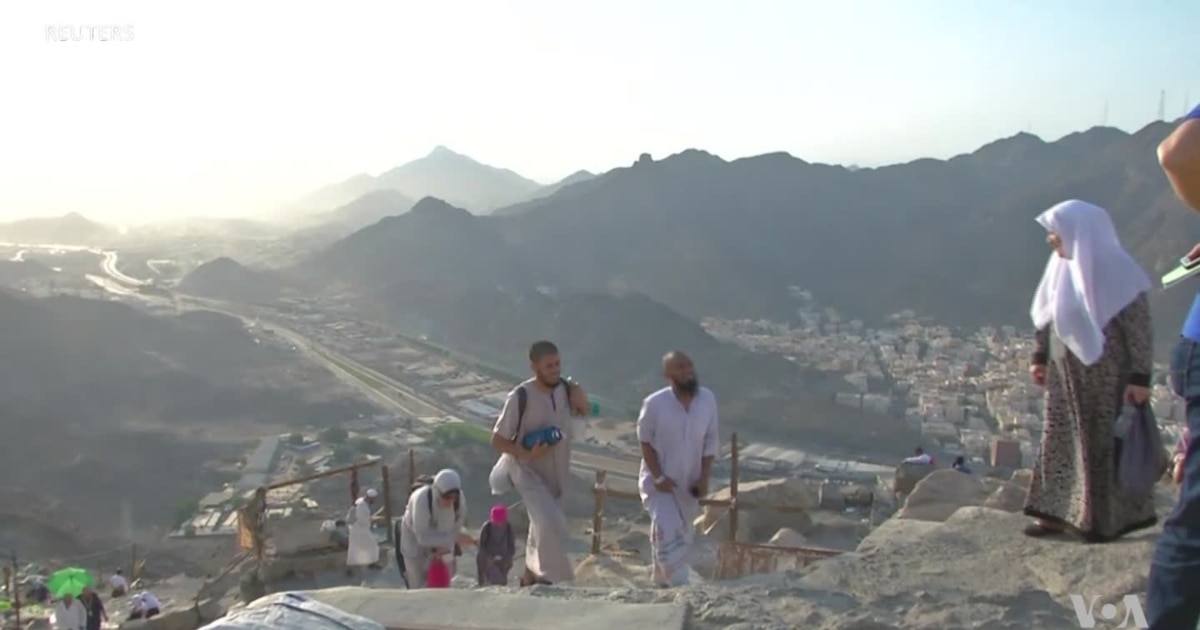
Rishikesh, often referred to as the "Cultural Capital of Yoga" and the "Yoga Capital of India," is one of the most sacred cities in Uttarakhand, northwestern India. Located on the banks of the sacred River Ganges, Rishikesh has been a spiritual center for thousands of years, deeply rooted in Hindu mythology and religious significance.
A Historical Overview
The history of Rishikesh dates back to ancient times, mentioned in the Vedas, which are among the oldest religious texts in Hinduism. According to legend, this city was visited by sages and saints, including Lord Vishnu himself, who rested here during his journey to the Himalayas. However, it came into prominence much later, around the eighth century, when several rishis (sages) settled along the banks of the Ganges.
During the medieval period, numerous temples, monasteries, and ashrams were established, contributing significantly to the city's cultural and religious heritage. One such notable site is the Taudayana Ghat, believed to be over 500 years old and named after a sage who performed penance there before attaining salvation.
Sacred Sites and Temples
The city boasts a plethora of sacred sites and temples that draw pilgrims and devotees from all over the world. Among the most revered is the Triveni Sangam, a point where the Ganges, Yamuna, and mythical Saraswati rivers converge. Legend has it that bathers can wash away their sins at this confluence.
Another important shrine dedicated to Lord Vishnu, particularly Hanuman and Narayana temples, is situated at Tapovan, which is believed to be the abode of rishis. Devotees often perform a dip in the river early in the morning and seek blessings for their journeys and goals.
Significance in Hindu Mythology
According to Hindu scriptures, Rishikesh played a crucial role in the epic Mahabharata. It is believed that the Pandavas, after their exile, met and sought advice from ascetic Rishi Dhaumya at Tapovan in Rishikesh before undertaking a pilgrimage to Kurukshetra for the great battle of Mahabharata.
The city is also associated with the legendary sage Adi Shankaracharya, who established four directions—East, South, North, and West—of the Bharatmandal by establishing mathas (monasteries). In Rishikesh, he established the Jnanapeeta, located near the riverbanks, which continues to be an important center of learning and philosophy.
Education and Ashrams
The educational environment of Rishikesh is enriched by various ashrams and spiritual academies. Many famous yoga gurus and meditation experts have made Rishikesh their home base, attracting students and spiritual seekers from across the globe.
One of the most prominent ashrams is the Parmahansa Yogananda Ashram, named after the renowned Indian yogi who introduced millions to the teachings of the Self-Realization Movement. Other notable places include the Parmarth Niketan, founded by Swami Vivekananda’s sister disciple, and the Brahma Kumaris Educational Centre.
Drawing inspiration from these establishments, countless yoga teachers and spiritual practitioners have emerged. The city is now a global hub for yoga, wellness retreats, and meditation workshops, making it a must-visit destination for those seeking to deepen their spiritual journey.
Sports and Recreation
While spirituality is a significant facet of Rishikesh, the city also offers a wide range of recreational activities. River sports are incredibly popular here; white-water rafting in the upper reaches of the Ganges offers adventure enthusiasts a thrill ride. Boating and kayaking are also enjoyed by visitors.
Besides water activities, trekking through the Himalayan footpaths around the city provides spectacular views and challenging terrain. The city’s surroundings offer opportunities for hiking, camping, and rock climbing in natural settings that showcase the beauty of northern India.
Gastronomy and Local Cuisine
Rishikesh is celebrated not only for its spiritual ambiance but also for its rich culinary diversity. Local cuisine features a blend of vegetarian and non-vegetarian dishes, with a strong focus on fresh ingredients sourced from the nearby hills and valleys. Traditional foods like dhokla, pakoras, and chhole bhature are favorites.
A notable street food item is kachori, a deep-fried pastry stuffed with spiced lentils or potatoes. Visitors can enjoy these treats from various stalls while strolling along the bustling bazaars and ghats. For those looking for healthier options, there is also a growing trend of organic and vegan cafes catering to conscious consumers.
Economic Importance
In recent decades, Rishikesh has emerged as a major economic center due to its significant tourism industry. The influx of pilgrims, students, and adventurers has led to considerable growth in hospitality, transportation, and service sectors. Hotels, guesthouses, and homestays have boomed, providing accommodation options to suit every budget.
The presence of numerous wellness and yoga studios has also fueled job creation. Employment opportunities extend to tour guides, travel agents, and staff within spiritual centers and resorts. The local economy continues to thrive largely due to the city's unique identity and offerings.
However, the rapid modernization has also brought challenges, including environmental degradation and pressure on the local infrastructure. Balancing growth with preservation remains a key concern for city administrators as well as spiritual custodians of the land.
In conclusion, Rishikesh stands as a beacon of spiritual and cultural richness set against the stunning backdrop of the Himalayan foothills. As it continues to evolve, it serves as both a traditional sanctuary and a vibrant modern oasis, inviting souls to explore its timeless allure and profound spiritual energy.
Eco-Tourism and Sustainable Practices
Amidst the rapid urbanization, Rishikesh has embraced eco-tourism and sustainable practices as key components of its development strategy. Eco-friendly lodgings and sustainable tour packages have gained traction, catering to environmentally conscious travelers. Initiatives such as the Green Travel Initiative encourage responsible tourism, promoting the use of clean energy, waste management, and conservation of natural resources.
The city has several organizations working towards environmental sustainability. The Shivalik Eco Foundation, for instance, focuses on tree planting, reforestation, and awareness campaigns about environmental issues. They organize regular tree plantation drives along the riverbank to combat deforestation and soil erosion.
Furthermore, efforts have been made to preserve the ecological balance. The government, along with local NGOs, implements strict pollution control measures, such as banning single-use plastics and promoting waste segregation. The Ghats, which play a vital role in spiritual rituals, are maintained by local authorities to ensure they remain pristine and functional.
Community Involvement and Social Projects
The residents of Rishikesh take an active role in community-based projects and social initiatives. Various social welfare programs target healthcare, education, and poverty alleviation. Organizations like the Rishikesh Youth Empowerment Foundation (RYEF) work towards providing quality education and vocational training to underprivileged children and youths.
Medical camps and free health check-ups conducted by local hospitals and ashrams serve the needs of the less privileged sections of society. Additionally, several NGOs provide support to victims of domestic violence and human trafficking, offering counseling and rehabilitation services.
Tourism Infrastructure and Accessibility
The city's tourist infrastructure has undergone significant improvements over the past few decades. Improved road connectivity connects Rishikesh to various parts of Uttarakhand, facilitating easier access for tourists and pilgrims. The Rishikesh Airport has recently been upgraded to handle more flights, enhancing air connectivity to major cities.
The development of luxury accommodations caters to diverse preferences, ranging from budget-friendly guesthouses to high-end resort properties. Luxury hotels and resorts, such as the Trident Resort and Spa, offer panoramic views of the Ganges and modern amenities. Meanwhile, budget-friendly options ensure affordability for pilgrims and travelers on a tight budget.
Transport facilities have seen substantial improvement, with the introduction of dedicated shuttle services connecting major ghats, ashrams, and nearby tourist attractions. The city’s fleet of bicycles and rickshaws promotes eco-friendly commuting among tourists and locals alike.
Cultural Festivals and Celebrations
Pilgrimage sites in Rishikesh host a series of cultural festivals and celebrations throughout the year, fostering a vibrant and festive atmosphere. The Makar Sankranti festival marks the beginning of spring with kite flying competitions, feasts, and ritual baths in the Ganges. Similarly, the Chhath Puja celebrates the worship of the Sun God with offerings and prayers by devotees facing the sun during winter.
The Kumbh Mela, a massive religious congregation held every twelve years, attracts millions of devotees and yatras to the Triveni Sangam. While the primary event occurs in Allahabad, smaller versions are also held at various sites along the Ganges, drawing pilgrims to Rishikesh.
Local folk culture is evident in various art forms, including music, dance, and literature. Traditional folk songs and dances performed at local fairs and cultural events reflect the rich regional heritage. Literary clubs and cultural centers organize seminars and workshops, promoting intellectual discourse and artistic expression.
Lifestyle and Community Living
The laid-back lifestyle in Rishikesh promotes a sense of harmony and peace. Residents value simplicity and self-sufficiency, embodying the core philosophies of spirituality and mindfulness. Community living in ghats and ashrams fosters a sense of connectedness and mutual support among neighbors.
Morning and evening rituals, such as performing aarti (worship ceremony) and singing devotional songs, are common sights along the riverbanks. These practices create a spiritual aura that permeates daily life, reminding all residents of the importance of inner peace and harmony.
However, despite the tranquil ambiance, Rishikesh faces contemporary challenges. Urbanization has resulted in overcrowding and increased pollution. Addressing these issues requires a balanced approach that honors the city's spiritual identity while embracing modern development.
Community groups and activists regularly organize awareness campaigns to educate residents about sustainable practices and the importance of preserving the city's natural beauty. Initiatives like the Green Campus Program promote waste reduction and recycling in educational institutions, encouraging future generations to carry forward these values.
Future Prospects and Challenges
Looking ahead, Rishikesh is poised to remain a significant spiritual hub for several reasons. The rapid increase in tourism is expected to continue, driven by growing interest in yoga, meditation, and spiritual practices. Additionally, advancements in medical tourism, supported by the city’s reputation as a wellness destination, are likely to attract patients from around the globe.
However, the city will need to address emerging challenges such as traffic congestion, pollution, and the strain on local resources. Ensuring sustainable growth will require strategic planning and collaboration between local authorities, private enterprises, and community groups.
To achieve balanced development, Rishikesh must strike a delicate equilibrium between preserving its historical and cultural heritage and adapting to evolving demands. By fostering innovation, implementing green technologies, and maintaining a focus on spiritual enrichment, Rishikesh can continue to captivate hearts and souls while staying true to its essence.
In conclusion, Rishikesh remains a spiritual and cultural epicenter, blending ancient traditions with contemporary realities. As it embraces new opportunities, it will undoubtedly continue to inspire pilgrims, yogis, and seekers from all walks of life, offering them a place to find tranquility, enlightenment, and a renewed sense of purpose.
Conclusion and Final Thoughts
Rishikesh stands as a testament to the enduring connection between spirituality, nature, and human aspirations. Its sacred sites, rich cultural heritage, and vibrant spiritual community make it a destination of profound significance. From the ancient ashrams and temples to the modern yoga centers and wellness retreats, the city offers a unique blend of tradition and innovation, appealing to a diverse array of visitors.
As Rishikesh continues to evolve, it faces the challenge of balancing its spiritual essence with modernization. The key to sustainable growth lies in the collective effort of local residents, visitors, and governing bodies. By fostering environmental consciousness, preserving cultural heritage, and promoting social welfare, Rishikesh can ensure that it remains a beacon of enlightenment for generations to come.
Ultimately, Rishikesh is a place that resonates with universal truths and spiritual aspirations. Whether one seeks inner peace, physical well-being, or a deeper connection with the divine, Rishikesh offers a haven that nurtures the soul. As the city continues to grow, it must remain committed to its spiritual roots, allowing its unique character to shine through.
In conclusion, Rishikesh stands as a remarkable blend of ancient wisdom and modern progress. It is a place that invites us to explore the depths of our own consciousness, to seek meaning, and to find our place in the world. As we step into the future, let us remember the essence of Rishikesh and strive to preserve its timeless beauty and profound spiritual legacy.
For all those who wish to visit or seek solace in Rishikesh, this place is more than just a destination; it is a journey of discovery, enlightenment, and transformation. May the serenity and peace of Rishikesh continue to spread far and wide, touching hearts and souls around the globe.
Thank you for exploring the spiritual and cultural wonders of Rishikesh. May you find inspiration and guidance in this special place.


Alexis Alford: A Young Traveler's Journey to Exploring the World
Introduction
Alexis Alford, also known as Lexie, is a young adventurer who has captured the hearts of many with her passion for travel and exploration. Born in California, Lexie developed a love for discovering new cultures and places at an incredibly young age. By the time she was 21, she had already visited all 196 countries in the world, making her one of the youngest people to achieve this remarkable feat. Her story is not just about ticking off destinations but about embracing diversity, overcoming challenges, and inspiring others to step out of their comfort zones.
Early Life and the Spark of Wanderlust
Lexie’s journey began in a small town in California, where she was raised in a supportive family that encouraged curiosity and learning. Her parents played a significant role in nurturing her love for travel, taking her on trips to different states and countries from a young age. By the time she was 10, Lexie had already visited several countries, including Mexico and Canada. These early experiences ignited a deep passion for exploring the world and understanding different cultures.
Unlike many teenagers who spend their high school years focused on local activities, Lexie was already dreaming of global adventures. She saved money from part-time jobs and researched extensively about different countries, planning her future travels. Her determination was evident even then—she wasn’t just waiting for opportunities; she was actively creating them.
The Decision to Travel the World
At 18, Lexie made a bold decision: she would travel to every country in the world before turning 21. This was no small goal, considering the logistical, financial, and personal challenges it entailed. However, Lexie was undeterred. She understood that this journey would require sacrifices, including postponing traditional college plans and finding unconventional ways to fund her travels.
Lexie’s approach was strategic. She combined personal savings, sponsorships, and freelance work to finance her trips. She also leveraged social media to document her adventures, sharing her experiences with a growing audience. Her authenticity and enthusiasm resonated with people, and soon, she gained a following that supported her mission.
Challenges and Triumphs on the Road
Traveling to every country in the world is no easy feat, and Lexie faced numerous obstacles along the way. From visa issues to language barriers, cultural misunderstandings to health scares, her journey was far from smooth. However, each challenge only strengthened her resolve.
One of the most difficult aspects of her travels was navigating countries with political instability or limited infrastructure. Lexie visited places like Syria, Yemen, and South Sudan, where safety was a constant concern. Yet, she approached these destinations with respect and an open mind, learning invaluable lessons about resilience and humanity.
Another challenge was the emotional toll of constant travel. Being away from family and friends for extended periods was tough, and there were moments when Lexie questioned her decision. However, the connections she made with people around the world kept her going. She often stayed with local families, immersing herself in their way of life and forming bonds that transcended borders.
Cultural Immersion and Personal Growth
For Lexie, travel was never just about collecting passport stamps—it was about understanding the world on a deeper level. She made a conscious effort to immerse herself in local cultures, whether by learning basic phrases in different languages, participating in traditional ceremonies, or trying regional cuisines.
These experiences shaped her worldview in profound ways. Lexie realized that despite cultural differences, people everywhere share common values—kindness, hospitality, and a desire for connection. She also became more adaptable, learning to thrive in unfamiliar environments and embrace uncertainty.
One of her most memorable experiences was in Bhutan, where she trekked through the Himalayas and learned about the country’s philosophy of Gross National Happiness. In Rwanda, she visited gorilla sanctuaries and witnessed the country’s incredible conservation efforts. Each destination left a lasting impression, contributing to her personal and intellectual growth.
Breaking Records and Gaining Recognition
In 2019, at the age of 21, Lexie achieved her goal of visiting all 196 countries. This accomplishment earned her a place in the record books as one of the youngest people to do so. Her story was featured in major media outlets, including Forbes, BBC, and National Geographic.
However, Lexie remained humble about her achievement. She emphasized that her journey was not about breaking records but about inspiring others to pursue their passions, no matter how unconventional they may seem. She encouraged young people, especially women, to embrace adventure and challenge societal expectations.
Life After the Journey
Completing her goal of visiting every country was just the beginning for Lexie. She continued to travel, focusing on deeper explorations of regions she had previously only briefly visited. She also began sharing her knowledge and experiences through public speaking, mentoring aspiring travelers, and collaborating with organizations promoting global citizenship.
Lexie’s story is a testament to the power of determination, curiosity, and an open heart. She proved that age is no barrier to achieving extraordinary dreams and that the world is far more accessible than many believe.
Conclusion
The first part of Lexie’s journey is a remarkable tale of ambition, courage, and cultural discovery. From her early travels with her family to her record-breaking achievement, she has shown that with passion and perseverance, anything is possible. Her story continues to inspire countless individuals to step out of their comfort zones and explore the world with an open mind.
Stay tuned for the second part of this article, where we’ll delve deeper into Lexie’s post-travel endeavors, her impact on the travel community, and her future aspirations.otec.
Lexie’s Impact on the Travel Community
Lexie Alford’s journey has not only been about personal achievement but also about inspiring a new generation of travelers. Through her social media platforms, blog, and public speaking engagements, she has shared invaluable insights into the realities of global travel. Her transparency about the challenges—such as budgeting, safety, and cultural adaptation—has made her a trusted voice in the travel community.
One of the most significant ways Lexie has influenced others is by debunking myths about travel. Many people assume that extensive travel is only for the wealthy or that certain destinations are too dangerous to visit. Lexie’s experiences prove otherwise. She has shown that with careful planning, resourcefulness, and respect for local cultures, anyone can explore the world. Her budget-friendly tips, such as leveraging travel rewards programs and staying with locals through homestays, have empowered many to take their first steps toward international travel.
Lexie also emphasizes the importance of responsible tourism. She advocates for sustainable travel practices, such as reducing plastic use, supporting local economies, and respecting wildlife. Her visits to conservation projects in countries like Rwanda and Costa Rica highlight how travelers can contribute positively to the places they visit.
Overcoming Stereotypes and Breaking Barriers
As a young woman traveling solo to every country, Lexie has faced her share of stereotypes and skepticism. Many questioned her ability to navigate complex destinations or assumed she was merely a privileged tourist. However, Lexie’s approach to travel—immersive, respectful, and deeply educational—silenced critics.
She has spoken openly about the challenges female travelers face, from safety concerns to cultural expectations in conservative regions. By sharing her strategies for staying safe—such as researching local customs, dressing appropriately, and trusting her instincts—Lexie has become a role model for women who aspire to explore the world independently.
Her journey also challenges the notion that travel is a luxury reserved for later in life. Lexie’s story proves that age should not limit one’s ambitions. Whether it’s backpacking through Southeast Asia at 18 or negotiating visas for conflict zones at 20, she has demonstrated that youth can be an asset in travel, offering energy, adaptability, and a fresh perspective.
Lessons from the Road
Lexie’s travels have taught her lessons that extend far beyond geography. One of the most profound realizations she shares is the universality of human kindness. Despite language barriers and cultural differences, she encountered countless strangers who offered help, hospitality, and friendship. From a family in Iran who invited her for dinner to a taxi driver in Nigeria who guided her through the city, these interactions reinforced her belief in the goodness of people.
Another key lesson is the value of discomfort. Lexie often says that growth happens outside one’s comfort zone, and her travels were full of moments that tested her resilience. Whether it was falling ill in a remote village or getting lost in a bustling metropolis, each challenge taught her problem-solving skills and self-reliance.
She also learned the importance of flexibility. Travel rarely goes as planned, and Lexie’s ability to adapt—whether it was changing itineraries due to political unrest or finding last-minute accommodations—was crucial to her success. This mindset is something she encourages in others, both in travel and in life.
Life Beyond the 196-Country Goal
After achieving her record-breaking feat, Lexie didn’t slow down. Instead, she shifted her focus to deeper exploration and advocacy. She revisited countries she had only skimmed during her initial journey, spending weeks or months in places like India, Brazil, and Japan to truly understand their cultures.
She also began collaborating with travel organizations and brands, using her platform to promote meaningful travel experiences. Lexie works with companies that prioritize sustainability and ethical tourism, ensuring her partnerships align with her values. Additionally, she mentors young travelers, offering advice on everything from packing lists to navigating cultural nuances.
Lexie has also ventured into content creation, producing documentaries and writing articles that highlight lesser-known destinations. Her work aims to showcase the diversity of the world and encourage travelers to look beyond tourist hotspots.
Future Aspirations
Looking ahead, Lexie’s ambitions are as bold as ever. She plans to continue exploring, with a focus on regions like Central Asia and the Pacific Islands, where she believes there’s much more to discover. She’s also working on a book that will delve deeper into her journey, offering readers a more intimate look at her experiences and the lessons she’s learned.
Beyond travel, Lexie is passionate about education. She hopes to develop programs that teach young people about global citizenship, encouraging them to think critically about the world and their place in it. Whether through workshops, online courses, or school partnerships, she wants to make travel and cultural exchange more accessible to everyone.
Final Thoughts
Lexie Alford’s story is a powerful reminder that the world is full of possibilities for those willing to pursue them. Her journey from a curious teenager to a globally recognized traveler is a testament to the transformative power of travel. By embracing challenges, fostering connections, and staying true to her values, Lexie has not only achieved an extraordinary goal but also inspired countless others to dream bigger.
As she continues to explore and share her adventures, one thing is clear: Lexie’s impact on the travel world is just beginning. Her story encourages us all to step outside our comfort zones, embrace the unknown, and discover the beauty of our diverse planet.
Stay tuned for the third and final part of this article, where we’ll explore Lexie’s most transformative travel moments, her advice for aspiring adventurers, and her vision for the future of travel.
Transformative Travel Moments That Shaped Lexie's Perspective
Among the hundreds of destinations Alexis Alford visited, certain experiences stood out as genuinely life-changing. One such moment occurred in Varanasi, India, where she witnessed the spiritual intensity of the Ganges River at dawn. "Seeing thousands of pilgrims bathing in sacred waters while funeral pyres burned nearby was humbling," she recalls. "It taught me how differently cultures approach life, death, and spirituality."
Her time with the Maasai community in Kenya proved equally profound. Living with a tribal family for two weeks, she participated in their daily routines - herding cattle, fetching water, and learning ancient survival skills. "They had so little materially, yet their community bonds were stronger than anything I'd seen in developed nations," Lexie reflects. This experience fundamentally altered her understanding of wealth and happiness.
Perhaps her most challenging moment came in Venezuela during the country's political crisis. Trapped in Caracas amid protests with dwindling cash (ATMs weren't functioning), Lexie had to rely on the kindness of locals who sheltered her and helped her escape to Colombia. "That experience stripped away any remaining naive ideas I had about travel," she admits. "But it also showed me humanity's incredible capacity for compassion in crisis."
Lexie's Top Advice for Aspiring World Travelers
Drawing from her unparalleled experience, Lexie has developed key principles for meaningful travel:
1. **Start Before You're "Ready"**
"The perfect time, budget, or itinerary doesn't exist. I visited my first solo destination with $500 and a vague plan. You learn by doing."
2. **Embrace Discomfort**
"Real growth happens when things go 'wrong.' Missed buses, language mishaps, and cultural faux pas make the best stories and lessons."
3. **Travel Slowly When Possible**
"After my 196-country sprint, I realized depth matters more than stamps. Spend a month in one country rather than a week in four."
4. **Let Locals Guide You**
"My best meals weren't in guidebook restaurants, but in homes where grandmothers taught me family recipes. Always say yes to local invitations."
5. **Document Thoughtfully**
"Balance capturing memories with being present. I designate camera-free days to fully immerse myself."
The Unexpected Challenges of Life After 196 Countries
Adjusting to stability after years of constant movement presented unique difficulties Lexie hadn't anticipated. "Reverse culture shock hit hard," she explains. "Simple things like grocery shopping felt overwhelming with so many choices. I'd gotten used to markets with just a few options."
She also struggled with the interrogative "What's next?" from well-meaning acquaintances. "People expected some grand new goal, but I needed time to process what I'd already done." This led to valuable insights about achievement culture. "We're so focused on chasing the next milestone that we forget to integrate the lessons from our last one."
Financially, rebuilding was challenging after depleting savings on her travels. Lexie turned this into an opportunity by creating ethical monetization strategies, combining sponsorships with educational content that actually helped travelers rather than just selling products.
Lexie's Vision for the Future of Travel
Looking at global tourism's trajectory, Lexie advocates for several paradigm shifts:
**Responsible Mass Tourism**
"Overtourism isn't solved by shame, but by redistribution. Instead of avoiding Venice altogether, go in offseason and stay in Mestre to support businesses outside the center."
**Technology as a Bridge, Not Buffer**
"Use translation apps to connect with locals, not just order food. I learned basic phrases in every country - even 'hello' breaks barriers."
**Changing the Instagram Effect**
"Popular spots get destroyed when thousands recreate the same photo. I encourage finding unique perspectives or highlighting lesser-known places nearby."
**Democratizing Travel Education**
"Many schools teach about cultures without cultivating curiosity. We need programs showing students how to respectfully engage with difference."
Myths About World Travel Lexie Wants to Debunk
**"It's Too Dangerous"**
"Most places are safer than media suggests. Crime statistics are often localized - know which neighborhoods to avoid, just as you would at home."
**"You Need Lots of Money"**
"I slept in dorms, took overnight buses, and ate street food. The average $1,300/month I spent is less than many people's rent back home."
**"It's Selfish or Escapist"**
"Travel at its best fosters global understanding. The connections I've made have led to fundraising for schools, hospitals, and conservation projects."
How Lexie Measures Success Now
With her initial goal achieved, Lexie has redefined success in more nuanced terms:
- **Depth Over Distance**
Instead of counting countries, she now tracks meaningful interactions - like how many families have hosted her or how many local traditions she's participated in authentically.
- **Sustainable Impact**
She evaluates her travels by their positive ripple effects, whether supporting women-owned tourism businesses or bringing attention to deserving NGOs.
- **Knowledge Sharing**
Success now means seeing others achieve their travel dreams using advice she's provided, especially first-generation travelers and those from disadvantaged backgrounds.
Final Reflections and Lasting Legacy
Lexie's journey represents more than just youthful adventure - it's a case study in intentional living. "The world became my classroom," she muses. "Every border crossing taught me about history, economics, and human nature in ways no textbook could."
Her greatest hope is that her story inspires people to engage with the world more courageously and compassionately - whether that means trying an ethnic restaurant in their hometown or boarding a flight to a completely unfamiliar country.
"Travel at its core isn't about places," Lexie concludes. "It's about tearing down the imaginary walls we build between 'us' and 'them.' When you realize how much alike we all are beneath the surface, that's when real change becomes possible - both in ourselves and in the world."
Thus ends the extraordinary account of Alexis Alford's global odyssey - not as a final destination, but as an ongoing invitation to explore, connect, and grow without limits. Her legacy continues with every person she inspires to take that first uncertain step toward adventure.


Nazareth: A Historical Tapestry
In the heart of the Galilee region, nestled amidst rolling hills and lush valleys, lies the ancient city of Nazareth. This city, aglow with historical and spiritual significance, offers a profound narrative that stretches back thousands of years. It has carved a niche in global consciousness as the childhood home of Jesus of Nazareth, a place that is revered by millions across the world.
Origins and Ancient Significance
Nazareth’s earliest settlement is believed to date back to the Bronze Age, around 2,000 BCE. Archaeological findings suggest it was a minor village at best during this period, primarily engaged in agriculture and small trade. Little is recorded about Nazareth in early historical texts, leading scholars to rely heavily on archaeological evidence to reconstruct its ancient past.
Biblical Nazareth
The significance of Nazareth is primarily rooted in its Biblical connection to Jesus Christ. According to the New Testament, Nazareth was Mary and Joseph's home, and it became the setting for pivotal events in the Gospels, such as the Annunciation. During the Roman Empire, Nazareth was not a city of prominence, but the Gospels recount that this is where Jesus grew up and began his ministry, which has forever etched the city into the annals of religious history.
The Byzantine Era
By the 4th century CE, Nazareth had started to gain more prominence with the advent of Christianity as the official religion of the Roman Empire. This resulted in the construction of churches to commemorate sites associated with Jesus’ life. The Church of the Annunciation, a focal point in today's Nazareth, is believed to be where the angel Gabriel appeared to Mary, marking Nazareth's rise as a revered pilgrimage destination.
The Crusader and Mamluk Periods
The Crusades brought another wave of transformation to Nazareth. In the early 12th century, Crusaders constructed grander religious edifices over earlier Byzantine ruins. However, in 1187, Saladin’s forces took control of the city, returning it to Muslim rule during the Ayyubid and subsequent Mamluk periods. Whilst these centuries saw a decline in the city’s Christian population, Nazareth retained a diminished but steady Christian presence due to its significance as a spiritual beacon.
Ottoman Influence
The arrival of the Ottoman Empire in the 16th century marked a new chapter in Nazareth’s history. The Ottomans brought about administrative changes and introduced Islamic architectural styles that can still be admired today. Under their rule, Nazareth remained a small town but began to see improvements in infrastructure and an influx of pilgrims, as religious freedoms were relatively more relaxed compared to previous eras.
This blend of history not only highlights Nazareth's endurance but illustrates its continually evolving role within various socio-political and religious contexts across centuries. The city continued to live on in religious texts as the backdrop for the foundational stories of Christianity, maintaining its unique identity in an ever-changing world.


