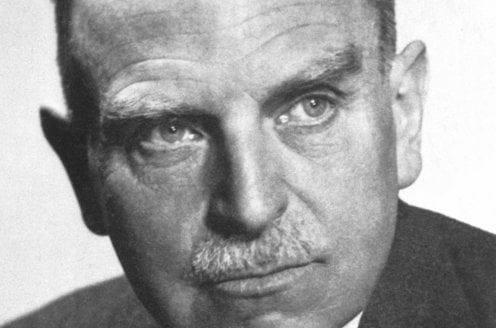
Otto Hahn: The Father of Nuclear Chemistry
Otto Hahn, a pioneering German chemist, is renowned as the father of nuclear chemistry. His groundbreaking discovery of nuclear fission in 1938, alongside collaborators Fritz Strassmann and Lise Meitner, revolutionized the field of nuclear science. This discovery earned him the 1944 Nobel Prize in Chemistry, solidifying his legacy as one of the most influential scientists of the 20th century.
Early Life and Education
Otto Hahn was born on March 8, 1879, in Frankfurt am Main, Germany. From an early age, he exhibited a keen interest in chemistry, which led him to pursue a degree in the field. Hahn studied organic chemistry at the University of Marburg and later at the University of Munich, where he earned his PhD in 1901.
Shift to Radioactivity Research
After completing his doctoral studies, Hahn shifted his focus to the emerging field of radioactivity. He worked under the guidance of William Ramsay in London and later with Ernest Rutherford at McGill University in Montreal. These experiences laid the foundation for his future discoveries in nuclear chemistry.
Key Discoveries and Contributions
Hahn's career was marked by a series of groundbreaking discoveries that significantly advanced the field of nuclear chemistry. His work not only expanded our understanding of radioactive elements but also paved the way for modern nuclear technology.
Early Discoveries
In 1904, Hahn identified radiothorium, a radioactive isotope of thorium. The following year, he discovered radioactinium while working at McGill University. These early discoveries showcased his expertise in isolating and identifying radioactive elements.
Mesothorium and Protactinium
Hahn's collaboration with Lise Meitner began in 1907 and lasted for over three decades. Together, they discovered mesothorium in 1907 and protactinium in 1918. These discoveries were crucial in understanding the complex decay chains of radioactive elements.
Nuclear Fission: The Breakthrough
The most significant achievement of Hahn's career came in 1938 when he, along with Fritz Strassmann, discovered nuclear fission. By bombarding uranium with neutrons, they observed the production of barium, proving that uranium nuclei could split into lighter elements. This discovery was a monumental leap in nuclear science and had far-reaching implications for both energy production and weaponry.
Nobel Prize and Recognition
Hahn's discovery of nuclear fission earned him the 1944 Nobel Prize in Chemistry. The award was announced in 1945 while Hahn was interned at Farm Hall, a British internment camp for German scientists. Despite the collaborative nature of the discovery, Hahn was the sole recipient of the Nobel Prize, a decision that has been the subject of much debate and controversy.
Post-War Contributions
After World War II, Hahn played a pivotal role in rebuilding German science. He served as the president of the Max Planck Society from 1946 to 1960, where he worked tirelessly to restore Germany's scientific reputation. Hahn was also a vocal opponent of nuclear weapons, advocating for the peaceful use of nuclear energy.
Legacy and Impact
Otto Hahn's contributions to nuclear chemistry have had a lasting impact on both science and society. His discovery of nuclear fission not only advanced our understanding of atomic structure but also laid the groundwork for the development of nuclear reactors and weapons. Today, nuclear fission powers approximately 440 reactors worldwide, providing about 10% of global electricity.
Ethical Considerations and Controversies
Hahn's legacy is not without controversy. The exclusion of Lise Meitner and Fritz Strassmann from the Nobel Prize has been a point of contention. Modern retrospectives highlight the collaborative nature of their work and the significant contributions of Meitner and Strassmann. Additionally, Hahn's stance against nuclear weapons has influenced ongoing ethical debates about the use of nuclear technology.
Commemorations and Honors
Hahn's contributions to science have been recognized through various commemorations and honors. The Hahn-Meitner Building in Berlin stands as a testament to his collaborative work with Lise Meitner. Furthermore, the rubidium-strontium dating method, pioneered by Hahn, is widely used in geochronology to determine the age of rocks and minerals.
Conclusion
Otto Hahn's life and work have left an indelible mark on the field of nuclear chemistry. His discovery of nuclear fission revolutionized our understanding of atomic structure and paved the way for modern nuclear technology. Despite the controversies surrounding his Nobel Prize and the ethical implications of his discoveries, Hahn's contributions to science remain unparalleled. As we continue to explore the potential of nuclear energy, Hahn's legacy serves as a reminder of the power and responsibility that come with scientific advancements.
Otto Hahn During the Nazi Era
During the Nazi regime, Otto Hahn's career faced significant challenges. His Jewish colleague Lise Meitner was forced to flee Germany in 1938 due to persecution. Despite this, Hahn and Fritz Strassmann continued their experiments, leading to the discovery of nuclear fission. Their work during this turbulent period underscored both scientific perseverance and the political pressures of the time.
Collaborative Challenges
Hahn's partnership with Meitner was severed by the rise of the Nazis. Meitner provided the theoretical explanation for fission from exile, while Hahn and Strassmann confirmed the experimental results. This separation highlight the complexities of scientific collaboration under political duress.
Uranium Project and WWII
During World War II, Hahn worked on Germany's uranium project, aiming to develop atomic weapons. The project faced numerous setbacks and ultimately failed to produce a reactor or weapon before the war's end. In 1945, Hahn was interned at Farm Hall, where he learned of the Nobel Prize awarded while detained.
Post-War Scientific Leadership
After the war, Hahn emerged as a leader in rebuilding German science. His efforts focused on restoring integrity and innovation within the scientific community, emphasizing peaceful applications of nuclear technology.
President of the Max Planck Society
From 1946 to 1960, Hahn served as president of the Max Planck Society. During his tenure, he reestablished research institutions and fostered international collaborations. His leadership helped Germany regain its standing in the global scientific community.
Advocacy Against Nuclear Weapons
Hahn was a vocal opponent of nuclear weapons, advocating for their prohibition. He emphasized the dangers of such technology in the wrong hands. His stance influenced ethical debates and policy discussions on nuclear arms control.
Impact on Modern Nuclear Technology
Today, Hahn's discovery of nuclear fission remains central to energy production and scientific research. Its applications extend beyond power generation, influencing fields like medicine and materials science.
Energy Production and Fission
Global nuclear fission powers approximately 440 reactors, supplying about 10% of the world's electricity. Hahn's work laid the foundation for these reactors, enabling clean energy alternatives amid climate change concerns.
- Fission provides steady, low-carbon energy
- Reactors operate with high safety protocols
- Technology supports energy security
Medical and Scientific Applications
Beyond energy, fission fuels medical isotopes and powers space missions. Hahn's research contributed to techniques like rubidium-strontium dating, essential for geochronology and understanding Earth's history.
"Science knows no country, because knowledge belongs to humanity." – Otto Hahn
Ongoing Debates and Recognition
Modern discussions often revisit the credit Hahn received for fission. Efforts continue to acknowledge the roles of Meitner and Strassmann. Exhibitions and institutions, such as the Hahn-Meitner Building, ensure their collective legacy endures.
Enduring Legacy of Otto Hahn
Otto Hahn's influence extends far beyond his scientific achievements, shaping institutions, education, and public understanding of nuclear science. His legacy remains a cornerstone of modern chemistry and physics.
Institutions and Namesakes
Many institutions honor Hahn's contributions. The Hahn-Meitner Building in Berlin stands as a symbol of collaborative research. Additionally, numerous scholarships and awards bear his name, encouraging future scientists to pursue nuclear studies.
- Hahn Institute for Radiation Research
- Annual Otto Hahn Medal for early-career researchers
- Exhibits at the Lindau Nobel Mediatheque
Education and Public Awareness
Educational programs frequently highlight Hahn's work. Schools and universities incorporate his discoveries into curricula, emphasizing the story of nuclear fission. Public lectures and documentaries keep his legacy accessible to new generations.
"The discovery of fission was not just a scientific event; it changed how we view our world." – Modern science historians
Ethical and Historical Reflections
Hahn's career intersected with some of the most challenging ethical dilemmas of the 20th century. His responses to these issues continue to inform debates about scientific responsibility.
Credit and Recognition
Recent scholarship has reexamined the allocation of credit for nuclear fission. While Hahn received the 1944 Nobel Prize alone, efforts aim to recognize Lise Meitner and Fritz Strassmann more prominently. Historical retrospectives increasingly emphasize their indispensable roles.
Nuclear Ethics and Policy
Hahn's vocal opposition to nuclear weapons has shaped policy discussions. His advocacy for peaceful applications of fission remains relevant in debates about energy futures. Ethical guidelines in nuclear research often cite his principles.
- Prohibitions on weapon development
- Transparency in reactor safety
- Global cooperation on nuclear waste
Conclusion: The Dual Edges of Scientific Discovery
Otto Hahn's life encapsulates the profound duality of scientific progress. His discovery of nuclear fission unlocked new energy sources and medical applications but also introduced existential risks. Balancing innovation with responsibility remains a central challenge for modern science.
Hahn's legacy teaches that scientific achievements carry societal weight. Institutions named after him continue to advance research while honoring ethical imperatives. As the world confronts climate change and energy demands, his work reminds us of both the power and the peril inherent in scientific discovery.
In the words of Hahn himself: "Science knows no country, because knowledge belongs to humanity." His discoveries, collaborations, and convictions endure as guiding principles for future generations of scientists and policymakers alike.

Jason Y. Lee: A Visionary Leader in the Tech Industry
Introduction
Jason Y. Lee is a name synonymous with innovation, leadership, and a relentless pursuit of excellence in the technology sector. Born in San Francisco in 1980 to immigrant parents who instilled in him a strong work ethic and ambition to succeed, Lee has carved out a remarkable career trajectory. From his early days as a software engineer to his current role as the CEO of a tech startup valued at over $1 billion, Jason Y. Lee's journey is one of perseverance, strategic vision, and a passion for technological advancement.
Early Life and Education
Lee’s story begins in a modest home where he grew up with a close-knit family. His parents, immigrants from South Korea, provided a supportive environment despite the challenges they faced in adapting to life in the United States. Education was a top priority in their household, and this emphasis resonated deeply within Jason. He demonstrated an early aptitude for mathematics and technology, often spending long hours tinkering with computers and electronic devices.
Lee's dedication and hard work paid off when he was admitted to the Massachusetts Institute of Technology (MIT) as a top scholar. During his time at MIT, he focused on computer science and participated in numerous hackathons and tech competitions. These experiences not only honed his technical skills but also helped him develop a keen understanding of user-centric design and problem-solving methodologies central to tech innovation.
Professional Career Beginnings
Graduating with a Bachelor of Science in Electrical Engineering and Computer Science from MIT, Jason Y. Lee landed his first job at Google in 2004. This was during a period of rapid growth for the tech giant, and Lee quickly rose through the ranks due to his exceptional coding skills and ability to innovate. His projects at Google included enhancing search algorithms and developing new features for mobile applications, which laid the groundwork for his future endeavors.
After five years at Google, Jason moved to Apple, where he played a crucial role in developing the next-generation iOS operating system. His contributions were instrumental in streamlining the user interface and improving the mobile experience. At Apple, Lee developed a reputation for his analytical thinking and strategic approach to product development, often leading cross-functional teams to deliver innovative solutions.
Entrepreneurial Ventures
Despite his successful career at tech giants like Google and Apple, Jason Y. Lee sensed a growing dissatisfaction with the corporate environment. He saw opportunities in emerging technologies and the need for more personalized and efficient user experiences. In 2014, he left Apple to co-found a startup named NucleusAI, aimed at revolutionizing how businesses interact with customer data.
NucleusAI introduced a new platform that leveraged artificial intelligence to provide real-time insights and predictive analytics for businesses. The platform allowed companies to better understand their customer behavior and tailor services accordingly. Under Lee’s leadership, NucleusAI rapidly gained traction, attracting high-profile clients such as major corporations and Fortune 500 companies.
Award Wins and Recognition
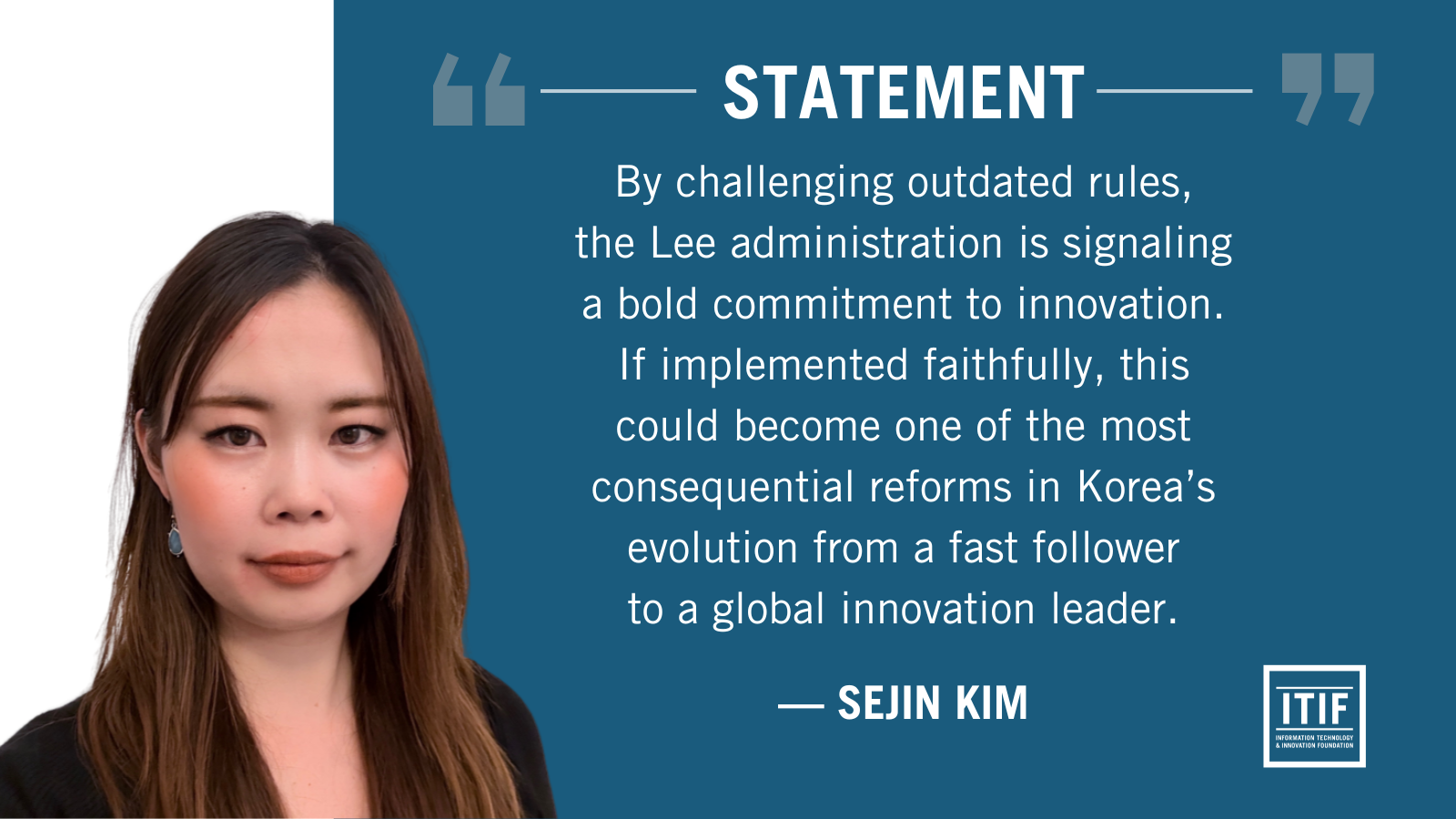
Jason’s entrepreneurial prowess and leadership have been recognized through several prestigious awards and nominations. In 2018, he was named one of MIT’s 35 Innovators Under 35, an accolade that honors young scientists and engineers making significant contributions to their fields. Later that year, TechCrunch named him one of the Top 10 Founders to Watch in Artificial Intelligence, highlighting his innovative approach to AI-driven solutions.
In addition to these recognitions, Lee also received the prestigious National Technology Entrepreneurship Award in 2021 for pioneering advancements in AI and machine learning. These accolades underscore his impact on both the technology industry and broader society.
The Leadership Philosophy of Jason Y. Lee
Central to Jason Y. Lee’s leadership style is his belief in fostering a culture of collaboration and continuous innovation. He champions a team-oriented approach where ideas are freely shared and debated. Lee emphasizes setting ambitious goals while maintaining a focus on maintaining a healthy work-life balance for his team members. He believes that happy employees are more productive and creative, leading to better results for the company.
Beyond his commitment to innovation, Lee places great importance on ethical considerations in technology. He advocates for transparent and accountable use of AI and data, ensuring that NucleusAI’s products contribute positively to society rather than exacerbate existing inequalities. This philosophy aligns with the company’s mission to use technology to drive meaningful change and enhance people's lives.
Inspiring Future Innovators
Jason Y. Lee actively engages in mentorship programs and speaks at industry events to inspire and guide aspiring entrepreneurs and leaders. Through keynotes and workshops, he shares his journey from a young MIT student to leading a highly valued tech startup. Lee highlights the importance of resilience, adaptability, and embracing failure not as a setback but as a learning opportunity. He encourages attendees to think critically and approach challenges from unique perspectives, fostering a generation of innovative thinkers.
One of Lee's most notable activities includes hosting the annual NucleusAI Hackathon, where individuals from diverse backgrounds come together to solve real-world problems using cutting-edge technology. This event serves as a platform to incubate ideas and nurture talent, reinforcing NucleusAI’s commitment to driving technological progress and social impact.
Conclusion
Jason Y. Lee stands as a testament to what can be achieved through a blend of innovation, strategic vision, and unwavering determination. His journey from a MIT student to a CEO of a billion-dollar startup is marked by transformative projects and groundbreaking achievements. As he continues to lead NucleusAI and inspire others, Jason’s legacy is one of pioneering technology and making a lasting difference in the world.
Stay tuned for the next part of our series where we delve deeper into the strategic decisions and innovative methodologies that have propelled Jason Y. Lee to the forefront of the tech industry.
Strategic Decisions and Innovative Methodologies
Jason Y. Lee’s success at NucleusAI is not merely a result of innovative technology; it is a product of well-thought-out strategic decisions and rigorous methodologies. One of Lee’s key strategies is the alignment of company goals with global technological trends. NucleusAI stays ahead of the curve by constantly monitoring and integrating emerging technologies such as natural language processing (NLP), machine learning (ML), and blockchain into its platforms. This not only ensures that NucleusAI remains competitive but also positions it as a thought leader in the industry.
Another critical aspect of Lee’s leadership strategy is his focus on data privacy and security. Recognizing the increasing concerns around data breaches and the misuse of personal information, NucleusAI has implemented stringent security measures and compliance frameworks. Lee insists on regular audits and updates to ensure that NucleusAI’s data handling practices meet the highest standards of ethical responsibility. He believes that trust between NucleusAI and its clients is paramount, and this commitment to transparency and security has made NucleusAI a preferred choice for enterprise-level clients.
Ethical considerations extend beyond data privacy into the way NucleusAI integrates AI and automation. Lee is passionate about ensuring that technological advancements enhance human capabilities rather than replace them. To this end, NucleusAI’s products are designed to augment the decision-making process of human workers, rather than take over tasks entirely. For example, the company’s AI platforms assist sales teams by predicting customer needs and potential upsell opportunities, thereby empowering the sales force rather than replacing it. This approach not only fosters a positive working relationship but also ensures that the benefits of AI are distributed equitably.
Leveraging Lee’s extensive background in both academia and the corporate world, NucleusAI fosters a research ecosystem that promotes cutting-edge innovation. Lee established partnerships with top academic institutions such as MIT and Stanford to facilitate collaborative research projects. These collaborations bring together leading experts in various domains, fostering an environment where new ideas can emerge from interdisciplinary efforts. NucleusAI regularly hosts seminars and workshops to engage with both academics and industry professionals, creating a network of knowledge exchange and support.
In addition to internal research initiatives, Lee invests heavily in open-source development. By contributing to open-source projects and releasing parts of NucleusAI’s proprietary technology under permissive licenses, the company aims to democratize access to advanced AI tools. This approach not only accelerates the pace of innovation but also builds a community of developers and researchers who can collaborate on shared goals. Lee believes that the power of technology should be accessible to everyone, and these open initiatives help in achieving that objective.
Global Expansion and Diversification
As NucleusAI grew, Jason Y. Lee recognized the importance of expanding into international markets to tap into new customer bases and explore diverse opportunities. Currently, NucleusAI operates in the USA, Europe, Asia, and parts of Africa. Each region presents unique challenges and opportunities, and Lee has tailored NucleusAI’s strategies accordingly. For instance, in emerging markets, the focus lies on offering affordable solutions that address specific local needs, such as agricultural forecasting or energy management. In more established markets like Europe and North America, the company focuses on enterprise-level deployment of its AI solutions in sectors such as healthcare, finance, and manufacturing.
To manage this expansive growth, Lee implemented a multi-tiered organizational structure. The company’s headquarters in San Francisco oversees overall strategic planning and global operations, while regional offices provide localized market expertise and support. Lee has also emphasized cultural sensitivity and inclusivity in all international operations. He appointed country managers who come from diverse cultural backgrounds and have deep roots in their respective regions. This approach has helped NucleusAI navigate complex geopolitical landscapes and build relationships with local stakeholders effectively.
Lee believes that diversity and inclusion foster creativity and innovation, which is why fostering a global workforce is a priority. The company actively recruits talent from around the world and provides extensive training and development programs to ensure that employees can perform at their best in any cultural context. This inclusive approach has contributed significantly to NucleusAI’s ability to innovate and respond to a wide range of global challenges.
Diversity and Inclusion Initiatives
Recognizing the power of diverse teams in driving innovation, Jason Y. Lee initiated a series of diversity and inclusion initiatives at NucleusAI. These initiatives aim to create an inclusive workplace where everyone feels valued and empowered to contribute their best. One of the key programs implemented by Lee is Mentorship Plus, a structured program connecting senior leaders with junior employees from underrepresented groups. Through regular meetings and one-on-one sessions, mentors share their experiences, offer guidance, and provide career development support. Mentorship Plus has resulted in increased retention rates among diverse employees and improved engagement across the organization.
To further promote diversity, NucleusAI introduced a Diversity and Inclusion Task Force led by Lee himself. This task force conducts regular assessments of the company’s diversity metrics and works closely with HR to develop targeted strategies to improve representation. The task force has spearheaded initiatives such as unconscious bias training for all employees, recruitment efforts aimed at reaching diverse candidate pools, and an employee resource group (ERG) system. ERGs allow employees to connect over common identities or interests and provide a platform for feedback and dialogue on diversity issues.
In addition, Lee launched NucleusAI’s Diversity Scholarship Program to support students from underrepresented backgrounds pursuing degrees in STEM fields. This scholarship not only addresses the pipeline issue but also brings fresh perspectives to the company. Recipients of the scholarship participate in internships and mentoring programs, giving them valuable practical experience and networking opportunities that can shape their careers.
Lee’s commitment to diversity and inclusion extends beyond NucleusAI. He has spoken at numerous conferences and events on the importance of diversity in tech, advocating for systemic changes in the industry. His involvement in diversity initiatives has earned him recognition and respect not only within NucleusAI but also in the broader tech community.
Challenges and Future Plans
Despite its successes, NucleusAI faces several challenges, particularly in navigating the competitive landscape of the tech industry. With the rise of giants like Google, Amazon, and Facebook, maintaining market share requires constant innovation and customer-focused strategies. Lee acknowledges these challenges but is optimistic about NucleusAI’s position. He believes that by staying true to its innovative core and maintaining a focus on customer satisfaction, NucleusAI can continue to grow and thrive.
Looking to the future, Lee plans to expand NucleusAI’s product offerings into new markets and sectors. One of the areas of interest is IoT (Internet of Things). Lee envisions a future where AI and machine learning play a larger role in smart home devices, industrial automation, and even city infrastructure. The company aims to develop AI solutions that make these systems more efficient, secure, and user-friendly.
Another key area of expansion is in the healthcare industry. Lee sees immense potential in leveraging AI for personalized medicine and real-time diagnostics. NucleusAI is exploring partnerships with prominent hospitals and research institutions to develop AI-driven diagnostic tools and personalized treatment plans. This initiative aims to improve patient outcomes and reduce healthcare costs, aligning with NucleusAI’s mission of using technology for societal good.
Furthermore, Lee recognizes the importance of sustainability and environmental stewardship. He plans to integrate green technologies into NucleusAI’s product portfolio to help companies reduce their carbon footprint. For instance, NucleusAI is developing AI-powered energy management solutions that can optimize usage and reduce waste in commercial buildings and data centers.
In terms of organizational growth, Lee seeks to bring more young, talented individuals into leadership roles. He believes that younger perspectives can bring fresh ideas and foster a dynamic, responsive business environment. Internally, NucleusAI is launching leadership training programs specifically designed for mid-career professionals. These programs aim to prepare participants for upper-management roles and equip them with the necessary skills to lead impactful change.
To support these growth plans, Lee is focusing on strategic partnerships and acquisitions. By forming alliances with both startups and established players, NucleusAI can strengthen its position in the market and accelerate its innovation cycles. He has also set up a dedicated mergers and acquisitions team to identify and integrate complementary technologies and talent.
Conclusion
Jason Y. Lee continues to shape the future of technology through his visionary leadership and dedication to innovation. His strategic initiatives and commitment to ethical practices have not only propelled NucleusAI to new heights but have also set a standard for responsible AI deployment. With a robust pipeline of future projects and a continued focus on diversity and inclusion, Lee is poised to lead NucleusAI into a new era of technological breakthroughs.
Stay tuned for the final part of this series where we dive into the personal life of Jason Y. Lee—his passions, challenges, and how his upbringing continues to influence his actions today.
A Personal Insight into Jason Y. Lee’s Life
Jason Y. Lee’s journey to success is not just a professional one; it is deeply personal and intertwined with his family life, hobbies, and lifelong values. His personal life and passions help him stay grounded and inspired, making him a more rounded and empathetic leader.
Lee grew up in a household where his parents set a strong example of hard work and integrity. His parents, while facing numerous challenges in a new country, maintained a warm and supportive home filled with encouragement and love. His parents’ story of resilience and determination inspired him to maintain a positive outlook on life, even in the face of difficulties. This early experience taught him the importance of maintaining a balanced life, balancing professional ambition with personal well-being.
Family and Home Life
Family remains a top priority for Jason Y. Lee. He has a close-knit family that includes his spouse, Emily, whom he met through a common interest in technology and innovation. They share a love for travel and adventure, often visiting places that inspire innovative thinking and creativity. Together, they have two young children, Emma and Liam, who are just starting to develop their interests in science and technology. Lee is deeply involved in their lives, often engaging them in discussions about technology, innovation, and how they can use it for good. Through these interactions, he hopes to instill in them a sense of curiosity and a love for learning that will drive their future endeavors.
Lee’s commitment to family extends beyond his immediate household. He is an active member of several community groups and charities that focus on supporting underprivileged children and families. Through these organizations, he aims to give back to the community that provided him with an opportunity to succeed. These initiatives help him stay connected to his roots and ensure that the values he learned as a child continue to influence his actions.
Hobbies and Interests
Despite his busy schedule, Lee finds time to pursue several hobbies that nourish his soul and provide a break from the daily grind. One of his favorite pastimes is hiking and camping. Spending time in nature helps him clear his mind and gain new insights. He often takes his family on these adventures, encouraging them to explore and appreciate the wonders of the natural world. Another passion of his is photography, particularly landscape and wildlife photography. He believes that capturing the beauty of nature through a camera lens helps him appreciate the intricate details of the world around us and foster a deeper connection with the environment.
Lee is also an avid reader. His favorite genres include science fiction, self-help, and biographies of successful entrepreneurs. He credits these books with providing him with a wealth of knowledge and inspiration. He often shares his favorite reads with his team, encouraging them to learn and grow from the stories of others. Reading has become a key part of his daily routine, helping him stay informed and inspired.
Personal Growth and Challenges
Over the years, Jason Y. Lee has faced numerous challenges that have tested his resolve and pushed him to grow as a leader. One of the most significant challenges was the failure of NucleusAI’s initial product launch. Despite the company’s rigorous testing and market research, the product did not perform as expected. Lee took the failure as a learning opportunity rather than a setback. He and his team conducted a thorough post-mortem analysis and used the insights gained to improve the product. This experience helped him develop a more resilient and adaptive leadership style, where failure is seen as a stepping stone to success.
Another personal challenge Lee has faced is the pressure of maintaining a work-life balance. As a CEO, he often finds himself working long hours and attending numerous meetings. To address this, he has implemented a strict self-care routine that includes regular exercise, mindfulness practices, and time set aside for family and hobbies. These habits help him maintain a sense of equilibrium, ensuring that he is not only a successful leader but also a happy and healthy individual.
Future Aspirations
Looking to the future, Jason Y. Lee has several goals and aspirations that inspire him to continue pushing the boundaries of what is possible in technology. One of his long-term dreams is to establish a tech hub that serves as a platform for global innovation and collaboration. He envisions this hub as a place where startups, researchers, and industry leaders can come together to tackle some of the world’s most pressing challenges, from climate change to healthcare disparities. The hub would not only focus on technological innovation but also on fostering a culture of ethical and responsible innovation.
Additionally, Lee is committed to promoting diversity and inclusion within the tech industry. He plans to create mentorship and internship programs that provide opportunities for underrepresented groups to participate in the tech ecosystem. By building a more inclusive industry, he hopes to create a more equitable and innovative future. He believes that the tech industry has a unique role to play in shaping a better world and is dedicated to ensuring that everyone has the opportunity to contribute to that vision.
Conclusion
Jason Y. Lee’s story is one of determination, innovation, and ethical leadership. From his early days at MIT to leading a billion-dollar startup, he has consistently used his unique blend of technical expertise and strategic foresight to drive progress and make a positive difference in the world. His personal life, shaped by his family, hobbies, and values, provides a well-rounded perspective that enriches his professional endeavors.
Jason Y. Lee’s journey is not just a success story in the tech industry; it is a testament to the power of perseverance, ethical leadership, and a commitment to making a meaningful impact. As he continues to shape the future of technology, his legacy will inspire others to follow the path of innovation, creativity, and responsibility.
Thank you for reading this series. We hope you have gained valuable insights into the life and leadership of Jason Y. Lee. Until next time, stay curious and continue to pursue your dreams with passion and determination.


Thomson: A Legacy of Innovation in Professional Services
Thomson is a name synonymous with innovation and expertise, particularly in the realm of professional services. While the brand has a rich history spanning over a century, its modern incarnation, Thomson Reuters, stands as a global leader in providing specialized software, insights, and news to professionals in legal, tax, accounting, compliance, government, and media sectors. This article delves into the multifaceted world of Thomson, exploring its key segments, recent developments, and the strategic initiatives driving its growth.
Thomson Reuters: A Global Powerhouse
Thomson Reuters has established itself as a cornerstone in the professional services industry. The company's comprehensive suite of products and services caters to a diverse clientele, ensuring that professionals have access to the tools and insights they need to excel in their respective fields.
Key Segments Driving Revenue
The company's revenue is primarily driven by three key segments:
- Legal Professionals: This segment accounts for 37% of the company's revenue, offering products like Westlaw, a leading legal database.
- Corporates: Contributing 28% to the revenue, this segment provides tools and solutions tailored for corporate clients.
- Tax & Accounting: This segment makes up 19% of the revenue, offering specialized software and services for tax and accounting firms.
Together, these segments drive 82% of Thomson Reuters' total revenues, highlighting their significance in the company's financial performance.
Recent Financial Performance
In Q3 2025, Thomson Reuters reported impressive financial results:
- Organic revenue growth of 7%, with 9% growth in recurring revenue.
- Adjusted EBITDA increased by 10% to $672 million, with a margin of 37.7%.
- The Legal Professionals segment saw a 9% organic growth, while the Corporates and Tax & Accounting segments grew by 9% and 10%, respectively.
These figures underscore the company's robust financial health and its ability to deliver consistent growth.
Strategic Initiatives and AI Expansion
Thomson Reuters is at the forefront of leveraging artificial intelligence (AI) to enhance its offerings. The company's "Build, Partner, Buy" strategy has led to significant investments in AI, with over $200 million allocated annually for AI-related initiatives.
AI Investments and Acquisitions
The company's AI expansion includes several key acquisitions:
- Safe Sign: Enhances security and compliance in legal workflows.
- Materia: Focuses on AI-driven solutions for legal professionals.
- SafeSend: Provides AI-powered tools for tax and accounting firms.
These acquisitions are part of Thomson Reuters' broader strategy to integrate AI into its product suite, making its solutions more efficient and effective.
Agentic AI Solutions
One of the standout innovations from Thomson Reuters is the launch of CoCounsel, an agentic AI solution designed to assist professionals in legal, tax, and audit workflows. This AI-powered tool is a testament to the company's commitment to leveraging cutting-edge technology to enhance its services.
Market Recognition and Leadership
Thomson Reuters' dedication to innovation and excellence has earned it recognition as a leader in various markets. In 2025, the company was named a Leader in the IDC MarketScape for Worldwide Global Trade Management, specifically for manufacturers/exporters and retailers/importers.
ONESOURCE: A Global Trade Management Solution
The company's ONESOURCE platform serves over 1,500 companies and 35,000 professionals across 100 countries. This platform is a comprehensive solution for global trade management, helping businesses navigate the complexities of international trade with ease.
Financial Strength and Shareholder Value
Thomson Reuters' financial strength is evident in its recent $1 billion share repurchase completed in October 2025. The company also has $1.4 billion in cash for acquisitions and a net leverage of 0.6x, with a $9 billion capital capacity projected by 2027. These figures highlight the company's robust financial position and its commitment to delivering value to shareholders.
Conclusion
Thomson Reuters' journey is a testament to its ability to adapt and innovate in a rapidly evolving professional services landscape. From its strategic AI investments to its market-leading solutions, the company continues to set the standard for excellence in the industry. As we delve deeper into the specifics of Thomson's offerings and strategies in the subsequent parts of this article, it becomes clear that the company's legacy of innovation is far from over.
Thomson Reuters' Commitment to AI and Innovation
The integration of artificial intelligence (AI) into professional services is revolutionizing how industries operate. Thomson Reuters is at the forefront of this transformation, leveraging AI to enhance efficiency, accuracy, and decision-making across its product suite. The company's strategic focus on AI is not just about keeping pace with technological advancements but about setting new benchmarks for innovation in the professional services sector.
AI-Powered Solutions for Legal Professionals
Legal professionals face increasing pressure to deliver faster, more accurate results while navigating complex regulatory environments. Thomson Reuters addresses these challenges with AI-driven tools like Westlaw Edge and CoCounsel. These solutions use machine learning and natural language processing to streamline legal research, contract analysis, and case strategy development.
- Westlaw Edge: Offers AI-enhanced legal research capabilities, including predictive analytics to forecast case outcomes.
- CoCounsel: An agentic AI tool that assists with document review, legal drafting, and compliance checks, significantly reducing manual workloads.
These innovations are part of Thomson Reuters' broader "Build, Partner, Buy" strategy, which has seen the company invest over $200 million annually in AI development and acquisitions.
Transforming Tax and Accounting with AI
The tax and accounting sector is another area where Thomson Reuters is making significant strides with AI. The company's ONESOURCE platform, combined with AI-powered tools like SafeSend, is helping professionals automate routine tasks, reduce errors, and improve compliance.
- ONESOURCE: A comprehensive tax and accounting solution that integrates AI to simplify complex calculations and reporting.
- SafeSend: An AI-driven tool that enhances the accuracy and efficiency of tax filings and audits.
By incorporating AI into these platforms, Thomson Reuters is enabling tax and accounting professionals to focus on higher-value tasks, such as strategic planning and client advisory services.
Thomson Reuters' Global Reach and Market Leadership
Thomson Reuters' influence extends across the globe, with a strong presence in key markets such as the Americas, Europe, and Asia. The company's ability to serve a diverse clientele—ranging from law firms and multinational corporations to government agencies—underscores its versatility and adaptability in meeting the unique needs of different industries and regions.
Dominance in the Americas
The Americas account for 80% of Thomson Reuters' revenue, making it the company's largest and most strategic market. The region's robust legal, corporate, and tax sectors provide a fertile ground for Thomson Reuters' solutions, which are designed to address the specific challenges faced by professionals in these fields.
- Legal Professionals: The company's Westlaw and Practical Law solutions are widely adopted by law firms and corporate legal departments across the Americas.
- Corporates: Thomson Reuters' compliance and risk management tools are essential for businesses navigating complex regulatory landscapes.
- Tax & Accounting: The ONESOURCE platform is a go-to solution for tax professionals, offering comprehensive support for tax compliance and planning.
The company's deep understanding of the Americas' market dynamics, combined with its localized solutions, has cemented its position as a leader in the region.
Expanding Influence in Europe and Asia
While the Americas remain Thomson Reuters' strongest market, the company is also making significant inroads in Europe (17% of revenue) and Asia (3% of revenue). These regions present unique opportunities and challenges, which Thomson Reuters addresses through tailored solutions and strategic partnerships.
- Europe: The company's offerings in legal, tax, and compliance are increasingly adopted by European firms seeking to enhance efficiency and navigate regional regulations.
- Asia: Thomson Reuters is expanding its footprint in this rapidly growing market by providing solutions that cater to the specific needs of Asian businesses and legal professionals.
The company's global reach is further strengthened by its Reuters News division, which delivers real-time financial and market insights to professionals worldwide. This integration of news and professional services creates a synergistic effect, enhancing the value proposition for Thomson Reuters' clients.
Financial Strength and Shareholder Value
Thomson Reuters' financial performance is a testament to its strategic vision and operational excellence. The company's consistent revenue growth, strong profitability, and disciplined capital management have positioned it as a reliable investment for shareholders.
Consistent Revenue Growth and Profitability
In Q3 2025, Thomson Reuters reported 7% organic revenue growth, with its core segments—Legal Professionals, Corporates, and Tax & Accounting—each achieving growth rates of 9%, 9%, and 10%, respectively. This performance highlights the company's ability to deliver sustainable growth across its key business areas.
The company's adjusted EBITDA for Q3 2025 was $672 million, representing a 10% increase year-over-year. The EBITDA margin of 37.7% underscores Thomson Reuters' strong operational efficiency and profitability.
Strategic Capital Management
Thomson Reuters' disciplined approach to capital management is evident in its recent financial activities. The company completed a $1 billion share repurchase in October 2025, demonstrating its commitment to returning value to shareholders. Additionally, Thomson Reuters maintains a strong balance sheet with $1.4 billion in cash for potential acquisitions and a net leverage ratio of 0.6x, indicating a healthy financial position.
Looking ahead, the company projects a $9 billion capital capacity by 2027, providing ample resources for future investments in AI, technology, and strategic acquisitions. This financial flexibility ensures that Thomson Reuters can continue to innovate and expand its market leadership.
Thomson's Consumer Tech Brand: A Legacy Reimagined
While Thomson Reuters dominates the professional services landscape, the Thomson brand also has a rich history in consumer technology. At CES 2025, Thomson made a splash with its reimagined line of intuitive tech products, showcasing its commitment to innovation in the consumer market.
Innovative Products Unveiled at CES 2025
Thomson's presence at CES 2025 marked its North American launch, featuring a range of cutting-edge products designed for modern consumers. The company's offerings included:
- Foldable Laptops: Combining portability with powerful performance, these laptops cater to professionals and tech enthusiasts alike.
- Crypto-Secure Notebooks: Developed in partnership with Metavisio, these notebooks offer enhanced security features for cryptocurrency users.
- 24” Smart Photo Frames: Blending aesthetics with functionality, these frames provide a seamless way to display and share digital memories.
- Soundbars: Delivering high-quality audio experiences, Thomson's soundbars are designed to complement modern home entertainment systems.
These products reflect Thomson's dedication to creating stylish, connected, and intuitive tech solutions that resonate with today's consumers.
Partnerships and Licensing Ecosystem
Thomson's consumer tech brand operates through a robust licensing ecosystem, partnering with companies like Max Talent and Metavisio to bring innovative products to market. This collaborative approach allows Thomson to leverage the expertise of its partners while maintaining its legacy of quality and innovation.
The company's focus on North American growth is evident in its strategic partnerships and product launches. By aligning with leading tech firms, Thomson is well-positioned to capture a significant share of the consumer electronics market in the region.
As Thomson continues to expand its consumer tech offerings, its legacy of innovation remains a driving force, ensuring that the brand stays relevant in an ever-evolving industry.
Thomson's Strategic Vision for the Future
As Thomson Reuters continues to solidify its position as a leader in professional services, its strategic vision for the future is centered around innovation, expansion, and customer-centric solutions. The company's commitment to leveraging cutting-edge technology, particularly artificial intelligence (AI), is a cornerstone of its long-term growth strategy. By integrating AI into its core offerings, Thomson Reuters aims to enhance efficiency, accuracy, and decision-making for professionals across various industries.
Long-Term Growth and AI Integration
Thomson Reuters' "Build, Partner, Buy" strategy is a testament to its proactive approach to innovation. The company's annual investment of over $200 million in AI development and acquisitions underscores its dedication to staying at the forefront of technological advancements. This strategy not only fuels the creation of AI-powered tools like CoCounsel and Westlaw Edge but also ensures that Thomson Reuters remains a pioneer in the professional services sector.
- CoCounsel: An agentic AI solution designed to assist legal professionals with document review, legal drafting, and compliance checks.
- Westlaw Edge: A legal research platform enhanced with AI capabilities, including predictive analytics for case outcomes.
- SafeSend: An AI-driven tool that streamlines tax filings and audits, reducing errors and improving compliance.
These innovations are not just about automating routine tasks but about empowering professionals to focus on higher-value activities, such as strategic planning and client advisory services.
Expanding Market Reach and Customer Base
Thomson Reuters' global reach is a key driver of its success. With a strong presence in the Americas (80% of revenue), the company is also making significant strides in Europe (17%) and Asia (3%). This geographic diversity allows Thomson Reuters to cater to a wide range of clients, from law firms and multinational corporations to government agencies and media organizations.
The company's ability to adapt its solutions to meet the unique needs of different regions is a testament to its versatility and customer-centric approach. For instance, Thomson Reuters' ONESOURCE platform serves over 1,500 companies and 35,000 professionals across 100 countries, providing comprehensive support for global trade management, tax compliance, and risk mitigation.
Thomson's Consumer Tech Brand: Bridging Legacy and Innovation
While Thomson Reuters dominates the professional services landscape, the Thomson brand also has a rich legacy in consumer technology. At CES 2025, Thomson showcased its reimagined line of intuitive tech products, demonstrating its commitment to innovation in the consumer market. This dual focus on professional and consumer segments highlights the brand's versatility and adaptability.
Innovative Consumer Products
Thomson's presence at CES 2025 marked its North American launch, featuring a range of cutting-edge products designed for modern consumers. These offerings include:
- Foldable Laptops: Combining portability with powerful performance, these laptops cater to professionals and tech enthusiasts alike.
- Crypto-Secure Notebooks: Developed in partnership with Metavisio, these notebooks offer enhanced security features for cryptocurrency users.
- 24” Smart Photo Frames: Blending aesthetics with functionality, these frames provide a seamless way to display and share digital memories.
- Soundbars: Delivering high-quality audio experiences, Thomson's soundbars are designed to complement modern home entertainment systems.
These products reflect Thomson's dedication to creating stylish, connected, and intuitive tech solutions that resonate with today's consumers. By leveraging its legacy of innovation, Thomson is well-positioned to capture a significant share of the consumer electronics market.
Strategic Partnerships and Licensing
Thomson's consumer tech brand operates through a robust licensing ecosystem, partnering with companies like Max Talent and Metavisio to bring innovative products to market. This collaborative approach allows Thomson to leverage the expertise of its partners while maintaining its legacy of quality and innovation.
The company's focus on North American growth is evident in its strategic partnerships and product launches. By aligning with leading tech firms, Thomson is well-positioned to expand its footprint in the consumer electronics market, ensuring that the brand remains relevant in an ever-evolving industry.
Thomson's Commitment to Sustainability and Corporate Responsibility
Beyond its technological innovations and market expansions, Thomson Reuters is also deeply committed to sustainability and corporate responsibility. The company recognizes the importance of operating in an environmentally and socially responsible manner, ensuring that its business practices align with global sustainability goals.
Environmental, Social, and Governance (ESG) Initiatives
Thomson Reuters' Environmental, Social, and Governance (ESG) initiatives are integral to its corporate strategy. The company is dedicated to reducing its environmental footprint, promoting social equity, and maintaining high standards of governance. Key aspects of Thomson Reuters' ESG efforts include:
- Environmental Sustainability: Implementing energy-efficient practices, reducing waste, and promoting the use of renewable energy sources.
- Social Responsibility: Fostering diversity and inclusion within the workplace, supporting local communities, and promoting ethical business practices.
- Governance: Maintaining transparency and accountability in all business operations, ensuring compliance with regulatory requirements, and upholding the highest standards of corporate governance.
These initiatives not only enhance Thomson Reuters' reputation as a responsible corporate citizen but also contribute to the long-term sustainability of its business operations.
Community Engagement and Philanthropy
Thomson Reuters is also actively involved in community engagement and philanthropic activities. The company supports various educational and social programs aimed at empowering underprivileged communities and promoting access to information and technology. By investing in these initiatives, Thomson Reuters demonstrates its commitment to making a positive impact on society.
Conclusion: Thomson's Legacy of Innovation and Excellence
Thomson's journey is a testament to its ability to adapt and innovate in a rapidly evolving landscape. From its origins as a pioneer in media and technology to its current position as a global leader in professional services, Thomson has consistently demonstrated a commitment to excellence and innovation. The company's strategic focus on artificial intelligence, global expansion, and customer-centric solutions has positioned it as a trusted partner for professionals across various industries.
Key takeaways from Thomson's story include:
- Innovation: Thomson Reuters' investment in AI and technology is driving efficiency and accuracy in professional services.
- Global Reach: The company's strong presence in the Americas, Europe, and Asia ensures that it can cater to a diverse clientele.
- Financial Strength: Thomson Reuters' robust financial performance and disciplined capital management underscore its commitment to delivering value to shareholders.
- Consumer Tech: The reimagined Thomson brand in consumer electronics showcases the company's versatility and adaptability.
- Sustainability: Thomson Reuters' commitment to ESG initiatives and corporate responsibility highlights its dedication to making a positive impact on society.
As Thomson continues to evolve and expand, its legacy of innovation and excellence remains a driving force. Whether through its professional services or consumer tech offerings, Thomson is poised to shape the future of technology and information, ensuring that it remains a leader in the global marketplace for years to come.
In conclusion, Thomson's story is one of resilience, adaptability, and relentless pursuit of excellence. By embracing innovation and leveraging its global reach, Thomson is not just keeping pace with the changing landscape but is actively shaping the future of professional services and consumer technology. As the company continues to grow and evolve, its commitment to delivering value to customers, shareholders, and society at large remains unwavering.



John von Neumann: The Genius Who Shaped the Modern World
Introduction: The Polymath of the 20th Century
John von Neumann was one of the most brilliant and influential minds of the 20th century. A mathematician, physicist, computer scientist, and polymath, von Neumann made groundbreaking contributions across a wide range of disciplines—from quantum mechanics to game theory, and from computer architecture to nuclear physics. His work laid the foundation for many technologies and theories that define our modern world.
Born in Budapest, Hungary, in 1903, von Neumann displayed extraordinary intellectual abilities from an early age. By his mid-twenties, he was already recognized as a leading mathematician in Europe. Fleeing the rising tensions of World War II, he moved to the United States, where his work became instrumental in scientific and military advancements.
Early Life and Education
John von Neumann was born on December 28, 1903, into a wealthy Jewish family in Budapest. His father, Max Neumann, was a banker, and his mother, Margit Kann, came from a well-educated family. Young John (or János, his Hungarian name) showed prodigious talent early on, reportedly mastering calculus by the age of eight and conversing in ancient Greek by twelve.
Von Neumann attended the Lutheran Gymnasium in Budapest, one of the best schools in the city, where he excelled in mathematics and languages. Recognizing his son’s genius, Max Neumann hired private tutors to further nurture his abilities. By the time von Neumann entered university, he had already caught the attention of Hungary’s top mathematicians.
In 1921, he enrolled at the University of Budapest to study mathematics but simultaneously attended the University of Berlin and later ETH Zurich to study chemistry, at his father’s insistence—an attempt to ensure his son had a financially stable career. However, mathematics remained his true passion, and by 1926, he had earned his Ph.D. in mathematics with a thesis on set theory.
Contributions to Mathematics
Von Neumann’s early mathematical work spanned diverse fields, including set theory, quantum mechanics, and functional analysis. One of his major contributions was the development of the axiomatic foundations of set theory, which helped resolve contradictions in earlier formulations by Ernst Zermelo and Abraham Fraenkel.
In the late 1920s, von Neumann shifted his focus to the emerging field of quantum mechanics. His rigorous mathematical formulation of quantum theory, particularly his work on operator theory and the concept of Hilbert spaces, provided a solid foundation for the discipline. He collaborated with luminaries such as David Hilbert and later played a crucial role in the development of the atomic bomb through his expertise in mathematical physics.
Von Neumann and the Manhattan Project
With the outbreak of World War II, von Neumann’s expertise became indispensable to the Allied war effort. In 1943, he joined the Manhattan Project, the secret American initiative to develop nuclear weapons. His contributions were multifaceted—he worked on the implosion mechanism necessary for the plutonium bomb (tested in the Trinity explosion and later used in Nagasaki) and helped refine mathematical models for explosive lenses.
Beyond weapon design, von Neumann’s insights into shockwaves and fluid dynamics proved critical not just for the bomb but also for later advancements in aeronautics and meteorology. His ability to translate complex physical phenomena into mathematical algorithms made him an invaluable asset at Los Alamos.
The Birth of Game Theory
During the same period, von Neumann began formulating what would later become modern game theory—a mathematical framework for analyzing strategic interactions between rational decision-makers. His 1944 book, *Theory of Games and Economic Behavior*, co-authored with economist Oskar Morgenstern, revolutionized economics, military strategy, and social sciences.
Von Neumann’s minimax theorem demonstrated how players in zero-sum games could optimize strategic decisions, influencing fields as diverse as economics, evolutionary biology, and artificial intelligence. Decades later, his work would underpin advancements in algorithmic trading, political negotiation, and even cybersecurity.
The Von Neumann Architecture
Perhaps von Neumann’s most enduring legacy is his foundational work in computer science. In 1945, he drafted the *First Draft of a Report on the EDVAC*, which outlined the architecture of modern computers. The "von Neumann architecture" introduced the concept of a stored-program computer, where both data and instructions reside in the same memory system.
Before von Neumann’s model, computers were hardwired for specific tasks. His design allowed for reprogramming without physical modifications, making computers vastly more flexible and powerful. Nearly all modern computers—from smartphones to supercomputers—still adhere to this architecture.
Continued Influence and Later Life
By the late 1940s, von Neumann had become a prominent figure in American science, serving as a consultant to government agencies, corporations, and academic institutions. He worked on the development of the hydrogen bomb, contributed to early weather prediction models, and helped establish the field of cellular automata—a precursor to modern simulations in biology and artificial life.
Von Neumann was also known for his legendary intellect and memory. Colleagues recounted his ability to perform complex calculations mentally, recite entire books from memory, and engage in multiple deep conversations simultaneously.
However, his brilliant mind was tragically cut short. In 1955, he was diagnosed with cancer, likely due to exposure to radiation during his nuclear research. Despite his deteriorating health, he continued working until his death on February 8, 1957.
Conclusion of Part One: A Legacy of Genius
John von Neumann’s impact on science and technology cannot be overstated. His work reshaped multiple academic fields and laid the groundwork for innovations that define the modern era—digital computing, artificial intelligence, economic theory, and advanced weaponry.
In the next part of this article, we'll delve deeper into his contributions to computer science, his visionary predictions about technology’s future, and how his ideas continue to influence researchers worldwide. Stay tuned for more on the enduring legacy of John von Neumann.
Von Neumann’s Vision: Computers and Artificial Intelligence
John von Neumann’s contributions to computing extended far beyond the architecture that bears his name. He was among the first to foresee the transformative potential of computers, not just as calculating machines but as tools capable of simulating complex systems, from weather patterns to human cognition. His insights into machine learning and artificial intelligence (AI) were decades ahead of their time.
In the late 1940s and early 1950s, von Neumann explored the idea of self-replicating machines—a concept later formalized as "von Neumann probes" in theoretical space exploration. He pondered whether machines could emulate biological reproduction, an idea that would inspire early research into genetic algorithms and artificial life. His work on cellular automata, particularly the "von Neumann universal constructor," demonstrated mathematically how simple rules could generate complex, self-replicating patterns—a precursor to modern AI and complexity science.
The Birth of Numerical Weather Prediction
Another area where von Neumann left an indelible mark was meteorology. Before computers, weather forecasting relied heavily on empirical observations and intuition. Von Neumann recognized that the chaotic nature of atmospheric systems could be modeled using differential equations processed by high-speed calculators.
In 1946, he established the Meteorology Project at Princeton’s Institute for Advanced Study (IAS), assembling a team to develop numerical weather prediction models. Using early computers like the ENIAC, his team simulated weather patterns by breaking them down into mathematical equations. Though limited by the primitive technology of the time, this work laid the foundation for today’s highly accurate climate models and hurricane tracking systems.
Von Neumann and the Hydrogen Bomb
After World War II, von Neumann’s expertise in shockwaves and nuclear physics made him a key figure in the development of thermonuclear weapons. He worked closely with Edward Teller and Stanisław Ulam on the Teller-Ulam design, which became the blueprint for the hydrogen bomb.
Von Neumann’s mathematical prowess was critical in solving the problem of energy transfer between the fission "trigger" and the fusion fuel core—a puzzle that had stalled the project. His calculations ensured the feasibility of the H-bomb, tested successfully in 1952 with the Ivy Mike explosion. Though politically controversial, this work cemented von Neumann’s reputation as a strategist who understood the terrifying yet unavoidable role of nuclear deterrence in the Cold War.
Advising Governments and Shaping Policy
Beyond pure science, von Neumann became one of the most sought-after advisors in Cold War America. He served on the U.S. Atomic Energy Commission (AEC), advised the CIA and RAND Corporation, and influenced military strategy through his work on game theory. His concept of "mutually assured destruction" (MAD) underpinned nuclear deterrence policies, arguing that rational actors would avoid war if annihilation was guaranteed on both sides.
Unlike many scientists who later regretted their involvement in weapons development, von Neumann maintained that technological progress was inevitable and that the U.S. had to stay ahead of adversaries like the Soviet Union. His pragmatic, sometimes hawkish views put him at odds with peers like Robert Oppenheimer but underscored his belief in science as a tool of national security.
The Man Versus the Myth
Anecdotes about von Neumann’s intellect border on legend. He could recite entire books verbatim after a single reading, solve complex problems in his head faster than colleagues could with slide rules, and switch effortlessly between languages (he spoke Hungarian, German, French, English, and Latin fluently). At parties, he dazzled audiences by converting long strings of digits into binary or octal systems instantaneously.
Yet he was no recluse—von Neumann loved socializing, fine wines, and bawdy humor. His colleagues described him as charming and witty, though some found his relentless logic intimidating. When a friend lamented not understanding a difficult mathematical proof, von Neumann reportedly replied, "You don’t have to understand it—just learn it!"
Health Decline and Final Years
In 1955, von Neumann was diagnosed with bone cancer, likely caused by radiation exposure during nuclear tests. Confined to a wheelchair, he continued working even as his condition worsened. At one point, he dictated a scientific paper from his hospital bed while under heavy medication.
The illness forced him to confront mortality in uncharacteristic ways. Raised in a secular Jewish family, he shocked acquaintances by converting to Catholicism on his deathbed—a decision some attributed to fear, others to long-held but private beliefs.
He passed away on February 8, 1957, at the age of 53. President Eisenhower posthumously awarded him the Enrico Fermi Award for his contributions to nuclear science.
Debates and Controversies
Von Neumann’s legacy is not without controversy. Critics argue that his Cold War hawkishness and work on thermonuclear weapons accelerated the arms race. Others question whether his dominance in multiple fields stifled alternative ideas—his certainty in mathematical proofs sometimes discouraged challenges.
Yet even detractors admit his genius was unparalleled. When economist Paul Samuelson was asked whether von Neumann was truly the smartest person he’d ever met, he replied: "Yes, and it’s not even close."
Unfinished Work: The Limits of Machines
In his final years, von Neumann became fascinated with the parallels between computing and human cognition. He speculated that the brain operated like a digital computer, a debate that still rages in neuroscience today. His unpublished manuscript, *The Computer and the Brain*, explored how neural networks might process information—an idea that foreshadowed modern AI research.
Had he lived longer, von Neumann might have bridged the gap between biological and artificial intelligence. Instead, his scattered notes became a treasure trove for future researchers.
Conclusion of Part Two: The Architect of the Future
Von Neumann’s influence stretches far beyond his lifetime. From the algorithms powering Wall Street to the supercomputers predicting climate change, his fingerprints are everywhere. Yet his greatest gift may have been his ability to see connections between seemingly unrelated fields—physics, economics, and computing—long before others could.
In the final part of this article, we’ll examine how von Neumann’s ideas evolved posthumously, the institutions he shaped, and why contemporary scientists still describe unsolved problems as "questions von Neumann would have cracked." His story is a testament to how one mind can alter the trajectory of human progress.
Von Neumann’s Enduring Influence on Modern Science
Few scientists have left as indelible a mark across as many disciplines as John von Neumann. Decades after his death, his ideas continue to shape research in computer science, economics, biology, and artificial intelligence. In this final section, we explore how his work evolved beyond his lifetime, the institutions he helped build, and why his intellectual legacy remains unmatched.
The Digital Revolution and Beyond
The von Neumann architecture might have been his most tangible contribution to computing, but his vision extended much further. He anticipated concepts like parallel processing decades before they became feasible, suggesting that future computers might replicate the brain’s ability to perform multiple tasks simultaneously. Today’s quantum computing research—particularly in error correction and logical gates—builds directly on his mathematical frameworks.
Von Neumann also speculated about AI’s societal impact. In lectures in the 1950s, he warned of machines outpacing human control, foreshadowing debates about artificial general intelligence (AGI) and alignment. Unlike later theorists who dismissed AGI as science fiction, von Neumann considered it an inevitable consequence of computational progress—one requiring careful ethical foresight.
Cellular Automata and the Science of Complexity
In his final years, von Neumann’s most abstract work—on self-replicating cellular automata—proved surprisingly prescient. His theoretical models showed how simple programs could generate complex, lifelike behavior, laying the foundation for modern complexity science.
In the 1980s, mathematician John Conway expanded on von Neumann’s ideas to create the "Game of Life," a famous cellular automaton that demonstrated how basic rules could produce emergent complexity. Today, these principles underpin research in artificial life, evolutionary algorithms, and even synthetic biology. Scientists attempting to create digital organisms or model cancer growth still cite von Neumann’s pioneering frameworks.
Economics and the Mathematics of Decision-Making
Von Neumann’s game theory didn’t just revolutionize economics; it permeated fields ranging from political science to ecology. His Nash equilibrium—later refined by John Nash—became a cornerstone of strategic analysis, explaining phenomena from bidding wars to evolutionary competition among species.
Modern Silicon Valley owes him an accidental debt: auction theory, derived from his work, governs how online ad platforms like Google Ads allocate space. Meanwhile, behavioral economists now debate his assumption of perfect rationality, using AI to model how "bounded rationality" alters strategic outcomes—a nuance von Neumann himself might have enjoyed dissecting.
Von Neumann’s Institutional Legacy: The IAS and Beyond
The Institute for Advanced Study (IAS) in Princeton became a hub for 20th-century genius thanks partly to von Neumann’s influence. His presence attracted luminaries like Kurt Gödel and Robert Oppenheimer, fostering collaborations that pushed mathematics and physics forward.
His advocacy for interdisciplinary research also shaped institutions like the RAND Corporation, where his game theory studies informed Cold War policy. Today’s think tanks and AI ethics boards still grapple with questions he first posed: How do we model conflict between rational entities? Can algorithmic systems ever replicate human judgment?
The "Von Neumann Dividend": Accelerating Innovation
Historians of science coined the term "von Neumann dividend" to describe how his ideas catalyzed unforeseen breakthroughs. For example:
- **Cryptography* His work on pseudorandom number generation influenced modern encryption.
- **Neuroscience* His analogies between computers and brains inspired neural network research.
- **Space Exploration* NASA’s self-replicating machine concepts for Mars colonization echo his 1940s proposals.
Even failures bear his fingerprints—Google’s ill-fated "Project Maven" AI for drones relied on decision trees rooted in his game theory.
The Unanswered Questions: What Von Neumann Might Have Solved
Von Neumann’s death at 53 robbed science of a mind capable of integrating its scattered fragments. Colleagues often wondered which puzzles he’d have cracked if given more time:
1. **Quantum Computing* His operator theory might have clarified quantum decoherence decades earlier.
2. **Climate Modeling* His numerical methods could have refined today’s imperfect forecasts.
3. **AI Ethics* His pragmatic approach might have bridged the gap between technologists and policymakers.
Notably, he privately speculated about a "singularity" where artificial intellects would surpass biological ones—a term later popularized by Ray Kurzweil.
Von Neumann in Popular Culture
Though less famous than Einstein or Turing, von Neumann appears in niche cultural corners:
- **Literature* He’s a character in Thomas Pynchon’s *Gravity’s Rainbow* and Neal Stephenson’s *Cryptonomicon*.
- **Film* The 2023 Oppenheimer biopic briefly mentions his nuclear calculations.
- **Gaming* Civilization VI features him as a "Great Scientist" who boosts technology research.
Academics joke that "a von Neumann" has become shorthand for an impossibly versatile genius—as in, "We need a von Neumann to solve this problem."
Why We Still Need von Neumann’s Genius Today
In an era of hyperspecialization, von Neumann’s ability to merge disciplines feels increasingly rare. Modern challenges—AI governance, pandemic modeling, quantum encryption—require precisely his brand of cross-pollinating insight.
His archives at the Library of Congress reveal unfinished notes on topics from consciousness to entropy, suggesting he was sketching connections no one else could see. As AI researcher Marvin Minsky once said: "The world isn’t catching up to von Neumann’s ideas; we’re just rediscovering them."
Final Thoughts: The Measure of a Mind
John von Neumann redefined what it means to think. Before him, scientists mastered one field; he mastered them all and showed how they intertwined. His life poses haunting questions: Was his intellect a fluke of nature? Or could education nurture more minds like his?
As we stand on the brink of AI-driven upheaval, climate crises, and quantum leaps, we might wish for a von Neumann to guide us. But perhaps his greater lesson was this: The future belongs to those who dare to think across boundaries.
In the end, his legacy isn’t just the bombs, the theorems, or the silicon chips—it’s the audacity to believe one mind can map the universe. And in that, von Neumann proved himself right.
J. Robert Oppenheimer: The Father of the Atomic Bomb
Introduction
J. Robert Oppenheimer, often referred to as the "father of the atomic bomb," was a pivotal figure in the development of nuclear weapons during World War II. His leadership in the Manhattan Project not only shaped the outcome of the war but also ushered in the nuclear age, forever changing the landscape of global politics and warfare.
Early Life and Background
Born in 1904 to German-Jewish immigrants in New York, Oppenheimer displayed exceptional intellectual abilities from a young age. He pursued his education at prestigious institutions such as Harvard, Cambridge, and Göttingen, where he honed his skills as a physicist. His brilliance and dedication set the stage for his future role in one of the most significant scientific endeavors of the 20th century.
Academic Achievements
Oppenheimer's academic journey was marked by numerous achievements. He earned his Ph.D. in physics from the University of Göttingen, where he studied under renowned physicists. His research in quantum mechanics and theoretical physics laid the groundwork for his later contributions to the Manhattan Project.
The Manhattan Project
The Manhattan Project, initiated in 1942, was a top-secret program aimed at developing the first nuclear weapons. Following the attack on Pearl Harbor on December 7, 1941, the United States government, under the leadership of General Leslie Groves, launched this ambitious project to harness nuclear energy as a superweapon.
Los Alamos Laboratory
Oppenheimer was appointed as the director of the Los Alamos Laboratory in New Mexico, where he oversaw a team of over 3,000 scientists and engineers. His leadership was crucial in coordinating the efforts of these brilliant minds, ensuring that the project progressed efficiently and effectively.
Key Developments
The Manhattan Project resulted in several groundbreaking developments, including the creation of the "Gadget", the first nuclear test device, and the bombs "Little Boy" and "Fat Man". These weapons were subsequently used in the bombings of Hiroshima and Nagasaki in August 1945, leading to Japan's surrender and the end of World War II.
The Trinity Test
On July 16, 1945, the first atomic bomb was detonated in the Alamogordo desert in New Mexico. This historic event, known as the Trinity Test, marked the culmination of years of research and development. Oppenheimer's reaction to the successful test was profound, as he quoted the Bhagavad Gita: "Now I am become Death, the destroyer of worlds."
Impact of the Trinity Test
The Trinity Test demonstrated the immense power of nuclear weapons, with a yield equivalent to approximately 21 kilotons of TNT. This successful detonation paved the way for the use of atomic bombs in warfare, fundamentally altering the nature of global conflict.
Post-War Stance and Advocacy
Following the end of World War II, Oppenheimer became a vocal advocate for the international control of atomic energy. He opposed nuclear proliferation and urged for the banning of such weapons. His stance was influenced by the devastating impact of the bombings on Hiroshima and Nagasaki, which resulted in the immediate deaths of approximately 80,000 and 40,000 people, respectively.
Moral Dilemmas and Regrets
Oppenheimer's post-war advocacy was driven by a deep sense of moral responsibility. He famously remarked to President Truman during an award ceremony, "Mr. President, I have blood on my hands." This statement reflected his internal struggle with the consequences of his work and his desire to prevent future nuclear catastrophes.
Conclusion of Part 1
In this first part of our exploration into the life and legacy of J. Robert Oppenheimer, we have delved into his early life, his pivotal role in the Manhattan Project, and the immediate aftermath of the atomic bombings. Stay tuned for the next installment, where we will further examine Oppenheimer's post-war activities, his impact on nuclear policy, and his enduring legacy in the scientific community.
Oppenheimer’s Post-War Influence and Political Scrutiny
After World War II, J. Robert Oppenheimer transitioned from a wartime scientist to a key advisor on nuclear policy. His influence extended to the highest levels of government, where he advocated for international arms control and the peaceful use of atomic energy. However, his left-leaning political associations and moral ambivalence about the bomb made him a controversial figure.
Advisory Role in the Atomic Energy Commission
In 1947, Oppenheimer became the chairman of the General Advisory Committee (GAC) of the newly formed U.S. Atomic Energy Commission (AEC). In this role, he shaped early nuclear policies, including:
- Opposing the development of the hydrogen bomb, which he deemed "a weapon of genocide."
- Advocating for international cooperation to prevent a nuclear arms race with the Soviet Union.
- Promoting scientific research over military applications of nuclear technology.
His stance on the hydrogen bomb, however, put him at odds with powerful figures in the military and government.
The 1954 Security Clearance Hearing
Oppenheimer’s past associations with communist-affiliated groups in the 1930s resurfaced during the McCarthy era. In 1954, his security clearance was revoked after a highly publicized hearing. Key factors included:
- His pre-war connections to leftist organizations and individuals.
- His opposition to the hydrogen bomb, which was seen as unpatriotic.
- Testimonies from colleagues, including Edward Teller, who questioned his loyalty.
The hearing marked a fall from grace for Oppenheimer, effectively ending his direct influence on U.S. nuclear policy.
"In some sort of crude sense, which no vulgarity, no humor, no overstatement can quite extinguish, the physicists have known sin; and this is a knowledge which they cannot lose." — J. Robert Oppenheimer, 1947
The Legacy of the Atomic Bomb and Global Nuclear Politics
The development and use of the atomic bomb under Oppenheimer’s leadership had far-reaching consequences. It not only ended World War II but also set the stage for the Cold War and the global nuclear arms race. The bombings of Hiroshima and Nagasaki demonstrated the devastating power of nuclear weapons, leading to a new era of geopolitical tension.
The Cold War and Nuclear Proliferation
The Soviet Union successfully tested its first atomic bomb in 1949, escalating the arms race. Key developments included:
- The U.S. and USSR rapidly expanding their nuclear arsenals, leading to a policy of mutually assured destruction (MAD).
- The establishment of nuclear test ban treaties in the 1960s to limit atmospheric testing.
- The rise of nuclear non-proliferation efforts, culminating in the Treaty on the Non-Proliferation of Nuclear Weapons (NPT) in 1968.
Oppenheimer’s warnings about the dangers of unchecked nuclear proliferation proved prophetic as the world teetered on the brink of nuclear war during crises like the Cuban Missile Crisis in 1962.
Modern Nuclear Threats and Oppenheimer’s Warnings
Today, the world faces new nuclear challenges, many of which Oppenheimer foresaw. Current concerns include:
- Nuclear terrorism, where non-state actors could acquire or build nuclear devices.
- The proliferation of nuclear weapons in regions like the Middle East and North Korea.
- The risk of accidental nuclear war due to cyber threats or miscommunication.
Oppenheimer’s post-war advocacy for international control and his warnings about the "absolute weapon" remain relevant in discussions about modern nuclear security.
Oppenheimer in Popular Culture and Recent Revival
Oppenheimer’s life and legacy have been the subject of numerous books, documentaries, and films. His complex personality—brilliant yet conflicted—has made him a compelling figure in popular culture. The 2023 biopic directed by Christopher Nolan reignited global interest in his story, portraying his moral dilemmas and scientific triumphs.
The 2023 Nolan Film: A Cultural Phenomenon
The film "Oppenheimer" became a cultural sensation, drawing massive audiences worldwide. Key aspects of its impact include:
- It humanized Oppenheimer, depicting his internal struggles and the ethical weight of his work.
- The film sparked renewed debates about the morality of nuclear weapons and the role of scientists in warfare.
- It highlighted the Trinity Test and the bombings of Japan, bringing historical events to a new generation.
The movie’s success underscored the enduring fascination with Oppenheimer’s role as a "Promethean figure" who unleashed a force with both destructive and transformative potential.
Oppenheimer’s Symbolism in Science and Ethics
Oppenheimer’s legacy extends beyond his scientific achievements. He has become a symbol of the ethical dilemmas faced by scientists. His life raises critical questions:
- What is the responsibility of scientists in the development of weapons of mass destruction?
- How should society balance technological progress with moral considerations?
- Can the genie of nuclear power ever be put back in the bottle?
These questions remain central to discussions about artificial intelligence, biotechnology, and other dual-use technologies today.
Scientific Contributions Beyond the Bomb
While Oppenheimer is best known for his work on the atomic bomb, his contributions to theoretical physics and education were equally significant. After the war, he continued to shape the scientific community through teaching and research.
Founding the Institute for Advanced Study
In 1947, Oppenheimer became the director of the Institute for Advanced Study (IAS) in Princeton, New Jersey. Under his leadership, the institute became a hub for groundbreaking research in:
- Quantum field theory and particle physics.
- Astrophysics and cosmology.
- Mathematics and theoretical biology.
The IAS attracted some of the brightest minds of the 20th century, including Albert Einstein, who was a close colleague of Oppenheimer.
Influence on Future Generations of Scientists
Oppenheimer’s role as a mentor and educator left a lasting impact on the scientific community. He emphasized:
- The importance of interdisciplinary collaboration in solving complex problems.
- The need for ethical considerations in scientific research.
- The value of public engagement to bridge the gap between science and society.
His students and protégés went on to make significant contributions to physics, including several Nobel Prize winners.
Conclusion of Part 2
In this second part of our exploration, we’ve examined Oppenheimer’s post-war influence, his role in shaping nuclear policy, and his enduring legacy in science and popular culture. His life story serves as a powerful reminder of the dual-use nature of scientific discovery—capable of both immense destruction and profound progress. Stay tuned for the final installment, where we will reflect on Oppenheimer’s lasting impact and the lessons his story holds for future generations.
The Ethical Dilemma: Oppenheimer’s Moral Conflict
J. Robert Oppenheimer remains one of history’s most enigmatic figures, embodying the tension between scientific achievement and moral responsibility. His leadership in developing the atomic bomb saved countless lives by ending World War II, yet it also unleashed a force of unprecedented destruction. This duality defined his post-war years, as he grappled with the consequences of his work.
The Weight of "Becoming Death"
Oppenheimer’s famous quote from the Bhagavad Gita—"Now I am become Death, the destroyer of worlds"—captured his profound sense of responsibility. After witnessing the Trinity Test, he was haunted by the realization that his creation could annihilate humanity. Key aspects of his moral struggle included:
- His opposition to the hydrogen bomb, which he believed would escalate the arms race to catastrophic levels.
- His advocacy for international control of nuclear weapons, fearing unchecked proliferation.
- His public regret over the bombings of Hiroshima and Nagasaki, despite their role in ending the war.
His internal conflict highlights the ethical burden that scientists face when their discoveries have world-altering consequences.
Lessons for Modern Science and Technology
Oppenheimer’s story serves as a cautionary tale for today’s scientists, particularly in fields like artificial intelligence, genetic engineering, and cybersecurity. His life raises critical questions:
- Should scientists refuse to work on projects with potential for mass destruction?
- How can ethical guidelines keep pace with rapid technological advancement?
- What role should governments play in regulating dual-use technologies?
His legacy underscores the need for ethical frameworks in scientific research to prevent misuse while fostering innovation.
Oppenheimer’s Enduring Impact on Nuclear Policy
Despite the controversy surrounding his later years, Oppenheimer’s influence on nuclear policy remains profound. His ideas shaped early efforts to control atomic energy and continue to inform modern discussions on arms control and disarmament.
The Birth of Arms Control and Non-Proliferation
Oppenheimer’s post-war advocacy laid the groundwork for key initiatives:
- The Baruch Plan (1946), which proposed international control of atomic energy.
- The Atoms for Peace program (1953), promoting peaceful nuclear applications.
- The Partial Nuclear Test Ban Treaty (1963), limiting atmospheric nuclear tests.
Though many of his proposals were rejected during his lifetime, they set a precedent for later agreements like the Nuclear Non-Proliferation Treaty (NPT) and the Comprehensive Nuclear-Test-Ban Treaty (CTBT).
Modern Nuclear Challenges and Oppenheimer’s Vision
Today’s nuclear landscape reflects many of Oppenheimer’s warnings:
- The threat of nuclear terrorism, where non-state actors could acquire weapons.
- The rise of cyber threats to nuclear arsenals, increasing the risk of accidental launches.
- The ongoing arms race between nations like the U.S., Russia, and China.
His call for global cooperation remains relevant as the world seeks to prevent nuclear catastrophe in an era of geopolitical instability.
The Cultural and Historical Legacy of Oppenheimer
Oppenheimer’s life has been immortalized in literature, film, and public discourse. His story resonates because it encapsulates the human drama behind scientific breakthroughs—the triumphs, the regrets, and the unresolved questions.
Oppenheimer in Film and Literature
Numerous works have explored his legacy, including:
- The 2023 Christopher Nolan film, which brought his story to a global audience.
- Books like "American Prometheus" (2005), which won the Pulitzer Prize for Biography.
- Documentaries such as "The Day After Trinity" (1980), which examined his role in the atomic age.
These works highlight Oppenheimer’s complexity, portraying him as both a scientific genius and a tragic figure.
Public Perception: Hero or Villain?
Oppenheimer’s legacy is polarizing. Some view him as:
- A war hero who helped end World War II and saved millions of lives.
- A visionary who warned against the dangers of nuclear proliferation.
Others criticize him for:
- His role in creating a weapon that caused mass civilian casualties.
- His perceived naivety in trusting international cooperation to prevent nuclear war.
This debate reflects the broader tension between scientific progress and moral accountability.
Final Reflections: What Oppenheimer’s Life Teaches Us
As we reflect on Oppenheimer’s life, several key lessons emerge:
- Science and ethics are inseparable. Discoveries must be guided by moral considerations to prevent misuse.
- Leadership requires courage. Oppenheimer’s willingness to challenge authority—even at personal cost—sets an example for future scientists.
- The past informs the future. His warnings about nuclear weapons remain urgent in today’s world.
His story is a reminder that knowledge without wisdom can lead to unintended consequences.
A Lasting Symbol of the Atomic Age
Oppenheimer’s legacy endures because it embodies the duality of human achievement—the capacity for both creation and destruction. His life challenges us to consider:
- How do we balance innovation with responsibility?
- What safeguards should exist to prevent the misuse of powerful technologies?
- How can scientists and policymakers work together to ensure a safer future?
These questions are as relevant today as they were in Oppenheimer’s time.
Conclusion: The Man Who Shaped the Nuclear Age
J. Robert Oppenheimer was more than the "father of the atomic bomb"—he was a scientist, a philosopher, and a reluctant prophet of the nuclear age. His leadership in the Manhattan Project changed the course of history, but his moral struggles remind us of the human cost behind scientific progress. As we navigate an era of rapid technological advancement, his story serves as both a warning and a guide.
In the end, Oppenheimer’s greatest lesson may be this: Science does not exist in a vacuum. It is shaped by the choices of those who wield it—and the world they leave behind. His life challenges us to ensure that future breakthroughs serve humanity, rather than destroy it.