Vivienne Medrano: The Creative Force Behind Modern Animated Storytelling
Early Life and Background
Vivienne Medrano, also known by her online alias "VivziePop," is a Venezuelan-American animator, writer, and artist who has made a significant impact on the world of independent animation. Born on February 28, 1992, in Caracas, Venezuela, Vivienne displayed a passion for art and storytelling from a very young age. Her family moved to the United States when she was still a child, and this transition allowed her to further explore her creative talents within a culture that embraced digital and artistic innovation.
Growing up, Vivienne was heavily influenced by animated shows, comic books, and video games. She cites franchises like *The Nightmare Before Christmas*, *Invader Zim*, and *Looney Tunes* as some of her major inspirations. These early influences shaped her artistic style—a vibrant, exaggerated, and energetic aesthetic that would later become her signature in the animation world.
Rise to Internet Fame
Vivienne’s journey to becoming a prominent animator began on the internet. In her teenage years, she started posting her artwork on platforms like DeviantArt and Tumblr, where her unique, cartoonish style quickly gained attention. However, it was her short animations uploaded to YouTube that truly set her apart from other artists. Her 2016 project, *"ZooPhobia,"* a horror-comedy animation featuring colorful yet monstrous characters, became an online sensation.
The success of *ZooPhobia* demonstrated Vivienne’s ability to blend humor, horror, and heartfelt storytelling into engaging animated content. While the series remained a web-based project, it laid the groundwork for her most ambitious endeavor yet: *Hazbin Hotel.*
Hazbin Hotel: A Passion Project Turned Phenomenon
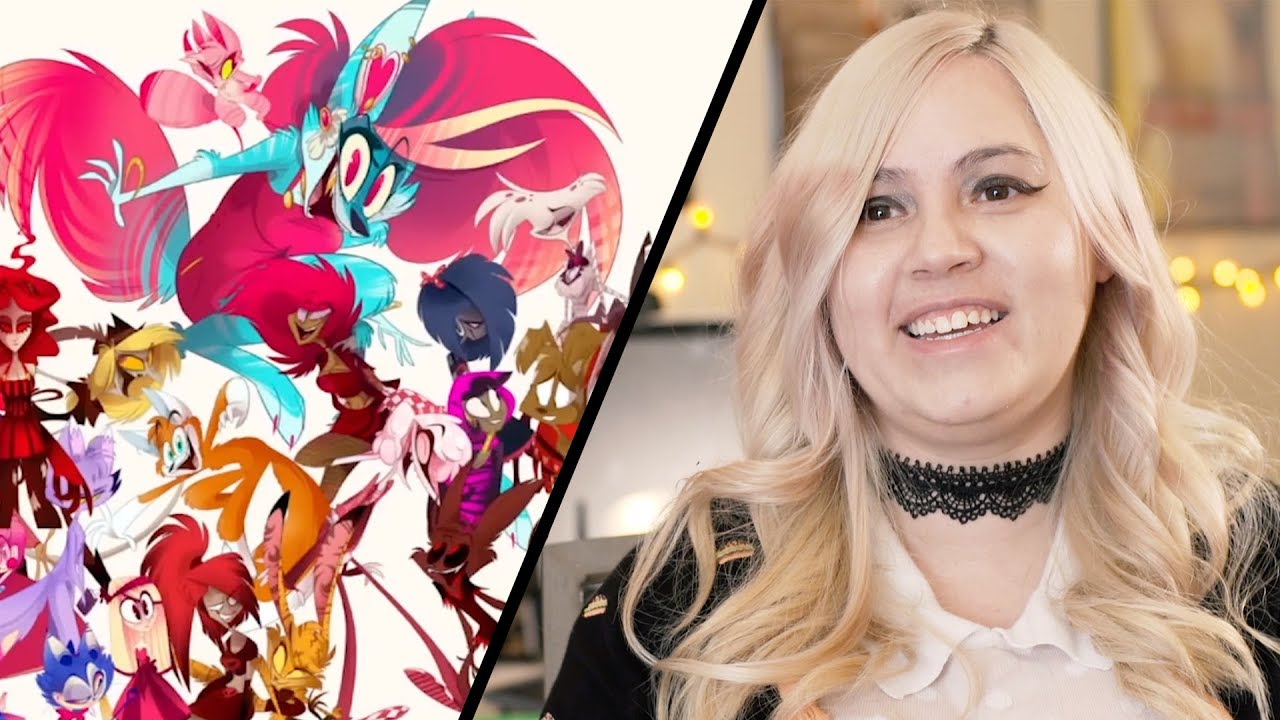
In 2019, Vivienne Medrano unveiled *Hazbin Hotel*, an independent animated pilot that took the internet by storm. Set in Hell, the series follows Charlie, the princess of the underworld, as she attempts to rehabilitate demons through her happy-hotel redemption program. The pilot showcased Vivienne’s distinct art style, fast-paced humor, and musical elements—an unconventional but winning combination.
What made *Hazbin Hotel* stand out was its entirely independent production. Vivienne and her small team, including voice actors and musicians from the online community, created the pilot without major studio backing. Despite this, the pilot amassed millions of views within weeks, proving that independent animation could compete with mainstream media in terms of quality and audience engagement.
The show’s mature themes, snappy dialogue, and catchy musical numbers resonated with fans, leading to widespread discussion and fan-generated content. Vivienne’s ability to craft a world that balanced dark humor with emotional depth made *Hazbin Hotel* more than just a viral sensation—it became a cultural milestone in indie animation.
Helluva Boss: Expanding the Universe
While *Hazbin Hotel* was in development (and later picked up by A24 for a full series), Vivienne launched another project set in the same universe: *Helluva Boss*. Released in 2020, this spin-off follows the misadventures of the Immediate Murder Professionals (IMP), a group of demons running a freelance killing business in Hell. Unlike *Hazbin Hotel*, *Helluva Boss* was released episodically on YouTube, with each episode maintaining the same high-quality animation, humor, and character-driven storytelling as the original pilot.
*Helluva Boss* further solidified Vivienne’s reputation as a bold and innovative creator. The series not only expanded the lore of her animated universe but also demonstrated her ability to sustain long-term projects while maintaining fan engagement. Episodes frequently trended on social media, sparking discussions and fan theories, proving that Vivienne’s creative vision had a lasting impact.
Artistic Style and Influences
One of the most distinctive aspects of Vivienne Medrano’s work is her animation style. Her characters are dynamic, with exaggerated expressions and fluid movements that evoke classic cartoons while incorporating modern digital techniques. She often uses bold colors, sharp contrasts, and intricate designs to create visually striking scenes.
Her influences range from traditional animation like *Ren & Stimpy* and *Rocko’s Modern Life* to more contemporary works such as *Gravity Falls* and *Rick and Morty*. Additionally, her roots in internet culture and fan communities enable her to craft stories that resonate with a generation raised on digital content.
Challenges and Triumphs as an Independent Creator
Vivienne’s success did not come without obstacles. As an independent animator, she faced criticism for her art style, pacing choices, and the adult themes in her work. However, her transparent and open communication with fans helped build a loyal community that supported her through creative hurdles and production challenges.
The acquisition of *Hazbin Hotel* by A24 marked a turning point in her career, proving that independent creators could bridge the gap between web animation and mainstream entertainment. This achievement has inspired countless artists to pursue their own projects without waiting for industry approval.
Looking Ahead
As of now, Vivienne Medrano continues to work on *Hazbin Hotel* and *Helluva Boss* while engaging with her passionate fanbase through social media. Her journey underscores the power of perseverance and creativity in the digital age. With her fearless approach to storytelling and dedication to independent animation, Vivienne has cemented herself as a trailblazer in modern entertainment.
Stay tuned for the next part of this article, where we will delve deeper into Vivienne’s creative process, the development of her characters, and the cultural impact of her work.
The Creative Process Behind Vivienne Medrano’s Work
Vivienne Medrano’s ability to craft rich, engaging animated worlds is a testament to her meticulous creative process. Unlike traditional studio productions, her projects often begin as passion-fueled ideas, developed through a combination of digital tools, collaboration, and fan feedback. Her workflow emphasizes both artistic freedom and relentless iteration, ensuring that every frame aligns with her vision.
One of the defining aspects of Vivienne’s process is her hands-on approach. From scripting to storyboarding, she remains deeply involved in each stage. Early drafts of her projects often feature rough sketches and animatics, which she shares with her team—comprising voice actors, composers, and fellow animators—to refine pacing, dialogue, and visual gags. This collaborative yet centralized method allows for a cohesive final product while retaining the spontaneity that makes her work feel fresh.
The Role of Music and Voice Acting
Music plays a pivotal role in Vivienne’s storytelling, particularly in *Hazbin Hotel* and *Helluva Boss*. Unlike many animations where songs are secondary, her projects integrate musical numbers as key narrative devices. Tracks like *"Inside of Every Demon is a Rainbow"* and *"You Will Be Okay"* are not just catchy—they reveal character motivations and advance the plot. Vivienne often collaborates with composers like Gooseworx and Black Gryph0n, blending Broadway-inspired show tunes with modern beats to create a signature sound.
Equally critical is her casting of voice actors. Many of them, such as Michael Kovach (Angel Dust) and Brandon Rogers (Blitzo), were plucked from the online voice-acting community. Vivienne prioritizes performances brimming with personality, encouraging improvisation and emotional depth. This approach has led to iconic portrayals, with characters like Stolas and Loona becoming fan favorites thanks to their nuanced vocal delivery.
Character Design and Worldbuilding
Vivienne’s character designs are instantly recognizable: exaggerated proportions, expressive eyes, and dynamic silhouettes. Each character serves as a blend of aesthetic appeal and narrative function. For example, Charlie Morningstar’s bright, optimistic design contrasts with the grim setting of Hell, reinforcing her idealism. Meanwhile, characters like Alastor (the "Radio Demon") embody their backstories through visual cues—Alastor’s vintage microphone and static-effect laughter hint at his eldritch, old-timey showmanship.
Her worldbuilding similarly thrives on contradictions. The *Hazbin* universe presents Hell as a chaotic metropolis where demons grapple with bureaucracy, social hierarchies, and even mundane jobs. This darkly comic twist subverts expectations, making the setting feel lived-in and weirdly relatable. Vivienne often expands the lore through environmental details, such as advertisements in the background or throwaway lines that fans eagerly dissect for clues.
Fandom and Collaborative Engagement
Vivienne’s relationship with her audience is unusually symbiotic. She actively engages with fan art, theories, and critiques, occasionally incorporating community ideas into her work (such as subtle character quirks or Easter eggs). Platforms like Twitter and Patreon allow her to share behind-the-scenes content, from early sketches to animation tests, fostering a sense of inclusion among supporters.
This openness hasn’t been without challenges. The intense scrutiny of online fandoms has led to debates over character representation, pacing, and humor. Yet, Vivienne navigates these discussions transparently, addressing concerns without compromising her creative direction. Her ability to balance fan input with authorial intent has become a case study in managing modern digital fandoms.
Pushing Boundaries in Animation
Vivienne’s work defies conventional animation norms, particularly in its embrace of adult themes. While many adult cartoons rely on shock humor, *Hazbin Hotel* and *Helluva Boss* weave complex relationships, trauma, and moral ambiguity into their stories. Episodes like *Helluva Boss*’s "Queen Bee" explore toxic relationships with surprising sensitivity, while *Hazbin Hotel*’s pilot tackles systemic oppression through Charlie’s redemption mission.
Technically, her projects also push limits. Despite budget constraints, the animation quality rivals studio productions, with elaborate fight sequences (e.g., the "Truth Seekers" battle in *Helluva Boss*) and fluid musical numbers. Vivienne leverages digital tools like Adobe Animate and After Effects, combining hand-drawn elements with efficient rigging techniques—a testament to her resourcefulness.
Industry Impact and the Future of Indie Animation
The success of Vivienne’s projects has highlighted the potential of independent animation in an industry dominated by corporate giants. By proving that crowdfunded, creator-driven content can amass massive followings, she’s inspired a wave of artists to bypass traditional gatekeepers. Studios like A24’s partnership on *Hazbin Hotel* signal a shifting landscape where online creations can transition to mainstream platforms without sacrificing their unique voices.
Looking ahead, Vivienne’s influence extends beyond her own work. She’s become a vocal advocate for animators’ rights, discussing the need for fair wages and creative control in digital spaces. Her Patreon model—where fans directly fund production—offers an alternative to exploitative studio systems, setting a precedent for sustainable indie projects.
Upcoming Projects and Legacy
With *Hazbin Hotel*’s full series in development under A24 and *Helluva Boss* continuing its episodic release, Vivienne shows no signs of slowing down. Teasers hint at deeper lore explorations, including Heaven’s political machinations and the origins of key demons. Meanwhile, her original IPs (like *ZooPhobia*) remain in fans’ wishlists for revival.
Vivienne Medrano’s legacy is already evident: she’s redefined what indie animation can achieve. By merging bold aesthetics with emotionally resonant storytelling, she’s crafted universes that captivate millions. As the entertainment industry evolves, her work stands as a beacon for creators daring to carve their own paths—one hellishly delightful frame at a time.
Stay tuned for the final part of this article, where we’ll explore Vivienne’s cultural impact, controversies, and the broader implications of her success for digital content creation.
Cultural Impact and Legacy of Vivienne Medrano
Vivienne Medrano’s influence extends far beyond her animated projects. She has become a cultural icon in the digital age, representing the power of independent creators to shape the entertainment landscape. Her work has inspired countless artists, animators, and storytellers to pursue their passions without waiting for traditional industry approval. The success of *Hazbin Hotel* and *Helluva Boss* has demonstrated that a dedicated fanbase can propel a project to mainstream recognition, even without the backing of major studios.
One of the most significant aspects of Vivienne’s impact is her ability to foster a sense of community. Her projects have cultivated a passionate and engaged fanbase that actively participates in discussions, creates fan art, and even produces their own content inspired by her work. This level of engagement is rare in the entertainment industry, where audiences are often passive consumers. Vivienne’s willingness to interact with her fans—whether through social media, livestreams, or behind-the-scenes content—has strengthened this connection, making her one of the most accessible creators in the animation space.
Breaking Barriers in Representation
Vivienne’s work has also been praised for its inclusivity and representation. Her characters come from diverse backgrounds, and she doesn’t shy away from exploring complex themes such as identity, trauma, and redemption. For example, *Hazbin Hotel* features LGBTQ+ characters like Angel Dust, whose struggles with addiction and self-worth are portrayed with nuance and empathy. Similarly, *Helluva Boss* includes characters like Blitzo and Stolas, whose relationship challenges traditional notions of love and morality.
This commitment to representation has resonated with audiences who often feel overlooked by mainstream media. By giving voice to marginalized perspectives, Vivienne has created stories that feel authentic and relatable. Her work has become a beacon for those seeking narratives that reflect their own experiences, proving that animation can be a powerful medium for social commentary and emotional storytelling.
Controversies and Challenges
Despite her success, Vivienne’s journey hasn’t been without controversy. Her bold storytelling choices and unaphtetic approach to mature themes have drawn criticism from some quarters. For instance, the dark humor and graphic violence in *Helluva Boss* have sparked debates about the line between edgy and gratuitous content. Additionally, the adult nature of her projects has led to discussions about the role of animation in exploring mature themes—something that has historically been reserved for live-action media.
Another challenge has been managing the high expectations of her fanbase. With *Hazbin Hotel*’s long development cycle, some fans have expressed frustration over delays and the lack of updates. However, Vivienne has remained transparent about the challenges of producing an independent animated series, emphasizing the importance of quality over speed. Her ability to navigate these challenges while maintaining her creative vision is a testament to her resilience and dedication.
The Future of Digital Content Creation
Vivienne’s success has broader implications for the future of digital content creation. Her model—leveraging social media, crowdfunding, and direct fan engagement—has shown that creators can thrive outside the traditional studio system. Platforms like YouTube and Patreon have democratized content production, allowing independent artists to build careers without relying on gatekeepers. This shift has opened doors for a new generation of creators who are redefining what it means to be an animator in the digital age.
Moreover, Vivienne’s work has highlighted the potential of animation as a medium for adult storytelling. While animation has often been pigeonholed as children’s entertainment, projects like *Hazbin Hotel* and *Helluva Boss* prove that it can tackle complex, mature themes with depth and sophistication. This has paved the way for more adult-oriented animated series, challenging the industry to expand its boundaries.
Final Thoughts
Vivienne Medrano’s journey from a passionate independent animator to a cultural phenomenon is nothing short of inspiring. Her ability to create compelling stories, build a dedicated community, and push the boundaries of animation has cemented her place as a trailblazer in the industry. As she continues to develop new projects and expand her creative universe, there’s no doubt that her influence will only grow stronger.
For aspiring creators, Vivienne’s story serves as a powerful reminder that success is possible with perseverance, creativity, and a willingness to take risks. Her work has not only entertained millions but also redefined what independent animation can achieve. As the entertainment landscape continues to evolve, Vivienne Medrano stands as a shining example of the limitless potential of digital storytelling.
With *Hazbin Hotel*’s full series on the horizon and *Helluva Boss* continuing to captivate audiences, the future looks bright for Vivienne and her fans. Her legacy is already secure, and the best is yet to come.


The Rise and Journey of Esmée Denters: A Digital Star Turned Mainstream Sensation
The Rise and Journey of Esmée Denters: A Digital Star Turned Mainstream Sensation
In the vast world of digital entertainment and music, transformation stories abound, but few are as inspiring and intriguing as that of Esmée Denters. With humble beginnings as a YouTube sensation and her evolution into a mainstream artist, Esmée's journey is a testament to talent, perseverance, and the power of the internet.
Early Life and YouTube Beginnings
Esmée Denters was born on September 28, 1988, in the city of Arnhem, Netherlands. Her passion for music manifested early in her life, as she often found solace in singing and performing at family gatherings. However, it was the digital age that provided her with a platform to showcase her talents to a global audience. In the mid-2000s, YouTube started to emerge as a revolutionary platform that allowed budding artists to share their music with the world.
With her striking vocals and girl-next-door charm, Esmée began uploading cover songs on YouTube in 2006. Performing renditions of popular tracks from artists like Justin Timberlake and Natasha Bedingfield, Esmée quickly garnered attention. Her natural vocal ability and personality resonated with viewers, helping her channel to grow rapidly. It wasn't long before her videos collectively amassed millions of views, attracting fans from across the globe.
The Breakthrough Moment
Esmée's life changed forever when her cover video of Justin Timberlake's hit song caught the attention of the pop superstar himself. Impressed by her raw talent, Timberlake invited Esmée to join his newly established label, Tennman Records, in 2008. This marked a pivotal transition from online fame to real-world music industry exposure.
Under his guidance, Esmée began working on her debut album. The pressure was immense, but with every expectation, Esmée displayed unparalleled dedication and passion for her craft. Releasing her debut single "Outta Here" in 2009, Esmée's transition from a digital sensation to a mainstream artist was solidified. The song climbed the charts across Europe, marking a milestone in her career.
Debut Album and Public Recognition
Her debut studio album, also titled Outta Here, was released in May 2009. Collaborating with top producers and songwriters, Esmée contributed more than just vocals to her music; she imbued her songs with personal experiences and emotions. The album featured a mix of pop, R&B, and soul influences, showcasing her versatility as an artist.
The critical and commercial success of her album paved the way for multiple live performances and television appearances. Esmée toured with well-known artists, further expanding her fanbase. Her story of persistence, from singing in her bedroom to performing on stage before thousands, inspired numerous aspiring musicians.
Challenges and Industry Hurdles
Despite the initial success, the music industry posed its challenges to Esmée. The competitive nature of the industry, coupled with evolving listener preferences, meant that sustaining a career required constant evolution. Esmée faced the daunting task of meeting industry expectations while staying true to her artistic identity.
Esmée's contract with Tennman Records eventually ended, a recurring reality for many artists navigating the unpredictable music business waters. However, armed with resilience and experience, Esmée continued to pursue her passion independently, focusing on creating music that resonated with her personal and artistic vision.
Her story, far from atypical, resonated with fans who followed her journey from the start. It highlighted the importance of authenticity in a landscape where original voices often get dimmed by commercial pressures.
Exploration and Reinvention
After her contract ended with Tennman Records, Esmée embarked on a journey of self-discovery and artistic reinvention. The music scene had evolved, and so had she. The once-teen YouTube sensation had matured, both personally and artistically, and was ready to chart a new path for herself.
Esmée embraced the freedom of being an independent artist, which allowed her to explore various musical genres without the constraints of commercial expectations. This newfound liberty also brought challenges, as she had to navigate the complexities of the music industry without the backing of a major label. However, Esmée remained undeterred, fueled by her love for music and her drive to create.
Throughout this period, she released several independent singles and collaborated with other emerging artists. Esmée's music began to reflect her broader range of influences, incorporating elements of soul, funk, and even electronic music. This exploration helped her redefine her artistic voice, offering her fans a more intimate and authentic glimpse into her world.
Return to YouTube and Digital Performance
Understanding the digital landscape better than most, Esmée returned to her roots on YouTube to reconnect with her audience. The platform had grown significantly since her early days, offering new tools and communities for content creators. Esmée began uploading new performances, including both original songs and covers. Her long-standing fans welcomed her return, embracing her continuous evolution as an artist.
In addition to her YouTube content, Esmée turned to social media platforms like Instagram and TikTok to engage with her audience. These platforms allowed her to share snippets of everyday life, studio sessions, and creative processes, thereby fostering a community deeply invested in her journey.
The digital age afforded Esmée a level of accessibility and intimacy with her fans that was previously unheard of in traditional media. This direct connection with her audience fortified their loyalty, as they supported her endeavors and celebrated her growth through every musical release.
Personal Growth and Impact
Beyond music, Esmée's journey has been one of personal growth and introspection. Over the years, she has become an advocate for mental health awareness, drawing from her own experiences in the industry and life beyond the stage. She has spoken candidly about the pressures of fame, the challenges of self-discovery, and the importance of mental well-being, using her platform to inspire others to prioritize their health.
This philanthropic aspect of her persona has endeared her to fans, who appreciate her vulnerability and honesty. By sharing her struggles and triumphs, Esmée has cultivated a sense of solidarity among her followers, proving that artists are real people facing real challenges.
The Future of Esmée Denters
Today, Esmée Denters stands as a seasoned artist equipped with experience, insight, and an unwavering passion for music. She has defied the odds, transitioning from a YouTube cover artist to an independent musician with an authentic voice and niche in the industry. Her journey is ongoing; her story, still being written. With the world of digital media continuing to expand, there is no telling where her next venture may lead.
Having experienced the peaks and valleys of the music industry, Esmée remains committed to evolving with her art. She continues to work on new music and collaborate with innovative artists, seeking to push creative boundaries and further establish her presence in the ever-changing musical landscape.
For fans and followers alike, Esmée Denters is more than just a musician; she is a symbol of resilience, adaptability, and the relentless pursuit of dreams. Her story brilliantly captures the spirit of modern music-making—a testament to the transformative power of the internet and the boundless possibilities it affords creators.
As we anticipate her next moves, one thing is certain: Esmée Denters' journey serves as an inspiration to aspiring musicians worldwide, reminding them that with talent, dedication, and the courage to evolve, the sky is truly the limit.
Kina Grannis: A Journey Through Voice and Melody
Kina Grannis, an American singer-songwriter and YouTuber, has captured the hearts of millions with her ethereal voice, authentic songwriting, and her unique path to fame. Known for blending pop, folk, and acoustic influences, Grannis's work resonates with listeners on a deeply personal level, reflecting her genuine artistry and humble spirit.
Early Life and Musical Beginnings
Born on August 4, 1985, in Mission Viejo, California, Kina Kasuya Grannis was raised in a family that valued creativity and expression. Her Japanese, English, Irish, French, and Scottish heritage perhaps played a role in shaping her diverse artistic influences. Music became a vital part of her life from an early age—at 15, Grannis began writing her own songs, creating a foundation for her future in music.
Grannis attended USC, where she majored in social science with an emphasis in psychology. During her time there, she was embraced by the university’s vibrant music scene. She participated in concerts and open mics, honing her skills and establishing her presence as a budding musician.
The YouTube Breakthrough
In an era before social media became the norm for discovering artists, Kina Grannis adeptly harnessed the power of the internet to launch her career. In 2007, she joined YouTube, an emerging platform that was just beginning to reveal its potential for showcasing independent talent. Her warm personality and soul-stirring performances quickly garnered attention.
Her big break came in 2008 when she entered and won the Doritos "Crash the Super Bowl" contest. The competition’s grand prize was a recording contract with Interscope Records. Her original submission, the song “Message From Your Heart,” was aired during the Super Bowl XLII commercial slot, introducing her sound to millions of viewers worldwide.
Independent Artist and Musical Ventures
Despite the amazing opportunity with Interscope Records, Grannis chose the path of independence after fulfilling her initial contract obligations. She valued creative control over her music, a decision that resonated deeply with her growing fanbase. In 2010, she self-released her debut studio album, Stairwells, which included re-recorded tracks from her previous independent releases as well as new material. The album's success was a testament to the power of an engaged community, as it was primarily funded through her fans' support.
Grannis's music often explores themes of love, introspection, and personal growth. Her delicate guitar work and distinctive vocals make her sound unmistakable. One of her standout tracks, "Valentine," became viral, further cementing her position in the hearts of her listeners worldwide. Her music videos, often simple yet poignant, perfectly complement the organic nature of her songs.
Social Media and Fan Engagement
Kina Grannis's authentic connection with her audience is a cornerstone of her ongoing success. She regularly interacts with fans through social media, offering glimpses into both her musical process and personal life. This level of engagement not only bolsters her popularity but also emphasizes her genuine appreciation for her supporters.
Grannis's journey is a compelling narrative of how an artist can thrive independently in the modern music industry. Her persistence and innovative use of platforms like YouTube have allowed her to maintain artistic integrity while reaching a broad audience. This transparent bond between artist and listener is perhaps the most defining feature of Kina Grannis's career to date.


