Exploring Ubud: Bali's Cultural Heart
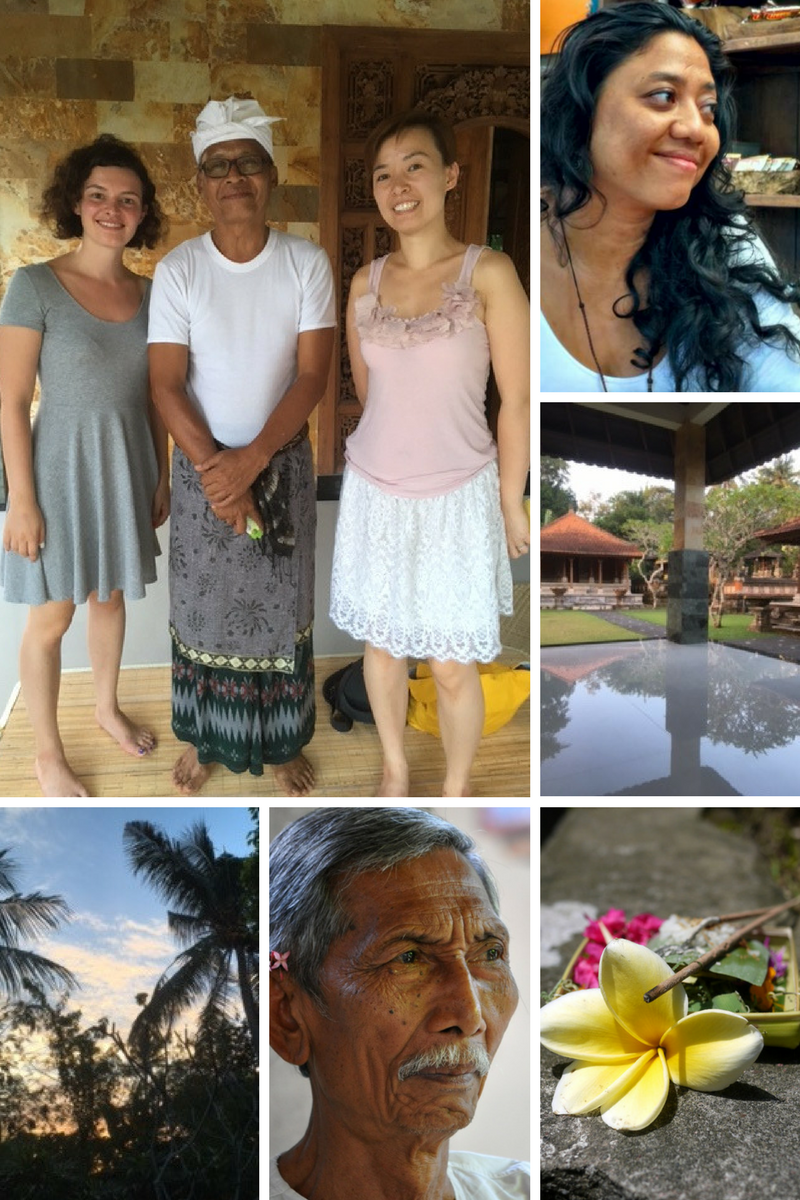
Bali, the famed island of gods, is an enchanting mosaic of traditional culture and striking natural beauty. Among its diverse regions, the town of Ubud stands out as the cultural fulcrum, celebrated for its art, spirituality, and serene landscapes. Nestled amidst lush green rice terraces and dense jungles, Ubud is both an idyllic retreat and a bustling hub of creativity and tradition. This article delves into the cultural and historical significance of Ubud, providing a glimpse into what makes it a quintessential Balinese experience.
The Historical Roots of Ubud
The history of Ubud stretches back several centuries, with its roots deeply intertwined with Balinese culture and Hindu heritage. The name "Ubud" is derived from the Balinese word "Ubad," which means medicine, reflecting its historical reputation as a source of medicinal herbs and plants. This spiritual and healing tradition has continued throughout the years, giving rise to a variety of holistic health and wellness practices that define the area today.
Historically, Ubud has been a center for craftsmen and artisans. During the 8th century, a Hindu priest named Rsi Markandeya is believed to have established a temple in the area, drawing followers and sparking the growth of cultural practices. The influence of religion and artistry grew over time, particularly under the rule of the Gianyar royal family, who supported the development of Ubud as a cultural capital.
Ubud's Artistic and Spiritual Allure
Ubud's vibrant arts scene is infused with traditional Balinese influences as well as contemporary innovation. The town is home to numerous art galleries and museums, such as the Neka Art Museum and the Agung Rai Museum of Art (ARMA), which showcase both historic and modern pieces. The Ubud Palace, or Puri Saren Agung, is another cultural landmark, presenting regular performances of traditional dance, gamelan music, and theatre, offering visitors a splendid immersion into Balinese artistic traditions.
Beyond art, Ubud's spiritual scene is equally alluring. With countless temples, retreats, and yoga sanctuaries, Ubud serves as a haven for those seeking spiritual growth and enlightenment. The Sacred Monkey Forest Sanctuary is one such place, where visitors can explore ancient temples while encountering the sacred long-tailed macaques that inhabit the forest. This sanctuary reflects the harmonious relationship between nature and spirituality, a theme that resonates throughout Ubud.
Natural Splendors and Sustainability
Ubud is renowned for its breathtaking natural landscapes. The town is surrounded by terraced rice paddies that appear as vast, emerald blankets laid across the land. The Tegalalang Rice Terraces, in particular, are a marvel to behold, a testament to the agricultural ingenuity of the Balinese. Visitors can stroll through these fields, enjoying the vistas while gaining insight into traditional farming techniques, which have been passed down through generations.
With its blend of culture and nature, Ubud has become a focal point for sustainability initiatives in Bali. The Green School and many eco-friendly resorts exemplify efforts to harmonize modern life with environmental stewardship. It is this commitment to sustainability that ensures Ubud remains a viable haven for future generations.



The Enchanting Beauty of Paro
Paro, an enchanting valley town nestled in the heart of Bhutan, serves as both a historical corridor and the modern axis of Bhutanese culture and tradition. This picturesque town is a treasure trove of history, spirituality, and breathtaking landscapes. It is famed for its stunning monasteries, serene environment, and the vibrant depiction of a well-preserved culture.
A Gateway to Bhutan
Paro is home to Bhutan’s only international airport, making it a significant entry point for travelers eager to explore this mystical Himalayan kingdom. Paro Airport, with its breathtaking approach and mountainous backdrop, frequently captures the attention of aviation enthusiasts and travelers alike. The flight into Paro itself is often described as an adventure, with aircraft carefully maneuvering past dramatic peaks to touch down on one of the world's most challenging runways. This alone sets the tone for a unique journey into Bhutan.
Taktshang Monastery: The Tiger's Nest
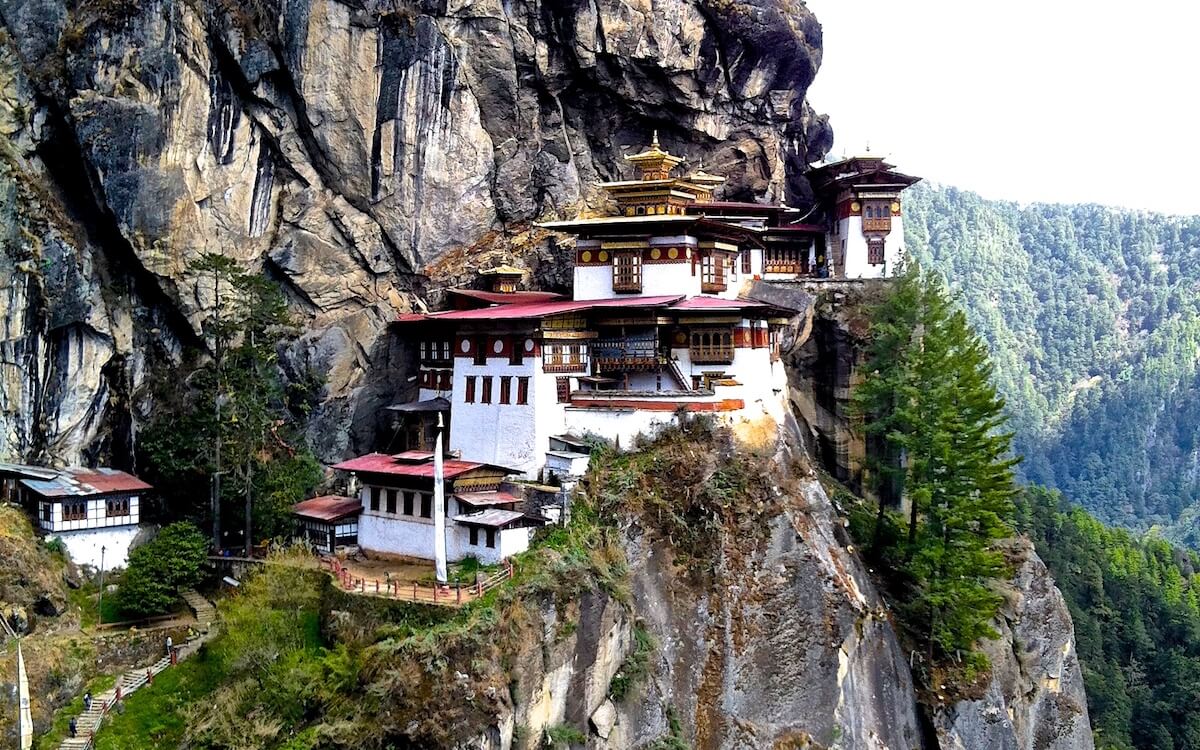
No visit to Paro is complete without visiting the Taktshang Monastery, popularly known as the Tiger's Nest. This iconic monastery clings to a cliff 900 meters above the Paro Valley, creating a striking spectacle that looks almost as if it were formed by the gods themselves. The history behind Taktshang is just as fascinating as its location; legend has it that Guru Rinpoche flew to this site on the back of a tigress to subdue a local demon, thus consecrating it as a sacred pilgrimage spot.
For adventurers, the trek to Taktshang is both a physical and spiritual journey. The hike through fragrant pine forests dotted with prayer flags and small shrines is steeped in tranquility and reflection, offering spectacular views. Upon reaching the monastery, visitors are rewarded with an intimate glimpse into Bhutanese spirituality and an unparalleled sense of accomplishment.
Rinpung Dzong: Fortress of the Heap of Jewels
The architectural grandeur of Paro is encapsulated in the Rinpung Dzong, a magnificent fortress-monastery that dominates the skyline of the town. This edifice, translating to "Fortress of the Heap of Jewels," serves dual roles as both a historical and functional civic center. Historically, it was instrumental in defending against Tibetan invasions, and today it functions as an administrative and religious center.
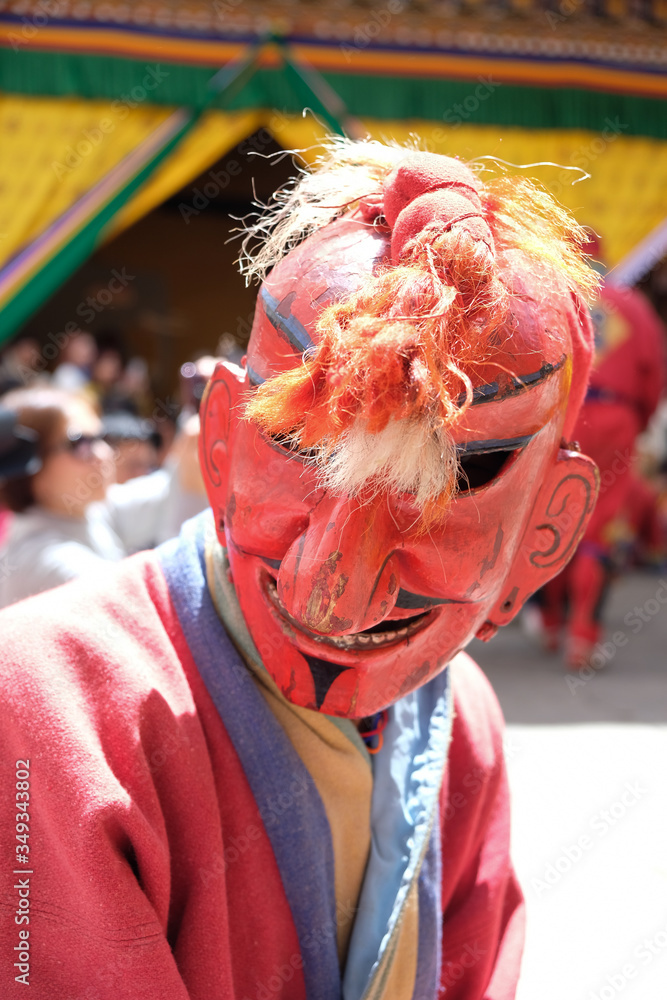
Every spring, Rinpung Dzong hosts the Paro Tshechu, a religious festival that draws thousands. During this festival, the courtyard brims with vibrant colors, as masked dancers perform elaborate rituals meant to drive away evil spirits and gain merit. These performances, combined with the festival's lively atmosphere, provide visitors an opportunity to witness Bhutanese traditions in their most vivid form.
The Charm of Paro's Everyday Life
Beyond its historical and spiritual sites, Paro offers a glimpse into the everyday life of Bhutanese people. Traditional wooden houses, with elegant structures and ornate motifs, line the streets. Small cafes and artisan shops welcome visitors to experience the local cuisine and crafts. The hospitality in Paro is as rich as its cultural heritage, with locals eager to share stories and insights about their peaceful way of life.
A leisurely stroll through the town reveals an array of quaint shops selling Bhutanese handcrafts, from intricately woven textiles to beautifully crafted chortens, mask decorations, and colorful prayer flags. Food enthusiasts can savor local delicacies such as Ema Datshi, a spicy chili and cheese dish that is considered a Bhutanese staple.
As one of the last remaining Himalayan kingdoms, Bhutan represents a unique balance between modernization and traditionalism, and Paro stands as a testament to this balance. It encapsulates Bhutan's devotion to Buddhist traditions, while also welcoming modernity with grace and consciousness. Paro is not just a travel destination; it's an experience, a journey into a world where spirituality seamlessly blends with everyday life. This makes Paro not only a must-visit but a place where one truly finds peace and perspective.