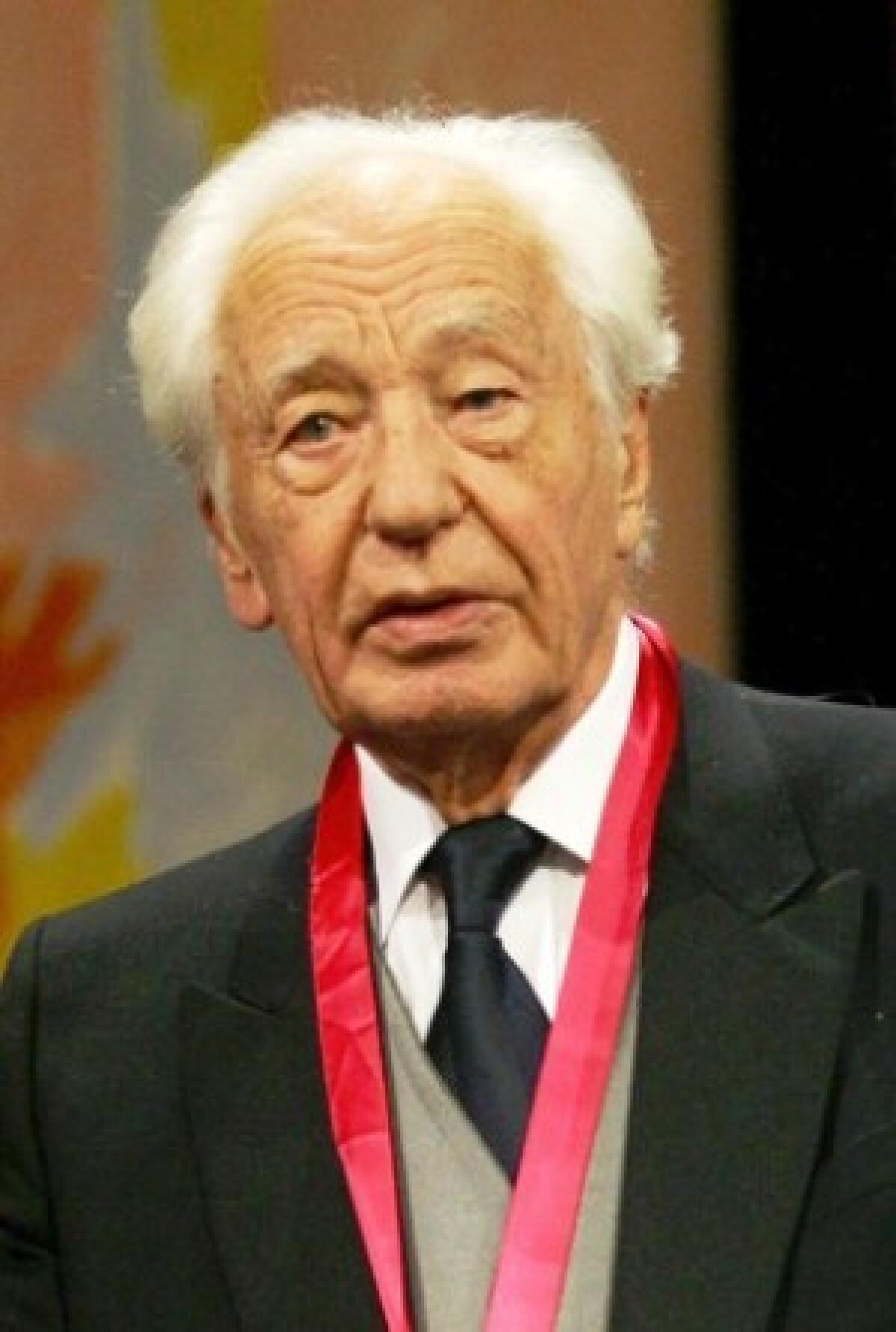
Craig Venter: The Visionary Scientist Who Revolutionized Genomics
Introduction: A Pioneer in Modern Biology
Craig Venter is one of the most influential and controversial figures in modern science. A biologist, entrepreneur, and visionary, Venter has played a pivotal role in decoding the human genome and pushing the boundaries of synthetic biology. His work has not only transformed our understanding of life but has also sparked ethical debates about the future of genetic engineering. This article explores his groundbreaking contributions, his unorthodox approach to science, and his relentless pursuit of innovation.
Early Life and Education
Born on October 14, 1946, in Salt Lake City, Utah, J. Craig Venter grew up in a working-class family. His early years were marked by a rebellious spirit and a fascination with the natural world. Initially, Venter struggled in school, but his passion for science eventually led him to pursue higher education. After serving as a Navy medical corpsman during the Vietnam War, he returned to the U.S. and earned a Ph.D. in physiology and pharmacology from the University of California, San Diego.
Venter's early career was characterized by a deep interest in molecular biology and genetics. He worked at the National Institutes of Health (NIH) in the 1980s, where he began developing techniques to accelerate DNA sequencing—a field that was still in its infancy. His innovative approach would later become the foundation for his revolutionary work in genomics.
The Race to Decode the Human Genome
In the 1990s, the scientific community was embroiled in an intense competition to sequence the entire human genome. The Human Genome Project (HGP), a publicly funded international effort, aimed to map all human genes systematically. However, Venter believed the traditional methods were too slow and costly. Determined to find a faster solution, he pioneered a technique called "shotgun sequencing," which broke DNA into smaller fragments for rapid analysis and reassembly.
In 1998, Venter made headlines when he founded Celera Genomics, a private company backed by significant investment. His goal was to sequence the human genome before the HGP—and to do it at a fraction of the cost. The race between Celera and the public consortium became one of the most dramatic stories in scientific history. Despite fierce competition, both teams announced a draft sequence of the human genome in 2001, marking a monumental achievement for science.
Controversies and Ethical Debates
Venter’s aggressive, for-profit approach to genomics drew criticism from many in the scientific community. Some accused him of attempting to privatize the human genome, while others questioned the accuracy of his sequencing methods. The tension between public and private research models fueled debates about intellectual property, open science, and the commercialization of biological data.
Yet, Venter defended his methods, arguing that competition accelerated progress and that private investment was necessary for large-scale scientific breakthroughs. His work undeniably pushed genomics into the spotlight, paving the way for the personalized medicine revolution we see today.
Beyond the Human Genome: Synthetic Biology and New Frontiers
After Celera, Venter shifted his focus to synthetic biology—the design and construction of artificial life forms. In 2010, his team at the J. Craig Venter Institute achieved a historic milestone by creating the first synthetic bacterial cell. They synthesized a genome from scratch and successfully transplanted it into a recipient cell, effectively booting up a new form of life.
This breakthrough opened doors to revolutionary applications, from sustainable fuel production to disease-resistant crops. However, it also raised ethical concerns about the implications of "playing God" with life itself. Venter, ever the provocateur, embraced these discussions while continuing to explore the outer limits of biological engineering.
Entrepreneurial Ventures and Legacy
Beyond pure science, Venter has founded multiple companies, including Synthetic Genomics and Human Longevity Inc., focusing on genomics-driven healthcare and biotechnology solutions. His ventures aim to use genetic data to extend human lifespan, combat diseases, and address global challenges like climate change through bioengineered organisms.
As a scientist, entrepreneur, and thinker, Craig Venter remains a polarizing yet undeniably transformative figure. His relentless drive and willingness to challenge norms have reshaped modern biology, leaving a legacy that continues to influence research, medicine, and ethics in the 21st century.
The Impact of Venter’s Work on Genomic Medicine
Craig Venter’s contributions to genomics have fundamentally altered the landscape of modern medicine. By accelerating the sequencing of the human genome, his work enabled rapid advancements in personalized medicine—a field that tailors medical treatment to an individual’s genetic makeup. Today, doctors use genomic data to predict disease risks, customize drug therapies, and diagnose genetic disorders with unprecedented precision. Venter’s insistence on speed and efficiency helped make these tools accessible, reducing costs from billions of dollars to just a few hundred per genome.
Pharmacogenomics and Drug Development
One of the most immediate applications of Venter’s breakthroughs is in pharmacogenomics, the study of how genes affect a person’s response to drugs. His work laid the groundwork for identifying genetic markers that influence drug metabolism, allowing pharmaceutical companies to develop targeted therapies with fewer side effects. For example, cancer treatments like immunotherapy now incorporate genomic data to match patients with the most effective drugs, dramatically improving outcomes.
The Rise of Direct-to-Consumer Genetic Testing
Venter’s vision of democratizing genomics also paved the way for companies like 23andMe and AncestryDNA. By proving that rapid, cost-effective sequencing was possible, he indirectly spurred an industry that lets individuals explore their ancestry, detect hereditary conditions, and even uncover predispositions to diseases like Alzheimer’s. While these services have sparked debates about privacy and data security, their existence can be traced back to the technological leaps Venter championed.
Exploring the Microbiome and Environmental Genomics
Venter’s curiosity extended beyond human DNA into the vast, uncharted territory of microbial life. His Sorcerer II Expeditions, which circumnavigated the globe collecting marine microbial samples, revealed millions of new genes and thousands of species previously unknown to science. This research highlighted the critical role of microbes in Earth’s ecosystems, from regulating climate cycles to influencing human health.
The Human Microbiome Project
His findings contributed to the Human Microbiome Project, an initiative exploring how trillions of microbes in and on our bodies affect everything from digestion to immune function. Venter’s work showed that humans are, in many ways, superorganisms—hosting a complex microbial ecosystem that plays a vital role in our well-being. This insight has led to breakthroughs in probiotics, microbiome-based therapies, and even mental health research.
Environmental DNA (eDNA) and Conservation
Venter also pioneered environmental DNA (eDNA) sequencing, a technique that detects genetic material in soil, water, and air to monitor biodiversity without disturbing ecosystems. This method is now a cornerstone of conservation biology, allowing scientists to track endangered species, detect invasive organisms, and assess the health of fragile habitats. His ocean research, in particular, has been instrumental in understanding microbial contributions to carbon cycling and climate change mitigation.
Synthetic Biology: Creating Life in the Lab
Perhaps Venter’s most audacious endeavor was the creation of the first synthetic cell in 2010. His team synthesized the genome of Mycoplasma mycoides from scratch and implanted it into a recipient bacterial cell, effectively producing a life form controlled entirely by human-designed DNA. This achievement marked the dawn of synthetic biology—an era where organisms can be engineered for specific purposes, from biofuels to biodegradable plastics.
Applications in Industry and Sustainability
Venter founded Synthetic Genomics to commercialize these breakthroughs, targeting sectors like energy, agriculture, and medicine. His team engineered algae to produce biofuels, offering a renewable alternative to fossil fuels. Other projects include designing bacteria that consume greenhouse gases or manufacture vaccines on demand. These innovations promise to address some of humanity’s most pressing challenges, including climate change and pandemics.
Ethical and Philosophical Questions
The creation of synthetic life raised profound ethical dilemmas. Critics argue that tinkering with life’s blueprint could have unintended consequences, such as engineered organisms escaping into the wild or being weaponized. Venter has engaged with these concerns head-on, advocating for strict regulatory frameworks while pushing the boundaries of what’s scientifically possible. His perspective is pragmatic: the risks, he argues, are outweighed by the potential benefits to humanity.
The Future According to Venter
Even in his 70s, Venter remains a forward-thinking innovator. His current ventures, like Human Longevity Inc., aim to extend human healthspan using AI-driven genomics. The company’s goal is to sequence one million human genomes, correlating genetic data with health outcomes to unlock secrets of aging and disease prevention. Meanwhile, his research into synthetic biology continues to explore radical possibilities, such as designing organisms capable of surviving on Mars.
The Digitization of Life
One of Venter’s most futuristic ideas is the concept of “biological teleportation”—digitizing DNA sequences and transmitting them across the globe to be reconstructed in labs. This could revolutionize medicine by enabling instant vaccine production during outbreaks or allowing astronauts to 3D-print medicines in space. While still speculative, the idea underscores his belief that biology is an information science, bound only by the limits of human ingenuity.
Inspiring the Next Generation
Beyond his research, Venter has become a vocal advocate for science education and entrepreneurship. He emphasizes the need for young scientists to think disruptively and embrace risk—much as he did. His memoir, A Life Decoded, and frequent public talks offer a blueprint for turning bold ideas into reality, cementing his role as a mentor to aspiring innovators.
As the second part of this article demonstrates, Venter’s influence spans medicine, environmental science, and synthetic biology. His willingness to challenge conventions and pursue high-risk, high-reward science continues to shape our world in ways we are only beginning to understand.
The Legacy of Craig Venter: Science, Controversy, and Unfinished Dreams
As one of the most prominent scientists of our time, Craig Venter's legacy extends far beyond his specific discoveries. His career represents a paradigm shift in how biological research is conducted, funded, and applied to real-world problems. What sets Venter apart is not just his scientific brilliance, but his unique ability to bridge academia, industry, and public policy—often stirring controversy while driving progress forward.
Championing Open Science vs. Commercial Interests
Venter's approach to science has always existed at the intersection of open inquiry and commercialization. While critics argue that his private ventures threatened the open-access ethos of the Human Genome Project, proponents highlight how he forced the scientific establishment to work faster and more efficiently. The tension between these two models continues today in debates over data sharing, patent rights, and AI-driven drug discovery. Venter's experiences provide valuable case studies on balancing commercial viability with scientific progress.
Interestingly, Venter has evolved his stance over time. After leaving Celera, he founded the nonprofit J. Craig Venter Institute, demonstrating his commitment to basic research. However, he maintains that intellectual property protections are necessary to incentivize expensive biomedical breakthroughs—a perspective that reflects his pragmatism and firsthand experience in turning discoveries into tangible benefits.
Venter's Vision for the Future of Humanity
Extending the Human Lifespan
Through Human Longevity Inc., Venter aims to radically extend the healthy human lifespan by decoding the molecular secrets of aging. His ambitious project to sequence one million genomes seeks to identify biomarkers that predict longevity and develop personalized interventions. This research could lead to breakthroughs in regenerative medicine, with potential treatments for age-related diseases like Alzheimer's and cardiovascular disorders.
Perhaps more provocatively, Venter has theorized about using synthetic biology to enhance human capabilities. In interviews, he's speculated about engineering humans to be radiation-resistant for space travel or creating specialized immune systems that could defeat any virus—ideas that blur the line between therapy and enhancement.
Space Exploration and Astrobiology
Venter's work has always extended beyond Earth. His interest in extremophiles—organisms that thrive in harsh environments—has implications for finding life elsewhere in the universe. NASA has collaborated with his teams to develop DNA sequencers for the International Space Station and future Mars missions.
Most strikingly, Venter has proposed using synthetic biology to terraform Mars. By engineering microorganisms that could produce oxygen or breakdown Martian regolith, he envisions creating habitable environments before human arrival. This futuristic application demonstrates how his work in synthetic biology could fundamentally alter humanity's relationship with the cosmos.
The Ethical Minefield: Venter's Most Controversial Ideas
Playing God or Advancing Science?
From creating synthetic life to proposing human genetic modification, Venter consistently pushes ethical boundaries. Religious groups, bioethicists, and even fellow scientists have questioned whether some research should remain off-limits. Venter counters that caution shouldn't equate to prohibition, advocating for responsible innovation rather than outright bans on emerging technologies.
The debate crystallized around his 2010 creation of the first synthetic cell. While some hailed it as a triumph of human ingenuity, organizations like the ETC Group labeled it an act of "extreme genetic engineering" requiring global governance. Venter responded by voluntarily submitting the research for ethical reviews and calling for public dialogue—though he refuses to let fear dictate scientific progress.
The Surveillance Threat of Genetic Databases
As genomic data becomes more accessible, concerns about genetic surveillance have grown. Venter's companies collect vast amounts of DNA information, raising questions about privacy and potential misuse by governments or insurers. While advocating for strong data protection, Venter also argues that the benefits of population genomics—like predicting disease outbreaks—outweigh the risks.
Venter's Leadership Style: Maverick or Model?
Unlike traditional academics, Venter operates with the urgency of a Silicon Valley entrepreneur. His management approach—high-risk, fast-paced, and goal-oriented—has drawn both admiration and criticism. Former colleagues describe marathon brainstorming sessions and relentless deadlines, while detractors argue this intensity pressures scientists to cut corners.
What's undeniable is his ability to attract talent and funding. By framing big biology as an exhilarating frontier rather than incremental work, Venter inspired a generation of researchers to think bigger. His TED Talks and media appearances have made complex science accessible, though some academics resent his celebrity status and self-promotion.
The "Venter Method": Lessons for Disruptive Science
Analyzing Venter's career reveals several key principles that define his approach:
- Speed matters: He prioritized rapid iteration over perfection, famously saying "good enough is good enough" in sequencing
- Challenge orthodoxies: By questioning the Human Genome Project's methods, he forced the field to evolve
- Embrace competition: His rivalry with public researchers ultimately benefited science
- Think practically: Every discovery is considered for real-world applications
Unfinished Business: Venter's Ongoing Projects
Now in his late 70s, Venter shows no signs of slowing down. His current ventures include:
- Advanced AI-driven drug discovery: Using machine learning to analyze genomic datasets for new therapies
- The "Human Longevity Project": Building comprehensive health forecasts from whole-body scans and genetic data
- Synthetic food production: Engineering microbes to create sustainable protein sources
- Ocean genome mapping: Expanding his marine microbe research to address climate change
Perhaps most ambitiously, Venter continues working on digitizing biology—creating systems where genetic code can be designed on computers and manufactured on demand. This could revolutionize everything from medicine to materials science in the coming decades.
Final Assessment: Craigh Venter's Place in History
Evaluating Venter's impact requires appreciating both his scientific contributions and his reinvention of how science gets done. Like James Watson before him, he combined brilliance with controversy—a polarizing figure who expanded what seemed possible.
Historians may ultimately remember him for:
- Democratizing genomics through faster, cheaper sequencing
- Pioneering synthetic biology as a practical engineering discipline
- Bridging academic and commercial research more effectively than any scientist of his era
- Forcing ethical debates that will shape biotechnology for generations
In his memoir, Venter wrote: "I have always been more interested in the future than the past." This forward-looking mentality explains both his extraordinary achievements and his willingness to venture where others fear to tread. As synthetic biology matures and genomics becomes increasingly central to medicine, Craig Venter's influence—for better or worse—will only grow more pronounced in the decades ahead.



James Watson: The Controversial Architect of DNA
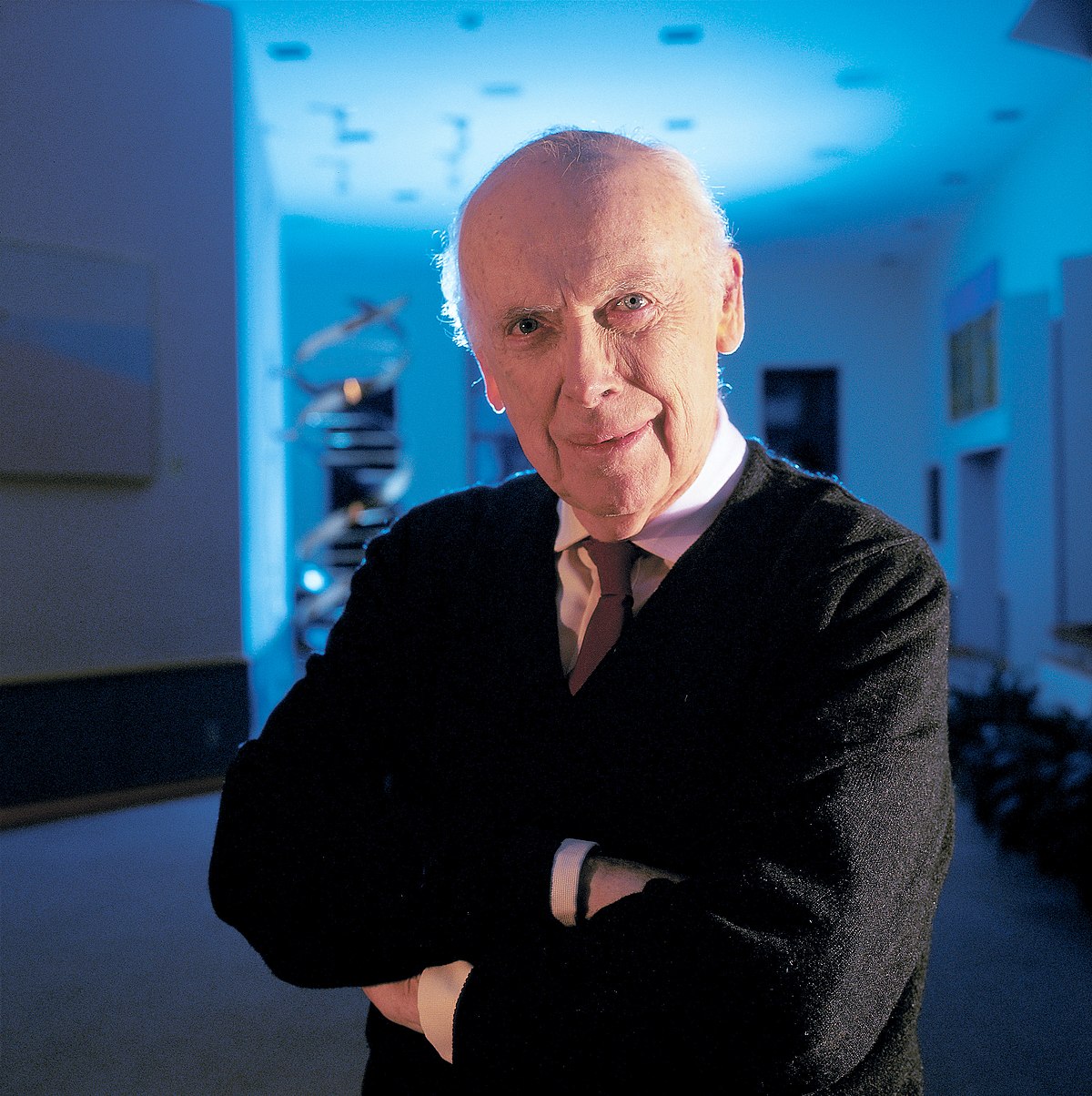
In the pantheon of scientific giants, few figures loom as large—or as controversially—as James Dewey Watson. A molecular biologist whose work fundamentally changed our understanding of life, Watson’s story is deeply entwined with both revolutionary discovery and contentious discourse. Best known for co-discovering the structure of DNA, James Watson's career has been filled with both remarkable scientific achievements and episodes of controversy that tarnish his legacy.
The Path to Discovery
Born on April 6, 1928, in Chicago, Illinois, Watson was poised for a life in academics from an early age. His voracious appetite for knowledge became apparent when he enrolled at the University of Chicago at the tender age of 15 under Robert Hutchins' early entrance program for gifted youth. There, influenced by prominent figures in an interdisciplinary approach called "The Chicago School," Watson expanded his educational foundations across various fields before ultimately gravitating towards genetics.
After receiving his Bachelor’s degree in zoology from the University of Chicago in 1947, Watson pursued a Ph.D. in zoology at Indiana University, where he studied under Salvador Luria, a future Nobel laureate himself. It was during this time at Indiana University that Watson began to focus his attention on nucleic acids, leading to his interest in further exploring the mechanisms by which genetic material is transferred and expressed. Watson's Ph.D. thesis on the effect of X-rays on bacteriophage multiplication marked his first foray into the burgeoning field of molecular biology.
The Double Helix: A Monumental Discovery
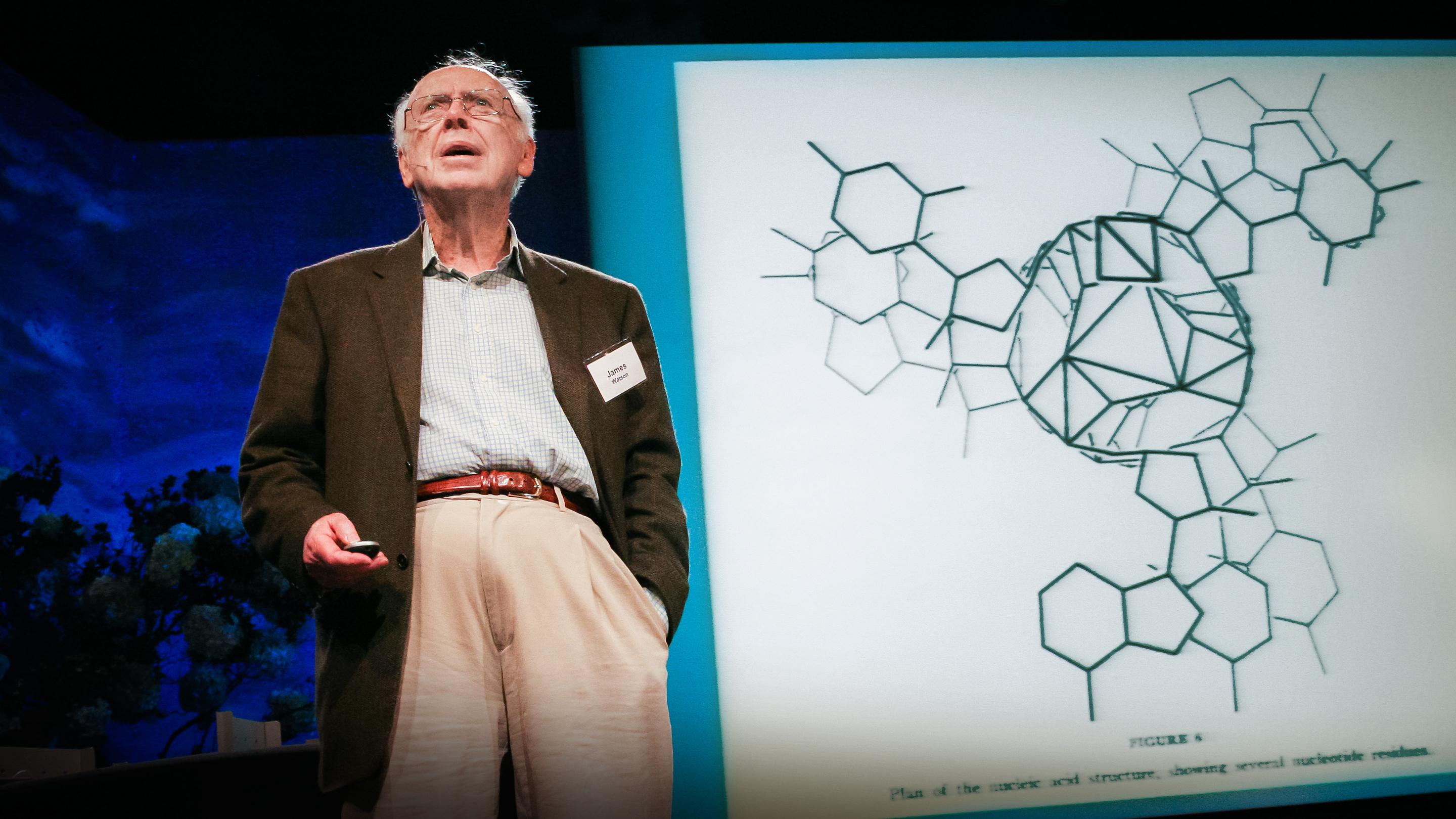
In 1951, Watson moved to the Cavendish Laboratory at the University of Cambridge, England, where he embarked on what would become his life's most groundbreaking work. Teaming up with Francis Crick, Watson embarked on a quest to unlock the structure of deoxyribonucleic acid, or DNA. The pair built upon the work of others, including Rosalind Franklin and Maurice Wilkins, whose X-ray diffraction images of DNA provided critical clues that would prove instrumental in unraveling the double helix structure.
On February 28, 1953, Watson and Crick made their historic announcement: they had discovered the double helix structure of DNA, the molecule that carries genetic instructions in living organisms. Their model suggested how DNA duplicates, providing the mechanism for genetic inheritance. The significance of this discovery was profound, influencing numerous fields from biology to forensic science, and ultimately leading to significant advances in medicine and biology.
In 1962, alongside Crick and Wilkins, Watson received the Nobel Prize in Physiology or Medicine for their discoveries concerning the molecular structure of nucleic acids. Their contribution underscored the importance of collaboration in scientific progress, albeit overshadowed in part by contentious sentiments regarding recognition of Franklin's contributions.
Leadership and Science Communication
Following his ascent in the scientific community, Watson took on the role of advocating science and education. In 1968, Watson was appointed as the Director of Cold Spring Harbor Laboratory (CSHL), where he transformed the institution into a leading research center for cancer research and genetics. Under his leadership, CSHL fostered groundbreaking research that enhanced our understanding of gene function and regulation.
Watson also channeled his scientific acumen into writing, aiming to make science accessible. His book "The Double Helix," published in 1968, remains one of the most famous works recounting the nature and complexities of scientific discovery. Though acclaimed for its candid and accessible prose, it also sparked controversy for its portrayal of Watson and others involved in the DNA discovery.
Controversies and Legacy
The latter part of Watson's career has been marked by significant controversy, much of it stemming from his public statements on social and scientific issues. Over the years, Watson has attracted criticism for comments deemed inappropriate and discriminatory by many of his peers, leading to significant consequences in the scientific community and beyond.
In 2007, Watson was suspended from his position at CSHL after making comments suggesting a link between race and intelligence, which were widely condemned as racist and scientifically unfounded. Despite Watson's repeated remorse, his statements have indelibly impacted his reputation and raised important discussions about ethics and inclusivity in the sciences.
James Watson's scientific contributions irrevocably changed the understanding of genetics, but his legacy is a complex tapestry of brilliance and controversy. As the field of genetics continues to evolve, the lessons drawn from Watson’s career highlight the ongoing balancing act between scientific innovation and ethical responsibility. Watson’s story serves as a reminder of the responsibilities scientists bear, both in their conduct and their discourse, even as they work to unravel the mysteries of life itself.
Beyond the Double Helix: Expanding Scientific Horizons
While much of James Watson's fame rests on the discovery of the DNA double helix, his scientific endeavors extended beyond the confines of genetics and molecular biology into broader areas of research and policy influence. Beyond his direct contributions to unlocking life's code, Watson played a crucial role in developing initiatives that influenced various facets of science and education, further cementing his impact on the scientific landscape.
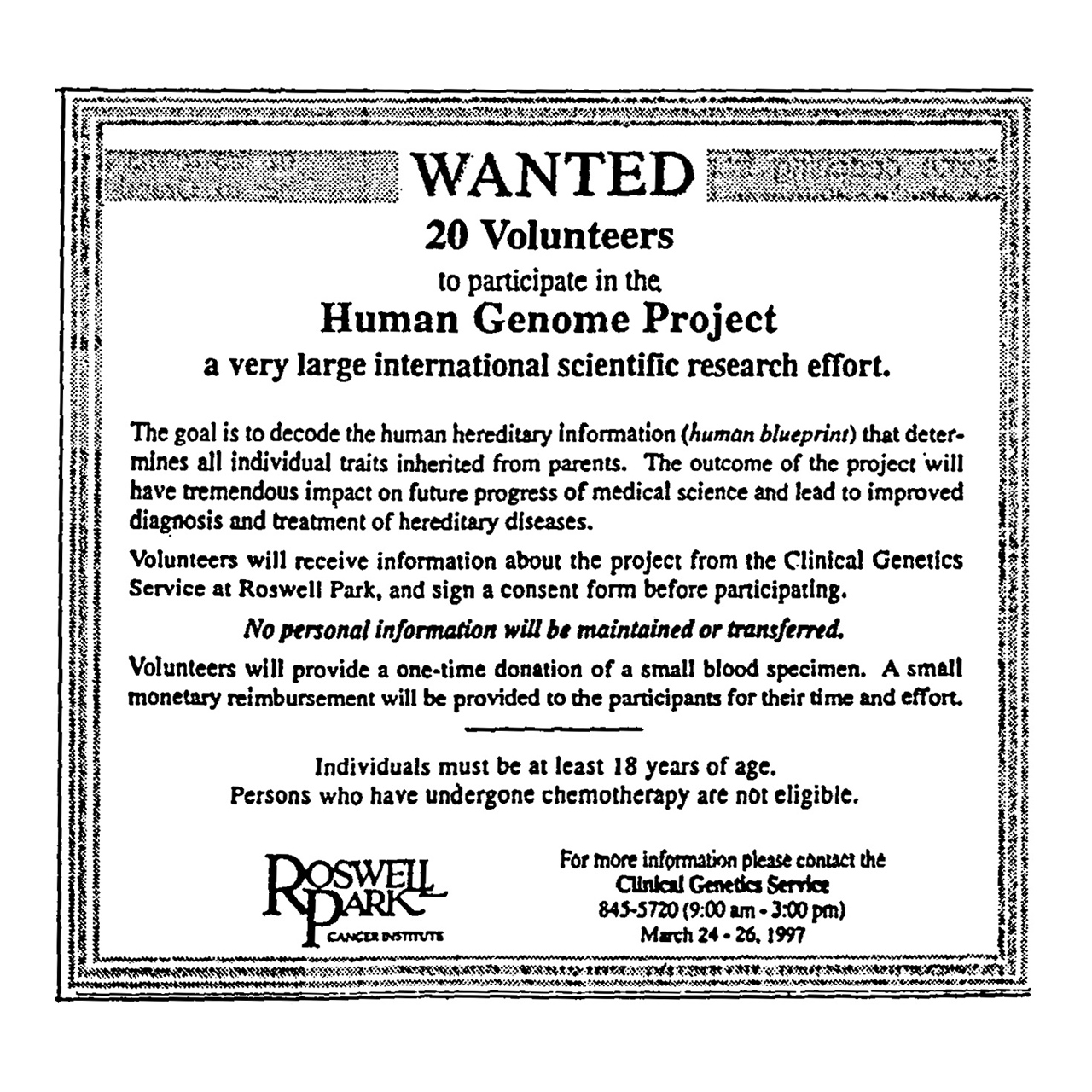
One of Watson's significant contributions was his involvement in the Human Genome Project (HGP), a monumental scientific undertaking aimed at mapping the entire human genome. Initiated in the late 1980s, the HGP sought to provide a comprehensive blueprint of human DNA, which has since revolutionized our understanding of genetics, hereditary diseases, and personalized medicine. Watson assumed the directorship of the National Center for Human Genome Research at the National Institutes of Health in 1988, serving as an influential figure in establishing the project's objectives and securing necessary funding.
Although Watson only led the Human Genome Project for two years, from 1989 until his resignation in 1992, his advocacy and vision helped set the trajectory for one of the most ambitious scientific efforts of the 20th and 21st centuries. His leadership underscored the importance of collaboration between scientists worldwide, as genomics transcends borders, promising a new era of innovation and discovery that affects not only medicine but also areas such as agriculture and anthropology.
Educational Reforms and Influence
Watson's career was also marked by a commitment to educational reform and science outreach. Understanding that future generations of scientists were integral to the progress of research, he devoted efforts to improving science education and promoting academic discourse. While heading Cold Spring Harbor Laboratory, Watson prioritized expanding training programs and symposiums to foster a collaborative environment for aspiring scientists and researchers.
Moreover, Watson was a robust advocate for the unification of teaching and research across scientific disciplines, emphasizing the critical role this synergy plays in advancing knowledge. His drive towards this interdisciplinary approach paved the way for a new generation of researchers equipped to tackle complex global challenges.
One of Watson's ambitious educational reform initiatives came in the form of the DNA Learning Center at Cold Spring Harbor Laboratory, an institution that focuses on molecular genetics education for students and educators. Launched in 1988, the Learning Center aims to inspire young minds to engage with experimental science through hands-on learning and cutting-edge technology demonstrations, aligning with Watson's vision of making science both accessible and engaging.
Watson's Writings and Public Engagement
Beyond his groundbreaking research, James Watson is known for his passion for communicating science to a broader audience. Perhaps his most famous literary work, "The Double Helix," not only documents the tumultuous journey toward the discovery of DNA but also humanizes the scientific pursuit by presenting researchers as real people with flaws and ambitions. The book sparked debates on the ethical dimensions of scientific discovery and the portrayal of colleagues in competitive fields.
However, Watson's writing repertoire extends beyond autobiographical accounts. He authored several other books and articles, propounding scientific understanding and societal implications. Titles like "Molecular Biology of the Gene," a foundational textbook in genetics, reflect Watson's effort to consolidate and disseminate scientific knowledge. Through his writings, Watson shared his insights and perspectives on genetics and biology, seeking to inform both academic audiences and the lay public of the advancements, possibilities, and implications of scientific progress.
Despite his prolific contributions, precise delineation between public engagement and controversy often blurred, complicating his influence on society. In recent years, Watson's declarations on topics ranging from the potential implications of genetic research to contentious social issues have drawn both ire and support, illustrating the complexities scientists face when communicating multifaceted concepts to a multifaceted audience.
The Legacy of a Scientific Pioneer
As we reflect on James Watson's multifaceted career, it becomes evident that his legacy is not merely a singular achievement but an expansive, complicated narrative—a rich tapestry woven from pioneering research, educational advocacy, and sometimes controversial discourse. Watson's contributions to molecular biology, genomics, and scientific communication are undeniable, influenced by an ambition to pursue knowledge and innovation that could reshape societal understanding and application of science.
Despite his pivotal role as a forefather of modern molecular biology, Watson's story navigates the challenging waters between scientific achievement and ethical consideration. It stirs a dialogue on the responsibilities of influential figures in stewarding the growth of knowledge with integrity, ethics, and respect within an interconnected, global community.
Ultimately, Watson’s legacy is a reminder of the profound impact that scientific discoveries have on society, pushing humanity toward new frontiers of inquiry and discovery. As we continue to explore the intricate fabric of life mapped by Watson and his peers, Einstein's notion holds true: "The significant problems we face cannot be solved by the same level of thinking that created them." Watson’s work challenges society to engage with scientific advancements critically, responsibly, and empathetically, ensuring their potential to address some of the most pressing issues facing our world today.
Ethical Considerations and the Role of Scientists
The intertwining of scientific discovery with ethical considerations is a hallmark of James Watson's career, highlighting the complexities faced by scientists wielding knowledge with both promise and peril. Watson’s experience underlines the enduring need for scientists to engage deliberately with the ethical implications of their work, while also considering the broader societal impact their research and positions may have.
The burgeoning field of genetics, propelled by Watson's groundbreaking work, has given rise to ethical dilemmas around genetic privacy, manipulation, and potential discrimination. As scientists unravel genetic sequences with increasing precision, the question of implementing this knowledge in a manner that respects human dignity and individual rights remains paramount. Such concerns have sparked robust debates among scientists, ethicists, and policymakers alike, underscoring the dual nature of genetics as a tool for profound benefit or misuse.
Watson's statements over the years, particularly those related to race and intelligence, highlight the potential for scientific research to be misinterpreted or misused to support unfounded societal biases. These controversies compel scientists to communicate their work's limitations clearly and advocate for research grounded in empirical evidence, devoid of subjective cultural or personal biases. As leaders in discovery, scientists like Watson bear the responsibility of ensuring that their work upholds scientific integrity, advancing knowledge in ways that align with ethical and inclusive standards.
Reflecting on the Evolution of Molecular Biology
The field of molecular biology remains a testament to the far-reaching implications of Watson and Crick's discovery of the DNA double helix. The structure elucidated in 1953 has birthed countless avenues of research, prompting scientists worldwide to explore the genetic mechanisms underpinning life. The boom in molecular biology, more than a half-century later, echoes Watson's foundational influence, as researchers delve into gene editing technologies, genomic medicine, and personalized treatments that offer the potential to combat diseases at their genetic roots.
Advancements like CRISPR-Cas9, a genome editing tool hailed for its precision and versatility, exemplify the profound possibilities anticipated from Watson's early work. The ability to edit DNA sequences with unprecedented accuracy has opened doors to potential treatments for genetic disorders once thought untreatable, spurring hope and ethical questions alike regarding the future of genetic manipulation. As these transformative technologies proliferate, they demand rigorous ethical frameworks to define appropriate use, further complicating the landscape that Watson's discoveries helped shape.
Moreover, the intersection of molecular biology with technology has launched powerful bioinformatics tools that facilitate research at previously unimaginable scales. Exploration of vast genomic datasets, enabled by advancements in computational power, provides insights into disease mechanisms and evolutionary biology. The ongoing evolution in data analysis allows scientists to pose fundamental questions about life, unifying disciplines and exemplifying how Watson's influence pervades modern scientific inquiry.
The Enduring Influence of James Watson
James Watson's scientific trajectory reflects the dual nature of being a pioneer—offering moments of genius alongside instances of human fallibility. His work laid the foundation for revolutionary discoveries encompassing various realms, from understanding fundamental biological processes to redefining medical practice and treatment strategies. However, his narrative is equally a cautionary tale about the imperative of wielding knowledge with responsibility and foresight.
From elucidating the double helix to steering groundbreaking projects, Watson's contributions underscore the power of collaborative scientific exploration to transform theoretical potential into real-world influence. The international collaboration that characterized Watson’s endeavors, notably the Human Genome Project, serves as a template for addressing global challenges through cooperative, interdisciplinary effort.
Even amid controversies, Watson’s story resonates as a dynamic depiction of the enduring dialogue between discovery and ethical stewardship. It invites current and future scientists to carry out their work conscientiously and inclusively, navigating technology's rapid ascent with profound awareness of its implications across diverse societal strata.
As the legacy of James Watson reverberates through laboratories, classrooms, and policy discussions around the world, it becomes clear that the path of scientific exploration is an evolving journey, one that intertwines with humanity's quest for understanding its place in the universe. The narratives of pioneers like Watson are integral to this endeavor, inspiring vigilance, curiosity, and a commitment to progress that not only furthers science but elevates the human condition.
Jean Dausset: The Pioneer of Immunogenetics
The world of medical science has often been marked by transformational figures whose work has dramatically altered our understanding of biology and medicine. One such luminary is Jean Dausset, a French immunologist whose groundbreaking research laid the foundation for modern immunogenetics. As we delve into the remarkable life and legacy of Jean Dausset, we uncover the story of a man whose scientific endeavors have had a profound impact on transplantation medicine and our understanding of the immune system.
Early Life and Education
Jean-Baptiste-Gabriel-Joachim Dausset was born on October 19, 1916, in Toulouse, France. Raised in a family with a medical background — his father was a prominent physician — Dausset developed an early interest in medicine. This natural inclination led him to pursue a medical degree at the University of Paris, where he graduated in 1945. His academic journey was punctuated by World War II, during which he served in the army's medical corps. The experiences gained during these tumultuous times would significantly shape his future research interests.
The Journey to Immunogenetics
After completing his medical training, Dausset embarked on a career path that would eventually lead him to ground-breaking discoveries in the field of immunogenetics. He initially worked as a hematologist, which allowed him to delve into the intricacies of blood and its various components. This aspect of his work would prove instrumental when he later focused on the immune system's role in transplantation and disease.
In the early 1950s, Dausset joined the National Institute of Health and Medical Research (INSERM) in Paris. It was here that he began his pioneering research into the intricacies of antigens and their impact on the immune system. His work was catalyzed by the burgeoning interest in organ transplantation and the enigmatic puzzle of graft rejection, which challenged medical professionals attempting to perfect this life-saving procedure.
The Discovery of Human Leukocyte Antigens (HLA)
Perhaps Jean Dausset's most significant contribution to science was his discovery of the Human Leukocyte Antigen (HLA) system, a critical component of the immune system. In the late 1950s and early 1960s, Dausset's meticulous research led him to identify and describe these unique proteins found on the surface of white blood cells. These antigens play a crucial role in the body's immune response by helping the immune system distinguish between self and non-self tissues.
Dausset's pioneering work demonstrated that the compatibility of these HLA antigens was a determining factor in the success or failure of organ transplants. Before his discovery, organ rejection was an almost insurmountable obstacle, severely limiting the potential of transplantation as a viable medical treatment. His groundbreaking findings paved the way for the development of more successful transplantation techniques by providing a method to match donors and recipients more effectively.
Innovation and Recognition
Jean Dausset's contributions to immunogenetics earned him international acclaim. His discovery of the HLA system opened new avenues for research and understanding, not only in transplantation medicine but also in autoimmune diseases, infectious diseases, and even cancer research. By elucidating how the immune system identifies and reacts to different antigens, Dausset set the stage for immunogenetic studies that have since become crucial for personalized medicine.
In recognition of his monumental work, Dausset was awarded the Nobel Prize in Physiology or Medicine in 1980. Sharing the honor with Baruj Benacerraf and George D. Snell, Dausset's contribution was described as central to the development of immunology as a discipline. His findings had made it clear how genetic factors could influence the immune response — a revelation that has had far-reaching implications in both theoretical and applied fields of medicine.
The Human Polymorphism Study
Beyond the practical applications of his discoveries, Jean Dausset was also deeply involved in the exploration of human genetic diversity. In 1984, he founded the Human Polymorphism Study (CEPH), a global collaborative effort to map human genetic variation. This initiative aimed to explore the genetic diversity of various human populations, ultimately laying the groundwork for what would later become the Human Genome Project. By recognizing the vast diversity in human genetic material, Dausset's work contributed to our understanding of human evolution, disease susceptibility, and the development of targeted therapeutics.
Jean Dausset’s life and career were marked by a commitment to scientific discovery and the betterment of human health. His innovative insights into the immune system and his contributions to the understanding of genetic diversity continue to influence contemporary medical approaches, ensuring that his legacy will endure for generations to come.
Contributions to the Understanding of Autoimmune Diseases
Jean Dausset's discovery of the HLA system was not merely a breakthrough for organ transplantation; it also fundamentally advanced the understanding of autoimmune diseases. Autoimmune diseases occur when the immune system erroneously attacks the body's own cells, mistaking them for foreign invaders. The role of HLA molecules in these processes became a focal point for further study, as researchers sought to unravel the complexities of immune response gone awry.
Dausset's work revealed that certain HLA types were associated with a higher predisposition to specific autoimmune disorders. For example, researchers identified a significant correlation between the presence of certain HLA antigens and diseases such as rheumatoid arthritis, multiple sclerosis, and type 1 diabetes. This correlation has allowed scientists to better understand the genetic factors involved in these conditions, paving the way for new diagnostic and therapeutic strategies. Moreover, the insights gained from Dausset's research have led to the development of HLA typing, which is now a standard practice in diagnosing and predicting the course of these diseases.
Impact on Infectious Disease Research
The implications of Dausset's work extended beyond transplantation and autoimmune conditions, significantly influencing the field of infectious disease research. Understanding the intricacies of the HLA system has been instrumental in studying how different populations respond to infectious agents. This has proven crucial in epidemiological studies, where scientists are examining why certain populations are more susceptible to particular infections.
HLA typing has become an essential tool in the development of vaccines and immunotherapies. The ability to predict immune responses based on HLA characteristics enables researchers to tailor vaccines to be more effective for particular genetic backgrounds. This personalized approach to vaccine development has the potential to enhance immunity in populations with varying HLA compositions, particularly in combating ever-evolving pathogens and pandemics.
Additionally, Dausset's contributions have improved our understanding of how pathogens, including viruses and bacteria, may evolve to escape immune surveillance by exploiting the diversity in HLA types. This knowledge is invaluable for designing strategies to outmaneuver such adaptations, further underscoring the enduring relevance of his pioneering work.
The Human Genome Project and Beyond
Jean Dausset's influence is perhaps most pronounced in his role as a forerunner to the Human Genome Project. By initiating the Human Polymorphism Study, he laid the groundwork for collaborative efforts to map human genetic diversity. This ambitious undertaking brought together researchers from around the world to study and compare the genetic variations among different human populations.
The Human Genome Project, which was launched in 1990, benefited immensely from the foundational insights provided by Dausset's earlier work. This monumental global initiative aimed to determine the complete sequence of the human genome and identify the genes present in human DNA. The project has led to groundbreaking advancements in genomics, providing a blueprint for the human species and enabling unprecedented exploration into genetic diseases, evolutionary biology, and personalized medicine.
Dausset's relentless pursuit of understanding gene polymorphisms has not only enriched the genomic field but also spurred developments in pharmacogenomics — the study of how genes affect a person's response to drugs. This burgeoning area of research seeks to optimize therapy, taking into account individual genetic makeup to enhance drug efficacy and minimize adverse effects. As precision medicine continues to evolve, the influence of Dausset's early contributions is evident in ongoing efforts to tailor medical treatments to individual patients.
A Lifelong Commitment to Medical Ethics and Collaboration
Beyond his scientific achievements, Jean Dausset was a strong advocate for ethical practices in medical research and a proponent of collaborative scientific endeavors. His deep respect for ethical considerations in genetics research was reflected in his commitment to ensuring that advances in science were made ethically and with respect for human dignity. Dausset understood that with great scientific power comes great responsibility — a principle that continues to resonate within research communities today.
Throughout his career, Dausset championed the importance of international collaboration. He recognized that scientific discoveries flourished not in isolation but through the shared efforts and insights of diverse minds. This philosophy was embodied in his leadership of various international research initiatives, reinforcing the necessity of cross-border cooperation to tackle complex scientific challenges.
Legacy and Lasting Influence
Jean Dausset passed away on June 6, 2009, but his legacy endures through the multitude of advancements his work has inspired. His scientific contributions continue to resonate in the fields of immunology, genetics, and personalized medicine, shaping the way researchers approach the human genome and immune system. The techniques and principles he established remain cornerstones of these disciplines, influencing everything from clinical diagnostics to therapeutic interventions.
Dausset's dedication to understanding genetic diversity and its implications has profoundly expanded the horizons of medical science, highlighting the importance of genetic variations in health and disease. His work not only catalyzed critical advancements in medical treatments but also emphasized the need for an ethical framework and collaborative spirit in global scientific research. As researchers continue to explore the complexities of the human immune system and the genetic makeup of populations worldwide, the indelible mark of Jean Dausset's contributions serves as both a guiding light and an inspiration for future scientific endeavors.
The Influence on Transplantation Medicine
Jean Dausset's work on the HLA system revolutionized transplantation medicine, ultimately transforming it from an experimental procedure to a routinely performed and often life-saving therapy. Organ transplants — including those of kidneys, livers, and hearts — are now common thanks to the deeper understanding of histocompatibility that Dausset’s research facilitated. By enabling accurate matching of donor and recipient HLA profiles, his work significantly reduced the rates of organ rejection and improved transplant success rates.
Prior to his discovery, organ rejection was a major barrier to the advancement of transplantation. Patients often experienced severe immune responses against the transplanted organs, leading to life-threatening complications. Dausset's breakthrough highlighted the importance of matching HLA types, making it possible to identify compatible donors, reducing the likelihood of rejection, and improving patient outcomes. This has allowed medical practitioners to extend the lives of countless individuals who would otherwise face limited options due to organ failure or disease.
Furthermore, Dausset's research has informed the development of immunosuppressive therapies, necessary for managing the immune responses post-transplant. These medications, tailored to patient-specific genetic makeups, have made it possible to balance the necessary suppression of immune reactions while retaining overall immune function. The careful application of Dausset’s pioneering work continues to ensure greater success rates and longevity of transplanted organs, underscoring the enduring impact of his contributions.
Educational and Institutional Contributions
Dausset’s commitment to science extended beyond his own research to include significant contributions to scientific education and research infrastructure. Recognizing the importance of fostering new generations of scientists, Dausset was heavily involved in academic mentoring and played an instrumental role in leading research institutions. He held faculty positions at prestigious universities and contributed to the training of numerous immunologists, guiding them to make their own significant contributions to the field.
In addition to his role as an educator, Dausset was instrumental in establishing institutions that became key players in scientific research. He founded the Foundation Jean Dausset-CEPH, ensuring the continuation of genetic polymorphism studies and fostering new discoveries in genomics and immunology. This institution has been vital in pooling genetic data from diverse populations, thus continuing to build on the foundational work Dausset began. By creating a collaborative space for genetic research, he facilitated the sharing of knowledge and resources essential for tackling complex biological questions.
Public Engagement and Scientific Communication
Jean Dausset not only excelled in the lab but also in his ability to communicate complex scientific ideas to the public. Understanding that public engagement was critical for the advancement of science, he often spoke about the implications of his research and the moral responsibilities of scientists. He championed the importance of public understanding of scientific concepts, particularly with regard to genetics and immunology.
Through lectures, publications, and public appearances, Dausset tirelessly worked to make science accessible and relatable. His ability to demystify the intricacies of the immune system and genetic diversity allowed the public to appreciate the significance of scientific progress and its impact on everyday health. By fostering an informed public dialogue, Dausset helped lay the groundwork for greater societal acceptance and support of scientific research, including the crucial ethical debates surrounding genetic studies and medical experimentation.
The Future Shaped by Dausset's Legacy
While Jean Dausset's direct contributions came to a close with his passing, the future of medical science continues to be profoundly shaped by the legacy he left behind. The principles he established and the questions he posed remain at the forefront of contemporary research in immunology and genetics. Ongoing advancements in fields such as precision medicine and genetic engineering continue to build on the foundations he laid.
As personalized medicine becomes an increasingly prominent aspect of healthcare, Dausset's pioneering work on the HLA system is ever more relevant. By elucidating how individual genetic makeup affects disease susceptibility and treatment responses, ongoing research strives to deliver medical care that is more effective and tailored to each patient. These advancements underscore the timeless value of Dausset’s contributions to the field, as scientists endeavor to address new challenges in healthcare.
In conclusion, Jean Dausset’s immense impact on science and medicine is a testament to his visionary research and enduring legacy. His innovative spirit, ethical considerations, and collaborative efforts have not only redefined our understanding of the immune system but have also helped save countless lives through the advancements in medical science derived from his work. As we continue to explore the intricacies of human biology, the scientific community stands on the shoulders of giants like Jean Dausset, whose profound contributions remain a beacon guiding future generations toward new frontiers of discovery.