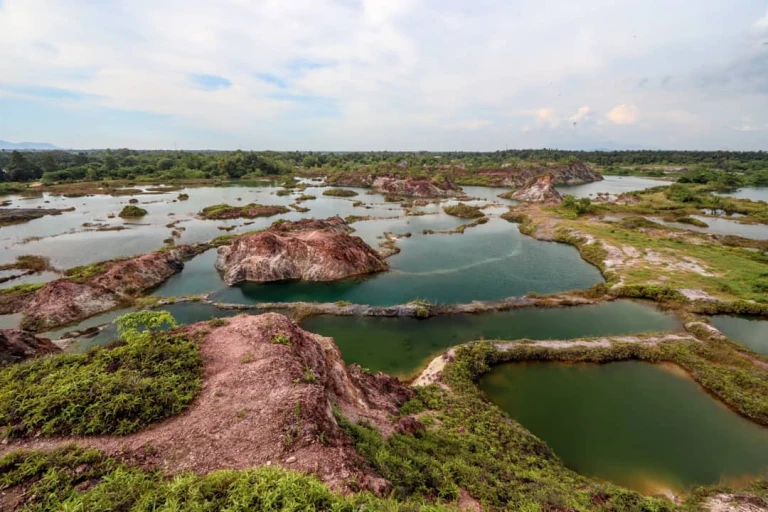
Kazan: A Historical Journey Through Russia's Third Capital
Introduction to Kazan
Kazan, the capital of Tatarstan in Russia's Volga region, is a city steeped in history and cultural diversity. Founded around 1005, Kazan has evolved from a small outpost to a bustling metropolis, often referred to as "Russia's Third Capital" after Moscow and St. Petersburg. This article delves into the rich history, cultural significance, and modern developments of Kazan, offering a comprehensive overview of this fascinating city.
Early History and Founding
The origins of Kazan trace back to the early 12th century as an outpost of Volga Bulgaria. The city was officially founded around 1005 by the Mongols (Tatars) of the Golden Horde after the overthrow of the Volga Bulgar kingdom. By the late 14th century, Kazan had relocated to its current site at the mouth of the Kazanka River.
The Golden Horde and Kazan Khanate
Under the Golden Horde, Kazan flourished as a political, military, and commercial center. By 1399, the city was minting its own coins, a testament to its growing economic importance. The Kazan Khanate, established in 1437–1438 under Khan Oluğ Möxämmäd, marked a significant period in Kazan's history. The city became a major trade hub, dealing in leather, gold, furniture, pottery, weapons, and armor, with connections to Moscow, Crimea, Turkey, and Persia.
Conquest by Ivan IV
The conquest of Kazan by Ivan IV "the Terrible" in 1552 was a pivotal moment. After a seven-week siege with 150,000 troops, Kazan fell to Russian forces. The city was subsequently Russianized, with the Tatar fortress rebuilt as a stone kremlin starting in 1556. The kremlin, with its 1,800-meter walls and 13 towers, stands as a testament to this transformative period.
Population and Demographic Changes
The population of Kazan has undergone significant changes over the centuries. In 1550, the city had approximately 50,000 inhabitants. By 1897, the population had grown to 130,000, with 22% being Tatar. The city faced a decline in 1708 with around 40,000 residents but rebounded to reach 1 million by 1979.
Modern Population Trends
Today, Kazan is home to approximately 1.3 million people in its metropolitan area, with Tatars making up about 50% of the population. This demographic shift reflects the city's commitment to ethnic harmony and cultural diversity.
Cultural and Historical Landmarks
Kazan is renowned for its cultural and historical landmarks, which attract tourists from around the world. The Kazan Kremlin, a UNESCO World Heritage site since 2000, is a prime example. This iconic fortress preserves layers of history from the Volga Bulgaria through the Khanate eras.
The Kazan Kremlin
The Kazan Kremlin is a symbol of the city's rich history. Its white walls and towers, along with the 18th-century Cathedral of St. Peter and Paul, create a striking skyline that blends Islamic and Russian architectural influences. The kremlin serves as a reminder of Kazan's transformation from a Tatar stronghold to a Russian cultural center.
Taş Ayaq Market Legacy
Another notable landmark is the Taş Ayaq market, which has played a significant role in Kazan's economic and cultural life. This historic market continues to be a vibrant hub for trade and cultural exchange, reflecting the city's diverse heritage.
Conclusion of Part 1
In this first part of our exploration of Kazan, we have delved into the city's early history, its transformation under Russian rule, and its demographic changes. We have also highlighted some of the key cultural and historical landmarks that make Kazan a unique and fascinating destination. Stay tuned for Part 2, where we will continue our journey through the history and modern developments of this remarkable city.
Kazan in the 17th and 18th Centuries: Economic Growth and Rebuilding
After the conquest by Ivan IV, Kazan entered a period of economic prosperity in the 17th century. Despite restrictions on Tatars, such as being forbidden from entering the kremlin, the city became a thriving manufacturing hub. Trade flourished, and Kazan's strategic location along the Volga River made it a key player in Russia's expanding economy.
Pugachev's Revolt and Catherine the Great's Reforms
The late 18th century brought significant challenges and changes to Kazan. Pugachev's Revolt (1773–1774) devastated much of the city, leading to widespread destruction. However, under the reign of Catherine the Great, Kazan was rebuilt on a grid pattern, reflecting modern urban planning principles of the time. Catherine's reforms also included allowing the construction of mosques, which helped ease some of the discriminatory policies against Tatars.
Cultural Renaissance in the 18th Century
One of the most notable cultural developments during this period was the opening of Russia's first permanent Tatar theater in 1791. This marked a significant milestone in the preservation and promotion of Tatar culture and the arts. The theater became a symbol of Kazan's commitment to cultural diversity and artistic expression.
Kazan in the 19th Century: Industrialization and Educational Advancements
The 19th century saw Kazan evolve into a center of industrialization and education. The city's population grew rapidly, and its economic significance within the Russian Empire continued to expand. Kazan became known for its textile, leather, and metalworking industries, which drove economic growth and attracted a diverse workforce.
Establishment of Kazan University
A pivotal moment in Kazan's educational history was the founding of Kazan Imperial University in 1804. This institution quickly gained a reputation as one of Russia's leading centers of higher education and research. Notable alumni and faculty, including Nikolai Lobachevsky, a pioneer in non-Euclidean geometry, contributed to Kazan's intellectual legacy.
- Industrial Growth: Kazan's industries, particularly in textiles and metalworking, flourished, making it a key economic player in the Volga region.
- Educational Excellence: The establishment of Kazan University attracted scholars and students from across Russia, fostering a culture of innovation and learning.
- Cultural Diversity: The city's growing population included Russians, Tatars, and other ethnic groups, contributing to a rich cultural tapestry.
Transportation and Infrastructure Developments
The 19th century also saw significant improvements in Kazan's infrastructure. The construction of railways connected Kazan to major Russian cities, facilitating trade and travel. The Volga River remained a vital transportation route, further enhancing the city's role as a commercial hub.
The 20th Century: Revolution, War, and Soviet Era Transformations
The 20th century brought dramatic changes to Kazan, shaped by revolution, war, and the policies of the Soviet Union. The October Revolution of 1917 marked the beginning of a new era, with Kazan becoming a focal point in the struggle between the Bolsheviks and the White Army.
The October Revolution and Civil War
In 1918, the White Army briefly captured Kazan, but the Bolsheviks ultimately seized control, along with the city's tsarist gold reserves. This victory solidified Bolshevik control over the region and set the stage for Kazan's integration into the Soviet state.
Industrialization and World War II
During the Soviet era, Kazan became a major industrial center, particularly in the production of tanks and aircraft during World War II. The city's factories played a crucial role in supporting the Soviet war effort, contributing to the eventual victory over Nazi Germany.
"Kazan's industrial output during World War II was vital to the Soviet Union's success, with factories producing essential military equipment that helped turn the tide of the war."
Post-War Development and Scientific Advancements
After the war, Kazan continued to grow as a scientific and educational hub. The city's universities and research institutions made significant contributions to various fields, including chemistry, physics, and engineering. Kazan's reputation as a center of learning and innovation was further solidified during this period.
Cultural and Religious Harmony in Kazan
Throughout its history, Kazan has been a melting pot of cultures and religions. The city's unique blend of Tatar and Russian influences is evident in its architecture, cuisine, and traditions. This cultural harmony has been a defining characteristic of Kazan, setting it apart from other Russian cities.
The Kazan Kremlin: A Symbol of Unity
The Kazan Kremlin is a prime example of this cultural synthesis. The fortress houses both the Kul Sharif Mosque, one of the largest mosques in Russia, and the Annunciation Cathedral, a stunning example of Russian Orthodox architecture. This coexistence of Islamic and Christian landmarks within the same complex symbolizes Kazan's commitment to religious tolerance and unity.
Festivals and Cultural Events
Kazan is renowned for its vibrant festivals and cultural events, which celebrate the city's diverse heritage. The Sabantuy festival, a traditional Tatar celebration, and the Kazan International Festival of Muslim Cinema are just a few examples of the city's rich cultural calendar. These events attract visitors from around the world, showcasing Kazan's unique blend of traditions.
- Sabantuy Festival: A traditional Tatar festival celebrating the end of spring sowing, featuring games, music, and cultural performances.
- Kazan International Festival of Muslim Cinema: A platform for showcasing films that explore Islamic culture and values.
- Kazan Kremlin Festivals: Regular events held within the kremlin, celebrating the city's history and cultural diversity.
Conclusion of Part 2
In Part 2 of our exploration of Kazan, we have delved into the city's economic growth in the 17th and 18th centuries, its industrial and educational advancements in the 19th century, and the transformative events of the 20th century. We have also highlighted Kazan's commitment to cultural and religious harmony, which continues to define the city today. Stay tuned for Part 3, where we will explore Kazan's modern developments, its role as a sports and tourism hub, and its future prospects.
Modern Kazan: A Thriving Metropolis in the 21st Century
As Kazan entered the 21st century, it solidified its reputation as a dynamic, forward-thinking city while preserving its rich historical legacy. Today, Kazan is a vibrant metropolis that seamlessly blends tradition and innovation, making it one of Russia's most important cultural, economic, and educational centers.
Millennium Celebrations and UNESCO Recognition
In 2005, Kazan celebrated its millennium, marking 1,000 years since its founding. This milestone was not only a celebration of the city's past but also an affirmation of its enduring significance. The Kazan Kremlin, designated a UNESCO World Heritage Site in 2000, stands as a testament to the city's layered history, from its Volga Bulgar and Golden Horde roots to its Russian Imperial and Soviet eras.
Economic and Industrial Growth
Kazan's economy has diversified significantly in recent decades. While traditional industries like manufacturing and petrochemicals remain strong, the city has also embraced technology and innovation. The Innopolis special economic zone, located near Kazan, has become a hub for IT and tech startups, attracting investment and talent from across Russia and beyond.
- Innopolis: A high-tech city focused on IT development, research, and education, often referred to as Russia's "Silicon Valley."
- Petrochemical Industry: Kazan remains a key player in Russia's oil and gas sector, with major refineries and production facilities.
- Manufacturing: The city's factories produce everything from aircraft and helicopters to consumer goods.
Kazan as a Global Sports and Tourism Hub
In recent years, Kazan has gained international recognition as a major sports and tourism destination. The city's state-of-the-art facilities and vibrant cultural scene have made it a favorite for hosting global events, drawing visitors from around the world.
Major International Sporting Events
Kazan's reputation as a sports capital was cemented with its successful hosting of the 2013 Summer Universiade, a multi-sport event that attracted 10,000 athletes from over 160 countries. The city's modern Universiade Village and sports venues have since become landmarks.
In 2018, Kazan was one of the host cities for the FIFA World Cup, with matches held at the Kazan Arena, a stunning stadium with a capacity of 45,000. The city's ability to host such high-profile events underscores its status as a world-class sports destination.
Tourism and Cultural Attractions
Beyond sports, Kazan's tourism industry has flourished, thanks to its rich cultural heritage and modern attractions. The Kazan Kremlin, Bauman Street (a pedestrian zone lined with shops and cafes), and the Temple of All Religions (a unique architectural complex) are among the city's most visited sites.
"Kazan is a city where history and modernity coexist harmoniously. Its ability to preserve the past while embracing the future makes it a truly unique destination."
- Kazan Kremlin: A UNESCO-listed fortress offering museums, mosques, and panoramic views of the city.
- Bauman Street: The heart of Kazan's social life, known for its lively atmosphere, street performers, and historic buildings.
- Temple of All Religions: An eclectic architectural marvel representing multiple world religions, symbolizing Kazan's multiculturalism.
Education and Innovation: Kazan's Intellectual Legacy
Kazan has long been recognized as a center of education and intellectual achievement. The city's universities and research institutions continue to produce groundbreaking work, attracting students and scholars from across Russia and the world.
Kazan Federal University
Founded in 1804, Kazan Federal University is one of Russia's oldest and most prestigious institutions of higher learning. It has produced numerous notable alumni, including Leo Tolstoy, who studied there, and Nikolai Lobachevsky, a pioneer in non-Euclidean geometry. Today, the university is a leader in research and innovation, with strong programs in medicine, physics, and humanities.
Scientific and Technological Advancements
Kazan's commitment to scientific research is evident in its numerous institutes and innovation hubs. The city is home to the Kazan Scientific Center of the Russian Academy of Sciences, which conducts cutting-edge research in fields such as chemistry, biology, and engineering. Additionally, the Innopolis University, located in the nearby tech city, focuses on IT, robotics, and cybersecurity.
Kazan's Role in Promoting Multiculturalism and Ethnic Harmony
One of Kazan's most defining features is its commitment to multiculturalism and ethnic harmony. The city's population is a blend of Tatars, Russians, and other ethnic groups, creating a unique cultural mosaic that is celebrated and preserved.
Tatarstan's Autonomy and Cultural Revival
Since the fall of the Soviet Union, the Republic of Tatarstan has enjoyed a degree of autonomy that has allowed it to promote and preserve Tatar language, culture, and traditions. Kazan has been at the forefront of this revival, with initiatives aimed at bilingual education, cultural festivals, and the restoration of historic sites.
Religious Tolerance and Coexistence
Kazan is often cited as a model of religious tolerance. The city is home to both Islamic and Christian landmarks, including the Kul Sharif Mosque and the Annunciation Cathedral, which stand side by side within the Kazan Kremlin. This coexistence is a powerful symbol of the city's commitment to peaceful interfaith relations.
Future Prospects: Kazan's Vision for the 21st Century
As Kazan looks to the future, it continues to build on its strengths while addressing the challenges of urban growth and globalization. The city's leadership has outlined ambitious plans to further develop its infrastructure, economy, and cultural offerings.
Urban Development and Smart City Initiatives
Kazan is embracing smart city technologies to improve the quality of life for its residents. Initiatives include the development of intelligent transportation systems, energy-efficient buildings, and digital governance tools. These efforts aim to make Kazan a more sustainable and livable city.
Expanding Tourism and Global Connectivity
The city is also focused on expanding its tourism industry by enhancing its hospitality infrastructure and promoting its cultural heritage. New hotels, museums, and cultural centers are being developed to attract more international visitors. Additionally, improvements in transportation, including the expansion of Kazan International Airport, are making the city more accessible to global travelers.
Conclusion: Kazan's Enduring Legacy and Bright Future
Kazan is a city that has continually reinvented itself while staying true to its roots. From its founding as a Volga Bulgar outpost to its rise as a modern metropolis, Kazan has navigated centuries of change with resilience and adaptability. Today, it stands as a beacon of cultural harmony, economic vitality, and intellectual achievement.
The city's ability to preserve its history while embracing innovation and progress makes it a unique and inspiring example for cities worldwide. As Kazan moves forward, it remains committed to fostering ethnic and religious harmony, driving economic growth, and enhancing its global standing as a cultural and educational hub.
For visitors, Kazan offers a rich tapestry of experiences, from exploring the ancient walls of the Kazan Kremlin to enjoying the vibrant atmosphere of Bauman Street. For residents, it provides a dynamic and inclusive environment where tradition and modernity coexist seamlessly. As we look to the future, Kazan's story is far from over—it is a city on the rise, poised to make an even greater impact on the world stage.
"Kazan is more than just a city; it is a living testament to the power of cultural diversity, historical resilience, and forward-thinking innovation."
Exploring Brussels: A Journey Through the Heart of Europe
Introduction to Brussels
Brussels, the capital of Belgium and the de facto capital of the European Union, is a city of contrasts, blending medieval charm with modern sophistication. Known for its stunning architecture, rich history, and culinary delights, Brussels is a destination that captivates visitors from around the world. Whether you're wandering through its cobblestone streets, admiring its grand squares, or indulging in its world-famous chocolates and waffles, Brussels offers an unforgettable experience.
A Brief History of Brussels
Brussels has a storied past that dates back to the 10th century when it was a small settlement along the Senne River. Over the centuries, it grew into a prosperous trading hub, thanks to its strategic location in the heart of Europe. By the Middle Ages, Brussels had become a center of commerce and culture, with its iconic Grand Place serving as the focal point of the city.
The city's history is marked by periods of prosperity and upheaval, including Spanish and Austrian rule before becoming part of the newly independent Belgium in 1830. Today, Brussels is not only the capital of Belgium but also a key player in global politics, hosting the headquarters of NATO and the European Union.
The Grand Place: A Masterpiece of Gothic Architecture
No visit to Brussels is complete without a stop at the Grand Place (Grote Markt), a UNESCO World Heritage Site and one of the most beautiful squares in Europe. Surrounded by opulent guildhalls, the Town Hall, and the King's House (now the Museum of the City of Brussels), the Grand Place is a testament to the city's medieval grandeur.
The square comes alive during special events, such as the biennial Flower Carpet, where over half a million begonias are arranged into intricate designs, or during the Christmas market when it transforms into a winter wonderland.
Manneken Pis: The Symbol of Brussels' Wit
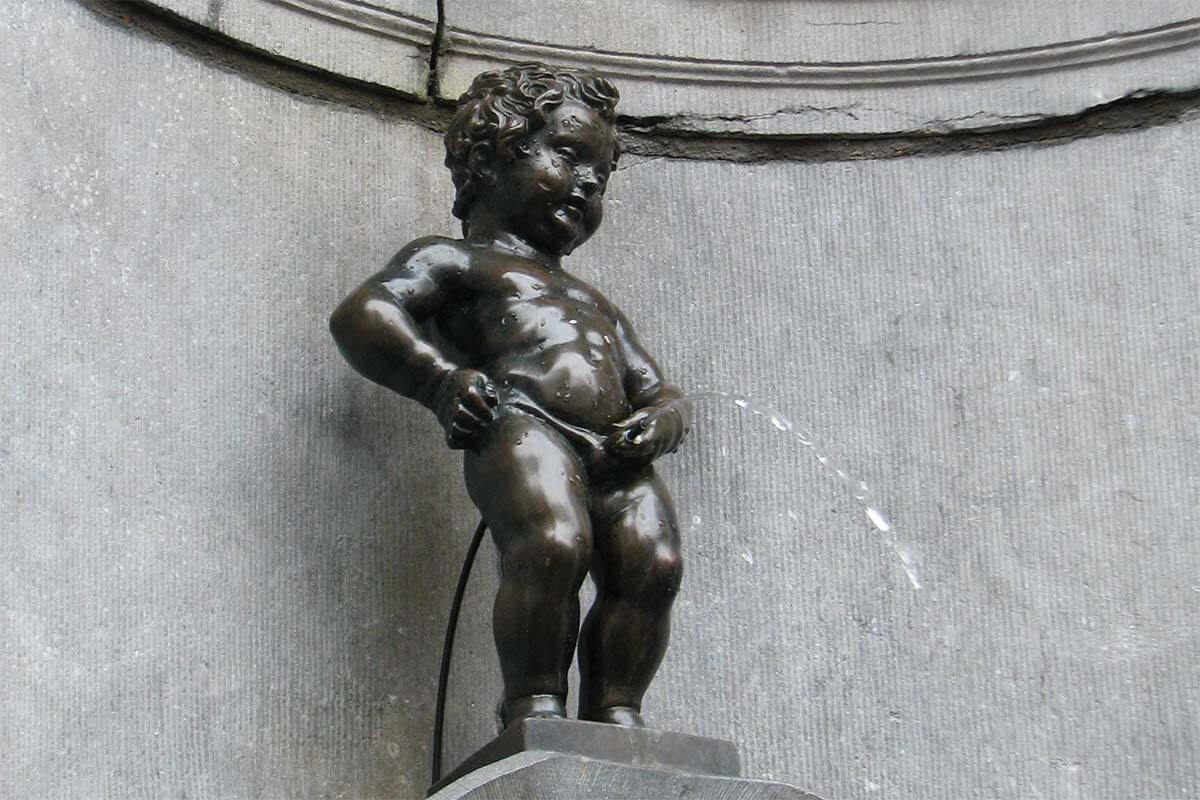
A short walk from the Grand Place, you'll find one of Brussels' most famous (and quirky) landmarks: the Manneken Pis. This small bronze statue of a urinating boy has become an enduring symbol of the city's irreverent sense of humor. Over the years, the statue has been dressed in hundreds of costumes, reflecting everything from historical figures to pop culture icons.
While the original statue dates back to the 17th century, its exact origins remain shrouded in legend. Some say it commemorates a boy who saved the city from disaster, while others believe it represents the rebellious spirit of Brussels.
Brussels' Culinary Delights
Brussels is a paradise for food lovers, offering a blend of hearty Belgian classics and international influences. Here are some must-try dishes:
Belgian Waffles
No visit to Brussels is complete without indulging in a freshly made Belgian waffle. Whether you prefer the lighter Brussels waffle or the denser Liège waffle, experts recommend trying them with a dusting of powdered sugar, whipped cream, or fresh fruit.
Moules-Frites
This iconic dish of mussels steamed in white wine and served with crispy fries is a Belgian staple. Pair it with a local beer for the ultimate Brussel dining experience.
Chocolate and Pralines
Brussels is home to some of the world's finest chocolatiers, including Godiva, Neuhaus, and Pierre Marcolini. A visit to a chocolate shop is a must, where you can sample pralines filled with ganache, nuts, or fruit.
Art and Culture in Brussels
Brussels boasts an impressive array of museums and cultural institutions, catering to all interests.
Royal Museums of Fine Arts
This complex houses an extensive collection of works by Flemish masters such as Rubens, Bruegel, and Van Dyck, as well as modern and contemporary art.
Magritte Museum
Dedicated to the surrealist artist René Magritte, this museum showcases his dreamlike paintings, offering insight into his imaginative world.
Comics Art Museum
Belgium is famous for its comic book culture, and this museum pays tribute to beloved characters like Tintin, the Smurfs, and Lucky Luke.
Brussels' Unique Neighborhoods
Beyond the tourist hotspots, Brussels is a city of diverse neighborhoods, each with its own character.
Sablon
Known for its antique shops and upscale cafés, Sablon is a great place to explore Brussels' elegant side. Don't miss the weekend antique market at Place du Grand Sablon.
Saint-Gilles
This bohemian district is a hub of art and creativity, with colorful Art Nouveau buildings and a lively cultural scene.
Marolles
Famous for its flea market at Place du Jeu de Balle, Marolles is a great spot to hunt for vintage treasures and soak up the local atmosphere.
Conclusion (For Now)
Brussels is a city that effortlessly blends history, culture, and gastronomy, offering something for every traveler. In the next part of this article, we'll delve deeper into Brussels' political significance, its green spaces, and its vibrant festivals. Stay tuned! Segue a segunda parte do artigo, sem repetir o H1 e com aproximadamente 1200 caracteres.
**A Importância Política de Bruxelas**
Bruxelas não é apenas a capital da Bélgica, mas também o centro político da União Europeia. A cidade abriga instituições fundamentais, como a Comissão Europeia, o Parlamento Europeu e o Conselho da União Europeia, tornando-se um epicentro de decisões que impactam todo o continente.
Além disso, a sede da OTAN também está localizada em Bruxelas, reforçando seu papel como um hub diplomático global. A presença de embaixadas, organizações internacionais e lobistas faz da cidade um ponto de encontro para líderes mundiais e especialistas em política.
**Os Espaços Verdes de Bruxelas**
Apesar de ser uma metrópole movimentada, Bruxelas oferece diversos parques e áreas verdes para relaxar. O Parque do Cinquentenário, com seu arco triunfal, é um local popular para passeios e eventos culturais. Já o Parque de Bruxelas, próximo ao Palácio Real, é um refúgio tranquilo no coração da cidade.
Outro destaque é a Floresta de Soignes, uma vasta área natural perfeita para caminhadas, ciclismo e observação da vida selvagem. Esses espaços mostram como Bruxelas equilibra urbanização e natureza.
**Festivais e Eventos Culturais**
Bruxelas é uma cidade vibrante, com festivais que celebram música, arte e gastronomia. O Brussels Jazz Festival atrai amantes do gênero, enquanto o Flower Carpet, como mencionado anteriormente, transforma a Grand Place em um espetáculo floral.
Durante o inverno, os mercados de Natal iluminam a cidade, oferecem comidas típicas e artesanato local. Esses eventos reforçam a cultura diversificada e acolhedora de Bruxelas.
**Transporte e Acessibilidade**
A cidade possui um sistema de transporte eficiente, incluindo metrô, bondes e ônibus, facilitando a locomoção. Além disso, sua localização central na Europa torna Bruxelas um ótimo ponto de partida para explorar outros destinos, como Bruges, Antuérpia ou Amsterdã.
**Próximos Tópicos**
Na terceira parte deste artigo, exploraremos os museus menos conhecidos de Bruxelas, a vida noturna da cidade e dicas para quem deseja se mudar para a capital belga. Fique atento!
Hidden Gems: Brussels' Lesser-Known Museums
Beyond its famous institutions, Brussels boasts fascinating niche museums that offer unique cultural experiences. The Musical Instruments Museum (MIM) houses over 8,000 instruments across four floors, with audio guides that let you hear historic pieces come to life. Another standout is the Sewer Museum, an unusual attraction located in actual underground tunnels that explores Brussels' complex wastewater system since the Middle Ages.
For science enthusiasts, the Museum of Natural Sciences dazzles with Europe's largest dinosaur gallery, including 30 complete iguanodon skeletons. The Wiertz Museum, dedicated to the dramatic Romantic works of Antoine Wiertz, provides insight into 19th-century Belgian art often overlooked by tourists. These hidden cultural treasures demonstrate Brussels' depth beyond its most famous landmarks.
Brussels by Night: A Vibrant Nightlife Scene
When the sun sets, Brussels transforms into a playground for night owls. The Rue des Bouchers area comes alive with lively bars and traditional estaminets (Belgian taverns), perfect for sampling local beers. For cocktails with a view, head to the eclectic rooftop bars springing up across the city center.
Electronic music fans will appreciate Fuse, one of Europe's top techno clubs that has hosted world-famous DJs since 1994. Jazz lovers shouldn't miss L'Archiduc, an art deco gem where legends like Miles Davis once performed. The Saint-Boniface neighborhood offers more alternative nightlife, with intimate live music venues and quirky bars hidden in converted homes.
Living in Brussels: An Expat's Perspective
With its international community, Brussels ranks among Europe's most livable cities for expatriates. The European Quarter attracts young professionals, while families favor suburban communes like Woluwe-Saint-Pierre for their excellent schools and green spaces.
Navigating Brussels' complex administrative systems can be challenging, with its bilingual French-Dutch requirements, but numerous expat communities offer support. The city provides excellent healthcare and relatively affordable housing compared to other European capitals, especially outside the prime neighborhoods.
Day Trips from Brussels
Brussels' central location makes it perfect for exploring Belgium's diverse regions:
- Gent - A medieval water-city with striking architecture and vibrant student life (40 minutes by train)
- Leuven - Historic university town with Belgium's oldest botanical garden (25 minutes by train)
- Waterloo - Site of Napoleon's famous defeat, complete with panoramic memorial (30 minutes by car)
- Dinant - Picturesque town on the Meuse River known for its cliffside citadel (90 minutes by train)
Practical Tips for Visitors
To make the most of your Brussels experience:
- Buy a Brussels Card for free museum access and public transport
- Learn basic French phrases as locals appreciate the effort
- Avoid restaurants directly on the Grand Place for better value
- Visit mid-week when tourist crowds are thinner
- Explore beyond the center to discover authentic Brussels
A City of Endless Discovery
Brussels defies easy categorization - it's simultaneously a political powerhouse, artistic hub, culinary capital, and living museum. Its charm lies in the contrast between grand institutions and quirky neighborhood character, between Flemish and Walloon influences, between tradition and modernity. Whether you come for a weekend or stay for years, Brussels continually reveals new layers to explore - from hidden art nouveau facades to unexpectedly delightful frites stands in back alleys. The city invites you to wander without agenda, to taste without restraint, and to embrace its beautifully chaotic spirit that somehow makes perfect sense. In Brussels, the ordinary becomes extraordinary, and every visit writes its own unique story in this living crossroads of European culture.
[End of Article]

Rijeka: A Historical and Cultural Tapestry
Nestled along the sparkling coast of the Adriatic Sea, Rijeka is Croatia's third-largest city and a trove of historical and cultural richness. This vibrant city, often overshadowed by the more tourist-centric destinations along the Dalmatian coast, offers a unique blend of influences that date back centuries. From its Roman roots to its role as a key seaport in the Austro-Hungarian Empire, Rijeka has been shaped by a myriad of cultural currents and historical events.
The Ancient Beginnings
The story of Rijeka begins in ancient times. The earliest settlements in this area can be traced back to the pre-Roman period, around 1000 BC, when the region was inhabited by the Histri and Liburnians, Illyrian tribes known for their seafaring skills. By the time the Roman Empire extended its reach into the area, Rijeka was known as Tarsatica, serving as an important trading post.
The remnants of this Roman past can still be seen today. A notable example is the Roman arch, or gate, which stands in the old part of the city, though its original purpose and date remain a bit of a mystery. It has come to symbolize the city's ancient heritage, serving as a gateway not just to Rijeka's historical past but also to its rich tapestry of cultures and traditions.
The Medieval Tapestry
The fall of the Roman Empire saw Rijeka enter a turbulent period characterized by shifting allegiances and control. The Middle Ages saw Rijeka transform into a bustling medieval town. By the 13th century, it had adopted the name Rijeka, derived from the Croatian word for "river," marking the natural feature that divides the city and provides a lifeline.
During this era, Rijeka was often contested by powerful neighboring states. The city came under the influence of the Hungarian crown and, subsequently, the Habsburg Monarchy. The Habsburgs, recognizing the strategic importance of Rijeka as a port city, invested heavily in its development. In the 16th century, Rijeka began to rise as a significant trading hub due to its prime location at the crossroads of European trade routes.
The medieval era left its mark on Rijeka's architecture and urban landscape. One of the most iconic structures from this period is the Trsat Castle. Perched on a hill overlooking the city, the castle offers a window into Rijeka's feudal past. Originally built by the Frankopan family, a noble lineage with ties across Croatia, the castle has been a silent witness to countless historical upheavals and now serves as a cultural and tourist attraction.
The Austro-Hungarian Influence
The 18th and 19th centuries heralded a transformative era for Rijeka under the auspices of the Austro-Hungarian Empire. This period saw the city's rise as a major port and industrial center. The empire's investment was motivated by the need for an economic powerhouse in the region, leading to significant urban development and industrialization.
Rijeka's shipbuilding industry boomed during this time, placing the city on the international map. Its docks and warehouses thrived as significant conduits for the trade of goods such as timber, coal, and diverse maritime products. This era of prosperity also brought about cultural and civic developments, with the construction of prominent public buildings, theaters, and museums.
The architectural landscape of Rijeka was indelibly shaped by the Austro-Hungarian period. The Governor's Palace, an edifice of neoclassical grandeur, stands as a testament to this influence. Designed by the Hungarian architect Alajos Hauszmann in the late 19th century, it now houses the Maritime and History Museum of the Croatian Littoral, offering a historical narrative of Rijeka's maritime legacy.
Twentieth Century Tumult
As the 20th century dawned, Rijeka found itself at the epicenter of geopolitical upheavals that would transform its identity yet again. The fall of the Austro-Hungarian Empire after World War I led to a complex and contentious period in Rijeka's history. The city was claimed by Italy, the Kingdom of Serbs, Croats, and Slovenes, and self-proclaimed as an independent entity under the Italian poet Gabriele D'Annunzio for a brief period during the so-called Free State of Fiume.
Eventually, the Treaty of Rome in 1924 divided the city, awarding Rijeka (known as Fiume) to Italy and the surrounding area to the Kingdom of Serbs, Croats, and Slovenes. This division was further complicated by the onset of World War II, which saw Rijeka suffer occupation and significant infrastructural damage.
The conclusion of World War II and the subsequent formation of socialist Yugoslavia brought Rijeka under the Republic of Croatia within the federation. The city experienced rapid rebuilding and modernization efforts, becoming a symbol of industrial prowess within the Yugoslav framework. Nevertheless, this period also saw demographic shifts and socio-political changes, with many Italian residents leaving and a local focus on industrial development.
Rijeka in the Yugoslav Era
Rijeka's journey through the Yugoslav era was marked by industrial growth and massive urbanization that changed the city's landscape and demographic profile. The socialist government championed infrastructure development, aiming to transform Rijeka into an industrial hub. The city became a pivotal part of Yugoslavia’s economy, especially noted for its contributions to shipbuilding, oil refining, and manufacturing.
The working-class ethos defined much of Rijeka's mid-20th-century identity. With shipyards like "3. Maj," established in 1947, and other industries providing employment, the city attracted labor from all over the former Yugoslavia. The resulting population surge necessitated the construction of new residential districts and modern amenities, sculpting Rijeka into a more contemporary urban landscape.
However, the Yugoslav era was not without its challenges. The political climate limited freedom of expression, and cultural activity often operated within the constraints of party ideology. Despite this, Rijeka fostered a robust cultural scene, supported by theaters, libraries, and a broadcast station, which became outlets for artistic expression and intellectual discourse. This era saw the origins of Rijeka's rich tradition in punk and rock music, which would flourish in later decades as both counter-cultural commentary and creative expression.
The Resilience of Rijeka
The breakup of Yugoslavia in the early 1990s plunged Croatia into a period of conflict and transition, presenting Rijeka with both challenges and opportunities. The Croatian War of Independence was largely fought away from Rijeka, but the city experienced economic upheavals and socio-political shifts as Croatia forged its new national identity.
Emerging from the war-torn years, Rijeka faced the daunting task of transitioning from a socialist economy to a market-oriented one. The decline in industrial activity hit hard, especially evident in the shipbuilding and manufacturing sectors, which faced closures and downsizing. Despite these adversities, Rijeka demonstrated remarkable resilience.
The city reinvented itself by focusing on service industries, educational institutions, and cultural development. The University of Rijeka, originally established in the 17th century by Jesuits but significantly expanded in the post-war period, became a symbol of the city’s commitment to academic excellence and research. The institution's growth attracted students and academicians, injecting vibrancy and innovation into Rijeka's social fabric.
Rijeka's Cultural Renaissance
Rijeka's cultural scene has experienced a resurgence in recent decades, reinventing itself as a hub of artistic and intellectual activity. In 2020, the city was designated as a European Capital of Culture, a recognition that highlighted its rich heritage and contemporary cultural dynamism. While the COVID-19 pandemic affected many of the planned events, the title served as a catalyst for cultural investments and initiatives that continue to enrich Rijeka’s offerings.
The city’s cultural vitality is evident in its numerous museums, galleries, and festivals. The Museum of Modern and Contemporary Art, which relocated to a new, larger venue in 2017, showcases works by local and international artists, serving as a beacon of Rijeka's modern creative spirit. Other successful cultural projects include the Rijeka Carnival, one of Europe's largest carnivals, which blends centuries-old tradition with modern exuberance.
Rijeka’s music scene has played a key role in its cultural renaissance. The city is home to numerous music festivals and venues, celebrating everything from classical music to rock and punk. Bands from Rijeka have gained both national and international acclaim, reinforcing the city’s reputation as Croatia’s rock and alternative music capital.
Preserving Rijeka’s Heritage
Preserving its multifaceted heritage is a testament to Rijeka's commitment to embracing its past while forging its future. The city’s urban planners and conservationists work to maintain its blend of historic and modern elements. Historic sites are carefully conserved, while innovative architecture projects showcase Rijeka's flair for blending the old with the new.
Key restoration projects have revitalized Rijeka's historic core. The old city center, with its narrow alleys and medieval architecture, has been transformed into a pedestrian-friendly zone teeming with cafes, shops, and cultural landmarks. The redevelopment of the industrial port area, known as the "Delta Project," envisions a dynamic urban space poised to enrich community life and leisure activity.
One notable preservation success is the Rijeka Synagogue, which stands as a testament to the city’s diverse religious and cultural past. Built in 1903, it survived both World Wars and periods of socio-political upheaval. Recent restoration efforts have ensured that it remains a focal point of Rijeka's Jewish heritage, offering insights into the city's historical tapestry.
The Future Beckons
The transformation of Rijeka is an ongoing saga of resilience, adaptability, and vision. As Croatia further integrates into the European Union landscape, Rijeka stands poised to leverage its strategic geographical location, dynamic cultural scene, and educated populace. The city's development plans emphasize sustainability, digital innovation, and cultural vitality, aiming to create a high quality of life for residents and an inviting atmosphere for visitors.
Rijeka's harbor, long a catalyst for its development and expansion, is expected to remain central to its future growth. Plans to modernize port facilities promise to enhance Rijeka's role in global trade networks while environmental initiatives aim to balance industrial needs with ecological concerns.
Ultimately, Rijeka's story is a compelling narrative of a city that has survived and thrived despite the many tides of history it has faced. As it moves confidently into the future, Rijeka exemplifies how a city steeped in history can harness its past to illuminate and inform its path forward.
Embracing Diversity and Community Spirit
Rijeka’s social fabric is a mosaic of different cultures, religions, and ethnicities that have coexisted, interacted, and influenced one another over centuries. This diverse cultural heritage is not merely a historical footnote but continues to shape the everyday life and community spirit of the city today. Rijeka is a city where multiculturalism is celebrated, and this is evident in various aspects of daily life, from gastronomy to public events and religious observances.
The community spirit in Rijeka is palpable in its numerous festivals and public gatherings, where locals and visitors celebrate the city’s rich cultural heritage. A prime example is the Rijeka Carnival, which blends traditional customs with contemporary creativity. Each year, the carnival attracts thousands of visitors with its vibrant parades, elaborate masks, and festive atmosphere, proving that Rijeka remains as lively and inclusive as ever.
The Culinary Delights of Rijeka
Rijeka’s culinary scene reflects its multicultural influences, serving as a delightful fusion of Mediterranean and Central European flavors. The city’s vibrant food culture is anchored in fresh seafood, thanks to its proximity to the Adriatic Sea, complemented by the richness of Slavic cuisine characterized by hearty stews and grilled meats.
Visitors and residents alike enjoy the konobas, traditional Croatian taverns, that dot the city, offering rustic dishes like squid ink risotto, fresh grilled fish, and the renowned Istrian delicacy, pršut (prosciutto). These establishments provide not only satisfying meals but also warm and convivial atmospheres where stories and laughter are readily shared over a glass of local wine.
The city’s commitment to modern gastronomy is also evident in the rise of innovative dining spaces and gourmet festivals. Rijeka’s food festivals, such as the Rijeka Food Week, showcase the creativity and passion of local chefs who are eager to infuse traditional recipes with new techniques and flavors, embodying Rijeka’s spirit of blending the old with the new.
Nurturing the Natural Environment
Rijeka's commitment to sustainability and preservation extends to its lush natural surroundings. The city is uniquely positioned between the Adriatic coast and the mountainous hinterland, offering diverse landscapes and outdoor opportunities. The nearby Učka Nature Park, with its sprawling vistas and rich biodiversity, provides a sanctuary for both wildlife and nature lovers seeking respite from urban life.
To promote ecological tourism and preserve its natural beauty, Rijeka has invested in green infrastructure projects and sustainable urban planning. Initiatives like expanding parks, adding bike lanes, and ensuring public transport accessibility reflect a city striving to maintain harmony between development and nature.
The coastlines of Rijeka also offer pristine beaches and azure waters that are less crowded than those found in more tourist-heavy Croatian cities. These serene spots invite relaxation and exploration, with nautical activities such as sailing and diving enabling visitors to appreciate the marine ecosystem and coastal beauty. The city's ongoing conservation projects underscore its dedication to safeguarding these natural resources for future generations.
A Bright Horizon
As Rijeka steps into the future, it continues to harness the potential of its strategic location, vibrant culture, and historical prowess. The city envisions itself as a regional hub for innovation and creativity, underpinned by a thriving academic community and a focus on technological advancements. This vision is supported by concerted efforts to attract investments in high-tech industries and digital infrastructure, fostering an entrepreneurial environment that inspires growth and innovation.
Rijeka's plans for the future emphasize fostering a smart city model that integrates sustainable practices with cutting-edge technology. Projects targeting renewable energy, intelligent transportation systems, and digital inclusion are not just aspirational but pragmatic strategies designed to improve quality of life and efficiency in urban living. This forward-looking perspective aligns with the broader European objectives of sustainability and interconnectedness, positioning Rijeka as a model city for adaptive, resource-smart urbanism.
Conclusion: The Soul of Rijeka
In summary, Rijeka is not just a city; it is a living narrative of resilience, adaptation, and renewal. Throughout its history, it has evolved while maintaining its distinctive identity, continuously drawing from a rich tapestry of cultures to enrich its social, cultural, and economic landscape. Whether exploring its historical sites, indulging in its culinary delights, or participating in its vibrant festivals, one can feel the pulse of Rijeka’s resilient spirit and enduring charm.
Rijeka stands as a testament to a community that is as proud of its past as it is hopeful for its future. A city that celebrates its diversity and finds strength in its unity. As it continues on its journey, Rijeka remains an enticing destination for those who seek a place where history, culture, and innovation converge to create a compelling and dynamic urban experience.
In its journey through time, Rijeka teaches that perpetual change need not be daunting but can instead be a harbinger of positive transformation and lasting legacy. With its eyes set firmly on the horizon, Rijeka invites the world to witness its ongoing evolution, ensuring that it remains a vibrant and vital part of the global community for years to come.


The Enigmatic Charm of Hue: A Glimpse into Vietnam's Historic Past
Nestled in the central region of Vietnam, the city of Hue stands as a testament to the nation's rich, multifaceted history. Famous for its serene landscapes and centuries-old architecture, Hue is often regarded as the cultural and spiritual heart of Vietnam. As home to the last Vietnamese dynasty, the Nguyen Dynasty, the city has managed to preserve its historic significance while adapting to the modern world. In this article, we delve into the captivating allure of Hue, exploring its historical landmarks, vibrant culture, and enduring legacy that continues to draw travelers and historians alike.
The Legacy of the Nguyen Dynasty
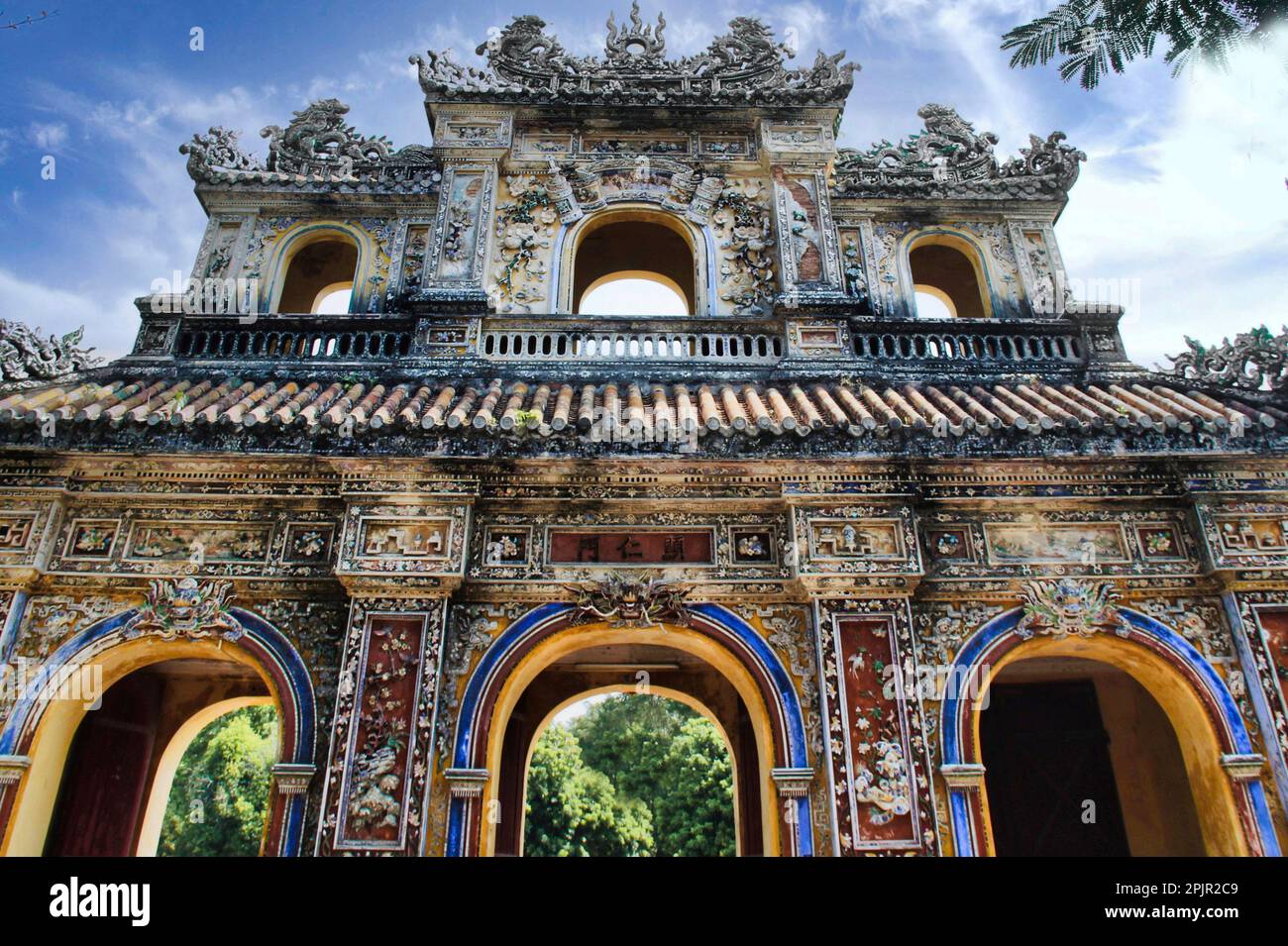
The history of Hue is irrevocably tied to the Nguyen Dynasty, which reigned from 1802 to 1945. The dynasty was a defining era in Vietnam's timeline, and Hue was its illustrious capital. Emperor Gia Long established the dynasty and began constructing the Imperial City in 1805. Modeled after the Forbidden City in Beijing, the Imperial City of Hue was designed as the political and cultural nucleus of the Nguyen Dynasty.
The Imperial City, a UNESCO World Heritage Site, encompasses a vast complex of palaces, temples, walls, and gates, exemplifying Vietnamese royal architecture with a blend of Chinese influence. The Citadel, with its ornate halls and tranquil gardens, offers a glimpse into the opulence and grandeur that once marked the seat of Vietnamese power. Visitors can meander through the Ngo Mon Gate, the grand entrance to the royal enclosure, or explore the magnificent halls and pavilions that once housed the emperor and his court.
The Palaces and Tombs of Hue
Beyond the Citadel, Hue is renowned for its royal tombs, each an architectural marvel illustrating the traditions and beliefs of its time. One of the most significant is the Tomb of Emperor Tu Duc, designed to be both a burial site and a living palace. It reflects Tu Duc's romantic and poetic nature, nestled amid lush pine forests and serene lotus ponds. Each structure within the tomb complex serves as a testament to Tu Duc's refined taste and artistic sensibility.
The Tomb of Emperor Khai Dinh, by contrast, presents a fusion of Vietnamese and Western architectural styles. Lavishly adorned with intricate mosaics, the tomb is set against the backdrop of verdant mountains, offering a panoramic view of the countryside. The fusion of styles in Khai Dinh's tomb highlights the eclectic influences that have shaped Hue's architectural landscape over the centuries.
The Perfume River: Hue’s Natural Symphony
Flowing gently through the heart of Hue is the Perfume River, known for its ethereal beauty and tranquil ambiance. This river has long been a muse for poets and artists, inspired by the fragrant flowers from orchards upriver that scent its waters. Boat tours along the Perfume River offer a unique perspective of Hue's iconic landmarks, including the Thien Mu Pagoda, an emblem of the city.
The Thien Mu Pagoda, perched on a hill overlooking the river, is the oldest religious structure in Hue, with origins dating back to 1601. Its seven-story tower is a quintessential representation of historic Vietnamese pagoda architecture, exuding an aura of spiritual tranquility. The pagoda holds significant religious importance, making it a cherished pilgrimage site for Buddhists in Vietnam and beyond.
Culinary Heritage of Hue
Hue's rich cultural tapestry is further illustrated by its distinctive culinary heritage. Known for its elaborate royal cuisine, Hue's food culture reflects the city's historical significance as the seat of Nguyen emperors. The city is famous for dishes such as "bun bo Hue," a fragrant and spicy beef noodle soup, and "banh khoai," a crispy rice pancake filled with shrimp and pork.
Street food in Hue offers a tantalizing array of flavors and textures, offering both locals and visitors an authentic taste of the city. Food tours are increasingly popular, allowing tourists to navigate through bustling markets and vibrant eateries, experiencing the gastronomic delights that are intrinsic to Hue's identity.
The combination of history, architecture, and vibrant culture make Hue an indispensable destination for those eager to delve into Vietnam's storied past. In the next segment of our article, we will explore additional elements that make Hue not just a city of historical interest, but a living, breathing tapestry of cultural richness and resilience.
The Artistic Soul of Hue
Hue's allure extends far beyond its royal architecture and culinary delights; it is also a beacon of traditional Vietnamese art forms. The city has nurtured a rich tapestry of artistic expressions, from music and dance to craft and performance arts, each carrying the whispers of its storied past.
One of Hue's most cherished cultural contributions is the "nhã nhạc" or royal court music, which flourished during the reign of the Nguyen Dynasty. Recognized as a Masterpiece of the Oral and Intangible Heritage of Humanity by UNESCO, nhã nhạc was an integral part of royal ceremonies and festivities. It represents the zenith of Vietnamese court music, embodying sophisticated compositions played on traditional instruments such as the dan bau (monochord), dan nhi (two-stringed fiddle), and various percussion instruments.
Hue's artists continue to keep the flame of traditional crafts alive, particularly through the art of "truc chi," a modern twist on Vietnamese paper-making that has gained prominence in recent years. Artisans craft delicate, intricate patterns and images by hand, often inspired by the city’s abundant historical and natural landscapes. This innovative art form exemplifies how Hue evolves, gracefully blending tradition with contemporary creativity.
The Festivals of Hue: A Celebration of Heritage
Festivals in Hue are not only celebrations but a reflection of the city’s enduring connection to its heritage and identity. Among the most prominent is the biennial Hue Festival, which transforms the city into an extravagant stage for cultural exchange. Held for the first time in 2000, the festival showcases an array of performances, from traditional Vietnamese theatre and royal processions to international dance troupes and circus acts. It symbolizes not only Hue’s historical grandeur but also its openness to cultural fusion.
The Perfume River becomes a central feature during the festival, with night-time displays of floating lanterns creating a mesmerizing spectacle of color and light. Culinary events held during the festival celebrate the exquisite flavors of Hue's cuisine, drawing visitors into the intimate experience of sharing food, a cornerstone of Vietnamese culture.
Hue’s lunar new year celebrations and the Vu Lan Festival, an expression of filial piety and gratitude, further highlight the communal spirit and deeply rooted traditions that anchor the city's cultural life. These festivals reinforce the sense of community that prevails in Hue, attracting visitors who wish to experience firsthand the warmth and hospitality inherent to Vietnamese culture.
Hue's Role in Vietnam's Modern History
While steeped in ancient history, Hue has also played a critical role in Vietnam's modern narrative. The city endured significant turmoil during the Vietnam War, particularly during the Tet Offensive in 1968. This major campaign marked one of the bloodiest battles of the war and left much of Hue in ruins. Memorials and museums stand today to recount these pivotal events, including the War Remnants Museum, which provides poignant insights into this turbulent period and its lasting impacts on the region.
Despite the scars of war, Hue has shown incredible resilience and an unwavering commitment to restoration and reconciliation. Efforts to preserve and restore its monuments and architecture illustrate the dedication to maintain Hue’s historical and cultural legacy. This endeavor not only highlights the city’s role as a vital cultural repository but also its promise for future generations.
The Serenity of Hue’s Countryside
Beyond the city itself, the natural beauty of Hue’s surrounding countryside beckons exploration. The Annamite Range and verdant rice paddies offer idyllic landscapes for those seeking solace and adventure. Misons among these picturesque terrains include Bach Ma National Park, where diverse flora and fauna thrive in a preserved natural ecosystem. Hiking trails lead to stunning vistas, cascading waterfalls, and dense forests, immersing visitors in the serene beauty of the Vietnamese countryside.
The rural charm of Thuy Bieu village, renowned for its fragrant pomelos, represents a slice of traditional Vietnamese rural life. Here, visitors can engage in eco-tourism activities, participate in agricultural practices, and savor home-cooked meals that capture the essence of Hue’s culinary tradition. This intimate interaction with Hue's rural life showcases the enduring harmony between people and nature that underpins the region.
As Hue continues to captivate those who tread its historic avenues and natural trails, the city remains a testament to the enduring power of cultural preservation and evolution. With a profound respect for its past and an eye towards a dynamic future, Hue stands as a beacon of resilience and continuity, inviting all who visit to partake in its timeless journey.
In the next segment, we will explore further facets of Hue, including its educational influence and ongoing contributions to arts and culture, revealing comprehensive layers of this enigmatic city’s identity.
Hue's Educational Legacy
Education has long been an integral component of Hue's cultural landscape, firmly establishing the city as an intellectual epicenter of Vietnam. With its emphasis on traditional scholarship, Hue became the breeding ground for many esteemed academicians and cultural figures, not only during the Nguyen Dynasty but also in contemporary times. The roots of this educational heritage are profoundly embedded in institutions such as Quoc Hoc High School, one of Vietnam’s most prestigious schools. Established in 1896, it counts among its alumni notable leaders and scholars, including revolutionary figures like Ho Chi Minh.
Hue University's founding further reinforced the city's commitment to education and intellectual advancement. As a comprehensive institution comprising various colleges, Hue University serves as a critical hub for academic research and higher learning in central Vietnam. Its contributions to research, particularly in the fields of agriculture and environmental science, resonate beyond the region, fostering a culture of innovation and scholarly excellence.
The presence of these educational institutions ensures that Hue remains vibrant and ever-evolving, nurturing the next generation of thinkers and leaders who uphold the city's tradition of knowledge and cultural enrichment.
Modern Hue: Embracing Progress While Honoring Tradition
In recent years, Hue has adeptly balanced modernization with the careful preservation of its historical and cultural essence. The city's transformation is evident in its urban infrastructure, tourism services, and expanding economic opportunities. Investments in infrastructure, including transportation and technology, cater to the growing influx of tourists and bolster the local economy. Yet, these developments occur with a deliberate focus on sustainable practices, ensuring that Hue's ecological and cultural landmarks remain protected for future generations.
Hue's burgeoning arts scene is another testament to its dynamic evolution. Modern art galleries and cultural spaces pepper the city, offering platforms for contemporary artists to showcase their work. This flourishing art scene encourages dialogue between traditional and modern expressions, enriching the city's cultural landscape and inviting diverse artistic contributions from around the globe.
Moreover, the renewed emphasis on sustainable tourism practices aligns with Hue's commitment to preserving its natural and cultural heritage. Eco-tourism initiatives, community-based tourism, and responsible travel efforts are becoming increasingly prevalent, ensuring that visitors can experience Hue’s treasures without compromising their integrity.
The Timeless Spirit of Hue
As one delves into Hue's myriad offerings—from its ancient citadels and serene rivers to its vibrant festivals and flourishing academics—it becomes clear that the city's true essence lies in its harmonious blend of history, culture, and modernity. Hue stands as a city that is intimately connected to its past while continuously embracing the ideals and aspirations of the future.
For travelers and history aficionados, Hue offers more than just a glimpse into Vietnam's regal legacy; it provides a comprehensive insight into the enduring spirit of a city that has weathered the sands of time with grace and fortitude. What truly sets Hue apart is its people, whose warmth and hospitality encapsulate the Vietnamese ethos of community and resilience—a constant reminder of the indomitable human spirit.
Future Prospects: Preserving the Past, Embracing the Future
Looking ahead, Hue remains committed to safeguarding its cultural heritage while adapting to the rapid pace of global change. The city's leadership and community are focused on strategic initiatives to promote cultural tourism, support local artisans, and invest in education. By fostering an environment that celebrates its rich history and encourages innovation, Hue is not only preserving its identity but also securing its relevance in the modern world.
Efforts to earn recognition, such as the UNESCO designation of the Hue Citadel as a Heritage Site, provide essential international awareness and support for the preservation of historic places. Local government initiatives aim to protect and promote regional crafts, cuisine, and performing arts, playing a crucial role in maintaining and revitalizing Hue’s cultural footprint.
In essence, Hue is a city that tells a story. Its past is etched into its architecture, its culture is alive in its festivities and traditions, and its future is bright with promises of progress and sustainable evolution. As Hue forges ahead, it does so with a respectful nod to its rich legacy, ensuring that both residents and visitors can continue to revel in its timeless allure. Hue remains a city of enchanting mysteries and enduring beauty—a living testament to Vietnam’s vibrant tapestry of history and culture.


Exploring the Enchanting Island of Penang: A Cultural and Historical Gem
Introduction: The Jewel of the Orient
Nestled along the northwestern coast of Malaysia, the island of Penang is a captivating blend of old-world charm and modern vibrancy. Often referred to as the "Pearl of the Orient," Penang has long been a melting pot of cultures that reflects its rich tapestry of history, heritage, and unique traditions. From its spice-scented streets to the harmonious clang of its trishaws, Penang offers an experience that is both exotic and familiar. In this article, we delve into the intricate layers that constitute Penang's compelling narrative, highlighting its significant past, cultural diversity, and the attractions that make it a must-visit destination.
A Tapestry Woven with History
Penang's history is an intricate mosaic influenced by centuries of cultural interchanges. Founded in 1786 by Captain Francis Light as a trade outpost for the British East India Company, Penang quickly became a bustling free port. Its strategic position attracted traders from China, India, the Middle East, and Europe, each leaving an indelible mark on the island's development.
Throughout its colonial era, Penang transformed into a flourishing entrepôt, serving as a crucial hub for the spice trade and Chinese immigration. Evidence of this thriving period is still very much alive in the island's architectural landscape. Stroll through George Town, the island's capital, and you'll encounter a living museum of well-preserved colonial buildings, each narrating stories of its bygone era. Recognized as a UNESCO World Heritage Site in 2008, George Town's unique architectural and cultural townscape is unparalleled in Asia.
During World War II, Penang experienced turbulent times under Japanese occupation. Post-war, the island witnessed a wave of nationalism that eventually led to the formation of Malaysia. Despite these upheavals, Penang has managed to retain its distinctive identity, evolving into a spirited confluence of the past and present.
Cultural Melange and Festivals
A cultural melting pot, Penang hosts a vibrant tapestry of traditions and festivals, a testament to its multicultural society comprising Malays, Chinese, Indians, and Eurasians. This harmonious coexistence is most vividly portrayed in the island’s festivals and celebrations. The Chinese New Year draws locals and tourists alike to the streets to witness elaborate dragon dances, resounding firecrackers, and lavish feasts.
Thaipusam, a Hindu festival of devotion, showcases another facet of Penang's cultural diversity. Thousands of devotees parade through the streets, showcasing their unwavering faith and resilience. The Chingay Parade, a unique Penang tradition, features acrobats and performers balancing massive flags, reflecting the community spirit and creative exuberance.
Indeed, Penang's cultural diversity extends into its culinary arts. Widely regarded as the street food capital of Malaysia, the island offers a gastronomic journey with dishes like char kway teow (stir-fried noodles), assam laksa (spicy noodle soup), and nasi kandar (rice served with an array of curries and side dishes). Each dish tells a story, replete with historic influences and generations of culinary heritage.
Natural Wonders and Urban Attractions
Beyond its historical and cultural allure, Penang is endowed with natural beauty and modern attractions that captivate visitors. The lush Penang Hill offers breathtaking panoramic views of the island and its surroundings. The cooler climate and well-maintained hiking trails make it a perfect retreat for nature enthusiasts.
Batu Ferringhi Beach, renowned for its golden sands and vibrant nightlife, is a haven for sun-seekers and adventure lovers. Water sports, beachfront dining, and lively night markets make it a dynamic locale for both relaxation and excitement.
Penang's urban attractions are equally compelling. The Penang Peranakan Mansion and the Khoo Kongsi clan house are architectural masterpieces that offer glimpses into the lavish lifestyles of the island’s past aristocracy. Art lovers will appreciate the streets of George Town, which have transformed into an open-air gallery with unique art installations and murals adorning its alleyways.
Concluding Thoughts: A Timeless Destination
Penang is more than just an island destination; it is a celebration of diversity, history, and vibrant culture. Whether you're wandering through the atmospheric streets of George Town, savoring local delicacies, or exploring the island's natural beauty, Penang offers an experience that lingers in memory long after the journey ends.
Stay tuned as we continue our exploration of Penang's many facets, offering deeper insights into what makes this island a truly enchanting destination. In the following installments, we'll delve further into hidden gems and off-the-beaten-path experiences that only add to the allure of this fascinating locale.
Unveiling Hidden Gems and Lesser-Known Treasures
While Penang boasts a plethora of well-known attractions, it is the hidden gems and lesser-known spots that often provide the most enchanting experiences. Tucked away from the bustling main streets are charming neighborhoods, serene landscapes, and cultural enclaves that hold secrets waiting to be discovered by adventurous travelers.
One such gem is the Penang National Park, a pristine natural reserve on the northwest corner of the island. This protected area is a haven for biodiversity, offering a series of hiking trails that lead you through dense jungles, mangrove forests, and secluded beaches. The canopy walk within the park provides a bird's-eye view of the lush surroundings, while the trek to Pantai Kerachut reveals the intriguing phenomenon of a meromictic lake, where layers of salt and fresh water do not mix. This hidden sanctuary offers respite from the hustle and bustle, allowing visitors to connect with the island's natural beauty.
Similarly, the historical district of Balik Pulau, often overlooked by tourists, offers a glimpse into rural life in Penang. Famous for its durian orchards, this region comes alive during the durian season, attracting locals and visitors with the distinctive aroma of the "king of fruits." A cycling tour through Balik Pulau unveils picturesque landscapes of verdant paddy fields, traditional kampong houses, and the warm hospitality of the locals.
Cultural and Artistic Flourishes
Penang's art scene is as vibrant as its culinary offerings, with George Town serving as the epicenter of this creative explosion. The Penang International Street Art Festival has transformed the city into a dynamic canvas, where local and international artists have left their mark in striking murals and installations. A leisurely walk down Armenian Street reveals intricate wall art depicting snippets of local life, folklore, and contemporary themes, each piece telling a compelling story.
For those interested in the performing arts, the annual George Town Festival is a cultural extravaganza celebrating music, theatre, dance, and visual arts. This month-long event attracts creatives from all over the world, turning the city into a vibrant showcase of talent and heritage. Interactive workshops, performances, and exhibitions invite participation and foster a deeper appreciation of the arts within the community and beyond.
The Penang House of Music, located in the KOMTAR Tower, is another cultural treasure that encapsulates the island's musical heritage. This interactive museum celebrates Penang’s rich musical tapestry, tracing influences from various ethnic communities that have contributed to the soundscape of the region. Visitors can explore exhibits showcasing traditional instruments, recordings of vintage music, and stories of influential local musicians who have shaped Penang's musical identity.
The Spiritual Heartbeat of Penang
Penang is rich not only in its cultural and natural offerings but also in its spiritual heritage, with a diversity of religious sites scattered across the island. The Kek Lok Si Temple, one of the largest Buddhist temples in Southeast Asia, is a majestic complex perched on a hill in Air Itam. It is a pilgrimage site known for its striking architectural blend of Chinese, Thai, and Burmese influences. The temple complex is adorned with intricately carved statues, vibrant murals, and a towering bronze statue of the Goddess of Mercy, Kuan Yin.
Similarly, the Kapitan Keling Mosque, a historic mosque built by Indian-Muslim merchants in the early 19th century, is a beacon of Penang's multicultural harmony. Its elegant domed structure and minarets accentuate the city’s skyline, offering a serene space for reflection. The mosque welcomes visitors to learn about Islamic traditions and appreciate the beauty of its architecture.
A walk through George Town also reveals numerous small Hindu temples and Chinese clan houses that dot the cityscape. These places of worship not only embody the spiritual essence of Penang but also narrate stories of migration, settlement, and community life over the centuries.
Conclusion: Embracing Penang's Multilayered Essence
Penang is an island where history, culture, and nature converge to create an atmosphere that is both invigorating and steeped in tradition. Beyond its famous landmarks lies a world of hidden wonders that invite visitors to explore further and immerse themselves in the island’s diverse offerings. From the tranquil trails of its national parks to the bustling streets adorned with art, and from its culinary delights to its spiritual sanctuaries, Penang is a destination that constantly reveals new and captivating layers.
As you continue to journey through the hidden corners and cherished traditions of Penang in the next segment, you'll discover even more about what makes this island a truly unique and timeless experience. Stay tuned as we delve deeper into Penang's untold stories and uncover the profound warmth and resilience of its people, past, and present.
Stories of Penang: Unraveling the Tapestry of Untold Narratives
Penang is more than a mere geographical entity; it is a repository of stories waiting to be unearthed and shared. These stories emanate from the vibrant communities and individuals who have called this island home across generations, each contributing to its rich cultural mosaic. As we venture deeper into the lesser-known narratives of Penang, we encounter a world that reflects a history of resilience, adaptation, and vibrant cultural exchange.
One of the stories etched into Penang's cultural memory is that of the Baba-Nyonya, or Peranakan Chinese community. This unique ethnic group emerged from the intermarriages between Chinese immigrants and local Malays. The Baba-Nyonya are known for their distinct culture, which blends Chinese and Malay customs, resulting in a rich culinary heritage and vibrant traditions. Their homes, adorned with distinctively colorful tiles and wooden carvings, are architectural marvels that speak volumes about their social standing and artistry.
A visit to the Pinang Peranakan Mansion offers insight into the opulent lifestyle of the Baba-Nyonya elite. This carefully restored museum displays exquisite antiquities, jewelry, and artifacts, all quintessentially Peranakan. The mansion encapsulates stories of prosperity, social changes, and the bridging of cultural divides in an era defined by trade and diversity.
The Culinary Chronicles: A Gastronomic Tapestry
Penang is synonymous with culinary excellence, a title it wears with pride. The island is a gastronomic utopia, where flavors dance on the palate, each dish offering a taste of history and multicultural fusion. This love affair with food has roots deep in Penang’s rich cultural interactions and innovations that have occurred over generations. Traditional hawker stalls, bustling night markets, and charming cafés offer tastes that capture the essence of Penang’s culinary diversity.
The Penang Assam Laksa is a quintessential dish that embodies the island's rich culinary heritage. Recognized worldwide, this tangy and spicy fish-based noodle soup is a medley of textures, dominated by ingredients such as mackerel, tamarind, and the profusion of aromatic herbs that garnish it. Each bowl reflects the influences of Malay, Chinese, and Siamese culinary practices, culminating in a dish that is as complex as Penang's own tapestry.
Another culinary marvel is Char Kway Teow, a smoky noodle dish perfecting the art of wok hei, or “breath of the wok.” This dish is a brilliant concoction of flat rice noodles, prawns, Chinese sausage, and cockles, all stir-fried in a fiery blaze that infuses it with its signature charred aroma. The complexity and interplay of flavors in each mouthful tell a story of culinary innovation and the shared love for food.
Beyond street food, Penang also offers a burgeoning café culture where Western and traditional flavors meet. These coffeehouses often become cultural hubs where locals and travelers converge to indulge in local brews, Western-style delights, and the perennial favorite — kopi, a Malaysian-style coffee.
Modern Innovations and Forward-Looking Perspectives
While Penang draws strength from its past, it is equally forward-looking, embracing change and innovation with open arms. The island is burgeoning as an industrial and technological hub, attracting young talents and multinational corporations that foresee its potential as a center for innovation and creative enterprise. Its transformation into a Silicon Valley of the East is indicative of its adaptability and resilience in an ever-evolving global landscape.
Moreover, Penang's government and communities have taken steps to ensure sustainable growth, prioritizing green initiatives and urban development that preserve cultural heritage. George Town's exemplary UNESCO heritage status is a testament to the island's commitment to safeguarding its charm while adapting to modern exigencies.
The emphasis on education and research continues to play a critical role in developing Penang’s human capital. Institutions such as Universiti Sains Malaysia have become hotbeds for academic pursuits and interdisciplinary research, fostering a culture of ingenuity and intellectual growth among the local population.
Conclusion: A Living Legacy
In its rich tapestry of life, Penang serves as a testament to the power of cultural fusion and resilience. Its rich heritage, diversity, innovation, and tradition have crafted an island that thrives as a living testament to the enduring spirit of its people. From historical landmarks to vibrant street art, Penang offers an exceptional experience that promises to ignite curiosity and leave visitors with lasting memories.
As we conclude this exploration into Penang's multifaceted essence, it becomes clear that the island’s greatest allure is its embrace of both past and future. Drawing strength from its cultural bedrock while confidently stepping forward into the modern age, Penang is an enticing destination that continues to captivate the hearts and minds of all who venture within its shores. Whether you visit for the history, the food, or the proclivity for artistic expression, Penang offers an invitation to explore, connect, and enrich your worldview in the heart of Southeast Asia.