The Rise and Fall of Pertinax: Rome’s Short-Lived Emperor
Introduction
Publius Helvius Pertinax, often simply referred to as Pertinax, is one of the most intriguing yet short-lived figures in Roman imperial history. Ascending to the throne in the tumultuous "Year of the Five Emperors" (193 AD), his reign lasted a mere 86 days before his violent demise. Despite his brief rule, Pertinax's life story—his rise from humble origins, his military and administrative competence, and his failed attempt at reform—provides a fascinating glimpse into the volatility of the Roman Empire during the late 2nd century.
Early Life and Humble Beginnings
Pertinax was born on August 1, 126 AD, in Alba Pompeia, a small town in what is now Italy. His origins were modest; his father, Helvius Successus, was a freedman who had made a living as a wood merchant. Unlike many Roman emperors who hailed from aristocratic families, Pertinax began life in a lower social stratum. However, his intellect and ambition would propel him far beyond these humble beginnings.
After receiving an education in rhetoric, Pertinax initially pursued a career as a schoolteacher. But with limited prospects in academia, he chose a different path—one that would lead him to the Roman military and, eventually, the imperial throne. His decision to enlist as a centurion marked the beginning of an extraordinary rise through the ranks of Roman power structures.
Military and Administrative Career
Pertinax’s military career began during the reign of Emperor Marcus Aurelius (161–180 AD). He served with distinction in the Parthian Wars and later in the Marcomannic Wars on the Danube frontier. His leadership and competence earned him rapid promotions, and he eventually commanded legions, showcasing his strategic acumen. But Pertinax was more than just a soldier—he also excelled in administration.
His administrative skills led to appointments in key provinces, including Britain and Moesia Inferior, where he dealt with military mutinies and regional instability. His ability to maintain discipline and loyalty among the legions caught the attention of Emperor Commodus, Marcus Aurelius’s successor. Pertinax was recalled to Rome, where he served as proconsul of Africa and later as urban prefect, a prestigious position overseeing the city’s governance.
The Fall of Commodus and Pertinax’s Rise to Power
The final years of Commodus’s reign were marked by excess, paranoia, and corruption. The emperor’s erratic behavior—including his obsession with gladiatorial combat and his purges of perceived enemies—alienated the Senate and the Praetorian Guard. By 192 AD, a conspiracy emerged, culminating in Commodus's assassination on December 31, orchestrated by his own inner circle, including his mistress and the chief chamberlain.
In the chaotic aftermath, the conspirators needed a successor who could stabilize the empire. Pertinax, now in his mid-sixties, was seen as the ideal candidate: a seasoned administrator, a respected military figure, and someone untainted by Commodus’s excesses. On January 1, 193 AD, the Senate proclaimed him emperor, hoping he would restore senatorial authority and fiscal discipline.
Pertinax’s Brief Reign and Reforms
Pertinax’s reign began with immediate reforms aimed at reversing Commodus’s destructive policies. He cut extravagant spending, sold off imperial luxuries to replenish the treasury, and sought to restore traditional Roman virtues. His policies were well-intentioned but quickly alienated powerful factions, particularly the Praetorian Guard.
The emperor's attempt to enforce discipline within the Praetorian ranks proved disastrous. Accustomed to bribes and lax discipline under Commodus, the guardsmen grew resentful of Pertinax’s strict governance. Financial strains further exacerbated tensions, as the treasury could not sustain both military pay and the austerity measures Pertinax had imposed.
Assassination and Legacy of Chaos
On March 28, 193 AD, just 86 days after his accession, a group of disgruntled Praetorian Guards stormed the imperial palace. Despite Pertinax’s attempts to reason with them, he was struck down, becoming the first Roman emperor to be assassinated in the infamous "Year of the Five Emperors." His death plunged Rome into further instability, as successive claimants vied for power, including Didius Julianus, Septimius Severus, and others.
Pertinax’s legacy is one of tragic irony—a competent and principled leader whose reforms were undone by the very forces he sought to control. His reign, though brief, remains a cautionary tale about the dangers of challenging entrenched power structures in an era of decline.
Conclusion of Part One
The story of Pertinax offers a compelling case study of leadership amid the decadence and instability of the late Roman Empire. His rise from obscurity to power, his ill-fated reforms, and his violent downfall set the stage for the civil wars that followed. In the next section, we will explore the broader implications of his reign and the historical narratives that emerged from this turbulent period.
The Aftermath of Pertinax’s Death: Chaos and Civil War
The assassination of Pertinax marked the beginning of an unprecedented power struggle in Rome. His death was not just the end of one emperor’s reign; it unleashed a chain of events that would see five men claim the imperial throne within a single year. The Praetorian Guard, eager to profit from their treachery, took the shocking step of auctioning off the throne to the highest bidder. The winner was Didius Julianus, a wealthy senator who promised lavish rewards to the guardsmen. However, his reign would be even shorter and more disastrous than Pertinax’s, provoking outrage among the people and the legions.
The Year of the Five Emperors
The year 193 AD remains infamous in Roman history as the "Year of the Five Emperors." After Pertinax’s murder, three provincial governors—Pescennius Niger in Syria, Clodius Albinus in Britain, and Septimius Severus in Pannonia—claimed emperorship, each commanding powerful legions. While Didius Julianus floundered in Rome, Severus marched his armies toward the capital, forcing Julianus’s abdication and execution within months. Severus then defeated Niger at the Battle of Issus, eliminating his eastern rival. To consolidate power, he temporarily appeased Albinus by declaring him Caesar (heir) before later turning on him at the Battle of Lugdunum in 197 AD.
Septimius Severus emerged as the ultimate victor, founding the Severan dynasty. His reign (193–211 AD) was marked by military expansion and autocratic rule, but also by continued instability. Ironically, Pertinax’s ghost loomed over Severus’s propaganda—Severus declared himself the "avenger of Pertinax" to legitimize his claim, even holding a grand funeral and deifying his predecessor.
Pertinax’s Reforms: Vision vs. Reality
Pertinax’s reforms, though short-lived, were notable for their attempt to rectify the excesses of Commodus's reign. He halted the extravagant games that had drained the treasury, sold off imperial luxuries (including Commodus’s prized possessions), and cracked down on corruption among provincial governors. His emphasis on fiscal responsibility and discipline drew comparisons to the revered emperor Marcus Aurelius.
Critiques and Limitations
Historians debate whether Pertinax’s policies were too radical or simply poorly timed. His immediate revocation of financial privileges to the Praetorian Guard was politically perilous, alienating the very group that could protect him. Moreover, his attempts to restore senatorial authority clashed with the growing militarization of imperial power—a trend that would define the next century.
Another criticism is that Pertinax misjudged the fragility of his position. Unlike Vespasian or Augustus, who balanced reform with political cunning, Pertinax acted with moral rigidity, failing to secure key alliances. His refusal to distribute large bribes or tax relief to the populace—while fiscally sound—left him without popular support when the Praetorian Guard turned against him.
The Praetorian Guard’s Role in Imperial Instability
Pertinax’s downfall underscores the dangerous influence of the Praetorian Guard in imperial politics. Originally established as an elite bodyguard for the emperor, the Guard evolved into a kingmaker faction, capable of elevating or deposing rulers at will. Their corruption reached its peak under Commodus, who granted them excessive pay and privileges.
A Tradition of Betrayal
The assassination of Pertinax was not an isolated incident. The Guard had a history of overthrowing emperors who displeased them—Caligula, Galba, and later Didius Julianus suffered similar fates. Their power was unchecked until Emperor Septimius Severus disbanded and replaced them after taking Rome in 193 AD. However, even this measure proved temporary, as the Guard regained influence under later rulers.
Historical Perspectives on Pertinax
Ancient historians like Cassius Dio and Herodian provide contrasting views of Pertinax. Dio, who served in the Senate under him, praises his integrity but admits his lack of political finesse. Herodian, writing decades later, paints a more critical portrait, suggesting Pertinax’s stubbornness doomed his reign.
Modern Reassessment
Modern scholars recognize Pertinax as a transitional figure whose reign highlighted the empire’s structural weaknesses. His efforts to restore discipline and solvency were admirable but ultimately unsustainable in an era where emperors relied on military loyalty over senatorial approval. Some argue that had he compromised with the Praetorian Guard, he might have ruled longer, but others contend that systemic corruption made his reforms impossible.
Pertinax in Popular Culture
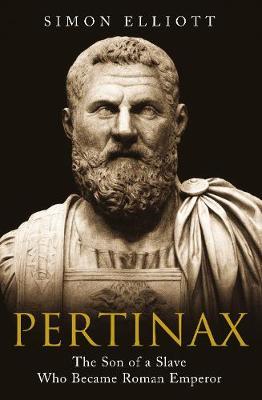
Though not as famous as Nero or Augustus, Pertinax appears in historical fiction, often as a tragic figure. His story features in novels like "Pertinax: The Son of a Slave Who Became Roman Emperor" and "The Year of the Five Emperors." These works dramatize his improbable rise and violent end, emphasizing the fragility of imperial power.
The Long Shadow of 193 AD
The events triggered by Pertinax’s assassination foreshadowed the Crisis of the Third Century, when Rome nearly collapsed under constant civil wars and barbarian invasions. The precedent of military factions dictating imperial succession became entrenched, weakening centralized authority.
A Legacy of What Could Have Been
Had Pertinax succeeded, Rome might have seen a return to the Antonine model of philosopher-kings. Instead, Septimius Severus’s militarized regime set a different course. Yet Pertinax’s brief rule remains a testament to the struggles of governance in a decaying empire—a cautionary tale of idealism versus brute force.
Conclusion of Part Two
The aftermath of Pertinax’s reign reveals the deep fractures in the Roman imperial system. His death plunged the empire into chaos, exposing flaws that would worsen in the decades ahead. In the final section, we will analyze how his legacy influenced later rulers and whether his reforms could have succeeded under different circumstances.
Pertinax’s Legacy: The Unfulfilled Promise of Reform
Though his reign lasted only 86 days, Pertinax left an imprint on Roman history far beyond his short time in power. His brief rule crystallized the contradictions of imperial governance in the late 2nd century—where meritocratic ideals clashed with entrenched military interests, and principled leadership often proved fatal. Unlike many emperors who ruled through sheer force or populism, Pertinax genuinely sought to restore the dignity of the office, making his failure all the more revealing of Rome’s systemic decay.
A Model Emperor in Theory, a Casualty in Practice
On paper, Pertinax possessed all the qualities Rome needed in an emperor: administrative competence, military experience, and personal integrity. His rise from humble origins mirrored the meritocratic ideals of earlier eras, when capable men could ascend through service rather than birthright. Yet the Rome of 193 AD was no longer the Rome of Trajan or Hadrian. The Praetorian Guard’s unchecked power, combined with the legions’ growing autonomy, made stability fleeting. Pertinax’s fate demonstrated that noble intentions were not enough—survival required either ruthless pragmatism or overwhelming military backing, neither of which he employed in time.
The Military’s Role in Imperial Politics
Pertinax’s assassination underscored a pivotal shift in Roman governance: emperors could no longer rely on senatorial approval or civic legitimacy alone. The true power brokers were the military factions, particularly the Praetorian Guard and frontier legions. This trend had begun under the "barracks emperors" of the previous century but reached its climax in 193 AD. Septimius Severus, the eventual victor of the civil wars, understood this reality. Unlike Pertinax, he lavished rewards on his soldiers, famously advising his sons on his deathbed: "Enrich the troops, and scorn all other men."
Why Pertinax Couldn’t Secure Military Loyalty
Pertinax’s rigid adherence to fiscal discipline alienated the Praetorian Guard, but his deeper mistake may have been his lack of personal connections within the army. Unlike Severus, who cultivated loyalty through years of shared campaigns, Pertinax had spent much of his recent career in administrative roles. His moral authority—rooted in his career under Marcus Aurelius—was no substitute for the bonds forged in battle. Even his military successes earlier in life, such as quelling revolts in Britain, were distant memories by 193 AD. Without a loyal power base, his reforms were doomed.
The Paradox of the "Good Emperor" in Decline
Pertinax’s reign invites comparison to other "good emperors" like Nerva or Antoninus Pius, whose prudent rule stabilized the empire. Yet their success relied on broader structural conditions—a functioning bureaucracy, manageable external threats, and military cohesion—that had eroded by the late 2nd century. The Antonine Plague (165–180 AD), costly frontier wars, and Commodus’s misrule had drained the treasury and shattered institutional trust. In this context, even Pertinax’s austere virtues became liabilities. His attempts to restore senatorial governance ignored the reality that real power now lay elsewhere.
Could Pertinax Have Succeeded with Different Tactics?
Historians speculate whether Pertinax might have survived with a more flexible approach. If he had temporarily indulged the Praetorian Guard while gradually implementing reforms, as Augustus once did, he could have bought time to consolidate power. Alternatively, had he allied himself with provincial legions early on—as Septimius Severus did—he might have counterbalanced the Guard’s influence. Instead, his uncompromising stance and lack of coalition-building hastened his demise.
Pertinax’s Influence on Later Emperors
Though his direct impact was limited, Pertinax’s legacy resonated in subtle ways. Septimius Severus, despite his ruthless pragmatism, posthumously honored Pertinax as a martyr, using his memory to legitimize his own reign. Later emperors, like the reforming Aurelian (270–275 AD), echoed Pertinax’s emphasis on discipline and financial prudence—albeit with greater military backing. Even Diocletian, whose reign (284–305 AD) ended the Crisis of the Third Century, drew on Pertinax’s example of administrative rigor, though he paired it with an iron-fisted approach to dissent.
A Symbol of Lost Potential
In retrospect, Pertinax became a symbol of what might have been—a leader whose vision for a restored, principled Rome clashed with the empire’s downward trajectory. His failure was not due to incompetence but to the impossibility of virtuous rule in an era where power flowed from the blade of a sword rather than the consensus of the Senate.
The Broader Historical Significance
Pertinax’s reign offers a microcosm of the challenges facing the late Roman Empire: shrinking revenues, factionalized armies, and a weakened central authority. His inability to navigate these pressures foreshadowed the empire’s eventual division and the rise of the Dominate under Diocletian, where emperors ruled as outright autocrats rather than "first among equals."
Lessons for Modern Leadership
Beyond ancient history, Pertinax’s story holds lessons about the perils of reform in unstable systems. Leaders who challenge entrenched interests—whether militaries, bureaucracies, or oligarchies—must secure leverage before enacting change. His downfall illustrates the adage that "no good deed goes unpunished" in highly polarized environments.
Pertinax in the Roman Historical Narrative
While overshadowed by more famous emperors, Pertinax’s life encapsulates key themes of Roman history: social mobility, the tension between civil and military authority, and the fragility of governance. His biography, from freedman’s son to emperor, reflects the empire’s meritocratic potential, while his assassination highlights its descent into dysfunction.
The Final Assessment
Pertinax was neither a hero nor a fool but a capable leader thrust into an impossible situation. His reign, though brief, serves as a poignant reminder that even the most qualified rulers can be undone by systemic decay. In the grand arc of Roman history, he is a fleeting figure—yet one whose story resonates with timeless relevance.
Conclusion: The Tragedy of Pertinax
Pertinax’s rise and fall embody the tragedy of Rome’s silver age—a period when the empire’s institutions could no longer sustain the ideals of its golden past. His death marked the point of no return, paving the way for a century of military anarchy. Though his name is not etched alongside Augustus or Marcus Aurelius, his legacy endures as a cautionary tale about the limits of integrity in the face of unchecked power. In the end, Pertinax’s greatest failure was believing that Rome could still be governed by virtue alone.


Lucius Aelius Sejanus: The Rise and Fall of Tiberius' Notorious Praetorian Prefect
Introduction: The Shadow Behind the Throne
Lucius Aelius Sejanus remains one of the most infamous figures of the early Roman Empire, a man whose ambition and cunning allowed him to rise to unprecedented power before his dramatic downfall. As the prefect of the Praetorian Guard under Emperor Tiberius, Sejanus wielded immense influence, shaping imperial politics through manipulation, conspiracy, and ruthless elimination of rivals. His story is a cautionary tale of ambition unchecked by morality and loyalty, ending in betrayal and destruction.
Early Life and Rise to Power
Born around 20 BCE in Volsinii, Etruria, Sejanus came from an equestrian family. His father, Lucius Seius Strabo, was the first commander of the Praetorian Guard under Augustus, a position that likely opened doors for his son. Sejanus joined the military early, displaying both competence and ambition. When his father was appointed governor of Egypt in 15 CE, Sejanus succeeded him as sole prefect of the Praetorian Guard under Tiberius.
The Praetorian Guard, originally a small bodyguard unit for the emperor, became increasingly powerful under Sejanus’ leadership. Recognizing their potential as a political tool, he consolidated the previously dispersed cohorts into a single camp near Rome—the Castra Praetoria. This move not only strengthened the Guard’s efficiency but also centralized its power under Sejanus’ control, making it an instrument of intimidation and enforcement for the imperial regime.
Sejanus and Tiberius: A Dangerous Partnership
Tiberius, who became emperor in 14 CE after Augustus’ death, was a reserved and often paranoid ruler. Unlike his predecessor, he disliked the public duties of the principate, preferring to retreat from Rome. This detachment created a power vacuum that Sejanus skillfully exploited. He positioned himself as Tiberius’ most trusted advisor, isolating the emperor from other influential figures while eliminating potential threats.
Sejanus’ influence over Tiberius grew as he stoked the emperor’s fears of conspiracy. The death of Tiberius’ son, Drusus Julius Caesar, in 23 CE, further deepened the emperor’s dependence on Sejanus. Rumors later emerged that Sejanus had poisoned Drusus, though historical evidence remains inconclusive. Regardless, Drusus’ death removed a significant obstacle to Sejanus' ambitions, as he began positioning himself as Tiberius’ successor.
The Elimination of Rivals: A Reign of Terror
Sejanus' most notorious legacy is his role in the political purges that marked Tiberius’ reign. Using accusations of treason (maiestas), he targeted senators, aristocrats, and even members of the imperial family. Trials became spectacles of fear, with many condemned on flimsy evidence or forced confessions. Among his victims was Agrippina the Elder, granddaughter of Augustus and mother of Caligula, whom Sejanus saw as a threat due to her popularity and lineage.
The trials served multiple purposes: they secured Sejanus’ dominance by removing rivals, enriched the treasury through confiscated estates, and reinforced Tiberius’ growing paranoia. The Senate, cowed into submission, became an instrument of Sejanus’ will. His power reached its zenith in 31 CE when he was named co-consul with Tiberius—an unprecedented honor for an equestrian—and betrothed to Livilla, sister of the late Drusus and a woman with strong ties to the imperial family.
The Beginning of the End: Tiberius’ Mistrust
Despite his apparent invincibility, Sejanus’ downfall was set in motion by his own overreach. His ambition to marry into the imperial family and possibly claim the throne made Tiberius increasingly wary. The emperor, now residing in self-imposed exile on Capri, began receiving warnings about Sejanus from his sister-in-law, Antonia Minor, and his trusted freedman, Macro.
Tiberius, though cautious, was not blind to Sejanus’ machinations. In a masterstroke of deception, he lulled Sejanus into a false sense of security, even hinting at granting him greater honors. Meanwhile, he secretly prepared for the prefect’s downfall, transferring some of the Praetorian Guard’s loyalty to Macro.
The Dramatic Fall of Sejanus
On October 18, 31 CE, the Senate convened under the pretense of granting Sejanus additional powers. Instead, they were presented with a letter from Tiberius denouncing his former favorite as a traitor. Macro, now in command of the Guard, arrested Sejanus on the spot. The public reaction was swift and brutal. The man who had ruled Rome through fear was now subject to its wrath—dragged through the streets, lynched by the mob, and his body thrown into the Tiber.
The aftermath was a bloodbath. Sejanus’ family and supporters were executed, including his young children. His name was erased from monuments, a damnatio memoriae ensuring his disgrace would be remembered for centuries.
The Aftermath of Sejanus' Downfall: A Reign of Paranoia
The execution of Sejanus did not bring stability to Rome—instead, it deepened Tiberius’ paranoia. The emperor, already distrustful of the Senate and the aristocracy, now saw conspiracies everywhere. The trials and purges that had defined Sejanus’ rise continued, but without his guiding hand, they became even more indiscriminate. Tiberius relied heavily on informers (delatores) to root out perceived enemies, leading to a climate of fear where accusations alone could doom entire families.
Sejanus' elimination also left a power vacuum. Macro, his successor as Praetorian prefect, wielded significant influence but lacked Sejanus’ political cunning. Meanwhile, the surviving members of the imperial family, particularly Agrippina the Elder’s children, faced renewed persecution. Tiberius' suspicion of them as potential rivals only intensified, leading to their imprisonment or exile. The once-proud Julio-Claudian dynasty was fracturing under the weight of mistrust.
The Role of the Praetorian Guard in Imperial Politics
Sejanus’ impact on the Praetorian Guard was lasting. Before his time, the Guard had been a relatively passive military unit, but under his leadership, it became a dominant political force. His consolidation of the Guard into a single camp permanently altered its role in Roman governance. Future emperors would recognize the Praetorians as kingmakers—capable of both protecting and overthrowing rulers.
The Guard’s loyalty was no longer guaranteed by tradition but had to be bought with privileges, bonuses, and political concessions. This shift set a dangerous precedent; later emperors, such as Caligula and Nero, would face revolts instigated by discontented Praetorians. The Guard’s involvement in imperial succession became so normalized that assassination plots often originated within its ranks.
The Psychological Profile of Sejanus: Ambition Without Limits
What drove Sejanus to such extremes of treachery? Ancient historians like Tacitus and Cassius Dio depict him as a man consumed by ambition, willing to betray anyone to secure power. Unlike earlier Roman statesmen, who sought glory through public service or military conquest, Sejanus pursued influence through subterfuge and manipulation. His rise reflected the darker side of imperial politics, where loyalty was transactional and morality was secondary to survival.
Yet, some historians argue that Sejanus may have been unfairly scapegoated. Tiberius, who had allowed—and even encouraged—his prefect’s actions, later used him as a convenient villain to explain the bloodshed of his reign. The truth likely lies somewhere in between: Sejanus was undoubtedly ruthless, but he also operated within a system already poisoned by suspicion and ambition.
Sejanus and the Women of the Imperial Court
One often overlooked aspect of Sejanus’ rise was his relationship with influential women in Tiberius’ circle. The most notable was Livilla, Drusus’ widow and sister of the future emperor Claudius. Rumors persist that she conspired with Sejanus to poison her husband, clearing the path for their alliance. If true, this would mark one of the earliest instances of a Roman noblewoman engaging in political murder—a chilling foreshadowing of later imperial intrigues.
Similarly, Antonia Minor, mother of the future emperor Claudius, played a crucial role in Sejanus’ downfall. Recognizing his threat, she reportedly sent a trusted servant to warn Tiberius on Capri. This intervention highlights the often-hidden but powerful influence of imperial women, who could shape events from behind the scenes.
The Legacy of Fear: Sejanus’ Impact on Tiberius’ Later Years
Even after Sejanus' death, his specter haunted Tiberius’ reign. The emperor withdrew further from Rome, ruling through letters and proxies from his island retreat on Capri. The later years of his rule were marked by near-tyranny, with executions becoming so frequent that senators attended meetings under fear of sudden arrest. Tiberius’ isolation and paranoia only worsened, leading some to speculate that he regretted allowing Sejanus’ rise in the first place.
Sejanus’ downfall also destabilized the imperial succession. With Tiberius’ biological heirs dead or disgraced, the aging emperor was forced to consider alternative successors, ultimately favoring his young grandnephew, Caligula. The chaotic transition after Tiberius’ death in 37 CE demonstrated how deeply Sejanus’ machinations had disrupted the dynasty’s stability.
The Historiography of Sejanus: Victim or Villain?
Ancient historians, particularly Tacitus and Suetonius, portray Sejanus as a power-hungry schemer whose treachery knew no bounds. Yet modern scholars debate whether this depiction is entirely fair. The senatorial class, whose members suffered greatly under Tiberius’ reign, had every reason to vilify Sejanus as the architect of their woes. Meanwhile, Tiberius, who outlived his disgraced prefect, ensured that official records cast Sejanus as the sole instigator of the terror.
Some historians suggest that Sejanus may have initially acted with Tiberius’ tacit approval, only to later take the blame when the emperor sought to distance himself from the brutality of his regime. This interpretation paints a more complex picture of Sejanus—not merely as a villain, but as a product of a system that rewarded ruthlessness and punished failure mercilessly.
Regardless of the interpretation, Sejanus remains a defining figure of the early empire, illustrating how easily absolute power could corrupt even the most cunning of men.
The Final Years of Tiberius and the Legacy of Sejanus
In the years following Sejanus' execution, Tiberius' reign continued to be marked by suspicion and repression. The emperor, now in his seventies, became increasingly reclusive, ruling from his villa on Capri. His paranoia grew to such an extent that he reportedly had his own servants executed on mere suspicion of disloyalty. The political climate in Rome remained tense, with the Senate and the aristocracy living in constant fear of accusations and purges. The once-great city had become a place where trust was a rare commodity, and survival depended on one's ability to navigate the treacherous waters of imperial politics.
Despite his advanced age, Tiberius showed no signs of relinquishing power. He continued to govern through a network of trusted officials, though none ever achieved the same level of influence as Sejanus. The emperor's distrust of potential successors was evident in his treatment of his grandnephew, Caligula. Though Tiberius eventually named Caligula as his heir, he kept him under close watch, wary of any signs of ambition. This atmosphere of suspicion would have lasting consequences for the Roman Empire, setting a precedent for future emperors who would rule with an iron fist.
Caligula's Rise and the Shadow of Sejanus
When Tiberius died in 37 CE, Caligula ascended to the throne, marking the beginning of a new era. However, the specter of Sejanus loomed large over the early days of his reign. Caligula, who had witnessed firsthand the purges and betrayals of Tiberius' rule, was determined to avoid the same fate. He moved quickly to consolidate power, executing potential rivals and rewarding those who had supported his rise. Yet, his reign would soon spiral into tyranny, demonstrating how the lessons of Sejanus' era had been forgotten.
Caligula's erratic behavior and brutal rule shocked even the jaded citizens of Rome. His excesses, including his self-deification and the execution of senators on whims, made Tiberius' reign seem almost moderate by comparison. Some historians argue that Caligula's paranoia and cruelty were exacerbated by the trauma of growing up in the shadow of Sejanus' conspiracies. The young emperor had seen how easily power could be seized and how quickly allies could become enemies. His reign, though short, would leave an indelible mark on the empire, further eroding the already fragile trust between the emperor and the Senate.
The Long-Term Impact of Sejanus on Roman Politics
Sejanus' influence extended far beyond his lifetime, shaping the political landscape of Rome for decades. His rise and fall demonstrated the dangers of concentrating too much power in the hands of a single individual, particularly one outside the traditional aristocracy. The Praetorian Guard, which he had transformed into a political force, would continue to play a pivotal role in imperial succession, often acting as kingmakers. The Guard's involvement in politics became so normalized that future emperors had to constantly court their favor to maintain power.
Moreover, Sejanus' methods of governance—using fear, manipulation, and purges to maintain control—became a template for future rulers. Emperors like Nero and Domitian would employ similar tactics, leading to periods of intense repression. The Senate, once a respected institution, was reduced to a rubber stamp, its members too afraid to challenge the emperor's will. The erosion of republican values, which had begun under Augustus, accelerated under Tiberius and Sejanus, paving the way for the autocratic rule of later emperors.
Sejanus in Popular Culture and Historical Memory
Sejanus' story has captured the imagination of writers and historians for centuries. His life has been the subject of numerous plays, novels, and films, often portrayed as a cautionary tale of ambition and betrayal. The 17th-century playwright Ben Jonson wrote a tragedy titled *Sejanus His Fall*, which dramatizes his rise and downfall. In modern times, he has appeared in historical fiction and television series, often as a scheming villain who embodies the corruption of power.
Historians continue to debate Sejanus' true motives and legacy. Some view him as a ruthless opportunist who exploited Tiberius' paranoia for personal gain. Others argue that he was a product of a broken system, one that rewarded treachery and punished loyalty. Regardless of the interpretation, Sejanus remains a fascinating figure—a man who came closer to the throne than any non-imperial Roman and whose actions reshaped the course of history.
Conclusion: The Enduring Lessons of Sejanus' Rise and Fall
The story of Sejanus is more than just a tale of ambition and betrayal—it is a reflection of the dangers of unchecked power and the fragility of political systems. His rise to prominence under Tiberius revealed the vulnerabilities of the early Roman Empire, where loyalty was fleeting and survival depended on one's ability to navigate a web of intrigue. His downfall, swift and brutal, demonstrated the precariousness of power built on fear and manipulation.
Sejanus' legacy serves as a warning to future generations about the perils of absolute power and the corrosive effects of paranoia. His life reminds us that even the mightiest can fall when they overreach, and that the pursuit of power at any cost often leads to destruction. In the end, Sejanus' story is not just a chapter in Roman history—it is a timeless lesson about the nature of ambition, loyalty, and the price of power.


The Remarkable Life and Legacy of James Jackson
Early Years and Humble Beginnings
James Jackson, a name that resonates with resilience, vision, and leadership, was born in a small rural town where opportunities were scarce, but dreams were boundless. From an early age, James displayed an insatiable curiosity and a relentless drive to improve not only his own circumstances but also those of the people around him. His parents, hardworking farmers with little formal education, instilled in him the values of perseverance, discipline, and empathy—qualities that would define his character and career.
Despite financial hardships, James excelled in school, standing out as a natural leader among his peers. His teachers often remarked on his ability to inspire others and his unwavering commitment to excellence. At the age of 16, he earned a scholarship to attend a prestigious high school in the city, a turning point that exposed him to new ideas and broader perspectives. It was here that James first recognized the power of education as a catalyst for change.
A Scholar and a Visionary
After graduating at the top of his class, James secured admission to a renowned university, where he pursued a degree in political science. His time at university was marked by academic brilliance and active involvement in student activism. He became a vocal advocate for social justice, organizing campaigns to address inequality and advocating for policy reforms that would benefit marginalized communities. His leadership earned him widespread respect and set the stage for his future endeavors.
During his university years, James also developed a keen interest in economics, recognizing its pivotal role in shaping societies. He immersed himself in studying global economic systems, often challenging conventional wisdom and proposing innovative solutions to pressing issues. His thesis on sustainable development and wealth distribution garnered acclaim from professors and policymakers alike, foreshadowing his future impact.
Breaking Barriers in the Corporate World
Upon graduating, James faced the daunting task of entering a competitive job market. However, his intelligence, charisma, and work ethic quickly caught the attention of industry leaders. He secured a position at a leading financial firm, where he distinguished himself as a strategic thinker and a problem-solver. Unlike many of his peers, James was not content with merely climbing the corporate ladder—he sought to redefine it.
Within a few years, he played a pivotal role in restructuring the company’s operations, introducing initiatives that prioritized employee well-being and ethical practices. His success in the corporate world earned him several accolades, but his true passion lay beyond profits. He dreamed of creating a business that fused social responsibility with commercial success—an ambition that would eventually lead him to establish his own enterprise.
Entrepreneurial Spirit and Philanthropy
At the age of 30, James took a leap of faith and founded a startup aimed at bridging the gap between technology and education. His vision was simple yet revolutionary: to make quality education accessible to underprivileged children through affordable digital solutions. The company quickly gained traction, securing investments from prominent venture capitalists who believed in its mission.
James’s commitment to giving back extended beyond his business. He established a foundation that provided scholarships, mentorship programs, and resources for schools in underserved communities. His philanthropic efforts earned him national recognition, but he remained grounded, often attributing his success to the support of his family and mentors.
As his influence grew, James became a sought-after speaker at international conferences, sharing his insights on leadership, innovation, and social impact. His speeches were not just motivational but actionable, inspiring countless individuals to pursue their passions while making a difference in the world.
Challenges and Resilience
Despite his achievements, James’s journey was not without obstacles. Economic downturns, fierce competition, and personal setbacks tested his resolve. Yet, each challenge only strengthened his determination. He often spoke about the importance of resilience, emphasizing that failure was not an end but a stepping stone to growth.
One of his most trying periods came when his company faced a major financial crisis. Instead of retreating, James rallied his team, re-evaluated their strategies, and emerged stronger than ever. His ability to navigate adversity with grace and pragmatism solidified his reputation as a true leader.
A Legacy in the Making
Today, James Jackson stands as a testament to what one individual can achieve with vision, hard work, and a heart for service. His story continues to inspire young entrepreneurs, activists, and dreamers worldwide. Yet, for James, the journey is far from over. He remains committed to pushing boundaries, breaking barriers, and creating opportunities for the next generation.
As we reflect on the first chapter of his extraordinary life, one thing becomes clear: James Jackson is not just a name—he is a movement. His dedication to excellence and equity serves as a blueprint for those who aspire to leave a lasting impact on the world.
1.0.0 (2021-10-12)
Features
* **init:** init project ([b0a0a0e](https://github.com/liuweiGL/commitlint-config/commit/b0a0a0e0c0a0a0a0a0a0a0a0a0a0a0a0a0a0a0a))
James Jackson's Global Influence and Industry Impact
As James Jackson's ventures grew in scope and scale, his influence began extending beyond national borders. His unique approach to blending business acumen with social responsibility attracted attention from international organizations seeking innovative solutions to global challenges. James frequently collaborated with United Nations initiatives, offering his expertise in creating sustainable economic models for developing nations. His work in emerging markets demonstrated how private enterprises could drive meaningful change while maintaining profitability.
Redefining Corporate Social Responsibility
James became a leading voice in transforming corporate social responsibility from a PR exercise into a core business strategy. He pioneered the concept of "Integrated Impact Entrepreneurship," where social and environmental outcomes were measured with the same rigor as financial performance. Several Fortune 500 companies adopted his frameworks, leading to quantifiable improvements in community development programs and sustainable business practices industry-wide.
Technological Innovations for Social Good
Never one to rest on his laurels, James turned his attention to leveraging cutting-edge technology for humanitarian causes. His team developed AI-driven platforms that optimized charitable resource allocation, mobile applications connecting volunteers with local nonprofits, and blockchain solutions for transparent aid distribution. These innovations earned recognition from tech giants and humanitarian organizations alike, proving that technological advancement and social impact weren't mutually exclusive.
Mentorship and Creating Ecosystems of Success
Understanding that true legacy lies in empowering others, James established the Jackson Leadership Institute. This selective fellowship program identified and nurtured promising young leaders from disadvantaged backgrounds. Participants received not just funding, but immersive mentorship, access to his professional networks, and real-world challenges to solve. Many alumni went on to launch successful ventures, creating a multiplier effect of positive change.
The "Pay It Forward" Philosophy
Central to James' mentorship approach was his "Pay It Forward" requirement - every beneficiary must commit to mentoring at least two others in the future. This created an ever-expanding web of opportunity that touched thousands of lives across continents. His TED Talk on this philosophy became one of the most-watched leadership talks of the decade, inspiring corporations and educational institutions to adopt similar models.
Personal Life and Maintaining Balance
Despite his professional demands, James prioritized family and personal growth. His memoir revealed the discipline behind his success - predawn meditation, strict work-life boundaries, and an "unplugged" Sabbath day each week. He credited his spouse and three children as his anchor, often mentioning how family discussions shaped many of his business decisions and humanitarian initiatives.
Overcoming Adversity
James' journey wasn't without personal struggles. He openly discussed battling imposter syndrome early in his career and surviving a health scare that forced him to reevaluate his priorities. These experiences made him a more empathetic leader and advocate for mental health awareness in high-pressure industries.
Future Endeavors and Lasting Legacy
As he entered his fifth decade, James announced his most ambitious project yet - a global coalition of businesses, governments, and NGOs working to solve the education gap in conflict zones. Utilizing his extensive network and hard-won credibility, he aimed to create safe learning spaces for millions of displaced children.
Nobel committees and world leaders began recognizing James' contributions, though he consistently redirected attention to the teams and communities making the real change. Universities established chairs in his name studying his unique fusion of ethics and enterprise, ensuring his methodologies would educate future generations.
James Jackson's story continues evolving, but his fundamental belief remains constant: that leadership means lifting others as you climb. From rural beginnings to global platforms, his life demonstrates how vision paired with action can reshape industries and transform lives. The complete measure of his impact may not be calculable for decades, as the ripple effects of his work continue spreading across the world's economic and social fabric.




Naevius Sutorius Macro: The Rise and Fall of a Roman Prefect
The annals of history are replete with figures whose lives are a testament to both the virtue and vice of human ambition. One such figure is Naevius Sutorius Macro, a man whose influence at the heart of Roman power was both pivotal and perishable. His story is one of ascension to power, adept maneuvering within the vicious political landscape of ancient Rome, and eventually, a swift fall from grace.
The Early Life and Career of Macro
Little is known about Macro's early life—a common predicament for those born outside the ranks of the Roman elite. Born into a family of equestrian status, Macro had the potential but not necessarily the path smoothed by noble pedigree. His early years would have involved the typical pursuits expected of someone within his class, focusing on education, training in the art of military tactics, and mastering the intricacies of Roman politics.
Macro's entrance into public life came through service within the Praetorian Guard, an institution initially established to serve as the personal bodyguards of Roman emperors. This role undoubtedly provided him with insight into the machinations of power at Rome's epicenter, as success within the guard was often dependent as much on understanding political currents as on martial prowess.
Ascension to Power
Macro’s major break into the higher echelons of power came around 31 AD, at a time of grave uncertainty within the Roman Empire. The reign of Emperor Tiberius was marred by increasing paranoia and autocracy. Lucius Aelius Sejanus, then-prefect of the Praetorian Guard and a man of considerable influence, had fallen from favor, accused of treason and ultimately executed. This left a vacuum in one of the most crucial positions within the Roman state, which Macro adroitly filled.
As the new Praetorian Prefect, Macro found himself at the confluence of military might and political intrigue, granting him a substantial degree of power. His adeptness in managing the emperor's whims and wielding influence bolstered his standing among the Roman elite. Unlike Sejanus, Macro understood the necessity of remaining in the emperor's shadow rather than seeking power outright, a strategy that initially served him well.
The Tiberian Transition
Macro's tenure coincided with the latter years of Emperor Tiberius’ reign. Tiberius, having retreated to the island of Capri, had become increasingly disengaged from direct rule. This left Macro with the delicate task of bridging communications between the emperor and the Senate, a role that allowed him to both safeguard and subtly shape imperial policy.
His political acumen was again demonstrated during the transition of power following Tiberius' death in 37 AD. Macro played a pivotal role in facilitating a smooth succession to the youthful Gaius Caesar Germanicus, more popularly known as Caligula. Supporting Caligula over other possible contenders suggested Macro's anticipation of the winds of change, and indeed, he was instrumental in securing Caligula's place on the throne.
Under Caligula's Regency
Initially, Macro enjoyed a favored status within Caligula's court. Here, he demonstrated an understanding of the emperor's personality, managing court matters with tact and discretion. However, the capricious nature of Caligula's rule soon rendered Macro's position precarious. The new emperor's increasingly erratic behavior made it difficult for even the most seasoned politicos to navigate court dynamics safely.
Macro’s influence began to wane as Caligula’s paranoia and ruthlessness grew. Recognizing the potential threat posed by such a capable and once-powerful advisor, Caligula dismissed Macro from his post. The dismissal marked the onset of Macro's dramatic fall, reflecting the volatile and perilous landscape of Roman political life where the fortunes of even the mightiest could shift at a moment’s notice.
In spite of the precariousness of his position, Macro served a crucial role during one of the most turbulent times in Roman imperial history. His actions helped shape the course of succession during a highly delicate transition. Yet, despite his initial acumen and influence, Macro would soon find the broader historical forces within the empire to be uncontrollable, leading to personal risk and eventual demise.
The next segment of Macro’s story will explore the consequences of his fall from favor and the enduring legacy of his complex relationship with imperial power. Stay tuned for the continuation of this captivating historical narrative.
The Decline of Naevius Sutorius Macro
As is often the case in the corridors of power, the same qualities that elevated Macro to a position of influence eventually led to his downfall. Caligula, who was once a beneficiary of Macro's political acumen, began to perceive his former protector as a potential threat. The ease with which Caligula's transition to power was facilitated served as a double-edged sword for Macro. What should have been a boon turned into suspicion in the emperor's eyes—a demonstration of Macro’s capability and ambition that could just as easily be directed elsewhere.
Soon after assuming power, Caligula's behavior became increasingly erratic. His initial acts as emperor were characterized by generosity and clemency, but this goodwill quickly deteriorated. Historical accounts depict Caligula as indulging in tyrannical excesses, acting on whims with no regard for precedent or tradition.
Intrigues and Suspicions
In this charged environment, Macro found himself vulnerable. Despite his attempts to remain a loyal advisor, Caligula's capricious nature and growing paranoia proved disastrous. Macro's rise to power, predicated on his ability to read and respond to the demands of those above him, became his Achilles' heel. He could not have anticipated the sudden transformation from ally to adversary in Caligula’s mind.
Fueling the emperor's anxiety were whispers and insinuations at court. Every success Macro had achieved was recast as potential evidence of treachery, and his association with the previous regime further exacerbated suspicions. The fallacy of court life is that loyalty often becomes indistinguishable from scheming, as Macro learned to his peril.
Caligula's Calculated Disfavor
The emperor orchestrated Macro's removal in a manner befitting his penchant for dramatics. It began with a demotion where Macro was stripped of his prefecture, a public signal of his diminishing favor. Shortly thereafter, Macro was ensnared in scandal. Caligula accused him of conspiring against the throne, of abetting in schemes of sedition against the divine emperor—a charge that reflected Caligula's need to exhibit power while excising any perceived threat.
Unlike some predecessors who met such charges with violence or flight, Macro faced the accusations with surprising composure, perhaps mindful that the construction of these suspicions was as fragile as the emperor's mental state. However, his fate was sealed not by evidence but by Caligula's decree. The emperor, desiring complete control over those in his inner circle, saw no room for a man whose influence had once run so deep.
The Fall: A Swift and Final Act
With court rumors stoking fires of doubt, Macro’s position became untenable. Under immense pressure and recognizing his untenable position, Macro accepted his fate pragmatically—an acceptance that his story had reached its inevitable dissolution in the violent churn of Roman politics.
Accounts of Macro's end vary, hinting at the difficulties in piecing together the web of truths and fabrications typical of ancient historical narrative. Tacitus and Suetonius, two of Rome’s foremost historians, each lend a different lens to Macro's demise. The specifics of his death are shrouded in mystery; some sources suggest he was forced to end his own life, a final act of subjugation that speaks volumes to the absolute hold Caligula—and the imperial apparatus—had over its servants.
This brought to a close the meteoric rise and fall of Naevius Sutorius Macro. His life as a Roman prefect highlights the perennial struggle between power and peril. Within a few brief years, Macro had navigated the peaks of success and the depths of ruin, with little but experience and memories to mark his journey upon the global stage of history.
Legacy and Lessons
The story of Naevius Sutorius Macro is a classic tale of ambition, power, and downfall within the intricate tapestry of Roman politics. His legacy is not one of durable achievement or grand reform, but rather as a reflection of the innate volatility at the heart of imperial administration. The constant presence of intrigue, ambition, and mortal danger were defining characteristics of life at Rome's political zenith, where to rise was to court risk, and to fall was nearly inevitable.
Macro's life serves as a reminder of the complex personalities and fraught political landscapes that have shaped human history. While his contributions may not have permanently altered the course of Roman governance, his story provides insights into the broader dynamics and intrigues of the Roman Empire at a time of significant transformation.
In our next segment, we will delve deeper into the implications of Macro’s career for the Roman Imperial system and examine how his personal journey mirrored broader dynamics of power and influence that continued to shape the empire long after his death. Stay tuned as we explore the ever-turning wheels of history and the lessons that can be derived from Macro’s conflicted legacy.
The Broader Implications of Macro's Career
While Naevius Sutorius Macro may have disappeared from the political scene with striking rapidity, his career continues to offer poignant lessons about the nature of power within the Roman Empire. His rise and fall were not isolated incidents but reflective of broader systemic dynamics characterized by intrigue, betrayal, and the relentless pursuit of influence.
A Lens into the Roman Imperial System
Macro’s tenure as Praetorian Prefect offers a compelling lens through which to examine the administrative and political structures of the Roman Empire. The power concentrated within the Praetorian Guard, which Macro wielded adeptly, exemplified the militaristic undercurrents that frequently shaped political destinies. The position itself was a fulcrum upon which the balance of power could tilt. Prefects held significant sway over the emperor’s safety, making them indispensable allies or dangerous enemies—a dichotomy prominently showcased by Macro’s career.
The guard's influence in succession politics, especially during the uncertain transitions of emperors, highlighted Rome's dependency on military endorsement. Macro’s actions in securing Caligula’s ascension underscored the guard's indirect hand in steering imperial legitimacy, demonstrating that the emperor’s divine symbolism was sometimes no match for the earthly power of military backing.
The Cost of Political Intrigue
The demise of Macro's career also underscores the perilous cost of existing in a world rife with political intrigue, where the delicate balance between ambition and survival was a constant, oppressive presence. Macro’s success depended not only on his acumen but also on navigating the emperor's ever-shifting moods and the mercurial allegiances of the Roman elite. His experience exemplifies the perennial truth that in realms where power is absolute, trust is a rare and often lethal commodity.
Furthermore, the culture of suspicion that defined Caligula’s court serves as an important historical lesson on the dangers inherent in centralized autocracy. The fragility of an individual’s success, as evidenced by Macro’s fall, sheds light on the broader vulnerabilities of a political system that eschewed institutional continuity in favor of personal loyalty and the emperor’s goodwill.
Macro's Legacy in Context
Macro’s legacy is reflective of a pivotal period in the Roman Empire—a crossroads where the currents of republican tradition met the tide of authoritarian imperial governance. Here's a figure whose own ambitions and cunning allowed him to stride confidently through the annals of history, yet who was ultimately undone by the very system he navigated so adeptly.
Despite his personal aspirations and transient successes, Macro’s most enduring impact lies in the way he epitomizes the intricate power play of Roman politics—a world where alliances were fragile, and the line between power and vulnerability was often razor-thin. In navigating this world, Macro highlighted the perennial challenges faced by those who seek to harmonize ambition with the ever-volatile nature of imperial favor.
Lessons for the Future
Looking back at the life of Naevius Sutorius Macro, we find a narrative rife with lessons still relevant to contemporary discussions of power and governance. The risks he encountered and the ultimate futility of personal agency in a system dominated by imperial caprice underscore the timeless nature of political caution.
As both an architect and victim of Roman political dynamics, Macro’s life serves as both a cautionary tale and an insightful historical reflection. His story encourages modern readers to consider the value of institutional reform over personal ambition and highlights the intricate, oftentimes perilous dance involved in positions of high power, where perception and trust can alter the course of history itself.
By situating Macro within the broader narrative of Roman history, we gain a deeper understanding of the factors that shaped one of the world’s greatest empires and continue to inform discussions on leadership and political legacy. Ultimately, the complex dance of power embodied in Macro’s career resonates through the ages, serving as a testament to the enduring nature of ambition and the trials it entails.
In closing, the study of Naevius Sutorius Macro's life not only enriches our understanding of a transformative epoch in Roman history but also offers timeless insights into the human condition and the intricacies of wielding—and surviving—great power.


Euripides: A Towering Dramatist of Ancient Greece
Introduction to Euripides: The Controversial Genius
Euripides, one of the three great tragedians of ancient Athens, remains a figure of enduring fascination and debate. Alongside Aeschylus and Sophocles, he shaped the foundations of Western drama. Born around 484 BCE and active until his death in 406 BCE, Euripides crafted plays that challenged conventions, explored human psychology, and questioned traditional myths. His works, such as Medea, Hippolytus, and The Bacchae, continue to resonate with modern audiences, blending psychological realism with timeless ethical dilemmas.
The Life and Times of Euripides
Euripides lived during a turbulent era in Athenian history. His career coincided with the Peloponnesian War (431–404 BCE), a conflict that reshaped the Greek world. The war’s devastation, combined with the plague of Athens in the 430s BCE, influenced his dramatic themes, often reflecting the anxieties and moral ambiguities of his time. Unlike his contemporaries, Euripides was known for his skeptical view of the gods and his willingness to depict flawed, complex characters.
Key Milestones in Euripides' Career
- Early Life and Education: Born in Salamis, Euripides received a traditional Athenian education, studying philosophy and rhetoric.
- Dramatic Debut: He began competing in the City Dionysia, Athens’ premier dramatic festival, around 455 BCE.
- Later Years and Legacy: Despite limited success in competitions during his lifetime, Euripides’ reputation grew posthumously, influencing later generations of playwrights and thinkers.
Surviving Works and Themes
Of the approximately 92 plays attributed to Euripides, only 18–19 survive in substantial form. These works are celebrated for their innovative storytelling and deep exploration of human emotions. Some of his most famous tragedies include:
Notable Plays by Euripides
- Medea: A harrowing tale of betrayal and revenge, featuring one of literature’s most complex female protagonists.
- Hippolytus: A tragedy centered on themes of chastity, false accusations, and divine intervention.
- The Bacchae: A late masterpiece exploring the conflict between rational order and ecstatic religious fervor.
- Electra: A reimagining of the myth of Electra and Orestes, emphasizing psychological depth.
- Trojan Women: A powerful anti-war play depicting the suffering of women in the aftermath of the Trojan War.
Themes and Innovations
Euripides’ plays are distinguished by several key themes and stylistic innovations:
- Psychological Realism: His characters often exhibit deep emotional complexity, making them relatable to modern audiences.
- Strong Female Characters: Women in Euripides’ plays, such as Medea and Helen, are often portrayed as intelligent, resilient, and morally ambiguous.
- Skepticism Toward Myth: Euripides frequently questioned traditional religious and mythological narratives, introducing a critical perspective.
- Social and Ethical Questions: His works tackle issues like justice, gender roles, and the consequences of war, reflecting the intellectual climate of 5th-century Athens.
Reception and Reputation in Antiquity
Euripides’ contemporaries had mixed reactions to his work. While some admired his boldness and innovation, others criticized him for what they perceived as impiety and subversion of traditional values. The comedian Aristophanes famously satirized Euripides in plays like The Frogs, mocking his unconventional approach to tragedy. Philosophers such as Plato and Aristotle also commented on his techniques, often with a critical eye.
Ancient Criticism and Praise
Despite the criticism, Euripides’ influence was undeniable. His plays were widely performed and studied, and his reputation grew in the centuries following his death. Ancient scholars and playwrights frequently referenced his works, ensuring their preservation and continued relevance.
Modern Scholarship and Performance
In recent decades, scholarship on Euripides has evolved significantly. Modern researchers have shifted focus from purely literary analysis to performance-centered approaches, examining how his plays were staged and received in ancient Athens. Key trends in contemporary Euripidean studies include:
Current Trends in Euripidean Scholarship
- Performance Studies: Scholars now emphasize the role of staging, music, and audience interaction in Euripides’ plays.
- Gender and Reception Studies: Feminist and gender-theory frameworks have shed new light on Euripides’ portrayal of women.
- Political Readings: Researchers explore connections between Euripides’ works and the political turmoil of his time, particularly the Peloponnesian War.
- Digital Humanities: Computational tools and digital databases have enabled new forms of textual analysis, from stylometry to intertextual studies.
These trends reflect a broader movement in classical studies toward interdisciplinary and comparative approaches, linking ancient texts to modern cultural and intellectual contexts.
Conclusion: The Enduring Legacy of Euripides
Euripides’ contributions to drama and literature are immeasurable. His plays, with their psychological depth and social critique, continue to inspire adaptations and scholarly debate. As modern audiences grapple with themes of justice, gender, and war, Euripides’ works remain as relevant as ever. In the next section, we will delve deeper into his stylistic innovations, his influence on later dramatists, and the ongoing debates surrounding his authorship and legacy.
Stylistic Innovations: How Euripides Redefined Greek Tragedy
Euripides is often credited with revolutionizing the structure and style of Greek tragedy. Unlike his predecessors, he introduced elements that made his plays more accessible and emotionally resonant. His innovations included:
Colloquial Language and Realistic Dialogue
Euripides broke from the formal, elevated language of earlier tragedians by incorporating colloquial speech into his plays. This shift made his characters feel more human and relatable. For example, in Medea, the protagonist’s passionate monologues reflect the raw emotions of a woman scorned, using language that would have struck contemporary audiences as strikingly modern.
The Role of the Prologue
Another hallmark of Euripides’ style is his use of prologues to provide background information. Unlike Aeschylus and Sophocles, who often began their plays in medias res, Euripides frequently opened with a monologue or dialogue that set the stage for the unfolding drama. This technique helped audiences grasp complex myths and character motivations from the outset.
Deus Ex Machina: A Controversial Device
Euripides is also known for his use of the deus ex machina, a plot device where a god intervenes to resolve the story. While some critics argue that this technique undermines dramatic tension, others see it as a way to highlight the arbitrary nature of divine justice. Plays like Medea and Hippolytus employ this device to shocking effect, reinforcing Euripides’ themes of fate and human helplessness.
The Political and Social Context of Euripides’ Plays
The late 5th century BCE was a period of immense upheaval in Athens. The Peloponnesian War, the plague, and political instability shaped the city’s cultural landscape, and Euripides’ works reflect these tensions. His plays often explore themes of war, exile, and social injustice, resonating with the anxieties of his contemporaries.
War and Its Aftermath
Plays like Trojan Women and Hecuba depict the devastating consequences of war, particularly for women and children. These works are not just tragedies but also anti-war statements, highlighting the suffering of those caught in the crossfire of political conflicts. Euripides’ portrayal of war’s brutality was likely influenced by the realities of the Peloponnesian War, which saw Athens’ power and morale decline.
Gender and Agency in Euripides’ Works
Euripides’ female characters are among the most compelling in ancient literature. Women like Medea, Phaedra, and Helen are not passive victims but complex figures who challenge societal norms. Scholars have debated whether Euripides was a feminist ahead of his time or simply a keen observer of human nature. Regardless, his portrayal of women has made his plays a focal point for gender studies in classical scholarship.
Religion and Skepticism
Euripides’ relationship with religion was ambivalent. While his plays are steeped in mythological themes, they often question the justice and morality of the gods. In The Bacchae, for instance, the god Dionysus is both a figure of divine power and a symbol of irrational, destructive forces. This skepticism toward traditional religious beliefs may have contributed to the mixed reception of his works in antiquity.
Modern Adaptations and Global Influence
Euripides’ plays have transcended their ancient origins to become staples of modern theater. Directors and playwrights around the world continue to reinterpret his works, often using them to comment on contemporary issues. Some notable examples include:
Notable Modern Productions
- Medea in Contemporary Theater: Modern adaptations of Medea have explored themes of feminism, immigration, and revenge. For example, a 2014 production by the National Theatre in London reimagined Medea as a refugee, highlighting the play’s relevance to modern geopolitical crises.
- The Bacchae in Film and Opera: The Bacchae has inspired numerous adaptations, including a 1961 film by Jean Cocteau and a 2016 opera by composer Harrison Birtwistle. These works emphasize the play’s themes of ecstasy, repression, and divine punishment.
- Trojan Women and Anti-War Theater: Productions of Trojan Women have been staged in war-torn regions, from Sarajevo in the 1990s to Syria in the 2010s, underscoring its universal message about the cost of war.
Euripides in Popular Culture
Beyond the stage, Euripides’ influence extends to literature, film, and even psychology. His characters have inspired novels, such as Christa Wolf’s Medea: A Modern Retelling, and films like Pier Paolo Pasolini’s Medea (1969). The term "Medea complex" has even entered psychological discourse, referring to the extreme actions of mothers who harm their children.
Debates and Controversies in Euripidean Scholarship
Despite centuries of study, Euripides’ works continue to spark debate among scholars. Key areas of contention include:
Authorship and Chronology
Scholars still debate the exact chronology of Euripides’ plays and the authorship of certain works. For example, Rhesus, a play traditionally attributed to Euripides, is now widely believed to be the work of a later playwright. Stylometric analysis and philological research have been instrumental in these debates, though consensus remains elusive.
Interpretations of Key Plays
Plays like Medea and The Bacchae have been subject to vastly different interpretations. Some critics view Medea as a feminist heroine, while others see her as a monstrous figure. Similarly, The Bacchae has been read as both a celebration of Dionysian ecstasy and a cautionary tale about the dangers of religious fanaticism. These differing perspectives reflect the richness and ambiguity of Euripides’ writing.
The Role of the Chorus
Euripides’ use of the chorus has also been a point of discussion. Unlike Aeschylus, who gave the chorus a central role, Euripides often reduced its importance, focusing instead on individual characters. This shift has led some scholars to argue that Euripides was more interested in psychological drama than in the communal aspects of tragedy.
Digital Humanities and the Future of Euripidean Studies
The rise of digital humanities has opened new avenues for studying Euripides’ works. Projects like the Perseus Digital Library and the Thesaurus Linguae Graecae have made his texts more accessible than ever, allowing scholars to analyze them in unprecedented detail.
Stylometry and Authorship Studies
Computational tools have enabled researchers to conduct stylometric analyses of Euripides’ plays, comparing them to other ancient texts to determine authorship and chronology. These methods have provided new insights into the evolution of his style and the possible collaborations or revisions in his works.
Digital Editions and Online Commentaries
Digital editions of Euripides’ plays, complete with annotations and translations, have democratized access to his works. Platforms like the Loeb Classical Library and Oxford Classical Texts offer searchable, interactive versions of his texts, making them invaluable resources for students and scholars alike.
The Future of Euripidean Research
As technology continues to advance, the study of Euripides is likely to become even more interdisciplinary. Future research may integrate virtual reality reconstructions of ancient theaters, AI-driven textual analysis, and global reception studies to further illuminate his enduring legacy.
Conclusion: Why Euripides Matters Today
Euripides’ plays are more than just relics of ancient Greece; they are living texts that continue to challenge and inspire. His exploration of human psychology, his skepticism toward authority, and his compassion for the marginalized make his works timeless. In an era marked by political upheaval, social inequality, and existential questions, Euripides’ voice remains as relevant as ever.
In the final section of this article, we will explore Euripides’ influence on later dramatists, his legacy in modern literature and theater, and the ongoing efforts to preserve and reinterpret his works for future generations.
Euripides’ Influence on Later Dramatists and Literature
Euripides’ impact on Western drama is profound, shaping the works of playwrights across centuries. His innovative techniques and thematic depth have left an indelible mark on literature, from ancient Rome to modern theater.
Roman Adaptations and Renaissance Revivals
Roman playwrights, including Seneca the Younger, drew heavily from Euripides’ works. Seneca’s tragedies, such as Medea and Phaedra, echo Euripides’ psychological intensity and dramatic structure. During the Renaissance, Euripides experienced a revival as scholars rediscovered classical texts. His plays were translated and performed across Europe, influencing figures like William Shakespeare, who borrowed elements from Euripides’ tragedies for works like Titus Andronicus and Hamlet.
Modern Playwrights and Euripidean Themes
In the 20th and 21st centuries, playwrights such as Eugene O’Neill, Jean-Paul Sartre, and Tony Harrison have reimagined Euripides’ themes for contemporary audiences. O’Neill’s Mourning Becomes Electra transposes the Oresteia myth to post-Civil War America, while Sartre’s The Flies reinterprets Electra through an existentialist lens. These adaptations demonstrate Euripides’ enduring relevance in exploring human conflict and moral ambiguity.
The Legacy of Euripides in Modern Theater and Film
Euripides’ plays have found new life in modern theater and film, where directors use his works to address contemporary issues. His themes of war, gender, and justice resonate deeply in today’s global landscape.
Contemporary Stage Productions
Modern productions of Euripides’ plays often emphasize their political and social dimensions. For example:
- Medea in the MeToo Era: Recent productions, such as those by the Almeida Theatre (2015) and National Theatre (2019), have framed Medea’s story as a critique of patriarchal oppression, aligning her with modern feminist movements.
- The Bacchae and Religious Extremism: Directors like Robert Icke have staged The Bacchae as a commentary on religious fanaticism and the clash between rationality and ecstasy.
- Trojan Women and Refugee Crises: Productions in Europe and the Middle East have used Trojan Women to highlight the plight of refugees, drawing parallels between ancient and modern displacement.
Euripides on Screen
Film adaptations of Euripides’ works have brought his stories to wider audiences. Notable examples include:
- Pier Paolo Pasolini’s Medea (1969): Starring Maria Callas, this film presents Medea as a primordial force of nature, emphasizing her foreignness and otherness.
- Michael Cacoyannis’ The Trojan Women (1971): This adaptation, featuring Katharine Hepburn, captures the play’s anti-war message with stark, emotional intensity.
- Modern Retellings: Films like The Killing of a Sacred Deer (2017) draw inspiration from Euripides’ themes of sacrifice and divine punishment, demonstrating his influence on contemporary cinema.
Euripides in Education and Academic Research
Euripides’ works are staples in classical studies and theater programs worldwide. His plays are taught not only for their literary merit but also for their insights into ancient Greek society and their relevance to modern ethical dilemmas.
Teaching Euripides in Universities
In academic settings, Euripides’ plays are often used to explore:
- Ancient Greek Society: His works provide a window into Athenian politics, religion, and gender roles during the 5th century BCE.
- Literary and Dramatic Techniques: Students analyze his use of irony, character development, and plot structure, comparing his methods to those of Aeschylus and Sophocles.
- Modern Adaptations: Courses often include comparative studies of ancient texts and their contemporary retellings, highlighting the enduring appeal of Euripidean themes.
Key Academic Debates
Scholars continue to debate several aspects of Euripides’ works, including:
- Historical Accuracy: How much of Euripides’ portrayal of myths and events reflects historical reality versus dramatic license?
- Philosophical Influences: To what extent did Euripides engage with the ideas of contemporary philosophers like Socrates and the Sophists?
- Reception in Antiquity: Why did Euripides face criticism in his lifetime, and how did his reputation evolve in later centuries?
The Global Reach of Euripides’ Works
Euripides’ influence extends far beyond the Western world. His plays have been translated and performed in diverse cultural contexts, from Asia to Africa, demonstrating their universal appeal.
Euripides in Non-Western Theater
In countries like Japan, India, and Nigeria, Euripides’ plays have been adapted to reflect local traditions and contemporary issues:
- Japanese Noh and Kabuki: Adaptations of Medea and Hecuba have been staged in traditional Japanese theatrical forms, blending Greek tragedy with Asian aesthetics.
- Indian Theater: Playwrights like Girish Karnad have reimagined Euripides’ themes in the context of Indian mythology and social struggles.
- African Adaptations: In post-colonial Africa, Euripides’ plays have been used to explore themes of resistance, exile, and cultural identity.
Translations and Accessibility
The availability of Euripides’ works in multiple languages has contributed to their global reach. Modern translations, such as those by Robert Fagles and Anne Carson, have made his plays accessible to new generations of readers and theatergoers. Digital platforms like Project Gutenberg and Google Books offer free access to his texts, further democratizing his legacy.
Preserving Euripides’ Legacy for Future Generations
Efforts to preserve and promote Euripides’ works ensure that his contributions to drama and literature endure. These initiatives include:
Archival and Digital Preservation
Institutions like the British Library, the Library of Congress, and the Perseus Digital Library house manuscripts and digital copies of Euripides’ plays. These resources are invaluable for scholars and enthusiasts seeking to study his works in their original and translated forms.
Theater Festivals and Performances
Annual festivals, such as the Athens Epidaurus Festival and the Edinburgh International Festival, regularly feature productions of Euripides’ plays. These events celebrate his legacy while introducing his works to new audiences.
Educational Outreach
Programs like the Oxford University Classics Outreach and the National Endowment for the Humanities in the U.S. promote the study of Euripides in schools and universities. Workshops, lectures, and public readings help foster a deeper appreciation for his contributions to world literature.
Conclusion: The Timeless Relevance of Euripides
Euripides’ legacy as a towering dramatist of ancient Greece is firmly established, but his influence extends far beyond antiquity. His plays, with their psychological depth, social critique, and innovative storytelling, continue to captivate and challenge audiences worldwide. From the stages of Athens to modern theaters and cinemas, Euripides’ works remain a testament to the enduring power of drama to explore the human condition.
Key takeaways from Euripides’ life and works include:
- Innovation in Drama: His use of colloquial language, prologues, and psychological realism redefined Greek tragedy.
- Exploration of Complex Themes: Euripides tackled issues of gender, war, religion, and justice with unparalleled depth.
- Global Influence: His plays have inspired countless adaptations, from Renaissance theater to modern film and global performances.
- Enduring Relevance: In an era of political and social upheaval, Euripides’ themes resonate as strongly as ever, offering insights into the human experience.
As we continue to grapple with questions of morality, power, and identity, Euripides’ voice remains a guiding light. His works remind us that the struggles and triumphs of ancient Greece are not so different from our own, and that the power of storytelling transcends time and culture. Whether on the stage, in the classroom, or through the pages of a book, Euripides’ legacy endures, inviting each new generation to engage with his timeless tales.