Muscat Oman: A Blend of Tradition and Modern Vision
Introduction to Muscat: Oman's Capital of Culture and Commerce
Muscat, the capital and largest city of Oman, stands as a testament to the nation's rich heritage and ambitious future. Nestled along the Gulf of Oman, this Beta-level global city seamlessly blends ancient charm with modern dynamism. With a population integrated into Oman's 5.35 million (as of October 2025), Muscat is a vibrant hub of trade, tourism, and cultural exchange.
Known for its low-lying whitewashed architecture, Muscat's skyline is a unique sight, shaped by decades of preservation efforts. The city's strategic location near the Straits of Hormuz has made it a pivotal port for centuries, attracting settlers from Persia, Balochistan, and beyond. Today, under Sultan Haitham bin Tarik's Vision 2040, Muscat is evolving, balancing its storied past with a forward-looking urban vision.
The Geographic and Demographic Tapestry of Muscat
A City Shaped by Nature and History
Muscat's geography is as striking as its history. Backed by the Hajar Mountains, the city stretches along the Arabian Sea, offering breathtaking coastal views. The urban landscape is defined by its traditional architecture, with buildings rarely exceeding 40 meters in height—a regulation introduced in the 1970s by Sultan Qaboos to preserve the city's aesthetic and cultural identity.
The Muscat Governorate is a melting pot of cultures, reflecting its historical role as a trading hub. Persians, Balochs, and Sindhis have all left their mark, contributing to the city's diverse demographic fabric. This multicultural influence is evident in Muscat's cuisine, language, and daily life, making it a microcosm of Oman's broader cultural landscape.
Population and Urban Growth
As part of Oman's 5.35 million population (October 2025 estimate), Muscat is the heart of the nation's economic and social activity. The city's growth has been carefully managed to maintain its unique character while accommodating modern needs. Recent developments, such as the relaxation of building height restrictions, signal a new era of urban expansion, driven by Vision 2040—a strategic plan aimed at diversifying Oman's economy and enhancing its global standing.
Muscat's Economic Landscape: Trade, Petroleum, and Beyond
The Pillars of Muscat's Economy
Muscat's economy is deeply rooted in trade and commerce, a legacy of its historic role as a port city. Today, the economy is diversified, with key sectors including petroleum, liquefied natural gas (LNG), and port activities. The Port of Sultan Qaboos and the Port of Sohar are critical to Oman's trade, facilitating the movement of goods across the Gulf of Oman and beyond.
The discovery of oil in the 1960s transformed Muscat's economic fortunes. Under the leadership of Sultan Qaboos, who ascended in 1970, the city underwent rapid modernization. Infrastructure projects, educational reforms, and healthcare advancements propelled Muscat into the modern era, while careful planning ensured the preservation of its cultural heritage.
Vision 2040: A New Era of Economic Diversification
Sultan Haitham bin Tarik, who succeeded Sultan Qaboos in 2020, has continued this legacy with Vision 2040. This ambitious plan aims to reduce Oman's dependence on oil by fostering sectors such as tourism, renewable energy, and technology. Key projects under Vision 2040 include:
- Sultan Haitham City: A sprawling 14.8 million sq m development in Al Seeb, designed to house 100,000 residents.
- Al Khuwair Downtown/Waterfront: A 3.3 million sq m project featuring Muscat's first skyscraper, designed by the renowned Zaha Hadid architects, with a capacity for 65,000 people.
These initiatives are not just about economic growth; they reflect a commitment to sustainable urban development, ensuring that Muscat remains a livable, vibrant city for future generations.
Tourism in Muscat: A Rising Star in the Middle East
Record-Breaking Visitor Numbers
Muscat's appeal as a tourist destination is on the rise. In 2024, the city welcomed a record 5.3 million visitors, marking a 3.2% increase from the previous year. This growth is a testament to Oman's efforts to position itself as a premier destination for cultural and eco-tourism.
The city's attractions are as diverse as its history. From the Sultan Qaboos Grand Mosque, a masterpiece of Islamic architecture, to the bustling Muttrah Souq, Muscat offers a rich tapestry of experiences. The Royal Opera House, opened in 2011, stands as a symbol of Oman's cultural renaissance, hosting world-class performances in a stunning setting.
Key Landmarks and Cultural Gems
Muscat is home to a plethora of landmarks that reflect its deep-rooted heritage and modern aspirations:
- Sultan Qaboos Grand Mosque: A must-visit, this mosque is renowned for its intricate design and the world's second-largest hand-woven carpet. It holds a 4.8/5 rating on Tripadvisor.
- Royal Opera House: A cultural landmark with a 4.6/5 rating, it hosts operatic performances, concerts, and theatrical productions.
- Muttrah Souq: A traditional market offering everything from spices and textiles to Omani silverware and frankincense.
- Bait Al Falaj Fort: A historic fort that offers a glimpse into Oman's military history and architectural prowess.
- National Museum of Oman: A treasure trove of Omani heritage, showcasing artifacts from prehistoric times to the present day.
These landmarks, along with Muscat's pristine beaches, such as Qurum Beach, and natural wonders like the Bimmah Sinkhole, make the city a versatile destination for travelers seeking both relaxation and adventure.
Cultural Etiquette and Visitor Guidelines
Respecting Oman's Conservative Values
Oman is a conservative country with deep-rooted Islamic traditions. Visitors to Muscat are expected to adhere to local customs and dress codes. Modest attire is essential, with recommendations including:
- For men: Avoid tank tops and short pants in public areas.
- For women: Wear clothing that covers the shoulders and knees, with loose-fitting garments preferred.
- At religious sites: Both men and women should ensure full coverage, with women often required to wear a headscarf.
During the holy month of Ramadan, visitors should be particularly mindful of local practices. Eating, drinking, or smoking in public during daylight hours is prohibited and can result in fines.
Embracing Oman's Hospitality
Despite its conservative values, Oman is known for its warm hospitality. Visitors to Muscat will find the locals welcoming and eager to share their culture. English is widely spoken, making communication easy for international travelers. The official language, however, is Arabic, and learning a few basic phrases can go a long way in showing respect and appreciation for the local culture.
Muscat's time zone is UTC+4, and the currency is the Omani Rial (OMR). The city's infrastructure is modern and well-developed, with a range of accommodations from luxury hotels to budget-friendly options, catering to all types of travelers.
Conclusion: Muscat as a Gateway to Oman's Future
Muscat is more than just the capital of Oman; it is a city where tradition and modernity coexist. From its historic forts and souqs to its cutting-edge urban developments, Muscat offers a unique blend of experiences that cater to both the curious traveler and the astute investor. Under the guidance of Vision 2040, the city is poised to become a global leader in sustainable urban growth, cultural preservation, and economic diversification.
As Muscat continues to evolve, it remains a beacon of Omani heritage and a testament to the nation's ambitious vision for the future. Whether you're drawn by its rich history, stunning landscapes, or vibrant cultural scene, Muscat promises an unforgettable journey into the heart of the Middle East.
Muscat's Urban Transformation: Vision 2040 in Action
Relaxing Height Restrictions for Modern Growth
For decades, Muscat's skyline remained remarkably low-rise due to strict building height regulations introduced in the 1970s. These rules, implemented by Sultan Qaboos, preserved the city's traditional aesthetic but limited urban expansion. However, under Sultan Haitham bin Tarik's Vision 2040, these restrictions are being relaxed to accommodate sustainable high-rise developments.
The shift marks a pivotal moment in Muscat's urban planning. The goal is to attract foreign investment while maintaining the city's cultural identity. As the mayor of Muscat noted, this approach ensures "controlled modernization", balancing heritage with progress. The result? A skyline that will soon feature iconic structures like Muscat's first skyscraper in the Al Khuwair Downtown project.
Major Development Projects Reshaping Muscat
Vision 2040 is driving several transformative projects that will redefine Muscat's urban landscape:
- Sultan Haitham City: Located in Al Seeb, this 14.8 million sq m development will house 100,000 residents. It includes residential, commercial, and recreational zones, designed to foster a self-sustaining community.
- Al Khuwair Downtown/Waterfront: A 3.3 million sq m mixed-use development featuring luxury residences, retail spaces, and Muscat's first skyscraper. Designed by Zaha Hadid Architects, it will accommodate 65,000 people.
- Muscat International Airport Expansion: Enhancing connectivity, this project aims to increase passenger capacity to 20 million annually, supporting the city's growing tourism sector.
These projects are not just about infrastructure; they represent a strategic shift toward economic diversification. By fostering sectors like tourism, real estate, and technology, Muscat is positioning itself as a competitive player in the global market.
Exploring Muscat's Natural Wonders and Outdoor Adventures
Pristine Beaches and Coastal Escapes
Muscat's coastline is dotted with some of the most pristine beaches in the Middle East. Qurum Beach, a popular spot for both locals and tourists, offers golden sands and clear waters ideal for swimming and picnicking. For those seeking a more secluded experience, Yiti Beach provides a tranquil retreat with its untouched shoreline and dramatic cliffs.
Beachgoers should note Oman's conservative dress codes. While bikinis are permitted at private resort pools, public beaches require modest attire. This respect for local customs ensures a harmonious experience for all visitors.
Wadis and Sinkholes: Nature's Hidden Gems
Beyond its beaches, Muscat is gateway to Oman's stunning wadis (valleys) and sinkholes. One of the most famous is the Bimmah Sinkhole, a natural limestone formation filled with turquoise water. Locals believe it was created by a meteorite, adding a touch of mystery to its beauty. Visitors can swim in its refreshing waters or simply marvel at the surrounding rock formations.
Another must-visit is Wadi Shab, located about a two-hour drive from Muscat. This scenic wadi features emerald-green pools, waterfalls, and caves, accessible via a short hike. The journey through the wadi is an adventure in itself, with opportunities for cliff jumping and exploring hidden caves.
Wild Camping and Outdoor Activities
Oman is one of the few countries in the Middle East where wild camping is not only allowed but encouraged. Muscat's surrounding areas offer numerous spots for camping under the stars, from desert dunes to mountain plateaus. Popular locations include:
- Wadi Bani Khalid: A lush oasis with natural pools, perfect for a night under the stars.
- Jebel Shams: Known as the "Grand Canyon of Oman", it offers breathtaking views and cool mountain air.
- Ras Al Jinz: A coastal camping spot famous for its turtle nesting sites.
For adventure enthusiasts, Muscat offers a range of outdoor activities:
- Diving and Snorkeling: The Daymaniyat Islands, a protected marine reserve, are home to vibrant coral reefs and diverse marine life.
- Hiking: Trails like the Al Hajar Mountains provide challenging treks with rewarding views.
- Dune Bashing: The Wahiba Sands offer thrilling 4x4 desert safaris.
Muscat's Culinary Scene: A Fusion of Flavors
Traditional Omani Cuisine
Muscat's culinary landscape is a reflection of its multicultural history. Omani cuisine is rich in flavors, with dishes that blend Arabian, Persian, and Indian influences. A must-try is Shuwa, a slow-cooked lamb or goat dish marinated in spices and wrapped in banana leaves. Another staple is Majboos, a spiced rice dish typically served with meat or fish.
For a true taste of Oman, visit local eateries like Bait Al Luban or Kargeen Caffe, where traditional dishes are served in a rustic setting. Don't miss out on Omani halwa, a sweet, gelatinous dessert flavored with rosewater, saffron, and nuts—a perfect end to any meal.
International Dining and Modern Gastronomy
Muscat's dining scene is not limited to traditional fare. The city boasts a growing number of international restaurants, offering everything from Italian and Japanese to Lebanese and Mexican cuisine. High-end establishments like The Restaurant at Al Bustan Palace provide fine dining experiences with panoramic views of the Gulf.
For those seeking a modern twist on Omani flavors, Ubhar at the Royal Opera House offers a contemporary take on local ingredients. The restaurant's menu is a testament to Oman's culinary evolution, blending tradition with innovation.
Coffee Culture and Social Rituals
Coffee holds a special place in Omani culture, and Muscat's coffee houses are social hubs where locals and visitors alike gather. Omani coffee (qahwa) is typically served with dates and is a symbol of hospitality. The preparation and serving of coffee are steeped in tradition, often accompanied by the burning of frankincense to enhance the experience.
Modern cafes are also gaining popularity, particularly in areas like Al Khuwair and Qurum. These spots offer a blend of local and international coffee styles, catering to the city's diverse population. Whether you prefer a traditional qahwa or a latte, Muscat's coffee scene has something for everyone.
Navigating Muscat: Transportation and Practical Tips
Getting Around the City
Muscat's public transportation system is limited, but several options make navigating the city convenient:
- Taxis: Readily available and affordable, taxis are the most common mode of transport. Use apps like Otaxy or Marhabah for easy booking.
- Car Rentals: Ideal for exploring beyond the city, rentals are available at the airport and various locations downtown.
- Buses: The Mwasalat bus service connects key areas, though routes may be limited for tourists.
For those planning to venture outside Muscat, a 4x4 vehicle is recommended, especially for desert or mountain excursions. Oman's roads are well-maintained, making self-driving a viable option for adventurous travelers.
Best Times to Visit Muscat
The ideal time to visit Muscat is during the winter months, from November to March, when temperatures range between 20°C to 28°C (68°F to 82°F). This period offers pleasant weather for outdoor activities and sightseeing.
Summer, from June to August, can be extremely hot, with temperatures often exceeding 40°C (104°F). However, this is also when Muscat's beaches and indoor attractions, like museums and malls, become popular escapes from the heat.
Essential Travel Tips for Visitors
To make the most of your trip to Muscat, keep these tips in mind:
- Visa Requirements: Many nationalities can obtain a 30-day visa on arrival, but check Oman's official tourism website for updates.
- Currency: The Omani Rial (OMR) is the local currency. Credit cards are widely accepted, but carry cash for smaller vendors.
- Dress Code: Respect local customs by dressing modestly, especially in public areas and religious sites.
- Weekend Timing: Oman's weekend is Friday and Saturday, with many businesses closing on Friday mornings for prayers.
By embracing Muscat's blend of tradition and modernity, visitors can enjoy a seamless and enriching travel experience.
Muscat's Cultural and Historical Landmarks: A Journey Through Time
The Sultan Qaboos Grand Mosque: A Masterpiece of Islamic Architecture
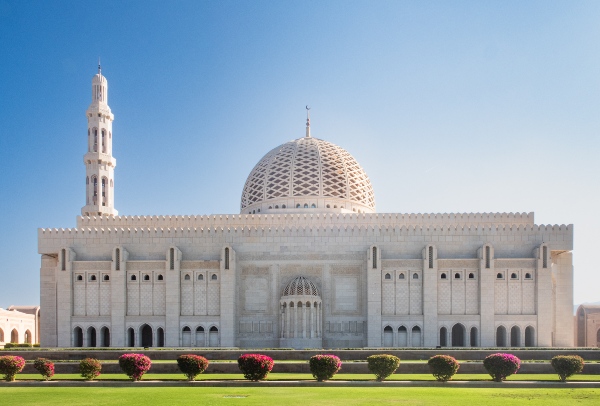
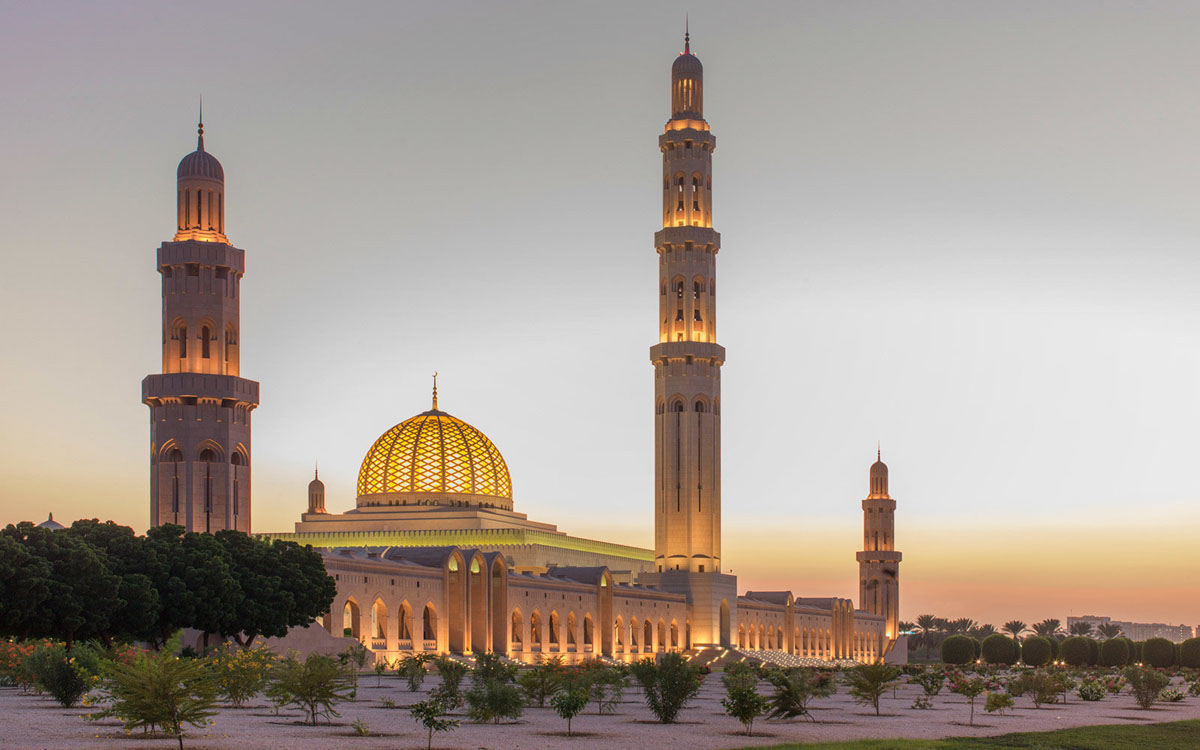
No visit to Muscat is complete without exploring the Sultan Qaboos Grand Mosque, one of the most magnificent religious sites in the Middle East. Completed in 2001, this architectural marvel can accommodate 20,000 worshippers and is renowned for its stunning features:
- The Main Prayer Hall: Houses the world's second-largest hand-woven carpet, measuring 70 × 60 meters and weighing 21 tons.
- The Swarovski Chandelier: A breathtaking centerpiece adorned with 600,000 Swarovski crystals, illuminating the prayer hall with a soft, ethereal glow.
- The Minaret and Domes: The mosque's 90-meter-tall minaret and five main domes reflect a blend of Omani, Islamic, and contemporary architectural styles.
Visitors are welcome outside of prayer times, but modest dress is mandatory. Women should cover their hair, arms, and legs, while men should avoid shorts and sleeveless shirts. The mosque's serene ambiance and intricate design make it a highlight of any Muscat itinerary.
Muttrah Souq: A Labyrinth of Tradition and Trade
Step into the Muttrah Souq, one of the oldest marketplaces in the Arab world, and experience the vibrant heart of Muscat's trading heritage. This bustling bazaar, located near the Muttrah Corniche, offers a sensory overload of sights, sounds, and scents. Key attractions include:
- Frankincense and Spices: Oman has been a major exporter of frankincense for centuries, and the souq's stalls are filled with this aromatic resin, along with spices like cardamom, saffron, and turmeric.
- Omani Silverware: Intricately designed khanjars (traditional Omani daggers) and silver jewelry make for unique souvenirs.
- Textiles and Handicrafts: From colorful pashminas to handwoven baskets, the souq is a treasure trove of artisanal goods.
The souq is also a great place to sample Omani street food, such as shuwa wraps and fresh dates stuffed with almonds. Bargaining is expected, so don't hesitate to negotiate prices—it's all part of the experience!
Fortresses and Museums: Guardians of Oman's Heritage
Muscat's forts and museums offer a glimpse into Oman's rich history, from its ancient maritime traditions to its modern-day achievements. Notable sites include:
- Al Jalali and Al Mirani Forts: These 16th-century Portuguese forts stand guard over Muscat's harbor. While Al Jalali is not open to the public, Al Mirani offers guided tours that delve into Oman's military history.
- Bait Al Zubair Museum: A private museum showcasing Omani heritage through artifacts, traditional weapons, and photographs. The replica of a traditional Omani house is a standout exhibit.
- National Museum of Oman: Inaugurated in 2016, this state-of-the-art museum features 14 galleries covering Oman's history from prehistoric times to the present. Highlights include the Jewelry Gallery and the Maritime History Gallery.
These landmarks not only preserve Oman's past but also educate visitors on the country's journey from a regional trading power to a modern nation.
Muscat's Modern Attractions: Where Innovation Meets Tradition
The Royal Opera House Muscat: A Beacon of Cultural Excellence
The Royal Opera House Muscat, inaugurated in 2011, is a symbol of Oman's commitment to the arts. Designed by a team of international architects, the opera house blends Islamic architecture with contemporary design, featuring:
- World-Class Acoustics: The main auditorium seats 1,100 guests and is renowned for its exceptional sound quality.
- Diverse Performances: From classical operas and ballets to Arabic music and international concerts, the venue hosts a variety of cultural events.
- Guided Tours: Visitors can explore the opera house's grand interiors, including the luxurious royal box and the handcrafted Omani chandeliers.
The Royal Opera House is more than just a performance venue; it's a testament to Muscat's growing reputation as a cultural hub in the Middle East.
City Centre Muscat: Retail Therapy and Entertainment
For those seeking modern amenities, City Centre Muscat is the city's premier shopping and entertainment destination. This sprawling mall features:
- Over 145 Stores: From international brands like Zara and H&M to local boutiques offering Omani crafts.
- Dining Options: A food court and fine-dining restaurants serving cuisines from around the world.
- Entertainment: A cinema complex, Magic Planet amusement center for kids, and seasonal events.
The mall is a popular spot for both locals and tourists, offering a cool respite from Muscat's heat while providing a taste of the city's contemporary lifestyle.
Al Khuwair Downtown: The Future of Muscat's Skyline
One of the most anticipated developments under Vision 2040 is Al Khuwair Downtown, a project set to redefine Muscat's urban landscape. Designed by Zaha Hadid Architects, this 3.3 million sq m development will include:
- Muscat's First Skyscraper: A towering landmark that will become a symbol of the city's modernization.
- Mixed-Use Spaces: Residential, commercial, and leisure areas designed to create a vibrant, walkable community.
- Waterfront Promenade: A scenic area for dining, shopping, and entertainment, enhancing Muscat's appeal as a tourist destination.
This project exemplifies Muscat's shift toward sustainable urban development, blending cutting-edge design with the city's cultural heritage.
Sustainable Tourism and Eco-Friendly Initiatives in Muscat
Eco-Tourism: Preserving Oman's Natural Beauty
Muscat is increasingly focusing on eco-tourism, promoting responsible travel that preserves Oman's natural landscapes. Key initiatives include:
- Protected Marine Areas: The Daymaniyat Islands Nature Reserve is a prime example, offering snorkeling and diving opportunities while safeguarding marine biodiversity.
- Wildlife Conservation: Projects like the Oman Turtle Conservation program in Ras Al Jinz protect endangered species, such as the green turtle.
- Sustainable Camping: Wild camping is encouraged in designated areas, with guidelines to minimize environmental impact, such as "leave no trace" principles.
These efforts ensure that Muscat's natural wonders remain unspoiled for future generations while providing visitors with unique, eco-conscious experiences.
Green Urban Development: Vision 2040's Commitment to Sustainability
Vision 2040 places a strong emphasis on sustainability, with Muscat leading the way in green urban development. Key projects include:
- Renewable Energy: Oman aims to generate 30% of its electricity from renewable sources by 2030, with solar and wind projects already underway.
- Green Buildings: New developments, such as Sultan Haitham City, incorporate energy-efficient designs and sustainable materials.
- Public Transport: Plans to expand Muscat's bus rapid transit (BRT) system and introduce electric vehicles aim to reduce carbon emissions.
By integrating sustainability into its growth plans, Muscat is setting a benchmark for eco-friendly urban development in the region.
Conclusion: Muscat—Where Heritage and Innovation Converge
Muscat is a city of contrasts, where ancient traditions seamlessly blend with modern aspirations. From the grandeur of the Sultan Qaboos Grand Mosque to the cutting-edge designs of Al Khuwair Downtown, the city offers a unique journey through time. Its pristine beaches, rugged wadis, and vibrant souqs provide endless opportunities for exploration, while its commitment to sustainability ensures a responsible and forward-thinking approach to growth.
Under the guidance of Vision 2040, Muscat is not just preserving its heritage but also embracing innovation. The city's economic diversification, cultural renaissance, and eco-friendly initiatives position it as a model for sustainable urban development in the Middle East. With record-breaking tourist arrivals and ambitious infrastructure projects, Muscat is rapidly becoming a must-visit destination for travelers seeking authenticity and modernity.
Whether you're drawn by the allure of Omani hospitality, the thrill of outdoor adventures, or the promise of a city on the rise, Muscat delivers an unforgettable experience. As the capital of Oman, it stands as a testament to the nation's past, present, and future—a place where the echoes of history resonate alongside the hum of progress. Plan your visit to Muscat and discover a city that truly embodies the spirit of timeless innovation.

Grand Mosque: The Heart of Islam and Its Sacred Legacy
Introduction to the Grand Mosque
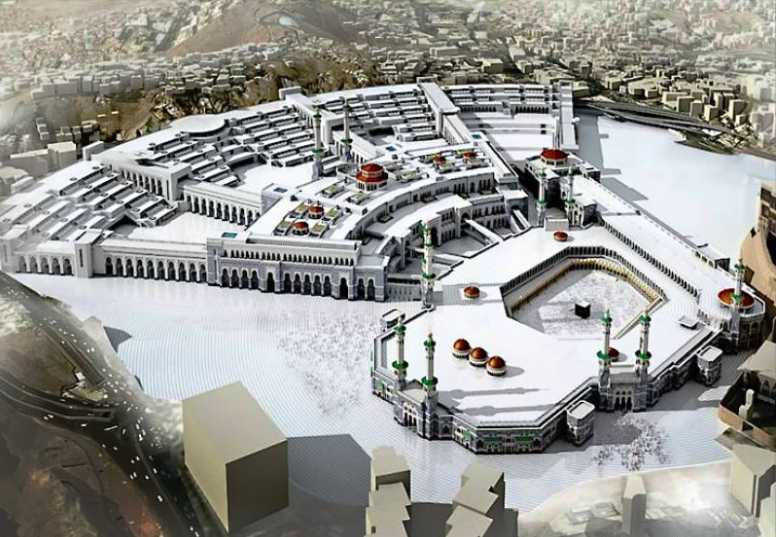
The Grand Mosque, also known as Masjid al-Haram, stands as the largest and most sacred mosque in Islam. Located in Mecca, Saudi Arabia, it encircles the Kaaba, the holiest site in Islam. This mosque is not only a place of worship but also a symbol of unity and devotion for Muslims worldwide. With an area of approximately 356,000 square meters, it can accommodate up to 2 million worshippers, making it a marvel of architectural and spiritual significance.
The Historical Significance of the Grand Mosque
The history of the Grand Mosque is deeply intertwined with the origins of Islam. According to Islamic tradition, the Kaaba was built by the Prophet Abraham (Ibrahim) and his son Ishmael (Ismail). The mosque itself originated as a simple enclosure around the Kaaba, constructed by Caliph Umar in 638 CE. This site has been a focal point for Muslim pilgrimage and worship for centuries.
The Role of the Kaaba
The Kaaba is the most sacred structure in Islam. Muslims around the world face the Kaaba during their daily prayers, symbolizing unity and devotion. The Black Stone, embedded in the eastern corner of the Kaaba, is a significant relic that pilgrims aim to touch or kiss during their rituals.
Expansions and Renovations
The Grand Mosque has undergone numerous expansions and renovations throughout history. Major developments occurred under the Umayyads, Abbasids, Mamluks, Ottomans, and Saudis. These expansions were driven by the need to accommodate the growing number of pilgrims and to address damages caused by floods and fires. The most recent renovations, initiated in 1955, have included modern amenities such as marble floors, escalators, air-conditioning, and tunnels to manage the massive crowds.
Architectural Marvels of the Grand Mosque
The Grand Mosque is an architectural masterpiece, blending historical significance with modern innovations. Its design and features reflect the rich cultural and religious heritage of Islam.
Seven Minarets
The mosque is renowned for its seven minarets, the most of any mosque in the world. These minarets, added progressively since the 8th century, serve as iconic landmarks and are used for the call to prayer. Each minaret stands tall, symbolizing the mosque's grandeur and spiritual importance.
Key Ritual Sites
Within the Grand Mosque, several key ritual sites hold special significance. The Mas'a gallery, located between the hills of Safa and Marwah, is where pilgrims perform the Sa'i, a ritual walk that commemorates Hagar's search for water for her son Ishmael. This site is an integral part of the Hajj and Umrah pilgrimages.
Modern Amenities
Recent renovations have equipped the Grand Mosque with modern amenities to enhance the pilgrimage experience. These include electric lighting, public-address systems, and advanced communication technologies. The mosque also features air-conditioning, escalators, and tunnels to facilitate the movement of large crowds, ensuring safety and comfort for all worshippers.
The Spiritual and Cultural Impact of the Grand Mosque
The Grand Mosque is not just a physical structure but a spiritual beacon for Muslims worldwide. Its significance extends beyond its architectural grandeur, deeply influencing the cultural and religious practices of Islam.
Pilgrimage and Worship
Praying at the Grand Mosque is considered highly rewarding in Islam. According to hadith, prayers offered here are multiplied 100,000-fold, drawing millions of Muslims each year. The mosque is the focal point for the Hajj and Umrah pilgrimages, which are central to the Islamic faith.
Global Unity
The Grand Mosque serves as a symbol of unity for Muslims around the world. Regardless of their nationality or background, Muslims come together in Mecca to perform their religious duties, fostering a sense of global community and shared faith.
Economic and Social Influence
The Grand Mosque plays a significant role in the economic and social fabric of Mecca. The influx of pilgrims during Hajj and Ramadan significantly boosts the local economy. The Saudi government's Vision 2030 initiative aims to further enhance the pilgrimage experience and diversify the economy, with projections of over 30 million annual visitors by 2030.
Conclusion of Part 1
The Grand Mosque is a testament to the rich history and spiritual significance of Islam. Its architectural marvels, historical expansions, and modern amenities make it a unique and revered site. As we delve deeper into its story in the next parts, we will explore more about its cultural impact, recent developments, and the experiences of pilgrims who visit this sacred place.
The Grand Mosque in Modern Times: Vision 2030 and Beyond
The Grand Mosque continues to evolve under Saudi Arabia's ambitious Vision 2030 plan, which seeks to modernize infrastructure while preserving its spiritual essence. This initiative aims to accommodate over 30 million annual visitors by 2030, enhancing both capacity and pilgrim experience. Recent developments include advanced crowd management systems, expanded prayer areas, and state-of-the-art facilities to ensure safety and comfort.
Technological Advancements
Technology plays a pivotal role in the Grand Mosque's modern operations. From electric lighting introduced in the early 20th century to today's smart crowd monitoring, innovations have transformed pilgrimage logistics. Key upgrades include:
- Public-address systems (installed in 1948) for clear prayer calls
- Air-conditioning to combat Mecca's extreme heat
- Escalators and tunnels to ease movement during peak times
- Real-time translation services for international pilgrims
Expansion Projects
Ongoing expansions focus on increasing the mosque's capacity while maintaining its historical integrity. The Saudi government has invested billions in projects such as:
- Adding new prayer halls to reduce congestion
- Constructing pedestrian walkways for safer access
- Integrating hotels and shopping centers (e.g., Abraj Al Bait Towers) nearby
These efforts ensure the Grand Mosque remains the world's most expensive building, with renovations exceeding $100 billion in recent decades.
The Grand Mosque's Role in Hajj and Umrah
The Grand Mosque is the epicenter of Islam's two most sacred pilgrimages: Hajj and Umrah. These journeys are obligatory for financially and physically capable Muslims, drawing millions annually.
Hajj: The Annual Pilgrimage
Hajj, performed in the Islamic month of Dhu al-Hijjah, is one of the Five Pillars of Islam. Pilgrims follow a series of rituals, including:
- Tawaf: Circling the Kaaba seven times
- Sa'i: Walking between Safa and Marwah hills
- Standing at Arafat: A day of prayer and repentance
The Grand Mosque accommodates up to 2.5 million pilgrims during Hajj, with Mecca's population tripling during this period.
Umrah: The Lesser Pilgrimage
Umrah, often called the "lesser pilgrimage," can be performed year-round. While not obligatory, it holds immense spiritual value. Key rituals include:
- Tawaf around the Kaaba
- Sa'i between Safa and Marwah
- Shaving or trimming hair as a symbol of renewal
Unlike Hajj, Umrah can be completed in a few hours, making it accessible to more Muslims globally.
Cultural and Educational Significance
Beyond its religious role, the Grand Mosque serves as a cultural and educational hub. It preserves Islamic heritage while fostering learning and community engagement.
Historical Artifacts and Exhibits
The mosque houses priceless artifacts, including:
- The Black Stone, embedded in the Kaaba
- Ancient Quranic manuscripts in its libraries
- Ottoman-era calligraphy and architectural elements
These treasures attract scholars and historians, offering insights into Islam's rich history.
Educational Initiatives
The Grand Mosque supports educational programs, such as:
- Quran memorization classes for children
- Islamic studies for international students
- Multilingual guided tours for visitors
These initiatives ensure the mosque remains a center for spiritual and intellectual growth.
Challenges and Future Outlook
Despite its grandeur, the Grand Mosque faces challenges, including overcrowding, security concerns, and environmental sustainability. However, Saudi Arabia's proactive measures under Vision 2030 aim to address these issues.
Overcrowding Solutions
To manage the influx of pilgrims, authorities have implemented:
- AI-powered crowd control systems
- Expanded prayer areas with retractable roofs
- Digital permit systems to regulate entry
Sustainability Efforts
Eco-friendly initiatives include:
- Solar-powered facilities to reduce energy consumption
- Water recycling systems for conservation
- Green spaces within the mosque complex
As the Grand Mosque continues to evolve, it remains a beacon of faith, unity, and progress for Muslims worldwide. The final part of this series will explore personal pilgrim experiences and the mosque's global impact.
Pilgrim Experiences: Personal Stories from the Grand Mosque
The Grand Mosque is not just a physical structure but a profound spiritual journey for millions. Pilgrims from diverse backgrounds share transformative experiences, highlighting the mosque's universal appeal and emotional impact.
Stories of Faith and Devotion
Many pilgrims describe their visit to the Grand Mosque as life-changing. A pilgrim from Indonesia shared:
"Standing before the Kaaba, I felt an overwhelming sense of peace. The unity among Muslims from every corner of the world was breathtaking."
Another from Nigeria reflected:
"Performing Tawaf with thousands of others, all dressed in white, made me realize the true meaning of equality in Islam."
Challenges and Rewards
While the journey is spiritually rewarding, pilgrims often face challenges such as:
- Physical exhaustion from long rituals
- Language barriers in a multicultural crowd
- Emotional intensity of the experience
Yet, these challenges are outweighed by the spiritual fulfillment and sense of accomplishment.
The Grand Mosque's Global Impact
The Grand Mosque transcends its physical location, influencing Muslim communities worldwide. Its significance extends to cultural, economic, and diplomatic spheres.
Cultural Influence
The mosque's rituals and architecture inspire Islamic practices globally:
- Mosque designs often mimic its features
- Prayer times are synchronized with Mecca
- Hajj stories are shared across generations
Economic Contributions
The Grand Mosque drives Saudi Arabia's economy through:
- Pilgrimage tourism, generating billions annually
- Job creation in hospitality and services
- Infrastructure development in Mecca
Under Vision 2030, these contributions are expected to grow exponentially.
Preserving the Grand Mosque for Future Generations
Ensuring the Grand Mosque's legacy requires balancing modernization with preservation. Saudi Arabia employs cutting-edge techniques to maintain its historical and spiritual integrity.
Conservation Efforts
Key preservation strategies include:
- Restoration of ancient calligraphy and artifacts
- Digital archiving of historical documents
- Structural reinforcements against natural disasters
Technological Innovations
Modern technology aids in preservation:
- 3D scanning for architectural documentation
- AI monitoring for structural health
- Virtual reality tours for global access
Conclusion: The Enduring Legacy of the Grand Mosque
The Grand Mosque stands as a testament to Islam's rich history and global unity. From its origins with the Kaaba to its modern expansions under Vision 2030, it remains the heart of Muslim worship and culture.
Key takeaways include:
- The mosque's spiritual significance as Islam's holiest site
- Its architectural marvels, including seven minarets and advanced amenities
- The global impact of Hajj and Umrah on Muslim communities
- Ongoing modernization efforts to accommodate millions
As the Grand Mosque continues to evolve, it remains a beacon of faith, unity, and progress. For Muslims worldwide, it is more than a destination—it is a lifelong spiritual journey.


Discovering the Heartbeat of Oman: Muscat
Muscat, the vibrant capital city of Oman, stands as a beacon of historic and contemporary significance. Nestled on the northeastern coast, overlooking the Gulf of Oman and the Strait of Hormuz, Muscat has long been a crucial maritime hub connecting the Western and Eastern worlds since at least the first century AD.
Strategic Location and Geography
Geographically, Muscat plays a pivotal role in regional and global affairs due to its proximity to the Strait of Hormuz, a strategic maritime chokepoint. This narrow strait connects the Gulf of Oman to the Persian Gulf, making it vital for international shipping. The city's location on the shores of the Gulf of Oman provides a picturesque setting for the modern metropolis, yet retains the rich tapestry of its ancient maritime heritage.
The urban agglomeration alone houses a population of over 600,000 individuals, while the population of Muscat proper was around 25,000 in 2003. These numbers underscore the city’s evolving dynamics from its historical roots to its current role as an economic and political powerhouse.
Historical Significance: A Centuries-Old Legacy
Muscat’s strategic importance has been evident for millennia. Historically, it was a key trading port on the famous maritime Silk Road, facilitating the exchange of goods such as spices, silk, timber, and other treasures from Asia, Africa, and Europe. This maritime connection played a crucial role in shaping Muscat’s cultural landscape, fostering a unique blend of influences from diverse civilizations.
The city's historical legacy is further enriched by its succession of rulers. From indigenous tribes and Islamic Imams in the 7th century to the Portuguese who occupied and fortified the city with structures like Al Jalali and Al Mirani castles from 1507 to 1650, each power left indelible marks on Muscat’s architecture and culture. Notably, the Al Bu Sa'id dynasty, which took power in 1749 following the expulsion of Persian invaders, established the current ruling family and has been responsible for maintaining the city’s sovereignty.
From Maritime Empire to Modern Capital
Under the Yaruba Imams and the subsequent rule of the Al Bu Sa'id dynasty, Muscat emerged as the center of a vast maritime empire with influence extending to East Africa. The city became particularly significant in the 19th century when Zanzibar served as the capital of the Omani Sultanate, further cementing Muscat’s role in regional politics and trade.
The economy historically relied heavily on maritime trade, although the period from the late 19th century to the early 20th century saw the contentious practice of the slave trade within its borders. Today, while oil exploration began in the early 20th century, Muscat’s economy is diversifying with a focus on trade, tourism, and services, marking a shift away from reliance on a single natural resource.
Cultural Fusion: A Harmony of Influences
Muscat’s cultural heritage is a testament to its long history as a cosmopolitan trading hub. Its architecture and way of life reflect a fusion of Arab, Portuguese, Persian, Indian, and African influences. These diverse elements can be seen in the city’s traditional buildings, such as the iconic Al Jalali fortress and Al Mirani Castle, which stand as enduring symbols of its strategic past.
The preservation of historical forts and areas like the Old City has preserved much of Muscat’s rich cultural heritage, attracting cultural tourists and scholars. Meanwhile, modern infrastructure development continues apace, ensuring that Muscat remains a bustling and dynamic city.
Strategic Importance and Geopolitical Significance
Located near the Strait of Hormuz, Muscat’s geopolitical significance cannot be overstated. The strait is crucial for global energy and maritime security, as it serves as a waterway for oil tankers transporting approximately one-fifth of the world’s oil supply. This strategic position underscores Muscat’s role not only in regional geopolitics but also in international affairs.
As a capital city, Muscat balances the challenges of maintaining its historical identity with modernization initiatives. Cultural preservation efforts alongside urban renewal projects ensure that the city retains its heritage while adapting to the needs of a rapidly evolving society.
In essence, Muscat continues to play a vital role in regional geopolitics and commerce. Its rich history, strategic location, and cultural diversity make it a fascinating city to explore, offering a glimpse into the intersection of past and present. As Muscat moves forward, it does so with a deep appreciation for its storied past and a forward-looking vision for its future.
Current Developments: Urban Modernization and Cultural Preservation
As Muscat continues to evolve, there are concerted efforts towards urban modernization while preserving its historical heritage. Major infrastructure projects have transformed the cityscape, with new high-rises, business districts, and transportation networks springing up alongside ancient fortresses and marketplaces.
Downtown Muscat features a mix of modern skyscrapers and traditional bazaars. Key landmarks like the Sultan Qaboos Grand Mosque, built in the late 1980s, showcase Oman’s distinct architectural style, blending traditional influences with sleek modern design. Other modern constructions, such as the Pearl of the Gulf Towers and the National Museum of Oman, have become focal points for both locals and visitors.
The government of Oman has embarked on several initiatives aimed at preserving its cultural heritage. For instance, the restoration and conservation of traditional Omani architecture are ongoing activities, with many old buildings carefully refurbished to retain their historical integrity. Programs like the National Centre for Culture and Arts (NCCA) and the Ministry of Tourism actively promote traditional crafts, music, and literature through various educational and promotional campaigns.
Culturally, Muscat hosts a range of events that celebrate its diverse heritage. Annual festivals like Eid Al Adha and Eid Al Fitr attract large crowds to witness traditional prayer ceremonies, local food markets, and cultural performances. In addition, museums such as the Oman National Museum and the Museum of Science and Technology offer glimpses into the city’s history, archaeology, and scientific advancements.
Tourism and Heritage
Tourism is a growing sector in Muscat, driven by its rich history and natural beauty. Visitors come to explore its historic sites, enjoy beaches, and experience traditional Omani hospitality. The Royal Opera House Muscat (RAHM) and the National Museum of Oman have become cultural hubs, hosting theater performances, art exhibitions, and historical reenactments.
Muscat’s old town, known for its narrow streets and traditional Omani houses, provides a living museum for tourists interested in authentic Omani culture. Forts like Al Alam Barracks and Dhofar Fort also offer panoramic views and insights into Oman’s military history. The nearby Corniche, a scenic waterfront promenade, complements these attractions and serves as a popular spot for local residents and tourists alike.
Economy: Diversification and Sustainability
While Muscat’s economy has traditionally been linked to maritime trade, its current economic strategy focuses on diversification. The government has introduced policies to develop sectors such as tourism, information technology, finance, and renewable energy, aiming to reduce dependence on oil and gas.
The development of Muscat International Airport (MCT) has enhanced the city’s connectivity, making it easier for travelers to visit Omani destinations. The airport serves as a gateway for regional and international flights, boosting tourism and facilitating business travel. Additionally, the government is investing in smart city technologies and sustainable energy solutions to ensure long-term growth and environmental sustainability.
The Omani Investment Authority (OMIA) and other public bodies are promoting private sector investments in various sectors. The establishment of special economic zones, such as the Duqm Special Economic Zone, encourages foreign direct investment (FDI) and supports innovation in manufacturing, logistics, and green technology. These initiatives are crucial in preparing Muscat for a future where global economic trends are increasingly influenced by technological advancements and sustainable practices.
Conclusion: Embracing the Future While Honoring the Past
Muscat stands at the crossroads of tradition and progress, a city that seamlessly combines its ancient heritage with modern aspirations. Its strategic location and rich history continue to shape its role as a global player in maritime trade, energy security, and cultural exchange.
Through careful planning and visionary leadership, Muscat is poised to become a shining example of how a city can thrive while honoring its origins. As it looks towards the future, Muscat embraces opportunities for growth and development, ensuring that its legacy endures while forging new paths into the 21st century.
Strategic Partnerships and Bilateral Relations
Muscat’s strategic location and rich historical ties make it a desirable partner for countries and organizations worldwide. Diplomatic relations extend from neighboring states to more distant allies. Close ties with the United States, particularly through the Sultanate of Oman’s neutrality in regional conflicts, have strengthened mutual understanding and cooperation in areas such as security, culture, and education.
Oman’s engagement with countries like Germany, the United Kingdom, and France includes diplomatic visits, trade negotiations, and joint ventures in sectors like energy, construction, and education. These partnerships enhance Muscat’s image as a reliable and strategic partner, capable of fostering economic growth and regional stability.
Education and Research
Educational institutions in Muscat, such as Sultan Qaboos University and the American University of Sharjah campus in Muscat, contribute significantly to the city’s intellectual landscape. These universities offer a wide range of programs, including STEM fields, humanities, and business management, attracting students from around the globe.
The establishment of research centers and think tanks in Muscat has bolstered its academic profile. The Sultan Qaboos Center for Strategic Studies and the Sultan Qaboos Foundation for Medical Research address pressing issues ranging from healthcare to energy conservation. These institutions help shape Muscat’s approach to governance, social cohesion, and sustainable development.
Sports and Recreational Activities
Muscat has embraced sports and recreational activities as a means to foster community engagement and promote a healthy lifestyle. The city hosts several sporting events throughout the year, including marathons, swimming competitions, and traditional games like al-Nahij (the stick fighting game).
Facilities such as the Oman Sports Complex and the Corniche Beach provide accessible spaces for residents and tourists alike. The Oman National Olympic Committee (ONOC) works to develop athletic talent and prepare teams for international competitions, further enhancing Muscat’s standing as a sports destination.
Future Prospects and Challenges
As Muscat looks towards its future, several key areas require close attention and strategic planning. Environmental sustainability remains a priority, with initiatives focused on reducing carbon emissions and promoting eco-friendly technologies. Water conservation, particularly in the face of growing population and increasing urbanization, is another critical challenge that the government is addressing through efficient management and desalination plants powered by renewable energy.
Technological advancements and digital transformation are also central to Muscat’s development plans. The government’s Vision 2040 aims to enhance digital connectivity, support startup ecosystems, and foster innovation in sectors like cybersecurity and artificial intelligence. These efforts are expected to drive economic growth and create new job opportunities, while maintaining the cultural and historical fabric of the city.
Despite the numerous benefits of these advancements, Muscat faces challenges related to socio-economic inequality and the need for inclusive growth. Initiatives to improve social services, reduce poverty, and enhance access to education and healthcare are essential to ensuring that the benefits of economic development reach all segments of the population.
Conclusion: A City of Endless Possibilities
Muscat’s story is one of resilience, innovation, and cultural richness. From its ancient maritime trade routes to its modern skyline, Muscat embodies the best of both past and present. As it continues to evolve, the city will undoubtedly play an even more significant role in shaping regional and global narratives, serving as a model of sustainable and inclusive development for generations to come.
The journey ahead for Muscat is marked by promise and potential. With careful stewardship and unwavering commitment to its heritage and future, Muscat is poised to become an exemplar of how a city can balance tradition and modernity, ensuring prosperity and harmony for all its citizens.
Bangkok: The Enchanting Heart of Thailand
Introduction
The City of Angels
Bangkok, the bustling capital city of Thailand, is a melting pot of ancient traditions and modern innovation. Often referred to as the "City of Angels," it is a vivid representation of the rich history and vibrant culture that defines the nation. Set along the mighty Chao Phraya River, Bangkok has grown to become one of Asia's largest and most dynamic urban centers, drawing millions of visitors each year. Its blend of grand palaces, historic temples, buzzing markets, and cutting-edge skyscrapers makes it a fascinating destination.
An Overview of Bangkok
Geographically speaking, Bangkok occupies an area of approximately 1,568.7 square kilometers (605 square miles) on the Chao Phraya River delta. Located at the confluence of several rivers, the city has developed into a sprawling metropolis over centuries. Historically, Bangkok’s location was crucial, as the river not only served as a transportation artery but also provided protection against flooding and invasion.
Packed with over ten million inhabitants, including an extensive urban sprawl, Bangkok is a city of contrasts. From the luxurious Grand Palace to the bustling street markets like Chatuchak Weekend Market, this city offers a sensory overload for all its visitors. With its iconic landmarks, diverse food scene, and cultural richness, Bangkok stands apart as a significant city in Southeast Asia.
A Historical Journey Through Time
The Early Beginnings
The history of Bangkok begins in the early 18th century, when the city was known as Thonburi and served as the capital under King Taksin. Thonburi was a strategic fortification designed to thwart further Burmese invasions. However, in 1782, King Rama I relocated the royal court to its current location and founded the capital of the Rattanakosin Kingdom. Thus, Bangkok became the official seat of power, a title it still holds today.
From Ayutthaya to Bangkok
The move from Ayutthaya to Bangkok marked a significant turning point in Thai history. The new capital symbolized both a strategic defense stance and a political shift towards modernization. Situated along the Chao Phraya River, Bangkok offered a more protected setting for the royal family and officials, while also providing better access to transportation and trade routes.
The Impact of European Influence and Colonialism
During the 19th century, Bangkok experienced considerable changes due to European colonial influence and subsequent reforms. In 1824, King Rama III opened Siam to limited foreign trade, signaling a tentative integration with the global market. This led to the construction of Western-style buildings, such as the Ananta Samakhom Throne Hall, reflecting a fusion between traditional Thai architecture and Western designs.
In the late 19th and early 20th centuries, the city underwent rapid modernization. Railways were introduced, and urban development flourished, particularly during the reign of King Rama VI who initiated comprehensive improvements in infrastructure. These developments laid the foundation for Bangkok’s transformation into a cosmopolitan city, capable of hosting the growing urban population and catering to international commerce.
Cultural Heritage and Iconic Sites
The Grand Palace Complex
No exploration of Bangkok would be complete without visiting the iconic Grand Palace complex, which encompasses numerous historical structures and temples. Originally a small fort called the Wat Mahaophan, the palace grew under the patronage of King Rama I and his successors. Over the years, various monarchs added their own architectural contributions, resulting in a magnificent ensemble that spans over 215,000 square meters.
Wat Phra Kaew: Home of the Emerald Buddha
Within the Grand Palace, the Wat Phra Kaew temple houses the revered Emerald Buddha, one of Thailand’s most sacred relics. Crafted from green jade, the Buddha statue has a long and storied history, dating back to the 15th century. Legend has it that upon moving the statue to Bangkok, a favorable wind greeted the procession, marking its final resting place in the Grand Palace.
The Wat Arun (Temple of Dawn)
Another must-see historical site is Wat Arun, often referred to as the Temple of Dawn. Located on the banks of the Chao Phraya River, Wat Arun rises majestically, particularly when illuminated at night. Commissioned by King Rama II in the early 19th century, the temple showcases intricate architectural details and ornate decorations, making it a visual masterpiece. Its distinctive prang (tower) stands 80 meters tall and serves as a symbol of Thai architecture and engineering prowess.
Khao San Road
Beyond the royal enclaves, Bangkok’s Khao San Road offers a different perspective of the city. Once a quiet residential street, Khao San Road transformed in the 1980s into a backpacker haven and cultural hub. Today, this lively area throngs with travelers from all over the world, enjoying its eclectic mix of restaurants, nightclubs, bars, and street performances. The road is divided into two main sections: Khao San Road itself and Ratchaworakit Road, where visitors can find various accommodations and local shops.
Khao San Road reflects Bangkok’s embrace of tourism and its willingness to cater to a diverse array of interests, providing both cultural enrichment and a taste of local life for tourists.
The Vibrant Food Scene
A Culinary Journey Through Bangkok
Bangkok is renowned for its rich culinary diversity, offering food enthusiasts a gastronomic adventure like no other. From street food stalls to high-end restaurants, Bangkok caters to every palate and budget. The city’s cuisine is a harmonious blend of Thai flavors, reflecting influences from neighboring countries and colonial-era adaptations.
Street Food: A Must-Experience
No visit to Bangkok would be complete without indulging in its famous street food scene. Food peddlers line the streets, serving everything from spicy satay skewers to tender grilled crab. Each stall offers a unique dish, ensuring a memorable taste explosion for every visitor.
Local Dishes
A few must-try local dishes include:
- Tom Yum Goong: A classic Thai soup brimming with shrimp, lemongrass, and a hint of kick from chili paste.
- Mango Sticky Rice: A dessert featuring sticky rice soaked in coconut milk and topped with fresh mango slices.
- Larb: A spicy minced meat salad with herbs, lime juice, and chili peppers, typically made with pork, chicken, or beef.
- Rainbow Roti: Sweet pancakes filled with condensed milk and colored with natural dyes.
Visitors can find these dishes easily at any street corner or at one of Bangkok’s renowned floating markets, such as Talat Floating Market, where boats serve food while moored along the Chao Phraya River.
Modern Dining Scenes
In addition to street food, Bangkok boasts a burgeoning fine dining scene. Restaurants range from Michelin-starred establishments to innovative fusion joints that blend traditional Thai flavors with contemporary culinary techniques. Some popular venues include:
- Nuch’s Kitchen: Known for its creative approach to traditional Thai dishes.
- MooGaeMooS: Offers a unique experience with its multi-course tasting menus.
- Bo.lan: Specializes in Thai cuisine with a focus on sustainable and organic ingredients.
Bangkok’s food landscape is a testimony to its cultural heritage and its ability to evolve while maintaining authenticity.
Cultural Events and Festivals
Festive Celebrations
Bangkok is brimming with cultural festivals and events throughout the year, each celebrating different aspects of Thai culture and traditions. Some of the most noteworthy include:
- Vesak (Buddha Day): Marking the birth, enlightenment, and passing away of Buddha, Vesak is celebrated with candle-light processions, offerings at temples, and public speeches.
- Loi Krathong: A festival where Thais release small baskets (krathongs) into rivers and waterways, symbolizing washing away of sins and troubles.
- Hon Khao Phansa: Celebrates the beginning of Buddhist rains retreat, with monks visiting communities for alms food and devotees offering respect.
- Gaysakaphansadipok: Known as the Bangkok International Song Festival, it showcases musical talent from around the world and is a major event for music lovers.
These events provide a deeper insight into the cultural fabric of Bangkok and allow visitors to participate in unique activities that enrich their understanding of Thai society.
Street Performances and Shows
Beyond cultural festivals, Bangkok is a city always on display, where street performers and entertainers offer a continuous spectacle. Night markets like Charoen Krung Road and Petchaburi Road come alive with live performances ranging from acrobats to traditional dancers. Puppet shows, firework displays, and musical recitals add to the city's festive ambiance, making every visit a memorable one.
Modern Developments and Urban Expansion
Urban Sprawl and Real Estate
Bangkok’s growth has been unprecedented, leading to both impressive economic achievements and challenges related to urban sprawl. Over the past few decades, the city has expanded significantly, transforming vast tracts of farmland into bustling metropolitan areas. Residential estates, office buildings, and commercial complexes now stand alongside historic landmarks, creating a unique urban skyline.
Bangkok’s real estate sector has seen remarkable expansion, fueled by investments from national and international entities. High-rise condominiums and luxury apartments have become common, catering to the demands of local and foreign buyers alike. The city’s skyline, characterized by towers like MBK Center and The Emporium, reflects its status as a global financial hub.
Infrastructure and Transportation
To cope with the rapid growth, Bangkok has invested heavily in infrastructure and transportation systems. The city boasts a network of roads, bridges, and tunnels that connect the various districts seamlessly. Public transport options such as the BTS Skytrain and MRT subway ensure efficient movement across the sprawling metropolis.
Additionally, efforts are ongoing to improve traffic congestion through the implementation of smart city technologies, although the city still grapples with frequent traffic snarls. Nonetheless, initiatives like the Chao Phraya Express Boat project aim to provide more sustainable and convenient transport solutions along the river.
Education and Healthcare
Educational institutions and healthcare facilities in Bangkok reflect the urban expansion. The city is home to numerous universities and colleges, providing opportunities for students from around the globe. Notable educational institutions include Mahidol University, Rangsit University, and Thammasat University, among others. These establishments offer a wide range of academic programs, from engineering to humanities, attracting students and scholars from various countries.
In terms of healthcare, Bangkok boasts some of the best hospitals and medical facilities in Thailand. Institutions like Bumrunyawee Hospital and Ramotraphai Hospital are highly regarded, offering advanced medical care services along with modern amenities. The city’s commitment to education and healthcare underscores its ambition to serve as a center of excellence in South-East Asia.
In conclusion, Bangkok’s journey from its early settlements to a modern metropolis is nothing short of remarkable. Its rich history, vibrant culture, delectable cuisine, and dynamic urban landscape make it a city that continues to captivate and enchant visitors. As Bangkok moves forward, it strives to balance its rich heritage with future advancements, ensuring that its legacy remains intact while continuing to thrive in the global context.
Preservation Efforts and Heritage Conservation
Historic Districts and Heritage Zones
Bangkok is renowned for its dedication to preserving historical and cultural assets. Several areas within the city have been designated as historic districts or heritage zones to safeguard the architectural and cultural heritage of the city. One prominent example is the Asiatique Thonburi Night Market, a bustling entertainment district located south of the historic Old Bangkok. Featuring authentic buildings and traditional Thai facades, it provides a glimpse into the city’s past while also offering modern amenities and attractions.
Further north, the old town around Phra Nakhon Sila Luang and Sala Da En markets are preserved to reflect historical neighborhoods and provide a vibrant setting for locals and tourists. These areas house quaint streets, traditional wooden houses, and small temples that contribute to the city’s rich history and charm.
Government Initiatives
The Bangkok Metropolitan Administration (BMA), a government department, plays a crucial role in heritage conservation projects. Under its purview, the city has launched various initiatives aimed at preserving historically significant buildings and sites. For instance, the renovation of the Rajawongse Tower on Paholyothin Road, originally constructed in the early 20th century, demonstrates the BMA’s commitment to restoring historical structures for a new generation.
Additionally, the city offers incentives for property owners to maintain the historical integrity of their buildings. These incentives include tax breaks and subsidies, encouraging homeowners and businesses to preserve historical facades and interiors.
Sustainable Tourism and Environmental Initiatives
The Rise of Responsible Tourism
Bangkok has increasingly embraced sustainable tourism practices to address environmental concerns and promote responsible travel. Initiatives such as the Green Tourism Bangkok program encourage hotels and tour operators to adopt eco-friendly standards, reducing waste, conserving energy, and promoting biodiversity. Participating establishments are recognized with certificates acknowledging their commitment to sustainability, thereby guiding visitors toward environmentally conscious choices.
Environmental Protection Efforts
To combat environmental degradation, Bangkok implements numerous measures aimed at improving air quality, reducing pollution, and managing solid waste effectively. The city has introduced policies to control industrial emissions and promote cleaner transportation methods, such as electric vehicles. Furthermore, campaigns are underway to promote recycling and composting, raising awareness among the public about the importance of maintaining a clean environment.
Chao Phraya River Restoration Project
A notable environmental initiative in Bangkok is the restoration of the Chao Phraya River. This project aims to transform the riverfront into an attractive public space while mitigating flood risks and promoting ecological health. The river’s cleanup involves removing debris, planting mangroves, and rehabilitating waterways to enhance natural habitats and biodiversity. The restored riverbanks also feature walking trails, parks, and recreational areas, making the area more accessible to residents and visitors alike.
Entertainment and Nightlife
Night Markets and Nightlife Spots
Beyond its historical sites and cultural events, Bangkok offers a lively entertainment scene, especially during the night. Night markets are a cornerstone of the city’s nightlife, providing a vibrant atmosphere and a chance to experience local flavors and cultural expressions. Chatuchak Weekend Market, while less nocturnal than many other markets, is known for its sheer scale and diverse offerings, making it a popular spot for both tourists and locals alike.
Other notable night markets include:
- Suksa Market: Open daily, it focuses on fresh produce, handicrafts, and local delicacies.
- Makro Giant: Known for its variety of Asian foods and ingredients, suitable for both eating on-site and purchasing for home cooking.
- Talat Rot Fai: A quirky market with vintage and second-hand items, ideal for those looking for unusual souvenirs.
VVIP Nightclubs and Rooftop Bars
For a more upscale experience, Bangkok’s skyline features a cluster of luxury clubs and rooftop bars that offer breathtaking views of the city. These venues cater to a cosmopolitan clientele, providing everything from sophisticated dance floors to serene outdoor terraces adorned with tropical plants and cocktails tailored to international tastes. Some popular venues include:
- Blossom: Offers panoramic views of the city from an exquisite rooftop terrace.
- Royal Paragon Hill: A chic rooftop bar with elegant decor and a mix of Thai and international dishes.
- Bamboo Bar: Known for its extensive gin selection and creative cocktails, paired with an ambient jazz soundtrack.
Bamboo Bar is a favorite among locals, attracting celebrities and socialites who enjoy the bar’s cozy ambiance and expert mixology.
Shopping and Luxury Experiences
Luxury Shopping Destinations
Bangkok’s shopping scene is as diverse as its cultural offerings, featuring a vast array of luxury brands and traditional markets. For high-end shopping, the city is home to iconic malls such as CentralWorld, MBK Center, and Siam Paragon. These large retail hubs offer premium fashion labels, flagship stores, and gourmet dining options, catering to a clientele seeking top-tier goods and services.
In contrast to luxury retail, small boutiques and artisanal shops along Khao San Road and nearby areas provide a more personal and authentic shopping experience. Visitors can discover unique souvenirs, handwoven textiles, and artisan crafts, making for a truly memorable shopping trip.
Specialty Stores and Boutiques
Bangkok is a hub for specialty stores and boutiques that showcase local craftsmanship and creativity. Here, visitors can find everything from artisanal Thai jewelry to traditional Thai clothing like Lohit Phra (royal Thai dress). Stores like Sukhumvit 24 and Soi Kleang provide a concentrated space for boutique shopping, allowing shoppers to explore a wide range of curated products and local brands.
Exhibitions and Fashion Events
Bangkok frequently hosts fashion exhibitions and events that highlight local designers and emerging talents. The Thai Fashion Week, held annually, draws national and international attention, showcasing contemporary Thai fashion through runway shows and designer talks. These events not only promote Thai fashion globally but also provide a platform for independent designers to gain visibility and recognition.
Health and Wellness Retreats
Luxury Spa and Wellness Centers
Bangkok is synonymous with relaxation and rejuvenation, boasting a myriad of luxury spa and wellness centers. From traditional Thai massage therapies to cutting-edge holistic treatments, these establishments offer a wide range of services designed to ease the mind and body. Popular destinations like Apsara Spa, Four Seasons Resort, and Anantara Sukhumban Resort provide tranquil environments where guests can immerse themselves in therapeutic experiences.
Hotels with Wellness Facilities
Many hotels in Bangkok incorporate comprehensive wellness facilities into their offerings. The Grand Hyatt Erawan, for instance, features an expansive spa with state-of-the-art equipment and trained therapists. Similarly, the Marriott Marquis Queen Saigon in Bangkok offers a full-service wellness center, including yoga studios, fitness suites, and wellness classes led by qualified trainers.
Hotels with wellness facilities often provide packages that combine luxurious accommodations with personalized wellness retreats, making them a favored choice for both tourists and health-conscious travelers.
Concluding Thoughts
Bangkok has undeniably come a long way since its early days as a strategic trading post and the seat of the Rattanakosin Kingdom. It now stands as a vibrant city that seamlessly blends its historic charm with modern sophistication, catering to the varied needs of its residents and visitors. Whether exploring its rich cultural heritage, indulging in its delectable cuisine, or immersing oneself in its vibrant nightlife, Bangkok offers endless possibilities and experiences that are sure to leave a lasting impression.
As Bangkok evolves, its relentless spirit to innovate and preserve its identity ensures that it remains a beacon of Southeast Asia’s dynamic urban landscapes. Visitors to this enchanting city are invited to uncover its untold stories, embrace its multifaceted essence, and leave with a profound appreciation of a metropolis that continues to captivate the world.
Bangkok awaits—ready to enchant and inspire.
Modernization and Innovation
Technology and Digital Transformation
Bangkok’s rapid modernization extends beyond physical infrastructure to include technological advancements. The city has embraced digital transformation, leveraging technology to enhance convenience and efficiency. Smart city initiatives, such as the deployment of Internet of Things (IoT) devices, have enabled more effective city management and services. Traffic management systems, waste management programs, and emergency response networks have become increasingly sophisticated, improving the overall quality of life for residents.
Startups and Entrepreneurship
Bangkok is a hotbed for startups and entrepreneurs, fostering a vibrant ecosystem that drives innovation and economic growth. Co-working spaces and incubators like Startup SGU, TechNode Bangkok, and Start-Up City have emerged to support budding entrepreneurs and provide resources for scaling their ventures. These hubs offer a range of services, from networking opportunities and mentorship to funding platforms and workshops on business development.
Innovation Districts
The city has established dedicated innovation districts aimed at nurturing entrepreneurial talent and driving technological advancements. The Bangmod Innovation District, for example, is centered around Siam Tower and integrates co-working spaces, accelerators, and incubators. Another notable district is T.Rex Thailand, which provides coworking spaces and resources specifically tailored for startups in the tech industry.
Economic Growth and Job Market
Financial Hub and International Business
Bangkok is a major financial hub, hosting numerous multinational corporations, financial institutions, and government agencies. The city’s strong economy and strategic location attract businesses from around the world. Key sectors include banking, insurance, real estate, telecommunications, and tourism. Companies like Citibank, Shell, and KPMG operate robust offices in Bangkok, contributing to the city’s economic dynamism.
Growing Job Market and Career Opportunities
The job market in Bangkok is robust, offering a wide range of career opportunities for locals and expatriates alike. From finance and consulting to hospitality and technology, the city provides diverse employment prospects. Companies in the tech sector, finance, and creative industries are particularly thriving, with numerous startups and established firms opening branches here. Job seekers can leverage online platforms like Indeed, Glassdoor, and LinkedIn to explore openings and connect with potential employers.
Skilled Labor Market and Professional Development
Bangkok’s skilled workforce is a key factor in sustaining economic growth. Universities and professional training institutes ensure a steady supply of talent with the necessary skills and expertise. Programs like those offered by the Thailand Development Research Institute (TDRI) and the Bangkok Metropolitan Council focus on fostering research and development, providing valuable insights and data to inform policy and business strategies.
Challenges and Future Prospects
Environmental Challenges
Urban Sprawl and Infrastructure
Urban sprawl continues to be a challenge, as rapid population growth necessitates constant expansion of infrastructure. Efficient land-use planning and sustainable development practices are crucial to manage the city’s spatial expansion effectively. Investment in public transportation, smart city technologies, and efficient urban planning will be key to addressing these issues and ensuring a livable environment for future generations.
Future Prospects and Vision 2040
The Bangkok Metropolitan Administrative Authority has outlined a vision for the city’s development through the Vision 2040 strategy. This framework aims to enhance the city’s resilience, sustainability, and livability while promoting economic growth. Initiatives include improving public transportation, expanding green spaces, and enhancing the quality of urban life through inclusive development practices.
Vision 2040 also emphasizes the importance of addressing climate change and environmental degradation. By integrating renewable energy sources, implementing green infrastructure, and promoting sustainable urban design, Bangkok aims to become a model smart city, balancing modernization with environmental stewardship.
Conclusion
Bangkok’s trajectory from a small trading post to a global metropolis is a testament to its resilience and adaptability. As it continues to grow and evolve, the city remains true to its rich cultural roots while embracing modern advancements. Whether one explores its historical charm, indulges in its culinary delights, or engages with its vibrant community, Bangkok offers a kaleidoscope of experiences that are as dynamic as they are enchanting.
Looking forward, Bangkok stands poised to navigate the complexities of urban growth while preserving its unique identity. With visionary strategies in place and continued efforts to address environmental challenges, the city promises a promising future filled with opportunities and innovations. As Bangkok enters the next chapter of its narrative, it invites the world to join in the journey of discovery and celebration of its enduring magic.
Bangkok waits, ever-ready to captivate and inspire.

Destiny 2: A Deep Dive Into Bungie's Epic Shooter
Introduction: The Legacy of Destiny 2
Since its launch in 2017, Destiny 2 has evolved from a divisive sequel into one of the most expansive and engaging live-service shooters in gaming. Developed by Bungie, the studio behind the original Halo trilogy, Destiny 2 combines fast-paced first-person combat with deep RPG mechanics, an ever-expanding universe, and a thriving multiplayer community. Whether you're a Guardian who’s been fighting since the beginning or a newcomer curious about the game’s massive world, this article will guide you through what makes Destiny 2 such a unique and enduring experience.
The Gameplay Loop: Shooting, Looting, and Mastering Abilities
At its core, Destiny 2 is a first-person shooter with RPG elements. Players take on the role of Guardians, immortal warriors empowered by the Traveler’s Light to protect humanity from alien threats. Combat is fluid, satisfying, and layered with strategic possibilities thanks to three distinct character classes: Titan, Hunter, and Warlock. Each class has unique abilities, supers, and movement mechanics that drastically change how encounters play out.
The game’s loot system is one of its most addictive features. From common weapons to exotic god-rolls, gear determines your playstyle and power level. Strikes, raids, and seasonal activities continuously provide new tools to chase, ensuring that no two Guardians are exactly alike. Random rolls, weapon crafting, and mod customization add depth, while daily and weekly challenges keep players engaged in the grind.
The Expansive Universe: Story and Lore
Destiny 2’s narrative has grown exponentially since its initial release. While early criticism targeted its disjointed storytelling, recent expansions like The Witch Queen and Lightfall have significantly improved world-building and character development. The game’s lore—hidden in item descriptions, in-game books, and external sources—creates a sci-fi mythology as rich as any best-selling novel.
The world of Destiny blends fantasy with futuristic sci-fi, featuring cosmic gods, ancient mysteries, and an ongoing war between Light and Darkness. The ongoing seasonal model introduces evolving storylines that react to player actions, giving the universe a dynamic feel that most live-service games fail to achieve.
Multiplayer and Endgame Content
Destiny 2’s multiplayer components are incredibly diverse. The Crucible offers classic PvP modes like Control and Clash, while Gambit—a hybrid PvE/PvP mode—remains a fan-favorite experiment. The real pinnacle, however, is raiding. Activities like the Vault of Glass and Last Wish require teamwork, problem-solving, and mastery of mechanics, offering some of gaming’s most rewarding co-op moments.
Endgame content extends to high-difficulty Nightfall strikes, dungeons, and Triumph challenges for completionists. These activities test both skill and loadout optimization, ensuring that even veteran players always have something to strive for.
The Live-Service Model: Seasons and Expansions
Unlike traditional shooters, Destiny 2 is a living game. Annual expansions introduce major campaigns and features, while smaller seasonal updates provide month-to-month story beats and activities. This model keeps the game fresh but also means some content is eventually vaulted to make way for new experiences—a controversial yet necessary move for technical and design reasons.
Microtransactions, though present, are largely cosmetic. The Season Pass and premium expansions are where most of the game’s revenue comes from, ensuring free-to-play players still have access to a significant amount of content without feeling pressured to spend.
Conclusion: A Game Built for the Long Haul
Destiny 2 remains one of the most ambitious and successful live-service games because it constantly reinvents itself. Whether through narrative twists, new gameplay systems, or community-driven events, Bungie has crafted a world that keeps players invested for years. The next part of this article will delve deeper into the class system, subclass customization, and the latest updates shaping the game’s future.
The Class System: Mastering Titan, Hunter, and Warlock
One of Destiny 2’s defining features is its three distinct classes—Titan, Hunter, and Warlock. Each class offers unique abilities, playstyles, and roles in both PvE and PvP. Understanding their strengths and weaknesses is key to maximizing your effectiveness as a Guardian.
Titans: The Bulwarks of the Fireteam
Titans are the frontline defenders, built for resilience and close-quarters combat. Their identity centers around barricades, void shields, and devastating melee attacks. Subclasses like Sentinel (Void), Striker (Arc), and Sunbreaker (Solar) allow Titans to tailor their playstyle to different encounters. Whether summoning a protective Ward of Dawn to shield allies or launching into a Fists of Havoc super to clear waves of enemies, Titans excel at controlling space and soaking up damage.
Exotic armor pieces like One-Eyed Mask and Loreley Splendor Helm further enhance their durability, making them almost unstoppable in high-level content. Titans may not be the fastest or have the most mobility, but their tactical utility is unmatched.
Hunters: The Agile Rogues of Destiny
Hunters thrive on speed, precision, and versatility. Their Dodge ability—either reloading weapons or refreshing melee energy—provides crucial survivability, especially in intense firefights. Whether it's the stealthy Nightstalker (Void), the explosive Gunslinger (Solar), or the electrifying Arcstrider (Arc), Hunters adapt seamlessly to both offensive and supportive roles.
Their supers range from single-target annihilation (Golden Gun) to crowd control (Silence and Squall). Exotics like Celestial Nighthawk and Omnioculus push their abilities to extremes, making Hunters a favorite for both raid damage phases and Crucible domination. If you prefer finesse over brute force, Hunters are the way to go.
Warlocks: The Scholars of Destruction
Warlocks combine devastating magical attacks with unparalleled team support. Their Rift ability—either healing allies or boosting damage—makes them invaluable in endgame content. Subclasses like Dawnblade (Solar), Stormcaller (Arc), and Voidwalker (Void) allow them to rain destruction from above or lock down areas with powerful area-of-effect abilities.
Warlock supers such as Well of Radiance (an ultimate support super) or Nova Bomb (an explosive Void detonation) can completely shift the tide of battle. Exotics like The Stag and Nezarec’s Sin provide unique buffs, reinforcing their role as spellcasters. Warlocks may be fragile, but in the right hands, they’re unmatched in utility and raw power.
Subclass Customization: Light 3.0 and Beyond
Destiny 2’s introduction of the Light 3.0 rework revolutionized subclass customization. Borrowing from the successful Stasis and Strand systems, Bungie rebuilt Solar, Void, and Arc subclasses with fragments and aspects, allowing for unprecedented build diversity.
Fragments and Aspects: Crafting Your Playstyle
Fragments are passive buffs that enhance abilities, while Aspects are major modifications that define a subclass’s core identity. For example, a Void Hunter can focus entirely on invisibility and weakening enemies, while a Solar Titan might build for ignitions and relentless aggression. Players can experiment with different loadouts to find synergy between subclass perks, weapons, and armor mods.
The Rise of Strand and Stasis
The addition of Stasis (Darkness-based ice powers) and Strand (psychic grappling and thread-based combat) introduced entirely new ways to play. Stasis excels in battlefield control with freezing and shattering mechanics, whereas Strand offers unmatched mobility and frenetic melee combos. Both subclasses have become essential in high-tier PvE and PvP, proving that Bungie still knows how to innovate within the sandbox.
Recent Updates: What’s New in Destiny 2?
Destiny 2’s ever-evolving nature means significant changes arrive frequently. Here’s a breakdown of recent developments shaping the current meta:
Seasonal Activities and Story Arcs
The latest season (as of 2024) continues the war against The Witness, Destiny’s ultimate cosmic antagonist. Seasonal activities like deep-dive missions and exotic quests tie directly into the unfolding narrative, while new weapons and gear keep loot chasers engaged. Events like Guardian Games and Festival of the Lost provide fun distractions with unique rewards.
Weapon and Meta Shifts
Gunplay remains at the heart of Destiny 2, and balance updates frequently redefine the meta. Recent tweaks have buffed underused weapon types like sidearms and scout rifles while reigning in overpowered abilities. Craftable weapons now offer guaranteed god rolls, reducing reliance on RNG for top-tier gear.
The Future: The Final Shape and Beyond
The next major expansion, The Final Shape, promises to conclude the decade-long Light and Darkness saga. Teasers suggest a dramatic finale for key characters, with potential gameplay innovations that could reshape Destiny 2 once again.
Conclusion: A Constantly Evolving Power Fantasy
From its intricate class system to its ever-shifting sandbox, Destiny 2 offers endless ways to play. The second part of this article has explored the depth of Guardian customization, the impact of recent updates, and what the future holds. In the final installment, we’ll examine the community, competitive scene, and how Destiny 2 stands against other live-service giants.
The Destiny Community: A Force of Its Own
No discussion of Destiny 2 would be complete without acknowledging its passionate and dedicated community. From raid sherpas to meme-makers, the player base has shaped Destiny’s culture as much as Bungie has. LFG (Looking for Group) platforms like Discord and the official app enable seamless teamwork, while content creators like Datto, MyNameIsByf, and Aztecross analyze, critique, and celebrate every aspect of the game.
Player-Driven Discoveries and Challenges
The Destiny community is renowned for uncovering hidden secrets, from exotic weapon quests to cryptic puzzles like the “Corridors of Time.” World-first raid races draw thousands of viewers, with top clans competing for glory under extreme pressure. Meanwhile, solo players push the limits of skill by completing dungeons and high-difficulty content alone, showcasing the game’s flexibility.
The Role of Feedback in Shaping the Game
Bungie has built a reputation for listening to player feedback, even when changes take time. Community outcry led to vault space increases, improved weapon balancing, and even the return of beloved sunset content. This dialogue ensures Destiny evolves in a way that respects both casual and hardcore players.
The Competitive Scene: Trials of Osiris and Beyond
While Destiny 2 isn't a traditional esports title, its PvP scene thrives on high-stakes competition. Trials of Osiris, the weekend-endgame PvP mode, pits teams against each other for flawless runs and elite rewards. The mode’s tense, elimination-based gameplay has cultivated a dedicated following, with streamers and pros dominating the leaderboards.
Meta Shifts and PvP Pain Points
The Crucible meta ebbs and flows with each update. Recent seasons have seen hand cannons and sniper rifles reclaim dominance, while ability spam has been reined in to promote gunplay. However, matchmaking struggles and latency issues (especially in peer-to-peer connections) remain persistent frustrations. Bungie’s incremental fixes—like the reintroduction of maps and occasional sandbox overhauls—keep PvP enthusiasts engaged, if not always satisfied.
Gambit’s Niche Appeal
The hybrid PvE/PvP mode Gambit remains a divisive experiment. Its mix of enemy waves, invasions, and boss mechanics creates chaotic fun, but unbalanced matches and repetitive objectives have dulled its appeal over time. Despite calls for a major revamp, Gambit loyalists still cherish its unique thrill—especially when pulling off clutch invasions with a well-timed Sleeper Simulant shot.
Destiny 2 vs. Other Live-Service Games
In a market saturated with live-service titles, Destiny 2 stands apart. Here’s how it compares to key competitors:
Warframe: The Free-to-Play Contender
Warframe’s fast-paced mobility and deep crafting system appeal to a similar audience, but Destiny’s gunplay and structured endgame give it an edge for players seeking clarity in progression. While Warframe thrives on nearly endless content, Destiny’s curated expansions deliver more cinematic storytelling.
The Division 2: Looter-Shooter Rivalry
Ubisoft’s The Division 2 excels in cover-based realism and gear customization, but Destiny’s space-fantasy setting and supernatural abilities create a broader power fantasy. Destiny also outperforms in raid design, though The Division’s open-world events offer a different kind of immersion.
MMOs Like World of Warcraft
While not a traditional MMO, Destiny borrows heavily from the genre with its raids, clans, and persistent world. WoW’s sheer volume of quests and classes dwarfs Destiny’s offerings, but Bungie’s shooter mechanics provide immediacy that tab-targeting combat can’t match.
Accessibility and the New Player Experience
Destiny 2’s biggest hurdle remains onboarding newcomers. The free-to-play base game includes years of content, but without guidance, players can feel overwhelmed by disconnected storylines and unexplained systems. Recent attempts to streamline the intro (like the “New Light” questline) help, but the lore’s complexity still creates a steep learning curve.
Tips for Beginners
- Focus on campaigns: Play expansions in order (Shadowkeep → Beyond Light → The Witch Queen → Lightfall) to understand the narrative.
- Experiment with gear: Don’t chase metas immediately—find weapons and subclasses that suit your style.
- Use LFG tools: The community is generally welcoming to newcomers asking for help in dungeons or raids.
The Final Verdict: Why Destiny 2 Endures
Seven years after launch, Destiny 2 remains a benchmark for live-service shooters. Its secret? A relentless focus on player agency. Whether you’re a lore addict dissecting lore books, a PvP sweat chasing a Trials Flawless, or a casual player dipping into seasonal stories, Destiny offers something meaningful. Bungie’s commitment to evolving the game—through triumphs, tragedies, and occasional missteps—ensures it never feels stagnant.
A Bright (and Dark) Future Ahead
The upcoming Final Shape expansion marks the end of an era, but not the end of Destiny. With a new saga already teased and rumors of a mobile game in development, Bungie’s universe is poised to grow even larger. For Guardians old and new, the journey is far from over.
Final Thoughts: Guardians Make Their Own Fate
Destiny 2 is more than just a game—it’s a shared universe where every player’s actions shape the experience. From riveting gunplay to unforgettable moments of camaraderie, it’s a testament to Bungie’s vision and the community’s passion. As the Light and Darkness saga nears its climax, one thing is certain: Destiny’s legacy as a genre-defining epic is already written in the stars.