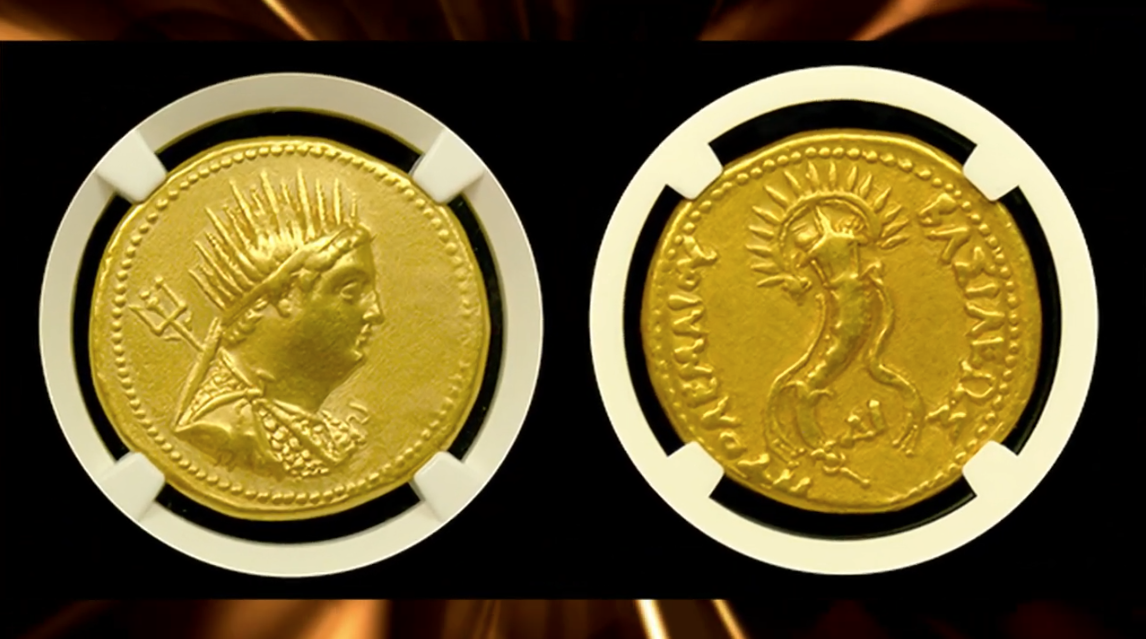
Gallienus: Rethinking the Reign of a Burdened Roman Emperor
Introduction
In the vast landscape of Roman history, punctuated by the grandeur of Caesar and Augustus, there lies a tapestry of emperors whose contributions and struggles are often overshadowed by the more triumphant narratives. One such emperor is Gallienus, whose reign from 253 to 268 AD was marked by relentless challenges and a relentless pursuit of stabilization for an empire fraying at its edges. Frequently dismissed as ineffective due to his inability to completely fend off external threats and internal dissent, a closer examination of his tenure reveals a reflective transformation that planted foundational changes for future leaders.
A Time of Crisis
Gallienus ascended to power during a period dubbed by historians as the Crisis of the Third Century, a sociopolitical and economic turmoil profoundly jerking the Roman Empire. This era was characterized by successive military invasions, rampant internal rebellion, fiscal collapse, and the rotation of numerous emperors who rose and fell amid the chaos. Gallienus's tenure as co-emperor with his father, Valerian, and later as the sole ruler after his father was captured by the Persians in 260 AD, added layers of complexity to his rulership.
Upon becoming the singular authority of Rome, Gallienus was greeted not by stability, but by an empire teetering dangerously on the brink of disintegration. The northern territories faced continual threats from the Germanic tribes, while the eastern front sagged under the pressure of Persian incursions. Furthermore, the Roman Balkans simmered with unrest, and burgeoning separatist movements in Gaul and the East demanded immediate and adept leadership. Yet, even amid such tumult, Gallienus set out to redefine his realm with a focus that transcended mere survival.
Military Reforms and Innovations
One of Gallienus's most significant contributions to the Roman Empire was his insightful reassessment and reforms of the military structure. Acknowledging the frailty of Rome's traditional legions when confronting swift-moving invaders, Gallienus implemented a cavalry-oriented military strategy. He stationed mobile horsemen at strategic locations, enabling rapid deployment to repel invasions more effectively. This strategic shift not only enhanced the empire’s defensive capabilities but also influenced future military exercises and paved the way for the eventual prominence of the cavalry during the Late Roman Empire.
Moreover, Gallienus recognized the futility of the divided command system prevalent during his time. He embarked on transforming the military hierarchy, appointing trusted generals as supreme commanders of significant frontiers. This step towards centralization improved coordination and accountability, marking a landmark shift in military governance.
Cultural and Administrative Reforms
Beyond the military arena, Gallienus's reign marked an era of quiet cultural flourishing, propagated not from grandiose architectural ventures, but from a subtler emphasis on arts and intellectual pursuits. His preference for philosophy, culture, and the arts, coupled with policies that somewhat eased tensions between traditional pagan practices and burgeoning Christian movements, painted him as a ruler favoring cultural cohesion over civil strife.
Administratively, Gallienus took concrete steps to tackle the empire’s economic instability. His tenure saw an emphasis on consolidating power in Rome, cutting through the multiplicity of regional authorities that often worked at odds with the central governance. Through these measures, he aimed to reinvigorate trade and strengthen the economy, although his efforts were frequently thwarted by persistent inflation and monetary devaluation that were rife during his time.
A Legacy of Misunderstood Efforts
Despite these proactive measures, contemporary and subsequent historical narratives often criticized Gallienus’s reign, highlighting his failures rather than his resilience amidst adversity. The criticism hinges predominantly on his inability to prevent the fragmentation of the Roman Empire into three parts—the Gallic Empire in the West, the Palmyrene Empire in the East, and the core Roman territories. However, such judgments overlook the overwhelming scope of challenges that Gallienus inherited, and the transformational groundwork laid during his rule that bore fruit in the longer term.
In reassessing Gallienus’s legacy, it becomes apparent that his adaptations and frameworks created an administrative and military paradigm crucial for the empire’s resilience in subsequent centuries. While his era lacked the monumental peace of Augustus or the victorious legions of Trajan, the Gallienus epoch served as a crucible, refining and tempering Rome’s capabilities to endure through the looming Dark Ages.
In conclusion, Gallienus's rule, often overshadowed by the more extravagant legacies of other Roman emperors, merits a nuanced exploration. His resilience during the precipice of collapse and his strategic adaptions showcase a reign far richer in accomplishments than traditionally acknowledged. As historians continue to delve into the smudged pages of antiquity, Gallienus stands as a testament to the complexities of leadership amid turmoil, unveiling a story more of perseverance and reform than of mere desperation.
As we continue exploring his intricate legacy in the subsequent sections, we delve deeper into the nuanced political maneuvers and cultural shifts that underscored an era teetering on the edge of historical oblivion.
Facing External Threats
Reacting to the multitude of external threats, Gallienus's strategy wasn't solely focused on offense. Instead, he sought to create fortified defenses that would serve as deterrents against the ambitious encroachment of foreign powers. The focus was not merely about creating immediate military victories but rather ensuring a continuity of territorial resilience despite fluctuating military tides. His emphasis on fortifying positions at critical frontier posts signified a pragmatic shift in Roman military doctrine, prioritizing sustainable security over expansive conquest.
In the embattled northern regions, the Germanic tribes posed relentless threats. Gallienus's decision to deploy the cavalry at these frontier positions facilitated a more nimble defense strategy. The innovative use of mounted troops against the quick-moving raiders enabled a plug in the metaphorical leaks on the empire's boundaries. This adaptation not only minimized incursions but created a strategic template that would be employed by leaders in epochs beyond his reign.
His military acumen extended to the Eastern front as well. Recognizing the ever-present Persian threat, Gallienus implemented measures to bolster security along the Roman-Persian border. However, the formidable Persian Emperor Shapur I, who had already captured Gallienus's father, remained an intimidating foe whose advances required both fortitude and diplomatic skill to counteract effectively. Though his campaigns in the East didn't culminate in decisive Roman victories, Gallienus's endeavors prevented further significant territorial losses—a feat commendable given the odds stacked against him.
Internal Rebellions and Usurpers
Internally, Gallienus contended with a slew of rebellions and emerging usurpers, which fragmented the imperial cohesion he desperately sought to establish. The epoch of his reign was marred by challenges from territories that were progressively slipping beyond Rome's grasp. Amid these internal fissures, Gallienus was forced to employ strategic suppression coupled with concessions to maintain a semblance of control over the sprawling Roman expanse.
The rise of the Gallic Empire, spearheaded by the rebellious Postumus in the Western Roman territories, remains one of the defining crises of Gallienus's rule. The establishment of this breakaway empire highlighted intrinsic weaknesses within the Roman state structure but also underscored Gallienus's pragmatic adaptability. Although he couldn't completely dismantle the Gallic script of insurrection, the measures he undertook managed to contain its spread and influence, thus retaining pivotal portions of his empire.
Simultaneously, Gallienus faced the Palmyrene ascension in the East, led by the formidable Queen Zenobia. This splintering further exemplified the centrifugal forces rife in his reign, yet Gallienus chose not to direct full-scale engagements against this eastern polity. Instead, his strategy entailed selective alliances and localized diplomatic engagements aimed at neutralizing wider alliances that could spark further empire fracturing.
Cultivating a Legacy Through Reform
Despite the plethora of external and internal threats, Gallienus's reign is also marked by a series of deft reforms. Understanding the need for a more stable and adaptable system of governance, he ventured into and supported crucial policy reforms that sought to modernize the empire's institutional apparatus.
Foremost among these was Gallienus’s edict that barred senators from commanding military units, a reform that not only professionalized the Roman military by entrusting command to career soldiers but also curbed the political ambitions of the senatorial class. This action reduced instances of coup attempts and unauthorized power seizures by senators eager to exploit military might for personal gain.
Moreover, Gallienus established the short-lived but impactful ‘podium’ council of senior officials who served as an administrative cord binding various facets of the empire’s governance. The collective expertise of war-seasoned veterans and bureaucratic minds aimed to formulate strategies mitigating the multifaceted crises facing Rome.
The Cultural Flourish of an Embattled Age
Notably, Gallienus's epoch witnessed an unexpected flourish in the cultural domain when little would seem poised to bloom in the shadow of uncertainty. Patronizing the arts and philosophy garnered him an enduringly nuanced legacy. His court became a Bildungsroman—a meeting place for intellectuals, painters, and think-makers who, despite an era of turmoil, created a ripple of cultural proliferation.
One could argue that Gallienus's support of cultural pursuits during a period of crisis established a template for viewing art not merely as a reflection of civilizational strength but as a refuge and reminder of Rome’s enduring spirit. The valuation of philosophical, artistic, and scientific endeavors under Gallienus's patronage served as an intangible yet indelible balm against the fragmentation that loomed larger than ever before.
The Renaissance of ideas, fostered by his allegiance to intellectual currents, signified a preservation of the Roman intellectual lineage amidst external chaos. In allowing talented figures across the cultural spectrum a voice, Gallienus forged an allegorical shield that protected Rome's cosmopolitan ethos despite external and internal onslaughts.
Gallienus's rule indeed traverses the landscape of Roman history as a complex narrative driven by reform, resilience, and cultural patronage. His strategies in response to external threats and internal challenges, coupled with efforts in cultural and administrative strides, provided a unique legacy rooted in the nuanced understanding that leadership is often as much about immediate victories as it is about setting long-term trajectories for future resilience. In unraveling the remaining chronicles of his reign, we confront more than a mere blip on a timeline, but the colorful heraldry of a man who sought to mold Rome from the clutches of its darkest crises.
The Economic Quandary
Despite seeding essential reforms, Gallienus's reign persisted under the heavy cloud of economic instability, a critical element that both defined and destabilized his administration. Attempts to mend the failing economy encountered hurdles at every turn. Decimated by years of warfare, plundered provinces yielded reduced revenues, escalating the economic downturn further.
Aware of these challenges, Gallienus sought to reinvigorate commerce and stabilize the depleted treasury, particularly through fiscal reforms designed to undermine inflation and the rampant depreciation of the currency. These efforts were far from universally successful; however, his initiative to standardize coinage and uphold fiscal policies laid groundwork that future emperors would inevitably build upon. Yet, Gallienus found himself contending against forces greater than fiscal policy alone could amend—it was often the remnants of war and loss that dictated the Roman economy anew.
Beyond the corridors of imperial courts and senate assemblies, efforts in agrarian reforms also punctuated Gallienus’s economic initiatives. A Rome compromised by external warfare and internal dissent required agrarian settlements to remain robust and productive; thus, taxes were reevaluated, and tenant farmers offered incentives to cultivate lands productively.
The Christian Controversy
Amid Gallienus's multifaceted endeavors to stabilize an unraveling empire was his approach toward burgeoning Christianity, a topic of both socio-political and historical intrigue. His reign managed to navigate the complexities surrounding this growing religious movement with unorthodox prudence.
Gallienus is often credited with halting systemic persecutions of Christians, marking a turn from prior imperial edicts. The Gallienist policy of relative tolerance reflected a stark contrast to earlier, harsh measures. Whether through pragmatism or political astuteness, his decision facilitated a transitional period where Christians could coexist with Rome's traditional paganistic leanings without facing the severe crackdowns previously witnessed.
This shift allowed Christianity to permeate Roman society more deeply, enabling a future where it would eventually become the empire's predominant faith. Through a lens both contemporary and retrospective, Gallienus's decisions laid an incorporeal foundation that transformed the religious landscape of Rome, revealing a legacy entrenched as much in spirituality as in statecraft.
Gallienus’s Final Years and Assassination
Notwithstanding his extensive kaleidoscope of reforms and adaptions, the fate of Gallienus was sealed not by a decisive battle or significant territorial loss, but rather the perennial bane of Roman emperors—conspiracy and assassination. Emperor Gallienus's ultimate downfall came in 268 AD, on the outskirts of Milan, as he sought once again to quell another rebellion. Betrayed by those he trusted within his own military ranks, Gallienus fell to a conspiratorial murder, orchestrated amid the very ranks he had fought hard to mold and professionalize.
His assassination spotlights the persistent and perilous nature of Roman politics. In an empire where allegiances shifted with the winds and power came branded with constant precariousness, Gallienus's end reflected once more the treacherous matrix of the imperial seat.
Reevaluating Gallienus’s Legacy
Yet, even as his era concluded with blood and betrayal, the legacy of Gallienus invites reevaluation. Too long has his reign been dismissed as a mere perpetuation of the chaos of the Crisis of the Third Century, when in fact it embodied a significant degree of resilience and farsighted reform. His military restructuring, elevating the cavalry's role, was a tactical testament to his adaptability amidst perpetual pressure.
In the broader scope of cultural and religious evolution, Gallienus presided over transformative trends—even if unwittingly—that prepared the stage for Rome’s eventual transition toward Christianity. His informal rapprochement with a burgeoning religious community eased the pervasive tensions of prior persecutions.
Moreover, his economic policies, though limited in their immediate effect, curated an insightful understanding of structural necessities, foreshadowing approaches that later emperors would adopt more completely. His willingness to adapt held within it the seeds of future Roman stability—a stability that remained ephemeral in Gallienus’s own time, yet planted amidst the turbulence of his reign.
In reassessing Gallienus’s story, we are reminded that history seldom awards due credit to those who operate without immediate, conspicuous success. While his reign lacks the dramatic triumphs to etch him into the annals of eminence, his determination in the face of insurmountable odds paints him as more than the vestige of a declining empire. Instead, Gallienus should be viewed as a pivotal figure whose intrepid adaptability and silent reforms left an indelible impression on the course of Roman history.
In conclusion, Gallienus's reign endures not merely as a chapter in Rome's tumultuous third century but as a narrative abounding with pragmatic foresight and chameleonic leadership amidst adversity. As time continues its unyielding march, it is imperative that history does justice to the nuanced legacy he crafted amid the thunderous chorus of age-old challenges that characterize his era.
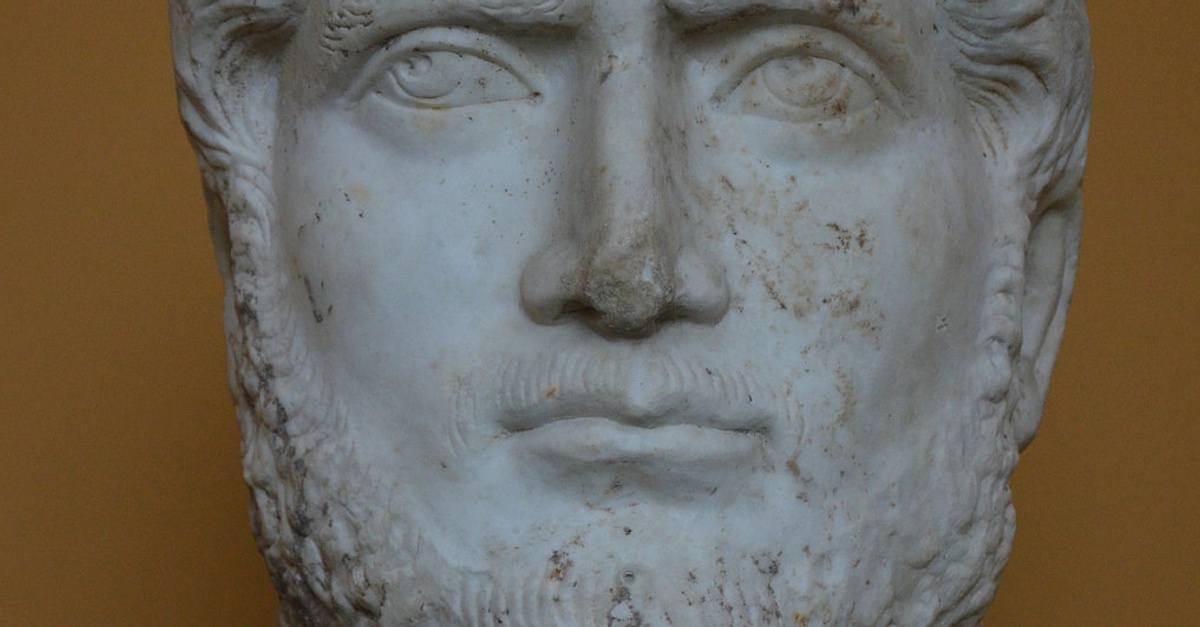

The Life and Legacy of Gaius Maecenas: Patron of the Arts and Political Advisor
Introduction
In the rich tapestry of Roman history, the name Gaius Maecenas often emerges, closely interwoven with the cultural and political fabric of the late Roman Republic and early Empire. While primarily known today as a historical icon of patronage in Rome, Maecenas's influence extended far beyond mere sponsorship of the arts. He was a confidant and advisor to emperors, played a strategic role in the political machinations of his time, and left an indelible mark on the cultural heritage of the Roman world.
Early Life and Background
Born around 70 BCE, Gaius Maecenas hailed from a distinguished Etruscan family, which played a crucial role in his social ascent. The Maecenas family, though not patrician, were of equestrian rank, lending them significant influence and resources. This background provided Gaius with an expansive education and positioned him well within the intricate social hierarchies of Rome.
Little is known about his early life, but his family's wealth and status enabled him to gain a foothold in the political scene of Rome. Despite the paucity of detailed records about his youth, it is evident that Maecenas's upbringing was steeped in the cultural traditions of both his Etruscan heritage and the Roman milieu he would come to navigate with exceptional skill.
Maecenas as a Political Figure
Gaius Maecenas's involvement in politics was deeply entwined with his friendship with Octavian, who would later become Emperor Augustus. As one of Octavian's closest advisors, Maecenas became instrumental during the transition from the Roman Republic to the Empire.
He was a master of diplomacy and intrigue, using his skills to negotiate complex political landscapes. Maecenas played a key role in mediating peace after the brutal civil wars that marked the end of the Republic. His diplomatic efforts were pivotal during the formation of the Second Triumvirate, and later, in the settlement of affairs following the pivotal Battle of Actium in 31 BCE, where Octavian's forces defeated the combined armies of Mark Antony and Cleopatra.
Moreover, Maecenas's sharp political acumen was essential in the establishment of Augustus as the first Roman emperor. His counsel was largely behind the scenes, but his influence was substantial, advising on matters of statecraft, governance, and policy. This capacity allowed him to help shape the early structure of the Roman Empire, contributing to the stability and cultural renaissance that Augustus's reign would come to symbolize.
Patron of the Arts
While Maecenas's political impact was significant, his contribution to the cultural revival of Rome was perhaps his most enduring legacy. As a patron, he provided extensive support to poets, writers, and other artists, establishing an era of flourishing cultural activity that coincided with Augustus's rule.
Maecenas's circle of protégés included some of the greatest literary figures of the Augustan Age, such as Virgil, Horace, and Propertius. Through his patronage, these creators were able to produce works that are still celebrated today for their artistic richness and narrative depth. For example, Virgil's epic, "The Aeneid," was penned under the auspices of Maecenas, contributing to both Roman national identity and literary heritage.
Moreover, Maecenas's support wasn't limited to financial means alone. He provided a collaborative environment where intellectuals and creatives could exchange ideas, fostering a vibrant cultural dialogue. This atmosphere not only nurtured artistic innovation but also helped to propagate Augustan ideologies, aligning cultural production with the political currents of the time.
Conclusion
Gaius Maecenas stands as an emblematic figure who bridged the worlds of politics and culture in the transformative period of Roman history. Through his astute diplomatic efforts, he helped lay the groundwork for the stability and prosperity of the burgeoning Roman Empire. Simultaneously, as a patron of the arts, he was instrumental in catalyzing a golden age of Roman literature and culture, ensuring his legacy would persist through the annals of history. The next sections of this exploration will delve into further intricacies of his patronage, the relationships he cultivated with artists, and the profound impact of his cultural and political efforts on successive generations.
The Patronage of Gaius Maecenas: Shaping the Literary Golden Age
Establishing the Maecenas Circle
The term "patron" was perhaps never more embodied than in the person of Gaius Maecenas. His approach to patronage was both visionary and deeply personal, creating a legacy that would define an entire era of Roman cultural output. Maecenas's patronage was not merely transactional; it was relational and foundational, essentially forming an intellectual family that pushed the boundaries of creativity and thought.
The Maecenas Circle, as it came to be known, was not just a mere gathering of artists and poets but an informal academy where philosophical, literary, and political ideas were exchanged and debated. Maecenas provided these literary figures with the stability and resources necessary to produce their work, freeing them from the financial constraints that often hindered creative expression. By offering villas, stipends, and other forms of support, he allowed these artists to focus solely on their craft, a boon during times when such tranquility was rare.
Key Figures Within the Circle
Among those who benefited from Maecenas's largesse were some of the most esteemed writers in Roman history. Virgil, best known for his magnum opus "The Aeneid," enjoyed Maecenas's support, which allowed him to refine his epic poetry that sought to provide Rome with a foundational myth paralleling the grandeur of Homeric epics. Virgil's work not only elevated the Latin language to new expressive heights but also promoted ideals that were in step with Augustan policies, providing a cultural mythology for the nascent Roman Empire.
Horace, another luminary within Maecenas's circle, was significantly impacted by his patronage. Known for his lyrical poetry and satires, Horace credited Maecenas as being instrumental in his ability to produce poetry that addressed both the subtle complexities and daily whims of Roman life. The insights he provided into the human condition through his odes and epistles are heralded as some of the finest of their kind, illustrating the depth of thought that Maecenas's environment encouraged.
Propertius, the elegiac poet, also thrived under Maecenas's guidance. His poetry, characterized by its passionate personal themes and stylistic innovation, was tailored to catch the reflections of both personal experience and broader societal changes. Through Maecenas’s encouragement, Propertius explored themes of love, identity, and politics, presenting a mirror to the changing world around him.
Impact on Roman Society
The flourishing of literature and arts sponsored by Maecenas had profound implications for Roman society. It was not merely the creation of enduring literary monuments but the permeation of Augustus's reigning ideology throughout the cultural consciousness of Rome that Maecenas facilitated. By empowering voices that shaped public perception and ideology, he effectively helped weave a cultural narrative that underpinned Augustus's vision for a unified, culturally rich, and enduring empire.
Roman literature during this period became inextricably linked with the politics of the time, forming a symbiosis where each influenced the other. Maecenas's strategic endorsements ensured that Augustus's ideals were disseminated subtly yet pervasively through art and literature, casting the emperor's reign in a glorified and harmonious light. This blending of artistic craft and political messaging is perhaps one of the most far-reaching outcomes of Maecenas's work, influencing centuries of literature to come.
The Decline of Maecenas's Influence
The close of Maecenas's life marked the end of an era in many ways. As Augustus solidified his rule, the necessity for Maecenas’s intermediary role diminished. Additionally, with age, Maecenas’s influence began to wane, both politically and culturally. While he remained a figure of prestige, newer alliances and shifts in political power began to change the dynamics within which he operated.
Maecenas’s death in 8 BCE heralded the end of his personal patronage, but by then, the seeds he had sown within Roman culture and politics had firmly taken root. His model of integrating cultural support into the administration of governance laid down a precedent that would ripple throughout history, affecting frameworks of patronage in various domains for centuries thereafter.
Continuity and Legacy
Gaius Maecenas left behind a legacy that far surpassed his own lifetime. While the era of direct patronage he exemplified waned with his death, the precedent he set for the value of cultural patronage lived on, inspiring future generations to acknowledge the significance of supporting the arts as a means to foster both cultural and political stability. His approach not only enriched Roman culture but also fortified the political narratives that Rome propagated, ensuring the perpetuation of its influence long after his own era had passed. In the next section, we will examine the enduring impact of Maecenas's work on subsequent generations and the lasting impressions it made on art and culture well beyond the bounds of Rome.
The Enduring Impact of Maecenas's Patronage
Influence on Future Generations
The legacy of Gaius Maecenas extended far beyond the borders of ancient Rome, influencing societies and cultures throughout history. His strategic marriage of art and statecraft set a model that would be emulated by future patrons and rulers alike. By embedding artistic patronage within the fabric of governance, Maecenas demonstrated the potent role culture plays in shaping societal values and political ideologies.
Throughout the Renaissance period, figures like Lorenzo de' Medici mirrored the practices of Maecenas by supporting artists who advanced both artistic and political objectives. This archetype of the cultural patron became essential in fostering periods of great artistic and intellectual flourishing, suggesting that Maecenas's influence was not just a product of his time but a template for future cultural prosperity.
In later centuries, artists and writers continued to recognize and celebrate Maecenas’s contributions, often using his name synonymously with cultural patronage itself. His legacy is a testament to the enduring importance of artistic support, demonstrating the lasting value of investing in culture as a means to inspire and uplift, beyond immediate political needs.
Maecenas's Architectural Contributions
Though primarily known for his literary sponsorship, Maecenas also made significant contributions to Roman architecture and urban development. He was responsible for commissioning several projects that enhanced the aesthetic and functional landscape of Rome. Most notably, the Horti Maecenatis, a grand garden complex, became a centerpiece of Roman luxury and architectural innovation.
The gardens, which included bathhouses, terraces, and possibly the first heated swimming pool in Rome, exemplified the luxurious and sophisticated lifestyle that Maecenas cultivated. They became a space of respite and creativity for many within his circle, further cementing his status as a cultural benefactor. The Horti Maecenatis also set a precedent for the integration of nature and architecture in urban planning, influencing both contemporaneous and future cityscapes.
Enduring Influence and Academic Analysis
Scholars have long debated the extent and depth of Maecenas's influence. Some argue that his patronage was purely self-serving, designed to consolidate his own power and influence within Augustus's regime. Others see him as a visionary who understood the stabilizing power of culture in volatile political times.
Regardless of intent, the outcome of Maecenas's patronage is evident in the strong cultural foundation it laid for Rome and its lasting impact on Western civilization. His life and work are studied in academic circles not only as an example of what effective patronage looks like but also as a demonstration of the intertwining of politics and art. By fostering cultural engagement, Maecenas helped create a Rome that resonated with intellectual and artistic vigor, providing lessons in governance and cultural stewardship that are still relevant today.
The Cultural Paradigm of Maecenas
The cultural paradigm established by Maecenas underscores the significant role of arts as instruments of political and social influence. His patronage strategy emphasized that cultural prosperity could be leveraged to mirror and support political stability. By aligning artistic expression with the values and aspirations of the state, Maecenas set a benchmark for how arts could be employed to fortify political narratives and foster social cohesion.
The paradigm he set encouraged future leaders and patrons to view the arts as essential to the lifeblood of society. By nurturing creativity and encouraging the exploration of profound ideas through literature and art, Maecenas left a cultural footprint that would guide civilizations for millennia. His story is a rich reminder of art's lasting power to shape, reflect, and drive human progress.
Closing Reflections
Gaius Maecenas was more than a mere historical figure; he was a force of cultural evolution who understood the profound impact that art and literature could have on society. His life and legacy offer a vivid illustration of how culture and politics can be harmoniously intertwined, shaping societies for the better. Through his enduring influence, Maecenas epitomizes the timeless truth that the arts are pivotal in the health and advancement of any society. His contributions to Roman culture, while deeply rooted in his own time, reach forward into the present, offering a continually relevant testament to the power of patronage and the arts. In understanding Maecenas, we gain not only a glimpse into the past but a beacon by which to navigate the cultural and political landscapes of the present and future.



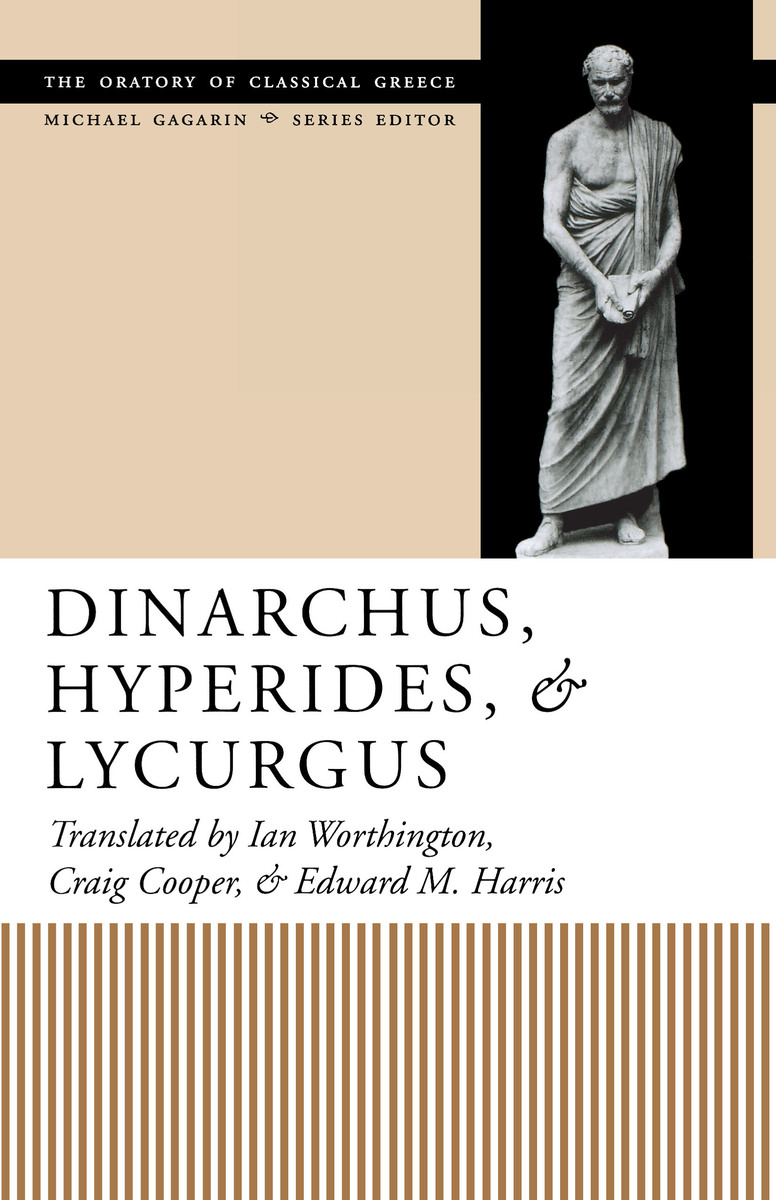
Lycurgus: The Luminary Orator of Ancient Athens
In the pantheon of great figures of Classical Athens, Lycurgus stands out as one of the most eloquent and influential orators of his time. His legacy, rooted in the rich tapestry of Athenian political and cultural life, offers a glimpse into the complexities of a society that laid down the foundations for modern democratic ideals. Born into an era that cherished rhetorical skill, Lycurgus's leadership extended beyond words, encompassing extensive reforms and cultural patronage that left an indelible mark on Athens.
The Life and Times of Lycurgus
Lycurgus was born around 396 BC into a distinguished family, the Eteoboutadai, a lineage that claimed ancestry back to the mythical King Erechtheus of Athens. His upbringing and educational background in a city renowned for its philosophers and statesmen undoubtedly played an integral role in shaping his path as a leading public figure. The Athens of Lycurgus was a hub of intellectual vigor, struggling to maintain its identity and autonomy in the turbulent aftermath of the Peloponnesian War.
Despite the challenges of the era, including the looming threat of Macedonian dominance under Philip II and later Alexander the Great, Lycurgus emerged as a voice of persistence and resilience. His rise to prominence was marked by his election to the position of state treasurer, a role that placed him at the financial helm of Athens. Through this pivotal position, he wielded significant influence over public policy and civic projects.
Lycurgus's Contributions to Athenian Finances and Infrastructure
One of Lycurgus's most notable contributions to Athenian society was his management of the state treasury. Under his stewardship, the Athenian economy saw a remarkable resurgence. By implementing strict fiscal policies and embedding transparency in administrative practices, Lycurgus effectively revitalized Athens's finances. He was credited with tripling the state's revenue during his 12-year term, reflecting his adeptness in economic governance.
His financial acumen extended beyond mere numbers; Lycurgus leveraged the city's newfound wealth to undertake several monumental infrastructure projects. Among his accomplishments was the completion of the theater of Dionysus, an architectural marvel that reflected Athens's devotion to the arts and culture. This amphitheater not only became a cornerstone for theatrical performances but also stood as an emblem of civic pride and cultural identity.
Additionally, Lycurgus oversaw the fortification of the city's defenses, bolstering the fortifications of the harbors and enhancing the naval fleet. These efforts played a critical role in safeguarding Athens against external threats, ensuring the city-state's continued resilience and autonomy in an era of increasing Macedonian hegemony.
A Patron of the Arts and Cultural Rebirth
Lycurgus's tenure as a public servant was also marked by his deep commitment to the arts and education, nurturing what can be described as a cultural renaissance in Athens. His policies and patronage cultivated an environment where artistic and intellectual endeavors flourished. This period saw the commissioning of various artistic works, including public monuments and statues that celebrated not only contemporary figures but also immortalized historical and mythical heroes of Athens.
His dedication to cultural advancement was not limited to material contributions. Lycurgus played a crucial role in the standardization and preservation of Athenian literature, particularly the works of the great tragedians Aeschylus, Sophocles, and Euripides. By ensuring these literary masterpieces were meticulously copied and preserved, he safeguarded a legacy that would influence Western literature and drama for centuries.
The Legacy of Lycurgus
Beyond the tangible achievements attributed to Lycurgus, his true legacy may lie in his advocacy for justice and integrity within Athenian society. As an orator, his speeches conveyed a deep-seated commitment to democratic principles, urging fellow Athenians to uphold equality before the law and promoting the idea that civic duty transcends personal ambition. While only one of his speeches, "Against Leocrates," survives to this day, it serves as a testament to his profound understanding of moral and patriotic duties.
Through his visionary leadership, Lycurgus reinforced the cultural and political edifice of Athens. His lifetime was dedicated to fostering an environment where arts, education, and justice stood central to civic life, and his influence continued to echo long after his demise. For historians and enthusiasts of classical antiquity, Lycurgus embodies the virtues that characterize the pinnacle of Athenian society, a testament to the enduring power of eloquent and ethical leadership.
As we conclude the first part of our exploration into the life and contributions of Lycurgus, the stage is set to delve deeper into the interplay between his oratory prowess and the broader socio-political landscape of Athens, thereby unraveling the rich historical tapestry that defined his era.
Lycurgus and the Political Landscape of Athens
Lycurgus's legacy is inextricably linked to the vibrant yet fraught political scene of Athens during his lifetime. The latter half of the 4th century BC was a period marked by great uncertainty and significant geopolitical shifts, particularly due to the rise of Macedonian power under Philip II and, subsequently, Alexander the Great. In such turbulent times, the role of a well-articulated and principled political stance was crucial for Athens, which was struggling to maintain its autonomy and democratic institutions amidst external threats.
As a staunch patriot, Lycurgus was deeply invested in the political fabric of his city-state. He was a key member of the faction that favored resistance against Macedonian influence, a stance that often put him at odds with the more conciliatory voices in Athenian politics. His rhetoric was characterized by an impassioned appeal to tradition and democratic values, urging the citizens of Athens to uphold their ancestral laws and resist subjugation.
During his political career, Lycurgus allied with other prominent Athenian statesmen, such as Demosthenes, to forge a united front against the encroaching dominance of Macedonia. These alliances sought to galvanize the Athenian populace, drawing on the shared heritage of a city that prided itself on having served as the cradle of democracy.
Oratory as a Tool of Influence
In the arena of ancient politics, oratory was not merely a means of communication but a powerful tool for shaping public opinion and influencing policy. Lycurgus, with his formidable skills as an orator, leveraged his rhetorical prowess to inspire civic engagement and bolster public morale. His speeches, though primarily aimed at immediate issues facing Athens, often transcended the particulars of time and place, invoking broader themes of justice, courage, and communal responsibility.
Lycurgus's only surviving speech, "Against Leocrates," exemplifies his eloquence and mastery of rhetoric. Delivered in a court proceeding, the speech concerns Leocrates, an Athenian merchant accused of cowardice and desertion following a military defeat. Through this oration, Lycurgus articulated a vision of citizenship that was deeply entwined with loyalty to the polis. He argued that the abandonment of one's city in moments of crisis constituted a profound moral failing, resonating with a society that valued collective over individual interests.
The speech is emblematic of Lycurgus's ability to intertwine moral and legal arguments, appealing to both the emotions and rationality of his audience. His rhetoric skillfully wove historical references and mythological allusions into logical arguments, creating a compelling case that underscored the necessity of unwavering allegiance to Athens.
Religious and Societal Reforms
Beyond his contributions to the economic, cultural, and political arenas, Lycurgus's influence extended into the religious and social spheres of Athenian life. His interest in strengthening the moral fabric of society was reflected in several of his legislative initiatives that sought to moralize and enforce ethical behavior among the citizens of Athens.
Lycurgus played a significant role in revitalizing religious practices, reinforcing the connection between state governance and spiritual observances. He was instrumental in reestablishing various religious festivals, including the Panathenaic Festival, which celebrated the goddess Athena, patroness of the city. These festivals not only served as crucial religious observances but also fostered a sense of unity and shared identity among Athenians.
Similarly, Lycurgus advocated for public education and ethical upbringing, recognizing that the youth of Athens represented the future custodians of its democratic institutions. By promoting educational and moral standards, he aimed to cultivate a citizenry capable of upholding the values upon which Athens was built.
The Enduring Influence of Lycurgus
While the particulars of Lycurgus's reforms and policies provide insight into his time, they also illustrate a broader understanding of leadership as an enduring force for societal cohesion and resilience. His life's work reflected an intricate blend of pragmatic governance, cultural renaissance, and impassioned advocacy for justice and democracy.
In examining the historical impact of Lycurgus, it becomes evident that his influence extended well beyond the immediate effects of his policies and projects. By championing ideals that resonated with the collective consciousness of his contemporaries, Lycurgus ensured that the fundamental tenets of Athenian democracy and culture were preserved amidst the winds of change and legacy remained a beacon for subsequent generations.
As we traverse further into the rich narrative surrounding Lycurgus's life and times, the third part of our exploration will delve into his impact on future generations and the lasting legacy that his reforms left in the annals of Athenian history, continuing to inspire and inform democratic principles worldwide.
The Legacy of Lycurgus in Athenian Memory
As we navigate the enduring legacy of Lycurgus, it becomes increasingly clear how his multifaceted contributions shaped several aspects of Athenian life. Following his death, the collective memory of his statesmanship and reforms persisted as an integral part of Athens's rich historical tapestry. His influence was not confined to mere monuments or legislative records but was woven into the very ethos of Athenian identity.
Through his establishment of stringent financial control and encouragement of public accountability, Lycurgus set precedents that outlasted his lifetime, informing subsequent governance practices. Future statesmen would come to view his tenure as a benchmark for effective administration, especially in terms of balancing fiscal discipline with public welfare. The reforms he introduced to Athens's economic and cultural landscape illustrated the city's potential for renewal, even in periods overshadowed by external threats.
His impact on cultural preservation, particularly through the standardization of tragic plays, ensured that the works of Aeschylus, Sophocles, and Euripides transcended his time, providing a window into the soul of ancient Athens for generations to come. These works have not only served as educational and inspirational touchstones throughout Western history but have also preserved the spirit of inquiry and humanism that characterized Athenian society.
Lycurgus's Influence on Democratic Ideals
The principles upheld by Lycurgus, valorizing democratic processes and institutions, echoed far beyond his immediate sphere of influence. In a rapidly changing world, his commitment to safeguarding democracy against encroaching autocracies resonated deeply with later political philosophers and leaders advocating for similar ideals.
His emphasis on citizen participation and moral responsibility laid a foundation that modern democratic states continue to recognize and adapt. The insistence on the interdependence of freedom and responsibility within a democratic framework, as demonstrated in Lycurgus's speeches and policies, informs contemporary debates on civic duty and governance.
Moreover, Lycurgus's approach to political oratory as a vehicle for ethical discourse and societal guidance set a precedent for the role of rhetoric in democratic settings. The conscious blend of moral, legal, and historical appeals within his communications provided a blueprint for political engagement, nurturing a public that valued intellectual rigor and principled action.
A Timeless Beacon for Leadership and Governance
In examining the overarching narrative of Lycurgus's life, several insights emerge on the nature of leadership and its lasting significance. While the external circumstances Athenians faced differed vastly from those of contemporary society, the challenges of maintaining social coherence, promoting cultural flourishing, and encouraging active civic engagement remain timeless. Lycurgus's life offers valuable lessons on navigating such complexities with wisdom and integrity.
His ability to balance tradition with innovation, as seen in his cultural projects and institutional reforms, exemplifies adaptive leadership that harmonizes enduring values with the demands of changing times. This synthesis of continuity and creativity is essential for any governing body striving to remain relevant and dynamic amidst evolving societal contexts.
Furthermore, Lycurgus's invocation of history and myth as guiding narratives underscores the power of storytelling in fostering a shared sense of purpose and identity. Today, in a world often characterized by fragmentation, his example highlights the unifying potential of common heritage and collective memory, urging communities to draw strength from their past to envision a harmonious future.
Conclusion: The Enduring Resonance of Lycurgus
As we conclude our exploration of Lycurgus's contributions to ancient Athens, his story transcends the annals of history to inspire reflection on contemporary governance, culture, and morality. His vision of an engaged citizenry, robust democracy, and vibrant cultural life continues to inform how communities can strive to balance individual and collective aspirations.
Lycurgus stands as a testament to the enduring impact one dedicated individual can have in shaping a society's legacy. His multifaceted approach to leadership serves not only as an heirloom of Athenian ingenuity but also as a continuing source of inspiration for those seeking to navigate the complexities of political life with integrity and insight.
In honoring the memory of Lycurgus, we recognize the timeless journey of democratic ideals and cultural stewardship, encouraging present and future generations to draw upon the rich heritage of the past as they chart their course toward a just and enlightened society.

Augustus: The Architect of the Roman Empire
The Early Life of Gaius Octavius
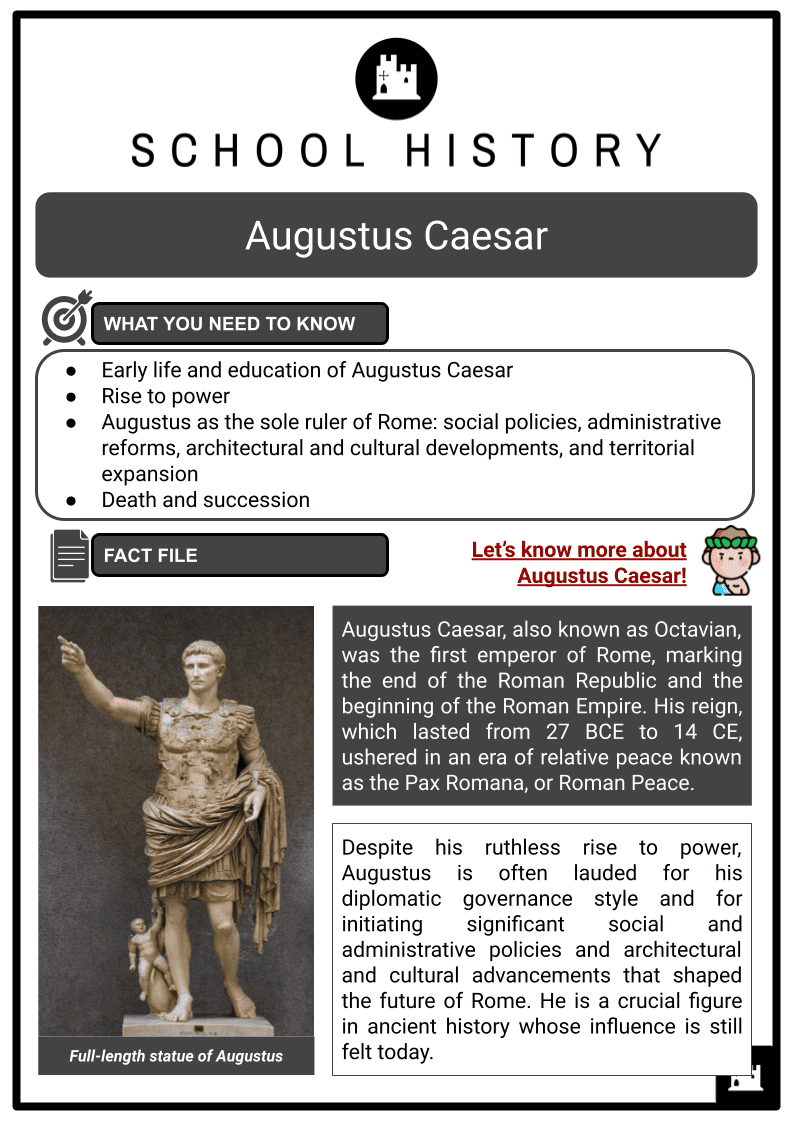
Augustus, originally named Gaius Octavius, is renowned for being the first emperor of Rome and a pivotal figure in Roman history. Born on September 23, 63 BC, in the town of Velitrae, southeast of Rome, Octavian was a member of a financially modest branch of the prestigious gens Octavia. His familial lineage was not royal nor especially noble, yet it bore connections that would prove vital in his ascent to power. His mother, Atia, was the niece of Julius Caesar, establishing a bloodline that would later be instrumental in his rise.
As a young man, Octavius was sent to study in Apollonia, a major cultural hub in the province of Illyricum. During his time there, he honed skills in oratory and military tactics, setting the groundwork for his future as a leader. His connection to Julius Caesar extended beyond mere familial ties; Caesar recognized Octavius' potential early on and adopted him as his heir, introducing him to the Roman political stage as Gaius Julius Caesar Octavianus.
The Rise to Power
The assassination of Julius Caesar on the Ides of March, 44 BC, marked a turning point in Roman history and for Octavian personally. At merely 18 years old, he was thrust into the political fray of Rome. Caesar's death created a power vacuum and sparked a series of civil wars. Octavian quickly moved to claim his inheritance and position, deftly navigating the treacherous political landscape.
His first significant political maneuver was aligning himself with two of Rome’s most powerful figures at the time, Mark Antony and Marcus Aemilius Lepidus, forming the Second Triumvirate. This alliance effectively divided the Roman territories among them but was fraught with tension. It enabled Octavian to gain military command and public recognition, setting the path for his eventual sole rule.
Octavian’s clash with Antony became inevitable as the two men's ambitions grew increasingly incompatible. The Battle of Actium, fought on September 2, 31 BC, was the decisive conflict that led to Octavian’s ascension. By defeating the combined forces of Antony and Cleopatra of Egypt, Octavian removed his primary rival for control and became the unrivaled master of the Roman world.
Establishing the Roman Empire
In 27 BC, Octavian made a calculated move that underscored his political cunning and foresight. He offered to relinquish his powers and restore the Republic. This gesture, although largely symbolic, was aimed at appeasing the Senate and calming the political landscape. In recognition of his services to the state and his apparent humility, the Senate conferred upon him the title "Augustus," meaning "the revered one." This year is traditionally marked as the beginning of the Roman Empire, with Augustus as its first emperor.
Augustus' reign heralded a new era of relative peace known as the Pax Romana, which lasted over two centuries. Under his rule, Rome expanded its boundaries significantly, though Augustus was judicious in avoiding imperial overreach. His strategic blend of military strength and diplomacy stabilized and extended Rome's influence.
Administrative Genius and Reforms
A key to Augustus' enduring legacy was his comprehensive approach to governance, which involved significant reforms in taxation, military, and provincial administration. He reorganized the military, establishing a permanent standing army with soldiers loyal not to their generals, but to the emperor himself. This reorganization reduced the likelihood of military coups and increased the efficiency and reach of the Roman military.
Moreover, Augustus reformed the provincial governance structure, ensuring more efficient and less corrupt administration. He established a network of roads that improved communication and trade across the empire and initiated extensive building projects, including the reconstruction of Rome itself.
The Augustan Age was also marked by significant cultural patronage. Augustus recognized the power of propaganda and art in consolidating his rule. He supported poets like Virgil and Horace, whose works extolled the virtues of his leadership and the grandeur of Rome. Through a blend of administrative acumen, military might, and cultural patronage, Augustus not only consolidated power but also laid the foundations for an enduring empire.
This period of reform and revitalization positioned Rome not merely as a manifestation of military conquest but as a beacon of civilization, art, and law, an image Augustus meticulously crafted and projected.
The Consolidation of Power
While Augustus’ reforms reshaped Rome internally, his political maneuvers were equally crucial for consolidating his power. He understood that while his control over the military was paramount, he also needed the loyalty of Rome’s governing bodies and the wider populace. Augustus maintained the façade of traditional republican governance, keeping institutions like the Senate intact. Nevertheless, he ensured they operated under his influence, thereby securing their loyalty while avoiding outward appearances of autocracy.
He cleverly held multiple titles and offices concurrently, including Princeps Senatus (first senator) and Imperator (military commander), effectively centralizing authority without directly infringing on republican ideals. This political acumen allowed him to wield complete control while maintaining the guise of a restored republic. Romans accepted his supremacy largely due to the stability and prosperity he delivered after decades of civil war.
Public Works and Urban Development
Augustus took great pride in transforming Rome from a city of brick to a city of marble. His extensive public works program was a cornerstone of his administration. Recognizing that physical transformation could reinforce political power and legacy, he championed numerous building projects that not only beautified the city but also served to remind the populace of his accomplishments.
He commissioned the construction of the Forum of Augustus, a new public meeting space adorned with statues and marble embellishments, signifying the emperor’s magnanimity and connection to Rome’s legendary past. The restoration and expansion of Rome’s aqueducts improved water supply and sanitation, significantly enhancing urban life.
Moreover, Augustus funded the construction of roads and bridges, including the Julian Imperial Road, connecting distant parts of the empire and facilitating the flow of trade, military movement, and culture. These infrastructural developments helped cement the image of Augustus as the provider of prosperity and the guarantor of stability.
Culture and Propaganda
The age of Augustus was as much a renaissance of culture as it was of political stability. He understood the value of art, literature, and architecture as instruments of propaganda. The Augustan cultural renaissance was characterized by a blossoming of arts, often aligned with the political goals of the regime.
Poets like Virgil, Ovid, and Horace were under imperial patronage, and their works contributed to the narrative of a divinely sanctioned peace ushered in by Augustus. Virgil’s "Aeneid," in particular, became a centerpiece of Roman literature. It subtly linked Augustus’ rule to the divine will, tracing his ancestry and the destiny of Rome back to the ancient hero Aeneas.
Statues and coins also played a significant role in disseminating Augustus’ image. His portraits were distributed throughout the empire, depicted with divine attributes to associate his rule with favor from the gods. By intertwining his public image with the themes of renewal, peace, and divine blessing, Augustus solidified his standing across the empire.
The Personal Life of Augustus
Despite his public accomplishments, Augustus’ personal life was marked with complexities, particularly concerning his family and succession. He strategically managed his family relationships to secure his lineage and maintain political stability. Marriage alliances were pivotal; his marriage to Livia Drusilla was a significant component in solidifying alliances and bolstering his dynasty’s power.
Although he had no sons of his own, Augustus adopted several young relatives, anticipating the continued legacy of his rule. His choice of successor became a matter of state concern. Tiberius, his stepson from Livia’s previous marriage, was eventually adopted and groomed to succeed him.
Augustus' personal life, much like his public career, was characterized by careful planning and manipulation to ensure the stability and continuation of his dynasty. This planning was not without hurdles and tragedies, with the early deaths of other potential heirs like Marcellus, Gaius, and Lucius proving both challenging and shaping his succession strategy.
Legacy of Augustus
The legacy of Augustus is immense, not only due to his transformative policies and the establishment of the Roman Empire but also because of the enduring stability he brought to Rome. Unlike Alexander the Great, whose empire fractured shortly after his death, Augustus laid foundations that allowed the Roman Empire to endure for centuries.
His reign provided a template for future emperors, and his title of “Augustus” became a permanent honorific for subsequent rulers of Rome. The political, administrative, and cultural reforms he implemented had a long-lasting impact on Roman society and Western civilization.
Today, Augustus is remembered as a masterful statesman, a shrewd politician, and a visionary leader. His ability to consolidate power peacefully and transform Rome into a stable empire is a testament to his extraordinary capability and insight. Through his strategic use of political, cultural, and military tools, Augustus left an indelible mark on history, crafting an empire that echoed his influence long after his death.
Augustus' Religious Reforms
In addition to political and cultural innovations, Augustus undertook substantial religious reforms to reinforce his dynasty’s power and legitimacy. He reinvigorated traditional Roman religion, emphasizing the importance of pax deorum, or peace with the gods, suggesting that his reign provided divine favor and protection for Rome.
Augustus restored and constructed numerous temples and promoted religious rites and ceremonies. The reestablishment of the Lupercalia and the institution of the Secular Games were part of his efforts to restore ancient religious customs, portraying his rule as a revival of Rome’s sacred traditions. He also assumed the role of Pontifex Maximus, the high priest of the College of Pontiffs, enhancing his political and religious authority.
A particularly notable religious reform was the imperial cult, which introduced the worship of the emperor along with traditional deities. Augustus himself was reticent to claim divinity during his lifetime, instead subtly encouraging the veneration of his spirit, Augustus Divus, posthumously. This blending of political and spiritual leadership perpetuated loyalty to him and his successors, legitimizing the imperial rule.
Challenges and Opposition
Despite Augustus' largely successful reign, it was not without challenges and opposition. Throughout his ascent, Augustus faced considerable resistance from both political rivals and reformist elements who were committed to restoring the old Republican order.
His conflicts with Mark Antony epitomized the intense power struggles of the era, resulting in a civil war that found resolution only with Antony's defeat. Antony's alliance with Cleopatra and their loss at the Battle of Actium were pivotal in allowing Augustus to secure unchallenged control over Roman affairs.
Domestically, Augustus had to navigate conspiracies and dissent within Rome's elite, some of whom were disenchanted with the erosion of Republican freedoms. This internal opposition required Augustus to strike a balance between exercising power and placating the senatorial class—something he did with remarkable skill.
Meanwhile, challenges from Germanic tribes and unrest in provinces tested Rome’s military resolve. Augustus' ability to respond to these external threats without overextending Rome’s resources was critical in maintaining stability across the empire.
The Death of Augustus
Augustus passed away on August 19, AD 14, in Nola, Italy, at the age of 75. His death marked the end of an era, but his legacy was firmly entrenched within the empire he had built. The transition to his successor, Tiberius, established precedents for dynastic succession in the Roman Empire, although it did not occur without tension and uncertainty.
His passing was observed with great reverence, echoing the profound imprint he left on Roman society. Augustus was deified by the Senate, and he was interred in the grand Mausoleum of Augustus, an enduring monument to his indelible mark on Roman history.
The Enduring Impact of Augustus
The reign of Augustus represents a turning point not just in Roman history, but in the broader narrative of Western civilization. By transforming Rome from a republic plagued with internal strife into a resilient empire, Augustus established structures that not only underpinned an era of peace and prosperity but also inspired future states in governance and legal systems.
His administrative reforms became benchmarks for efficient governance, particularly his reinventions of provincial administration and tax systems. Many of these systems influenced future European and Western political structures. The cultural and architectural legacies—from literature sponsored during his time to architectural marvels—live on as testaments to the first Roman emperor’s far-reaching influence.
Augustus’ model of emperorship set templates for the exercise of power, with the role of the charismatic leader being derived in part from his example. His shrewd fusion of personal authority with institutional continuity informed the balance that subsequent emperors, and indeed, many modern political leaders, have had to negotiate.
Conclusion
Augustus left a comprehensive and layered legacy, one that encompassed political, military, and cultural dimensions of Roman life, and extended far beyond his time. He stood not merely as a pioneer of imperial Rome but as a statesman who forged unity and legacy upon the ruins of a fractured republic.
In establishing an empire considered a bastion of cultural and economic prosperity, he shaped much of what the Western world would become. From building cultural edifices to reforming political structures, Augustus showed how strategic vision could transcend immediate challenges and impact the course of history for centuries to follow.


Ptolemy III Euergetes: The Philhellene Pharaoh of Egypt
The sands of time have all but buried the echoes of ancient Egypt, yet every so often a figure emerges whose actions reverberate through history, leaving an indelible mark on human civilization. Ptolemy III Euergetes, the third ruler of Egypt's Ptolemaic Dynasty, was one such figure. His reign, from 246 to 222 BCE, stands as one of the most prosperous and influential periods in the ancient world, marked by military conquests, cultural patronage, and economic prosperity.
Ascension to the Throne
Ptolemy III was born around 284 BCE to Ptolemy II Philadelphus and Arsinoe I. As the grandson of Ptolemy I Soter, a trusted general of Alexander the Great and the founder of the Ptolemaic Dynasty, his lineage was venerable and steeped in the illustrious traditions of both Macedonian heritage and Egyptian rulership. Upon the death of his father, Ptolemy II, in 246 BCE, Ptolemy III ascended the throne and swiftly set about asserting his dominion across the Mediterranean world.
His early years as pharaoh were marked by solidifying alliances and enhancing Egypt's international stature. A key alliance was secured through his marriage to Berenice II, daughter of Magas of Cyrene, thereby uniting two powerful realms and quelling potential rivalries. This alliance also brought Cyrenaica, a coastal region of modern-day Libya, under Egyptian influence, thereby expanding Ptolemy III's domain and securing a critical foothold in North Africa.
The Third Syrian War (246–241 BCE)
Ptolemy III's reign is perhaps best remembered for the Third Syrian War, also known as the Laodicean War, a conflict that underscored his military acumen and strategic prowess. Upon his accession, rumors swirled of turmoil within the Seleucid Empire, Egypt's great rival to the east. Antiochus II, the Seleucid King and brother-in-law to Ptolemy III's sister, Berenice Syra, had died. His death sparked a succession crisis, with Antiochus's two wives, Berenice and Laodice, each vying for their sons' claim to the throne.
Ptolemy III embarked on a military campaign to support his sister Berenice's claim and ensure Egyptian dominance in the region. His forces swept through Syria and into Babylonia, capturing vast territories and winning decisive victories that solidified Egypt's influence. The campaign, however, was marred by personal tragedy; Berenice and her son were murdered in Antioch, preventing a complete Ptolemaic hegemony over the Seleucid realm. Despite this, Ptolemy III's successes were substantial, expanding Egypt's influence as far as the Tigris and laying the groundwork for future stability and prosperity.
Cultural Patronage and Economic Prosperity
Ptolemy III's reign was marked by an invigorated cultural and scientific pursuit that enriched Egypt and left a lasting legacy on the intellectual landscape of the ancient world. He was a staunch supporter of the Mouseion of Alexandria, a research and learning institution that housed the famed Library of Alexandria. As a patron of the arts and sciences, Ptolemy III attracted scholars, poets, and artists from across the Hellenistic world, fostering an ethos of cultural synthesis that was emblematic of the period.
The economic prosperity during his reign was palpable. The wealth generated from new conquests, combined with a concerted investment in agriculture, infrastructure, and trade routes, energized Egypt's economy. Ptolemy III implemented policies to enhance agricultural productivity, employing irrigation projects that maximized the fertile Nile Valley's potential and reviving trade networks that extended into Africa, Asia, and the Mediterranean Basin. This economic vibrancy not only buttressed the kingdom's prosperity but also supported his ambitions for cultural and scientific advancement.
Ptolemy III's Legacy
Ptolemy III Euergetes, whose name translates to "Benefactor," was the epitome of a Hellenistic ruler—a charismatic blend of warrior and patron, conqueror and philosopher-king. His reign was characterized by expansionary zeal balanced with a profound commitment to the arts and sciences. Through a combination of military success, economic astuteness, and cultural patronage, he reinforced Egypt’s position as a beacon of Hellenistic civilization. Though his life was cut short in 222 BCE, the aftershocks of his reforms and policies rippled through time, impacting the ancient world in ways that resonate even today.
As we conclude this first segment of our exploration into the life and legacy of Ptolemy III, we set the stage for further inquiry into his multifaceted rule. In the following sections, we will delve deeper into his familial alliances, ongoing foreign policy endeavors, and the domestic reforms that underpinned his revolutionary reign.
A Familial Power Web: Alliances and Rivalries
One of the cornerstones of Ptolemy III Euergetes's reign was his adeptness at navigating the intricate web of familial alliances and rivalries that characterized the Hellenistic world. These alliances were crucial for maintaining power and expanding influence across territories, often determining the outcomes of political and military endeavors.
Ptolemy III’s marriage to Berenice II was not only a unification of two potent dynasties, but also a strategic consolidation of power that served as a bulwark against adversaries. Berenice was no passive consort; she was an influential figure who wielded considerable sway, both in political matters and in sponsoring cultural activities. Their union was emblematic of the era’s power marriages that sought to combine resources, lands, and political strength to create formidable ruling blocs.
The family dynamics took dramatic turns with the involvement of Ptolemy III’s sister, Berenice Syra, in the contentious succession of the Seleucid throne. This familial connection ignited the flames of the Third Syrian War, illustrating the dual-edged nature of kin alliances—capable of both bolstering power and sparking conflict. Ptolemy III’s intervention in favor of his sister demonstrated a deft balancing act between family loyalty and political strategy, though it equally highlighted the potential volatility of such entanglements.
Diplomatic Maneuvering in the Hellenistic World
While Ptolemy III's military campaigns extended Egypt's borders and assertively projected its power, his diplomatic endeavors played an equally crucial role in maintaining the kingdom’s robust position in the Hellenistic world. He skillfully navigated relationships with the other major Hellenistic states, including Macedonia, the Seleucid Empire, and several city-states across Greece and Asia Minor.
Ptolemy III's foreign policy was marked by a mix of assertive action and cautious diplomacy. Recognizing the strategic importance of sea power, he bolstered Egypt's naval capabilities to protect maritime trade routes and ensure Egypt's influence in the Eastern Mediterranean. His efforts were rewarded with control over key ports and islands, thus securing economic avenues vital for Egypt's prosperity.
Moreover, Ptolemy III astutely engaged in diplomatic marriages and alliances. His foreign policies were not solely aimed at territorial expansion but also at creating a network of alliances that could counterbalance the power of his rivals. This approach allowed him to maintain Egypt's independence from the formidable Seleucid and Macedonian forces, often positioning Egypt as a peacemaker and arbiter in broader geopolitical disputes.
Domestic Reforms: A New Vision for Egypt
On the home front, Ptolemy III was a visionary leader who implemented numerous reforms to strengthen Egypt's domestic framework and enhance the livelihoods of its people. Under his rule, Egypt's administration was characterized by increased efficiency and centralization, which helped streamline governance in one of the ancient world's most powerful states.
Ptolemy III was known for prioritizing agricultural advancements, crucial for a nation so heavily reliant on the fertility of its lands. His reforms supported irrigation systems and agricultural experimentation that maximized the Nile’s bounties, thereby safeguarding food supplies against the perils of droughts or floods. These initiatives not only fortified Egypt's food security but also provided surpluses that could be traded with neighboring regions, enhancing Egypt's wealth.
Additionally, Ptolemy III invested in public infrastructure, including the construction of temples and other civic projects that reinforced the cultural and religious integration of Greek and Egyptian traditions. This investment in monumental architecture served dual purposes: it symbolized the pharaoh's divine mandate and cemented his prestige and legacy, while simultaneously improving the urban landscape to the benefit of the populace.
The legal and administrative changes under his reign fostered a more cohesive society where trade flourished. His policies encouraged the integration of Egyptian and Greek customs, creating a hybrid culture that was inclusive yet distinct. Such reforms made Egypt not only a land of wealth but also a hub of intellectual and cultural exchange, drawing scholars and traders alike from distant lands.
The Impact on Hellenistic Culture and Beyond
The influence of Ptolemy III Euergetes transcended his military victories and domestic policies. During his reign, Egypt became a crucible for Hellenistic culture, a melting pot where Greek and Egyptian beliefs, practices, and innovations intermingled. This era of cultural synthesis fostered a unique identity that influenced subsequent generations and left a lasting legacy on the broader Mediterranean and Near Eastern regions.
His support of the arts, sciences, and philosophy was instrumental in sustaining Alexandria as the intellectual epicenter of the ancient world. The enlightenments nurtured during Ptolemy III's reign charted new courses in astronomy, mathematics, and philosophy, many of which would later inform the Roman and Byzantine scholars and beyond into the Islamic Golden Age and our modern comprehension of the ancient world.
As we advance in examining the tenure of Ptolemy III Euergetes, it becomes evident that his impact extended well beyond conventional kingship. In the next part of this article, we will delve more deeply into the long-term consequences of his policies, scrutinize notable figures influenced by his reign, and explore the spiritual and religious transformations that he shepherded during his leadership in ancient Egypt.
Religious Syncretism and Spiritual Evolution
Ptolemy III Euergetes’s reign was remarkable not only for political and cultural advancements but also for encouraging a unique religious syncretism. The Ptolemaic dynasty was notable for its fusion of Greek and Egyptian religious practices, which allowed for integration between the Macedonian rulers and their Egyptian subjects. Ptolemy III's policies embodied this ethos, fostering spiritual harmony by synthesizing the pantheons and rituals of two influential civilizations.
A notable aspect of Ptolemy III's religious approach was his active role in temple construction and renovation, particularly notable in sanctuaries dedicated to gods venerated by both cultures, such as the temple of Horus at Edfu. In honoring Egyptian deities, Ptolemy III reaffirmed his role as a legitimate pharaoh in the eyes of native subjects, an act crucial for maintaining stability and loyalty within his realm.
His patronage extended to integrating Greek practices, exemplified by the spread of the cult of Serapis, a deity combining aspects of Osiris and Apis with Hellenistic traditions. This syncretic religion appealed to both Greeks and Egyptians, which facilitated a shared cultural identity and reduced potential for religious discord. Ptolemy III’s contributions laid lasting foundations for a spiritual synthesis that would evolve throughout the Hellenistic period.
Intellectual Flourishing in Alexandria
Under Ptolemy III, Alexandria solidified its position as a beacon of knowledge and philosophical exploration. The Great Library of Alexandria, a marvel of the ancient world, flourished with royal patronage, drawing the brightest minds of the time. The library was not merely a repository of texts but an active research institution that fostered groundbreaking innovations and cross-cultural exchanges.
Prominent scholars and mathematicians, such as Archimedes and Eratosthenes, were linked to the intellectual circles of Alexandria during or after Ptolemy III's reign. Eratosthenes, who would become the chief librarian of Alexandria, made remarkable strides in geography and astronomy, famously calculating the Earth's circumference with remarkable accuracy. Such intellectual endeavors underscored the city's status as a hub of learning, fueled by Ptolemy III's commitment to scholarly advancements.
The promotion of learning also extended to the development of a scientific temper and critical inquiry, which permeated Mediterranean society and laid groundwork for future intellectual achievements. By nurturing academic institutions and promoting the free exchange of ideas, Ptolemy III ensured that his reign left a lasting intellectual legacy that would inspire generations to follow.
Enduring Legacy and Historical Evaluation
Ptolemy III Euergetes, a paragon of Hellenistic leadership, has been cast by historians as a ruler whose reign encapsulated the zenith of the Ptolemaic dynasty’s power and cultural impact. His contributions went far beyond territorial expansions, establishing frameworks that spurred economic growth, cultural prosperity, and religious unity across a diverse empire.
Despite the glory of his reign, the subsequent years saw challenges that gradually eroded the foundations he set. Subsequent Ptolemaic rulers, facing both internal unrest and external pressures, struggled to maintain the same degree of prestige. Nevertheless, the systems that Ptolemy III put into place continued to influence governance, culture, and religion even amid subsequent political vicissitudes.
The evaluation of Ptolemy III’s legacy offers essential insights into the dynamics of ruling a multicultural empire. His ability to blend conquest with cultural patronage, grounded in religious and intellectual synergy, highlights a balance between strength and wisdom that is rare in historical analysis. His reign remains a testament to the potential of inclusive governance and the enduring power of cultural and intellectual dialogue.
The reverberations of his leadership stretch beyond the scope of time, knitting an intricate tapestry of human achievement where the fusion of ideas and identities created something remarkable and enduring. Thus, the story of Ptolemy III Euergetes is far more than a chapter of ancient rule; it is a narrative that offers timeless lessons in diplomacy, governance, and the shared journey of human civilization through the ages.