Movie Poster Design: Evolution, Trends, and Cultural Impact
Movie poster design has transformed from simple exhibition tools to vibrant art forms that shape audience expectations. Over more
The Digital Revolution in Poster Design
The 1990s digital shift reshaped movie poster design by introducing Photoshop and 3D tools. These technologies allowed precise photomontage, advanced retouching, and rapid global distribution. Designers gained unprecedented control over composition and color accuracy.
Key Technological Advances
- Photoshop enabled layer-based editing and instant adjustments
- 3D rendering created dynamic elements for action-packed films
- Digital printing reduced costs and expanded color possibilities
This era marked a transition from handcrafted illustrations to hybrid approaches blending photography and digital art. studios could produce multiple variants quickly for international markets.
Data-Driven Approaches and Audience Testing
Since the 2000s, distributors have increasingly pre-tested poster designs with sample audiences. This strategy aims to maximize recognition and conversion through data-backed decisions.
Testing Methodologies
- Focus groups analyze visual appeal and genre recognition
- A/B testing compares different layouts and color schemes
- Metrics track click-through rates for digital thumbnails
"Over 70% of major studios now use pre-testing to guide final poster selections." Industry Report, 2023
Testing has led to standardized genre cues – for example, dark palettes dominate thrillers while bright colors signal comedies. This convergence ensures instant audience identification.
Rise of Alternative and Collector Posters
The 2010s–2025 growth of alternative posters has transformed the market. Artist-driven variants and limited-edition prints now complement traditional studio designs.
Market Expansion
- Festival commissions feature bespoke artwork for premieres
- Boutique releases offer signed, numbered prints to collectors
- Auction houses report rising prices for rare one-sheets
Indie filmmakers leverage these posters to stand out in crowded markets. Retro styles and illustrative techniques blend vintage charm with modern finishes, appealing to both fans and investors.
Collector Demand Drivers
Specialty retailers and conventions now drive significant revenue. Auction houses note a 35% year-over-year increase in collector spending since 2020. Limited runs and artist collaborations fuel this demand.
Streaming-Driven Creative Constraints
Streaming platforms have reshaped poster design priorities by emphasizing thumbnail compatibility and banner formats. Small-screen optimization now dictates composition, cropping-safe faces, and bold typography to maximize algorithmic visibility.
Platform-Specific Adaptations
- Netflix and Disney+ prioritize vertical thumbnails for mobile feeds
- HBO Max uses wide banners for desktop and gaming consoles
- Amazon Prime tailors aspect ratios for both mobile and TV interfaces
Designers must balance artistic vision with platform constraints, often creating multiple variants for different services. This shift has moved focus away from traditional theater one-sheets to digital-first assets.
Nostalgia and Retro Aesthetics
Retro-styled illustrations and vintage layout homages have become key strategies for franchises and indie releases. These designs blend historical techniques with modern printing to appeal to collectors and differentiate brands.
Popular Retro Elements
- 1950s-inspired color palettes and hand-drawn typography
- Holstonian lithograph textures combined with digital layering
- "Vintage distressed" finishes for limited-edition prints
"Retro aesthetics now serve as both a nod to cinema history and a shrewd marketing tool for contemporary releases." Design Industry Journal, 2024
This approach particularly resonates with franchises like Star Wars and Indiana Jones, where nostalgia drives audience engagement. Indie filmmakers adopt similar strategies to stand out in crowded digital marketplaces.
The Future Landscape of Movie Poster Design
Emerging technologies are poised to redefine the medium. AI-generated art, dynamic posters, and augmented reality integrations promise to transform how audiences interact with film promotion.
Emerging Innovations
- AI tools enabling rapid variant generation for A/B testing
- AR posters that reveal behind-the-scenes content via smartphone scans
- Personalized digital/post-printed posters tailored to viewer data
These advancements could further blur the line between advertising and interactive experience. Designers must adapt to evolving consumer expectations while preserving the core function of visual storytelling.
Conclusion: The Enduring Blend of Art and Commerce
Movie poster design remains a dynamic intersection of marketing strategy and artistic expression. From early lithographs to AI-driven variants, each era has introduced new tools while preserving the fundamental goal: capturing attention and conveying essence.
Key evolutions include the shift from illustrated art to digital photomontage, the rise of data-tested standardization, and the growing collector market for alternatives. Streaming platforms now demand thumbnail-optimized assets, while nostalgia-driven retro styles maintain enduring appeal.
As technology progresses, the challenge lies in balancing innovation with the timeless principles of visual storytelling. The future will likely see even more personalized, interactive formats – yet the core purpose will remain unchanged: to turn passersby into eager audiences.



The Last of Us Part II: A Geek’s Perspective
The year 2020 not only marked the outbreak of a global pandemic but also witnessed the release of a game that would stand as a testament to what narrative-driven video games can achieve. The Last of Us Part II (TLOU2) is a critical and commercial juggernaut that has left an indelible mark on the gaming industry. Developed by Naughty Dog, this sequel follows Ellie, a young woman seeking justice in a brutal, post-apocalyptic world.
A Trip Down Memory Lane
The Last of Us (TLOU), the predecessor of TLOU2, introduced gamers to a devastated world ravaged by a fungal infection, turning the survivors into roving bands of desperate individuals. The original game, released in 2013, was a masterpiece of storytelling and gameplay. It captivated audiences with its intricate plot, deep characters, and cinematic moments. However, it was clear from the outset that there was more to the story, more to explore with Ellie and Joel. This led to the creation of The Last of Us Part II, which aimed to delve deeper into the complexities of their relationship and Ellie’s psychological journey.
Technical Marvels
TLOU2 is a technical marvel, pushing the boundaries of what the PlayStation 4 could do. Naughty Dog’s expertise is evident in every frame, from the immersive environments that envelop you in a world of decay and survival to the highly detailed character models that bring Ellie and the other cast members to life. The game’s stunning visuals, achieved through advanced animation and cutting-edge motion capture technology, make every moment feel real. Each character's movements believably convey their emotions and reactions, making for a truly engaging experience.
Narrative Depth and Emotion
One of the game’s defining qualities is its powerful storytelling. Directed by Neil Druckmann and co-written with Halley Wegryn Gross, the narrative is a complex tapestry of revenge, morality, and emotional turmoil. Ellie grapples with her past and the weight of her actions, while the supporting characters add depth and nuance to the storyline. From the intense action sequences to the subtle psychological battles, every aspect of the narrative is crafted to elicit a range of emotions from frustration to empathy, joy, and sorrow.
Neil Druckmann’s directorial touch is evident throughout the game. His ability to craft a compelling and unpredictable narrative is a key factor in TLOU2’s success. The game doesn’t shy away from exploring moral ambiguity and the darker aspects of human nature. This willingness to confront difficult topics and controversial elements makes TLOU2 a thought-provoking experience that challenges players to engage with complex themes.
The Controversies
While TLOU2 is widely hailed as one of the greatest video games ever made, it also sparked significant debate and controversy. Some players felt that certain narrative choices felt forced or exploitative, particularly concerning Ellie’s relationships and the plot developments. These criticisms were understandable, given the sensitive subject matter and intense emotional content. The backlash, however, only served to highlight the game’s audacity and its willingness to tackle mature themes with authenticity.
Award Wins Galore
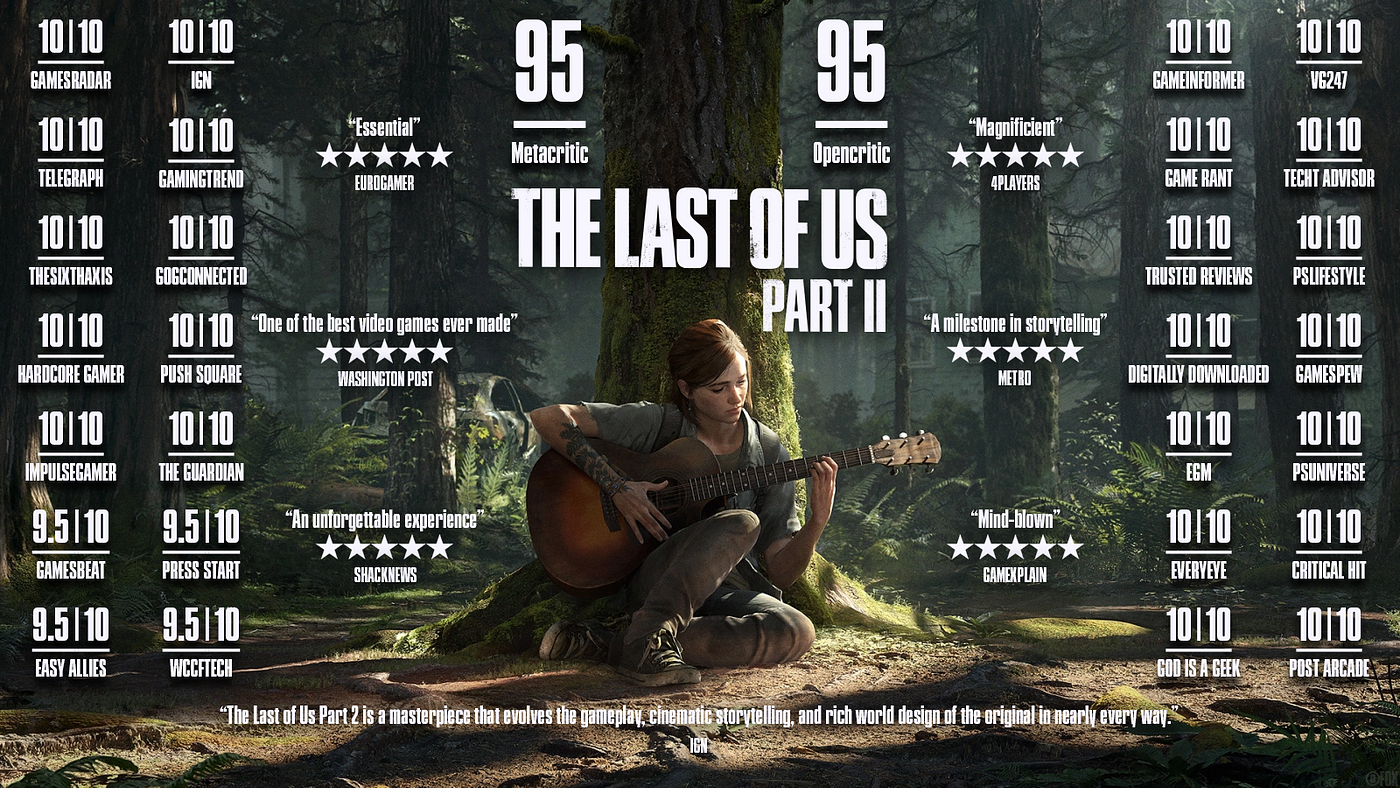
The accolades that TLOU2 garnered upon its release were nothing short of astonishing. The game received widespread critical acclaim and multiple award wins in nearly every major category. At the The Game Awards 2020, TLOU2 won Game of the Year, securing its place as one of the most highly regarded games of the year. Beyond that, it took home honors for Best Game Direction and Best Narrative, cementing its status as a masterpiece of modern storytelling.
The Golden Joystick Awards 2020 saw TLOU2 dominate with wins in all six categories it was nominated for, including Ultimate Game of the Year, Best Audio, Best Storytelling, Best Visual Design, PlayStation Game of the Year, and Ultimate Game of the Year again. This comprehensive sweep of awards underscores the game’s impact on both the narrative and technical aspects of gaming.
In addition to these prestigious recognitions, TLOU2 also picked up accolades at the NAVGTR Awards, where it received 24 nominations (the most in the show’s history) and won 8 awards. Its soundtrack, composed by Gustavo Santaolalla and Mac Quayle, also received critical praise and awards, showcasing the game’s attention to detail in every element of its production.
The sheer scope of TLOU2’s reception, spanning multiple categories and years, cements its legacy as one of the most celebrated video games of its generation. Its cultural impact cannot be overstated; it set new standards for narrative complexity and emotional authenticity, influencing the way stories are told in video games.
In conclusion, The Last of Us Part II is much more than a simple follow-up to a beloved game. It is a landmark in gaming that pushes the boundaries of what is possible, both technically and narratively. Its rich characters, evocative storytelling, and unflinching exploration of complex themes have made it a standout title that will undoubtedly shape the future of video games. Stay tuned for the next segment, where we’ll dive deeper into its lasting impact and legacy.
The Last of Us Part II: Legacy and Cultural Impact
Despite its controversies, The Last of Us Part II (TLOU2) has had a profound and lasting impact on the gaming industry. Its narrative approach and technical achievements have influenced countless developers and players alike. The game’s unflinching portrayal of dark themes, moral ambiguity, and emotional depth has set a new standard for what video games can achieve in terms of storytelling.
Lasting Influence on Storytelling
The narrative complexity of TLOU2 has had a ripple effect on the gaming community. Many developers have been inspired to push the boundaries of their storytelling in similar ways, incorporating more nuanced and adult themes. The game’s willingness to confront uncomfortable topics has encouraged other game creators to take risks and explore the depths of human emotion. Titles like Bloodborne and Elden Ring have embraced horror and darkness, drawing inspiration from TLOU2’s raw and honest approach to narrative design.
Much of the praise for TLOU2 comes from its ability to weave a compelling story around its characters. Games like Assassin’s Creed Valhalla and Falcom’s Disgaea series have benefited from the lessons learned from TLOU2’s focus on character development and emotional depth. The game’s emphasis on the psychological aspects of its characters has influenced how developers approach player engagement and emotional investment.
Technical Innovation and Pushing Boundaries
TLOU2’s technical innovations have also set a benchmark for future titles. The game pushed the PlayStation 4 hardware to its absolute limits, creating a visually stunning and immersive world. Other games like Sekiro: Shadows Die Twice and Dishonored 2 have showcased similar levels of graphical complexity and technical prowess. These games have learned from TLOU2’s mastery of environmental storytelling, intricate cutscenes, and dynamic cinematics.
Moreover, TLOU2’s use of motion capture and character animation has become a template for modern action-adventure games. Titles like Hellblade: Senua’s Sacrifice and The Witcher 3: Wild Hunt have incorporated advanced motion capture techniques to enhance their character performances. The game’s realistic interactions and emotional granularity have paved the way for a more lifelike portrayal of characters in video games.
Cultural Significance
The cultural impact of TLOU2 extends beyond its immediate audience. The game has sparked discussions about the ethics of storytelling in interactive media and the responsibility that developers have when portraying sensitive topics. This conversation has grown into debates about trigger warnings and player consent in games. The success of TLOU2 has also led to increased scrutiny of the content and themes in video games, driving the industry towards more thoughtful and inclusive storytelling.
The lasting influence of TLOU2 is evident in the rise of narrative-focused games that prioritize character development and emotional depth. Games like Kitchen and That Dragon, Cancer have taken inspiration from TLOU2’s innovative approaches to storytelling, exploring the human condition in new and compelling ways. The game’s success in blending action and narrative has led to a broader acceptance of narrative richness in gameplay.
The Legacy of Naughty Dog
The Last of Us Part II has solidified Naughty Dog’s reputation as a leading developer of high-quality storytelling and cinematic experiences. Its success has elevated the studio to a level of artistic respect that few other game developers can claim. Titles like Uncharted 4: A Thief’s End, The Last of Us: Part I, and Horizon Zero Dawn have followed in TLOU2’s footsteps, continuing to set new standards in terms of narrative complexity and technical excellence.
The game’s achievement has also driven more investment in narrative-driven titles within the industry. Publishers are increasingly recognizing the commercial value and critical acclaim that come with games that prioritize story and character development over purely gameplay-driven mechanics. This trend is likely to continue, as more developers seek to emulate the success of TLOU2.
Future Projections and Adaptations
The success of TLOU2 has led to significant interest in adapting the story for other forms of media. Netflix’s television series adaptation of the game’s franchise is a prime example. This adaptation will expand the story and introduce new narrative elements, further cementing the game’s place in popular culture. Fans and critics alike are eagerly awaiting the TV series, which promises to delve even deeper into the complex characters and themes explored in the game.
Other potential adaptations include animated films and comics, each bringing unique perspectives to the already rich narrative. These extensions will help to broaden the audience and deepen the immersion for existing fans. The successful adaptation of TLOU2 into other formats is likely to inspire more cross-platform storytelling, where games, TV shows, and other media work together to create a cohesive and engaging experience for the audience.
In conclusion, The Last of Us Part II remains a pivotal game in the landscape of narrative-driven video games. Its technical prowess, emotional depth, and cultural impact continue to influence the industry. As more developers strive to replicate its success, we can expect to see a continued evolution in the way stories are told within the medium of video games. Stay tuned for the final segment, where we explore the technical details and behind-the-scenes development of TLOU2.
The Technical Details and Behind-the-Scenes Development
The success of The Last of Us Part II (TLOU2) is not limited to its storytelling and emotional depth. Behind the scenes, the game represents a technical landmark that pushed the boundaries of what could be achieved on the PlayStation 4. The development process involved a combination of innovative design choices and state-of-the-art technology, contributing to the game’s immersive experience.
Innovative Animation and Motion Capture
A significant factor in TLOU2’s technical achievements is its advanced use of animation and motion capture. Naughty Dog employed cutting-edge motion capture technology to ensure that every character’s movements felt natural and emotive. This technique is particularly crucial during intense action sequences and emotionally charged moments, ensuring that every gesture and facial expression adds to the overall narrative impact.
Gustavo Santaolalla and Mac Quayle’s scores, composed and performed for the game, are also noteworthy. Their atmospheric and emotionally charged music enhances the game’s emotional depth and helps transport players to the world of the game. The soundtrack’s impeccable timing and emotive quality contribute significantly to the game’s ability to evoke specific feelings and reactions from players.
Environmental Design and Visual Complexity
The game’s environments are meticulously designed to provide a rich and immersive setting. Naughty Dog’s artists and designers focused on creating detailed, photorealistic environments that enhance the player’s sense of presence in the world. The game’s level design is both functional and aesthetically pleasing, seamlessly blending gameplay with narrative cues. For instance, the environments in areas like Jackson, Wyoming, are intricately detailed, reflecting the decay and post-apocalyptic feel of the world.
The game’s visual complexity is another notable feature. Every frame of TLOU2 is meticulously crafted, with attention paid to lighting, texturing, and special effects. The lighting system, for example, is designed to enhance the game’s atmosphere. Dramatic lighting changes and atmospheric effects help to emphasize key moments and create a sense of urgency and tension. These technical advancements contribute to the immersive experience and the overall emotional impact of the game.
Advanced Technology and Creative Processes
Naughty Dog’s technical team played a pivotal role in developing the innovative features of TLOU2. The game benefits from a range of advanced technologies, including improved character rendering, enhanced AI systems, and sophisticated physics engines. These technical advancements allowed for more fluid and responsive gameplay, ensuring that every action felt authentic and impactful.
The creative processes behind TLOU2 were also groundbreaking. Neil Druckmann and his team took a collaborative approach, involving a wide range of contributors from writers to artists and designers. This interdisciplinary collaboration helped to create a cohesive and compelling narrative that stood out from other games in the genre. The game benefited from the input of expert consultants, including psychologists and historians, to ensure that the story and characters felt realistic and authentic.
Challenges and Solutions
The development of TLOU2 was not without its challenges. One of the primary challenges was balancing the technical requirements of creating a visually stunning game with the need to deliver a smooth and engaging gameplay experience. To address this, the team employed various strategies, including optimizing the game’s performance and carefully managing the game’s resources.
Another challenge was maintaining the emotional consistency of the characters throughout the game. To overcome this, the team implemented a rigorous testing process, involving multiple rounds of playtesting to ensure that every decision made contributed to the overarching narrative. This ensured that the character arcs remained coherent and that the emotional journey of the player remained consistent.
Behind-the-Scenes Insights
Insights into the development process offer a glimpse into the dedication and creativity that went into creating TLOU2. One notable detail is the extensive use of motion capture technology. To capture Ellie’s emotions and movements effectively, the team used high-end motion capture facilities and trained actors to perform elaborate scenes with precision. The result is a performance that feels deeply personal and authentic, enhancing the overall experience.
The game’s cutscenes, which are numerous and impactful, required meticulous planning and execution. Each cutscene was storyboarded and then shot using motion capture technology to ensure seamless integration into the game. The team worked tirelessly to refine these sequences, often revising them multiple times to maintain consistency and emotional resonance.
Conclusion
Ultimately, the success of The Last of Us Part II lies in its masterful blend of technical innovation, compelling storytelling, and emotional depth. TLOU2 stands as a testament to what is possible in narrative-driven video games, setting a new standard for the industry. Its technical achievements and creative processes serve as a blueprint for other developers looking to create similarly rich and immersive experiences.
The legacy of TLOU2 is multifaceted. It has influenced the industry in numerous ways, inspiring both developers and players to push the boundaries of what can be achieved in video games. Its cultural impact continues to resonate, as it remains a landmark title that will be remembered for years to come. For those who have experienced TLOU2, its impact is undeniable—a true milestone in the evolution of storytelling in video games.


The Cultural Impact of Cinema: A Global Force
Since the inception of cinema in the late 19th century, the medium has not only evolved but also had a profound impact on cultures around the world. From the early silent films to today’s CGI-heavy blockbusters, movies do more than simply entertain—they shape and reflect society, challenge norms, and bridge cultural divides. This article explores the multifaceted ways in which cinema influences and shapes culture, highlighting its role as both a mirror and a catalyst for change.
Defining Influence: What Constitutes Cultural Impact?
For a film to have a cultural impact, its influence should extend beyond the immediate experience of the audience to effect changes in societal attitudes, behaviors, or even the way people perceive themselves and others. This can manifest in various ways, including changing public opinion on social and political issues, inspiring technological and artistic innovations, or even contributing to shifts in cultural values and practices.
Perspectives on Cultural Impact
Cinema’s cultural impact is a complex and multifaceted topic that intersects with numerous academic and practical disciplines. Scholars from sociology, anthropology, and cultural studies, alongside filmmakers, critics, and cultural historians, contribute to our understanding of how films shape and are shaped by cultural dynamics. Each perspective offers a unique lens through which to examine the cultural impact of cinema.
Sociology and Cultural Studies Approach
Sociologists and cultural studies scholars examine how films reflect and challenge societal norms and power structures. They analyze films within the socio-political context of their production and consumption, often highlighting the role of mass media in disseminating cultural values and norms. For instance, the sociological study of feminist films in the 1960s and 1970s shows how these films challenged traditional gender roles and contributed to a broader cultural shift towards gender equality.
Historical Context and Cultural Impact
The historical context in which films are created and consumed is crucial to understanding their cultural impact. For example, early Hollywood films played a significant role in shaping American cultural identity during the early 20th century. Classic films depicting Western expansion and the “frontier” mythology not only entertained audiences but also promoted certain values and ideals about individualism, independence, and Manifest Destiny. Similarly, the post-war period in Hollywood, marked by films like "Casablanca" and "Gone with the Wind," reflects and reinforces certain national sentiments and ideologies.
Global Reach and Cross-Cultural Exchange
One of the most important aspects of cinema’s cultural impact is its global reach and the cross-cultural exchange it facilitates. Films travel beyond their country of origin, introducing audiences to different cultures, traditions, and ways of life. This global exchange helps break down stereotypes, foster understanding, and promote empathy among diverse populations.
Affirming Cultural Identities
Cinema often plays a significant role in affirming and promoting the cultural identities of minority groups. Films that represent and celebrate the experiences of individuals from marginalized backgrounds can challenge dominant cultural narratives and provide a platform for underrepresented voices. For example, films from South Asia, such as "Bride of Chucky” and “Slumdog Millionaire,” have gained international recognition and contributed to the global understanding and appreciation of South Asian cultural traditions and values.
Challenging Stereotypes and Promoting Empathy
Films can also play a critical role in challenging stereotypes and promoting empathy and cross-cultural understanding. By presenting stories and perspectives from different cultures and backgrounds, filmmakers can help audiences see the world from a new vantage point. The award-winning film "Green Book" (2018), for instance, showcased the experiences of African American musicians during the Jim Crow era, helping white audiences understand and empathize with the struggles of African Americans.
Culture-Wide Trends and Movements
Cinema can act as a catalyst for cultural and social trends. It can amplify existing movements, spark new ones, and influence public opinion on a wide range of topics. From the Civil Rights Movement to the environmental movement, films have played a significant role in advocating for and raising awareness about important social and environmental issues.
Environmental Conservation
Films like "An Inconvenient Truth" and "Before the Flood" have been instrumental in raising awareness about climate change and environmental conservation. These documentaries bring the issue into the mainstream and encourage individuals to take action, often leading to increased support for environmental policies and initiatives. The popularity of such films can also lead to a larger public engagement with environmental issues, contributing to broader cultural change.
Political Movements and Social Change
Cinema has also played a pivotal role in supporting political movements and social change. The film "Selma" (2014), for instance, not only honored the events of the 1965 Selma to Montgomery voting rights march but also brought the civil rights movement to a wider audience. This film helped to reignite conversations about racial equality and justice, contributing to a broader cultural movement towards racial equity and social justice.
Technological Innovation and Cinematic Experiences
Advancements in film technology have not only expanded the creative possibilities for filmmakers but have also contributed to the cultural impact of cinema. From groundbreaking visual effects in science fiction films to the immersive virtual reality experiences in certain independent films, these technological advancements continue to shape the way we experience and engage with cinematic content.
Virtual Reality and Immersive Storytelling
Technological advancements like virtual reality (VR) are transforming the way we experience films. VR not only provides a more immersive and interactive viewing experience but also allows filmmakers to explore new narrative techniques and storytelling possibilities. Films like "Beast" and "Job's Daughters" use VR to transport audiences into different worlds, allowing them to become part of the story in a way that traditional cinema cannot. This technology is also being used to create more accessible and engaging educational and cultural experiences, bridging gaps in understanding and fostering empathy.
The Rise of Streaming Services
The rise of streaming services like Netflix, Amazon Prime, and Hulu has also had a significant impact on the way we experience and consume cinema. These platforms have democratized access to a wide range of films and television shows, allowing for greater diversity in the types of content that reach audiences. This democratization of content has led to a greater representation of diverse voices and perspectives in cinema, contributing to a more inclusive and diverse cultural landscape.
Challenges and Criticisms
While cinema’s cultural impact is significant, it is also not without its challenges and criticisms. Critics argue that the commercial nature of the film industry can sometimes hinder the creation of critically important films and that the emphasis on profits can lead to a focus on certain types of content over others.
The Commercial Nature of the Film Industry
The commercial nature of the film industry can sometimes conflict with the goal of creating culturally impactful films. Filmmakers may face pressures from studios to produce content that is more likely to be profitable rather than content that has a broader cultural impact. This can lead to a narrowing of creative and artistic expression, with certain types of films and stories being more commercially viable while others are overlooked. For example, films that tackle nuanced and complex social issues may struggle to find commercial success, leading to a lack of diversity in the stories that are told on screen.
Conclusion
Cinema’s cultural impact is a dynamic and multifaceted phenomenon that continues to shape and be shaped by cultural, social, and technological forces. From reflecting cultural identities and challenging stereotypes to driving social and environmental change, films play a crucial role in our cultural landscape. As the film industry continues to evolve, so too will its cultural impact, offering both opportunities and challenges for the future of cinema. By understanding and embracing the ways in which cinema influences culture, we can better appreciate the role it plays in shaping the world we live in.
Innovations in Distribution and Consumption
The rise of digital streaming platforms has revolutionized the way we distribute and consume films. Traditional distribution models, dominated by theatrical releases and home video, have given way to a more fragmented and diverse landscape. Streaming services like Netflix, Amazon Prime, and Hulu have made it easier for audiences to access a vast array of films, both mainstream and indie, without leaving their homes.
On-Demand Viewing and Instant Gratification
The convenience of on-demand viewing has fundamentally altered audience behavior. Gone are the days of waiting weeks or months between theatrical releases and home video availability. Now, audiences can watch films immediately after they premiere, leading to shorter box office windows and a greater demand for high-quality content. This shift has also allowed for the rapid diffusion of films across geographical boundaries, facilitating global cultural interactions and exchanges.
Diverse Content and Representation
Streaming platforms have also become crucibles for diverse content and representation. Shows like "Master of None," "Pose," and "Squid Game" not only offer viewers a chance to explore new genres and cultures but also highlight underrepresented voices. These series often tackle contemporary social issues, such as immigration, gender inequality, and cultural identity, providing a platform for dialogue and understanding.
Economic Impacts and Business Models
The economic impact of cinema extends far beyond ticket sales. The film industry drives economic activity in countries around the world, from the cost of production and distribution to the cultural tourism that films inspire. However, the business model of cinema is evolving rapidly, reflecting changes in technology and consumer behavior.
Investment in Production and Distribution
Production companies invest heavily in films, hoping to recoup their costs through box office revenues, home video sales, and streaming rights. The high cost of production—coupled with increasing competition from streaming services—requires films to be more market-driven and commercially successful. Despite this pressure, some producers are taking risks on artistic and culturally impactful films, driven by the potential for critical acclaim and cultural significance.
Different Revenue Streams
With the decline of traditional revenue streams, such as movie theaters and home video rentals, new business models have emerged. Streaming services now offer a steady stream of revenue through subscription fees, advertising, and licensing deals. Independent filmmakers, for their part, are exploring alternative funding models, such as crowdfunding and direct-to-streaming releases, to bypass traditional gatekeepers and reach wider audiences.
Impact on Artistic Expression and Creativity
The cultural impact of cinema extends to the artistic and creative processes by which films are made. While the commercial pressures of the film industry can sometimes stifle creativity, they also provide opportunities for artistic innovation and experimentation. Films can act as vehicles for social commentary, providing a platform for artists to express their views on contemporary issues.
Exploring Social Commentary
Many filmmakers use their work as a means to address social and political issues. Films like "Get Out," "Parasite," and "The Hate U Give" tackle race relations, social injustice, and systemic inequalities, sparking important dialogues and encouraging audiences to think critically about their own beliefs and prejudices. These films illustrate how cinema can serve as a powerful tool for social change.
Experimentation and Risk-Taking
The film industry also encourages experimentation and risk-taking, particularly among independent filmmakers. Low-budget and unconventional films have found receptive audiences and critical acclaim, showcasing the value of artistic freedom and innovation. Filmmakers like Darren Aronofsky and Quentin Tarantino have pushed the boundaries of conventional storytelling, leading to new forms of cinematic expression and narrative structure.
Education and Cultural Preservation
Cinema plays a vital role in education and cultural preservation, serving as a medium for historical and cultural documentation. Films can provide insight into the past, offering a window into different eras, societies, and cultural practices. Documentaries, in particular, have become essential tools for preserving history and educating future generations.
Historical Documentaries
Documentaries like "The Vietnam War" and "When We Were Kings" offer comprehensive accounts of significant historical events, providing valuable context and insights. These films not only educate but also evoke emotions, fostering a deeper understanding of the human experience. Such documentaries often have a lasting impact, influencing public opinion and shaping historical narratives.
Preserving Cultural Heritage
Cinema also plays a crucial role in preserving cultural heritage by documenting and celebrating the traditions, arts, and folklore of different cultures. Documentaries like "Frida: The Life of Frida Kahlo" and "The Last Wave" showcase the rich cultural tapestries of Mexico and Australia, respectively, preserving these cultural traditions for future generations. Such films remind us of the importance of cultural diversity and the need to preserve our collective heritage.
Conclusion Continued
The cultural impact of cinema is a testament to its enduring power and relevance. It serves as a mirror reflecting the complexities and nuances of human cultures, from the mundane to the extraordinary. Through diverse representations, innovative storytelling, and economic dynamism, cinema continues to shape and enrich our cultural landscapes. As the industry continues to evolve, its impact on culture will undoubtedly remain a central force in our lives, driving change, fostering understanding, and celebrating the diversity of the human experience.
By recognizing the broad spectrum of cinema's cultural impact—from reinforcing stereotypes to challenging them, from driving social change to preserving cultural heritage—we can better appreciate the role it plays in our society. In doing so, we ensure that cinema remains a vital and evolving force in the ongoing development of cultures worldwide.
Globalization and International Cinema
The globalization of the film industry has led to a significant increase in international co-productions and the global spread of diverse cinematic styles. This trend has not only expanded the reach of films but has also facilitated cross-cultural exchanges and collaborations. International cinema has become a powerful medium for storytelling that transcends borders and engages audiences around the world.
Co-Productions and Shared Narratives
Co-productions are becoming increasingly common, bringing together filmmakers, producers, and actors from different countries to create films that tell shared or interwoven narratives. These projects often result in films that blend various cultural and artistic traditions, creating a unique hybrid storytelling experience. For example, the co-production between Indian and Hollywood studios of films like "Dum Lagan" and "Simmba" showcase the blending of Bollywood aesthetics with Western narratives, resulting in a distinctive and culturally rich cinematic experience.
International Awards and Recognition
The global reach of cinema is further underscored by the recognition and accolades received by international films at prestigious awards ceremonies. Films like "The Platform," "Shoplifters," and "The White Tiger" have won numerous international awards, including the Academy Awards and Cannes Film Festival, highlighting their cultural and artistic value. These honors not only increase the visibility of these films but also elevate the status of the countries and cultures they represent, fostering international cultural appreciation and dialogue.
Challenges and Opportunities for Emerging Markets
The growth of the international film industry has brought both challenges and opportunities for emerging markets. Countries like Brazil, Nigeria, and South Africa are producing significant volumes of content and gaining international recognition. However, these markets also face unique challenges, such as infrastructure constraints, limited resources, and fierce competition from established Hollywood blockbusters.
Infrastructure and Resources
Developing the necessary infrastructure for film production remains a significant challenge for many emerging markets. Lack of proper facilities, funding, and skilled labor can limit the quality and quantity of films produced. However, government and private sector support, as well as technology, are helping to address these issues. For instance, initiatives like the Nigerian Film Commission and the South African Film and Television levy are providing essential support and resources to help build the capacity of emerging film industries.
Global Distribution and Marketing
The Future of Cinema: Trends and Predictions
The future of cinema is likely to be shaped by several key trends, including the continued growth of streaming platforms, the ongoing influence of technological advancements, and the increasing cultural diversity of film production.
Streaming Platforms and Digital Streaming
Streaming platforms are expected to continue their dominance, with more content being produced directly for digital distribution. This trend is likely to reduce the reliance on theatrical releases, leading to a more diversified and global audience base. The rise of digital streaming also presents new challenges and opportunities for filmmakers, who must navigate the changing dynamics of the market and adapt to new distribution models.
Technological Advancements
Technological advancements will continue to shape the future of cinema. Virtual reality (VR), augmented reality (AR), and artificial intelligence (AI) are likely to play increasingly important roles in filmmaking. These technologies can enhance the viewer's experience, creating more immersive and interactive films. However, they also pose challenges in terms of content creation, distribution, and accessibility.
Cultural Diversity and Inclusion
There will be a continued push towards cultural diversity and inclusion in film production. Audiences are increasingly seeking out films that reflect diverse perspectives and experiences. Filmmakers and studios are responding to this demand, with a growing number of films addressing issues of race, gender, and sexuality. However, achieving true diversity and inclusion requires more than just representation on screen; it involves addressing systemic issues within the industry and ensuring that marginalized voices are given equal opportunities.
Conclusion
Cinema remains a powerful and influential cultural force, capable of shaping and reflecting the world we live in. From its role in challenging stereotypes and promoting cross-cultural understanding to its potential as a global industry, cinema continues to evolve and adapt to changing times. As technology advances and global connections strengthen, the cultural impact of cinema will only become more significant. By embracing the diverse and transformative power of cinema, we can continue to shape a more inclusive and culturally rich society.
As cinema continues to evolve, it will be fascinating to see how it shapes and is shaped by the world around us. Whether through groundbreaking technological innovations or innovative storytelling, cinema remains a vital and evolving force in the ongoing narrative of cultural development. Ultimately, the cultural impact of cinema is a dynamic and ongoing process, reflecting the complex and diverse realities of the human experience.

Darren Watkins Jr.: The Rise of a Digital Era Phenomenon
The Early Beginnings of Darren Watkins Jr.
Darren Watkins Jr., widely known by his online alias "Ishowspeed," has become one of the most recognizable faces in the digital entertainment industry. Born on January 21, 2005, in Cincinnati, Ohio, Darren's journey from an ordinary teenager to a global internet sensation is nothing short of extraordinary. His early life was marked by a passion for gaming and a natural talent for entertainment, which eventually led him to the world of content creation.
Growing up in a modest household, Darren was always drawn to video games. His fascination with platforms like YouTube and Twitch began at a young age, where he would watch his favorite content creators and dream of one day having his own channel. Little did he know that his dreams would soon become a reality, propelling him to unprecedented fame.
The Birth of "Ishowspeed"
Darren Watkins Jr. adopted the name "Ishowspeed" as his online persona, a moniker that would soon become synonymous with high-energy streams and viral content. He started his YouTube channel in 2016, initially posting gaming videos centered around popular titles like FIFA and Call of Duty. However, it wasn't until he began streaming on Twitch that his career truly took off.
What set Ishowspeed apart from other streamers was his unapologetically raw and unfiltered personality. His streams were a chaotic blend of intense gaming sessions, loud reactions, and spontaneous antics that captivated audiences. Fans were drawn to his authenticity, as he never shied away from expressing his emotions, whether it was jubilation after a win or frustration during a loss.
The Viral Breakthrough
Ishowspeed's rise to fame can be attributed to several viral moments that spread like wildfire across social media. One of his most notable breakthroughs came in 2021 when his passionate reactions to soccer matches, particularly those involving Cristiano Ronaldo, went viral. His exaggerated celebrations and unwavering support for Ronaldo earned him a massive following, both from soccer fans and those who simply enjoyed his entertaining persona.
Another pivotal moment in his career was his participation in high-profile collaborations with other internet personalities. By teaming up with popular streamers and YouTubers, Ishowspeed expanded his reach and solidified his position as a key player in the online entertainment space. His ability to adapt and evolve with the ever-changing digital landscape has been a cornerstone of his success.
The Controversies and Challenges
Despite his immense popularity, Ishowspeed's journey has not been without its fair share of controversies. His unfiltered approach has often landed him in hot water, with critics accusing him of being overly abrasive or insensitive at times. From heated arguments with fellow streamers to controversial statements, Darren has faced backlash on multiple occasions.
However, what sets him apart is his willingness to learn and grow from these experiences. He has publicly acknowledged his mistakes and taken steps to improve his content, showing a level of maturity that resonates with his audience. This ability to bounce back from adversity has only strengthened his connection with fans, who appreciate his authenticity and resilience.
The Impact on Internet Culture
Ishowspeed's influence extends far beyond his own channels. He has played a significant role in shaping internet culture, particularly in the realm of live streaming. His high-energy style has inspired countless aspiring content creators to embrace their individuality and push the boundaries of digital entertainment.
Moreover, his success has highlighted the power of platforms like Twitch and YouTube in creating opportunities for young talents. Darren's story serves as a testament to the fact that with passion, dedication, and a bit of luck, anyone can achieve greatness in the digital age.
What's Next for Darren Watkins Jr.?
As of now, Ishowspeed shows no signs of slowing down. With millions of followers across multiple platforms, he continues to innovate and explore new avenues for content creation. Whether it's through gaming, vlogging, or collaborations, Darren remains committed to entertaining his audience and expanding his brand.
The future looks bright for this young internet sensation, and fans eagerly anticipate what he will do next. One thing is certain: Darren Watkins Jr. has cemented his place in the annals of digital history, and his legacy is only just beginning.
The Business Ventures of Ishowspeed
While Darren Watkins Jr. is best known for his explosive online persona, Ishowspeed, few realize just how savvy he has become as a digital entrepreneur. Beyond his streams, Darren has strategically expanded his brand into merchandise, sponsorships, and even music—proving that he’s more than just an entertainer but a growing business powerhouse.
Merchandise and Brand Expansion
One of the most lucrative moves in Ishowspeed’s career was launching his own merchandise line. Capitalizing on his viral catchphrases and iconic reactions, Darren designed a range of apparel featuring slogans like “IShowSpeed Up” and “Cristianooooo Ronnnallldoooo!” The merchandise quickly became a hit among fans, with drops often selling out within hours. His entrepreneurial instincts ensured that his brand wasn’t just limited to the screen—it became a lifestyle his followers could wear and represent.
Additionally, Ishowspeed has dipped his toes into the world of endorsements. From gaming accessories to energy drinks, companies have eagerly partnered with him due to his massive youth appeal. His ability to connect with Gen Z audiences makes him a prime candidate for influencer marketing, ensuring long-term revenue opportunities beyond ad monetization.
The Music Career: From Memes to Hits
Few expected Ishowspeed to venture into music, but Darren has repeatedly proven his versatility. In 2022, he released his first song, “Shake,” a high-energy track that mirrored his internet persona. While initially met with skepticism, the song became a viral meme, further fueling his popularity. He followed up with tracks like “World Cup” and “Champions,” leveraging his soccer obsession into catchy, hype-driven anthems.
Though not a traditional artist, Ishowspeed’s music thrives because it speaks directly to his audience. His songs are filled with inside jokes and references that longtime fans instantly recognize—creating a sense of community around his brand.
The Competitive Gaming Journey
Gaming has always been at the heart of Ishowspeed’s content, but Darren has also taken his skills to competitive levels. Whether it’s FIFA tournaments, intense Call of Duty sessions, or even dipping into NBA 2K, he has shown that he’s not just an entertainer but a skilled player who can hold his own.
FIFA and the Soccer Obsession
Few things define Ishowspeed’s content more than his love for soccer—and Cristiano Ronaldo in particular. His FIFA streams became legendary for their sheer intensity, with Darren reacting to every goal, win, or loss as if it were a real-life match. His passion resonated so deeply with fans that he even gained recognition from professional athletes, including Ronaldo himself.
In 2023, Darren took things a step further by participating in influencer soccer tournaments. Whether playing virtually or in charity matches, his competitive drive shone through, proving that his gaming talents extended beyond the digital world.
Controversial Gaming Moments
However, Darren’s competitive nature hasn’t been without its drama. His FIFA streams are infamous for wild outbursts, controller smashes, and heated online arguments with opponents. While some criticize these moments as excessive, fans argue that it’s precisely his unfiltered passion that makes him so entertaining.
There have been times when his gaming antics led to temporary bans from streaming platforms, but Darren always manages to bounce back—often returning with even more explosive content.
Philanthropy and Giving Back
Beyond the memes and controversies, Ishowspeed has also demonstrated a growing awareness of his influence and a desire to make a positive impact. In recent years, he has used his platform to raise awareness for charitable causes, particularly those involving children and underprivileged communities.
Community Engagement and Charity Streams
One of Darren’s most commendable efforts has been organizing charity livestreams. From fundraising for disaster relief to supporting youth sports programs, he has leveraged his massive viewership for good. These streams not only showcase his philanthropic side but also help reshape his public image beyond the loud, chaotic persona.
Inspiring the Next Generation
Perhaps the most powerful aspect of Ishowspeed’s influence is his ability to motivate young creators. Many aspiring YouTubers and streamers cite Darren as their inspiration, admiring his journey from a small-time gamer to a global phenomenon. Through livestream Q&As and motivational talks, he often shares advice on perseverance, reminding fans that success doesn’t come overnight.
The Struggles of Staying Relevant
Despite his massive success, Ishowspeed faces the same challenge as any internet personality: maintaining relevance in an ever-changing digital landscape. Trends evolve quickly, and staying ahead requires constant reinvention—something Darren understands well.
Algorithm Changes and Adaptation
With YouTube and Twitch frequently updating their algorithms, content creators must stay adaptable. Ishowspeed has experimented with different formats, transitioning from pure gaming videos to vlogs, reaction content, and even short-form skits. His willingness to take risks has kept audiences engaged and his content fresh.
Mental Health and Online Pressure
Along with the pressure to stay trending comes the mental toll of internet fame. Darren has been open about the difficulties of dealing with hate comments, burnout, and the relentless scrutiny that comes with being in the public eye. His transparency about these struggles has made him more relatable, fostering deeper connections with his fanbase.
Looking Ahead: The Future of Ishowspeed
As Ishowspeed continues to dominate the digital space, fans wonder what’s next. Could he eventually transition into mainstream media? Will he further expand his brand into film, TV, or entrepreneurship? One thing is clear: Darren Watkins Jr. is much more than a flash-in-the-pan viral star—he’s a cultural force with limitless potential.
Whether he’s breaking controllers, dropping music, or raising money for good causes, Ishowspeed’s journey proves that in the age of the internet, authenticity is the ultimate currency—and Darren spends it well.
Ishowspeed’s Global Influence and Cultural Impact
Darren Watkins Jr. has transcended the typical boundaries of internet fame to become a genuine cultural phenomenon. His influence stretches across continents, with fans from North America to Europe, Africa, and Asia. This global reach speaks volumes about how digital creators can now rival traditional celebrities in terms of recognition and impact. Unlike conventional stars whose fame is often tied to specific industries like music or film, Ishowspeed's celebrity exists purely within the digital realm – yet it's just as powerful.
The Language of Internet Culture
One of Ishowspeed's most remarkable contributions has been his role in shaping modern internet vernacular. Phrases like "Ronaldo is the GOAT!" (often screamed at top volume) or "Let's gooo!" have permeated gaming and sports communities worldwide. These catchphrases demonstrate how online personalities can create linguistic trends that spread far beyond their original context, much like how television once shaped popular slang in previous generations.
His unique style of communication – a mix of exaggerated reactions, spontaneous outbursts, and unfiltered commentary – has become a blueprint for aspiring content creators. Numerous young streamers now emulate his energetic approach, though few can match the raw authenticity that made Ishowspeed stand out in the first place.
Breaking Barriers in Digital Entertainment
Darren's success story represents several important breakthroughs in digital entertainment. He proved that:
- Personality can trump polish – viewers increasingly prefer genuine reactions over overly produced content
- Gaming content doesn't need to be technically perfect to be engaging
- A diverse content portfolio (gaming, reactions, music, vlogs) can sustain long-term growth
- International appeal isn't limited to traditional media stars
The Mainstream Recognition Factor
In an era where the line between internet and mainstream celebrity continues to blur, Ishowspeed has achieved what few digital creators have – acknowledgment from traditional media outlets and sports figures. His passionate football fandom caught the attention of major sports networks, while his viral moments have been featured on shows like ESPN and Sky Sports.
Perhaps most notably, his idol Cristiano Ronaldo eventually took notice, leading to one of the internet's most celebrated fan-celebrity interactions. This validation from established figures in traditional entertainment and sports signaled a shift in how digital creators are perceived by the broader culture.
The Unique Challenges of Viral Fame
While Ishowspeed's journey appears glamorous from the outside, it comes with a unique set of challenges that highlight the double-edged nature of internet celebrity:
The Pressure to Keep Going Viral
Unlike traditional entertainers who might release work on scheduled timelines, viral creators face constant pressure to deliver daily content that maintains their momentum. For Darren, this has meant pushing himself to create increasingly outrageous or entertaining moments, which takes both creativity and endurance.
Dealing With Fame in the Digital Age
The lack of separation between public and private life presents another challenge. Every action, from grocery shopping to dining out, can become content – or controversy. Ishowspeed has had to navigate this reality while trying to maintain some semblance of normalcy as a young adult.
Legal and Platform Hurdles
His unfiltered approach has occasionally led to conflicts with platform guidelines, resulting in temporary bans or demonetization. These incidents serve as case studies in how digital platforms govern content and how creators must adapt their styles to comply with constantly evolving rules.
The Evolution of Ishowspeed's Content
Analyzing Darren's content evolution reveals a sophisticated understanding of his audience and the digital landscape:
From Pure Gaming to Hybrid Entertainment
While gaming remains central to Ishowspeed's brand, he's skillfully incorporated other elements like:
- Reaction content to current events and viral videos
- Football analysis and commentary
- Real-life challenges and adventures
- Music production and performances
This diversification has protected him from the volatility inherent to depending on any single content type.
Embracing Short-Form Content
Recognizing shifting consumption patterns, Darren has mastered platforms like TikTok and YouTube Shorts. His ability to create micro-content that captures his signature energy in 15-60 second clips demonstrates his adaptability to industry trends.
Ishowspeed as a Case Study in Digital Entrepreneurship
From a business perspective, Ishowspeed's career offers valuable lessons for digital creators and marketers alike:
Building a Personal Brand That Scales
Darren's success shows that a strong personal brand can create multiple revenue streams:
- Ad revenue from long-form and short-form content
- Sponsorships and brand deals
- Merchandise sales
- Music distribution
- Paid appearances and collaborations
The Creator Economy Model
His career mirrors the rise of the creator economy, where individuals can build entire businesses around their personal brand without traditional gatekeepers. This model has democratized fame and created new economic opportunities for talented entertainers worldwide.
The Legacy of Ishowspeed
As Darren Watkins Jr. continues to grow his brand, his impact on digital culture is already significant:
Redefining Celebrity for the Digital Native Generation
Ishowspeed represents a new archetype of celebrity – one that feels accessible, relatable, and grounded in shared internet culture rather than unattainable glamour. His success proves that in the digital age, authenticity and personality can compete with traditional markers of stardom.
Inspiring a New Wave of Creators
Perhaps most importantly, Darren's journey has inspired countless young people globally to pursue content creation seriously. He demonstrates that with talent, persistence, and an understanding of digital platforms, extraordinary success is possible without traditional media backing.
The Future of Digital Stardom
As we look ahead, Ishowspeed stands at the forefront of an evolving entertainment landscape. His career trajectory suggests that:
- The line between internet and mainstream fame will continue to blur
- Multi-platform content creation will become even more crucial
- Authenticity will remain the most valuable currency in digital entertainment
- New monetization models will emerge for creator-driven content
Regardless of what the future holds, Darren Watkins Jr. has already cemented his place in internet history. His story represents more than personal success – it reflects the seismic shifts in how entertainment is created, consumed, and valued in the 21st century. From screaming at FIFA matches to building a multimedia empire, Ishowspeed has proven that in today's world, the most powerful platform might just be your webcam and personality.




Humza Arshad: The Rise of a British Comedy Sensation
Introduction
Humza Arshad is a name that has become synonymous with comedy, creativity, and cultural resonance in the UK. Known for his sharp wit, relatable humor, and groundbreaking digital content, Humza has carved out a unique space in the entertainment industry. From his early days creating viral sketches to becoming a mainstream star, his journey is one of perseverance, talent, and authenticity. This article delves into Humza Arshad's beginnings, his rise to fame, and why he has become such an influential figure in British comedy.
Early Life and Background
Born on August 1, 1985, in London, Humza Khalid Arshad grew up in a British-Pakistani household, a cultural background that would later play a significant role in shaping his comedic style. He often jokes about the challenges of navigating dual identities—balancing traditional family expectations with the liberties of Western life—a theme that resonates deeply with many second-generation immigrants in the UK.
Humza attended Elliott School in Putney, where his creative talents began to shine. However, it wasn’t until later that he discovered his passion for comedy. After completing his education, he worked various jobs, including in retail, while secretly harboring dreams of making people laugh for a living.
The Birth of "Badman"
Humza’s breakthrough came with the creation of his now-iconic character, Badman. In 2010, he started uploading short comedy sketches to YouTube, featuring Badman—a hilariously exaggerated parody of a streetwise, self-proclaimed "gangster" whose bravado often contrasted with his ineptitude. The character was an instant hit, with his catchphrases and over-the-top antics earning millions of views.
What made Badman special was its authentic British-Asian flavor. Humza infused the sketches with relatable cultural quirks, from dodgy uncles to overly dramatic family members, making them a hit within the South Asian community and beyond. The sketches didn’t just entertain; they provided a rare glimpse into the humorous side of multicultural Britain at a time when diverse voices were still underrepresented in mainstream media.
Breaking into the Mainstream
Humza’s success on YouTube quickly caught the attention of television producers. In 2011, he won the BBC Talent Comedy Search, which opened doors for him in traditional media. This led to appearances on shows like "Comedy Shuffle" and "Live at the Electric," where he showcased his comedic chops to a broader audience.
However, it was his own BBC Three series, "Diary of a Badman," that truly catapulted him into the spotlight. The show, blending scripted comedy with mockumentary elements, followed Humza (playing a fictionalized version of himself) as he navigated life, love, and family expectations. The series was praised for its fresh perspective and cheeky humor, solidifying Humza’s status as a rising star in British comedy.
Digital Influence and Social Media Stardom
While many comedians struggled to transition from YouTube to television, Humza mastered both. His digital presence remained strong, thanks to his consistent uploads and engagement with fans. Twitter and Instagram became platforms where he interacted with his audience, sharing personal anecdotes and hilarious takes on everyday life.
One of Humza’s biggest strengths is his ability to stay relevant. Whether reacting to viral trends, collaborating with other creators, or addressing current events with humor, he has maintained a strong connection with his audience. His sketches often tackle universal themes—family drama, relationships, and societal absurdities—but with a distinctly British-Asian twist that sets him apart.
Beyond Comedy: Acting and Writing
Humza’s talents extend beyond making people laugh. He has ventured into acting, appearing in films like "Hindi Medium" and TV series such as "Everyone Else Burns." His ability to switch between comedic and serious roles proves his versatility as a performer.
Moreover, Humza has explored writing, contributing scripts for television and digital projects. His storytelling often incorporates themes of identity, belonging, and generational clashes—topics he knows all too well from personal experience. By blending humor with heartfelt moments, he creates content that is both entertaining and thought-provoking.
Impact and Legacy
Humza Arshad’s influence goes beyond entertainment. As a British-Pakistani comedian, he has paved the way for other minority voices in the industry, proving that diverse stories deserve mainstream attention. His success has inspired countless young comedians from similar backgrounds to pursue their dreams fearlessly.
Moreover, Humza’s ability to bridge cultural gaps through humor has made him a beloved figure across different demographics. Whether mocking stereotypes or celebrating cultural idiosyncrasies, he does so with charm and intelligence, never resorting to cheap jokes at the expense of his heritage.
What’s Next for Humza Arshad?
With a career spanning over a decade, Humza shows no signs of slowing down. Fans eagerly await his next moves, whether in digital content, television, or even bigger film roles. One thing is certain: his unique voice and infectious energy will continue to shape British comedy for years to come.
Stay tuned for the next part of this article, where we’ll explore Humza’s most iconic sketches, collaborations, and the behind-the-scenes stories that make him such a fascinating personality in the world of comedy.
Humza Arshad’s Most Iconic Sketches and Collaborations
The Viral Success of Badman
Among Humza Arshad’s vast collection of comedy sketches, the "Badman" series stands out as his most defining work. What started as a humble YouTube idea grew into a cultural phenomenon, resonating with millions worldwide. Early sketches like *"Badman Rude Boy"* and *"Badman vs. The Parents"* showcased his knack for exaggerated humor while poking fun at British-Asian dynamics. Badman’s overconfident yet clueless antics—whether trying to flirt or asserting dominance in ridiculous situations—made him an instant favorite.
The genius of Badman lies in its relatability. Many second-gen immigrants saw fragments of their own lives in the sketches—strict parents, overzealous relatives, and the comedic struggle of balancing cultural traditions with modern Western life. Humza’s ability to find humor in these everyday experiences, without veering into mockery, earned him a loyal fanbase.
Standout Sketches That Defined His Career
While Badman remains his signature character, Humza has created numerous other memorable sketches. *"Driving Test with Mum"* went viral for its spot-on depiction of a South Asian mother’s backseat driving and relentless commentary. The exaggerated frustration of Humza’s character, paired with his mother’s dramatic reactions, struck a chord with viewers of all backgrounds.
Another fan favorite, *"The British-Pakistani Wedding"*, hilariously captured the chaos of South Asian weddings—from the overly enthusiastic uncles to the never-ending family photos. These sketches weren’t just funny; they were nostalgia-infused love letters to the quirks of multicultural families.
Collaborations with Other Creators
Humza’s success also stems from his collaborative spirit. He has worked with fellow comedians and digital creators, amplifying his reach and diversifying his content. A notable example is his partnership with Ali Shahalom, with whom he created the *"Desi Boyz"* sketch series. Their chemistry and playful banter added another dimension to his comedic style, proving that Humza thrives in collaborative settings.
He also teamed up with BBC Asian Network for radio sketches, and mainstream stars like Romesh Ranganathan and Sanjeev Bhaskar have praised his work. These collaborations helped bridge the gap between digital and traditional media, reinforcing Humza’s versatility.
The Evolution of His Comedy Style
Over the years, Humza’s humor has matured alongside his audience. While his early work relied on exaggerated characters and slapstick humor, recent projects show a more nuanced approach. His sketches now often incorporate satirical takes on societal issues, such as cultural stereotypes and generational conflicts. Yet, they remain just as entertaining, a testament to his growth as a writer and performer.
His storytelling has also expanded—sketches like *"Brown Jobs"* humorously address career expectations in South Asian households, while *"Ramadan Problems"* hilariously highlights the struggles of fasting during the holy month. The way he balances humor with cultural insight sets him apart from other comedians.
Behind the Scenes: The Making of a Sketch Star
Creating viral content isn’t easy, and Humza’s journey has had its challenges. Early on, he juggled odd jobs while filming sketches in his free time. His low-budget productions relied on friends and family as cast members, giving them an authentic charm. Despite limited resources, his creativity and persistence paid off—his YouTube channel now boasts millions of subscribers.
In interviews, Humza has spoken about the importance of staying true to oneself. Unlike some comedians who cater exclusively to mainstream tastes, he prioritizes authenticity, ensuring his content reflects real experiences. This dedication to genuine storytelling is a key reason his fanbase remains so dedicated.
The Cultural Impact of His Work
Beyond laughs, Humza’s comedy has had a profound impact on representation in media. At a time when British-Asian voices were scarce in comedy, his success opened doors for others. Shows like *"Diary of a Badman"* proved that stories from immigrant communities could resonate widely, paving the way for more diverse narratives in entertainment.
Young British Asians, in particular, have cited Humza as an inspiration. His ability to navigate dual identities—embracing both his heritage and his British upbringing—offers reassurance to those grappling with similar experiences. By showcasing these stories with humor and heart, he’s helped normalize diverse perspectives in mainstream media.
From Digital Star to Mainstay
Humza’s transition from YouTube sensation to established entertainer is a blueprint for digital creators. While many internet stars struggle to sustain relevance, he has successfully expanded into television, film, and even theater. His adaptability—whether acting in Bollywood films or writing for British TV—demonstrates his refusal to be boxed into one medium.
His live performances, including stand-up tours and panel show appearances, further showcase his versatility. Fans who grew up watching his sketches now flock to see him perform in person, a testament to his enduring appeal.
Looking Ahead: Expanding His Creative Horizons
As Humza continues to evolve, audiences eagerly anticipate what he’ll tackle next. Whether it’s directing, producing, or venturing into new genres, his career trajectory suggests even bigger accomplishments on the horizon. One thing is certain: his unique brand of comedy—rooted in cultural pride and universal humor—will remain at the core of everything he does.
Stay tuned for the final part of this article, where we’ll explore Humza’s advocacy, personal life, and the lasting legacy he’s building in the world of entertainment.
Humza Arshad Beyond Comedy: Advocacy, Personal Triumphs, and Lasting Legacy
The Power of Humor in Challenging Stereotypes
While Humza Arshad is best known for his comedic genius, his work carries a deeper significance in challenging stereotypes and fostering cross-cultural understanding. Rather than shying away from difficult topics, he uses humor as a tool to address misconceptions about British-Asian communities. Sketches like *"Terrorist Training Day"*—a satirical take on media paranoia—highlight how laughter can disarm prejudice while making pointed social commentary.
His approach contrasts with many mainstream depictions of South Asians, which often rely on reductive clichés. By presenting multidimensional characters—whether the lovably flawed Badman or the exasperated immigrant son—he humanizes experiences that are rarely portrayed with nuance in media. This subtle activism embedded in his comedy has earned him praise from advocacy groups and cultural commentators alike.
Giving Back: Humza’s Social Initiatives
Beyond entertainment, Humza actively supports causes close to his heart—particularly youth empowerment and mental health awareness. Having grown up in a community where these topics were often stigmatized, he collaborates with organizations like Mind and The Prince’s Trust to share his own struggles openly. In interviews, he recalls battling anxiety during his early career, a revelation that resonated deeply with young fans facing similar pressures.
He also mentors aspiring comedians through workshops, emphasizing the importance of authenticity in creative fields. During the pandemic, he shifted focus to digital fundraisers, using his platform to support struggling families—a reflection of the communal values ingrained in his upbringing.
Personal Life: The Man Behind the Laughter
Despite his public persona, Humza guards his private life carefully. What he does share—often in heartfelt social media posts—reveals a man deeply rooted in family. His bond with his parents, whom he credits as inadvertent comedy inspirations, remains central to his identity. The cultural tightrope he walks (like dodging arranged marriage setups, a recurring sketch theme) mirrors realities faced by many of his fans.
In 2019, Humza married hairstylist Sasha Hamid in an intimate Nikah ceremony, later sharing joyous wedding glimpses with followers. His relationship offers another layer of relatability—documenting everything from playful marital spats to navigating intercultural traditions as a couple.
Overcoming Adversity: Career Challenges
Humza’s path wasn’t without hurdles. Early rejections from TV networks dismissed his brand of humor as “too niche,” while some critics accused him of perpetuating stereotypes—a charge he rebuts by stressing contextual satire. The pivot from YouTube to mainstream media required reinvention; where some digital stars falter, he adapted by honing his acting and writing skills.
A lesser-known struggle was legal backlash from early parody songs (like *"Rude Boy"*), which led to copyright strikes. These experiences shaped his business acumen—today, he oversees production more meticulously, balancing creative freedom with professional safeguards.
The Business of Being Badman: Entrepreneurship
Recognizing the fleeting nature of internet fame, Humza diversified his ventures. He launched a merchandise line featuring Badman-themed apparel, tapping into his fanbase’s loyalty. Additionally, he co-founded Rice & Chips Productions, a creative hub supporting underrepresented talent—an extension of his belief in paying opportunities forward.
His foray into podcasting (*"The Humza Arshad Show"*) further expanded his brand, offering long-form discussions on culture, career journeys, and societal issues. These entrepreneurial strides showcase his vision beyond viral content.
Awards and Recognition
Humza’s influence hasn’t gone unnoticed. He’s bagged multiple accolades, including the 2015 Asian Media Award for Best Online Comedy and a coveted place on The Guardian’s *“Top 10 British Asian Trailblazers”* list. Perhaps more meaningful are grassroots honors—like presentations from community groups praising his positive representation.
Institutions now invite him to speak on digital media’s evolving landscape, cementing his status as both entertainer and thought leader.
The Global Reach of British-Asian Comedy
Remarkably, Humza’s appeal transcends borders. His sketches amass millions of views from India to the Middle East to North America—proof that diasporic humor has universal threads. Collaborations with international creators (like Canada’s JusReign) highlight shared generational experiences across cultures.
This global reception underscores a shift: audiences crave stories beyond Western-centric narratives, and voices like Humza’s fill that gap while proving comedy’s power as a connective force.
The Legacy Continues: Inspiring a New Generation
Today, Humza’s impact is evident in the wave of British-Asian creators citing him as inspiration—from Mobeen Azhar’s gritty dramas to Guzzy Bear’s animated satire. Schools even use his sketches in diversity workshops, illustrating how art can spark dialogue.
His blueprint—using humor to dismantle barriers without diluting cultural specificity—has redefined what success looks like for minority entertainers.
Final Thoughts: Why Humza Arshad Matters
In a media landscape still grappling with representation, Humza Arshad stands as testament to the power of authenticity. Through wit and resilience, he turned niche observations into mainstream acclaim, all while staying rooted in community. Whether as Badman, an actor, or an advocate, his journey embodies the possibilities when talent meets cultural pride.
As he often quips: *“I didn’t break stereotypes—I just showed there’s more to us than curry and call centers.”* That irreverent yet insightful approach will ensure his legacy lasts far beyond the laughs.
What’s Next for Fans?
With rumored TV projects and international collaborations in the works, Humza’s next chapter promises to be his most ambitious yet. Whatever comes, one guarantee holds: it’ll be delivered with the signature charm that made him a legend in British comedy—and far beyond.