Jacques Cousteau: The Pioneer of the Deep
The Early Life of a Visionary Explorer
Jacques-Yves Cousteau was born on June 11, 1910, in Saint-André-de-Cubzac, France. From a young age, he was fascinated by the sea, though his path to becoming one of the most renowned ocean explorers of all time was not straightforward. Cousteau's early years were marked by curiosity and a rebellious spirit. He loved machines, nature, and adventure, but his formal education initially led him toward aviation.
However, a near-fatal car accident in 1933 altered the course of his life. While recovering, he was introduced to spearfishing and underwater exploration by his friend Philippe Tailliez. The experience ignited a deep passion for the ocean, setting him on a journey that would redefine marine science, conservation, and storytelling.
The Invention of the Aqua-Lung
One of Cousteau’s most significant contributions to underwater exploration was the co-invention of the Aqua-Lung in 1943. Working alongside engineer Émile Gagnan, Cousteau developed the first open-circuit, self-contained underwater breathing apparatus (SCUBA). This revolutionary device allowed divers to explore the ocean depths with unprecedented freedom and mobility, unshackled from heavy diving helmets and surface-supplied air.
The Aqua-Lung not only transformed underwater exploration but also opened new frontiers for marine biology, archaeology, and underwater filmmaking. Scientists could now study marine ecosystems firsthand, and divers could document the world beneath the waves in ways never before imagined.
The Calypso and the Beginnings of Oceanographic Expeditions
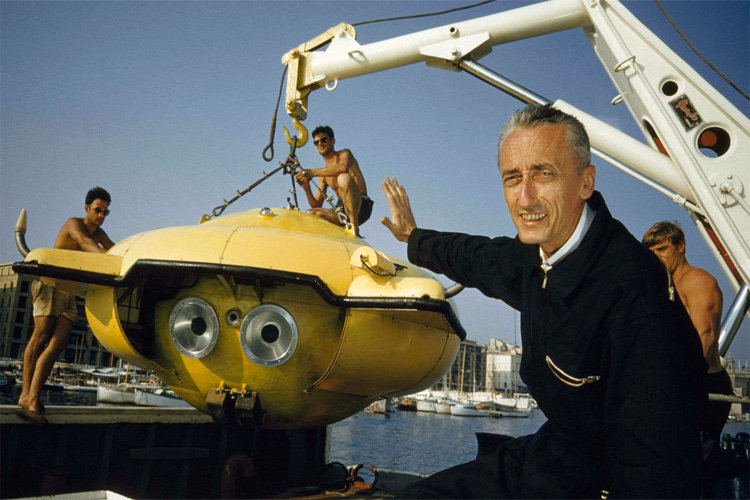
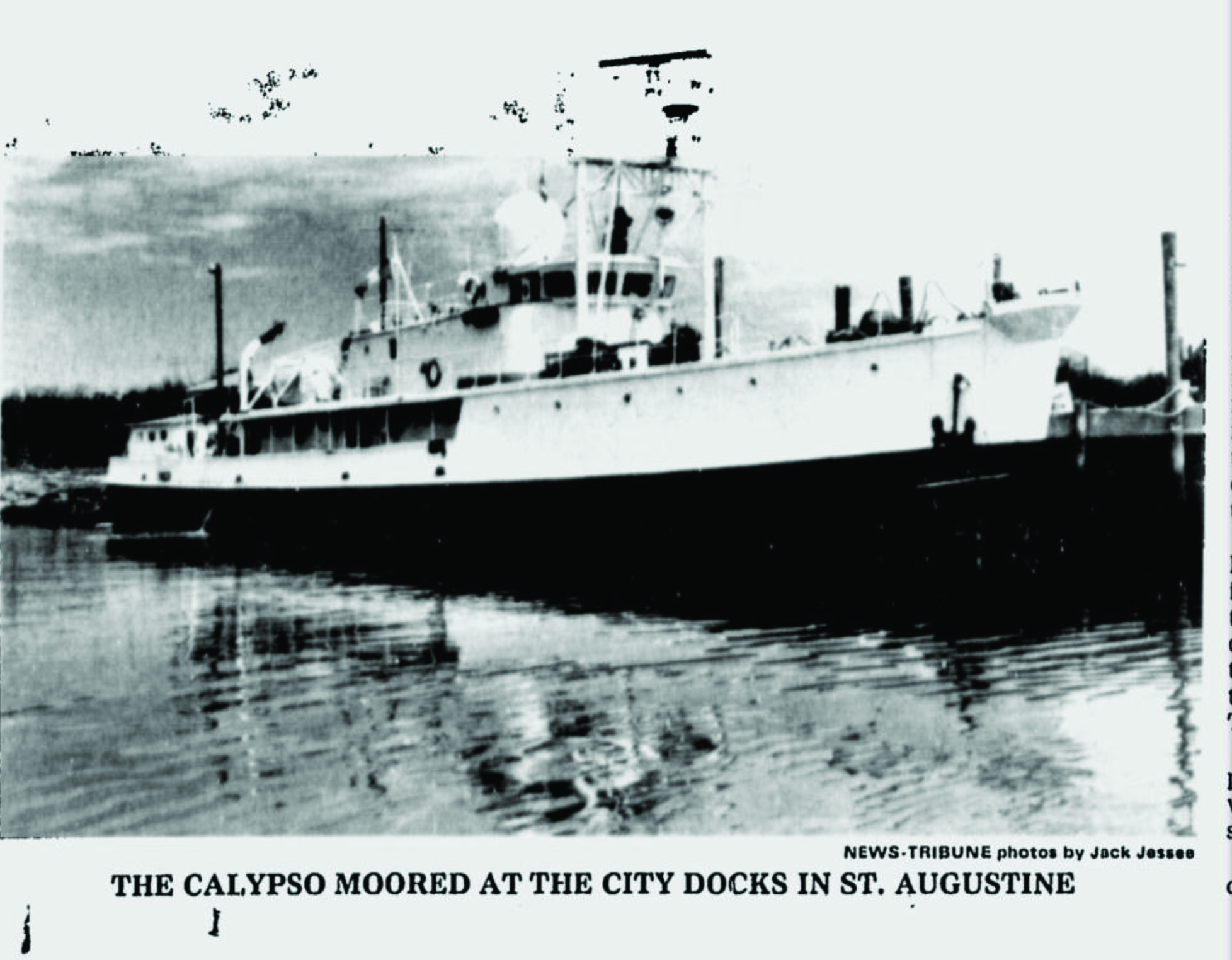
In 1950, Cousteau acquired the Calypso, a former minesweeper that he converted into a floating oceanographic laboratory. The vessel became legendary, serving as the base for Cousteau’s groundbreaking expeditions. Equipped with underwater cameras, submersibles, and diving gear, the Calypso allowed Cousteau and his team to explore remote marine environments and bring their discoveries to the public.
Through the 1950s and 1960s, Cousteau and his crew traveled the globe, documenting coral reefs, shipwrecks, and deep-sea trenches. His expeditions were not just scientific missions but also media sensations, capturing the imaginations of millions with stunning footage of previously unseen underwater worlds.
The Silent World: A Cinematic Revolution
In 1956, Cousteau released The Silent World, a documentary film co-directed with Louis Malle. Shot in vibrant Technicolor, the film showcased the beauty and mystery of the ocean, winning critical acclaim and the Palme d’Or at the Cannes Film Festival. It was also the first documentary to win an Academy Award for Best Documentary Feature.
The Silent World was more than just a film—it was a cultural phenomenon that introduced mainstream audiences to the wonders of marine life and the fragility of ocean ecosystems. Cousteau’s ability to combine science, adventure, and cinematic artistry set a new standard for nature documentaries.
Advocacy for Marine Conservation
As Cousteau witnessed firsthand the impacts of pollution, overfishing, and habitat destruction, he evolved from an explorer into a passionate conservationist. In 1973, he founded the Cousteau Society, an organization dedicated to marine research, education, and advocacy. Through his later documentaries, books, and public campaigns, he warned of the dangers facing the ocean and called for global action to protect it.
Cousteau's legacy is not just in his technological innovations or breathtaking films but also in his enduring message: that the ocean is a vital, interconnected system that must be preserved for future generations. His work laid the foundation for modern marine conservation movements and inspired countless individuals to take up the cause of protecting the planet.
(To be continued...)
Cousteau’s Television Legacy: Bringing the Ocean into Homes Worldwide
Jacques Cousteau’s influence reached its zenith with the advent of television. In 1966, he launched The Undersea World of Jacques Cousteau, a groundbreaking documentary series that aired on ABC. The show became an international sensation, captivating audiences with its stunning underwater cinematography and compelling storytelling. Viewers marveled at exotic marine creatures, vibrant coral reefs, and the eerie depths of unexplored ocean trenches—all narrated with Cousteau’s distinctive French-accented voice.
The series ran for nearly a decade, followed by other acclaimed productions like The Cousteau Odyssey and Cousteau’s Amazon. Unlike traditional nature documentaries, Cousteau’s films had a unique narrative style—blending adventure, science, and environmental ethics. He didn’t just show the underwater world; he made audiences feel emotionally invested in its preservation. His ability to humanize marine life, from playful dolphins to mysterious octopuses, set a precedent for modern environmental filmmaking.
The Birth of Underwater Archaeology
Beyond marine biology, Cousteau was a pioneer in underwater archaeology. One of his most famous expeditions was the discovery and excavation of the ancient Greek shipwreck at Grand Congloué near Marseille in 1952. Using the Aqua-Lung, Cousteau and his team recovered amphorae and artifacts, proving that shipwrecks could serve as underwater museums.
Later, in 1975, his team explored the wreck of the HMHS Britannic, the sister ship of the Titanic, using advanced diving technology. These expeditions demonstrated that the ocean floor held invaluable historical treasures—ones that could only be studied with the tools Cousteau had helped develop. His work laid the groundwork for modern maritime archaeology, inspiring future explorers to uncover lost civilizations beneath the waves.
The Tragic Loss of the Calypso
Despite its legendary status, the Calypso met a tragic fate. In 1996, while docked in Singapore, the ship was accidentally rammed by a barge and sank. Cousteau, then in his late 80s, was devastated. For nearly half a century, the Calypso had been his home, laboratory, and symbol of ocean exploration. Though efforts were made to salvage and restore the vessel, Cousteau would not live to see its full revival.
The loss of the Calypso marked the end of an era, but Cousteau’s vision endured. His expeditions aboard the ship had already cemented his status as a global icon of marine exploration, and his later projects continued to push boundaries. Even in his final years, he dreamed of new technologies—such as a wind-powered vessel called the Alcyone, featuring an experimental turbosail system designed for eco-friendly ocean travel.
Cousteau’s Later Years and Environmental Activism
As the 20th century drew to a close, Cousteau shifted his focus toward urgent environmental advocacy. He spoke at international forums, warning of climate change, ocean acidification, and the devastating effects of industrial fishing. In 1977, he co-authored The Cousteau Almanac: An Inventory of Life on a Water Planet, a comprehensive study of Earth’s water systems and the threats they faced.
Perhaps one of his most notable political campaigns was his fight against nuclear testing in the Pacific. Cousteau documented the ecological devastation caused by French atomic tests in Mururoa Atoll, using his films to lobby governments for change. His activism was not always welcomed—some saw him as an alarmist or a nuisance—but he remained steadfast. He believed that the scientist’s duty was not just to discover but to protect.
The Legacy of the Cousteau Society
Founded in 1973, the Cousteau Society became a hub for marine research and conservation. Its mission was clear: to educate the public about the fragility of the ocean and advocate for sustainable policies. Among its many projects, the society helped establish marine protected areas, funded research on endangered species, and promoted youth education through initiatives like the Water Planet Alliance.
Today, the organization continues Cousteau’s work under the leadership of his widow, Francine Cousteau, and his son, Pierre-Yves Cousteau. They campaign against deep-sea mining, plastic pollution, and overfishing—challenges that Jacques himself had warned about decades earlier. The society’s archives preserve his films, research, and writings, ensuring that future generations learn from his discoveries and warnings.
Inspiring Future Generations of Ocean Explorers
Cousteau’s influence extends far beyond his own expeditions. Film directors like James Cameron and Sylvia Earle cite him as a key inspiration for their careers. His emphasis on visual storytelling reshaped nature documentaries, paving the way for modern series like Blue Planet and Our Planet. Even in popular culture, his iconic red beanie and the silhouette of the Calypso remain symbols of adventure and environmental stewardship.
Universities and research institutions now offer marine science programs partly due to the public interest Cousteau sparked. His belief that exploration should serve a greater purpose—protection—resonates in today’s marine conservation movements. From coral reef restoration projects to citizen science initiatives, his ethos lives on.
(To be continued...)
Cousteau's Final Years and Enduring Influence
Jacques Cousteau spent his final years as a global ambassador for the oceans, though his journey was not without controversy. In the 1990s, he partnered with various corporations to fund his expeditions, drawing criticism from some environmental purists who felt he had compromised his principles. Yet even these alliances demonstrated Cousteau's pragmatic approach - he recognized that protecting the seas required engaging with industry and governments as much as opposing them. His last major project, Planet Ocean, aimed to monitor the world's water systems via satellite, reflecting his lifelong belief that technology could reveal - and potentially solve - environmental crises.
Tragically, the legendary explorer passed away on June 25, 1997 at age 87, just two weeks after celebrating his birthday. His funeral at Notre-Dame Cathedral in Paris drew dignitaries from around the world, while memorial services were held simultaneously aboard ships at sea - a fitting tribute for a man who had spent more time on water than land. UNESCO established the Jacques-Yves Cousteau Award in Marine Conservation in his honor, ensuring his name would remain synonymous with oceanic protection.
The Cousteau Family Legacy Continues
The Cousteau dynasty continues to champion marine conservation through multiple generations. His second wife, Francine, maintains the Cousteau Society while his sons and grandchildren have each carved their own paths in environmental advocacy. Jean-Michel Cousteau has become a prominent environmental educator through his Ocean Futures Society, while his son Fabien continues developing new underwater habitats and exploration technologies. Pierre-Yves Cousteau founded Cousteau Divers to engage recreational divers in conservation efforts. Even his granddaughter Céline has emerged as an influential ocean advocate, proving that the family's commitment to the seas spans generations.
This multigenerational impact creates a unique phenomenon in environmentalism - what experts call "The Cousteau Effect." Unlike other conservation movements that rely on institutions, the Cousteau legacy operates as both a scientific dynasty and a cultural force, blending exploration, media, and advocacy in ways no single organization could replicate.
Modern Scientific Validation of Cousteau's Warnings
Decades after his initial warnings, modern science has validated many of Cousteau's most urgent concerns. His early observations about coral bleaching, plastic pollution, and overfishing now form the basis of mainstream climate science. Researchers have confirmed that the ocean absorbs 30% of human-produced CO2 and 90% of excess heat from global warming, just as Cousteau predicted in his 1970s lectures.
Particularly prescient was his emphasis on the "hydrologic unity" principle - the understanding that all water systems on Earth are interconnected. Today's studies on microplastic distribution, chemical pollution dispersal, and current system alterations all reflect this foundational concept. Ocean acidification, a term barely used in Cousteau's time, has become a key climate change indicator directly linked to his early observations of changing marine ecosystems.
The Cousteau Paradox: Celebrity vs. Scientist
An ongoing debate surrounds Cousteau's dual identity as both rigorous scientist and media personality. Some marine biologists argue that his fame overshadowed his substantive contributions to oceanography. However, recent scholarship highlights how his showmanship actually advanced marine science by:
1) Securing funding for research during eras of limited academic support
2) Democratizing scientific knowledge through accessible media
3) Creating public pressure for marine protection policies
This "popular science" model has become standard practice among modern researchers like National Geographic's Enric Sala or BBC's Chris Packham, proving Cousteau's approach was ahead of its time.
Cousteau's Technologies in the 21st Century
The Aqua-Lung revolutionized diving, but it was just one of Cousteau's 32 patented inventions. Modern diving equipment still uses principles from his original designs, while his underwater camera housings became the blueprint for today's marine filming technology. The SP-350 "diving saucer" submersible, developed in 1959, foreshadowed modern underwater drones and remotely operated vehicles (ROVs) used in deep-sea exploration.
Perhaps most visionary was his 1965 Conshelf experiment, where aquanauts lived in an underwater habitat for weeks. While the program ended in the 70s, NASA now uses similar protocols for astronaut training, and private firms like OceanGate cite Cousteau as inspiration for their underwater habitation research. His proposed "oceanographic buoy" network presaged today's sophisticated ocean monitoring systems that track everything from temperature shifts to marine migrations.
Posthumous Honors and Cultural Permanence
Cousteau's cultural imprint remains strong years after his death. The 2016 documentary Becoming Cousteau reintroduced his legacy to new generations, while exhibitions at the Smithsonian and Musée de la Marine continue drawing crowds. Google honored him with a Doodle on his 100th birthday, and his image appears on everything from UNESCO medals to French postage stamps.
Academic institutions have established Cousteau chairs in marine science, while environmental groups frequently invoke his name in campaigns. This enduring relevance suggests his impact transcends mere nostalgia - Cousteau created a permanent framework for how society engages with the marine world.
The Future of Cousteau's Vision
Looking forward, Cousteau's principles could guide emerging ocean challenges. His emphasis on international cooperation anticipates current debates over deep-sea mining regulation. His warnings about technology's dual potential (to both exploit and protect) inform ethical discussions about geoengineering solutions for coral reefs. Even his early work documenting underwater noise pollution predates today's research on how ship traffic affects marine mammals.
Perhaps most crucially, Cousteau's human-centered storytelling provides a model for communicating climate science. Modern researchers increasingly adopt his narrative techniques to make complex marine issues relatable, understanding - as he did - that facts alone rarely inspire action.
Jacques Cousteau's ultimate legacy may be this: he transformed humanity's relationship with the sea from one of conquest to stewardship, proving that wonder and wisdom can coexist in our exploration of Earth's final frontier. The oceans he loved now face unprecedented threats, but the tools he created - both technological and philosophical - continue to equip new generations to protect them.

Konrad Lorenz: The Father of Modern Ethology
Introduction to Konrad Lorenz
Konrad Lorenz, born in Vienna in 1903, was a pioneering Austrian zoologist and ethologist. He is best known as the founder of modern ethology, the study of animal behavior in natural environments. Lorenz's groundbreaking work on imprinting and innate behaviors earned him the Nobel Prize in Physiology or Medicine in 1973, shared with Nikolaas Tinbergen and Karl von Frisch.
Early Life and Education
Lorenz was born on November 7, 1903, in Vienna, Austria. From an early age, he showed a keen interest in animals, particularly birds. He earned his MD from the University of Vienna in 1928 and later obtained a PhD in zoology in 1933. His early observations of jackdaws, published in 1927, laid the foundation for his future work in ethology.
Key Milestones in Education
- Earned MD from University of Vienna (1928)
- Obtained PhD in zoology (1933)
- Published early observations of jackdaws (1927)
Pioneering Work in Ethology
Lorenz's most significant contribution to science is his work on imprinting. In 1935, he demonstrated this phenomenon with greylag geese, showing that hatchlings form a permanent bond with the first moving object they see. This critical-period learning process challenged the behaviorist view that all behaviors are learned.
Imprinting and Fixed-Action Patterns
Imprinting is a critical-period learning process where hatchlings form permanent bonds with the first moving object they see. Lorenz's experiments with greylag geese showed that these birds would follow him as if he were their mother if they saw him first after hatching. This bond was permanent and formed within hours of hatching.
Lorenz also developed the concept of fixed-action patterns, which are innate, stimulus-triggered behaviors. These patterns are essential for survival and are often species-specific. His work on these patterns challenged the behaviorist view that all behaviors are learned, emphasizing the role of instinct in animal behavior.
Key Concepts in Ethology
- Imprinting: Permanent bond formation with the first moving object seen
- Fixed-Action Patterns: Innate, stimulus-triggered behaviors
- Innate Behaviors: Behaviors that are genetically programmed
Awards and Recognition
Lorenz's groundbreaking work earned him numerous accolades, including the Nobel Prize in Physiology or Medicine in 1973. He shared this prestigious award with Nikolaas Tinbergen and Karl von Frisch for their discoveries on individual and social behavior patterns. Additionally, he received the Prix mondial Cino Del Duca in 1969.
Major Awards
- Nobel Prize in Physiology or Medicine (1973)
- Prix mondial Cino Del Duca (1969)
Legacy and Influence
Lorenz's work has had a profound impact on the field of ethology and beyond. His concepts of imprinting and fixed-action patterns have influenced evolutionary psychology, cognitive biology, and conservation efforts. His emphasis on natural observation over laboratory-based learning has shaped the way we understand animal behavior.
Influences on Modern Science
- Evolutionary Psychology: Understanding innate behaviors and their evolutionary origins
- Cognitive Biology: Studying the mental processes behind animal behavior
- Conservation: Applying ethological principles to wildlife conservation
Controversies and Criticisms
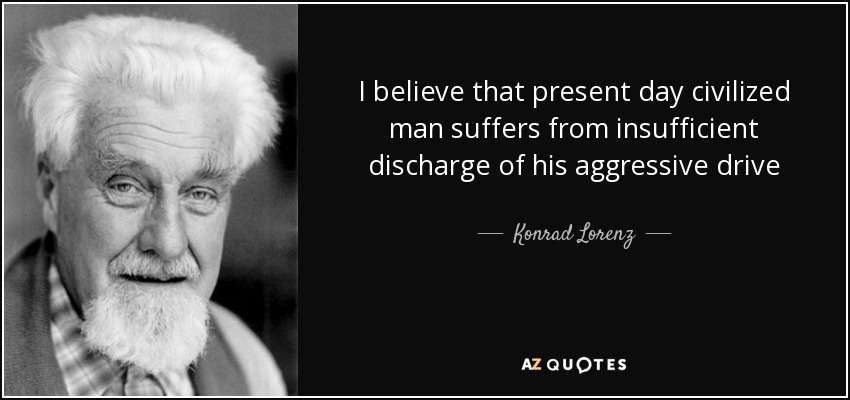
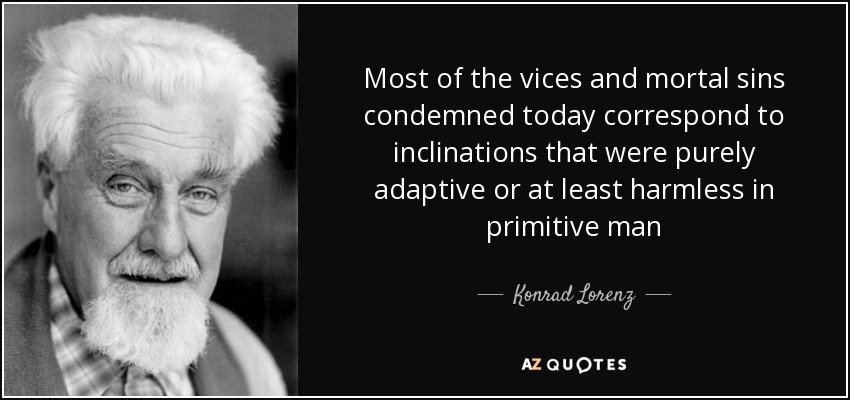
Despite his significant contributions, Lorenz's legacy is not without controversy. He joined the Nazi Party in 1938 and wrote essays aligning ethology with racial hygiene. Although he later distanced himself from these views, this aspect of his past continues to taint his legacy in modern scholarship.
Nazi-Era Controversies
Lorenz's involvement with the Nazi Party and his writings on racial hygiene have been a subject of debate. While he later distanced himself from these views, the controversy remains a significant part of his legacy. Modern scholars continue to reevaluate his work in light of these historical context.
Conclusion
Konrad Lorenz's pioneering work in ethology has left an indelible mark on the study of animal behavior. His concepts of imprinting and fixed-action patterns have influenced numerous fields, from evolutionary psychology to conservation. Despite the controversies surrounding his past, his contributions to science remain invaluable.
Major Publications and Their Impact
Konrad Lorenz authored several influential books that brought ethology to a broader audience. His most famous works include King Solomon’s Ring (1949), On Aggression (1963), and Civilized Man’s Eight Deadly Sins (1974). These publications not only popularized his scientific ideas but also sparked debates on human behavior and environmental ethics.
Key Publications
- King Solomon’s Ring (1949) – Introduced ethological concepts to the general public
- On Aggression (1963) – Explored the biological roots of aggressive behavior
- Behind the Mirror (1973) – Discussed human nature through an ethological lens
- Civilized Man’s Eight Deadly Sins (1974) – Warned about environmental degradation and overpopulation
Impact of "On Aggression"
On Aggression became a bestseller and remains one of Lorenz’s most debated works. He argued that aggression is an innate behavior in animals, including humans, but is often ritualized to prevent lethal outcomes. This book influenced discussions on human violence, territoriality, and social structures.
"Aggression is not something evil but a necessary part of survival, controlled by evolved mechanisms." – Konrad Lorenz, On Aggression
Career Milestones and Institutional Roles
Lorenz’s career spanned several decades, during which he held key academic and research positions. His work at the Max Planck Institute and the University of Vienna solidified his reputation as a leading ethologist.
Academic and Research Positions
- Lecturer at the University of Vienna (1937)
- Professor at Königsberg University (1940–1942)
- Director of the Max Planck Institute for Behavioral Physiology (1961–1973)
- Member of the Austrian Academy of Sciences (1973)
World War II and Post-War Period
During World War II, Lorenz served as a physician in the German army (1942–1944) and was later held as a Soviet prisoner of war (1944–1948). Despite these disruptions, he resumed his research post-war and continued to publish influential works.
Collaborations and Scientific Partnerships
Lorenz collaborated with several prominent scientists, most notably Nikolaas Tinbergen, with whom he shared the Nobel Prize. Their partnership advanced the understanding of instinctive behaviors and how multiple drives integrate to shape animal actions.
Key Collaborators
- Nikolaas Tinbergen – Co-recipient of the 1973 Nobel Prize; collaborated on behavioral studies
- Karl von Frisch – Another Nobel co-laureate; studied animal communication
- Oskar Heinroth – Early influence in ethology; worked on bird behavior
Lorenz and Tinbergen’s Contributions
Lorenz and Tinbergen’s joint research emphasized the importance of natural observation over laboratory experiments. They demonstrated that behaviors like courtship, territoriality, and parenting are deeply rooted in evolution, not just learned responses.
Ethology’s Broader Influence
Lorenz’s work extended beyond academia, influencing fields such as animal welfare, psychology, and even artificial intelligence. His ideas on innate behaviors helped shape modern behavioral ecology and conservation biology.
Applications in Modern Science
- Animal Welfare – Understanding natural behaviors improves captive animal care
- Evolutionary Psychology – Explains human behaviors through an evolutionary lens
- AI and Robotics – Models of instinctive behaviors inspire autonomous systems
Legacy in Conservation
Lorenz’s emphasis on observing animals in their natural habitats has influenced wildlife conservation. His studies on imprinting, for example, have been applied to reintroduction programs for endangered species, ensuring young animals develop appropriate survival behaviors.
Criticisms and Modern Reevaluations
While Lorenz’s contributions to ethology are undeniable, his legacy has faced scrutiny due to his Nazi-era associations. Some scholars argue that his early writings on racial hygiene reflect problematic ideological influences, though he later distanced himself from these views.
Controversial Aspects
- Joined the Nazi Party in 1938
- Wrote essays linking ethology to racial hygiene
- Later distanced himself from these views, but controversy persists
Modern Perspectives
Today, scientists acknowledge Lorenz’s groundbreaking work while critically examining his past. Institutions like the Konrad Lorenz Institute for Evolution and Cognition Research continue his legacy, focusing on evolutionary biology and cognitive science without endorsing his earlier political affiliations.
Lorenz’s Environmental Warnings
In his later years, Lorenz became an outspoken advocate for environmental conservation. Books like Civilized Man’s Eight Deadly Sins (1974) warned about overpopulation, pollution, and the dangers of unchecked technological progress.
Key Environmental Themes
- Overpopulation – Warned of strain on natural resources
- Habitat Destruction – Highlighted risks to wildlife
- Technological Hubris – Critiqued human disregard for ecological limits
"The greatest danger to our planet is the belief that someone else will save it." – Konrad Lorenz
Conclusion of Part 2
Konrad Lorenz’s life and work reflect a complex blend of scientific brilliance and historical controversy. His contributions to ethology revolutionized our understanding of animal behavior, while his later environmental warnings remain eerily relevant today. In the final part of this article, we will explore his lasting impact on modern science and ongoing debates about his legacy.
Lasting Impact on Modern Science
Konrad Lorenz’s influence extends far beyond his lifetime, shaping contemporary fields like behavioral ecology, neuroethology, and evolutionary psychology. His emphasis on innate behaviors and natural observation laid the groundwork for modern studies on animal cognition and human-animal parallels.
Influence on Behavioral Ecology
Lorenz’s work on fixed-action patterns and imprinting became cornerstones of behavioral ecology. Researchers today study how animals adapt behaviors to their environments, often citing Lorenz’s early experiments. For example, his observations of greylag geese helped scientists understand parent-offspring bonding in mammals, including humans.
Neuroethology and Brain Research
Modern neuroethology—the study of the neural basis of natural behaviors—owes much to Lorenz’s ideas. His distinction between learned and innate behaviors inspired neuroscientists to explore how the brain processes instinctive actions. Studies on mirror neurons and social cognition in primates, for instance, build on his foundational theories.
Lorenz’s Legacy in Institutions and Research
Several institutions continue Lorenz’s work, ensuring his theories remain relevant. The Konrad Lorenz Institute for Evolution and Cognition Research (KLI) in Altenberg, Austria, focuses on interdisciplinary studies in biology, philosophy, and cognitive science. Additionally, the Max Planck Institute and universities worldwide still reference his methodologies.
Key Institutions Preserving His Legacy
- Konrad Lorenz Institute (KLI) – Advances research in evolution and cognition
- Max Planck Institute for Behavioral Physiology – Continues ethological studies
- University of Vienna – Houses archives of his original research
Modern Ethology and Conservation
Lorenz’s principles guide wildlife conservation efforts today. Conservationists use his insights on imprinting to rehabilitate orphaned animals, ensuring they develop survival skills. For example, whooping crane reintroduction programs employ puppet-rearing techniques to prevent human imprinting, a direct application of Lorenz’s theories.
Debates and Reevaluations of His Work
While Lorenz’s scientific contributions are celebrated, his Nazi-era associations remain a contentious topic. Modern scholars debate whether his early political views influenced his scientific theories. Some argue that his later work, particularly his environmental advocacy, reflects a shift away from those ideologies.
Historical Context and Criticism
Lorenz joined the Nazi Party in 1938 and wrote essays aligning ethology with racial theories. Post-war, he distanced himself from these views, but the controversy persists. Critics argue that his early work may have been shaped by the political climate, while defenders emphasize his later contributions to science and environmentalism.
Modern Ethical Considerations
Today, ethologists and historians grapple with separating Lorenz’s scientific achievements from his past. Institutions like the KLI focus on his research while acknowledging historical complexities. This ongoing debate highlights the importance of ethical scrutiny in scientific legacy.
Lorenz’s Environmental Prophecies
Decades before climate change became a global concern, Lorenz warned about humanity’s destructive impact on nature. His book Civilized Man’s Eight Deadly Sins (1974) predicted environmental crises, including overpopulation, habitat loss, and pollution. Many of his warnings have since materialized, making his work eerily prescient.
Key Environmental Predictions
- Overpopulation – Strain on resources leading to ecological collapse
- Industrial Pollution – Long-term damage to ecosystems
- Loss of Biodiversity – Extinction risks from human activity
"Humanity’s greatest mistake is believing we are separate from nature, rather than a part of it." – Konrad Lorenz
Lorenz’s Influence on Popular Culture
Beyond academia, Lorenz’s ideas permeated popular culture. His books, particularly King Solomon’s Ring, inspired generations of naturalists and filmmakers. Documentaries like The Life of Birds (BBC) and films such as Fly Away Home (1996) reflect his theories on animal behavior and human-animal bonds.
Media and Literary Impact
- Documentaries – BBC’s The Life of Birds features imprinting concepts
- Films – Fly Away Home (1996) depicts human-imprinting on geese
- Literature – Influenced writers like Jane Goodall and E.O. Wilson
Final Thoughts: The Enduring Legacy of Konrad Lorenz
Konrad Lorenz’s life was a paradox—brilliant scientist, controversial figure, and visionary environmentalist. His discoveries in ethology revolutionized our understanding of animal behavior, while his later warnings about environmental degradation remain urgent. Though his past associations complicate his legacy, his scientific contributions are undeniable.
Key Takeaways from Lorenz’s Work
- Imprinting – Critical-period learning shaping lifelong behaviors
- Innate vs. Learned Behaviors – Challenged behaviorist theories
- Environmental Advocacy – Early warnings on ecological crises
The Future of Ethology
As technology advances, Lorenz’s methods—natural observation and behavioral studies—remain vital. Modern tools like AI-driven tracking and genetic analysis build on his foundational work, ensuring ethology continues to evolve while honoring its roots.
"The more we learn about animals, the more we understand ourselves." – Konrad Lorenz
Conclusion: A Complex but Indelible Legacy
Konrad Lorenz’s story is one of scientific genius, historical controversy, and environmental foresight. His work transformed ethology into a respected discipline, influencing fields from psychology to conservation. While his past remains debated, his contributions to science and his warnings about humanity’s future ensure his legacy endures. As we face growing environmental challenges, Lorenz’s voice—both as a scientist and a cautionary figure—continues to resonate.
In the end, Lorenz’s greatest lesson may be this: Understanding nature is not just about observing animals—it’s about understanding ourselves and our place in the world.
The Enchanting World of Forests
Introduction to Forests
Forests are among the most vital ecosystems on our planet, covering approximately 31% of the Earth's land area. They are home to an incredible diversity of flora and fauna, playing a crucial role in maintaining the balance of nature. Forests act as the lungs of the Earth, absorbing carbon dioxide and releasing oxygen, making them indispensable for human survival. Beyond their ecological importance, forests offer a sanctuary for adventure, tranquility, and inspiration.
From the dense rainforests of the Amazon to the towering pine forests of Scandinavia, each forest type has its unique characteristics and inhabitants. Whether you're a nature lover, a scientist, or simply someone seeking solace, forests have something to offer everyone. In this article, we will explore the wonders of forests, their significance, and the magic they hold within their green canopies.
The Different Types of Forests
Tropical Rainforests
Tropical rainforests are located near the equator and are characterized by high rainfall and consistent warm temperatures. These forests are biodiversity hotspots, housing more than half of the world's plant and animal species. The dense vegetation and layered canopy create a unique ecosystem where life thrives at every level. From colorful birds like toucans and parrots to elusive big cats like jaguars, tropical rainforests are teeming with life.
Deforestation poses a significant threat to these ecosystems, with vast areas being cleared for agriculture, logging, and urban expansion. Conservation efforts are crucial to preserving these vital habitats and the species that depend on them.
Temperate Forests
Temperate forests are found in regions with distinct seasons, including North America, Europe, and parts of Asia. These forests experience moderate temperatures and rainfall, supporting a mix of deciduous and coniferous trees. In autumn, the foliage of deciduous trees turns vibrant shades of red, orange, and yellow, creating breathtaking landscapes.
Wildlife in temperate forests includes deer, bears, foxes, and a variety of bird species. These forests also provide valuable resources such as timber and medicinal plants, making them economically important as well.
Boreal Forests (Taiga)
The boreal forest, or taiga, is the largest terrestrial biome, stretching across North America, Europe, and Asia. These forests are dominated by coniferous trees like spruce, pine, and fir, which are adapted to cold climates and short growing seasons. The taiga plays a critical role in regulating the Earth's climate by storing vast amounts of carbon in its soils and vegetation.
Wildlife in the boreal forest includes moose, wolves, lynx, and migratory birds. Despite the harsh winters, these forests are vital for global biodiversity and carbon sequestration.
The Importance of Forests
Ecological Benefits
Forests are essential for maintaining ecological balance. They help regulate the climate by absorbing carbon dioxide, a major greenhouse gas, and releasing oxygen through photosynthesis. Forests also play a key role in the water cycle, absorbing rainfall and reducing the risk of floods and soil erosion.
Moreover, forests provide habitat for countless species, many of which are endangered or endemic to specific regions. The loss of forests can lead to habitat destruction and the extinction of species, disrupting entire ecosystems.
Economic Benefits
Forests contribute significantly to the global economy. They provide raw materials for industries such as timber, paper, and pharmaceuticals. Many communities rely on forests for their livelihoods, whether through logging, tourism, or gathering non-timber forest products like fruits, nuts, and medicinal plants.
Sustainable forest management is essential to ensure these resources are available for future generations while minimizing environmental impacts.
Cultural and Spiritual Significance
Forests have deep cultural and spiritual significance for many indigenous and local communities. They are often considered sacred and are central to traditional practices, rituals, and folklore. Forests also inspire art, literature, and music, serving as a muse for creativity and reflection.
For many people, forests offer a place of peace and rejuvenation, where they can reconnect with nature and escape the stresses of modern life.
Threats to Forests
Deforestation
Deforestation is one of the greatest threats to forests worldwide. Large-scale clearing of forests for agriculture, logging, and urban development has led to habitat loss, climate change, and biodiversity decline. The Amazon rainforest, often referred to as the "lungs of the Earth," is experiencing rapid deforestation, with devastating consequences for global ecosystems.
Efforts to combat deforestation include reforestation projects, sustainable land-use practices, and policies to protect vulnerable areas.
Climate Change
Climate change is altering forest ecosystems in profound ways. Rising temperatures, changing precipitation patterns, and increased frequency of wildfires are impacting forest health. Some species may struggle to adapt, leading to shifts in forest composition and function.
Forests also play a dual role in climate change—they act as carbon sinks but can become carbon sources if degraded or destroyed.
Pollution and Invasive Species
Air and water pollution can harm forest ecosystems, affecting soil quality and plant health. Invasive species, introduced by human activities, can outcompete native flora and fauna, disrupting ecological balance. For example, invasive insects like the emerald ash borer have devastated ash tree populations in North America.
Protecting forests from these threats requires global cooperation and proactive conservation measures.
Conclusion of Part One
Forests are not just collections of trees; they are complex, life-sustaining ecosystems that benefit humans and the planet in countless ways. From their ecological and economic importance to their cultural and spiritual value, forests are irreplaceable. However, they face numerous threats that require immediate attention and action.
In the next part of this article, we will delve deeper into the unique flora and fauna of forests, exploring the intricate relationships that sustain these ecosystems. Stay tuned to uncover more about the enchanting world of forests.
The Flora and Fauna of Forests
The Lush Plant Life
Forests host an astonishing variety of plant species, each adapted to thrive in specific conditions. In tropical rainforests, towering emergent trees rise above the dense canopy, reaching heights of over 200 feet. Below them, a middle layer of smaller trees forms a continuous green roof, while the forest floor remains shrouded in relative darkness, nurturing shade-tolerant plants like ferns and mosses.
Epiphytes, or air plants, create vertical gardens on tree branches in these humid environments. Orchids, bromeliads, and ferns grow without soil, extracting nutrients from the air and rainwater. Some plant species have evolved remarkable symbiotic relationships with animals for pollination - the corpse flower attracts beetles with its rotting flesh scent, while the chocolate tree depends exclusively on tiny midges.
Temperate forests feature deciduous trees like oaks and maples that undergo dramatic seasonal changes. Their leaves contain chlorophyll in spring and summer, then reveal vibrant pigments as chlorophyll breaks down in autumn. The forest floor erupts with wildflowers in spring, taking advantage of sunlight before the canopy fills in.
Remarkable Forest Adaptations
Forest plants have developed ingenious survival strategies. Some tropical trees grow buttress roots as wide as the tree itself for stability in shallow soils. The strangler fig begins life as a seed deposited in a tree's branches, eventually enveloping its host in a living cage of roots. Certain bamboo species can grow up to 35 inches in a single day, making them the fastest-growing plants on Earth.
Many forest plants produce chemical defenses against herbivores. The black walnut tree releases juglone, a substance toxic to many other plants, creating a zone where few species can grow beneath it. Some tropical vines contain compounds now being studied for potential cancer treatments.
Forest Wildlife Ecosystems
Mammals of the Forest
Forests provide homes for mammals of all sizes, from tiny shrews to massive elephants. The Amazon rainforest alone contains over 400 mammal species. Primates are particularly diverse in tropical forests, with orangutans in Asia swinging through the canopy and howler monkeys making their presence known with deafening calls in Central and South America.
Large predators help maintain ecosystem balance. Tigers in Asian forests, jaguars in South America, and wolves in northern forests regulate prey populations. Many mammals have developed specialized forest adaptations - flying squirrels glide between trees using skin flaps, while okapis in African rainforests use their long tongues to strip leaves from branches.
Forest Birds and Their Songs
Forests echo with bird calls, from the haunting hoots of owls to the melodious songs of warblers. Tropical forests boast the greatest avian diversity, with colorful toucans, macaws, and birds of paradise. The harpy eagle, one of the world's most powerful raptors, hunts monkeys and sloths in the rainforest canopy.
Many forest birds play crucial ecological roles. Hornbills in Asia and Africa spread seeds through their droppings, while woodpeckers create cavities that later shelter other animals. The endangered kākāpō, a flightless parrot from New Zealand, was saved from extinction through intensive conservation efforts in its forest habitat.
Insect Life in the Understory
Insects form the foundation of forest food chains. Leafcutter ants in South American forests cultivate fungal gardens, carrying leaf fragments many times their weight. Fireflies create magical light displays in temperate forests at dusk, using bioluminescence to attract mates. The giant Asian honey bee builds enormous nests suspended from forest trees, each containing thousands of individuals.
Some insects have extraordinary relationships with plants. The fig wasp pollinates fig trees in a complex life cycle where tree and insect depend completely on each other. Certain Amazonian butterflies gather at clay licks to absorb minerals unavailable from nectar alone.
Microscopic Forest Worlds
Fungi: The Forest's Hidden Network
Beneath the forest floor lies a vast fungal network connecting trees in a "wood wide web." Mycorrhizal fungi form symbiotic relationships with tree roots, exchanging nutrients for sugars. Some research suggests trees may use these networks to communicate, sending chemical warnings about pests or drought.
Fungi play crucial decomposition roles. Oyster mushrooms produce enzymes that can break down oil and plastic pollutants, while some species attack living trees, causing devastating forest diseases. The honey fungus, spreading through root systems, holds the record as Earth's largest organism - one specimen in Oregon covers 2,400 acres.
Soil Microorganisms
A teaspoon of forest soil may contain billions of microorganisms. Nitrogen-fixing bacteria convert atmospheric nitrogen into forms plants can use, while protozoa and nematodes regulate microbial populations. These microscopic organisms maintain soil structure and fertility, allowing forests to regenerate after disturbances.
Some bacteria form unusual partnerships. In Central American cloud forests, bacteria inside leafhoppers allow the insects to feed exclusively on tree sap by producing essential amino acids the sap lacks.
Forest Adaptations to Climate
Tropical Forest Water Cycles
Rainforests create their own weather through transpiration. A single large tree can release hundreds of gallons of water into the atmosphere daily. This moisture forms clouds and generates rainfall that sustains the forest ecosystem. Deforestation disrupts this cycle, potentially converting lush forests into dry savannas.
Boreal Forest Winter Survival
Taiga species employ remarkable winter adaptations. Snowshoe hares grow white winter coats for camouflage, while lynx develop furred paws acting as natural snowshoes. Coniferous trees have needle-like leaves resistant to freezing, and their downward-sloping branches shed heavy snow loads.
Scientific Discoveries in Forests
Medical Breakthroughs
Forests continue yielding medical wonders. The rosy periwinkle from Madagascar rainforests produces compounds used in childhood leukemia treatments. Scientists recently discovered bacteria in Borneo's forests that produce an antibiotic effective against resistant superbugs. Over 25% of modern medicines originate from rainforest plants.
Technological Inspirations
Forest adaptations inspire human innovation. The structure of banyan tree roots influenced earthquake-resistant building designs. Scientists are developing synthetic materials mimicking lotus leaves' water-repellent properties, originally observed in floodplain forests.
Conclusion of Part Two
The intricate web of forest life reveals nature's incredible complexity and resilience. From towering trees to microscopic organisms, each component plays a vital role in maintaining these ecosystems. As we continue to uncover forest secrets, our responsibility to protect these natural wonders grows ever clearer.
In the final part of this article, we will explore human relationships with forests, including conservation efforts, sustainable practices, and the future of these precious ecosystems worldwide.
Human Relationships with Forests Through History
Ancient Connections
For thousands of years, forests have shaped human civilization while humans have shaped forests. Early humans found shelter among ancient trees, harvested medicinal plants, and hunted forest game. Sacred groves appeared across cultures - from the druid sites of Celtic Europe to the deodar forests revered in Himalayan traditions. Many indigenous creation myths feature forest spirits or tree deities, reflecting humanity's deep-rooted connection to woodland ecosystems.
The Age of Exploration and Exploitation
The colonial era marked a turning point in forest use. Shipbuilding consumed massive quantities of old-growth timber, particularly oak and teak. The industrial revolution accelerated deforestation as railroads expanded and cities grew. By the late 19th century, concerns about timber shortages sparked the first conservation movements. Pioneering foresters like Gifford Pinchot in America and Dietrich Brandis in India developed sustainable harvesting techniques that balanced economic needs with regeneration.
Modern Conservation Efforts
Protected Area Networks
Today, about 15% of the world's forests lie within protected areas. UNESCO World Heritage Sites like Indonesia's Tropical Rainforest Heritage of Sumatra and Canada's Wood Buffalo National Park safeguard critical habitats. Biosphere reserves combine protection with sustainable use, creating buffer zones where local communities can harvest forest products responsibly. New technologies like satellite monitoring and acoustic sensors help patrol vast protected areas.
Reforestation Initiatives
Ambitious global projects aim to restore degraded forests. China's Great Green Wall seeks to halt desertification by planting trees along the Gobi Desert's edge. In Africa, the Great Green Wall initiative stretches across the Sahel region. Innovative approaches include using seed-dispersing drones in Brazil and employing Indigenous fire management techniques in Australia. Costa Rica reversed deforestation through payments for ecosystem services, increasing forest cover from 21% to over 50% since the 1980s.
Indigenous Forest Stewardship
Traditional Ecological Knowledge
Indigenous communities manage about 28% of the world's land surface, including some of the healthiest remaining forests. Their practices demonstrate remarkable sustainability - the Kayapó people of Brazil selectively harvest Brazil nuts while maintaining the forest canopy. In Borneo, Dayak communities practice rotational farming that mimics natural succession. Researchers increasingly recognize that Indigenous land management supports higher biodiversity than conventional protected areas.
Legal Recognition of Rights
The 2007 UN Declaration on the Rights of Indigenous Peoples affirmed land rights, leading to expanding territories under Indigenous control. Canada's Haida Gwaii archipelago and New Zealand's Te Urewera forest now operate under Indigenous governance. Studies show these community-managed forests experience lower deforestation rates while providing livelihoods. However, many Indigenous protectors face threats from illegal loggers and land grabbers.
Sustainable Forestry Practices
Certification Systems
The Forest Stewardship Council (FSC) and Programme for the Endorsement of Forest Certification (PEFC) monitor sustainable timber production. Certified operations must maintain biodiversity, protect water quality, and respect workers' rights. Some enterprises go further - in Sweden, forest companies leave 5-10% of trees standing as habitat corridors. Agroforestry systems combine tree cultivation with crops like coffee or cacao, providing shade while preventing soil erosion.
Urban Forestry Innovations
Cities worldwide are embracing forests within their boundaries. Singapore's "City in a Garden" vision incorporates vertical gardens and nature reserves covering nearly 10% of its area. Milan's Bosco Verticale towers host 800 trees on their façades. Urban trees reduce the heat island effect, with mature specimens absorbing up to 150kg of CO2 annually. Community forests in places like Portland, Oregon demonstrate how cities can integrate nature with urban living.
Forests in a Changing Climate
The Carbon Storage Dilemma
Forests currently absorb about 30% of human-caused CO2 emissions, but climate change threatens this service. Warmer temperatures increase wildfire risks while insect outbreaks kill millions of trees. Scientists debate whether to prioritize planting fast-growing species for carbon capture or native trees supporting biodiversity. The Trillion Trees Initiative combines both approaches, aiming to restore forests globally while creating conservation jobs.
Assisted Migration Controversy
As climatic zones shift, conservationists consider relocating tree species to more suitable areas. The whitebark pine, threatened by warming in the American West, might be transplanted northward. Opponents warn of unintended ecological consequences, preferring to enhance natural regeneration. Genetic engineering offers another approach - American chestnut trees modified for blight resistance may soon repopulate eastern forests.
Ecotherapy and Forest Bathing
The Science of Nature Therapy
Japanese researchers pioneered shinrin-yoku (forest bathing), demonstrating that phytoncides from trees boost human immune function. Studies show spending time in forests lowers cortisol levels, reduces blood pressure, and improves mental health. Some hospitals now incorporate "healing gardens" where patients recover surrounded by nature. Outdoor kindergartens in Scandinavia report children develop stronger immune systems and better concentration.
Forest Retreats Worldwide
From Buddhist forest monasteries in Thailand to eco-lodges in Costa Rica, retreat centers help people reconnect with nature. The growing "rewilding" movement encourages immersive nature experiences as antidotes to digital overload. Adventure therapy programs use wilderness treks to treat PTSD and addiction. Even virtual forest environments show promise for urban dwellers without access to real woodlands.
The Future of Forests
Emerging Technologies
Artificial intelligence helps monitor illegal logging through sound recognition systems that detect chainsaws. Blockchain enables transparent timber tracking from forest to consumer. Drones plant seeds and map deforestation in real time. Scientists are developing "smart forests" with sensors monitoring tree health, while synthetic biology may create plants that grow faster or resist diseases better.
Policy and Economic Shifts
Carbon markets now value standing forests, with countries like Norway paying tropical nations to reduce deforestation. The concept of "natural capital" quantifies ecosystem services in economic terms. Some economists propose redirecting harmful subsidies toward forest conservation. Youth-led movements push for stronger protections, with lawsuits establishing legal rights for nature in countries like Ecuador.
Personal Action and Hope
Every individual can contribute to forest conservation. Choosing FSC-certified products, reducing paper use, and supporting conservation organizations all make an impact. Ecotourism provides sustainable income for forest communities. Planting native trees, even in urban yards, creates wildlife corridors. Most importantly, sharing forest experiences with children nurtures the next generation of environmental stewards.
A Call to Conservation
Forests stand at a crossroads - their future depends on choices we make today. These ancient ecosystems have survived ice ages and continental shifts, yet human impacts now threaten their existence. The solutions exist: blending traditional knowledge with modern science, balancing use with protection, and recognizing forests as living systems rather than mere resources.
From the whispering pines of northern taiga to the cacophonous diversity of tropical canopies, forests remind us of nature's resilience and interconnectedness. As John Muir observed, "In every walk with nature one receives far more than he seeks." May we honor this gift by ensuring forests continue thriving for all life that depends on them - including our own.
Hermann von Helmholtz: The Visionary Scientist Who Bridged Disciplines
The Early Years and Academic Foundations
Hermann von Helmholtz, born on August 31, 1821, in Potsdam, Prussia, was one of the most influential scientists of the 19th century. His work spanned multiple disciplines, including physics, physiology, psychology, and philosophy, making him a true polymath. The son of a gymnasium teacher, Helmholtz grew up in an intellectually stimulating environment, which nurtured his natural curiosity and passion for learning. Despite financial constraints, his father arranged for him to receive a strong education, setting the stage for his future achievements.
Helmholtz initially pursued a medical degree due to a state-funded scholarship that required military service afterward. He studied at the Royal Medico-Surgical Institute in Berlin, where he was deeply influenced by the teachings of physiologist Johannes Müller. Müller’s emphasis on the importance of physics and chemistry in understanding biological processes left a lasting impression on Helmholtz and shaped his interdisciplinary approach to science.
The Conservation of Energy: A Revolutionary Contribution
One of Helmholtz’s most groundbreaking contributions was his formulation of the principle of the conservation of energy. In 1847, at just 26 years old, he published On the Conservation of Force, a treatise that mathematically demonstrated that energy within a closed system remains constant—only transforming from one form to another. Though others had hinted at this concept, Helmholtz provided the rigorous mathematical foundation that solidified it as a fundamental principle of physics.
This work was met with skepticism at first, as many scientists still clung to the idea of vitalism—the belief that living organisms operated under different laws than inanimate matter. Helmholtz’s findings bridged the gap between biology and physics, proving that the same energy principles governed both living and non-living systems. His insights laid the groundwork for thermodynamics and influenced future giants of science, including James Clerk Maxwell and Max Planck.
Pioneering Work in Physiology
Beyond physics, Helmholtz made significant strides in physiology, particularly in the study of vision and hearing. His invention of the ophthalmoscope in 1851 revolutionized eye medicine by allowing doctors to examine the interior of the eye in detail. This device, still used today in modified forms, enabled the diagnosis of previously undetectable eye diseases and cemented Helmholtz’s reputation as a brilliant experimentalist.
Helmholtz also conducted extensive research on color vision and perception, building on the earlier work of Thomas Young. His trichromatic theory proposed that the human eye perceives color through three types of receptors sensitive to red, green, and blue light. This theory, later validated, remains central to our understanding of color vision and has applications in modern display technologies, such as televisions and computer screens.
The Nature of Perception and the Speed of Nerve Impulses
Another landmark achievement was Helmholtz’s experimental measurement of the speed of nerve impulses. Contrary to the prevailing belief that nerve signals were instantaneous, Helmholtz demonstrated that they traveled at a finite, measurable speed. Using frog muscles and precise electrical stimulation, he calculated the conduction velocity, proving that neural signals were not instantaneous but propagated at around 25 meters per second.
This discovery had profound implications for both physiology and psychology. It suggested that human perception was not immediate but rather involved measurable delays, raising questions about the nature of consciousness and reaction times. Helmholtz’s work in this area contributed to the emerging field of experimental psychology and influenced later thinkers like Wilhelm Wundt, often regarded as the father of psychology.
Acoustics and the Science of Sound
Helmholtz’s interests extended to the study of sound and hearing, where he made pioneering contributions. He developed the concept of resonance theory, which explained how the ear distinguishes different pitches. According to his theory, different parts of the inner ear’s cochlea resonate at specific frequencies, allowing the brain to interpret pitch. This idea, though refined over time, remains a cornerstone of auditory science.
He also invented the Helmholtz resonator, a device used to analyze sound frequencies. This simple yet effective tool allowed scientists to isolate and study specific tones, advancing both musical acoustics and the understanding of auditory perception. Helmholtz’s work in acoustics demonstrated his ability to merge theoretical insights with practical experimentation, a hallmark of his scientific method.
Academic Career and Legacy
Throughout his career, Helmholtz held prestigious academic positions, including professorships at the universities of Königsberg, Bonn, Heidelberg, and Berlin. He was a sought-after lecturer and mentor, inspiring generations of scientists. His ability to synthesize knowledge across disciplines made him a unifying figure in an era of increasing scientific specialization.
Helmholtz’s legacy endures not only in his specific discoveries but also in his approach to science. He championed the idea that scientific understanding required a combination of empirical observation, mathematical rigor, and theoretical innovation. His interdisciplinary mindset foreshadowed modern fields such as biophysics and cognitive science, demonstrating that the boundaries between disciplines are often artificial.
Hermann von Helmholtz passed away on September 8, 1894, but his ideas continue to resonate across multiple scientific domains. His life and work serve as a testament to the power of curiosity, persistence, and the relentless pursuit of knowledge.
To Be Continued…
Helmholtz and the Intersection of Science and Philosophy
Hermann von Helmholtz was not only a brilliant experimentalist but also a deep thinker who engaged with philosophical questions about the nature of reality and perception. His work bridged the gap between empirical science and epistemology, particularly in how humans acquire and process knowledge. Influenced by Immanuel Kant's philosophy, Helmholtz explored the idea that human perception is inherently shaped by the physiological structures of our senses and the mind.
In his 1867 work, Handbuch der physiologischen Optik (Handbook of Physiological Optics), Helmholtz argued that perception is an inferential process. He proposed that the brain constructs reality based on sensory inputs combined with learned assumptions—an idea that foreshadowed modern cognitive science. Unlike Kant, who believed in innate categories of thought, Helmholtz saw perception as an adaptive process refined through experience. This view aligned him with empiricism and influenced later psychologists and neuroscientists.
The Unconscious Inference Theory
A key concept in Helmholtz’s philosophical explorations was his theory of "unconscious inference." He suggested that much of human perception relies on subconscious deductions based on prior experiences. For example, when we see an object at a distance, our brain automatically infers its size, position, and depth—not through conscious calculation but through ingrained neural processes.
This idea was revolutionary, as it implied that perception was an active, interpretative process rather than a passive reception of sensory data. Helmholtz’s notion of unconscious inference laid the groundwork for later theories in cognitive psychology, including Hermann Lotze’s "local signs" theory and modern computational models of vision. His insights also challenged strict materialist views by suggesting that mental processes could not be reduced purely to physical laws without accounting for psychological adaptations.
Contributions to Electromagnetism and Fluid Dynamics
While Helmholtz is often celebrated for his work in physiology and energy conservation, his contributions to physics extended into electromagnetism and fluid dynamics. His investigations into vortices and their stability were foundational for both meteorology and astrophysics. In 1858, he introduced the concept of vortex motion, describing how swirling fluids (or gases) behave under different conditions.
This work had far-reaching implications: Lord Kelvin drew upon Helmholtz’s vortex theories to propose his atomic vortex model, and James Clerk Maxwell incorporated his ideas into electromagnetic field theory. Helmholtz’s mathematical treatment of vortices remains relevant in modern fluid mechanics, influencing studies of turbulence, weather systems, and even quantum fluids.
The Helmholtz Equation and Wave Theory
Another significant contribution was his formulation of the Helmholtz equation, a partial differential equation that describes wave propagation in various media. This equation became a cornerstone of acoustics, optics, and quantum mechanics. Physicists later used it to model everything from sound waves in concert halls to the behavior of electron orbitals in atoms.
Helmholtz’s wave theory also intersected with his physiological studies. He proposed that the ear’s ability to analyze complex sounds into individual frequencies—a principle now known as Fourier analysis in hearing—relied on resonant structures in the cochlea. This insight demonstrated his unique ability to connect abstract mathematical concepts with tangible biological phenomena.
Pioneering Meteorology and Environmental Science
Helmholtz’s fascination with fluid dynamics led him to investigate atmospheric phenomena, making him an early pioneer in meteorology. He studied the formation of weather patterns, including the dynamics of storms and cloud formations, and proposed theories about the Earth’s heat distribution. His work on thermal convection currents helped explain large-scale climatic processes, influencing later research into global atmospheric circulation.
Beyond theory, Helmholtz advocated for systematic, data-driven meteorological observations. His emphasis on precision measurement and interdisciplinary collaboration set standards for modern environmental science. Today, his ideas underpin climate modeling and weather prediction systems, underscoring his enduring impact on how we understand Earth’s complex systems.
Helmholtz’s Influence on Psychology and Neuroscience
Helmholtz’s research on perception and neural processes positioned him as a foundational figure in experimental psychology. His empirical approach to studying sensation and reaction times shifted psychology away from speculative philosophy toward rigorous laboratory science. Wilhelm Wundt, who established the first formal psychology laboratory in 1879, was one of Helmholtz’s students and built upon his mentor’s methods.
Modern neuroscience also owes much to Helmholtz. His work on nerve conduction velocity, sensory adaptation, and spatial perception anticipated later discoveries about neural plasticity and brain mapping. Researchers like Santiago Ramón y Cajal, who pioneered neuron theory, credited Helmholtz’s ideas as influential in shaping their understanding of neural organization.
The Mind-Body Problem and Scientific Materialism
Helmholtz’s views on the relationship between mind and body reflected the tensions of 19th-century scientific thought. While he upheld a materialist perspective—asserting that mental processes arise from physical brain activity—he rejected reductionist extremes. His emphasis on perception as an active, inferential process suggested that subjective experience could not be entirely explained by physiology alone.
This nuanced stance influenced later debates in philosophy of mind, particularly the discourse between dualism and physicalism. Helmholtz’s work provided a framework for exploring consciousness without abandoning scientific rigor, a balance that continues to resonate in contemporary cognitive science.
Recognition and Honors
Helmholtz’s brilliance earned him widespread acclaim during his lifetime. He was appointed to the Order Pour le Mérite, Prussia’s highest civilian honor, and received the Copley Medal from the Royal Society for his contributions to science. The Helmholtz Association of German Research Centers, one of Europe’s largest scientific organizations, bears his name as a testament to his enduring influence.
His interdisciplinary legacy is perhaps best encapsulated by the breadth of phenomena named after him: the Helmholtz coil (used in magnetic field experiments), Helmholtz free energy (in thermodynamics), and even the lunar crater Helmholtz. Each reflects his unparalleled ability to traverse scientific domains and uncover unifying principles.
Personal Life and Final Years
Behind the towering intellect was a man of quiet discipline and warmth. Helmholtz married Olga von Velten in 1849, and their partnership provided stability amid his demanding career. After her death, he remarried Anna von Mohl, who supported his work and hosted gatherings that brought together Europe’s leading intellectuals.
In his later years, Helmholtz suffered from declining health but remained intellectually active. He continued lecturing and writing until shortly before his death in 1894. His final works revisited themes of perception and epistemology, reflecting a lifetime of grappling with the mysteries of human understanding.
To Be Continued…
The Enduring Impact of Helmholtz’s Scientific Legacy
Hermann von Helmholtz’s influence extended far beyond the 19th century, shaping multiple scientific disciplines well into the modern era. His multidisciplinary approach—merging physics, biology, psychology, and mathematics—created frameworks that scientists still rely upon today. Unlike many of his contemporaries whose work became obsolete, Helmholtz’s theories often proved adaptable, evolving with new discoveries while retaining their foundational principles.
Helmholtz and the Foundations of Modern Neuroscience
One arena where Helmholtz’s impact is particularly pronounced is neuroscience. His experiments on nerve conduction velocity not only disproved the myth of instantaneous signaling but also demonstrated that the nervous system operates on measurable, electrochemical principles. This insight paved the way for future breakthroughs like Hodgkin and Huxley’s model of action potentials in the 1950s. Today, advanced imaging technologies like fMRI and EEG, which map brain activity in real time, owe an indirect debt to Helmholtz’s pioneering electrophysiology.
His ideas about perception also anticipated later discoveries about neural plasticity. Helmholtz’s "unconscious inference" theory suggested that the brain continuously refines its interpretations based on experience—a concept now confirmed by studies showing how neural pathways reorganize in response to learning or injury. Modern neurology often frames perception as a dynamic, predictive process, echoing Helmholtz’s views more than a century later.
The Helmholtz Legacy in Physics and Engineering
In physics, Helmholtz’s work on energy conservation and thermodynamics influenced the development of statistical mechanics and quantum theory. His mathematical rigor provided a template for later physicists like Ludwig Boltzmann and Max Planck, who expanded upon his thermodynamic models. Even the Helmholtz free energy equation (ΔA = ΔU – TΔS) remains a staple in physical chemistry, used to predict the spontaneity of reactions under constant temperature and volume.
Engineering applications of his research are equally pervasive. The Helmholtz resonator, originally designed for acoustic analysis, now appears in exhaust systems, musical instruments, and even architectural acoustics. Aerospace engineers apply his vortex theories to improve wing designs and turbulence management, while electrical engineers use Helmholtz coils—pairs of circular coils that generate uniform magnetic fields—in MRI machines and particle accelerators.
Helmholtz’s Unexpected Influence on Art and Music
Beyond hard science, Helmholtz’s studies on sound and vision had a surprising cultural impact. His 1863 book On the Sensations of Tone became essential reading for musicians and composers. By explaining how harmonics and overtones create timbre, Helmholtz provided a scientific basis for musical tuning systems. Innovators like Thomas Edison consulted his acoustical research when developing early sound recording devices.
Similarly, his color vision theory influenced the Impressionist and Neo-Impressionist movements. Artists like Georges Seurat applied Helmholtz’s principles of optical mixing—the idea that juxtaposed colors blend in the eye—to develop pointillism. Even modern display technologies, from RGB screens to digital printing, rely on his trichromatic model.
The Helmholtz Institutes: Carrying Forward a Vision
Perhaps the most visible testament to Helmholtz’s ongoing relevance is the Helmholtz Association, Germany’s largest scientific organization. Founded in 1948, its 18 research centers tackle complex challenges—climate change, neurodegenerative diseases, renewable energy—through the same interdisciplinary lens Helmholtz championed. The Association’s motto, “Understanding the Systems of Life and Technology,” mirrors his belief in unifying theoretical and applied science.
Notable initiatives include the Fritz Haber Institute (studying catalysis and sustainable chemistry) and the Alfred Wegener Institute (polar and marine research). These institutions embody Helmholtz’s ethos by fostering collaboration between physicists, biologists, and engineers, proving that his systemic approach remains vital in solving contemporary problems.
Debates and Reinterpretations: Helmholtz in Historical Context
While Helmholtz was widely revered, some of his ideas faced criticism or revision. His deterministic view of perception initially clashed with Gestalt psychologists, who emphasized innate organizational principles over learned inferences. Later, cognitive scientists bridged these perspectives, showing that perception involves both bottom-up sensory data (as Helmholtz argued) and top-down mental frameworks.
Similarly, his strict materialist stance drew fire from philosophers who accused him of neglecting subjective experience. Yet current neurophenomenology—which integrates neuroscience with first-person consciousness studies—reflects Helmholtz’s nuanced balance between empiricism and the complexities of human cognition.
Helmholtz vs. Contemporary Thinkers: A Comparative View
Helmholtz’s debates with contemporaries like Emil du Bois-Reymond (on the limits of scientific explanation) or Gustav Fechner (on psychophysics) reveal the intellectual ferment of his era. Unlike Fechner, who sought quantitative laws linking mind and matter, Helmholtz focused on mechanistic explanations of sensory processes. This tension between holistic and reductionist approaches persists in today’s brain research.
Helmholtz’s Pedagogical Influence: Shaping How Science is Taught
As an educator, Helmholtz transformed academic training by emphasizing laboratory experimentation alongside theory. His teaching methods at Berlin University inspired the modern research university model, where students engage in hands-on discovery. Pioneers like Albert A. Michelson (the first American Nobel laureate in physics) credited Helmholtz’s mentorship with shaping their experimental rigor.
His lectures for general audiences—collected in works like Popular Lectures on Scientific Subjects—were masterclasses in clear communication. By distilling complex ideas without oversimplifying, Helmholtz set a standard for public science education that influencers like Carl Sagan and Neil deGrasse Tyson would later emulate.
Final Days and Posthumous Recognition
In his last years, Helmholtz suffered from severe migraines and deteriorating vision—ironic for a man who revolutionized ophthalmology. Yet he continued writing, completing Epistemological Writings shortly before his death in 1894. His funeral in Berlin drew scientists, statesmen, and students, reflecting his stature as a national icon.
Today, Helmholtz’s name graces asteroids, lunar features, and countless scientific terms. But his true legacy lies in the ecosystems of interdisciplinary research he pioneered—from bioengineering labs merging medicine and robotics to AI researchers using his perceptual theories to train neural networks. In an age of hyperspecialization, his ability to synthesize knowledge across fields remains a guiding ideal.
Conclusion: The Polymath for the Ages
Hermann von Helmholtz was more than a summation of his discoveries; he represented a way of thinking about science itself. By refusing to compartmentalize nature into rigid disciplines, he revealed hidden connections—between sound and mathematics, energy and life, eye and mind. His career defied the modern dichotomy between “theoretical” and “applied” science, showing instead how each enriches the other.
As we face global challenges—from climate crises to AI ethics—Helmholtz’s example reminds us that solutions often lie at disciplinary intersections. Whether in a physicist studying neural networks or a musician exploring auditory neuroscience, his spirit endures wherever curiosity refuses boundaries. Two centuries after his birth, Helmholtz remains not just a historical figure, but a perpetual collaborator in humanity’s quest to understand its world.


Alexis Alford: A Young Traveler's Journey to Exploring the World
Introduction
Alexis Alford, also known as Lexie, is a young adventurer who has captured the hearts of many with her passion for travel and exploration. Born in California, Lexie developed a love for discovering new cultures and places at an incredibly young age. By the time she was 21, she had already visited all 196 countries in the world, making her one of the youngest people to achieve this remarkable feat. Her story is not just about ticking off destinations but about embracing diversity, overcoming challenges, and inspiring others to step out of their comfort zones.
Early Life and the Spark of Wanderlust
Lexie’s journey began in a small town in California, where she was raised in a supportive family that encouraged curiosity and learning. Her parents played a significant role in nurturing her love for travel, taking her on trips to different states and countries from a young age. By the time she was 10, Lexie had already visited several countries, including Mexico and Canada. These early experiences ignited a deep passion for exploring the world and understanding different cultures.
Unlike many teenagers who spend their high school years focused on local activities, Lexie was already dreaming of global adventures. She saved money from part-time jobs and researched extensively about different countries, planning her future travels. Her determination was evident even then—she wasn’t just waiting for opportunities; she was actively creating them.
The Decision to Travel the World
At 18, Lexie made a bold decision: she would travel to every country in the world before turning 21. This was no small goal, considering the logistical, financial, and personal challenges it entailed. However, Lexie was undeterred. She understood that this journey would require sacrifices, including postponing traditional college plans and finding unconventional ways to fund her travels.
Lexie’s approach was strategic. She combined personal savings, sponsorships, and freelance work to finance her trips. She also leveraged social media to document her adventures, sharing her experiences with a growing audience. Her authenticity and enthusiasm resonated with people, and soon, she gained a following that supported her mission.
Challenges and Triumphs on the Road
Traveling to every country in the world is no easy feat, and Lexie faced numerous obstacles along the way. From visa issues to language barriers, cultural misunderstandings to health scares, her journey was far from smooth. However, each challenge only strengthened her resolve.
One of the most difficult aspects of her travels was navigating countries with political instability or limited infrastructure. Lexie visited places like Syria, Yemen, and South Sudan, where safety was a constant concern. Yet, she approached these destinations with respect and an open mind, learning invaluable lessons about resilience and humanity.
Another challenge was the emotional toll of constant travel. Being away from family and friends for extended periods was tough, and there were moments when Lexie questioned her decision. However, the connections she made with people around the world kept her going. She often stayed with local families, immersing herself in their way of life and forming bonds that transcended borders.
Cultural Immersion and Personal Growth
For Lexie, travel was never just about collecting passport stamps—it was about understanding the world on a deeper level. She made a conscious effort to immerse herself in local cultures, whether by learning basic phrases in different languages, participating in traditional ceremonies, or trying regional cuisines.
These experiences shaped her worldview in profound ways. Lexie realized that despite cultural differences, people everywhere share common values—kindness, hospitality, and a desire for connection. She also became more adaptable, learning to thrive in unfamiliar environments and embrace uncertainty.
One of her most memorable experiences was in Bhutan, where she trekked through the Himalayas and learned about the country’s philosophy of Gross National Happiness. In Rwanda, she visited gorilla sanctuaries and witnessed the country’s incredible conservation efforts. Each destination left a lasting impression, contributing to her personal and intellectual growth.
Breaking Records and Gaining Recognition
In 2019, at the age of 21, Lexie achieved her goal of visiting all 196 countries. This accomplishment earned her a place in the record books as one of the youngest people to do so. Her story was featured in major media outlets, including Forbes, BBC, and National Geographic.
However, Lexie remained humble about her achievement. She emphasized that her journey was not about breaking records but about inspiring others to pursue their passions, no matter how unconventional they may seem. She encouraged young people, especially women, to embrace adventure and challenge societal expectations.
Life After the Journey
Completing her goal of visiting every country was just the beginning for Lexie. She continued to travel, focusing on deeper explorations of regions she had previously only briefly visited. She also began sharing her knowledge and experiences through public speaking, mentoring aspiring travelers, and collaborating with organizations promoting global citizenship.
Lexie’s story is a testament to the power of determination, curiosity, and an open heart. She proved that age is no barrier to achieving extraordinary dreams and that the world is far more accessible than many believe.
Conclusion
The first part of Lexie’s journey is a remarkable tale of ambition, courage, and cultural discovery. From her early travels with her family to her record-breaking achievement, she has shown that with passion and perseverance, anything is possible. Her story continues to inspire countless individuals to step out of their comfort zones and explore the world with an open mind.
Stay tuned for the second part of this article, where we’ll delve deeper into Lexie’s post-travel endeavors, her impact on the travel community, and her future aspirations.otec.
Lexie’s Impact on the Travel Community
Lexie Alford’s journey has not only been about personal achievement but also about inspiring a new generation of travelers. Through her social media platforms, blog, and public speaking engagements, she has shared invaluable insights into the realities of global travel. Her transparency about the challenges—such as budgeting, safety, and cultural adaptation—has made her a trusted voice in the travel community.
One of the most significant ways Lexie has influenced others is by debunking myths about travel. Many people assume that extensive travel is only for the wealthy or that certain destinations are too dangerous to visit. Lexie’s experiences prove otherwise. She has shown that with careful planning, resourcefulness, and respect for local cultures, anyone can explore the world. Her budget-friendly tips, such as leveraging travel rewards programs and staying with locals through homestays, have empowered many to take their first steps toward international travel.
Lexie also emphasizes the importance of responsible tourism. She advocates for sustainable travel practices, such as reducing plastic use, supporting local economies, and respecting wildlife. Her visits to conservation projects in countries like Rwanda and Costa Rica highlight how travelers can contribute positively to the places they visit.
Overcoming Stereotypes and Breaking Barriers
As a young woman traveling solo to every country, Lexie has faced her share of stereotypes and skepticism. Many questioned her ability to navigate complex destinations or assumed she was merely a privileged tourist. However, Lexie’s approach to travel—immersive, respectful, and deeply educational—silenced critics.
She has spoken openly about the challenges female travelers face, from safety concerns to cultural expectations in conservative regions. By sharing her strategies for staying safe—such as researching local customs, dressing appropriately, and trusting her instincts—Lexie has become a role model for women who aspire to explore the world independently.
Her journey also challenges the notion that travel is a luxury reserved for later in life. Lexie’s story proves that age should not limit one’s ambitions. Whether it’s backpacking through Southeast Asia at 18 or negotiating visas for conflict zones at 20, she has demonstrated that youth can be an asset in travel, offering energy, adaptability, and a fresh perspective.
Lessons from the Road
Lexie’s travels have taught her lessons that extend far beyond geography. One of the most profound realizations she shares is the universality of human kindness. Despite language barriers and cultural differences, she encountered countless strangers who offered help, hospitality, and friendship. From a family in Iran who invited her for dinner to a taxi driver in Nigeria who guided her through the city, these interactions reinforced her belief in the goodness of people.
Another key lesson is the value of discomfort. Lexie often says that growth happens outside one’s comfort zone, and her travels were full of moments that tested her resilience. Whether it was falling ill in a remote village or getting lost in a bustling metropolis, each challenge taught her problem-solving skills and self-reliance.
She also learned the importance of flexibility. Travel rarely goes as planned, and Lexie’s ability to adapt—whether it was changing itineraries due to political unrest or finding last-minute accommodations—was crucial to her success. This mindset is something she encourages in others, both in travel and in life.
Life Beyond the 196-Country Goal
After achieving her record-breaking feat, Lexie didn’t slow down. Instead, she shifted her focus to deeper exploration and advocacy. She revisited countries she had only skimmed during her initial journey, spending weeks or months in places like India, Brazil, and Japan to truly understand their cultures.
She also began collaborating with travel organizations and brands, using her platform to promote meaningful travel experiences. Lexie works with companies that prioritize sustainability and ethical tourism, ensuring her partnerships align with her values. Additionally, she mentors young travelers, offering advice on everything from packing lists to navigating cultural nuances.
Lexie has also ventured into content creation, producing documentaries and writing articles that highlight lesser-known destinations. Her work aims to showcase the diversity of the world and encourage travelers to look beyond tourist hotspots.
Future Aspirations
Looking ahead, Lexie’s ambitions are as bold as ever. She plans to continue exploring, with a focus on regions like Central Asia and the Pacific Islands, where she believes there’s much more to discover. She’s also working on a book that will delve deeper into her journey, offering readers a more intimate look at her experiences and the lessons she’s learned.
Beyond travel, Lexie is passionate about education. She hopes to develop programs that teach young people about global citizenship, encouraging them to think critically about the world and their place in it. Whether through workshops, online courses, or school partnerships, she wants to make travel and cultural exchange more accessible to everyone.
Final Thoughts
Lexie Alford’s story is a powerful reminder that the world is full of possibilities for those willing to pursue them. Her journey from a curious teenager to a globally recognized traveler is a testament to the transformative power of travel. By embracing challenges, fostering connections, and staying true to her values, Lexie has not only achieved an extraordinary goal but also inspired countless others to dream bigger.
As she continues to explore and share her adventures, one thing is clear: Lexie’s impact on the travel world is just beginning. Her story encourages us all to step outside our comfort zones, embrace the unknown, and discover the beauty of our diverse planet.
Stay tuned for the third and final part of this article, where we’ll explore Lexie’s most transformative travel moments, her advice for aspiring adventurers, and her vision for the future of travel.
Transformative Travel Moments That Shaped Lexie's Perspective
Among the hundreds of destinations Alexis Alford visited, certain experiences stood out as genuinely life-changing. One such moment occurred in Varanasi, India, where she witnessed the spiritual intensity of the Ganges River at dawn. "Seeing thousands of pilgrims bathing in sacred waters while funeral pyres burned nearby was humbling," she recalls. "It taught me how differently cultures approach life, death, and spirituality."
Her time with the Maasai community in Kenya proved equally profound. Living with a tribal family for two weeks, she participated in their daily routines - herding cattle, fetching water, and learning ancient survival skills. "They had so little materially, yet their community bonds were stronger than anything I'd seen in developed nations," Lexie reflects. This experience fundamentally altered her understanding of wealth and happiness.
Perhaps her most challenging moment came in Venezuela during the country's political crisis. Trapped in Caracas amid protests with dwindling cash (ATMs weren't functioning), Lexie had to rely on the kindness of locals who sheltered her and helped her escape to Colombia. "That experience stripped away any remaining naive ideas I had about travel," she admits. "But it also showed me humanity's incredible capacity for compassion in crisis."
Lexie's Top Advice for Aspiring World Travelers
Drawing from her unparalleled experience, Lexie has developed key principles for meaningful travel:
1. **Start Before You're "Ready"**
"The perfect time, budget, or itinerary doesn't exist. I visited my first solo destination with $500 and a vague plan. You learn by doing."
2. **Embrace Discomfort**
"Real growth happens when things go 'wrong.' Missed buses, language mishaps, and cultural faux pas make the best stories and lessons."
3. **Travel Slowly When Possible**
"After my 196-country sprint, I realized depth matters more than stamps. Spend a month in one country rather than a week in four."
4. **Let Locals Guide You**
"My best meals weren't in guidebook restaurants, but in homes where grandmothers taught me family recipes. Always say yes to local invitations."
5. **Document Thoughtfully**
"Balance capturing memories with being present. I designate camera-free days to fully immerse myself."
The Unexpected Challenges of Life After 196 Countries
Adjusting to stability after years of constant movement presented unique difficulties Lexie hadn't anticipated. "Reverse culture shock hit hard," she explains. "Simple things like grocery shopping felt overwhelming with so many choices. I'd gotten used to markets with just a few options."
She also struggled with the interrogative "What's next?" from well-meaning acquaintances. "People expected some grand new goal, but I needed time to process what I'd already done." This led to valuable insights about achievement culture. "We're so focused on chasing the next milestone that we forget to integrate the lessons from our last one."
Financially, rebuilding was challenging after depleting savings on her travels. Lexie turned this into an opportunity by creating ethical monetization strategies, combining sponsorships with educational content that actually helped travelers rather than just selling products.
Lexie's Vision for the Future of Travel
Looking at global tourism's trajectory, Lexie advocates for several paradigm shifts:
**Responsible Mass Tourism**
"Overtourism isn't solved by shame, but by redistribution. Instead of avoiding Venice altogether, go in offseason and stay in Mestre to support businesses outside the center."
**Technology as a Bridge, Not Buffer**
"Use translation apps to connect with locals, not just order food. I learned basic phrases in every country - even 'hello' breaks barriers."
**Changing the Instagram Effect**
"Popular spots get destroyed when thousands recreate the same photo. I encourage finding unique perspectives or highlighting lesser-known places nearby."
**Democratizing Travel Education**
"Many schools teach about cultures without cultivating curiosity. We need programs showing students how to respectfully engage with difference."
Myths About World Travel Lexie Wants to Debunk
**"It's Too Dangerous"**
"Most places are safer than media suggests. Crime statistics are often localized - know which neighborhoods to avoid, just as you would at home."
**"You Need Lots of Money"**
"I slept in dorms, took overnight buses, and ate street food. The average $1,300/month I spent is less than many people's rent back home."
**"It's Selfish or Escapist"**
"Travel at its best fosters global understanding. The connections I've made have led to fundraising for schools, hospitals, and conservation projects."
How Lexie Measures Success Now
With her initial goal achieved, Lexie has redefined success in more nuanced terms:
- **Depth Over Distance**
Instead of counting countries, she now tracks meaningful interactions - like how many families have hosted her or how many local traditions she's participated in authentically.
- **Sustainable Impact**
She evaluates her travels by their positive ripple effects, whether supporting women-owned tourism businesses or bringing attention to deserving NGOs.
- **Knowledge Sharing**
Success now means seeing others achieve their travel dreams using advice she's provided, especially first-generation travelers and those from disadvantaged backgrounds.
Final Reflections and Lasting Legacy
Lexie's journey represents more than just youthful adventure - it's a case study in intentional living. "The world became my classroom," she muses. "Every border crossing taught me about history, economics, and human nature in ways no textbook could."
Her greatest hope is that her story inspires people to engage with the world more courageously and compassionately - whether that means trying an ethnic restaurant in their hometown or boarding a flight to a completely unfamiliar country.
"Travel at its core isn't about places," Lexie concludes. "It's about tearing down the imaginary walls we build between 'us' and 'them.' When you realize how much alike we all are beneath the surface, that's when real change becomes possible - both in ourselves and in the world."
Thus ends the extraordinary account of Alexis Alford's global odyssey - not as a final destination, but as an ongoing invitation to explore, connect, and grow without limits. Her legacy continues with every person she inspires to take that first uncertain step toward adventure.