Yves Chauvin: Nobel Laureate Who Revolutionized Chemistry
Yves Chauvin was a pioneering French chemist whose groundbreaking work on olefin metathesis earned him the 2005 Nobel Prize in Chemistry. His discoveries transformed organic synthesis, enabling greener and more efficient production of pharmaceuticals, polymers, and petrochemicals. This article explores his life, career, and the enduring impact of his contributions to science and industry.
Early Life and Education
Yves Chauvin was born on October 10, 1930, in Menen, Belgium. His family later moved to France, where he developed an early interest in chemistry. He pursued his higher education at the Lyon School of Chemistry, Physics, and Electronics, graduating in 1954.
After completing his studies, Chauvin began his career in research, focusing on catalysis and organic chemistry. His early work laid the foundation for his later breakthroughs in metathesis reactions, which would eventually earn him global recognition.
The Discovery of Olefin Metathesis
Understanding the Mechanism
In 1971, Yves Chauvin proposed a revolutionary mechanism for olefin metathesis, a chemical reaction where carbon-carbon double bonds are broken and reformed. This process, often described as a "dance of molecular partners," allows for the swapping of molecular groups in a highly controlled manner.
Chauvin's work demonstrated that metal carbene catalysts were key to facilitating these reactions. His insights provided a clear explanation for a phenomenon that had puzzled chemists for decades, paving the way for further advancements in the field.
Impact on Organic Synthesis
The discovery of the metathesis mechanism had a profound impact on organic synthesis. It enabled chemists to create complex molecules with greater precision and efficiency, reducing waste and energy consumption. This breakthrough was particularly significant for the production of pharmaceuticals, polymers, and petrochemicals.
Chauvin's work also contributed to the development of green chemistry, a field focused on minimizing the environmental impact of chemical processes. By enabling more efficient and sustainable synthesis methods, his discoveries helped reduce hazardous waste and improve industrial practices.
Career at the French Institute of Petroleum
Joining IFP and Early Research
In 1960, Yves Chauvin joined the French Institute of Petroleum (IFP), now known as IFP Energies Nouvelles. His early research at IFP focused on homogeneous catalysis, particularly the use of transition metals to facilitate chemical reactions.
Chauvin's work at IFP was characterized by a strong connection between fundamental research and industrial applications. His discoveries in catalysis had immediate practical implications, leading to the development of new processes for the petrochemical industry.
Development of Industrial Processes
During his tenure at IFP, Chauvin played a key role in developing several industrial processes that are still in use today. These include:
- Dimersol: A process that uses nickel catalysts to dimerize propene, producing isohexenes used as petrol additives. By 2005, there were 35 plants worldwide producing 3.5 million tonnes per year.
- Alphabutol: A process that uses titanium catalysts to dimerize ethene, producing 1-butene for linear low-density polyethylene. This process was operational in 20 plants by 2005, with production exceeding 400,000 tonnes per year.
- Difasol: An enhanced variant of Dimersol that uses ionic liquids as solvents, improving safety and efficiency. This process achieved commercial success in refining.
These processes not only improved the efficiency of petrochemical production but also contributed to sustainable development by reducing energy use and byproducts.
Recognition and Legacy
The Nobel Prize in Chemistry
In 2005, Yves Chauvin was awarded the Nobel Prize in Chemistry for his work on olefin metathesis. He shared the prize with Robert H. Grubbs and Richard R. Schrock, who further developed and applied his discoveries.
The Nobel Committee recognized Chauvin's contribution as fundamental to the advancement of organic synthesis. His work enabled the creation of more efficient and environmentally friendly chemical processes, aligning with the growing emphasis on green chemistry.
Election to the French Academy of Sciences
In the same year he received the Nobel Prize, Chauvin was elected to the French Academy of Sciences. This honor reflected his significant contributions to chemistry and his role in advancing scientific knowledge.
Chauvin's election to the Academy was a testament to his influence in the scientific community. His work continued to inspire researchers and industry professionals, driving innovation in catalysis and organic synthesis.
Conclusion of Part 1
Yves Chauvin's discoveries in olefin metathesis revolutionized the field of chemistry, enabling more efficient and sustainable industrial processes. His career at the French Institute of Petroleum showcased the power of bridging fundamental research with practical applications. In the next part of this article, we will delve deeper into his specific contributions to industrial processes and the broader impact of his work on modern chemistry.
Industrial Applications of Chauvin’s Metathesis Research
Yves Chauvin transformed theoretical chemistry into tangible industrial processes. His work at the French Institute of Petroleum (IFP) led to the creation of multiple catalytic systems that remain vital in petrochemical production. These innovations not only improved efficiency but also advanced sustainable chemistry by reducing waste and energy consumption.
Dimersol: A Game-Changer in Petrochemicals
The Dimersol process, developed under Chauvin’s leadership, uses nickel-based catalysts to convert propene into isohexenes. These compounds are essential as high-octane additives in gasoline. By 2005, the process was operational in 35 plants worldwide, producing an estimated 3.5 million tonnes annually. This innovation significantly enhanced fuel quality while minimizing environmental impact.
Dimersol’s success lies in its ability to operate under mild conditions, reducing the need for extreme temperatures or pressures. This efficiency translates into lower operational costs and a smaller carbon footprint, aligning with modern green chemistry principles.
Alphabutol: Enabling High-Performance Polymers
Another key contribution was the Alphabutol process, which employs titanium catalysts to dimerize ethene into 1-butene. This compound is a critical building block for linear low-density polyethylene (LLDPE), a versatile plastic used in packaging, automotive parts, and medical devices.
By 2005, 20 plants were using Alphabutol, with an annual production exceeding 400,000 tonnes. The process was projected to expand further, highlighting its growing importance in the global plastics industry. Chauvin’s work ensured that this polymerization method was both scalable and environmentally responsible.
Difasol: Innovating with Ionic Liquids
Chauvin also pioneered the use of ionic liquids in catalysis through the Difasol process. This method improved upon Dimersol by using nickel catalysts dissolved in ionic liquids, which allowed for 10 times smaller reaction volumes. The result was a safer, more compact, and energy-efficient system for petrochemical refining.
The adoption of ionic liquids marked a significant shift in industrial catalysis. These solvents are non-volatile and reusable, reducing hazardous waste and aligning with sustainable development goals. Difasol’s success demonstrated Chauvin’s ability to merge cutting-edge research with practical industrial needs.
Chauvin’s Influence on Green Chemistry
Yves Chauvin was a visionary in promoting green chemistry, an approach that minimizes the environmental impact of chemical processes. His work on olefin metathesis and catalytic systems provided the foundation for cleaner, more efficient industrial methods. These innovations continue to shape modern chemical manufacturing.
Reducing Hazardous Waste
Traditional chemical synthesis often generates significant waste, including toxic byproducts and solvent emissions. Chauvin’s catalytic processes, such as Dimersol and Alphabutol, drastically reduced these outputs. By using highly selective catalysts, his methods ensured that reactions produced fewer unwanted side products, lowering the environmental burden.
For example, the metathesis reaction allows for the precise assembly of complex molecules without excessive energy input. This precision reduces the need for harsh chemicals and solvents, further contributing to sustainable industrial practices.
Energy Efficiency in Chemical Processes
Energy consumption is a major concern in chemical manufacturing. Chauvin’s processes were designed to operate under mild conditions, reducing the need for high temperatures and pressures. This approach not only cuts energy costs but also decreases greenhouse gas emissions associated with industrial production.
The Difasol process, with its use of ionic liquids, exemplifies this efficiency. By enabling reactions in smaller volumes and at lower temperatures, it set a new standard for energy-efficient catalysis. These principles are now widely adopted in the development of next-generation chemical technologies.
Patents and Publications: A Legacy of Innovation
Throughout his career, Yves Chauvin was a prolific inventor and researcher. His contributions are documented in over 90 scientific publications and 130 patents, many of which remain foundational in industrial chemistry. These works reflect his deep understanding of catalysis and his commitment to advancing chemical science.
Key Patents and Their Impact
Chauvin’s patents cover a wide range of catalytic processes, from olefin metathesis to the use of ionic liquids in chemical reactions. Some of his most influential patents include:
- Dimersol Process (1970s): Revolutionized the production of high-octane fuel additives.
- Alphabutol Process (1980s): Enabled the efficient synthesis of 1-butene for polymer production.
- Difasol Process (1990s): Introduced ionic liquids to catalysis, improving safety and efficiency.
These patents not only secured Chauvin’s legacy but also provided the chemical industry with tools to enhance productivity while reducing environmental harm. His work continues to inspire new generations of chemists and engineers.
Scientific Publications and Collaborations
Chauvin’s research was widely published in prestigious journals, where he shared insights into catalysis, metathesis, and green chemistry. His collaborations with other leading scientists, including Robert H. Grubbs and Richard R. Schrock, further advanced the field of organic synthesis.
One of his most cited works involves the mechanism of olefin metathesis, which provided a theoretical framework for subsequent experimental breakthroughs. This publication remains a cornerstone in chemical education and research, demonstrating the enduring relevance of his contributions.
Global Recognition and Awards
Yves Chauvin received numerous accolades throughout his career, culminating in the 2005 Nobel Prize in Chemistry. This prestigious award recognized his role in developing the metathesis method, a tool that has become indispensable in modern chemistry.
The Nobel Prize and Its Significance
The Nobel Prize highlighted Chauvin’s foundational work on olefin metathesis, which enabled the creation of complex molecules with unprecedented efficiency. The prize was shared with Grubbs and Schrock, who built upon Chauvin’s theoretical insights to develop practical catalytic systems.
This recognition underscored the importance of fundamental research in driving industrial innovation. Chauvin’s ability to bridge theory and application set a precedent for how scientific discoveries can transform entire industries.
Other Notable Honors
In addition to the Nobel Prize, Chauvin was elected to the French Academy of Sciences in 2005, further cementing his status as a leader in chemical research. His election reflected the broad impact of his work on both academic and industrial chemistry.
Other honors included:
- Grand Prix de la Fondation de la Maison de la Chimie (1990): Recognized his contributions to catalysis.
- Chevalier de la Légion d’Honneur (2006): Awarded for his service to science and industry.
These awards highlight the global appreciation for Chauvin’s contributions, which continue to influence chemical research and industrial practices worldwide.
Conclusion of Part 2
Yves Chauvin left an indelible mark on chemistry through his pioneering work on olefin metathesis and catalytic processes. His innovations at the French Institute of Petroleum revolutionized industrial chemistry, making production more efficient and sustainable. In the final part of this article, we will explore his lasting legacy, the ongoing impact of his research, and how his principles continue to guide modern chemical advancements.
Legacy of Yves Chauvin
Yves Chauvin’s contributions to chemistry continue to shape modern science and industry. His pioneering work on olefin metathesis remains a cornerstone of organic synthesis, enabling precise molecular construction with minimal waste. Even after his passing in 2015, the processes he developed—such as Dimersol, Alphabutol, and Difasol—are still operational in refineries and chemical plants worldwide.
The metathesis method he proposed in 1971 has become integral to producing advanced plastics, pharmaceuticals, and fuel additives. By allowing chemists to rearrange carbon-carbon double bonds with unmatched precision, his discovery supports green chemistry principles, reducing energy use and byproducts. Industries continue to build on his insights, ensuring his legacy endures in both academic research and commercial applications.
Enduring Industrial Relevance
Chauvin’s catalytic processes remain vital to the petrochemical industry. For example:
- Dimersol continues to produce 3.5 million tonnes of isohexenes annually, used as high-octane fuel additives.
- Alphabutol supports the synthesis of linear low-density polyethylene (LLDPE), with global production exceeding 400,000 tonnes per year.
- Difasol’s use of ionic liquids has inspired safer, more efficient catalytic systems in refining.
These processes not only boost productivity but also align with sustainability goals by minimizing hazardous waste and energy consumption. Chauvin’s ability to bridge fundamental research and industrial application set a benchmark for modern chemical innovation.
Educational Impact and Mentorship
Beyond his scientific discoveries, Yves Chauvin influenced countless researchers through his publications and collaborations. His over 90 scientific papers and 130 patents serve as educational resources for students and professionals alike. By clearly explaining the mechanism of olefin metathesis, he empowered future chemists to explore new catalytic pathways.
Chauvin’s work at the French Institute of Petroleum (IFP) also emphasized practical training. He fostered a culture where theoretical insights were tested in real-world scenarios, preparing generations of scientists for careers in both academia and industry. His mentorship style encouraged interdisciplinary collaboration, a legacy evident in the global adoption of his methods.
Future of Metathesis and Sustainable Chemistry
The principles established by Yves Chauvin are guiding next-generation technologies in sustainable chemistry. Researchers are leveraging metathesis to develop novel materials, such as biodegradable polymers and targeted drug delivery systems. These applications promise to further reduce environmental impact while meeting global demand for high-performance chemicals.
Emerging Applications
Modern scientists are expanding metathesis into new domains, including:
- Pharmaceutical synthesis: Creating complex drug molecules with fewer steps and less waste.
- Bio-based materials: Designing plastics from renewable resources using metathesis-based processes.
- Catalysis in microreactors: Miniaturizing reactions for cleaner, faster industrial production.
Chauvin’s foundational work provides the framework for these advancements, demonstrating how green chemistry can drive both innovation and environmental stewardship.
Conclusion
Yves Chauvin transformed chemistry by turning theoretical insights into industrial revolutions. His 1971 proposal of the metal carbene mechanism for olefin metathesis earned him the 2005 Nobel Prize in Chemistry and reshaped organic synthesis. From the Dimersol process producing millions of tonnes of fuel additives to the Alphabutol method enabling life-saving polymers, his innovations continue to power global industries.
Chauvin’s legacy is a testament to the power of bridging science and application. By prioritizing efficiency and sustainability, he laid the groundwork for a cleaner, more resourceful chemical industry. As researchers worldwide build on his discoveries, Yves Chauvin remains a guiding light in the pursuit of green chemistry and innovative catalysis.
In a world increasingly focused on sustainability, Chauvin’s work serves as a blueprint for balancing industrial progress with environmental responsibility. His insights will continue to inspire chemists, engineers, and policymakers to create solutions that benefit both society and the planet.


Exploring the Life and Contributions of Antonio de Ulloa
Introduction
Antonio de Ulloa y Espinosa de la Cerda, born on April 17, 1674, in Guadalix de La Sierra, Spain, was a prominent figure in the field of science during the Enlightenment era. His contributions extended across multiple disciplines, including geodesy, chemistry, and meteorology. Ulloa's life was marked by significant achievements, and his legacy continues to influence scientific thought.
The Early Years and Education
Antonio de Ulloa came from a family with military and administrative backgrounds. His father, Pedro de Ulloa y Vela, served as governor of Santo Domingo in the Spanish West Indies. This environment influenced Ulloa's early intellectual curiosity and predisposed him towards a career in service to his nation.
Ulloa's formal education began in Madrid, where he was deeply influenced by the scientific environment of the time. He attended the Royal and Pontifical University of Madrid, where he studied philosophy and medicine. It was during this period that he developed an interest in natural sciences, which would become his lifelong passion.
The Royal Navy and Expeditions
Recognizing Ulloa's potential, the Spanish Crown offered him opportunities to serve both the military and science. In 1709, at the age of 35, he joined the Royal Navy to assist in the expedition against England during the War of the Spanish Succession. This experience provided him with practical skills in exploration and navigation.
After the war, Ulloa was appointed to lead an important expedition to South America in the late 1730s. His mission was to study the coastal regions of Argentina, Chile, and western Peru. Equipped with the latest scientific instruments, including surveying tools and clocks, Ulloa embarked on what would be a groundbreaking scientific voyage.
Scientific Ventures in South America
Upon arrival, Ulloa engaged in extensive mapping and surveying of the coastline. These efforts were crucial not only for cartography but also for understanding the geographical features of the region. One of his most notable achievements during this period was the determination of the shape of the Earth. Working closely with fellow scientists such as Charles Marie de La Condamine, Ulloa conducted observations at different latitudes along the coast.
The results of their work eventually supported the hypothesis that the Earth is slightly flattened at the poles—a concept known as oblateness. This project, often referred to as the Spanish-Swedish Geodetic Mission, utilized advanced trigonometric methods and precise astronomical measurements. The data collected by Ulloa played a vital role in Pierre-Simon Laplace’s theory of gravity and the shape of the Earth.
Chemistry and Natural Philosophy
Apart from his work in geodesy, Ulloa made significant contributions to the field of chemistry. In 1735, he returned to Spain where he became interested in the process of distillation and the composition of minerals. Ulloa's writings on these topics introduced new techniques and ideas to the European scientific community.
One of his most famous works, the book "El mineral del Potosí," published in 1748, detailed his observations and experiments related to the metallurgy of silver. This publication helped establish a better understanding of the chemical composition of minerals and facilitated industrial applications. Ulloa's research into the properties of arsenic, particularly its use in glassmaking and textiles, also garnered attention within the scientific community.
Literary Works and Legacy
Beyond his technical scientific works, Ulloa was also a prolific writer. His book "Viaje alrededor del mundo" (Travels to the Regions of the West Indies), published in four volumes between 1747 and 1748, provided a comprehensive record of his journeys and observations. This literary endeavor not only chronicled his scientific experiences but also offered insight into the cultural and social aspects of the regions he visited.
The impact of Ulloa's writings can still be felt today. His descriptions of the landscapes, people, and flora and fauna of South America offer valuable historical context and contribute to our understanding of colonial history and environmental studies. Furthermore, his scientific method and rigorous observation techniques laid foundational principles for modern geodesy and chemistry.
Impact and Recognition
Ulloa received numerous accolades and distinctions for his contributions. In recognition of his work in geodesy and his role in the scientific mission to South America, he was elected to the Royal Society in London in 1741. His membership in prestigious academies, including the Académie Royale des Sciences and the Royal Academy of Sciences of Madrid, highlighted the international respect he commanded.
Beyond his professional achievements, Ulloa also served in various governmental and diplomatic roles. His appointment as the governor of Louisiana in 1742 showcased his adaptability and leadership skills. Despite this position, however, he faced challenges and eventually returned to Spain, where he continued his scientific pursuits.
His legacy endures through a multitude of honors, including a crater named after him on the Moon. Today, historians and scientists continue to appreciate Ulloa's pioneering work, recognizing his significant contributions to the advancement of knowledge during a pivotal period in the history of science.
In conclusion, Antonio de Ulloa's life and work spanned several critical areas of scientific inquiry, leaving a lasting impact on the fields of geodesy, chemistry, and natural philosophy. As we reflect on his journey, we underscore the value of interdisciplinary collaboration and dedication to expanding human understanding of our world.
Scientific Achievements and Collaboration
Antonio de Ulloa's scientific career flourished further during his return to Spain. Collaborating with other notable scientists, he continued to push the boundaries of knowledge. One of his most significant scientific collaborations was with Charles Marie de La Condamine, who had traveled to the Amazon Basin as part of a similar mission to measure the Earth's equatorial radius. Together, they shared their data and insights, contributing to the understanding of the shape of the Earth and the properties of materials.
Ulloa's expertise in geodesy led him to contribute to the development of map-making techniques. He worked extensively on refining the methods used for accurate cartography, which were crucial for naval navigation and colonial expansion. His methods involved the use of triangulation, a technique where distances are calculated through the measurement of angles, significantly improving the accuracy of maps.
His contributions to the field of chemistry also gained widespread recognition. Ulloa's detailed observations and experiments laid the groundwork for future research. He wrote extensively on the properties of various minerals and the processes involved in their formation. For instance, his work on the purification and use of arsenic in glassmaking was particularly innovative. This not only improved the quality of glass but also paved the way for advancements in glass chemistry.
Publications and Influence
Ulloa's publications were instrumental in disseminating knowledge and sparking interest in scientific inquiries. Apart from "El mineral del Potosí," he authored many other books and treatises that discussed his findings and theories. His writings not only documented his travels and adventures but also presented a holistic perspective on the natural world.
"Viaje alrededor del mundo" remains one of his most celebrated works. It was a multi-volume account of his expeditions and explorations, complete with detailed descriptions and illustrations. This book provided valuable information to scholars and researchers, helping them to understand the geographical, cultural, and ecological contexts of the regions he visited.
Diplomatic and Political Roles
Beyond his scientific endeavors, Ulloa held several positions in the Spanish government. He was appointed as a judge in the Supreme Council of War and subsequently became the governor of Louisiana in 1742, a post he briefly occupied before facing significant difficulties. His tenure was marred by conflicts with the French, leading to his eventual downfall and return to Spain.
In Spain, he became a member of the Royal Academy of Sciences and the Royal Society, reflecting his standing in the scientific community.
Economic and Industrial Impact
Ulloa's work extended beyond pure science into practical applications that had tangible impacts on society. His investigations into the metallurgy of silver from the mines of Potosí, Bolivia, contributed to the economic prosperity of Spain. The techniques he described in "El mineral del Potosí" helped improve the efficiency and profitability of silver mining operations.
In addition to his scientific and political roles, Ulloa was also involved in establishing industries. He advocated for the establishment of factories in South America, promoting the growth of industries such as glass and metal working. These initiatives not only contributed to the local economy but also enhanced Spain's global trade prospects.
Cultural Legacy
Ulloa's legacy extends beyond his individual accomplishments. His travels and writings provided insights into the daily lives, cultures, and landscapes of the regions he explored. These contributions offer historians a window into the colonial era and the interactions between Europeans and indigenous populations.
Moreover, his emphasis on empirical observation and precise measurement set a precedent for modern scientific methodology. His approach to gathering data and documenting observations influenced subsequent generations of researchers.
The Lunar Crater
A crater on the Moon, named "Crater Ulloa," honors Ulloa's contributions to science. Discovered and named in 1967 by radar imaging, this crater serves as a visible testament to his enduring impact on astronomy and geography.
This recognition reflects Ulloa's wide-ranging impact across multiple disciplines, from the rigors of scientific research to the broader canvas of colonial administration. His comprehensive observations and meticulous documentation not only advanced his own field of study but also left a lasting imprint on the way scientific knowledge is gathered and disseminated.
Award and Honors
In recognition of his groundbreaking work, Antonio de Ulloa was awarded numerous honors during his lifetime and posthumously. He received medals and commendations from various scientific institutions, solidifying his reputation as one of the foremost scientists of his time.
His contributions were acknowledged not just by his peers but also by future generations of scientists. Many of the concepts and techniques he pioneered continue to underpin modern geodesy, chemistry, and cartography.
Conclusion
In summary, Antonio de Ulloa's life and work exemplify the multifaceted nature of Enlightenment-era scientific inquiry. His contributions to geodesy, chemistry, and natural philosophy, coupled with his practical applications in colonial administration and industry, demonstrate the breadth of his scientific legacy.
Through his writings, collaborative efforts, and pioneering methodologies, he left an indelible mark on the scientific community. His enduring impact on fields ranging from cartography to metallurgy underscores the far-reaching significance of his work.
As we celebrate Antonio de Ulloa's life, we recognize not only his technical innovations but also his role in shaping the intellectual landscape of Europe and South America during the eighteenth century. His legacy continues to inspire scientists and researchers worldwide, serving as a beacon for the pursuit of knowledge and exploration.
Antonio de Ulloa's work extended his influence well beyond the scientific and academic spheres. His travels, discoveries, and writings have left a profound legacy that continues to resonate in various disciplines. His methodologies and observations continue to be studied, as do his explorations of colonial territories, which provide valuable insights into the historical context of his time.
The Historical Context and Colonization
Understanding the broader historical context of Antonio de Ulloa's life and work is crucial to appreciating his contributions fully. The Spanish Empire, during the reign of King Philip V, was actively engaged in expanding its colonial territories and maintaining control over vast regions. Ultramar, or overseas colonies, were considered vital for economic and strategic reasons.
Ulloa's voyages and expeditions were part of this broader colonial project. His work in measuring the Earth's circumference and determining ocean currents provided valuable information for naval navigation and trade routes. This was particularly important given the importance of the Americas in Spanish global ambitions.
His role as the governor of Louisiana was also reflective of this colonial drive. While his tenure was marked by conflicts with the French, his efforts to promote industry and improve governance demonstrate his commitment to integrating these regions into the Spanish Empire. However, the complexities of colonial administration, especially in the face of internal and external pressures, often hampered his efforts.
Impact on Modern Science and Research
One of Ulloa's most enduring legacies is his contribution to modern geodesy and cartography. His pioneering work on the shape of the Earth laid the foundation for future geodetic surveys. The data he collected, particularly the measurements of gravitational anomalies, were crucial for developing more accurate models of Earth's gravitational field. These models are fundamental to contemporary geodesy and navigation systems.
In the field of chemistry, Ulloa's detailed observations of mineral properties and processes continue to inform modern chemical analyses and metallurgy. His descriptions of the metallurgical processes in the Potosí mines, for example, remain relevant today, providing insights into historical industrial practices that have shaped modern mining techniques.
Influence on Future Scientists and Explorers
Ulloa's meticulous records and observational techniques inspired future generations of scientists. His detailed accounts of geological formations, climate patterns, and plant species in South America provided a rich source of data for later explorers and researchers. Scholars continue to reference his works when studying colonial history and environmental changes in the regions he explored.
Moreover, his collaborative spirit and willingness to share knowledge influenced the scientific community's approach to international cooperation. Ulloa's work on geodesy brought together scientists from different countries, fostering a culture of collaboration and mutual exchange of ideas.
Legacy in Contemporary Science
While much of Ulloa's original work is now outdated, the principles and methodologies he established continue to be relevant today. Modern geodecicians refer to his work when validating new surveying techniques, while chemists use his methodologies for refining analytical protocols. Institutions like the Royal Society and the Royal Academy of Sciences continue to recognize and honor the contributions of figures like Ulloa, ensuring his legacy is kept alive.
Furthermore, his use of advanced instruments and rigorous testing methods set a standard for scientific inquiry that remains essential in contemporary science. The precision and accuracy he demanded in his measurements form the bedrock of modern scientific practice.
Conclusion
In conclusion, Antonio de Ulloa's life and work represent a rich tapestry of scientific, administrative, and cultural achievements. From his groundbreaking geodetic surveys and meticulous chemical observations to his influential explorations and diplomatic roles, Ulloa's legacy continues to inspire and inform modern science and scholarship.
His dedication to empirical research and collaborative effort set a high standard for future scientists. As we explore and understand our world, Ulloa's work reminds us of the importance of rigorous observation, precise measurement, and the pursuit of knowledge across diverse disciplines.
By honoring his contributions, we reaffirm the enduring value of interdisciplinary scientific inquiry and the lasting impact of pioneering researchers like Antonio de Ulloa.


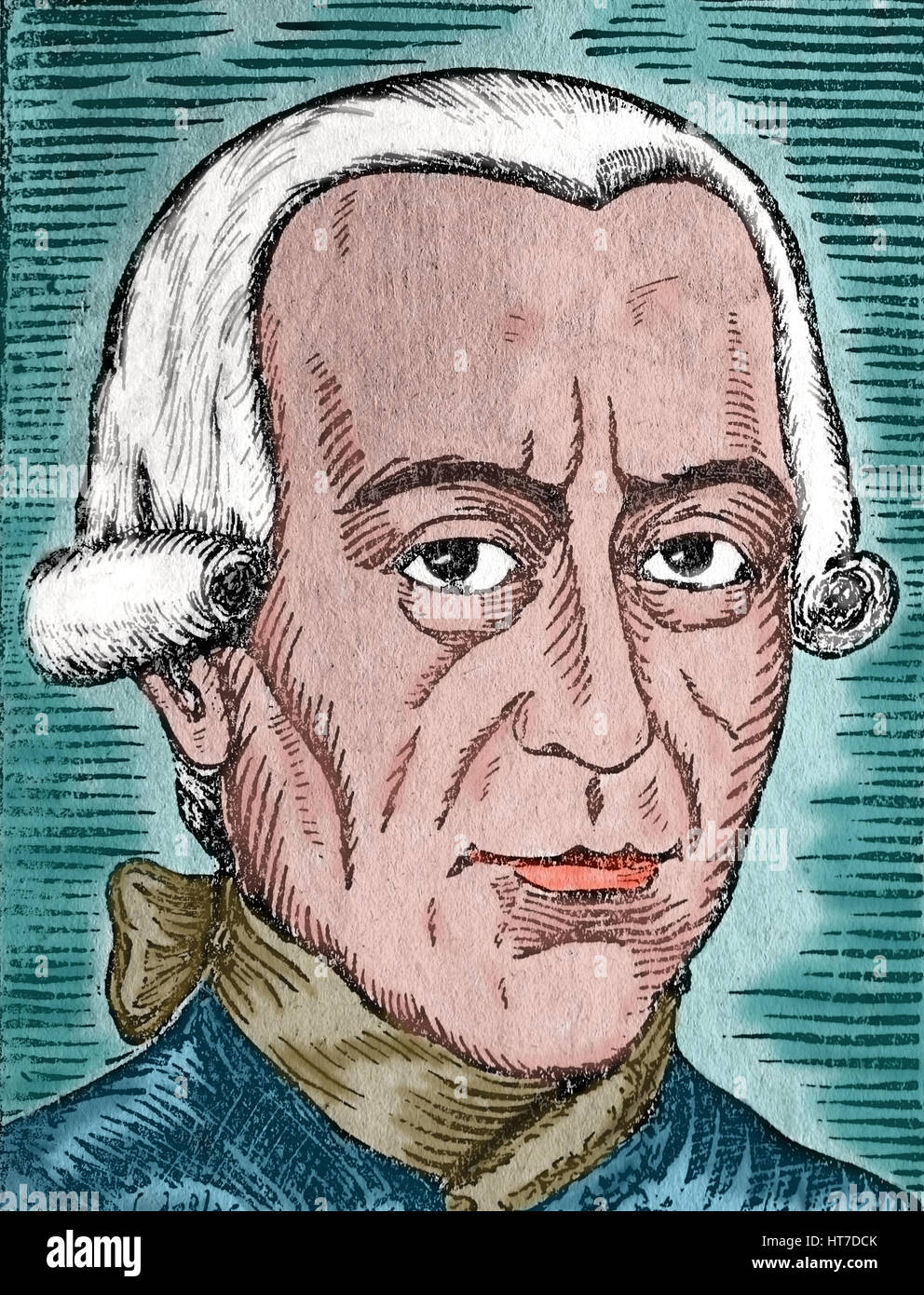
Otto Hahn: The Father of Nuclear Chemistry
Otto Hahn, a pioneering German chemist, is renowned as the father of nuclear chemistry. His groundbreaking discovery of nuclear fission in 1938, alongside collaborators Fritz Strassmann and Lise Meitner, revolutionized the field of nuclear science. This discovery earned him the 1944 Nobel Prize in Chemistry, solidifying his legacy as one of the most influential scientists of the 20th century.
Early Life and Education
Otto Hahn was born on March 8, 1879, in Frankfurt am Main, Germany. From an early age, he exhibited a keen interest in chemistry, which led him to pursue a degree in the field. Hahn studied organic chemistry at the University of Marburg and later at the University of Munich, where he earned his PhD in 1901.
Shift to Radioactivity Research
After completing his doctoral studies, Hahn shifted his focus to the emerging field of radioactivity. He worked under the guidance of William Ramsay in London and later with Ernest Rutherford at McGill University in Montreal. These experiences laid the foundation for his future discoveries in nuclear chemistry.
Key Discoveries and Contributions
Hahn's career was marked by a series of groundbreaking discoveries that significantly advanced the field of nuclear chemistry. His work not only expanded our understanding of radioactive elements but also paved the way for modern nuclear technology.
Early Discoveries
In 1904, Hahn identified radiothorium, a radioactive isotope of thorium. The following year, he discovered radioactinium while working at McGill University. These early discoveries showcased his expertise in isolating and identifying radioactive elements.
Mesothorium and Protactinium
Hahn's collaboration with Lise Meitner began in 1907 and lasted for over three decades. Together, they discovered mesothorium in 1907 and protactinium in 1918. These discoveries were crucial in understanding the complex decay chains of radioactive elements.
Nuclear Fission: The Breakthrough
The most significant achievement of Hahn's career came in 1938 when he, along with Fritz Strassmann, discovered nuclear fission. By bombarding uranium with neutrons, they observed the production of barium, proving that uranium nuclei could split into lighter elements. This discovery was a monumental leap in nuclear science and had far-reaching implications for both energy production and weaponry.
Nobel Prize and Recognition
Hahn's discovery of nuclear fission earned him the 1944 Nobel Prize in Chemistry. The award was announced in 1945 while Hahn was interned at Farm Hall, a British internment camp for German scientists. Despite the collaborative nature of the discovery, Hahn was the sole recipient of the Nobel Prize, a decision that has been the subject of much debate and controversy.
Post-War Contributions
After World War II, Hahn played a pivotal role in rebuilding German science. He served as the president of the Max Planck Society from 1946 to 1960, where he worked tirelessly to restore Germany's scientific reputation. Hahn was also a vocal opponent of nuclear weapons, advocating for the peaceful use of nuclear energy.
Legacy and Impact
Otto Hahn's contributions to nuclear chemistry have had a lasting impact on both science and society. His discovery of nuclear fission not only advanced our understanding of atomic structure but also laid the groundwork for the development of nuclear reactors and weapons. Today, nuclear fission powers approximately 440 reactors worldwide, providing about 10% of global electricity.
Ethical Considerations and Controversies
Hahn's legacy is not without controversy. The exclusion of Lise Meitner and Fritz Strassmann from the Nobel Prize has been a point of contention. Modern retrospectives highlight the collaborative nature of their work and the significant contributions of Meitner and Strassmann. Additionally, Hahn's stance against nuclear weapons has influenced ongoing ethical debates about the use of nuclear technology.
Commemorations and Honors
Hahn's contributions to science have been recognized through various commemorations and honors. The Hahn-Meitner Building in Berlin stands as a testament to his collaborative work with Lise Meitner. Furthermore, the rubidium-strontium dating method, pioneered by Hahn, is widely used in geochronology to determine the age of rocks and minerals.
Conclusion
Otto Hahn's life and work have left an indelible mark on the field of nuclear chemistry. His discovery of nuclear fission revolutionized our understanding of atomic structure and paved the way for modern nuclear technology. Despite the controversies surrounding his Nobel Prize and the ethical implications of his discoveries, Hahn's contributions to science remain unparalleled. As we continue to explore the potential of nuclear energy, Hahn's legacy serves as a reminder of the power and responsibility that come with scientific advancements.
Otto Hahn During the Nazi Era
During the Nazi regime, Otto Hahn's career faced significant challenges. His Jewish colleague Lise Meitner was forced to flee Germany in 1938 due to persecution. Despite this, Hahn and Fritz Strassmann continued their experiments, leading to the discovery of nuclear fission. Their work during this turbulent period underscored both scientific perseverance and the political pressures of the time.
Collaborative Challenges
Hahn's partnership with Meitner was severed by the rise of the Nazis. Meitner provided the theoretical explanation for fission from exile, while Hahn and Strassmann confirmed the experimental results. This separation highlight the complexities of scientific collaboration under political duress.
Uranium Project and WWII
During World War II, Hahn worked on Germany's uranium project, aiming to develop atomic weapons. The project faced numerous setbacks and ultimately failed to produce a reactor or weapon before the war's end. In 1945, Hahn was interned at Farm Hall, where he learned of the Nobel Prize awarded while detained.
Post-War Scientific Leadership
After the war, Hahn emerged as a leader in rebuilding German science. His efforts focused on restoring integrity and innovation within the scientific community, emphasizing peaceful applications of nuclear technology.
President of the Max Planck Society
From 1946 to 1960, Hahn served as president of the Max Planck Society. During his tenure, he reestablished research institutions and fostered international collaborations. His leadership helped Germany regain its standing in the global scientific community.
Advocacy Against Nuclear Weapons
Hahn was a vocal opponent of nuclear weapons, advocating for their prohibition. He emphasized the dangers of such technology in the wrong hands. His stance influenced ethical debates and policy discussions on nuclear arms control.
Impact on Modern Nuclear Technology
Today, Hahn's discovery of nuclear fission remains central to energy production and scientific research. Its applications extend beyond power generation, influencing fields like medicine and materials science.
Energy Production and Fission
Global nuclear fission powers approximately 440 reactors, supplying about 10% of the world's electricity. Hahn's work laid the foundation for these reactors, enabling clean energy alternatives amid climate change concerns.
- Fission provides steady, low-carbon energy
- Reactors operate with high safety protocols
- Technology supports energy security
Medical and Scientific Applications
Beyond energy, fission fuels medical isotopes and powers space missions. Hahn's research contributed to techniques like rubidium-strontium dating, essential for geochronology and understanding Earth's history.
"Science knows no country, because knowledge belongs to humanity." – Otto Hahn
Ongoing Debates and Recognition
Modern discussions often revisit the credit Hahn received for fission. Efforts continue to acknowledge the roles of Meitner and Strassmann. Exhibitions and institutions, such as the Hahn-Meitner Building, ensure their collective legacy endures.
Enduring Legacy of Otto Hahn
Otto Hahn's influence extends far beyond his scientific achievements, shaping institutions, education, and public understanding of nuclear science. His legacy remains a cornerstone of modern chemistry and physics.
Institutions and Namesakes
Many institutions honor Hahn's contributions. The Hahn-Meitner Building in Berlin stands as a symbol of collaborative research. Additionally, numerous scholarships and awards bear his name, encouraging future scientists to pursue nuclear studies.
- Hahn Institute for Radiation Research
- Annual Otto Hahn Medal for early-career researchers
- Exhibits at the Lindau Nobel Mediatheque
Education and Public Awareness
Educational programs frequently highlight Hahn's work. Schools and universities incorporate his discoveries into curricula, emphasizing the story of nuclear fission. Public lectures and documentaries keep his legacy accessible to new generations.
"The discovery of fission was not just a scientific event; it changed how we view our world." – Modern science historians
Ethical and Historical Reflections
Hahn's career intersected with some of the most challenging ethical dilemmas of the 20th century. His responses to these issues continue to inform debates about scientific responsibility.
Credit and Recognition
Recent scholarship has reexamined the allocation of credit for nuclear fission. While Hahn received the 1944 Nobel Prize alone, efforts aim to recognize Lise Meitner and Fritz Strassmann more prominently. Historical retrospectives increasingly emphasize their indispensable roles.
Nuclear Ethics and Policy
Hahn's vocal opposition to nuclear weapons has shaped policy discussions. His advocacy for peaceful applications of fission remains relevant in debates about energy futures. Ethical guidelines in nuclear research often cite his principles.
- Prohibitions on weapon development
- Transparency in reactor safety
- Global cooperation on nuclear waste
Conclusion: The Dual Edges of Scientific Discovery
Otto Hahn's life encapsulates the profound duality of scientific progress. His discovery of nuclear fission unlocked new energy sources and medical applications but also introduced existential risks. Balancing innovation with responsibility remains a central challenge for modern science.
Hahn's legacy teaches that scientific achievements carry societal weight. Institutions named after him continue to advance research while honoring ethical imperatives. As the world confronts climate change and energy demands, his work reminds us of both the power and the peril inherent in scientific discovery.
In the words of Hahn himself: "Science knows no country, because knowledge belongs to humanity." His discoveries, collaborations, and convictions endure as guiding principles for future generations of scientists and policymakers alike.
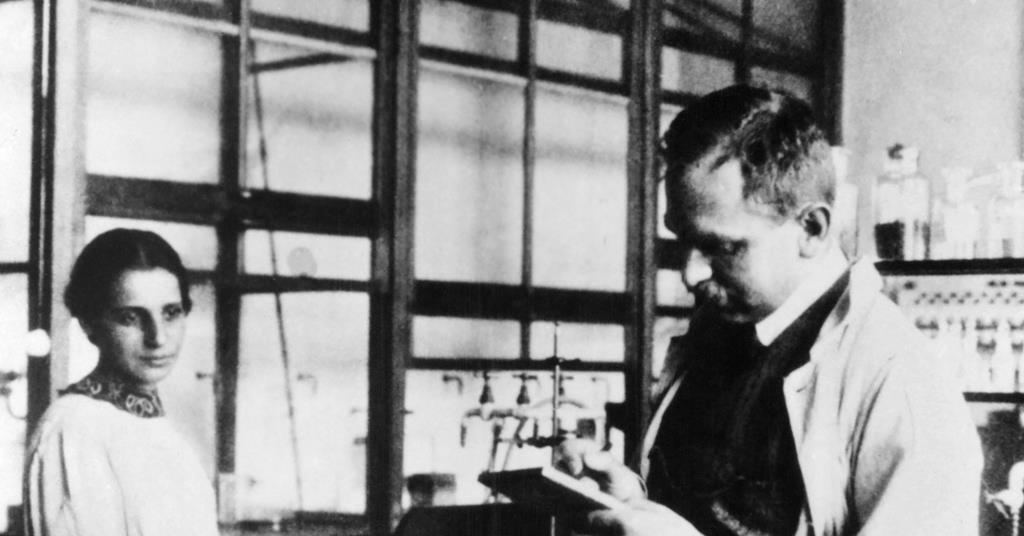
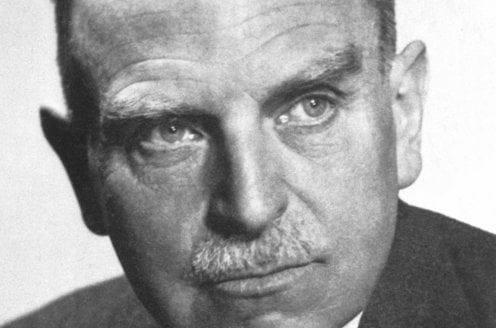
Hermann Staudinger: Pioneering Research in Macromolecular Chemistry
Life and Early Career
Hermann Staudinger, born on April 19, 1881, in Riezlern, Austria, was a groundbreaking organic chemist who laid the foundations of macromolecular science. His exceptional scientific contributions led to him being awarded the Nobel Prize in Chemistry in 1953, which he shared with polystyrene pioneer Karl Ziegler. Staudinger's lifelong dedication to the study of large molecules, initially met with skepticism, eventually revolutionized the field of polymer chemistry.
Staudinger grew up in a family deeply rooted in engineering; his father ran a textile plant. This environment instilled in him a practical understanding of technology from an early age, which later proved invaluable in his chemical research. After completing his secondary education, Staudinger enrolled at the University of Innsbruck in 1900 to study chemistry and mathematics. Here, he laid the groundwork for his future academic endeavors.
His studies were not without challenges. At that time, the prevailing belief among chemists was that there was a hard limit to molecule size, known as the high molecular weight problem. Many doubted the existence of long-chain molecules because they lacked the empirical evidence needed to support such theories. Nevertheless, Staudinger believed in the potential of these large molecules and pursued his ideas with unwavering conviction.
In 1905, Staudinger earned his doctorate from the University of Berlin with a dissertation entitled "Studies on Indigo," under the supervision of Emil Fisher, a leading figure in the field of organic chemistry. This experience marked the beginning of his formal training in chemistry. Subsequently, he worked at several universities, including the University of Strasbourg (1907-1914) and the Swiss Federal Institute of Technology Zurich (1914-1920), where he conducted pioneering research into the behavior of large molecules.
The Concept of Polymers
Staudinger's breakthrough came while he was a professor at the Swiss Federal Institute of Technology Zurich. In 1920, during a lecture for one of his students, Hans Baeyer, Staudinger suggested that large molecules could be built up from repeated units or monomers. He hypothesized that these macromolecules had a vast array of potential applications, ranging from synthetic polymers like rubber and plastics to more complex materials with unique properties.
This concept was revolutionary because it fundamentally changed how chemists viewed the nature of materials. Prior to Staudinger’s proposal, molecules were considered to be rigid and finite structures, with each atom having a fixed place in a limited-sized chain. Through his research, Staudinger demonstrated that large molecules could exist and possess a wide range of properties due to their extended structure. His work opened up new avenues for the synthesis of novel polymers with specific characteristics tailored for various industrial applications.
To support his theory, Staudinger conducted experiments involving the analysis of macromolecules using ultracentrifuges. These instruments allowed precise measurements of molecular weights, providing irrefutable evidence for the existence of long-chain molecules. Over time, this experimental work solidified the scientific community's understanding of macromolecules.
Staudinger's theoretical framework and experimental techniques paved the way for numerous advancements in polymer chemistry. His hypothesis on macromolecules sparked extensive research into polymerization processes, enabling chemists to develop new methods for synthesizing polymers with desired properties. The discovery had profound implications for industries ranging from manufacturing and construction to healthcare and electronics.
Although the initial reception of Staudinger’s ideas was lukewarm, his persistence and rigorous experimentation ultimately won over even his skeptics. His vision of macromolecules not only revolutionized the field of polymer chemistry but also spurred advancements in related disciplines such as materials science and biochemistry.
Pioneering Contributions
Staudinger's work on macromolecules was far-reaching, encompassing a wide range of topics that expanded our understanding of material science. One area of significant contribution was the development of polymerization reactions. Through careful experimentation, Staudinger elucidated mechanisms for both addition and condensation polymerizations, providing chemists with tools to create polymers with diverse functionalities.
Addition polymerization involves the linkage of monomer units via chemical bonds between double or triple carbon-carbon bonds. Staudinger demonstrated that under appropriate conditions, simple molecules like ethylene could polymerize to form long chains of polyethylene. These findings were crucial for the development of plastic products such as films, bottles, and fibers.
Condensation polymerization, on the other hand, involves reactions where two or more molecules react with the elimination of small molecules like water or methanol. Staudinger's research showed that polyesters and polyamides could be synthesized through this mechanism. These compounds have applications in textiles, coatings, and adhesives.
Staudinger's insights extended beyond just the synthesis of polymers. He also made significant contributions to the understanding of the physical properties of macromolecules. Through his meticulous studies, he discovered that macromolecules could exhibit unique behaviors, such as entanglements and phase transitions, leading to phenomena like elasticity and viscosity.
The application of these discoveries was immense. For instance, the ability to produce synthetic rubber with elasticity similar to natural rubber transformed the tire industry, drastically reducing dependence on natural latex imports. Other industries, including packaging, textiles, and pharmaceuticals, also benefited from the enhanced understanding of polymer behavior.
Staudinger's interdisciplinary approach further distinguished his work. By integrating concepts from physics, engineering, and biology, he created a comprehensive framework for studying polymers. His research bridged gaps between traditional silos of chemistry, leading to more holistic solutions in material design.
Throughout his career, Staudinger maintained a relentless pursuit of knowledge. He collaborated extensively with other scientists and engineers, fostering a collaborative scientific community essential for advancing the field. These collaborations resulted in numerous publications and patents, cementing his legacy as a trailblazer in macromolecular chemistry.
Innovative Experimental Techniques
As Staudinger delved deeper into his research, he developed innovative experimental techniques to validate his hypotheses about macromolecules. One such method involved the use of ultracentrifugation, which allowed him to measure the molecular weights of polymers with unprecedented accuracy. By applying centrifugal forces, these devices could separate macromolecules based on their sizes, providing concrete evidence for their existence.
Another critical technique Staudinger employed was fractionation by solvent extraction. This method involved dissolving polymers in solvents with different polarities and gradually removing them to isolate fractions of varying molecular weights. This procedure helped refine his understanding of polymer structure and confirmed the presence of long-chain molecules.
Staudinger also utilized chromatography to analyze the components of polymers. Chromatographic separation techniques allowed him to identify and quantify the monomer units that comprised the macromolecules, further supporting his theory. These experiments provided tangible proof that large molecules could indeed be constructed from smaller monomers, laying the groundwork for the systematic exploration of polymer chemistry.
Moreover, Staudinger's work on rheology—a field concerned with the flow of deformable materials—was instrumental in understanding the physical properties of macromolecules. Rheological studies involved measuring the viscosity and elasticity of polymer solutions and melts, which revealed the unique behaviors of these molecules under various conditions.
Impact on Industrial Applications
The implications of Staudinger’s discoveries extended far beyond academic settings. They had transformative effects on various industrial processes, particularly in the production of synthetic polymers. One of the most notable outcomes was the creation of synthetic rubbers, which became crucial in World War II due to the disruption of natural rubber supplies from Asia.
During the war, many countries focused on developing synthetic alternatives to natural rubber. American companies like DuPont developed neoprene, a flexible synthetic rubber made from chloroprene, and other companies produced butyl rubber. German companies, influenced by Staudinger's theories, also developed similar materials to meet industrial demands.
Post-war, the development of synthetic polymers continued to boom. Companies worldwide began exploring new forms of polymerization and synthesis methods, leading to the proliferation of plastic products across various industries. Polyethylene, nylon, polyesters, and many other materials became staple commodities that reshaped everyday life.
The advent of plastic bags, disposable containers, and durable industrial components all benefited from Staudinger’s research. These innovations not only enhanced manufacturing efficiency but also provided more sustainable alternatives compared to earlier products. For instance, the development of high-strength fiber-reinforced composites has dramatically improved the performance of aerospace and automotive parts.
Furthermore, Staudinger's work laid the foundation for biocompatible polymers, which are now widely used in medical applications. Bioresorbable sutures, drug delivery systems, and artificial implants have all been developed thanks to the principles established by Staudinger. The field of biomaterials continues to advance, driven by ongoing innovations in polymer science.
Recognition and Legacy
Staudinger's groundbreaking work did not go unnoticed by the scientific community. In recognition of his contributions to chemistry, he received numerous awards and honors throughout his career. Most notably, he was awarded the Nobel Prize in Chemistry in 1953, alongside Karl Ziegler for their discoveries in the area of high-molecular-weight compounds. This accolade cemented his status as one of the giants in the field of organic chemistry.
Staudinger also held several prestigious positions during his lifetime. In 1920, he became a full professor at the Swiss Federal Institute of Technology Zurich, where he would spend over three decades conducting groundbreaking research. Later in his career, he accepted a position at the University of Freiburg (1953-1966) and served as its rector from 1956 to 1961. These roles provided him platforms to mentor the next generation of chemists, ensuring that his vision lived on.
The impact of Staudinger's work extends beyond individual recognition. His theories and experiments formed the bedrock upon which an entire field of study was built. Thousands of chemists around the world followed in his footsteps, pushing the boundaries of what was possible with polymers. Today, macromolecular chemistry is a vibrant discipline with applications in areas ranging from nanotechnology to renewable energy.
Staudinger's legacy is not limited to science alone. His dedication to rigorous experimentation and his willingness to challenge prevailing paradigms have inspired countless researchers. His approach to tackling complex problems by combining theoretical insights with practical solutions remains an exemplary model for scientists today.
Awards and Honors
Beyond the Nobel Prize, Staudinger accumulated a substantial list of accolades that underscored his standing in the scientific community. In addition to the Nobel Prize, he received the Max Planck Medal (1952), the Faraday Medal (1955), and the Davy Medal (1962). These awards not only recognized his outstanding contributions but also highlighted his impact on both the theoretical and applied aspects of chemistry.
Staudinger's leadership and mentorship were also widely acknowledged. He played a pivotal role in fostering an environment conducive to innovation, nurturing a culture of inquiry and collaboration. Many of his students went on to make significant strides in their respective fields, carrying forward the torch of macromolecular research.
Staudinger's influence extended to international organizations as well. He was elected a foreign member of the Royal Society (1949) and served as a member of the German National Academy of Sciences Leopoldina. These memberships attested to his global reputation in the sciences and underscored his contributions to the advancement of knowledge on a global scale.
Moreover, Staudinger's impact was also felt through his public lectures and writings. Despite his retiring personality, he found ways to communicate complex scientific ideas to a broader audience. His popular scientific writing and public talks helped bridge the gap between academia and society, inspiring both experts and laypeople alike.
Conclusion
Hermann Staudinger's journey from a skeptical environment to becoming a pioneering figure in macromolecular chemistry exemplifies the power of persistent scientific inquiry. His bold hypotheses and rigorous experimental methods paved the way for significant advancements in polymer science, impacting industries across the globe. His legacy continues to inspire chemists and materials scientists, ensuring that the importance of understanding and manipulating large molecules endures.
As we reflect on Staudinger's contributions, it becomes clear that his work represents not just a turning point but an entire era of chemical innovation. His dedication to challenging conventional wisdom and his commitment to evidence-based research laid the foundation for modern polymer chemistry, shaping the world we live in today.
Modern Relevance and Future Directions
Today, the foundational principles established by Staudinger continue to be relevant, driving new discoveries and technological advancements. Polymer science, once seen as a niche field, has become an integral part of contemporary research. Innovations in nanotechnology, biomedicine, and sustainable materials have all been influenced by Staudinger’s initial insights into macromolecular chemistry.
In nanotechnology, the control over molecular structure at the nanoscale has enabled the development of advanced materials with tailored properties. These materials find applications in electronics, where nanofabrication techniques rely heavily on precise manipulation of macromolecules. Similarly, in biotechnology, the integration of polymers into biomedical devices and therapies owes much to the principles pioneered by Staudinger.
The sustainability crisis has also seen the emergence of eco-friendly polymers. Research into biodegradable polymers that can replace conventional plastics is a direct result of the fundamental understanding of macromolecular chemistry. Bioplastics, derived from renewable resources, promise to reduce environmental impacts by providing sustainable alternatives to petrochemical-derived plastics.
Moreover, advances in computational chemistry now allow researchers to simulate and predict the behavior of complex macromolecules. Molecular dynamics simulations and quantum mechanical calculations have become essential tools for designing new polymers and understanding their properties. These techniques, built on the theoretical underpinnings established by Staudinger, are pushing the boundaries of what is achievable in material science.
Applications in Industry
The applications of macromolecular chemistry extend far beyond academic research. Industries such as pharmaceuticals, aerospace, and automotive have leveraged Staudinger’s discoveries to develop cutting-edge products. In the pharmaceutical sector, biodegradable polymers are used in drug delivery systems that control the release of medications over time. These systems can improve therapeutic efficacy and minimize side effects.
In the aerospace and automotive industries, lightweight yet strong materials are crucial for reducing fuel consumption and improving safety. Advanced composite materials, composed of reinforced polymers, offer the required strength-to-weight ratio. Staudinger’s insights into the behavior of macromolecules under stress conditions help engineers design safer and more efficient vehicles.
The textile industry has also benefitted significantly from macromolecular research. The development of smart fabrics that respond to environmental stimuli, such as temperature or moisture, relies on the understanding of macromolecular interactions. These materials are not only functional but also sustainable, offering alternatives to traditional materials that may be harmful to the environment.
Innovation in Sustainable Materials
Sustainability is a key focus area in the development of new polymers. Researchers are increasingly looking to natural and renewable sources for producing biopolymers. Plant-based materials, such as cellulose, starch, and lignin, offer viable alternatives to petrochemical plastics. By optimizing these natural polymers and developing new synthesis methods, scientists aim to create materials that are both eco-friendly and performant.
Innovations in green chemistry are also driven by Staudinger's legacy. The principle of using less toxic and less hazardous substances in the synthesis of polymers is a direct outcome of his emphasis on rigorous experimentation and evidence-based research. Green materials, characterized by minimal waste and recyclability, align with the growing demand for environmentally responsible practices.
Furthermore, the development of new polymers for energy applications is another emerging area. Organic solar cells, for instance, rely on the manipulation of macromolecules to harvest sunlight efficiently. Staudinger's insights into polymer behavior under various conditions inspire new strategies for optimizing these devices, potentially revolutionizing renewable energy solutions.
Conclusion
Hermann Staudinger's contributions to macromolecular chemistry have had a lasting impact on almost every aspect of materials science and technology. From synthetic rubbers and plastics to advanced biodegradable materials and sustainable energy solutions, his foundational work continues to drive innovation and inspire future generations of scientists.
As we stand on the shoulders of his giants, it is evident that the journey of exploring macromolecules is far from over. New challenges continue to emerge, from developing more efficient polymers to addressing the environmental impact of materials. Staudinger's legacy serves as a reminder of the importance of persistent questioning and rigorous investigation in advancing our scientific knowledge.
Through his visionary ideas and relentless pursuit of understanding, Hermann Staudinger has left an immeasurable mark on the field of chemistry. His work not only paved the way for countless applications but also shaped our understanding of the molecular world. As we continue to push the boundaries of what is possible with polymers, we honor his legacy by building upon his foundational discoveries.

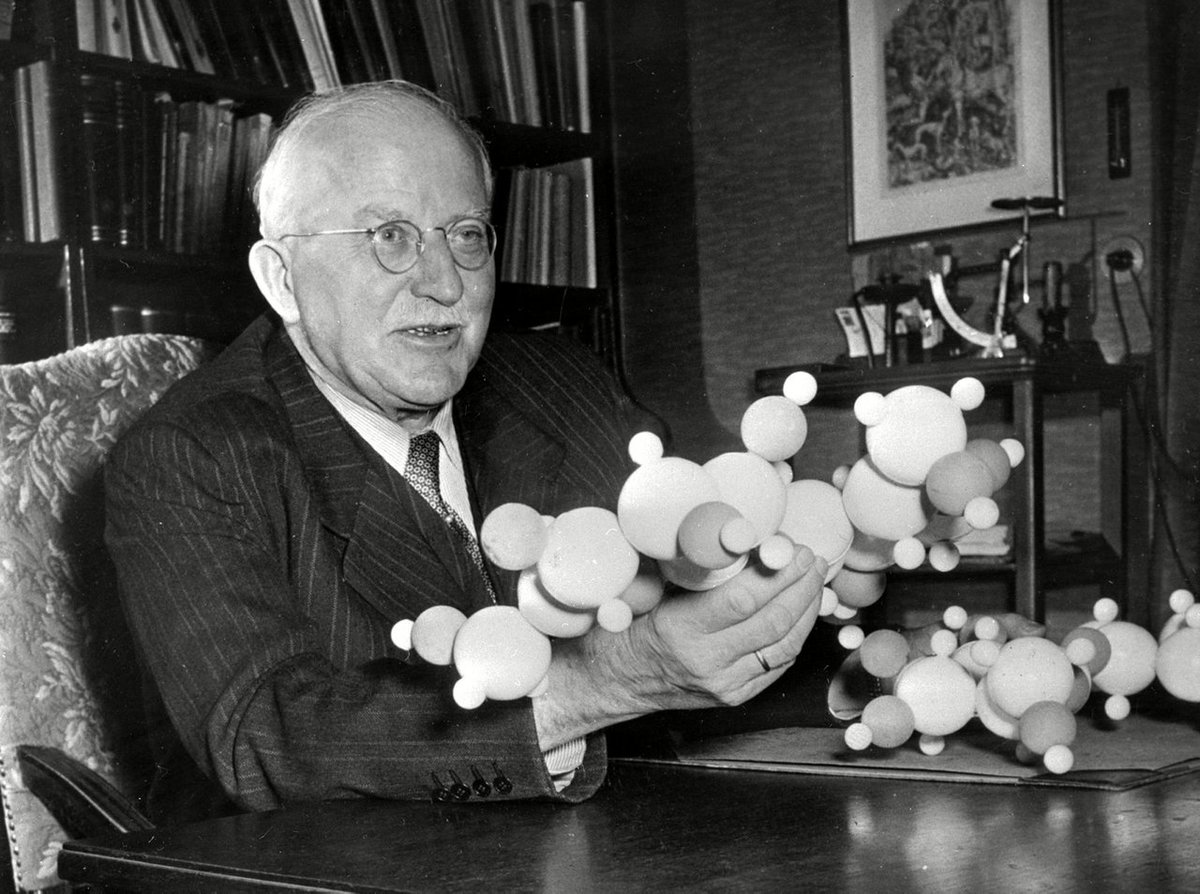

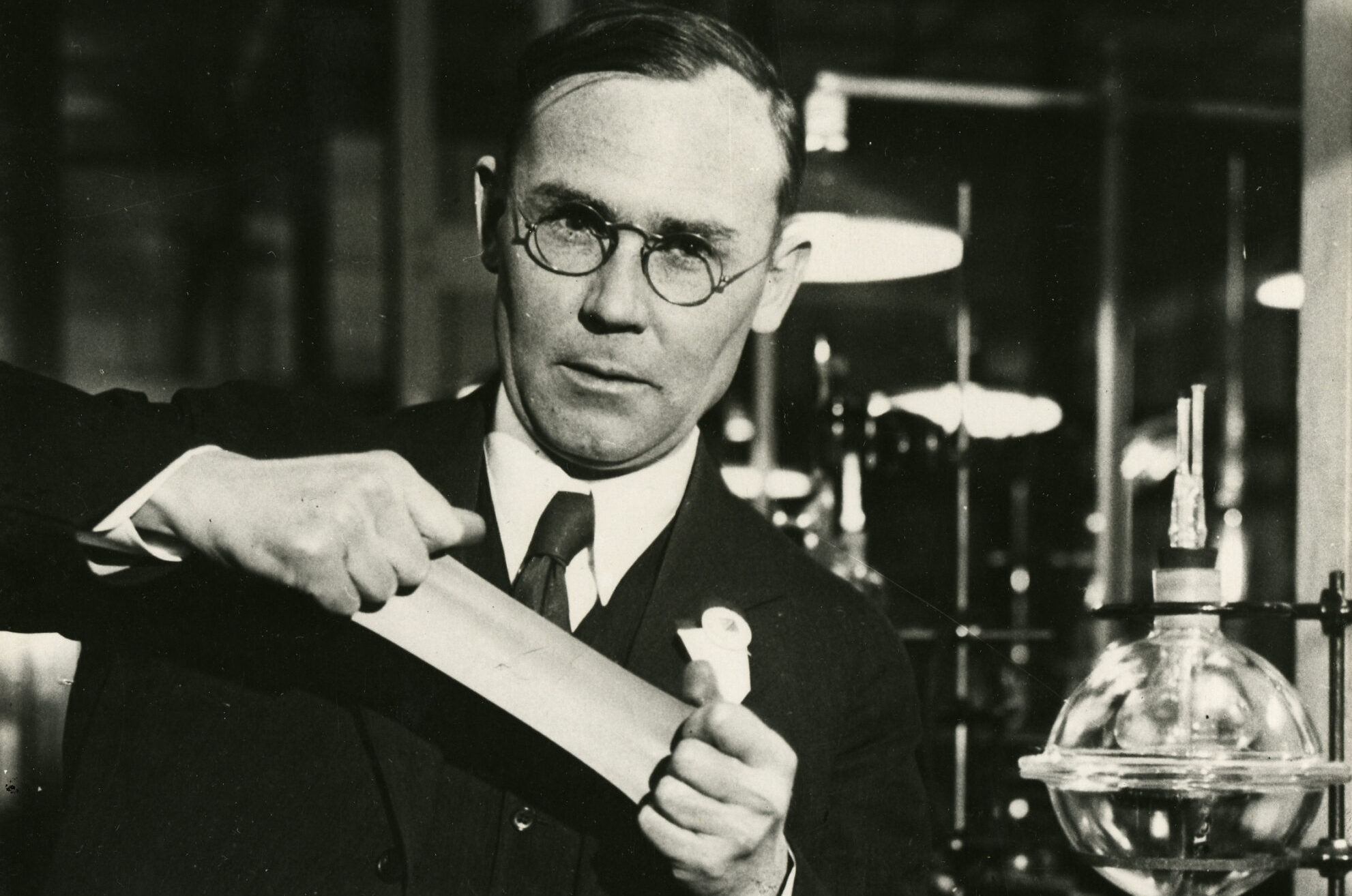
Arturo Miolati: Pioneer of Coordination Chemistry
Arturo Miolati (1869–1956) was a groundbreaking Italian chemist whose work in coordination chemistry, electrochemistry, and nitrogen fixation left an indelible mark on modern science. Collaborating with Nobel laureate Alfred Werner, Miolati's research on electrical conductivity and coordination compounds laid the foundation for contemporary inorganic chemistry. His contributions extended beyond academia, influencing industrial processes and wartime innovations.
Early Life and Education
Born on March 2, 1869, in Mantova, Italy, Miolati's passion for chemistry emerged early. He pursued higher education in Italy, where he developed a keen interest in physical chemistry and electrochemistry. His academic journey led him to Berlin in 1912–1913, where he studied under the renowned Walther Nernst, focusing on gas reaction equilibria and physical chemistry principles.
Collaboration with Alfred Werner
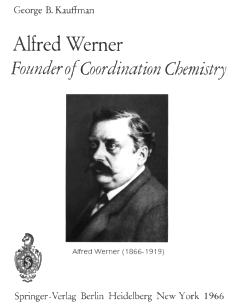
Miolati's most notable collaboration was with Alfred Werner, a pioneer in coordination chemistry. Together, they conducted electrical conductivity studies on coordination compounds, providing critical evidence for Werner's theories on the structure of complexes. Their work confirmed the octahedral configurations of cobalt complexes, a breakthrough that reshaped inorganic chemistry.
Key Contributions to Coordination Chemistry
- Electrical conductivity measurements of coordination compounds.
- Confirmation of octahedral configurations in cobalt complexes.
- Support for Werner's ionic models of coordination compounds.
Academic Career and Mentorship
In 1917, Miolati joined the Università di Padova as a professor of General Chemistry, succeeding Giuseppe Bruni. His tenure at Padova was marked by significant contributions to both teaching and research. He mentored several prominent chemists, including Luigi Casale, who later developed the Casale process for ammonia synthesis, a key industrial innovation.
Influence on Industrial Chemistry
Miolati's research had a profound impact on industrial chemistry, particularly in the production of ammonia and nitrogen fixation. His work on nitrogen fixation and asphyxiating gases was crucial during World War I, addressing Italy's need for self-sufficiency in chemicals. However, his research in this area was cut short due to a mercury poisoning incident in 1917.
Legacy and Recognition
Although Miolati passed away on February 23, 1956, in Rome, his legacy endures. His contributions to coordination chemistry and electrochemistry remain foundational in modern chemistry. The Professor Arturo Miolati Prize, awarded for scientific achievement, stands as a testament to his enduring influence. This prize, linked to the National Institute of Standards and Technology (NIST), highlights Miolati's connections to Nobel Prize-winning research and his impact on the scientific community.
Notable Achievements
- Pioneering work in coordination chemistry with Alfred Werner.
- Significant contributions to electrochemistry and nitrogen fixation.
- Mentorship of key figures like Luigi Casale.
- Establishment of the Professor Arturo Miolati Prize for scientific achievement.
Miolati's work bridged the gap between academic research and industrial applications, making him a pivotal figure in the history of chemistry. His collaborations and mentorship continue to inspire chemists worldwide, ensuring his place in the annals of scientific history.
Miolati's Research in Electrochemistry and Conductivity
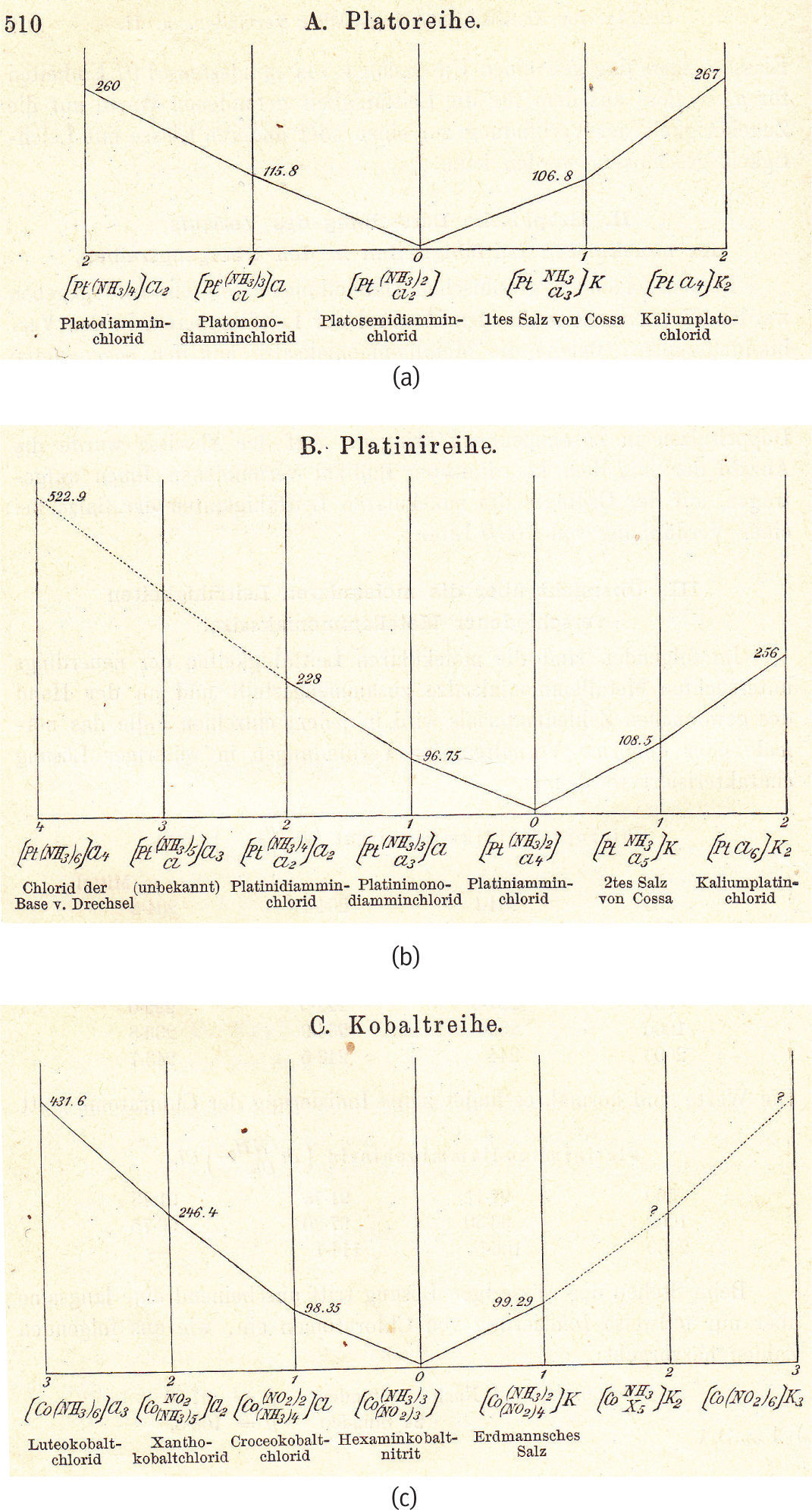
Arturo Miolati made significant strides in electrochemistry, particularly in the study of electrical conductivity in coordination compounds. His work with Alfred Werner provided experimental validation for Werner's theories, demonstrating that coordination compounds could dissociate into ions in solution. This research was pivotal in establishing the ionic nature of complexes, a concept that remains central to modern inorganic chemistry.
Conductivity Studies and Their Impact
Miolati's conductivity measurements were meticulous and groundbreaking. He examined multiple series of coordination compounds, recording their electrical conductivities to determine their ionic behavior. These studies offered compelling evidence for Werner's proposed structures, particularly the octahedral geometry of cobalt complexes. The data collected by Miolati helped solidify the understanding of coordination chemistry, influencing subsequent research in the field.
- Conductivity measurements confirmed the ionic dissociation of coordination compounds.
- Evidence supported Werner's octahedral configurations in cobalt complexes.
- Findings laid the groundwork for modern inorganic chemistry principles.
Contributions to Nitrogen Fixation and Industrial Chemistry
Miolati's research extended beyond academic pursuits into industrial chemistry, particularly in the area of nitrogen fixation. During World War I, Italy faced a critical need for self-sufficiency in chemical production, especially for ammonia used in fertilizers and explosives. Miolati's work in this area was instrumental in developing processes that could meet these demands.
War-Time Innovations and Challenges
Miolati's efforts in nitrogen fixation were driven by the urgent needs of wartime Italy. He explored methods for producing ammonia and other nitrogen-based compounds, which were essential for both agricultural and military applications. His research also ventured into the development of asphyxiating gases, although this work was halted after a mercury poisoning incident in 1917. Despite this setback, his contributions to nitrogen fixation remained influential.
- Developed methods for ammonia synthesis to support wartime needs.
- Research on asphyxiating gases was abandoned due to health risks.
- Influenced the Casale process for ammonia production, mentoring Luigi Casale.
Mentorship and Influence on Future Chemists
Miolati's impact on chemistry was not limited to his own research; he was also a dedicated mentor who shaped the careers of several prominent chemists. His most notable protégé was Luigi Casale, who went on to develop the Casale process, a groundbreaking method for ammonia synthesis. This process became a cornerstone of industrial chemistry, demonstrating the far-reaching influence of Miolati's mentorship.
Key Figures Mentored by Miolati
Under Miolati's guidance, Luigi Casale made significant advancements in ammonia production. The Casale process, which emerged from this mentorship, revolutionized the chemical industry by providing an efficient method for synthesizing ammonia on an industrial scale. This innovation had profound implications for agriculture and explosives manufacturing, highlighting the practical applications of Miolati's academic research.
- Luigi Casale: Developed the Casale process for ammonia synthesis.
- Other students contributed to advancements in electrochemistry and nitrogen fixation.
- Miolati's mentorship extended to wartime research on chemicals and explosives.
Miolati's Role in the Development of Electrolysis
In addition to his work on coordination chemistry and nitrogen fixation, Miolati made notable contributions to the field of electrolysis. His research in this area was particularly relevant to the production of hydrogen, a critical component in various industrial processes. Miolati's studies on electrolysis aligned with Italy's broader efforts to achieve self-sufficiency in chemical production during the early 20th century.
Electrolysis and Hydrogen Production
Miolati's work on electrolysis focused on optimizing the production of hydrogen, which was essential for the synthesis of ammonia and other chemicals. His research provided valuable insights into the efficiency and scalability of electrolysis processes, contributing to the development of industrial methods for hydrogen production. These advancements were crucial for Italy's chemical industry, particularly during periods of resource scarcity.
- Research on electrolysis improved methods for hydrogen production.
- Findings contributed to the efficiency of ammonia synthesis.
- Work supported Italy's push for chemical self-sufficiency.
Legacy and Historical Recognition
Although Miolati's direct research concluded with his passing in 1956, his legacy continues to be recognized in the scientific community. The Professor Arturo Miolati Prize, awarded for outstanding scientific achievements, serves as a lasting tribute to his contributions. This prize is linked to the National Institute of Standards and Technology (NIST), underscoring Miolati's connections to Nobel Prize-winning research and his enduring influence on chemistry.
The Professor Arturo Miolati Prize
The Professor Arturo Miolati Prize was established to honor scientists who have made significant contributions to the field of chemistry. This award reflects Miolati's own commitment to scientific excellence and innovation. Recipients of the prize are recognized for their advancements in areas such as coordination chemistry, electrochemistry, and industrial chemistry, ensuring that Miolati's legacy continues to inspire future generations of chemists.
- The prize honors achievements in chemistry and related fields.
- Linked to NIST and Nobel Prize-winning research.
- Celebrates Miolati's contributions to scientific innovation.
Miolati's work remains a cornerstone of modern chemistry, bridging the gap between theoretical research and practical applications. His collaborations, mentorship, and groundbreaking discoveries continue to shape the field, ensuring his place as a pioneer in the history of science.
Miolati's Influence on Modern Coordination Chemistry
The foundational work of Arturo Miolati in coordination chemistry continues to resonate in contemporary research. His collaboration with Alfred Werner not only validated the ionic nature of coordination compounds but also established a framework for understanding their structural complexity. Today, these principles are integral to fields such as catalysis, materials science, and bioinorganic chemistry, demonstrating the enduring relevance of Miolati's contributions.
Applications in Contemporary Chemistry
Modern applications of Miolati's research include the design of metal-organic frameworks (MOFs) and the development of homogeneous catalysts. His early insights into the behavior of coordination compounds have paved the way for advancements in green chemistry, where efficient and selective catalytic processes are essential. Additionally, his work on electrical conductivity remains a reference point for studies on electrolyte solutions and ionic liquids.
- Inspired the development of metal-organic frameworks (MOFs) for gas storage and separation.
- Influenced the design of homogeneous catalysts in industrial processes.
- Provided foundational knowledge for electrolyte research in energy storage systems.
The Intersection of Miolati's Work with Industrial Processes
Miolati's research had a profound impact on industrial chemistry, particularly in the production of ammonia and other nitrogen-based compounds. His mentorship of Luigi Casale led to the development of the Casale process, which revolutionized ammonia synthesis. This process, characterized by its efficiency and scalability, became a cornerstone of the chemical industry, supporting agricultural and military applications alike.
Industrial Innovations Stemming from Miolati's Research
The Casale process exemplifies how academic research can translate into industrial innovation. By optimizing the conditions for ammonia synthesis, this method reduced production costs and increased yield, making it a preferred technique in the early 20th century. Miolati's influence extended to other areas of industrial chemistry, including the development of electrolytic cells for hydrogen production and the refinement of processes for manufacturing explosives and fertilizers.
- The Casale process improved the efficiency of ammonia production.
- Contributions to electrolytic hydrogen production supported industrial chemical synthesis.
- Research on nitrogen fixation aided in the development of fertilizers and explosives.
Miolati's Contributions to Electrochemistry and Beyond
Beyond coordination chemistry, Miolati's work in electrochemistry has had lasting implications. His studies on electrical conductivity and electrolysis provided critical insights into the behavior of ions in solution, which are fundamental to various electrochemical processes. These principles are now applied in battery technology, corrosion prevention, and electroplating, showcasing the broad applicability of his research.
Electrochemical Advancements and Modern Technology
Miolati's research laid the groundwork for several key advancements in electrochemical technology. For instance, his findings on ion dissociation have informed the development of lithium-ion batteries, which are essential for modern electronics and electric vehicles. Additionally, his work on electrolysis has contributed to improvements in water splitting technologies, which are crucial for producing green hydrogen as a sustainable energy source.
- Influenced the development of lithium-ion batteries for energy storage.
- Contributed to advancements in water electrolysis for hydrogen production.
- Provided foundational knowledge for electroplating and corrosion science.
Challenges and Setbacks in Miolati's Career
Despite his numerous achievements, Miolati's career was not without challenges. One significant setback occurred in 1917, when he suffered from mercury poisoning during his research on asphyxiating gases. This incident forced him to abandon certain lines of inquiry, particularly those related to toxic chemicals. Nevertheless, Miolati's resilience allowed him to pivot his focus toward other areas, such as electrochemistry and mentorship, where he continued to make meaningful contributions.
Overcoming Adversity and Continuing Research
Miolati's ability to adapt in the face of adversity is a testament to his dedication to science. Following the mercury poisoning incident, he shifted his attention to safer yet equally impactful research areas. His work in electrochemistry and his mentorship of students like Luigi Casale demonstrate his commitment to advancing chemical knowledge, even under challenging circumstances. This resilience has left a lasting impression on the scientific community, inspiring future generations of chemists to persevere in their pursuits.
- Overcame mercury poisoning to continue his research in safer areas.
- Shifted focus to electrochemistry and mentorship after the setback.
- His resilience serves as an inspiration for modern scientists facing challenges.
Miolati's Enduring Legacy in the Scientific Community
The legacy of Arturo Miolati is firmly established in the annals of chemical history. His contributions to coordination chemistry, electrochemistry, and industrial chemistry have had a lasting impact on both academic research and practical applications. The Professor Arturo Miolati Prize, awarded in his honor, continues to recognize outstanding achievements in chemistry, ensuring that his influence endures.
The Professor Arturo Miolati Prize and Its Significance
Established to celebrate scientific excellence, the Professor Arturo Miolati Prize highlights the ongoing relevance of Miolati's work. This award is a testament to his contributions and serves as a reminder of the importance of innovation and dedication in scientific research. Recipients of the prize are often recognized for advancements that align with Miolati's own areas of expertise, further cementing his legacy in the field of chemistry.
- The prize honors scientists who excel in chemistry and related disciplines.
- Linked to NIST and associated with Nobel Prize-winning research.
- Celebrates Miolati's commitment to scientific innovation and mentorship.
Conclusion: The Lasting Impact of Arturo Miolati
Arturo Miolati was a visionary chemist whose work transcended the boundaries of academic research to influence industrial processes and technological advancements. His collaboration with Alfred Werner solidified the foundations of coordination chemistry, while his contributions to electrochemistry and nitrogen fixation addressed critical needs of his time. Through his mentorship, Miolati shaped the careers of future chemists, ensuring that his legacy would extend far beyond his own research.
Today, Miolati's insights continue to inform modern chemistry, from the development of advanced materials to the optimization of industrial processes. His ability to overcome challenges and adapt to new research areas serves as an inspiration to scientists worldwide. As the Professor Arturo Miolati Prize attests, his contributions remain a benchmark for excellence in chemical research, ensuring that his name will be remembered alongside the greats of scientific history.
In reflecting on Miolati's career, it is clear that his work was not merely a product of his time but a catalyst for future innovations. His dedication to advancing chemical knowledge, coupled with his resilience in the face of adversity, exemplifies the spirit of scientific inquiry. As we continue to build upon the foundations he laid, Arturo Miolati stands as a testament to the power of curiosity, collaboration, and perseverance in the pursuit of scientific discovery.