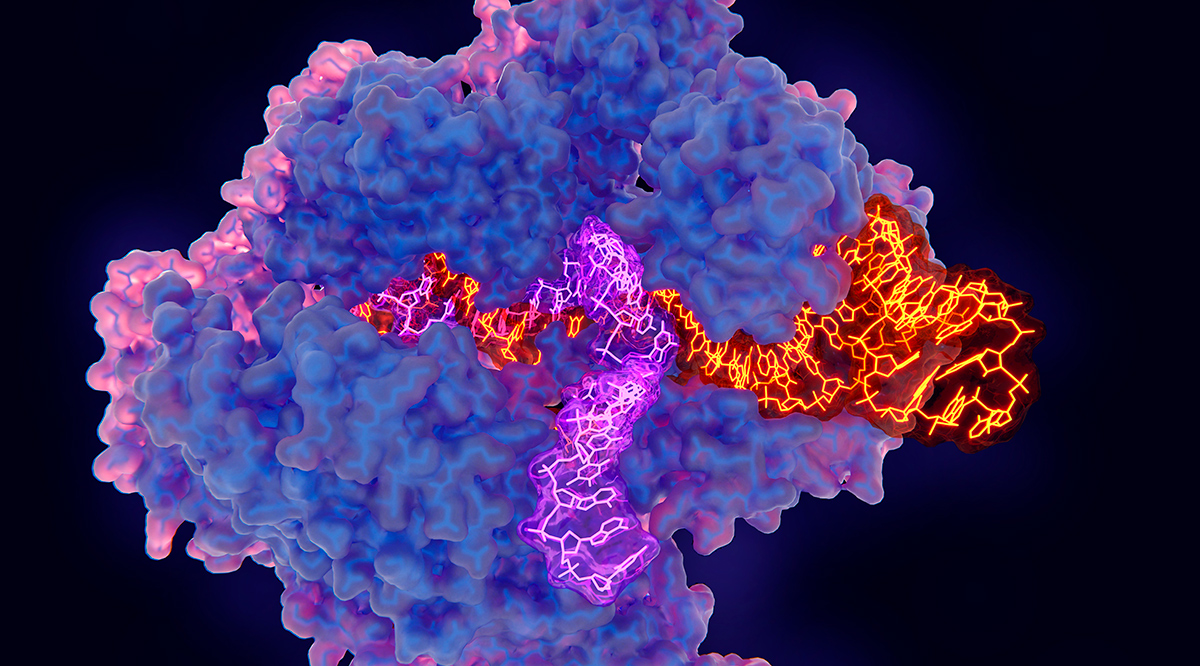
Francisco Mojica: The Pioneer Behind CRISPR’s Revolutionary Discovery
Introduction
When discussing the groundbreaking gene-editing technology CRISPR-Cas9, names like Jennifer Doudna and Emmanuelle Charpentier often dominate the headlines. However, the foundation of this revolutionary tool was laid by an unassuming Spanish microbiologist, Francisco J. Martínez Mojica. Mojica’s decades-long research into the repetitive DNA sequences in archaea and bacteria led to the discovery of CRISPR, a biological mechanism that has since transformed genetic engineering, medicine, and biotechnology. This article explores Mojica’s journey, his pivotal discoveries, and the profound impact of his work on modern science.
Early Life and Academic Background
Francisco Juan Martínez Mojica was born in 1963 in Elche, a small town in southeastern Spain. From an early age, he displayed a keen interest in biology, fascinated by the microscopic world and the complexity of living organisms. He pursued his passion by enrolling at the University of Alicante, where he earned a degree in biology in 1986. His academic journey continued with a Ph.D. in microbiology, focusing on halophilic microorganisms—organisms that thrive in extremely salty environments—such as those found in the salt marshes of Santa Pola, near his hometown.
Mojica’s doctoral research at the University of Alicante set the stage for his later discoveries. Working under the mentorship of Professor Francisco Rodríguez-Valera, he delved into the genetic adaptations of extremophiles, microorganisms that survive in harsh environments. Little did he know that his work would eventually lead to one of the most significant biological breakthroughs of the 21st century.
The Discovery of CRISPR: A Scientific Milestone
In the early 1990s, while sequencing the DNA of Haloferax mediterranei, a salt-loving archaeon, Mojica noticed something unusual. The genome contained peculiar repetitive DNA sequences—short, palindromic segments interspersed with unique spacer regions. These sequences were unlike anything documented before, and their function was entirely unknown. Intrigued, Mojica dedicated the next decade to understanding their role.
Initial research suggested that these sequences might be involved in genome organization or DNA repair, but Mojica suspected something more profound. By analyzing microbial genomes from various environments, he found similar repeating patterns in other archaea and bacteria. In 2000, Mojica coined the term "CRISPR" (Clustered Regularly Interspaced Short Palindromic Repeats) to describe these structures. However, their biological significance remained a mystery.
Unraveling the Function of CRISPR
The turning point came in 2003, when Mojica and his team discovered that the spacer sequences between CRISPR repeats matched fragments of viral or plasmid DNA. This observation led him to hypothesize that CRISPR might serve as an adaptive immune system for bacteria, allowing them to "remember" and defend against viral infections. His hypothesis challenged conventional wisdom, as microbiologists had long believed that bacteria lacked an immune system akin to those found in higher organisms.
Mojica published his findings in 2005, proposing that CRISPR and its associated Cas (CRISPR-associated) proteins acted as a molecular defense mechanism. Bacteria, he argued, incorporated snippets of viral DNA into their own genomes, using these "mugshots" to recognize and destroy future viral invaders. The scientific community initially met Mojica’s theory with skepticism, but subsequent research—including work by Philippe Horvath and Rodolphe Barrangou—confirmed his predictions, validating the CRISPR-Cas system’s role in bacterial immunity.
From Basic Science to a Biotechnological Revolution
While Mojica’s work elucidated a fundamental biological process, it was the application of CRISPR-Cas9 as a gene-editing tool that catapulted the system into the global spotlight. Scientists like Doudna, Charpentier, and Feng Zhang refined the system, demonstrating its ability to precisely cut and modify DNA in any organism. This breakthrough earned them the 2020 Nobel Prize in Chemistry.
Despite not sharing the Nobel recognition, Mojica’s contributions remain foundational. His persistence in studying an obscure genetic element laid the groundwork for a technology now used to edit genomes, treat genetic disorders, engineer crops, and even combat infectious diseases. Mojica himself has expressed pride in his role, emphasizing the importance of curiosity-driven science in driving technological advancement.
Challenges and Ethical Considerations
The rapid adoption of CRISPR-Cas9 has raised important ethical questions about gene editing’s potential misuse. Mojica has spoken out on these issues, advocating for responsible innovation and regulatory oversight. He emphasizes that while CRISPR offers immense benefits—such as curing genetic diseases—its power necessitates careful consideration, particularly in human germline editing and ecological interventions.
Conclusion of Part One
Francisco Mojica’s story exemplifies the serendipitous nature of scientific discovery. His dedication to unraveling the mysteries of microbial genetics not only transformed our understanding of bacterial immunity but also ignited a biotechnological revolution. As CRISPR continues to reshape medicine, agriculture, and beyond, Mojica’s legacy serves as a testament to the enduring impact of foundational research.
In the next part of this article, we will delve deeper into Mojica’s scientific journey, the global recognition of his work, and his current research endeavors.
The Global Recognition of Francisco Mojica’s Work
While Francisco Mojica’s early work on CRISPR went largely unnoticed outside specialized microbiology circles, the scientific community gradually began to recognize its monumental importance. As researchers confirmed his hypothesis of CRISPR’s role in bacterial immunity, Mojica’s name became synonymous with one of the most significant biological discoveries of the modern era. Despite the later contributions of CRISPR-Cas9 pioneers like Jennifer Doudna and Emmanuelle Charpentier, Mojica’s foundational role has been increasingly celebrated. Awards, honors, and invitations to speak at major conferences cemented his status as a key figure in molecular biology.
Scientific Validation and Breakthrough Collaborations
In the years following Mojica’s 2005 paper, multiple research groups provided experimental evidence supporting CRISPR’s function as a bacterial immune defense. Scientists like Rodolphe Barrangou and Philippe Horvath at Danisco (a food-ingredient company) demonstrated in 2007 that CRISPR-Cas systems could immunize bacteria against bacteriophages—a direct validation of Mojica’s predictions. Their findings had immediate industrial applications, particularly in protecting bacterial cultures used in yogurt and cheese production from viral contamination.
Meanwhile, structural biologists and biochemists began deciphering how Cas proteins, particularly Cas9, functioned at a molecular level. By 2012, when Doudna, Charpentier, and Feng Zhang published their landmark papers on CRISPR-Cas9’s programmable gene-editing potential, the world quickly grasped the implications. Mojica’s early work was repeatedly cited as the cornerstone of this revolution. Though the Nobel Prize eluded him, Mojica received widespread recognition, including the 2017 Albany Medical Center Prize in Medicine and Biomedical Research (shared with Doudna, Charpentier, and others).
Overcoming Underfunding and Institutional Challenges
Mojica’s journey was not without obstacles. As a researcher at a Spanish public university, he faced chronic underfunding and a lack of resources compared to well-equipped labs in the U.S. or Northern Europe. For years, his team had to rely on ingenuity and perseverance rather than cutting-edge technology. In interviews, Mojica has described how he and his colleagues manually sequenced DNA fragments and painstakingly analyzed genetic data without the high-throughput tools available to better-funded institutions.
Despite these limitations, his insights were profound. The realization that CRISPR spacers matched viral DNA—a eureka moment that emerged from meticulous comparative genomics—was achieved with modest means. Mojica’s story highlights how curiosity-driven science, even in less prestigious or well-funded settings, can lead to transformative discoveries.
Mojica’s Perspective on the CRISPR Revolution
Unlike scientists who rapidly patented CRISPR applications for profit, Mojica has remained committed to fundamental research. He has often emphasized the importance of understanding CRISPR’s natural mechanisms before harnessing its power. In a 2016 interview, he remarked, "The beauty of CRISPR is that nature invented it. We are just borrowing it." This philosophy reflects his humility and dedication to biology for its own sake.
A Voice for Ethical Responsibility
As CRISPR technology advanced, Mojica became an advocate for ethical caution. He expressed concerns about premature human germline editing, particularly after the controversial 2018 case of He Jiankui, who claimed to have created the world’s first gene-edited babies. Mojica warned against prioritizing speed over safety, stating, "We have a responsibility to ensure that CRISPR is used for global benefit, not uncontrolled experimentation." He supports international regulations to prevent misuse while encouraging therapeutic applications for diseases like sickle-cell anemia and cystic fibrosis.
Patent Battles and the Cost of Discovery
The explosive commercial potential of CRISPR led to fierce patent disputes, primarily between the Broad Institute (Feng Zhang) and teams led by Doudna and Charpentier. Mojica, despite his foundational contributions, was not involved in these legal battles. Some scientists argued that he deserved a share of the intellectual property rights, given his role in discovering CRISPR’s function. However, Mojica has largely stayed out of financial disputes, focusing instead on advancing research.
Mojica’s Ongoing Research
Today, Mojica continues to investigate CRISPR systems at the University of Alicante. His lab explores new types of CRISPR-Cas variants, including lesser-known systems like Cas3 and Cas12, which may offer alternative gene-editing tools. He is particularly interested in archaeal CRISPR mechanisms, revisiting the extremophiles that first led him to uncover CRISPR’s existence.
New Frontiers: Beyond Cas9
While CRISPR-Cas9 remains the most widely used system, Mojica’s work suggests that other CRISPR-associated proteins could have untapped potential. For example, CRISPR-Cas12a (Cpf1) enables different editing patterns and could be more precise for certain applications. By studying diverse bacterial and archaeal species, Mojica hopes to uncover novel CRISPR variants with unique properties—ones that might circumvent some of the limitations or risks of Cas9.
CRISPR in Antibiotic Resistance and Environmental Adaptation
Another focus of Mojica’s current research is the role of CRISPR in bacterial evolution, particularly in antibiotic resistance. Some evidence suggests that CRISPR systems influence how bacteria acquire or lose resistance genes. Understanding these dynamics could lead to strategies for curbing the spread of superbugs. Additionally, Mojica investigates how environmental factors, such as extreme salinity or temperature, shape CRISPR diversity in microbial communities.
Public Engagement and Legacy
Despite his reserved demeanor, Mojica has embraced his role as a science communicator. He gives lectures worldwide, emphasizing the importance of basic research and perseverance. In Spain, he has become a symbol of scientific excellence, inspiring young researchers to pursue ambitious projects even without vast resources.
Recognition in Spain and Beyond
In 2017, Mojica received the Rey Jaime I Award for Basic Research, one of Spain’s highest scientific honors. The Spanish government has since increased funding for CRISPR research, partly due to his advocacy. Internationally, institutions like the Royal Society and the U.S. National Academy of Sciences have invited him as a keynote speaker, acknowledging his pivotal contributions.
Conclusion of Part Two
Francisco Mojica’s journey—from quietly studying salt-loving microbes to witnessing the global impact of his discovery—epitomizes the unpredictable nature of scientific progress. His work underscores the importance of fundamental research and intellectual humility. As CRISPR technology continues to evolve, Mojica remains both a guiding voice for responsible innovation and an active explorer of CRISPR’s unexplored frontiers.
In the final part of this article, we will examine Mojica’s influence on future biotechnology, his thoughts on the future of CRISPR, and how his legacy is shaping the next generation of scientists.
Francisco Mojica’s Legacy and the Future of CRISPR
As CRISPR gene-editing technologies move from laboratories to real-world applications, Francisco Mojica's contributions continue to shape the trajectory of modern biology. His journey represents more than a scientific breakthrough - it embodies how curiosity-driven research, often conducted far from traditional scientific power centers, can revolutionize our world. This final section explores Mojica's enduring impact on biotechnology, his vision for CRISPR's future, and how his legacy inspires new generations of scientists.
Democratizing Gene Editing Technology
One of CRISPR's most revolutionary aspects has been its accessibility. Unlike previous gene-editing techniques that required specialized expertise and expensive equipment, CRISPR protocols are relatively simple and low-cost. Mojica's foundational work helped enable this democratization of genetic engineering. Today, high school students conduct CRISPR experiments, startups emerge from garage labs, and researchers worldwide use the technology without patent restrictions for academic purposes.
Mojica has expressed particular enthusiasm about CRISPR's potential in developing nations. In interviews, he highlights agricultural applications that could help small farmers develop drought-resistant crops, or medical uses addressing diseases prevalent in tropical climates. "The most rewarding outcome would be seeing CRISPR improve lives in communities that traditional biotech has overlooked," he remarked in 2021.
Beyond Medicine: CRISPR's Expanding Horizons
Agricultural Transformations
While medical applications dominate CRISPR headlines, agriculture may represent the most immediately impactful use of the technology. Mojica's early observations of bacterial immunity now inform plant breeding techniques that could revolutionize food security. Researchers have already developed:
- Mushrooms that resist browning
- Wheat resistant to powdery mildew
- Drought-tolerant corn varieties
- Pigs resistant to PRRS virus
Unlike traditional GMOs that insert foreign DNA, CRISPR-edited crops often contain only minor, targeted changes to existing genes. Mojica has advocated for nuanced regulatory approaches that recognize this distinction, facilitating the adoption of gene-edited crops while maintaining safety standards.
Environmental and Conservation Applications
CRISPR's potential extends to ecological challenges. Scientists are exploring:
- Gene drives to control invasive species
- Corals modified to withstand warmer oceans
- Mosquitoes engineered to block malaria transmission
Mojica cautions that such applications require careful study of ecological impacts. He supports field trials with rigorous containment protocols, noting that while CRISPR offers powerful tools, "nature's complexity demands both enthusiasm and humility from scientists."
The Next Generation of CRISPR Technology
Moving Beyond Cutting: Base and Prime Editing
While CRISPR-Cas9 makes double-strand breaks in DNA, newer techniques like base editing and prime editing allow more precise changes without cutting both DNA strands. Mojica's lab monitors these developments closely, particularly how they relate to natural CRISPR systems. "What we see in laboratories today may already exist in nature," he notes. "By studying extremophiles and other microbes, we might discover CRISPR variants that outperform our current tools."
Epigenetic Editing and RNA Targeting
The CRISPR toolbox now includes modifications that alter gene expression without changing the underlying DNA sequence. These epigenetic applications could treat conditions where temporary modulation of genes is preferable to permanent edits. Mojica's research into diverse CRISPR-Cas systems suggests nature may hold many more such mechanisms waiting to be discovered.
Mentorship and Inspiring Future Scientists
Nurturing Talent at the University of Alicante
Despite international acclaim, Mojica remains committed to his home institution, mentoring graduate students and postdocs. His lab maintains a family-like atmosphere where curiosity drives research directions. Former students describe how Mojica encourages creative thinking while emphasizing rigorous methodology.
Promoting Spanish Science
As Spain's most prominent microbiologist, Mojica actively advocates for increased research funding and better scientific infrastructure. His success has helped change perceptions about Spanish science, proving that groundbreaking work can emerge outside traditional research hubs. The Spanish government now cites CRISPR research as a national scientific priority.
Reflections on Scientific Discovery
Lessons From the CRISPR Journey
Mojica's experience offers several key insights for the scientific community:
- The importance of pursuing obscure questions
- Value of careful, methodical observation
- Persistence in the face of skepticism
- Collaboration across disciplines
His two-decade study of what many considered "junk DNA" exemplifies how fundamental research without immediate applications can yield paradigm-shifting technologies.
Ethical Frontiers in the CRISPR Era
Ongoing Debates
As CRISPR applications expand, ethical questions multiply:
- Should we edit human embryos to eliminate genetic diseases?
- How should gene-edited crops be regulated?
- What controls should govern environmental releases of gene drives?
Mojica contributes to these discussions through organizations like the CRISPRcon forum, advocating for inclusive dialogues involving scientists, ethicists, and the public. He emphasizes that technological capabilities shouldn't alone dictate what applications society pursues.
Personal Life and Recognition
Despite his fame, Mojica maintains a quiet personal life in Alicante with his family. Colleagues describe him as modest, dedicated, and remarkably unchanged by his scientific celebrity. In 2022, the University of Alicante established the Mojica Center for CRISPR Research, ensuring his legacy will continue to shape the institution that nurtured his career.
Awards and Honors
Recent recognitions include:
- The 2023 International Microbiology Prize
- Honorary doctorates from five universities
- Spain's National Research Award
Conclusion: The Lasting Impact of a Scientific Pioneer
Francisco Mojica's story transcends biotechnology. It demonstrates how an individual scientist's curiosity can alter the course of medicine, agriculture, and our relationship with biology itself. From his initial observation of strange DNA repeats to the unfolding CRISPR revolution, Mojica's work continues affecting billions of lives.
As gene editing evolves from theoretical possibility to therapeutic reality, Mojica remains both an inspiration and a moral compass for the field. His insistence on asking fundamental biological questions, his commitment to ethical applications, and his dedication to mentoring all serve as models for how science should progress in the CRISPR era.
The full implications of Mojica's discovery may take decades to unfold, but one truth is already clear: In the history of biological science, few researchers have so profoundly changed our capabilities while maintaining his level of humility and scientific integrity. The CRISPR revolution is still in its early chapters, but Francisco Mojica has already secured his place as one of biology's great pioneers.

Shinya Yamanaka: Pioneering the Pathway to Cellular Rejuvenation
In the annals of modern scientific achievement, few names resonate as profoundly as that of Shinya Yamanaka. The Japanese stem cell researcher and Nobel Laureate, renowned for his groundbreaking work in cellular reprogramming, has transformed our understanding of cell biology and rejuvenation, offering profound implications for the future of medicine.
A Journey from Kyoto to Global Recognition
Born in Osaka, Japan, on September 4, 1962, Shinya Yamanaka's journey to scientific stardom was neither straightforward nor predetermined. Initially setting out on a path to become an orthopedic surgeon, Yamanaka found that his physical abilities were not suited for the demands of surgery. This realization led him to pivot toward research, a decision that would eventually revolutionize the field of regenerative medicine.
After completing his medical degree at Kobe University, Yamanaka pursued a doctorate in pharmacology at Osaka City University. His early career was marked by a series of postdoctoral research positions that provided him with the diverse expertise necessary for his future breakthroughs. His time at the Gladstone Institutes in San Francisco, USA, was particularly influential. It was here that Yamanaka's fascination with cellular mechanisms and genetic reprogramming began to take shape, setting the stage for his pioneering work.
The Revolutionary Concept of Induced Pluripotent Stem Cells
In the mid-2000s, as stem cell research burgeoned, the ethical implications and limitations of using embryonic stem cells became a hot topic in scientific discourse. Yamanaka sought an alternative approach that could bypass these ethical concerns while still harnessing the regenerative potential of stem cells. His solution would not only sidestep ethical debates but would also offer a more practical method for obtaining versatile cells capable of transforming into any cell type.
In 2006, Yamanaka and his team at Kyoto University achieved a breakthrough when they successfully reprogrammed adult mouse skin cells to become induced pluripotent stem cells (iPSCs). By introducing a specific combination of four transcription factors, often referred to as the "Yamanaka factors"—Oct4, Sox2, Klf4, and c-Myc—his team demonstrated that adult somatic cells could be reverted to an embryonic-like pluripotent state. This pivotal discovery unveiled the potential of reusing adult cells, practically turning them back into any cell type required for regenerative therapy, disease modeling, or drug testing.
The Nobel Prize and Beyond
The significance of Yamanaka's achievement was recognized globally, and in 2012, he was awarded the Nobel Prize in Physiology or Medicine, shared with John B. Gurdon, whose earlier work on nuclear transfer in frogs laid important groundwork for Yamanaka's research. The Nobel committee acknowledged their breakthroughs in cellular reprogramming, pivotal for the emerging field of regenerative medicine.
Receiving such a prestigious recognition broadened the scope for Yamanaka's work, allowing him to collaborate on numerous research projects worldwide and establish links between various research institutes. Yet, Yamanaka remains grounded in his approach, consistently focusing on translational research that seeks not just to extend the boundaries of human knowledge, but to deliver tangible medical benefits to society.
Implications and Challenges of iPSCs
The introduction of iPSCs opened new vistas in medical science, particularly regarding personalized medicine and regenerative techniques. Researchers worldwide have embraced iPSC technology to develop patient-specific cell lines that can be used to study genetic diseases, screen drugs, and test new therapies without the ethical concerns associated with embryonic stem cells.
Moreover, iPSCs have redefined the possibilities in regenerative medicine. The potential to regenerate damaged tissues or develop cell-based therapies for a range of conditions—from neurodegenerative disorders like Parkinson's and Alzheimer's to heart disease and diabetes—is now a tangible goal for researchers and clinicians. However, these remarkable advancements come with their own set of challenges.
One significant hurdle is ensuring the safety and stability of iPSCs when used in clinical applications. The risk of tumorigenesis, where induced cells could potentially develop into cancer, remains a critical concern. Furthermore, the efficiency and reproducibility of generating high-quality iPSCs still pose obstacles to be overcome before widespread clinical application can be safely achieved.
In this rapidly evolving field, Shinya Yamanaka continues to work alongside a global network of scientists, seeking solutions to these challenges while advancing our understanding of cellular mechanics. His legacy is not only sculpting the future of stem cell research but also inspiring countless researchers to pursue transformative discoveries in biotechnology.
Expanding Horizons: iPSCs in Disease Modeling and Drug Discovery
One of the most exciting applications of induced pluripotent stem cells (iPSCs) discovered by Shinya Yamanaka is their role in disease modeling. Given that iPSCs can be generated from any individual's somatic cells, they present a unique opportunity to study diseases at the cellular level. Researchers use iPSCs to recreate disease conditions in vitro, allowing them to observe the progression of diseases like amyotrophic lateral sclerosis (ALS), Alzheimer's, and other conditions that are notoriously difficult to study otherwise.
The power of iPSCs lies in their ability to simulate how diseases affect specific cell types. For example, researchers can turn iPSCs into neurons to study neurological disorders or into cardiac cells to understand heart diseases. This capability has already led to insights that were unattainable with traditional research methods. Moreover, patient-specific iPSCs allow for examination of genetic disorders in a personalized context, facilitating the study of mutations unique to an individual.
In the realm of drug discovery, iPSCs are a game-changer. Before the advent of iPSCs, drugs were tested on animal models or generalized human cell lines, which often failed to accurately predict human responses. Now, using iPSCs, pharmaceutical companies can screen potential drugs on cell lines derived from actual patients, leading to more effective and personalized treatments. This tailor-made approach helps in predicting how a disease might respond to a treatment before it is administered, drastically reducing the risk of adverse reactions.
The Role of iPSCs in Regenerative Medicine
The prospect of regenerative medicine has become increasingly feasible with the advent of iPSC technology. The ability to revert adult cells to a pluripotent state means that scientists can theoretically grow any type of cell, offering revolutionary therapies for conditions that involve tissue damage or loss. For instance, iPSCs could be differentiated into dopamine neurons to replace those lost in Parkinson's disease or used to regenerate damaged cardiac tissue following a heart attack.
Clinical trials are underway worldwide to assess the efficacy and safety of iPSC-based therapies. Early studies have shown promise, particularly in cell replacement therapies for eye diseases such as macular degeneration. In 2014, scientists in Japan conducted the first transplant of retinal tissue derived from iPSCs, marking a significant milestone in the practical application of Yamanaka's research. Although these are early days, the potential applications of such therapies are vast, not only offering a way to treat previously incurable diseases but also providing new insights into human developmental processes.
However, the journey from the lab to the clinic is fraught with complexities. Differentiating iPSCs into the desired cell type is a delicate and intricate process that must be perfected to ensure the functionality and safety of the cells. Additionally, preventing the cells from becoming cancerous remains a primary concern, necessitating rigorous testing and quality control measures.
Continuing the Legacy: Ethical and Social Considerations
While the possibilities presented by iPSCs are groundbreaking, they also prompt significant ethical and social considerations. The ability to potentially regenerate whole organs raises questions about the implications for organ donation, replacement therapies, and perhaps even the extension of human life. Ensuring equity in access to these advanced therapies is another concern, as the high costs of development and treatment could limit their availability to the broader population.
Furthermore, as Yamanaka's discovery continues to inspire novel research avenues, the scientific community remains vigilant regarding the ethical applications of iPSC technology. There is an ongoing dialogue about the implications of manipulating cellular states and the potential for altering human genetics, emphasizing the need for comprehensive ethical guidelines and regulatory frameworks.
Yamanaka himself has consistently advocated for responsible research and transparency in the scientific process. His commitment to ethical considerations reflects a deep understanding of the profound impacts his work could have on society. By fostering international collaborations and leading discussions on the responsible use of iPSC technology, Yamanaka continues to influence the trajectory of stem cell research beyond the confines of the laboratory.
Shinya Yamanaka's Ongoing Contributions
Despite having achieved monumental success, Shinya Yamanaka remains deeply involved in scientific research and education. He serves as the Director of the Center for iPS Cell Research and Application (CiRA) at Kyoto University, where he leads a team of researchers exploring the myriad possibilities of iPSCs. His work continues to bridge academic research with clinical applications, ensuring that scientific discoveries translate into meaningful societal benefits.
Moreover, Yamanaka is actively engaged in mentoring the next generation of scientists. By fostering a culture of curiosity and innovation, he inspires young researchers to explore uncharted territories in stem cell biology and regenerative medicine. His continued dedication to advancing medical science underscores a career characterized by humility, resilience, and an unwavering commitment to bettering the human condition.
In summary, Shinya Yamanaka's contributions to science extend far beyond the discovery of iPSCs. His pioneering work has not only transformed our understanding of cellular reprogramming but also set the stage for revolutionary advances in medicine and biotechnology. As research progresses, the legacy of his discovery will undoubtedly continue to inspire and redefine the boundaries of human knowledge.
The Global Impact of Yamanaka's Work
The ripple effect of Shinya Yamanaka's breakthrough in induced pluripotent stem cells (iPSCs) extends far beyond Japan, influencing the global landscape of regenerative medicine, biotechnology, and pharmaceuticals. As laboratories implement iPSC technology to explore potential cures and treatments for various diseases, international collaborations have flourished, fostering a collective endeavor toward universal health betterment.
Yamanaka's work has sparked a global race to explore new applications for iPSCs. From Europe to North America, Asia to Oceania, researchers are building on his foundation to develop innovative therapies. The potential to create disease models from any individual has led to more nuanced understandings of complex diseases and facilitated rapid advancements in personalized medicine. These efforts underscore a critical shift toward more patient-specific treatments, aiming to increase efficacy and reduce side effects.
Furthermore, Yamanaka's discovery has played a pivotal role in elevating Japan's status as a leader in stem cell research. With significant government investment and the establishment of cutting-edge research institutions like CiRA, Japan is poised to push the boundaries of what's possible in regenerative medicine. This global positioning not only enhances Japan's scientific prestige but also catalyzes collaborative international efforts that drive the field forward.
Future Prospects and Challenges
Looking ahead, the potential applications of iPSCs are boundless, offering hope for advancements in a multitude of fields, including regenerative medicine, oncology, and neurodegenerative disease research. Scientists are actively exploring how iPSCs can contribute to creating biologically accurate models for drug testing, reducing reliance on animal models, and even designing personalized drugs tailored to individual genetic profiles.
One prospective application garnering attention is the development of organoids—miniature, simplified versions of organs grown from iPSCs. Organoids hold promise for modeling diseases, understanding complex biological processes, and potentially growing functional organs for transplantation. As research progresses, the challenge lies in scaling these technologies for widespread clinical use, ensuring that the benefits reach diverse populations across different socio-economic backgrounds.
However, significant challenges persist in the journey from research to real-world application. The complexity of human biology means that translating these discoveries into treatments involves addressing scientific, ethical, and logistical hurdles. Issues such as ensuring the stability and functionality of cells, scaling production methods, and maintaining genetic fidelity during cell reprogramming remain active areas of research.
Shinya Yamanaka: A Symbol of Scientific Perseverance
Yamanaka's journey from a would-be orthopedic surgeon to a Nobel Laureate exemplifies the transformative power of perseverance and curiosity in science. His career is a testament to the interplay of passion, serendipity, and relentless inquiry—a blend that catalyzed a paradigm shift in our understanding of cellular biology.
Beyond his scientific contributions, Yamanaka is celebrated for his humility and dedication to ethical principles. Even as his discoveries garner international acclaim, he remains focused on the collective progress of the scientific community, fostering an environment where cooperation triumphs over competition. His leadership extends beyond academia, impacting policy discussions and informing ethical guidelines around the use of stem cells and genetic technologies.
Aspiring scientists look to Yamanaka not only as a figure of guiding scientific principle but also as a reminder that setbacks and challenges are integral to the discovery process. Through his work, Yamanaka has inspired a generation to pursue path-breaking research, urging them to question existing paradigms and explore uncharted territories.
Conclusion: Yamanaka’s Indelible Legacy
As the frontiers of biotechnology and regenerative medicine continue to expand, Shinya Yamanaka's legacy is solidified in its profound impact on science and society. The advent of iPSCs has opened doors to a new era of medical research and treatment possibilities, fundamentally altering our approach to some of the most challenging diseases facing humanity.
In honoring his legacy, it is crucial to acknowledge the collaborative spirit and ethical commitment that underpin Yamanaka's contributions. His work serves as a beacon of hope that encourages scientific communities worldwide to dedicate themselves to innovative research while navigating the complex ethical landscapes of 21st-century science.
Shinya Yamanaka's contributions illustrate how a single scientific breakthrough can alter the trajectory of human understanding and capability. As his research unfolds in real-time applications, the world watches with anticipation how these advancements will redefine the boundaries of medicine and shape a healthier future for generations to come. The ripple effect of his work reminds us that in the realm of science, future possibilities are as vast as the collective ambition and imagination of those who pursue them.

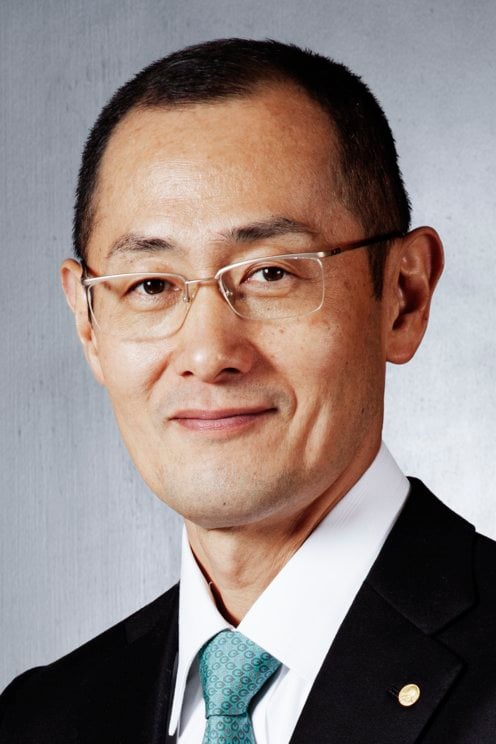

Gregor Mendel: The Father of Genetics
In the world of biology, few names resonate as prominently as Gregor Mendel's. Often referred to as the "Father of Genetics," Mendel's pioneering work laid the foundation for our understanding of genetic inheritance. His groundbreaking experiments with pea plants at the Abbey of St. Thomas in Brno, then part of the Austro-Hungarian Empire, provided the first insight into how traits are passed from one generation to the next. Despite his immense contributions, Mendel's work went largely unrecognized during his lifetime, only gaining the acknowledgment it deserved decades after his death.
The Early Life of Mendel
Gregor Johann Mendel was born on July 20, 1822, in Heinzendorf, a small village in what is now the Czech Republic. His early life was rooted in agrarian culture, as his parents were farmers. This upbringing may have kindled his interest and aptitude for studying nature. His academic journey began at an age where education was a privilege, subsequently attending the Institute of Philosophy in Olomouc, where he studied physics and mathematics. These subjects would later profoundly influence his methodological approach to scientific experimentation.
Mendel's time at the University of Vienna from 1851 to 1853 was pivotal. Here, he studied under Christian Doppler, a physicist, and Franz Unger, a plant physiologist. The university's emphasis on experiment and scientific rigor undoubtedly shaped Mendel's future work. It was during this period that he developed a systematic approach to experimentation, focusing on precision and quantitative analysis.
The Pea Plant Experiments
After his stint in Vienna, Mendel returned to his monastic life at the Abbey of St. Thomas. It was here, in the secluded gardens, that Mendel embarked on his now-iconic series of experiments in the 1850s and 1860s. He chose the common pea plant, Pisum sativum, as his subject, largely due to its numerous distinct varietal traits and ease of cultivation. Mendel meticulously studied seven traits: seed color, seed shape, flower color, pod shape, pod color, flower position, and plant height.
What set Mendel apart was his persistence and attention to detail. Unlike his predecessors, Mendel controlled his experiments rigorously, ensuring that cross-pollination was conducted only between plants with specific traits. He painstakingly recorded the outcomes of each experiment and analyzed the data quantitatively—a method that was revolutionary at the time. His methodical approach allowed him to deduce the patterns of inheritance, leading him to propose the laws of segregation and independent assortment.
The Laws of Inheritance
Mendel's research spanned over eight years and covered more than 28,000 pea plants. His observations led to the formulation of what are now known as Mendelian laws of inheritance. The first, the Law of Segregation, states that allele pairs separate during gamete formation, meaning each parent contributes one allele for each trait at fertilization. The second, the Law of Independent Assortment, posits that genes for different traits assort independently of one another in the formation of gametes.
These principles form the very core of classical genetics, providing a systematic explanation for why offspring inherit specific traits from their parents. Mendel's precise calculations of the ratios of dominant and recessive traits paved the way for understanding genetic probability.
Challenges and Recognition
Despite the groundbreaking nature of Mendel's findings, his work went largely unnoticed during his lifetime. After presenting his findings to the Natural History Society of Brno in 1865, his theory did not gain immediate acceptance. Several factors contributed to this oversight. The scientific community of the time was primarily focused on Darwin's theory of evolution and lacked the conceptual framework to fully grasp the implications of Mendel's findings. Additionally, there was a failure to replicate Mendel's results in other plants due to the complexity of genetics beyond Mendel's chosen pea plants.
It wasn't until the turn of the 20th century that Mendel's work was rediscovered by three independent botanists: Hugo de Vries, Carl Correns, and Erich von Tschermak. Their confirmation of Mendel’s results brought his work to the fore and finally earned him posthumous recognition as the progenitor of genetic science.
Mendel's life, characterized by scientific curiosity and perseverance, is a testament to the power of observation and inquiry. His legacy endures in the field he helped to define, shaping the way we understand the fundamental mechanisms of life itself. As we delve deeper into the realm of genetics, from genome editing to personalized medicine, the echoes of Mendel's pea plants can still be heard, reminding us of the power of patient, methodical research. In the subsequent parts of this article, we will explore how Mendel's principles have shaped modern genetic research and the technological advancements that owe their origins to his pioneering work.
The Modern Impact of Mendel’s Discoveries
Mendel's principles, initially met with indifference, now form the bedrock of genetics, a field that continues to impact numerous scientific disciplines and industries. Over a century and a half since Mendel’s pioneering experiments, his theories remain integral not only in biology but also in agriculture, medicine, and biotechnology.
In agriculture, Mendelian genetics has been instrumental in crop improvement. The selective breeding processes that Mendel's experiments inspired have led to the development of crops with enhanced yields, disease resistance, and nutritional content. By crossing plants with desirable traits, agricultural scientists can produce superior plant varieties that help address food security challenges. This approach has been complemented by modern genetic mapping techniques that identify specific genes responsible for these traits, enabling even more precise manipulation.
Mendelian Genetics in Medicine
The field of medicine has particularly benefitted from an understanding of Mendelian genetics. The identification of genes associated with hereditary diseases has dramatically improved diagnostic capabilities. Genetic disorders that follow Mendelian inheritance patterns, such as cystic fibrosis, Huntington's disease, and sickle cell anemia, can be more accurately diagnosed, leading to better management and treatment strategies.
Furthermore, genetic counseling has become an important facet of healthcare, providing individuals and families with information about genetic conditions. The knowledge imparted by Mendelian genetics empowers potential parents to make informed decisions about family planning and manage the risks of genetic disorders.
With the advent of gene therapy, a burgeoning field in modern medicine, Mendel’s principles find new applications. By correcting defective genes responsible for disease development at the cellular level, gene therapy offers hope for treating conditions that were once deemed incurable. This therapeutic strategy underscores the potential of genetic science to alter the intrinsic biological narratives written in our DNA.
Genomics and Beyond
As science progresses, the exploration of the human genome has further exemplified the continued relevance of Mendel’s work. The Human Genome Project, completed in 2003, was a monumental effort that mapped the entire human genetic code, cataloging the roughly 20,000-25,000 genes present in human DNA. This milestone project brought Mendelian genetics into the genomic age, enabling scientists to understand complex genetic interactions and polymorphisms beyond simple inheritance patterns.
One of the revolutionary outcomes of genomic studies is the field of personalized medicine. Determining an individual's complete genomic sequence allows for a tailored approach to healthcare, where prevention and treatment strategies are designed based on genetic predispositions. Mendel's legacy persists in these advancements, as the elucidation of genetic variability stems directly from his original theories of inheritance.
Biotechnology and Genetic Engineering
Gregor Mendel’s contributions also echo in the realms of biotechnology and genetic engineering. The knowledge of genetic inheritance principles has been pivotal in the development of transgenic organisms. By manipulating the genetic material of organisms, scientists have created transgenic plants and animal models that have transformed research and industry. For instance, genetically modified crops with enhanced drought resistance or pest resilience have revolutionized agriculture, aiding farmers in producing more stable and abundant yields.
In biotechnology, genetic engineering techniques such as CRISPR-Cas9 leverage Mendelian inheritance theories to edit genes with high precision. This technology allows scientists to insert, delete, or modify the DNA of living organisms with unprecedented accuracy, broadening our capacity to explore genetic functions and develop novel therapeutics.
The Ethical and Societal Implications
However, alongside these scientific milestones facilitated by Mendelian genetics come ethical and societal considerations that merit scrutiny. Genetic advancements raise questions about privacy, consent, and the implications of genetic testing. The potential for genetic discrimination by employers or insurance companies, based on the presence of hereditary conditions, presents a significant ethical dilemma.
Moreover, as genetic engineering becomes more prevalent, the possibility of "designer babies" has sparked debates about the morality of altering human embryos to select preferred traits. These discussions underscore the important responsibility resting on the shoulders of geneticists and policymakers to ensure ethical standards accompany continued innovation.
The Everlasting Legacy of Mendel
Gregor Mendel's legacy endures as scientific inquiry continues to unravel the mysteries of genetic inheritance. His work remains an enduring testament to the efficacy of meticulous experimentation and the pursuit of knowledge. In bridging the 19th-century discoveries with contemporary genetic technology, Mendel's foundational principles remain as relevant today as they were revolutionary in the 1800s.
As science progresses, each new genetic breakthrough can trace its lineage back to the quiet gardens of the Abbey of St. Thomas. Mendel's insights into the mechanisms of heredity remind us of the potential within the world's unseen intricacies and the pursuit of knowledge for the betterment of humanity. Mendelian principles, firmly entrenched in the scientific canon, inspire continued exploration and thoughtful consideration of the ethical dimensions of these revelations.
In the next segment of this article, we will explore the cultural and historical context of Mendel’s lifetime and the modern initiatives that celebrate and preserve his enduring legacy. Through this, we aim to illuminate both the person behind the science and the reverberating impact of his discoveries across time.
Cultural and Historical Context of Mendel's Era
To fully appreciate Gregor Mendel's achievements, it's essential to consider the cultural and historical milieu of the mid-19th century. This was an era marked by rapid scientific and industrial advancements. The scientific community was abuzz with the aftermath of Charles Darwin's "On the Origin of Species," published in 1859, which proposed natural selection as the mechanism of evolution. While Darwin's theory was transformative, it left unanswered questions about the mechanisms controlling trait inheritance, paving the way for Mendel’s research to fill this gap.
The intellectual atmosphere during Mendel’s lifetime was one of curiosity and transition. The Austrian Empire, where Mendel lived, was an epicenter of scientific endeavor, although it lacked a cohesive institutional framework to support novel scientific discoveries. Despite this, Mendel thrived within the cloistered abbey environment that provided him both the solitude for reflection and the space for experimentation.
Mendel's work, although delayed in its recognition, was carried out with the rigor and precision characteristic of the burgeoning scientific methodologies of the time. The limited reach of scientific communication networks, however, meant that many contemporaneous scholars were unaware of each other's work, contributing to the initial oversight of Mendel's theories.
Rediscovery and Recognition
The rediscovery of Mendel's work at the dawn of the 20th century represented a significant turning point in biology. The concurrent confirmation by Hugo de Vries, Carl Correns, and Erich von Tschermak initiated the Mendelian revival. This triumvirate's recognition of the relevance of Mendel's experiments efficiently bridged the gap that had long impeded the understanding of heredity.
This rediscovery catalyzed a genetic awakening, aligning Mendel's principles with Darwinian theories to form the basis of the modern evolutionary synthesis. Scientists began to recognize the robust applicability of Mendel's laws, contributing to the development of population genetics and furthering our conception of how traits persist and evolve over generations.
With the recognition of Mendel’s work, academic institutions began to incorporate genetics into their curricula, establishing a foundation for generations of geneticists inspired by Mendel's initial breakthroughs. The humble seed he had planted in the fields of the Abbey germinated into the expansive field of genetics that enriches modern science.
Preserving Mendel's Legacy
The historical significance of Gregor Mendel is celebrated today through various initiatives aimed at preserving his legacy. Museums, such as the Mendel Museum in Brno, serve as custodians of his history, offering exhibitions about his life and scientific contributions. These institutions ensure that Mendel's legacy is passed to future generations, highlighting the timeless nature of his discoveries.
Modern scholars and institutions continue to honor Mendel through awards and events that encourage excellence in genetic research. The annual Mendel Lecture Series brings together leading geneticists who share developments in the field, reflecting on how far genetic science has traveled since Mendel's time.
Furthermore, educational programs and literature dedicated to Mendel ensure his contributions remain integral to curriculum standards worldwide. By embedding his work within biology education, we reinforce the importance of historical scientific inquiry as the basis of current knowledge and innovation.
The Future of Genetics and the Mendelian Paradigm
As we stand on the cusp of further genetic revolutions, the future of genetics remains tied to Mendelian concepts. While our understanding of genetics has expanded to encompass complex interactions beyond Mendel's initial observations, such as epigenetics and polygenic traits, the foundation remains indisputably Mendelian.
Emerging technologies and fields like synthetic biology continue to reflect Mendel's systematic approach. They aim to design and construct new biological parts, devices, and systems, advancing possibilities that range from regenerative medicine to environmental biosustainability.
The ethical considerations accompanying these technological advances echo the ongoing responsibility Mendel’s scientific descendants bear. As we venture deeper into realms like genetic modification and artificial intelligence integration within biology, the implications of Mendel’s laws underscore the need for ethical governance.
Ultimately, Mendel’s legacy persists because of its universality and adaptability. His principles remain a guiding compass for contemporary geneticists and offer a framework for continued scientific discovery. As the field of genetics progresses, Mendel's initial revelations will undoubtedly continue to resonate, illuminating pathways for exploration and ensuring that his vision outlasts his time.
Conclusion
Gregor Mendel's journey from a solitary scientist to the Father of Genetics is a testament to the enduring nature of scientific inquiry. His pioneering research laid the groundwork for our understanding of heredity and has influenced countless facets of science and society. Although his work was overlooked during his lifetime, its rediscovery sparked a broader understanding of genetic principles that continue to evolve today.
In reflecting on Mendel's life and accomplishments, we see a narrative of perseverance, innovation, and eventual recognition. His principles, which once began as simple observations in a monastery garden, have blossomed into a complex web that intertwines with the fabric of modern science and ethics. As genetic research advances, the principles Mendel unveiled remain central to the pursuit of knowledge that aims to enhance and understand the biological world. Mendel’s legacy, seeded in the past, will undoubtedly continue to grow, informing and shaping the future of genetic science.

Enrique Moreno Espejo: A Pioneer in Biotechnological Advancements
In the realm of science, some individuals persistently push the boundaries of our understanding, forever altering the landscape of human knowledge. Enrique Moreno Espejo is one such luminary whose contributions have left an indelible mark on the field of biotechnology. As an eminent figure whose passion for discovery is matched only by his commitment to ethical scientific practices, Moreno's groundbreaking work has ushered in new possibilities in the understanding and manipulation of biological systems.
Early Life and Academic Journey
Enrique Moreno Espejo was born into an academically inclined family, which laid the foundation for his early interest in the sciences. Growing up, Moreno exhibited an insatiable curiosity about the natural world. This curiosity was nurtured by his parents, both of whom were educators, instilling in him a love for learning and a drive for inquiry that would become the hallmarks of his career.
His academic journey began at a prestigious university, where he majored in biology. During these formative years, Moreno was particularly drawn to genetics and molecular biology, domains that were rapidly evolving with new discoveries. Under the guidance of experienced mentors, he developed a keen understanding of complex biological systems, which he carried forward into his postgraduate studies. Moreno pursued a Ph.D. in biotechnology, diving deeper into the intricacies of genetic manipulation and its potential applications.
Professional Career and Breakthroughs
Upon completing his doctorate, Enrique Moreno Espejo embarked on a professional career that would see him engaged in some of the most challenging and innovative biotechnological projects of his time. He joined a leading research institute, where his first major project involved developing a novel technique for gene editing. This was during the early days of CRISPR technology, a revolutionary method that has since become a cornerstone in genetic engineering.
Moreno's work with CRISPR paved the way for advancements in targeted gene therapy, offering hope for treating genetic disorders once deemed incurable. His research didn't stop at theoretical models; he was instrumental in translating these findings into practical applications, collaborating with medical researchers to trial these therapies in clinical settings.
Contributions to Biodiversity and Conservation
Beyond the laboratory, Enrique Moreno Espejo's influence extended to environmental science and ecology. Recognizing the profound impact biotechnology could have on preserving biodiversity, Moreno championed projects aimed at using genetic tools to support conservation efforts. He believed that biotechnology could play a crucial role in protecting endangered species and restoring damaged ecosystems.
One of his noteworthy projects involved collaborating with ecologists to deploy genetic mapping techniques, which helped identify and preserve genetic diversity within vulnerable populations. This work not only contributed to conservation efforts but also enhanced our understanding of evolutionary processes in the wild.
Ethics and Governance in Biotechnology
Moreno has always underscored the importance of ethical considerations in scientific research. His advocacy for responsible biotechnological practices has been a defining aspect of his career. He has been vocal about the need for stringent regulatory frameworks that balance innovation with public safety. Recognizing the dual-use nature of many biotechnological advancements, Moreno has worked tirelessly to establish ethical guidelines that govern their application.
He has participated in numerous international panels and conferences, sharing insights on the ethical implications of gene editing and advocating for inclusive dialogue that involves scientists, policymakers, and the public. His efforts have contributed to shaping global policy on the responsible use of biotechnology, emphasizing transparency, equity, and the common good.
A Vision for the Future
Looking forward, Enrique Moreno Espejo envisions a future where biotechnology continues to advance responsibly, addressing global challenges from healthcare to food security. He remains optimistic about the role of interdisciplinary collaboration in driving innovation that is not only groundbreaking but also ethical and sustainable.
Enrique Moreno Espejo stands as a remarkable figure in the world of biotechnology. His contributions span a range of disciplines, each marked by a steadfast commitment to improving human life while respecting the delicate balance of our natural world. His journey is a testament to the power of science as a force for good and reflects the enduring importance of ethical governance in steering technological advancements for the benefit of all.
The Intersection of Education and Innovation
Enrique Moreno Espejo's contributions to biotechnology extend beyond the lab and conference halls; they also reside in the minds and hearts of a new generation of scientists he has inspired and mentored. Recognizing the pivotal role that education plays in advancing science and technology, Moreno has dedicated a substantial portion of his career to teaching and academic mentorship. His passion for education is driven by a belief that innovative ideas flourish in environments that encourage critical thinking and curiosity.
Throughout his teaching career, Moreno has held professorships at several esteemed universities, where he has developed comprehensive curricula focused on genetics and biotechnology. His educational programs are renowned for their emphasis on practical applications of theoretical knowledge, bridging the gap between classroom learning and real-world challenges. By integrating cutting-edge research into his courses, Moreno ensures that his students are not only informed of current advancements but are also equipped with the skills to contribute meaningfully to ongoing scientific conversations.
Cross-Disciplinary Collaborations
Enrique Moreno Espejo is a strong advocate for cross-disciplinary collaboration, believing that the complex problems of the modern age require diverse perspectives and expertise. His career is punctuated by partnerships that span multiple fields, including medicine, ecology, computer science, and ethics. These collaborations have fostered a rich tapestry of interdisciplinary projects, each leveraging unique insights to drive innovative solutions.
One notable partnership involved working with computer scientists to develop sophisticated algorithms for analyzing genetic data. This project sought to improve the accuracy and efficiency of genome sequencing, a critical tool for genetic research. By merging computational expertise with biotechnological applications, Moreno helped pave the way for faster, more precise genetic analysis that holds potential for early disease detection and personalized medicine.
His collaborative efforts have also ventured into the realm of bioinformatics, an area that combines biology, information technology, and statistics. By applying these disciplines to the study of proteins and genes, Moreno and his team have made significant strides in understanding the complexities of human physiology and disease.
Public Engagement and Science Communication
Recognizing that the future of biotechnology hinges on public understanding and acceptance, Enrique Moreno Espejo has been a proactive proponent of effective science communication. He champions the idea that engaging with the public is as crucial as the research itself. Moreno advocates for transparency and strives to demystify complex scientific concepts, ensuring that technological advancements are accessible to all, not just those within the scientific community.
Moreno's public engagement efforts include participation in science festivals, lectures, and interactive workshops designed to educate and inspire. He utilizes various platforms, from academic publications to social media, to spread awareness about the implications of biotechnology. His approachable demeanor and ability to explain intricate topics in layman's terms have earned him a reputation as a trustworthy and relatable voice in science.
Through his outreach efforts, Moreno aims to bridge the gap between scientists and the public, fostering a dialogue that encourages trust and collaborative efforts towards common goals. He believes that informed public discourse is essential in shaping policies that reflect the values and concerns of society.
Challenges and Controversies
Despite the accolades and breakthroughs, Enrique Moreno Espejo's journey has not been without its challenges. Navigating the complex landscape of biotechnology often involves grappling with controversial topics and ethical dilemmas. The potential implications of genetic modifications, for instance, have sparked debates surrounding issues of bioethics, privacy, and equity.
Moreno has approached these challenges with a steadfast commitment to ethical principles. He has often been at the forefront of debates within the scientific community, advocating for responsible research that considers long-term impacts on society and the environment. His balanced approach emphasizes caution and humility, acknowledging the vast unknowns in genetic manipulation and the responsibility of scientists to proceed judiciously.
In addressing controversies, Moreno emphasizes the importance of inclusivity in scientific discourse. He believes that diverse perspectives, including those of ethicists, sociologists, and the public, are essential in shaping a comprehensive understanding of the potential ramifications of biotechnological advances.
A Legacy of Impact and Inspiration
As Enrique Moreno Espejo continues to forge new paths in biotechnology, his legacy is already one of profound impact and inspiration. He serves as a beacon for aspiring scientists who see in him a model of intellectual rigor, ethical responsibility, and commitment to the greater good.
His work has illuminated the potential of biotechnology to address some of humanity's most pressing challenges, from curing diseases to conserving biodiversity. Through his efforts in education, collaboration, and public engagement, Moreno has cultivated a generation of scientists poised to carry forward his vision of responsible innovation.
Ultimately, Enrique Moreno Espejo's contributions highlight the power of science to transcend boundaries and effect positive change. His journey underscores the vital role of ethical stewardship and community engagement in ensuring that technological progress serves the needs and aspirations of all humankind.
The Role of Technology in Advancing Biotechnological Research
Enrique Moreno Espejo’s work is inextricably tied to the advancement of technologies that enable more precise and exhaustive exploration of biological phenomena. As the field of biotechnology continues to evolve, so does the array of tools and techniques at scientists' disposal. Moreno has been at the forefront of adopting and innovating technological approaches to enhance research capabilities and outcomes.
One significant area where technology has played a transformative role is in the development and application of artificial intelligence (AI) and machine learning (ML) in genetic research. Moreno has been instrumental in integrating these technologies to manage and analyze vast datasets, often referred to as 'big data', in genomics. By employing AI and ML algorithms, his research teams have been able to uncover patterns and predictions in genetic information that were previously unattainable. These insights are revolutionizing personalized medicine, allowing for treatments tailored to individual genetic profiles.
Furthermore, Moreno has contributed to the advancement of nanotechnology within biotechnology. His work in this domain explores using nanoparticles for drug delivery systems, which promise to target specific cells with unprecedented accuracy and minimal side effects. This innovative approach is paving the way for more effective treatments for diseases such as cancer, where precision is paramount.
Global Impact and Collaborations
Enrique Moreno Espejo’s influence extends beyond national borders, reflecting his belief in the collaborative nature of scientific advancement. Throughout his career, he has fostered partnerships with research institutions, universities, and organizations worldwide, recognizing that global challenges require global solutions.
His involvement in international research initiatives, such as those under the European Union’s Horizon program, has allowed for collaborative efforts that leverage diverse expertise and resources. These partnerships are vital in addressing complex global issues, such as antibiotic resistance and agricultural sustainability, where coordinated international research efforts are needed.
Moreno’s role in these global projects underscores his commitment to fostering an inclusive research environment where knowledge and innovation can be shared across cultures and disciplines. Such collaborations not only enhance scientific discovery but also promote mutual understanding and cooperation among nations.
Looking Towards Future Horizons
As the field of biotechnology rapidly progresses, Enrique Moreno Espejo continues to look forward, identifying emerging trends and potential areas of exploration. One area of considerable interest is synthetic biology, which involves redesigning organisms for specific functions and applications. This field holds promise for new methods of producing medicines, biofuels, and sustainable materials.
Moreno is actively involved in research that explores how synthetic biology can address some of the most critical environmental challenges, such as climate change. By engineering organisms capable of capturing carbon dioxide or breaking down pollutants, he envisions a future where biotechnology can significantly contribute to ecological restoration and sustainability.
Moreover, Moreno’s focus on the equitable distribution of biotechnological benefits remains a guiding principle. He advocates for ensuring that the advancements in biotechnology are accessible and beneficial to all, particularly underserved and marginalized communities. His work highlights the ethical imperative of closing the gap between technological potential and societal equity, a mission that remains central to his vision for the future.
The Legacy of a Visionary Scientist
Enrique Moreno Espejo’s legacy is characterized by his unwavering dedication to the responsible pursuit of knowledge and his enduring commitment to human welfare. His career is a testament to the profound impact that passion and integrity can have in scientific endeavors, inspiring future generations of scientists to embrace these values.
Throughout his journey, Moreno has demonstrated the importance of adaptability and continuous learning, attributes that have allowed him to navigate the ever-changing landscapes of science and technology successfully. His life’s work embodies the spirit of innovation while maintaining a steadfast commitment to ethical principles and public engagement.
In conclusion, Enrique Moreno Espejo represents the quintessential modern scientist: innovative, collaborative, and ethically grounded. His contributions to biotechnology continue to influence a wide range of scientific fields and societal aspects, driving progress while fostering an environment that prioritizes ethical responsibility and inclusivity. As we look to the future, Moreno’s work offers a beacon of hope and a reminder of the transformative power of science when guided by principles of integrity and a vision for the greater good.
Unveiling CRISPR: The Revolutionary Tool Redefining Genetic Engineering
The dawn of the 21st century witnessed the emergence of a transformative technology that is reshaping the landscape of genetic engineering and molecular biology: CRISPR, an acronym for Clustered Regularly Interspaced Short Palindromic Repeats. At the heart of this innovation is an elegant, yet profoundly powerful, system that has equipped scientists with the ability to edit the genome with unprecedented precision, efficiency, and flexibility.
CRISPR, originally discovered as a part of the bacterial immune system defending against viral invaders, has since been adapted into a versatile tool that can target and modify almost any region of any genome. The technology's groundbreaking potential garnered global attention in 2012 when a pivotal paper by Jennifer Doudna and Emmanuelle Charpentier detailed how the CRISPR-Cas9 system could be harnessed as a genetic scalpel.
At its core, CRISPR functions as a two-component system. The first component is the Cas9 enzyme, a molecular scissor that can cut the double strands of DNA at specific sites. The second component is a guide RNA (gRNA), a piece of synthetic RNA designed to match the DNA sequence where the edit is intended. When both components are introduced into a cell, the guide RNA directs Cas9 to the precise DNA target, where it makes a cut. The cell's natural repair machinery then takes over, either knitting the cut back together, potentially inactivating a gene, or incorporating a new piece of DNA into the genome at the cut site, effectively rewriting the genetic code.
The implications of this innovation are immense. In the short period since its inception, CRISPR has been employed in a myriad of applications across various fields. In medicine, it offers hope for gene therapies that target and potentially cure hereditary diseases such as cystic fibrosis, sickle cell anemia, and hemophilia. In agriculture, CRISPR has been used to engineer crops with desirable traits like drought resistance and enhanced nutritional content, without incorporating foreign DNA, unlike traditional genetically modified organisms (GMOs).
However, CRISPR's extraordinary capabilities have also sparked intense ethical debates, especially pertaining to its use in human embryos. The prospect of 'designer babies' with traits selected by parents raises fundamental questions about the nature of human agency, consent, and the social implications of manipulating human genetics.
Despite the ongoing ethical and regulatory discussions, the potential of CRISPR technology has continued to expand drastically. Research and development have progressed from simple gene edits to more sophisticated genome manipulations, such as base editing, which allows the conversion of one DNA base into another without cutting the DNA strand. The most recent advancement, prime editing, promises to further refine the precision of genetic edits, broadening the scope of CRISPR's applications to possibly correct up to 89% of known genetic variations associated with human diseases.
Consequently, the future of CRISPR seems limitless. It stands as not only a pillar of contemporary genetic research but also a beacon of hope for tailored therapies and sustainable biotechnological innovations. Nonetheless, the excitement surrounding CRISPR must be calibrated with caution, as it not only molds the way we interact with the very fabric of life but also challenges our ethical thresholds and societal values.
As CRISPR continues to develop, questions about accessibility, safety, and governance remain at the forefront of the conversation. It promises to be a journey marked by incredible scientific advancements, as well as challenging socio-ethical deliberations. One thing is certain: CRISPR technology has ignited a revolution in science that we are only just beginning to comprehend. Its history is currently being written, and its chapters will undoubtedly influence the narrative of humanity for generations to come.### CRISPR: The Journey from Concept to Cure
As we delve deeper into the CRISPR narrative, it becomes essential to understand the ongoing journey from its conception to its potential role in providing cures for the previously incurable. Enthusiasm within the scientific community is at an all-time high as researchers race to translate CRISPR from a laboratory phenomenon into real-world solutions.
The power of CRISPR lies in its simplicity and flexibility, but the transition from bench to bedside is fraught with challenges. One of the primary obstacles is the mode of delivery. For CRISPR to correct genetic defects, the components must effectively reach the target cells in the human body. Researchers are actively exploring vectors, such as modified viruses, lipid nanoparticles, and even physical methods like microinjection, to safely and efficiently deliver CRISPR into the cells without eliciting adverse immune responses.
CRISPR's first applications in humans have focused on conditions amenable to ex vivo treatments, where cells can be edited outside the body and then re-introduced. A seminal example is the treatment of certain blood disorders, such as beta-thalassemia and sickle cell disease. Clinical trials are underway, and early results have been promising, signaling a monumental step forward in the use of genome editing for therapeutic purposes.
Another groundbreaking application is in the realm of cancer treatment. In oncology, experimentation with CRISPR is advancing the field of immunotherapy, particularly with the engineering of T-cells to better recognize and attack cancer cells. CRISPR is instrumental in enhancing the specificity and efficacy of these T-cells, potentially offering new hope to patients with difficult-to-treat tumors.
Moving beyond treatment, CRISPR offers innovative pathways for diagnostics as well. The CRISPR-Cas system's ability to locate specific DNA sequences has been leveraged to develop sensitive and rapid tests for detecting viruses, like SARS-CoV-2, the virus responsible for COVID-19. Such diagnostic tools are quick, accurate, and could very well revolutionize pathogen detection in the coming years.
Yet, perhaps the most significant, and most controversial, frontier of CRISPR technology is its application in germline editing, where changes to the DNA could be passed on to future generations. Such an approach has profound implications. It could eradicate hereditary conditions from a family line, but it also comes with the risks of unintended off-target effects and the broader implications for human evolution.
In 2018, a global outcry ensued when a Chinese scientist claimed to have produced the first humans—twin girls—whose genomes had been edited using CRISPR to confer resistance to HIV. This incident highlighted the need for stringent ethical guidelines and regulatory oversight, as the potential for misuse of this potent technology is a legitimate concern.
In response to such controversies, professional societies and regulatory agencies across the world are attempting to establish frameworks that permit safe and ethical research. Major initiatives include calls for international cooperation to develop consensus on governance and oversight, as well as fostering public engagement to understand societal perspectives on genome editing.
The CRISPR revolution has also sparked a patent battle, given the significant commercial and therapeutic implications of the technology. The foundational patents are currently held by the Broad Institute of MIT and Harvard in the United States, and by the University of California, Berkeley, where much of the early work on CRISPR-Cas9 was conducted. Given CRISPR's wide-reaching potential, it is paramount that these disputes do not hinder the availability of the technology to scientists and clinicians worldwide.
Looking ahead, it is undeniable that CRISPR-Cas systems will continue to evolve, presenting even more sophisticated tools for genetic manipulation. Among these are next-generation editors, capable of multiplex editing, enabling multiple edits across the genome simultaneously, and anti-CRISPR proteins, providing a safety switch to control genome editing activity.
As we continue to write the chapters of the CRISPR story, the narrative is not exclusively scientific or medical—it is inherently human. CRISPR has sown the seeds for a future where genetic diseases might be a thing of the past, where agriculture sustains an ever-growing global population, and where we might even reshape the very ecosystems we inhabit. But with great power comes great responsibility, and the journey of CRISPR is as much about exploring the potentials of human ingenuity as it is about navigating the ethical mazes that accompany our advancing capabilities.
In the vast and intricate tapestry that is the CRISPR saga, we find ourselves at a pivotal juncture, threading the fine line between possibility and prudence. As this revolutionary tool carves out its place in our collective history, one thing is certain: the CRISPR conversation is not just about genes; it's about our values, our future, and ultimately, our humanity.