Discovering the Heartbeat of Oman: Muscat
Muscat, the vibrant capital city of Oman, stands as a beacon of historic and contemporary significance. Nestled on the northeastern coast, overlooking the Gulf of Oman and the Strait of Hormuz, Muscat has long been a crucial maritime hub connecting the Western and Eastern worlds since at least the first century AD.
Strategic Location and Geography
Geographically, Muscat plays a pivotal role in regional and global affairs due to its proximity to the Strait of Hormuz, a strategic maritime chokepoint. This narrow strait connects the Gulf of Oman to the Persian Gulf, making it vital for international shipping. The city's location on the shores of the Gulf of Oman provides a picturesque setting for the modern metropolis, yet retains the rich tapestry of its ancient maritime heritage.
The urban agglomeration alone houses a population of over 600,000 individuals, while the population of Muscat proper was around 25,000 in 2003. These numbers underscore the city’s evolving dynamics from its historical roots to its current role as an economic and political powerhouse.
Historical Significance: A Centuries-Old Legacy
Muscat’s strategic importance has been evident for millennia. Historically, it was a key trading port on the famous maritime Silk Road, facilitating the exchange of goods such as spices, silk, timber, and other treasures from Asia, Africa, and Europe. This maritime connection played a crucial role in shaping Muscat’s cultural landscape, fostering a unique blend of influences from diverse civilizations.
The city's historical legacy is further enriched by its succession of rulers. From indigenous tribes and Islamic Imams in the 7th century to the Portuguese who occupied and fortified the city with structures like Al Jalali and Al Mirani castles from 1507 to 1650, each power left indelible marks on Muscat’s architecture and culture. Notably, the Al Bu Sa'id dynasty, which took power in 1749 following the expulsion of Persian invaders, established the current ruling family and has been responsible for maintaining the city’s sovereignty.
From Maritime Empire to Modern Capital
Under the Yaruba Imams and the subsequent rule of the Al Bu Sa'id dynasty, Muscat emerged as the center of a vast maritime empire with influence extending to East Africa. The city became particularly significant in the 19th century when Zanzibar served as the capital of the Omani Sultanate, further cementing Muscat’s role in regional politics and trade.
The economy historically relied heavily on maritime trade, although the period from the late 19th century to the early 20th century saw the contentious practice of the slave trade within its borders. Today, while oil exploration began in the early 20th century, Muscat’s economy is diversifying with a focus on trade, tourism, and services, marking a shift away from reliance on a single natural resource.
Cultural Fusion: A Harmony of Influences
Muscat’s cultural heritage is a testament to its long history as a cosmopolitan trading hub. Its architecture and way of life reflect a fusion of Arab, Portuguese, Persian, Indian, and African influences. These diverse elements can be seen in the city’s traditional buildings, such as the iconic Al Jalali fortress and Al Mirani Castle, which stand as enduring symbols of its strategic past.
The preservation of historical forts and areas like the Old City has preserved much of Muscat’s rich cultural heritage, attracting cultural tourists and scholars. Meanwhile, modern infrastructure development continues apace, ensuring that Muscat remains a bustling and dynamic city.
Strategic Importance and Geopolitical Significance
Located near the Strait of Hormuz, Muscat’s geopolitical significance cannot be overstated. The strait is crucial for global energy and maritime security, as it serves as a waterway for oil tankers transporting approximately one-fifth of the world’s oil supply. This strategic position underscores Muscat’s role not only in regional geopolitics but also in international affairs.
As a capital city, Muscat balances the challenges of maintaining its historical identity with modernization initiatives. Cultural preservation efforts alongside urban renewal projects ensure that the city retains its heritage while adapting to the needs of a rapidly evolving society.
In essence, Muscat continues to play a vital role in regional geopolitics and commerce. Its rich history, strategic location, and cultural diversity make it a fascinating city to explore, offering a glimpse into the intersection of past and present. As Muscat moves forward, it does so with a deep appreciation for its storied past and a forward-looking vision for its future.
Current Developments: Urban Modernization and Cultural Preservation
As Muscat continues to evolve, there are concerted efforts towards urban modernization while preserving its historical heritage. Major infrastructure projects have transformed the cityscape, with new high-rises, business districts, and transportation networks springing up alongside ancient fortresses and marketplaces.
Downtown Muscat features a mix of modern skyscrapers and traditional bazaars. Key landmarks like the Sultan Qaboos Grand Mosque, built in the late 1980s, showcase Oman’s distinct architectural style, blending traditional influences with sleek modern design. Other modern constructions, such as the Pearl of the Gulf Towers and the National Museum of Oman, have become focal points for both locals and visitors.
The government of Oman has embarked on several initiatives aimed at preserving its cultural heritage. For instance, the restoration and conservation of traditional Omani architecture are ongoing activities, with many old buildings carefully refurbished to retain their historical integrity. Programs like the National Centre for Culture and Arts (NCCA) and the Ministry of Tourism actively promote traditional crafts, music, and literature through various educational and promotional campaigns.
Culturally, Muscat hosts a range of events that celebrate its diverse heritage. Annual festivals like Eid Al Adha and Eid Al Fitr attract large crowds to witness traditional prayer ceremonies, local food markets, and cultural performances. In addition, museums such as the Oman National Museum and the Museum of Science and Technology offer glimpses into the city’s history, archaeology, and scientific advancements.
Tourism and Heritage
Tourism is a growing sector in Muscat, driven by its rich history and natural beauty. Visitors come to explore its historic sites, enjoy beaches, and experience traditional Omani hospitality. The Royal Opera House Muscat (RAHM) and the National Museum of Oman have become cultural hubs, hosting theater performances, art exhibitions, and historical reenactments.
Muscat’s old town, known for its narrow streets and traditional Omani houses, provides a living museum for tourists interested in authentic Omani culture. Forts like Al Alam Barracks and Dhofar Fort also offer panoramic views and insights into Oman’s military history. The nearby Corniche, a scenic waterfront promenade, complements these attractions and serves as a popular spot for local residents and tourists alike.
Economy: Diversification and Sustainability
While Muscat’s economy has traditionally been linked to maritime trade, its current economic strategy focuses on diversification. The government has introduced policies to develop sectors such as tourism, information technology, finance, and renewable energy, aiming to reduce dependence on oil and gas.
The development of Muscat International Airport (MCT) has enhanced the city’s connectivity, making it easier for travelers to visit Omani destinations. The airport serves as a gateway for regional and international flights, boosting tourism and facilitating business travel. Additionally, the government is investing in smart city technologies and sustainable energy solutions to ensure long-term growth and environmental sustainability.
The Omani Investment Authority (OMIA) and other public bodies are promoting private sector investments in various sectors. The establishment of special economic zones, such as the Duqm Special Economic Zone, encourages foreign direct investment (FDI) and supports innovation in manufacturing, logistics, and green technology. These initiatives are crucial in preparing Muscat for a future where global economic trends are increasingly influenced by technological advancements and sustainable practices.
Conclusion: Embracing the Future While Honoring the Past
Muscat stands at the crossroads of tradition and progress, a city that seamlessly combines its ancient heritage with modern aspirations. Its strategic location and rich history continue to shape its role as a global player in maritime trade, energy security, and cultural exchange.
Through careful planning and visionary leadership, Muscat is poised to become a shining example of how a city can thrive while honoring its origins. As it looks towards the future, Muscat embraces opportunities for growth and development, ensuring that its legacy endures while forging new paths into the 21st century.
Strategic Partnerships and Bilateral Relations
Muscat’s strategic location and rich historical ties make it a desirable partner for countries and organizations worldwide. Diplomatic relations extend from neighboring states to more distant allies. Close ties with the United States, particularly through the Sultanate of Oman’s neutrality in regional conflicts, have strengthened mutual understanding and cooperation in areas such as security, culture, and education.
Oman’s engagement with countries like Germany, the United Kingdom, and France includes diplomatic visits, trade negotiations, and joint ventures in sectors like energy, construction, and education. These partnerships enhance Muscat’s image as a reliable and strategic partner, capable of fostering economic growth and regional stability.
Education and Research
Educational institutions in Muscat, such as Sultan Qaboos University and the American University of Sharjah campus in Muscat, contribute significantly to the city’s intellectual landscape. These universities offer a wide range of programs, including STEM fields, humanities, and business management, attracting students from around the globe.
The establishment of research centers and think tanks in Muscat has bolstered its academic profile. The Sultan Qaboos Center for Strategic Studies and the Sultan Qaboos Foundation for Medical Research address pressing issues ranging from healthcare to energy conservation. These institutions help shape Muscat’s approach to governance, social cohesion, and sustainable development.
Sports and Recreational Activities
Muscat has embraced sports and recreational activities as a means to foster community engagement and promote a healthy lifestyle. The city hosts several sporting events throughout the year, including marathons, swimming competitions, and traditional games like al-Nahij (the stick fighting game).
Facilities such as the Oman Sports Complex and the Corniche Beach provide accessible spaces for residents and tourists alike. The Oman National Olympic Committee (ONOC) works to develop athletic talent and prepare teams for international competitions, further enhancing Muscat’s standing as a sports destination.
Future Prospects and Challenges
As Muscat looks towards its future, several key areas require close attention and strategic planning. Environmental sustainability remains a priority, with initiatives focused on reducing carbon emissions and promoting eco-friendly technologies. Water conservation, particularly in the face of growing population and increasing urbanization, is another critical challenge that the government is addressing through efficient management and desalination plants powered by renewable energy.
Technological advancements and digital transformation are also central to Muscat’s development plans. The government’s Vision 2040 aims to enhance digital connectivity, support startup ecosystems, and foster innovation in sectors like cybersecurity and artificial intelligence. These efforts are expected to drive economic growth and create new job opportunities, while maintaining the cultural and historical fabric of the city.
Despite the numerous benefits of these advancements, Muscat faces challenges related to socio-economic inequality and the need for inclusive growth. Initiatives to improve social services, reduce poverty, and enhance access to education and healthcare are essential to ensuring that the benefits of economic development reach all segments of the population.
Conclusion: A City of Endless Possibilities
Muscat’s story is one of resilience, innovation, and cultural richness. From its ancient maritime trade routes to its modern skyline, Muscat embodies the best of both past and present. As it continues to evolve, the city will undoubtedly play an even more significant role in shaping regional and global narratives, serving as a model of sustainable and inclusive development for generations to come.
The journey ahead for Muscat is marked by promise and potential. With careful stewardship and unwavering commitment to its heritage and future, Muscat is poised to become an exemplar of how a city can balance tradition and modernity, ensuring prosperity and harmony for all its citizens.
Rishikesh: A Pilgrimage and Spiritual Hub in India
Rishikesh, often referred to as the "Cultural Capital of Yoga" and the "Yoga Capital of India," is one of the most sacred cities in Uttarakhand, northwestern India. Located on the banks of the sacred River Ganges, Rishikesh has been a spiritual center for thousands of years, deeply rooted in Hindu mythology and religious significance.
A Historical Overview
The history of Rishikesh dates back to ancient times, mentioned in the Vedas, which are among the oldest religious texts in Hinduism. According to legend, this city was visited by sages and saints, including Lord Vishnu himself, who rested here during his journey to the Himalayas. However, it came into prominence much later, around the eighth century, when several rishis (sages) settled along the banks of the Ganges.
During the medieval period, numerous temples, monasteries, and ashrams were established, contributing significantly to the city's cultural and religious heritage. One such notable site is the Taudayana Ghat, believed to be over 500 years old and named after a sage who performed penance there before attaining salvation.
Sacred Sites and Temples
The city boasts a plethora of sacred sites and temples that draw pilgrims and devotees from all over the world. Among the most revered is the Triveni Sangam, a point where the Ganges, Yamuna, and mythical Saraswati rivers converge. Legend has it that bathers can wash away their sins at this confluence.
Another important shrine dedicated to Lord Vishnu, particularly Hanuman and Narayana temples, is situated at Tapovan, which is believed to be the abode of rishis. Devotees often perform a dip in the river early in the morning and seek blessings for their journeys and goals.
Significance in Hindu Mythology
According to Hindu scriptures, Rishikesh played a crucial role in the epic Mahabharata. It is believed that the Pandavas, after their exile, met and sought advice from ascetic Rishi Dhaumya at Tapovan in Rishikesh before undertaking a pilgrimage to Kurukshetra for the great battle of Mahabharata.
The city is also associated with the legendary sage Adi Shankaracharya, who established four directions—East, South, North, and West—of the Bharatmandal by establishing mathas (monasteries). In Rishikesh, he established the Jnanapeeta, located near the riverbanks, which continues to be an important center of learning and philosophy.
Education and Ashrams
The educational environment of Rishikesh is enriched by various ashrams and spiritual academies. Many famous yoga gurus and meditation experts have made Rishikesh their home base, attracting students and spiritual seekers from across the globe.
One of the most prominent ashrams is the Parmahansa Yogananda Ashram, named after the renowned Indian yogi who introduced millions to the teachings of the Self-Realization Movement. Other notable places include the Parmarth Niketan, founded by Swami Vivekananda’s sister disciple, and the Brahma Kumaris Educational Centre.
Drawing inspiration from these establishments, countless yoga teachers and spiritual practitioners have emerged. The city is now a global hub for yoga, wellness retreats, and meditation workshops, making it a must-visit destination for those seeking to deepen their spiritual journey.
Sports and Recreation
While spirituality is a significant facet of Rishikesh, the city also offers a wide range of recreational activities. River sports are incredibly popular here; white-water rafting in the upper reaches of the Ganges offers adventure enthusiasts a thrill ride. Boating and kayaking are also enjoyed by visitors.
Besides water activities, trekking through the Himalayan footpaths around the city provides spectacular views and challenging terrain. The city’s surroundings offer opportunities for hiking, camping, and rock climbing in natural settings that showcase the beauty of northern India.
Gastronomy and Local Cuisine
Rishikesh is celebrated not only for its spiritual ambiance but also for its rich culinary diversity. Local cuisine features a blend of vegetarian and non-vegetarian dishes, with a strong focus on fresh ingredients sourced from the nearby hills and valleys. Traditional foods like dhokla, pakoras, and chhole bhature are favorites.
A notable street food item is kachori, a deep-fried pastry stuffed with spiced lentils or potatoes. Visitors can enjoy these treats from various stalls while strolling along the bustling bazaars and ghats. For those looking for healthier options, there is also a growing trend of organic and vegan cafes catering to conscious consumers.
Economic Importance
In recent decades, Rishikesh has emerged as a major economic center due to its significant tourism industry. The influx of pilgrims, students, and adventurers has led to considerable growth in hospitality, transportation, and service sectors. Hotels, guesthouses, and homestays have boomed, providing accommodation options to suit every budget.
The presence of numerous wellness and yoga studios has also fueled job creation. Employment opportunities extend to tour guides, travel agents, and staff within spiritual centers and resorts. The local economy continues to thrive largely due to the city's unique identity and offerings.
However, the rapid modernization has also brought challenges, including environmental degradation and pressure on the local infrastructure. Balancing growth with preservation remains a key concern for city administrators as well as spiritual custodians of the land.
In conclusion, Rishikesh stands as a beacon of spiritual and cultural richness set against the stunning backdrop of the Himalayan foothills. As it continues to evolve, it serves as both a traditional sanctuary and a vibrant modern oasis, inviting souls to explore its timeless allure and profound spiritual energy.
Eco-Tourism and Sustainable Practices
Amidst the rapid urbanization, Rishikesh has embraced eco-tourism and sustainable practices as key components of its development strategy. Eco-friendly lodgings and sustainable tour packages have gained traction, catering to environmentally conscious travelers. Initiatives such as the Green Travel Initiative encourage responsible tourism, promoting the use of clean energy, waste management, and conservation of natural resources.
The city has several organizations working towards environmental sustainability. The Shivalik Eco Foundation, for instance, focuses on tree planting, reforestation, and awareness campaigns about environmental issues. They organize regular tree plantation drives along the riverbank to combat deforestation and soil erosion.
Furthermore, efforts have been made to preserve the ecological balance. The government, along with local NGOs, implements strict pollution control measures, such as banning single-use plastics and promoting waste segregation. The Ghats, which play a vital role in spiritual rituals, are maintained by local authorities to ensure they remain pristine and functional.
Community Involvement and Social Projects
The residents of Rishikesh take an active role in community-based projects and social initiatives. Various social welfare programs target healthcare, education, and poverty alleviation. Organizations like the Rishikesh Youth Empowerment Foundation (RYEF) work towards providing quality education and vocational training to underprivileged children and youths.
Medical camps and free health check-ups conducted by local hospitals and ashrams serve the needs of the less privileged sections of society. Additionally, several NGOs provide support to victims of domestic violence and human trafficking, offering counseling and rehabilitation services.
Tourism Infrastructure and Accessibility
The city's tourist infrastructure has undergone significant improvements over the past few decades. Improved road connectivity connects Rishikesh to various parts of Uttarakhand, facilitating easier access for tourists and pilgrims. The Rishikesh Airport has recently been upgraded to handle more flights, enhancing air connectivity to major cities.
The development of luxury accommodations caters to diverse preferences, ranging from budget-friendly guesthouses to high-end resort properties. Luxury hotels and resorts, such as the Trident Resort and Spa, offer panoramic views of the Ganges and modern amenities. Meanwhile, budget-friendly options ensure affordability for pilgrims and travelers on a tight budget.
Transport facilities have seen substantial improvement, with the introduction of dedicated shuttle services connecting major ghats, ashrams, and nearby tourist attractions. The city’s fleet of bicycles and rickshaws promotes eco-friendly commuting among tourists and locals alike.
Cultural Festivals and Celebrations
Pilgrimage sites in Rishikesh host a series of cultural festivals and celebrations throughout the year, fostering a vibrant and festive atmosphere. The Makar Sankranti festival marks the beginning of spring with kite flying competitions, feasts, and ritual baths in the Ganges. Similarly, the Chhath Puja celebrates the worship of the Sun God with offerings and prayers by devotees facing the sun during winter.
The Kumbh Mela, a massive religious congregation held every twelve years, attracts millions of devotees and yatras to the Triveni Sangam. While the primary event occurs in Allahabad, smaller versions are also held at various sites along the Ganges, drawing pilgrims to Rishikesh.
Local folk culture is evident in various art forms, including music, dance, and literature. Traditional folk songs and dances performed at local fairs and cultural events reflect the rich regional heritage. Literary clubs and cultural centers organize seminars and workshops, promoting intellectual discourse and artistic expression.
Lifestyle and Community Living
The laid-back lifestyle in Rishikesh promotes a sense of harmony and peace. Residents value simplicity and self-sufficiency, embodying the core philosophies of spirituality and mindfulness. Community living in ghats and ashrams fosters a sense of connectedness and mutual support among neighbors.
Morning and evening rituals, such as performing aarti (worship ceremony) and singing devotional songs, are common sights along the riverbanks. These practices create a spiritual aura that permeates daily life, reminding all residents of the importance of inner peace and harmony.
However, despite the tranquil ambiance, Rishikesh faces contemporary challenges. Urbanization has resulted in overcrowding and increased pollution. Addressing these issues requires a balanced approach that honors the city's spiritual identity while embracing modern development.
Community groups and activists regularly organize awareness campaigns to educate residents about sustainable practices and the importance of preserving the city's natural beauty. Initiatives like the Green Campus Program promote waste reduction and recycling in educational institutions, encouraging future generations to carry forward these values.
Future Prospects and Challenges
Looking ahead, Rishikesh is poised to remain a significant spiritual hub for several reasons. The rapid increase in tourism is expected to continue, driven by growing interest in yoga, meditation, and spiritual practices. Additionally, advancements in medical tourism, supported by the city’s reputation as a wellness destination, are likely to attract patients from around the globe.
However, the city will need to address emerging challenges such as traffic congestion, pollution, and the strain on local resources. Ensuring sustainable growth will require strategic planning and collaboration between local authorities, private enterprises, and community groups.
To achieve balanced development, Rishikesh must strike a delicate equilibrium between preserving its historical and cultural heritage and adapting to evolving demands. By fostering innovation, implementing green technologies, and maintaining a focus on spiritual enrichment, Rishikesh can continue to captivate hearts and souls while staying true to its essence.
In conclusion, Rishikesh remains a spiritual and cultural epicenter, blending ancient traditions with contemporary realities. As it embraces new opportunities, it will undoubtedly continue to inspire pilgrims, yogis, and seekers from all walks of life, offering them a place to find tranquility, enlightenment, and a renewed sense of purpose.
Conclusion and Final Thoughts
Rishikesh stands as a testament to the enduring connection between spirituality, nature, and human aspirations. Its sacred sites, rich cultural heritage, and vibrant spiritual community make it a destination of profound significance. From the ancient ashrams and temples to the modern yoga centers and wellness retreats, the city offers a unique blend of tradition and innovation, appealing to a diverse array of visitors.
As Rishikesh continues to evolve, it faces the challenge of balancing its spiritual essence with modernization. The key to sustainable growth lies in the collective effort of local residents, visitors, and governing bodies. By fostering environmental consciousness, preserving cultural heritage, and promoting social welfare, Rishikesh can ensure that it remains a beacon of enlightenment for generations to come.
Ultimately, Rishikesh is a place that resonates with universal truths and spiritual aspirations. Whether one seeks inner peace, physical well-being, or a deeper connection with the divine, Rishikesh offers a haven that nurtures the soul. As the city continues to grow, it must remain committed to its spiritual roots, allowing its unique character to shine through.
In conclusion, Rishikesh stands as a remarkable blend of ancient wisdom and modern progress. It is a place that invites us to explore the depths of our own consciousness, to seek meaning, and to find our place in the world. As we step into the future, let us remember the essence of Rishikesh and strive to preserve its timeless beauty and profound spiritual legacy.
For all those who wish to visit or seek solace in Rishikesh, this place is more than just a destination; it is a journey of discovery, enlightenment, and transformation. May the serenity and peace of Rishikesh continue to spread far and wide, touching hearts and souls around the globe.
Thank you for exploring the spiritual and cultural wonders of Rishikesh. May you find inspiration and guidance in this special place.


Pokhara: Gateway to the Annapurna Range
Pokhara is a city located in western Nepal, nestled in the lap of the Himalayas and known as the country’s adventure capital. This charming town is renowned for its natural beauty, diverse culture, and bustling social atmosphere. Situated at an elevation of approximately 1,045 meters above sea level, Pokhara offers visitors a unique blend of urban comfort and picturesque landscapes.
A Historical Overview
The history of Pokhara dates back several centuries, but it began to take shape as a settlement in the late 18th century. Initially, it served as a small trading post along the ancient trade routes connecting Nepal with Tibet. The town received significant attention during the British colonial era when the British Gurkhas were recruited for their legendary skills in warfare, leading to the construction of a military fort in Pokhara.
Over time, Pokhara became a more prominent regional hub, with the completion of the Phewa Tal Dam in 1971, which has played a pivotal role in the local economy by providing irrigation facilities to the surrounding farmlands. However, the true transformation of Pokhara occurred after the construction of the international airport in 1990, significantly enhancing connectivity and tourism.
Geography and Climate
Nestled in the western part of Nepal, Pokhara lies in the valley of the Seti River, surrounded by the Annapurna and Dhaulagiri mountain ranges. Phewa Lake, the largest natural lake in Nepal, is the heart of the city, offering breathtaking views and serene surroundings. The lake and its environs form a crucial component of the city's allure and ecological importance.
Climate-wise, Pokhara experiences a temperate climate with pronounced seasonal variations. Summers (April to June) are relatively cool, with the temperature ranging from 15°C to 25°C. During autumn (September to November), the weather is pleasant, with comfortable temperatures making it ideal for sightseeing and trekking. Winter (December to February) brings cooler temperatures and occasional snowfall on the mountains, creating a picturesque winter landscape. Spring (March and April) and the early days of summer can be warm with higher temperatures and chances of heatwaves.
Amenities and Infrastructure
Pokhara boasts a modern infrastructure that caters to both domestic and international tourists. The city has a well-developed road network connecting it to major cities like Kathmandu, as well as international airports such as Pokhara International Airport. This connectivity ensures easy access for travelers from various parts of the world.
Modern hotels and lodges line the lakeside, catering to a range of budgets from budget-friendly hostels to luxury resorts. Restaurants and cafes abound, offering local and international cuisine. Shopping options include markets selling traditional Nepalese crafts, jewelry, and clothing. Local bazaars are vibrant, with stalls selling everything from handmade souvenirs to textiles.
The education sector in Pokhara includes several schools and colleges, reflecting the growing importance of the region. Institutions like Tribhuvan University and the Pokhara University contribute significantly to the intellectual and academic development of the area.
Activities and Attractions
Pokhara is a paradise for adventure enthusiasts, with numerous activities to keep visitors busy. Paragliding takes place directly over the serene Lake Phewa, offering breathtaking panoramic views of the Himalayan peaks. Biking trails crisscross the valley, taking cyclists through scenic landscapes while they take in the fresh mountain air. Kayaking and canoeing on Phewa Lake provide a thrilling experience, while stand-up paddleboarding offers a more leisurely way to explore the water.
Trekking in the immediate vicinity of Pokhara provides access to some of the most stunning mountain vistas in Nepal. The Annapurna Circular Trek is one of the most popular trails, passing through lush forests and alpine meadows before ascending to high altitude passes. The trail offers panoramic views of the Annapurna massif and other towering mountain peaks.
Water sports are another favorite activity in Pokhara, thanks to Phewa Lake and other nearby water bodies. Fishing enthusiasts can cast their lines for trout and mahseer, while those seeking relaxation can opt for a serene boat ride around the lake or visit one of the lakeside spas for a rejuvenating massage.
Cultural Heritage
Pokhara’s cultural heritage is rich and varied, reflecting the region’s historical significance and diverse ethnic groups. The city is home to a number of temples, including the famous Jagat Narayan Temple on the banks of Phewa Lake. This temple holds great importance to locals and visitors alike, as it houses deities revered by many Nepali Hindus.
The annual Holi festival is celebrated with great enthusiasm in Pokhara, marking the arrival of spring. Traditional dances and music performances add vibrancy to the celebrations, showcasing the cultural diversity and spirit of the region. The Gurung community has a significant influence on Pokhara’s culture, with their traditional festivals and customs woven into the local fabric.
Museums and cultural centers provide further insights into the history and art of Pokhara. The Himalayan Art Centre, for instance, features an impressive collection of traditional art and artifacts, highlighting the region’s artistic heritage.
Local markets and fairs offer a glimpse into daily life in Pokhara. Weekly bazaars are bustling with traders hawking everything from freshly picked vegetables to handwoven blankets. These markets also serve as a platform for local artisans to showcase and sell their crafts to tourists and locals alike.
Conclusion
In the heart of the Himalayan foothills, Pokhara stands as a testament to nature's breathtaking beauty and human resilience. Its rich history, diverse culture, and excellent amenities make it more than just a destination; it is a living tapestry of Nepalese life. Whether you come for adventure, cultural exploration, or simply to enjoy the tranquil ambiance, Pokhara promises memorable experiences that leave a lasting impression. As you explore this enchanting city, you'll find yourself drawn deeper into its welcoming embrace, eager to uncover its countless wonders.
To be continued...
Tourist Attractions and Accommodations
For tourists, Pokhara offers a wide array of attractions beyond its adventure activities, making it a comprehensive destination for a variety of interests. One of the most iconic landmarks of the city is the Fishtail Mountain (Manaslu Peak) visible from the city center. This mountain, resembling a giant fish, adds to the city’s majestic charm. Tourists can hike part of the Manaslu Circuit or simply admire it from various viewpoints around the city.
The nearby Pokhara Botanical Garden, established in 1912, is another educational attraction. The garden spans over 40 hectares and contains a diverse range of flora, including medicinal plants and various species of trees and flowers. It also functions as a research center, engaging in plant conservation and ecological studies.
The nearby Chisuli Hill provides panoramic views of the city and the surrounding landscapes. Hiking up Chisuli offers a rewarding experience, as visitors can see the Phewa Lake and the Annapurna range from the summit. The hill is also a hub for other outdoor activities, such as horseback riding and zipline tours.
For those interested in historical and cultural heritage, the Jagat Narayan Temple is an essential stop. This ancient temple, dedicated to Lord Vishnu, offers a serene environment for prayers and worship. The temple complex is beautifully designed with intricate carvings and vibrant frescoes, providing a glimpse into Nepal’s rich cultural and religious history. Nearby, the Pashupati Cave is another significant pilgrimage site, known for its spiritual significance and breathtaking views.
Ropeways or cable cars are available for those who prefer to enjoy the city views without the physical exertion of hiking. These cables offer a leisurely ride over the Phewa Lake, providing an unobstructed view of the surrounding landscapes. Another modern attraction is the Skyfall Paragliding and Adventure Park, where visitors can learn to fly or enjoy a tandem paragliding experience, soaring high above the lake and the mountains.
Food and Culinary Delights
Pokhara’s food scene reflects its rich cultural diversity. Local restaurants and eateries serve a wide array of traditional Nepali dishes such as dhopali, sel roti, and momos. Dhopali is a popular breakfast item, known for its rich, buttery flavor. Sel roti, a type of rice noodle, is another staple, often served with a variety of curries and sauces. Local momos (dumplings) can be found filled with vegetable, meat, or cheese, and are typically served with a tangy chili sauce.
One of the city’s unique culinary offerings is the Thakali cuisine, which is particularly popular in western Nepal. This cuisine is characterized by its use of lentils, mustard oil, and a variety of indigenous herbs and spices. Thakali meals are often served in thali (a large circular plate), with a wide assortment of dishes arranged around it. Restaurants like Thakali Thapa and Thakali Ghar provide authentic Thakali dining experiences for visitors.
Street food vendors along the lakeside offer a range of snacks and sweets that are a staple of Nepalese cuisine, such as samosas, fritters, and lassis (a yogurt-based drink). Additionally, the city has several cafes and bakeries, providing a variety of western and local baked goods. Tea houses and coffee shops are also plentiful, making it easy for visitors to find a comfortable spot for a leisurely meal or a quick bite.
Health and Wellness
Pokhara’s natural environment offers numerous opportunities for health and wellness tourism. The city is home to several wellness retreats, spas, and centers that offer a range of treatments such as ayurvedic massages, traditional therapies, and yoga classes. Many of these establishments are located near the lakeside, providing a serene and rejuvenating environment.
The Phewa Lake itself provides a serene setting for meditation and reflection. The natural beauty of the surroundings and the gentle sounds of the lake can help visitors find inner peace and relaxation. Yoga camps and meditation retreats are common, often hosted by local wellness centers, offering visitors a chance to immerse themselves in the natural surroundings and engage in spiritual activities.
Health enthusiasts can also explore the options for outdoor activities like mountain biking, hiking, and trekking. These activities not only keep the body active but also enhance mental well-being through the connection with nature. The scenic trails near Pokhara offer stunning views and a sense of adventure, making them ideal for those looking to combine physical exercise with relaxation.
Community and Social Life
Pokhara’s vibrant community adds a unique dimension to the city’s social life. Cultural events and festivals throughout the year provide opportunities for visitors to engage with local traditions and customs. The city hosts various social activities, including local fairs, picnics, and community gatherings, fostering a sense of unity and shared experience among residents and visitors alike.
The city’s night life is also diverse, with a range of bars, pubs, and clubs catering to different tastes. For instance, Surya Club and Blue Moon Pub are popular spots for socializing and enjoying music performances. Additionally, the city has several theaters and performance centers that host plays, concerts, and dance performances, enriching the cultural landscape of Pokhara.
Museums and cultural centers in Pokhara offer deeper insights into the region’s history and art. The Himalayan Art Centre, for example, not only showcases art but also hosts workshops and events that educate visitors about local traditions and practices. Other cultural centers, such as the Gurung Cultural Centre, highlight the unique contributions of the local communities to Nepalese culture.
Challenges and Future Prospects
While Pokhara has made significant progress in tourism and development, it still faces certain challenges. The rapid growth of tourism can strain local resources, leading to issues such as overcrowding and environmental degradation. The city authorities are working on sustainable tourism practices to ensure that the local ecology and heritage are preserved while maintaining the economic benefits.
Another challenge is the management of waste and pollution. The city is addressing this issue through infrastructure improvements and community awareness programs. Efforts are also being made to promote waste segregation and recycling, which helps in maintaining the clean and green image that the city has worked hard to uphold.
Looking ahead, Pokhara has a promising future. The city is investing in better infrastructure and facilities, which will enhance the overall tourist experience. New infrastructure projects, such as the completion of the Pokhara International Airport, will further boost connectivity and accessibility, making the city an even more attractive destination.
Furthermore, the city is exploring opportunities in eco-tourism, which aligns with its commitment to sustainability. Initiatives like conservation programs, sustainable farming practices, and the promotion of local handicrafts are being taken to balance economic growth with environmental and cultural preservation.
Conclusion
Pokhara’s multifaceted offerings—ranging from adventure and cultural experiences to health and wellness retreats—make it a dynamic and engaging destination. From the bustling markets and cultural events to the serene lakeside and stunning natural vistas, the city caters to a diverse range of interests. As it continues to evolve, Pokhara remains a beacon of natural beauty and cultural richness, inviting visitors to explore, relax, and immerse themselves in the unique atmosphere that defines this remarkable city.
To be continued...
Challenges and Future Prospects
While Pokhara has made significant progress in tourism and development, it still faces certain challenges. The rapid growth of tourism can strain local resources, leading to issues such as overcrowding and environmental degradation. The city authorities are working on sustainable tourism practices to ensure that the local ecology and heritage are preserved while maintaining the economic benefits. For example, initiatives like the development of eco-tourism projects, which focus on low-impact activities and local community involvement, are increasingly being adopted. This approach helps in promoting environmental conservation while ensuring that tourism remains a sustainable source of income for local communities.
Railway and road transportation infrastructure developments are also on the horizon, which will enhance the accessibility and connectivity of the city. The completion of the railway line from Kathmandu to Pokhara is expected to revolutionize the way tourists and residents can travel, reducing travel time and easing the pressure on existing roads. Additionally, improvements in road networks and the expansion of public transportation systems will further facilitate movement within and around the city.
The city is also focusing on enhancing its social infrastructure. Efforts are being made to improve healthcare facilities, education institutions, and living standards. This includes the establishment of more hospitals and clinics, the expansion of secondary and higher education institutions, and the provision of affordable housing. These initiatives aim to create a balanced and inclusive urban environment, ensuring that the growth of the city is sustainable and beneficial for all its residents.
Community Involvement and Cultural Preservation
The local community plays a crucial role in the development and sustainability of Pokhara. Community-based tourism projects, such as homestays and cultural tours led by locals, not only provide visitors with a more authentic experience but also empower the local population economically. These projects help in preserving traditional practices and cultural heritage, ensuring that the unique identity of the city is maintained.
Cultural preservation is another key area of focus. Many organizations and local initiatives are working to document and preserve the rich cultural heritage of Pokhara. This includes projects like the documentation of local dialects, folklore, and traditional arts. Cultural festivals and events are regularly organized to engage the community and promote awareness about the city’s cultural treasures.
The city is also investing in community development programs that aim to improve living standards and provide skills training. These programs help in empowering the local population and reducing poverty, which in turn contributes to a more stable and harmonious society. By focusing on education, healthcare, and social empowerment, Pokhara is striving to build a sustainable and inclusive future for its residents.
Environment and Conservation
Environmental conservation is a top priority for the city authorities. Phewa Lake, the city’s lifeblood, is the focus of numerous conservation efforts. Initiatives such as the Phewa Lake Conservation Project aim to protect the lake’s ecosystem and restore degraded areas. These efforts involve water management, waste reduction, and habitat restoration, ensuring that Phewa Lake remains a thriving natural habitat and a source of pride for the city.
Natural parks and protected areas around Pokhara, such as Annapurna Conservation Area, offer opportunities for responsible tourism and nature conservation. The city encourages visitors to participate in eco-tourism activities that support these conservation efforts, from guided treks and nature walks to educational programs about local flora and fauna. By promoting sustainable practices, the city aims to protect its natural heritage for future generations.
Environmental education is also a key component of the city’s approach to sustainability. Schools and community centers regularly organize environmental awareness campaigns and workshops, teaching residents about the importance of conservation and waste management. This educational effort helps in fostering a culture of environmental responsibility among the local population.
Economic Growth and Tourism
The growth of tourism has had a significant impact on Pokhara’s economy. The city has become a major tourist hub, attracting visitors from around the world who come for its scenic beauty, adventure activities, and cultural experiences. This influx of tourists has led to the development of a robust service sector, providing employment opportunities and contributing to the overall economic growth of the region.
However, the tourism industry also faces challenges, such as managing the influx of visitors and ensuring that the benefits are evenly distributed among the local population. To address this, the city has implemented measures to promote equitable economic development, ensuring that tourism-related businesses and opportunities are accessible to a broader range of residents.
Additionally, the city is exploring new revenue streams to diversify its economy. This includes investments in other sectors like agriculture, handicrafts, and digital technologies. By fostering a multifaceted economy, Pokhara aims to create a resilient and prosperous urban environment that can withstand external economic pressures.
Conclusion
Pokhara stands at the crossroads of history, culture, and natural beauty, offering a unique blend of urban amenities and rural charm. As it continues to evolve, the city remains committed to balancing growth and development with the preservation of its rich heritage and the environment. Through community involvement, sustainable practices, and responsible tourism, Pokhara is shaping a future that is both prosperous and sustainable. Whether through cultural exploration, adventure activities, or natural beauty, Pokhara continues to captivate the hearts of visitors from around the world, inviting them to discover the magic of this remarkable city.
For a city that has grown from a small trading post to a bustling hub of tourism and development, Pokhara’s journey is a testament to the resilience and forward-thinking nature of its people. As it moves forward, Pokhara remains a shining example of how a city can thrive while preserving its unique character and heritage for generations to come.



Granada: A City of History, Culture, and Stunning Beauty
Introduction to Granada
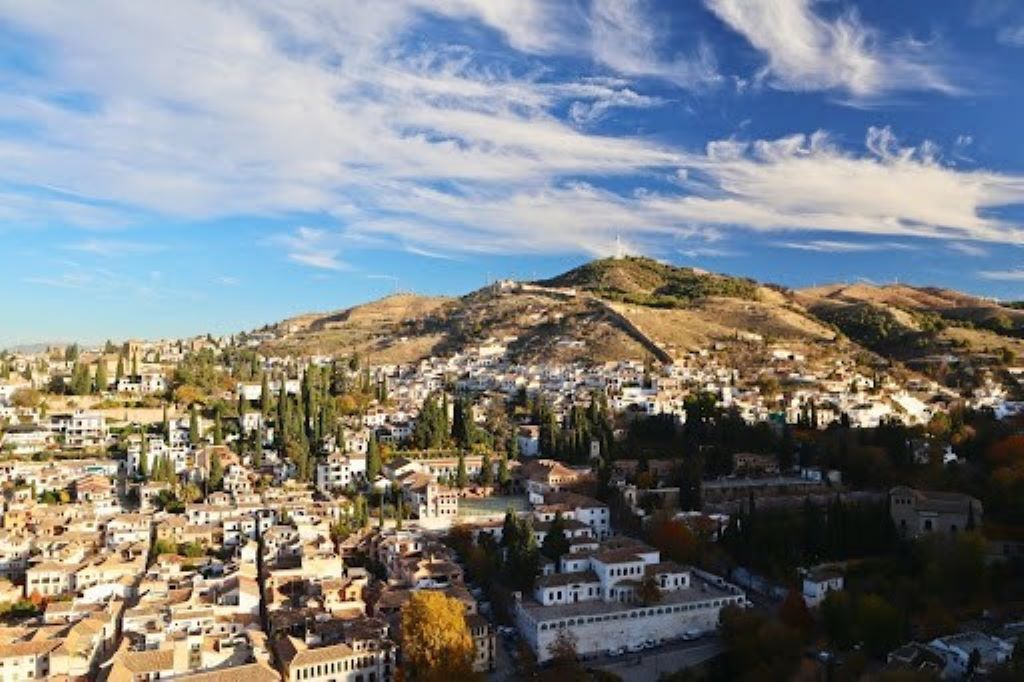
Granada, nestled in the heart of Andalusia in southern Spain, is a city that effortlessly blends Moorish heritage with Spanish tradition. Known for its breathtaking Alhambra palace, labyrinthine Albayzín streets, and vibrant cultural scene, Granada is a destination that captivates visitors from around the world. The city’s unique charm lies in its ability to merge history and modernity, creating an unforgettable experience for anyone who walks its cobbled streets.
Granada’s rich past is evident in its architecture, food, and even the way of life of its people. Once the last stronghold of the Nasrid dynasty, the city still retains echoes of its Islamic roots, which harmoniously coexist with Christian influences. From the snow-capped Sierra Nevada mountains to the lively tapas bars, Granada is a place of contrasts and wonders.
The Alhambra: A Crown Jewel of Islamic Architecture
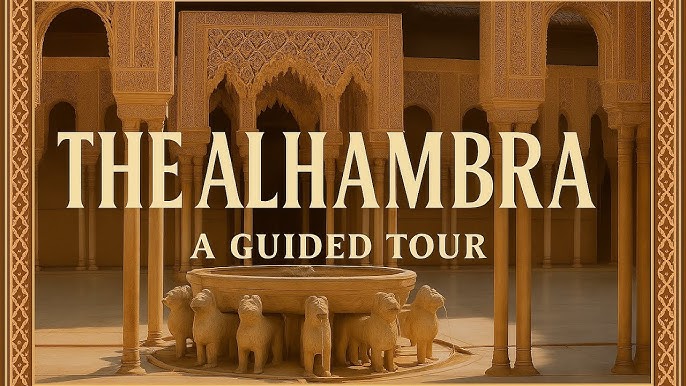
No visit to Granada would be complete without exploring the Alhambra, one of the most magnificent examples of Islamic architecture in the world. This sprawling palace and fortress complex was built in the 13th and 14th centuries by the Nasrid rulers and later modified by Christian monarchs after the Reconquista.
The Alhambra is divided into several key sections, each with its own distinct beauty. The Nasrid Palaces, with their intricate stucco work, delicate columns, and serene courtyards, offer a glimpse into the opulent life of Granada’s Moorish rulers. The Generalife, the summer palace and gardens, provides a tranquil escape with its fountains, fragrant flowers, and perfectly manicured hedges. The Alcazaba, the oldest part of the complex, offers panoramic views of the city and the surrounding mountains.
One of the most famous spots within the Alhambra is the Patio de los Leones (Court of the Lions), where a central fountain supported by twelve marble lions stands as a masterpiece of medieval craftsmanship. The fusion of water, light, and architecture in the Alhambra creates an almost magical atmosphere, making it a UNESCO World Heritage Site and a must-visit for anyone traveling to Spain.
The Albayzín: A Journey Through Time
Granada’s Albayzín neighborhood is another must-see destination, offering a trip back in time to the city’s Moorish past. This medieval quarter, also a UNESCO World Heritage Site, is a maze of narrow, winding streets, whitewashed houses, and hidden plazas that evoke the ambiance of old Al-Andalus.
A key feature of the Albayzín is its carmenes—traditional houses with walled gardens that provide secluded oases in the heart of the city. Visitors can stroll along the Carrera del Darro, a picturesque street that runs along the Darro River, offering stunning views of the Alhambra from below.
For one of the best vistas of Granada, a visit to the Mirador de San Nicolás is essential. This lookout point provides a postcard-perfect view of the Alhambra set against the Sierra Nevada mountains, especially breathtaking at sunset when the palace glows in golden hues.
The Albayzín is also a great place to experience Granada’s bohemian side, with its tea houses (teterías), flamenco venues, and artisan shops that keep the spirit of Andalusia alive.
Sacromonte: The Soul of Flamenco and Gypsy Culture
Just beyond the Albayzín lies Sacromonte, a neighborhood famous for its cave dwellings and deep ties to flamenco music. The Roma (Gypsy) community has long called this area home, and their influence is felt in the passionate performances that take place in the zambras—intimate, candlelit venues where flamenco is performed in its most authentic form.
The caves of Sacromonte, many of which are now used as homes, restaurants, and performance spaces, add to the area’s mystique. Visitors can tour some of these caves to learn about their history and significance in Granada’s cultural landscape.
At night, Sacromonte comes alive with the rhythms of flamenco, offering visitors a chance to experience the raw emotion and skill of this quintessentially Andalusian art form. A night in Sacromonte is often described as one of the most unforgettable experiences in Granada.
Granada’s Gastronomy: A Feast for the Senses
Granada is also a paradise for food lovers, particularly those who enjoy tapas. Unlike many other Spanish cities, Granada maintains the delightful tradition of serving free tapas with every drink ordered at a bar. This means visitors can enjoy a culinary tour of the city while sipping on local wines or beers.
Some of the must-try dishes include:
- Habas con jamón (broad beans with ham)
- Tortilla del Sacromonte (a rich omelet made with brains and other offal)
- Piononos (sweet pastries from the nearby town of Santa Fe)
Granada’s cuisine reflects its cultural diversity, with influences from both Moorish and Spanish traditions. The city’s markets, such as Mercado San Agustín, offer fresh local produce and a chance to mingle with locals while sampling regional specialties.
The Cathedrals and Churches of Granada
While Islamic history dominates much of Granada’s architectural landscape, the city also boasts impressive Christian monuments. The Granada Cathedral, begun in the 16th century after the Reconquista, is a masterpiece of Spanish Renaissance architecture. Its grand façade and towering interior columns are awe-inspiring.
Adjacent to the cathedral is the Royal Chapel (Capilla Real), the final resting place of Catholic Monarchs Ferdinand and Isabella, who played a pivotal role in Spain’s history. The chapel houses their ornate tombs and an impressive collection of religious art.
Other notable churches include the Basilica of San Juan de Dios, a Baroque gem with an exuberantly decorated interior, and the Monastery of San Jerónimo, a serene retreat with a stunning cloister.
(To be continued...)
The Sierra Nevada: Nature’s Playground Near Granada
Just a short drive from the bustling streets of Granada lies the Sierra Nevada, Spain’s highest mountain range and a paradise for outdoor enthusiasts. Known for its winter sports, the Sierra Nevada Ski Resort attracts skiers and snowboarders with its powdery slopes and long seasons, often lasting well into spring. But beyond skiing, the mountains offer year-round activities, from hiking and mountain biking to paragliding and birdwatching.
One of the most rewarding hikes is the ascent to Mulhacén, the highest peak in mainland Spain at 3,482 meters (11,424 feet). The trail offers breathtaking views of the Alpujarras region, with its picturesque white villages clinging to the mountainsides. The Alpujarras themselves are worth exploring, with charming towns like Pampaneira and Trevélez (famous for its cured ham) showcasing traditional Andalusian culture.
For those who prefer a more relaxed experience, the Sierra Nevada’s natural hot springs, such as those in Lanjarón or Alhama de Granada, provide a perfect way to unwind while surrounded by stunning scenery.
The University of Granada: A Center of Knowledge and Youthful Energy
As one of Spain’s oldest and most prestigious universities, the University of Granada (UGR) infuses the city with youthful energy and intellectual vibrancy. Founded in 1531 by Emperor Charles V, the university has grown into a leading academic institution, attracting students from all over Spain and the world.
The UGR’s historic buildings, such as the Palace of La Madraza (originally a 14th-century Islamic school), are architectural gems. Meanwhile, its modern campuses, including the expansive Ciencias de la Salud complex, highlight Granada’s ability to blend tradition with innovation. The student population ensures a lively nightlife, with countless bars, clubs, and cultural events catering to young tastes.
Every spring, the university’s Corpus Christi Fair (Feria de Granada) transforms the city into a week-long celebration, featuring flamenco, horse parades, and colorful casetas (festive tents).
Granada’s Festivals: A Year-Round Celebration of Culture
Granada’s calendar is packed with festivals that showcase its deep-rooted traditions and modern creativity. Some of the most notable include:
- Semana Santa (Holy Week): Granada’s religious processions are among Spain’s most moving, with hooded penitents and elaborate floats winding through the streets.
- Feria del Corpus: A mix of religious and secular festivities, this fair features bullfighting, live music, and dancing late into the night.
- International Festival of Music and Dance: Held in June and July, this prestigious event brings world-class performers to historic venues like the Alhambra’s Generalife.
- Día de la Cruz (Day of the Cross): On May 3rd, the city erupts in color as streets and squares are adorned with floral crosses.
These festivals offer visitors a chance to immerse themselves in Granada’s living culture, where every celebration tells a story.
Granada’s Lesser-Known Gems: Hidden Treasures to Discover
Beyond its famous landmarks, Granada holds many under-the-radar spots that reward curious travelers:
- El Bañuelo: A remarkably preserved 11th-century Arab bathhouse hidden near the Darro River.
- Casa de los Tiros: A museum showcasing Granada’s history through art, weapons, and curiosities.
- Carmen de los Mártires: A lush, secluded garden with stunning Alhambra views.
- Monasterio de la Cartuja: A Baroque monastery with an unexpectedly lavish interior.
These hidden corners reveal layers of Granada’s history often missed by guidebooks.
Granada for Art Lovers: From Renaissance Masters to Street Art
Art enthusiasts will find Granada a fascinating destination. The Museum of Fine Arts houses works by Alonso Cano, a 17th-century Granadino painter, while the José Guerrero Center focuses on contemporary art. Even the street art scene thrives, with murals in the Realejo quarter blending modern graffiti with Arabic calligraphy.
Ceramics, silk weaving, and taracea (wood inlay) workshops continue centuries-old artisan traditions. Visitors can watch craftsmen at work in the Alcaicería, the old silk market, or at studios around the city.
Practical Tips for Visiting Granada
To make the most of a Granada trip, keep these tips in mind:
- Alhambra tickets: Book months in advance—this UNESCO site sells out fast.
- Transport: The city is walkable, but buses connect key areas. The Alhambra bus (C30/C32) is especially useful.
- Timing: Spring and fall offer pleasant weather; summer can be scorching.
- Dress code: Comfortable shoes are a must for cobbled streets and steep hills.
- Language: While many speak English, learning basic Spanish phrases enriches interactions.
The Legacy of Federico García Lorca
Granada was home to Federico García Lorca, one of Spain’s greatest poets and playwrights. Visitors can explore sites tied to his life:
- Huerta de San Vicente: Lorca’s summer home, now a museum with original furnishings.
- Fuente Grande: The spring near Viznar where he was tragically executed in 1936.
- Lorca Center: A museum dedicated to his work and influence.
Lorca’s spirit lingers in Granada’s cultural fabric, from theater performances to festivals honoring his legacy.
(To be continued...)
Granada by Night: A City That Never Truly Sleeps
While many Spanish cities come alive after dark, Granada takes nighttime enchantment to another level. The illuminated Alhambra glowing against the midnight sky creates an almost mythical atmosphere. Evening strolls through the Albayzín reveal hidden flamenco bars where spontaneous performances erupt, while the sound of distant guitar music drifts through flower-filled courtyards.
For a truly unforgettable experience, visitors can book a night tour of the Alhambra's Nasrid Palaces, when crowds thin and the moonlit courtyards take on an ethereal quality. Late-night tapas crawls through the Realejo neighborhood showcase Granada's legendary culinary generosity—some bars even offer upgraded tapas portions during the wee hours to cater to the city's nocturnal crowd.
Granada Beyond the City: Day Trips to Remember
The Granada province offers spectacular excursions worth building into any itinerary:
- Las Alpujarras: This mountainous region southeast of Granada preserves traditional Berber-style villages like Capileira and Bubión, with their distinctive flat-roofed houses and artisan workshops. The Poqueira Gorge offers spectacular hiking trails.
- Guadix and Purullena: About an hour northeast, these towns are famous for cave dwellings turned into modern homes, some available for overnight stays. Guadix's cathedral combines Gothic, Renaissance, and Baroque elements.
- Coast of Granada: The tropical coastline around Almuñécar mixes Roman ruins with subtropical fruit plantations and black sand beaches. The 16th-century San Miguel Castle offers panoramic Mediterranean views.
- Antequera Dolmens: A UNESCO-listed collection of megalithic monuments dating back over 5,000 years, within easy reach by car.
The Water Culture of Granada: Fountains, Acequias, and Ancient Engineering
Granada's intricate water systems represent one of its greatest Moorish legacies. The acequias—ancient irrigation channels originally built by the Romans and perfected by Islamic engineers—still feed the Generalife gardens and flow through hidden tunnels beneath the city. Historians estimate the Alhambra's network includes over 10 kilometers of waterways featuring:
- Ingenious hydraulic lifting devices
- Precise gradient calculations enabling continuous flow
- Decorative fountains that double as cooling systems
Modern visitors can follow "water walks" tracing routes like the Acequia Real or spot historic public fountains including the 16th-century Fuente del Toro in Plaza del Realejo.
Granada's Architectural Evolution: From Zirid to Contemporary
Beyond its iconic Moorish and Renaissance structures, Granada boasts stunning architectural diversity:
- Neoclassical: The Correos (post office) building on Puerta Real
- Modernist: Casa de los Girones on Calle San Antón
- Contemporary: The striking Granada Congress Center by Alberto Campo Baeza
The city's newest landmark, the Granada Science Park, features interactive exhibits housed in sleek, light-filled pavilions contrasting beautifully with the historic skyline.
Shopping in Granada: From Souvenirs to High Fashion
Shopping enthusiasts will find diverse options:
- Traditional Crafts: The Alcaicería market sells ceramic pomegranates (Granada's namesake), inlaid wooden boxes, and handmade guitars
- Local Designers:- Gourmet Goods: Delicacies like extra virgin olive oil from nearby Montefrío at Mercado San Agustín
- Antiques: Hidden gems in the Realejo's small vintage shops
For contemporary shoppers, the Neptuno shopping center offers international brands just steps from historic sites.
Family-Friendly Granada: Activities for All Ages
Far from being just a destination for history buffs, Granada delights younger visitors with:
- Science Park: Hands-on experiments and planetarium shows
- Bike Tours: Gentle downhill rides from the Alhambra through orchards
- Títeres Museum: Showcasing traditional Spanish puppetry
- Sierra Nevada: Winter sledding or summer hiking with dedicated kids' programs
Many restaurants happily accommodate families, with some offering special children's tapas menus.
Accessible Granada: Experiencing the City for All Abilities
Recent improvements have made key attractions more accessible:
- The Alhambra provides adapted routes and wheelchairs
- Most museums offer tactile models and audio guides
- The modern metro system has full elevator access
- Many Albayzín viewpoints can be reached via taxi
Local organizations like ONCE provide excellent resources for travelers with specific accessibility needs.
The Future of Granada: Preservation and Innovation
Granada faces the delicate balancing act of preserving its priceless heritage while embracing modernity. Current initiatives include:
- Restoration of lesser-known Nasrid palaces outside the Alhambra
- Sustainable tourism programs limiting visitor numbers
- University-led innovation hubs attracting tech startups
- Expansion of pedestrian zones in the historic center
The planned high-speed rail connection to Madrid promises to bring more visitors while potentially easing congestion.
Conclusion: Why Granada Stays With You
Granada doesn't merely impress—it lingers in the memory like the fragrance of orange blossoms in its patios. From the mathematical perfection of the Alhambra's tile patterns to the raw emotion of a Sacromonte flamenco performance, the city engages all senses. Its greatest magic lies in the interplay between past and present, where college students debate philosophy in plazas built for Moorish scholars, and where every sunset makes the ancient stones glow anew.
As poet Francisco de Icaza wrote: "There is nothing more sad in life than being blind in Granada." Whether you come for history, art, food, or scenery, Granada ensures you'll leave with vision expanded and soul nourished—and likely already planning your return.

The Remarkable Life and Legacy of James Jackson
Early Years and Humble Beginnings
James Jackson, a name that resonates with resilience, vision, and leadership, was born in a small rural town where opportunities were scarce, but dreams were boundless. From an early age, James displayed an insatiable curiosity and a relentless drive to improve not only his own circumstances but also those of the people around him. His parents, hardworking farmers with little formal education, instilled in him the values of perseverance, discipline, and empathy—qualities that would define his character and career.
Despite financial hardships, James excelled in school, standing out as a natural leader among his peers. His teachers often remarked on his ability to inspire others and his unwavering commitment to excellence. At the age of 16, he earned a scholarship to attend a prestigious high school in the city, a turning point that exposed him to new ideas and broader perspectives. It was here that James first recognized the power of education as a catalyst for change.
A Scholar and a Visionary
After graduating at the top of his class, James secured admission to a renowned university, where he pursued a degree in political science. His time at university was marked by academic brilliance and active involvement in student activism. He became a vocal advocate for social justice, organizing campaigns to address inequality and advocating for policy reforms that would benefit marginalized communities. His leadership earned him widespread respect and set the stage for his future endeavors.
During his university years, James also developed a keen interest in economics, recognizing its pivotal role in shaping societies. He immersed himself in studying global economic systems, often challenging conventional wisdom and proposing innovative solutions to pressing issues. His thesis on sustainable development and wealth distribution garnered acclaim from professors and policymakers alike, foreshadowing his future impact.
Breaking Barriers in the Corporate World
Upon graduating, James faced the daunting task of entering a competitive job market. However, his intelligence, charisma, and work ethic quickly caught the attention of industry leaders. He secured a position at a leading financial firm, where he distinguished himself as a strategic thinker and a problem-solver. Unlike many of his peers, James was not content with merely climbing the corporate ladder—he sought to redefine it.
Within a few years, he played a pivotal role in restructuring the company’s operations, introducing initiatives that prioritized employee well-being and ethical practices. His success in the corporate world earned him several accolades, but his true passion lay beyond profits. He dreamed of creating a business that fused social responsibility with commercial success—an ambition that would eventually lead him to establish his own enterprise.
Entrepreneurial Spirit and Philanthropy
At the age of 30, James took a leap of faith and founded a startup aimed at bridging the gap between technology and education. His vision was simple yet revolutionary: to make quality education accessible to underprivileged children through affordable digital solutions. The company quickly gained traction, securing investments from prominent venture capitalists who believed in its mission.
James’s commitment to giving back extended beyond his business. He established a foundation that provided scholarships, mentorship programs, and resources for schools in underserved communities. His philanthropic efforts earned him national recognition, but he remained grounded, often attributing his success to the support of his family and mentors.
As his influence grew, James became a sought-after speaker at international conferences, sharing his insights on leadership, innovation, and social impact. His speeches were not just motivational but actionable, inspiring countless individuals to pursue their passions while making a difference in the world.
Challenges and Resilience
Despite his achievements, James’s journey was not without obstacles. Economic downturns, fierce competition, and personal setbacks tested his resolve. Yet, each challenge only strengthened his determination. He often spoke about the importance of resilience, emphasizing that failure was not an end but a stepping stone to growth.
One of his most trying periods came when his company faced a major financial crisis. Instead of retreating, James rallied his team, re-evaluated their strategies, and emerged stronger than ever. His ability to navigate adversity with grace and pragmatism solidified his reputation as a true leader.
A Legacy in the Making
Today, James Jackson stands as a testament to what one individual can achieve with vision, hard work, and a heart for service. His story continues to inspire young entrepreneurs, activists, and dreamers worldwide. Yet, for James, the journey is far from over. He remains committed to pushing boundaries, breaking barriers, and creating opportunities for the next generation.
As we reflect on the first chapter of his extraordinary life, one thing becomes clear: James Jackson is not just a name—he is a movement. His dedication to excellence and equity serves as a blueprint for those who aspire to leave a lasting impact on the world.
1.0.0 (2021-10-12)
Features
* **init:** init project ([b0a0a0e](https://github.com/liuweiGL/commitlint-config/commit/b0a0a0e0c0a0a0a0a0a0a0a0a0a0a0a0a0a0a0a))
James Jackson's Global Influence and Industry Impact
As James Jackson's ventures grew in scope and scale, his influence began extending beyond national borders. His unique approach to blending business acumen with social responsibility attracted attention from international organizations seeking innovative solutions to global challenges. James frequently collaborated with United Nations initiatives, offering his expertise in creating sustainable economic models for developing nations. His work in emerging markets demonstrated how private enterprises could drive meaningful change while maintaining profitability.
Redefining Corporate Social Responsibility
James became a leading voice in transforming corporate social responsibility from a PR exercise into a core business strategy. He pioneered the concept of "Integrated Impact Entrepreneurship," where social and environmental outcomes were measured with the same rigor as financial performance. Several Fortune 500 companies adopted his frameworks, leading to quantifiable improvements in community development programs and sustainable business practices industry-wide.
Technological Innovations for Social Good
Never one to rest on his laurels, James turned his attention to leveraging cutting-edge technology for humanitarian causes. His team developed AI-driven platforms that optimized charitable resource allocation, mobile applications connecting volunteers with local nonprofits, and blockchain solutions for transparent aid distribution. These innovations earned recognition from tech giants and humanitarian organizations alike, proving that technological advancement and social impact weren't mutually exclusive.
Mentorship and Creating Ecosystems of Success
Understanding that true legacy lies in empowering others, James established the Jackson Leadership Institute. This selective fellowship program identified and nurtured promising young leaders from disadvantaged backgrounds. Participants received not just funding, but immersive mentorship, access to his professional networks, and real-world challenges to solve. Many alumni went on to launch successful ventures, creating a multiplier effect of positive change.
The "Pay It Forward" Philosophy
Central to James' mentorship approach was his "Pay It Forward" requirement - every beneficiary must commit to mentoring at least two others in the future. This created an ever-expanding web of opportunity that touched thousands of lives across continents. His TED Talk on this philosophy became one of the most-watched leadership talks of the decade, inspiring corporations and educational institutions to adopt similar models.
Personal Life and Maintaining Balance
Despite his professional demands, James prioritized family and personal growth. His memoir revealed the discipline behind his success - predawn meditation, strict work-life boundaries, and an "unplugged" Sabbath day each week. He credited his spouse and three children as his anchor, often mentioning how family discussions shaped many of his business decisions and humanitarian initiatives.
Overcoming Adversity
James' journey wasn't without personal struggles. He openly discussed battling imposter syndrome early in his career and surviving a health scare that forced him to reevaluate his priorities. These experiences made him a more empathetic leader and advocate for mental health awareness in high-pressure industries.
Future Endeavors and Lasting Legacy
As he entered his fifth decade, James announced his most ambitious project yet - a global coalition of businesses, governments, and NGOs working to solve the education gap in conflict zones. Utilizing his extensive network and hard-won credibility, he aimed to create safe learning spaces for millions of displaced children.
Nobel committees and world leaders began recognizing James' contributions, though he consistently redirected attention to the teams and communities making the real change. Universities established chairs in his name studying his unique fusion of ethics and enterprise, ensuring his methodologies would educate future generations.
James Jackson's story continues evolving, but his fundamental belief remains constant: that leadership means lifting others as you climb. From rural beginnings to global platforms, his life demonstrates how vision paired with action can reshape industries and transform lives. The complete measure of his impact may not be calculable for decades, as the ripple effects of his work continue spreading across the world's economic and social fabric.