Stockholm: The Timeless Capital of Scandinavia
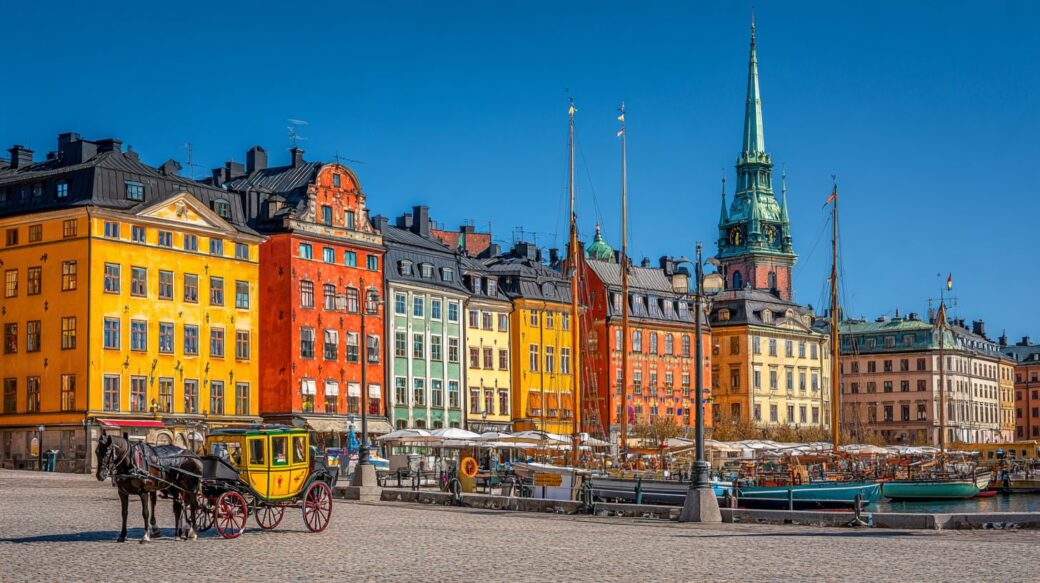
Nestled across 14 islands connected by 57 bridges, Stockholm stands as Sweden’s vibrant capital, blending medieval charm with modern innovation. Founded in 1252 by Birger Jarl, this city has evolved from a fortified Viking-era settlement into a global hub for culture, trade, and sustainability. Known as the “Venice of the North”, Stockholm’s unique geography and rich history make it a must-visit destination. Whether you're drawn to its Gamla Stan (Old Town), royal palaces, or cutting-edge green initiatives, Stockholm offers a captivating journey through time.
The Birth of Stockholm: From Viking Roots to Medieval Power
Stockholm’s origins trace back to the Stone Age, with evidence of settlements dating to the 6th millennium BC. However, its official founding in 1252 marked the beginning of its rise as a strategic stronghold. Birger Jarl, a powerful Swedish statesman, established the city on islands between Lake Mälaren and the Baltic Sea, leveraging its natural defenses and access to trade routes. This location proved pivotal, as Stockholm quickly became a key player in the Hanseatic League, a powerful medieval trade network.
The Hanseatic Influence and Gamla Stan
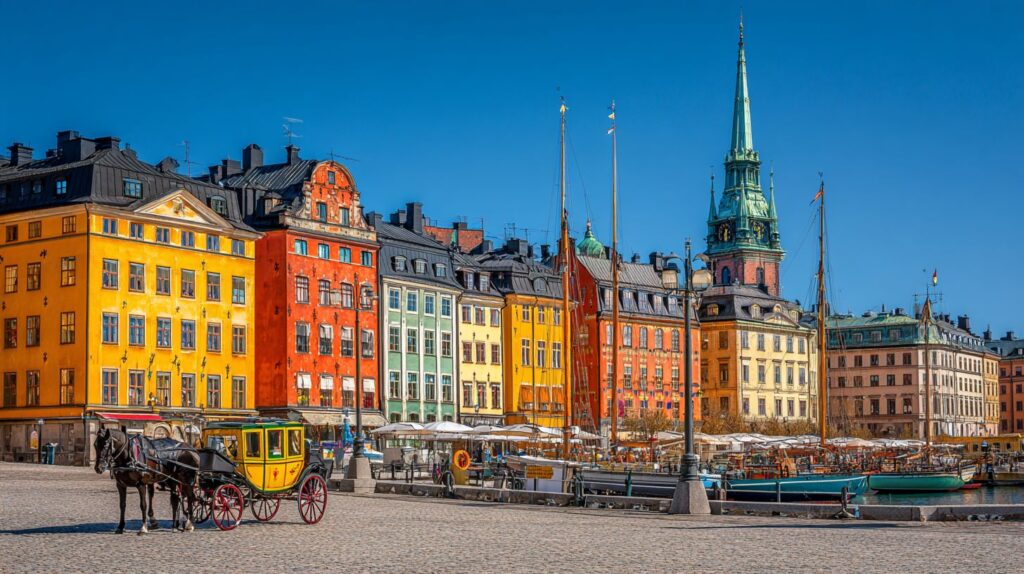
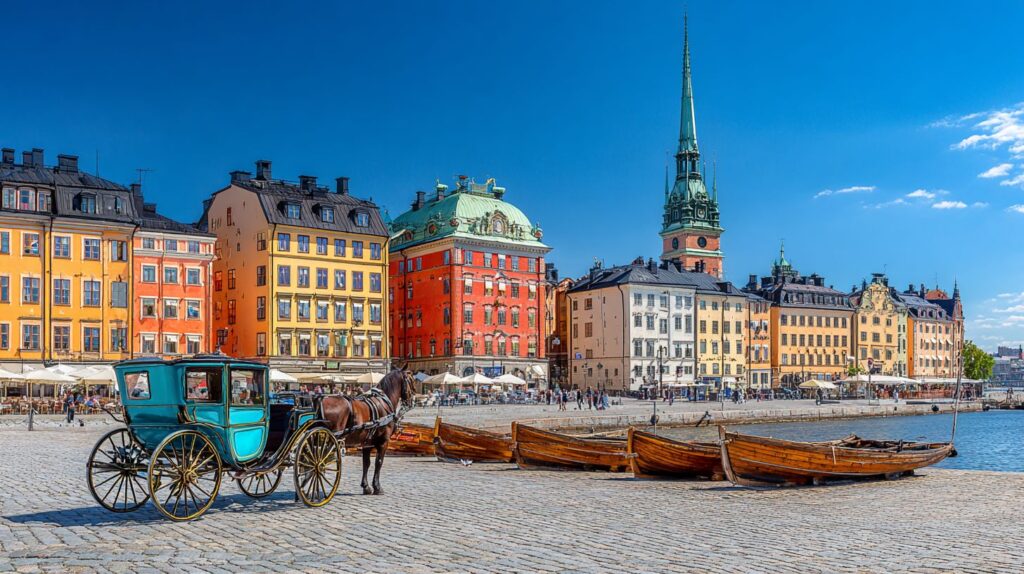
The heart of medieval Stockholm is Gamla Stan, the Old Town, which emerged in the mid-13th century. This labyrinth of cobblestone streets and colorful buildings was once encircled by defensive walls, centered around the Three Crowns Castle, a precursor to today’s royal landmarks. Gamla Stan’s layout reflects its mercantile past, with streets like Köpmangatan (Merchant’s Street) and Järntorget (Iron Square) hinting at the bustling trade that once thrived here.
The city’s early prosperity was tied to its Hanseatic connections, particularly with German cities like Lübeck and Hamburg. For centuries, Low German was commonly spoken in Stockholm’s markets, a testament to the league’s influence. This era also saw the construction of Riddarholmen Church in 1270, the oldest surviving building in the city, which still stands as a symbol of Stockholm’s medieval heritage.
Surviving Sieges and the Road to Independence
Stockholm’s strategic importance made it a target during the turbulent Kalmar Union (1397–1523), a period when Denmark, Norway, and Sweden were united under a single monarch. The city faced multiple sieges, including devastating attacks by Danish forces in 1452 and 1471. One of the most pivotal moments in Swedish history occurred in 1520, when Danish King Christian II ordered the Stockholm Bloodbath. On Stortorget, the city’s main square, approximately 80–100 Swedish nobles were executed, sparking a nationwide rebellion.
This brutal event galvanized Swedish resistance, leading to Gustav Vasa’s triumphant entry into Stockholm in 1523. His conquest marked the end of Danish rule and the birth of modern Sweden. Today, June 6 is celebrated as Sweden’s National Day, commemorating this defining moment. The Bloodbath also signaled the end of the Middle Ages in Sweden, propelling Stockholm into a new era of growth and influence.
Stockholm’s Golden Age: The Rise of the Swedish Empire
By the 17th century, Stockholm had transformed into the beating heart of the Swedish Empire (1611–1718). This period, often called Sweden’s “Great Power Era”, saw the city’s population explode, growing sixfold between 1610 and 1680. Stockholm’s dominance in Baltic trade was unrivaled, with its harbor bustling with ships laden with goods from across Europe. The city’s political and economic clout was solidified in 1634, when it was officially declared Sweden’s capital.
Architectural Marvels and Urban Transformation
The Swedish Empire’s wealth funded grand architectural projects that reshaped Stockholm’s skyline. One of the most iconic structures, the Tre Kronor Castle (Three Crowns), served as the royal residence until it was destroyed by fire in 1697. In its place rose the magnificent Stockholm Palace, a Baroque masterpiece that remains one of the largest royal palaces in the world. This era also saw the construction of Stora Nygatan, a broad boulevard created after a devastating fire in 1625 razed much of the city’s medieval core.
The empire’s ambition extended beyond architecture. Stockholm became a center of learning and culture, with institutions like the Swedish Academy, founded in 1786 by King Gustav III. This Enlightenment-era monarch also championed the arts, establishing the Royal Swedish Opera and transforming the Haga Park into a lush retreat. His reign marked a cultural renaissance, even as Sweden’s military power began to wane following the Great Northern War (1700–1721).
Crisis and Resilience: Fires, Plagues, and Rebirth
Stockholm’s golden age was not without its challenges. The city endured repeated catastrophes, including fires that swept through its wooden buildings. The most devastating occurred in 1625 and 1697, the latter destroying the royal palace and much of the surrounding area. These disasters spurred a shift to stone construction, giving Stockholm the sturdy, elegant buildings that define its historic districts today.
Another dark chapter unfolded in 1710, when the Great Plague struck Stockholm, killing roughly one-third of its population. The outbreak devastated the city, but Stockholm’s resilience shone through. In the aftermath, urban planning improved, and public health measures were introduced, setting the stage for the city’s revival under Gustav III. His vision for a modern, culturally rich capital helped Stockholm regain its footing, even as Sweden’s empire faded.
Stockholm Today: A Blend of History and Innovation
Modern Stockholm is a city that honors its past while embracing the future. Its island geography remains a defining feature, with 14 islands seamlessly connected by bridges, tunnels, and ferries. The city’s commitment to sustainability is evident in its extensive public transportation, green spaces, and ambitious climate goals. Stockholm was named the first European Green Capital in 2010, a testament to its leadership in environmental stewardship.
A Cultural and Economic Powerhouse
As Sweden’s political and economic center, Stockholm is home to the country’s government, royal family, and major corporations. It’s also a thriving cultural hub, with world-class museums like the Vasa Museum, which houses the remarkably preserved 17th-century warship Vasa. The city’s music and arts scene is equally vibrant, from the historic Royal Swedish Opera to contemporary venues like Fotografiska, a renowned photography museum.
Stockholm’s tech and startup ecosystem has earned it the nickname “the Unicorn Factory”, thanks to its high concentration of billion-dollar companies. Firms like Spotify, Klarna, and Skype (founded in Stockholm) have put the city on the global innovation map. This entrepreneurial spirit is complemented by a strong emphasis on work-life balance, with residents enjoying ample green spaces, such as the Royal National City Park, one of the world’s largest urban national parks.
Preserving the Past, Embracing the Future
Despite its modern advancements, Stockholm remains deeply connected to its history. Gamla Stan continues to enchant visitors with its medieval alleys, while the Stockholm Palace and Riddarholmen Church stand as enduring symbols of its royal legacy. The city’s museums and historical sites offer immersive glimpses into its Viking, Hanseatic, and imperial past.
Looking ahead, Stockholm is poised to remain a leader in sustainability, technology, and cultural innovation. Its unique blend of natural beauty, historical depth, and forward-thinking policies ensures that it will continue to captivate residents and visitors alike. Whether you’re strolling through the cobbled streets of the Old Town or exploring its cutting-edge districts, Stockholm offers an unforgettable experience that bridges centuries of history with the promise of tomorrow.
In the next section, we’ll delve deeper into Stockholm’s cultural landmarks, culinary scene, and the hidden gems that make this city a true Scandinavian treasure.
Exploring Stockholm’s Iconic Landmarks and Hidden Gems
Stockholm’s skyline is a testament to its layered history, where medieval towers stand alongside sleek modern architecture. The city’s landmarks tell stories of royal grandeur, maritime triumphs, and cultural milestones. From the cobblestone streets of Gamla Stan to the futuristic Ericsson Globe, Stockholm’s attractions offer a journey through time and innovation.
The Royal Palaces: Symbols of Swedish Monarchy
No visit to Stockholm is complete without exploring its royal palaces, each a masterpiece of architecture and history. The Stockholm Palace, with its 608 rooms, is one of the largest palaces in the world still used by a monarchy. Built in the 18th century after the Tre Kronor Castle fire, it houses the Royal Apartments, the Tre Kronor Museum, and the Royal Armory, where visitors can see artifacts from Sweden’s royal past.
Another must-see is Drottningholm Palace, a UNESCO World Heritage Site located on the island of Lovön. Often called the “Versailles of Sweden”, this 17th-century palace was the residence of the Swedish royal family for centuries. Its Baroque gardens, Chinese Pavilion, and opera house are among the most exquisite in Europe. The palace remains the private residence of the current royal family, adding a touch of modern relevance to its historic grandeur.
Maritime Marvels: The Vasa Museum and More
Stockholm’s deep connection to the sea is celebrated in its maritime museums. The Vasa Museum is the city’s most visited attraction, home to the Vasa warship, which sank on its maiden voyage in 1628 and was salvaged 333 years later. This 69-meter-long vessel is the world’s best-preserved 17th-century ship, offering a fascinating glimpse into Sweden’s naval ambitions during the Great Power Era.
For those intrigued by maritime history, the Swedish Museum of Maritime History and the ABBA Museum (housed on the island of Djurgården) provide additional insights. The latter celebrates Sweden’s most famous pop group, ABBA, with interactive exhibits that appeal to music lovers of all ages. Meanwhile, the Nordic Museum showcases Sweden’s cultural heritage, from traditional folk costumes to contemporary design.
Hidden Gems: Beyond the Tourist Trail
While Stockholm’s famous landmarks draw crowds, the city is also home to hidden gems that offer a more intimate experience. One such place is Monteliusvägen, a scenic walking path on the cliffs of Södermalm. This 500-meter-long promenade provides breathtaking views of Lake Mälaren and the city’s skyline, making it a favorite spot for locals and photographers.
Another lesser-known treasure is the Subway Art of Stockholm. Often called the “world’s longest art gallery”, the city’s 100 subway stations feature stunning mosaics, sculptures, and installations by over 150 artists. Stations like T-Centralen (with its iconic blue vines) and Stadium (adorned with a rainbow arch) turn daily commutes into artistic experiences.
Stockholm’s Culinary Scene: From Traditional Smörgåsbord to Modern Gastronomy
Stockholm’s culinary landscape is as diverse as its history, blending traditional Swedish flavors with innovative global influences. The city’s food scene reflects its maritime heritage, forest riches, and multicultural present. Whether you’re sampling a classic smörgåsbord or dining at a Michelin-starred restaurant, Stockholm offers a feast for the senses.
Traditional Swedish Cuisine: A Taste of History
At the heart of Swedish cuisine is the smörgåsbord, a lavish buffet that originated in 16th-century Stockholm. This culinary tradition features an array of herring dishes, meatballs, pickled vegetables, and rye bread. One of the best places to experience an authentic smörgåsbord is Den Gyldene Freden, a historic restaurant in Gamla Stan that has served Swedish delicacies since 1722.
Other must-try dishes include:
- Gravlax: Cured salmon with dill and mustard sauce.
- Köttbullar: Swedish meatballs, often served with lingonberry jam.
- Surströmming: Fermented herring, a polarizing but iconic Swedish delicacy.
- Semla: A sweet cardamom bun filled with almond paste and whipped cream, traditionally eaten during Lent.
For a taste of Stockholm’s street food, head to Östermalmshallen, a historic market hall where vendors sell everything from fresh seafood to artisanal cheeses. This 19th-century market is a food lover’s paradise, offering a mix of traditional and contemporary Swedish flavors.
Modern Gastronomy: Innovative Dining in Stockholm
Stockholm’s dining scene has evolved beyond traditional fare, with a new generation of chefs pushing the boundaries of Nordic cuisine. The city boasts 12 Michelin-starred restaurants, including Frantzén, which has been ranked among the world’s best restaurants. Here, diners can enjoy a multi-course tasting menu that highlights seasonal, locally sourced ingredients.
Another standout is Oaxen Slip, located on the island of Djurgården. This restaurant focuses on New Nordic cuisine, with dishes that celebrate Sweden’s natural bounty, from foraged mushrooms to freshly caught seafood. For a more casual yet equally innovative experience, Meatballs for the People offers a modern twist on Sweden’s most famous dish, with creative variations like vegan meatballs and reindeer meatballs.
Stockholm’s craft beer and coffee culture are also thriving. The city is home to numerous microbreweries, such as Omnipollo and BrewDog, where visitors can sample unique, locally brewed beers. Meanwhile, Stockholm’s fika (coffee break) tradition is alive and well in cafés like Vete-Katten, a historic bakery known for its princess cake and freshly baked pastries.
Stockholm’s Green Initiatives: A Model of Sustainable Urban Living
Stockholm is a global leader in sustainability, with ambitious goals to become fossil fuel-free by 2040. The city’s commitment to green living is evident in its public transportation, renewable energy projects, and urban planning. These efforts have earned Stockholm numerous accolades, including the title of European Green Capital in 2010.
Public Transportation and Eco-Friendly Mobility
Stockholm’s public transportation system is one of the most efficient and eco-friendly in the world. The city’s metro, buses, and commuter trains run on renewable energy, significantly reducing carbon emissions. Additionally, Stockholm has invested in bike lanes and electric vehicle infrastructure, making it easy for residents and visitors to choose sustainable transportation options.
One of the city’s most innovative projects is the Stockholm Congestion Tax, introduced in 2006. This system charges drivers a fee for entering the city center during peak hours, reducing traffic congestion and air pollution. The results have been impressive, with a 20% decrease in traffic and a 14% reduction in emissions since its implementation.
Green Spaces and Urban Biodiversity
Stockholm is uniquely positioned as a city where nature and urban life coexist. The Royal National City Park, established in 1995, is one of the world’s first urban national parks. Spanning 27 square kilometers, it offers residents and visitors a chance to explore forests, lakes, and wildlife just minutes from the city center. The park is home to elk, deer, and over 100 species of birds, making it a haven for nature lovers.
Another notable green space is Djurgården, an island that serves as both a recreational area and a cultural hub. Here, visitors can stroll through lush gardens, visit museums, or enjoy a picnic by the water. Stockholm’s commitment to urban biodiversity is further demonstrated by its green roofs and vertical gardens, which help reduce the urban heat island effect and promote sustainability.
Renewable Energy and Waste Management
Stockholm’s renewable energy initiatives are at the forefront of its sustainability efforts. The city sources over 50% of its energy from renewable sources, including hydropower, wind power, and bioenergy. One of the most impressive projects is the Stockholm Royal Seaport, a carbon-neutral district powered entirely by renewable energy.
In addition to clean energy, Stockholm has implemented a cutting-edge waste management system. The city recycles over 99% of its household waste, with much of it converted into biogas and district heating. This closed-loop system ensures that waste is minimized, and resources are used efficiently. Stockholm’s waste-to-energy plants are so effective that the city imports waste from other countries to meet its energy needs.
These initiatives highlight Stockholm’s dedication to creating a sustainable future. By prioritizing green transportation, urban biodiversity, and renewable energy, the city sets an example for urban centers worldwide. In the final section, we’ll explore Stockholm’s vibrant neighborhoods and the seasonal experiences that make it a year-round destination.
Stockholm’s Neighborhoods: A Tapestry of Culture and Charm
Stockholm’s diverse neighborhoods each offer a unique slice of the city’s personality. From the medieval alleys of Gamla Stan to the trendy streets of Södermalm, exploring these districts provides a deeper understanding of Stockholm’s cultural richness and local life. Whether you're seeking history, nightlife, or scenic beauty, Stockholm’s neighborhoods deliver unforgettable experiences.
Gamla Stan: The Heart of Medieval Stockholm
Gamla Stan, or Old Town, is Stockholm’s best-preserved medieval district, where cobblestone streets and colorful 17th-century buildings transport visitors back in time. This island is the birthplace of Stockholm, founded in 1252, and remains a hub of history and culture. Key landmarks include:
- Stortorget: The oldest square in Stockholm, site of the 1520 Stockholm Bloodbath.
- Stockholm Cathedral (Storkyrkan): A 13th-century church where Swedish royals have been crowned.
- Royal Palace: The official residence of the Swedish monarchy, with daily changing of the guard ceremonies.
- Nobel Prize Museum: Celebrates the legacy of Alfred Nobel and the prestigious Nobel Prizes.
Gamla Stan is also a treasure trove of boutique shops, cafés, and restaurants. Don’t miss Mårten Trotzigs Gränd, the narrowest alley in Stockholm, or a visit to Chokladkoppen, a cozy café known for its Swedish pastries and hot chocolate.
Södermalm: The Hipster Haven with a View
Södermalm, often called “Söder” by locals, is Stockholm’s trendiest district, blending bohemian charm with modern creativity. This area was once a working-class neighborhood but has evolved into a hub for artists, musicians, and entrepreneurs. Its vintage shops, indie boutiques, and craft breweries make it a must-visit for those seeking Stockholm’s alternative side.
Highlights of Södermalm include:
- Fotografiska: A world-renowned photography museum with stunning views of the city.
- SOFO: The “South of Folkungagatan” area, packed with vintage stores and hip cafés.
- Monteliusvägen: A scenic cliffside walk offering panoramic views of Lake Mälaren.
- Hornstull Market: A weekend flea market with local crafts, food trucks, and live music.
Södermalm is also famous for its nightlife, with bars like Himlen (Heaven) and Debaser offering everything from craft cocktails to live indie music. For a taste of local flavor, try Meatballs for the People, a modern take on Sweden’s classic dish, or Urban Deli, a food hall celebrating Scandinavian cuisine.
Östermalm: Elegance and Sophistication
Östermalm is Stockholm’s most upscale neighborhood, known for its grand architecture, high-end shopping, and gourmet dining. This district attracts affluent locals and visitors who appreciate luxury and refinement. The centerpiece of Östermalm is Stureplan, a square surrounded by designer boutiques, fine restaurants, and exclusive nightclubs.
Key attractions in Östermalm include:
- Östermalmshallen: A historic food market offering fresh seafood, cheeses, and Swedish delicacies.
- Strindbergs Intima Teater: A legendary theater founded by playwright August Strindberg.
- Humlegården: A lush urban park perfect for picnics and leisurely strolls.
- Biblioteket: A chic cocktail bar housed in a former library.
Östermalm is also home to some of Stockholm’s best restaurants, including Frantzén, a three-Michelin-starred dining experience, and Riche, a classic brasserie with a lively atmosphere. For a taste of Swedish tradition, visit Operakällaren, a historic restaurant that has served royalty and celebrities since the 18th century.
Seasonal Stockholm: Experiencing the City Year-Round
Stockholm’s distinct seasons transform the city throughout the year, each offering unique experiences and festivals. From the midnight sun of summer to the cozy winter markets, Stockholm’s seasonal charm makes it a year-round destination. Whether you’re visiting in the warmth of July or the snow-covered months of December, the city’s natural beauty and cultural events ensure an unforgettable stay.
Summer in Stockholm: Midnight Sun and Outdoor Adventures
Summer is arguably the best time to visit Stockholm, when the city basks in the midnight sun and temperatures hover around a pleasant 20°C (68°F). The long days, with up to 18 hours of sunlight, create a magical atmosphere where locals and visitors alike make the most of the outdoors. Key summer highlights include:
- Archipelago Cruises: Explore Stockholm’s 30,000 islands with a boat tour or kayak adventure.
- Stockholm Pride: One of Europe’s largest LGBTQ+ festivals, held annually in July/August.
- Outdoor Dining: Enjoy al fresco meals at waterfront restaurants like Sturehof or Oaxen Slip.
- Midsummer Celebrations: Experience Sweden’s most iconic festival, featuring maypole dancing, traditional folk music, and feasts of herring and new potatoes.
Summer is also the perfect time to visit Stockholm’s open-air museums, such as Skansen, the world’s oldest outdoor museum, where visitors can explore historic Swedish homes and meet Nordic animals like moose and reindeer.
Winter in Stockholm: Cozy Markets and Northern Lights
Winter in Stockholm is a fairy-tale experience, with snow-covered streets, twinkling lights, and a festive atmosphere. Despite the cold, the city comes alive with Christmas markets, ice skating, and warm gatherings. Key winter activities include:
- Stockholm Christmas Market: Held in Gamla Stan, this market offers handmade crafts, mulled wine (glögg), and Swedish holiday treats like pepparkakor (ginger snaps).
- Ice Skating: Glide across the ice at Kungsträdgården, the city’s most famous outdoor skating rink.
- Northern Lights: While rare, the Aurora Borealis can sometimes be seen from Stockholm’s outskirts on clear winter nights.
- Nobel Week: Celebrate the Nobel Prize ceremonies in December, including lectures, concerts, and the prestigious award banquet.
For a truly Swedish winter experience, visit Vasa Park for a traditional julbord (Christmas smörgåsbord) or warm up in a sauna followed by a dip in the icy waters—a beloved local tradition!
Spring and Autumn: Quiet Beauty and Cultural Delights
Spring and autumn offer a quieter, more intimate side of Stockholm, with mild weather and fewer crowds. These seasons are ideal for exploring the city’s parks, museums, and cultural events.
In spring, Stockholm bursts into color with cherry blossoms in Kungsträdgården and tulips in Djurgården. Highlights include:
- Walpuski Night: A quirky April 30 celebration involving bonfires, singing, and herring feasts.
- Stockholm Marathon: Held in June, this event draws runners from around the world.
Autumn brings a golden hue to Stockholm’s trees, creating a picturesque backdrop for cozy cafés and cultural festivals. Don’t miss:
- Stockholm Culture Night: A free annual event in April where museums, galleries, and theaters open their doors to the public.
- Crayfish Parties: A Swedish tradition in August, featuring crayfish feasts, silly hats, and schnapps songs.
Conclusion: Why Stockholm Captivates the World
Stockholm is a city of contrasts and harmonies, where ancient history meets modern innovation, and urban life blends seamlessly with natural beauty. From its medieval roots in Gamla Stan to its cutting-edge sustainability initiatives, Stockholm offers a unique and enriching experience for every traveler.
Here are the key takeaways that make Stockholm a must-visit destination:
- Historical Richness: Founded in 1252, Stockholm’s past is preserved in its royal palaces, medieval streets, and world-class museums.
- Cultural Diversity: The city’s neighborhoods, from Södermalm’s hipster vibe to Östermalm’s elegance, cater to every taste.
- Culinary Excellence: Stockholm’s food scene ranges from traditional smörgåsbord to Michelin-starred dining, with a focus on local and sustainable ingredients.
- Sustainability Leadership: As the first European Green Capital, Stockholm sets the standard for eco-friendly urban living.
- Seasonal Magic: Whether it’s summer’s midnight sun or winter’s cozy markets, Stockholm’s seasons offer unique and memorable experiences.
Stockholm’s ability to preserve its past while embracing the future is what makes it truly special. Whether you’re wandering through the cobblestone alleys of Gamla Stan, savoring a Michelin-starred meal, or exploring the archipelago’s pristine islands, Stockholm leaves an indelible mark on every visitor. It’s a city that inspires, delights, and welcomes all who step into its charming embrace.
As you plan your journey to this Scandinavian gem, remember that Stockholm is more than just a destination—it’s an experience that will stay with you long after you’ve left its shores. Whether you’re a history buff, a foodie, a nature lover, or a culture seeker, Stockholm promises a voyage of discovery that is as rich and diverse as the city itself.

Apex Legends: The Ultimate Guide to the Free-to-Play Battle Royale
Apex Legends has cemented its place as a titan in the battle royale genre since its surprise launch in February 2019. Developed by Respawn Entertainment and published by Electronic Arts, this free-to-play hero shooter combines fast-paced combat, unique character abilities, and squad-based strategy. With over $3.4 billion in lifetime net bookings as of March 2024, Apex Legends remains a dominant force in the gaming industry, despite facing recent challenges in player retention and revenue declines.
What Makes Apex Legends Stand Out?
Apex Legends revolutionized the battle royale landscape by introducing hero-based mechanics, where each character, or "Legend," possesses distinct abilities that shape gameplay. This innovation set it apart from traditional battle royale titles, offering players a fresh and dynamic experience. The game's squad-based format encourages teamwork, making it a favorite among both casual and competitive gamers.
The Hero Shooter Mechanics
Unlike other battle royale games, Apex Legends features a roster of unique Legends, each with specialized abilities. These abilities range from offensive and defensive skills to support and reconnaissance tools, allowing players to tailor their playstyle. Popular Legends like Wraith, Pathfinder, and Bangalore have become staples in the community, each bringing a unique dynamic to matches.
Squad-Based Gameplay
The game emphasizes teamwork and coordination, with squads of three players working together to outlast opponents. This design fosters a sense of camaraderie and strategy, as players must communicate effectively and leverage their Legends' abilities to secure victory. The ping system, a standout feature, allows players to mark locations, enemies, and loot without needing voice chat, making it accessible to all players.
The Evolution of Apex Legends: From Launch to 2025
Since its debut, Apex Legends has undergone significant evolution, expanding across multiple platforms and introducing a wealth of content. The game's journey from a surprise hit to a staple in the battle royale genre is marked by seasonal updates, new Legends, and a thriving esports scene.
Platform Expansion and Accessibility
Initially launched on PC and consoles, Apex Legends later expanded to the Nintendo Switch and mobile platforms, broadening its reach. This cross-platform availability has allowed more players to join the action, contributing to its widespread popularity. The game's free-to-play model has also been a key factor in its accessibility, attracting a diverse player base.
Seasonal Content and Updates
Respawn Entertainment has consistently delivered seasonal content, including new Legends, weapons, and maps. Each season introduces fresh mechanics and balance changes, keeping the gameplay experience dynamic and engaging. These updates are crucial for maintaining player interest and ensuring the game's longevity in the competitive battle royale market.
Player Count and Revenue: A Closer Look
Apex Legends has seen fluctuations in its player base and revenue over the years. While the game has achieved remarkable financial success, recent data indicates a decline in player counts and net bookings, reflecting the challenges faced by live-service games in maintaining long-term engagement.
Lifetime Net Bookings and Financial Performance
As of March 2024, Apex Legends has generated approximately $3.4 billion in lifetime net bookings, a testament to its popularity and monetization strategies. However, Electronic Arts has forecasted a 40% decline in net bookings for the fiscal years 2025/2026, signaling potential headwinds for the game's financial performance.
Player Count Trends and Platform Differences
Player counts have varied significantly across platforms and over time. On Steam, the game experienced a notable decline in concurrent players during 2024 but showed signs of stabilization in 2025. According to SteamDB, the all-time peak concurrent players on Steam reached 624,473 on February 18, 2023. In 2025, monthly peaks on Steam ranged from 153,693 in January to higher figures later in the year.
It's important to note that these figures represent only the Steam player base. All-platform estimates suggest higher concurrent player counts, often in the mid-hundred thousands to around 600,000 during peak times. However, tracking exact numbers across all platforms remains challenging due to varying data sources and methodologies.
The Business Model: Free-to-Play with a Twist
Apex Legends employs a free-to-play business model with a focus on in-game monetization. This approach has proven highly successful, driving significant revenue through cosmetic microtransactions, battle passes, and limited-time events.
The Battle Pass System
The seasonal battle pass is a cornerstone of Apex Legends' monetization strategy. Players can purchase the battle pass to unlock exclusive cosmetics, Legends, and other rewards as they progress through the season. This system incentivizes continuous play and provides a steady stream of content for players to engage with.
Microtransactions and Cosmetics
In addition to the battle pass, Apex Legends offers a wide range of cosmetic items available for purchase. These include skins for Legends and weapons, as well as other customization options. The game's microtransaction model has been highly effective, contributing significantly to its overall revenue.
Limited-Time Events and Shop Rotations
Respawn Entertainment regularly introduces limited-time events and shop rotations, offering players exclusive content and incentives to spend. These events often feature unique game modes, challenges, and rewards, keeping the community engaged and driving additional revenue.
The Competitive Scene and Esports
Apex Legends has established a thriving esports ecosystem, with the Apex Legends Global Series (ALGS) serving as the premier competitive circuit. The game's competitive scene has grown significantly since its inception, attracting top-tier players and offering substantial prize pools.
The Apex Legends Global Series (ALGS)
The ALGS is the official esports league for Apex Legends, featuring regional and global tournaments with multi-hundred-thousand-dollar prize pools. The 2025 season continued to showcase the game's competitive depth, with teams from around the world vying for supremacy. The ALGS has been instrumental in maintaining the game's visibility and fostering a dedicated competitive community.
Community and Organizer Investment
The success of Apex Legends' esports scene is also driven by community and organizer investment. Numerous third-party tournaments and events have emerged, providing additional opportunities for players to compete and showcase their skills. This grassroots support has been crucial in sustaining the game's competitive landscape.
Challenges and Future Outlook
Despite its success, Apex Legends faces several challenges as it navigates the competitive battle royale market. The game's ability to adapt and innovate will be key to its long-term viability and continued popularity.
Declining Player Counts and Revenue
The decline in Steam concurrent players during 2024 and the projected drop in net bookings highlight the pressures faced by Apex Legends. Maintaining player engagement in a saturated market requires continuous content updates, balance changes, and innovative features. Respawn Entertainment must address these challenges to ensure the game's sustained success.
Competition in the Battle Royale Genre
The battle royale genre is highly competitive, with numerous titles vying for player attention. Apex Legends must differentiate itself through unique gameplay mechanics, compelling content, and a strong community focus. The game's hero shooter elements and squad-based format provide a distinct advantage, but ongoing innovation will be essential to stay ahead of the competition.
The Path Forward: Innovation and Community Engagement
Looking ahead, Apex Legends must continue to evolve and engage its player base. Key strategies include:
- Introducing new Legends and abilities to keep gameplay fresh.
- Expanding seasonal content with innovative themes and mechanics.
- Enhancing community engagement through events, tournaments, and social features.
- Addressing balance issues and gameplay concerns to maintain a fair and enjoyable experience.
By focusing on these areas, Apex Legends can overcome current challenges and secure its position as a leading battle royale title for years to come.
The Legends of Apex: A Deep Dive into Character Abilities
Apex Legends stands out in the battle royale genre due to its diverse roster of Legends, each with unique abilities that shape team strategies. Understanding these characters is crucial for mastering the game and adapting to different playstyles. Below, we explore some of the most iconic Legends and their roles in the battlefield.
Offensive Legends: Aggression and Disruption
Offensive Legends excel in dealing damage and disrupting enemy formations. These characters are ideal for players who prefer an aggressive playstyle and want to control the pace of engagements.
- Wraith: Known for her dimensional abilities, Wraith can reposition quickly and avoid damage with her Into the Void tactical. Her Dimensional Rift ultimate allows her team to traverse the map rapidly, making her a top pick for aggressive squads.
- Bangalore: A versatile soldier, Bangalore's Smoke Launcher provides cover for revives and repositioning, while her Rolling Thunder ultimate can force enemies out of fortified positions.
- Horizon: With her Gravity Lift, Horizon can manipulate the battlefield, lifting teammates to high ground or disrupting enemy movements. Her Black Hole ultimate is a powerful tool for area denial.
Defensive Legends: Protection and Sustain
Defensive Legends focus on protecting their team and controlling space. These characters are essential for maintaining a strong defensive position and ensuring squad survival.
- Gibraltar: A stalwart defender, Gibraltar's Dome of Protection provides a safe space for revives and healing. His Defensive Bombardment ultimate can zone out enemies effectively.
- Caustic: Specializing in area denial, Caustic's Nox Gas Traps can turn entire buildings into death zones. His Nox Gas Grenade ultimate is devastating in enclosed spaces.
- Rampart: With her Amped Cover, Rampart can fortify positions and boost her team's firepower. Her Emplaced Minigun ultimate turns her into a formidable turret.
Support Legends: Utility and Team Enhancement
Support Legends provide critical utility, enhancing their team's mobility, healing, and reconnaissance capabilities. These characters are vital for maintaining squad cohesion and gaining tactical advantages.
- Lifeline: The quintessential medic, Lifeline's D.O.C. Heal Drone can revive and heal teammates efficiently. Her Care Package ultimate provides high-tier loot, making her invaluable in prolonged engagements.
- Pathfinder: A mobility expert, Pathfinder's Grappling Hook allows for rapid repositioning. His Zipline Gun ultimate can create escape routes or initiate surprise attacks.
- Crypto: A reconnaissance specialist, Crypto's Surveillance Drone provides real-time intel on enemy positions. His Drone EMP ultimate can disable enemy abilities and traps, turning the tide of battle.
The Meta of Apex Legends: Strategies for Success
Understanding the current meta is essential for climbing the ranks in Apex Legends. The meta refers to the most effective strategies, Legends, and weapons that dominate the competitive landscape. Staying updated with the meta can give players a significant edge in matches.
Legend Tier Lists and Pick Rates
Legend selection plays a crucial role in determining a squad's success. Tier lists and pick rates, often derived from competitive play and community data, highlight the most effective Legends in the current meta. For instance:
- High-Tier Legends: Characters like Horizon, Valkyrie, and Gibraltar frequently top tier lists due to their versatility and strong abilities.
- Balanced Legends: Legends such as Bangalore and Wraith remain consistently viable, offering a mix of offensive and defensive capabilities.
- Situational Legends: Some Legends, like Crypto and Mirage, excel in specific scenarios or team compositions but may not be as universally effective.
Weapon Meta and Loadout Optimization
The weapon meta in Apex Legends is constantly evolving with each season's balance changes. Players must adapt their loadouts to stay competitive. Some of the most dominant weapons in recent seasons include:
- Assault Rifles: The R-301 Carbine and Flatline are staple choices for their reliability and versatility.
- SMGs: The R-99 and Volk are favored for their high damage output in close-quarters combat.
- Shotguns: The Mastiff and Peacekeeper remain powerful options for aggressive playstyles.
- Snipers: The Longbow and Sentinel are preferred for their precision and long-range capabilities.
Optimizing loadouts involves pairing weapons that complement each other, such as combining an assault rifle for mid-range engagements with a shotgun for close-quarters combat.
Map Knowledge and Positioning
Mastering the maps in Apex Legends is crucial for gaining a tactical advantage. Each map has unique terrain features, hot zones, and rotation paths that can influence the outcome of matches. Key strategies include:
- Hot Zones: High-risk, high-reward areas that offer superior loot but attract more enemies. Landing in hot zones can provide early-game advantages but requires quick decision-making and strong teamwork.
- Rotation Paths: Understanding the best routes to move between zones can help squads avoid ambushes and maintain optimal positioning.
- High Ground: Controlling elevated positions provides a significant advantage in engagements, allowing for better visibility and angles of attack.
The Impact of Seasonal Updates on Gameplay
Respawn Entertainment consistently rolls out seasonal updates that introduce new content, balance changes, and gameplay mechanics. These updates are pivotal in keeping the game fresh and engaging for both new and veteran players.
New Legends and Abilities
Each season typically introduces a new Legend, adding fresh dynamics to the gameplay. For example:
- Season 10 - Seer: Seer's ability to reveal enemy positions through walls with his Heart Seeker tactical made him a dominant force in the meta upon release.
- Season 14 - Vantage: Vantage's Echo Relocation ultimate allowed for unique positioning and sniping opportunities, adding a new layer of strategy to the game.
- Season 16 - Catalyst: Catalyst's Ferro Fluid abilities introduced new defensive and offensive structures, changing how teams approach engagements.
Map Changes and Rotations
Seasonal updates often include map changes and rotations, ensuring that the gameplay environment remains dynamic. These changes can range from minor adjustments to existing maps to the introduction of entirely new ones. For instance:
- Kings Canyon: A fan-favorite map that has undergone multiple iterations, each introducing new points of interest and terrain adjustments.
- World's Edge: Known for its diverse biomes and large-scale engagements, this map has seen various updates to keep it fresh.
- Storm Point: Introduced in Season 11, this map features unique wildlife and vast open areas, offering a different strategic approach compared to other maps.
Balance Patches and Weapon Adjustments
Balance patches are a critical aspect of seasonal updates, addressing community feedback and competitive concerns. These patches often include:
- Weapon Balancing: Adjustments to damage output, recoil patterns, and attachment effectiveness to ensure a fair and diverse meta.
- Legend Tweaks: Modifications to abilities and cooldowns to maintain balance among the roster of Legends.
- Quality-of-Life Improvements: Enhancements to gameplay mechanics, user interface, and overall player experience.
The Role of Cosmetics and Microtransactions in Apex Legends
The free-to-play model of Apex Legends relies heavily on cosmetics and microtransactions to generate revenue. These elements not only fund the game's continued development but also provide players with opportunities to personalize their experience.
The Appeal of Cosmetic Items
Cosmetic items in Apex Legends range from Legend skins and weapon skins to banners, quips, and finishers. These items allow players to express their individuality and style. Some of the most sought-after cosmetics include:
- Heirloom Sets: Rare and highly detailed melee weapons that come with unique animations and effects. Heirlooms are often tied to specific Legends and are considered the pinnacle of cosmetic prestige.
- Legendary Skins: These skins often feature intricate designs and animations, making them highly desirable among players.
- Event-Exclusive Cosmetics: Limited-time items tied to seasonal events, adding a sense of urgency and exclusivity.
The Battle Pass: A Seasonal Progression System
The battle pass is a central component of Apex Legends' monetization strategy. For a set price, players can unlock a tiered system of rewards that include cosmetics, Legend unlocks, and other in-game items. The battle pass typically features:
- Free Track: Available to all players, offering a selection of basic rewards.
- Premium Track: Purchasable with real currency, providing exclusive and high-value items.
- Challenges and Missions: Tasks that reward players with battle pass points, encouraging consistent engagement.
Limited-Time Events and Thematic Content
Limited-time events are a staple of Apex Legends' seasonal content, offering unique gameplay modes, exclusive cosmetics, and themed challenges. These events often coincide with real-world holidays or in-game lore developments. Notable examples include:
- Holo-Day Bash: A winter-themed event featuring festive cosmetics and game modes.
- Fight or Fright: A Halloween-inspired event with spooky skins and a special game mode.
- System Override: A futuristic-themed event introducing new gameplay mechanics and rewards.
These events not only provide fresh content but also drive player engagement and spending, contributing to the game's ongoing success.
The Future of Apex Legends: What to Expect in Upcoming Seasons
Apex Legends continues to evolve, with Respawn Entertainment consistently teasing new content and innovations. As the game approaches its sixth year, players can anticipate several exciting developments that will shape its future. Below, we explore what’s on the horizon for Apex Legends.
New Legends and Ability Innovations
One of the most anticipated aspects of each season is the introduction of new Legends. These characters bring fresh abilities and playstyles, keeping the meta dynamic. Upcoming Legends are expected to push the boundaries of creativity, with rumors suggesting:
- Hybrid Abilities: Future Legends may combine elements from different classes, such as blending offensive and support capabilities for greater versatility.
- Environmental Interaction: New abilities that manipulate the map in unprecedented ways, such as creating temporary structures or altering terrain.
- AI-Assisted Tactics: Legends with abilities that leverage artificial intelligence, such as drones with adaptive behaviors or predictive targeting systems.
Map Expansions and Dynamic Environments
The maps in Apex Legends are a cornerstone of its gameplay, and future updates are expected to introduce even more dynamic and interactive environments. Potential developments include:
- Procedural Map Changes: Seasons may feature maps that evolve over time, with shifting landscapes and new points of interest appearing as the season progresses.
- Destruction Mechanics: Enhanced destruction physics could allow players to collapse buildings, create new pathways, or trigger environmental hazards.
- New Biomes and Themes: Upcoming maps might explore entirely new settings, such as underwater facilities, alien landscapes, or cyberpunk cities.
Gameplay Mechanics and Quality-of-Life Improvements
Respawn Entertainment is committed to refining the core gameplay experience. Future updates are likely to focus on:
- Movement Enhancements: New mechanics that expand on the game’s fluid movement system, such as wall-running variations or enhanced sliding techniques.
- Weapon Customization: Deeper customization options for weapons, including modular attachments or unique skins that alter weapon behavior.
- Accessibility Features: Improved accessibility options, such as customizable controls, colorblind modes, and adaptive difficulty settings for new players.
The Competitive Landscape: Esports and Ranked Play
The competitive scene in Apex Legends remains a driving force behind its popularity. The Apex Legends Global Series (ALGS) continues to grow, attracting top-tier talent and offering substantial prize pools. Here’s what the future holds for competitive play.
The Evolution of the ALGS
The ALGS has become a cornerstone of the Apex Legends esports ecosystem. Future seasons are expected to introduce:
- Expanded Regional Leagues: More regional tournaments to foster local talent and provide additional pathways to the global stage.
- Increased Prize Pools: Larger financial incentives to attract more teams and elevate the competitive scene.
- New Tournament Formats: Innovative formats, such as double-elimination brackets or unique game modes, to keep competitions fresh and engaging.
Ranked Play Adjustments
Ranked play is a critical component of Apex Legends, offering a structured competitive experience. Future updates may include:
- Dynamic Ranked Tiers: Adjustments to the ranked system to better reflect player skill and reduce smurfing.
- Seasonal Ranked Rewards: Exclusive cosmetics and badges for players who achieve high ranks, incentivizing competitive play.
- Improved Matchmaking: Enhanced algorithms to ensure fairer and more balanced matches, particularly in higher tiers.
The Rise of Community Tournaments
Beyond the ALGS, community-driven tournaments play a vital role in the competitive ecosystem. These events offer opportunities for amateur players to showcase their skills and gain recognition. Future trends may include:
- More Third-Party Events: Increased support for community organizers, leading to a broader range of tournaments and leagues.
- Grassroots Initiatives: Programs designed to nurture new talent, such as mentorship opportunities and amateur leagues.
- Cross-Platform Competitions: Tournaments that span multiple platforms, allowing console and PC players to compete on a level playing field.
Community and Social Features: Building a Stronger Player Base
A thriving community is essential for the long-term success of Apex Legends. Respawn Entertainment is likely to introduce new social features and initiatives to foster engagement and inclusivity.
Enhanced Social Systems
Future updates may focus on improving social interactions within the game, including:
- Improved Party Systems: More robust tools for forming and managing squads, such as in-game LFG (Looking for Group) features.
- Cross-Platform Parties: Seamless integration of players across PC, console, and mobile platforms, making it easier to play with friends regardless of their device.
- In-Game Communication Tools: Enhanced voice chat and text communication options, including better moderation tools to reduce toxicity.
Community Events and Challenges
Engaging the community through events and challenges is a key strategy for maintaining player interest. Future initiatives may include:
- Themed Community Challenges: Seasonal challenges that encourage collaboration and friendly competition among players.
- Player-Created Content: Features that allow players to create and share custom game modes, maps, or cosmetics.
- Charity Events: Special in-game events that support charitable causes, fostering a sense of community and social responsibility.
Streamer and Content Creator Support
Streamers and content creators play a crucial role in promoting Apex Legends. Future updates may include:
- Creator Codes and Partnerships: Expanded programs that allow creators to earn rewards and support their communities.
- Exclusive In-Game Events: Special events and cosmetics tied to popular streamers and content creators.
- Improved Spectator Tools: Enhanced tools for streaming and content creation, such as better replay systems and customizable HUD options.
Conclusion: The Enduring Appeal of Apex Legends
Apex Legends has solidified its place as a titan in the battle royale genre, thanks to its innovative hero shooter mechanics, dynamic gameplay, and commitment to continuous evolution. From its surprise launch in 2019 to its current status as a multi-billion-dollar franchise, the game has consistently delivered excitement and engagement to millions of players worldwide.
Key Takeaways
As we look to the future, several key takeaways emerge:
- Innovation is Key: The introduction of new Legends, maps, and gameplay mechanics will keep Apex Legends fresh and engaging.
- Competitive Growth: The ALGS and community tournaments will continue to drive the game’s esports scene, attracting new talent and fostering competition.
- Community Engagement: Enhanced social features and community initiatives will strengthen the player base and ensure long-term success.
- Adaptation to Challenges: Addressing declining player counts and revenue pressures through strategic updates and monetization will be crucial.
The Path Forward
Apex Legends faces challenges, but its strong foundation and dedicated development team position it well for continued success. By leveraging its unique hero shooter mechanics, expanding its competitive scene, and fostering a vibrant community, the game can overcome obstacles and thrive in the ever-evolving battle royale landscape.
For players, the future of Apex Legends promises excitement, innovation, and endless opportunities for strategic gameplay. Whether you're a casual player enjoying the thrill of the battle royale or a competitive athlete aiming for the top of the ALGS, Apex Legends offers something for everyone. As the game continues to evolve, one thing is certain: the legend of Apex Legends is far from over.
"Apex Legends isn’t just a game—it’s a constantly evolving experience that challenges players to adapt, strategize, and triumph. With each season, Respawn Entertainment proves that innovation and community are at the heart of its success."



Kazan: A Historical Journey Through Russia's Third Capital
Introduction to Kazan
Kazan, the capital of Tatarstan in Russia's Volga region, is a city steeped in history and cultural diversity. Founded around 1005, Kazan has evolved from a small outpost to a bustling metropolis, often referred to as "Russia's Third Capital" after Moscow and St. Petersburg. This article delves into the rich history, cultural significance, and modern developments of Kazan, offering a comprehensive overview of this fascinating city.
Early History and Founding
The origins of Kazan trace back to the early 12th century as an outpost of Volga Bulgaria. The city was officially founded around 1005 by the Mongols (Tatars) of the Golden Horde after the overthrow of the Volga Bulgar kingdom. By the late 14th century, Kazan had relocated to its current site at the mouth of the Kazanka River.
The Golden Horde and Kazan Khanate
Under the Golden Horde, Kazan flourished as a political, military, and commercial center. By 1399, the city was minting its own coins, a testament to its growing economic importance. The Kazan Khanate, established in 1437–1438 under Khan Oluğ Möxämmäd, marked a significant period in Kazan's history. The city became a major trade hub, dealing in leather, gold, furniture, pottery, weapons, and armor, with connections to Moscow, Crimea, Turkey, and Persia.
Conquest by Ivan IV
The conquest of Kazan by Ivan IV "the Terrible" in 1552 was a pivotal moment. After a seven-week siege with 150,000 troops, Kazan fell to Russian forces. The city was subsequently Russianized, with the Tatar fortress rebuilt as a stone kremlin starting in 1556. The kremlin, with its 1,800-meter walls and 13 towers, stands as a testament to this transformative period.
Population and Demographic Changes
The population of Kazan has undergone significant changes over the centuries. In 1550, the city had approximately 50,000 inhabitants. By 1897, the population had grown to 130,000, with 22% being Tatar. The city faced a decline in 1708 with around 40,000 residents but rebounded to reach 1 million by 1979.
Modern Population Trends
Today, Kazan is home to approximately 1.3 million people in its metropolitan area, with Tatars making up about 50% of the population. This demographic shift reflects the city's commitment to ethnic harmony and cultural diversity.
Cultural and Historical Landmarks
Kazan is renowned for its cultural and historical landmarks, which attract tourists from around the world. The Kazan Kremlin, a UNESCO World Heritage site since 2000, is a prime example. This iconic fortress preserves layers of history from the Volga Bulgaria through the Khanate eras.
The Kazan Kremlin
The Kazan Kremlin is a symbol of the city's rich history. Its white walls and towers, along with the 18th-century Cathedral of St. Peter and Paul, create a striking skyline that blends Islamic and Russian architectural influences. The kremlin serves as a reminder of Kazan's transformation from a Tatar stronghold to a Russian cultural center.
Taş Ayaq Market Legacy
Another notable landmark is the Taş Ayaq market, which has played a significant role in Kazan's economic and cultural life. This historic market continues to be a vibrant hub for trade and cultural exchange, reflecting the city's diverse heritage.
Conclusion of Part 1
In this first part of our exploration of Kazan, we have delved into the city's early history, its transformation under Russian rule, and its demographic changes. We have also highlighted some of the key cultural and historical landmarks that make Kazan a unique and fascinating destination. Stay tuned for Part 2, where we will continue our journey through the history and modern developments of this remarkable city.
Kazan in the 17th and 18th Centuries: Economic Growth and Rebuilding
After the conquest by Ivan IV, Kazan entered a period of economic prosperity in the 17th century. Despite restrictions on Tatars, such as being forbidden from entering the kremlin, the city became a thriving manufacturing hub. Trade flourished, and Kazan's strategic location along the Volga River made it a key player in Russia's expanding economy.
Pugachev's Revolt and Catherine the Great's Reforms
The late 18th century brought significant challenges and changes to Kazan. Pugachev's Revolt (1773–1774) devastated much of the city, leading to widespread destruction. However, under the reign of Catherine the Great, Kazan was rebuilt on a grid pattern, reflecting modern urban planning principles of the time. Catherine's reforms also included allowing the construction of mosques, which helped ease some of the discriminatory policies against Tatars.
Cultural Renaissance in the 18th Century
One of the most notable cultural developments during this period was the opening of Russia's first permanent Tatar theater in 1791. This marked a significant milestone in the preservation and promotion of Tatar culture and the arts. The theater became a symbol of Kazan's commitment to cultural diversity and artistic expression.
Kazan in the 19th Century: Industrialization and Educational Advancements
The 19th century saw Kazan evolve into a center of industrialization and education. The city's population grew rapidly, and its economic significance within the Russian Empire continued to expand. Kazan became known for its textile, leather, and metalworking industries, which drove economic growth and attracted a diverse workforce.
Establishment of Kazan University
A pivotal moment in Kazan's educational history was the founding of Kazan Imperial University in 1804. This institution quickly gained a reputation as one of Russia's leading centers of higher education and research. Notable alumni and faculty, including Nikolai Lobachevsky, a pioneer in non-Euclidean geometry, contributed to Kazan's intellectual legacy.
- Industrial Growth: Kazan's industries, particularly in textiles and metalworking, flourished, making it a key economic player in the Volga region.
- Educational Excellence: The establishment of Kazan University attracted scholars and students from across Russia, fostering a culture of innovation and learning.
- Cultural Diversity: The city's growing population included Russians, Tatars, and other ethnic groups, contributing to a rich cultural tapestry.
Transportation and Infrastructure Developments
The 19th century also saw significant improvements in Kazan's infrastructure. The construction of railways connected Kazan to major Russian cities, facilitating trade and travel. The Volga River remained a vital transportation route, further enhancing the city's role as a commercial hub.
The 20th Century: Revolution, War, and Soviet Era Transformations
The 20th century brought dramatic changes to Kazan, shaped by revolution, war, and the policies of the Soviet Union. The October Revolution of 1917 marked the beginning of a new era, with Kazan becoming a focal point in the struggle between the Bolsheviks and the White Army.
The October Revolution and Civil War
In 1918, the White Army briefly captured Kazan, but the Bolsheviks ultimately seized control, along with the city's tsarist gold reserves. This victory solidified Bolshevik control over the region and set the stage for Kazan's integration into the Soviet state.
Industrialization and World War II
During the Soviet era, Kazan became a major industrial center, particularly in the production of tanks and aircraft during World War II. The city's factories played a crucial role in supporting the Soviet war effort, contributing to the eventual victory over Nazi Germany.
"Kazan's industrial output during World War II was vital to the Soviet Union's success, with factories producing essential military equipment that helped turn the tide of the war."
Post-War Development and Scientific Advancements
After the war, Kazan continued to grow as a scientific and educational hub. The city's universities and research institutions made significant contributions to various fields, including chemistry, physics, and engineering. Kazan's reputation as a center of learning and innovation was further solidified during this period.
Cultural and Religious Harmony in Kazan
Throughout its history, Kazan has been a melting pot of cultures and religions. The city's unique blend of Tatar and Russian influences is evident in its architecture, cuisine, and traditions. This cultural harmony has been a defining characteristic of Kazan, setting it apart from other Russian cities.
The Kazan Kremlin: A Symbol of Unity
The Kazan Kremlin is a prime example of this cultural synthesis. The fortress houses both the Kul Sharif Mosque, one of the largest mosques in Russia, and the Annunciation Cathedral, a stunning example of Russian Orthodox architecture. This coexistence of Islamic and Christian landmarks within the same complex symbolizes Kazan's commitment to religious tolerance and unity.
Festivals and Cultural Events
Kazan is renowned for its vibrant festivals and cultural events, which celebrate the city's diverse heritage. The Sabantuy festival, a traditional Tatar celebration, and the Kazan International Festival of Muslim Cinema are just a few examples of the city's rich cultural calendar. These events attract visitors from around the world, showcasing Kazan's unique blend of traditions.
- Sabantuy Festival: A traditional Tatar festival celebrating the end of spring sowing, featuring games, music, and cultural performances.
- Kazan International Festival of Muslim Cinema: A platform for showcasing films that explore Islamic culture and values.
- Kazan Kremlin Festivals: Regular events held within the kremlin, celebrating the city's history and cultural diversity.
Conclusion of Part 2
In Part 2 of our exploration of Kazan, we have delved into the city's economic growth in the 17th and 18th centuries, its industrial and educational advancements in the 19th century, and the transformative events of the 20th century. We have also highlighted Kazan's commitment to cultural and religious harmony, which continues to define the city today. Stay tuned for Part 3, where we will explore Kazan's modern developments, its role as a sports and tourism hub, and its future prospects.
Modern Kazan: A Thriving Metropolis in the 21st Century
As Kazan entered the 21st century, it solidified its reputation as a dynamic, forward-thinking city while preserving its rich historical legacy. Today, Kazan is a vibrant metropolis that seamlessly blends tradition and innovation, making it one of Russia's most important cultural, economic, and educational centers.
Millennium Celebrations and UNESCO Recognition
In 2005, Kazan celebrated its millennium, marking 1,000 years since its founding. This milestone was not only a celebration of the city's past but also an affirmation of its enduring significance. The Kazan Kremlin, designated a UNESCO World Heritage Site in 2000, stands as a testament to the city's layered history, from its Volga Bulgar and Golden Horde roots to its Russian Imperial and Soviet eras.
Economic and Industrial Growth
Kazan's economy has diversified significantly in recent decades. While traditional industries like manufacturing and petrochemicals remain strong, the city has also embraced technology and innovation. The Innopolis special economic zone, located near Kazan, has become a hub for IT and tech startups, attracting investment and talent from across Russia and beyond.
- Innopolis: A high-tech city focused on IT development, research, and education, often referred to as Russia's "Silicon Valley."
- Petrochemical Industry: Kazan remains a key player in Russia's oil and gas sector, with major refineries and production facilities.
- Manufacturing: The city's factories produce everything from aircraft and helicopters to consumer goods.
Kazan as a Global Sports and Tourism Hub
In recent years, Kazan has gained international recognition as a major sports and tourism destination. The city's state-of-the-art facilities and vibrant cultural scene have made it a favorite for hosting global events, drawing visitors from around the world.
Major International Sporting Events
Kazan's reputation as a sports capital was cemented with its successful hosting of the 2013 Summer Universiade, a multi-sport event that attracted 10,000 athletes from over 160 countries. The city's modern Universiade Village and sports venues have since become landmarks.
In 2018, Kazan was one of the host cities for the FIFA World Cup, with matches held at the Kazan Arena, a stunning stadium with a capacity of 45,000. The city's ability to host such high-profile events underscores its status as a world-class sports destination.
Tourism and Cultural Attractions
Beyond sports, Kazan's tourism industry has flourished, thanks to its rich cultural heritage and modern attractions. The Kazan Kremlin, Bauman Street (a pedestrian zone lined with shops and cafes), and the Temple of All Religions (a unique architectural complex) are among the city's most visited sites.
"Kazan is a city where history and modernity coexist harmoniously. Its ability to preserve the past while embracing the future makes it a truly unique destination."
- Kazan Kremlin: A UNESCO-listed fortress offering museums, mosques, and panoramic views of the city.
- Bauman Street: The heart of Kazan's social life, known for its lively atmosphere, street performers, and historic buildings.
- Temple of All Religions: An eclectic architectural marvel representing multiple world religions, symbolizing Kazan's multiculturalism.
Education and Innovation: Kazan's Intellectual Legacy
Kazan has long been recognized as a center of education and intellectual achievement. The city's universities and research institutions continue to produce groundbreaking work, attracting students and scholars from across Russia and the world.
Kazan Federal University
Founded in 1804, Kazan Federal University is one of Russia's oldest and most prestigious institutions of higher learning. It has produced numerous notable alumni, including Leo Tolstoy, who studied there, and Nikolai Lobachevsky, a pioneer in non-Euclidean geometry. Today, the university is a leader in research and innovation, with strong programs in medicine, physics, and humanities.
Scientific and Technological Advancements
Kazan's commitment to scientific research is evident in its numerous institutes and innovation hubs. The city is home to the Kazan Scientific Center of the Russian Academy of Sciences, which conducts cutting-edge research in fields such as chemistry, biology, and engineering. Additionally, the Innopolis University, located in the nearby tech city, focuses on IT, robotics, and cybersecurity.
Kazan's Role in Promoting Multiculturalism and Ethnic Harmony
One of Kazan's most defining features is its commitment to multiculturalism and ethnic harmony. The city's population is a blend of Tatars, Russians, and other ethnic groups, creating a unique cultural mosaic that is celebrated and preserved.
Tatarstan's Autonomy and Cultural Revival
Since the fall of the Soviet Union, the Republic of Tatarstan has enjoyed a degree of autonomy that has allowed it to promote and preserve Tatar language, culture, and traditions. Kazan has been at the forefront of this revival, with initiatives aimed at bilingual education, cultural festivals, and the restoration of historic sites.
Religious Tolerance and Coexistence
Kazan is often cited as a model of religious tolerance. The city is home to both Islamic and Christian landmarks, including the Kul Sharif Mosque and the Annunciation Cathedral, which stand side by side within the Kazan Kremlin. This coexistence is a powerful symbol of the city's commitment to peaceful interfaith relations.
Future Prospects: Kazan's Vision for the 21st Century
As Kazan looks to the future, it continues to build on its strengths while addressing the challenges of urban growth and globalization. The city's leadership has outlined ambitious plans to further develop its infrastructure, economy, and cultural offerings.
Urban Development and Smart City Initiatives
Kazan is embracing smart city technologies to improve the quality of life for its residents. Initiatives include the development of intelligent transportation systems, energy-efficient buildings, and digital governance tools. These efforts aim to make Kazan a more sustainable and livable city.
Expanding Tourism and Global Connectivity
The city is also focused on expanding its tourism industry by enhancing its hospitality infrastructure and promoting its cultural heritage. New hotels, museums, and cultural centers are being developed to attract more international visitors. Additionally, improvements in transportation, including the expansion of Kazan International Airport, are making the city more accessible to global travelers.
Conclusion: Kazan's Enduring Legacy and Bright Future
Kazan is a city that has continually reinvented itself while staying true to its roots. From its founding as a Volga Bulgar outpost to its rise as a modern metropolis, Kazan has navigated centuries of change with resilience and adaptability. Today, it stands as a beacon of cultural harmony, economic vitality, and intellectual achievement.
The city's ability to preserve its history while embracing innovation and progress makes it a unique and inspiring example for cities worldwide. As Kazan moves forward, it remains committed to fostering ethnic and religious harmony, driving economic growth, and enhancing its global standing as a cultural and educational hub.
For visitors, Kazan offers a rich tapestry of experiences, from exploring the ancient walls of the Kazan Kremlin to enjoying the vibrant atmosphere of Bauman Street. For residents, it provides a dynamic and inclusive environment where tradition and modernity coexist seamlessly. As we look to the future, Kazan's story is far from over—it is a city on the rise, poised to make an even greater impact on the world stage.
"Kazan is more than just a city; it is a living testament to the power of cultural diversity, historical resilience, and forward-thinking innovation."
Denpasar: Exploring Bali's Historic Capital City
Introduction to Denpasar
Denpasar, the vibrant capital of Bali, Indonesia, is a city rich in history and culture. Founded in the 19th century as part of the Badung kingdom, Denpasar has evolved into a bustling metropolis that serves as the island's administrative, commercial, and cultural heart. This article delves into the fascinating journey of Denpasar, from its historical roots to its modern-day significance.
Historical Background
Founding and Naming
Denpasar was established by I Gusti Ngurah Made Pemecutan, a descendant of Puri Pemecutan in Badung. Originally part of the Badung region, the city was under the rule of two sub-kingdoms, Puri Pemecutan and Puri Jambe Ksatrya. The name "Denpasar" is derived from the Balinese words "den" (north) and "pasar" (market), reflecting its strategic location and commercial importance.
1906 Puputan Badung
One of the most defining events in Denpasar's history is the 1906 Puputan Badung. This was a ritual mass suicide performed by King I Gusti Ngurah Made Agung and approximately 1,000 Balinese against Dutch invaders at the palace gates. This act of defiance led to Dutch control over the region. Today, a statue in Taman Puputan central square commemorates this historic event.
Administrative Evolution
Becoming Bali's Provincial Seat
Denpasar became the provincial seat of Bali in 1958. This period marked significant growth for the city, with an annual population increase of 4.05%. The rapid expansion led to challenges in infrastructure and urban planning, prompting the need for administrative independence.
City Status and Independence
In response to its rapid growth, Denpasar was granted city status via Act No. 1 of 1992 and was inaugurated on February 27, 1992. This separation from Badung Regency allowed the city to address urban expansion challenges more effectively and to better manage its role as Bali's hub for government, commerce, education, industry, and tourism.
Pre-Colonial Roots
Early Significance
The region around Denpasar has been significant since the 913 AD Blanjong inscription in nearby Sanur. It gained prominence under the Majapahit Empire, which conquered Bali in 1343. Denpasar became the heart of the Badung kingdom, one of the nine post-Majapahit regencies under Gelgel suzerainty.
Majapahit Influence
The influence of the Majapahit Empire is still evident in Denpasar today. The city retains many cultural and architectural elements from this period, including the caste system introduced in 1343. These influences are a key part of Bali's Hindu heritage and continue to shape the city's cultural landscape.
Colonial Era
Dutch Encroachment
During the 18th and 19th centuries, Denpasar served as the capital of the Hindu Majapahit Kingdom of Badung. The Dutch began encroaching from the north, establishing a treaty with Buleleng in 1849 and making Singaraja the initial capital of Bali. However, Denpasar remained a significant commercial center in the south.
Dutch Intervention and Commercial Growth
The Dutch intervention in 1906 razed the palace and established Denpasar as a southern commercial center. Key landmarks from this period include the Pasar Badung market and Jalan Gajah Mada, which remain important commercial and cultural hubs in the city today.
Independence and Modern Growth
Post-Independence Struggles
After Indonesian independence in 1945, Denpasar played a crucial role in the struggles for sovereignty. The city was formalized as the capital of Bali province in 1958, amid rapid urbanization. This period marked the end of Dutch rule after 340 years (1602-1942) and highlighted Bali's resistance as key to achieving full sovereignty.
Rapid Urbanization and Development
Post-independence, Denpasar experienced rapid physical, economic, and social growth. The city became a center for commerce, tourism, and Balinese Hindu culture. However, this growth also brought challenges, including population pressure and infrastructure demands. Despite these issues, Denpasar continues to thrive as a vital hub for Bali's development.
Current Trends and Notable Information
Economic and Cultural Hub
Today, Denpasar is a center for commerce, tourism, and Balinese Hindu culture. The city is home to key landmarks such as Pasar Badung, a bustling market that offers a glimpse into the local way of life. Denpasar's rapid growth has driven urban challenges, but it remains a vital economic and cultural hub for the island.
Tourism and Historical Sites
While often overshadowed by popular beach areas like Kuta and Seminyak, as well as the cultural hub of Ubud, Denpasar preserves its rich history through sites like Puri Maospahit and Lapangan Puputan Badung. These landmarks offer visitors a deeper understanding of Bali's heritage and the city's role in shaping the island's history.
Conclusion
Denpasar's journey from a small market town to the bustling capital of Bali is a testament to its resilience and cultural significance. The city's rich history, from its pre-colonial roots to its modern-day role as an economic and cultural hub, makes it a fascinating destination for both locals and visitors. As Denpasar continues to evolve, it remains a vital part of Bali's identity and heritage.
Cultural Heritage and Landmarks
Puri Maospahit: A Glimpse into Majapahit Legacy
One of Denpasar's most significant historical sites is Puri Maospahit, a palace that reflects the architectural and cultural influence of the Majapahit Empire. Built in the 14th century, this palace serves as a reminder of Bali's deep-rooted connection to the Majapahit dynasty. Visitors can explore the intricate carvings and traditional Balinese architecture that have been preserved over centuries.
Lapangan Puputan Badung: Honoring Balinese Resistance
Lapangan Puputan Badung, or Puputan Badung Square, is a poignant reminder of the 1906 Puputan Badung event. The square features a statue commemorating the brave Balinese who chose mass ritual suicide over surrender to Dutch colonial forces. This site is not only a historical landmark but also a symbol of Balinese resilience and pride.
Modern Denpasar: Commerce and Urban Life
Pasar Badung: The Heart of Denpasar's Trade
At the core of Denpasar's commercial activity is Pasar Badung, the largest traditional market in Bali. Established during the Dutch colonial period, this market offers a vibrant array of local produce, textiles, and handicrafts. It is a must-visit for those looking to experience the authentic local culture and daily life of Balinese people.
Key highlights of Pasar Badung include:
- Fresh local produce, including tropical fruits and spices
- Traditional Balinese textiles and batik fabrics
- Handicrafts and souvenirs, perfect for tourists
- Local street food, offering a taste of Balinese cuisine
Jalan Gajah Mada: The Commercial Artery
Jalan Gajah Mada is one of Denpasar's main commercial streets, lined with shops, restaurants, and historical buildings. This street is a testament to the city's blend of tradition and modernity. Visitors can find everything from traditional Balinese goods to contemporary fashion, making it a hub for both locals and tourists.
Educational and Governmental Hub
Educational Institutions
Denpasar is home to several prominent educational institutions that contribute to its role as Bali's intellectual center. Notable institutions include:
- Udayana University, one of Bali's leading universities
- Dwijendra University, known for its focus on arts and culture
- Warmadewa University, offering a range of academic programs
These institutions attract students from across Indonesia and internationally, fostering a dynamic academic environment.
Governmental Role
As the capital of Bali, Denpasar houses the provincial government offices and plays a crucial role in the administrative functions of the island. The city's governmental buildings are central to policy-making and public services, ensuring the smooth operation of Bali's local governance.
Tourism Beyond the Beaches
Cultural Attractions
While Bali is famous for its beaches, Denpasar offers a wealth of cultural attractions that provide a deeper understanding of the island's heritage. Some notable sites include:
- Bajra Sandhi Monument, a symbol of Balinese struggle and resilience
- Jagatnatha Temple, a significant Hindu temple in the heart of the city
- Bali Museum, showcasing the island's rich history and artifacts
Festivals and Events
Denpasar is a hub for traditional Balinese festivals and events. These celebrations offer visitors a chance to witness the vibrant cultural practices of the island. Some of the most notable events include:
- Nyepi, the Balinese Day of Silence
- Galungan and Kuningan, celebrating the victory of dhama over adharma
- Bali Arts Festival, an annual showcase of Balinese arts and culture
Challenges and Future Prospects
Urban Challenges
Denpasar faces several urban challenges due to its rapid growth and popularity. Key issues include:
- Traffic congestion, as the city's infrastructure struggles to keep up with the increasing number of vehicles
- Environmental concerns, including waste management and pollution
- Housing demands, with the need for affordable housing for the growing population
Future Development Plans
The local government has initiated several projects to address these challenges and ensure sustainable development. Some of the key initiatives include:
- Improving public transportation to reduce traffic congestion
- Enhancing waste management systems to tackle environmental issues
- Promoting eco-friendly tourism to preserve the city's cultural and natural heritage
These efforts aim to balance growth with sustainability, ensuring that Denpasar remains a vibrant and livable city for future generations.
Denpasar's Culinary Scene
Traditional Balinese Cuisine
Denpasar's culinary scene is a reflection of its rich cultural heritage. Traditional Balinese cuisine is a must-try for visitors, with dishes that are both flavorful and unique. Some of the most popular traditional dishes include:
- Babi Guling, a succulent roasted pig dish
- Bebek Betutu, slow-cooked duck with traditional spices
- Lawar, a mix of vegetables, coconut, and minced meat
- Sate Lilit, minced meat satay with rich Balinese spices
Modern Dining Experiences
In addition to traditional cuisine, Denpasar offers a variety of modern dining experiences. The city is home to numerous restaurants, cafes, and street food stalls that cater to diverse tastes. Some popular dining spots include:
- Warung Wardani, known for its authentic Balinese dishes
- Cafe Batu Jimbar, offering a mix of local and international cuisine
- Night markets, where visitors can sample a variety of street food
Transportation and Accessibility
Getting Around Denpasar
Navigating Denpasar can be an adventure in itself. The city offers various transportation options, including:
- Taxis and ride-hailing services, such as Grab and Gojek
- Motorcycle rentals, a popular choice for short-distance travel
- Public buses, providing affordable transportation across the city
- Bicycles, for those who prefer a more eco-friendly option
Accessibility for Tourists
Denpasar is well-connected to other parts of Bali and Indonesia, making it easily accessible for tourists. The city is served by Ngurah Rai International Airport, which offers numerous domestic and international flights. Additionally, Denpasar's central location makes it a convenient base for exploring the rest of the island.
Accommodation Options
Luxury Hotels
For those seeking a luxurious stay, Denpasar offers a range of high-end hotels that provide world-class amenities and services. Some of the top luxury hotels include:
- The Trans Resort Bali, known for its elegant design and exceptional service
- Swiss-Belhotel Rainforest, offering a blend of comfort and natural beauty
- Harris Hotel & Conventions Denpasar, a popular choice for business and leisure travelers
Budget-Friendly Accommodations
Denpasar also caters to budget-conscious travelers with a variety of affordable accommodation options. These include:
- Hostels and guesthouses, offering a social and economical stay
- Budget hotels, providing basic amenities at reasonable prices
- Homestays, allowing visitors to experience local hospitality
Shopping in Denpasar
Traditional Markets
Shopping in Denpasar is a unique experience, with traditional markets offering a wide range of goods. Some of the most popular markets include:
- Pasar Kumbasari, known for its textiles and handicrafts
- Pasar Satria, offering a variety of local produce and goods
- Pasar Burung, a bird market that is a favorite among locals
Modern Shopping Centers
For those who prefer a more modern shopping experience, Denpasar has several shopping centers that offer a mix of local and international brands. Some notable shopping centers include:
- Bali Mall Galleria, featuring a range of retail stores and entertainment options
- Level 21 Mall, known for its trendy fashion and dining options
- Denpasar Festival Plaza, offering a variety of shops and restaurants
Conclusion
Denpasar is a city that beautifully blends tradition and modernity. From its rich historical heritage to its vibrant commercial and cultural scene, the city offers a unique experience for visitors. Whether you are exploring its historical landmarks, indulging in its culinary delights, or navigating its bustling markets, Denpasar provides a glimpse into the heart of Bali. As the city continues to evolve, it remains a vital part of the island's identity and a must-visit destination for anyone traveling to Bali.
Denpasar's Role in Balinese Hinduism
Religious Significance and Temples
Denpasar serves as a vital center for Balinese Hinduism, with numerous temples that are integral to the spiritual life of the island. These sacred sites not only offer a glimpse into the religious practices of the Balinese but also stand as architectural marvels. Some of the most significant temples in Denpasar include:
- Pura Jagatnatha, the city's most prominent temple, dedicated to the supreme god Sang Hyang Widhi Wasa
- Pura Maospahit, a historical temple linked to the Majapahit Empire
- Pura Agung Kesiman, known for its intricate carvings and religious ceremonies
Religious Festivals and Ceremonies
Denpasar is a hub for religious festivals and ceremonies that attract both locals and tourists. These events are deeply rooted in Balinese Hindu traditions and offer a unique cultural experience. Some of the most notable festivals include:
- Nyepi, the Balinese Day of Silence, marked by meditation, fasting, and complete stillness
- Galungan and Kuningan, celebrating the victory of good over evil with vibrant processions and offerings
- Melukat, a purification ritual performed at sacred water temples
Art and Culture in Denpasar
Traditional Dance and Music
Denpasar is a vibrant center for traditional Balinese dance and music. These art forms are an essential part of the island's cultural heritage and are performed at various ceremonies and festivals. Some of the most popular traditional dances include:
- Legong Dance, a classical dance characterized by intricate finger movements and elaborate costumes
- Barong Dance, a mythological dance depicting the struggle between good and evil
- Kecak Dance, a dramatic performance accompanied by a chorus of chanting men
Art Galleries and Museums
For those interested in exploring the artistic side of Denpasar, the city offers a range of art galleries and museums. These institutions showcase the rich cultural heritage of Bali and provide insights into its artistic traditions. Some notable venues include:
- Bali Museum, housing a vast collection of artifacts, textiles, and traditional art
- ARMA Museum, dedicated to the preservation and exhibition of Balinese art
- Neka Art Museum, featuring a diverse collection of modern and traditional Balinese paintings
Denpasar's Green Spaces and Parks
Taman Puputan Badung
Taman Puputan Badung is one of Denpasar's most significant green spaces, serving as both a historical landmark and a recreational area. The park is home to the Puputan Badung Monument, which commemorates the heroic resistance of the Balinese against Dutch colonial forces. Visitors can enjoy leisurely walks, cultural events, and the serene atmosphere of this urban oasis.
Other Notable Parks
Denpasar offers several other parks and green spaces that provide a respite from the bustling city life. These include:
- Taman Budaya, a cultural park that hosts various art exhibitions and performances
- Taman Werdhi Budaya, known for its beautiful gardens and cultural significance
- Taman Renon, a popular spot for locals to relax and enjoy outdoor activities
Denpasar's Nightlife and Entertainment
Nightlife Hotspots
Denpasar's nightlife scene offers a mix of traditional and modern entertainment options. From lively bars to cultural performances, the city has something for everyone. Some popular nightlife hotspots include:
- Deus Ex Machina, a trendy bar and restaurant known for its vibrant atmosphere
- La Favela, a unique nightclub with a tropical garden setting
- Mirror Bali Lounge & Club, offering a mix of live music and DJ performances
Cultural Performances
For those seeking a more traditional entertainment experience, Denpasar offers a variety of cultural performances that showcase the island's rich heritage. These include:
- Traditional dance performances at various temples and cultural centers
- Wayang Kulit, a traditional shadow puppet show accompanied by gamelan music
- Balinese music concerts, featuring traditional instruments and melodies
Denpasar's Role in Bali's Economy
Commerce and Industry
Denpasar plays a crucial role in Bali's economy, serving as the island's primary center for commerce and industry. The city is home to numerous businesses, ranging from small local shops to large corporations. Key economic sectors in Denpasar include:
- Tourism, with a wide range of hotels, restaurants, and attractions
- Retail, featuring traditional markets and modern shopping centers
- Manufacturing, including textiles, handicrafts, and food products
Employment Opportunities
As the economic hub of Bali, Denpasar offers a wealth of employment opportunities for both locals and expatriates. The city's diverse economy provides jobs in various sectors, including:
- Hospitality and tourism, with numerous hotels, resorts, and restaurants
- Education, with several universities and schools
- Government and administration, as the provincial capital
Denpasar's Connectivity and Infrastructure
Transportation Networks
Denpasar is well-connected to other parts of Bali and Indonesia through a network of transportation infrastructure. The city's connectivity is supported by:
- Ngurah Rai International Airport, offering domestic and international flights
- Public transportation, including buses and taxis
- Road networks, connecting Denpasar to other major cities and tourist destinations
Urban Development
The city's infrastructure is continually evolving to meet the needs of its growing population and tourism industry. Recent developments include:
- Improved road networks to reduce traffic congestion
- Enhanced public transportation systems for better connectivity
- Modernization of utilities, including water and electricity supply
Denpasar's Environmental Initiatives
Sustainability Efforts
Denpasar is committed to sustainability and environmental conservation. The city has implemented several initiatives to address environmental challenges, including:
- Waste management programs to reduce pollution and promote recycling
- Green spaces and parks to enhance urban biodiversity
- Eco-friendly tourism practices to preserve natural resources
Community Involvement
Community involvement is crucial to the success of Denpasar's environmental initiatives. The city encourages local participation through:
- Educational programs on sustainability and conservation
- Community clean-up events to maintain cleanliness and hygiene
- Tree-planting campaigns to enhance green spaces
Conclusion: Denpasar's Unique Blend of Tradition and Modernity
Denpasar, the capital of Bali, is a city that seamlessly blends tradition and modernity. From its rich historical heritage to its vibrant commercial and cultural scene, Denpasar offers a unique experience for visitors. The city's role as the administrative, economic, and cultural heart of Bali makes it an essential destination for anyone looking to understand the island's identity.
Throughout its history, Denpasar has evolved from a small market town to a bustling metropolis, overcoming challenges and embracing growth. The city's commitment to preserving its cultural heritage while adapting to modern demands is evident in its landmarks, festivals, and urban development initiatives.
Whether you are exploring the historical sites of Puri Maospahit and Lapangan Puputan Badung, indulging in the culinary delights of Pasar Badung, or experiencing the vibrant nightlife, Denpasar provides a comprehensive glimpse into the heart of Bali. As the city continues to evolve, it remains a vital part of the island's identity and a must-visit destination for travelers seeking an authentic Balinese experience.
In conclusion, Denpasar is more than just a capital city; it is a living testament to Bali's rich history, cultural diversity, and dynamic spirit. By embracing its past while looking towards the future, Denpasar stands as a beacon of Balinese resilience and innovation, inviting visitors to discover the true essence of the Island of the Gods.
Vitruvius: Founder of Western Architectural Principles
Marcus Vitruvius Pollio, a genius of ancient Roman architecture, shaped the foundations of Western design through his masterpiece De architectura. Active from the 1st century BC, his work remains a cornerstone of architectural theory. Vitruvius emphasized three timeless principles: firmitas (strength), utilitas (utility), and venustas (beauty), which still guide modern builders today.
Vitruvius’s Life and Military Engineering Career
Birth and Early Influences
Born around 80–70 BC in Formiae, Campania, Vitruvius came from a prominent Roman family. His education exposed him to mathematics, philosophy, and engineering, critical for his later innovations. Serving as praefectus fabrum—chief engineer—under Julius Caesar, he gained invaluable practical experience.
Key Military Projects Under Caesar
- Led engineering efforts during the Gaul campaigns (58–44 BC)
- Constructed siege engines like ballistae at Larignum (56 BC)
- Oversaw infrastructure in Marseilles (48 BC) and Zama, North Africa (46 BC)
Vitruvius’s military work showcased his ability to blend theoretical knowledge with real-world applications, a skill that later defined his civilian projects.
The Enduring Legacy of De architectura
Ten Books That Shaped Architecture
Completed around 20–15 BC, spans 10 volumes and approximately 400 pages in modern editions. The text covers over 30 building types, including temples, theaters, aqueducts, and hydraulic systems. Vitruvius linked architecture to human proportions, famously illustrated by the Vitruvian Man later popularized by Leonardo da Vinci.
Core Architectural Principles
“An edifice must be built with skill, elegance, and convenience.” — Vitruvius, De architectura
Vitruvius advocated for architects to master diverse fields: mathematics, music, medicine, and astronomy. He promoted traditional materials over bold innovations, ensuring longevity and functionality in every structure.
Roman Innovation Through Vitruvian Eyes
Bridging Military and Civilian Engineering
During Rome’s transition from Republic to Empire, Vitruvius merged military engineering with urban planning. His designs supported Julius Caesar’s campaigns and later Augustus’s grand building programs, including Rome’s Campus Martius baths and aqueducts.
Influence on Roman Building Techniques
- Pioneered the use of arches in public buildings
- Developed urban grid systems for efficient city-planning
- Advanced aqueduct construction for reliable water supply
These innovations contrasted Greek temple-focused designs, emphasizing practical Roman adaptations that dominated the Mediterranean world.
Vitruvius’s Holistic Approach to Architectural Education
Breadth of Knowledge Required
Vitruvius argued that a true architect must master mathematics, philosophy, music, medicine, law, and astronomy. He believed interdisciplinary learning ensured structures served both function and harmony. This holistic view rejected narrow specialization in favor of well-rounded expertise.
His text emphasized understanding nature’s patterns, linking human proportions to architectural layouts. Vitruvius wrote that buildings should mirror the universal order, creating balance between human needs and environmental realities.
Rejection of Overly Bold Innovations
Despite his forward-thinking ideas, Vitruvius caution against reckless experimentation. He preferred traditional materials like stone and brick over untested alternatives. This pragmatic stance aimed to guarantee long-term durability and public safety.
- Advocated for tested construction methods
- Warned against excessive ornamentation
- Prioritized functionality across all designs
The Survival and Rediscovery of De architectura
Medieval Preservation
After Vitruvius’s death around 15 BC, his work faded from widespread knowledge. The text survived through medieval monasteries, where scribes preserved copies as rare scholarly treasures. Mentioned by Pliny the Elder and Frontinus, it remained a hidden gem for centuries.
During the early Middle Ages, De architectura was one of the few surviving Roman technical manuals. Its survival offered future generations a direct link to classical engineering and design philosophy.
Renaissance Revival
In 1416, the scholar Poggio Bracciolini rediscovered a complete manuscript in a Swiss monastery. This moment ignited a Renaissance fascination with classical antiquity. The work became a blueprint for artists and architects seeking scientific principles.
- Translated into 70+ languages after rediscovery
- Inspired Leonardo da Vinci’s Vitruvian Man (c. 1490)
- Fuelled debates on harmony between art and science
“Vitruvius taught us that architecture is not merely walls and roofs, but a dialogue between humanity and the cosmos.” — 2024 analysis of durability standards
Modern Applications of Vitruvian Principles
Sustainability and Durability
Today, Vitruvius’s triad—firmitas, utilitas, venustas—guides sustainable design. Architects use his principles to create buildings that endure climate challenges while remaining functional and beautiful. His emphasis on durable materials resonates in debates over climate-resilient infrastructure.
Modern engineers cite Vitruvius when advocating for long-term planning over quick fixes. Projects like flood-resistant urban grids and energy-efficient public spaces echo his call for enduring solutions.
Digital Modeling and Biometric Design
Vitruvius’s idea of linking human proportions to architecture now influences biometric design and digital modeling. Software tools use his geometric principles to optimize space for human comfort. The Vitruvian Man remains a symbol of this fusion between body mechanics and structure.
- 3D modeling software incorporates Vitruvian ratios
- Smart buildings adjust layouts based on biometric data
- Urban planners use his grid concepts for accessible cities
While Vitruvius lived over 2,000 years ago, his vision continues to shape how we imagine and build our world.
Archaeological Echoes of Vitruvian Design
Linking Ancient Texts to Excavations
Modern archaeology continues to validate Vitruvius’s descriptions of Roman engineering. Excavations of aqueducts, baths, and temples often reveal techniques outlined in De architectura. These discoveries reinforce his role as both practitioner and chronicler of Roman innovation.
Sites like the Campus Martius in Rome and North African settlements show remnants of Vitruvian-inspired urban grids and hydraulic systems. Such findings bridge ancient theory with tangible evidence of its real-world application.
Ongoing Debates and Interpretations
Scholars still debate certain passages of Vitruvius’s work, particularly his astronomical alignments and proportion systems. Recent studies use 3D modeling to test his geometric principles, uncovering new layers of complexity in his designs.
- Analyses of temple orientations match his solar alignment theories
- Reconstructions of Roman theaters validate acoustic strategies
- Hydraulic models confirm efficiency of his aqueduct formulas
Vitruvius in Modern Architectural Education
Core Curriculum Foundation
Vitruvius remains a cornerstone of architectural schooling. His three principles—firmitas, utilitas, venustas—are taught as essential pillars of design ethics. Universities integrate his texts into courses on history, theory, and sustainable practices.
Students analyze De architectura to understand how ancient engineers balanced aesthetics with engineering constraints. This approach fosters critical thinking about modern design challenges, from resource limits to user experience.
Influence on Professional Standards
Professional bodies cite Vitruvius when establishing building codes and certification criteria. His emphasis on durability and functionality shapes guidelines for everything from residential construction to public infrastructure.
- LEED certification incorporates principles of long-term utility
- Urban planning frameworks echo his grid-based organization
- Disaster-resistant design adopts his emphasis on material strength
“Vitruvius’s legacy is not confined to history—it’s embedded in every code that prioritizes safety, efficiency, and beauty.” — 2024 architectural standards review
Conclusion: The Indestructible Influence of Vitruvius
Summarizing His Enduring Impact
From military engineer to imperial advisor, Vitruvius’s life encapsulated the fusion of theory and practice. His 10-volume treatise transcended its era, surviving through monasteries, Renaissance revival, and modern scholarship. Today, it remains a reference point for architects, engineers, and urban planners.
over 100 editions since 1486 and translations into 70+ languages. These numbers reflect a global admiration for his holistic vision of architecture as both art and science.
Final Thoughts on Vitruvian Legacy
Vitruvius’s work continues to inspire innovations in biometric design, AI-assisted proportioning, and climate-resilient infrastructure. His belief that buildings should serve humanity while respecting natural laws remains profoundly relevant. As cities grow and technology evolves, Vitruvius’s principles offer timeless guidance.
In every enduring structure—whether a 2,000-year-old aqueduct or a smart city—the spirit of Vitruvius endures. His triad of strength, utility, and beauty remains the ultimate benchmark for designing a world that balances progress with permanence.