The Rich History and Vibrant Culture of Vilnius
Vilnius, the capital of Lithuania, is a city steeped in history and brimming with a vibrant and eclectic culture. Nestled at the confluence of the Neris and Vilnia rivers, Vilnius has not only served as a geographical melting pot but also as a crossroad of historical narratives, architectural marvels, and cultural innovations. This unique blend of past and present makes Vilnius an enthralling destination for both tourists and historians alike.
A Historical Gem
First mentioned in written records in the early 14th century, Vilnius has grown from a strategic fortification into a bustling metropolis. The city's foundations date back to the reign of Grand Duke Gediminas, who is credited with moving the Lithuanian capital from Trakai to Vilnius in approximately 1323. Under Gediminas, Vilnius flourished as a center of trade and commerce, due in part to its strategic location on medieval trade routes.
Over the centuries, Vilnius has been shaped by a myriad of political influences. From the Polish-Lithuanian Commonwealth to the Russian Empire and later Soviet control, these shifts have left indelible marks on the city's architectural and cultural landscape. The Old Town of Vilnius, a UNESCO World Heritage site, is a testament to its complex history, boasting a rich tapestry of Gothic, Renaissance, Baroque, and Neoclassical styles.
Architectural Wonders
As you stroll through Vilnius, the city's architectural diversity is undeniably captivating. The Vilnius Cathedral, with its majestic Classical facade, stands as a proud symbol of the city. Nearby, the Gediminas Tower offers panoramic views and a glimpse into Vilnius's past as the historic heart of the Grand Duchy of Lithuania.
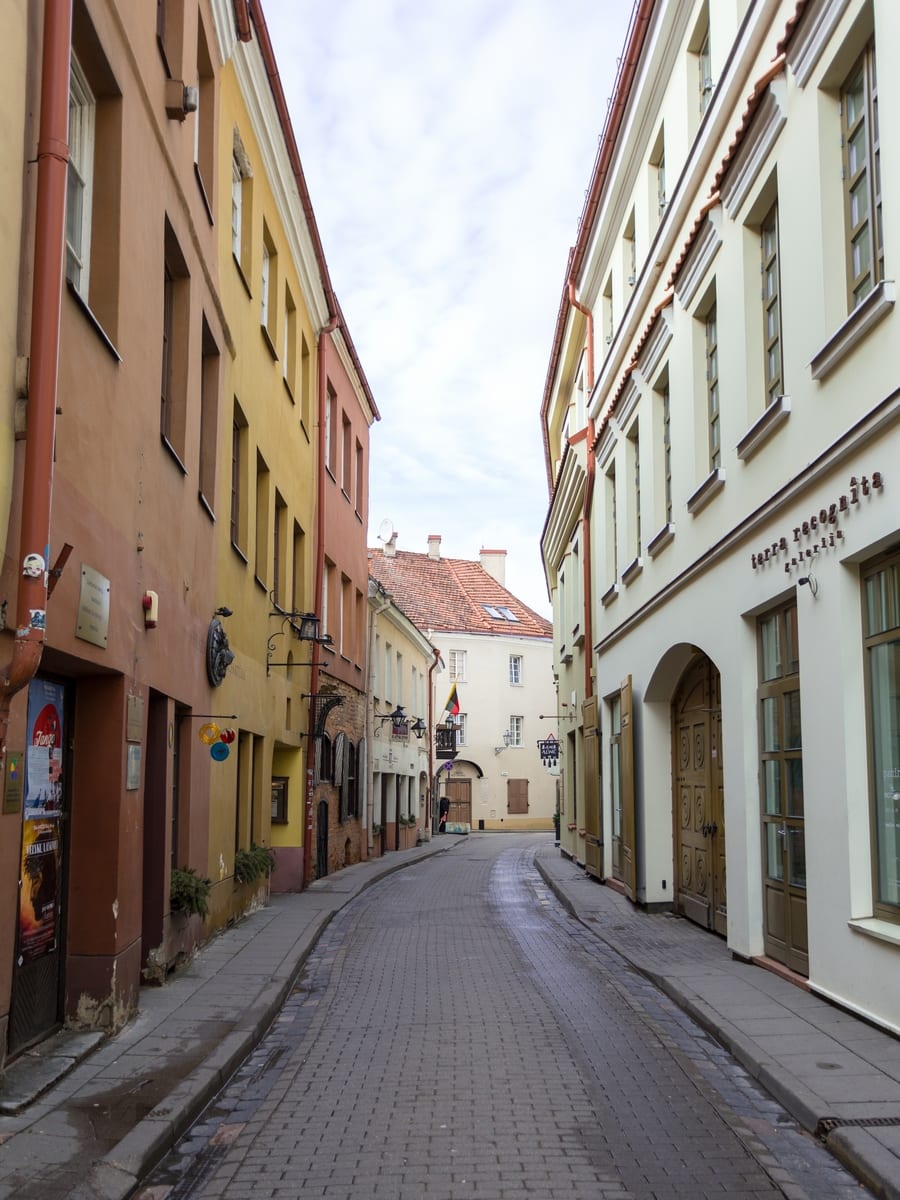
Another striking landmark is the Church of St. Anne, an exemplar of Flamboyant Gothic architecture that has inspired admiration for centuries. Legend has it that even Napoleon Bonaparte was so enamored by its beauty that he wished to carry it back to Paris "in the palm of his hand." Surrounding these iconic structures are charming cobblestone streets lined with colorful facades, telling the stories of generations past.
Cultural Diversity
Vilnius is not only a testament to historical perseverance; it is also a hub of cultural diversity. The city has long been a melting pot of various ethnicities, including Poles, Jews, Russians, and Belarusians. Each group has contributed to Vilnius's vibrant tapestry, enriching it with diverse traditions, customs, and languages.
A prime example of this cultural mosaic is the Užupis district, a bohemian neighborhood often compared to Montmartre in Paris. Declaring itself an independent republic with its own constitution, Užupis is home to a thriving community of artists and free thinkers. Here, the spirit of Vilnius's cultural dynamism is palpable, with art installations, galleries, and murals adorning every corner.
Vilnius Today
Today, Vilnius continues to evolve as a dynamic and cosmopolitan city. It has embraced modernity while cherishing its rich historical legacy. The city hosts a plethora of cultural events throughout the year, from music festivals to art fairs, making it a vibrant hub of creativity and innovation.
At the heart of contemporary Vilnius lies its commitment to sustainability and innovation. As one of the fastest-growing economic centers in the Baltic region, Vilnius is fostering an environment that encourages entrepreneurship and technological advancement, while also preserving its natural landscapes and promoting green initiatives.
In conclusion, Vilnius stands as a city where history and modernity coalesce seamlessly. Its rich past and vibrant present paint a captivating picture of cultural diversity and architectural splendor. Whether you're a history buff, an architecture enthusiast, or an intrepid explorer, Vilnius beckons with stories waiting to be discovered.