Sanjay Thumma: The Journey Behind VahChef
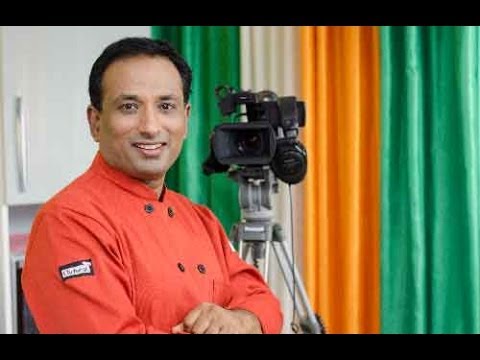
Sanjay Thumma, better known as VahChef, is not just a chef; he is a global culinary icon who has brought the rich flavors of Indian cuisine to homes across the world. Born on April 26, 1970, in the vibrant city of Hyderabad, India, Sanjay's journey towards becoming a culinary ambassador of India is both inspiring and humbling. Growing up in a traditional Indian household, the kitchen was always a bustling place filled with aromas of spices and laughter.
Sanjay’s passion for cooking stemmed from a very young age. At the tender age of seven, his mother fell ill and had to be hospitalised. This sudden change threw him into a whirlwind of domestic responsibilities. To help out at home, Sanjay started learning how to cook, experimenting with simple meals that would nourish his family. This laid the foundational skills that would eventually lead him to become a master chef and cooking sensation.
Sanjay's formal education in culinary arts began when he graduated from the renowned Institute of Hotel Management, Catering Technology and Applied Nutrition in Hyderabad, one of India’s premier institutions for hospitality management and food technology. His academic pursuits were complemented by practical experience in some of India’s finest five-star hotels, where he honed his skills by serving dignitaries and heads of state. However, it wasn’t long before he felt the pull towards entrepreneurship, venturing into the culinary world with a fresh perspective.
In 1998, Sanjay made the ambitious move to Chicago. There, he opened his first restaurant, Sizzle India, which quickly gained traction and popularity. Eventually, he expanded the business to four locations, creating an empire of gastronomic delights. However, in 2003, he decided to take a step back from the managerial duties of running restaurants and concentrate fully on what truly excited him—his love for cooking.
The turning point came when Sanjay launched his YouTube channel, Vahrehvah, in 2007. Today, this channel has amassed over 700 million views, marking Sanjay as one of the most sought-after Indian chefs on the internet. His channel is not just a repository of delicious recipes; it’s a space where he connects with audiences around the globe, sharing his knowledge and enthusiasm for Indian cuisine. Vahrehvah has grown exponentially, attracting millions of subscribers who seek authenticity and simplicity in their culinary experiences.
Despite his overwhelming success, Sanjay’s journey hasn’t been without challenges. His early days involved overcoming cultural barriers and skepticism about the Indian diet on foreign soil. He had to prove that he could blend traditional Indian flavors with contemporary tastes, making Indian cuisine accessible to a wider audience. Through sheer dedication and passion, he succeeded in doing so, paving the way for countless others to explore and appreciate the diversity of Indian flavors.
Ragini, Sanjay’s wife, has played a pivotal role in his success story. She not only supports him but also contributes significantly to the channel’s content, ensuring high-quality visuals and engaging narratives. Together, they form a dynamic team dedicated to bringing authentic Indian flavors to every corner of the globe.
Sanjay’s impact extends far beyond his YouTube channel. He currently serves as a judge on MasterChef India Telugu and has been acknowledged as one of the most Googled chefs in India and Asia. His recognition underscores the immense respect and admiration he commands within the culinary community. Beyond television appearances, he is also the founder of the food website vahrehvah.com and Indiblaze Restaurants. These ventures allow him to continue nurturing his passion for cooking while fostering a supportive ecosystem for aspiring chefs and food enthusiasts alike.
Sanjay’s influence isn’t confined to the kitchen; he is actively involved in shaping the culinary landscape. His vision for making Hyderabad a "Chefs City" reflects his commitment to supporting and mentoring the next generation of culinary talents. By providing platforms and resources for budding chefs, he aims to instill a sense of pride and identity in local culinary traditions, ensuring that the rich legacy of Indian cuisine continues to thrive.
In conclusion, Sanjay Thumma’s journey from a young boy helping in the kitchen to a global culinary icon is a testament to the power of determination and hard work. His ability to simplify complex recipes and make them accessible to home cooks everywhere has made him a beloved figure among many. As he continues to inspire and educate, Sanjay’s influence on the culinary world remains profound, setting the stage for what promises to be a bright future in the culinary arts.
The Impact of His Cooking Style
Sanjay Thumma's cooking style is known for being fun, simple, and accessible. He breaks down complex Indian recipes into straightforward steps that even amateur cooks can follow. His approach makes cooking Indian cuisine enjoyable and achievable for people across different cultures. This relatability is a key factor in why his channel has such a diverse and growing audience.
Sanjay’s recipes cover a wide range of traditional dishes, from simple and comforting to sophisticated and gourmet. He emphasizes using readily available ingredients and common kitchen appliances, making his dishes accessible to a broad spectrum of viewers. His ability to explain techniques in a clear and engaging manner ensures that even those with no prior cooking experience can successfully recreate his dishes.
The simplicity of his recipes has resonated strongly with individuals living abroad, particularly within the Indian diaspora. For many expatriates, cooking Indian food helps maintain a connection to their heritage and cultural roots. They find comfort in recreating familiar flavors that remind them of home. Additionally, Sanjay’s recipes often offer variations that cater to dietary preferences such as vegetarian, vegan, and gluten-free, making his content inclusive and versatile.
Social media has played a significant role in amplifying Sanjay’s reach. His engaging and visually appealing content, combined with social media campaigns, allows him to connect directly with his audience. Through interactive live sessions, Q&A sessions, and behind-the-scenes glimpses into his kitchen, Sanjay builds a strong community of food enthusiasts who look forward to new recipe uploads weekly.
His YouTube channel has evolved into more than just a recipe repository. It has become a platform for cultural exchange and a space where viewers can learn about Indian customs, festivals, and traditions through the lens of cuisine. Sanjay often shares stories and anecdotes about the origins and significance of various dishes, providing a deeper understanding of the culture behind the food.
Entrepreneurial Ventures and Culinary Ambassadors
Beyond his YouTube success, Sanjay Thumma is a serial entrepreneur. He founded vahrehvah.com, a website dedicated to promoting Indian cuisine globally. The site offers a wealth of information on cooking techniques, ingredients, and tips, serving as a valuable resource for both seasoned chefs and novices alike. It also hosts forums and recipe contests, fostering a community of foodies and chefs who can share ideas and support each other.
Sanjay’s entrepreneurial spirit led him to open the Indiblaze Restaurants, which aim to bring authentic Indian flavors to diners in bustling urban areas. These restaurants are more than just eateries; they serve as hubs of culinary innovation and tradition. They are also instrumental in training and mentoring young chefs, ensuring that the skills and knowledge passed down through generations continue to flourish.
Sanjay’s dedication to nurturing new talent is evident in his role as a Culinary Ambassador for the Indian Federation of Culinary Associations (IFCA). In this capacity, he advocates for the importance of preserving traditional cooking methods and promoting sustainable practices in the food industry. He organizes workshops, conferences, and seminars to educate chefs and food professionals about the latest trends and practices in the culinary world.
As a member of the IFCA, Sanjay has been instrumental in organizing major events and competitions that highlight the best of Indian cuisine. These events attract food enthusiasts from all over India, contributing to the overall growth and recognition of the food industry. His involvement in these initiatives ensures that the richness and diversity of Indian cuisine continue to be celebrated and appreciated by a broader audience.
Recognition and Achievements
Sanjay Thumma’s contributions to the culinary world have been widely recognized with numerous awards and accolades. He has won the Gold Medal in the All-India Competition for Culinary Arts for his innovative recipes. This award underscores his creativity and expertise in developing new and exciting dishes that keep traditional Indian cuisine relevant and exciting for modern palates.
His YouTube channel, Vahrehvah, has garnered significant attention and respect within the culinary community. With over 700 million views and approaching 2.5 million subscribers, it stands as a testament to his massive impact. His channel consistently ranks among the top searches for Indian chefs, with recent surveys placing him as the third-most Googled chef in Asia and 15th globally. These statistics reflect his immense popularity and the widespread interest in Indian cuisine.
Sanjay’s influence extends beyond digital platforms. He has been invited to be a judge on MasterChef India Telugu, lending his expertise to the competition and elevating the show’s reputation. His participation in such high-profile events further cements his status as a leading culinary authority. He also collaborates with food and lifestyle brands, sharing his knowledge and culinary insights with a broader audience.
Beyond his professional achievements, Sanjay remains grounded and committed to the culinary arts. His continuous pursuit of knowledge and innovation is reflected in his ongoing experiments and new recipe developments. He constantly seeks to push boundaries and explore new ways of cooking, ensuring that his content remains fresh and engaging for his audience.
In conclusion, Sanjay Thumma’s journey from a young boy learning to cook in the kitchen to a global culinary innovator showcases the transformative power of passion, perseverance, and digital media. His efforts in simplifying complex Indian recipes, fostering culinary education, and promoting cultural heritage have made a significant impact on the culinary world. Sanjay’s legacy continues to grow as he inspires and supports a new generation of chefs and food enthusiasts, ensuring that the rich flavors of Indian cuisine live on for generations to come.
The Future of Indian Cuisine
Sanjay Thumma’s vision for the future of Indian cuisine is rooted in innovation and preservation. As the culinary world rapidly changes, he remains committed to keeping traditional Indian dishes relevant and appealing to a modern palette. His goal is to ensure that the rich tapestry of Indian culinary traditions remains vibrant and continues to captivate both domestic and international audiences.
One of his key strategies is to adapt classic recipes to fit contemporary tastes while maintaining their authentic flavors. He experiments with new ingredients, cooking techniques, and presentation styles to keep his content fresh and exciting. This not only broadens the appeal of Indian cuisine but also ensures its sustainability in the dynamic food landscape.
Sanjay recognizes the importance of supporting emerging chefs and culinary talent. To achieve this, he actively mentors young chefs through workshops and events organized by the IFCA. He believes that nurturing the next generation of culinary professionals is crucial for the long-term success and evolution of Indian cuisine. By sharing his knowledge and experiences, he inspires young chefs to explore their creativity and push boundaries, all while staying true to their roots.
Sanjay’s mentorship program has been instrumental in identifying and grooming some of the most promising culinary talents. These emerging chefs benefit greatly from his guidance, which ranges from technical skills to business acumen. They learn how to navigate the complexities of the food industry, from recipe development to brand management. This holistic approach ensures that they are well-prepared to make meaningful contributions to the culinary world.
Looking ahead, Sanjay envisions a future where Indian cuisine is not just popular but also celebrated for its diversity and complexity. He aims to establish Hyderabad as a hub for culinary excellence, offering a platform for chefs to showcase their skills and creativity. By fostering a community of like-minded professionals, he hopes to enhance the overall culinary scene and attract more international attention to Indian cuisine.
To achieve this, Sanjay is working on several initiatives aimed at elevating the culinary profile of Hyderabad. These include organizing annual culinary fairs, collaborating with local culinary institutions, and partnering with global food organizations to promote the city as a destination for food lovers. By doing so, he seeks to create a vibrant culinary ecosystem that supports and encourages innovation.
The Impact on Society
Sanjay Thumma’s impact extends far beyond the culinary world; it touches the lives of individuals and communities across the globe. His ability to connect with audiences through his authentic and approachable style has created a supportive network of food enthusiasts who feel connected to their cultural heritage. This sense of belonging and connection is invaluable, especially for expatriates who may have lost touch with their cultural identity.
Through his content, Sanjay encourages viewers to celebrate their backgrounds and preserve their traditions. He emphasizes the importance of passing down culinary knowledge from one generation to another, ensuring that the unique flavors and techniques of Indian cuisine remain intact. This has a profound societal impact, fostering a sense of identity and continuity among immigrant communities.
Beyond personal connections, Sanjay’s work has broader implications for society. By promoting Indian cuisine, he helps to dispel myths and stereotypes often associated with certain foods and ethnic groups. His emphasis on accessibility and inclusivity ensures that Indian cuisine is enjoyed and understood by a diverse range of people, breaking down cultural barriers and promoting mutual respect.
A Personal Touch
While Sanjay Thumma’s success is undoubtedly attributable to his skills and innovations, it is also deeply rooted in the personal touch that he brings to everything he does. His passion for cooking is palpable in every video, every recipe, and every interaction. Ragini, his wife, plays a crucial role in this, contributing her expertise in filming and editing to create visually stunning videos. Their collaboration is the hallmark of their channel’s success, combining Sanjay’s culinary mastery with Ragini’s technical prowess.
Sanjay’s personal story adds a layer of authenticity and relatability to his content. He shares his challenges, his triumphs, and his aspirations, making his journey feel real and inspiring. This personal touch resonates with his audience, creating a strong emotional connection that keeps them coming back for more.
In addition to his professional achievements, Sanjay remains humble and approachable. He frequently engages with viewers through live chats and social media, demonstrating his commitment to building a genuine relationship with his audience. This level of interaction fosters a sense of community and belonging, making his content feel like a shared experience rather than a one-way broadcast.
Conclusion
In summary, Sanjay Thumma’s journey from a seven-year-old cooking in his hometown to a global culinary leader is nothing short of remarkable. His ability to simplify complex recipes, foster culinary education, and promote Indian cuisine globally has made him a role model for aspiring chefs and a bridge between different cultures. As he continues to innovate and nurture the next generation of culinary talent, Sanjay’s legacy will undoubtedly endure, leaving a lasting impact on the culinary world.
Through his engaging content, mentorship programs, and community-building initiatives, Sanjay Thumma has not only elevated the profile of Indian cuisine but has also enriched the lives of countless individuals around the world. His story is a powerful reminder that with passion, perseverance, and a deep connection to one's roots, anything is possible.

Baghdad: The Timeless City of History and Culture
The Heart of Mesopotamia
Baghdad, the capital of Iraq, stands as one of the most historically significant cities in the world. Founded in the 8th century, it quickly became the cultural, political, and economic hub of the Islamic Golden Age. Nestled along the banks of the Tigris River, Baghdad's strategic location made it a crossroads of civilizations, where knowledge, art, and trade flourished for centuries. From its grand palaces to its bustling markets, the city has long been a beacon of learning and innovation.
The Rise of the Abbasid Caliphate
Baghdad's story begins in 762 CE when the Abbasid Caliph Al-Mansur chose the site to build his new capital. The city was meticulously planned as a circular metropolis, earning it the name "Madinat al-Salam" (City of Peace). Its architectural brilliance and advanced urban planning were unmatched at the time, with concentric walls, wide avenues, and grand public buildings. The Abbasid rulers transformed Baghdad into the epicenter of the Islamic world, attracting scholars, poets, scientists, and merchants from across the globe.
The House of Wisdom (Bayt al-Hikma), established by Caliph Harun al-Rashid and expanded by his son Al-Ma'mun, became the most famous intellectual institution of its time. Here, scholars translated Greek, Persian, and Indian texts into Arabic, preserving and expanding the knowledge of the ancient world. Mathematicians like Al-Khwarizmi, philosophers like Al-Kindi, and astronomers like Al-Battani made groundbreaking contributions that would later influence the Renaissance in Europe.
The Golden Age of Baghdad
During the 9th and 10th centuries, Baghdad reached unparalleled heights of prosperity. Its markets brimmed with goods from as far as China, India, and Africa, including spices, silks, and precious metals. The city's population swelled to over a million, making it one of the largest urban centers in the world. The Abbasid court patronized poets like Abu Nuwas, whose verses captured the splendor and decadence of the era.
Baghdad was also a city of breathtaking architecture. The Caliph's palace, the Great Mosque, and the city's many libraries stood as testaments to the Abbasids' wealth and sophistication. The city's canals and gardens, inspired by Persian models, offered respite from the desert heat and symbolized paradise on earth. Even as political power shifted over time, Baghdad remained a vital center of culture and scholarship.
Challenges and Resilience
Despite its golden age, Baghdad faced numerous challenges. The Mongol invasion of 1258, led by Hulagu Khan, was a devastating blow, resulting in the destruction of the city and the murder of its last Abbasid caliph. Libraries were burned, and countless works of knowledge were lost. Yet, Baghdad endured, slowly rebuilding itself under subsequent rulers, including the Ottomans, who incorporated the city into their vast empire.
In the modern era, Baghdad has weathered wars, sanctions, and political turmoil. The Iran-Iraq War, the Gulf War, and the U.S. invasion in 2003 brought immense suffering to its people. Yet, through it all, the city has shown remarkable resilience. Today, Baghdad remains a vibrant metropolis, where ancient history coexists with the struggles and aspirations of contemporary Iraq.
Baghdad's Cultural Legacy
Beyond politics and history, Baghdad is a city of deep cultural significance. It has been immortalized in literature, from the "One Thousand and One Nights" to modern Iraqi poetry. Its music, cuisine, and art reflect centuries of cross-cultural exchange. Dishes like masgouf (grilled fish) and kebabs are culinary staples, while traditional maqam music echoes in its cafes and concert halls.
A City of Stories
Baghdad's streets whisper tales of merchants, scholars, and conquerors. The historic Al-Mutanabbi Street, named after the famed 10th-century poet, remains a hub for booksellers and intellectuals. The Al-Kadhimiya Shrine and the Mustansiriya Madrasa stand as living monuments to the city's spiritual and educational heritage.
As Baghdad continues to rebuild and reinvent itself, its legacy as a city of knowledge and endurance endures. Whether exploring its ancient ruins or engaging with its vibrant contemporary culture, visitors are reminded of Baghdad's enduring place in human history.
Baghdad’s Architectural Wonders and Urban Evolution
The City of a Thousand Visions
Baghdad’s skyline has evolved over centuries, reflecting the influences of different dynasties, empires, and modern ambitions. The early Abbasid city, designed with precision and grandeur, was a marvel of urban planning. The Round City, as it was originally called, featured concentric rings of walls, radiating avenues, and a central palace and mosque. Though little of the original structure remains, traces of its legacy can still be found in historical accounts and archaeological studies.
One of the most iconic landmarks from the medieval period was the Mustansiriya Madrasa, established in 1227 CE by the Abbasid Caliph Al-Mustansir. This institution was one of the world's earliest universities, emphasizing Islamic law, medicine, mathematics, and literature. Its beautifully preserved courtyard and ornate inscriptions stand as a testament to Baghdad’s intellectual golden age.
The Ottoman Influence
After the decline of the Abbasids, the Ottomans left an indelible mark on Baghdad. They constructed mosques, fortifications, and administrative buildings, blending their own architectural style with traditional Iraqi elements. The Al-Kadhimiya Mosque, built in the 16th century, remains one of the most revered Shia shrines, attracting pilgrims from across the Muslim world. Its golden dome and intricate tilework dazzle visitors, embodying the spiritual and artistic heritage of the city.
The Ottoman-era also introduced new urban developments, including covered bazaars (souks) and caravanserais that facilitated trade. The Qishla Clock Tower, an Ottoman military barracks with a distinctive clock gifted by British engineers, still marks Baghdad’s historical center, standing as a bridge between past and present.
Modern Baghdad: Between Preservation and Progress
The 20th century brought dramatic changes to Baghdad’s urban landscape. Under King Faisal I and subsequent governments, the city expanded with wide boulevards, grand squares, and modernist buildings. The famous Kahramana Square, with its statue of Scheherazade and King Shahryar from "One Thousand and One Nights," became a symbol of cultural pride. Meanwhile, the Baghdad Tower, inspired by the Space Age, stood as a futuristic landmark in the 1960s.
However, rapid urbanization also led to the loss of some historical neighborhoods. In recent decades, wars and instability further disrupted Baghdad’s architectural continuity, with ancient monuments damaged by conflict and neglect. Yet, restoration efforts persist, particularly in reviving landmarks like the Abbasid Palace and the ancient Mutanabbi Street, ensuring that history remains woven into the city’s future.
The Tigris: Lifeblood of Baghdad
The Tigris River is not just a geographical feature but a vital part of Baghdad’s identity. Since ancient times, it has sustained life, commerce, and culture. Traditional wooden boats, known as gufas, once carried goods and passengers, while riverbanks bustled with markets and teahouses. Today, waterfront promenades and floating restaurants offer a glimpse of this enduring relationship between the city and its river.
Efforts to clean and revitalize the Tigris have gained momentum, recognizing its ecological and historical importance. Initiatives to combat pollution and restore marshlands to the south reflect Baghdad’s growing awareness of environmental stewardship while maintaining its deep connection to Mesopotamia’s ancient waters.
Baghdad in Literature and Popular Imagination
From the Nights to Nobel Laureates
The city’s literary legacy is perhaps best known through One Thousand and One Nights, where Baghdad appears as a magical realm of sultans, genies, and epic adventures. Stories like "Ali Baba and the Forty Thieves" and "Sinbad the Sailor" conjure an image of a bustling, mysterious metropolis, blending fantasy with historical grandeur.
Modern Iraqi literature also carries Baghdad’s voice. Poets like Badr Shakir al-Sayyab and novelists such as Ahmed Saadawi weave the city’s resilience, pain, and beauty into their works. Saadawi’s Frankenstein in Baghdad, shortlisted for the International Booker Prize, reimagines the city’s contemporary struggles through darkly satirical fiction.
Cinematic and Artistic Visions
Filmmakers and artists have long drawn inspiration from Baghdad’s layered history. Iraqi cinema, from the golden age of the 1940s to contemporary works, often portrays the city’s streets as both a battleground and a place of enduring humanity. Internationally, movies like The Thief of Baghdad (1924, 1940) romanticized its legendary past, though modern Iraqi cinema offers more raw and intimate portrayals.
Visual arts thrive in Baghdad despite hardships. The Iraqi Artists Association and institutions like the Hewar Gallery nurture contemporary painters and sculptors who blend modern techniques with Mesopotamian motifs—proof that creativity endures even in the face of adversity.
A City That Lives in Stories
Baghdad is more than its physical structures; it lives in the memories and tales of its people. Whether spoken in the cafés of Mutanabbi Street, written in poetry collections, or painted on the walls of rebuilt neighborhoods, the city’s soul persists. As one of the oldest continuously inhabited cities in the world, Baghdad remains a living archive of human triumphs, tragedies, and unwavering spirit.
Future chapters may bring challenges and transformations, but Baghdad’s essence—as a cradle of civilization, a beacon of learning, and a testament to resilience—will forever echo in history.
Baghdad: A City of Resilience and Renewal
Contemporary Challenges and Triumphs
In recent decades, Baghdad has faced immense challenges, from war and political instability to economic hardship. The U.S. invasion in 2003 and the subsequent years of conflict left deep scars on the city’s infrastructure and social fabric. Yet, despite these trials, Baghdad has shown remarkable resilience. Reconstruction efforts have slowly restored key landmarks, and the city’s spirit remains unbroken. The resilience of its people is evident in the bustling markets, thriving arts scene, and the determination to rebuild a brighter future.
One of the most significant challenges has been the displacement of communities and the destruction of cultural heritage. The looting of the National Museum of Iraq in 2003 was a devastating blow, with thousands of artifacts lost or damaged. However, international efforts have helped recover some of these treasures, and the museum has reopened, symbolizing hope and renewal. Similarly, the restoration of the Al-Mutanabbi Street book market after a deadly bombing in 2007 stands as a testament to the city’s commitment to preserving its intellectual and cultural legacy.
The Role of Youth and Innovation
Baghdad’s younger generation is playing a pivotal role in shaping the city’s future. With access to technology and global connections, young Iraqis are driving innovation in business, arts, and social activism. Start-ups and creative enterprises are emerging, offering new opportunities in sectors like tech, media, and renewable energy. Social media has become a powerful tool for activism, allowing young Iraqis to advocate for change and connect with global movements.
Cultural initiatives, such as film festivals, music concerts, and art exhibitions, are also flourishing. The Baghdad International Film Festival, for example, showcases local and international cinema, fostering dialogue and creativity. Meanwhile, grassroots organizations are working to revive traditional crafts and promote cultural exchange, ensuring that Baghdad’s heritage remains alive for future generations.
Economic Revival and Global Connections
Economically, Baghdad is gradually recovering, with efforts to diversify beyond oil dependency. The city’s strategic location makes it a potential hub for trade and commerce, connecting the Middle East with Asia and Europe. Infrastructure projects, such as new roads, bridges, and public transportation systems, aim to modernize the city and improve quality of life. International investments and partnerships are also playing a role in revitalizing key sectors, from tourism to agriculture.
Tourism, in particular, holds promise. While security concerns remain, there is growing interest in Baghdad’s historical and cultural attractions. The government has launched initiatives to promote heritage tourism, including the restoration of ancient sites and the development of visitor facilities. For those who venture to Baghdad, the rewards are rich—a chance to walk through history, from the ruins of Babylon to the vibrant streets of the modern city.
Looking Ahead: A Vision for Baghdad
As Baghdad moves forward, the vision for its future is one of unity, prosperity, and cultural pride. Urban planners and policymakers are working to create a more sustainable and inclusive city, addressing issues like housing, healthcare, and education. Green spaces and public parks are being expanded, offering residents much-needed respite from urban density. Efforts to improve air quality and water management reflect a growing commitment to environmental sustainability.
Education remains a cornerstone of Baghdad’s renewal. Universities and research institutions are expanding, fostering a new generation of thinkers and leaders. International collaborations in science, technology, and the humanities are opening doors for Iraqi scholars and students, ensuring that Baghdad remains a center of knowledge and innovation.
Final Reflections: The Eternal City
Baghdad’s story is one of endurance and transformation. From its golden age as the center of the Islamic world to its struggles and triumphs in the modern era, the city has always been a beacon of human achievement. Its streets, buildings, and people carry the weight of history, yet they also embody the promise of renewal.
For visitors, Baghdad offers a journey through time—a chance to witness the layers of civilization that have shaped this extraordinary city. For its residents, it is home, a place of pride and resilience. As Baghdad continues to rebuild and reimagine itself, it stands as a reminder of the enduring power of culture, community, and hope.
In the words of the great poet Al-Mutanabbi, who once walked these streets: “If you see the lion’s teeth, do not think the lion is smiling.” Baghdad, like the lion, has faced countless battles, but its spirit remains unbroken. The city’s future, though uncertain, is filled with potential—a testament to the indomitable will of its people and the timeless legacy of its past.
As the sun sets over the Tigris, casting golden light on the minarets and modern towers, Baghdad’s story continues. It is a story of survival, of beauty, and of a city that refuses to be forgotten.



William Herschel: The Stargazer Who Expanded the Universe
Early Life and Musical Beginnings
Born in Hanover, Germany, on November 15, 1738, Friedrich Wilhelm Herschel would grow up to become one of the most influential astronomers in history. The son of a military musician, Herschel initially followed in his father's footsteps, joining the Hanoverian Guards as an oboist at the tender age of 14. However, the Seven Years' War forced him to flee to England in 1757, where he would eventually anglicize his name to William Herschel.
Herschel's musical talents flourished in England. He became a successful composer, organist, and music teacher, holding positions in cities like Leeds and Halifax before settling in Bath. His compositions included 24 symphonies, numerous concertos, and church music. But it was during this musical period that Herschel's fascination with astronomy began to take root, setting the stage for his remarkable transition from musician to astronomer.
The Astronomical Awakening
Herschel's interest in astronomy was kindled in the 1770s when he began studying Robert Smith's "A Compleat System of Opticks." This led him to experiment with telescope construction, initially using small refractors before moving on to reflectors. His sister Caroline, who would become his lifelong assistant and an accomplished astronomer in her own right, recalled how their home became filled with grinding tools and mirrors as Herschel obsessively worked to perfect his telescopes.
In 1773, Herschel began making systematic observations of the night sky, recording his findings in meticulous detail. His dedication was extraordinary - he would often observe from dusk until dawn, taking only brief breaks to warm his hands during cold nights. This intense period of observation laid the groundwork for his later discoveries and helped him develop the skills that would make him famous.
The Discovery of Uranus
On March 13, 1781, while surveying the night sky from his garden in Bath, Herschel noticed an unusual object that didn't appear stellar in nature. Initially believing it to be a comet, he recorded its position and continued to track its movement. After several weeks of observation and consultation with other astronomers, it became clear that Herschel had discovered a new planet - the first to be discovered since antiquity.
This discovery, which Herschel initially named "Georgium Sidus" (George's Star) in honor of King George III, was later renamed Uranus (after the Greek god of the sky) by the astronomical community. The finding catapulted Herschel to international fame and earned him the patronage of King George III, who appointed him as "The King's Astronomer" with an annual pension of £200.
Revolutionizing Telescope Design
Herschel's success in astronomy was closely tied to his innovations in telescope design. Dissatisfied with the instruments available at the time, he began constructing his own, continually pushing the boundaries of optical technology. His telescopes, particularly his large reflectors, were far superior to those used by his contemporaries.
His most famous instrument, completed in 1789, was a massive 40-foot reflector with a 48-inch diameter mirror. While cumbersome to use, it was the largest telescope in the world at the time and allowed Herschel to make many of his most important discoveries. Herschel's telescope designs not only advanced observational astronomy but also demonstrated the importance of instrument development in scientific progress.
Cataloging the Heavens
Following his discovery of Uranus, Herschel embarked on an ambitious project to systematically survey the night sky. Between 1783 and 1802, he conducted three "sweeps" of the heavens, cataloging thousands of celestial objects. His work resulted in the discovery of over 2,500 nebulae and star clusters, many of which are still referred to by their "Herschel numbers" today.
Herschel's cataloging work was revolutionary in several ways. He was the first to attempt a comprehensive survey of the northern sky, and his methods for recording observations set new standards for astronomical documentation. His sister Caroline played a crucial role in this work, not only assisting with observations but also compiling and organizing the data into usable catalogs.
Understanding the Milky Way
One of Herschel's most significant contributions to astronomy was his work on the structure of the Milky Way. Using his powerful telescopes and statistical methods, he attempted to map the distribution of stars in our galaxy. In 1785, he produced the first diagram of the Milky Way's shape, depicting it as a flattened disk with the Sun near the center.
While his model was later proven incorrect (we now know the Sun is not at the galaxy's center), Herschel's work represented the first serious attempt to understand the structure of our cosmic home. His methods of "star gauging" - counting stars in different directions to estimate their distribution - laid the foundation for modern galactic astronomy.
Discovering Infrared Radiation
Herschel's scientific curiosity extended beyond astronomy. In 1800, while experimenting with sunlight and thermometers, he made the groundbreaking discovery of infrared radiation. By passing sunlight through a prism and measuring temperatures in different parts of the spectrum, he noticed that the highest temperatures were recorded beyond the visible red light.
This discovery, which demonstrated that there were invisible forms of light beyond the visible spectrum, was a major contribution to physics. It expanded our understanding of the electromagnetic spectrum and paved the way for future discoveries in thermodynamics and radiation physics.
Legacy and Impact
By the time of his death in 1822, William Herschel had transformed astronomy from a largely descriptive science into a more quantitative, physical science. His discoveries fundamentally changed our understanding of the solar system and the universe beyond. The discovery of Uranus doubled the known size of the solar system, while his work on nebulae and star clusters revealed a universe far more complex than previously imagined.
Herschel's influence extended beyond his specific discoveries. His approach to astronomy - combining careful observation with instrument development and theoretical interpretation - set a new standard for astronomical research. Many of the techniques he pioneered are still used in modern astronomy, and his work directly influenced later astronomers like his son John Herschel and William Huggins.
Herschel's life story is also remarkable for demonstrating how scientific greatness can emerge from unexpected places. A musician by training, he became one of history's greatest astronomers through sheer determination, curiosity, and innovative thinking. His journey from oboist to astronomer remains one of the most dramatic career changes in scientific history.Siblings in Science: Caroline Herschel's Crucial Role
While William Herschel's astronomical achievements are widely celebrated, the story of his scientific journey cannot be told without acknowledging the vital contributions of his sister, Caroline Lucretia Herschel. Born in Hanover in 1750, Caroline was initially brought to England by William in 1772 to serve as his housekeeper. However, she quickly became his indispensable assistant and eventually an accomplished astronomer in her own right.
Caroline's dedication to astronomy was extraordinary. She often worked through freezing nights alongside her brother, recording his observations and helping to polish telescope mirrors. As William's fame grew, Caroline took on more responsibilities, including the complex mathematical calculations needed to verify his discoveries. Her meticulous record-keeping and organizational skills were crucial to the success of their astronomical surveys.
In her own right, Caroline became the first woman to discover a comet, spotting her first in 1786. Over the next decade, she would discover seven more comets, earning her recognition from the scientific community. In 1787, King George III granted her an annual salary of £50 as William's assistant, making her the first woman to receive payment for scientific work. Her independent astronomical work also included compiling a catalog of nebulae that significantly expanded the existing records of these celestial objects.
The Herschel Household: A Scientific Powerhouse
The Herschel residence in Slough became a hub of scientific activity, attracting astronomers, intellectuals, and even royalty. Visitors marveled at the massive telescopes in the garden and the intense dedication of the Herschel siblings to their astronomical pursuits. The household operated like a small research institution, with William conducting observations, Caroline recording data, and a team of assistants helping with the laborious tasks of telescope maintenance and mirror polishing.
This domestic scientific enterprise was remarkably productive. Between them, the Herschels discovered over 2,400 astronomical objects, fundamentally changing humanity's understanding of the universe's scale and composition. Their work demonstrated how family collaboration could drive scientific progress, setting a model that would be followed by other scientific families in subsequent generations.
William's Later Years and Expanding Theories
As William Herschel aged, his astronomical work took on more theoretical dimensions. Building on his extensive observations, he began developing comprehensive theories about the nature of celestial objects and the structure of the universe. One of his most significant theoretical contributions was the idea that nebulae were composed of "shining fluid" that might condense to form stars and solar systems - a remarkably prescient concept that anticipated modern theories of star formation.
Herschel also studied the proper motion of stars, demonstrating that the solar system was moving through space. His work on binary stars showed that they were physically connected systems orbiting a common center of gravity, providing the first evidence for Newton's law of universal gravitation acting outside the solar system. These studies helped establish astronomy as a physical science concerned with the dynamics of celestial objects rather than just their positions.
The Herschelian Telescope Revolution
William Herschel's impact on telescope design extended far beyond his own observations. His innovative approaches to mirror construction and telescope mounting influenced instrument makers across Europe. The "Herschelian" telescope design, which eliminated the secondary mirror to reduce light loss, became popular among astronomers despite its optical limitations.
Perhaps more importantly, Herschel demonstrated what could be achieved with large-aperture telescopes. His success with large reflectors encouraged other astronomers and instrument makers to push the boundaries of telescope size and capability. This trend would continue throughout the 19th century, culminating in the giant refractors of the late 1800s and eventually leading to the massive reflectors of modern observatories.
Cataloging the Cosmos: The Herschel Legacy
The Herschels' systematic approach to surveying the heavens set new standards for astronomical cataloging. William's three great surveys - conducted in 1783, 1785, and 1802 - covered the entire northern sky visible from England, recording the positions and characteristics of thousands of celestial objects. This work was continued by his son John Herschel, who extended the surveys to the southern hemisphere.
The Herschel catalogs became fundamental references for astronomers throughout the 19th century. Many deep-sky objects are still known primarily by their Herschel designations (such as H II.240 for a nebula or H I.43 for a star cluster). The New General Catalogue (NGC), compiled in 1888 by John Dreyer, incorporated nearly all of the Herschels' discoveries, ensuring their continued relevance in modern astronomy.
Public Engagement and Scientific Communication
William Herschel was remarkably active in communicating his discoveries to both the scientific community and the general public. He regularly published his findings in the Philosophical Transactions of the Royal Society, of which he became a fellow in 1781. His papers were notable for their clear descriptions and careful documentation, setting standards for scientific reporting.
Herschel also engaged with the public through lectures and demonstrations, helping to popularize astronomy during a period of growing public interest in science. His discovery of Uranus captured the public imagination, and he became one of the first "celebrity scientists," receiving visitors from across Europe who wanted to meet the man who had expanded the known solar system.
The Herschelian Method: Observation Meets Theory
What set Herschel apart from many of his contemporaries was his ability to combine meticulous observation with theoretical insight. While most astronomers of his time focused primarily on positional astronomy - measuring the precise locations of stars and planets - Herschel sought to understand the physical nature of celestial objects and their relationships.
His approach involved developing hypotheses based on observations, then designing new observations to test those hypotheses. This iterative process of observation and theory formation became a model for modern astronomical research. Herschel demonstrated how careful observation could lead to theoretical insights that, in turn, guided further observations - a methodology that remains fundamental to astronomy today.
Recognition and Honors
William Herschel received numerous honors during his lifetime in recognition of his astronomical achievements. In addition to being elected to the Royal Society, he received the Society's prestigious Copley Medal in 1781. The French Academy of Sciences awarded him a prize for his work on Uranus, and he was made a member of numerous learned societies across Europe.
Perhaps the most significant honor came in 1816 when Herschel was knighted by Prince Regent George (later George IV), becoming Sir William Herschel. This recognition not only acknowledged his scientific contributions but also reflected the growing status of science in British society. Herschel's elevation from a musician in a small German town to a knighted British scientist remains one of the most remarkable personal journeys in the history of science.
Family Continuity: John Herschel's Scientific Legacy
The Herschel astronomical dynasty continued with William's only son, John Frederick William Herschel, born in 1792. John would grow up to become an accomplished astronomer and scientist in his own right, building on his father's work while making significant original contributions. Under Caroline's tutelage (she lived to the age of 97), John learned astronomy and mathematics, continuing the family tradition of astronomical research.
John Herschel extended his father's surveys to the southern hemisphere, spending four years in South Africa to catalog stars, nebulae, and other objects invisible from England. He also made important contributions to photography, chemistry, and botany, demonstrating the same wide-ranging scientific curiosity that characterized his father's career. The Herschel family's multi-generational contributions to science are among the most significant in scientific history.The Herschelian Revolution in Astronomy
William Herschel's impact on astronomy went far beyond his individual discoveries. His work fundamentally changed how astronomers understood the universe and their place within it. Before Herschel, astronomy had been primarily concerned with measuring positions and predicting movements of celestial bodies. Herschel transformed it into a science that sought to understand the physical nature and evolution of celestial objects.
This shift in perspective – from celestial mechanics to astrophysics – represents one of the most important transitions in the history of astronomy. Herschel asked questions about what stars were made of, how they formed, and how they were distributed through space. His approach combined careful observation with bold theoretical speculation, setting the pattern for modern astronomical research.
Technical Innovations Beyond Telescopes
While Herschel is best known for his telescope designs, his technical innovations extended to other areas of astronomical equipment. He developed new methods for grinding and polishing telescope mirrors, experimenting with different metal alloys to improve reflectivity. His designs for telescope mounts and drive mechanisms allowed for more precise tracking of celestial objects.
Herschel also invented the micrometer that allowed for more accurate measurement of star positions and the angular sizes of planets. His "lamp micrometer" used controlled light sources to illuminate the edges of astronomical objects being measured. These technical improvements, though less celebrated than his telescopes, significantly enhanced the precision of astronomical measurements during his era.
Herschel's Unpublished Theories and Speculations
Among Herschel's papers are numerous unpublished theories that demonstrate the extraordinary range of his scientific imagination. He speculated about the possibility of life on other planets, suggesting that all celestial bodies might be inhabited. In one remarkable manuscript, he even considered that the Sun might be inhabited by beings adapted to its fiery environment.
While some of these ideas may seem fanciful today, they reflect Herschel's willingness to think beyond the conventional wisdom of his time. His speculations about solar inhabitants, for instance, were based on careful reasoning about the nature of heat and light and the possibility of life forms very different from those on Earth. These unpublished works reveal Herschel as not just an observer of the cosmos, but as a true cosmic philosopher.
The Herschel Museums and Historical Sites
Today, several important sites preserve the heritage of William and Caroline Herschel. Their home in Bath, where Uranus was discovered, now houses the Herschel Museum of Astronomy. The museum displays original telescopes, personal artifacts, and documents that provide insight into their pioneering work.
In Slough, where the Herschels conducted their later observations, a monument marks the site of the famous 40-foot telescope. Though the original telescope is gone, a brick pyramid stands where it once pointed skyward. The Royal Astronomical Society maintains an important collection of Herschel manuscripts and instruments, including original observing logs and correspondence that reveal the details of their scientific work.
Herschel in Popular Culture and Commemoration
William Herschel's legacy extends into popular culture and public memory. The discovery of Uranus captured the public imagination in his lifetime and continues to do so today. Herschel has been featured in plays, novels, and television programs about scientific discovery. His image appeared on British stamps, and numerous schools and public buildings bear his name.
The European Space Agency named its infrared space observatory (launched in 2009) the Herschel Space Observatory in honor of William's discovery of infrared radiation. Numerous craters on the Moon and Mars are named after Herschel, as are asteroids 2000 Herschel and 281 Lucretia (the latter honoring Caroline). These commemorations testify to the enduring impact of his work.
Modern Reassessment of Herschel's Theories
Contemporary astronomers continue to reevaluate Herschel's theories in light of modern knowledge. While some of his conclusions were incorrect – such as his belief that the Sun was inhabited or that all nebulae could resolve into star clusters – his methods and approaches remain remarkably relevant. Modern simulations have shown that some of his observations of "nebulous stars" likely represented the first sightings of what we now know as galaxies beyond the Milky Way.
Herschel's ideas about the dynamic evolution of celestial objects anticipated modern theories of stellar and galactic evolution. His concept of "star gauging" – estimating stellar distributions by counting stars in different directions – remains fundamental to galactic structure studies. Astronomers today recognize that while Herschel lacked our modern instruments and physical understanding, many of his fundamental insights were remarkably prescient.
Herschel's Influence on Later Astronomers
The generation of astronomers who followed Herschel built directly on his work. John Herschel's southern surveys extended his father's cataloging work. Astronomers like William Parsons (the Third Earl of Rosse) used Herschel-inspired telescopes to make new discoveries, including the spiral structure of certain nebulae.
Later in the 19th century, astronomers like William Huggins applied spectroscopy to astronomy, realizing Herschel's dream of determining the chemical composition of stars. The great telescopes of the 20th century, from Mount Wilson to Palomar to Hubble, represent the fulfillment of Herschel's vision of ever-larger instruments probing ever-deeper into the cosmos.
The Herschel Family's Broader Scientific Contributions
Beyond astronomy, members of the Herschel family made significant contributions to other sciences. John Herschel was an important figure in the development of photography, inventing the cyanotype process and making important improvements to photographic chemistry. He also made contributions to mathematics and the theory of light.
Later generations of Herschels included distinguished mathematicians and scientists. This remarkable scientific dynasty, beginning with William and Caroline, demonstrates how family traditions of scholarship and inquiry can persist across generations, contributing to multiple fields of knowledge.
Lessons from Herschel's Scientific Approach
William Herschel's career offers important lessons for modern science. His transition from amateur to professional astronomer shows how dedication and innovative thinking can overcome lack of formal training. His willingness to build his own instruments when commercial ones proved inadequate demonstrates the value of technical skills in scientific research.
Herschel's ability to combine broad theoretical vision with meticulous observation remains a model for scientific practice. His interdisciplinary approach – drawing on music, optics, and physics to advance astronomy – prefigured today's emphasis on cross-disciplinary research. These aspects of his work remain as relevant now as they were in the 18th century.
The Enduring Herschel Legacy
Two centuries after his death, William Herschel's influence on astronomy continues. The questions he asked – about the structure of the universe, the nature of nebulae, the distribution of stars – remain central to astronomical research. His discovery of infrared radiation spawned an entire branch of astronomy that has revealed hidden aspects of the cosmos.
Modern astronomers owe Herschel a particular debt for demonstrating the power of large telescopes to reveal cosmic mysteries. Today's giant ground-based telescopes and space observatories are the spiritual descendants of Herschel's 40-foot telescope, continuing his quest to push back the frontiers of cosmic knowledge.
Conclusion: The Music of the Spheres
William Herschel's life journey from musician to astronomer embodies the ancient concept of "the music of the spheres" – the harmony between cosmic order and human creativity. His story reminds us that scientific revolution can come from unexpected directions, and that passionate curiosity can overcome conventional boundaries.
In an age when astronomy was still emerging as a modern science, Herschel's vision expanded our conception of the universe more than perhaps any astronomer since Galileo. From the discovery of a new planet to the first glimpses of the vast cosmos beyond our solar system, Herschel's work reshaped humanity's place in the universe. His legacy continues to inspire astronomers and scientists across the world, reminding us that the cosmos still holds endless wonders waiting to be discovered by those with the curiosity and dedication to look.
Alexis Alford: A Young Traveler's Journey to Exploring the World
Introduction
Alexis Alford, also known as Lexie, is a young adventurer who has captured the hearts of many with her passion for travel and exploration. Born in California, Lexie developed a love for discovering new cultures and places at an incredibly young age. By the time she was 21, she had already visited all 196 countries in the world, making her one of the youngest people to achieve this remarkable feat. Her story is not just about ticking off destinations but about embracing diversity, overcoming challenges, and inspiring others to step out of their comfort zones.
Early Life and the Spark of Wanderlust
Lexie’s journey began in a small town in California, where she was raised in a supportive family that encouraged curiosity and learning. Her parents played a significant role in nurturing her love for travel, taking her on trips to different states and countries from a young age. By the time she was 10, Lexie had already visited several countries, including Mexico and Canada. These early experiences ignited a deep passion for exploring the world and understanding different cultures.
Unlike many teenagers who spend their high school years focused on local activities, Lexie was already dreaming of global adventures. She saved money from part-time jobs and researched extensively about different countries, planning her future travels. Her determination was evident even then—she wasn’t just waiting for opportunities; she was actively creating them.
The Decision to Travel the World
At 18, Lexie made a bold decision: she would travel to every country in the world before turning 21. This was no small goal, considering the logistical, financial, and personal challenges it entailed. However, Lexie was undeterred. She understood that this journey would require sacrifices, including postponing traditional college plans and finding unconventional ways to fund her travels.
Lexie’s approach was strategic. She combined personal savings, sponsorships, and freelance work to finance her trips. She also leveraged social media to document her adventures, sharing her experiences with a growing audience. Her authenticity and enthusiasm resonated with people, and soon, she gained a following that supported her mission.
Challenges and Triumphs on the Road
Traveling to every country in the world is no easy feat, and Lexie faced numerous obstacles along the way. From visa issues to language barriers, cultural misunderstandings to health scares, her journey was far from smooth. However, each challenge only strengthened her resolve.
One of the most difficult aspects of her travels was navigating countries with political instability or limited infrastructure. Lexie visited places like Syria, Yemen, and South Sudan, where safety was a constant concern. Yet, she approached these destinations with respect and an open mind, learning invaluable lessons about resilience and humanity.
Another challenge was the emotional toll of constant travel. Being away from family and friends for extended periods was tough, and there were moments when Lexie questioned her decision. However, the connections she made with people around the world kept her going. She often stayed with local families, immersing herself in their way of life and forming bonds that transcended borders.
Cultural Immersion and Personal Growth
For Lexie, travel was never just about collecting passport stamps—it was about understanding the world on a deeper level. She made a conscious effort to immerse herself in local cultures, whether by learning basic phrases in different languages, participating in traditional ceremonies, or trying regional cuisines.
These experiences shaped her worldview in profound ways. Lexie realized that despite cultural differences, people everywhere share common values—kindness, hospitality, and a desire for connection. She also became more adaptable, learning to thrive in unfamiliar environments and embrace uncertainty.
One of her most memorable experiences was in Bhutan, where she trekked through the Himalayas and learned about the country’s philosophy of Gross National Happiness. In Rwanda, she visited gorilla sanctuaries and witnessed the country’s incredible conservation efforts. Each destination left a lasting impression, contributing to her personal and intellectual growth.
Breaking Records and Gaining Recognition
In 2019, at the age of 21, Lexie achieved her goal of visiting all 196 countries. This accomplishment earned her a place in the record books as one of the youngest people to do so. Her story was featured in major media outlets, including Forbes, BBC, and National Geographic.
However, Lexie remained humble about her achievement. She emphasized that her journey was not about breaking records but about inspiring others to pursue their passions, no matter how unconventional they may seem. She encouraged young people, especially women, to embrace adventure and challenge societal expectations.
Life After the Journey
Completing her goal of visiting every country was just the beginning for Lexie. She continued to travel, focusing on deeper explorations of regions she had previously only briefly visited. She also began sharing her knowledge and experiences through public speaking, mentoring aspiring travelers, and collaborating with organizations promoting global citizenship.
Lexie’s story is a testament to the power of determination, curiosity, and an open heart. She proved that age is no barrier to achieving extraordinary dreams and that the world is far more accessible than many believe.
Conclusion
The first part of Lexie’s journey is a remarkable tale of ambition, courage, and cultural discovery. From her early travels with her family to her record-breaking achievement, she has shown that with passion and perseverance, anything is possible. Her story continues to inspire countless individuals to step out of their comfort zones and explore the world with an open mind.
Stay tuned for the second part of this article, where we’ll delve deeper into Lexie’s post-travel endeavors, her impact on the travel community, and her future aspirations.otec.
Lexie’s Impact on the Travel Community
Lexie Alford’s journey has not only been about personal achievement but also about inspiring a new generation of travelers. Through her social media platforms, blog, and public speaking engagements, she has shared invaluable insights into the realities of global travel. Her transparency about the challenges—such as budgeting, safety, and cultural adaptation—has made her a trusted voice in the travel community.
One of the most significant ways Lexie has influenced others is by debunking myths about travel. Many people assume that extensive travel is only for the wealthy or that certain destinations are too dangerous to visit. Lexie’s experiences prove otherwise. She has shown that with careful planning, resourcefulness, and respect for local cultures, anyone can explore the world. Her budget-friendly tips, such as leveraging travel rewards programs and staying with locals through homestays, have empowered many to take their first steps toward international travel.
Lexie also emphasizes the importance of responsible tourism. She advocates for sustainable travel practices, such as reducing plastic use, supporting local economies, and respecting wildlife. Her visits to conservation projects in countries like Rwanda and Costa Rica highlight how travelers can contribute positively to the places they visit.
Overcoming Stereotypes and Breaking Barriers
As a young woman traveling solo to every country, Lexie has faced her share of stereotypes and skepticism. Many questioned her ability to navigate complex destinations or assumed she was merely a privileged tourist. However, Lexie’s approach to travel—immersive, respectful, and deeply educational—silenced critics.
She has spoken openly about the challenges female travelers face, from safety concerns to cultural expectations in conservative regions. By sharing her strategies for staying safe—such as researching local customs, dressing appropriately, and trusting her instincts—Lexie has become a role model for women who aspire to explore the world independently.
Her journey also challenges the notion that travel is a luxury reserved for later in life. Lexie’s story proves that age should not limit one’s ambitions. Whether it’s backpacking through Southeast Asia at 18 or negotiating visas for conflict zones at 20, she has demonstrated that youth can be an asset in travel, offering energy, adaptability, and a fresh perspective.
Lessons from the Road
Lexie’s travels have taught her lessons that extend far beyond geography. One of the most profound realizations she shares is the universality of human kindness. Despite language barriers and cultural differences, she encountered countless strangers who offered help, hospitality, and friendship. From a family in Iran who invited her for dinner to a taxi driver in Nigeria who guided her through the city, these interactions reinforced her belief in the goodness of people.
Another key lesson is the value of discomfort. Lexie often says that growth happens outside one’s comfort zone, and her travels were full of moments that tested her resilience. Whether it was falling ill in a remote village or getting lost in a bustling metropolis, each challenge taught her problem-solving skills and self-reliance.
She also learned the importance of flexibility. Travel rarely goes as planned, and Lexie’s ability to adapt—whether it was changing itineraries due to political unrest or finding last-minute accommodations—was crucial to her success. This mindset is something she encourages in others, both in travel and in life.
Life Beyond the 196-Country Goal
After achieving her record-breaking feat, Lexie didn’t slow down. Instead, she shifted her focus to deeper exploration and advocacy. She revisited countries she had only skimmed during her initial journey, spending weeks or months in places like India, Brazil, and Japan to truly understand their cultures.
She also began collaborating with travel organizations and brands, using her platform to promote meaningful travel experiences. Lexie works with companies that prioritize sustainability and ethical tourism, ensuring her partnerships align with her values. Additionally, she mentors young travelers, offering advice on everything from packing lists to navigating cultural nuances.
Lexie has also ventured into content creation, producing documentaries and writing articles that highlight lesser-known destinations. Her work aims to showcase the diversity of the world and encourage travelers to look beyond tourist hotspots.
Future Aspirations
Looking ahead, Lexie’s ambitions are as bold as ever. She plans to continue exploring, with a focus on regions like Central Asia and the Pacific Islands, where she believes there’s much more to discover. She’s also working on a book that will delve deeper into her journey, offering readers a more intimate look at her experiences and the lessons she’s learned.
Beyond travel, Lexie is passionate about education. She hopes to develop programs that teach young people about global citizenship, encouraging them to think critically about the world and their place in it. Whether through workshops, online courses, or school partnerships, she wants to make travel and cultural exchange more accessible to everyone.
Final Thoughts
Lexie Alford’s story is a powerful reminder that the world is full of possibilities for those willing to pursue them. Her journey from a curious teenager to a globally recognized traveler is a testament to the transformative power of travel. By embracing challenges, fostering connections, and staying true to her values, Lexie has not only achieved an extraordinary goal but also inspired countless others to dream bigger.
As she continues to explore and share her adventures, one thing is clear: Lexie’s impact on the travel world is just beginning. Her story encourages us all to step outside our comfort zones, embrace the unknown, and discover the beauty of our diverse planet.
Stay tuned for the third and final part of this article, where we’ll explore Lexie’s most transformative travel moments, her advice for aspiring adventurers, and her vision for the future of travel.
Transformative Travel Moments That Shaped Lexie's Perspective
Among the hundreds of destinations Alexis Alford visited, certain experiences stood out as genuinely life-changing. One such moment occurred in Varanasi, India, where she witnessed the spiritual intensity of the Ganges River at dawn. "Seeing thousands of pilgrims bathing in sacred waters while funeral pyres burned nearby was humbling," she recalls. "It taught me how differently cultures approach life, death, and spirituality."
Her time with the Maasai community in Kenya proved equally profound. Living with a tribal family for two weeks, she participated in their daily routines - herding cattle, fetching water, and learning ancient survival skills. "They had so little materially, yet their community bonds were stronger than anything I'd seen in developed nations," Lexie reflects. This experience fundamentally altered her understanding of wealth and happiness.
Perhaps her most challenging moment came in Venezuela during the country's political crisis. Trapped in Caracas amid protests with dwindling cash (ATMs weren't functioning), Lexie had to rely on the kindness of locals who sheltered her and helped her escape to Colombia. "That experience stripped away any remaining naive ideas I had about travel," she admits. "But it also showed me humanity's incredible capacity for compassion in crisis."
Lexie's Top Advice for Aspiring World Travelers
Drawing from her unparalleled experience, Lexie has developed key principles for meaningful travel:
1. **Start Before You're "Ready"**
"The perfect time, budget, or itinerary doesn't exist. I visited my first solo destination with $500 and a vague plan. You learn by doing."
2. **Embrace Discomfort**
"Real growth happens when things go 'wrong.' Missed buses, language mishaps, and cultural faux pas make the best stories and lessons."
3. **Travel Slowly When Possible**
"After my 196-country sprint, I realized depth matters more than stamps. Spend a month in one country rather than a week in four."
4. **Let Locals Guide You**
"My best meals weren't in guidebook restaurants, but in homes where grandmothers taught me family recipes. Always say yes to local invitations."
5. **Document Thoughtfully**
"Balance capturing memories with being present. I designate camera-free days to fully immerse myself."
The Unexpected Challenges of Life After 196 Countries
Adjusting to stability after years of constant movement presented unique difficulties Lexie hadn't anticipated. "Reverse culture shock hit hard," she explains. "Simple things like grocery shopping felt overwhelming with so many choices. I'd gotten used to markets with just a few options."
She also struggled with the interrogative "What's next?" from well-meaning acquaintances. "People expected some grand new goal, but I needed time to process what I'd already done." This led to valuable insights about achievement culture. "We're so focused on chasing the next milestone that we forget to integrate the lessons from our last one."
Financially, rebuilding was challenging after depleting savings on her travels. Lexie turned this into an opportunity by creating ethical monetization strategies, combining sponsorships with educational content that actually helped travelers rather than just selling products.
Lexie's Vision for the Future of Travel
Looking at global tourism's trajectory, Lexie advocates for several paradigm shifts:
**Responsible Mass Tourism**
"Overtourism isn't solved by shame, but by redistribution. Instead of avoiding Venice altogether, go in offseason and stay in Mestre to support businesses outside the center."
**Technology as a Bridge, Not Buffer**
"Use translation apps to connect with locals, not just order food. I learned basic phrases in every country - even 'hello' breaks barriers."
**Changing the Instagram Effect**
"Popular spots get destroyed when thousands recreate the same photo. I encourage finding unique perspectives or highlighting lesser-known places nearby."
**Democratizing Travel Education**
"Many schools teach about cultures without cultivating curiosity. We need programs showing students how to respectfully engage with difference."
Myths About World Travel Lexie Wants to Debunk
**"It's Too Dangerous"**
"Most places are safer than media suggests. Crime statistics are often localized - know which neighborhoods to avoid, just as you would at home."
**"You Need Lots of Money"**
"I slept in dorms, took overnight buses, and ate street food. The average $1,300/month I spent is less than many people's rent back home."
**"It's Selfish or Escapist"**
"Travel at its best fosters global understanding. The connections I've made have led to fundraising for schools, hospitals, and conservation projects."
How Lexie Measures Success Now
With her initial goal achieved, Lexie has redefined success in more nuanced terms:
- **Depth Over Distance**
Instead of counting countries, she now tracks meaningful interactions - like how many families have hosted her or how many local traditions she's participated in authentically.
- **Sustainable Impact**
She evaluates her travels by their positive ripple effects, whether supporting women-owned tourism businesses or bringing attention to deserving NGOs.
- **Knowledge Sharing**
Success now means seeing others achieve their travel dreams using advice she's provided, especially first-generation travelers and those from disadvantaged backgrounds.
Final Reflections and Lasting Legacy
Lexie's journey represents more than just youthful adventure - it's a case study in intentional living. "The world became my classroom," she muses. "Every border crossing taught me about history, economics, and human nature in ways no textbook could."
Her greatest hope is that her story inspires people to engage with the world more courageously and compassionately - whether that means trying an ethnic restaurant in their hometown or boarding a flight to a completely unfamiliar country.
"Travel at its core isn't about places," Lexie concludes. "It's about tearing down the imaginary walls we build between 'us' and 'them.' When you realize how much alike we all are beneath the surface, that's when real change becomes possible - both in ourselves and in the world."
Thus ends the extraordinary account of Alexis Alford's global odyssey - not as a final destination, but as an ongoing invitation to explore, connect, and grow without limits. Her legacy continues with every person she inspires to take that first uncertain step toward adventure.



The Remarkable Life and Legacy of James Jackson
Early Years and Humble Beginnings
James Jackson, a name that resonates with resilience, vision, and leadership, was born in a small rural town where opportunities were scarce, but dreams were boundless. From an early age, James displayed an insatiable curiosity and a relentless drive to improve not only his own circumstances but also those of the people around him. His parents, hardworking farmers with little formal education, instilled in him the values of perseverance, discipline, and empathy—qualities that would define his character and career.
Despite financial hardships, James excelled in school, standing out as a natural leader among his peers. His teachers often remarked on his ability to inspire others and his unwavering commitment to excellence. At the age of 16, he earned a scholarship to attend a prestigious high school in the city, a turning point that exposed him to new ideas and broader perspectives. It was here that James first recognized the power of education as a catalyst for change.
A Scholar and a Visionary
After graduating at the top of his class, James secured admission to a renowned university, where he pursued a degree in political science. His time at university was marked by academic brilliance and active involvement in student activism. He became a vocal advocate for social justice, organizing campaigns to address inequality and advocating for policy reforms that would benefit marginalized communities. His leadership earned him widespread respect and set the stage for his future endeavors.
During his university years, James also developed a keen interest in economics, recognizing its pivotal role in shaping societies. He immersed himself in studying global economic systems, often challenging conventional wisdom and proposing innovative solutions to pressing issues. His thesis on sustainable development and wealth distribution garnered acclaim from professors and policymakers alike, foreshadowing his future impact.
Breaking Barriers in the Corporate World
Upon graduating, James faced the daunting task of entering a competitive job market. However, his intelligence, charisma, and work ethic quickly caught the attention of industry leaders. He secured a position at a leading financial firm, where he distinguished himself as a strategic thinker and a problem-solver. Unlike many of his peers, James was not content with merely climbing the corporate ladder—he sought to redefine it.
Within a few years, he played a pivotal role in restructuring the company’s operations, introducing initiatives that prioritized employee well-being and ethical practices. His success in the corporate world earned him several accolades, but his true passion lay beyond profits. He dreamed of creating a business that fused social responsibility with commercial success—an ambition that would eventually lead him to establish his own enterprise.
Entrepreneurial Spirit and Philanthropy
At the age of 30, James took a leap of faith and founded a startup aimed at bridging the gap between technology and education. His vision was simple yet revolutionary: to make quality education accessible to underprivileged children through affordable digital solutions. The company quickly gained traction, securing investments from prominent venture capitalists who believed in its mission.
James’s commitment to giving back extended beyond his business. He established a foundation that provided scholarships, mentorship programs, and resources for schools in underserved communities. His philanthropic efforts earned him national recognition, but he remained grounded, often attributing his success to the support of his family and mentors.
As his influence grew, James became a sought-after speaker at international conferences, sharing his insights on leadership, innovation, and social impact. His speeches were not just motivational but actionable, inspiring countless individuals to pursue their passions while making a difference in the world.
Challenges and Resilience
Despite his achievements, James’s journey was not without obstacles. Economic downturns, fierce competition, and personal setbacks tested his resolve. Yet, each challenge only strengthened his determination. He often spoke about the importance of resilience, emphasizing that failure was not an end but a stepping stone to growth.
One of his most trying periods came when his company faced a major financial crisis. Instead of retreating, James rallied his team, re-evaluated their strategies, and emerged stronger than ever. His ability to navigate adversity with grace and pragmatism solidified his reputation as a true leader.
A Legacy in the Making
Today, James Jackson stands as a testament to what one individual can achieve with vision, hard work, and a heart for service. His story continues to inspire young entrepreneurs, activists, and dreamers worldwide. Yet, for James, the journey is far from over. He remains committed to pushing boundaries, breaking barriers, and creating opportunities for the next generation.
As we reflect on the first chapter of his extraordinary life, one thing becomes clear: James Jackson is not just a name—he is a movement. His dedication to excellence and equity serves as a blueprint for those who aspire to leave a lasting impact on the world.
1.0.0 (2021-10-12)
Features
* **init:** init project ([b0a0a0e](https://github.com/liuweiGL/commitlint-config/commit/b0a0a0e0c0a0a0a0a0a0a0a0a0a0a0a0a0a0a0a))
James Jackson's Global Influence and Industry Impact
As James Jackson's ventures grew in scope and scale, his influence began extending beyond national borders. His unique approach to blending business acumen with social responsibility attracted attention from international organizations seeking innovative solutions to global challenges. James frequently collaborated with United Nations initiatives, offering his expertise in creating sustainable economic models for developing nations. His work in emerging markets demonstrated how private enterprises could drive meaningful change while maintaining profitability.
Redefining Corporate Social Responsibility
James became a leading voice in transforming corporate social responsibility from a PR exercise into a core business strategy. He pioneered the concept of "Integrated Impact Entrepreneurship," where social and environmental outcomes were measured with the same rigor as financial performance. Several Fortune 500 companies adopted his frameworks, leading to quantifiable improvements in community development programs and sustainable business practices industry-wide.
Technological Innovations for Social Good
Never one to rest on his laurels, James turned his attention to leveraging cutting-edge technology for humanitarian causes. His team developed AI-driven platforms that optimized charitable resource allocation, mobile applications connecting volunteers with local nonprofits, and blockchain solutions for transparent aid distribution. These innovations earned recognition from tech giants and humanitarian organizations alike, proving that technological advancement and social impact weren't mutually exclusive.
Mentorship and Creating Ecosystems of Success
Understanding that true legacy lies in empowering others, James established the Jackson Leadership Institute. This selective fellowship program identified and nurtured promising young leaders from disadvantaged backgrounds. Participants received not just funding, but immersive mentorship, access to his professional networks, and real-world challenges to solve. Many alumni went on to launch successful ventures, creating a multiplier effect of positive change.
The "Pay It Forward" Philosophy
Central to James' mentorship approach was his "Pay It Forward" requirement - every beneficiary must commit to mentoring at least two others in the future. This created an ever-expanding web of opportunity that touched thousands of lives across continents. His TED Talk on this philosophy became one of the most-watched leadership talks of the decade, inspiring corporations and educational institutions to adopt similar models.
Personal Life and Maintaining Balance
Despite his professional demands, James prioritized family and personal growth. His memoir revealed the discipline behind his success - predawn meditation, strict work-life boundaries, and an "unplugged" Sabbath day each week. He credited his spouse and three children as his anchor, often mentioning how family discussions shaped many of his business decisions and humanitarian initiatives.
Overcoming Adversity
James' journey wasn't without personal struggles. He openly discussed battling imposter syndrome early in his career and surviving a health scare that forced him to reevaluate his priorities. These experiences made him a more empathetic leader and advocate for mental health awareness in high-pressure industries.
Future Endeavors and Lasting Legacy
As he entered his fifth decade, James announced his most ambitious project yet - a global coalition of businesses, governments, and NGOs working to solve the education gap in conflict zones. Utilizing his extensive network and hard-won credibility, he aimed to create safe learning spaces for millions of displaced children.
Nobel committees and world leaders began recognizing James' contributions, though he consistently redirected attention to the teams and communities making the real change. Universities established chairs in his name studying his unique fusion of ethics and enterprise, ensuring his methodologies would educate future generations.
James Jackson's story continues evolving, but his fundamental belief remains constant: that leadership means lifting others as you climb. From rural beginnings to global platforms, his life demonstrates how vision paired with action can reshape industries and transform lives. The complete measure of his impact may not be calculable for decades, as the ripple effects of his work continue spreading across the world's economic and social fabric.