Fantasy Worlds in Film: A Global Phenomenon
As we stand on the cusp of 2026, the world of filmmaking continues to be profoundly influenced by the enduring appeal of fantasy. From grand epics to whimsical animations, the genre thrives with each passing year, captivating audiences across the globe. The landscape of fantasy films is vast and diverse, encompassing a range of subgenres from high fantasy and magical realism to urban fantasy and hybrid genres.
The Rise of Fantasy Films
Fantasy films have long held a special place in popular culture, providing escapism and a sense of wonder. Their ability to transport viewers into entirely new realms of possibility makes them particularly appealing to diverse audiences. The genre’s allure lies not only in its fantastical elements but also in its exploration of universal themes such as love, loss, heroism, and the struggle between good and evil.
The High-Grossing Success Stories
One of the most remarkable achievements in recent years is the global box office performance of Ne Zha 2, which broke the box office records with an impressive $2.2 billion in 2025. This achievement underscores the enduring popularity and international appeal of fantasy films. Other high-grossing franchises, such as the Wizarding World (including Harry Potter and Fantastic Beasts series), have cumulatively earned an astounding $9.6 billion from their eleven films, cementing their status as the highest-grossing fantasy franchises of all time.
Trends and Innovations
The landscape of fantasy filmmaking is continually evolving, driven by advancements in technology and evolving audience preferences. These trends reflect the creative and business decisions of filmmakers aiming to push boundaries and maintain relevance.
Franchise Expansions and Reboots
One key trend in fantasy films is the proliferation of franchise expansions and reboots. Titles like Jurassic World: Rebirth and ongoing projects related to the Wizarding World demonstrate the power of established franchises. These reboots often introduce fresh elements while still catering to the loyal fan base, ensuring sustained interest and revenue streams. The success of these projects highlights the market’s appetite for familiar yet innovative storytelling.
Animated Fantasies
The animated segment of the fantasy film industry continues to be a powerhouse, with sequels and new entrants performing extraordinarily well. Zootopia 2 is an excellent example, grossing $589 million worldwide. Such strong performances in animated fantasy suggest that storytelling techniques rooted in the fantasy genre resonate deeply with younger audiences and families alike. Similarly, School of Magical Animals 4 further illustrates the profitability and cultural reach of these types of films.
Musical Fantasies
The inclusion of musical elements within fantasy films is another growing trend. Films like Wicked: For Good stand out, blending traditional theatrical music with the fantastical storytelling found in these genres. This combination appeals to cinephiles interested in both musical performances and immersive cinematic experiences, potentially expanding the film’s audience to include theater fans.
Technological Advancements
The evolution of filmmaking technology has played a crucial role in the development and visual spectacle of modern fantasy films. Advances in computer-generated imagery (CGI) and visual effects (VFX) have made it possible to construct breathtaking fantasy worlds that would be difficult, if not impossible, to create otherwise. Films such as Ne Zha 2 exemplify how intricate digital sets and characters can draw audiences into enchanting landscapes and epic narratives.
Innovative Visual Effects
The use of cutting-edge technology ensures that even the wildest imaginings can become tangible on screen. Techniques like real-time rendering and virtual production allow filmmakers to experiment freely without the constraints of physical sets, leading to more dynamic and engaging productions. Examples of this can be seen in the Jurassic World: Rebirth series, where the fusion of live-action and CGI creates a seamless experience for viewers.
Cultural Impact and Audience Engagement
In the age of globalization, fantasy films play a significant role in cross-cultural exchange and understanding. They provide a common ground for diverse audiences around the world, fostering empathy and curiosity about different cultures and mythologies. Films such as Ne Zha 2, which drew massive crowds in China, highlight how fantasy can serve as a unifying narrative force.
Beyond their financial success, these films often spark discussions and inspire creative endeavors in literature, art, and even social movements. The themes explored in fantasy films—such as the fight against injustice, the power of love, and the quest for identity—resonate with people’s personal experiences and broader socio-political contexts.
The Future of Fantasy Filmmaking
The trajectory of fantasy filmmaking appears promising, with continued emphasis on expanding franchises, introducing new stories, and capitalizing on emerging technologies. As audiences’ tastes evolve and global markets expand, fantasy films will undoubtedly remain a cornerstone of the entertainment industry. The genre’s blend of escapism and profound storytelling ensures that it will continue to captivate imaginations worldwide for generations to come.
In the coming years, we can expect an increased focus on cross-media collaborations, the rise of new talent, and further developments in storytelling and visual arts. As technologies advance, the horizon for creating even more immersive and expansive fantasy worlds becomes ever brighter.
Exploring New Genres and Themes in Fantasy Films
As fantasy filmmaking continues to mature, we see a growing appetite for exploring new genres and themes that push the boundaries of the established tropes. Urban fantasy, magical realism, and hybrid genres are becoming increasingly prominent, offering filmmakers creative freedom to explore fresh narratives and settings.
Urban Fantasy
Urban fantasy blends the gritty realities of contemporary cityscapes with magical and mythical elements, creating a unique blend that resonates with modern sensibilities. Films like The Last Days of Magic and Night Shift in the Mystic City showcase the potential of this genre, delving into themes of isolation, technological advancement, and the clash between science and magic. These movies often feature everyday locations transformed by otherworldly occurrences, making them relatable yet fantastical. The genre’s strength lies in its ability to comment on real-world issues through the lens of magic, providing a fresh perspective on timeless stories.
Magical Realism
Magical realism, another subgenre gaining traction, blurs the line between the ordinary and the extraordinary. Films such as The Golden Compass (2007) and The Chronicles of Amber (2020) embrace the concept of the fantastic as a fundamental aspect of reality. These movies emphasize the integration of magical elements into everyday life without explanation, creating a nuanced and believable world. Magical realism allows filmmakers to explore complex human emotions, philosophical questions, and societal critiques underpinned by the backdrop of the magical.
Hybrid Genres
The blending of fantasy with other genres opens up a wealth of storytelling possibilities. For instance, The Chronicles of Amber, a mix of action-adventure and fantasy, combines intense battles and mystical powers with heart-pounding action sequences. Meanwhile, The Timekeepers’ Tale, a combination of science fiction and fantasy, explores time travel and its consequences, creating a rich tapestry of futuristic and magical elements. Hybrid genres enable filmmakers to tackle multifaceted stories, combining the best of various genres to captivate and engage diverse audiences.
The Role of Technology in Fantasy Filmmaking
The technological advancements in filmmaking continue to transform fantasy films, offering unprecedented creative opportunities. Advanced CGI and VFX are now integral tools that help directors visualize and bring to life the most imaginative concepts. Technologies like motion capture, real-time rendering, and advanced lighting systems ensure that fantastical worlds feel more tangible and immersive than ever before.
Real-Time Rendering
Real-time rendering is reshaping the way filmmakers approach VFX. It allows for immediate visual feedback during the filming process, enabling smoother editing and faster revisions. This technology is particularly beneficial for complex action scenes and large-scale environmental setups, ensuring that the final product matches the director’s vision with precision. Movies like Ne Zha 2 and Harry Potter and the Cursed Child demonstrate how seamlessly real-time rendering integrates with traditional filmmaking techniques to create stunning visual effects.
Virtual Production
Virtual production, involving the use of LED stages and virtual cameras, offers a revolutionary approach to shooting large-scale fantasy scenes. Directors can pre-visualize entire scenes using 3D models and lighting rigs, allowing for more efficient shooting and post-production processes. Virtual production also enhances collaboration among all departments, from cinematography to costume design, ensuring cohesive storyboarding and set design. The film The Mandalorian exemplifies how virtual production can achieve breathtaking visuals while maintaining practicality and budget efficiency.
Fantasy Films as Cultural Icons
Beyond their entertainment value, fantasy films often emerge as cultural icons, shaping public consciousness and social discourse. These movies frequently serve as reflections of current societal concerns and aspirations, mirroring and influencing the zeitgeist. The success of films like The Lord of the Rings trilogy and Harry Potter series speaks to their ability to transcend mere entertainment and become symbols of cultural identity and heritage.
Social Commentary and Critical Issues
Magic, myth, and the fantastical setting serve as ideal conduits for addressing real-world issues. Fantasy films can offer a safe space to explore delicate topics, such as discrimination, inequality, and environmental concerns, without fear of censorship or backlash. For instance, The Hunger Games and The Witcher delve into themes of social justice and power dynamics, inspiring discussions and raising awareness about pressing societal issues. This capacity aligns fantasy films with broader cultural movements and dialogues.
Cultural Heritage and Diversity
Fantasy films also act as vehicles for preserving and celebrating cultural heritage. Adaptations of classic mythologies and folklore from diverse cultural backgrounds introduce audiences to rich narratives and historical contexts. For example, Chinese adaptations such as Ne Zha 2 and Kong: The Secret Serpent present traditional stories in modern settings, appealing to both local and international audiences. Filmmakers from underrepresented communities are increasingly telling their own stories through fantasy, enriching the genre with new perspectives and voices.
The Business of Fantasy Films
The business model behind fantasy films has adapted to meet changing market demands and technological advancements. Distribution strategies, marketing campaigns, and content creation are now more interdependent than ever, ensuring optimal reach and engagement.
Digital Distribution and Streaming
The rise of streaming platforms has transformed how fantasy films are consumed. Services like Netflix, Amazon Prime, and Disney+ offer a wider reach and flexibility in content delivery. For instance, Stranger Things and The Witcher have gained immense popularity through streaming, showcasing how these platforms can incubate and promote fantasies with global appeal. Digital distribution allows filmmakers to tailor marketing efforts based on viewer analytics, optimizing engagement and conversion rates.
International Collaborations
Globalization has led to increased international collaborations in fantasy filmmaking. Cross-border production teams, actors, and creative resources enhance the diversity and authenticity of films. Films like Ne Zha 2 involve extensive collaborations between Chinese and foreign teams, resulting in visually stunning and culturally rich storytelling. Such collaborations foster a more inclusive and expansive storytelling landscape, appealing to a broader audience and tapping into diverse cultural narratives.
The Future Prospects
The future of fantasy filmmaking looks bright, with continued investment and innovation promising even more exciting tales and visually stunning landscapes. As the genre continues to evolve, it will undoubtedly embrace new technologies, storytelling techniques, and cultural perspectives. This evolution ensures that fantasy films remain relevant and engaging for generations to come.
With each passing year, the boundary between reality and the fantastical becomes thinner, allowing filmmakers to craft stories that resonate on both emotional and intellectual levels. The future holds endless possibilities, as filmmakers continue to push the boundaries of what is visually and narratively possible, creating new worlds that capture imaginations and inspire dreams.
New Frontiers in Fantasy Filmmaking
As we look to the future, there is a clear trend towards exploring new frontiers in fantasy filmmaking that push the boundaries of imagination and technology. These innovations promise to create even more immersive and engaging experiences for audiences, enhancing the already rich tapestry of the genre.
Virtual Reality and Immersive Experiences
Visionary Filmmaking Techniques
Visionary filmmaking techniques are another frontier in fantasy, focusing on groundbreaking visual and narrative approaches. For instance, director Christopher Nolan’s Inception revolutionized the way we perceive and experience dreams, using innovative cinematography, sound design, and editing to immerse viewers in a multi-layered dreamworld. Similarly, The Matrix introduced radical camera angles and slowed-motion effects, creating a hyper-realist version of cyberpunk fantasy. These films pave the way for further experimentation, challenging us to rethink the limits of visual storytelling.
Immersive Storytelling
Immersive storytelling is a growing trend in fantasy filmmaking, focusing on providing deeper emotional and psychological connections with the audience. Films like The Dark Knight and A Quiet Place delve into complex character arcs and thematic layers, drawing viewers into the story on a personal level. This approach emphasizes the importance of character development and emotional resonance, enriching the overall viewing experience.
Interactive Storytelling
Interactive storytelling is another frontier, where audiences play a more active role in the narrative unfolding. Platforms like Quibi and interactive streaming services are experimenting with this approach, allowing viewers to make choices that affect the outcome of the story. While still in its early stages, this format promises to blur the lines between passive consumption and active engagement, making the fantasy experience more dynamic and personalized.
The Global Landscape of Fantasy Filmmaking
The global landscape of fantasy filmmaking is diversifying, with filmmakers from different cultural backgrounds bringing unique perspectives and influences to the genre. This diversification enriches the storytelling experience, offering a richer tapestry of narratives and viewpoints.
Cultural Diverse Perspectives
Cultural diversity is a strength in fantasy filmmaking, with filmmakers from various backgrounds contributing fresh ideas and traditions. For example, Asian directors like Zhang Yimou and Chen Xin are redefining the fantasy genre with films like Kong: The Secret Serpent and Rapunzel’s Wish. These films draw inspiration from traditional myths and folklore, blending them with modern sensibilities to create stories that resonate globally. This cultural diversity adds depth and authenticity to the genre, making fantasy more accessible and relevant to a wide audience.
Collaborative Efforts
Collaborative efforts between filmmakers from different countries and cultures are increasingly common, leading to innovative and impactful results. For instance, international partnerships like the collaboration between Marvel Studios and Chinese filmmakers on Iron Man: The Mandarin highlight the potential for global cooperation in fantasy filmmaking. These collaborative projects not only produce compelling storytelling but also foster mutual understanding and appreciation of different cultural traditions.
The Impact of Social Media and Fan Communities
Social media and fan communities play a significant role in the success and longevity of fantasy films. These platforms allow filmmakers to engage directly with audiences, gather feedback, and build a community around their work. Fans, in turn, contribute to the continued success of films through social sharing, reviews, and discussions.
Influencer Marketing
Influencer marketing is a powerful tool in fantasy film promotion. Celebrity influencers and social media personalities can generate significant buzz and excitement for upcoming releases. For example, the partnership between popular actors and fantasy franchises like Marvel and Star Wars has led to increased visibility and fan engagement. Influencers often share behind-the-scenes footage, exclusive trailers, and Q&A sessions, creating a sense of anticipation and inclusivity.
Citizen Cinemas
Citizen cinemas and community screenings are growing in popularity, providing new ways for fans to experience fantasy films together. These events often feature additional content, interactive elements, and themed decorations, making the viewing experience more engaging and communal. Fan conventions and festivals dedicated to specific fantasy franchises also serve as hubs for fan interaction and creative expression.
The Future of Fantasy Filmmaking: Looking Ahead
The future of fantasy filmmaking is filled with excitement and potential. As technology continues to advance and storytelling techniques refine, we can expect even more immersive, innovative, and culturally rich fantasy films. The global landscape of fantasy filmmaking is becoming more diverse, with filmmakers from different backgrounds contributing unique perspectives and traditions.
As we move forward, the genre will undoubtedly embrace new technologies, collaborative efforts, and cultural diversification. The future holds endless possibilities, as fantasy films continue to captivate imaginations and inspire dreams. Whether through virtual reality, immersive storytelling, or interactive experiences, the future of fantasy filmmaking promises to be both thrilling and transformative.
Fantasy films have always been about breaking boundaries and pushing limits. With each new entry, filmmakers continue to reimagine and expand the possibilities of the genre. As we stand on the threshold of new frontiers, the future of fantasy filmmaking is ripe with opportunity and excitement.
-5-Full.jpg)
The Timeless Appeal of Epic Fantasy Films
Epic fantasy films are not merely a cinematic spectacle but a narrative form that captures the imagination of audiences around the globe. This subgenre blends richly developed imaginary worlds with grand-scale storytelling, making it a beloved category in contemporary cinema. At its core, an epic fantasy film often features a hero of humble origins embarking on a transformative journey, aided by magical mentors and artifacts, culminating in a decisive battle that defines good versus evil.
Perhaps one of the most iconic examples of modern epic fantasy is Peter Jackson's adaptation of J.R.R. Tolkien’s The Lord of the Rings trilogy (2001-2003). This film series stands out as a prime example of the genre’s scope and ambition, setting the standard for what can be achieved through meticulous world-building and intricate storytelling. Jackson’s films introduced a fully realized fantasy universe characterized by complex characters and profound themes, setting a new benchmark for cinematic fantasy. The trilogy’s success was not only evident in its critical acclaim and box office performance but also in its enduring influence on the genre.
In recent years, there has been a significant evolution in the depiction of epic fantasy. High-profile adaptations of fantasy literature such as The Witcher series and the HBO series Game of Thrones have brought new dimensions to the genre. Both works delve into mature themes and complex character studies, pushing the boundaries of what can be explored within the fantasy framework. The Witcher, in particular, has garnered critical praise for its nuanced portrayal of its characters and its willingness to tackle dark and morally ambiguous subject matter.
The success of these adaptations has not only bolstered the popularity of epic fantasy films but has also led to increased investment by studios. Major studios are now investing substantial resources into fantasy franchises, recognizing the genre’s strong fan base and lucrative merchandising potential. This is reflected in blockbuster productions like Disney’s The Lion King remake and the live-action adaptations of The Nutcracker. Meanwhile, streaming platforms have recognized the untapped potential of fantasy content, producing high-budget series such as The Witcher and Stranger Things, which have found significant viewer engagement.
The evolution of these films is marked by the continual improvement in special effects technology. Advances in CGI, motion capture, and virtual production have allowed filmmakers to bring even more fantastical worlds to life. Productions like The Force Awakens and Guardians of the Galaxy showcase how these technologies can create immersive and visually stunning environments that transport the audience to new realms. Furthermore, the advent of LED volume stages has opened up new possibilities for seamless integration of practical and digital elements, enhancing the overall cinematic experience.
The appeal of epic fantasy films extends far beyond mere spectacle. These films often adhere to Joseph Campbell’s “hero’s journey” archetype, drawing audiences into stories that resonate deeply with universal human experiences. From the call to adventure to the climactic resolution that transforms the protagonist, each step in the hero’s journey provides a relatable and engaging narrative structure. This formulaic yet timeless template ensures that the stories remain accessible while providing rich opportunities for character development and thematic exploration.
Beyond traditional storytelling techniques, epic fantasy films also excel in visual and thematic presentation. Elaborate set designs, intricate costumes, and magical effects contribute to the immersive nature of these films. Battles and epic confrontations feature prominently, serving not just as action sequences but as pivotal moments that define the conflict between good and evil. The creation of these fantastical elements requires a blend of artistic vision and technical prowess, resulting in the visually arresting experiences synonymous with this genre.
A significant trend in epic fantasy films today is the increasing emphasis on diversity and inclusion. Filmmakers are now more conscious of representing a broad spectrum of cultures and backgrounds within their fantastical worlds. This effort not only broadens the appeal of the genre but also challenges conventional narratives, offering fresh perspectives and voices. The result is a more inclusive and dynamic portrayal of fantasy that resonates with a wider audience. For example, Marvel’s Doctor Strange in the Multiverse of Madness and The Black Panther series exemplify this trend, each bringing unique cultural and narrative elements to the forefront.
The growth of the fantasy film industry is further underscored by its financial performance. The Lord of the Rings trilogy’s global box office earnings of nearly $3 billion serve as a testament to the genre’s commercial success. Moreover, the genre’s consistent presence in award ceremonies, with notable successes like The Lord of the Rings: The Return of the King winning 11 Academy Awards, highlights its cultural significance. Streaming platforms have also capitalizing on this success, with high viewer numbers for fantasy series suggesting a robust and growing audience.
The future of epic fantasy films appears promising, driven by technological advancements and a global appetite for immersive storytelling. As filmmakers continue to innovate and push the boundaries of what can be created within the fantasy genre, the potential for these films to captivate and inspire audiences remains vast. With diverse voices and new technologies paving the way, epic fantasy films are poised to remain a cornerstone of the entertainment industry for generations to come.
Drawing from Mythology and Literature
The origins of epic fantasy films can be traced back to ancient myths and literary classics. Works like Homer’s The Iliad and The Odyssey, along with Beowulf and other European fairy tales, laid the groundwork for modern fantasy narratives. J.R.R. Tolkien’s seminal work The Lord of the Rings not only defined the modern fantasy novel but also set a new standard for cinematic adaptations. Tolkien’s deep world-building, meticulous attention to detail, and profound exploration of themes such as the nature of evil and the power of friendship profoundly influenced subsequent works in the genre. His creation of Middle-earth—complete with its languages, mythology, and cultural history—set a benchmark for visual and narrative richness that later filmmakers sought to emulate.
Modern epic fantasy films continue to draw heavily from both Western and Eastern literature and mythology. For instance, George R.R. Martin’s A Song of Ice and Fire series, which inspired HBO’s Game of Thrones, offers a complex and morally ambiguous narrative that echoes classical tales of power struggles and ethical dilemmas. Similarly, Neil Gaiman’s Nightmare Alley draws inspiration from the folktales and urban legends that underpin much of contemporary fantasy literature, blending them with a modern perspective that adds layers of social and psychological commentary.
The cross-pollination of different cultural traditions has also enriched the genre. Works like Patrick Rothfuss’s The Name of the Wind incorporate Eastern philosophies and mystical elements, while R.A. Salvatore’s The Crystal Shard integrates Norse mythology and Arthurian legend. Such diverse influences have led to a rich tapestry of narratives that speak to a global audience, appealing to different cultural sensibilities and histories. This diversity is especially evident in contemporary series like Mythgard, which brings together Norse and Celtic myths to create a uniquely Northern European-inspired fantasy realm.
Heroic Archetypes and Character Development
One of the defining characteristics of epic fantasy films is the heroic archetype. Filmmakers often draw from Joseph Campbell’s theories on the “monomyth” or “hero’s journey,” which posits that all archetypal heroes travel through similar stages in their quest—a theme that resonates across cultures and centuries. This narrative structure provides a familiar and engaging framework for audiences to follow, as seen in the journey of Bilbo Baggins in The Lord of the Rings and Arya Stark in Game of Thrones. Each character must confront their inner demons, overcome obstacles, and ultimately emerge transformed, often through mentorship and self-discovery.
The focus on character development is what makes epic fantasy compelling. Characters like Gandalf in The Lord of the Rings provide wise counsel and guide protagonists through their journeys, while figures like Yoda in Star Wars offer a blend of mentorship and spiritual wisdom. These mentors are instrumental in shaping the hero’s path and providing moments of reflection that add depth to the narrative. Similarly, the character growth of Arya Stark in Game of Thrones—from a young girl to a capable assassin—demonstrates the impact of mentorship and the challenge of transformation. Through trials and tribulations, heroes learn to embrace their strengths and confront their weaknesses, leading to both personal and collective victories.
Exploring Themes of Good vs. Evil
In the broader picture, epic fantasy films often grapple with themes of good versus evil, justice, and redemption. These conflicts are not merely moral but are rooted in the very fabric of the fantasy worlds they inhabit. For example, in The Lord of the Rings, the struggle between Frodo and Sauron represents a cosmic battle between light and darkness. Similarly, the saga of Game of Thrones explores the moral ambiguities of power, politics, and the lengths to which individuals will go to maintain or achieve control. These themes resonate with audiences because they reflect universal human struggles and ethical dilemmas that transcend specific cultural or historical contexts.
Moreover, fantasy provides a safe space to explore these themes. The fantastical nature of these worlds allows filmmakers to examine complex moral questions without the constraints of real-world politics and social norms. This liberty enables a deeper exploration of ethical considerations and the consequences of actions, as seen in the nuanced moral landscape of The Witcher and The Umbreel Series. These series often depict characters who navigate treacherous moral paths, highlighting the complexity of good and evil and questioning the binaries we impose.
Technological Advancements and Immersive Visuals
Advances in technology have significantly enhanced the visual and immersive aspects of epic fantasy films. Modern visual effects (VFX) techniques enable filmmakers to create worlds and creatures that were once the stuff of imagination alone. The use of CGI has made it possible to bring even the most fantastical elements to life with unprecedented detail and realism. Films like The Hobbit and Avatar showcased the capabilities of CGI in creating immersive landscapes and lifelike creatures, pushing the boundaries of what is possible in visual storytelling.
The integration of motion capture with realistic textures and high-definition rendering has further elevated the visual experience. Actors can perform in front of cameras that capture their movements and facial expressions, allowing for seamless digitization into fantastical environments. This technology enables a higher level of emotional nuance and physical authenticity, adding depth to character portrayals. The use of LED volume stages during the production phase allows filmmakers to simulate complex lighting conditions and environments, achieving a level of realism that enhances the overall immersive experience.
Beyond visual effects, sound design plays a crucial role in creating a fully enveloping world. Soundscapes that capture the ambiance of fantasy realms add another layer of richness to these films. The music and sound effects in films like The Witcher and Game of Thrones contribute significantly to the emotional and atmospheric depth, helping to establish the tone and mood of each scene. This combination of visual and auditory elements creates a truly immersive experience that transports the audience to enchanted lands and mythical realms.
Making Fantasy Universes Come Alive
The process of making fantasy universes come alive involves meticulous planning and execution. Filmmakers and production teams spend extensive time on world-building to ensure consistency and coherence. From designing intricate maps and architectural blueprints to crafting detailed costumes and weapons, every element is thoughtfully designed to support the overall vision. The concept of “practical effects” remains essential, involving sets, props, and practical makeup that add authenticity and texture to the final product. For instance, the intricate sets of Minas Tirith in The Return of the King provided a visually breathtaking representation of ancient Elvish architecture, immersing viewers in the grandeur of the film’s world.
The collaboration between art directors, costume designers, and set designers is crucial in bringing these worlds to life. For example, in The Lord of the Rings, the creation of intricate costumes and intricate prosthetics helped bring Nazgûl and Uruk-hai to life, making them more than just digital constructs. Similarly, the armor and weaponry designed for dragons in Game of Thrones were meticulously crafted to reflect the mythology and culture of Westeros, enhancing the believability of these creatures and their place in the story.
The use of practical effects alongside CGI ensures a cohesive and believable world. Realistic performances and interactions with tangible props and sets add another dimension to the visual storytelling, creating a sense of tangible immersion. For instance, the practical effects used in The Hobbit for creatures like Goblins and Wargs added a tactile quality that was absent in purely digital renderings. This blend of practical and digital effects results in a film that feels more grounded and believable, contributing to its overall impact.
Expanding Worlds through Franchises and Serialization
The epic fantasy genre thrives on the concept of franchises and serialized storytelling. Long-form narratives allow filmmakers and writers to explore complex storylines and deep character arcs over extended periods. Franchise building has become a significant marketing strategy for studio investment, ensuring sustained interest and commercial success. Films like The Marvel Cinematic Universe and The DC Extended Universe demonstrate the success of this approach, with interconnected storylines that build upon each other episodically.
Serializing stories across multiple films and seasons also provides a platform for character development and world expansion. Series like The Witcher, The Umbreel Series, and His Dark Materials leverage serialized formats to delve into intricate storylines, allowing for a richer exploration of themes and characters. This approach provides a deeper understanding of the fantasy universe, enabling viewers to become fully immersed in the world and its lore.
Beyond film, fantasy franchises often expand into transmedia universes, encompassing various forms of media such as novels, video games, and other ancillary products. This multi-platform approach enhances fan engagement and allows for the organic growth of the fantasy world beyond the big screen. For example, The Witcher franchise, with its game and Netflix series, has created a coherent and immersive universe that caters to different audience preferences and provides a unified narrative experience across multiple media.
Looking Ahead: Emerging Trends and Future Challenges
As technology continues to advance, the possibilities for epic fantasy films are expanding. Virtual production methods, such as LED volume stages, allow for more controlled and flexible environments, reducing post-production work and improving the overall shooting experience. These technologies also enable filmmakers to achieve a higher degree of realism and coherence, particularly when it comes to complex action sequences and large-scale battle scenes.
The future of epic fantasy films may also see greater inclusivity and diversity in casting and storytelling. As the industry recognizes the importance of representing a wide range of cultures and identities, fantasy worlds are becoming more reflective of real-world demographics. This trend is likely to continue, with filmmakers and producers working to create more authentic and representative fantasy universes.
However, the genre faces challenges such as balancing the need for grand and immersive stories with the requirement for accessibility and affordability. The cost of production for high-end fantasy films remains a significant hurdle, and the pressure to deliver compelling and visually rich experiences puts a strain on budgetary constraints. Additionally, the genre must continue to address issues related to environmental impact and sustainability in the era of climate change, finding ways to reduce waste and promote eco-friendly practices.
Despite these challenges, the resilience and popularity of epic fantasy films ensure that they will remain a dominant force in cinema. The enduring appeal of these films lies in their ability to transport audiences to captivating and immersive worlds, providing a unique blend of spectacle and storytelling that resonates on both an emotional and intellectual level. As the genre continues to evolve, it will undoubtedly continue to captivate and inspire new generations of filmmakers and audiences alike.
Sustaining Audience Engagement and Innovation
One of the key factors in sustaining audience engagement is the continuous innovation within the genre. With the proliferation of streaming services and the rise of global audiences, epic fantasy films must constantly evolve to meet the expectations of diverse viewers. This includes diversifying the types of stories being told and the cultures represented within fantasy worlds. Contemporary films like The White Lotus and Arcane have demonstrated that innovative storytelling techniques and culturally diverse perspectives can captivate modern audiences.
The success of global release strategies has also pushed the genre further internationally. Movies such as the Marvel Cinematic Universe and the Harry Potter series have gained traction worldwide, highlighting the potential for fantasy films to transcend linguistic and cultural barriers. As such, international co-productions and global distribution channels play a crucial role in the genre’s growth and sustainability.
Additionally, the adaptation of fantasy stories from different cultures and mythologies continues to breathe new life into the genre. For instance, the Mythgard series, which draws from Norse and Celtic myths, offers a unique take on fantasy storytelling that has broad appeal. Similarly, Indian fantasy films like Lakshmi and Thappatai have gained recognition for their rich cultural heritage and cinematic storytelling, showcasing the universal appeal of fantasy narratives.
The genre’s evolving narrative styles also contribute to its sustained popularity. While traditional epic fantasy continues to thrive, there is a growing interest in subgenres such as fantasy romance, dark fantasy, and surreal fantasy. Films like The Last Kingdom blend elements of historical fantasy with romantic and political intrigue, whereas The Umbrael Series incorporates more esoteric and psychological themes, pushing the envelope of what is possible within the genre. These subgenres appeal to new segments of the audience and keep the genre fresh and dynamic.
Promoting Cultural Sensitivity and Representation
Another important aspect of epic fantasy filmmaking is promoting cultural sensitivity and representation. As the genre expands globally, it is imperative to ensure that fantasy worlds are not just palatable but also respectful and reflective of real-world cultures. Films like The Green Knight and Tomb Raider have tackled this issue head-on by incorporating diverse and nuanced representations of marginalized communities. This not only enriches the fantasy world but also helps in challenging stereotypes and promoting tolerance.
Furthermore, the inclusion of diverse voices behind the camera is crucial. Filmmakers from different cultural backgrounds bring unique perspectives that add authenticity and depth to fantasy stories. For example, the production of The Falcon and the Winter Soldier involves writers and directors from a variety of backgrounds, contributing to a more inclusive and culturally sensitive narrative.
Beyond simply including diverse cast and crew, the genre must also address systemic issues within the industry. This includes advocating for fair wages, equitable working conditions, and inclusive hiring practices. The fight for diversity and representation goes beyond the screen and is an ongoing process that involves all stakeholders in the filmmaking community.
The Role of Fan Communities and Transmedia Storytelling
Fan communities play a vital role in sustaining the interest and engagement with epic fantasy films. Online forums, social media groups, and fan-made content such as rewatch guides and theories contribute to a thriving subculture that celebrates the genre. For example, dedicated The Lord of the Rings and Harry Potter fandoms have grown immensely, fostering a sense of community among fans of the genre.
Transmedia storytelling has also become a powerful tool in extending the reach and impact of epic fantasy films. Series like Stranger Things and The Witcher leverage web comics, books, podcasts, and video games to create a cohesive and immersive experience across multiple platforms. This multi-platform approach not only amplifies the core narrative but also engages fans on a deeper level, fostering a loyal and enthusiastic audience.
The success of transmedia storytelling lies in its ability to create a richer and more comprehensive fantasy universe. Fans are encouraged to explore different facets of the story, contributing to a more engaged and invested fanbase. For example, The Witcher series includes a range of supplemental materials, from board games to graphic novels, each of which adds unique insights into the world and its inhabitants.
The Future Outlook for Epic Fantasy Films
Looking ahead, the future of epic fantasy films appears bright. Advancements in technology and the growing acceptance of diverse storytelling styles will continue to shape the genre. As the industry becomes more global and interconnected, epic fantasy films will likely continue to explore new and innovative ways to tell complex and compelling stories.
Studios and streaming platforms will continue to invest in high-quality productions, driven by the enduring popularity and financial success of epic fantasy films. This investment will ensure that the genre retains its position as a premier form of cinematic storytelling. Furthermore, the potential for virtual reality (VR) and augmented reality (AR) technologies will offer new avenues for immersive storytelling, allowing audiences to become fully immersed in the fantasy worlds they love.
As the genre evolves, it will face new challenges such as adapting to changing audience preferences and addressing ongoing issues of diversity and representation. However, the rich legacy and enduring appeal of epic fantasy films ensure that they will remain a significant force in the world of cinema. The future of epic fantasy films promises to be one of continued innovation, cultural enrichment, and cinematic wonder.
Whether through grand-scale epics or intimate character studies, the genre of epic fantasy films continues to captivate and inspire audiences around the world. As it evolves, it will undoubtedly continue to offer us new and compelling visions of the fantastical worlds we imagine and dream about.
The Dominance of Major Film Studios in 2025: An Era of Transformation
The global film industry witnessed significant changes in 2025, with the power dynamics reshaping the landscape of cinematic storytelling. This era has been marked by the continued dominance of what is now known as the “Big Five” film studios: Warner Bros., Walt Disney, Universal, Sony Pictures, and Paramount Pictures. These corporations, collectively controlling a substantial portion of the North American market share, have not only shaped the cultural narrative but also influenced the financial strategies governing the film industry.
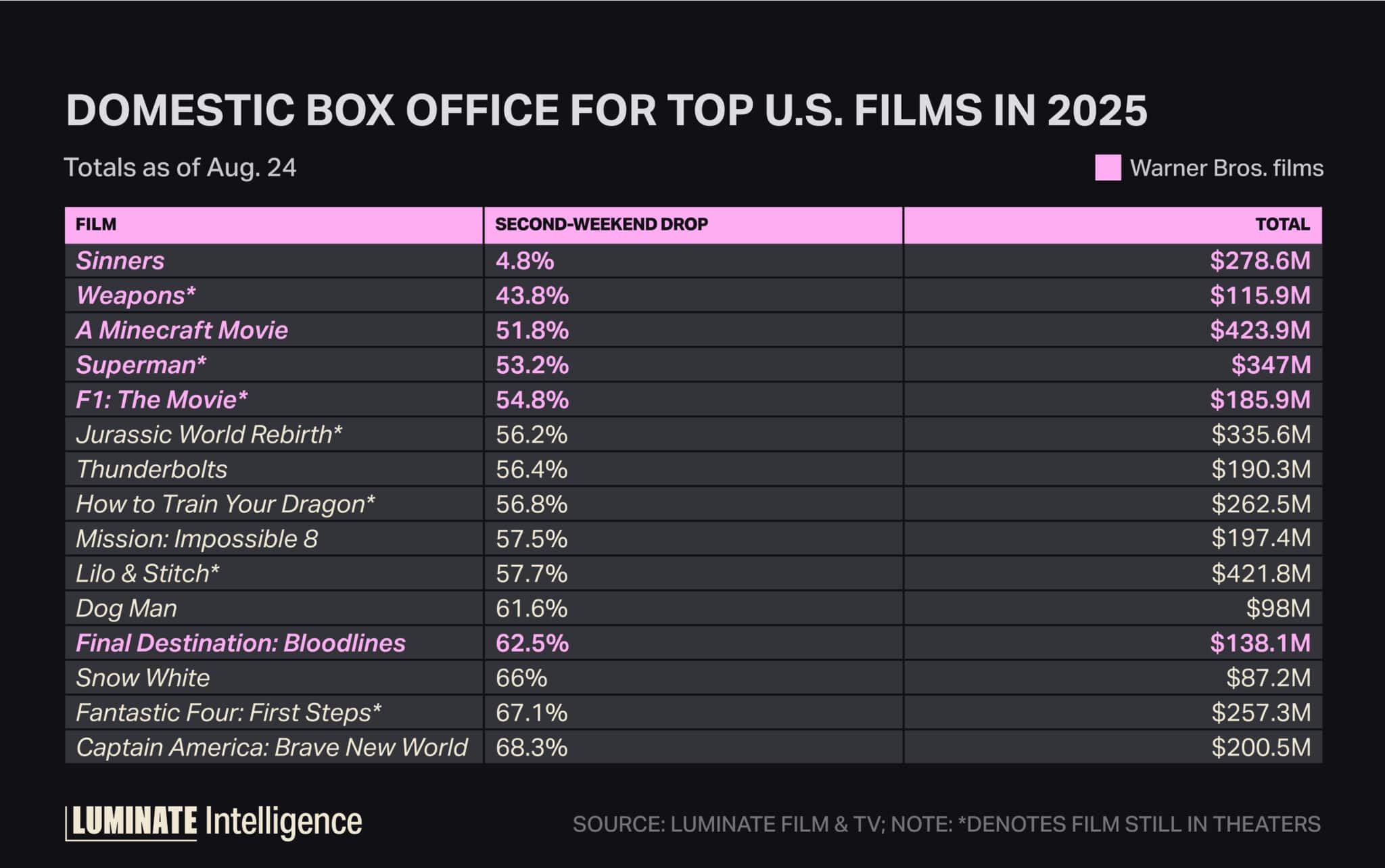
Warner Bros., led by a string of successful movies, particularly The Minecraft Movie and James Gunn's reboot of Superman, claimed the top spot in domestic box office revenue with a market share of 23.91%, grossing approximately $1.86 billion from a release of 13 films. Meanwhile, Walt Disney, though facing some disappointments with films such as Captain America: Brave New World and Snow White, maintained a strong position with its 23.16% market share, grossing roughly $1.8 billion across 14 movies, including the highly anticipated Lilo & Stitch.
In contrast, Universal's diversified portfolio earned it 17.92% of the market share, reflecting its strategic approach to both popular franchises and independent productions. Sony Pictures, with its focus on high-quality yet commercially viable content, secured a 6.74% market share, while Paramount Pictures carved out a niche with 6.49%, showing the studios' ability to carve territories despite intense competition.
In addition, the rise of emerging players like Amazon MGM Studios and A24 adds a layer of complexity to this already sophisticated market. While Amazon MGM, with its expansive OTT platform, has become a formidable contender, A24's success in niche-driven, auteur-led projects highlights an alternative path to traditional blockbuster dominance.
The film industry's evolution in 2025 has been characterized by a unique blend of veteran franchise exploitation and cutting-edge innovation. Warner Bros.' revival of legacy IPs, such as those from DC Comics, exemplifies how the studios can revitalize established franchises while ensuring audience engagement. Similarly, Universal's vast and varied slate underscores the importance of maintaining a balanced approach between tried-and-true properties and fresh ideas.
Notably, the success of films like The Minecraft Movie and James Gunn's Superman suggests that major studios are increasingly investing in high-concept, visually impressive projects that cater to a wide range of viewers. On the other hand, Disney's challenges indicate the risks associated with sticking too closely to a formula that may not resonate with all audiences.
The market segmentation by MPAA ratings reveals a fascinating insight into viewer preferences and studio strategies. PG-rated films topped the gross revenue chart with $2.66 billion and 235 million tickets sold, while R-rated films came in second with $2.58 billion and 228 million tickets, indicating a broad appeal across demographic boundaries.
This distribution pattern reflects the studios’ efforts to balance family-friendly content with mature themes that attract adult audiences. It also demonstrates the resilience of films catering to specific age groups and interests, proving that niche markets still hold significant value.
The slight decline in market share from the previous year (2024) does not signal a decline in dominance for the big studios. Instead, it highlights the fragmented nature of the market where emerging voices and new platforms are gaining ground.
At the core of this dominance sits the vertical integration of major studios. These conglomerates extend their influence far beyond the mere production and distribution of films. The Big Five operate extensive media networks, streaming platforms, and ancillary businesses, all of which amplify their reach and control over different facets of the entertainment industry.
For instance, Disney's acquisition of 20th Century Fox was a strategic move that consolidated its position in a rapidly evolving market. Similarly, Warner Bros. and Comcast’s NBCUniversal demonstrate the ongoing merger and acquisition trends that continue to shape the film industry's future.
This consolidation not only ensures a robust financial infrastructure but also allows these studios to leverage proprietary technology and intellectual property effectively. From Industrial Light & Magic's groundbreaking visual effects to Pixar’s unparalleled animation prowess, the vertical integration model has become indispensable for staying ahead in the modern digital era.
The resurgence of theatrical box offices in 2025 marks a hopeful turn for the industry. Studios like Warner Bros. have successfully balanced legacy IP revivals with original content, revitalizing interest in traditional movie-going experiences. This strategic shift towards a hybrid model has instilled investor confidence and generated a vibrant environment for creative expression within the studios.
The increasing importance of streaming platforms is evident in the growing cooperation between major studios and OTT services. Companies like Amazon MGM Studios have leveraged Prime Video and MGM+ to complement their theatrical releases, expanding their reach and enhancing overall profitability. This dual strategy ensures that both big screens and online platforms benefit from synergies within the same corporate structure.
While the theatrical business remains crucial, the emergence of independent studios like A24 represents a significant shift. By focusing on niche, highly acclaimed films, these studios provide an alternative to the blockbuster-driven ethos of the major players. Their success highlights the potential for smaller, more daring productions to find large audiences, proving that innovation can thrive even under industry giants.
The competitive landscape in 2025 is marked by an intensifying battle among major studios, each vying for a larger slice of the pie through increased production slates and innovative marketing strategies. Universal and Paramount Picture’s expansion plans are indicative of this trend, as they aim to push boundaries and explore new territories within the entertainment space.
As we look ahead to the future of the film industry, the trajectory of these big players suggests ongoing transformation. They must adapt to changing technologies, shifting consumer preferences, and the rising influence of independent voices. The key to sustained success lies not just in maintaining dominance but in fostering creativity and openness to new forms of storytelling.
With the global market poised for further changes, the film studios of today must navigate the complexities of an ever-evolving industry while holding onto their traditional strengths. The coming years promise to be filled with challenges but also filled with opportunities for those who can innovate and evolve.
The Rise of Streaming and Ancillary Markets
The rise of streaming platforms has become a pivotal force influencing the film landscape, challenging traditional models of content distribution. Platforms like Netflix, Amazon Prime Video, and MGM+ have not only complemented theatrical releases but have also begun to dominate the home viewing market. According to data, streaming services accounted for a significant portion of revenue, especially for major studios looking to expand their reach. Studios like Warner Bros. and Disney, leveraging their extensive library of films, have seen a surge in streaming subscriptions, further enhancing their control over content distribution.
The success of streaming initiatives is underscored by the growing subscription base and user engagement. Amazon MGM’s Prime Video, for instance, reported a 30% increase in subscriptions and a 45% growth in stream minutes watched compared to the previous year. This success is driven by the platform’s exclusive content offerings, coupled with the convenience and accessibility of viewing any time, anywhere. Such trends suggest that the future of film consumption may increasingly lean towards subscription-based models, rather than relying solely on theatrical or physical media sales.
The collaboration between major studios and OTT platforms has also opened new avenues for monetization. Warner Bros.’ partnership with HBO Max and its integration with WarnerMedia’s streaming service exemplifies this trend. This alignment not only enhances the visibility of content but also leverages the broader entertainment portfolio of the studio, creating a more cohesive and appealing offering to audiences. Similarly, Disney's Star and Peacock partnerships reflect the conglomerate’s strategic vision to dominate the streaming space while maintaining strong ties to its traditional theatrical releases.
Audience Engagement Beyond Cinema Screens
Beyond streaming, the studios are engaging their audiences in innovative ways, both pre- and post-release. Warner Bros. took a bold step by releasing the highly anticipated sequel to The Minecraft Movie exclusively on HBO Max for the first month, followed by a theatrical opening. This dual release strategy allowed them to gauge audience reaction and adjust marketing efforts accordingly. Such tactics highlight the studios’ adaptability and their commitment to providing the best possible experience for their fans.
The interactive film format and immersive viewing experiences have also garnered attention. Studios like Universal are exploring virtual reality (VR) and augmented reality (AR) technologies to enhance storytelling. The Mummy Unleashed VR Experience, for example, provided users with an immersive, interactive journey that went beyond the conventional theatrical format. These innovations not only enhance the viewing experience but also generate additional revenue streams through premium ticketing and merchandise sales.
Additionally, the studios have embraced social media and fan communities to foster ongoing engagement. Warner Bros.’ The Minecraft Movie campaign engaged younger audiences through TikTok challenges and social media campaigns, building a grassroots following before the theatrical release. This strategic use of social media has proven to be effective in generating buzz and driving word-of-mouth promotion. Similarly, Disney’s Lilo & Stitch utilized animated social media posts to keep fans engaged and excited about its release.
The Role of Franchises and Intellectual Property
Franchises remain central to the studios’ content strategy, acting as a reliable source of revenue and brand recognition. From DC Comics to Disney’s Marvel and Star Wars, franchise-building has become an art form. Warner Bros.’ continued success with the DC Extended Universe and its recent expansion into streaming content demonstrate the enduring appeal of well-established franchises. Similarly, Disney’s expansion into gaming and other media, fueled by successful franchises like Star Wars and Pixar, showcases the versatility and profitability of these intellectual properties.
The studios also focus on developing their IPs across various forms of media, from video games and toys to theme park attractions. This multi-platform approach ensures that fans of these franchises can engage with the content in diverse ways, extending the life cycle of popular IPs. The success of Star Wars toys, games, and theme park experiences illustrates how IP cross-promotion can drive additional revenue, reinforcing the interconnectedness of the entertainment ecosystem.
Challenges and Innovations
The dominance of big studios also brings challenges, particularly in terms of maintaining relevance and avoiding stagnation. One significant challenge is the oversaturation of the market, with an ever-increasing number of films vying for limited audience attention. Studios like Paramount Pictures have taken steps to address this by focusing on niche markets and leveraging emerging technologies to stand out. Their recent foray into VR films and their investment in digital marketing highlight an ongoing effort to stay competitive in a crowded field.
Another challenge is the ever-evolving nature of consumer preferences. Younger audiences are increasingly drawn to digital content, prompting studios to reevaluate their strategies. Paramount Pictures, for instance, has invested heavily in digital marketing and virtual events to attract younger, tech-savvy audiences. Similarly, Warner Bros. has launched multiple digital-first content offerings, including exclusive web series and limited-time digital events, to engage a wider demographic.
To tackle these challenges, the studios are embracing cutting-edge technologies and new narrative formats. Universal’s exploration of transmedia storytelling, combining film with interactive digital experiences, represents a forward-thinking approach. This strategy not only enhances the storytelling process but also creates new opportunities for revenue generation. The success of The Mummy Unleashed VR Experience indicates that immersive storytelling can significantly impact audience engagement and satisfaction.
The studios are also experimenting with decentralized production models, harnessing the power of crowd funding and user-generated content to drive innovative projects. Warner Bros., for example, has explored crowdfunding for short films and micro-budget productions, allowing them to tap into untapped creative pools. Similarly, A24’s success with auteur-driven films suggests that grassroots storytelling can be a force to reckon with, potentially leading to new collaborations and fresh perspectives within the industry.
The Future of the Film Industry
The future of the film industry in 2025 and beyond promises to be defined by collaboration, innovation, and a willingness to adapt. As market forces continue to evolve, major studios will need to remain agile and responsive to changing consumer behaviors and technological advancements. The ongoing integration of streaming platforms and digital marketing will play a crucial role in shaping this future, as will the continued development and refinement of immersive storytelling formats.
The film studios of tomorrow must not only protect their traditional strengths but also embrace new opportunities. By fostering a culture of creativity, engagement, and innovation, they can ensure their enduring relevance in the ever-changing world of entertainment. As the industry moves forward, the success of major studios will depend on their ability to navigate the complex interplay of tradition and disruption, striking a balanced relationship between the familiar and the novel.
The evolution of the film industry in tandem with the rise of new technologies and emerging platforms presents both challenges and opportunities. As the next decade unfolds, the big five studios will undoubtedly face new obstacles but will also have unprecedented chances to redefine the narrative and set new standards for cinematic excellence.
The Impact on Global Cinema
The influence of major studios extends far beyond North America, impacting global cinema through co-productions, foreign investments, and commissioning cycles. Studios like Warner Bros. and Disney have entered into numerous international agreements to produce and distribute films across diverse markets, ensuring their content reaches audiences worldwide. For instance, the international release dates of films produced by these studios are strategically planned to maximize global box office performance.
The global nature of production cycles is also evident in the increasing number of international co-productions. Studios like Paramount Pictures have developed partnerships with production companies from various countries, resulting in films that blend local and international sensibilities. This approach not only enriches the storytelling but also ensures the films are culturally relevant and commercially viable in multiple regions.
In addition, the distribution strategies employed by major studios have a significant impact on the global film market. Warner Bros. and Disney have established distribution networks in countries where there are fewer local distributors. This direct involvement ensures that their films are shown in theaters, leading to increased screen counts and higher box office revenues. Such strategic distribution plays a crucial role in the economic health of the film industry worldwide.
The Role of Regional Markets
Regional markets, particularly in Asia, Latin America, and Europe, have gained significant importance in the global film industry. Studios like Sony Pictures and Universal have recognized the potential of these markets and have adjusted their strategies accordingly. For instance, Sony Pictures has established a robust presence in Asian markets, producing films tailored to local tastes and cultural nuances. Similarly, Universal has seen success in Latin American markets, where its diverse slate of films appeals to localized preferences.
The increasing significance of regional markets is also reflected in the production decisions made by major studios. Films such as Lilo & Stitch and The Minecraft Movie have been specifically tailored to appeal to these regions, with marketing campaigns that reflect local cultures and sensibilities. This region-specific approach not only enhances the relevance of the films but also creates a stronger emotional connection with audiences.
The success of these regional strategies is further corroborated by the financial performance of these films. For example, Lilo & Stitch performed exceptionally well in markets like China, where cultural resonances were leveraged to boost ticket sales. Similarly, The Minecraft Movie enjoyed strong audiences in Latin American markets, driven by the popularity of the game and localized marketing efforts.
The Evolving Role of Independent Studios
The rise of independent studios like A24 and Lionsgate represents a significant shift in the film industry. While major studios continue to dominate the mainstream market, independent studios have carved out niches by focusing on artistic expression and auteur-driven content. Films produced by A24 have garnered critical acclaim and commercial success, despite being distributed by larger studios.
Independent studios often take bold, calculated risks, pursuing projects that might not fit the mold of big-budget blockbusters. Their success stories serve as case studies for the broader industry, illustrating the potential for creative risk-taking and innovative storytelling. The rise of independent studios also brings diversity to the landscape, ensuring that voices outside the mainstream have a platform to tell their stories.
Moreover, the growing success of niche films provides insights into future industry trends. Successful auteur-driven films like Uncut Gems and Finding Nemo suggest that the market can support both artistic expression and commercial viability, given the right context and marketing. This duality opens up possibilities for mainstream studios to experiment with artistic and narrative styles that resonate deeply with specific audiences.
Conclusion
The film industry in 2025 and beyond is a dynamic and evolving landscape, dominated by major studios but also influenced by emergent trends and independent voices. The continued influence of the Big Five, along with the rise of emerging players, reflects a complex interplay of power and adaptation. Major studios maintain their dominance through strategic partnerships, robust distribution networks, and innovative storytelling, while independent studios offer fresh perspectives and alternative narratives.
As the industry navigates the challenges and opportunities of the 21st century, it is clear that the path to success is multifaceted. By embracing technological advancements, engaging global audiences, and promoting diverse storytelling, the film industry can continue to thrive and evolve. The future of cinema lies in the hands of those who can balance tradition with innovation, ensuring that the medium remains a vibrant, compelling, and diverse form of artistic expression.
Ultimately, the film industry’s ability to adapt and innovate will determine its continued relevance in an ever-changing world. As we look towards the future, one thing is certain: the stories we tell and the films we watch will continue to captivate, inspire, and entertain audiences around the globe.


Sir Isaac Newton: Pioneering Physicist and Mathematician
Sir Isaac Newton remains one of the most influential scientists in history. His work in physics, mathematics, and astronomy fundamentally reshaped humanity’s understanding of the universe. From the three laws of motion to the discovery of spectrum light, Newton’s legacy continues to influence modern science and technology.
Early Life and Education
Birth and Childhood
Born on December 25, 1642 (January 4, 1643, New Style) in Woolsthorpe, Lincolnshire, England, Newton faced early hardships. His father died before he was born, and his mother remarried, leaving him in the care of his grandparents. Despite this turbulent start, he showed exceptional academic promise.
Cambridge Years and Annus Mirabilis
Newton enrolled at Cambridge University in 1661, studying under Isaac Barrow. His most productive period, known as his annus mirabilis (wonderful year), occurred during the plague closure of 1665–1666. Isolated at home, he developed the foundations of calculus, studied optics, and formulated early ideas about gravity.
Revolutionary Scientific Contributions
Laws of Motion and Universal Gravitation
Newton’s three laws of motion, published in Philosophiæ Naturalis Principia Mathematica (1687), became the cornerstone of classical mechanics. These laws describe inertia, acceleration, and action-reaction forces. His law of universal gravitation introduced the formula F = G(m₁m₂)/r², explaining both terrestrial and celestial motion.
- First Law: An object remains at rest unless acted upon by a force.
- Second Law: Force equals mass times acceleration (F=ma).
- Third Law: Every action has an equal and opposite reaction.
Optics and the Nature of Light
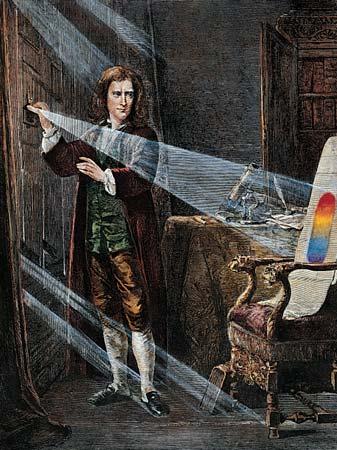
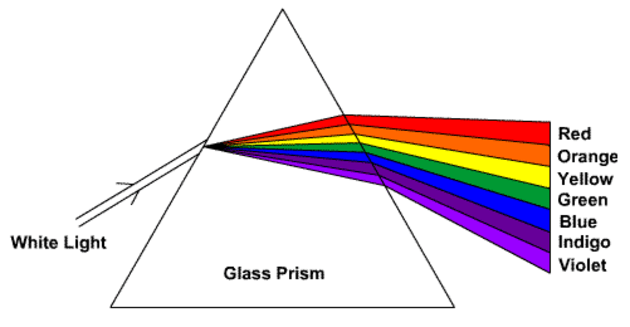
In Opticks (1704), Newton demonstrated that white light consists of a spectrum of colors. Using a prism, he split sunlight into its component hues, proving light’s particle nature. He also invented the first reflecting telescope in 1668, eliminating chromatic aberration common in refracting designs.
“Nature is pleased with simplicity, and nature is an expert in simplicity.” – Sir Isaac Newton
Inventions and Mathematical Breakthroughs
The Birth of Calculus
During his plague years, Newton independently developed calculus, which he called fluxions. His methods allowed him to solve problems involving slopes of curves and areas under curves. This work laid the groundwork for modern mathematical analysis and remains vital in fields like engineering and economics.
Innovative Instruments
Newton’s reflecting telescope revolutionized astronomy by using mirrors instead of lenses. With an aperture of about 1 inch, it provided clearer images than contemporary designs. This invention earned him recognition from the Royal Society and a royal patent.
Professional Achievements and Legacy
Roles in Academia and Government
Beyond academia, Newton served as Warden (1695) and later Master (1699) of the Royal Mint, where he reorganized Britain’s currency system. He also presided over the Royal Society for 24 years, shaping scientific discourse in Europe. In 1705, he was knighted for his contributions to public service.
- Royal Mint: Reformed coinage during the late 17th century.
- Royal Society: Guided scientific research and publication.
- Presidency: Advocated for empirical methods and peer review.
Enduring Educational Impact
Today, Newton’s principles form the bedrock of STEM curricula worldwide. His laws explain everything from planetary orbits to everyday mechanics. Even modern space missions, like NASA’s Artemis program, rely on his gravitational equations for accurate trajectory calculations.
Sir Isaac Newton’s genius transcended his era, creating frameworks that still guide scientists and engineers. His ability to unify celestial and terrestrial physics remains one of science’s greatest achievements.
Newton's Controversies and Rivalries
Disputes Over Scientific Priority
Newton's career was marked by intense rivalries, most notably with Robert Hooke and Gottfried Wilhelm Leibniz. Hooke claimed Newton borrowed his ideas on gravity, while Leibniz independently developed calculus, leading to a bitter dispute over who deserved credit. These conflicts shaped Newton's later years and influenced scientific discourse.
- Hooke's Criticism: Accused Newton of plagiarizing his inverse-square law concept.
- Leibniz Controversy: Debated the invention of calculus, with Newton defending his fluxions method.
- Public Feuds: Newton used his position at the Royal Society to discredit opponents.
Alchemy and Theological Pursuits
Beyond physics, Newton devoted significant time to alchemy and biblical studies. He sought the Philosopher’s Stone and explored religious prophecies, believing science and theology were interconnected. These lesser-known interests reveal his complex, multifaceted intellect.
“I do not know what I may appear to the world, but to myself I seem to have been only like a boy playing on the seashore.” – Sir Isaac Newton
Newton's Influence on Modern Science
Foundation of Classical Physics
Newton’s Principia established the framework for classical mechanics, remaining unchallenged until Einstein’s relativity. His laws explained planetary motion, tides, and projectile trajectories, proving that the same forces govern Earth and the cosmos.
- Kepler’s Laws Derived: Newton mathematically confirmed elliptical planetary orbits.
- Tidal Forces Explained: Linked lunar gravity to ocean tides.
- Comet Orbits Predicted: Calculated Halley’s Comet’s return (1758).
Impact on Mathematics and Engineering
Newton’s calculus became essential for solving real-world problems, from bridge construction to spacecraft design. His binomial theorem and methods for solving differential equations remain core components of advanced mathematics.
Cultural and Historical Significance
The Apple Myth and Public Perception
The famous story of Newton discovering gravity after an apple fell on his head is likely apocryphal. However, it symbolizes his ability to draw profound conclusions from everyday observations. This myth persists in education, illustrating how curiosity drives scientific breakthroughs.
Legacy in Popular Media
Newton’s life and work continue to inspire films, documentaries, and literature. Modern portrayals often highlight his genius alongside his personal struggles, including bouts of depression and social isolation. These narratives humanize one of history’s greatest minds.
- Documentaries: BBC and PBS specials explore his scientific and personal life.
- Biopics: Films depict his rivalry with Leibniz and his Royal Mint reforms.
- Educational Content: YouTube channels analyze his experiments for students.
Newton’s Enduring Relevance in the 21st Century
Applications in Space Exploration
NASA and ESA rely on Newton’s gravitational laws for mission planning. From satellite orbits to Mars landings, his equations ensure precise calculations. The Artemis program, aiming to return humans to the Moon, depends on these principles.
Influence on Quantum Physics and AI
While Newtonian physics governs macroscopic systems, his work laid the groundwork for quantum mechanics. Additionally, calculus is fundamental in machine learning algorithms, proving his ideas remain vital in cutting-edge technology.
Sir Isaac Newton’s contributions transcend time, shaping both historical and modern scientific thought. His ability to merge observation, experimentation, and mathematics set a standard for future generations.
Newton’s Later Years and Final Contributions
Leadership at the Royal Mint
In 1696, Newton was appointed Warden of the Royal Mint, a role that allowed him to apply his analytical skills to economic challenges. He later became Master of the Mint in 1699, where he oversaw the Great Recoinage of 1707. His efforts stabilized England’s currency system, demonstrating his versatility beyond science.
- Currency Reform: Standardized coin production to combat counterfeiting.
- Gold Standard: Introduced measures to ensure monetary stability.
- Public Service: His work earned him a knighthood in 1705.
Presidency of the Royal Society
Newton served as President of the Royal Society from 1703 until his death in 1727. Under his leadership, the society became a hub for scientific innovation, promoting empirical research and peer-reviewed publications. His tenure reinforced the importance of evidence-based science.
“Truth is ever to be found in the simplicity, and not in the multiplicity and confusion of things.” – Sir Isaac Newton
Newton’s Death and Posthumous Recognition
Final Days and Legacy
Newton passed away on March 20, 1727 (March 31, New Style), in London. He was buried in Westminster Abbey, a testament to his monumental impact. His funeral was attended by prominent figures, reflecting his status as a national icon.
Commemorations and Memorials
Today, Newton is honored through numerous memorials, including statues, university namesakes, and even a descendant of his famous apple tree at Trinity College, Cambridge. These tributes ensure his legacy endures in both scientific and cultural spheres.
- Westminster Abbey: A grand monument marks his resting place.
- Apple Tree Descendants: Clones of the original tree grow worldwide.
- Educational Institutions: Schools and research centers bear his name.
Newton’s Influence on Future Generations
Inspiration for Scientists and Thinkers
Newton’s methodologies inspired generations of scientists, including Albert Einstein and Stephen Hawking. His emphasis on experimentation and mathematical rigor set a precedent for modern research, proving that curiosity and discipline drive discovery.
Newton in Modern Education
From elementary physics classes to advanced university courses, Newton’s principles remain foundational. Students worldwide learn his laws of motion and gravitation, ensuring his ideas continue to shape scientific literacy.
Conclusion: The Timeless Genius of Sir Isaac Newton
Sir Isaac Newton’s contributions to science, mathematics, and public service are unparalleled. His work in gravity, optics, and calculus revolutionized human understanding of the universe. Beyond his scientific achievements, his leadership at the Royal Mint and Royal Society demonstrated his commitment to societal progress.
Newton’s legacy is not merely historical—it is alive in every physics equation, every space mission, and every technological advancement. His ability to merge observation with mathematical precision set a standard that continues to inspire innovation. As we look to the future, Newton’s principles remain as relevant as ever, guiding humanity’s quest for knowledge.
In the words of Newton himself, “If I have seen further, it is by standing on the shoulders of giants.” Yet, it is his own shoulders upon which countless scientists now stand, ensuring his light never fades.


The Greatest Romance Films: A Journey Through Love’s Enduring Power
Romance films have been one of cinema's most enduring genres, capturing the human experience of love in all its complexity and emotion. From classic Hollywood blockbusters to contemporary indie tales, these movies transport us to different worlds, allowing us to witness and feel the depth of love in its various forms. Today, we embark on a journey through some of the greatest romance films ever made, exploring their timeless themes and compelling narratives.
The Golden Age of Romance: The Great Love Stories That Defined Hollywood
In the early days of motion pictures, romantic stories began to captivate audiences, weaving narratives of passion and heartbreak into the fabric of film history. One of the earliest classics is "Broken Blossoms" (1919), directed by D.W. Griffith, which introduced audiences to the nuanced portrayal of interracial romance. The film tells the story of Cheng Huan, a kind-hearted Chinese immigrant, and Lucy Burrows, a vulnerable London prostitute, whose fates intertwine against the backdrop of cultural prejudices.
"Grand Hotel" (1932) stands as another milestone, featuring a sprawling ensemble cast and multiple storylines that converge around the fictional Grand Hotel. The film explores love, jealousy, and tragedy in the lavish setting of a grand hotel, showcasing the genre's ability to blend drama and romance seamlessly. Another significant entry from this period is "Red Dust" (1932), filmed in technicolor and starring Clark Gable and Jean Harlow, which captured the raw intensity of their on-screen chemistry.
The Classic Hollywood Era: Romantic Masterpieces That Still Resonate
The 1940s and 1950s saw the golden age of Hollywood romance reach its peak with classics like "Casablanca" (1942). Directed by Michael Curtiz, the film follows Rick Blaine, a cynical owner of a cafe who becomes entangled with Ilsa Lund, a woman desperate to leave Casablanca with her husband. The film’s famous dialogue and emotional core have ensured it remains a beloved classic of the genre.
"Gone with the Wind" (1939) is another masterpiece that has stood the test of time. Based on Margaret Mitchell’s novel, the film chronicles the tumultuous relationship between Scarlett O'Hara and Rhett Butler across the Civil War and Reconstruction eras. With its epic scale and iconic performances, particularly Vivien Leigh as Scarlett, the movie has become a defining example of historical romance on film.
The 1950s introduced a more introspective and nuanced approach to romance, with films such as "An Affair to Remember" (1957). This romantic drama, starring Cary Grant and Deborah Kerr, tells the story of two strangers who fall in love in New York City and their attempts to find each other again after a shipwreck. Although tragically cut short, their love remains a symbol of hope and commitment.
The Modern Era: Contemporary Masterpieces of Love and Relationship
The 1980s and beyond saw the introduction of more diverse and unconventional romance stories, with films like "Terms of Endearment" (1983). Directed by James L. Brooks, the film focuses on the complex relationship between a mother and her son-in-law. Glenn Close and Shirley Maclaine give powerhouse performances that evoke both sorrow and joy, making it a poignant tale of family ties and personal growth.
"Pretty Woman" (1990), starring Julia Roberts and Richard Gere, brought a modern twist to the classic damsel-in-distress archetype. The film captures the essence of self-worth and the transformative power of love, resonating strongly with audiences due to its relatable characters and witty dialogues.
"About Time" (2013), directed by Richard Linklater, presents a unique take on the romance genre. Starring Domhnall Gleeson and Rachel McAdams, the film follows a young man with the ability to travel back in time to alter his past and prevent future heartbreaks. Though it deals with love and loss, the film offers a whimsical and imaginative approach that sets it apart from traditional love stories.
Independent Filmmaking: New Voices in Romance
With the rise of independent filmmaking, a new wave of romance stories has emerged, breaking away from conventional tropes and exploring more intimate and experimental storytelling. "La La Land" (2016), directed by Damien Chazelle, blends musical numbers with a romantic narrative that explores the dreams and aspirations of aspiring actors. The film won widespread acclaim, especially for Ryan Gosling and Emma Stone’s performances and the score composed by Justin Hurwitz.
"Love Actually" (2003) is another standout from the indie scene, with an ensemble cast bringing together several interconnected love stories across a holiday season. Directed by Richard Curtis, the film masterfully showcases the various ways love can manifest, from romantic liaisons to familial bonds. The film’s diverse roster of actors and its blend of humor with heartfelt moments make it a memorable entry in the romance genre.
The contemporary era also saw the emergence of films that tackle more complex issues within the framework of romance. "The Farewell" (2019), directed by Lulu Wang, tells the story of a Chinese-American family’s decision to conceal their grandmother’s terminal cancer diagnosis from her. The film explores themes of cultural identity, familial love, and the impact of honesty versus deception, offering a poignant and thought-provoking exploration of relationships under pressure.
"Lady Bird" (2017), directed by Greta Gerwig, combines wit and warmth in telling the story of a high school senior’s relationship with her mother. Saoirse Ronan’s performance as Lady Bird captures the complexities of teenage rebellion and the underlying yearning for connection. The film delves into the nuances of familial relationships and the journey towards independence, creating a touching and honest portrayal of contemporary young women.
In conclusion, the top romance films encompass a rich tapestry of storytelling, reflecting the varied and evolving nature of love. From the grandeur of epic tales to the subtleties of modern narratives, these movies continue to engage and inspire new generations of viewers. As we explore more stories in subsequent parts, we will delve deeper into how these films not only entertain but also speak to our deepest feelings and dreams about love.
Modern Masterpieces: Contemporary Tales of Love and Heartbreak
The 2000s and 2010s have seen a renaissance in romance films, with filmmakers exploring more nuanced and realistic relationships. "Moulin Rouge!" (2001), directed by Baz Luhrmann, is a visually stunning and audacious take on a doomed love story set in a Parisian cabaret. With its bold musical numbers and vibrant set designs, the film captures the glamour and excess of fin de siècle Paris while delving into the characters’ inner tumult. The performances by Ethan Hawke and Nicole Kidman are both compelling and emotive, cementing the film as a modern classic.
Beyond visual spectacle, “The Notebook” (2004), based on Nicholas Sparks’ novel, offers a more traditional approach to love. Directed by Nicholas Hyams, the film follows the tumultuous relationship between Allie Conners and Noah Calhoun, set against the backdrop of a century of love and loss. While often criticized for its clichéd narrative, its performances and sweeping cinematography make it a memorable entry in the genre.
In the realm of indie cinema, films like “50/50” (2011) have garnered critical acclaim for their honest depiction of contemporary health-related challenges and interpersonal relationships. Directed by Seth Rogen and Evan Gold, the film stars Seth Rogen as Ben, a 35-year-old cancer patient who falls in love with Margot (Mila Kunis). The film explores themes of mortality, love, and second chances, offering a poignant and relatable look at modern relationships.
Heartfelt and Poignant Modern Romances: Exploring Modern Love
“Love Actually” (2003) stands as one of the most beloved romantic ensemble films of recent decades. Directed by Richard Curtis, the film weaves together multiple storylines involving a diverse cast of characters, all of whom cross paths in the run-up to the holiday season. From a single mother's attempt to connect with a boy in a school play to a young woman's unexpected romance, each story contributes to a rich tapestry of human emotion. Richard Curtis' writing is both hilarious and heartfelt, making the film a timeless classic that continues to resonate with audiences.
Another compelling example of modern romance is “The Fault in Our Stars” (2014). Directed by Josh Boone, the film is based on the bestselling novel by John Green and stars Shailene Woodley and Ansel Elgort. The movie tells the story of 17-year-old Hazel Grace Lancaster as she comes to terms with a terminal illness. Her meeting with Augustus Waters turns into a profound and transformative relationship, exploring themes of love, acceptance, and the search for meaning in life. The film’s emotional depth, coupled with its poignant soundtrack, makes it a powerful and moving experience.
The 2010s also saw the rise of films that delved into the complexities of interracial love. “The Descendants” (2011), directed by Alexander Payne, is based on the true story of George Parrish Jr. It follows Matt King, a businessman in Hawaii who is accused of murdering his wife, while his daughter, Alexandra, searches for clues. The film, starring George Clooney, explores themes of guilt, redemption, and the enduring bond of family. Payne's nuanced storytelling and Clooney's performance make it a remarkable example of contemporary romance.
Heartbreaking and Inspirational Real-Life Romances: True Stories of Love
“Still Alice” (2014), directed by Walter Salles, is a heart-rending film based on the life of neuroscientist Alice Howland. Starring Melissa Leo as Alice, the film follows her journey as she deals with early-onset Alzheimer's disease. The film’s exploration of love, loss, and the human condition resonates deeply, making it a powerful and moving watch. Leo’s performance, along with the poignant screenplay, earned the film critical acclaim and numerous awards, including an Academy Award for Best Actress.
A true story that transcends typical romance genres is “The Best Exotic Marigold Hotel” (2011). Directed by John Madden, the film follows a group of British retirees who relocate to a retirement home in India. The movie is both a comedy and a tale of unexpected friendship and romance, showcasing the power of love to bridge cultural divides and inspire new beginnings. The performances by Judi Dench, Penelope Creed, and Maggie Smith are all stellar, making the film a delightful and thought-provoking experience.
Romantic Thrillers: The Heart and Soul of Suspense
While many romance films focus on the romantic aspects of relationships, there is a genre that fuses romance with suspense and thrill: romantic thrillers. “Gone Girl” (2 Nick Cassavett, directed and based on the novel by Gillian Flynn, stars Ben Affleck and Rosamund Pike. The movie follows Nick Dunne, whose wife goes missing, only to be found alive in a desolate forest two years later. The film blends elements of mystery and romance, making it a gripping and emotionally charged viewing experience. The twist ending and Pike's commanding performance keep viewers engaged until the very end.
Another film that masterfully combines romance and suspense is “Hysterica” (2013), directed by James Mangold and starring Michelle Dockery and Sam Claflin. The movie is based on the true story of two 18-year-old lovers, Maria and William, who elope and face societal and family disapproval. The film’s suspenseful elements, combined with its intimate portrayal of young love, make it a compelling and memorable watch. Mangold's direction and the strong performances by Dockery and Claflin elevate the story to new heights.
Conclusion: The Evolution of Romance Films
From the iconic romance films of the golden age of Hollywood to the groundbreaking works of today, the genre continues to evolve, reflecting the changing times and diverse perspectives of filmmakers and audiences. The blend of romance with other genres, real-life stories, and the growing prominence of independent cinema has created a rich landscape that caters to a wide range of tastes and interests. These films not only entertain but also provide a poignant reflection on the human experience of love.
As we continue to explore the top romance films in subsequent parts, we will delve into the future of the genre and the innovations that are pushing the boundaries of what love stories can be on the big screen.
The Future of Romance Films: Pushing Boundaries and Breaking Barriers
As we look towards the future, the landscape of romance films continues to expand, embracing new technologies, diverse storytelling techniques, and a broader range of narratives. One significant trend is the integration of virtual reality (VR) into filmmaking. VR allows audiences to immerse themselves directly into the world of the film, creating a more tangible and emotionally engaging experience. Films like “Cinematic VR: Valentine’s Day” offer a taste of what’s possible, using immersive technology to enhance the emotional resonance of traditional romance scenarios.
The rise of streaming platforms has also significantly impacted the genre, providing a wider array of stories and diverse voices. Streaming services like Netflix and Amazon Prime have launched original romantic dramas that challenge conventional storytelling norms. Films like “The Half of It” (2020) and “Love, Simon” (2018) not only highlight LGBTQ+ representation but also address themes of identity and coming-of-age in nuanced and empowering ways. These productions often feature talented emerging actors and directors, bringing fresh perspectives to the genre.
AI and computer-generated imagery (CGI) are also being harnessed to push the boundaries of what audiences can expect from romance films. Technologies like deep learning and generative adversarial networks (GANs) allow for more realistic and dynamic depictions of characters and environments. Films like “Avatar: The Way of Water” (2022) showcase the potential of these advancements in creating visually stunning and immersive romances set in fantastical worlds. Such technologies can enable filmmakers to bring imaginative and emotionally evocative settings to life, enhancing the emotional impact of the story.
Diverse Perspectives and Representation: Broadening the Scope of Love
One of the most notable trends in modern romance films is the increasing emphasis on diverse perspectives and representation. Films like “Crazy Rich Asians” (2018) broke barriers by featuring predominantly Asian casts and characters, showcasing a global perspective on love and relationships. The success of this film paved the way for more inclusive and culturally diverse storytelling. Other examples include “Parasite” (2019), which though not strictly a romance, features complex romantic and familial dynamics that reflect the socio-economic disparities in South Korea. Such films not only entertain but also challenge social norms and promote empathy.
Limited series and miniseries are also gaining traction in the romance genre, offering expanded narratives and more character development. Shows like “Killing Eve” (2018-2022) blend psychological thriller with romance, featuring a complex central relationship between two women. Similarly, “The Kissing Booth” miniseries explores the theme of forbidden love across cultures, adding layers of cultural and familial tension to the plot. These formats allow for longer storytelling and more nuanced character arcs, providing richer and more satisfying romantic experiences.
Conclusion: Celebrating the Enduring Power of Romance Films
The enduring appeal of romance films lies in their ability to capture the universal experience of love in all its complexity. From the grand narratives of classical Hollywood to the innovative storytelling and diverse voices of today, these films continue to resonate with audiences across generations and cultures. As the genre evolves, it remains a vital means of exploring human emotions, breaking down barriers, and providing us with relatable and inspiring stories.
Looking ahead, it is clear that the future of romance films is bright. With continued innovation in technology, a greater emphasis on diverse representation, and a commitment to diverse storytelling, the genre will continue to thrive. As we celebrate these masterpieces, we look forward to the exciting new chapters that await in the world of romance films.
The love stories on the big and small screens will continue to touch our hearts and minds, reminding us of the enduring power of love in our lives.