Adam John Grandmaison - A Glimpse into the Life of a Multimedia Pioneer
Adam John Grandmaison, better known by his pseudonym "Adam22", is a name that resonates across multiple facets of modern entertainment and media. As the founder of No Jumper, a popular podcast and multimedia platform, Grandmaison has played a pivotal role in bridging the gap between underground culture and the mainstream. His journey from modest beginnings to becoming a significant influencer and entrepreneur is both intriguing and inspiring, marked by his unique approach to content creation and a keen eye for cultural trends.
Early Life and Background
Born on November 24, 1983, in Nashua, New Hampshire, Adam Grandmaison's path was not predetermined by a single trajectory. Growing up, Adam was deeply influenced by the evolving music scene of the 1990s, particularly in the realms of hip-hop, punk rock, and the burgeoning subculture movement. These interests laid the foundation for his later evolution into a cultural curator and influencer.
Despite the relatively quiet setting of Nashua, Adam's fascination with alternative culture spurred his curiosity and creativity from a young age. He was drawn to the rebellious spirit and raw authenticity often associated with underground and alternative forms of expression, eventually pushing him towards exploring avenues where he could blend these worlds with his own voice.
The Birth of No Jumper
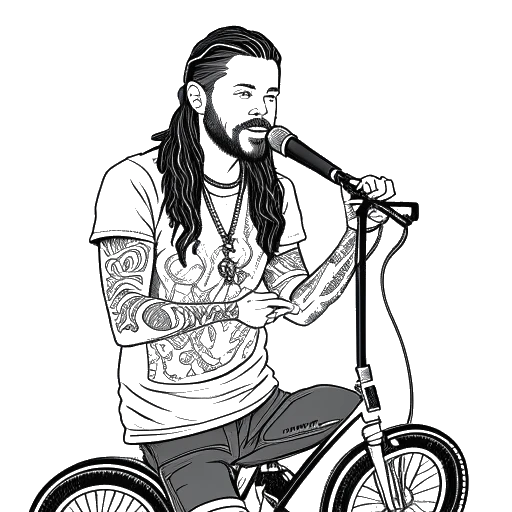
The inception of No Jumper came in 2011, originally envisioned as a blog covering BMX culture. Adam's personal passion for BMX initially shaped much of its early content. However, as his interests expanded, so did the blog, transitioning into a platform that covered a broader spectrum of topics, particularly hip-hop and other genres thriving outside the mainstream radar.
By 2015, No Jumper had evolved into a podcast, quickly gaining traction for its candid interviews and authentic dialogues with artists, influencers, and personalities from the fringes of popular culture. The podcast’s success can be attributed to Grandmaison's laid-back yet inquisitive interviewing style, where guests often feel comfortable revealing deep, personal insights, thus resonating with a diverse audience.
Influence on Popular Culture
One of the key aspects that distinguish Adam Grandmaison is his knack for spotting emerging talent. Throughout the years, his platform has been instrumental in propelling the careers of numerous artists. Many credit No Jumper as a launchpad that introduced them to a wider audience, amplifying underground voices and giving a spotlight to unconventional talent.
Through No Jumper, Grandmaison has also been a trendsetter in the digital content realm, utilizing platforms like YouTube and social media to connect with audiences on a global scale. His ability to adapt to changing digital landscapes while staying true to his roots in underground culture has established him as a respected figure in online media circles.
Challenges and Criticisms
Like many public figures who push boundaries, Adam’s journey has not been free of controversy. He has faced criticism and backlash over some of his content and the personalities it has featured. Nonetheless, he has remained steadfast in his mission to provide a platform for voices that struggle to be heard in mainstream media.
Grandmaison has navigated these challenges by continually evolving No Jumper’s content and ensuring that it remains a hub of authentic and raw storytelling. This resilience in the face of criticism has only solidified his position as a key player in the media industry, where he constantly works to balance the demands of his audience with his own creative vision.



Pokémon Diamond and Pearl: A Journey into the Sinnoh Region
Pokémon Diamond and Pearl, released for the Nintendo DS in 2006, marked the dawn of the fourth generation of Pokémon games. These games introduced players to the majestic Sinnoh region, a land teeming with new adventures, Pokémon species, and features that captivated fans worldwide. As the first main series Pokémon games for the Nintendo DS, Diamond and Pearl pushed the boundaries of what the franchise could offer, blending nostalgic elements with fresh innovations that drew praise from both newcomers and seasoned trainers alike.
The Sinnoh Region
The Sinnoh region, inspired by Japan's Hokkaido, is characterized by its diverse geography and climate, ranging from lush forests to snowy mountains. This region offered players an expansive world to explore, rich in mythology and history. The journey begins in the quaint Twinleaf Town, where players choose their starter Pokémon from Professor Rowan - Turtwig, Chimchar, or Piplup. These starters embody the classic grass, fire, and water types, each with unique evolutionary paths and battle capabilities.
Gameplay Mechanics
Pokémon Diamond and Pearl introduced a host of new features that have become staples in the series. Among these is the Global Trade Station (GTS), a revolutionary online trading system that allowed players to trade Pokémon with others around the world, broadening the community aspect of the game dramatically. Additionally, the games implemented the physical and special split for moves, enhancing the strategic depth of battles by basing a move's damage on either Attack or Special Attack stats, depending on its nature.
Players were able to experience a more realistic day/night cycle, which not only affected the visuals but also influenced the behavior and availability of certain Pokémon species, adding another layer of strategy to mastering the game. The Pokétch, a multi-functional watch for trainers, included apps such as a step counter and friendship checker, further enhancing the in-game utility and immersing players in their daily adventures.
Pokémon and Legendary Creatures
With over 100 new Pokémon, Diamond and Pearl expanded the Pokédex, introducing beloved creatures like Lucario, Garchomp, and Roserade. The games are notable for their deep lore surrounding legendary Pokémon, including Dialga and Palkia, the dual mascots overseeing time and space, respectively. These legendary Pokémon are central to the storyline as players confront Team Galactic, a villainous group with ambitions to recreate the universe.
Graphics and Sound
Leveraging the capabilities of the Nintendo DS, the graphics of Pokémon Diamond and Pearl offered significant improvements over previous entries. The game featured enhanced sprite artwork and environmental details, providing a richer visual experience that complemented the DS's dual-screen format. The sound design also received high praise, with an evocative soundtrack that complemented the diverse locales within Sinnoh and memorable battle themes that enhanced the gameplay experience. The use of environmental sounds and dynamic music accentuated the immersive world that Game Freak crafted.
The arrival of Pokémon Diamond and Pearl breathed new life into the franchise, setting a benchmark for future games. Whether reconnecting with the world of Pokémon or experiencing it for the first time, these titles offer a blend of nostalgia and progression that continues to resonate with players today.