Elephanta Caves: Exploring the Ancient Marvel of Mumbai
The Elephanta Caves stand as a testament to India's rich cultural heritage and architectural brilliance. Located on Elephanta Island, just 10 km off the coast of Mumbai, these rock-cut cave temples date back to the 5th-7th centuries AD. Recognized as a UNESCO World Heritage Site in 1987, the caves are renowned for their intricate sculptures and historical significance. This article delves into the fascinating world of the Elephanta Caves, exploring their history, architecture, and recent developments.
Historical Background and Significance
The Elephanta Caves are primarily dedicated to the Hindu god Shiva, with five Hindu caves and several Buddhist stupa mounds. These caves were carved into a basalt hillock during the Gupta period, showcasing the artistic and religious fervor of the time. The main cave, Cave 1, features large Shiva reliefs over 5 meters high, arranged in a mandala layout, hewn from basalt rock.
Despite their historical importance, the caves have faced numerous challenges over the centuries. Portuguese invaders defaced many sculptures and inscriptions, and the British used the island for docking purposes. However, the late 1970s restoration by India elevated the site to a prominent tourist destination. In 1909, the caves were protected under the Ancient Monuments Act of British India, isolating the island and preserving its heritage.
The UNESCO Recognition
The Elephanta Caves were designated a UNESCO World Heritage Site in 1987 under criteria i and iii. This recognition highlights the caves as a "masterpiece of human creative genius" and an exceptional testimony to a cultural tradition. The UNESCO inscription has brought global attention to the site, emphasizing its importance in the world's cultural heritage.
Architectural Marvels of the Elephanta Caves
The architectural brilliance of the Elephanta Caves is evident in their intricate carvings and grand sculptures. The main cave, Cave 1, is the most impressive, featuring a massive trimurti sculpture of Shiva, which is over 5 meters high. This sculpture depicts Shiva in three forms: the Creator, the Preserver, and the Destroyer.
The caves are hewn from basalt rock, showcasing the advanced rock-cutting techniques of the Gupta period. The mandala layout of the main cave adds to its spiritual significance, creating a sacred space for worship and meditation. The intricate details of the sculptures, including the delicate carvings of gods, goddesses, and mythical creatures, highlight the artistic prowess of the ancient craftsmen.
The Blend of Hindu and Buddhist Elements
The Elephanta Caves are unique in their blend of Hindu and Buddhist elements. While the main caves are dedicated to Shiva, the island also features Buddhist stupa mounds dating back to the 2nd century BC. This fusion of religious and cultural elements reflects the diverse spiritual practices of ancient India.
The archaeological remains on the island, including the buried stupas and Portuguese-era structures, add layers of historical significance. The presence of a canon atop the hill from the Portuguese era serves as a reminder of the island's turbulent past and the various influences that have shaped its history.
Recent Developments and Conservation Efforts
In recent years, the Elephanta Caves have seen significant developments in terms of conservation and management. In 2024, the caves became the first monument in Maharashtra to be adopted by a private firm under the Archaeological Survey of India's (ASI) 'Adopt a Heritage 2.0' scheme. This initiative, launched in September 2023, aims to involve private entities in the preservation and maintenance of heritage sites through Corporate Social Responsibility (CSR) funding.
The adoption includes the development of public amenities such as cafeterias and maintenance facilities, without controlling ticketing. This partnership highlights the growing trend of private involvement in heritage conservation, ensuring the sustainable preservation of the Elephanta Caves for future generations.
Challenges and Conservation Management
Despite the ongoing conservation efforts, the Elephanta Caves face several challenges. Saline activity and rock surface deterioration pose significant threats to the integrity of the sculptures. Additionally, the proximity to industrial development areas exacerbates these issues, requiring continuous monitoring and intervention.
The Archaeological Survey of India (ASI) and UNESCO routinely monitor the site, recommending a comprehensive Conservation Management Plan. This plan includes exposing buried stupas and implementing international-standard rock conservation techniques. However, additional funding and expertise are needed to address these challenges effectively.
Visitor Information and Tips
Visiting the Elephanta Caves is a unique experience that offers a glimpse into India's rich cultural heritage. The caves are best visited on weekdays or cloudy days to avoid crowds and the intense heat. The journey to the island involves a short ferry ride from Mumbai, followed by a scenic walk to the cave entrance.
Visitors are advised to wear comfortable shoes and carry water, as the climb to the caves can be strenuous. The site is managed by the Archaeological Survey of India (ASI) in collaboration with various Maharashtra departments, ensuring a well-maintained and informative visit. Guided tours are available, providing insights into the history and significance of the caves.
Key Statistics and Data
Here are some key statistics and data points about the Elephanta Caves:
- Location: Elephanta Island, Raigad district, Maharashtra; 10 km from Mumbai coast.
- Caves: 5 Hindu caves (main Cave 1 largest), several Buddhist stupas.
- UNESCO Inscription: 1987; Criteria i, iii.
- Protection Zone: 1 km prohibited buffer from shoreline (1985).
- Adoptions under Scheme: 1st in Maharashtra (2024); national total: 19 MoUs, 66 monuments.
- Prehistoric Remains: Stupas from 2nd century BC.
The Elephanta Caves are a testament to India's rich cultural heritage and architectural brilliance. Their recognition as a UNESCO World Heritage Site underscores their global significance. As we continue to explore and preserve these ancient marvels, the Elephanta Caves remain a symbol of India's enduring spiritual and artistic legacy.
Exploring the Main Attractions of Elephanta Caves
The Elephanta Caves are home to some of the most stunning rock-cut sculptures and architectural marvels in India. The main cave, known as Cave 1, is the largest and most impressive, featuring a grand entrance and intricate carvings dedicated to Lord Shiva. This cave is a must-visit for anyone interested in ancient Indian art and religion.
The Trimurti Sculpture
One of the most iconic features of Cave 1 is the Trimurti sculpture, a massive representation of Lord Shiva in his three forms: the Creator, the Preserver, and the Destroyer. This sculpture is over 5 meters high and is carved from a single piece of basalt rock. The intricate details and the sheer size of the sculpture make it a breathtaking sight to behold.
The Trimurti sculpture is not just a work of art but also a symbol of the Hindu philosophy of creation, preservation, and destruction. It is a testament to the skill and devotion of the ancient craftsmen who created it. Visitors are often left in awe of the craftsmanship and the spiritual significance of this masterpiece.
Other Notable Sculptures
In addition to the Trimurti sculpture, Cave 1 features several other notable carvings. These include the Ardhanarishvara, a depiction of Shiva and his consort Parvati as a single entity, and the Gangadhara, which shows Shiva bringing the Ganges River down to earth. Each sculpture tells a story and offers a glimpse into the religious and cultural beliefs of ancient India.
The caves also feature carvings of other Hindu deities, such as Vishnu and Brahma, as well as mythical creatures and scenes from Hindu mythology. These sculptures are not just decorative but also serve as a means of storytelling and religious instruction. They provide a rich tapestry of Hindu beliefs and practices.
The Buddhist Influence and Stupa Mounds
While the Elephanta Caves are primarily known for their Hindu sculptures, the island also features several Buddhist stupa mounds. These stupas date back to the 2nd century BC and are a testament to the island's diverse religious history. The presence of these stupas highlights the blend of Hindu and Buddhist elements on the island.
Archaeological Remains
The archaeological remains on Elephanta Island include not just the Hindu caves but also the buried stupas and other Buddhist structures. These remains provide valuable insights into the island's past and the various religious practices that have shaped its history. The stupas are a reminder of the island's significance as a center of Buddhist worship and learning.
The Archaeological Survey of India (ASI) has been working to preserve and study these remains, uncovering new insights into the island's history. The ongoing excavations and research efforts are crucial for understanding the full extent of the island's cultural heritage. Visitors can explore these remains and gain a deeper appreciation for the island's rich history.
The Portuguese Era and Beyond
The Elephanta Caves have also been influenced by the Portuguese, who occupied the island in the 16th century. The Portuguese defaced many of the sculptures and inscriptions, leaving their mark on the island's history. However, their presence also led to the construction of new structures, such as the canon atop the hill, which serves as a reminder of the island's turbulent past.
The British later used the island for docking purposes, further shaping its history. The island's strategic location and rich cultural heritage have made it a site of interest for various powers throughout history. Today, the Elephanta Caves stand as a testament to the island's resilience and the enduring legacy of its ancient craftsmen.
Conservation Efforts and Challenges
The preservation of the Elephanta Caves is an ongoing challenge, requiring the efforts of various organizations and experts. The Archaeological Survey of India (ASI) and UNESCO are at the forefront of these conservation efforts, working to protect the caves from the threats of saline activity, rock surface deterioration, and industrial development.
Saline Activity and Rock Deterioration
One of the major challenges facing the Elephanta Caves is the issue of saline activity and rock surface deterioration. The island's proximity to the sea exposes the caves to salt and moisture, which can cause significant damage to the rock carvings. The ASI has implemented various measures to mitigate these effects, including the use of protective coatings and regular monitoring.
However, the ongoing threat of saline activity requires continuous effort and resources. The ASI and UNESCO are working together to develop and implement a comprehensive Conservation Management Plan that addresses these challenges. This plan includes the use of international-standard rock conservation techniques and the involvement of experts in the field.
Industrial Development and Environmental Threats
The Elephanta Caves are also threatened by the proximity to industrial development areas. The pollution and environmental degradation caused by these industries can have a detrimental effect on the caves and their surroundings. The ASI has established a 1 km prohibited buffer zone around the shoreline to protect the caves from these threats.
Despite these measures, the ongoing industrial development poses a significant challenge to the preservation of the caves. The ASI and UNESCO are working to raise awareness about these threats and to advocate for stronger environmental protections. The involvement of private entities through the 'Adopt a Heritage 2.0' scheme is also helping to address these challenges by providing additional resources and expertise.
Visitor Experiences and Practical Information
Visiting the Elephanta Caves is a unique and enriching experience that offers a glimpse into India's rich cultural heritage. The journey to the island involves a short ferry ride from Mumbai, followed by a scenic walk to the cave entrance. Visitors are advised to wear comfortable shoes and carry water, as the climb to the caves can be strenuous.
Best Time to Visit
The Elephanta Caves are best visited on weekdays or cloudy days to avoid crowds and the intense heat. The caves are open to visitors throughout the year, but the ideal time to visit is during the cooler months, from October to March. Visitors should also be aware of the ferry schedule and plan their trip accordingly.
The ferry ride from Mumbai to Elephanta Island takes about an hour, and visitors can enjoy stunning views of the Arabian Sea along the way. Once on the island, visitors can explore the caves and the surrounding area, taking in the rich history and cultural significance of the site. Guided tours are available, providing insights into the history and significance of the caves.
Facilities and Amenities
The Elephanta Caves are managed by the Archaeological Survey of India (ASI) in collaboration with various Maharashtra departments, ensuring a well-maintained and informative visit. The site features several amenities, including a cafeteria, restrooms, and a visitor center. The recent adoption of the caves by a private firm under the 'Adopt a Heritage 2.0' scheme has led to the development of additional public amenities.
Visitors can also explore the island's natural beauty, including the lush greenery and the scenic views of the sea. The island is a popular destination for both domestic and international tourists, offering a unique blend of history, culture, and natural beauty. The Elephanta Caves are a must-visit for anyone interested in ancient Indian art and architecture.
The Cultural Significance of Elephanta Caves
The Elephanta Caves are not just a testament to India's rich cultural heritage but also a symbol of the country's enduring spiritual and artistic legacy. The caves have been recognized as a UNESCO World Heritage Site, highlighting their global significance and the need for their preservation. The ongoing conservation efforts and the involvement of private entities are crucial for ensuring the sustainable preservation of the caves for future generations.
Religious and Spiritual Importance
The Elephanta Caves hold immense religious and spiritual importance, particularly for Hindus. The caves are dedicated to Lord Shiva, one of the principal deities in Hinduism, and feature intricate carvings and sculptures that depict various aspects of Hindu mythology and philosophy. The main cave, Cave 1, is a sacred space for worship and meditation, offering a glimpse into the spiritual practices of ancient India.
The caves also feature Buddhist stupa mounds, highlighting the island's diverse religious history. The presence of these stupas underscores the island's significance as a center of Buddhist worship and learning. The blend of Hindu and Buddhist elements on the island reflects the rich tapestry of India's religious and cultural heritage.
Artistic and Architectural Brilliance
The Elephanta Caves are a masterpiece of human creative genius, showcasing the artistic and architectural brilliance of ancient India. The intricate carvings and sculptures, hewn from basalt rock, are a testament to the skill and devotion of the ancient craftsmen. The mandala layout of the main cave adds to its spiritual significance, creating a sacred space for worship and meditation.
The caves are not just a work of art but also a symbol of India's enduring cultural legacy. The ongoing conservation efforts and the involvement of private entities are crucial for ensuring the sustainable preservation of the caves for future generations. The Elephanta Caves stand as a testament to India's rich cultural heritage and the enduring legacy of its ancient craftsmen.
Elephanta Caves in Modern Times: Tourism and Accessibility
The Elephanta Caves have evolved into one of India’s most significant tourist destinations, drawing visitors from around the globe. The site’s accessibility from Mumbai, combined with its historical and cultural importance, makes it a must-visit location. The Archaeological Survey of India (ASI) has implemented several measures to enhance visitor experiences while ensuring the preservation of this UNESCO World Heritage Site.
Getting to Elephanta Island
Reaching the Elephanta Caves involves a scenic ferry ride from the Gateway of India in Mumbai. The journey takes approximately one hour, offering breathtaking views of the Arabian Sea and the Mumbai skyline. Upon arrival at Elephanta Island, visitors can either walk or take a toy train to the base of the hill where the caves are located. The climb to the caves consists of about 120 steps, which can be challenging but is well worth the effort.
For those who prefer a more leisurely ascent, palanquin services are available at a nominal fee. The island itself is a picturesque location, with lush greenery and a serene atmosphere that contrasts with the bustling city of Mumbai. Visitors are advised to allocate at least half a day for the trip to fully explore the caves and enjoy the natural beauty of the island.
Visitor Facilities and Guidelines
The Elephanta Caves are equipped with various facilities to ensure a comfortable visit. These include:
- Restrooms and drinking water stations
- A cafeteria offering local snacks and refreshments
- Souvenir shops selling handicrafts and books on the caves’ history
- Guided tours available in multiple languages
- Information boards providing historical context and details about the sculptures
To preserve the integrity of the site, visitors are requested to follow certain guidelines:
- Avoid touching the sculptures to prevent erosion
- Refrain from littering and maintain the cleanliness of the island
- Respect the religious significance of the caves by dressing modestly
- Follow the designated paths to avoid damaging the archaeological remains
The Role of Technology in Preserving Elephanta Caves
Modern technology plays a crucial role in the preservation and study of the Elephanta Caves. The Archaeological Survey of India (ASI) has adopted various technological advancements to monitor the condition of the caves and implement effective conservation strategies. These efforts are essential for mitigating the effects of environmental factors and human activity on the ancient sculptures.
Digital Documentation and 3D Modeling
One of the significant technological interventions at the Elephanta Caves is the use of digital documentation and 3D modeling. High-resolution scans and photographs are used to create detailed digital models of the sculptures and caves. These models serve multiple purposes:
- Providing a precise record of the current state of the sculptures
- Facilitating virtual tours and educational programs
- Aiding in the planning and execution of restoration projects
- Enabling researchers to study the caves remotely
3D modeling also allows for the creation of replicas, which can be used for educational purposes and displayed in museums. This technology ensures that even if the original sculptures deteriorate over time, their legacy can be preserved for future generations.
Environmental Monitoring Systems
The Elephanta Caves are equipped with advanced environmental monitoring systems to track factors such as humidity, temperature, and saline levels. These systems provide real-time data that helps the ASI and conservation experts understand the impact of environmental conditions on the rock surfaces. By analyzing this data, they can implement targeted conservation measures to protect the sculptures from further deterioration.
For instance, fluctuations in humidity can accelerate the erosion of the basalt rock. Monitoring these changes allows conservationists to take preventive actions, such as installing dehumidifiers or applying protective coatings to vulnerable areas. These proactive measures are crucial for the long-term preservation of the Elephanta Caves.
Educational and Cultural Programs
The Elephanta Caves are not only a tourist attraction but also a vital educational resource. Various programs and initiatives have been launched to promote awareness and understanding of the site’s historical and cultural significance. These programs aim to engage visitors, students, and researchers, fostering a deeper appreciation for India’s rich heritage.
Workshops and Lectures
The Archaeological Survey of India (ASI) regularly organizes workshops and lectures at the Elephanta Caves. These events cover a range of topics, including:
- The history and architecture of the caves
- The religious and cultural significance of the sculptures
- Conservation techniques and challenges
- The role of technology in preserving heritage sites
These workshops are conducted by experts in the field and are open to the public. They provide an excellent opportunity for visitors to learn more about the caves and the efforts being made to preserve them. Additionally, educational institutions often collaborate with the ASI to organize field trips and study tours for students.
Cultural Festivals and Events
To celebrate the cultural heritage of the Elephanta Caves, various festivals and events are held on the island throughout the year. One of the most notable events is the Elephanta Festival, an annual celebration of music, dance, and art. This festival attracts renowned artists and performers from across India and provides a platform for showcasing traditional and contemporary Indian culture.
The Elephanta Festival is typically held in February and draws large crowds of visitors. The event not only highlights the cultural significance of the caves but also promotes tourism and economic development in the region. Other events, such as photography exhibitions and art workshops, are also organized to engage visitors and foster a deeper connection with the site.
Challenges and Future Prospects
Despite the ongoing conservation efforts, the Elephanta Caves face several challenges that threaten their long-term preservation. Addressing these challenges requires a collaborative approach involving government agencies, conservation experts, and the local community. The future prospects of the caves depend on sustained efforts to mitigate these threats and ensure the site’s integrity for future generations.
Environmental and Human Threats
The primary challenges facing the Elephanta Caves include:
- Saline activity and rock deterioration: The proximity to the sea exposes the caves to salt and moisture, accelerating the erosion of the basalt rock.
- Industrial pollution: The nearby industrial areas contribute to air and water pollution, which can damage the sculptures and the surrounding environment.
- Tourist impact: The increasing number of visitors poses a risk of physical damage to the sculptures and the cave structures.
- Lack of funding: Insufficient financial resources hinder the implementation of comprehensive conservation plans and the adoption of advanced technologies.
Addressing these challenges requires a multi-faceted approach, including stricter environmental regulations, enhanced conservation techniques, and increased public awareness. The involvement of private entities through initiatives like the 'Adopt a Heritage 2.0' scheme can provide additional resources and expertise to support these efforts.
Future Conservation Strategies
The future of the Elephanta Caves depends on the implementation of effective conservation strategies. The Archaeological Survey of India (ASI) and UNESCO have outlined several key measures to ensure the site’s preservation:
- Development of a Conservation Management Plan: This plan will provide a comprehensive framework for addressing the various threats to the caves and implementing targeted conservation measures.
- Use of advanced technologies: Continued adoption of digital documentation, 3D modeling, and environmental monitoring systems to enhance preservation efforts.
- Community involvement: Engaging the local community in conservation initiatives to foster a sense of ownership and responsibility.
- International collaboration: Partnering with global organizations and experts to share knowledge and resources for the preservation of the caves.
These strategies, combined with sustained funding and public support, will be crucial for safeguarding the Elephanta Caves for future generations. The ongoing efforts to preserve this UNESCO World Heritage Site underscore its global significance and the need for collective action to protect our shared cultural heritage.
Conclusion: The Enduring Legacy of Elephanta Caves
The Elephanta Caves stand as a remarkable testament to India’s rich cultural and artistic heritage. From their intricate sculptures and architectural brilliance to their historical and religious significance, the caves offer a unique glimpse into the past. Recognized as a UNESCO World Heritage Site, they represent a masterpiece of human creative genius and a vital link to ancient Indian traditions.
The ongoing conservation efforts, technological advancements, and community involvement are essential for preserving the Elephanta Caves for future generations. Challenges such as environmental threats and insufficient funding require sustained attention and collaborative solutions. By fostering a deeper appreciation for this heritage site and supporting its preservation, we can ensure that the legacy of the Elephanta Caves continues to inspire and educate for centuries to come.
Visiting the Elephanta Caves is more than just a journey through history; it is an opportunity to connect with the spiritual and artistic achievements of ancient India. As we explore the grand sculptures, the serene surroundings, and the rich cultural programs, we are reminded of the enduring power of human creativity and devotion. The Elephanta Caves are not just a destination but a living testament to the legacy of our shared past.
Dubrovnik: A Historical Gem on the Adriatic Coast
Nestled on the southern coast of Croatia and basking in the azure hues of the Adriatic Sea, Dubrovnik is a city that exudes an irresistible allure. Known as the "Pearl of the Adriatic," this historic city is a trove of cultural, architectural, and natural wonders. Dubrovnik's splendid medieval walls encapsulate not just its ancient spirit, but a vibrant history that weaves through its narrow streets and majestic structures, offering a unique blend of past and present.
Dubrovnik holds a magnetism that draws history enthusiasts and casual tourists alike. A walk through the city is akin to stepping through pages of history, embodying a myriad of stories that unfold with every corner turned. From its founding, thriving maritime prowess, to its status as a UNESCO World Heritage site, Dubrovnik is a testament to resilience and tenacity.
The Birth and Blossoming of Dubrovnik
The origins of Dubrovnik, once known as Ragusa, are steeped in legend and lore. Founded in the 7th century by refugees from the nearby Roman city of Epidaurum, modern-day Cavtat, Dubrovnik soon evolved into a prominent city-state. Initially, it existed under Byzantine protection, which helped shape its strategic and economic landscape.
In the Middle Ages, Dubrovnik thrived as an influential maritime city, connecting East and West through the Adriatic Sea. With a strategic position coupled with astute diplomacy, it became a crucial trading hub, establishing strong ties with the Mediterranean and beyond. The city's governing autonomy, known as the Republic of Ragusa, was established in the 15th century and lasted until 1808. This republic was a beacon of diplomacy and commerce, notorious for its savvy navigations through complex international relations, maintaining peace, and prosperity in volatile times.
Exploring the Walls: Defenders of History
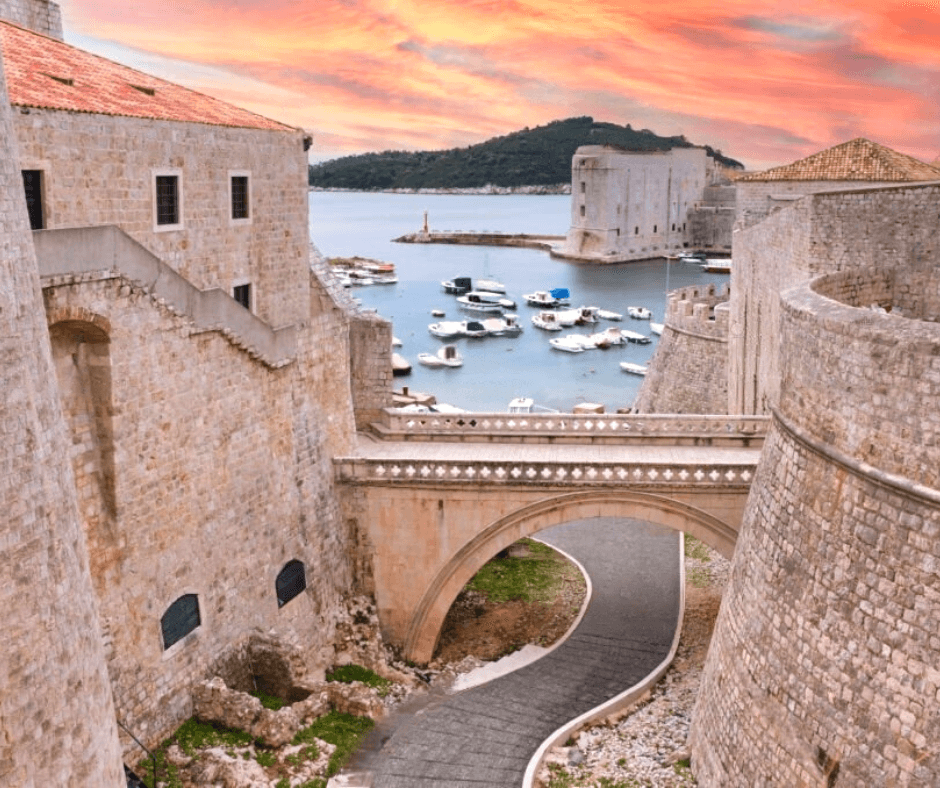
The imposing City Walls of Dubrovnik are arguably its most recognizable feature. Originally constructed between the 11th and 17th centuries, these fortifications stretch for nearly two kilometers. The walls were a formidable barrier against potential sieges, reinforced by a series of towers and bastions that played essential roles in the defense of the city. Walking along these walls offers a panoramic view of Dubrovnik's exquisite terracotta roofs and the expansive blue of the Adriatic.
The walls are interspersed with fortresses, such as the Bokar Fortress, the oldest preserved fortification of its kind in Europe. Designed to protect the Pile Gate, it stands as a testament to medieval military architecture. Another notable structure is the Lovrijenac Fortress, perched upon a rocky cliff, often celebrated as "Dubrovnik's Gibraltar." This fortress was critical in defending the city from Venetian incursions, whose expansive empire viewed Ragusa as both adversary and potential conquest.
The Heart of the Old Town
Inside the embrace of the city walls lies Dubrovnik's Old Town, a pedestrian marvel full of Baroque and Renaissance buildings. Its streets, laid with white limestone, reflect a wealth of history in its intricate architecture. At the heart of the Old Town is Stradun, the main thoroughfare, which acts as the lifeline of daily city buzz and a connector of cultural stops.
Stradun is an exemplary illustration of urban transformation and resilience, rebuilt with homogeneity after the catastrophic earthquake of 1667 that left much of Dubrovnik in ruins. Despite the city's vulnerability to natural calamities and sieges, its architectural resilience shines through with intact structures like the Sponza Palace, which once served as a customs house and now is the home to carefully preserved Dubrovnik archives.
Just steps away is the Rectors Palace, blending Gothic, Renaissance, and Baroque styles. It once served as the seat of the Republic's Rector and today functions as a cultural history museum, sharing the insights into the political narrative and life in the Republic of Ragusa.
Dubrovnik’s religious heritage is equally captivating, with iconic landmarks like Dubrovnik Cathedral, dedicated to the Assumption of the Virgin Mary. This imposing structure stands on the foundations of older sacred buildings dating back to the 7th century, showcasing a rich history intertwined with faith.
A Center of Culture and Innovation
Aside from its architectural splendors, Dubrovnik has long been acknowledged as a nucleus of culture, education, and science. The city was among the pioneers of the abolition of slavery in Europe, demonstrating its progressiveness and humanistic values, with a formal decree in 1418 prohibiting the trade. This foresight and humanity extend into the arts, with the city birthing illustrious poets, playwrights, and scholars.
The renowned playwright Marin Držić, often compared to Shakespeare, found his roots in Dubrovnik. His comedy and drama pieces resonate with creative expression, leaving an enduring legacy. The city is also the birthplace of Ruđer Bošković, an esteemed physicist and astronomer, whose work significantly contributed to scientific thought.
As one delves into the streets of Dubrovnik, this journey is a continuous discovery of its profound legacy, an entrancing blend of history and culture, inviting visitors to explore further and unravel its mysteries. As this article moves to its continuation, the intrigue of Dubrovnik's modern stories and its embrace of tourism and preservation efforts await. The next section will further illuminate how this historic gem continues to thrive in the current era and its endeavors to maintain its unique heritage for future generations.
Dubrovnik’s Renaissance: From War to Peace
Dubrovnik’s rich tapestry of history took a turbulent turn at the end of the 20th century during the Croatian War of Independence. The Siege of Dubrovnik in 1991 was a significant event that tested the resilience of this historic city. The bombardment left severe damage and indelible scars on its ancient walls and cultural monuments, yet the spirit of Dubrovnik emerged unbroken.
Acknowledging the city's profound historical and cultural significance, global efforts were swiftly marshaled following the siege to aid in its restoration. Under the watchful gaze of UNESCO and alongside local architects, craftsmen embarked on a mission to meticulously restore the damaged areas. This restoration became not only a testimony to the resilient spirit of Dubrovnik’s people but also a stellar example of successful heritage conservation.
The dedication to preserving the old while rebuilding the new played a pivotal role in Dubrovnik’s resurgence as a cultural crown jewel of the Adriatic. Over the years, Dubrovnik has elegantly transitioned from a city affected by conflict to one of peace and prosperity, attracting countless visitors worldwide seeking to delve into its historical riches and vibrant culture.
The Role of Tourism: Opening Doors to the World
Today, Dubrovnik thrives as one of Europe's premier tourist destinations. The stark beauty of its medieval walls, gleaming in the Mediterranean sun, draws tourists seeking the unique charm of an ancient world where history and modernity coexist. The city's capacity to transform itself into a global tourism hub is a narrative of adaptability and preservation, strategically balancing the influx of visitors with protecting its cultural heritage.
Guided tours through its historic sites reveal the lesser-known stories and anecdotes of its storied past. Expert local guides regale tourists with tales of noble families, fascinating myths, and the city's diplomatic feats, infusing life into the stones that stand testament to Dubrovnik’s enduring legacy.
Cultural tourism in Dubrovnik takes on a multidimensional form. Beyond its architectural sites, the city vibrates with festivals such as the Dubrovnik Summer Festival, an iconic cultural event celebrating theatre, music, and art. Since 1950, artists from around the world have converged on Dubrovnik during this festival, turning its streets and squares into stages for vibrant performances. This festival is not just entertainment but an integral aspect of Dubrovnik's cultural tapestry, connecting global narratives with local traditions.
Moreover, the city caters to modern tourists by interlacing its historical grandeur with contemporary luxury. Sophisticated accommodation options nestled within its ancient edifices offer panoramic views of the Adriatic, seamlessly blending the charm of antiquity with modern comfort. Local culinary experiences delight visitors with traditional Dalmatian flavors, ensuring that the magic of Dubrovnik's heritage is both a visual and sensory experience.
Cinematic Enchantment: Dubrovnik on the Screen
Dubrovnik's cinematic appeal has transcended time, finding new life and renewed fame through film and television. Its well-preserved historical architecture and stunning landscapes have made it a favored filming location for many productions, most notably the acclaimed television series "Game of Thrones." The series showcased Dubrovnik as the majestic city of King’s Landing, propelling it into the spotlight and kindling the interest of a diverse and global audience.
Game of Thrones-themed tours have since become a leading tourist attraction, drawing fans eager to explore filming locations such as Fort Lovrijenac and the Jesuit Staircase, where notable scenes unfolded. The city has leveraged this fame to enhance its tourism sector further, creating a bridge between its ancient allure and modern pop culture.
Dubrovnik’s ability to adapt to contemporary cultural trends is embedded in its strategy to preserve its core identity while embracing new narratives, an approach that has significantly enhanced its global cultural footprint. Filmmakers and tourists alike are magnetized to Dubrovnik’s amalgamation of historical beauty and its visionary approach to hospitality.
Safeguarding the Future: Challenges and Conservation
While embracing the global spotlight, Dubrovnik faces the ongoing challenge of preserving its captivating allure amidst heavy tourist traffic. The delicate balance between fostering economic growth through tourism and preserving its erected history is a continual negotiation.
In recent years, Dubrovnik has proactively addressed these challenges by implementing sustainable tourism measures. Initiatives include limiting the number of cruise ships allowed per day and encouraging tourism outside of the peak summer season to manage crowds effectively. The city has engaged in active dialogue with international organizations to develop conservation strategies that ensure the preservation of its rich cultural heritage for future generations.
Furthermore, Dubrovnik cultivates a tight-knit community of historians, archaeologists, and preservationists who work diligently to safeguard its historical legacy. This collaborative approach underscores the city's commitment to long-term sustainability and cultural stewardship, ensuring that its historical sites remain not just points of tourism but living parts of its community and history.
Dubrovnik: A Timeless Legacy
Dubrovnik stands today as a shining example of a city that has embraced its past while navigating the demands of the contemporary world. Every stone tells a story; each courtyard echoes with distant voices, blending seamlessly with the bustling city that thrives within the ancient walls.
The romance of its setting, the intricacy of its history, and the warmth of its people create an atmosphere quintessentially Dubrovnik—a city where the old and the new harmoniously coexist. As this article proceeds to its third part, we will explore further the undiscovered paths of this captivating city, delve into its future aspirations, and reflect on the continuing journey of Dubrovnik’s timeless legacy on the Adriatic coast.
Exploring Dubrovnik’s Hidden Corners
While the grand vistas and celebrated landmarks of Dubrovnik often steal the spotlight, the city’s hidden corners hold an equally captivating tale. Away from the bustling main streets, intimate alleyways and quiet nooks provide a deeper glimpse into the soul of Dubrovnik. These lesser-known paths, like secrets whispered through time, invite exploration and discovery beyond the conventional tourist trails.
Wandering through the labyrinthine backstreets of the Old Town, visitors might stumble upon charming secluded squares or hidden chapels like St. Ignatius Church, renowned for its awe-inspiring Baroque architecture. These peaceful areas offer a contemplative escape from the crowds, where the echoes of distant history resonate within their aged facades.
The Gundulić Square morning market is another gem, where local vendors display a vibrant array of fresh produce and handmade goods. It's a place where the aroma of local delicacies mingles with the melodies of daily life, offering a taste of Dubrovnik’s day-to-day vibrancy that is both authentic and inviting.
Another hidden treasure lies beneath the city’s streets—a complex network of subterranean tunnels from World War II, which now house museums and exhibitions. These spaces offer insight into the modern history of Dubrovnik, shedding light on the lesser-known chapters of its storied past, illustrating the resilience through epochs of both peace and turmoil.
Embracing the Natural Beauty
Dubrovnik’s allure extends beyond its rich historical and cultural fabric, unfurling into breathtaking natural scenery just waiting to be explored. The magnificent Adriatic Sea, with its crystal-clear waters, offers numerous opportunities for coastal excursions. From kayaking along the city walls to taking a boat ride to the nearby Elaphiti Islands, the azure expanse invites adventure and relaxation alike.
Lokrum Island, a mere stone's throw from Dubrovnik, is a verdant oasis that affords a mix of history, legend, and lush landscapes. Allegedly cursed by Benedictine monks, this island is steeped in mythology and intrigue. Visitors can wander through its botanical gardens, discover ruins of a medieval monastery, or simply bask along its serene coastline.
Dubrovnik’s natural beauty is further complemented by the Dinaric Alps, offering hiking trails with panoramic vistas that encapsulate both the city and the tranquil sea. An ascent of Mount Srđ rewards climbers with unparalleled views of Dubrovnik’s terracotta rooftops nestled alongside the shimmering water—an arresting sight that anchors the heart and rejuvenates the soul.
Each element of Dubrovnik’s natural landscapes presents an opportunity to step away from the cobbled streets and immersed in a different aspect of the city’s multifaceted charm, fostering a holistic experience that speaks to both its beauty and bounty.
Dubrovnik: Looking Towards the Future
In its essence, Dubrovnik represents a city of progress; it is not merely resting on its historical laurels but striving towards future innovation and vibrancy. The city has expressed aspirational endeavors to remain a beacon of cultural and historical preservation while embracing modernity and sustainable tourism practices.
The Dubrovnik Development Agency, in collaboration with international stakeholders, has propelled efforts to engage young local entrepreneurs and innovators in enhancing the city’s digital landscape. Programs encouraging startups and tech-centric businesses aim to broaden the economic base of Dubrovnik, fostering a dynamic new era of economic diversity within the ancient city walls.
Furthermore, Dubrovnik is investing in academic partnerships and hosting international conferences, fortifying its standing as not just a tourist draw, but a cultural and intellectual hub. These initiatives reflect the city's priority in nurturing future generations who understand the delicate balance between heritage and innovation, ensuring a sustainable future that honors the legacy of the past.
Reflecting on Dubrovnik’s Timeless Appeal
As one reflects on the entirety of Dubrovnik’s offerings, the picture that emerges is that of an everlasting dialogue between its striking past and promising future. It is a city where history walks hand in hand with progress, where the whispers of ancient times intermingle with the footsteps of modern wanderers.
Dubrovnik's charm lies not in any singular narrative but within its tapestry of experiences—an intricate mosaic that unites the grandeur of historic edifices, the tranquility of nature, and the vibrancy of cultural festivities. It invites visitors to lose themselves in its enchanting ethos, creating memories that linger long after the journey has ended.
Ultimately, as Dubrovnik continues to captivate with its allure, the city remains a place where both the adventures of yesterday and dreams of tomorrow are embraced, illustrating a perpetual journey etched into the heart of the Adriatic. Dubrovnik is more than just a destination; it is an enduring story—a testament to the spirit of resilience and a beacon of timeless wonders that beckons to be discovered anew.

The Historic Legacy of Córdoba
The Beacon of Andalusian Culture
Nestled in the southern reaches of Spain, Córdoba stands as a testament to the rich tapestry of history and culture that characterizes the Andalusian region. A city that echoes the grand narratives of the past while embracing the vibrancy of the present, Córdoba once served as the epicenter of intellectual, cultural, and economic activity during the medieval Islamic world. Its legacy is woven into its architecture, traditions, and the very essence of its people.
The origins of Córdoba trace back to the Roman era when it was established as a colonial settlement. However, it was during the Moorish rule from the 8th to the 13th centuries that Córdoba ascended to unparalleled glory. In this golden age, the city became the heart of the Caliphate of Córdoba, commanding influences that stretched across Europe, North Africa, and the Middle East. It was a period marked by a remarkable confluence of Muslim, Christian, and Jewish cultures, which fostered an environment of coexistence and scholarly pursuit.
Córdoba's Architectural Marvels
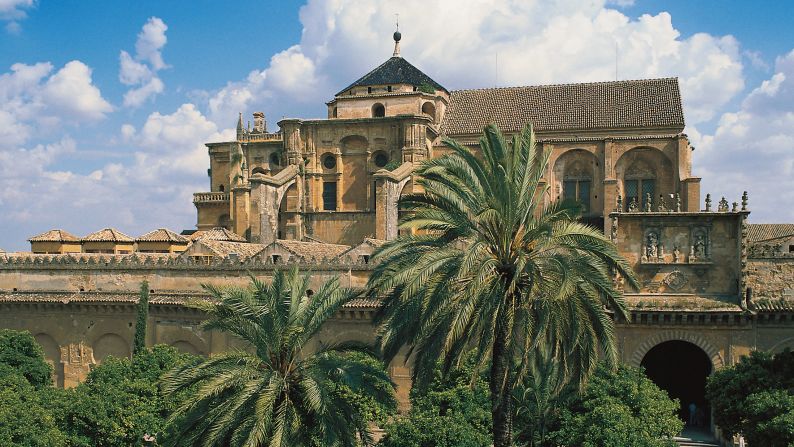
One cannot speak of Córdoba without mentioning its architectural gems, each with a story etched in stone. The Mezquita, or Mosque-Cathedral, epitomizes the city’s historical grandeur. Originally constructed as a mosque in 785 AD under the reign of Abd al-Rahman I, it was expanded numerous times to accommodate the growing number of worshippers. Its hypostyle hall, adorned with over 850 columns of jasper, onyx, marble, and granite, reflects a stunning amalgamation of Visigoth, Roman, and Islamic architectural influences. Following the Reconquista, a cathedral nave was inserted within this Islamic structure, symbolizing a significant religious and cultural transformation.
Another significant architectural landmark is the Alcázar de los Reyes Cristianos, a fortress and palace first built by the Visigoths and later expanded into its current form by the Christian monarchs. This site served as the residence for Isabella I of Castile and Ferdinand II of Aragon during the Spanish Inquisition and was the strategic planning site for the conquests of Granada, marking the end of Muslim rule in Spain. Its gardens remain a vivid spectacle with cascading waterfalls, Moorish-style square ponds, and lush flora that transport visitors back in time.
A Scholarly and Cultural Hub
During its peak, Córdoba was a city that thrived on intellectual pursuit and knowledge. The Caliphate of Córdoba founded one of the era’s most extensive libraries, housing hundreds of thousands of volumes. Scholars from various parts of the world flocked to Córdoba, making it a vibrant center for academic and philosophical inquiry. The city’s universities and libraries were considered among the best, cultivating minds like the famous Jewish philosopher Maimonides and the Muslim polymath Averroes. These scholars contributed significantly to the fields of philosophy, medicine, and science, influencing both their contemporaries and later generations.
Furthermore, the cultural fabric of Córdoba is enhanced through its festivals and local traditions. The Festival de los Patios, designated as UNESCO Intangible Cultural Heritage, is a celebration of the city’s captivating courtyards adorned with vibrant flowers and intricate decorations, offering a glimpse into the city’s commitment to community and aesthetic beauty.




Valletta: The Jewel of the Mediterranean
The city of Valletta, the capital of Malta, stands as a testament to the enduring spirit and cultural richness of the Mediterranean. Known as Il-Belt in Maltese, Valletta was founded by the Order of St. John in 1566. This remarkable city, named after Jean Parisot de Valette, the Grand Master who defended Malta against the Ottoman Empire, boasts a wealth of historical and architectural treasures.
A Glimpse into Valletta's Storied Past
Valletta's origins can be traced back to the aftermath of the Great Siege of 1565, when the Knights Hospitaller emerged victorious and decided to fortify the peninsula. Under the visionary leadership of Grand Master Valette and the Italian architect Francesco Laparelli, construction began on the new city. Designed as a fortified city, Valletta was meticulously planned with narrow streets, bastions, and a grid-like layout, ensuring its defensibility and aesthetic appeal.
The city quickly rose from its rocky foundation, with the main focus on building an impregnable fortress. This was no ordinary city. It was to be a masterpiece of baroque architecture, with public buildings that exemplified the glory of the Knights Hospitaller and their commitment to defending Christendom. Within 15 years, Valletta was transformed from a vision into a vibrant city of grand auberges, churches, and palaces.
Architectural Marvels and World Heritage
Valletta's architectural landscape is a fascinating blend of baroque, neoclassical, and modern styles. The city is home to over 320 monuments, making it one of the most densely concentrated historic areas in the world. Its rich architecture and well-preserved historical sites earned Valletta the prestigious title of UNESCO World Heritage Site in 1980.
Among the city's most iconic landmarks is St. John's Co-Cathedral, a stunning example of baroque artistry completed in 1577. Originally intended as the conventual church for the Knights of St. John, the cathedral's opulent interior and impressive collection of artifacts, including works by Caravaggio, draw visitors from around the globe.
Another architectural highlight is the Grandmaster’s Palace, a magnificent structure that has served as the seat of power for centuries. Its richly decorated rooms and exquisite gardens provide insight into the opulence and power of the Order during its reign. Today, the palace houses the Office of the President of Malta and serves as a museum.
Cultural Vibrancy and Modern Appeal
Valletta is more than just a historical artifact; it is a living, breathing city that embraces both its past and its future. In recent years, Valletta has undergone a cultural renaissance, revitalizing its identity and establishing itself as a dynamic center for arts and culture. The city's vibrant festivals, theaters, and galleries reflect its commitment to fostering creativity and artistic expression.
The city was designated the European Capital of Culture for 2018, a testament to its thriving cultural scene. This accolade propelled Valletta onto the international stage, attracting artists, performers, and visitors who have contributed to its resurgence as a cultural hub.
Visitors to Valletta can enjoy a myriad of experiences, from exploring its historic sites to indulging in its culinary delights. The city’s bustling markets, cafes, and restaurants offer a taste of Maltese cuisine, influenced by the island’s rich tapestry of cultures and histories.
Valletta, with its harmonious blend of history, culture, and modernity, continues to captivate the hearts of all who visit. This Mediterranean jewel is a testament to human ingenuity and resilience, promising an unforgettable journey through time.

Rabat: A Historical and Cultural Odyssey
Located on the Atlantic coast of Morocco, Rabat serves not only as the country's political and administrative capital but also as a treasure trove of history and culture. A city replete with enchanting tales woven into its age-old walls, Rabat blends the timeless allure of its rich past with the vibrant pulse of a contemporary metropolis.
A Journey through Time
The origins of Rabat date back to the 12th century when it was founded by the Almohad ruler Abd al-Mu'min, who established a fortress on the site to prepare for a campaign across the Iberian Peninsula. The name of the city, Rabat, is derived from the Arabic word "ribāṭ," which means a fortified place. Over the centuries, the city transitioned through various phases of governance, with each era leaving an indelible mark on its cultural and architectural landscape.
Rabat was chosen as the capital city of the French protectorate in 1912, which served as a turning point in its urban and architectural development. The French influence is especially observed in the Ville Nouvelle (New City) area, where European styles blend seamlessly with traditional Moroccan elements, thus characterizing Rabat's unique ambiance.
The Architectural Legacy
Rabat boasts an eclectic mix of architectural masterpieces ranging from historic relics to contemporary structures. A UNESCO World Heritage site, the city is home to several notable monuments such as the Kasbah of the Udayas. This ancient fortress proudly stands overlooking the Bouregreg River and offers an evocative glance into the past with its narrow cobbled streets and emblematic Andalusian Gardens.
Another undeniable landmark is the incomplete Hassan Tower. Commissioned in the late 12th century by Sultan Yaqub al-Mansur, the minaret was intended to be the largest mosque in the world before construction was halted. Today, the impressive stone tower stands amidst a field of columns and presents a mesmerizing view of Rabat’s historical expanse.
Moreover, the Mausoleum of Mohammed V captures the essence of Moroccan tradition in its pristine white silhouette. Resting place of the late King Mohammed V and his sons, including King Hassan II, this monument is revered for its exquisite architectural design, complete with intricate zellige tilework and an opulent chandelier adorning the interior.
Cultural Vibrancy
Rabat's cultural landscape thrives with an array of museums, galleries, and festivals that showcase the country’s enduring heritage. The Museum of History and Civilizations, housed within an elegant villa, offers a fascinating collection of ancient artefacts from Morocco’s pre-Islamic and Islamic periods. In contrast, the Mohammed VI Museum of Modern and Contemporary Art serves as a dynamic platform for local and international artists to engage and explore the dialogue between tradition and modernity.
Alive with creativity, Rabat hosts the annual Mawazine music festival, one of the largest in Africa, which attracts a diverse lineup of global artists. This event not only highlights the city's commitment to cultural exchange but also embodies the lively spirit unmistakable to Rabat's essence.


