Gallienus: Rethinking the Reign of a Burdened Roman Emperor
Introduction
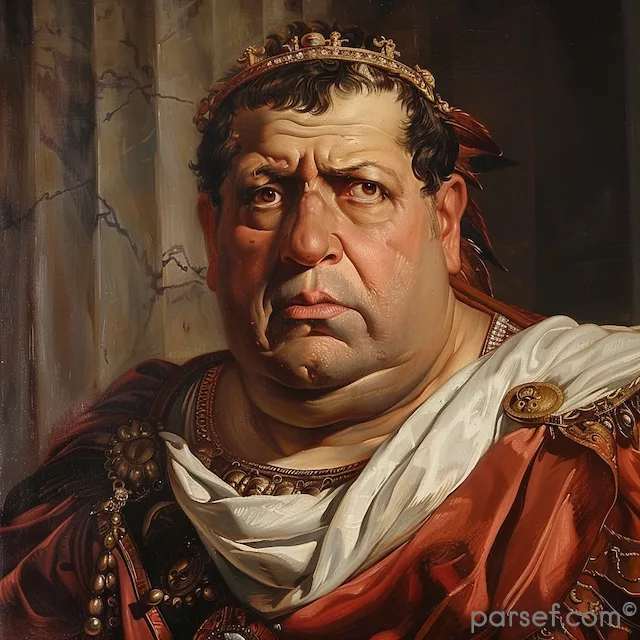
In the vast landscape of Roman history, punctuated by the grandeur of Caesar and Augustus, there lies a tapestry of emperors whose contributions and struggles are often overshadowed by the more triumphant narratives. One such emperor is Gallienus, whose reign from 253 to 268 AD was marked by relentless challenges and a relentless pursuit of stabilization for an empire fraying at its edges. Frequently dismissed as ineffective due to his inability to completely fend off external threats and internal dissent, a closer examination of his tenure reveals a reflective transformation that planted foundational changes for future leaders.
A Time of Crisis
Gallienus ascended to power during a period dubbed by historians as the Crisis of the Third Century, a sociopolitical and economic turmoil profoundly jerking the Roman Empire. This era was characterized by successive military invasions, rampant internal rebellion, fiscal collapse, and the rotation of numerous emperors who rose and fell amid the chaos. Gallienus's tenure as co-emperor with his father, Valerian, and later as the sole ruler after his father was captured by the Persians in 260 AD, added layers of complexity to his rulership.
Upon becoming the singular authority of Rome, Gallienus was greeted not by stability, but by an empire teetering dangerously on the brink of disintegration. The northern territories faced continual threats from the Germanic tribes, while the eastern front sagged under the pressure of Persian incursions. Furthermore, the Roman Balkans simmered with unrest, and burgeoning separatist movements in Gaul and the East demanded immediate and adept leadership. Yet, even amid such tumult, Gallienus set out to redefine his realm with a focus that transcended mere survival.
Military Reforms and Innovations
One of Gallienus's most significant contributions to the Roman Empire was his insightful reassessment and reforms of the military structure. Acknowledging the frailty of Rome's traditional legions when confronting swift-moving invaders, Gallienus implemented a cavalry-oriented military strategy. He stationed mobile horsemen at strategic locations, enabling rapid deployment to repel invasions more effectively. This strategic shift not only enhanced the empire’s defensive capabilities but also influenced future military exercises and paved the way for the eventual prominence of the cavalry during the Late Roman Empire.
Moreover, Gallienus recognized the futility of the divided command system prevalent during his time. He embarked on transforming the military hierarchy, appointing trusted generals as supreme commanders of significant frontiers. This step towards centralization improved coordination and accountability, marking a landmark shift in military governance.
Cultural and Administrative Reforms
Beyond the military arena, Gallienus's reign marked an era of quiet cultural flourishing, propagated not from grandiose architectural ventures, but from a subtler emphasis on arts and intellectual pursuits. His preference for philosophy, culture, and the arts, coupled with policies that somewhat eased tensions between traditional pagan practices and burgeoning Christian movements, painted him as a ruler favoring cultural cohesion over civil strife.
Administratively, Gallienus took concrete steps to tackle the empire’s economic instability. His tenure saw an emphasis on consolidating power in Rome, cutting through the multiplicity of regional authorities that often worked at odds with the central governance. Through these measures, he aimed to reinvigorate trade and strengthen the economy, although his efforts were frequently thwarted by persistent inflation and monetary devaluation that were rife during his time.
A Legacy of Misunderstood Efforts
Despite these proactive measures, contemporary and subsequent historical narratives often criticized Gallienus’s reign, highlighting his failures rather than his resilience amidst adversity. The criticism hinges predominantly on his inability to prevent the fragmentation of the Roman Empire into three parts—the Gallic Empire in the West, the Palmyrene Empire in the East, and the core Roman territories. However, such judgments overlook the overwhelming scope of challenges that Gallienus inherited, and the transformational groundwork laid during his rule that bore fruit in the longer term.
In reassessing Gallienus’s legacy, it becomes apparent that his adaptations and frameworks created an administrative and military paradigm crucial for the empire’s resilience in subsequent centuries. While his era lacked the monumental peace of Augustus or the victorious legions of Trajan, the Gallienus epoch served as a crucible, refining and tempering Rome’s capabilities to endure through the looming Dark Ages.
In conclusion, Gallienus's rule, often overshadowed by the more extravagant legacies of other Roman emperors, merits a nuanced exploration. His resilience during the precipice of collapse and his strategic adaptions showcase a reign far richer in accomplishments than traditionally acknowledged. As historians continue to delve into the smudged pages of antiquity, Gallienus stands as a testament to the complexities of leadership amid turmoil, unveiling a story more of perseverance and reform than of mere desperation.
As we continue exploring his intricate legacy in the subsequent sections, we delve deeper into the nuanced political maneuvers and cultural shifts that underscored an era teetering on the edge of historical oblivion.
Facing External Threats
Reacting to the multitude of external threats, Gallienus's strategy wasn't solely focused on offense. Instead, he sought to create fortified defenses that would serve as deterrents against the ambitious encroachment of foreign powers. The focus was not merely about creating immediate military victories but rather ensuring a continuity of territorial resilience despite fluctuating military tides. His emphasis on fortifying positions at critical frontier posts signified a pragmatic shift in Roman military doctrine, prioritizing sustainable security over expansive conquest.
In the embattled northern regions, the Germanic tribes posed relentless threats. Gallienus's decision to deploy the cavalry at these frontier positions facilitated a more nimble defense strategy. The innovative use of mounted troops against the quick-moving raiders enabled a plug in the metaphorical leaks on the empire's boundaries. This adaptation not only minimized incursions but created a strategic template that would be employed by leaders in epochs beyond his reign.
His military acumen extended to the Eastern front as well. Recognizing the ever-present Persian threat, Gallienus implemented measures to bolster security along the Roman-Persian border. However, the formidable Persian Emperor Shapur I, who had already captured Gallienus's father, remained an intimidating foe whose advances required both fortitude and diplomatic skill to counteract effectively. Though his campaigns in the East didn't culminate in decisive Roman victories, Gallienus's endeavors prevented further significant territorial losses—a feat commendable given the odds stacked against him.
Internal Rebellions and Usurpers
Internally, Gallienus contended with a slew of rebellions and emerging usurpers, which fragmented the imperial cohesion he desperately sought to establish. The epoch of his reign was marred by challenges from territories that were progressively slipping beyond Rome's grasp. Amid these internal fissures, Gallienus was forced to employ strategic suppression coupled with concessions to maintain a semblance of control over the sprawling Roman expanse.
The rise of the Gallic Empire, spearheaded by the rebellious Postumus in the Western Roman territories, remains one of the defining crises of Gallienus's rule. The establishment of this breakaway empire highlighted intrinsic weaknesses within the Roman state structure but also underscored Gallienus's pragmatic adaptability. Although he couldn't completely dismantle the Gallic script of insurrection, the measures he undertook managed to contain its spread and influence, thus retaining pivotal portions of his empire.
Simultaneously, Gallienus faced the Palmyrene ascension in the East, led by the formidable Queen Zenobia. This splintering further exemplified the centrifugal forces rife in his reign, yet Gallienus chose not to direct full-scale engagements against this eastern polity. Instead, his strategy entailed selective alliances and localized diplomatic engagements aimed at neutralizing wider alliances that could spark further empire fracturing.
Cultivating a Legacy Through Reform
Despite the plethora of external and internal threats, Gallienus's reign is also marked by a series of deft reforms. Understanding the need for a more stable and adaptable system of governance, he ventured into and supported crucial policy reforms that sought to modernize the empire's institutional apparatus.
Foremost among these was Gallienus’s edict that barred senators from commanding military units, a reform that not only professionalized the Roman military by entrusting command to career soldiers but also curbed the political ambitions of the senatorial class. This action reduced instances of coup attempts and unauthorized power seizures by senators eager to exploit military might for personal gain.
Moreover, Gallienus established the short-lived but impactful ‘podium’ council of senior officials who served as an administrative cord binding various facets of the empire’s governance. The collective expertise of war-seasoned veterans and bureaucratic minds aimed to formulate strategies mitigating the multifaceted crises facing Rome.
The Cultural Flourish of an Embattled Age
Notably, Gallienus's epoch witnessed an unexpected flourish in the cultural domain when little would seem poised to bloom in the shadow of uncertainty. Patronizing the arts and philosophy garnered him an enduringly nuanced legacy. His court became a Bildungsroman—a meeting place for intellectuals, painters, and think-makers who, despite an era of turmoil, created a ripple of cultural proliferation.
One could argue that Gallienus's support of cultural pursuits during a period of crisis established a template for viewing art not merely as a reflection of civilizational strength but as a refuge and reminder of Rome’s enduring spirit. The valuation of philosophical, artistic, and scientific endeavors under Gallienus's patronage served as an intangible yet indelible balm against the fragmentation that loomed larger than ever before.
The Renaissance of ideas, fostered by his allegiance to intellectual currents, signified a preservation of the Roman intellectual lineage amidst external chaos. In allowing talented figures across the cultural spectrum a voice, Gallienus forged an allegorical shield that protected Rome's cosmopolitan ethos despite external and internal onslaughts.
Gallienus's rule indeed traverses the landscape of Roman history as a complex narrative driven by reform, resilience, and cultural patronage. His strategies in response to external threats and internal challenges, coupled with efforts in cultural and administrative strides, provided a unique legacy rooted in the nuanced understanding that leadership is often as much about immediate victories as it is about setting long-term trajectories for future resilience. In unraveling the remaining chronicles of his reign, we confront more than a mere blip on a timeline, but the colorful heraldry of a man who sought to mold Rome from the clutches of its darkest crises.
The Economic Quandary
Despite seeding essential reforms, Gallienus's reign persisted under the heavy cloud of economic instability, a critical element that both defined and destabilized his administration. Attempts to mend the failing economy encountered hurdles at every turn. Decimated by years of warfare, plundered provinces yielded reduced revenues, escalating the economic downturn further.
Aware of these challenges, Gallienus sought to reinvigorate commerce and stabilize the depleted treasury, particularly through fiscal reforms designed to undermine inflation and the rampant depreciation of the currency. These efforts were far from universally successful; however, his initiative to standardize coinage and uphold fiscal policies laid groundwork that future emperors would inevitably build upon. Yet, Gallienus found himself contending against forces greater than fiscal policy alone could amend—it was often the remnants of war and loss that dictated the Roman economy anew.
Beyond the corridors of imperial courts and senate assemblies, efforts in agrarian reforms also punctuated Gallienus’s economic initiatives. A Rome compromised by external warfare and internal dissent required agrarian settlements to remain robust and productive; thus, taxes were reevaluated, and tenant farmers offered incentives to cultivate lands productively.
The Christian Controversy
Amid Gallienus's multifaceted endeavors to stabilize an unraveling empire was his approach toward burgeoning Christianity, a topic of both socio-political and historical intrigue. His reign managed to navigate the complexities surrounding this growing religious movement with unorthodox prudence.
Gallienus is often credited with halting systemic persecutions of Christians, marking a turn from prior imperial edicts. The Gallienist policy of relative tolerance reflected a stark contrast to earlier, harsh measures. Whether through pragmatism or political astuteness, his decision facilitated a transitional period where Christians could coexist with Rome's traditional paganistic leanings without facing the severe crackdowns previously witnessed.
This shift allowed Christianity to permeate Roman society more deeply, enabling a future where it would eventually become the empire's predominant faith. Through a lens both contemporary and retrospective, Gallienus's decisions laid an incorporeal foundation that transformed the religious landscape of Rome, revealing a legacy entrenched as much in spirituality as in statecraft.
Gallienus’s Final Years and Assassination
Notwithstanding his extensive kaleidoscope of reforms and adaptions, the fate of Gallienus was sealed not by a decisive battle or significant territorial loss, but rather the perennial bane of Roman emperors—conspiracy and assassination. Emperor Gallienus's ultimate downfall came in 268 AD, on the outskirts of Milan, as he sought once again to quell another rebellion. Betrayed by those he trusted within his own military ranks, Gallienus fell to a conspiratorial murder, orchestrated amid the very ranks he had fought hard to mold and professionalize.
His assassination spotlights the persistent and perilous nature of Roman politics. In an empire where allegiances shifted with the winds and power came branded with constant precariousness, Gallienus's end reflected once more the treacherous matrix of the imperial seat.
Reevaluating Gallienus’s Legacy
Yet, even as his era concluded with blood and betrayal, the legacy of Gallienus invites reevaluation. Too long has his reign been dismissed as a mere perpetuation of the chaos of the Crisis of the Third Century, when in fact it embodied a significant degree of resilience and farsighted reform. His military restructuring, elevating the cavalry's role, was a tactical testament to his adaptability amidst perpetual pressure.
In the broader scope of cultural and religious evolution, Gallienus presided over transformative trends—even if unwittingly—that prepared the stage for Rome’s eventual transition toward Christianity. His informal rapprochement with a burgeoning religious community eased the pervasive tensions of prior persecutions.
Moreover, his economic policies, though limited in their immediate effect, curated an insightful understanding of structural necessities, foreshadowing approaches that later emperors would adopt more completely. His willingness to adapt held within it the seeds of future Roman stability—a stability that remained ephemeral in Gallienus’s own time, yet planted amidst the turbulence of his reign.
In reassessing Gallienus’s story, we are reminded that history seldom awards due credit to those who operate without immediate, conspicuous success. While his reign lacks the dramatic triumphs to etch him into the annals of eminence, his determination in the face of insurmountable odds paints him as more than the vestige of a declining empire. Instead, Gallienus should be viewed as a pivotal figure whose intrepid adaptability and silent reforms left an indelible impression on the course of Roman history.
In conclusion, Gallienus's reign endures not merely as a chapter in Rome's tumultuous third century but as a narrative abounding with pragmatic foresight and chameleonic leadership amidst adversity. As time continues its unyielding march, it is imperative that history does justice to the nuanced legacy he crafted amid the thunderous chorus of age-old challenges that characterize his era.
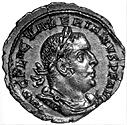

Julian the Apostate: A Reign of Reform and Controversy
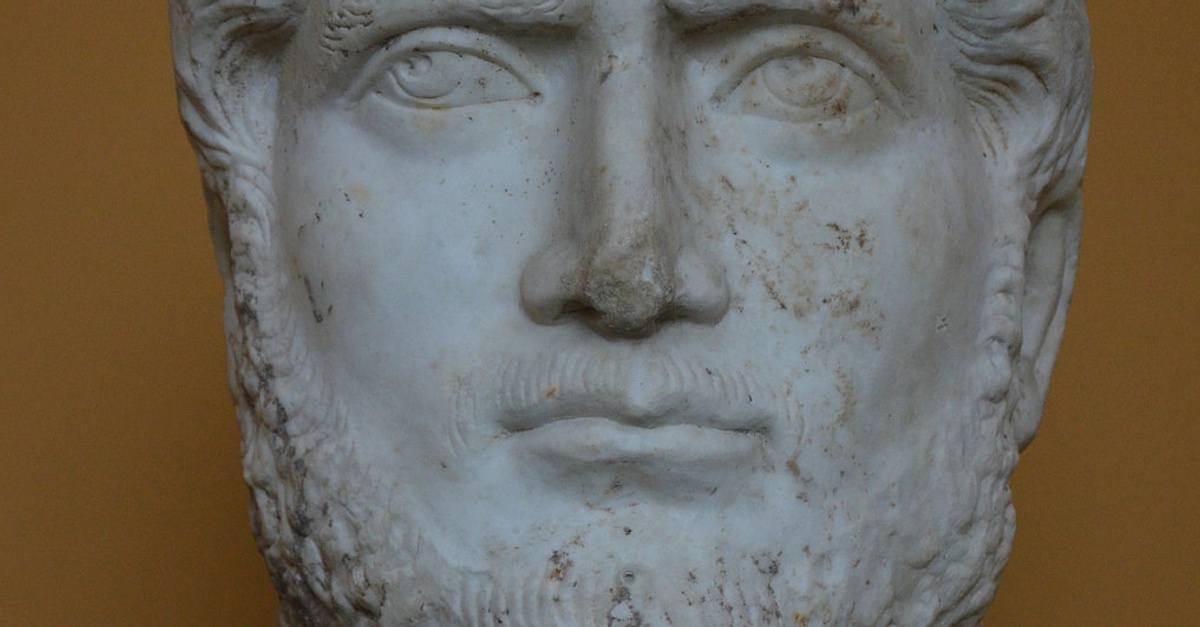
The rocky landscape of Roman history is dotted with towering figures whose reigns are marked not only by political acumen but also by ideological battles. Among these is Julian the Apostate, a ruler whose attempts to restore paganism in an increasingly Christian world have left an indelible mark on history. Born Flavius Claudius Julianus in 331 AD, his story intertwines deeply with the religious and socio-political threads of the late Roman Empire.
The Early Life of Julian
Julian was born into the Constantinian dynasty, the son of Julius Constantius and Basilina. His upbringing was marred by tragedy; a vicious power struggle following the death of Constantine the Great led to the massacre of many of Julian’s close relatives. These events, combined with his strict education, laid the psychological foundation of a youth who would later grapple with the formidable legacy of his family.
Sent away from court, following his parents’ untimely demise, Julian was educated under the watchful eyes of Christian scholars. As he matured, he developed an indelible curiosity for classical philosophy, especially Neoplatonism, which sowed the early seeds of his later religious leanings. Embodying a keen intellect, Julian's exploration into philosophy helped shape a worldview distinct from the burgeoning Christian orthodoxy that dominated the Roman Empire.
The Rise to Power
The road to power was intricate and fraught with peril. Cousin to the reigning Emperor Constantius II, Julian remained in a state of enforced obscurity for much of his early life. It wasn't until the mid-350s that Constantius saw political value in his young cousin's potential, appointing Julian as Caesar of the West to command Roman forces against fraying frontiers.
Julian's military acumen quickly became apparent. His leadership was instrumental in securing victories against the Alemanni and Franks, allowing him to solidify civilian and military loyalty. With each triumph, Julian's moniker grew, sowing the seeds for his eventual rise to Augustus, the supreme title among the emperors, in 361 AD following Constantius II’s death.
The Apostate’s Religious Agenda
Upon ascending to the throne, Julian's reign was defined by rapid and often controversial reforms. Dubbed "the Apostate" by future historians, Julian famously attempted to restore the pagan religions of Rome and roll back the Christian influences introduced by his predecessors.
Julian believed in the rejuvenative power of Hellenistic traditions, with a vision for a cosmopolitan empire united by a common cultural and religious heritage. His vision extended beyond simply restoring past glories; he sought to re-establish the philosophical roots of classic paganism, fostering a revival grounded in learning and tradition.
One of Julian's key initiatives was the reinstatement of pagan worship's material and cultural aspects. He reopened temples, reignited traditional rituals, and, perhaps most controversially, banned Christians from teaching classical literature. Despite these efforts, Julian’s attempts were met with significant resistance. The grip of Christianity had tightened, and paganism was increasingly perceived as antiquated in the eyes of the growing Christian populace.
Challenges and Consequences
Julian's policies, while innovative, faced numerous obstacles. He inherited a Roman Empire fraught with internal tensions and external threats, including the ever-looming danger of the Persian Empire to the east. As he concentrated on revitalizing paganism, Julian's religious zeal often overshadowed pressing domestic and foreign policy issues, leading to administrative neglect and straining resources thin.
His reign, however, is also noteworthy for its attempts to streamline government practices. Julian endeavored to reduce the bureaucratic weight on the imperial administration, striving for a more ethical governance model. By rooting out corruption and advocating for civil service based on merit, Julian left a legacy as a pragmatic reformer even amidst his religious endeavors.
While Julian's religious pursuits were short-lived, his influence spans far beyond his brief rule. His philosophical writings, predominantly intended to counter Christian teachings, provide deep insight into his intellectual prowess and complex personality. These texts not only underscore his commitment to Hellenistic ideals but also portray him as a deeply contemplative ruler whose policies reflected a sincere, albeit arguably misguided, vision for the empire's future.
As the narrative of Julian's life unfolded, it revealed a ruler caught in a historical transition—a momentary champion of past traditions in a world steadfast in its march towards new ideologies. Though labeled as the "Apostate" posthumously, Julian's reign embodied a courageous, if quixotic, challenge to the empire's prevailing winds.
Military Campaigns and the Persian Expedition
Julian's reign was marked not only by religious upheaval but also by significant military endeavors. One of his most ambitious undertakings was the campaign against the Persian Empire, a formidable adversary that had long threatened Roman stability in the East. Embarking on the military expedition in March 363 AD, Julian sought to assert Rome's dominance and, perhaps more personally, to emulate the conquests of Alexander the Great, whom he admired.
Julian's strategy relied on rapid mobility and surprise, leading a well-prepared army deep into Persian territory. With approximately 65,000 troops, his forces represented a diverse cross-section of the Roman military might, drawing from different regions of the empire. Initial skirmishes were promising; the Roman army achieved early victories and managed to penetrate as far as the Persian capital, Ctesiphon. However, the distance from their supply lines and the scorching summer heat posed serious logistical challenges.
Despite the successes, Julian's campaign swiftly pivoted from offensive to defensive. The Persians, adept in guerilla warfare, harried the Romans relentlessly, employing attritional tactics to wear down the invaders. Compounded by inadequate intelligence and logistical oversights, the campaign began to stall. Julian, having chosen not to press on to capture Ctesiphon outright, opted for a retreat—an admission that the campaign's realization had fallen short of its ambitious aims.
The Mysterious Death of Julian
Julian's campaign against Persia not only marked the zenith of his military career but also its abrupt end. A turning point came during a retreat near the city of Samarra, where a skirmish ensued. It was in this chaotic encounter that Julian suffered a fatal wound. Accounts describe a javelin piercing his side, delivered either by a Persian soldier or, as some contemporaries speculated, by a disgruntled Christian within Julian's own ranks, though the latter remains both controversial and unproven.
The immediate aftermath of his injury was one marked by legendary stoicism. Even as he lay dying, Julian reportedly engaged in a final philosophical discourse with his commanders, casting himself as a tragic hero of the past rather than a savior for the future. On June 26, 363 AD, Julian the Apostate breathed his last, leaving behind a tumultuous legacy and a power vacuum that threatened to destabilize the empire.
Julian's death ended an era of active attempts to revert to Rome's pagan roots. This marked the cessation of paganism as a state-endorsed belief system, paving the way for the consolidation of Christianity as the predominant religion of the Roman Empire. The Antiochene emperor Jovian was quickly chosen as his successor, a ruler inclined to restore Christian primacy to the throne and negotiate peace with Persia, albeit at considerable territorial cost.
Legacy of Julian the Apostate
Julian's short reign left historians with a paradoxical legacy. On the one hand, he is remembered for an ambitious but ultimately failed campaign to reinstitute paganism, a mission that paved the way for religious discourse and reflection within the empire. On the other, his military strategizing against Persia, while initially displaying boldness and innovation, ended in tactical compromise and territorial losses.
Julian’s philosophical works, especially his treatise "Against the Galileans," sought to intellectually counteract Christianity's theological precepts, reflecting his deep ideological convictions. Through these writings, Julian criticized what he perceived as the moral and logical inconsistencies within Christian doctrine, advocating instead for a return to the philosophical values of antiquity. His corpus, while contentious, comes down to us as a testament to his erudition and the complexity of his beliefs.
In the broader historical context, Julian the Apostate represents the clash of cultural paradigms—the transition between pagan antiquity and a Christian empire heavily shaped by a singular religious narrative. Although his policies failed to revert the tide of Christianization, Julian remains an enigmatic figure of intellectual courage and philosophical exploration, compelling us to reconsider the multifaceted nature of leadership and reform.
Moreover, Julian's reign has inspired myriad interpretations in literature and modern historical analysis. His life and actions are reminders of the intricate, often blurred lines between conviction and governance, tradition and innovation. As historians continue to explore the multi-dimensional aspects of his tenure, Julian the Apostate occupies a unique niche—bridging the chasm between historical narratives and the inexorable drive for ideological legacy.
In essence, Julian's story is not just about an emperor's resistance against the status quo but a reflection on how personal belief can intersect with, and often complicate, the intricate machinery of statecraft. The ripples of his actions and the discourse they provoked underscore the enduring impact of an emperor who refused to conform to the epochal tides of change.
Historiographical Perspectives on Julian
Julian the Apostate's place in history is both complex and contested, shaped by the narratives of contemporary writers and later interpretations by historians. Through the lens of those who lived during his time and in the eras that followed, Julian emerges as a figure embodying conflict and transition.
Contemporary sources present a dichotomy in the perception of Julian. To pagan or secular historians like Ammianus Marcellinus, Julian was depicted as a philosopher-king, an enlightened ruler whose intellectual pursuits and military capabilities far outweighed his religious peculiarities. Marcellinus, chronicling the era in "Res Gestae," lauded Julian’s governance, military reforms, and educational policies, portraying a leader filled with integrity and purpose.
In contrast, Christian writers, such as Gregory of Nazianzus and Sozomen, often viewed Julian's apostasy as a deliberate betrayal, casting him as a cautionary tale within the broader narrative of Christian triumph. These accounts emphasize Julian's attempts to undermine Christianity, portraying him as a ruler whose reign was destined for failure due to divine disfavor. Their narratives, steeped in theological interpretation, underscored a providential motif that saw Julian’s death as the inevitable consequence of challenging the emergent Christian orthodoxy.
As centuries progressed, subsequent historiography further nuanced Julian’s portrayal. During the Renaissance, a period marked by the rediscovery of classical antiquity, scholars found renewed interest in Julian’s efforts to revive Hellenistic culture. He was seen as a tragic figure, an intellectual caught between eras, whose failure was attributed less to his policies and more to the epoch’s inexorable shift toward monotheistic domination.
Julian’s Influence on Later Religious and Political Thought
Despite the transient nature of his religious reforms, Julian's reign offered enduring lessons and reflections on religious toleration and the role of state in ecclesiastical affairs. His attempted synthesis of paganism and philosophy inadvertently highlighted the entrenched challenges of instituting religious pluralism within a diverse empire.
Julian's life and efforts have sparked discourse on the separation of church and state, an issue resonating well beyond the confines of ancient history. His reign invites us to question the balance of personal belief and public duty, revealing the intricacies of governance in a culturally heterogeneous environment. Julian’s insistence on meritocracy and philosophical grounding in governance showcased an early model for administrative reform detached from ecclesiastical influence, an idea that would echo through ages in various forms of secular governance.
Furthermore, Julian's writings continue to be studied in their philosophical rigor and socio-religious implications. They enable modern scholars to explore early Christian-pagan dialogues, enriching our understanding of the ideological battlefield of the fourth century. His critiques of Christianity, though polemic, provide insight into contemporary religious debates and the ways in which dialogue across belief systems can be conducted.
The Cultural Legacy of Julian the Apostate
Julian’s cultural footprint is not relegated solely to historical or scholarly pursuits but extends into the arts and literature. His story has served as fertile ground for novels, plays, and operas, a testament to the enduring fascination with his character.
In literature, Julian's story has been revisited and reimagined in countless works, including the notable novel "Julian" by Gore Vidal. This novel vividly brings to life Julian's world, painting a picture of an emperor torn between ancient philosophies and the encroaching Christian doctrine. The nuanced character study offers readers a glimpse into Julian's struggles, intellect, and the poignancy of his idealistic yet ultimately doomed ambitions.
Moreover, as a historical figure, Julian’s life symbolizes a broader cultural clash that embodies the transition from classical antiquity to the medieval period, making his story relatable to various cultural contexts. His narrative serves as a reminder of the human struggle to reconcile progress with tradition, demonstrating how leaders with divergent visions can profoundly influence the social and religious tapestries of their times.
In sum, Julian the Apostate remains a potent symbol in historical discourse, a figure whose life underscores the dynamic nature of ideological evolution. His complex legacy challenges us to reassess the notions of belief, governance, and identity, inviting continual reflection on the nuanced interplay of personal convictions and public roles. Through this contemplation, Julian endures, not only as a figure of the past but as a prism through which we can examine enduring questions of faith and leadership in an ever-changing world.

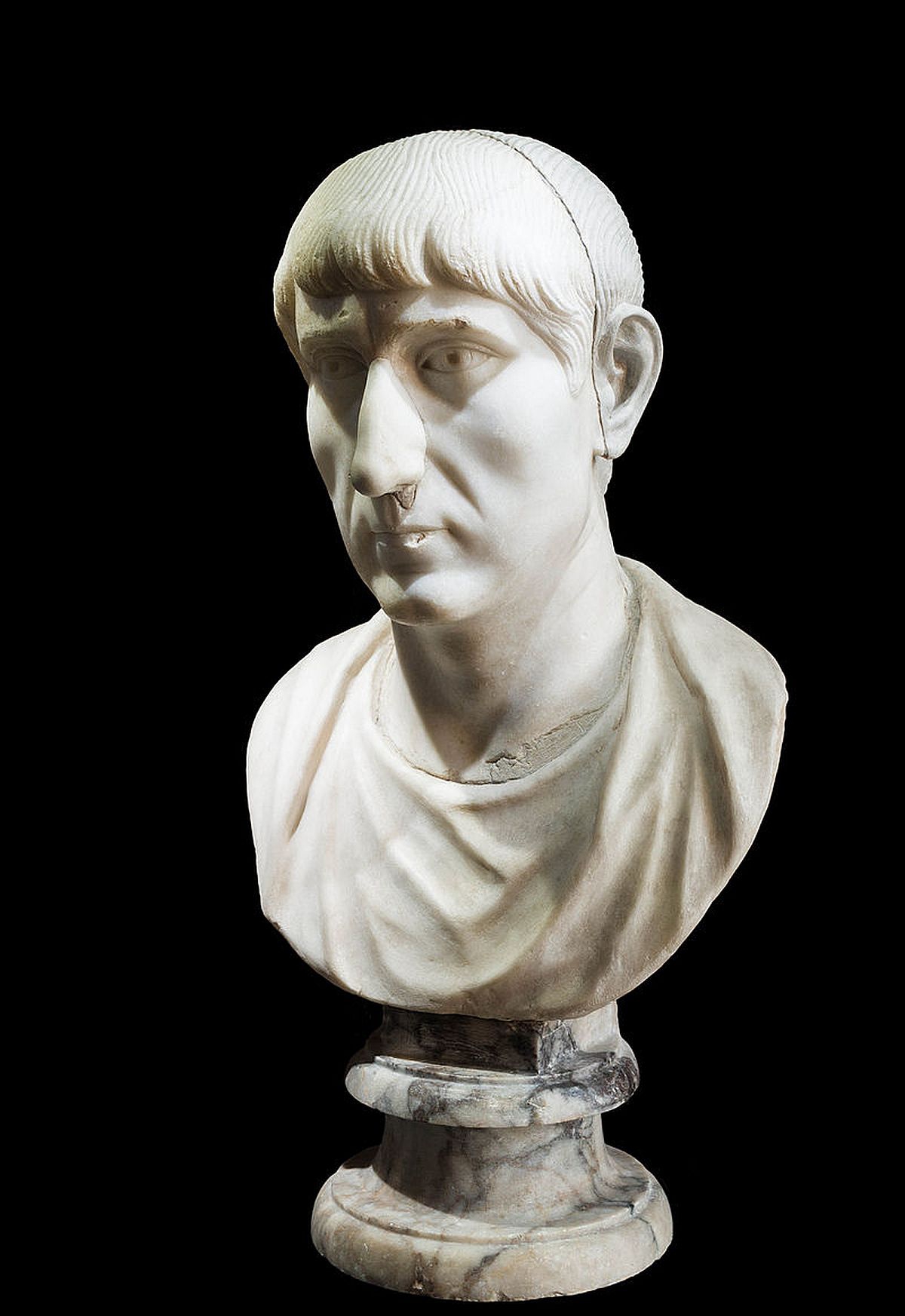
Augustus: The Architect of the Roman Empire
The Early Life of Gaius Octavius
Augustus, originally named Gaius Octavius, is renowned for being the first emperor of Rome and a pivotal figure in Roman history. Born on September 23, 63 BC, in the town of Velitrae, southeast of Rome, Octavian was a member of a financially modest branch of the prestigious gens Octavia. His familial lineage was not royal nor especially noble, yet it bore connections that would prove vital in his ascent to power. His mother, Atia, was the niece of Julius Caesar, establishing a bloodline that would later be instrumental in his rise.
As a young man, Octavius was sent to study in Apollonia, a major cultural hub in the province of Illyricum. During his time there, he honed skills in oratory and military tactics, setting the groundwork for his future as a leader. His connection to Julius Caesar extended beyond mere familial ties; Caesar recognized Octavius' potential early on and adopted him as his heir, introducing him to the Roman political stage as Gaius Julius Caesar Octavianus.
The Rise to Power
The assassination of Julius Caesar on the Ides of March, 44 BC, marked a turning point in Roman history and for Octavian personally. At merely 18 years old, he was thrust into the political fray of Rome. Caesar's death created a power vacuum and sparked a series of civil wars. Octavian quickly moved to claim his inheritance and position, deftly navigating the treacherous political landscape.
His first significant political maneuver was aligning himself with two of Rome’s most powerful figures at the time, Mark Antony and Marcus Aemilius Lepidus, forming the Second Triumvirate. This alliance effectively divided the Roman territories among them but was fraught with tension. It enabled Octavian to gain military command and public recognition, setting the path for his eventual sole rule.
Octavian’s clash with Antony became inevitable as the two men's ambitions grew increasingly incompatible. The Battle of Actium, fought on September 2, 31 BC, was the decisive conflict that led to Octavian’s ascension. By defeating the combined forces of Antony and Cleopatra of Egypt, Octavian removed his primary rival for control and became the unrivaled master of the Roman world.
Establishing the Roman Empire
In 27 BC, Octavian made a calculated move that underscored his political cunning and foresight. He offered to relinquish his powers and restore the Republic. This gesture, although largely symbolic, was aimed at appeasing the Senate and calming the political landscape. In recognition of his services to the state and his apparent humility, the Senate conferred upon him the title "Augustus," meaning "the revered one." This year is traditionally marked as the beginning of the Roman Empire, with Augustus as its first emperor.
Augustus' reign heralded a new era of relative peace known as the Pax Romana, which lasted over two centuries. Under his rule, Rome expanded its boundaries significantly, though Augustus was judicious in avoiding imperial overreach. His strategic blend of military strength and diplomacy stabilized and extended Rome's influence.
Administrative Genius and Reforms
A key to Augustus' enduring legacy was his comprehensive approach to governance, which involved significant reforms in taxation, military, and provincial administration. He reorganized the military, establishing a permanent standing army with soldiers loyal not to their generals, but to the emperor himself. This reorganization reduced the likelihood of military coups and increased the efficiency and reach of the Roman military.
Moreover, Augustus reformed the provincial governance structure, ensuring more efficient and less corrupt administration. He established a network of roads that improved communication and trade across the empire and initiated extensive building projects, including the reconstruction of Rome itself.
The Augustan Age was also marked by significant cultural patronage. Augustus recognized the power of propaganda and art in consolidating his rule. He supported poets like Virgil and Horace, whose works extolled the virtues of his leadership and the grandeur of Rome. Through a blend of administrative acumen, military might, and cultural patronage, Augustus not only consolidated power but also laid the foundations for an enduring empire.
This period of reform and revitalization positioned Rome not merely as a manifestation of military conquest but as a beacon of civilization, art, and law, an image Augustus meticulously crafted and projected.
The Consolidation of Power
While Augustus’ reforms reshaped Rome internally, his political maneuvers were equally crucial for consolidating his power. He understood that while his control over the military was paramount, he also needed the loyalty of Rome’s governing bodies and the wider populace. Augustus maintained the façade of traditional republican governance, keeping institutions like the Senate intact. Nevertheless, he ensured they operated under his influence, thereby securing their loyalty while avoiding outward appearances of autocracy.
He cleverly held multiple titles and offices concurrently, including Princeps Senatus (first senator) and Imperator (military commander), effectively centralizing authority without directly infringing on republican ideals. This political acumen allowed him to wield complete control while maintaining the guise of a restored republic. Romans accepted his supremacy largely due to the stability and prosperity he delivered after decades of civil war.
Public Works and Urban Development
Augustus took great pride in transforming Rome from a city of brick to a city of marble. His extensive public works program was a cornerstone of his administration. Recognizing that physical transformation could reinforce political power and legacy, he championed numerous building projects that not only beautified the city but also served to remind the populace of his accomplishments.
He commissioned the construction of the Forum of Augustus, a new public meeting space adorned with statues and marble embellishments, signifying the emperor’s magnanimity and connection to Rome’s legendary past. The restoration and expansion of Rome’s aqueducts improved water supply and sanitation, significantly enhancing urban life.
Moreover, Augustus funded the construction of roads and bridges, including the Julian Imperial Road, connecting distant parts of the empire and facilitating the flow of trade, military movement, and culture. These infrastructural developments helped cement the image of Augustus as the provider of prosperity and the guarantor of stability.
Culture and Propaganda
The age of Augustus was as much a renaissance of culture as it was of political stability. He understood the value of art, literature, and architecture as instruments of propaganda. The Augustan cultural renaissance was characterized by a blossoming of arts, often aligned with the political goals of the regime.
Poets like Virgil, Ovid, and Horace were under imperial patronage, and their works contributed to the narrative of a divinely sanctioned peace ushered in by Augustus. Virgil’s "Aeneid," in particular, became a centerpiece of Roman literature. It subtly linked Augustus’ rule to the divine will, tracing his ancestry and the destiny of Rome back to the ancient hero Aeneas.
Statues and coins also played a significant role in disseminating Augustus’ image. His portraits were distributed throughout the empire, depicted with divine attributes to associate his rule with favor from the gods. By intertwining his public image with the themes of renewal, peace, and divine blessing, Augustus solidified his standing across the empire.
The Personal Life of Augustus
Despite his public accomplishments, Augustus’ personal life was marked with complexities, particularly concerning his family and succession. He strategically managed his family relationships to secure his lineage and maintain political stability. Marriage alliances were pivotal; his marriage to Livia Drusilla was a significant component in solidifying alliances and bolstering his dynasty’s power.
Although he had no sons of his own, Augustus adopted several young relatives, anticipating the continued legacy of his rule. His choice of successor became a matter of state concern. Tiberius, his stepson from Livia’s previous marriage, was eventually adopted and groomed to succeed him.
Augustus' personal life, much like his public career, was characterized by careful planning and manipulation to ensure the stability and continuation of his dynasty. This planning was not without hurdles and tragedies, with the early deaths of other potential heirs like Marcellus, Gaius, and Lucius proving both challenging and shaping his succession strategy.
Legacy of Augustus
The legacy of Augustus is immense, not only due to his transformative policies and the establishment of the Roman Empire but also because of the enduring stability he brought to Rome. Unlike Alexander the Great, whose empire fractured shortly after his death, Augustus laid foundations that allowed the Roman Empire to endure for centuries.
His reign provided a template for future emperors, and his title of “Augustus” became a permanent honorific for subsequent rulers of Rome. The political, administrative, and cultural reforms he implemented had a long-lasting impact on Roman society and Western civilization.
Today, Augustus is remembered as a masterful statesman, a shrewd politician, and a visionary leader. His ability to consolidate power peacefully and transform Rome into a stable empire is a testament to his extraordinary capability and insight. Through his strategic use of political, cultural, and military tools, Augustus left an indelible mark on history, crafting an empire that echoed his influence long after his death.
Augustus' Religious Reforms
In addition to political and cultural innovations, Augustus undertook substantial religious reforms to reinforce his dynasty’s power and legitimacy. He reinvigorated traditional Roman religion, emphasizing the importance of pax deorum, or peace with the gods, suggesting that his reign provided divine favor and protection for Rome.
Augustus restored and constructed numerous temples and promoted religious rites and ceremonies. The reestablishment of the Lupercalia and the institution of the Secular Games were part of his efforts to restore ancient religious customs, portraying his rule as a revival of Rome’s sacred traditions. He also assumed the role of Pontifex Maximus, the high priest of the College of Pontiffs, enhancing his political and religious authority.
A particularly notable religious reform was the imperial cult, which introduced the worship of the emperor along with traditional deities. Augustus himself was reticent to claim divinity during his lifetime, instead subtly encouraging the veneration of his spirit, Augustus Divus, posthumously. This blending of political and spiritual leadership perpetuated loyalty to him and his successors, legitimizing the imperial rule.
Challenges and Opposition
Despite Augustus' largely successful reign, it was not without challenges and opposition. Throughout his ascent, Augustus faced considerable resistance from both political rivals and reformist elements who were committed to restoring the old Republican order.
His conflicts with Mark Antony epitomized the intense power struggles of the era, resulting in a civil war that found resolution only with Antony's defeat. Antony's alliance with Cleopatra and their loss at the Battle of Actium were pivotal in allowing Augustus to secure unchallenged control over Roman affairs.
Domestically, Augustus had to navigate conspiracies and dissent within Rome's elite, some of whom were disenchanted with the erosion of Republican freedoms. This internal opposition required Augustus to strike a balance between exercising power and placating the senatorial class—something he did with remarkable skill.
Meanwhile, challenges from Germanic tribes and unrest in provinces tested Rome’s military resolve. Augustus' ability to respond to these external threats without overextending Rome’s resources was critical in maintaining stability across the empire.
The Death of Augustus
Augustus passed away on August 19, AD 14, in Nola, Italy, at the age of 75. His death marked the end of an era, but his legacy was firmly entrenched within the empire he had built. The transition to his successor, Tiberius, established precedents for dynastic succession in the Roman Empire, although it did not occur without tension and uncertainty.
His passing was observed with great reverence, echoing the profound imprint he left on Roman society. Augustus was deified by the Senate, and he was interred in the grand Mausoleum of Augustus, an enduring monument to his indelible mark on Roman history.
The Enduring Impact of Augustus
The reign of Augustus represents a turning point not just in Roman history, but in the broader narrative of Western civilization. By transforming Rome from a republic plagued with internal strife into a resilient empire, Augustus established structures that not only underpinned an era of peace and prosperity but also inspired future states in governance and legal systems.
His administrative reforms became benchmarks for efficient governance, particularly his reinventions of provincial administration and tax systems. Many of these systems influenced future European and Western political structures. The cultural and architectural legacies—from literature sponsored during his time to architectural marvels—live on as testaments to the first Roman emperor’s far-reaching influence.
Augustus’ model of emperorship set templates for the exercise of power, with the role of the charismatic leader being derived in part from his example. His shrewd fusion of personal authority with institutional continuity informed the balance that subsequent emperors, and indeed, many modern political leaders, have had to negotiate.
Conclusion
Augustus left a comprehensive and layered legacy, one that encompassed political, military, and cultural dimensions of Roman life, and extended far beyond his time. He stood not merely as a pioneer of imperial Rome but as a statesman who forged unity and legacy upon the ruins of a fractured republic.
In establishing an empire considered a bastion of cultural and economic prosperity, he shaped much of what the Western world would become. From building cultural edifices to reforming political structures, Augustus showed how strategic vision could transcend immediate challenges and impact the course of history for centuries to follow.


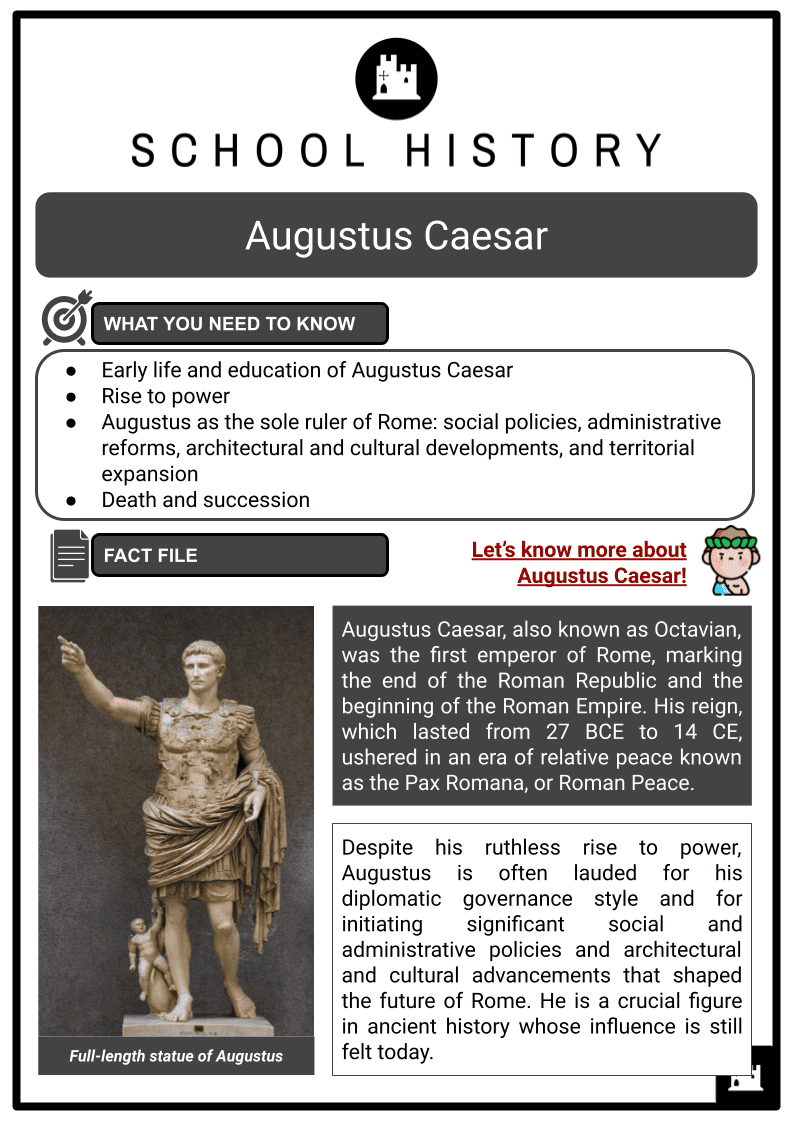
Vitellius: The Short-Reigned Emperor
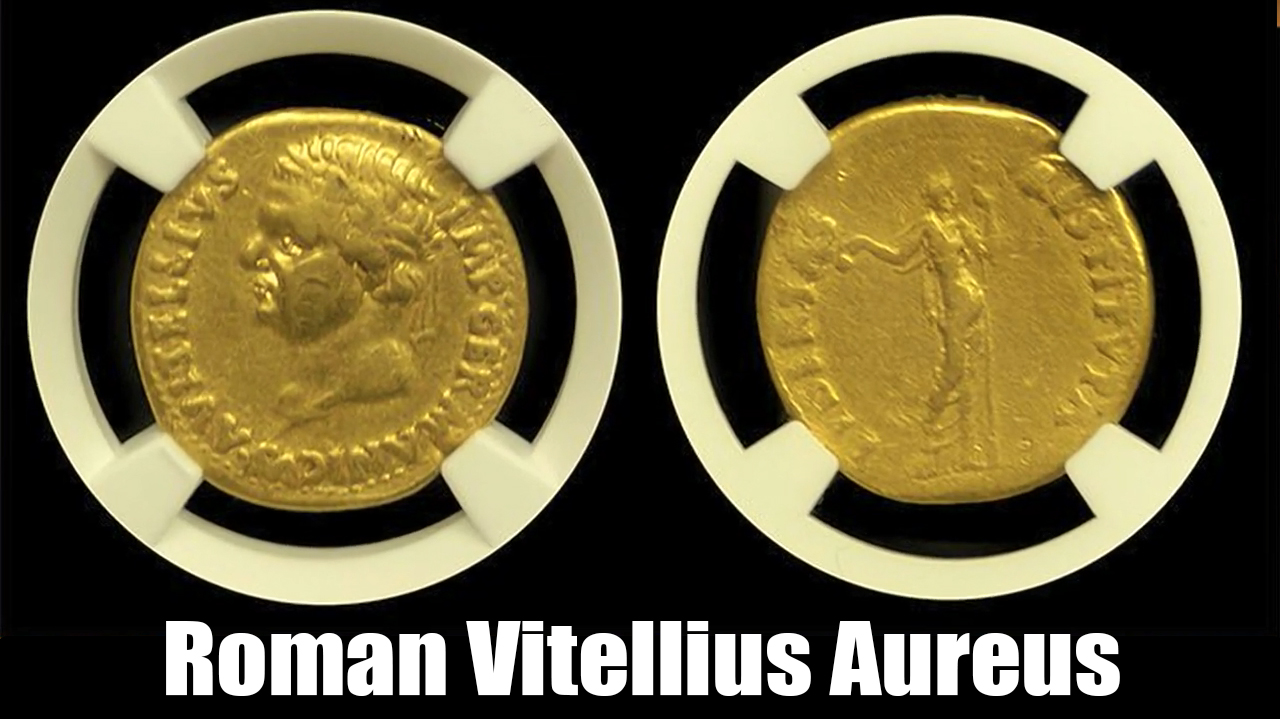
In the annals of Roman history, the Year of the Four Emperors in 69 AD stands out as an era of unparalleled political upheaval. Among the key figures of this tumultuous period was Aulus Vitellius, a man whose ascent to power was as unexpected as it was short-lived. Vitellius, often overlooked in the grand narrative of Roman emperors, offers a compelling study of ambition, excess, and the ultimate fragility of power.
Early Life and Career
Vitellius was born in September 15 AD into a prominent family with strong ties to the Roman political elite. His father, Lucius Vitellius the Elder, was a successful senator and twice served as consul under Emperor Tiberius. This illustrious background equipped Vitellius with the pedigree and connections essential for a path in public service. His early career followed a typical trajectory of a young nobleman, involving service in various military and administrative roles under several emperors, including Caligula and Claudius.
Rise to Power
The ascension of Galba to the imperial throne in 68 AD set the stage for Vitellius's rise. Galba’s reign, marked by unpopular austerity measures and strict governance, quickly led to discontent. In this climate of dissatisfaction, Vitellius was appointed governor of Lower Germany by Galba, a move intended to stabilize the fractious region. Little did anyone anticipate that within a short span, Vitellius would emerge as a contender for the imperial crown.
Following Galba’s assassination early in 69 AD, Otho, Galba's successor, had a tenuous hold on power. In the tumult of succession, the legions in Germania declared Vitellius as emperor, believing him a leader who could restore stability and honor to Rome. Galvanized by support from the Rhine legions, Vitellius advanced toward Italy, setting the stage for a confrontation with Otho's forces.
The Battle for Rome
The clash between Otho and Vitellius was swift. The decisive Battle of Bedriacum in April 69 AD resulted in Otho’s forces suffering a significant defeat. Following Otho’s subsequent suicide, Vitellius was left as the sole ruler, entering Rome in July 69 AD to assume control. His arrival was marked by pomp and celebrations, but the seeds of discord had already been sown.
A Reign of Excess
As emperor, Vitellius's reign quickly became synonymous with excess and indulgence. Renowned for his lavish banquets, he was reputed to have celebrated feasts that could bankrupt a patrician family. Vitellius also sought to curry favor with the army and the populous by eliminating unpopular taxes and pardoning numerous political opponents. However, his efforts to win over the Roman populace were undermined by his inability to effectively manage the state’s finances and the military’s loyalty.
Vitellius's extravagant lifestyle, coupled with his lack of decisive governance, soon led to dissent among Rome’s crucial constituencies. Moreover, the support base that had once elevated him—the legions in Germany—grew disillusioned by his perceived incompetence and the ever-mounting instability of his regime.
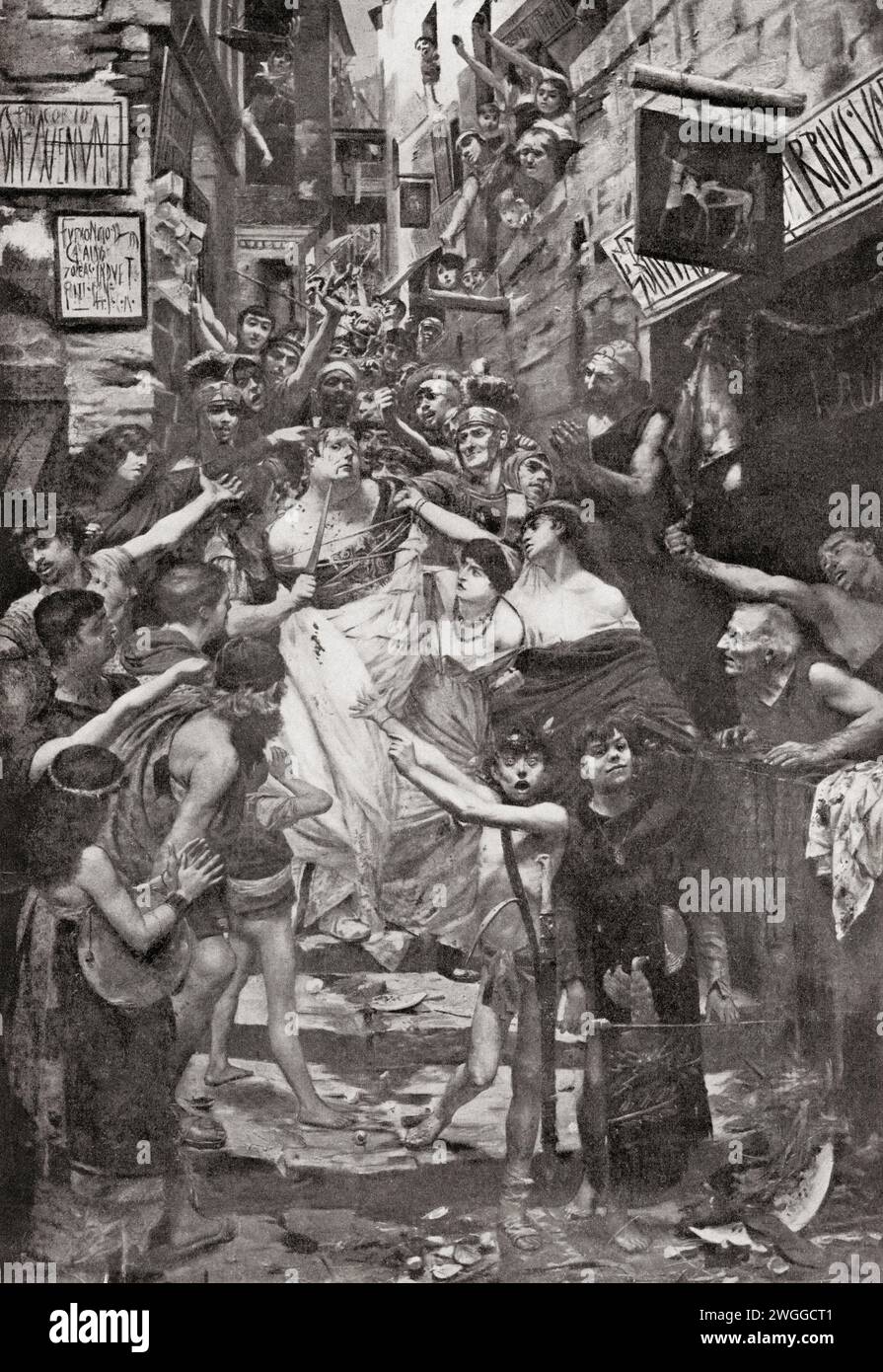
The historical narrative of Vitellius, often overshadowed by his more illustrious predecessors and successors, provides a fascinating window into the perils of rapid ascent to power without a robust plan for sustainable governance. His story remains emblematic of how quickly the tides of fortune can turn, and how the support of the military, while critical, is not enough to sustain an emperor's rule.