Lisa Donovan: The Trailblazing Entrepreneur & YouTube Pioneer
Lisa Donovan, widely known as LisaNova, is a dynamic entrepreneur, comedian, and digital pioneer who reshaped online content creation. Born on June 11, 1980, in New York City, she became one of the first viral stars on YouTube, amassing over 210 million views and 709,000 subscribers. Beyond her comedy sketches, Donovan co-founded Maker Studios, later acquired by Disney, and launched The Pattern, an innovative astrology app. Her journey from early internet fame to tech entrepreneurship highlights her lasting impact on digital media.
Early Life and Education
Lisa Donovan grew up in Scarsdale, New York, where her passion for performance and creativity began. She attended the University of Colorado at Boulder, though some sources mention she initially started at Babson College. Her academic background laid the foundation for her entrepreneurial spirit, blending business acumen with artistic talent.
From Comedy to Digital Stardom
Donovan’s career took off in 2005–2006 when she launched her YouTube channel, LisaNova. Her viral videos, including “Introducing LisaNova”, showcased her comedic skills and impersonations of figures like Sarah Palin and Lindsay Lohan. This early success catapulted her into mainstream media, leading to appearances on MADtv in 2007.
The Rise of Maker Studios
Recognizing the potential of online content creators, Donovan co-founded Maker Studios in 2009. The company became a powerhouse in the digital space, supporting YouTube creators and expanding their reach. In 2015, Disney acquired Maker Studios, solidifying Donovan’s role as a visionary in the creator economy.
Mentoring and Industry Influence
At Maker Studios, Donovan played a key role in mentoring talent and fostering a community of creators. Her leadership helped shape the careers of many YouTubers, demonstrating her commitment to innovation and collaboration. The studio’s integration into Disney in 2017 further highlighted her influence in merging traditional media with digital platforms.
The Pattern: A New Venture in Wellness Tech
In recent years, Donovan shifted her focus to wellness technology with the launch of The Pattern, an astrology-based self-discovery app. The app provides personalized insights, tapping into the growing trend of digital astrology and self-awareness tools. This venture reflects her ability to adapt and innovate in emerging markets.
Why The Pattern Stands Out
The Pattern differentiates itself by offering customized astrological guidance, helping users navigate personal and professional challenges. As interest in wellness tech continues to rise, Donovan’s app positions her at the forefront of this evolving industry.
Legacy and Impact on Digital Media
Lisa Donovan’s career spans over two decades, from her early days as a YouTube pioneer to her current role as a tech entrepreneur. Her work has inspired countless creators, proving that creativity and business can thrive together. As digital platforms evolve, her contributions remain a benchmark for success in the creator economy.
Key Takeaways from Her Journey
- Innovation: From comedy sketches to tech startups, Donovan consistently pushes boundaries.
- Mentorship: Her role at Maker Studios highlights her dedication to nurturing talent.
- Adaptability: Transitioning from entertainment to wellness tech showcases her versatility.
Stay tuned for Part 2, where we’ll explore her collaborations, producing credits, and the broader influence of her work on today’s digital landscape.
Collaborations and Mainstream Success
Lisa Donovan’s rise to fame wasn’t just about her solo work—it was also about her ability to collaborate with other influential figures. One of her notable partnerships was with Ralph Nader, where she brought her comedic talent to political satire. These collaborations helped her reach a broader audience and solidified her reputation as a versatile performer.
Breaking into Mainstream Media
Her success on YouTube led to opportunities in traditional media, including her appearance on MADtv in 2007. This transition from digital to mainstream entertainment showcased her adaptability and broad appeal. Donovan’s ability to bridge the gap between online and offline media set her apart from other early internet stars.
Producing and Behind-the-Scenes Work
Beyond her on-screen presence, Donovan has made significant contributions behind the camera. She co-founded Zappin Productions, a company focused on creating engaging digital content. Her producing credits include projects like La Chamba and The Moms View, which further demonstrate her range in the entertainment industry.
Mentoring the Next Generation of Creators
At Maker Studios, Donovan played a crucial role in mentoring emerging talent. She understood the challenges of building an audience online and used her experience to guide others. This mentorship helped shape the careers of many YouTubers, reinforcing her legacy as a leader in the creator economy.
The Evolution of Digital Content Creation
Donovan’s career mirrors the evolution of digital media itself. From the early days of YouTube to the rise of wellness tech, she has consistently stayed ahead of trends. Her work at Maker Studios and the launch of The Pattern highlight her ability to innovate and adapt in a rapidly changing industry.
Inspiring Future Creators
Her journey serves as an inspiration for aspiring content creators. Donovan’s success proves that creativity, combined with business savvy, can lead to long-term impact. Many of today’s digital platforms and trends can trace their roots back to the foundation she helped build.
Challenges and Lessons Learned
Like any pioneer, Donovan faced challenges along the way. Navigating the early days of YouTube required resilience and adaptability. She learned to balance artistic expression with business strategy, a lesson that continues to resonate with creators today.
Overcoming Industry Shifts
The digital landscape has undergone massive changes since Donovan’s early days. From algorithm updates to platform acquisitions, she has weathered industry shifts with strategic thinking. Her ability to pivot—such as moving from comedy to wellness tech—showcases her forward-thinking approach.
The Future of Lisa Donovan’s Influence
As of 2025, Donovan remains active in entrepreneurship, with The Pattern continuing to grow in popularity. Her work in wellness tech aligns with broader trends in digital self-care, positioning her as a thought leader in this space. The app’s success reflects her knack for identifying and capitalizing on emerging markets.
What’s Next for the Digital Pioneer?
While specific updates on her future projects are limited, Donovan’s track record suggests she will continue to innovate. Whether through new ventures, mentorship, or content creation, her influence on the creator economy is far from over. Fans and industry watchers alike anticipate her next move.
Stay tuned for Part 3, where we’ll conclude with a look at her lasting impact, key takeaways for aspiring creators, and final thoughts on her remarkable career.
The Lasting Impact of Lisa Donovan’s Career
Lisa Donovan’s influence extends far beyond her early YouTube fame. As one of the first creators to leverage digital platforms for comedic and entrepreneurial success, she helped define the creator economy. Her work at Maker Studios and the launch of The Pattern demonstrate her ability to evolve with industry trends while maintaining her unique voice.
Shaping the Creator Economy
Donovan’s role in co-founding Maker Studios was pivotal in establishing infrastructure for online creators. The company’s acquisition by Disney in 2015 highlighted the growing importance of digital content in mainstream media. Her mentorship of emerging talent ensured that the next generation of creators had the tools and support to succeed.
Key Lessons from Her Journey
Her career offers valuable insights for aspiring entrepreneurs and content creators. From her early days as LisaNova to her current work in wellness tech, Donovan’s path emphasizes the importance of adaptability, innovation, and strategic thinking.
Adaptability in a Changing Industry
One of the most significant lessons from Donovan’s career is her ability to adapt. The digital landscape has undergone dramatic shifts since she first gained fame, yet she has consistently found ways to stay relevant. Whether through comedy, producing, or app development, she demonstrates the power of reinvention.
The Power of Mentorship
Donovan’s work at Maker Studios underscores the impact of mentorship. By guiding other creators, she helped build a community that continues to thrive today. Her leadership serves as a reminder that success isn’t just about individual achievement—it’s also about lifting others up.
The Future of Digital Content and Wellness Tech
As The Pattern continues to grow, Donovan’s influence in wellness tech is becoming increasingly significant. The app’s focus on personalized astrology insights taps into a broader trend of digital self-care, reflecting her ability to identify and capitalize on emerging markets.
Why The Pattern Resonates
The Pattern stands out in the crowded wellness space by offering customized guidance based on astrological principles. This approach aligns with the growing demand for personalized digital experiences, positioning Donovan as a leader in this evolving industry.
Final Thoughts: A Legacy of Innovation
Lisa Donovan’s career is a testament to the power of creativity and entrepreneurship. From her early days as a YouTube pioneer to her current work in tech, she has consistently pushed boundaries and inspired others. Her journey offers a blueprint for success in the digital age, proving that passion and strategic thinking can lead to lasting impact.
Key Takeaways for Aspiring Creators
- Innovation: Always look for new ways to engage your audience and explore emerging trends.
- Adaptability: Be prepared to pivot as the industry evolves, whether in content creation or business strategy.
- Mentorship: Invest in others—building a community can amplify your success and legacy.
- Authenticity: Stay true to your unique voice, even as you explore new opportunities.
As we look to the future, Lisa Donovan’s story reminds us that the digital landscape is full of possibilities. Her ability to innovate, adapt, and inspire ensures that her influence will continue to shape the creator economy for years to come. Whether through comedy, entrepreneurship, or wellness tech, she has left an indelible mark on the world of digital media.
For those looking to follow in her footsteps, the lesson is clear: success comes from a combination of creativity, resilience, and a willingness to embrace change. Lisa Donovan’s journey is far from over, and the next chapter promises to be just as exciting as the last.


Lucius Licinius Crassus: Rome's Forgotten Orator and Statesman
Introduction to Lucius Licinius Crassus
Lucius Licinius Crassus (140–91 BCE) stands as one of Rome's most influential yet underrated figures. A masterful Roman orator, statesman, and censor, his legacy is often overshadowed by his more famous namesake, Marcus Licinius Crassus. However, his contributions to Roman law, politics, and rhetoric were pivotal during the late Republic.
Born into a noble family, Crassus rose to prominence through his legal prowess and political acumen. His career spanned key roles as consul in 95 BCE, proconsul of Cisalpine Gaul, and censor, shaping policies that would later influence the Social War. His oratory, celebrated by Cicero, set benchmarks for future generations.
Early Life and Political Beginnings
Noble Roots and Education
Crassus was born in 140 BCE into the prestigious Licinii family, linked to the Mucii Scaevolae through adoption. His education under the historian and jurist L. Coelius Antipater honed his rhetorical skills, preparing him for Rome’s political arena.
His early exposure to Roman law and history shaped his career, allowing him to navigate the complexities of the Republic’s legal and political systems with ease.
Rise to Prominence: The Carbo Trial
At just 21 years old, Crassus launched his career by prosecuting Gaius Papirius Carbo, a former proconsul accused of extortion or treason. The trial ended dramatically with Carbo’s suicide, catapulting Crassus into the spotlight.
This bold move earned him fame but also powerful enemies, including Carbo’s son. It marked the beginning of his reputation as a fearless advocate for justice.
Consulship and the Lex Licinia Mucia
Consul in 95 BCE
In 95 BCE, Crassus served as consul alongside Q. Mucius Scaevola. Together, they sponsored the Lex Licinia Mucia, a controversial law establishing courts to investigate and strip illegal Roman citizenship claims from Italians.
This legislation, while aimed at preserving Roman citizenship’s integrity, exacerbated tensions between Rome and its Italian allies, contributing to the outbreak of the Social War (91–88 BCE).
Impact of the Lex Licinia Mucia
The law created a quaestio (investigatory court) that disenfranchised thousands of Italians. Modern scholars view it as a conservative policy that deepened divisions, ultimately fueling the Social War.
Crassus’s role in this legislation highlights his complex legacy—a defender of Roman tradition whose actions had unintended, destabilizing consequences.
Military and Administrative Roles
Proconsul of Cisalpine Gaul
In 94 BCE, Crassus served as proconsul of Cisalpine Gaul, where he successfully defeated Gallic raiders. Despite his military achievements, he was denied a triumph due to a veto by his former colleague, Scaevola.
This setback underscored the political rivalries of the time but did not diminish his reputation as a capable leader.
Support for Italian Enfranchisement
By 91 BCE, Crassus shifted his stance, supporting the tribune M. Livius Drusus in advocating for Italian enfranchisement and court reforms. This change reflected his adaptability and willingness to address the Republic’s evolving challenges.
His support for Drusus’s reforms marked a significant departure from his earlier policies, demonstrating his pragmatic approach to governance.
Oratorical Legacy and Influence
Master of Roman Rhetoric
Crassus was celebrated as one of Rome’s greatest orators, often compared to Marcus Antonius Orator. His speeches, though mostly lost, were praised for their eloquence and persuasive power.
Cicero, in his De Oratore, portrayed Crassus as a model speaker, whose techniques influenced generations of Roman rhetoricians.
Fragments and Historical Accounts
Only fragments of Crassus’s speeches survive, but historical accounts attest to his skill. His ability to sway audiences and shape public opinion was unmatched, earning him a place among Rome’s most respected orators.
His legacy in rhetoric continues to be studied, offering insights into the power of persuasion in ancient Rome.
Family Ties and Political Rivalries
Brother of Marcus Licinius Crassus
Crassus was the brother of Marcus Licinius Crassus, the wealthy triumvir who later played a key role in the First Triumvirate. Their family’s influence was significant, though Lucius’s career was distinct from his brother’s.
Their connection underscores the Licinii family’s prominence in Roman politics, though Lucius’s contributions were often overshadowed by his brother’s wealth and power.
Rivalry with Marcus Antonius Orator
Crassus’s rivalry with Marcus Antonius Orator was a defining feature of his career. Both were celebrated orators, but their political and personal differences shaped their legacies.
This rivalry, documented in historical texts, highlights the competitive nature of Roman politics and the importance of rhetoric in shaping public opinion.
Conclusion of Part 1
Lucius Licinius Crassus’s life and career reflect the complexities of the late Roman Republic. His roles as orator, statesman, and military leader left an indelible mark on Rome’s history, though his legacy is often overlooked.
In the next part, we will delve deeper into his censorship, the Social War’s impact, and his enduring influence on Roman law and rhetoric.
Censorship and Later Political Career
Appointment as Censor in 89 BCE
In 89 BCE, Lucius Licinius Crassus achieved one of the highest honors in the Roman Republic when he was appointed censor, a role responsible for overseeing public morality, conducting the census, and managing state finances. His tenure as censor was marked by efforts to uphold traditional Roman values and maintain the integrity of the Senate.
Crassus’s censorship occurred during a tumultuous period, as the Social War (91–88 BCE) had just concluded. His leadership was crucial in stabilizing Rome’s political and social structures in the war’s aftermath.
Reforms and Public Works
As censor, Crassus focused on restoring public morality and improving Rome’s infrastructure. He was known for his strict adherence to tradition, often removing senators who failed to meet the moral standards expected of their rank.
His administrative efforts included the maintenance of public buildings and roads, ensuring that Rome’s physical infrastructure reflected its status as the center of a vast empire. These reforms were part of a broader effort to reinvigorate Roman civic pride.
The Social War and Its Aftermath
Crassus’s Role in the Conflict
The Social War (91–88 BCE) was one of the most significant conflicts of the late Roman Republic, pitting Rome against its Italian allies who demanded full citizenship rights. Crassus’s earlier sponsorship of the Lex Licinia Mucia had contributed to the tensions that sparked the war.
During the conflict, Crassus played a key role in shaping Rome’s response. While he had initially supported policies that restricted citizenship, his later backing of M. Livius Drusus’s reforms showed a willingness to adapt to the changing political landscape.
Impact on Roman Citizenship
The Social War ultimately led to the extension of Roman citizenship to many of Rome’s Italian allies, a shift that Crassus had reluctantly come to support. This expansion of citizenship was a turning point in Roman history, reshaping the political and social dynamics of the Republic.
Crassus’s evolving stance on citizenship reflects the complexities of his political career. While he was initially a defender of traditional Roman privileges, he recognized the need for reform to maintain stability.
Oratorical Style and Influence on Cicero
Key Features of Crassus’s Rhetoric
Lucius Licinius Crassus was renowned for his oratorical brilliance, a skill that set him apart from his contemporaries. His speeches were characterized by their clarity, logical structure, and emotional appeal, making them highly effective in both legal and political settings.
Cicero, in his work De Oratore, frequently cited Crassus as a model of rhetorical excellence. According to Cicero, Crassus’s speeches were not only persuasive but also demonstrated a deep understanding of human nature and the art of persuasion.
Legacy in Roman Rhetoric
Crassus’s influence on Roman rhetoric extended far beyond his lifetime. His techniques were studied and emulated by subsequent generations of orators, including Cicero himself. Key elements of his style included:
- Structured arguments that built logically to a compelling conclusion.
- Emotional resonance, which allowed him to connect with his audience on a personal level.
- Adaptability, enabling him to tailor his speeches to different audiences and contexts.
His legacy in rhetoric is a testament to his skill as a communicator and his enduring impact on Roman political discourse.
Political Alliances and Rivalries
Relationship with the Mucii Scaevolae
Crassus’s political career was closely tied to the Mucii Scaevolae, one of Rome’s most influential families. His adoption into this family provided him with powerful allies and a strong political foundation.
However, his relationship with the Mucii was not without tension. His former colleague, Q. Mucius Scaevola, vetoed his request for a triumph after his victories in Cisalpine Gaul, highlighting the competitive nature of Roman politics.
Conflict with Populares and Marians
Crassus’s political views often aligned with the conservative optimates, who sought to preserve the traditional power structures of the Roman Senate. This put him at odds with the populares, a faction that advocated for the rights of the plebeians and sought to challenge senatorial authority.
His brother, Marcus Licinius Crassus, was later killed during the Marian purges of 87 BCE, a event that underscored the violent political divisions of the time. Lucius’s own career was marked by a careful navigation of these rivalries, ensuring his survival in a volatile political environment.
Death and Historical Legacy
Final Years and Passing
Lucius Licinius Crassus died in September 91 BCE, at a time when Rome was still grappling with the aftermath of the Social War. His death marked the end of a career that had significantly shaped the Republic’s political and legal landscape.
Though his life was cut short, his contributions to Roman law, rhetoric, and governance left a lasting legacy. His policies, particularly the Lex Licinia Mucia, had far-reaching consequences that influenced the trajectory of Roman history.
Assessment by Historians
Modern historians view Crassus as a complex figure whose actions had both positive and negative consequences. His role in the Social War, for instance, is often criticized for exacerbating tensions between Rome and its allies. Yet, his later support for reforms demonstrates a pragmatic approach to governance.
His oratorical skills, in particular, have earned him enduring praise. Scholars continue to study his rhetorical techniques, recognizing their influence on later Roman orators like Cicero. His legacy as a statesman and speaker remains a subject of fascination and debate.
Conclusion of Part 2
Lucius Licinius Crassus’s career was defined by his ability to navigate the complexities of the late Roman Republic. From his early rise as a prosecutor to his later roles as consul, proconsul, and censor, he demonstrated a keen understanding of Roman politics and law.
In the final part of this article, we will explore his lasting impact on Roman rhetoric, his place in historical memory, and how his legacy compares to that of his more famous brother, Marcus Licinius Crassus.
Lucius Licinius Crassus vs. Marcus Licinius Crassus: A Legacy Compared
Distinguishing Two Roman Titans
Lucius Licinius Crassus is often overshadowed by his younger brother, Marcus Licinius Crassus (115–53 BCE), the wealthiest man in Rome and a key figure in the First Triumvirate. While Marcus is infamous for his role in suppressing the Spartacus revolt and his death in the Parthian campaign, Lucius’s legacy lies in oratory, law, and governance.
Unlike Marcus, who amassed vast wealth through real estate and political maneuvering, Lucius’s influence stemmed from his legal acumen and rhetorical prowess. Their contrasting careers highlight the diverse paths to power in the late Roman Republic.
Key Differences in Their Contributions
To understand their distinct legacies, consider the following comparisons:
- Lucius: Renowned as one of Rome’s greatest orators, shaping legal and political discourse through speeches and reforms like the Lex Licinia Mucia.
- Marcus: Known for his military campaigns, financial dominance, and political alliances with Pompey and Julius Caesar.
- Lucius: Served as consul, censor, and proconsul, focusing on administrative and judicial reforms.
- Marcus: Played a pivotal role in the collapse of the Republic, ultimately meeting his end in a failed military campaign against Parthia.
While Marcus’s life was marked by ambition and wealth, Lucius’s career was defined by intellectual and civic contributions, leaving a lasting impact on Roman law and rhetoric.
The Enduring Influence of Crassus’s Oratory
Cicero’s Tribute in *De Oratore*
Lucius Licinius Crassus’s most enduring legacy is his influence on Roman rhetoric. Cicero’s De Oratore immortalized him as a paragon of eloquence, portraying him as a speaker who combined logical rigor with emotional appeal.
In the dialogue, Cicero uses Crassus as a mouthpiece for his own rhetorical theories, emphasizing the importance of ethos, pathos, and logos in persuasion. This tribute ensured that Crassus’s techniques would be studied for centuries.
Fragments and Lost Speeches
Unfortunately, only fragments of Crassus’s speeches survive, preserved in the works of later historians and rhetoricians. These remnants, however, reveal his mastery of:
- Structured argumentation, where each point built logically toward a compelling conclusion.
- Vivid imagery, which made abstract legal and political concepts accessible to audiences.
- Adaptability, tailoring his rhetoric to suit the needs of different cases and audiences.
His ability to persuade was not merely a tool for political gain but a means of shaping Roman law and public opinion in lasting ways.
Crassus’s Role in the Decline of the Roman Republic
Contributions to Political Instability
While Lucius Licinius Crassus was a defender of Roman traditions, some of his policies inadvertently contributed to the Republic’s decline. The Lex Licinia Mucia, for instance, intensified tensions between Rome and its Italian allies, leading to the Social War.
This conflict weakened Rome’s internal cohesion and set the stage for later civil wars. Crassus’s shift in supporting M. Livius Drusus’s reforms in 91 BCE reflects his recognition of these tensions, though his earlier policies had already sown the seeds of discord.
A Conservative in a Changing Republic
Crassus’s political career was marked by a commitment to senatorial authority and traditional Roman values. However, the Republic was evolving, and his conservative stance often clashed with the rising demands of the populares and Italy’s allies.
His death in 91 BCE occurred at a critical juncture, just as the Social War was beginning. Had he lived longer, his leadership might have helped mitigate the Republic’s growing instability.
Modern Scholarly Perspectives on Crassus
Reevaluating His Legacy
Modern scholars continue to debate Lucius Licinius Crassus’s role in Roman history. Some view him as a principled statesman who sought to uphold Roman traditions, while others criticize his policies for deepening divisions within the Republic.
Key areas of scholarly focus include:
- His role in the Social War and the long-term effects of the Lex Licinia Mucia.
- His influence on Roman rhetoric and its impact on later orators like Cicero.
- His political alliances and rivalries, particularly with the Mucii Scaevolae and Marcus Antonius Orator.
These discussions highlight the complexity of his legacy, which remains a subject of ongoing research and debate.
Crassus in Popular Culture and Media
Unlike his brother Marcus, who has been featured in films and television series about Rome, Lucius Licinius Crassus remains a relatively obscure figure in popular culture. This oversight is partly due to the lack of surviving speeches and the dominance of military narratives in historical media.
However, his influence is indirectly present in works that explore Roman rhetoric and law. For example, Cicero’s De Oratore, which prominently features Crassus, is still studied in classical education, ensuring that his contributions are not entirely forgotten.
Key Takeaways: The Legacy of Lucius Licinius Crassus
Why His Story Matters
Lucius Licinius Crassus’s life offers valuable insights into the political, legal, and rhetorical dynamics of the late Roman Republic. His career illustrates the challenges of balancing tradition with reform in a rapidly changing society.
Key takeaways from his legacy include:
- His role as a legal reformer, particularly through the Lex Licinia Mucia, which had lasting consequences for Roman citizenship.
- His mastery of oratory, which set standards for future generations of Roman speakers.
- His navigation of political rivalries, demonstrating the complexities of power in the Republic.
- His pragmatic shift in supporting Italian enfranchisement, showing his ability to adapt to changing circumstances.
These contributions make him a pivotal figure in understanding the Republic’s final decades.
Lessons for Modern Leadership
Crassus’s career also offers lessons for modern leadership, particularly in the areas of communication, governance, and adaptability. His ability to persuade through rhetoric underscores the power of effective communication in politics.
Additionally, his willingness to reevaluate his stance on Italian citizenship demonstrates the importance of flexibility in leadership. While his initial policies contributed to conflict, his later support for reform shows a recognition of the need for change.
Conclusion: The Forgotten Architect of Roman Rhetoric and Reform
Lucius Licinius Crassus may not be as widely remembered as his brother Marcus or other figures of the late Republic, but his contributions to Roman law, rhetoric, and governance were profound. As an orator, he shaped the art of persuasion, influencing generations of speakers, including Cicero. As a statesman, his policies—though sometimes contentious—reflect the challenges of maintaining stability in a rapidly evolving Republic.
His legacy is a reminder of the power of words and the importance of adaptability in leadership. While the Republic ultimately collapsed under the weight of its internal conflicts, figures like Crassus played crucial roles in defining its final chapters. His story deserves greater recognition, not only for its historical significance but also for the lessons it offers on the enduring impact of rhetoric and reform.
In the end, Lucius Licinius Crassus was more than a footnote in Roman history; he was a visionary orator and statesman whose influence continues to resonate in the study of law, politics, and the art of persuasion.


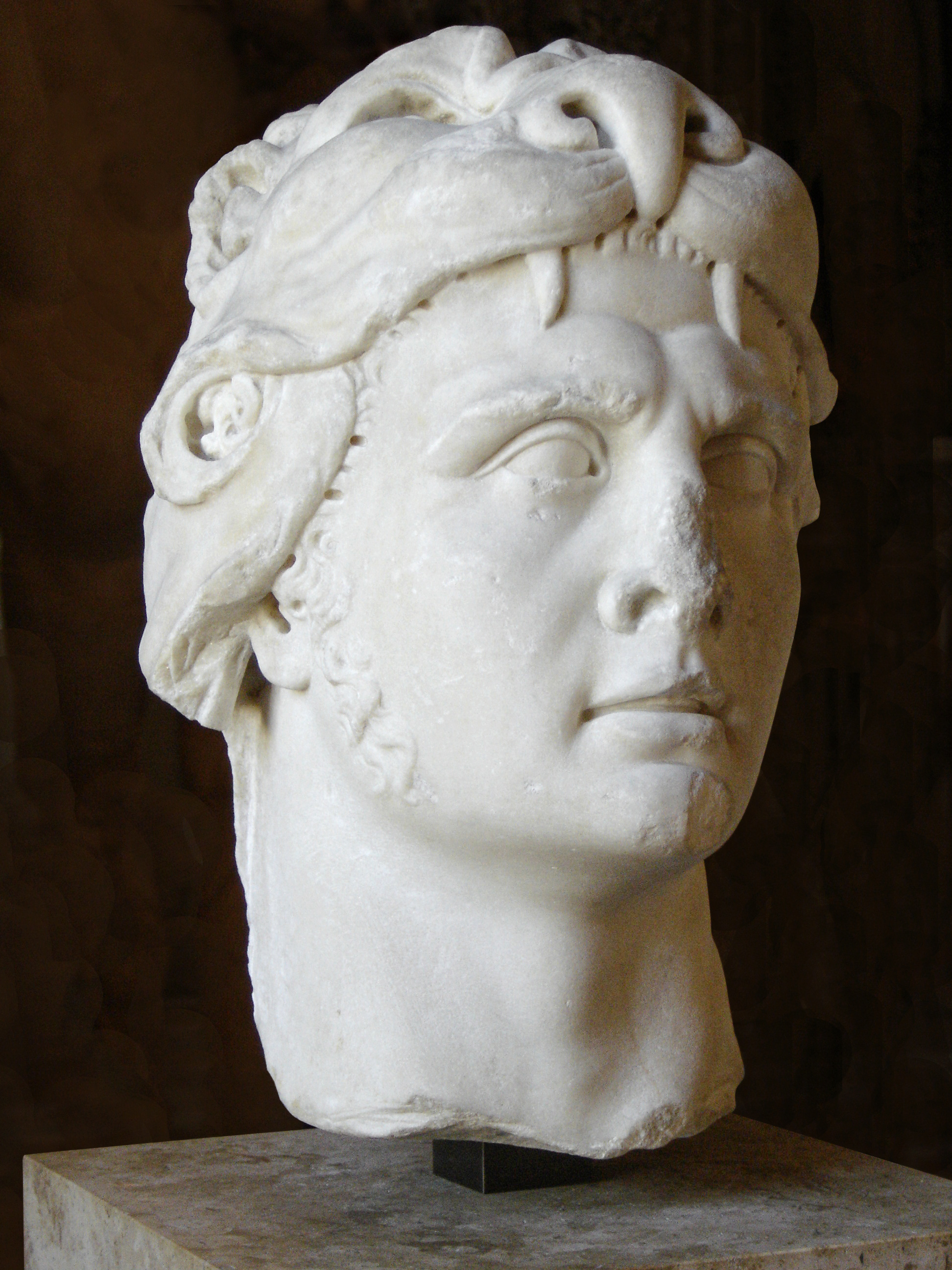
Mithridates VI Eupator: The Poison King and Enemy of Rome
Mithridates VI Eupator, commonly known as Mithridates the Great, was one of the most formidable kings of Pontus in the first centuries BCE. His reign, spanning from approximately 120 to 63 BCE, saw him expand the borders of his kingdom and engage in fierce conflicts against Rome's mightiest military commanders. The term "poison king" is often associated with him due to his rumored ability to develop an immunity to poisons through systematic self-experimentation.
Early Life and Rise to Power
Born to Mithridates V of Pontus and Laodice, Mithridates VI came into a dynasty with deep roots in Anatolia and the broader Near East. Claiming descent from both Persian and Hellenistic lines, he ruled over a culturally mixed realm where Greek city institutions coexisted with local Anatolian, Iranian, and Scythian traditions. His early life and youth were marked by a strategic approach to governance that would serve him well throughout his reign.
Following his father's death, Mithridates VI inherited a realm that was already a significant Hellenistic state on the Black Sea rim. He quickly consolidated power, expanding Pontus into a major regional power through strategic alliances and successful military campaigns. By the time of his accession to full kingship around the mid-130s BCE, he had established a powerful kingdom that encompassed not only Pontus proper but also neighboring regions such as the Crimean Bosporus and Colchis.
The Mithridatic Wars
Mithridates VI's encounters with Rome began with the First Mithridatic War (89–85 BCE) during the final years of the Social War between Rome and her Italian allies. This war was sparked by the perceived threat to Roman interests in Asia Minor and ended with the defeat of Pontic forces at the Battle of Zela in 67 BCE under Marcus Licinius Murena, who gained a notorious victory by massacring 7,000 prisoners, an episode that deeply affected Roman public opinion towards Mithridates.
The Second Mithridatic War (83–81/74 BCE) was marked by renewed hostilities as Mithridates sought to exploit Rome's preoccupation with wars elsewhere. Lucius Licinius Lucullus, a Roman consul, was assigned to the east, and despite initial Roman victories at Ancyra and Tigrana, the war ended inconclusively, leading to peace negotiations mediated by Pompey the Great.
The Third Mithridatic War (75/73–63 BCE) was the most intense and protracted of Mithridates' conflicts with Rome. Faced with threats from multiple fronts, including Rome itself under Sulla and his supporters back in Italy, Mithridates had to defend his kingdom and fight against Pompey. Pompey's final victory over Mithridates in 63 BCE marked the end of the Mithridatic Wars and signified the effective control of Pontus by Rome.
The Legend of the Poison King
Apart from his military prowess, Mithridates VI was renowned for what his detractors called his audacious and potentially dangerous habit of consuming small amounts of poison to build immunity to toxins. This legend has given him the epithet "Mithridates the Poison King." However, this claim is largely based on ancient sources imbued with propaganda and has been subject to scrutiny by modern toxicology experts.
According to tradition, Mithridates conducted experiments on his subjects and himself to discover antidotes and gain resistance against poison. His quest is said to have culminated in the creation of a powerful antidote known as mithridatium. While the efficacy of such an antidote remains debated, the narrative serves as a testament to his fearlessness and determination to protect himself and his people.
Final Days and Legacy
In the final years of his reign, Mithridates VI faced a grave challenge from his own household. Revolts within his kingdom, particularly led by his son Pharnaces II, led to a situation where even his closest advisors turned against him. Facing defeat by Pompey, who had succeeded Sulla as Rome's dominant figure, Mithridates fled to the Bosporan Kingdom, where he was betrayed by his son. Accounts vary regarding the circumstances of his death, with some versions suggesting he attempted suicide by poison without success, leading to his eventual killing by a Gallic mercenary.
Upon learning of his death, Pompey treated Mithridates with respect, sending his body to be interred at Sinope, the chief port of Pontus. His final resting place remains a poignant reminder of the end of an era of independent Pontic power.
Mithridates VI's final defeat did not erase his legacy. He stands as a symbol of anti-Roman resistance in later Roman historiography and literature, inspiring admiration and fear in equal measure. His military genius, strategic acumen, and resilience continue to captivate historians and scholars to this day, offering insights into the complex geopolitics of the Late Hellenistic world.
Diplomacy and Resistance
Mithridates VI's diplomatic strategy was multifaceted and aimed at maintaining independence and influencing events to his advantage. He fostered strong ties with various local dynasties, including Tigranes II of Armenia, who became a strategic ally. Through such alliances, Mithridates secured access to additional military resources and diplomatic leverage against Rome.
Mithridates also capitalized on divisions among Roman generals and politicians. This was evident during the First and Second Mithridatic Wars, where he aligned with different Roman commanders to suit his objectives. In the Third Mithridatic War, he exploited the tensions within Rome, particularly leveraging the rivalry between Pompey and Sulla.
Another critical aspect of Mithridates' diplomacy was the manipulation of ethnic and religious sentiments within the region. He played a significant role in nurturing anti-Roman sentiment among Greek cities in Asia Minor, fostering a sense of shared grievance and common cause against perceived Roman oppression. These efforts not only bolstered his own position but also created a broader coalition of resistance to Roman expansionism.
The Asiatic Massacres of 88–87 BCE
Mithridates' relationship with Rome reached its nadir with the infamous Asiatic Massacres of 88–87 BCE. In a shocking display of violence, Mithridates or his allies carried out a wave of massacres across Asia Minor, targeting Romans, Italians, and other foreigners. Estimates vary widely, with some suggesting tens of thousands of individuals were killed. The scale and organization of the massacres remain disputed and are still a topic of historical debate, but the incident was a turning point in shaping the Roman response to Pontic aggression.
The aftermath of the massacres galvanized Rome to mount a vigorous counter-campaign, leading to the dispatch of major military forces to the East. The devastation wrought by these events underscored the gravity of the threat posed by Mithridates and heightened Roman resolve to subdue Pontus.
Strategic Challenges and Internal Court Dynamics
Mithridates' reign was not without its internal challenges. Despite his formidable external enemies, he faced significant pressures from within his own court and administration. Court politics were intricate and fraught with potential betrayals and defections. For instance, his son Pharnaces II became a formidable opponent, both on and off the battlefield, challenging his father’s rule and eventually leading to his downfall.
To maintain loyalty among his vassals and nobles, Mithridates implemented policies designed to integrate diverse cultural and linguistic groups within his kingdom. This included promoting Greek city institutions while also preserving local cultural elements. Such efforts helped to stabilize Pontus during turbulent periods of conflict and external pressure.
The Cultural and Artistic Patronage
Aside from military and political endeavors, Mithridates VI was also a prolific patron of arts and culture. He supported the development of Hellenistic art and architecture, encouraging the construction of temples, theaters, and other cultural institutions that reflected the cosmopolitan nature of Pontus. His courts were centers of intellectual discourse, attracting poets, philosophers, and artists from across the Mediterranean world.
The legacy of Mithridates VI extends beyond military and political achievements. His patronage of the arts and promotion of cultural exchange contributed significantly to the rich tapestry of Hellenistic civilization in the Black Sea region. Artifacts from this period provide valuable insights into the daily lives and cultural practices of Pontic society.
Mithridates in Modern Historiography
The legacy of Mithridates VI continues to be a subject of extensive scholarly inquiry. Modern historians, toxicologists, and archaeologists contribute to a more nuanced understanding of his reign. Recent interdisciplinary work seeks to challenge the traditional narrative, questioning the feasibility of acquiring full immunity to complex poisons.
Advances in toxicological research have provided new perspectives on the plausibility of the "mithridatism" hypothesis. While anecdotal evidence abounds, modern analysis suggests that developing complete immunity to various poisons is highly improbable. Instead, the narrative likely reflects a combination of propaganda and the actual use of antidotes during emergencies.
Economic and Strategic Resources
Mithridates VI leveraged Pontus's strategic location and rich resources to sustain his military campaigns. The kingdom’s proximity to the fertile Black Sea basin and its extensive trade networks ensured a steady flow of goods and wealth. Additionally, Pontus had access to key naval ports, which allowed Mithridates to control sea routes and supply his armies effectively.
The use of naval power was particularly crucial during times of conflict. Mithridates capitalized on the Black Sea’s advantageous geography, using fleets to transport supplies, reinforcements, and troops across the region. This capability was instrumental in his campaigns, especially during the Third Mithridatic War.
Conclusion and Reflection
The reign of Mithridates VI Eupator was defined by a relentless struggle against Rome, combined with strategic brilliance, cultural ambition, and complex internal dynamics. While his efforts ultimately fell short of achieving independent statehood for Pontus, his legacy endures. He is remembered as a skilled tactician, a diplomat, and a cultural patron whose actions reshaped the geopolitical landscape of the Near East.
The study of Mithridates VI continues to offer valuable lessons for historians and political scientists. His strategic decisions and the ways in which he managed his kingdom provide a window into the complexities of Late Hellenistic politics and warfare. As modern scholars grapple with the nuances of ancient sources and the limitations of historical evidence, Mithridates IV's story remains a fascinating subject of inquiry, blending military heroics with the subtleties of cultural and political maneuvering.
In conclusion, Mithridates VI Eupator’s life and reign exemplify the enduring power of the individual in shaping the course of history, even in the face of overwhelming external challenges.
Interdisciplinary Perspectives and Recent Research
The study of Mithridates VI Eupator continues to evolve through the lens of interdisciplinary approaches. Toxicologists and historians collaborate to reassess the traditional narrative of his immunity to poisons. Recent interdisciplinary critiques suggest that the story of mithridatism may be more rooted in propaganda and less in verifiable historical fact. Experimental toxicology has shown that complete immunity to complex poisons is highly unlikely, challenging the prevailing view.
Researchers are also examining the economic and social structures of Pontus during Mithridates’ reign. Archaeological findings, including coins, inscriptions, and architectural remnants, provide valuable insights into the administrative and cultural practices of his kingdom. These materials help to refine our understanding of Pontic society and the ways in which Mithridates managed his diverse subjects.
Modern Historical Reassessments
Recent historical studies have placed Mithridates VI in the context of comparative late-Hellenistic and Roman-Republic politics. Scholars analyze his ability to mobilize multiethnic armies and employ sophisticated diplomatic strategies. Internal court politics and the influence of local elites play a significant role in these assessments. Notably, the relationship between Mithridates and his son Pharnaces II, a source of internal strife, is now understood within the broader context of dynastic and personal rivalries.
Modern historians also examine the scale and organization of the Asiatic Massacres. While the exact number of victims remains uncertain, the incident is seen as a pivotal moment in Roman-Pontic relations. The massacres galvanized Roman unity and strengthened the resolve for decisive action against Mithridates VI.
Legacy and Reception
As a symbol of anti-Roman resistance, Mithridates VI remains an iconic figure in modern literature and historiography. He is frequently portrayed in novels and films as a charismatic warrior-king who defied the might of the Roman Empire. The notion of the "poison king" has captured popular imagination, although scholarly discussions emphasize the complexity and ambiguity of his legacy.
Research into numismatics, inscriptions, and local histories continues to shed light on Mithridates’ reign. Numismatic evidence, for example, provides insights into the economic policies and propaganda strategies employed by the Pontic court. Inscriptions from various locations, including temples and public buildings, reveal aspects of governance and cultural practices that were integral to Mithridates’ rule.
The Pontic Legacy
Mithridates VI left behind a legacy that transcends the immediate context of Pontus. His reign set a precedent for regional resistance against external hegemony, influencing subsequent generations of leaders. The cultural and artistic patronage of Pontus continues to be studied for its contributions to Hellenistic civilization. Sites such as Sinope and Trabzon, important in Mithridates’ time, remain significant historical and cultural landmarks.
Challenges and Controversies
Despite the wealth of historical evidence, there remain significant challenges and controversies surrounding Mithridates VI's reign. Reliable casualty figures and casualty scales from the Mithridatic Wars remain contentious. Modern historians approach these figures critically, seeking corroborating evidence from inscriptions, coin finds, and archaeological contexts. The extent of his influence on the broader historical narrative remains a subject of debate, with different perspectives offering varying interpretations of his strategic and diplomatic achievements.
Final Thoughts
Mithridates VI Eupator stands as a complex figure in the annals of history. His story is one of resilience, innovation, and conflict. While his efforts to maintain Pontus' independence were ultimately unsuccessful, his legacy endures. He is remembered not just as a military leader but as a master of diplomacy, a patron of arts and culture, and a symbol of resistance.
As historians continue to uncover new evidence and reinterpret existing sources, the image of Mithridates VI is likely to evolve. His reign remains a rich field for scholarly investigation, offering a deeper understanding of the political and social dynamics of Late Hellenistic and Roman-Republic worlds.
The study of Mithridates VI Eupator continues to enrich our understanding of the multifaceted challenges faced by rulers in the ancient Mediterranean. His life and legacy remind us of the enduring power of historical inquiry and the importance of interdisciplinary approaches in unraveling the complexities of human history.
Mithridates VI’s legacy is a testament to the enduring impact of individual leadership in shaping the course of history. As we continue to explore the layers of his story, his image is likely to take on new dimensions, enriching our appreciation of the rich and diverse world of ancient Pontus.



Noah Timothy Beck: From Soccer Player to TikTok Star
Noah Timothy Beck, born May 4, 2001, in Peoria, Arizona, is a prime example of a modern digital-era celebrity who has seamlessly transitioned from a promising soccer career to becoming a household name through his TikTok persona. His journey began with an early passion for sports, particularly soccer, but shifted dramatically when he found his true calling in social media.
Beck’s early life was characterized by a significant athletic talent. He served as the captain of the U.S. Youth Soccer Olympic Development Program from 2014 to 2017 and played for the Real Salt Lake Academy during his high school years. Despite showing great potential, the young athlete decided to pursue a different path upon entering the University of Portland in 2019.
The decision to drop out of college came at a crucial time, coinciding with the advent of the COVID-19 pandemic. This global health crisis had a profound impact on many young people’s plans, and Beck was no exception. It provided him with an opportunity to explore new avenues and develop his social media presence. By 2020, he had begun posting on TikTok, a platform known for its viral dance challenges and comedic skits.
Rise to Fame
Beck’s early TikTok content involved a wide range of dances, lip-syncs, and comedic skits. His unique style and charismatic personality quickly resonated with audiences. His first viral videos featured dance challenges that gained traction on the platform, leading to a series of increasingly popular content. TikTok’s algorithm played a significant role in boosting his visibility, propelling him from obscurity to internet fame almost overnight.
By mid-2020, Beck had already amassed a substantial following. His content became more diverse, introducing collaborative projects with other popular TikTok creators. These partnerships helped him expand his reach exponentially, and his fanbase grew rapidly. This surge in popularity marked the beginning of his transformation from a local soccer star to a global internet personality.
Influencer Collective and Acting Debut
Noah Beck’s journey did not only involve social media; he also joined the influencer collective The Sway House in June 2020. This collective provided him with more resources, exposure, and a platform to hone his skills further. However, it was not long before he made the decision to step away from the group, focusing his efforts entirely on expanding his personal brand.
In 2021, Beck took his career to the next level by enrolling in acting classes. He began his foray into the world of acting with an exciting opportunity to star in the AwesomenessTV web series Noah Beck Tries Things. This series allowed him to showcase his comedic skills while exploring different genres and roles. The experience proved to be beneficial, providing him with exposure in the entertainment industry and helping him refine his craft.
Beck’s acting career continued to grow with his feature film debut. In 2024, he starred in the romantic comedy Sidelined: The QB and Me. Not only did Beck appear in this movie, but he also produced it, demonstrating his versatility and ambition in the industry. Following the success of his debut, he reprised his role in the sequel, Sidelined 2: Intercepted, released in 2025. Both films have been well-received, solidifying his position in the entertainment field.
Recognition and Awards
Noah Beck’s exceptional performance on TikTok and his subsequent success in film and television garnered him recognition and accolades. In 2020, TikTok named him one of the "Top 10 Breakout Content Creators," highlighting his rapid rise to stardom. Similarly, in 2023, Forbes included him in their annual list of "30 Under 30 in Social Media." These awards serve as testament to his remarkable growth and impact within the industry.
Beyond social media, Beck’s influence extends beyond the digital realm. His transition from a soccer player to an influencer has inspired many young people to follow their dreams and explore diverse opportunities. His ability to pivot successfully and build a multifaceted career is often seen as a symbol of resilience and adaptability in today’s fast-paced world.
Business Ventures and Brand Creation
Noah Timothy Beck has not only limited himself to entertainment but has branched out into entrepreneurship as well. His latest venture, IPHIS, is a groundbreaking genderless intimates brand designed to create an inclusive community and represent all genders. This initiative reflects his commitment to pushing boundaries and promoting equality. The brand aims to offer products that adhere to a gender-neutral philosophy, aligning with growing cultural movements towards non-binary and gender-neutral fashion.
While Beck’s brand has gained significant attention, it’s important to note that the venture is still in its early stages. However, the reception thus far has been positive, demonstrating that his vision is resonating with a broad audience. Through his brand, he continues to make waves in the fashion industry, challenging traditional norms and promoting inclusivity.
Beck maintains a considerable online presence, particularly on Instagram, where he has over 8 million followers. This extensive network serves as both a platform for his personal brand and a channel for promoting his brand, IPHIS. His consistent interaction with his fans and support for causes close to his heart make him a beloved figure in the online community.
The combination of his social media success, acting career, and entrepreneurial ventures has positioned Noah Timothy Beck as a multifaceted individual who exemplifies versatility and resilience. His journey from a promising soccer player to a leading influencer, actor, and brand ambassador showcases the evolving nature of stardom in the digital age.
In summary, Noah Timothy Beck’s transformation from a competitive soccer player to a prolific TikTok star, actor, and entrepreneur is nothing short of inspiring. His success story not only highlights the power of social media but also underscores the importance of adaptability and innovation in pursuing one’s dreams.
Adapting to New Opportunities
Despite the rapid growth of his social media presence, Beck did not rest on his laurels. He continued to innovate and expand his horizons, embracing new opportunities that aligned with his brand. His involvement in various types of content creation—from TikTok dances to web series—demonstrated his adaptability and willingness to try new things. This experimentation not only kept his content fresh but also provided valuable experience that would serve him well in his future ventures.
Beck’s decision to drop out of college at the University of Portland marked a turning point in his life. By the time he left university, he had already established a strong foothold in the social media sphere. His departure was not a hindrance but rather a stepping stone that allowed him to focus entirely on building his brand and engaging with his ever-growing audience.
Entrepreneurial Spirit
Noah Timothy Beck’s entrepreneurial spirit is evident in his various business endeavors. His decision to launch IPHIS, a genderless intimates brand, was a bold move that aligns with his broader goal of promoting inclusivity. The brand’s mission is to create an inclusive environment where all individuals feel represented and embraced. This effort is not just about products but about fostering a sense of community and belonging.
IPHIS’ impact goes beyond sales figures. It serves as a statement against rigid gender norms and offers consumers a wider range of options. By making products that cater to everyone, irrespective of their gender identity, Beck challenges societal expectations and promotes a more accepting culture. This initiative resonates deeply with younger generations who value authenticity and inclusivity.
Influencing Social Norms
Beck’s influence extends far beyond his personal brand. He uses his platform to educate and inspire his followers about various issues, including mental health, body positivity, and gender identity. Through his content, he encourages his audience to embrace individuality and challenge societal norms. His posts often highlight the importance of self-love and acceptance, encouraging viewers to be true to themselves.
This focus on important topics has helped Beck build a loyal following who appreciate his genuine approach. His ability to navigate sensitive subjects with ease and provide meaningful content has made him a respected figure in the influencer community. His commitment to using his influence for good sets a positive example for others in his position.
The Role of Social Media
Social media has played a crucial role in Beck’s journey from obscurity to stardom. Platforms like TikTok, Instagram, and YouTube have given him access to a global audience. His ability to produce relatable and engaging content that resonates with viewers has been instrumental in building his following. Social media algorithms have amplified his voice, ensuring that his content reaches a wide range of people who might not otherwise stumble upon it.
With over 33 million followers on TikTok and 8 million on Instagram, Beck’s digital presence is formidable. These platforms not only provide opportunities for content creation but also offer tools for engagement and community building. His interactions with fans through comments, live streams, and direct messages demonstrate his authenticity and connection with his audience.
Future Prospects
Noah Timothy Beck’s future looks promising, and he continues to explore new opportunities. As he moves forward, he remains committed to his mission of promoting inclusivity and diversity. Whether through his acting roles or his brand initiatives, Beck shows no signs of slowing down. His multifaceted career reflects a dedication to personal growth and a desire to make a positive impact.
As he steps into the spotlight, Beck faces both challenges and opportunities. The entertainment industry is constantly evolving, and staying relevant requires continuous adaptation and innovation. However, his experiences thus far have prepared him well for whatever comes next. Whether through new acting projects, social media endeavors, or continued support for his brand, Beck is poised to make his mark.
Ultimately, Noah Timothy Beck’s journey serves as an inspiration for aspiring artists and entrepreneurs. His story is one of perseverance, adaptability, and a commitment to making a difference. Whether through the vibrant dances on TikTok or the innovative products offered by his brand, Beck continues to captivate audiences around the world.
As he looks to the future, it is clear that Noah Timothy Beck will continue to redefine what it means to be a modern digital-era celebrity. His multifaceted career embodies the spirit of innovation and resilience, offering a blueprint for others to emulate.
Challenges and Future Directions
Noah Timothy Beck’s journey has not been without its challenges. Balancing his various endeavors—social media, acting, and entrepreneurship—requires an incredible amount of time and energy. Maintaining consistency and quality across each platform can be demanding, especially when dealing with varying levels of public scrutiny. However, Beck has shown remarkable resilience in navigating these hurdles.
One of the primary challenges Beck faces is maintaining authenticity while expanding his brand. With a growing audience, it can be difficult to keep a personal connection with every follower. But through careful content curation and active engagement, Beck has managed to maintain a sense of relatability. His regular interactions with fans through live streams and Q&A sessions help him stay connected with his audience and address their concerns directly.
Building a Lasting Legacy
Beck’s ultimate goal is to build a lasting legacy that transcends fleeting trends. This involves consistently producing high-quality content and making meaningful contributions to society. As he gains more recognition and expands his reach, the pressure to deliver quality work increases. But Beck remains determined to maintain his core values and authenticity, ensuring that his contributions remain meaningful and impactful.
Looking ahead, Beck sees numerous opportunities for growth and expansion. He plans to continue his acting career, taking on more diverse roles across various genres. Through his brand IPHIS, he aims to further his mission of promoting inclusivity and gender neutrality. Additionally, he is considering new ventures that could leverage his influence and expertise in the areas of fashion, lifestyle, and personal development.
Community Engagement and Impact
A significant aspect of Beck’s impact lies in his community engagement. He frequently collaborates with other creators and organizations to support charitable causes and raise awareness for important issues. For instance, he has participated in campaigns aimed at mental health advocacy and has used his platform to highlight underrepresented voices. His involvement in such initiatives demonstrates his commitment to making a positive difference in the lives of others.
Beck’s engagement with the community also extends to his social media channels. He actively responds to comments and messages, fostering a sense of community and dialogue with his followers. This interactive approach not only strengthens his relationship with fans but also helps him gain valuable insights into their interests and concerns.
Reflections on Success
In reflecting on his journey, Beck speaks candidly about the lessons he has learned. “Success isn’t just about achieving a certain level of fame or wealth,” he says. “It’s about using your platform to make a positive impact and being true to yourself.” These reflections remind us that personal and professional growth go hand in hand. For Beck, continuing to grow as a person and a creator is as important as expanding his career.
Beck’s story is a testament to the power of determination, adaptability, and a steadfast commitment to one’s passions. His multifaceted career showcases the endless possibilities that lie within the realm of digital entertainment and the impact that a single individual can have.
Conclusion
Noah Timothy Beck exemplifies a modern digital-era celebrity who has transcended traditional paths to success. From a promising soccer player to a viral internet sensation, his journey demonstrates the transformative power of social media and the importance of staying true to oneself. As Beck continues to evolve and grow, his influence on both the entertainment and social landscapes will undoubtedly continue to shape the future.
Beck’s story inspires all those looking to break into the entertainment and social media industries. His journey serves as a reminder that with hard work, creativity, and a willingness to adapt, anyone can build a successful and fulfilling career. No matter what path they choose, his legacy will continue to inspire and motivate a new generation of innovators.
As we look towards the future, there is no doubt that Noah Timothy Beck will continue to make a significant impact, both in the world of entertainment and beyond. His journey from Peoria, Arizona, to becoming a household name is nothing short of extraordinary, and it will be interesting to see how he continues to shape the digital landscape in the coming years.




Uterine Peristalsis: Mechanisms, Hormonal Control, and Clinical Implications
Introduction to Uterine Peristalsis
Uterine peristalsis refers to the wave-like contractions of the subendometrial myometrium, the inner muscular layer of the uterus. These contractions play a crucial role in reproductive health, particularly during the follicular phase of the menstrual cycle. Controlled primarily by estradiol and influenced by oxytocin, peristalsis facilitates sperm transport and may aid in embryo implantation.
Research, including a foundational 1998 study cited 161 times, highlights the importance of these contractions in fertility and assisted reproductive technologies (ART). Understanding the mechanisms behind uterine peristalsis can improve clinical outcomes in treatments like in vitro fertilization (IVF).
Hormonal Regulation of Uterine Peristalsis
Role of Estradiol in Peristaltic Activity
The dominant follicle releases estradiol, which drives the frequency of uterine contractions. During the follicular phase, estradiol levels rise, peaking just before ovulation. This hormonal surge enhances peristaltic waves, ensuring optimal conditions for gamete transport.
Studies show that exogenous estradiol, such as estradiol valerate, mimics natural peristaltic patterns. However, high doses do not significantly increase contraction frequency due to system refractoriness.
Influence of Oxytocin on Uterine Contractions
Oxytocin acts locally within the endometrial-subendometrial unit, enhancing the effects of estradiol. Unlike systemic oxytocin, which has limited impact, autocrine/paracrine oxytocin plays a key role in modulating peristalsis.
Clinical trials with intravenous oxytocin in the late follicular phase showed minimal additional effects, suggesting that oxytocin's role is supportive rather than primary.
Pharmacological Insights and Clinical Observations
Impact of Clomiphene Citrate on Peristalsis
Clomiphene citrate, a common fertility drug, slightly suppresses peristaltic frequency despite elevating estradiol levels. This paradoxical effect underscores the complexity of hormonal interactions in uterine contractions.
Research indicates that while clomiphene increases estradiol, it does not proportionally enhance peristalsis, likely due to receptor downregulation or other compensatory mechanisms.
Effects of Exogenous Hormones on Uterine Contractions
Administration of human menopausal gonadotropin (hMG) or estradiol valerate closely replicates natural peristaltic patterns. These findings are critical for fertility treatments, where timing and hormonal balance are essential.
Key observations include:
- Natural cycles show a baseline increase in peristalsis, peaking preovulatorily.
- Estradiol valerate/hMG interventions match natural contraction frequencies.
- High estradiol doses do not exceed normal peristaltic peaks, indicating refractoriness.
Physiological Role of Uterine Peristalsis
Directed Peristaltic Waves vs. Luteal-Phase Dysperistalsis
During the follicular phase, peristaltic waves are directed, facilitating rapid transport of sperm and embryos toward the fundus. In contrast, the luteal phase exhibits dysperistalsis—retrograde contractions that may contribute to conditions like endometriosis.
This distinction is vital for diagnosing and treating reproductive disorders, as abnormal peristalsis can impair fertility.
Study Design and Key Findings
Researchers used vaginal sonography to track peristalsis across different phases of the menstrual cycle. The study confirmed that estradiol is the primary driver of contractions, with oxytocin playing a secondary, synergistic role.
Key findings include:
"Peristaltic contractions in the subendometrial myometrium are critical for reproductive success, with estradiol and oxytocin working in tandem to optimize uterine function."
Clinical Relevance and Therapeutic Implications
Applications in Fertility Treatments
Understanding uterine peristalsis is crucial for IVF protocols. Timing embryo transfer with peak peristaltic activity can improve implantation rates. Clinicians must consider hormonal balance to avoid refractoriness in superovulation treatments.
For example:
- IVF timing: Aligning embryo transfer with natural peristaltic peaks enhances success.
- Avoiding high estradiol doses: Prevents system refractoriness and suboptimal contractions.
Research Gaps and Future Directions
While the 1998 study remains foundational, gaps exist in understanding long-term impacts and molecular pathways. Modern imaging techniques and AI-driven analysis could provide real-time insights into peristaltic activity.
Future research should explore:
- Oxytocin receptor dynamics in the endometrial-subendometrial unit.
- Non-invasive monitoring techniques for clinical applications.
- Long-term effects of hormonal interventions on uterine function.
Conclusion of Part 1
This section has introduced the mechanisms, hormonal regulation, and clinical implications of uterine peristalsis. In Part 2, we will delve deeper into diagnostic techniques, therapeutic strategies, and emerging research trends.
Diagnostic Techniques for Assessing Uterine Peristalsis
Vaginal Sonography: The Gold Standard
Vaginal sonography remains the most reliable method for visualizing uterine peristalsis. This non-invasive technique allows clinicians to observe subendometrial contractions in real-time, providing critical insights into reproductive health.
Key advantages of vaginal sonography include:
- High-resolution imaging of the endometrial-subendometrial unit.
- Real-time monitoring of peristaltic waves during different menstrual phases.
- Minimal discomfort for patients, making it ideal for repeated assessments.
Emerging Technologies in Peristalsis Monitoring
Advancements in medical imaging and artificial intelligence (AI) are revolutionizing the study of uterine peristalsis. 3D ultrasound and MRI offer deeper insights into contraction patterns, while AI algorithms can analyze large datasets to predict optimal fertility windows.
Potential future developments include:
- Automated peristalsis tracking via machine learning.
- Portable ultrasound devices for at-home monitoring.
- Integrated hormone-peristalsis mapping for personalized fertility plans.
Therapeutic Strategies for Optimizing Uterine Peristalsis
Hormonal Interventions in Fertility Treatments
Hormonal therapies play a pivotal role in regulating uterine peristalsis, particularly in assisted reproductive technologies (ART). Clinicians often use estradiol supplements to mimic natural cycles, while oxytocin modulators may enhance contraction efficiency.
Common hormonal interventions include:
- Estradiol valerate to simulate follicular phase conditions.
- Human menopausal gonadotropin (hMG) for controlled ovarian stimulation.
- Clomiphene citrate (with caution due to its suppressive effects on peristalsis).
Timing Embryo Transfer with Peristaltic Peaks
In IVF procedures, synchronizing embryo transfer with peak peristaltic activity can significantly improve implantation rates. Studies suggest that transfers performed during the late follicular phase—when contractions are most robust—yield better outcomes.
Key considerations for timing include:
- Monitoring estradiol levels to predict peristaltic peaks.
- Avoiding luteal phase dysperistalsis, which may hinder embryo movement.
- Personalizing protocols based on individual peristaltic patterns.
Uterine Peristalsis and Reproductive Disorders
Link Between Dysperistalsis and Endometriosis
Endometriosis is closely associated with luteal-phase dysperistalsis, where retrograde contractions may contribute to the displacement of endometrial tissue. Research indicates that women with endometriosis exhibit abnormal peristaltic patterns, which could serve as a diagnostic marker.
Clinical observations include:
- Increased retrograde contractions during the luteal phase.
- Reduced directed peristalsis in the follicular phase.
- Correlation with pelvic pain and infertility.
Impact on Unexplained Infertility
In cases of unexplained infertility, abnormal uterine peristalsis may be a contributing factor. Women with suboptimal contraction patterns often struggle with sperm transport and embryo implantation, even when other fertility parameters appear normal.
Potential solutions include:
- Peristalsis-enhancing therapies (e.g., low-dose oxytocin).
- Targeted hormonal adjustments to restore natural contraction rhythms.
- Advanced imaging to identify subtle peristaltic dysfunctions.
Research Gaps and Future Directions
Molecular Pathways and Oxytocin Receptor Dynamics
While the 1998 study established the role of estradiol and oxytocin, molecular mechanisms remain poorly understood. Future research should explore:
- Oxytocin receptor expression in the endometrial-subendometrial unit.
- Signal transduction pathways governing peristaltic contractions.
- Genetic factors influencing individual peristaltic patterns.
Long-Term Effects of Hormonal Interventions
Most studies focus on short-term peristaltic responses to hormonal treatments. However, long-term effects—such as receptor downregulation or uterine fatigue—require further investigation. Clinicians must balance immediate fertility goals with potential long-term risks.
Key questions include:
- Does prolonged estradiol exposure alter peristaltic efficiency?
- Can repeated oxytocin use lead to desensitization?
- Are there cumulative effects of fertility drugs on uterine function?
Conclusion of Part 2
This section has explored diagnostic techniques, therapeutic strategies, and the link between uterine peristalsis and reproductive disorders. In Part 3, we will conclude with a summary of key takeaways, practical recommendations, and the future of peristalsis research.
Key Takeaways and Practical Recommendations
Summarizing the Role of Uterine Peristalsis in Fertility
Uterine peristalsis is a critical yet often overlooked factor in reproductive health. Driven by estradiol and modulated by oxytocin, these contractions facilitate sperm transport and embryo implantation. Understanding their mechanisms can significantly improve fertility treatments and diagnostic approaches.
Key insights include:
- Estradiol dominance in the follicular phase enhances peristaltic frequency.
- Oxytocin’s local action supports but does not override estradiol’s effects.
- Dysperistalsis in the luteal phase may contribute to conditions like endometriosis.
Clinical Recommendations for Fertility Specialists
For clinicians, optimizing uterine peristalsis involves a combination of hormonal balance, timing strategies, and advanced monitoring. Practical steps include:
- Monitoring estradiol levels to predict peak peristaltic activity.
- Avoiding excessive clomiphene citrate, which may suppress contractions.
- Using vaginal sonography to assess peristaltic patterns before IVF.
- Personalizing embryo transfer timing based on individual peristaltic rhythms.
Future Research and Technological Advancements
Potential Breakthroughs in Peristalsis Research
While the 1998 study remains foundational, modern research must address unanswered questions. Future directions include:
- Molecular studies on oxytocin receptor dynamics.
- AI-driven peristalsis tracking for real-time fertility predictions.
- Long-term effects of hormonal interventions on uterine function.
Emerging technologies like 3D ultrasound and machine learning could revolutionize how we diagnose and treat peristaltic dysfunctions.
The Role of AI and Machine Learning
Artificial intelligence is poised to transform fertility research by analyzing vast datasets to identify patterns in uterine contractions. Potential applications include:
- Automated peristalsis analysis from ultrasound scans.
- Predictive modeling for optimal embryo transfer timing.
- Personalized treatment plans based on individual peristaltic profiles.
"The integration of AI into reproductive medicine could unlock new possibilities for diagnosing and treating infertility linked to uterine peristalsis."
Addressing Common Misconceptions
Myth: Higher Estradiol Levels Always Improve Fertility
A common misconception is that maximizing estradiol will always enhance fertility. However, research shows that excessive estradiol can lead to system refractoriness, where the uterus no longer responds optimally to hormonal signals.
Key clarifications:
- Optimal estradiol levels vary by individual.
- High doses may not improve peristalsis beyond natural peaks.
- Balanced hormonal protocols yield better results than aggressive stimulation.
Myth: Oxytocin Is the Primary Driver of Peristalsis
While oxytocin plays a supportive role, it is not the primary regulator of uterine contractions. Estradiol remains the dominant hormone, with oxytocin acting as a modulator rather than a driver.
Important distinctions:
- Oxytocin enhances but does not initiate peristalsis.
- Local oxytocin action (autocrine/paracrine) is more critical than systemic administration.
- Excessive oxytocin does not significantly increase contraction frequency.
Conclusion: The Future of Uterine Peristalsis Research
Uterine peristalsis is a dynamic and essential component of female reproductive health. From its hormonal regulation to its clinical implications, understanding these contractions can lead to better fertility outcomes and more effective treatments for conditions like endometriosis and unexplained infertility.
As research advances, integrating AI, modern imaging, and personalized medicine will further illuminate the complexities of uterine function. Clinicians and researchers must continue collaborating to translate these insights into practical, patient-centered solutions.
"The study of uterine peristalsis is not just about contractions—it’s about unlocking the potential for healthier pregnancies and more successful fertility treatments."
By staying informed and embracing innovation, the medical community can ensure that uterine peristalsis remains a cornerstone of reproductive endocrinology and assisted reproductive technologies.