Understanding Public Key Infrastructure (PKI): The Foundation of Secure Digital Communication
In today’s digital age, the exchange of information occurs at a pace faster than ever imaginable. From personal emails to financial transactions, every byte of data needs assurance of privacy and authenticity. Public Key Infrastructure (PKI) emerges as the backbone of this secure digital environment, enabling encrypted communications and digital signatures that verify identities. But what exactly is PKI, and why is it indispensable in today’s interconnected world?
What is Public Key Infrastructure?
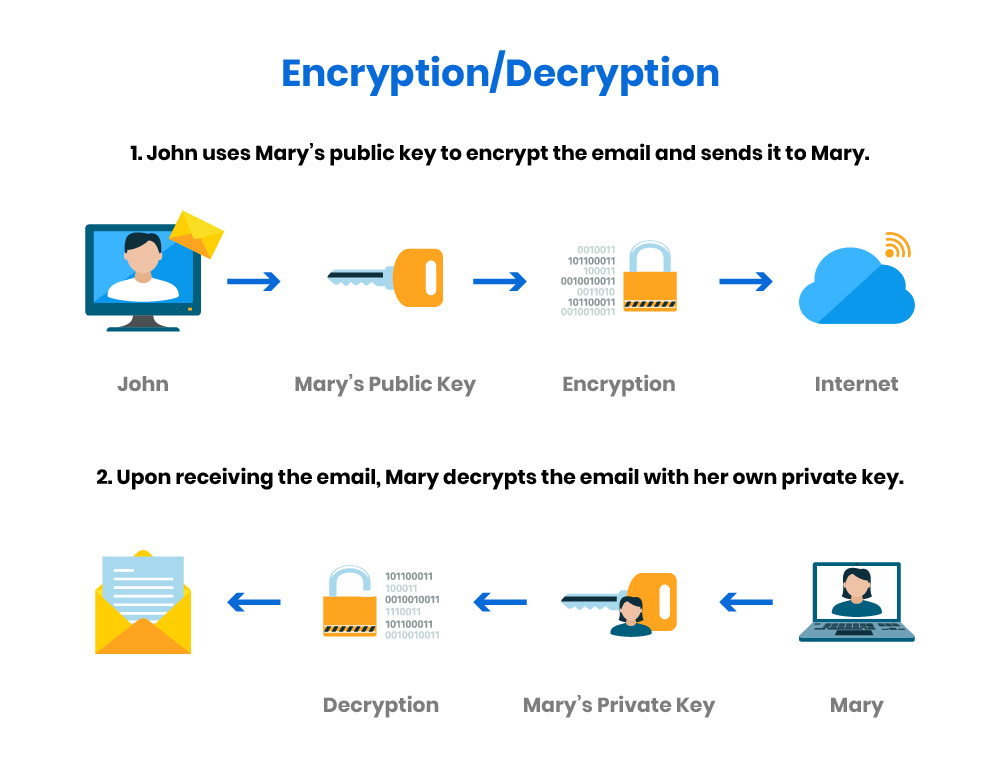
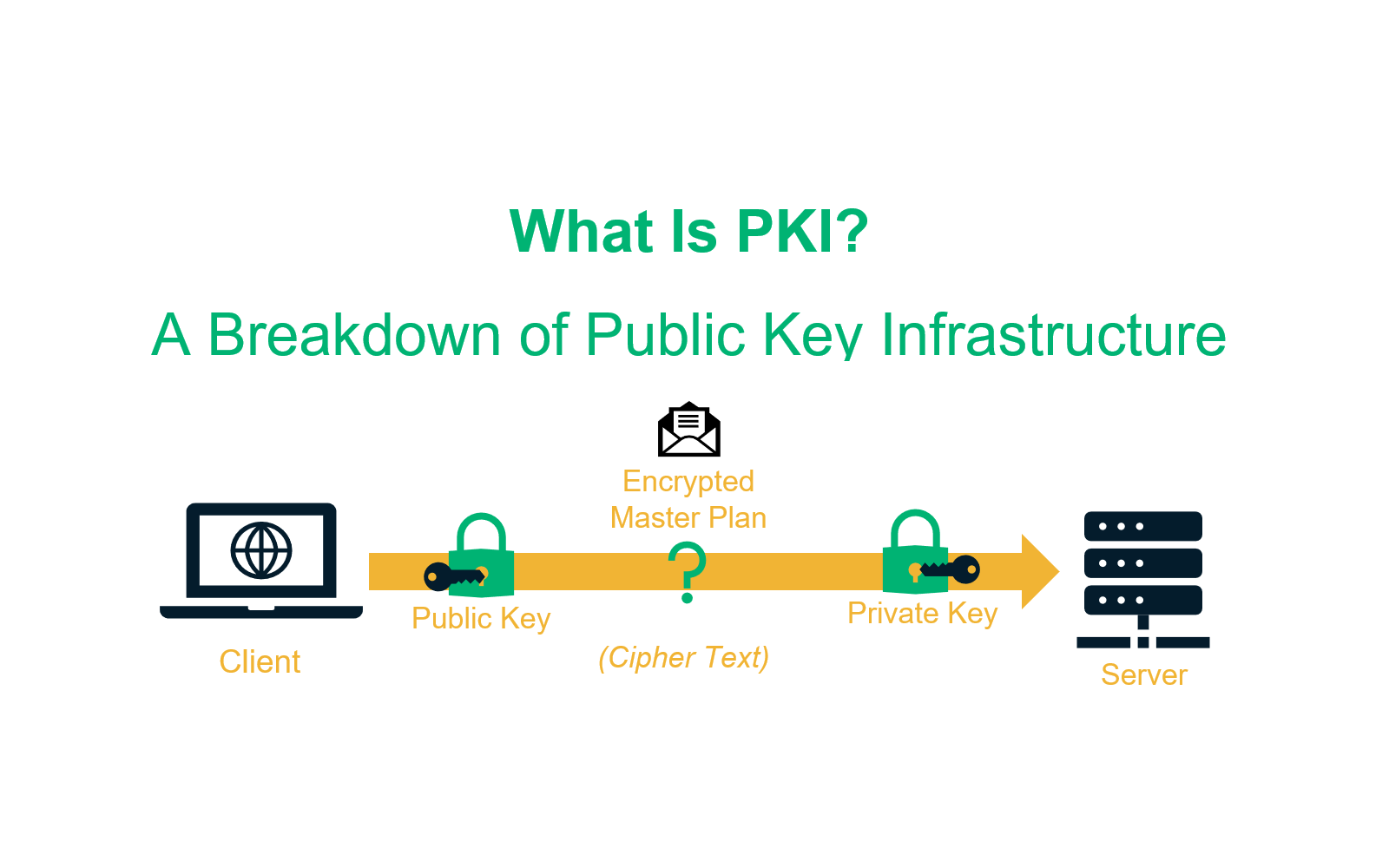
Public Key Infrastructure (PKI) is a framework of technologies, standards, and practices used to secure communications and authenticate identities across digital networks. At its core, PKI involves the use of cryptographic keys—specifically, a paired set of keys known as the public key and the private key. This pairing allows users to encrypt their data with one key which can only be decrypted with the other key in the pair, thus ensuring secure data exchange.
The infrastructure of PKI is composed of several components, including:
- Certificates: Digital documents that link a public key with an entity's identity, issued by trusted entities known as Certificate Authorities (CAs).
- Certificate Authorities (CAs): Trusted organizations responsible for issuing, revoking, and managing digital certificates.
- Registration Authorities (RAs): Entities that verify the identities of individuals or organizations requesting a digital certificate before it is issued by a CA.
- Certificate Repositories: Secure locations where certificates and their status are stored and made accessible.
- Revocation systems: Mechanisms to invalidate certificates that are no longer trustworthy or required.
The Role of Cryptography in PKI
Cryptography is the science of converting messages into a secure format that can only be understood by intended recipients. PKI makes extensive use of asymmetric cryptography, which employs a pair of mathematically linked keys:
- Public Key: A key that can be freely distributed to anyone who wants to send an encrypted message.
- Private Key: A secret key kept by the owner, used to decrypt messages and sign digital documents to ensure their authenticity.
The public key encrypts data that only the corresponding private key can decrypt, providing a secure means of communication. Conversely, data signed with a private key can be verified using the public key, providing integrity and authentication to digital interactions.
Applications of PKI
The versatility of PKI extends across various applications, significantly enhancing security and trustworthiness in digital operations. Some of the essential applications include:
- Secure Communications: Ensures the confidentiality and privacy of messages using encryption protocols like SSL/TLS, widely used in securing websites and emails.
- Digital Signatures: Provide verification of the authenticity and integrity of electronic documents, ensuring that data has not been altered.
- User Authentication: Replaces traditional password-based systems with certificate-based authentication, increasing security in enterprise environments.
- IoT Device Security: Secures the interactions between internet-connected devices, preventing unauthorized access and data breaches.
Benefits of Implementing PKI
Organizations that adopt PKI benefit from a reliable and scalable security framework. Key advantages include:
- Enhanced Security: Robust encryption and authentication mechanisms reduce vulnerabilities and protect sensitive information from cyber threats.
- Scalability: PKI can easily accommodate the growth of users and devices, making it suitable for both small businesses and large corporations.
- Cost-Effectiveness: By streamlining security protocols and reducing the risks of breaches, PKI can lead to reduced operational costs over time.
- Improved Trust: Digital certificates foster trust between parties, ensuring the authenticity of participants in digital communications.
As digital transformation continues to advance, the reliance on PKI as a cornerstone of secure digital communication becomes increasingly crucial. Yet, understanding the mechanics, benefits, and challenges of PKI is essential for organizations and individuals alike.

Delving into the Wonders of an Autumn Fry
As the golden hues of summer begin to fade, nature prepares for its grand transition into the enchanting season of autumn. Leaves adopt hues of amber, ruby, and gold, creating a symphony of colors that draw people outdoors more than ever before. While the visual beauty of autumn is enough to captivate anyone, the season offers much more than pretty landscapes. Among its many offerings is the delightful concept of an autumn fry, a culinary trend that aligns perfectly with the season's chilly evenings and heartwarming gatherings.
The idea of an autumn fry is simple yet fulfilling; it's about gathering with loved ones to savor delicious, warm treats that epitomize the essence of fall. This dining experience can transform even the simplest meal into a cherished occasion. Typically featuring traditional autumnal produce, an autumn fry combines the flavors of the season with techniques emphasizing coziness and comfort.
The Origin of Autumn Fry
The term "fry" can conjure a variety of images and associations, from hearty fish-and-chips to deeply satisfying breakfasts. However, the concept of an autumn fry is tailored to celebrate the foods that define this treasured time of year. While the roots of autumnal festivities draw from various cultures, the idea of combining seasonal bounty with communal cooking is universally appealing.
Throughout history, communities have celebrated the autumn harvest with gatherings that nourish both body and soul. While the specifics might vary from place to place, the central themes remain constant: coming together and paying homage to the season’s offerings. This tradition has evolved over the years into what we now recognize as an autumn fry, marking the transition from summer into the cooler months with food that emphasizes warmth and flavor.
Classic Elements of an Autumn Fry
An autumn fry wouldn’t be complete without the starring ingredients of the season. Apples, pumpkins, and squash are often the main players in this culinary showcase. Think caramelized apple fritters, savory roasted pumpkin, and crispy butternut squash fries. The addition of spices like cinnamon, nutmeg, and clove evokes the aromatic scents inherent to autumn, simultaneously bringing warmth to any dish.
In addition to savoring these seasonal delicacies, an autumn fry is often complimented by warm, spiced beverages. Apple cider, whether served hot or cold, is the quintessential pairing, often brewed with extra spices to deepen its flavor profile. Mulled wine or spiced tea can also enhance the flavors, making the fry feel complete with their inviting warmth.
Creating Your Own Autumn Fry at Home
Want to create your own autumn fry? It’s easier than you might think. Start by inviting friends and family to enjoy the occasion together. As with any culinary experience, the magic of an autumn fry lies in the shared moments and the making of memories around the table. Encourage guests to bring their favorite autumn dishes, ensuring a variety of flavors and textures everyone will enjoy.
For those new to the concept, start simple: roasted vegetables, a few dips, and perhaps a sweet treat to finish things off. Explore recipes that utilize apples, pumpkins, and squashes, marrying them with complementary flavors like maple syrup or honey for an added touch of sweetness. The result? A deliciously memorable gathering that invites guests to relish the bounty of autumn.