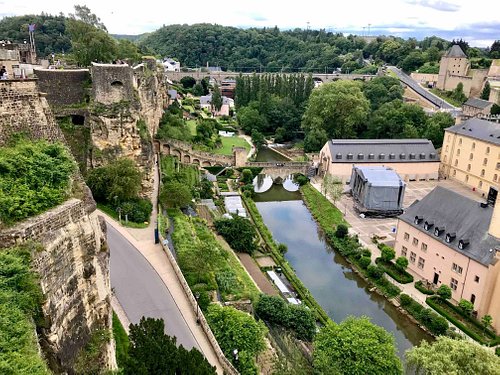
Discover Poznań: A City Rich in History and Culture
Located in the western part of Poland, Poznań is a city that beautifully marries its historical roots with modern urban life. Often considered one of Poland’s oldest and largest cities, Poznań plays a significant role in the country’s history, trade, and culture. Known for its charming old town, dynamic economy, and vibrant cultural scene, this city offers a unique blend of past and present that captivates its visitors time and again.
A Journey Through History
Poznań's historical importance is profound, serving as one of the earliest centers of Polish statehood. The city originated as a fortified settlement in the 9th century and quickly became the seat of the first Polish rulers. At its heart is Ostrów Tumski, or Cathedral Island, which is home to some of Poland's earliest architectural structures. The stunning Poznań Cathedral, dedicated to Saints Peter and Paul, stands as one of Poland’s oldest cathedrals. This sacred site not only holds the tombs of Poland's first monarchs but also serves as a testament to the city's medieval past.
Throughout the centuries, Poznań has seen a tumultuous history, switching hands between various powers, including the Bohemians, Prussians, and eventually becoming part of modern Poland after World War I. The legacy of these historical shifts is visible in the city’s architecture, from Gothic churches to Renaissance-style buildings, offering a rich tapestry of styles for history enthusiasts and casual visitors alike.
The Architectural Splendor of the Old Town
One of Poznań’s most alluring features is its Old Town, which radiates charm and historical allure. At the center of it all is the Poznań Town Hall, a magnificent Renaissance building known for its ornate exterior and the delightful mechanical goats that appear to butt heads daily at noon. Surrounding the Town Hall, the Old Market Square is buzzing with life, filled with colorful merchant houses and welcoming cafes that offer a taste of the city's vibrant atmosphere.
Yet, the architectural beauty of Poznań stretches beyond the Old Town. The Imperial Castle, for instance, is a noteworthy edifice built in the early 20th century for German Emperor Wilhelm II. Today, it serves as a cultural center, hosting various exhibitions, concerts, and film screenings, proving how historical buildings are being repurposed for modern uses.
Connecting Past and Present: Cultural Vibrancy
Poznań is not merely a relic of the past; it’s a thriving city that celebrates life through numerous cultural festivals and events. Notably, it hosts the internationally renowned Malta Festival, which attracts artists from across the globe, showcasing experimental theatre, dance, and music. The rich cultural scene doesn't end there - theaters, museums, and galleries pepper the city, ensuring a diverse cultural offering year-round.
The city’s universities, including the emblematic Adam Mickiewicz University, add youthful energy and intellectual vibrancy, making Poznań a bustling place of learning and innovation. This, in turn, cultivates a lively student culture, enriching the city’s social landscape with trendy cafes, lively bars, and dynamic art spaces.
Through its blend of historical depth and contemporary excitement, Poznań emerges not only as a witness to Poland’s rich past but also as a beacon of hope for its progressive future. Whether you’re drawn in by its past, its present, or the promise of its future, Poznań offers something unique for every visitor who enters its storied streets.



Tallinn: The Jewel of the Baltic
Tallinn, the capital city of Estonia, is an enchanting blend of medieval charm and modern sophistication. Situated on the northern coast of the country, along the Gulf of Finland, Tallinn is a city where the past and present meet seamlessly. With its cobbled streets, ancient architectural wonders, and a vibrant cultural scene, Tallinn beckons travelers from all around the world to uncover its rich tapestry of history and culture.
A Brief History of Tallinn
Dating back to at least the early medieval times, Tallinn's origins are deeply rooted in the 13th century when it became a prominent trade hub in the Baltic Sea region. Known historically as Reval, Tallinn joined the Hanseatic League in the early 14th century, further cementing its importance as a center of commerce. Over the centuries, Tallinn has been shaped by various influences – Danish, Swedish, German, and Russian – each leaving its marks on the city’s unique architecture and cultural heritage.
One of Tallinn's most captivating historical features is its well-preserved Old Town, a UNESCO World Heritage site. The Old Town's medieval walls and towers offer a glimpse into the city's storied past. Walking through this area is like stepping back in time with its winding alleyways, historical buildings, and lively town squares filled with artisanal markets.
Architectural Marvels
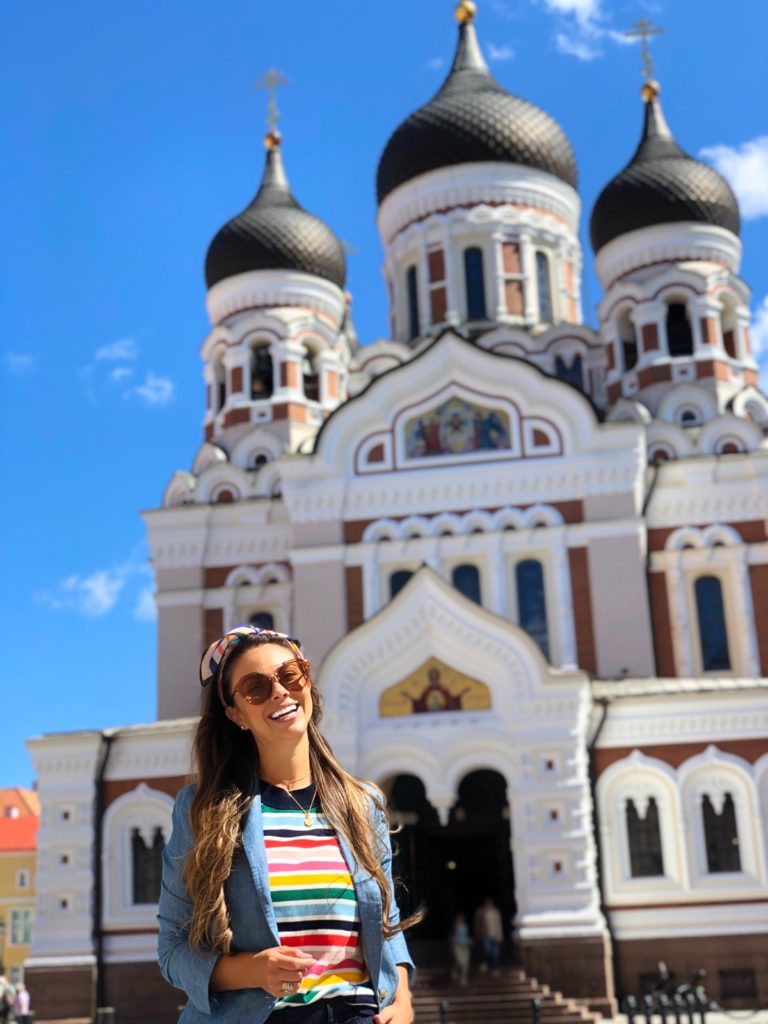
Tallinn's skyline is dominated by its iconic landmarks that showcase a harmonious blend of styles. One of the must-see sites is the Toompea Castle, perched atop Toompea Hill. This historic castle, with its roots dating back to the 9th century, is now the seat of the Estonian Parliament and overlooks the city with grandeur. Adjacent to the castle stands the Alexander Nevsky Cathedral, a stunning example of Russian Orthodox architecture with its onion domes and richly decorated interiors.
Another architectural gem is St. Olaf's Church, which once held the title of the world's tallest building. Its towering spire offers breathtaking panoramic views of the city for those willing to climb its steep stairs. The church is a testament to Tallinn's historical significance and its role as a major religious center in the region.
A Modern Cultural Hub
While Tallinn's historical allure is undeniable, the city has also embraced modernity with open arms. Today, Tallinn stands as a thriving cultural hub, home to a myriad of festivals, galleries, and theatres that reflect its dynamic arts scene. The city's vibrant spirit is especially evident during events like the Tallinn International Film Festival and Tallinn Music Week, which attract artists and creators from all over the world.
The creative pulse of Tallinn is evident in its many contemporary art spaces and workshops. In the Kalamaja district, art enthusiasts can explore the Telliskivi Creative City, a former industrial complex transformed into a lively center filled with art studios, boutiques, and eclectic eateries. This area has become an epicenter for Tallinn's creative minds, fostering an environment where innovation and tradition coexist.
Culinary Delights
Tallinn's culinary scene is as diverse as its history. The city offers a delightful array of flavors, from traditional Estonian dishes to innovative culinary experiments that push the boundaries of gastronomy. Visitors can indulge in hearty meals featuring black bread, smoked fish, and freshly foraged mushrooms, while also exploring fine dining establishments that offer a modern twist on Baltic cuisines.
One must not miss the bustling markets, such as the Balti Jaam Market, where local vendors present a tantalizing display of fresh produce, meats, and artisanal goods. These markets not only offer a chance to sample authentic Estonian flavors but also serve as a social hub where the old-world charm of Tallinn’s trading tradition continues to thrive.
With its captivating mix of the ancient and the avant-garde, Tallinn stands as a testament to Estonia’s rich history and dynamic present. Whether one is drawn by the allure of its historic streets or the vibrancy of its modern culture, Tallinn is a city that promises to enchant and inspire at every turn.
The Enchanting Allure of Luxembourg City: A Historical and Cultural Odyssey
The Enchanting Allure of Luxembourg City: A Historical and Cultural Odyssey
Nestled in the heart of Europe, Luxembourg City is a hidden gem often overshadowed by its larger neighbors. However, this picturesque city is a tapestry of rich history, stunning architecture, and vibrant culture. Surrounded by deep gorges and lush valleys, Luxembourg City is a fusion of the past and present, making it a compelling destination for travelers and history enthusiasts alike.
A Historical Tapestry
Luxembourg City's strategic location has made it a coveted prize through the centuries. Its story begins in the 10th century when Count Siegfried acquired a rocky promontory known as Lucilinburhuc, or "little fortress." This marked the city's foundation and sowed the seeds for its development into a major European stronghold. Over the years, Luxembourg changed hands multiple times, reflecting the shifting political landscape of Europe.
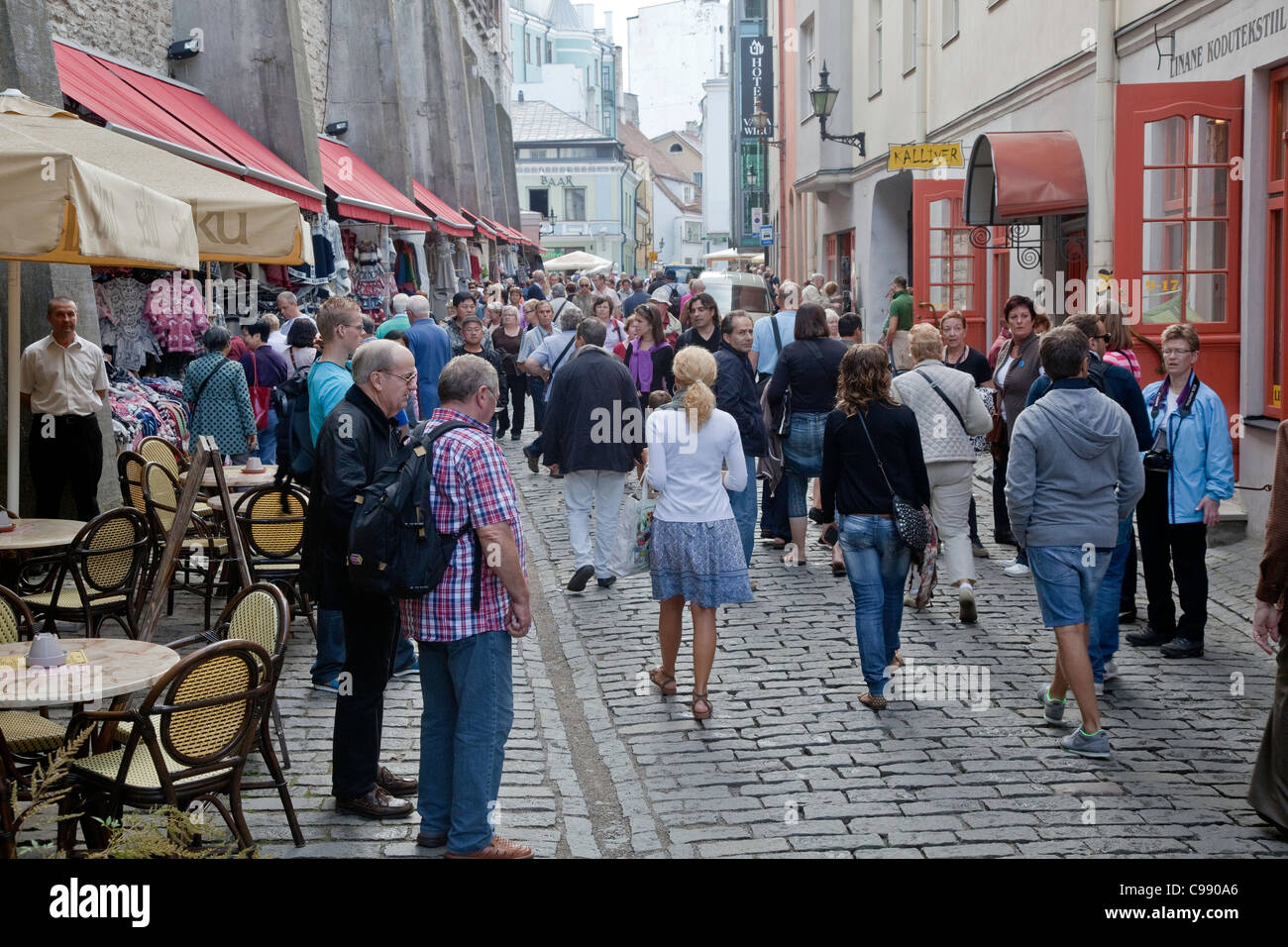
The formidable fortifications built through centuries still frame the city's landscape. The Old Town, a UNESCO World Heritage site, is a testament to Luxembourg City's medieval past. Remnants of ancient moats and ramparts blend seamlessly with the cityscape, providing a window into a bygone era. Walking through its narrow cobblestone streets, one can almost sense the whispers of history echoing off its ancient walls.
The Grand Ducal Palace: A Royal Residence
The Grand Ducal Palace stands as another intriguing facet of Luxembourg City's historical narrative. Located in the heart of Old Town, this magnificent structure serves as the official residence of the Grand Duke of Luxembourg. Its architectural splendor, a blend of Renaissance and Baroque styles, reflects the influences that have shaped the city over the centuries.
Originally a city hall, it became the Grand Ducal Palace in 1890. With its ornate facade, stately rooms, and a touch of majestic grandeur, it captures the essence of Luxembourg's royal heritage. Although it remains an active residence, visits to the palace's exquisite interiors are welcomed during the summer months, offering a unique glimpse into the country's regal life.
The Bock Casemates: A Fortified Relic
One can hardly mention Luxembourg City without detailing the Bock Casemates, an intricate network of underground galleries carved into the city’s bedrock. These tunnels, stretching over 23 kilometers, were initially constructed in the 17th century to bolster Luxembourg's defenses. Throughout history, they have served various military purposes, including sheltering thousands during World War II bombings.
Today, the Bock Casemates are a fascinating attraction, drawing tourists curious to explore the labyrinthine passages that once safeguarded a city. Walking through these dimly lit corridors, visitors are transported back in time, bearing witness to the engineering marvels of past strategists who sculpted the fortifications from solid rock.
A City of Contrasts and Culture
Beyond its historical significance, Luxembourg City is a dynamic metropolis that harmonizes antiquity with modernity. The contrast is particularly evident in its architectural landscape, where contemporary designs stand shoulder-to-shoulder with majestic medieval fortresses and charming 19th-century buildings. This juxtaposition enhances the city's aesthetic appeal, making it both a photographer’s haven and an adventurer's delight.
The cultural offerings of Luxembourg City are equally plentiful. As a melting pot of European art, the city boasts numerous museums and galleries. The Musée d’Art Moderne Grand-Duc Jean (MUDAM) is a highlight, showcasing contemporary works in a remarkable building designed by Chinese-American architect Ieoh Ming Pei. Meanwhile, the National Museum of History and Art offers insights into the nation's archaeology, fine arts, and history, with exhibits dating back to prehistoric times.
Nature’s Embrace: The Green Heart of the City
Luxembourg City's unique geography offers not only historical intrigue but also bountiful natural beauty. The city is nestled amidst picturesque landscapes, making it a verdant haven for nature lovers. The famous Pétrusse Valley is a serene escape within the urban landscape, with its verdant paths inviting leisurely strolls along the banks of the Pétrusse River. This lush tapestry of green winding through the city's heart is emblematic of Luxembourg’s commitment to preserving its natural spaces.
Parc Merveilleux, located just outside the city, offers families and nature enthusiasts a delightful array of attractions, from exotic wildlife to enchanting gardens. These spaces provide a canvas for relaxation and enjoyment, blending the vibrancy of urban life with the tranquility of nature. The city’s dedication to green spaces is evident throughout its various parks and public gardens, each offering a unique perspective on Luxembourg's commitment to environmental harmony.
Culinary Delights: A Gastronomic Journey
Culinary experiences in Luxembourg City offer a delectable journey into its cultural diversity. As a crossroads of Europe, the city benefits from an eclectic mix of French, German, and Belgian influences, creating a rich tapestry of flavors. Local specialties, such as Judd mat Gaardebounen (smoked pork neck with broad beans) and Quetschentaart (plum tart), showcase the rustic yet refined tastes of Luxembourgian cuisine.
The city's vibrant café culture and cosmopolitan dining scene cater to all palates, from haute cuisine to cozy bistros serving traditional delicacies. Gourmands will appreciate the diversity of Michelin-starred restaurants, which fuse local ingredients with international flair, reflecting Luxembourg's position as a culinary hub in the heart of Europe.
Festivals and Celebrations: A Year-Round Extravaganza
Luxembourg City is alive with festivals and cultural events that celebrate its heritage and cosmopolitan spirit. One of the most spectacular events is the Schueberfouer, a historic fair dating back to 1340, founded by John the Blind, King of Bohemia and Count of Luxembourg. This annual event attracts thousands to the Glacis Square, with a vibrant mix of rides, food stalls, and traditional crafts.
Another highlight is the Winterlights Festival, where the city transforms into a dazzling wonderland of lights and holiday markets. The festival brings warmth and cheer as winter descends, offering a festive atmosphere rich in tradition and community spirit. Throughout the year, the multicultural fabric of the city is celebrated in various ways, from music festivals featuring international artists to traditional events like the National Day on June 23rd, showcasing Luxembourg's patriotism and cultural pride.
The Future of Luxembourg City: Balancing Modernity and Tradition
As Luxembourg City strides confidently into the future, it successfully balances modern innovation with its historical roots. The Kirchberg Plateau, a vibrant business district, epitomizes this duality. Home to several European Union institutions, modern architecture, and the striking Philharmonie Luxembourg concert hall, Kirchberg represents the city's forward-thinking outlook and its role as a pivotal player on the European stage.
Yet, despite its modern advancements, Luxembourg City maintains a close connection to its storied past. This blend of old and new is evident in the city's strategic urban planning, which emphasizes sustainability and cultural preservation. Initiatives to promote eco-friendly practices and support local traditions highlight Luxembourg's commitment to crafting a city where history, culture, and innovation coexist harmoniously.
Conclusion: An Invitation to Discover
Luxembourg City, with its enchanting blend of history, culture, and natural beauty, invites exploration and discovery. From its ancient fortifications and regal palaces to its vibrant cultural scene and tranquil green spaces, the city offers a multifaceted experience for every visitor. As a bastion of European heritage and a beacon of modern innovation, Luxembourg City celebrates the past while embracing the future, inviting travelers to uncover its many stories.
Whether wandering through the historic streets of the Old Town, exploring the city's dynamic districts, or enjoying the serenity of its parks, Luxembourg City promises an unforgettable journey into the heart of Europe’s rich tapestry. This welcoming city stands as a testament to the enduring allure of places that treasure their history while looking forward to the future.