Drusus the Elder: The Prominent Pontifex and Consul of Ancient Rome
The Background and Early Life
Drusus the Elder, known as Nero Claudius Drusus (c. 38 BC – AD 9), was a prominent political figure in the Roman Empire during the reigns of Augustus Caesar and his grandsons. Born into the Julio-Claudian dynasty, he emerged as a key member of the imperial family and played significant roles within both the military and political spheres of Rome. His contributions to both the Roman army and government earned him considerable respect and influence among the populace.
Drusus was the son of Tiberius Claudius Nero and Antonia Minor, making him a great-nephew to Julius Caesar via his mother’s side. This lineage provided him with a strong connection to the ruling family, though it also meant navigating the treacherous internal politics of ancient Rome. Little is known about his early life, but historical records indicate that he was well-educated and trained from a young age in the traditional Roman ways that valued military prowess and civic duties.
Drusus began his military career under his father’s command at an unusually young age, serving as a quaestor at the age of nineteen. His talent for leadership and military strategy were evident early on, leading to rapid promotions. By the time he was twenty-six, he had been appointed legate to Germania Superior, overseeing military operations against the Chatti tribe.
Military Achievements and Campaigns
Drusus’ most renowned campaigns took place in Germania. From AD 7 to 9, he spearheaded multiple expeditions across modern-day Germany. These campaigns were aimed at expanding Roman territory and gaining control over new territories. During this period, Drusus achieved numerous victories and successfully subdued several tribes, including the Cotini, Tencteri, Bructeri, Usipetes, and Batavi.
One of his notable successes came in the invasion of Teutoburg Forest, where he defeated the Suebi, a confederation of tribal groups that had proven difficult for previous Roman commanders. Although he did not personally participate due to ill-health, the campaign demonstrated his strategic acumen and the confidence the Roman Senate placed in him. Another significant victory was against the Cherusci, a powerful Germanic tribe, furthering Rome's claims over the region.
Drusus was celebrated for these accomplishments, and many triumphal arches were erected in his honor in Italy and Rome. He was granted the title "Germanicus Maximus," marking his exceptional leadership and military achievements in Germania. These successes not only boosted Roman territorial expansion but also solidified Drusus’ reputation as one of the finest military leaders of his era.
Political Influence and Family Dynamics
Beyond his military exploits, Drusus played a vital role in Roman politics. As a member of the imperium, he had significant influence when the Senate was considering matters of state. His close ties to the ruling family, particularly his relationship with Augustus' sons, gave him a unique vantage point in the complex political landscape of Rome.
Drusus supported Augustus’ policies and often took on diplomatic missions for the emperor. One such mission involved negotiating with King Archelaus of Cappadocia after his revolt against Roman rule. This action strengthened Drusus’ status within the imperial circle and further enhanced his standing as a trusted advisor.
His political allies included key figures like Tiberius, his future stepson, with whom he shared a close bond despite their contrasting personalities. Together, they worked on various reform projects and maintained the stability of the Roman Empire through a coalition of military might and effective governance.
However, Drusus’ political influence was not without its challenges. There were instances where his ambitions and those of Augustus may have conflicted, leading to tension in their relationships. Despite these occasional disagreements, Drusus remained a valuable asset to the ruling class and contributed significantly to the maintenance of peace and order during his lifetime.
Legacy and Aftermath
Following his death in AD 9 due to a fall from his horse, which some sources suggest may have been intentionally precipitated by poisoning, Drusus left behind a mixed legacy. His military campaigns and strategic acumen were remembered fondly, contributing to Rome’s territorial growth and stability. However, the political intrigue surrounding his death and the subsequent machinations within the imperial court overshadowed his contributions.
Despite the controversies, Drusus’ impact on Roman military history remains significant. His influence can be seen in the subsequent legions formed and the strategies implemented by later Roman generals. His name continues to feature in the annals of Roman history, symbolizing Roman might and glory.
In conclusion, Drusus the Elder was a pivotal figure in Roman history, whose military prowess and political savvy contributed to the empire's consolidation and expansion. His life and achievements provide a fascinating glimpse into the world of ancient Roman politics and warfare.
The Family Legacy and Impact on Imperial Succession
Drusus’ untimely death in AD 9 left a profound legacy in the Julio-Claudian family. Augustus adopted Germanicus, his son by Drusus’ sister Livilla, as his own grandson and heir-designate. Germanicus carried forward much of Drusus’ qualities and ambitions, leading to a continuation of Roman military dominance. However, the early death of Drusus also introduced elements of strife and uncertainty into the imperial succession, as his surviving son, also named Drusus (Drusus the Younger), was born posthumously and became a key figure in the later tumultuous history of the Julio-Claudian dynasty.
In the immediate aftermath of Drusus’ death, there was a shift in political dynamics. Tiberius, who had always held a strained relationship with Drusus, saw an opportunity to assert himself more prominently. The political landscape of Rome became increasingly unstable as Tiberius, driven partly by jealousy and perhaps a desire for total power, sought to undermine Germanicus and his position within the imperial family.
The deaths of Drusus and his wife, Antonia the Younger, who died shortly after giving birth to her son, created a power vacuum that Tiberius exploited. This loss was particularly significant as it removed a potential rival to Tiberius’ own ambitions for the throne. The young Drusus the Younger, born just months after his father's death, was initially cared for by Livia, Augustus’ wife, but eventually fell under the suspicious care of Sejanus, Tiberius’ favored praetorian prefect, who sought to manipulate the young prince for political gain.
Despite the family tensions, the legacy of Drusus the Elder continued through his descendants. His daughter Livilla married Marcius Junius Silanus, enhancing her status and ensuring her family connections remained strong. Though she later divorced Silanus and married Publius Silius, this move did little to ease the political turmoil between Tiberius and Germanicus.
The Political Intrigue and Later Controversies
The period following Drusus’ death was marked by increasing political intrigue and suspicion within the imperial court. Tiberius, having ascended to the throne, faced mounting criticism from supporters of Germanicus and his faction. This tension culminated in the famous conspiracy of Germanicus, which centered around charges of treason against Tiberius. While the evidence against Germanicus was largely conjecture, Tiberius orchestrated his fall, leading to the execution of Germanicus and his wife Agrippina the Elder.
Drusus the Younger, now under Sejanus’ influence, seemed to be positioned as a potential successor, albeit a tool rather than an equal partner in decision-making. Sejanus, in particular, sought to undermine any potential rivals, including the remaining members of the imperial family. This included plotting against Tiberius’ own daughter, Julia Livia, and attempting to marry Drusus to her daughter, Livilla the Younger.
The rise of Sejanus and his growing influence over Tiberius brought further instability to the government. Sejanus, who had become increasingly powerful, ultimately led to his downfall after plotting against the emperor. His execution in AD 31 marked the end of his reign and allowed Tiberius to regain control. However, the political atmosphere remained tense, with suspicions of betrayal and manipulation still prevalent.
The later years of Tiberius were characterized by the purging of political enemies and the marginalization of potential heirs. While the Julio-Claudian line continued through the younger generations, each transition brought new political challenges and suspicions. The memory of Drusus the Elder lingered, serving both as a symbol of past military glories and a cautionary tale against internal political machinations.
The Enduring Legacy of Drusus the Elder
Despite the tumultuous political environment and the eventual decline of the Julio-Claudian dynasty, the legacy of Drusus the Elder endured. His military conquests in Germania set the stage for ongoing campaigns and the expansion of Roman territories in the north. Moreover, his status as a beloved and respected figure ensured that his name and accomplishments continued to be celebrated long after his death.
The writings of ancient historians, including Tacitus and Suetonius, preserved accounts of Drusus’ military exploits and political influence, providing invaluable insights into his role in shaping Roman history. Additionally, statues and monuments dedicated to him throughout Rome served as physical reminders of his significance, contributing to his lasting legacy.
Furthermore, his family connections and the interwoven dynastic links ensured that his influence extended beyond his immediate descendants. The survival of his lineage, albeit fractured and beset with political struggles, meant that his contributions to Roman governance and military expansion remained relevant well into the Flavian and later periods.
Drusus the Elder stands as a figure of immense importance in understanding the complexities of Roman imperial politics. His military prowess, political acumen, and enduring impact on Roman territorial expansion leave an indelible mark on the annals of history, continuing to captivate scholars and historians alike.
In summary, Drusus the Elder was more than just a military leader; he was a central figure in the Julio-Claudian dynasty, shaping Roman history through his strategic leadership and political alliances. His legacy, though marked by political intrigue and familial strife, remains a critical aspect of understanding the development and decline of the Roman Empire.
The final years of the Julio-Claudian dynasty, marked by political intrigue and instability, saw the rise and fall of influential members, many of whom had roots tracing back to Drusus the Elder. His influence extended beyond his immediate descendants, leaving a lasting impact on Roman governance and military strategy. The decline of the dynasty, starting with the death of Caligula in AD 41 and the subsequent reign of Claudius, further underscored the enduring relevance of Drusus' contributions.
Claudius, the stepson of Germanicus and step-grandson of Drusus the Elder, ascended to the throne after navigating the treacherous waters of Roman politics. Claudius, while not directly a soldier like his predecessors, drew on the legacy of Drusus and Germanicus to strengthen his own rule. His reign brought a period of relative stability, but also marked a shift in the direction of the empire, as Claudius focused more on internal administration and foreign diplomacy.
The death of Caligula, who was known for his erratic and often cruel behavior, opened the door for Claudius' succession. Claudius, although initially marginalized due to his apparent intellectual limitations, was seen as a stabilizing force. He continued the expansion of the Roman Empire, often citing the military successes of his predecessors as justification for further territorial acquisitions. This focus on expansion was evident in his efforts to conquer Britain, a campaign that was directly influenced by the precedent set by Drusus the Elder and Germanicus.
Claudius' reign saw a return to a more traditional Roman style governance, with a renewed emphasis on legislative and administrative reforms. His policies aimed at addressing the social and economic disparities that had become pronounced during the earlier reigns of Augustus and Caligula. Claudius' efforts to improve the legal and judicial systems, as well as his patronage of public works, such as the construction of the Aqua Claudia aqueduct, reflect the continuing impact of the legacy of Drusus the Elder and his military accomplishments.
However, the decline of the Julio-Claudian dynasty was not just a result of individual failings but also the broader socio-political and economic changes that were occurring within the empire. The increasing complexity of governance and the growing economic strain began to challenge the stability of the dynasty. Claudius' death in AD 54 led to the ascension of Nero, who quickly became notorious for his tyrannical rule and his eventual fall from power.
The fall of Nero completed the decline of the Julio-Claudian dynasty, marking the end of an era that began with the establishment of Augustus as the first Roman emperor. Nero's reign, characterized by extravagance and oppression, saw the disintegration of the political and social structures that had been built by his ancestors, including Drusus the Elder. The chaos that followed the fall of the dynasty highlighted the lasting impact of Drusus' contributions to Roman military and political power.
Despite the fall of the Julio-Claudian dynasty, the influence of Drusus the Elder continued to be felt in the subsequent histories of the Roman Empire. His military campaigns and political acumen set the stage for future Roman leaders, influencing the strategies and policies of emperors like Trajan and Augustus himself. The legacy of Drusus the Elder is particularly evident in the continued celebration of Roman victories in Germania and the expansion of the empire's territory.
The historian Tacitus, in his works such as "Annales" and "Agricola," provided detailed accounts of the military campaigns and political maneuvers of Drusus the Elder. Tacitus' works not only preserved the memory of Drusus but also served as a source of inspiration for future scholars and military leaders. The ongoing historical scholarship on Drusus the Elder continues to be a rich field of study, offering new insights into the dynamics of power, governance, and military strategy in the Roman world.
In conclusion, Drusus the Elder was not just a military leader but a central figure in the complex and often tumultuous history of the Roman Empire. His contributions to military conquest, political stability, and the development of Roman governance continued to influence the empire long after his death. The enduring legacy of Drusus the Elder is a testament to the enduring impact of individual leaders on the course of history, and his story remains a vital part of the historical narrative of ancient Rome.


Praetorian Prefect Burrus: Guardian of Imperial Stability
The intricate tapestry of Ancient Rome's history is woven with figures whose influence, though often shadowed by emperors and military campaigns, played critical roles in shaping the empire's fate. One such indispensable figure is Sextus Afranius Burrus, a man whose steadfast dedication and astute political acumen positioned him at the heart of Roman power during a pivotal era. As the Praetorian Prefect, Burrus walked a fine line between loyalty to the emperor and the pursuit of peace and prosperity for Rome.
Early Life and Rise to Power
Little is known about the early years of Sextus Afranius Burrus, but what can be pieced together from historical texts suggests a journey marked by ambition, intelligence, and a strategic ascent through the Roman military ranks. Born to a family of equestrian status, Burrus's initial steps on the path to prominence were likely shaped by a combination of personal abilities and strong social connections — a vital combination for success in the Roman hierarchy.
Under the reign of Emperor Claudius, the political climate of Rome was one of transformation, where positions of power fluctuated with the whims of the emperor and the machinations of those around him. It was within this dynamic environment that Burrus found his niche. His military prowess and reputation as a loyal servant to the state did not go unnoticed. Gaining the trust of Claudius, Burrus was appointed as Praetorian Prefect, assuming command of the Praetorian Guard, the elite unit tasked with the protection of the emperor.
Role of the Praetorian Prefect
The position of Praetorian Prefect was one laden with both responsibility and peril. Commanding the Praetorian Guard entailed ensuring the emperor's safety, but it also placed Burrus amid the complex web of Roman politics. The guard was known for its influence, often serving as the kingmaker in the succession struggles that punctuated Roman imperial history.
Burrus's appointment marked a turning point in the structure and function of the Praetorian Guard. He implemented reforms that enhanced discipline and loyalty within the ranks, transforming the unit into a more cohesive and effective force. Burrus recognized that stability within the Guard was synonymous with stability within the empire. His leadership style was characterized by fairness and discipline, fostering a sense of loyalty among his men, an achievement that would prove essential during the tumultuous times ahead.
Burrus and the Reign of Nero
Burrus's tenure as Praetorian Prefect coincided with the rise of Nero, one of Rome's most enigmatic emperors. The transition from Claudius to Nero in 54 AD was carefully orchestrated, with Burrus playing a pivotal role. Alongside Nero’s influential advisor Seneca, Burrus acted as a stabilizing force, guiding the young emperor through the early years of his reign.
This partnership between Burrus, Seneca, and Nero was one of mutual benefit. While Nero provided the imperial legitimacy, Burrus ensured the emperor's safety and stability, and Seneca offered intellectual and rhetorical guidance. Together, they sought to moderate Nero's excesses and navigate the political complexities of the Roman court.
Burrus's influence extended beyond military matters; he was integral in shaping policy, often acting as a mediator between the emperor and the Senate. His cautious approach and emphasis on balance ensured that Nero's initial years were relatively successful, fostering a period of relative peace and prosperity within the empire.
Challenges and Political Intrigue
Despite the initial harmony, Burrus's role was not without its challenges. The Roman court was a hotbed of intrigue, where alliances shifted as quickly as the tide. Burrus's relationship with Nero became increasingly strained as the emperor's behavior grew more erratic and unpredictable. The young emperor's fascination with the arts and his penchant for lavish extravagance often clashed with the prudent governance advocated by Burrus and Seneca.
Rumors of plots and conspiracies were rife, and Burrus found himself navigating a treacherous landscape where loyalty was as tenuous as a sparrow's flight. His position required constant vigilance, balancing the demands of the emperor with the expectations of Rome’s political elite.
Still, Burrus remained a staunch advocate for moderation and peace. His diplomatic skills were put to the test as he strove to maintain Nero's favor while protecting the interests of Rome. Despite his dedication, the pressures of court life were unrelenting, testing the limits of his influence and patience.
The Influence of Burrus: Balancing Power
Sextus Afranius Burrus was more than a mere guardian of the emperor; he became a pivotal figure in shaping imperial policy, eclipsing the traditional role of a military leader to become a key statesman in Nero's court. His influence was evident in his efforts to moderate Nero's less conventional impulses and instill a sense of responsibility towards governance. This delicate balancing act required not just military acumen but also political finesse and an adept understanding of human nature.
Burrus's approach to maintaining influence in Nero's court was largely defined by his alliance with the philosopher and statesman Seneca. Together, they formed a formidable partnership that sought to ensure the security and prosperity of the Roman Empire. Burrus often acted as an intermediary between Nero and various factions within Rome, using his influence to advocate for decisions that aligned with stability and the broader interests of the Empire. His efforts to maintain harmony were largely successful, at least during the early years of Nero's reign, contributing to what is often termed the quinquennium Neronis, or "five good years," a period marked by competent administration and relative peace.
Burrus’s Reforms and Administrative Strategies
Burrus understood that the longevity of any ruler depended significantly on the satisfaction and contentment of his guards and subjects. To this end, he implemented several reforms within the Praetorian Guard, aimed at increasing both efficiency and loyalty. He sought to instill a code of conduct that emphasized duty, honor, and loyalty to the emperor but also a sense of obligation to Rome itself. These changes not only fortified Nero's reign but also improved the overall image of the Guard, moving it away from a mercenary organization to one perceived as a protective force for the Roman people.
On a broader administrative scale, Burrus encouraged policies that favored economic stability and legal reforms. The emphasis was placed on protecting the legal rights of Roman citizens and ensuring fair trials, which reinforced the stability of the judicial system. While his companion Seneca focused on rhetoric and philosophy, shaping the cultural and moral aspects of Nero’s administration, Burrus remained grounded in the practicalities of governance, addressing issues such as the management of public finances, the military, and law enforcement.
Burrus's tenure contributed significantly to a period of unprecedented order and prosperity, and his strategic foresight in both military and civic matters helped mitigate some of the internal pressures that could have destabilized Nero's reign prematurely.
The Tides of Change: Burrus’s Declining Influence
As Nero matured, so too did his desire to assert his independence from the constraints of his advisors. This drive coincided with changes in Nero's circle, as new favorites and influences began to wedge themselves into positions of power, gradually eroding Burrus's and Seneca’s control over imperial policy. The growing influence of figures like Poppaea Sabina and the increasing presence of Nero’s more unsavory contemporaries in court affairs made Burrus’s position increasingly challenging.
Burrus was caught in a high-stakes political game, where success and survival depended on his ability to maintain Nero's trust amid shifting allegiances and growing paranoia. The young emperor's disdain for accountability, paired with an inflated ego, made it increasingly difficult for Burrus to influence Nero's decisions. Burrus's warnings about the consequences of unchecked extravagance and neglect of governance were often overshadowed by Nero’s artistic pursuits and indulgences.
The Last Years and Legacy of Burrus
Burrus’s staunch dedication to Rome and his unwillingness to indulge Nero's excesses ultimately led to his declining influence. Accounts vary, but Burrus's death in 62 AD under mysterious circumstances marks a turning point in Roman history. Some suggest that his demise was due to natural causes, while others speculate possible foul play linked to court intrigues. The removal of such a stabilizing figure had profound implications for Nero's reign, laying bare the unchecked ambitions and excesses of the young emperor.
Burrus's legacy, however, is not solely defined by his fall. He is remembered as a competent and virtuous administrator whose leadership during his tenure as Praetorian Prefect played a crucial role in maintaining the relative stability and prosperity of the Roman Empire during a time when internal and external pressures could have led to disaster. His tenure is a testament to the importance of strong, balanced leadership in preserving the future and stability of an empire.
As a guardian of imperial stability, Burrus's contributions served as a bulwark against the turbulent forces at play in the Roman court. His life and work remind us of the complex web of influence and politics that defines historical governance, underscoring the roles of characters who are not always in the spotlight but whose impact is deeply felt throughout history.
The Aftermath of Burrus's Death: Unraveling Order
The death of Sextus Afranius Burrus in 62 AD marked a critical juncture in Nero's reign, sending ripples through the complex political landscape of Rome. As one of Nero’s most trusted advisors, Burrus's absence left a void that was difficult to fill. His demise heralded the end of a period of relatively stable governance and ushered in a time rife with intrigue and disorder. The protective mantle that Burrus had helped weave around Nero and the broader realm began to disintegrate, revealing the emperor's vulnerabilities to manipulation and unchecked ambition.
In the wake of Burrus's death, the political balance within the Roman court shifted dramatically. Nero increasingly relied on advisors who lacked the statesmanship and dedication of their predecessors, such as Tigellinus and Anicetus. These men were more inclined to indulge Nero’s whims and extravagances, exacerbating the decline in responsible governance that Burrus had worked tirelessly to stave off. The loss of Burrus’s moderating influence opened the door to the deterioration of the principled administration he had helped cultivate, contributing to the growing detachment of Nero from the Roman Senate and populace.
Nero’s Descent and the Loss of Control
Without the stabilizing presence of Burrus and the subsequent resignation of Seneca, Nero's court became increasingly dominated by sycophants who fueled his egotistical tendencies. Freed from the constraints of his former advisors’ prudence, Nero indulged in his passions with abandon, focusing on artistic endeavors and extravagant architectural projects, which placed significant strain on the empire's resources. This pattern of governance alienated many senatorial elites and fostered widespread disillusionment among the Roman public.
The ensuing years were marked by increasing social and political unrest, with Nero’s administration struggling to address the needs and concerns of Rome’s citizens. The emperor's inability to manage these challenges effectively was compounded by a series of events that underscored his diminishing control over the empire, such as the Great Fire of Rome in 64 AD. While Nero's initial response to the disaster was commendable, rumors of his involvement in starting the fire and subsequent lavish reconstruction projects did little to restore public trust or quell growing dissent.
The Impact on Rome and Beyond
Burrus's legacy extended beyond his influence on Nero’s rule, significantly shaping the Roman Empire’s military and administrative strategies. His reforms within the Praetorian Guard had strengthened an institution crucial for the stability of any Roman emperor's regime, setting a precedent for future prefects who inherited the role. Additionally, Burrus’s insistence on discipline and loyalty served as a model for military conduct, which remained influential even after his death.
However, the long-term effects of his absence were profound and immediate. With unchecked corruption and increasing unrest, the unity of the empire began to fray. The decline in responsible governance after Burrus and Seneca’s departure contributed to the unrest that characterized the year of the four emperors, a period of civil war and rapid succession that followed Nero’s eventual downfall in 68 AD. This era of instability highlighted the consequences of abandoning the balanced and prudent leadership that Burrus had championed.
The reverberations of Burrus's influence are evident in subsequent efforts by Roman leaders to rebuild and stabilize the empire. His emphasis on the integration of military and political cohesion would shape future administrative policies, serving as a guiding principle for emperors striving to restore order. Thus, despite the turmoil that followed his departure, Burrus's model of pragmatic leadership left an indelible imprint on the governance of Rome, offering valuable lessons in the art of balancing power and responsibility.
Remembering Burrus: A Complex Legacy
Sextus Afranius Burrus occupies a unique place in Roman history. Though often overshadowed by the flamboyance and notoriety of the emperor he served, Burrus’s contributions as Praetorian Prefect remain significant. He exemplified the critical role of advisors in shaping the trajectory of an emperor's reign, demonstrating the necessity of strong, principled leadership in navigating the complexities of Roman politics.
Burrus’s life and career underscore the enduring importance of integrity and dedication to the state, attributes that are often relegated to the background of historical narratives dominated by more sensational figures. In protecting the nascent empire during its transitions and ensuring a period of relative stability, Burrus set a standard for future leaders within the Roman military and administrative circles.
In remembering Burrus, we are reminded of the intricate dance of influence that defines the lives of those who operate behind the throne. His legacy not only highlights the power dynamics of ancient Rome but also offers a timeless lesson in the exertion of influence through wisdom, balance, and a commitment to the common good. The story of Burrus thus serves as a testament to the enduring impact of steadfast and capable leadership, reminding us of the individuals who labor in service of broader ideals with humility and an unwavering sense of duty.


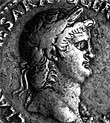

The Life and Legacy of Petronius: The Arbiter of Elegance
An Introduction to Petronius
Gaius Petronius Arbiter was a Roman courtier during the reign of the infamous emperor Nero, famed for his sybaritic lifestyle and keen sense of wit. Often simply called Petronius, he is best known as the author of the "Satyricon," a fragmented, yet profoundly insightful satire of Roman society. Despite its incomplete nature, the "Satyricon" offers a captivating glimpse into the vices and virtues of ancient Rome. But who was Petronius, this mosaic of sophistication and decadence, and how did he come to be seen as both a literary genius and a casualty of political intrigue?
The Enigmatic Life of Petronius
Piecing together the life of Petronius is akin to assembling a puzzle with many missing parts. The majority of what we know about him comes from the ancient historian Tacitus, who painted him as a cultured yet hedonistic figure, closely connected to the imperial court. Born around 27 AD into the Roman elite, Petronius navigated the political and social waters of the time with apparent ease. He is believed to have served as a governor of Bithynia and later as a consul, positions suggesting both intelligence and the ability to craft influential alliances.
Yet, it is his post-government life that draws the most fascination. Petronius became part of Nero's inner circle, gaining the emperor's favor not through political prowess, but due to his lifestyle, which epitomized the ideals of refined leisure. Tacitus depicts him as the "arbiter elegantiae" or "arbiter of elegance," suggesting that he was a crucial trendsetter and a mediator of taste for Nero's extravagant court. This title conveys both admiration and a hint of disdain, reflecting the complicated relationship Petronius had with the culture and morality of his time.
The Satyricon: A Literary Masterpiece
Petronius’s most enduring legacy, the "Satyricon," is a testament to his perceptive mind and sharp literary talent. This work, of which only fragments survive, is a comic picaresque novel that explores the adventures of its central characters, Encolpius, Ascyltos, and Giton. Through their often chaotic escapades, Petronius presents a critical and often humorous examination of Roman society.
The narrative is notable for its sceptical view of human nature and its piercing satire of Roman decadence. It oscillates between prose and poetic forms, showcasing Petronius' capability to weave complex, rhythmic language that captures the range of human experiences. Beyond entertaining, the "Satyricon" serves as a critical commentary on Roman society, offering insights into class dynamics, social mobility, and the prevalent norms and vices of the time. The vivid portrayal of characters and settings highlights the cultural richness and moral ambiguity that characterized Rome during Nero's reign.
The Downfall of Petronius
Despite his creativity and his favored status at court, Petronius’ life was tragically cut short by the machinations of political rivals. According to Tacitus, one such rival was Tigellinus, who sought to undermine Petronius’s influence over Nero. Tigellinus’ machinations led to Petronius being accused of conspiracy, an accusation that in the politically volatile atmosphere of Nero's reign was tantamount to a death sentence.
Petronius, faced with impending execution, chose to take control of his fate in a manner befitting his dignified yet hedonistic persona. He decided to end his life on his own terms, an act that was both a protest against the political games of Rome and a demonstration of personal autonomy. Tacitus recounts how Petronius staged his death as a final act of satire, a calm and methodical demise accompanied by elaborate banquets and intellectual discussions, deliberately contrasting with the fear and haste that marked the ends of many of his contemporaries.
Conclusion: Petronius's Enduring Influence
The life of Petronius serves as a metaphor for the exquisite but perilous beauty of the Roman Empire at its peak. His story is one of the constant tension between indulgence and intellect, pleasure and peril. Through his literary contributions and his position at Nero's court, Petronius helped define a cultural epoch rife with both incredible artistic achievements and equally staggering moral decadence.
His "Satyricon" continues to captivate readers, scholars, and historians, offering a unique lens through which to explore the complexities of Roman society. Even though much of his life remains shrouded in mystery, Petronius' legacy as a chronicler of his times endures, prompting us to reflect on the intersections of power, culture, and individual agency throughout history.
Analyzing the Themes and Style of the Satyricon
The "Satyricon" stands out in the annals of ancient literature due to its unique themes and an innovative narrative style that breaks away from the conventional frameworks of its time. At its heart, the "Satyricon" is an exploration of the absurdities and vices inherent in human nature and the decadent society of 1st-century Rome. The novel in its scattered form conveys not just a story but a social critique, woven with humor, pathos, and an unflinching portrayal of life’s grotesqueries.
One of the central themes is the transience of wealth and status. The characters, especially the protagonist Encolpius, navigate a world rife with ambition and material pursuits, only to find such endeavors fleeting and ultimately unsatisfying. Through a series of farcical episodes, Petronius critiques the societal obsession with wealth and the volatile loyalties that accompany it.
Additionally, Petronius delves into the theme of power and its abuses. The satire is heavy with references to the arbitrary application of power, reflecting perhaps Petronius's own experiences within Nero's court. He portrays a society where freedom is limited and where personal whims dictate fates, a clear critique of power structures of his time.
The style of the "Satyricon" is equally groundbreaking. By intermingling prose with poetry, Petronius adds a rich layer of complexity to his narrative. This mixed form allows for fluid shifts between different tones and perspectives, capturing the chaotic nature of the protagonists' journey. The language, playful and vibrant, often veers into the bawdy and the absurd, a technique employed deliberately to reflect the novel's varied social landscape.
A Critique of Roman Society
Beyond its literary techniques and amusing vignettes, the "Satyricon" serves as a biting critique of the decadence that marked the Roman Empire during Nero’s regime. Petronius exposes the moral laxity and superficiality of the era through vivid characters that personify greed, lust, and gluttony. Trimalchio, a pretentious freedman and host of the notorious feast described in the novel, exemplifies this critique. His lavish banquet, overflowing with excess, becomes a microcosm of the greater Roman society—ostentatious yet hollow.
Petronius doesn’t spare any segment of society from his satirical pen. The novel portrays the follies of the elite, juxtaposed with the tribulations of the lower classes, creating a tapestry of Roman life that illuminates the pervasive class tensions. Through humor and wit, the "Satyricon" reflects on the exploitation and inequality prevalent in Roman society, themes that remain relevant in discussions of power and class today.
Moreover, the "Satyricon" reveals the precarious position of intellectuals and artists in a politically charged atmosphere. Petronius subtly weaves his personal grievances against a society that undervalues genuine cultural contributions, highlighting the disconnect between patronage and artistic integrity. His portrayal of artists who struggle for survival amid corruption mirrors his own life as a literary figure within a court notorious for its whims.
The Rediscovery and Influence of Petronius
Throughout the centuries, Petronius and his work have experienced periods of oblivion and revival, each rediscovery infusing the "Satyricon" with new interpretations. During the Middle Ages, the work was largely unknown, but it saw a resurgence during the Renaissance when humanists began to revisit classical texts. The exotic allure of its content and Petronius's masterful command of the Latin language resonated with Renaissance scholars, who were captivated by its exploration of human excess and folly.
The "Satyricon" has significantly influenced modern literature and art, inspiring authors and filmmakers who seek to blend narrative with critique. Numerous scholars have drawn parallels between Petronius’s work and modern narrative forms, particularly the picaresque novel, a genre characterized by the adventures of a roguish protagonist. Petronius’s influence can also be observed in works that employ satire to critique society, extending his legacy far beyond his time.
Notably, 20th-century cinema took interest in Petronius's work; filmmakers like Federico Fellini have interpreted the "Satyricon" to craft visually striking adaptations. Fellini's "Satyricon," released in 1969, is a surreal exploration of themes from Petronius’s narrative, fusing the director's unique vision with the novel’s episodic structure. This adaptation, while taking liberties with the source material, highlights the enduring appeal and versatility of Petronius’s narrative.
The Enduring Mystery of Petronius's Authorship
Despite the considerable attention Petronius has garnered, questions regarding the authorship and completeness of the "Satyricon" persist among scholars. The fragmented nature of the text leaves much room for conjecture about the original scope and intention of the novel. Scholars remain divided on issues such as the chronological order of segments and the supposed length of the complete work.
There is also ongoing debate about whether what remains of the "Satyricon" can be attributed solely to Petronius or if it’s a compilation over time. Some suggest that inconsistencies within the text point to multiple authors or later additions. However, most argue that the distinct voice and consistent quality of satire indicate a single, though possibly unfinished, vision primarily crafted by Petronius himself.
Although time has obscured many facets of Petronius's life and work, the allure of his sharp wit and incisive criticism continues to resonate. The life and literary achievements of this enigmatic Roman remain subjects of academic intrigue, artistic inspiration, and cultural reflection, ensuring that Petronius retains his place as a pivotal figure in the history of literature.
The Philosophical Underpinnings of the Satyricon
Amid its humor and vitality, the "Satyricon" subtly weaves philosophical inquiries into its narrative fabric, providing readers with deeper insights into the human condition. Petronius expertly infuses his work with underlying questions about morality, existence, and the pursuit of happiness, challenging the audience to reflect on the broader implications of the characters' antics beyond mere entertainment.
One prominent philosophical theme in the "Satyricon" is the pursuit of existential fulfillment, a quest that seems elusive in the hedonistic landscape Petronius depicts. Through his protagonist Encolpius, Petronius explores the inherent contradiction between hedonistic indulgence and the search for life’s deeper meanings. Encolpius's escapades, marked by constant evasion and lustful pursuits, highlight a perpetual state of dissatisfaction and unfulfilled longing. This mirrors a nihilistic view of the world, where material excess fails to satiate the soul's deeper needs.
Furthermore, the "Satyricon" delves into notions of personal freedom versus societal constraints. Petronius uses his characters' misadventures to critique the rigidities of social hierarchies and the constraints they impose on individual expression. The satirical veneer of the narrative allows for a playful exploration of these ideas while questioning the roman emphasis on status and power. Through its vignettes, the novel incites a discussion on the limits of true freedom within a structured society, a theme that transcends its historical context to resonate with audiences in subsequent eras.
Cultural and Historical Context
Understanding the cultural and historical context of Petronius’s time enriches our appreciation of the "Satyricon." The Roman Empire in the first century was a complex amalgamation of tradition and transformation, marked by incomparable wealth alongside political turmoil. Nero’s reign, specifically, was characterized by both cultural flourishing and extreme volatility, a duality reflected in Petronius’s writing.
Petronius’s Rome was one of stark contrasts—spectacular artistic achievements mingled with societal decadence and moral decline. The era was one of relative peace, known as the Pax Romana, which facilitated economic prosperity and patronage of the arts. During this time, Rome saw significant development in architecture, music, and literature, often commissioned by wealthy patrons eager to cement their legacy.
However, this flourishing was counterbalanced by the instability and paranoia that defined Nero’s rule. The incessant political maneuvers and purges within the imperial court bred a culture of suspicion and fear, elements that tacitly informed the background against which the "Satyricon" unfolds. Petronius, through his insider’s perspective, encapsulates this atmosphere in his vivid accounts, adding layers of authenticity to his work.
The multicultural makeup of the Roman Empire also makes its mark in Petronius's narrative, highlighting the integration and clash of cultures within the sprawling empire. This cultural diversity is depicted through language, culinary references, and character origins, painting a vibrant picture of Roman society while acknowledging its inherent tensions.
Modern Interpretations and Adaptations
The enduring legacy of the "Satyricon" lies not only in its literary brilliance but also in its adaptability to modern contexts. Scholars and artists continue to reinterpret Petronius’s masterpiece, exploring its thematic relevance and innovative structure in new mediums and narratives.
In literature, comparisons are often drawn between the "Satyricon" and the works of later writers like James Joyce and Marcel Proust, who share Petronius’s penchant for rich detail and a complex narrative style. Modern authors echo the fragmented and non-linear storytelling technique of the "Satyricon," reflecting its influence on postmodern literature. This technique allows the exploration of multifaceted characters and experiences, much like Petronius’s own sophisticated satire.
Filmmakers have also been drawn to Petronius’s work, intrigued by its visual and thematic potential. Beyond Fellini’s adaptation, various cinematic interpretations have emerged, each taking liberties with Petronius’s original text while capturing its essence of extravagant excess and moral inquiry. These adaptations aim to bridge historical and contemporary concerns, showcasing the timeless appeal of Petronius’s commentary on human behavior.
Moreover, the "Satyricon" has inspired theatrical productions and visual art, reinforcing its place as a cornerstone of cultural exploration. Directors and artists extend Petronius’s satire to reflect on contemporary societal dilemmas, utilizing its persistent relevance as a mirror to modern life.
In academic circles, Petronius’s work continues to inspire debate and scholarship. Researchers delve into the nuances of his text, exploring its linguistic intricacies and the socio-political milieu from which it arose. This scholarly focus ensures that Petronius remains a focal point of historical and literary inquiry, his insights continually unraveling to reveal new dimensions of interpretation.
Conclusion: Petronius's Timeless Influence
The life and works of Petronius offer an intriguing glimpse into the complexity of human nature and the multifaceted society of ancient Rome. His narrative, deeply entrenched in the extravagancies and excesses of the Roman Empire, serves as a cautionary tale of decadence and provides an introspective lens into the psyche of a rapidly changing world.
Petronius’s "Satyricon" stands as a testament to the enduring power of satire and storytelling, a brilliant chronicle of human folly that echoes through the corridors of time. His influence reaches through the ages, inspiring countless artists and intellectuals to reflect on the persistent themes of power, morality, and the ephemeral nature of material pursuits.
As we continue to explore the depths of Petronius’s narrative and its rich cultural context, we find his voice resonating with today’s society, reminding us of the universal truths and enduring challenges that define humanity. In capturing the essence of an age, Petronius transcends his own time, leaving an indelible mark on the tapestry of world literature and history.

Nero: The Infamous Roman Emperor
Introduction to Nero's Reign
Nero Claudius Caesar Augustus Germanicus, known more simply as Nero, was one of the most enigmatic and controversial emperors in the annals of Roman history. Born on December 15, 37 AD, Nero ascended to the imperial throne at the tender age of 16, following the demise of his predecessor and adopted father, Emperor Claudius. During his reign from 54 AD to 68 AD, Nero left an indelible mark on the Roman Empire, one fraught with both opulence and dread.
The Early Years
Nero's early reign was initially bolstered by the wise guidance of several advisors, most notably his tutor Seneca the Younger and his commander of the Praetorian Guard, Sextus Afranius Burrus. Under their counsel, the early years of Nero’s rule were characterized by a level of competent governance and a semblance of stability. The young emperor was initially popular among the lower echelons of Roman society, thanks in part to his lavish public games and his patronage of the arts.
Ambition and Autocracy
However, as Nero grew more secure in his power, his ambitious nature began to unfurl in disturbing ways. He slowly withdrew from the influence of his advisors and engaged in increasingly autocratic behaviors. The infamous stories about Nero’s tyrannical tendencies began to arise during this period. One such account that has persisted throughout history is the tale of Nero "fiddling while Rome burned," a dramatic narrative that, while undoubtedly embellished, symbolized his perceived indifference to Rome’s struggles in the face of his own self-indulgence.
Notable Achievements and Cultural Contributions
Despite his reputation, it is crucial to recognize that Nero's reign was not devoid of accomplishments. Under his rule, significant military campaigns were waged in Parthia and Britannia, which bolstered the presence of Roman influence in those regions. Moreover, Nero was a great lover of music and theater, courageously performing in public himself—a bold move for an emperor—and he initiated ambitious architectural projects such as the Domus Aurea, a sprawling palace complex that redefined Roman luxury.
The Great Fire of Rome and Its Aftermath
The Great Fire of Rome in 64 AD, an event that devastated much of the city, remains one of the most pivotal moments of Nero’s rule. While the cause of the fire remains uncertain, Nero’s response has been subject to intense scrutiny over the centuries. He is said to have opened his private estates to shelter the homeless and proposed new building codes to make structures more fire-resistant. Nevertheless, his subsequent attempts to deflect the blame onto Christians led to the first major case of state-sponsored persecution of this emergent religious group.