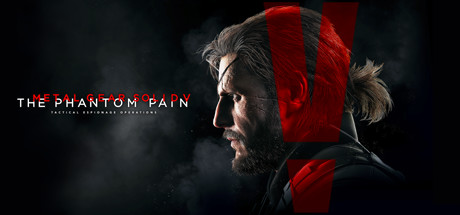
Metal Gear Solid V: The Phantom Pain – A Masterpiece of Stealth and Storytelling
The Legacy of Metal Gear Solid V
Metal Gear Solid V: The Phantom Pain is the final installment in the iconic Metal Gear Solid series directed by Hideo Kojima. Released in 2015, it represents the culmination of decades of stealth-action gameplay innovation and complex storytelling. The game is set in 1984, bridging the gap between Metal Gear Solid: Peace Walker and the original Metal Gear, and follows the legendary soldier Big Boss as he seeks revenge against those who destroyed his mercenary group, MSF.
The Phantom Pain expands on the open-world mechanics introduced in Ground Zeroes, offering players unprecedented freedom in how they approach missions. With its vast landscapes, dynamic AI, and customizable loadouts, the game redefines what it means to be a stealth-action title. But beyond its gameplay, The Phantom Pain delivers a deep, often philosophical narrative that explores themes of revenge, identity, and the cost of war.
Gameplay: Freedom and Flexibility
One of the game's most defining features is its emergent gameplay. Unlike previous Metal Gear titles, which were more linear, The Phantom Pain allows players to tackle objectives in any way they choose. Whether you prefer sneaking past enemies undetected, using non-lethal takedowns, or going in guns blazing, the game accommodates multiple playstyles.
The open-world design encourages exploration, with two massive maps—Afghanistan and the Angola-Zaire border region—offering distinct terrain, weather conditions, and enemy patrols. The day-night cycle and dynamic weather system add another layer of strategy, as guards’ behavior changes based on visibility and fatigue.
Base-building and resource management are also key components. Players develop Mother Base, recruiting soldiers, researching new weapons, and expanding their private army. The Fulton extraction system—where you send unconscious enemies, animals, or resources back to your base via balloon—adds a strategic layer, rewarding careful planning and creativity.
A Story of Revenge and Identity
The narrative of The Phantom Pain is both personal and expansive. After awakening from a nine-year coma, Big Boss (codenamed Venom Snake) sets out to rebuild his forces and exact vengeance against the clandestine organization Cipher. Along the way, he encounters a cast of memorable allies and enemies, including the enigmatic Skull Face, the mute sniper Quiet, and the fiercely loyal Ocelot.
Kojima's storytelling is as cryptic as ever, blending political intrigue, psychological drama, and surrealist elements. The game’s themes of phantom pain—a sensation of pain in a missing limb—mirror the protagonist’s own loss and the blurred lines between reality and manipulation. The story is told through in-engine cutscenes, cassette tapes (replacing the traditional Codec calls), and environmental storytelling, rewarding players who delve deeper into the lore.
Innovations and Controversies
The Phantom Pain introduced several groundbreaking mechanics, such as the Buddy System, where players can bring AI companions like D-Dog, Quiet, or D-Horse on missions. Each buddy offers unique advantages, enhancing reconnaissance or combat effectiveness. The game also features a multiplayer component, Metal Gear Online, where players engage in tactical team-based battles.
However, the game is not without its controversies. The abrupt ending and unresolved plot threads left many fans divided, with speculations that Konami’s tensions with Kojima led to a rushed conclusion. Additionally, the infamous "Chapter 2" of the game reuses missions with modified conditions, which some critics felt was padding.
Conclusion of Part One: A Stealth Revolution
Despite its flaws, Metal Gear Solid V: The Phantom Pain remains a landmark title in gaming. Its unparalleled gameplay freedom, deep systems, and haunting narrative cement it as one of the best stealth games ever made. In the next part, we will explore the characters, hidden secrets, and the lasting impact of The Phantom Pain on the gaming industry.
The Characters of The Phantom Pain: Complexity and Ambiguity
One of the defining strengths of Metal Gear Solid V: The Phantom Pain is its rich cast of characters, each carrying deep emotional weight and thematic significance. Venom Snake, the player-controlled protagonist, is a silent and brutal force of nature. Unlike previous heroes like Solid Snake, he rarely speaks, forcing players to interpret his motives through actions rather than words. His disfigured appearance and missing arm serve as constant reminders of his trauma, reinforcing the game’s central theme of phantom pain.
Skull Face, the game’s primary antagonist, is one of Kojima’s most enigmatic villains. A disfigured specter of vengeance himself, he orchestrates much of the chaos in the game while delivering chilling monologues about language, control, and the nature of suffering. His plan—using the vocal cord parasites to weaponize language—is both absurd and terrifying, a hallmark of Kojima’s storytelling.
Among the most memorable characters is Quiet, the mute sniper whose relationship with Venom Snake ranges from distrust to reluctant camaraderie. Her controversial design sparked debates, yet her arc—especially her self-sacrifice—adds emotional depth to the game’s bleak world. Meanwhile, Revolver Ocelot provides stability as Venom’s most steadfast ally, reinforcing the legacy of the series while expertly manipulating events from behind the scenes.
The Hidden Depths of Mother Base
Mother Base isn’t just a gameplay mechanic—it’s a living, evolving entity that reflects the consequences of the player’s actions. Soldiers you extract develop relationships, form factions, and even rebel if morale drops too low. The management mini-game is deeper than it seems, with player choices directly affecting available resources, equipment upgrades, and mission success rates.
One of the most haunting aspects is the "Demon Snake" system. Performing excessive lethal attacks or nuclear proliferation slowly corrupts Venom, covering him in blood that won’t wash off. This subtle but powerful mechanic reinforces Kojima’s anti-war message, turning the player’s brutality into a visible curse.
Quests, Secrets, and Unanswered Questions
The Phantom Pain is filled with mysteries, some of which players are still deciphering years later. The game’s "Truth" ending, unlocked by completing hidden objectives, recontextualizes the entire story—revealing that Venom Snake is not the real Big Boss but a brainwashed medic from Ground Zeroes. This twist connects to the original Metal Gear while leaving lingering questions about identity and manipulation.
Easter eggs abound, from finding hidden XOF patches tying into Metal Gear Solid: Portable Ops, to triggering surreal dream sequences where characters break the fourth wall. Some mysteries remain unsolved, like the purpose of the third nuclear disarmament cutscene, which required global cooperation to unlock and remains one of gaming’s most ambitious community challenges.
Soundtrack and Atmosphere: A Masterclass in Tension
The game’s sound design is exceptional, reinforcing its themes of isolation and paranoia. The howling wind in Afghanistan’s deserts, the rustling jungles of Africa, and the eerie quiet of abandoned bases all contribute to an immersive experience. Tracks like "Sins of the Father" and the humming of Quiet’s theme elevate key moments, blending melancholy with foreboding.
Unlike previous Metal Gear games, which relied heavily on lengthy cutscenes, The Phantom Pain uses environmental storytelling—abandoned hospitals, discarded tapes, and scattered XOF logos—to fill in narrative gaps. The decision to replace Codec calls with cassette tapes further enhances realism, making intel-gathering a personal, unsettling process.
Controversies and Cut Content: The Phantom Pain’s Unfinished Legacy
Despite its brilliance, The Phantom Pain is infamous for its incomplete state. Data miners uncovered evidence of a missing "Chapter 3," possibly tying into the disarmament ending, while key storylines—like Eli’s escape with Sahelanthropus—end abruptly. Speculation persists that Konami forced Kojima to rush development, leading to the game’s unresolved threads.
Another point of contention was the implementation of Metal Gear Online. While fun, the mode lacked the depth of predecessors like MGO2 and suffered from imbalanced mechanics. Konami’s abrupt end to its support further cemented fan frustrations, leaving potential expansions unfulfilled.
The Impact on Gaming and Kojima’s Departure
The Phantom Pain influenced countless future titles, from Ghost Recon Wildlands’ open-ended missions to Death Stranding’s cargo management. Its seamless integration of stealth, combat, and strategy remains unmatched, proving Kojima’s genius in systems-driven design.
Tragically, the game also marked Kojima’s acrimonious split from Konami, ending his three-decade tenure with the company. The removal of his name from promotional material, cancellation of the Silent Hills collaboration, and the infamous "staff credits patch" highlighted corporate tensions, making The Phantom Pain a bittersweet farewell to an era.
Conclusion of Part Two: A Game Divided
Metal Gear Solid V: The Phantom Pain is a masterpiece marred by its own ambition and external conflicts. Its gameplay innovations and narrative depth set new standards, but the sense of something missing lingers like Venom Snake’s phantom limb. In the final section, we’ll examine the game’s lasting legacy, its place in the Metal Gear saga, and why it remains a topic of debate years later.
Legacy and Influence: The Phantom Pain’s Lasting Mark on Gaming
Nearly a decade after its release, Metal Gear Solid V: The Phantom Pain continues to cast a long shadow across the gaming landscape. It didn't just push the boundaries of the stealth genre—it redefined what players expect from open-world design, emergent gameplay, and narrative ambition. Games like Ghost of Tsushima and Horizon Zero Dawn owe a clear debt to its systemic approach to enemy encounters, where player creativity is rewarded over rigid solutions.
The game's influence extends beyond mechanics to broader design philosophies. The seamless integration of cutscenes and gameplay, the rejection of traditional mission structures in favor of player agency, and the emphasis on environmental storytelling have become benchmarks for modern AAA development. Even controversial elements, like the deliberate incompleteness of its story, have sparked discussions about artistic vision versus corporate constraints that still resonate today.
The Perfect Stealth Sandbox
At its core, The Phantom Pain offers what may still be gaming's most refined stealth playground. The interplay between its systems—guard rotations that adapt to player habits, dynamic weather affecting visibility, the vast arsenal of gadgets and buddies—creates endless possibilities. Unlike earlier Metal Gear games with pre-scripted solutions, here every player develops their own signature approach, whether it's tranq-pistoling every guard from afar or developing elaborate distractions using decoys and smoke grenades.
This design philosophy reaches its peak in the game's Side Ops and "Total Stealth"/"Perfect Stealth No Kills" self-imposed challenges. The community has turned these into an art form, with speedrunners and tactical players continuing to discover new tricks years after release. The Fulton mechanic alone spawned countless emergent moments, from extracting livestock to the legendary "Fulton punching" glitch that turned enemy transport into a weapon.
Metal Gear's Phantom Conclusion
As the final chronological chapter in the Metal Gear timeline, The Phantom Pain serves as both ending and origin story. Its revelation that Venom Snake was a body double retroactively reframes the entire saga, explaining Big Boss's apparent survival in Metal Gear while setting up the patriots' rise. This narrative sleight of hand connects neatly with themes from Metal Gear Solid 2 about memory manipulation and manufactured legends.
The game's unresolved threads—Eli's fate, the third child's whispers, the disarmament ending—have fueled endless theorizing. Some believe these were meant to be resolved in cut content or a planned DLC, while others argue they're intentionally unfinished to mirror Venom's fractured psyche. This ambiguity has only deepened the game's mystique, with Reddit threads and YouTube essays still dissecting every tape and idle soldier conversation for clues.
The Rise and Fall of a Development Legend
The production of The Phantom Pain has become gaming folklore. From the legendary "2013 red-band trailer" that ignited fan hype to reports of Kojima's "military camp" for actors, every aspect was ambitious. The FOX Engine, built specifically for this game, delivered unparalleled graphics and smooth performance even on last-gen consoles—a technical marvel that still holds up today.
Yet these triumphs are shadowed by well-documented development struggles. Konami's shift away from AAA games, the removal of Kojima's name from marketing materials, and the infamous locked Konami bathroom story paint a picture of a project—and franchise—caught in corporate upheaval. The final product, brilliant yet clearly truncated, stands as both a masterpiece and cautionary tale about gaming's changing landscape.
Why The Phantom Pain Still Matters
What makes The Phantom Pain endure isn't just its innovations, but how it challenges players intellectually and emotionally. Its anti-war themes—explored through child soldiers, biological warfare, and nuclear disarmament—remain painfully relevant. The famous "Nuclear" trailer's warning about demonizing enemies takes on new weight in today's polarized world.
On a gameplay level, no other title has matched its perfect storm of freedom and polish. Modern open-world games often feel bloated with repetitive content, but The Phantom Pain's emergent gameplay ensures no two infiltrations play the same. The Mother Base metagame, where recruiting specialists actually changes available gear, gives purpose to every side activity—a lesson many "live service" games still haven't learned.
The Future Without Phantom Pain
With Konami seemingly abandoning the franchise outside of remasters and pachinko machines, The Phantom Pain may stand as the last proper Metal Gear game. Kojima's Death Stranding explored similar themes of connection and legacy, but fans still yearn for a true sequel. Interestingly, the game's incompleteness has inadvertently made it more thematically potent—like Venom Snake himself, it's a brilliant creation haunted by what might have been.
Modders have kept the experience alive, restoring cut content and adding new missions, proving the game's systems have near-infinite potential. The PC version's modding scene, in particular, has given players tools to reshape Afghanistan and Africa into personalized sandboxes, extending the game's lifespan far beyond initial expectations.
Final Verdict: A Flawed Masterpiece
Metal Gear Solid V: The Phantom Pain is gaming's great paradox—a title that's simultaneously the series' most playable entry and its most fragmented narrative. It delivers the purest stealth gameplay ever designed while leaving its story tantalizingly unfinished. The Fox Engine's technical wizardry contrasts with Konami's corporate scars, just as Venom's heroic actions clash with his manufactured identity.
Yet these contradictions are what make it unforgettable. In an industry increasingly dominated by safe sequels and microtransactions, The Phantom Pain remains a bold statement about player freedom, the cost of war, and the stories we tell ourselves to endure trauma. It may not be the Metal Gear Solid finale fans envisioned, but like its protagonist, it forged its own legend—one that will be studied, debated, and celebrated for generations to come.