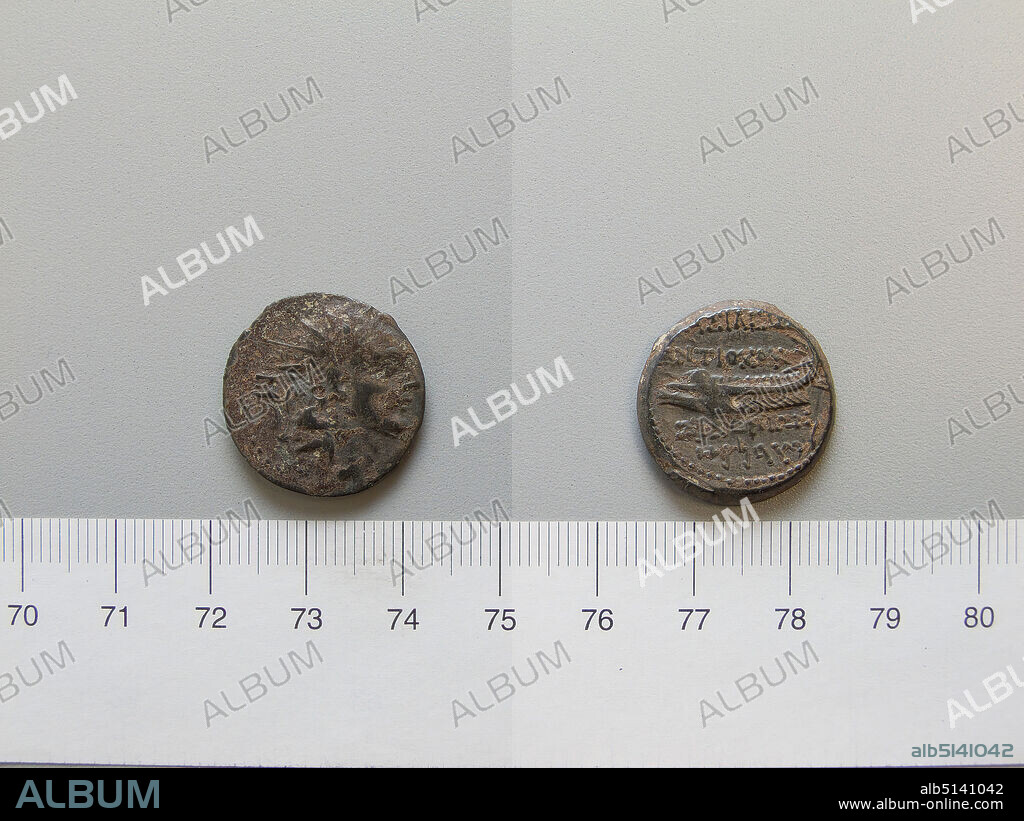
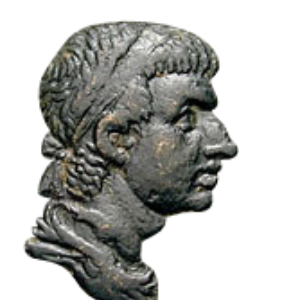
Lucullus: The Underrated Roman General Who Shaped History
Introduction to Lucius Licinius Lucullus
Lucullus, born Lucius Licinius Lucullus (c. 118–57/56 BC), was a Roman general and statesman whose strategic brilliance secured Rome’s dominance in Asia Minor. Though overshadowed by figures like Pompey and Julius Caesar, his victories in the Third Mithridatic War (74–66 BC) remain textbook examples of Roman military ingenuity.
Early Life and Political Rise
Born into nobility, Lucullus was the grandson of a consul and the son of a praetor who suppressed a slave revolt. His early career flourished under Sulla, where he proved his mettle in the Social War (91–87 BC). By 79 BC, he served as aedile, hosting lavish games to win public favor.
Key Early Achievements
- Built a fleet to secure Asia Minor during the First Mithridatic War.
- Quelled unrest in Crete and Cyrene.
- Elected consul in 74 BC, later becoming proconsul of Cilicia and Asia.
Military Genius: The Third Mithridatic War
Lucullus’ greatest triumphs came against Mithridates VI of Pontus and Tigranes of Armenia. His campaigns were marked by logistical mastery and siege warfare.
The Siege of Cyzicus (73–72 BC)
At Cyzicus, Lucullus trapped Mithridates’ army, starving them into submission. The battle resulted in:
- 20,000 Pontic soldiers killed.
- Thousands captured at the Aesepus-Granicus confluence.
The Battle of Tigranocerta (69 BC)
Against Tigranes, Lucullus captured the Armenian capital despite its formidable defenses. His victory showcased:
- Superior tactical maneuvering.
- The collapse of Tigranes’ vast but disorganized forces.
Political Career and Triumph
Lucullus’ political acumen matched his military skill. As praetor (78 BC) and later consul (74 BC), he balanced governance with warfare. His triumph in 63 BC was legendary, displaying:
- A 2-meter golden statue of Mithridates.
- Jewelled shields and spoils carried on 20 litters.
Legacy and Retirement
Despite his successes, Lucullus faced military mutinies and political rivalry. The Lex Manilia (67 BC) transferred his command to Pompey, ending his campaign. He retired to a life of luxury, becoming synonymous with opulence—his name even inspired the term "Lucullan feast."
Modern Perspectives on Lucullus
Today, scholars revisit Lucullus as an underrated strategist. His reforms in Asia Minor highlight Rome’s economic motives, while his campaigns remain studied for their logistical brilliance.
Why Lucullus Matters Today
- His sieges influenced Byzantine and early modern tactics.
- His gardens inspired Renaissance landscaping.
- Modern media (2022–2025) portrays him as a disciplined heir to Sulla.
Stay tuned for Part 2, where we delve deeper into Lucullus’ strategies, political challenges, and cultural impact.
The Strategic Mind: Lucullus’ Military Innovations
Lucullus’ campaigns were defined by logistical precision and adaptive tactics. Unlike contemporaries who relied on brute force, he mastered siege warfare and supply-line disruption, setting precedents for future Roman commanders.
Logistics and Supply Mastery
His ability to sustain armies in hostile terrain was unmatched. During the Armenian campaign, Lucullus:
- Established secure supply routes through rugged mountains.
- Used local alliances to gather intelligence and resources.
- Implemented rotational troop movements to prevent exhaustion.
These strategies ensured his forces remained operational despite harsh winters and vast distances.
Psychological Warfare and Discipline
Lucullus understood the power of psychological pressure. At Tigranocerta, he exploited Tigranes’ overconfidence by:
- Feigning retreat to lure enemy forces into vulnerable positions.
- Using rapid cavalry strikes to disrupt formations.
- Capitalizing on the Armenian army’s lack of cohesion.
His discipline was legendary—he demanded strict adherence to orders, which often clashed with his troops’ desire for plunder.
Political Challenges and the Rise of Pompey
Despite his victories, Lucullus’ career was cut short by political maneuvering and military discontent. His rigid leadership style and prolonged campaigns bred resentment among soldiers accustomed to quicker rewards.
The Mutiny of 68–67 BC
After years of harsh winters and limited spoils, Lucullus’ legions mutinied. Key factors included:
- Extended service without rotation.
- Perceived unfair distribution of plunder.
- Fatigue from continuous campaigning in Armenia.
This unrest forced his withdrawal, creating an opening for Pompey to assume command.
The Lex Manilia and Pompey’s Ascendancy
The Lex Manilia (67 BC) transferred Lucullus’ authority to Pompey, who capitalized on the political shift. While Pompey claimed final victories, Lucullus’ earlier campaigns had:
- Broken Mithridates’ power base in Pontus.
- Weakened Tigranes’ Armenian empire.
- Secured Roman control over Asia Minor.
Lucullus’ legacy was overshadowed, but his groundwork ensured Pompey’s success.
Lucullus’ Cultural and Economic Impact
Beyond warfare, Lucullus left an indelible mark on Roman culture and economic policy. His reforms in Asia Minor reshaped provincial governance, while his lavish lifestyle became a byword for luxury.
Reforms in Asia Minor
As proconsul, Lucullus tackled corruption and tax exploitation by:
- Reforming tax farming systems to curb publicani abuses.
- Restoring stability in cities like Ephesus and Pergamon.
- Introducing fairer trade regulations for local economies.
These changes earned him enemies among Rome’s elite but improved provincial loyalty.
The Lucullan Lifestyle: Luxury and Legacy
Retiring to his villas and gardens, Lucullus became synonymous with opulence. His estates featured:
- Exotic plants imported from Asia.
- Elaborate banquets with rare delicacies.
- Art collections plundered from eastern campaigns.
The term "Lucullan feast" persists today, symbolizing extravagance.
Modern Reassessments: Lucullus in Scholarship
Recent scholarship has reevaluated Lucullus’ role in Roman history, challenging the narrative that he was merely a prelude to Pompey. Key trends include:
Lucullus as a Strategic Pioneer
Historians now emphasize his:
- Innovative siege techniques, studied by Byzantine tacticians.
- Logistical frameworks adopted by later generals like Caesar.
- Diplomatic acumen in managing allied kingdoms.
His campaigns are increasingly viewed as models of Roman imperial strategy.
Debates Over His Leadership Style
Ancient sources like Plutarch paint a complex portrait:
- Praised for clemency and intellect.
- Criticized for harsh discipline and aloofness.
Modern analyses suggest his rigidness was necessary for long-term campaign success.
Lucullus in Popular Culture
Recent media has revived interest in Lucullus:
- Documentaries (2022–2025) highlight his role in the Mithridatic Wars.
- Podcasts explore his underrated genius versus Pompey and Caesar.
- His gardens inspire historical fiction and landscape design studies.
This resurgence reflects a broader trend of reexamining forgotten Roman figures.
In Part 3, we’ll explore Lucullus’ final years, his death, and his enduring influence on military theory and Roman society.
Lucullus’ Final Years: Retirement and Legacy
After his political and military career ended, Lucullus retreated into a life of luxury and intellectual pursuits. Unlike many Roman generals who met violent ends, he died peacefully in 57/56 BC, leaving behind a legacy that transcended warfare.
The Villa Life: Gardens and Intellectual Circles
Lucullus’ retirement was marked by his legendary villas and gardens, which became centers of cultural refinement. His estates were renowned for:
- Exotic horticulture, introducing foreign plants to Rome.
- Libraries and salons frequented by philosophers and poets.
- Architectural innovations that influenced later Roman design.
These spaces were not just symbols of wealth but also hubs of intellectual exchange.
Death and Historical Accounts
Lucullus’ death was recorded by ancient historians like Plutarch, who noted:
- He died of natural causes, a rarity for Roman generals.
- His funeral was attended by dignitaries, honoring his contributions.
- His will distributed wealth to heirs, though much was spent on his estates.
His peaceful end contrasted sharply with the violent fates of contemporaries like Marius and Sulla.
The Enduring Influence of Lucullus
Though often overshadowed by Pompey and Caesar, Lucullus’ impact on Roman military strategy, governance, and culture was profound. His innovations continued to shape Rome long after his death.
Military Strategy: A Blueprint for Future Generals
Lucullus’ tactics were studied and emulated for centuries. Key contributions include:
- Siege warfare techniques later used by Julius Caesar in Gaul.
- Logistical frameworks adopted by the Byzantine Empire.
- Cavalry maneuvering that influenced early modern warfare.
His campaigns remain case studies in military academies worldwide.
Economic Reforms and Provincial Governance
Lucullus’ reforms in Asia Minor set precedents for Roman provincial administration:
- His tax reforms reduced corruption and improved revenue collection.
- His infrastructure projects enhanced trade routes and urban stability.
- His diplomatic alliances strengthened Rome’s hold on the East.
These changes laid the groundwork for Rome’s imperial economic system.
Lucullus in Modern Memory
Today, Lucullus is remembered not just as a general but as a cultural icon and strategic innovator. His name evokes both military genius and luxurious living.
The Lucullan Feast: A Symbol of Extravagance
The term "Lucullan feast" endures in modern language, representing:
- Opulent dining with rare and exotic foods.
- Intellectual gatherings blending cuisine and philosophy.
- Architectural grandeur in dining spaces.
This legacy persists in culinary history and luxury branding.
Reevaluating Lucullus: From Obscurity to Recognition
Modern scholarship has revisited Lucullus’ role in Roman history, highlighting:
- His underrated strategic mind compared to Pompey and Caesar.
- His cultural contributions beyond warfare.
- His economic reforms as models of governance.
Recent documentaries and academic works have brought his achievements back into the spotlight.
Conclusion: The Legacy of a Roman Visionary
Lucullus was more than a general—he was a strategist, a reformer, and a cultural patron. His military campaigns secured Rome’s eastern frontier, while his governance reshaped provincial administration. His retirement set new standards for luxury and intellectual pursuit.
Though his career ended in political eclipse, his influence endured. From siege tactics to economic policy, Lucullus’ innovations shaped Rome’s imperial future. Today, his name remains synonymous with both brilliance in warfare and the finer things in life.
In the pantheon of Roman leaders, Lucullus stands as a testament to the power of strategy, discipline, and vision—a general whose legacy continues to inspire.
Plovdiv: Exploring Europe's Oldest Living City
Nestled on seven hills in southern Bulgaria, Plovdiv stands as one of Europe's oldest continuously inhabited cities, with roots tracing back to the 6th millennium BC. This ancient gem, older than Rome and Athens, seamlessly blends millennia of history with vibrant modern culture. From Thracian settlements to Roman grandeur and Ottoman influences, Plovdiv's rich heritage makes it a must-visit destination for history enthusiasts and travelers alike.
Ancient Origins and Early History
Plovdiv's story begins in the Neolithic era, around 6000–5000 BC, with evidence of early settlements like the Yasa Tepe mounds. These ancient inhabitants, part of the Karanovo culture, laid the foundation for what would become a thriving Thracian city. By 4000 BCE, the fortified hill of Nebet Tepe emerged as a key defensive and cultural center, showcasing the strategic importance of the region.
The Thracian Legacy
The Thracians, ancestors of modern Bulgarians, transformed Plovdiv into a powerful Iron Age hub. Their influence is still visible today in the city's archaeological treasures, including intricate gold artifacts and ancient burial sites. The Thracian era set the stage for Plovdiv's rise as a cultural and economic powerhouse in the centuries to come.
Roman Conquest and the Birth of Trimontium
In 342 BC, Philip II of Macedon conquered the city, renaming it Philippopolis. However, it was under Roman rule that Plovdiv truly flourished. Known as Trimontium, the city became the capital of the Roman province of Thrace in AD 46. The Romans left an indelible mark, constructing marvels like the Ancient Theatre of Philippopolis, which still hosts performances today, and an advanced aqueduct system that supplied water to the growing city.
Medieval Turmoil and Ottoman Rule
Plovdiv's strategic location made it a prized possession for empires throughout history. After the fall of Rome, the city changed hands multiple times, enduring invasions by the Byzantines, Bulgars, Huns, Goths, and Slavs. One of the darkest periods came in 970 AD, when Kievan Rus forces sacked the city, reportedly impaling 20,000 residents in a brutal display of power.
The Byzantine and Bulgarian Struggle
During the medieval era, Plovdiv became a border fortress in the ongoing wars between the Bulgarian Empire and the Byzantines. Its strategic position on the Maritsa River made it a critical stronghold, often caught in the crossfire of these powerful kingdoms. Despite the turmoil, the city remained a vital cultural and economic center, preserving its unique blend of influences.
Ottoman Era: Filibe and Cultural Transformation
In 1364, the Ottomans captured Plovdiv, renaming it Filibe. Under Ottoman rule, the city evolved into a bustling trade hub, known for its tobacco and food industries. The Ottomans also introduced Islamic architecture, including the iconic Dzhumaya Mosque, which still stands as a testament to this era. Despite the challenges of foreign rule, Plovdiv's diverse communities thrived, creating a rich tapestry of cultures and traditions.
Modern Revival and Cultural Renaissance
Plovdiv's journey to modernity began in the 19th century, marked by significant milestones that shaped its future. The city was liberated from Ottoman rule in 1878 during the Russo-Turkish War, becoming the capital of the autonomous region of Eastern Rumelia. This period of relative independence set the stage for Plovdiv's unification with Bulgaria in 1885, a pivotal event celebrated annually as Unification Day on September 6.
Industrialization and Economic Growth
The late 19th and early 20th centuries saw Plovdiv embrace industrialization, particularly in the food and tobacco sectors. The city's first railway, established in 1874, connected it to key trade routes, further boosting its economic significance. This era also witnessed the rise of neoclassical architecture, funded by the booming industries, which still graces Plovdiv's streets today.
Cultural Milestones and the International Fair
Plovdiv's cultural renaissance reached new heights with the establishment of the International Fair Plovdiv in 1892, an event that continues to draw global visitors. The city's commitment to the arts and heritage was further recognized when it was named the European Capital of Culture in 2019, a title that showcased its vibrant cultural scene and historical treasures.
Plovdiv Today: A Living Museum
Today, Plovdiv is a thriving city that effortlessly blends its ancient past with modern life. As Bulgaria's second-largest city, it serves as a cultural and economic hub, attracting visitors with its well-preserved historical sites, vibrant arts scene, and dynamic festivals. The city's Old Town, with its cobbled streets and colorful houses, offers a glimpse into its rich history, while the Ancient Theatre of Philippopolis continues to host performances, just as it did in Roman times.
Archaeological Discoveries and Open-Air Sites
Recent decades have seen significant archaeological discoveries in Plovdiv, uncovering layers of history beneath its streets. The city's 12 meters of cultural layers reveal traces of Thracian, Roman, Byzantine, and Ottoman civilizations, making it an open-air museum. Visitors can explore sites like the Roman Stadium and the Odeon, which offer fascinating insights into Plovdiv's past.
A Hub for Tourism and Culture
Plovdiv's status as the European Capital of Culture in 2019 brought international attention to its cultural offerings. The city hosts a variety of festivals, including the Plovdiv International Fair and the Plovdiv Jazz Fest, attracting artists and visitors from around the world. Its vibrant arts scene, combined with its historical charm, makes Plovdiv a must-visit destination for anyone interested in European history and culture.
Why Plovdiv Stands Out
What sets Plovdiv apart is its ability to preserve and celebrate its 8,000-year history while embracing modernity. The city's seven hills, each with its own story, offer panoramic views and a sense of timelessness. Whether you're exploring the Roman ruins, wandering through the Old Town, or enjoying a performance at the Ancient Theatre, Plovdiv offers a unique experience that connects the past with the present.
As one of Europe's oldest cities, Plovdiv is a testament to the resilience and creativity of its people. Its rich history, cultural diversity, and modern vibrancy make it a destination like no other. Whether you're a history buff, a culture enthusiast, or simply a curious traveler, Plovdiv promises an unforgettable journey through time.
The Architectural Marvels of Plovdiv
Plovdiv's architecture is a living chronicle of its diverse history. The city's skyline is a mosaic of Thracian ruins, Roman structures, Ottoman mosques, and 19th-century Bulgarian Revival houses. This unique blend of styles reflects the many civilizations that have left their mark on Plovdiv, creating a visual feast for visitors.
The Roman Legacy in Stone
The Romans were master builders, and their influence is evident throughout Plovdiv. The Ancient Theatre of Philippopolis, built in the 1st century AD, is one of the best-preserved Roman theatres in the world. With a capacity of 7,000 spectators, it continues to host concerts and performances, offering a glimpse into the grandeur of Roman entertainment. Nearby, the Roman Stadium, once capable of seating 30,000 people, lies partially excavated beneath the city's main shopping street, a testament to Plovdiv's layered history.
- Ancient Theatre of Philippopolis: Still in use today, hosting modern performances.
- Roman Stadium: One of the largest in the ancient world, discovered beneath the city.
- Roman Odeon: A smaller, roofed theatre used for musical performances and council meetings.
Ottoman Influence and Islamic Architecture
The Ottoman era introduced a new architectural style to Plovdiv, characterized by mosques, baths, and intricate wooden houses. The Dzhumaya Mosque, built in the 14th century, is one of the oldest and most significant Islamic structures in the Balkans. Its striking minaret and elegant design reflect the city's Ottoman heritage. Another notable example is the Imaret Mosque, which now serves as an art gallery, showcasing the adaptability of Plovdiv's historical buildings.
19th-Century Revival and Neoclassical Elegance
The Bulgarian National Revival period in the 19th century brought a wave of neoclassical architecture to Plovdiv. Wealthy merchants and industrialists, flush with profits from the tobacco and food trades, commissioned grand homes that blended European styles with traditional Bulgarian elements. The Old Town is a treasure trove of these beautifully preserved houses, many of which have been converted into museums, galleries, and guesthouses.
- Balabanov House: A stunning example of Revival architecture, now a museum.
- Hindliyan House: Known for its intricate woodwork and vibrant frescoes.
- Lamartine House: A neoclassical gem with a rich literary history.
Plovdiv's Vibrant Cultural Scene
Plovdiv is not just a city of ancient ruins and historical buildings; it is also a thriving cultural hub. From world-class festivals to contemporary art galleries, the city offers a dynamic arts scene that rivals any European capital. Its designation as the European Capital of Culture in 2019 put Plovdiv on the global stage, attracting artists, musicians, and visitors from around the world.
Festivals and Events
Plovdiv's cultural calendar is packed with events that celebrate its rich heritage and modern creativity. The International Fair Plovdiv, established in 1892, is one of the oldest and most prestigious trade fairs in the Balkans. It attracts businesses and visitors from across the globe, showcasing the city's economic vitality. Meanwhile, the Plovdiv Jazz Fest and the Night of Museums and Galleries highlight the city's vibrant arts scene, offering something for every taste.
- International Fair Plovdiv: A historic trade fair that boosts the city's economy.
- Plovdiv Jazz Fest: A celebration of jazz music featuring international artists.
- Night of Museums and Galleries: An annual event where cultural institutions open their doors for free.
Art Galleries and Museums
Plovdiv's museums and galleries offer a deep dive into its history and artistic achievements. The Plovdiv Regional Ethnographic Museum showcases traditional Bulgarian crafts, costumes, and customs, providing insight into the region's cultural heritage. The Ancient Plovdiv Museum houses a remarkable collection of Thracian, Greek, and Roman artifacts, including gold treasures and intricate pottery. For contemporary art lovers, the Kapana Creative District is a must-visit, featuring cutting-edge galleries, studios, and performance spaces.
Exploring Plovdiv's Seven Hills
Plovdiv is famously built on seven hills, each offering its own unique perspective on the city's history and landscape. These hills, some nearly 1,000 feet tall, provide panoramic views and a sense of the city's ancient strategic importance. While some hills have been partially leveled over the centuries, others remain as prominent landmarks, inviting visitors to explore their secrets.
Nebet Tepe: The Birthplace of Plovdiv
Nebet Tepe is the oldest of Plovdiv's hills, with evidence of settlement dating back to 4000 BCE. This fortified hill was the heart of the ancient Thracian city and later became a key Roman stronghold. Today, visitors can wander among the ruins of Thracian walls and Roman fortifications, enjoying breathtaking views of the city below. Nebet Tepe is a powerful reminder of Plovdiv's enduring legacy as a center of power and culture.
Dzhendema Tepe and the Roman Connection
Dzhendema Tepe is another significant hill, known for its Roman-era structures. The hill is home to the remains of a Roman temple complex, dedicated to the gods of the ancient pantheon. Archaeological excavations have uncovered inscriptions, statues, and other artifacts that shed light on Plovdiv's Roman past. The hill's strategic location also made it a vital part of the city's defensive system during the medieval period.
Bunardzhik: The Hill of the Liberators
Bunardzhik, or the Hill of the Liberators, is one of Plovdiv's most iconic landmarks. At its summit stands the Alyosha Monument, a towering Soviet-era statue honoring the Red Army soldiers who died during World War II. The monument offers sweeping views of Plovdiv and the surrounding plains, making it a popular spot for both history buffs and photographers. Bunardzhik's name reflects its role in the city's liberation from Ottoman rule, adding another layer to its historical significance.
Plovdiv's Culinary Delights
No visit to Plovdiv is complete without sampling its rich culinary traditions. The city's cuisine is a delicious fusion of Bulgarian, Thracian, Roman, and Ottoman influences, reflecting its diverse cultural heritage. From hearty stews to delicate pastries, Plovdiv's food scene offers a tantalizing journey through its history.
Traditional Bulgarian Dishes
Bulgarian cuisine is known for its bold flavors and hearty portions. In Plovdiv, visitors can enjoy classic dishes like banitsa, a flaky pastry filled with cheese or spinach, and kavarma, a slow-cooked meat and vegetable stew. Another must-try is shopska salad, a refreshing mix of tomatoes, cucumbers, onions, and grated white cheese. These dishes are best enjoyed with a glass of rakia, Bulgaria's traditional fruit brandy.
Ottoman-Inspired Delicacies
The Ottoman Empire left a lasting mark on Plovdiv's culinary scene, introducing dishes like baklava, a sweet pastry layered with nuts and honey, and kebapche, spiced grilled meat sausages. The city's Dzhumaya Mosque area is a great place to sample these delicacies, with numerous street vendors and restaurants offering authentic Ottoman-inspired treats. Don't miss the chance to try lokum, or Turkish delight, a chewy confection dusted with powdered sugar.
Modern Gastronomy and Wine Culture
Plovdiv's food scene is not just about tradition; it also embraces modern gastronomy. The city is home to a growing number of farm-to-table restaurants and wine bars, showcasing Bulgaria's emerging wine industry. The nearby Thracian Valley is one of the country's premier wine regions, producing award-winning reds and whites. Visitors can enjoy wine tastings and pairings at local establishments, making Plovdiv a destination for food and wine lovers alike.
Plovdiv's Role in Bulgarian History
Plovdiv has played a pivotal role in shaping Bulgaria's national identity. From its days as the capital of Eastern Rumelia to its key role in the Unification of Bulgaria, the city has been at the heart of many defining moments in the country's history. Its strategic location and cultural significance have made it a symbol of Bulgarian resilience and pride.
The Unification of Bulgaria
One of the most significant events in Plovdiv's history was its role in the Unification of Bulgaria in 1885. After the Russo-Turkish War of 1877–1878, Plovdiv became the capital of the autonomous province of Eastern Rumelia. However, the Bulgarian people sought full independence and unification with the Principality of Bulgaria. On September 6, 1885, a group of revolutionaries staged a coup in Plovdiv, declaring the unification of Bulgaria. This bold move led to the Serbo-Bulgarian War but ultimately secured Bulgaria's independence, a moment celebrated annually as Unification Day.
Plovdiv During the Communist Era
In the 20th century, Plovdiv underwent significant changes under communist rule. The city became an industrial powerhouse, with a focus on food processing and tobacco production. While this period brought economic growth, it also led to the destruction of some historical sites to make way for modern development. However, Plovdiv's cultural heritage remained a source of pride, and efforts to preserve its historical buildings continued, even during the communist era.
Plovdiv in the 21st Century
Today, Plovdiv is a city that embraces both its past and its future. Its designation as the European Capital of Culture in 2019 highlighted its commitment to preserving its heritage while fostering innovation. The city's vibrant arts scene, thriving economy, and rich history make it a dynamic and exciting place to visit. As Bulgaria's second-largest city, Plovdiv continues to play a crucial role in the country's cultural and economic life, ensuring that its legacy endures for generations to come.
Plovdiv's Hidden Gems and Off-the-Beaten-Path Experiences
Beyond its well-known landmarks, Plovdiv offers a wealth of hidden gems that provide a deeper connection to its history and culture. These lesser-known sites and experiences allow visitors to explore the city's authentic charm and uncover stories that aren't always found in guidebooks.
The Underground Roman Aqueducts
Beneath Plovdiv's streets lies a network of ancient Roman aqueducts, a marvel of engineering that once supplied water to the city. While much of the system remains buried, sections of the aqueducts can be explored in areas like Dzhumaya Square. These underground tunnels offer a fascinating glimpse into Roman technology and the city's infrastructure, which was ahead of its time.
The Kapana Creative District
For a taste of Plovdiv's modern creative spirit, the Kapana District is a must-visit. This bohemian neighborhood is filled with art galleries, craft workshops, and indie cafes, making it the heart of the city's contemporary arts scene. Kapana, which means "the trap" in Bulgarian, was once a neglected area but has been transformed into a vibrant hub for artists and innovators. Visitors can browse local artwork, enjoy live music, or simply soak in the eclectic atmosphere.
The Bachkovo Monastery
Just a short drive from Plovdiv, the Bachkovo Monastery is one of Bulgaria's oldest and most significant religious sites. Founded in 1083, this Orthodox monastery is a masterpiece of medieval architecture, featuring stunning frescoes and a serene mountain setting. The monastery's Church of the Holy Archangels houses a revered icon of the Virgin Mary, believed to perform miracles. A visit to Bachkovo offers a peaceful retreat and a deeper understanding of Bulgaria's spiritual heritage.
Plovdiv's Role in European History
Plovdiv's strategic location and rich history have made it a key player in European history. From its days as a Thracian stronghold to its role in the Roman Empire and beyond, the city has been a crossroads of cultures and civilizations. Its influence extends far beyond Bulgaria, shaping the broader narrative of Europe's past.
A Crossroads of Civilizations
Plovdiv's position on the Maritsa River made it a vital trade and military hub for centuries. The city's history is a tapestry of Thracian, Greek, Roman, Byzantine, and Ottoman influences, each leaving a lasting impact on its culture and architecture. This blend of civilizations has created a unique identity that sets Plovdiv apart from other European cities. Its multicultural heritage is evident in everything from its cuisine to its festivals, making it a microcosm of Europe's diverse history.
Plovdiv and the Roman Empire
As the capital of the Roman province of Thrace, Plovdiv—then known as Trimontium—played a crucial role in the empire's administration and defense. The city's Roman ruins, including the Ancient Theatre and the Roman Stadium, are testaments to its importance. Plovdiv was also a center of Christianity in the Roman Empire, with early Christian basilicas and churches dotting the landscape. The city's Roman legacy continues to attract historians and archaeologists, who uncover new insights into this pivotal era.
The Ottoman Era and Plovdiv's Cultural Diversity
Under Ottoman rule, Plovdiv became a melting pot of Bulgarian, Turkish, Greek, and Armenian communities. This period of cultural exchange enriched the city's architecture, cuisine, and traditions. The Dzhumaya Mosque and the Old Town's colorful houses are enduring symbols of this era. Plovdiv's ability to preserve and celebrate its multicultural heritage has made it a model of tolerance and coexistence in the Balkans.
Plovdiv's Natural Beauty and Outdoor Adventures
Plovdiv is not just a city of history and culture; it is also surrounded by stunning natural landscapes that offer endless opportunities for outdoor exploration. From the Rhodope Mountains to the Maritsa River, the region's diverse terrain provides a backdrop for hiking, cycling, and relaxation.
The Rhodope Mountains
Just south of Plovdiv, the Rhodope Mountains offer a breathtaking escape into nature. This mountain range is known for its lush forests, crystal-clear lakes, and traditional villages. Visitors can explore scenic hiking trails, visit the Trigrad Gorge, or discover the legendary Devil's Throat Cave. The Rhodopes are also home to unique cultural sites, such as the Shiroka Laka village, famous for its folk music and dance traditions.
Maritsa River and Parks
The Maritsa River, which flows through Plovdiv, has shaped the city's history and landscape. Today, its banks are lined with parks and recreational areas, such as the Tsar Simeon Garden, a popular spot for picnics and leisurely strolls. The river's presence adds to Plovdiv's charm, offering a peaceful contrast to the bustling city center.
Asen's Fortress
Perched on a rocky cliff near the Rhodope Mountains, Asen's Fortress is a medieval stronghold with a dramatic history. Built in the 13th century by Bulgarian Tsar Ivan Asen II, the fortress played a key role in defending the region against Byzantine and Ottoman forces. Today, visitors can explore its well-preserved walls, towers, and the Church of the Holy Mother of God, which features stunning medieval frescoes. The fortress offers panoramic views of the surrounding countryside, making it a rewarding destination for history and nature lovers alike.
Plovdiv's Festivals and Cultural Events
Plovdiv's cultural calendar is packed with festivals and events that celebrate its rich heritage and contemporary creativity. These gatherings attract visitors from around the world, showcasing the city's dynamic arts scene and traditions.
The Plovdiv International Fair
One of the oldest and most prestigious trade fairs in the Balkans, the Plovdiv International Fair has been a cornerstone of the city's economy since 1892. This annual event brings together businesses, innovators, and visitors from across the globe, highlighting Plovdiv's role as a center of commerce and culture. The fair features exhibitions, conferences, and cultural performances, making it a must-visit for anyone interested in Bulgaria's economic and cultural landscape.
The Night of Museums and Galleries
Every September, Plovdiv hosts the Night of Museums and Galleries, an event that transforms the city into an open-air museum. During this night, cultural institutions open their doors for free, offering special exhibitions, performances, and workshops. Visitors can explore everything from ancient Roman ruins to contemporary art galleries, making it a unique opportunity to experience Plovdiv's cultural diversity in one evening.
The Plovdiv Jazz Fest
For music lovers, the Plovdiv Jazz Fest is a highlight of the city's cultural calendar. This annual festival attracts international jazz artists and local talents, offering a mix of traditional and modern performances. The festival takes place in various venues across the city, from historic theatres to outdoor stages, creating a vibrant atmosphere that celebrates Plovdiv's love for music and the arts.
Conclusion: Why Plovdiv is a Must-Visit Destination
Plovdiv is a city that defies expectations. As one of Europe's oldest continuously inhabited cities, it offers a rare blend of ancient history, cultural diversity, and modern vitality. From its Roman ruins and Ottoman mosques to its vibrant arts scene and natural beauty, Plovdiv provides a travel experience that is both enriching and unforgettable.
A Journey Through Time
Walking through Plovdiv is like stepping into a living museum. The city's 8,000-year history is visible at every turn, from the Thracian settlements on Nebet Tepe to the Roman Theatre and the Bulgarian Revival houses of the Old Town. Each layer of history tells a story of resilience, creativity, and cultural exchange, making Plovdiv a destination that appeals to history buffs and casual travelers alike.
A Cultural Hub
Plovdiv's designation as the European Capital of Culture in 2019 underscored its status as a cultural powerhouse. The city's festivals, museums, and galleries offer a dynamic arts scene that rivals any European capital. Whether you're exploring the Kapana Creative District or attending the Night of Museums and Galleries, Plovdiv's cultural offerings are sure to leave a lasting impression.
A Gateway to Nature
Beyond its urban charm, Plovdiv is surrounded by stunning natural landscapes, from the Rhodope Mountains to the Maritsa River. These outdoor destinations provide opportunities for hiking, cycling, and relaxation, making Plovdiv an ideal base for exploring Bulgaria's natural beauty.
A City of Warmth and Hospitality
What truly sets Plovdiv apart is its people. The city's residents are known for their warmth and hospitality, welcoming visitors with open arms and a genuine pride in their heritage. Whether you're sampling traditional Bulgarian cuisine or chatting with local artists in Kapana, you'll find that Plovdiv's spirit is as vibrant as its history.
In a world where many destinations offer either history or modernity, Plovdiv delivers both in abundance. It is a city where the past and present coexist harmoniously, creating an experience that is as educational as it is inspiring. For anyone seeking a destination that offers depth, diversity, and discovery, Plovdiv is the perfect choice. Come and explore this timeless gem—you'll leave with memories that last a lifetime.
Cassiodorus: The Roman Scholar Who Saved Classical Knowledge
Cassiodorus, formally known as Magnus Aurelius Cassiodorus Senator, was a pivotal figure in the transition from late antiquity to the early Middle Ages. Born around 485 AD in Scylletium (modern Squillace, Italy), he served as a statesman, scholar, and monk, playing a crucial role in preserving classical and Christian texts. His life spanned nearly a century, during which he bridged the Roman and Gothic worlds, ensuring the survival of knowledge that might otherwise have been lost.
Early Life and Political Career
Cassiodorus was born into a noble Roman family with a long history of public service. His father, also a high-ranking official, provided him with an excellent education in rhetoric, law, and classical literature. By the early 6th century, Cassiodorus had entered the service of Theodoric the Great, the Ostrogothic king who ruled Italy after the fall of the Western Roman Empire in 476 AD.
Key Positions in the Ostrogothic Court
Cassiodorus quickly rose through the ranks, holding several important positions:
- Consiliarius (legal assistant) to his father
- Quaestor sacri palatii (chief legal officer) from 507–511 AD
- Consul in 514 AD, a prestigious honor
- Magister officiorum (head of civil service) from 526–527 AD
- Praetorian prefect of Italy around 533 AD, effectively serving as prime minister
In these roles, Cassiodorus was instrumental in maintaining the Roman administrative traditions under Gothic rule. His work helped stabilize the Ostrogothic Kingdom, which lasted from 493–553 AD, and ensured continuity in governance during a turbulent period.
Cassiodorus and the Preservation of Knowledge
One of Cassiodorus' most enduring legacies was his efforts to preserve classical and Christian texts. As the Roman world fragmented, many ancient works were at risk of being lost. Cassiodorus recognized the importance of these texts and took steps to ensure their survival.
The Variae: A Window into Ostrogothic Administration
Among his major works, the Variae stands out as a collection of official letters and documents from his time in public service. This work provides invaluable insights into the administration of the Ostrogothic Kingdom and the political dynamics of the era. The Variae also showcases Cassiodorus' skill as a rhetorician and his ability to navigate the complexities of Roman-Gothic relations.
The Institutiones: A Guide to Learning
Later in life, Cassiodorus wrote the Institutiones, a guide to divine and secular learning. This work was intended to educate monks and scholars, emphasizing the importance of both classical and Christian texts. The Institutiones became a foundational text for medieval education, influencing the curricula of monasteries across Europe.
Retirement and the Founding of Vivarium
Around 537–538 AD, Cassiodorus retired from public life amid the Byzantine-Gothic wars. He spent nearly 20 years in Constantinople, where he met influential figures like Junillus, the quaestor of Emperor Justinian. During this time, he continued to advocate for the preservation of knowledge.
The Vivarium Monastery: A Center of Learning
Upon his return to Italy, Cassiodorus founded the Vivarium monastery on his family estates in Calabria. Vivarium became a center of learning and manuscript preservation, where monks transcribed and copied classical and Christian texts. This effort was crucial in ensuring that works by authors like Plato, Aristotle, and Cicero survived into the Middle Ages.
Cassiodorus' vision for Vivarium was revolutionary. He believed that monasteries should be places of both spiritual devotion and intellectual pursuit. His model influenced later monastic communities, including the famous Bobbio Abbey, which became another key center for manuscript preservation.
Legacy and Impact on Medieval Europe
Cassiodorus' contributions to the preservation of knowledge cannot be overstated. His work at Vivarium helped bridge the gap between the classical world and the Middle Ages, ensuring that the intellectual heritage of Rome was not lost. Scholars today credit him with playing a pivotal role in the Carolingian Renaissance, a period of cultural revival in the 8th and 9th centuries.
Scholarly Interest and Digital Humanities
In recent years, there has been renewed interest in Cassiodorus' life and works. Digital humanities projects have made his writings more accessible, allowing scholars to study his contributions in greater detail. While no major archaeological discoveries have been reported since 2020, ongoing research continues to highlight his role in shaping medieval Europe.
Conclusion: The Enduring Influence of Cassiodorus
Cassiodorus was more than just a statesman or scholar; he was a visionary who understood the importance of preserving knowledge for future generations. His efforts at Vivarium ensured that the intellectual legacy of the classical world endured, influencing the development of medieval Europe. Today, his life and work serve as a testament to the power of education and the enduring value of cultural heritage.
In the next part of this series, we will delve deeper into Cassiodorus' major works, his time in Constantinople, and the lasting impact of Vivarium on medieval monasteries.
Cassiodorus' Major Works and Their Historical Significance
Cassiodorus was a prolific writer whose works provide invaluable insights into the political, cultural, and intellectual landscape of the 6th century. His writings not only document the administration of the Ostrogothic Kingdom but also reflect his commitment to preserving classical and Christian knowledge. Below, we explore his most significant works and their lasting impact.
The Variae: A Collection of State Papers
The Variae, or "Various Letters," is a compilation of 468 official documents from Cassiodorus' time in public service. Written between 507 and 538 AD, these letters and edicts cover a wide range of topics, including diplomacy, legal matters, and administrative policies. The Variae is divided into 12 books, each focusing on different aspects of governance under Theodoric the Great and his successors.
This work is particularly valuable for historians because it offers a firsthand account of how the Ostrogothic Kingdom functioned. The letters reveal Cassiodorus' skill in crafting persuasive and diplomatic language, which was essential for maintaining harmony between the Roman senatorial elite and the Gothic rulers. For example, in one letter, Cassiodorus emphasizes the importance of justice and fairness in taxation, reflecting his commitment to Roman administrative traditions.
"The health of the state depends on the justice of its laws and the integrity of its officials."
The Variae also highlights Cassiodorus' role as a cultural mediator. Many of the letters are written in a highly rhetorical style, blending Roman legal traditions with Gothic customs. This fusion of cultures was crucial for the stability of the Ostrogothic Kingdom, and Cassiodorus' writings provide a unique window into this period of transition.
The Historia Gothorum: A Lost History
Another significant work by Cassiodorus was the Historia Gothorum, a history of the Gothic people. Unfortunately, this work has been lost to time, and only fragments survive in the writings of later historians, such as Jordanes. The Historia Gothorum was likely written to legitimize Gothic rule in Italy and to provide a historical narrative that connected the Goths to the broader Roman world.
Despite its loss, the Historia Gothorum remains an important part of Cassiodorus' legacy. It reflects his efforts to create a shared identity between the Romans and the Goths, emphasizing the contributions of the Gothic people to the history of Italy. Scholars believe that this work may have influenced later medieval chronicles, which often drew on earlier historical accounts to construct their narratives.
The Institutiones: A Blueprint for Monastic Education
One of Cassiodorus' most enduring contributions was the Institutiones, a two-part guide to divine and secular learning. Written around 550 AD, this work was intended to serve as a curriculum for monks at the Vivarium monastery. The Institutiones is divided into two main sections:
- Divine Letters: Focuses on the study of the Bible and Christian theology.
- Secular Letters: Covers classical subjects such as grammar, rhetoric, logic, and the liberal arts.
The Institutiones was revolutionary because it emphasized the importance of both religious and secular education. Cassiodorus believed that monks should be well-versed in classical literature and philosophy, as these disciplines were essential for understanding and interpreting Christian texts. This approach to education became a model for medieval monasteries, influencing the development of scholarly traditions in Europe.
In the Institutiones, Cassiodorus also provided practical advice on how to copy and preserve manuscripts. He stressed the importance of accuracy in transcription and encouraged monks to take great care in their work. This emphasis on manuscript preservation was crucial for the survival of classical texts, many of which might have been lost without the efforts of Cassiodorus and his followers.
Cassiodorus in Constantinople: A Period of Exile and Learning
After retiring from public life around 537–538 AD, Cassiodorus spent nearly 20 years in Constantinople, the capital of the Byzantine Empire. This period of exile was a transformative time for Cassiodorus, as he immersed himself in the intellectual and cultural life of the city. During his stay, he met influential figures, including Junillus, the quaestor of Emperor Justinian, and engaged in scholarly pursuits that would shape his later work.
The Byzantine Influence on Cassiodorus
Constantinople was a center of learning and culture, and Cassiodorus was deeply influenced by the intellectual environment of the city. He had access to a vast array of classical and Christian texts, many of which were preserved in the imperial libraries. This exposure to Byzantine scholarship reinforced his belief in the importance of preserving knowledge and inspired him to establish the Vivarium monastery upon his return to Italy.
During his time in Constantinople, Cassiodorus also became acquainted with the works of Greek philosophers and theologians. He was particularly interested in the writings of Dionysius Exiguus, the inventor of the Anno Domini dating system, and other Christian scholars who were active in the Byzantine Empire. These influences are evident in his later works, which reflect a synthesis of Roman, Gothic, and Byzantine intellectual traditions.
The Return to Italy and the Founding of Vivarium
After nearly two decades in Constantinople, Cassiodorus returned to Italy in the 550s AD. The Byzantine-Gothic wars had left the region in a state of turmoil, and many of the institutions that had once supported learning and culture were in decline. Determined to preserve the intellectual heritage of the classical world, Cassiodorus founded the Vivarium monastery on his family estates in Calabria.
Vivarium was more than just a religious community; it was a center of learning and manuscript preservation. Cassiodorus designed the monastery to be a place where monks could dedicate themselves to the study of both sacred and secular texts. He provided the monks with a comprehensive library, which included works by classical authors such as Plato, Aristotle, Cicero, and Virgil, as well as Christian writings.
The Vivarium Monastery: A Beacon of Knowledge
The Vivarium monastery was one of the most important intellectual centers of the early Middle Ages. Under Cassiodorus' guidance, the monks at Vivarium engaged in the systematic copying and preservation of manuscripts, ensuring that the knowledge of the classical world was not lost. This section explores the structure, activities, and legacy of Vivarium.
The Structure and Organization of Vivarium
Cassiodorus designed Vivarium to be a self-sufficient community where monks could live, work, and study. The monastery was organized around several key areas:
- The Library: The heart of Vivarium, housing a vast collection of classical and Christian texts.
- The Scriptorium: A dedicated space where monks transcribed and copied manuscripts.
- The School: A place for education, where monks studied the liberal arts and theology.
- The Gardens and Workshops: Areas for agriculture and craftsmanship, ensuring the monastery's self-sufficiency.
The library at Vivarium was particularly notable for its size and scope. Cassiodorus had spent years collecting manuscripts, and the library included works on history, philosophy, science, and theology. He believed that access to these texts was essential for the intellectual and spiritual development of the monks.
The Scriptorium: Preserving Knowledge for Future Generations
The scriptorium at Vivarium was the center of manuscript production. Monks worked diligently to copy texts, ensuring that they were preserved for future generations. Cassiodorus placed a strong emphasis on accuracy and attention to detail, instructing the monks to take great care in their transcription work.
The scriptorium was equipped with the necessary tools for manuscript production, including parchment, ink, and writing implements. Monks would often work in teams, with one monk reading the text aloud while others wrote. This method helped to ensure that errors were minimized and that the texts were faithfully reproduced.
The efforts of the Vivarium scriptorium had a profound impact on the preservation of classical knowledge. Many of the texts copied at Vivarium were later disseminated to other monasteries, where they continued to be studied and copied. This network of monastic scriptoria played a crucial role in the survival of classical literature during the Middle Ages.
The Educational Program at Vivarium
Education was a central focus of life at Vivarium. Cassiodorus believed that monks should be well-versed in both sacred and secular learning, and he designed a comprehensive curriculum to achieve this goal. The educational program at Vivarium included the following subjects:
- Grammar and Rhetoric: Essential for understanding and interpreting texts.
- Logic and Philosophy: To develop critical thinking and reasoning skills.
- Theology and Biblical Studies: For spiritual growth and understanding.
- History and Science: To broaden the monks' knowledge of the world.
Cassiodorus' approach to education was innovative for its time. He recognized that a well-rounded education was essential for the intellectual and spiritual development of the monks. This holistic approach to learning became a model for medieval monasteries, influencing the development of scholarly traditions in Europe.
The Legacy of Cassiodorus and Vivarium
The impact of Cassiodorus and the Vivarium monastery extends far beyond the 6th century. Their efforts to preserve classical and Christian knowledge had a profound influence on the development of medieval Europe. This section explores the lasting legacy of Cassiodorus and his contributions to the intellectual history of the West.
Influence on Medieval Monasteries
The Vivarium monastery served as a model for other monastic communities in Europe. Cassiodorus' emphasis on education and manuscript preservation inspired later monasteries, such as Bobbio Abbey in Italy and St. Gall Abbey in Switzerland, to establish their own scriptoria and libraries. These monasteries played a crucial role in the preservation and transmission of knowledge during the Middle Ages.
The educational program at Vivarium also influenced the development of medieval curricula. Cassiodorus' Institutiones became a foundational text for monastic education, shaping the way that monks were trained in the liberal arts and theology. This emphasis on learning helped to foster a culture of scholarship in medieval Europe, laying the groundwork for the intellectual revivals of the Carolingian Renaissance and beyond.
Contributions to the Carolingian Renaissance
The Carolingian Renaissance, a period of cultural and intellectual revival in the 8th and 9th centuries, owed much to the efforts of Cassiodorus and the Vivarium monastery. The manuscripts preserved at Vivarium and other monastic scriptoria provided the raw material for the scholarly activities of the Carolingian era. Scholars such as Alcuin of York drew on these texts to develop new educational programs and to promote the study of classical literature.
Cassiodorus' vision of a learned clergy also resonated with the Carolingian reformers, who sought to improve the education of priests and monks. The emphasis on accurate transcription and the study of classical texts became a hallmark of Carolingian scholarship, ensuring that the intellectual heritage of the classical world continued to thrive.
Modern Scholarship and Digital Humanities
In recent years, there has been renewed interest in Cassiodorus and his contributions to the preservation of knowledge. Digital humanities projects have made his writings more accessible, allowing scholars to study his works in greater detail. For example, digital editions of the Variae and the Institutiones are now available through academic databases, making it easier for researchers to explore his ideas and influences.
Scholars continue to debate the significance of Cassiodorus' work, particularly his role in bridging the Roman and Gothic worlds. Some argue that his writings reflect a "mannered" style that prioritized rhetoric over substance, while others emphasize the practical value of his administrative and educational reforms. Despite these debates, there is widespread agreement that Cassiodorus played a crucial role in the transmission of classical knowledge to the Middle Ages.
In the final part of this series, we will examine Cassiodorus' later years, his conversion to monastic life, and the enduring impact of his ideas on the intellectual history of Europe.
Cassiodorus' Later Years: Monastic Life and Spiritual Legacy
After founding the Vivarium monastery in the 550s AD, Cassiodorus dedicated the remainder of his life to monastic discipline and intellectual pursuits. His later years were marked by a deep commitment to preserving knowledge while embracing the spiritual life of a monk. This period solidified his reputation as both a scholar and a devout Christian, bridging the gap between classical learning and medieval monasticism.
Conversion and Monastic Discipline
Cassiodorus' conversion to monastic life was a gradual process. Though he had been a high-ranking official in the Ostrogothic court, his later writings reflect a growing emphasis on Christian asceticism and the contemplative life. In his Institutiones, he outlines the virtues of monastic discipline, emphasizing humility, obedience, and the pursuit of divine wisdom.
At Vivarium, Cassiodorus adopted a structured daily routine that balanced prayer, study, and manual labor. Monks followed a strict schedule, beginning with matins (early morning prayers), followed by hours of transcription work in the scriptorium. This disciplined approach ensured that the monastery remained both a spiritual haven and a center of intellectual activity.
The Role of Prayer and Contemplation
While Cassiodorus is best known for his scholarly contributions, his later years were deeply rooted in Christian spirituality. He believed that the study of sacred texts should be accompanied by prayer and meditation, allowing monks to deepen their understanding of divine truth. His writings often reflect this dual focus on intellect and faith, making Vivarium a unique institution that blended scholarship with devotion.
"The mind must be nourished by both the bread of Scripture and the wisdom of the ancients, for true knowledge is found in the harmony of faith and reason."
This holistic approach to learning influenced later monastic traditions, particularly in the Benedictine Order, which also emphasized the balance between labor, study, and prayer.
The Intellectual and Cultural Impact of Cassiodorus
Cassiodorus' contributions extended far beyond his lifetime, shaping the intellectual and cultural landscape of medieval Europe. His efforts to preserve classical texts and promote Christian education left an indelible mark on history. This section explores the broader impact of his work and how it influenced subsequent generations.
Preservation of Classical Texts
One of Cassiodorus' most significant achievements was his role in saving classical literature from oblivion. During the turbulent years of the Byzantine-Gothic wars, many ancient manuscripts were at risk of being destroyed. Through the scriptorium at Vivarium, Cassiodorus ensured that works by Plato, Aristotle, Cicero, and Virgil were carefully copied and preserved.
This effort was not merely academic—it was a deliberate attempt to maintain the cultural heritage of Rome. Without his interventions, many of these texts might have been lost, depriving later generations of foundational works in philosophy, science, and literature.
Influence on Medieval Libraries and Education
The model of Vivarium inspired other monastic libraries across Europe. Institutions such as Bobbio Abbey and Monte Cassino adopted similar practices, establishing scriptoria where monks transcribed and studied classical and Christian texts. This network of monastic libraries became the backbone of medieval scholarship, ensuring the survival of knowledge during a period of political instability.
Cassiodorus' Institutiones also served as a blueprint for medieval education. His emphasis on the liberal arts—grammar, rhetoric, logic, arithmetic, geometry, music, and astronomy—became a standard curriculum in monastic schools. This educational framework laid the groundwork for the Carolingian Renaissance and the later development of universities in the High Middle Ages.
Cassiodorus' Death and Historical Legacy
Cassiodorus died around 580–585 AD on his family estates in Calabria, having lived nearly a century—a remarkable lifespan for his era. His death marked the end of an extraordinary life dedicated to public service, scholarship, and the preservation of knowledge. Yet, his legacy continued to grow long after his passing.
Posthumous Recognition and Scholarly Debates
In the centuries following his death, Cassiodorus was celebrated as a key figure in the transition from antiquity to the Middle Ages. Medieval scholars, including Bede the Venerable, referenced his works, and his ideas on education influenced the development of monastic schools. However, his reputation has also been the subject of scholarly debate.
Some historians argue that Cassiodorus' writings were overly rhetorical, prioritizing style over substance. Others highlight his practical contributions, such as the establishment of Vivarium and his role in preserving classical texts. Despite these differing perspectives, there is consensus that his efforts were instrumental in shaping the intellectual foundations of medieval Europe.
Modern Reassessments and Digital Preservation
In the modern era, Cassiodorus has gained renewed attention from scholars. Digital humanities projects have made his works more accessible, allowing researchers to analyze his writings in new ways. For example, digital editions of the Variae and Institutiones are now available through academic databases, facilitating deeper study of his ideas.
Recent scholarship has also explored Cassiodorus' role as a cultural mediator between the Roman and Gothic worlds. His ability to navigate the political and intellectual landscapes of his time underscores his significance as a historical figure who bridged two eras.
Conclusion: The Enduring Legacy of Cassiodorus
Cassiodorus was a man of extraordinary vision, whose life and work had a profound impact on the preservation of knowledge and the development of medieval scholarship. From his early career as a statesman in the Ostrogothic court to his later years as a monk and scholar at Vivarium, he dedicated himself to the ideals of learning, faith, and cultural preservation.
His major achievements include:
- The compilation of the Variae, a vital historical record of the Ostrogothic Kingdom.
- The establishment of the Vivarium monastery, a pioneering center for manuscript preservation.
- The authorship of the Institutiones, which shaped medieval education.
- The preservation of classical texts, ensuring their survival for future generations.
Cassiodorus' legacy is a testament to the power of knowledge and the enduring value of cultural heritage. His efforts to bridge the Roman and Gothic worlds, as well as his commitment to both secular and sacred learning, make him one of the most influential figures of the early Middle Ages. Today, his life and work serve as a reminder of the importance of preserving the past while embracing the future.
As we reflect on his contributions, we are reminded that the survival of knowledge is not merely an academic pursuit—it is a vital link to our shared human history. Cassiodorus' story is one of resilience, vision, and an unwavering belief in the power of education to transcend time.


Valentinian I: The Soldier-Emperor Who Stabilized Rome
Introduction to Valentinian I
Valentinian I was a Western Roman Emperor who ruled from 364 to 375 CE. Known for his military prowess and strategic leadership, he played a crucial role in stabilizing the empire's frontiers during a turbulent period. His reign marked a significant era of military campaigns, fortification projects, and administrative reforms that strengthened the Western Roman Empire.
Early Life and Rise to Power
Born around 321 CE in Cibalae, Pannonia, Valentinian rose through the ranks of the Roman army under the emperors Constantius II, Julian, and Jovian. His military background made him a favorable candidate for the throne, and in February 364, he was proclaimed emperor by army commanders.
Military Background
Valentinian's career in the military was marked by his service in various campaigns. His experience and leadership skills were honed through years of service, making him a respected figure among the soldiers. This background was crucial in his rise to power and his subsequent policies as emperor.
Proclamation as Emperor
In 364 CE, following the death of Emperor Jovian, Valentinian was chosen as the new emperor. His proclamation was supported by the army, which saw him as a strong leader capable of addressing the empire's pressing issues, particularly the threats from various Germanic tribes.
The Division of the Empire
One of Valentinian's first acts as emperor was to appoint his younger brother, Valens, as co-Augustus for the East. This division of the empire allowed for more effective governance and military response to the numerous threats faced by Rome.
Valens as Co-Emperor
Valentinian's decision to appoint Valens as co-emperor was strategic. It enabled the empire to respond more swiftly to regional crises. While Valentinian focused on the Western Empire, Valens managed the Eastern Empire, each addressing the unique challenges of their respective regions.
Governance and Administration
Valentinian's administrative style was characterized by his reliance on trusted military officers and regional governors. He frequently relocated his imperial court to areas of crisis, ensuring that he could directly oversee military operations and administrative reforms.
Military Campaigns and Frontier Defense
Valentinian's reign was marked by numerous military campaigns aimed at securing the empire's frontiers. He fought against various Germanic tribes, including the Alamanni, Franks, Saxons, Quadi, and Sarmatians.
Campaigns Against Germanic Tribes
Valentinian's campaigns against the Germanic tribes were crucial in maintaining the integrity of the empire's borders. His personal involvement in these campaigns demonstrated his commitment to the empire's defense and his leadership on the battlefield.
Fortification Projects
In addition to his military campaigns, Valentinian invested heavily in fortification projects. He strengthened the defenses along the Rhine and Danube frontiers, ensuring that the empire was better prepared to withstand external threats.
Religious Policy and Toleration
Valentinian's religious policy was marked by a pragmatic approach to religious toleration. Unlike some of his predecessors, he avoided overtly anti-pagan measures and instead focused on maintaining stability within the empire.
Toleration of Christian Confessions
Valentinian's policy of religious toleration extended to various Christian confessions. This approach helped to maintain peace and stability within the empire, allowing him to focus on the more pressing military and administrative challenges.
Avoidance of Anti-Pagan Measures
By avoiding anti-pagan measures, Valentinian was able to maintain a more inclusive approach to governance. This policy contributed to the overall stability of the empire during his reign.
Conclusion of Part 1
Valentinian I's reign was characterized by his military leadership, strategic administrative reforms, and pragmatic religious policies. His efforts to stabilize the empire's frontiers and maintain internal stability were crucial in the face of numerous external threats. In the next part, we will delve deeper into his specific military campaigns, administrative reforms, and the legacy of his reign.
Major Military Campaigns and Strategic Victories
Valentinian I's reign was defined by his relentless military campaigns to secure the Western Roman Empire's frontiers. His strategic brilliance and personal involvement in battles earned him the reputation of a soldier-emperor. Below are some of his most significant military engagements.
Campaigns Against the Alamanni (365–368 CE)
One of Valentinian's earliest and most critical challenges was the threat posed by the Alamanni, a confederation of Germanic tribes. Between 365 and 368 CE, he launched multiple campaigns to push back their incursions along the Rhine frontier.
- Battle of Solicinium (368 CE): A decisive victory where Valentinian's forces inflicted heavy losses on the Alamanni, temporarily securing the Rhine border.
- Fortification of the Rhine: After his victories, he ordered the construction and reinforcement of forts along the Rhine to deter future invasions.
Suppression of the Firmus Revolt in Mauretania (372–373 CE)
In 372 CE, a Berber tribal leader named Firmus rebelled in Mauretania (modern-day Morocco and Algeria). Valentinian dispatched his best general, Theodosius the Elder, to crush the revolt.
- Theodosius' Campaign: Through a combination of military force and diplomatic maneuvering, Theodosius successfully quelled the rebellion by 373 CE.
- Strategic Importance: This victory secured Roman control over North Africa, a vital region for grain supply and economic stability.
Danubian Campaigns Against the Quadi and Sarmatians
Valentinian's later years were dominated by conflicts along the Danube frontier, particularly against the Quadi and Sarmatians. His final campaign in 375 CE would ultimately lead to his death.
- Personal Command: Unlike many emperors who delegated military operations, Valentinian often led his troops personally, earning their loyalty and respect.
- Fortification of Pannonia: He strengthened defenses in Pannonia (modern-day Hungary), recognizing its strategic importance.
Administrative Reforms and Frontier Management
Beyond his military achievements, Valentinian I implemented key administrative reforms to strengthen the empire's governance and defense. His policies were designed to address the pressing challenges of his time.
Reorganization of Military Commands
Valentinian recognized the need for a more efficient military structure. He reorganized command structures in Gaul and the Rhine region, ensuring quicker responses to external threats.
- Mobile Field Armies: He emphasized the use of mobile field armies that could rapidly deploy to trouble spots.
- Regional Governors: Trusted governors and military officers were appointed to oversee frontier defenses, reducing bureaucratic delays.
Infrastructure and Fortification Projects
One of Valentinian's lasting legacies was his investment in fortification projects. He understood that strong defenses were essential to deterring invasions and maintaining control over key regions.
- Rhine and Danube Forts: He ordered the construction and repair of numerous forts along these critical frontiers.
- Road Networks: Improved roads facilitated faster troop movements and supply lines, enhancing the empire's military logistics.
Relocation of the Imperial Court
Valentinian was known for his hands-on approach to governance. He frequently relocated his imperial court to regions facing crises, allowing him to respond more effectively to emergencies.
- Key Bases: His courts were established in strategic locations such as Milan (Mediolanum), Paris (Lutetia), Trier (Treviri), and Sirmium.
- Rapid Response: This mobility enabled him to oversee military operations and administrative reforms directly.
Religious Policy: A Pragmatic Approach
Valentinian I's religious policy was marked by pragmatism and toleration. Unlike some of his predecessors, he avoided extreme measures against paganism or non-Nicene Christian groups, focusing instead on stability.
Toleration of Diverse Christian Confessions
Valentinian's reign saw a relatively tolerant approach to Christianity. He allowed various Christian confessions to coexist, avoiding the sectarian conflicts that had plagued earlier emperors.
- Nicene and Non-Nicene Christians: While he personally favored Nicene Christianity, he did not persecute other Christian groups.
- Stability Over Dogma: His primary concern was maintaining social order, which required a balanced religious policy.
Avoidance of Anti-Pagan Measures
Unlike emperors such as Theodosius I, who later enforced strict anti-pagan laws, Valentinian took a more measured approach. He recognized the importance of not alienating traditional Roman religious practices.
- Pagan Temples: He did not order the widespread destruction of pagan temples, which helped maintain peace among the empire's diverse populations.
- Military Morale: Many soldiers still adhered to traditional Roman religions, and Valentinian's toleration helped maintain their loyalty.
Death and Succession: The End of an Era
Valentinian I's reign came to an abrupt end in 375 CE. His death marked a turning point for the Western Roman Empire, leading to a period of instability.
The Circumstances of His Death
Valentinian died on 17 November 375 CE at Brigetio (modern Szöny, Hungary). According to historical accounts, he suffered a fatal stroke during a heated argument with envoys from the Quadi.
- Ammianus Marcellinus' Account: The historian Ammianus Marcellinus provides a detailed narrative of the event, describing Valentinian's furious outburst and subsequent collapse.
- Immediate Aftermath: His death left the empire in a precarious position, with his son Gratian taking over as the new Western Emperor.
Succession and the Rise of Gratian
Valentinian had taken steps to secure his dynasty by elevating his son Gratian as co-emperor in 367 CE. This ensured a smoother transition of power, though the empire still faced significant challenges.
- Gratian's Early Reign: At just eight years old when proclaimed co-emperor, Gratian relied heavily on advisors and military commanders.
- Continued Threats: The Danube frontier remained unstable, and the empire continued to face pressures from Germanic tribes.
Conclusion of Part 2
Valentinian I's reign was a period of military resilience, administrative innovation, and religious toleration. His strategic campaigns and fortification projects strengthened the Western Roman Empire's defenses, while his pragmatic policies helped maintain internal stability. In the final part of this article, we will explore his lasting legacy, the historical assessments of his reign, and the broader implications of his rule for the late Roman Empire.
Legacy of Valentinian I: Historical Assessments
Valentinian I's reign left an indelible mark on the Western Roman Empire. Modern historians continue to debate his effectiveness as both a military leader and an administrator. His legacy is often framed within the context of the late fourth century, a period marked by external pressures and internal transformations.
Military Leadership and Frontier Defense
Valentinian is frequently celebrated as one of the last true "soldier-emperors" of Rome. His hands-on approach to military command and frontier management set him apart from many of his predecessors and successors.
- Personal Involvement: Unlike emperors who delegated military operations to generals, Valentinian often led campaigns himself, which bolstered troop morale and ensured strategic precision.
- Fortification Strategy: His investment in Rhine and Danube fortifications provided a lasting defensive framework that subsequent emperors would rely on.
Historian Ammianus Marcellinus, a contemporary of Valentinian, praised his disciplined leadership but also noted his fiery temper, which sometimes led to rash decisions.
Administrative Reforms and Governance
Valentinian's administrative policies were designed to address the empire's growing challenges. His reforms reflected a pragmatic understanding of the need for decentralized authority and rapid response mechanisms.
- Mobile Imperial Court: By relocating his court to frontier regions, Valentinian ensured that governance was responsive to local crises.
- Trusted Appointments: He relied on a network of loyal military officers and governors, which helped stabilize provincial administration.
Scholars such as those from the Oxford Directory of Roman Emperors highlight his ability to balance military needs with civil governance, a rare skill among late Roman emperors.
Valentinian I in Modern Scholarship
Contemporary historians have reassessed Valentinian I's reign through various lenses, from military history to administrative studies. Recent scholarship emphasizes his role in the broader narrative of the late Roman Empire's transformation.
Reevaluating the Soldier-Emperor
Modern military historians view Valentinian as a transitional figure who bridged the gap between the traditional Roman imperial model and the emerging medieval kingship structures.
- Crisis Management: Rather than seeking grand victories, Valentinian focused on managing multiple fronts simultaneously, a necessity given the empire's stretched resources.
- Limitations and Constraints: His campaigns were often constrained by manpower shortages and fiscal limitations, forcing him to prioritize defense over expansion.
Studies such as those found in the Journal of Roman Military Studies argue that his fortification projects were more impactful than his battlefield victories, providing long-term stability.
Religious Policy and Social Stability
Valentinian's approach to religious policy has been revisited in light of the empire's evolving Christian identity. His pragmatic toleration is seen as a stabilizing force during a period of religious flux.
- Balancing Act: He navigated the tensions between Nicene Christians, non-Nicene groups, and pagan traditions without inciting large-scale persecution.
- Military Considerations: His toleration of pagan practices within the army helped maintain the loyalty of traditionalist soldiers.
Researchers like those contributing to Cambridge's Late Antiquity Series note that his religious policies prevented the kind of sectarian conflicts that later plagued the empire under emperors like Theodosius I.
The Valentinianic Dynasty and Beyond
Valentinian I's efforts to establish a dynasty had mixed results. While his immediate succession plan succeeded, the long-term stability of his lineage was short-lived.
Gratian and the Continuation of Policies
Valentinian's son, Gratian, inherited the Western throne and initially continued many of his father's policies. However, his reign faced significant challenges.
- Early Rule: Gratian, only eight years old when named co-emperor, relied heavily on advisors and military commanders like Theodosius the Elder.
- Military Pressures: The Danube frontier remained volatile, and Gratian struggled to maintain the defensive structures his father had established.
Gratian's eventual assassination in 383 CE marked the end of Valentinian's direct lineage, though his broader influence on military and administrative practices endured.
The Broader Impact on the Late Roman Empire
Valentinian I's reign is often studied as a microcosm of the challenges facing the late Roman Empire. His policies and strategies offer insights into the empire's attempts to adapt to new realities.
- Decentralization: His reliance on regional governors and mobile courts foreshadowed the feudal structures of medieval Europe.
- Defensive Posture: The shift from expansion to defense reflected the empire's declining resources and the growing power of external threats.
Historians such as Peter Heather and Adrian Goldsworthy have pointed to Valentinian's reign as a critical period in the transition from the classical Roman Empire to the medieval world.
Key Takeaways: Valentinian I's Enduring Influence
Valentinian I's reign was a pivotal chapter in the history of the Western Roman Empire. His contributions can be summarized through several key takeaways:
- Military Leadership: His personal involvement in campaigns and strategic fortification projects strengthened the empire's frontiers.
- Administrative Innovations: The reorganization of military commands and the mobility of the imperial court improved crisis response times.
- Religious Toleration: His pragmatic approach to religious policy helped maintain social stability during a period of transition.
- Dynastic Ambitions: While his immediate succession plan succeeded, the long-term stability of his dynasty was limited by external pressures.
Conclusion: The Lasting Legacy of a Soldier-Emperor
Valentinian I stands as one of the most pragmatic and effective rulers of the late Roman Empire. His combination of military acumen, administrative reform, and religious toleration provided a model for governance in an era of decline. Though his reign was relatively short, his impact on the empire's defenses and administrative structures was profound.
In the broader narrative of Roman history, Valentinian I represents the transition from the high imperial period to the late antique world. His policies and strategies offer valuable insights into the challenges and adaptations of a fading empire. As historians continue to reassess his reign, Valentinian I remains a compelling figure whose legacy resonates in both military and administrative history.
Ultimately, his story is one of resilience and adaptation, a testament to the enduring struggle of Rome to maintain its grandeur in the face of overwhelming odds.
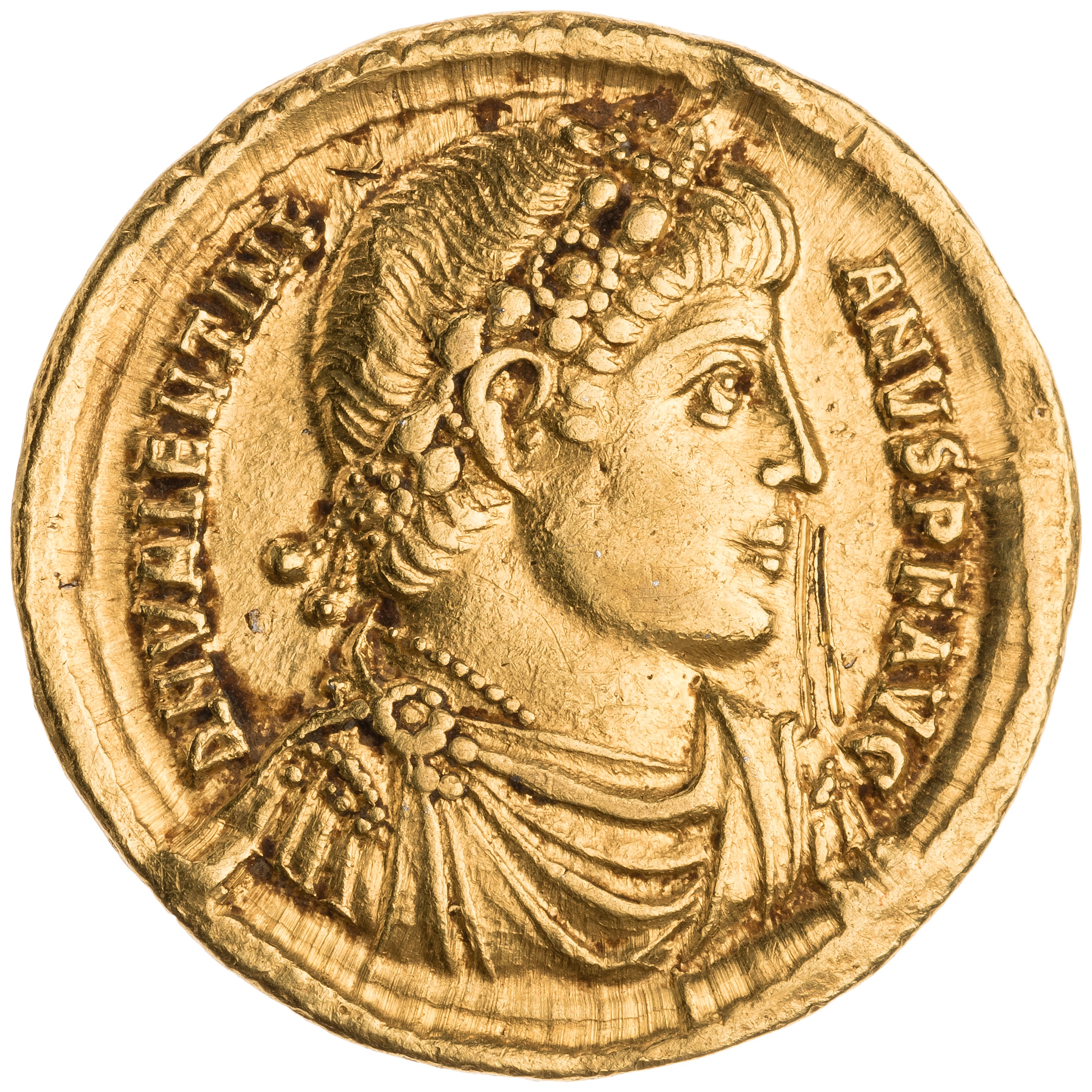
Antiochus IV of Commagene: The Last King of a Roman Client Kingdom
Introduction to Antiochus IV of Commagene
Antiochus IV of Commagene, also known as Gaius Julius Antiochus IV Epiphanes, was the last king of the Roman client kingdom of Commagene. His reign, spanning from 38 to 72 CE, marked a significant period of loyalty to Rome, military service, and strategic city foundations. Despite his contributions, his reign ended in deposition amid accusations of a Parthian conspiracy.
Early Life and Ascension to the Throne
Born into a lineage that traced back to the Seleucids and Ptolemaics, Antiochus IV was the son of Antiochus III. His family's history was deeply intertwined with the political dynamics of the Roman Empire and the Parthian threat. In 38 CE, Emperor Caligula restored Antiochus IV to the throne of Commagene, a region that had been under Roman provincial rule for two decades.
The Restoration of Commagene
Upon his ascension, Antiochus IV was granted not only the revenues of Commagene but also additional territories in Cilicia. This restoration was a strategic move by Caligula to strengthen Roman influence in the region. Antiochus IV's full title, Theos Dikaios Epiphanes Philoromaios Philhellen, reflected his divine claims and pro-Roman stance.
Military Campaigns and Loyalty to Rome
Antiochus IV's reign was marked by several military campaigns that demonstrated his loyalty to Rome. In 53 CE, he successfully suppressed the Clitae tribal revolt in Cilicia, showcasing his ability to maintain order in his expanded territories.
Service Under Nero
Between 55 and 61 CE, Antiochus IV levied troops for Emperor Nero in the campaign against the Parthians. He served under Cn. Domitius Corbulo against Tiridates I of Armenia, earning additional territories in Armenia for his efforts. This period highlighted his military prowess and strategic importance to the Roman Empire.
Founding of Cities and Cultural Legacy
Antiochus IV was not only a military leader but also a visionary ruler who founded several cities. Among these were Germanicopolis, Iotapa, and Neronias. These cities were not just administrative centers but also symbols of his cultural and political influence.
Coins and Cultural Syncretism
The coins minted during his reign featured symbols like scorpions and laurel, along with the inscription ΚΟΜΜΑΓΗΝΩΝ. These coins are a testament to the Greco-Persian syncretism that characterized Commagene's culture. Antiochus IV promoted a syncretic ruler cult, similar to the monuments of his ancestors at Nemrut Dağ.
Downfall and Annexation to Rome
Despite his loyal service, Antiochus IV's reign came to an abrupt end in 72 CE. He was deposed by the Syrian governor L. Caesennius Paetus on charges of conspiracy with the Parthians. This accusation led to the annexation of Commagene to the Roman Empire, marking the end of its status as a client kingdom.
The Aftermath of Deposition
The deposition of Antiochus IV was a significant event in the history of Commagene. His son, Epiphanes, had previously aided Titus at the siege of Jerusalem, showcasing the family's continued loyalty to Rome. However, the annexation of Commagene marked the end of an era for the region.
Conclusion of Part 1
In this first part of our exploration of Antiochus IV of Commagene, we have delved into his early life, ascension to the throne, military campaigns, cultural legacy, and eventual downfall. His reign was a complex interplay of loyalty to Rome, military service, and strategic city foundations. Stay tuned for the next part, where we will further explore his family lineage, cultural contributions, and the broader context of Commagene's history.
Family Lineage and Dynastic Connections
Antiochus IV of Commagene hailed from a distinguished lineage that blended Seleucid, Ptolemaic, and Persian heritage. His father, Antiochus III, ruled Commagene until 17 CE, when Emperor Tiberius briefly annexed the kingdom. This dynastic background provided Antiochus IV with a unique cultural and political identity, which he leveraged to navigate the complex relations between Rome and Parthia.
Ancestral Roots and Seleucid Heritage
The lineage of Antiochus IV can be traced back to Antiochus VIII Grypos, a notable Seleucid ruler. This connection to the Seleucid dynasty was a source of prestige and legitimacy for Antiochus IV. Additionally, his ancestors included Persian Achaemenids, further enriching his cultural heritage. This blend of Greek and Persian influences was reflected in the syncretic art and architecture of Commagene.
Marriage and Descendants
Antiochus IV was married to Iotapa, whose name is known from coins minted during his reign. Their son, Epiphanes, played a significant role in Roman military campaigns, including aiding Titus at the siege of Jerusalem. This family connection to Roman military efforts underscores the deep ties between the Commagene dynasty and the Roman Empire.
Cultural and Architectural Contributions
Antiochus IV's reign was marked by significant cultural and architectural achievements. He founded several cities, each serving as a testament to his vision and leadership. These cities were not only administrative centers but also hubs of cultural syncretism, blending Greek, Persian, and local traditions.
Founding of Germanicopolis, Iotapa, and Neronias
The cities founded by Antiochus IV included Germanicopolis, Iotapa, and Neronias. Each of these cities was strategically located and designed to enhance the region's economic and cultural development. Germanicopolis, for instance, was named in honor of Emperor Caligula, reflecting Antiochus IV's loyalty to Rome.
Coins and Symbolism
The coins minted during Antiochus IV's reign featured distinctive symbols such as scorpions and laurel, along with the inscription ΚΟΜΜΑΓΗΝΩΝ. These coins are a rich source of information about the cultural and political context of his reign. The scorpion, in particular, was a symbol of royal authority and protection, while the laurel represented victory and honor.
Military Service and Roman Loyalty
Antiochus IV's military service was a cornerstone of his reign. His loyalty to Rome was demonstrated through numerous campaigns and strategic alliances. His military efforts were not only crucial for maintaining Roman control in the region but also for securing his own position as a trusted client king.
Campaign Against the Clitae Tribe
In 53 CE, Antiochus IV successfully suppressed the Clitae tribal revolt in Cilicia. This campaign was a significant achievement, showcasing his ability to maintain order and stability in his expanded territories. The suppression of the revolt was a clear demonstration of his military prowess and strategic acumen.
Service Under Nero and Corbulo
Between 55 and 61 CE, Antiochus IV levied troops for Emperor Nero in the campaign against the Parthians. He served under Cn. Domitius Corbulo, a prominent Roman general, and played a crucial role in the campaign against Tiridates I of Armenia. This service earned him additional territories in Armenia, further solidifying his position as a key ally of Rome.
Political Context and Roman-Parthian Relations
The reign of Antiochus IV was set against the backdrop of complex Roman-Parthian relations. Commagene, as a buffer state between Roman Syria and Parthia, played a crucial role in the geopolitical dynamics of the region. Antiochus IV's ability to navigate these relations was a testament to his diplomatic skills and political acumen.
Buffer State Dynamics
Commagene's strategic location made it a vital buffer state between the Roman Empire and the Parthian threat. Antiochus IV's reign was marked by a delicate balance of loyalty to Rome and the need to maintain stability in the face of Parthian ambitions. This balance was crucial for the survival and prosperity of Commagene.
Diplomatic Relations with Rome
Antiochus IV's diplomatic relations with Rome were characterized by a combination of loyalty and strategic alliances. His restoration to the throne by Emperor Caligula and his subsequent military service under Nero and Corbulo underscored his commitment to Rome. However, his eventual deposition on charges of conspiracy with the Parthians highlights the precarious nature of his position.
Conclusion of Part 2
In this second part of our exploration of Antiochus IV of Commagene, we have delved into his family lineage, cultural contributions, military service, and the political context of his reign. His ability to navigate the complex relations between Rome and Parthia, along with his military and cultural achievements, made him a significant figure in the history of Commagene. Stay tuned for the final part, where we will explore his downfall, the annexation of Commagene, and his lasting legacy.
The Downfall of Antiochus IV and the Annexation of Commagene
The reign of Antiochus IV of Commagene came to a dramatic end in 72 CE when he was deposed by the Syrian governor L. Caesennius Paetus. The charges against him included allegations of conspiring with the Parthians, a serious accusation that led to the annexation of Commagene by the Roman Empire. This event marked the end of Commagene's status as a client kingdom and the beginning of its direct administration under Roman rule.
The Conspiracy Charges and Deposition
The accusations of conspiracy with the Parthians were a significant blow to Antiochus IV's reputation and standing with Rome. Despite his long history of loyalty and military service, these charges were sufficient to justify his removal from power. The deposition was a stark reminder of the precarious nature of client kingship under the Roman Empire, where allegiance was constantly scrutinized.
The Role of L. Caesennius Paetus
L. Caesennius Paetus, the Syrian governor responsible for Antiochus IV's deposition, played a crucial role in the annexation of Commagene. His actions reflected the Roman Empire's policy of consolidating control over strategic regions, especially those bordering potential threats like Parthia. The annexation of Commagene was a strategic move to secure Roman interests in the eastern frontier.
The Aftermath of Annexation
The annexation of Commagene had significant implications for the region and its people. The direct administration by Rome brought about changes in governance, culture, and economic structures. The once-independent kingdom was now integrated into the broader Roman provincial system, which had both advantages and challenges.
Impact on the Region
The integration of Commagene into the Roman Empire led to increased infrastructure development, including roads and administrative centers. However, it also meant the loss of local autonomy and the imposition of Roman laws and taxes. The cultural syncretism that had flourished under Antiochus IV's rule continued but was now influenced by Roman traditions and practices.
The Fate of Antiochus IV's Family
Following his deposition, the fate of Antiochus IV and his family remains somewhat unclear. His son, Epiphanes, had previously demonstrated loyalty to Rome by aiding Titus at the siege of Jerusalem. This loyalty may have afforded the family some protection, but their political influence was significantly diminished. The once-powerful dynasty of Commagene was now a footnote in the annals of Roman history.
Legacy and Historical Significance
Antiochus IV of Commagene left a lasting legacy that extends beyond his reign. His contributions to the cultural, military, and political landscape of Commagene have been the subject of scholarly interest and archaeological study. His reign is a testament to the complex dynamics of client kingship under the Roman Empire and the challenges of navigating loyalty and autonomy.
Cultural and Architectural Legacy
The cities founded by Antiochus IV, such as Germanicopolis, Iotapa, and Neronias, continued to thrive under Roman rule. These cities were not only administrative centers but also hubs of cultural exchange, blending Greek, Persian, and Roman influences. The coins minted during his reign, featuring symbols like scorpions and laurel, remain important artifacts for understanding the cultural context of his rule.
Military and Political Legacy
Antiochus IV's military service under emperors like Caligula and Nero showcased his loyalty and strategic importance to Rome. His campaigns against the Clitae tribe and his service under Cn. Domitius Corbulo against the Parthians were significant achievements that highlighted his military prowess. His downfall, however, serves as a cautionary tale about the fragility of client kingship and the ever-present threat of Roman intervention.
Scholarly Perspectives and Modern Interest
The reign of Antiochus IV has been the subject of extensive scholarly research and debate. Modern historians and archaeologists continue to explore the cultural and political dynamics of Commagene under his rule. The region's unique blend of Greek, Persian, and Roman influences has made it a fascinating case study in cultural syncretism and political maneuvering.
Archaeological Discoveries
Recent archaeological discoveries in Commagene, particularly at sites like Nemrut Dağ, have shed new light on the region's history and cultural heritage. These findings have reinforced the significance of Antiochus IV's reign and the broader context of Commagene's role in the Roman Empire. The hierarchical reliefs and monuments at Arsameia and Samosata are testament to the region's rich artistic and architectural traditions.
Historical Debates and Interpretations
Historical debates about Antiochus IV's reign often center on his loyalty to Rome and the circumstances surrounding his deposition. Some scholars argue that the charges of conspiracy with the Parthians were politically motivated, while others see them as a genuine threat to Roman interests. These debates highlight the complexities of client kingship and the challenges of maintaining autonomy under Roman rule.
Conclusion: The Enduring Legacy of Antiochus IV of Commagene
Antiochus IV of Commagene was a pivotal figure in the history of the Roman client kingdom of Commagene. His reign, marked by military service, cultural achievements, and strategic city foundations, showcased his loyalty to Rome and his ability to navigate the complex political landscape of the eastern frontier. Despite his eventual downfall and the annexation of Commagene, his legacy endures through the cities he founded, the coins he minted, and the cultural syncretism he promoted.
His story is a reminder of the precarious nature of client kingship under the Roman Empire and the constant balancing act required to maintain loyalty and autonomy. The annexation of Commagene marked the end of an era, but the region's cultural and historical significance continues to captivate scholars and enthusiasts alike. Antiochus IV's reign remains a testament to the enduring legacy of a ruler who navigated the complexities of power, loyalty, and cultural exchange in the ancient world.