John Logie Baird: The Visionary Pioneer of Television
Introduction: The Man Behind the Invention
John Logie Baird is a name synonymous with the invention of television, a technology that has revolutionized the way we consume information and entertainment. Born on August 13, 1888, in Helensburgh, Scotland, Baird was a brilliant inventor whose relentless curiosity and determination led to one of the most transformative innovations of the 20th century. Unlike many inventors of his time, Baird was largely self-taught, combining his passion for engineering with a creative mind that allowed him to push the boundaries of what was thought possible.
From a young age, Baird displayed an aptitude for building mechanical devices. He conducted his early experiments in his parents' attic, often dismantling and reassembling gadgets to understand their inner workings. Though he initially pursued a degree in electrical engineering at the Glasgow and West of Scotland Technical College, his education was interrupted by World War I. Nevertheless, this did not deter him from pursuing his dream.
Baird's journey to creating the first working television system was fraught with challenges. He worked in relative obscurity, often with limited resources, but his persistence paid off when he successfully demonstrated the transmission of moving images in 1925. This historic moment marked the beginning of a new era in communication and entertainment, shaping the modern world in ways Baird could scarcely have imagined.
Early Life and Education
John Logie Baird was the youngest of four children born to Reverend John Baird, a clergyman, and Jessie Morrison Inglis. Growing up in a strict Presbyterian household, Baird was encouraged to pursue academic excellence. However, his health was fragile, and he suffered from frequent illnesses, which often kept him away from formal schooling. Despite this, his keen interest in science and technology flourished during his time at home, where he conducted experiments with electricity and radio waves.
He attended Larchfield Academy in Helensburgh before enrolling at the Royal Technical College (now the University of Strathclyde) in Glasgow. Though he abandoned his studies due to the outbreak of World War I, his time at the technical college exposed him to key scientific principles that would later prove invaluable in his work on television.
After briefly working as an engineer for several companies, including the Clyde Valley Electrical Power Company, Baird’s entrepreneurial spirit led him to explore new ventures. Some of his early attempts at business—ranging from soap manufacturing to jam production—failed, but these experiences taught him resilience and adaptability.
The Road to Television: Early Experiments
Baird’s fascination with transmitting images over distance was inspired by earlier inventions like the Nipkow disk, a mechanical scanning device patented by Paul Nipkow in 1884. The Nipkow disk used a rotating disc with spiraling holes to break down images into lines of light, a basic principle that Baird refined and expanded upon.
Working from a modest laboratory in Hastings, England, Baird tirelessly experimented with rudimentary materials. He used scrap metal, bicycle lenses, and even an old tea chest to construct his first prototype. His early trials involved transmitting silhouette images, and by 1924, he succeeded in projecting rudimentary moving images—though they were blurry and unstable.
Undeterred by skepticism from the scientific community, Baird continued refining his invention. His breakthrough came on October 2, 1925, when he successfully transmitted the first recognizable moving image—a ventriloquist's dummy named "Stooky Bill"—over a short distance. This milestone validated his mechanical television system, proving that live visual transmission was possible.
The First Public Demonstration
On January 26, 1926, Baird made history by conducting the first public demonstration of true television at his London laboratory on Frith Street. Select members of the Royal Institution and journalists were invited to witness the event. Using his improved system, Baird transmitted live moving images of a human face—an assistant named William Taynton—with a resolution of 30 lines at five frames per second.
The demonstration was a resounding success, marking the birth of practical television. Newspapers hailed the invention as a marvel of modern science, though many remained skeptical about its commercial viability. Despite doubts, Baird was determined to push forward, securing financial backing and forming the Television Development Company to further develop his invention.
Competition and Progress
Baird’s success did not go unchallenged. Competing inventors, including American engineer Philo Farnsworth and the corporate-backed efforts of companies like RCA, were also working on electronic television systems. Unlike Baird’s mechanical approach, these rivals used cathode-ray tube technology, which promised higher resolution and greater reliability.
Despite the competition, Baird achieved several world-firsts in television broadcasting. In 1928, he conducted the first transatlantic television transmission between London and New York. That same year, he demonstrated color television and even experimented with stereoscopic (3D) television. His relentless innovation kept him at the forefront of the field, though the mechanical limitations of his system eventually led to its decline in favor of fully electronic alternatives.
Legacy and Later Life
By the mid-1930s, electronic television systems had surpassed mechanical television, and the BBC officially adopted an electronic format for regular broadcasting in 1936. Baird, though disappointed by the shift away from his technology, continued working on improvements, including high-definition and color television.
Baird’s later years were marked by declining health, though he remained an active inventor. He contributed to advances in radar, fiber optics, and even early versions of video recording. He passed away on June 14, 1946, but his legacy as the father of television endures.
The impact of Baird’s work is immeasurable. Television has become a cornerstone of global communication, influencing culture, politics, and education. While modern television bears little resemblance to Baird’s mechanical system, his pioneering spirit laid the foundation for one of the most influential technologies of the modern era.
End of Part 1.
(Note: Continue with the next prompt for Part 2.)
Baird’s Technological Innovations Beyond Mechanical Television
Although John Logie Baird is best known for his pioneering work in mechanical television, his inventive genius extended far beyond this single achievement. Throughout his career, he explored various fields, constantly pushing the boundaries of technology. One of his lesser-known yet significant contributions was in the development of early color television.
In 1928, just three years after his first successful television transmission, Baird demonstrated a rudimentary color television system. Using a technique involving rotating color filters in synchronization with the Nipkow disk, he transmitted color images with red, green, and blue separations. While crude by modern standards, this was the first proof that color television was feasible—a concept that would take decades to refine into the vibrant displays we see today.
Baird also ventured into stereoscopic television, an early precursor to modern 3D television. His experiments involved projecting two slightly offset images to create the illusion of depth. Though the technology was impractical for mass adoption at the time, it showcased his forward-thinking approach and willingness to explore uncharted territories.
Additionally, Baird experimented with infrared imaging, which he referred to as "Noctovision." This system was intended for nighttime viewing and had potential military applications. Though it never became commercially viable, the concept laid the groundwork for later developments in thermal imaging and night-vision technologies used today.
The Transatlantic Transmission and Global Recognition
One of Baird’s most groundbreaking achievements was the first transatlantic television transmission between London and New York in 1928. Using shortwave radio frequencies, he successfully sent a television signal across the Atlantic Ocean—a feat considered impossible by many contemporaries. The broadcast, though low-resolution, featured static images that were reconstructed at the receiving end, proving that long-distance television communication was viable.
This achievement earned Baird international acclaim, solidifying his reputation as a visionary. Newspapers worldwide reported on the event, and scientists began to take television more seriously as a medium with limitless potential. The success of the transatlantic transmission also encouraged investors to fund further research, leading to the establishment of Baird Television Ltd. in 1928.
Despite the technical limitations of his mechanical system, Baird continued refining his methods, increasing image resolution and transmission stability. By 1929, the BBC began experimental broadcasts using Baird’s system, marking the first regular television service in history. Though initially limited to a few hours per week, these transmissions were a major milestone in the evolution of broadcast media.
Commercial Struggles and Competition with Electronic Television
While Baird was making strides in mechanical television, advancements in electronic television—spearheaded by inventors like Philo Farnsworth and Vladimir Zworykin—posed increasing competition. Electronic systems, which used cathode-ray tubes instead of spinning disks, offered superior image quality and the potential for higher resolutions. By the early 1930s, companies like RCA and EMI were investing heavily in electronic television, leaving Baird’s mechanical approach at a disadvantage.
Financial challenges also plagued Baird’s ventures. Despite early successes, his company struggled to secure long-term funding, and production costs for mechanical television sets remained high. The BBC, which had initially partnered with Baird, began testing electronic systems in parallel, eventually phasing out mechanical broadcasts entirely by 1937. The final blow came when the British government officially adopted the Marconi-EMI electronic television standard for public broadcasting.
Though Baird’s mechanical television was ultimately surpassed by electronic systems, his contributions were undeniable. Many of the fundamental concepts he pioneered—such as image scanning, synchronization, and signal transmission—remained integral to electronic television. His work paved the way for future engineers, ensuring that his influence endured even as technology advanced.
Later Inventions and Wartime Contributions
Baird did not slow down after the decline of mechanical television. In the 1940s, he turned his attention to new technological challenges, including radar and fiber optics. During World War II, he worked on defense technologies, contributing to improvements in radar systems used by the British military. His expertise in signal transmission proved invaluable in developing more efficient communication methods for wartime use.
One of his most ambitious late-career projects was the "Telechrome," an advanced color television system using cathode-ray technology. Unlike his earlier mechanical color experiments, the Telechrome was entirely electronic, demonstrating Baird’s adaptability. Though it never reached commercialization due to his declining health and post-war economic constraints, the Telechrome showcased his relentless drive to innovate.
Personal Life and Health Struggles
Despite his professional achievements, Baird’s personal life was often overshadowed by health issues. From childhood, he suffered from respiratory problems and chronic fatigue, which worsened as he aged. His relentless work ethic frequently pushed him to exhaustion, yet he refused to let physical limitations hinder his creativity.
Baird married Margaret Albu in 1931, and the couple had two children. However, his obsessive dedication to his work sometimes strained family life. Friends and colleagues described him as a reserved but deeply passionate individual, often consumed by his experiments to the point of neglecting his own well-being.
His health deteriorated rapidly after the war, and he suffered a stroke in 1946. Despite medical care, he passed away on June 14 of that year at the age of 57. His funeral was a quiet affair, attended by family and close friends, but his legacy lived on through the countless innovations he inspired.
Posthumous Recognition and Influence
In the decades following his death, Baird received widespread recognition as a pioneer of television. The UK issued commemorative stamps in his honor, and statues and plaques were erected in his hometown of Helensburgh and at key locations related to his work. The Royal Society of Edinburgh and the Institution of Electrical Engineers posthumously celebrated his contributions to science and engineering.
Modern television owes much to Baird’s foundational work. His mechanical system may have been obsolete by the mid-20th century, but the principles he established influenced the electronic systems that followed. Engineers who later perfected color broadcasting, high-definition television, and digital streaming built upon the groundwork laid by Baird’s early experiments.
Today, his name is enshrined in the history of technology, remembered not just as an inventor but as a visionary who dared to imagine a world connected by moving images—an idea that has since transformed society.
End of Part 2.
Baird's Cultural Impact and the Evolution of Television
Though John Logie Baird never lived to see television become the dominant medium of the 20th century, his invention irrevocably altered human culture. By the 1950s, barely a decade after his death, television had become a fixture in homes across industrialized nations. The medium reshaped news dissemination, entertainment consumption, and even political discourse—fulfilling Baird's vision of a technology that could "bring the world into everyone's living room."
The cultural revolution television spawned can be traced directly to Baird's early experiments. His primitive broadcasts established conventions that still endure: scheduled programming, the idea of live transmission, and the concept of television as a shared experience. When the coronation of Queen Elizabeth II in 1953 was broadcast to millions—an event that dramatically accelerated TV adoption in Britain—it fulfilled Baird's 1920s dream of televised major public events.
How Baird's Mechanical Television Actually Worked
Modern viewers accustomed to ultra-HD flat screens would scarcely recognize Baird's original television apparatus—an electromechanical marvel consisting of:
- A spinning Nipkow disk with 30 spiral perforations scanning images at 12.5 frames per second
- A powerful light source shining through the disk onto photoelectric cells
- A receiver using another synchronized disk to reconstruct the image
- Neon lamps that glowed proportionally to the signal strength
The entire system operated without any electronic amplification—an astonishing feat considering it successfully transmitted recognizable human faces. Baird's early displays measured just 3.5 x 2 inches (about the size of a modern smartphone screen), yet represented a quantum leap in visual communication technology.
The Museum Legacy: Preserving Baird's Inventions
Several institutions maintain important collections of Baird's pioneering equipment:
National Science and Media Museum (Bradford, UK)
Houses the original 1926 television apparatus and numerous prototype televisors. The museum's "Television Gallery" features interactive exhibits demonstrating Baird's mechanical scanning process.
London Science Museum
Displays Baird's 1928 transatlantic transmission equipment alongside later telechrome prototypes. The collection includes rare footage of early Baird television broadcasts.
Scotland's Museum of Communication
Features a reconstruction of Baird's original Helensburgh workshop, complete with period-accurate tools and components similar to those he used in his first experiments.
Debates Over Television's True Inventor
Historical scholarship continues to debate whether Baird should be considered television's sole inventor. Competing claims include:
| Inventor | Contribution | Timeline |
|---|---|---|
| Paul Nipkow | Conceptualized mechanical scanning principle | 1884 patent |
| Philo Farnsworth | Developed first fully electronic TV system | 1927 demonstration |
| Vladimir Zworykin | Created the iconoscope camera tube | 1920s-1930s |
Most historians agree that while Baird didn't invent all components single-handedly, he was the first to integrate them into a working television system capable of live moving images. His 1925-1926 demonstrations conclusively proved television's technical feasibility.
Baird in Popular Culture and Media
The Scottish inventor's life and work have been depicted in various cultural works:
- The BBC drama The Last Adventures of London (2012) featured Baird as a central character
- Numerous documentary films including Baird: The Man Who Saw Tomorrow (1985)
- Representation in the Science Museum's Making the Modern World permanent exhibition
- A commemorative Google Doodle on the anniversary of his first public demonstration
Baird's Unfulfilled Vision: What Might Have Been
Had mechanical television remained dominant longer, several of Baird's theoretical concepts might have been developed:
Interactive Television
Baird speculated about two-way television systems where viewers could respond to broadcasts—an early premonition of interactive TV and video calling.
3D Color Television
His late-stage Telechrome experiments combined color with stereoscopy, anticipating modern 3DTV by seven decades.
Large-Screen Projection
Blueprints exist for Baird's planned "big screen" theatrical television system designed for public venues.
Tributes and Memorials
The magnitude of Baird's achievement is recognized through:
- The Baird Television Award presented annually by the Royal Television Society
- A plaque at 22 Frith Street marking the site of his historic 1926 demonstration
- The John Logie Baird Center at the University of Glasgow
- A crater on the Moon named in his honor (Baird crater, 30km diameter)
Conclusion: The Legacy of a Relentless Innovator
John Logie Baird's story represents both the triumph and tragedy of invention. Though his mechanical television was superseded, his fundamental breakthroughs made all subsequent television possible. Perhaps more importantly, he demonstrated how a single determined individual, working with limited resources but unlimited imagination, could change the world.
From streaming services to video calls to live global news coverage, every pixel transmitted today owes something to Baird's attic experiments. His biography reminds us that paradigm-shifting innovations often emerge not from corporate labs but from obsessive tinkerers daring to realize "impossible" visions.
Nearly a century after those first flickering images of Stooky Bill, television remains society's most powerful storytelling medium—just as Baird predicted. The Scottish inventor who gave the world this transformative technology deserves remembrance not just as a historical figure, but as the architect of our visual age.
Final Thought
When Baird transmitted those first crude images, he wasn't just inventing a device—he was creating a new way for humanity to see itself. In our era of 8K broadcasts and smartphone streaming, we continue living in the world his imagination first conceived.


The Rise of Richard Tyler Blevins: Mastering the Digital Arena
Introduction: Who is Richard Tyler Blevins?
In the ever-evolving world of digital entertainment, certain figures stand out, not just for their prowess in a particular arena but also for the unique ways they influence a global audience. Richard Tyler Blevins, more popularly known by his online moniker "Ninja," is one such figure. His journey from a passionate video gamer to an internationally recognized streaming icon is nothing short of inspirational, reflecting the profound impact of the gaming industry on modern culture.
The Early Days: From Casual Gamer to Competitive Pioneer
Born on June 5, 1991, in Detroit, Michigan, Richard "Tyler" Blevins grew up in the Chicago suburb of Grayslake, Illinois. Gaming was not just a pastime for Tyler but a deeply ingrained passion. In his formative years, he spent countless hours playing video games like "Halo," quickly recognizing his own potential and nurturing dreams of making gaming a significant part of his life.
Tyler's first foray into the professional gaming scene came when he joined a competitive "Halo 3" team in 2009. His skills and commitment to the game soon led him to participate in various prestigious tournaments, helping him build a reputation within the gaming community. However, it was not just his gameplay that drew attention; it was his charismatic and energetic personality, alongside his unwavering passion for the games he played, that began to set him apart from his peers.
The Twitch Era: Breaking New Grounds
The turning point in Ninja's career came with the rise of live streaming platforms, particularly Twitch. Recognizing the potential for these platforms to transform entertainment and redefine how audiences engaged with content, Tyler began streaming full-time in 2011. It was a natural extension of his competitive gaming, allowing him to showcase his skills while engaging directly with fans in real-time.
In those early streaming days, Ninja experimented with different games, although he initially gained notoriety through "H1Z1" and "PlayerUnknown’s Battlegrounds" (PUBG). With each stream, he honed not only his gaming skills but also his ability to entertain and maintain a connection with his viewers. His humor, quick wit, and often vibrant and eye-catching on-stream persona made his channel a popular destination for viewers worldwide.
The Fortnite Phenomenon: Skyrocketing to Fame
Despite his growing success, it was not until the release of "Fortnite Battle Royale" in 2017 that Ninja's career truly skyrocketed. The game's popularity coincided with the peak of his gaming and streaming prowess, culminating in an explosive combination that saw his viewership numbers soar. Skillfully exploiting the chaotic, fast-paced, and strategic dynamics of "Fortnite," Tyler showcased jaw-dropping plays and maneuvers, all while maintaining a bond with his audience that few could rival.
Ninja's success on "Fortnite" was a watershed moment for him and for the gaming and streaming industry. He transcended the role of a conventional gamer, quickly becoming a cultural icon as he amassed millions of followers across various social media platforms. His record-breaking streams, collaborations with celebrities like Drake, and partnerships with leading brands signaled a new era for digital content creators, where boundaries between gaming, mainstream media, and entertainment blurred.
Ninja’s Influence on Gaming Culture and Beyond
Tyler Blevins' impact extends far beyond the screen. The success of Ninja has brought renewed attention and legitimacy to esports, once considered a niche segment of the entertainment industry. His mainstream appeal has played a pivotal role in helping to change perceptions of gaming and gamers, showcasing them as talented, driven individuals capable of influencing popular culture.
Furthermore, Ninja has used his platform to champion various causes, including mental health awareness and anti-bullying campaigns. His open discussions about personal struggles have invited conversations within his community, emphasizing the importance of mental health and the challenges faced by content creators in maintaining a work-life balance.
Through strategic partnerships and philanthropic endeavors, Tyler has continued to leverage his fame for the greater good. In 2018, he notably partnered with the charity "St. Jude Children’s Research Hospital," helping to raise significant funds for children in need. His efforts have shown that gaming, often dismissed as mere entertainment, can serve as a powerful vehicle for positive change.
With the rise of Tyler Blevins, the line between traditional celebrities and digital content creators continues to blur, setting a precedent and path for the next generation of gamers and entertainers.
---
Stay tuned for the continuation of this narrative, where we'll delve deeper into how Richard Tyler Blevins has continued to evolve as a creator and entrepreneur in the ever-changing digital landscape.
Ninja’s Strategic Moves: Expanding Beyond Streaming
As Richard Tyler Blevins, aka Ninja, solidified his place as a gaming wunderkind, he began exploring opportunities beyond the realm of streaming, expanding his influence into uncharted territories. Leveraging his enormous fan base and the clout of his Ninja persona, he strategically aligned himself with significant brands, entertainment offerings, and a range of entrepreneurial ventures that illustrated not just his business acumen but also his willingness to innovate and adapt.
One of Ninja's most significant moves was his decision to switch from Twitch to Microsoft's streaming platform, Mixer, in 2019. This strategic shift highlighted the growing competition among streaming platforms and underscored the influence top-tier streamers wielded in the industry. While the move to Mixer was short-lived due to the platform shutting down, it demonstrated Ninja's ability to take calculated risks and pioneer new pathways for content creators looking to diversify their platforms and income streams. The move also netted him a lucrative financial deal, securing his future and allowing him to pursue other creative endeavors without financial constraint.
A Foray into Traditional Media
Tyler’s influence soon extended beyond gaming into traditional media. In 2019, he appeared on the popular television game show "The Masked Singer," a move that showcased his willingness to diversify and engage with audiences outside his core fan base. His performances surprised many, revealing his versatility and talent in areas previously unexplored.
Further cementing his crossover appeal, Ninja secured a spot as a character in several video games, including "Fortnite," where he became an iconic in-game skin. His presence in the realm of video game fiction reinforced his identity as a cultural touchstone in the gaming domain. Additionally, he published a book series, beginning with “Get Good: My Ultimate Guide to Gaming,” offering insights into his journey and success while providing budding gamers and fans with practical advice for improving their gaming skills.
The Entrepreneurial Spirit: Building a Brand
Recognizing the potential of personal branding in the digital age, Ninja has invested heavily in creating a multi-faceted brand that spans various sectors of the entertainment industry. His line of merchandise, including apparel, gaming peripherals, and accessories, became a massive hit, catering to his fan base's demand for items that connected them more closely with his brand. The distinctive Ninja logo and aesthetic have become instantly recognizable, adding to his brand's value and reach.
Additionally, Tyler has ventured into content production, partnering with traditional media outlets to create stimulating and engaging content aimed at a broader audience. He launched "Ninja Labs," a creative studio initiative, aimed at producing original gaming-related content, further solidifying his position as a thought leader and pioneer within the gaming industry.
Philanthropy: Ninja Giving Back
Amidst these strategic business moves, Ninja has remained committed to philanthropy and social change, frequently using his expansive platform to support charitable causes. His efforts to give back are well-documented, including partnerships with organizations focused on child welfare, educational initiatives, and community support.
Particularly noteworthy was his support for the "Game for Good" initiative, where he organized streams and events to raise funds for St. Jude Children’s Research Hospital. His participation drew massive attention to the cause, highlighting how those in the gaming industry can create meaningful impact through well-coordinated and publicized philanthropic efforts. Moreover, he has continued to speak out on critical social issues within and outside the gaming world, adding his influential voice to conversations that recognize and challenge norms across society.
Ninja’s Influence on Future Generations
By continuously adapting and leveraging his platform, Richard Tyler Blevins remains an influential figure for both current and future generations of digital content creators. His journey from a passionate gamer in suburban Illinois to a global superstar encapsulates the potential of transforming a hobby into a lucrative and satisfying career. The tools and strategies Ninja has employed serve as a blueprint for emerging talents looking to navigate the complexities of the digital landscape.
Additionally, Ninja's presence in educational and motivational settings as a speaker has inspired countless young individuals to pursue their passions and dreams in gaming and beyond. His story is a beacon of empowerment, emphasizing dedication, resilience, and the importance of continually evolving in a rapidly changing technological environment.
Ninja’s influence is not just limited to what he has achieved but also how he has paved the way for new opportunities in the gaming industry. His strategic explorations into different sectors have not only broadened the scope of what's possible for himself but have also widened the path for others to follow, proving that the digital entertainment world is rich with potential if pursued with vision and dedication.
---
Stay tuned as we continue to explore Richard Tyler Blevins' ongoing journey and the ever-lasting influence he has in the world of gaming, streaming, and beyond.
The Evolution of Ninja’s Content: Reinventing the Playbook
As we venture further into the digital age, adaptability has become a crucial attribute for success, and Richard Tyler Blevins is a testament to its significance. In the latter part of his career, Ninja has adeptly shifted his content strategy to remain relevant in an increasingly competitive environment. He embraced new trends while maintaining the core elements that constitute the essence of his brand: authenticity, engagement, and innovation.
One of Ninja’s notable adaptations has been expanding his content to include a variety of gaming genres, branching out from the battle royale games that initially brought him fame. By venturing into diverse gaming ecosystems, he has attracted a wider audience, catering to the varying tastes of the gaming community. This strategy has allowed him to continue growing his viewer base and keep his streams fresh and engaging.
Furthermore, Ninja has leveraged the power of social media platforms like TikTok and YouTube to continue spreading his influence. By producing short, entertaining clips and engaging with fans through these platforms, he effectively keeps his audience engaged beyond streaming on live platforms. This multi-platform approach has reinforced his presence as a digital media titan, catering to the content consumption habits of a younger, more diverse audience.
Navigating Personal and Professional Challenges
Despite his enormous success, Ninja's journey has not been without its challenges. The pressures associated with maintaining a public persona and the expectations of millions weigh heavily on any public figure. Ninja has openly discussed dealing with burnout and the stress of constant content creation, shedding light on issues that many digital creators face in the high-stakes world of streaming and online interaction.
Through candid discussions about mental health, Tyler has sparked important conversations within the community, emphasizing the need for balance and self-care. By taking necessary breaks and setting boundaries, he has modeled responsible personal management strategies for content creators globally. His transparency about these experiences has demystified the often glamorous perception of digital fame, underscoring the importance of mental well-being.
On the professional front, navigating the rapid changes in the digital content landscape has required continual learning and adaptation. From strategic platform changes to dealing with evolving audience expectations, Ninja remains an innovative force in managing career twists and turns. His resilience in the face of these challenges serves as motivation for creators seeking longevity in the digital arena.
Legacy and the Future of Ninja
Reflecting on Ninja's journey, it’s clear that his impact transcends gaming and entertainment. He has set new benchmarks for what it means to be a content creator in an era defined by digital innovation and interconnectedness. Tyler actively participates in conversations shaping the future of the entertainment industry, using his expertise and platform to influence how audiences and creators interact.
Looking ahead, Ninja shows no signs of slowing down. As technology and gaming continue to evolve, it is likely that he will explore virtual reality, augmented reality, and other immersive technologies that promise to redefine how content is consumed. His commitment to bringing fresh, boundary-pushing content is a testament to his visionary approach and his foresight into emerging trends.
In parallel, Ninja’s global fan base continues to expand, maintaining his brand as both a personal and professional asset. Through his ongoing endeavors to empower upcoming content creators and gamers, he envisions a future where digital expression is limitless.
Conclusion: Ninja's Indelible Mark on the Digital World
Richard Tyler Blevins' trajectory embodies the age-old adage that with great passion and determination, one can shape industries and impact cultures. From his humble beginnings to his meteoric rise as Ninja, Tyler has consistently championed authenticity and creativity, principles that have guided him through the multifaceted world of digital content creation.
In redefining the possibilities within the gaming industry, Ninja has influenced countless aspiring creators and gamers, offering a path of endless potential. His success story underscores a broader narrative about digital transformation, community-building, and personal integrity, highlighting the limitless nature of human ingenuity in the digital era.
As the pages of his story continue to unfold, Ninja stands as a symbol of innovation and courage—a hero of the modern digital landscape who has left an indelible mark on the world and set a foundation for the future of entertainment and beyond.



Exploring the Multifaceted Career of Mike Lombardo
Mike Lombardo is a name that resonates with a variety of fields, from music production to television and beyond. A man of many talents, Lombardo has made a significant impact by embracing creative and strategic roles throughout his career. His multifaceted endeavors have earned him a reputation as a versatile and innovative figure in the entertainment industry. This article delves into the extensive career of Mike Lombardo, highlighting his achievements and contributions to various facets of the arts and media.
Early Life and Musical Beginning
Born with an innate passion for creativity, Mike Lombardo's journey began at a young age. Growing up in a household that valued the arts, his initial interest was sparked by music. He learned to play the piano, showing remarkable aptitude and devotion to mastering the instrument. Lombardo's prowess soon extended beyond performance to composition, where he discovered his true calling.
It wasn't long before he started sharing his compositions online, where his unique style and talent garnered attention. His ability to blend emotion with intricate musical arrangements set him apart in a sea of aspiring artists. This early exposure not only honed his skills but also allowed him to connect with a wider audience, setting the stage for his future endeavors.
The Leap into Professional Music
Lombardo's ambition and love for music inevitably led him into the world of professional recording and production. Recognizing the potential of digital platforms, he embraced the possibilities offered by the internet as a means of reaching audiences worldwide. This foresight enabled him to carve out a niche in the burgeoning field of online music production.
His work caught the interest of various collaborators, and Lombardo began producing music for several up-and-coming artists. His keen understanding of musical structure and sound engineering proved invaluable, as he adeptly translated an artist’s vision into reality. Collaborators often praised Lombardo for his adaptability, noting his ability to seamlessly transition between musical genres while maintaining the integrity of each project.
Expanding into Television and Film
While music remains a central part of Lombardo’s identity, his talents have taken him beyond the realm of sound into visual storytelling. This transition was driven by his desire to challenge himself in new creative spaces. His initial foray into television began with involvement in music scoring for TV shows, where he applied his expertise in crafting atmospheres that enhanced narrative arcs.
Lombardo's creative acumen and strategic insight soon led him into production roles within the film industry. He played pivotal roles in both behind-the-scenes development and execution, contributing to projects that ranged from indie films to more mainstream releases. His comprehensive understanding of both auditory and visual elements allowed him to seamlessly integrate these components to create compelling stories.
Influence and Impact
Throughout his career, Mike Lombardo's influence has extended beyond creating music and visual content. His work has inspired a generation of young artists to explore the intersections of audio and visual media. Lombardo’s success is largely attributed to his innovative approach, effectively merging traditional methodologies with modern technology to produce groundbreaking content.
Moreover, Lombardo is a strong advocate for the democratization of artistic expression through digital means. He frequently speaks at industry events and workshops, sharing his knowledge and encouraging aspiring creators to leverage the accessibility of digital platforms to showcase their work. Mike's dedication to fostering new talent is evident in his mentorship of young musicians and filmmakers, emphasizing the importance of nurturing creativity at its roots.
Conclusion of Part One
Mike Lombardo's career serves as a testament to the power of versatility and the boundless opportunities available within the creative world. His journey from a dedicated musician to a multifaceted industry professional underscores his commitment to innovation and excellence. As Lombardo continues to evolve and explore new avenues, his influence within the music, television, and film industries remains as vibrant as ever. Stay tuned as we delve further into his accomplishments and the lasting impact of his work in the upcoming sections.
The Versatile Producer
In exploring Mike Lombardo's multifaceted career, his role as a producer stands out as one of his most influential capacities. Establishing a career in music and television production required not just creativity but also leadership and vision. Lombardo's production work shines through in numerous projects, demonstrating his ability to bring together diverse elements and talented individuals to create cohesive and successful outcomes.
One of the key attributes that set Lombardo apart is his collaborative spirit. He acknowledges that achieving excellence requires the collective efforts of various talents. As a producer, he has a knack for assembling teams that strike a balance between fresh perspectives and seasoned expertise. His keen eye for talent and ability to motivate his teams have led to robust partnerships that have enriched every project he's touched.
Innovation and Adaptation
The creative industry is notoriously fast-paced, with trends and technologies shifting rapidly. Mike Lombardo's success lies in his continuous adaptation and innovative outlook. He is known for staying abreast of technological advancements and industry trends, integrating these insights into his projects. This adaptability has kept his work relevant and engaging across various mediums.
Lombardo's explorations in the digital realm exemplify this innovative spirit. He has been a proponent of utilizing digital tools not just as a means of distribution but as new canvases for creativity. Virtual reality, augmented reality, and other emerging technologies have intrigued Lombardo, propelling him to incorporate these elements into his productions. By doing so, he consistently pushes the boundaries of what traditional media can achieve, exploring uncharted territories and setting new benchmarks in storytelling.
Challenges and Rebounds
No career is without its challenges, and Lombardo's journey is no exception. The competitive nature of the entertainment industry means navigating setbacks is inevitable. Lombardo has faced his share of hurdles, from projects that didn't garner the expected reception to financial and logistical constraints. However, what distinguishes Lombardo is his resilience and capacity to learn from adversity.
He approaches challenges with a problem-solving mindset, transforming potential setbacks into learning opportunities. By evaluating each situation critically, Lombardo often emerged stronger and more insightful, which further refined his craft. This perseverance has not only enhanced his credibility but has also inspired many within his circles to adopt a similar approach to their work and challenges.
Musical Roots and Community Engagement
Despite diversifying his career, music remains a significant part of Lombardo's life. He regularly returns to his musical roots by composing, performing, and collaborating with fellow musicians. These creative processes offer him a refreshing break from the often-hectic demands of production work, allowing him to reconnect with his initial passion for music.
Beyond personal pursuits, Lombardo leverages his musical expertise for community engagement. Recognizing music as a powerful tool for social change, he engages in initiatives that use music education to impact young lives positively. Whether through workshops, charity events, or educational programs, Lombardo uses his platform to make a difference, emphasizing the role of arts in building cohesive and empathetic communities.
The Art of Storytelling
A consistent thread through all of Lombardo's work is his passion for storytelling. Whether through songs, movies, or TV shows, he is deeply committed to crafting stories that resonate with audiences. Lombardo believes that storytelling is not just about entertainment; it's about connecting with people on a profound level and evoking emotion.
His ability to weave narratives that capture both the imagination and heart is evident in various projects. Audiences and critics alike commend him for his skill in balancing entertainment with meaningful content. Whether dealing with complex themes or light-hearted subjects, Lombardo's storytelling prowess ensures a captivating experience that leaves a lasting impact.
Conclusion of Part Two
Mike Lombardo's extensive career exemplifies the hallmarks of creative pursuit—curiosity, resilience, and innovation. Through his work as a producer, artist, and storyteller, Lombardo has not only navigated the complexities of the entertainment industry but has also contributed significantly to its evolution. In the next part of this article, we will explore more about his personal philosophies, future endeavors, and ongoing influence in the expansive world of media and arts. Stay tuned for the final insights into Mike Lombardo's remarkable journey.
Personal Philosophies and Creative Vision
A crucial aspect of Mike Lombardo's enduring success is his personal philosophy and creative vision. At the heart of his career lies a deep-seated belief in authenticity and originality. Lombardo has often stated that for any creative endeavor to genuinely resonate, it needs to spring from a place of truth. This belief not only guides his work but also defines the projects he chooses to associate with.
Lombardo's creative vision is driven by a desire to push boundaries and question the status quo. He considers experimentation an essential part of creative growth and often encourages those around him to embrace challenges as opportunities for innovation. Whether crafting a new piece of music or producing a film, Lombardo remains steadfastly committed to creating content that reflects diverse perspectives and uncharted narratives.
Future Endeavors
Despite an already illustrious career, Mike Lombardo shows no signs of slowing down. Looking to the future, Lombardo is keen to further explore the integration of technology and creativity. He is actively exploring opportunities in digital content creation, with a specific interest in the burgeoning field of interactive media. By leveraging advancements in artificial intelligence and immersive technologies, Lombardo aims to redefine how audiences engage with stories.
Moreover, Lombardo envisions collaborating with global artists to broaden his creative horizons. Recognizing the richness of cultural diversity, he seeks partnerships that allow for creative exchanges and innovative fusion projects. These collaborations are not only about expanding his artistic portfolio but also about contributing to a dialogue that celebrates global storytelling.
Ongoing Impact in the Industry
Mike Lombardo’s influence continues to ripple through the entertainment industry, inspiring both established professionals and newcomers alike. His contributions stretch beyond his body of work; they encompass the ethos he embodies—a relentless pursuit of artistic excellence and a commitment to nurturing creativity in others.
Lombardo's initiatives in mentorship and education reflect his belief in the potential of the next generation. By offering guidance and support, he aids emerging artists in finding their voice and place within the competitive landscape of the arts. His workshops and speaking engagements are not only informative but also motivational, providing attendees with insights into industry practices alongside encouragement to pursue their unique artistic visions.
Moreover, Lombardo’s work in promoting the accessibility of creative technologies has democratized opportunities for aspiring creators. By demonstrating the power of digital media, he has opened doors for artists who may not have had the means to enter traditional pathways, thus diversifying the landscape of music and film.
Legacy and Reflection
As Mike Lombardo reflects on his career thus far, his legacy is evident not just in his extensive portfolio, but in the lasting relationships and inspired colleagues he leaves in his wake. Lombardo's story is a testament to environmental adaptability, continuous learning, and unwavering commitment to his craft.
His journey serves as a blueprint for aspiring creatives, showcasing how passion, combined with strategic foresight and resilience, can lead to success in multiple avenues of the arts. Lombardo’s ability to balance personal creative expression with professional excellence has ensured that his influence remains relevant across time.
Conclusion
Mike Lombardo’s career is a fascinating narrative of creativity intertwined with strategic entrepreneurship. From his humble musical beginnings to shaping the next wave of digital content, Lombardo has continually evolved, impacting various facets of the entertainment industry. His commitment to authenticity, innovation, and mentorship are key tenets that have defined both his career and his lasting influence.
As we conclude this exploration of Mike Lombardo’s career, it's clear that his story is far from over. The continuous expansion of his skills and the evolving nature of his projects suggest that his contributions will persistently resonate within the realms of music, television, and film. With his continued focus on innovation and mentorship, Lombardo will undoubtedly inspire future generations to explore their creativity with courage and originality.



The Gregory Brothers: Pioneers of Musical Comedy and Viral Videos
The digital age has spawned numerous internet sensations, but few have combined humor, music, and innovative creativity as fluently as The Gregory Brothers. Known for their unique blend of comedy, musical talent, and viral video magic, this band of siblings has made significant waves online, capturing the hearts of millions. From their early comedic roots to the international fame brought by viral hits, the story of The Gregory Brothers is one of innovation and adaptability in an ever-evolving entertainment landscape.
Who Are The Gregory Brothers?
The Gregory Brothers consist of siblings Michael, Andrew, and Evan Gregory, along with Evan’s wife, Sarah Gregory (neé Fullen). Hailing from Radford, Virginia, and later establishing their operation in Brooklyn, New York, this quartet has skillfully transformed the digital soundscape with their innovative projects. Each member of the group brings a unique skillset and personality, contributing to the eclectic nature of their work.
Michael Gregory, often seen tinkering with auto-tune effects on his trusty computer, lays down the groundwork for their signature sound. His keen ear for music and technical expertise has helped in crafting their well-known "Songify" series. Andrew Gregory, sporting a dynamic vocal range and charming stage presence, contributes creatively with his vibrant personality. Evan Gregory, typically behind the keyboard or guitar, serves as the glue that binds the group, coordinating recording sessions and live performances. Sarah Gregory brings her soothing vocal harmonies and a sharp comedic edge, making the group’s performance complete with her unique flair.
The Birth of a Phenomenon: Auto-Tune the News
The Gregory Brothers first captured attention with "Auto-Tune the News," a series that showcased their knack for turning mundane news clips into melodious musical tracks. By applying auto-tune – a vocal effect traditionally used to correct pitch errors in singing – they transformed spoken-word news segments into catchy songs.
The series debuted in 2009 and quickly gained popularity, merging pop culture with political satire in a way no one had seen before. Their clever transformations took clips from TV news and interviews, adding humor through song, effectively turning journalists and politicians into accidental pop stars. This approach turned heavy news topics into entertainment, making complex issues more accessible and engaging for a diverse audience.
Viral Success: The Bed Intruder Song
While "Auto-Tune the News" established their initial presence online, their viral breakout was "The Bed Intruder Song." In 2010, Antoine Dodson, a resident of Huntsville, Alabama, appeared on a local news broadcast following the attempted assault of his sister, Kelly Dodson. His impassioned, emotive address to the camera quickly spread across the internet.
The Gregory Brothers saw an opportunity to remix Dodson’s words into a song, and the "Bed Intruder Song" was born. The result was an infectious, auto-tuned melody that rapidly went viral, amassing millions of views on YouTube. The song not only brought laughter and joy to a global audience but also underscored the power of viral internet culture.
The success of the "Bed Intruder Song" had additional significance, providing financial aid to the Dodson family due to profits shared with them. Its reach went beyond entertainment, illustrating how viral fame could have tangible positive impacts, a testament to the power and responsibility of digital content creators.
Songifying the World
Riding on the viral sensation of the "Bed Intruder Song," The Gregory Brothers continued to explore the artistic and comedic potential of auto-tune. They launched "Songify This," a series building on the concept of turning non-musical content into catchy compositions. From viral news interviews to everyday speech, they found endless input material that could be spun into songs.
The "Songify This" series showcased their ability to find humor and melody in the most unexpected places. By setting mundane conversations to music, they delighted audiences and proved their talent for finding melodies where none existed before. Inspired by their ability to connect with the digital public on a comedic and musical level, they produced dozens of videos, each adding to their diverse repertoire.
The Artistic Journey Continues
Over the years, The Gregory Brothers have continually evolved, adapting to shifts in online content consumption and the ever-changing digital landscape. Their work now spans various platforms, including collaborations with other online creators, performing live shows, and branching into more complex musical projects. As pioneers of the digital comedy-music genre, they remain icons of creativity, influencing many aspiring creators who use the internet as their stage.
As they continue to innovate within the realm of music and comedy, The Gregory Brothers’ story underscores the power of humor and creativity in bridging gaps and building connections in the digital age. Their legacy is a testament to the impactful, unexpected directions technology can take in the art world, forever altering how creators and audiences interact globally.
A New Avenue: The Gregory Brothers in Cinematic and Collaborative Ventures
With their comedic ingenuity and musical prowess making waves on YouTube, The Gregory Brothers began exploring new avenues that expanded their reach beyond the internet’s shores. They ventured into film, television, and collaborations, sharing their signature style with an even broader audience. These endeavors not only showcased their versatility as artists but also cemented their status as influential figures in the realm of digital and mainstream entertainment.
Animated Adventures: Crossing into Television
While digital platforms continue to grow, television remains a powerful medium for reaching audiences. The Gregory Brothers recognized this and took steps to explore its potential. Their foray into animation came with collaborations on various projects, bringing their unique humor to traditional media formats. Their whimsical approach to storytelling translated well into animation, allowing them to experiment with narrative and visuals in new and exciting ways.
One notable endeavor was their collaboration with “Songify the News,” a spin-off that retained the essence of their original online series but adapted to suit television's broader audience and longer format. Animated renditions of real-life scenarios set to music allowed their brand of satire to thrive in a way that resonated with both dedicated fans and new viewers alike.
Collaborations with Fellow Creators
Recognizing the power of collaboration in enhancing creativity and broadening appeal, The Gregory Brothers have teamed up with numerous well-known content creators and artists across various genres. Whether participating in comedic sketches, producing music tracks, or guest-starring in other creators’ videos, they have consistently displayed a willingness to share their platform while diversifying their creative expressions.
A notable partnership includes their work with fellow YouTube icon Hank Green. The collaboration, “We Are All Connected”—produced in coordination with many other creators—capitalized on both educational and environmental messages, underscoring how communally creative efforts can leave a meaningful impact.
They've also collaborated with personalities like Rhett & Link of "Good Mythical Morning," exploring everything from quirky challenges to in-depth interviews. Such projects reflect the dynamism of collaborative creativity, where distinct artistic styles blend to create content engaging for diverse audiences.
Expanding into the Music Industry
While The Gregory Brothers enjoy widespread recognition for their hilarious, auto-tuned online content, their musical talents extend far beyond comedic remixes. The group members each harbor a deep-rooted passion for music, evident in the various solo and collaborative projects they pursue.
Evan and Andrew Gregory, in particular, have delved into more serious musical territories with projects such as "Hilary and the Gregory Brothers." This venture, apart from their usual comedic undertakings, showcases a more earnest side of their musicianship, highlighting their ability to navigate through different genres and styles.
Moreover, they have shared their skills as producers and songwriters, working behind the scenes to craft music that strikes a balance between their comedic edge and genuine musicality. Their expertise informs their main content, ensuring high production quality—a major factor contributing to their enduring popularity.
Staying Relevant in an Evolving Landscape
The digital world is dynamic, with trends that come and go at a dizzying pace. However, The Gregory Brothers have continually shown their capacity to adapt and innovate, keeping their content fresh and engaging. This adaptability has played a pivotal role in sustaining their relevance in a crowded and constantly shifting online environment.
One key strategy lies in their keen awareness of current trends, allowing them to jump on relevant topics quickly. Whether it's political debates, viral news stories, or pop culture phenomena, their ability to transform these elements into music-driven satire ensures they stay at the forefront of digital content creation.
Moreover, they’ve expanded their presence to multiple social media platforms beyond YouTube, reaching audiences on Twitter, Instagram, and TikTok. By maintaining a diverse digital footprint, they've managed to engage with and grow their audience across generational divides.
The Impact and Legacy of The Gregory Brothers
The influence of The Gregory Brothers extends beyond their impressive body of work. They exemplify how digital creators can wield humor and music not only to entertain but also to foster dialogue and understanding on significant issues. By injecting levity into heavy topics, they've sparked discussions and invited audiences to engage with the world around them in more reflective ways.
Their success story serves as a blueprint for aspiring artists, illustrating how passion, originality, and a willingness to engage with evolving technology can carve out successful niches in new media landscapes. They continue to inspire countless creators, proving that music and comedy, when fused creatively, can transcend traditional entertainment barriers.
As they continue their journey, The Gregory Brothers stand as emblematic figures in internet culture, their work a testament to innovation and the joyful merging of art forms. Going forward, they are poised to keep pushing the envelope, ever eager to explore new horizons and tap into untouched creative territories. The indelible mark they have left on the digital entertainment scene assures us that their story, as full of notes and laughs as it is, will continue to echo for years to come.
Behind the Scenes: Crafting the Perfect Song
While the catchy tunes and humorous content are what most audiences associate with The Gregory Brothers, a significant amount of work takes place behind the scenes. Their creative process is a blend of technology, intuition, and teamwork, intricately woven to produce the seamless content we see online. Understanding their process reveals the depth of their artistic commitment beyond the surface of comedic satire.
The first step often involves selecting which clips have the potential for musical transformation. The group spends considerable time navigating the vast ocean of online content in search of moments ripe for songification. This involves not just identifying viral clips but also ones that hold potential for tapping into broader narratives or societal conversations.
Once a clip is chosen, the auto-tuning magic begins. This is where Michael Gregory's prowess shines. With an ear for capturing musicality in spoken words, he artfully applies technology to create melodies that seamlessly fit words into compelling musical structures. His ability to find rhythms and melodies within dialogue is no small feat, requiring an acute sensitivity to both musical theory and comedic timing.
The entire team then collaborates to fine-tune the lyrics, ensuring they maintain the humor while highlighting the topic's essential points. Despite the comedic focus, great care is taken to respect the subject material without diminishing its original context and message.
Engaging the Audience: Feedback and Interaction
One of the standout strategies The Gregory Brothers employ is the continuous engagement with their audience. From the early days of YouTube to the myriad of platforms available today, interaction with fans has remained central to their success. They actively read comments, respond to followers, and incorporate feedback into their creative process.
This engaging approach helps foster a sense of community, making audiences feel like they are part of the creative journey. Encouraged to participate, fans frequently suggest content for future "songifications," injecting a communal spirit into their video development. Knowing their audience's interests and preferences allows the group to create content that consistently resonates.
On platforms like Patreon, The Gregory Brothers have taken audience interaction further by offering exclusive content and insights into their creative world. This more intimate level of engagement has solidified their bond with fans while providing them with the financial and creative flexibility to pursue diverse projects.
Teaching and Inspiring the Next Generation
Having carved a niche as influential digital creators, The Gregory Brothers have embraced roles as mentors, inspiring the next generation of artists. They have shared their experiences, best practices, and insights into the industry to assist aspiring creators aiming to navigate the same digital landscape.
Their work has fueled a wave of creators inspired to tackle complex topics with a humorous lens. By openly discussing the technical aspects of their work—such as auto-tuning and video production—they demystify the process, encouraging those with a passion for creation to experiment without fear.
Participating in panels and talks, they express dedication to nurturing creativity in their communities, urging upcoming artists to embrace both failure and success as part of the growth journey. This advocacy reinforces the idea that, in the digital era, there are myriad ways to express one's voice and connect with like-minded audiences worldwide.
Conclusion: A Lasting Impact
The Gregory Brothers stand as prime examples of how creativity can thrive at the intersection of technology and media. As pioneers of their craft, they have not only entertained millions but also carved a unique cultural identity within the vast expanse of the internet.
Their ability to evolve, innovate, and inspire has been instrumental in their longevity. Armed with humor and a talent for blending contrasting elements into harmonious creativity, they've established themselves as entertainers who understand and embrace the power of digital tools.
In a landscape where trends shift rapidly, The Gregory Brothers remain steadfast, proving that authenticity, paired with an embrace of innovation, goes a long way in building enduring connections with global audiences. As they continue their creative endeavors, we can only anticipate more infectious tunes, laughs, and the redefining of what it means to make music in the digital age.
Their success is a testament to the transformative potential of creativity, reminding us that the digital sphere is brimming with opportunities waiting for those daring enough to leverage them into lifelong artistry. Through their journey, The Gregory Brothers continue to leave an indelible mark, ensuring their place in both digital folklore and the future of musical comedy.



Auteur Theory in Cinema: Defining the Artistic Vision Behind the Camera
Auteur Theory in Cinema: Defining the Artistic Vision Behind the Camera
The concept of auteur theory stands as a pillar in the realm of cinematic discourse, forever altering how we perceive and analyze films. Coined in the 1940s and 50s by French film critics, notably those affiliated with the magazine Cahiers du Cinéma, auteur theory posits that a film reflects the director's personal creative vision. Despite collaboration being integral to filmmaking, this perspective elevated the director from a mere facilitator to an artist akin to a painter or novelist whose individual style permeates their entire body of work.
The Origins of Auteur Theory
Auteur theory finds its roots in post-war France, where criticism and appreciation of cinema were undergoing significant transformation. Three pivotal figures—André Bazin, François Truffaut, and Jean-Luc Godard—illustrated the theory through their writings and, subsequently, their films. Their contention was that a director deserved the same recognition as an author or painter because the film is ultimately a singular, identifiable work of art despite being a collaborative effort.
François Truffaut's influential essay, "A Certain Tendency of the French Cinema," published in Cahiers du Cinéma in 1954, formally articulated auteur theory. Truffaut argued that directors who infuse their personal style and thematic preoccupations consistently across their work are the true "authors" of cinema. His critique of the "tradition of quality" in French cinema, which focused on adapting literary classics, pushed back against the screenwriter's dominance and sought to highlight the director's vision.
Key Characteristics of an Auteur
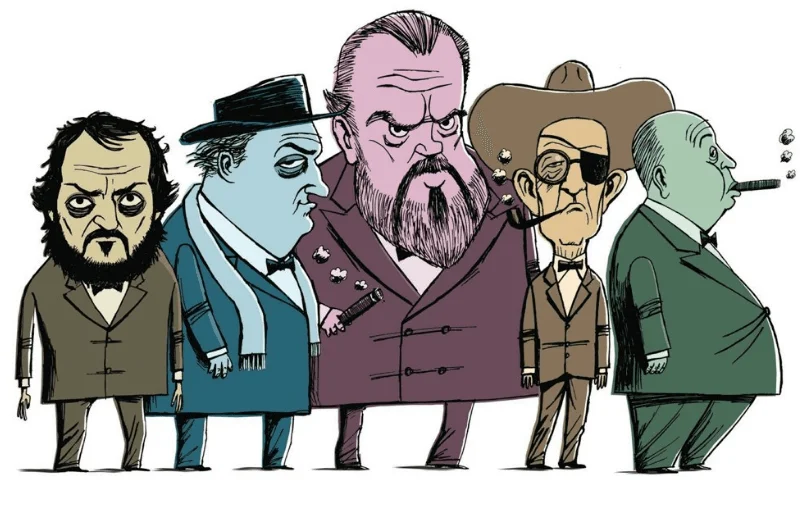
What sets an auteur apart from other directors is the discernible signature they leave across their films. This signature can manifest through recurring themes, unique visual or narrative styles, or the consistent use of particular actors and crew members. Stanley Kubrick's meticulous attention to detail and exploration of humanity's darker aspects, for instance, make his films instantly recognizable, regardless of genre. Similarly, Wes Anderson's symmetrical compositions and whimsical storytelling create a distinctive aesthetic making him a modern auteur.
Alfred Hitchcock is often cited as an archetype of auteur theory. His consistent focus on themes of tension, fear, and anxiety, meticulously crafted from screenplay to final edit, solidifies his status as an auteur. The distinct visual and narrative style of his films, from the use of suspense and innovative camera techniques to frequent cameos, forms a cohesive body of work that is instantly recognizable.
Impact and Criticism
While auteur theory has undoubtedly profoundly impacted both film criticism and filmmaking, it is not without its criticisms. One primary contention is the notion that film is fundamentally a collaborative medium involving a significant number of creatives that contribute to the final product. Critics of the theory argue that emphasizing the director's vision often overlooks the creative input of writers, producers, actors, and musicians who play crucial roles in a film's realization.
Moreover, auteur theory tends to favor certain types of directors—often male, Western, and already well-established—thus marginalizing the contributions of other filmmakers who may not fit this mold but nonetheless produce exceptional work. The theory's emphasis on individualism over collaboration can diminish the diverse voices that contribute to the cinematic art form.
The Legacy of Auteur Theory
Despite its criticisms and limitations, auteur theory endures as an essential lens through which to view and evaluate the craft of filmmaking. It encourages audiences and critics alike to consider films as artistic expressions rather than mere entertainment products. The theory has inspired countless directors to seek a personal vision, enriching cinema with diverse narratives and distinctive styles.
Auteur theory continues to evolve, adapting to contemporary cinema where voices are more diverse, and collaborations more visible. In this modern landscape, the auteur remains a vital notion, balancing individual vision with collaborative artistry. As we delve into these complexities and consider their implications, auteur theory persists as a subject of debate, appreciation, and study.
Auteur Theory in the Modern Age
In recent years, the film industry has seen a notable shift in how we perceive and celebrate auteurs. With the rise of independent cinema, digital platforms, and international film festivals, new voices and diverse stories have emerged, expanding the notion of what it means to be an auteur. These modern auteurs come from different backgrounds and cultures, offering fresh perspectives and styles that challenge traditional interpretations of auteurism.
Directors like Greta Gerwig, Bong Joon-ho, and Ava DuVernay have each carved out unique spaces in the film world, infusing their projects with distinct voices and innovative storytelling techniques. For instance, Bong Joon-ho's ability to weave social commentary into genre films, like "Parasite," has garnered international acclaim, highlighting the potential for auteur theory to thrive in a global context. Similarly, Ava DuVernay's work emphasizes underrepresented narratives in American cinema, insisting on the director's power to influence societal discourse and cultural understanding.
Technology and the Auteur
The advent of technology has also played a vital role in reshaping auteur theory. Digital filmmaking tools and online distribution platforms have democratized the process, allowing filmmakers with fewer resources to produce and share their work. This democratization enables a broader range of voices to emerge, challenging the traditional barriers once associated with becoming a recognized auteur.
For contemporary auteurs, technology provides creative freedom and new methods to connect with audiences. For instance, directors like David Fincher and Quentin Tarantino are known for their meticulous craftsmanship and ability to manipulate digital tools to serve their artistic visions. The precision of Fincher's digital techniques in movies like "The Social Network" showcases how technology can amplify an auteur's style and storytelling approach.
Auteur Theory and Television
Interestingly, auteur theory has also transcended the boundaries of cinema and found relevance in the realm of television. As television has grown in prestige and complexity, often rivaling traditional film in storytelling depth and production quality, directors and writers in this medium have increasingly taken on auteur-like status. Shows like "Twin Peaks" by David Lynch and "True Detective" by Cary Joji Fukunaga exhibit a clear authorial vision, characterized by unique storytelling techniques and distinctive aesthetic choices.
Streaming services like Netflix, Amazon Prime, and HBO have further enabled this crossover, offering directors the freedom to develop multi-episode narratives with the same auteurial approach used in film. These platforms allow creatives to push boundaries, experiment with form, and present cohesive, expansive stories that reflect their artistic visions.
Revisiting Auteur Theory's Critique
As auteur theory evolves, so too does the critique surrounding it. While it's evident that the director plays a significant role in shaping a film, the theory's tendency to marginalize the contributions of other creatives still stands. Critics argue for a more inclusive approach that acknowledges the collaborative nature of filmmaking. By recognizing the critical roles played by screenwriters, cinematographers, editors, and composers, the theory can evolve to celebrate cinematic artistry more holistically.
Furthermore, the increasing diversity within the industry offers an opportunity to broaden our understanding of auteurism. By embracing filmmakers from various cultural backgrounds and giving due credit to the collaborative dynamics inherent in the film and television production process, auteur theory can be revitalized to reflect the current landscape of visual storytelling.
The Future of Auteur Theory
As cinema continues to change and evolve in a rapidly developing cultural landscape, the relevance and application of auteur theory remain subjects of ongoing debate. However, the core tenet—considering the director as a central creative force—persists, albeit in a hybrid form that acknowledges the director's influence while celebrating the collaboration that brings films and TV shows to life.
The future of auteur theory lies in its adaptability. It must expand to include voices from diverse backgrounds, embrace technological advancements, and recognize the complexities of shared creativity. Upcoming filmmakers are already redefining auteurism by crafting deeply personal narratives that also engage collaboratively with other artistic talents, heralding a new epoch for cinema where personal vision and collective effort are equally celebrated.
In conclusion, auteur theory endures as a compelling framework for both creators and audiences. It encourages audiences to engage with films on a deeper level, recognizing directorial signatures and pondering over the philosophical or stylistic underpinnings of visual narratives. As we progress, auteur theory will continue to evolve, reflecting the dynamic and diverse nature of modern storytelling. Its journey lies not only in looking through the lens of the director but also in embracing the multifaceted nature of cinema itself.