The Evolution of Queer Cinema: A Journey Through Time
In recent decades, the world of cinema has witnessed a significant shift, particularly in how LGBTQ+ stories and characters are portrayed on screen. This evolution can be seen as a fundamental part of the broader social movement advocating for LGBTQ+ rights. One of the most notable aspects of this shift is the rise of queer cinema movements that have brought greater visibility and authenticity to LGBTQ+ experiences.
A Historical Overview
The roots of queer cinema can be traced back to the early days of filmmaking. As early as the 1920s, avant-garde film directors like Oscar Wilde’s protege, Frank Wedekind, began exploring themes of sexuality and gender fluidity in their work. However, these films were often met with censorship and condemnation, reflecting the societal attitudes and legal restrictions of the time.
The 1950s and '60s saw the emergence of more experimental and underground films that dared to explore themes of same-sex desire and gender identity. Films like "The Children's Hour" (1961) and "Victim" (1961) tackled homophobia and discrimination in society but were still constrained by the conservative norms of the period.
The Stonewall Uprising and Its Impact
The Stonewall riots in New York City in 1969 marked a turning point for the LGBTQ+ community, inspiring a new era of activism and visibility. As the Gay Liberation Movement picked up steam in the following years, filmmakers began to take inspiration from this new wave of social and political activism. This era saw the emergence of pioneering filmmakers like Marsha P. Johnson and Sylvia Rivera, known for their advocacy and performance art, which also influenced the aesthetics and themes in queer cinema.
By the late 1970s and early 1980s, independent filmmakers began to create works that were more explicitly queer and gay, such as "Poet's Daughter," "Fireworks," and "Boys on the Side." These films not only provided representation but also challenged mainstream narratives and broke down barriers within the industry.
The AIDS Crisis and Its Aftermath
The onset of the AIDS crisis in the 1980s had a profound impact on both the LGBTQ+ community and its cultural expression through cinema. Filmmakers responded to this tragedy with works that explored themes of resilience, loss, and resistance. Notable films include "Philadelphia" (1993) and "Trembling Before G-d" (1994), which addressed the realities faced by people living with AIDS and the stigma associated with it.
These films helped to raise awareness and foster empathy among audiences, contributing to a more inclusive and sensitive portrayal of LGBTQ+ characters. However, the representation of LGBTQ+ individuals during this period was often limited to the contexts of illness or struggle, which sometimes reflected a lack of diversity and depth in storytelling.
The Rise of Queer Cinema Festivals
As queer films gained momentum, so did the proliferation of LGBTQ+-focused film festivals. The first official gay and lesbian film festival, the New York Film Festival, was launched in 1978, followed by others such as the Chicago Gay Film Festival (established in 1988) and Outfest (launched in 1986). These events not only showcased films but also provided platforms for filmmakers and audiences to discuss and celebrate LGBTQ+ cinema.
The establishment of these festivals contributed significantly to the growth and development of queer cinema. They offered support networks, mentorship programs, and opportunities for emerging filmmakers to gain exposure and recognition. Moreover, these gatherings fostered a sense of community and solidarity among filmmakers and fans, creating a vibrant and interconnected network within the LGBTQ+ community.
Challenging Representations and Pushing Boundaries
From the 1990s onwards, queer cinema continued to challenge traditional representations and push the boundaries of storytelling. With the advent of more liberal cultural and political climates, filmmakers had the freedom to explore more complex and nuanced portrayals of LGBTQ+ identities. Works such as "But I’m a Cheerleader" (1999), "The Celluloid Closet" (1995), and "Temptation" (1998) delved into topics like transgender experiences, bisexuality, and non-binary identities.
The success of these films not only broadened the scope of LGBTQ+ representation but also paved the way for future generations of filmmakers to explore even more intricate and diverse themes. The late 1990s and early 2000s also saw a rise in critically acclaimed queer films, such as "Brokeback Mountain" (2005), which won multiple Academy Awards and sparked important discussions about LGBTQ+ relationships and societal acceptance.
Furthermore, the increasing representation of queer characters in mainstream Hollywood films began to challenge the long-standing stereotype of homosexual characters as mere tokens or sidekick roles. Films like "Kinsey" (2004), based on the life of sexologist Alfred Kinsey, and "Milk" (2008), starring Sean Penn as California's first elected openly gay politician Harvey Milk, brought complex and historically significant figures to the forefront of cinematic narrative, further solidifying the importance of authentic representation.
Modern Queer Cinema Movements
The early 2000s also saw the emergence of a generation of filmmakers who were explicitly queer and sought to create their own narratives and artistic expressions. Directors like Todd Haynes, who directed groundbreaking films such as "Far from Heaven" (2002) and "Carol" (2015), and Gus Van Sant with “Milk” and “Elephant” (2003), brought fresh perspectives to queer cinema, blending personal stories with broader social commentary.
Another landmark period came with the advent of digital tools and online platforms. This era enabled independent filmmakers to create and distribute their work more easily, fostering a new wave of LGBTQ+ voices that previously might have struggled to find outlets for their creations. Filmmakers like John Akomfrah, whose work often explores themes of identity and diaspora, gained international recognition through these mediums.
Additionally, streaming services and social media have played pivotal roles in democratizing the process of film distribution and consumption. Platforms like Netflix, Amazon Prime, and YouTube have hosted numerous queer films and series that would otherwise have been overlooked by traditional distributors. Shows like "Sense8," "Transparent," and "Pose" have garnered significant critical acclaim and popular attention, helping to establish a new norm in contemporary television and challenging stereotypes.
This period has seen a diversification of stories and genres within queer cinema, with the representation of trans and non-binary individuals, people of color, and other underrepresented groups gaining prominence. Films like "Moonlight" (2016), "Juno" (2007), and "Get Out" (2017) have not only garnered critical praise and commercial success but have also sparked broader conversations around identity, race, and representation in the context of LGBTQ+ issues.
Moreover, the visibility of LGBTQ+ characters and stories on screens has contributed to a more inclusive and representative media landscape. However, the journey towards full equality and accurate representation is far from over. Ongoing challenges, including the persistence of anti-LGBTQ+ legislation, discrimination, and limited funding for independent filmmakers, continue to impact the industry.
To truly capture the essence of modern queer cinema movements, it is essential to recognize the intersectionality of identities and the myriad ways in which queer stories can be told. This multifaceted approach ensures that the narratives reflect the rich tapestry of human experience while striving towards a more equitable and accepting society.
Representation and Authenticity in Modern Queer Cinema
The emphasis on authenticity has become a hallmark of contemporary queer cinema. Directors and writers are increasingly drawing on their own experiences and backgrounds to craft narratives that resonate deeply with their audiences. This authenticity is not just limited to the experiences of LGBTQ+ individuals; it extends to the broader social, cultural, and political contexts that shape these identities. Films like "The Miseducation of Cameron Post" (2018), directed by Spencer Susser, and "The Half of It" (2020), directed by Alice Wu, exemplify this trend by portraying young queer characters navigating complex relationships and coming-of-age challenges with depth and nuance.
One of the key aspects driving the authenticity movement in queer cinema is the involvement of LGBTQ+ filmmakers themselves. Directors like Ryan Murphy ("American Horror Story," " Pose"), Yance Lee ("Heaven is forReal" and "The Black Cake"), and Jordan Vogt-Roberts ("Kumiko, the Treasure Hunter") bring firsthand knowledge and lived experiences to their work, lending their productions a unique authenticity. This approach has resulted in films that feel more real and relatable, resonating with a diverse audience of LGBTQ+ viewers and allies alike.
The growing acceptance of queer content in mainstream media has also contributed to the expansion of queer voices. Studio films starring well-known actors addressing LGBTQ+ themes have gained traction, such as "Call Me By Your Name" (2017), directed by Luca Guadagnino, and "Love, Simon" (2018), directed by Greg Berlanti. These high-profile releases have not only increased visibility but also provided financial support and creative freedom for both filmmakers and LGBTQ+ actors. This increased investment in queer content has led to more resources being allocated towards telling more diverse and compelling stories, thereby enriching the genre as a whole.
Challenges and Controversies
Despite the progress made, the path forward for queer cinema is not without challenges. One ongoing issue is the need for more consistent and accurate representation across all facets of the industry. While there has been significant improvement in the past few decades, films and TV shows often fall short in terms of fully capturing the complexity of LGBTQ+ identities. Common tropes and stereotypes still persist, leading to superficial portrayals that fail to do justice to the richness of real-life experiences.
Controversies within the industry have also emerged, particularly around instances of tokenism and exploitation. For example, films and shows that include queer characters solely to appeal to a specific audience segment rather than because those characters are integral to the story can be divisive. When done poorly, they can reinforce stereotypes and perpetuate harmful narratives. This has prompted a call for more thoughtful and intentional representation, where queer characters serve a purpose beyond mere inclusion or marketability.
Funding is another significant hurdle. Independent filmmakers, who are often at the forefront of innovative and boundary-pushing work, frequently struggle to secure adequate financing for their projects. Limited budgets can lead to subpar production values and hinder the ability to tell comprehensive and engaging stories. Despite efforts from foundations, grants, and crowdfunding platforms, finding reliable financing remains a challenge, often restricting the reach and impact of independent queer films.
The Future of Queer Cinema
While challenges remain, the future of queer cinema holds promise. Advances in technology and the evolving global landscape of media consumption present new possibilities for diverse storytelling. Virtual reality, augmented reality, and interactive storytelling formats offer avenues for immersive and dynamic narratives that can transcend traditional film and television boundaries.
The global nature of the internet and streaming platforms has democratized access to queer films, making them available to a wider audience. As these platforms continue to innovate, there is potential for even greater visibility and engagement with queer stories. This global reach also fosters cross-cultural collaborations, allowing filmmakers from different parts of the world to share their unique perspectives and experiences.
Ultimately, the continued evolution of queer cinema is tied to ongoing efforts in education, advocacy, and community building. Workshops, conferences, and educational initiatives aimed at promoting diversity and inclusion in the film industry can play a crucial role. These efforts help ensure that filmmakers and producers are equipped with the tools and knowledge needed to create authentic, meaningful, and impactful stories.
Moreover, the support of LGBTQ+ communities themselves remains vital. By supporting queer filmmakers financially and critically, these communities help to sustain and expand the genre. As the industry continues to evolve, the goal must be to create a space where all voices are heard and valued, ensuring that queer cinema remains a powerful tool for social change and cultural understanding.
Conclusion
The journey of queer cinema is one of resilience, growth, and transformation. From its early experimental phases to today’s vibrant landscape, this movement has witnessed remarkable progress. As we look to the future, the challenges and opportunities that lie ahead provide a roadmap for continued evolution and expansion. By embracing the complexity and diversity of queer experiences and stories, we can forge a new era in cinema where representation and authenticity reign supreme.
Future Prospects and Emerging Trends
The landscape of queer cinema continues to evolve, driven by technological advancements and shifting societal norms. Streaming platforms and social media have become indispensable tools for filmmakers, providing them with platforms to reach broader and more diverse audiences. These technologies have democratized access to storytelling, allowing independent creators to produce and distribute their works without the constraints of traditional funding and distribution channels.
Moreover, the global reach of streaming services has facilitated the sharing of queer perspectives from around the world. Films and series produced in countries with more progressive attitudes towards LGBTQ+ rights have reached audiences beyond their borders, sparking conversations and fostering understanding. For instance, South Korean films like "Love, Hate & Other Filters" and "Crash Landing on You" have included queer subplots, albeit in more subtle ways. Such international collaborations and cross-cultural exchanges are enriching the global queer cinematic landscape.
Technological innovations, such as virtual reality (VR) and augmented reality (AR), are beginning to transform how queer stories are told. VR films and interactive experiences can create deeply immersive environments that allow viewers to engage more fully with the narrative. AR technologies can overlay digital elements onto physical spaces, providing novel and engaging ways to tell stories. These technologies open up new possibilities for storytelling and audience interaction, enhancing the emotional connection between the viewer and the content.
Social Media and Audience Engagement
Social media platforms play a critical role in promoting and amplifying queer content. These platforms enable filmmakers to build communities and engage with audiences in real-time. Instagram, TikTok, and Twitter are particularly influential, offering spaces for creators to share previews, behind-the-scenes content, and audience reactions. This direct engagement helps to galvanize support and builds a loyal fanbase. Platforms like Patreon and Kickstarter also provide alternative funding mechanisms, empowering filmmakers to create independent and authentic works without relying on traditional studios.
Beyond promotion, social media serves as a platform for discussion and debate. Online forums, hashtags, and community groups allow viewers to share their thoughts and experiences, fostering a sense of solidarity and inclusivity. This collaborative spirit is vital for sustaining queer cinema, as it encourages a dialogue that goes beyond mere entertainment. Social media also amplifies marginalized voices, bringing attention to smaller films and filmmakers who might otherwise go unnoticed in more traditional settings.
Queer Cinema in the Context of Intersectionality
The future of queer cinema cannot be fully understood without considering the principle of intersectionality. Queer individuals often overlap with other marginalized identities, such as race, ethnicity, socioeconomic status, and religion. This intersectionality enriches the narratives and experiences being portrayed, creating a more holistic portrayal of LGBTQ+ lives. Films that address these intersections—such as "The Death of Richard III" (2016), which explores the complexities of a non-binary identity in a predominantly straight community, or "The Farewell" (2019), which highlights the struggles of Chinese-American families—are crucial in depicting the multifaceted nature of queer existence.
Intersectional storytelling brings a new dimension to queer cinema, challenging homogenized representations and promoting a more diverse range of perspectives. It ensures that LGBTQ+ stories are not isolated but are embedded within a broader context, reflecting the lived realities of a more inclusive spectrum of individuals. By weaving together these various threads, filmmakers can create richer, more nuanced narratives that resonate with a wider audience.
Criticisms and Controversies
While the evolution of queer cinema has been remarkable, it has not been without criticism and controversy. Some have argued that certain films and characters remain too reliant on tropes or fall into shallow caricatures. Critics point out that true representation requires more than surface-level diversity; it necessitates substantive storytelling and genuine authenticity. This ongoing critique underscores the need for continuous self-reflection and improvement within the industry.
Another area of concern is the commodification of queer narratives. Commercial interests sometimes drive the production and marketing of certain films, potentially at the expense of deeper storytelling. This can result in tokenistic efforts that prioritize marketability over substance. To address this, there is a growing call for more inclusive production processes and a commitment to authentic storytelling regardless of box office potential.
Additionally, debates around the appropriate representation of marginalized and vulnerable groups in film continue. Issues such as misrepresentation and stereotyping remain contentious, highlighting the need for ongoing dialogue and collaboration with the queer community. Ensuring that these stories are handled with care and respect is paramount to maintaining the integrity and impact of queer cinema.
Community Support and Advocacy
The support and advocacy of queer communities are foundational to the continued growth and success of queer cinema. Community organizations, festivals, and grassroots movements remain crucial in providing a supportive infrastructure that nurtures new talent and supports established filmmakers. These groups offer resources, networking opportunities, and platforms for showcasing their work, helping to bridge the gap between aspiring creators and broader audiences.
Moreover, these communities serve as a safety net, offering guidance and encouragement during challenging times. They also engage in advocacy efforts to promote LGBTQ+ rights both within the industry and in society at large. By leveraging these networks, filmmakers can build a foundation of support that sustains their creative endeavors and promotes the broader goals of social and cultural change.
Conclusion
The evolution of queer cinema represents a complex and multifaceted journey of growth, transformation, and expansion. From its early struggles for visibility to its current prominence and influence, queer cinema has played a significant role in shaping public perceptions and advancing social justice. While challenges remain, the future looks promising, driven by technological innovation, global reach, and the unwavering commitment of filmmakers and communities to tell authentic and diverse stories.
As queer cinema continues to evolve, it must remain committed to authenticity, intersectionality, and inclusivity. By embracing these principles, filmmakers can contribute to building a richer, more compassionate, and equitable world. The future of queer cinema is bright, offering endless possibilities for exploration, creativity, and connection.

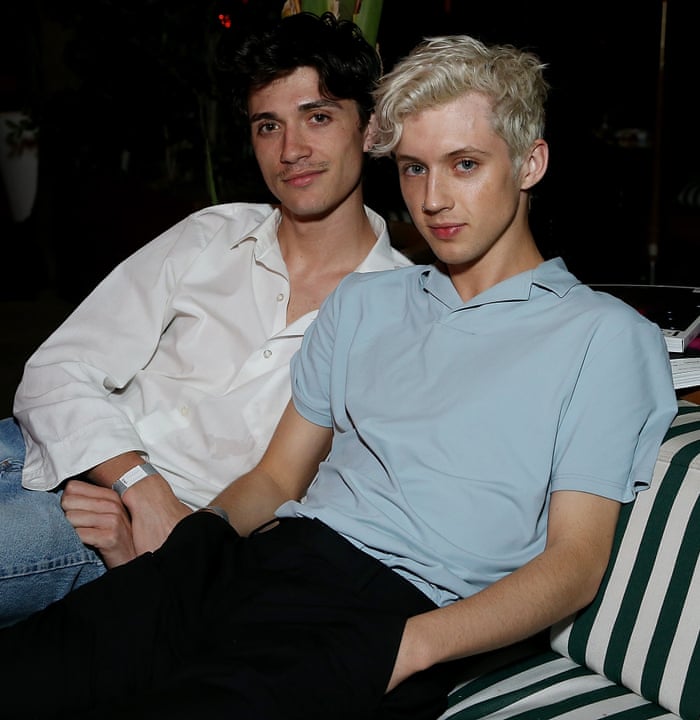
Troye Sivan: The Rise of a Global Pop Sensation
Introduction to Troye Sivan
Troye Sivan is more than just a pop star—he is a cultural icon, a voice for a generation, and a beacon of authenticity. Born on June 5, 1995, in Johannesburg, South Africa, and raised in Perth, Australia, Troye first captured the world’s attention as a gifted YouTuber before transitioning into mainstream music. Over the years, he has evolved into a multi-talented artist, singer, songwriter, and actor, known for his dreamy synth-pop sound, deeply personal lyrics, and fearless embrace of his LGBTQ+ identity.
From his early days covering songs on YouTube to headlining world tours and collaborating with industry giants like Ariana Grande and Taylor Swift, Troye’s journey has been nothing short of remarkable. His music resonates with listeners through its raw emotional honesty, often exploring themes of love, queerness, self-discovery, and the complexities of growing up. As we dive into his life and career, we’ll explore the milestones that have shaped him into the influential artist he is today.
Early Life and YouTube Beginnings
Before he became a globally recognized musician, Troye Mellet Sivan was just a kid with a camera and a passion for performing. He began uploading videos to YouTube as a preteen, sharing covers of popular songs, comedic skits, and personal vlogs. His channel quickly gained traction, amassing millions of subscribers who were drawn to his warm personality, humor, and undeniable talent.
One of his most viral early moments came in 2007 when he uploaded a cover of Declan Galbraith’s Tell Me Why, showcasing his striking vocal ability at just 12 years old. This led to performances on Australian television and even a stint as a child actor in film adaptations like X-Men Origins: Wolverine (2009), where he played a young James Howlett.
But it was YouTube that remained his primary platform. His coming-out video in 2013, titled Coming Out, was a defining moment—both for his career and for LGBTQ+ representation online. In the heartfelt 11-minute video, Troye opened up about his sexuality, expressing his fears and hopes while receiving an outpouring of support from fans. This vulnerability became a hallmark of his artistry, setting the stage for his music career.
The Transition to Music: TRXYE and Wild
Troye had already dabbled in music with the release of his debut EP, Dare to Dream (2007), but it wasn’t until 2014 that he fully committed to a musical career. His breakthrough came with the EP TRXYE, featuring the hauntingly beautiful single Happy Little Pill. The track, with its moody production and introspective lyrics, earned critical acclaim and positioned Troye as a promising new voice in pop.
This was followed by Wild (2015), a six-track EP that further refined his sound. Songs like Wild and Fools mixed infectious melodies with poetic lyricism, exploring young love and heartbreak. The music videos—often cinematic and emotionally charged—added another layer to his storytelling, quickly turning him into a queer icon.
Blue Neighbourhood: A Star Is Born
In 2015, Troye released his debut studio album, Blue Neighbourhood, a deeply personal project that cemented his place in the pop landscape. The album’s themes of queer romance, nostalgia, and self-acceptance struck a chord with listeners. Tracks like Youth and Talk Me Down showcased his ability to craft anthems that were both intimate and universal.
The music video trilogy for Wild, Fools, and Talk Me Down depicted a poignant same-sex love story, addressing societal taboos and the emotional turbulence of young relationships. This bold visual storytelling not only solidified his artistry but also made him a trailblazer for LGBTQ+ representation in mainstream music.
Acting and Continued Success
While music remained his primary focus, Troye never fully stepped away from acting. In 2018, he starred in Joel Edgerton’s critically acclaimed film Boy Erased, based on the memoir of Garrard Conley. His portrayal of a gay student sent to conversion therapy was both heartbreaking and powerful, earning praise for its emotional depth.
His second album, Bloom (2018), further expanded his musical horizons, embracing a more confident, sex-positive sound. Lead single My My My! was a bold declaration of freedom and desire, while Dance to This (featuring Ariana Grande) became an instant fan favorite.
From YouTube fame to global stardom, Troye Sivan’s journey is a testament to the power of authenticity and artistic evolution. As we move into the next chapter of his career—his latest musical ventures, advocacy, and influence—it’s clear that his impact on pop culture is only just beginning.
Breaking Boundaries: Troye Sivan’s Influence and Artistic Evolution
Bloom: A Bold Reinvention
With the release of his sophomore album, Bloom, in 2018, Troye Sivan took a decisive step toward a brighter, more confident sound. Unlike the wistful melancholy of Blue Neighbourhood, this album embraced euphoric pop production, sultry lyrics, and a newfound sense of liberation. The title track, Bloom, became an instant anthem—playful, flirtatious, and unapologetically queer in its metaphors. The album’s aesthetics matched its themes; Troye adorned floral suits, danced through vibrant sets, and radiated self-assuredness.
Tracks like My My My! and The Good Side exemplified his growth as a songwriter. The former was an electrifying celebration of desire, while the latter reflected on past relationships with maturity and gratitude. Working with producers like Oscar Görres and Allie X, Troye crafted a record that felt both polished and deeply personal. Critics hailed Bloom as a triumph, solidifying his place in pop music as an artist unafraid to explore intimacy, joy, and heartache with equal honesty.
Collaborations and Mainstream Recognition
One of Troye’s greatest strengths is his ability to collaborate seamlessly with other artists, bridging genres and fan bases. His partnership with Ariana Grande on Dance to This was a masterclass in chemistry—a nostalgic, slow-burning duet about finding romance in quiet moments. Meanwhile, his feature on Charli XCX’s 1999 brought a dose of millennial nostalgia to the dance floor, proving his versatility across pop subgenres.
Perhaps one of his most notable collaborations was with Taylor Swift on Lover (Remix), where his smooth vocals added a dreamy duality to the romantic track. These high-profile features didn’t just expand his reach—they underscored his respect among peers as a musician’s musician. Beyond pop, Troye ventured into indie territory with projects like Angel Baby, a cover of the Dexys Midnight Runners classic for the HBO series Euphoria, showcasing his ability to reinterpret songs with emotional precision.
Advocacy and LGBTQ+ Representation
Troye’s impact extends far beyond the recording studio. As one of the most visible queer artists in mainstream music, he has used his platform to advocate for LGBTQ+ rights and visibility. From his early YouTube coming-out video to his unabashedly gay lyrics and music videos, Troye has consistently shattered stereotypes and created space for queer narratives in pop culture.
His involvement in projects like Boy Erased further amplified his advocacy. The film, which depicted the horrors of conversion therapy, coincided with Troye’s own efforts to support organizations like The Trevor Project and GLAAD. In interviews, he’s spoken candidly about the importance of queer joy in his music, rejecting the notion that LGBTQ+ stories must always revolve around trauma. Tracks like Rush—a pulsating, hedonistic celebration of queer nightlife—exemplify this philosophy, offering listeners a soundtrack to liberation.
Influence on Social Media and Fashion
Long before TikTok became the cultural force it is today, Troye understood the power of digital platforms to connect with fans. His YouTube roots gave him an innate sense of how to engage audiences authentically, whether through behind-the-scenes vlogs, candid Q&As, or aesthetically curated Instagram posts. This digital savviness has kept him relevant in an ever-shifting media landscape.
His fashion sense has also made waves. From gender-fluid red carpet looks to collaborations with brands like Valentino and Alexander McQueen, Troye treats style as an extension of artistry. He’s unafraid to experiment with makeup, bold prints, or androgynous silhouettes, challenging traditional norms of masculinity in the process. This fearless approach has earned him spots on best-dressed lists and cemented his status as a fashion icon.
Taking the Stage: Touring and Live Performances
Onstage, Troye transforms his intimate lyrics into electrifying spectacles. His Bloom Tour in 2018-2019 was a visual feast—minimalist yet immersive, with sleek choreography and hypnotic lighting. Songs like Strawberries & Cigarettes (from the Love, Simon soundtrack) took on new life in live renditions, while fan favorites like Heaven (featuring Betty Who) became collective sing-alongs.
One of his most talked-about performances was at Coachella 2023, where he delivered a show-stopping set filled with pulsating beats, shimmering outfits, and a surprise appearance by Euphoria star Jacob Elordi. The performance was a testament to his evolution as a performer—commanding, sensual, and utterly captivating.
Navigating Fame and Personal Growth
Despite his meteoric rise, Troye has remained grounded, often reflecting on the surreal nature of fame. In interviews, he’s spoken about the pressures of being a role model, the challenges of balancing privacy with public life, and the importance of mental health. His music, too, mirrors this introspection. Tracks like Take Yourself Home (from his 2020 EP In a Dream) grapple with isolation and the search for belonging—a theme that resonated deeply during the pandemic.
Yet even in vulnerability, Troye exudes resilience. His willingness to explore darker emotions while maintaining hope—as heard in songs like Easy and You—makes his artistry profoundly relatable. As he continues to evolve, one thing remains clear: Troye Sivan isn’t just making music for the moment; he’s crafting a legacy.
Troye Sivan Today and the Future: Reinvention and Lasting Impact
The Pandemic Pivot: In a Dream EP
When the world shut down in 2020, artists were forced to rethink creativity, and Troye Sivan responded with In a Dream, a 6-track EP that served as both a lament and a rebirth. Released during lockdown, the project encapsulated the loneliness and longing of isolation while showcasing some of his most experimental production to date. The lead single, Take Yourself Home, was hypnotic—an atmospheric blend of throbbing synths and existential lyrics about escaping reality. The accompanying visuals, filmed in an empty Los Angeles, mirrored the song’s haunting beauty.
Songs like Rager Teenager! and the title track In a Dream blurred genres, leaning into electronic textures while maintaining Troye’s signature emotional candor. Critics praised the EP for its cohesion and vulnerability, proving that even in uncertain times, Troye’s artistry thrived. The project also hinted at a new era: darker, more introspective, yet still shimmering with pop sensibility.
Acting Resurgence: The Idol and Beyond
2023 marked Troye’s return to acting in HBO’s controversial series The Idol, created by Sam Levinson and The Weeknd. Playing the role of Xander, a cunning music industry figure, Troye demonstrated his knack for complex characters. Though the show received mixed reviews, his performance stood out—sharp, unsettling, and far removed from his bubbly public persona. This role reinforced his versatility, suggesting a future where music and acting coexist seamlessly.
His filmography continues to expand strategically. Rumors swirl about potential future projects in queer cinema—a space where Troye’s lived experience and artistry could collide powerfully. Whether behind the camera or in front of it, his storytelling instincts remain razor-sharp, promising more boundary-pushing work ahead.
Musical Transformation: Something to Give Each Other
In 2024, Troye returned with his third studio album, Something to Give Each Other, a jubilant celebration of queer love and self-discovery. The lead single, Rush, was an instant club anthem—throbbing bass, euphoric hooks, and lyrics dripping with unapologetic desire. The music video, a dizzying montage of underground parties and intimate moments, felt like a manifesto for living boldly.
The album explored a sonic palette beyond his earlier work, blending house influences (tracks like Got Me Started) with tender ballads (One of Your Girls). Lyrically, Troye embraced themes of fleeting romance, sexual liberation, and the messy, beautiful chaos of human connection. Collaborations with producers like Ian Kirkpatrick and Styalz Fuego gave the record a polished yet adventurous edge, proving his ability to evolve without losing his essence.
Cultural Icon: Redefining Masculinity and Queer Joy
Troye’s influence extends beyond charts—he’s reshaping conversations about masculinity and identity. In an era still grappling with rigid gender norms, his refusal to conform is revolutionary. Whether posing in drag for music videos, sporting nail polish on red carpets, or openly discussing his experiences as a gay man, Troye rejects pigeonholing. His aesthetic choices—slick suits paired with delicate jewelry, androgynous makeup—challenge outdated stereotypes, inspiring fans to embrace fluidity.
This commitment to queer joy is perhaps his most enduring legacy. While many LGBTQ+ narratives in media focus on struggle, Troye’s work radiates celebration—whether it’s the hedonistic thrill of Rush or the romantic tenderness of Could Cry Just Thinkin About You. In interviews, he often emphasizes the importance of visibility: "I want my music to feel like a hug for anyone who needs it." His impact is tangible; young fans regularly credit him with helping them embrace their identities.
The Business of Being Troye: Entrepreneurship and Branding
Beyond music and acting, Troye has quietly built a business empire. His partnership with LGBTQ+ wellness brand Boy Smells, where he co-created the candle Kush, merged his love for fragrance and queer culture. He’s also delved into directing, helming music videos for artists like Tate McRae and his own cinematic visuals, indicating a burgeoning interest in creative control behind the scenes.
His social media presence remains a masterclass in personal branding. Troye strikes a balance between curated artistry—dreamy photo dumps, and teasers for upcoming projects—and unfiltered authenticity (see: his hilarious Twitter quips and impromptu TikTok dances). This duality keeps fans engaged while maintaining an air of mystery, ensuring that each new release feels like an event.
What’s Next? Predictions and Unfinished Dreams
As Troye approaches 30, his career shows no signs of slowing. Speculation about future projects runs rampant: a collaboration with Rina Sawayama? A directorial debut? A memoir? His recent interviews hint at a desire to explore country-tinged sounds—a departure that could surprise audiences all over again.
One thing is certain: Troye Sivan thrives on reinvention. Whether through his genre-defying music, fearless fashion, or advocacy, he continues to carve a unique path in pop culture. His journey—from a shy YouTuber to a global superstar—is a testament to the power of staying true to oneself. In an industry obsessed with trends, Troye’s magic lies in his ability to remain uncompromisingly him. And as he sings on Something to Give Each Other’s closing track: "I’m already someone’s"—but his story, undoubtedly, is still being written.
Final Words: Troye’s Enduring Legacy
Troye Sivan represents a rare convergence of talent, authenticity, and cultural timing. His music scores the lives of a generation navigating love, identity, and self-expression. His advocacy normalizes queer narratives in mainstream spaces. And his artistry—ever-evolving, relentlessly honest—proves that pop stars can be both relatable and revolutionary.
As fans eagerly await his next move, one truth remains: Troye isn’t just creating music or movies. He’s crafting a blueprint for how to live boldly, love openly, and create fearlessly. And that, perhaps, is his greatest gift to the world.

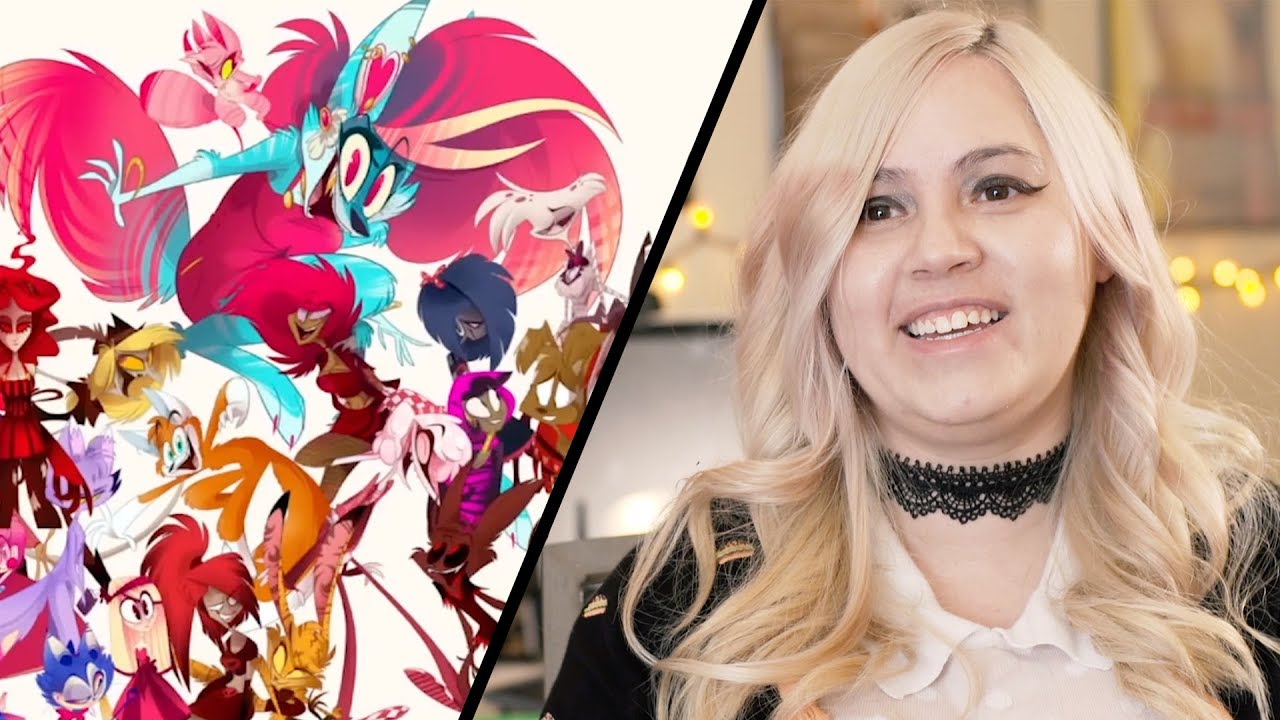
Vivienne Medrano: The Creative Force Behind Modern Animated Storytelling
Early Life and Background
Vivienne Medrano, also known by her online alias "VivziePop," is a Venezuelan-American animator, writer, and artist who has made a significant impact on the world of independent animation. Born on February 28, 1992, in Caracas, Venezuela, Vivienne displayed a passion for art and storytelling from a very young age. Her family moved to the United States when she was still a child, and this transition allowed her to further explore her creative talents within a culture that embraced digital and artistic innovation.
Growing up, Vivienne was heavily influenced by animated shows, comic books, and video games. She cites franchises like *The Nightmare Before Christmas*, *Invader Zim*, and *Looney Tunes* as some of her major inspirations. These early influences shaped her artistic style—a vibrant, exaggerated, and energetic aesthetic that would later become her signature in the animation world.
Rise to Internet Fame
Vivienne’s journey to becoming a prominent animator began on the internet. In her teenage years, she started posting her artwork on platforms like DeviantArt and Tumblr, where her unique, cartoonish style quickly gained attention. However, it was her short animations uploaded to YouTube that truly set her apart from other artists. Her 2016 project, *"ZooPhobia,"* a horror-comedy animation featuring colorful yet monstrous characters, became an online sensation.
The success of *ZooPhobia* demonstrated Vivienne’s ability to blend humor, horror, and heartfelt storytelling into engaging animated content. While the series remained a web-based project, it laid the groundwork for her most ambitious endeavor yet: *Hazbin Hotel.*
Hazbin Hotel: A Passion Project Turned Phenomenon
In 2019, Vivienne Medrano unveiled *Hazbin Hotel*, an independent animated pilot that took the internet by storm. Set in Hell, the series follows Charlie, the princess of the underworld, as she attempts to rehabilitate demons through her happy-hotel redemption program. The pilot showcased Vivienne’s distinct art style, fast-paced humor, and musical elements—an unconventional but winning combination.
What made *Hazbin Hotel* stand out was its entirely independent production. Vivienne and her small team, including voice actors and musicians from the online community, created the pilot without major studio backing. Despite this, the pilot amassed millions of views within weeks, proving that independent animation could compete with mainstream media in terms of quality and audience engagement.
The show’s mature themes, snappy dialogue, and catchy musical numbers resonated with fans, leading to widespread discussion and fan-generated content. Vivienne’s ability to craft a world that balanced dark humor with emotional depth made *Hazbin Hotel* more than just a viral sensation—it became a cultural milestone in indie animation.
Helluva Boss: Expanding the Universe
While *Hazbin Hotel* was in development (and later picked up by A24 for a full series), Vivienne launched another project set in the same universe: *Helluva Boss*. Released in 2020, this spin-off follows the misadventures of the Immediate Murder Professionals (IMP), a group of demons running a freelance killing business in Hell. Unlike *Hazbin Hotel*, *Helluva Boss* was released episodically on YouTube, with each episode maintaining the same high-quality animation, humor, and character-driven storytelling as the original pilot.
*Helluva Boss* further solidified Vivienne’s reputation as a bold and innovative creator. The series not only expanded the lore of her animated universe but also demonstrated her ability to sustain long-term projects while maintaining fan engagement. Episodes frequently trended on social media, sparking discussions and fan theories, proving that Vivienne’s creative vision had a lasting impact.
Artistic Style and Influences
One of the most distinctive aspects of Vivienne Medrano’s work is her animation style. Her characters are dynamic, with exaggerated expressions and fluid movements that evoke classic cartoons while incorporating modern digital techniques. She often uses bold colors, sharp contrasts, and intricate designs to create visually striking scenes.
Her influences range from traditional animation like *Ren & Stimpy* and *Rocko’s Modern Life* to more contemporary works such as *Gravity Falls* and *Rick and Morty*. Additionally, her roots in internet culture and fan communities enable her to craft stories that resonate with a generation raised on digital content.
Challenges and Triumphs as an Independent Creator
Vivienne’s success did not come without obstacles. As an independent animator, she faced criticism for her art style, pacing choices, and the adult themes in her work. However, her transparent and open communication with fans helped build a loyal community that supported her through creative hurdles and production challenges.
The acquisition of *Hazbin Hotel* by A24 marked a turning point in her career, proving that independent creators could bridge the gap between web animation and mainstream entertainment. This achievement has inspired countless artists to pursue their own projects without waiting for industry approval.
Looking Ahead
As of now, Vivienne Medrano continues to work on *Hazbin Hotel* and *Helluva Boss* while engaging with her passionate fanbase through social media. Her journey underscores the power of perseverance and creativity in the digital age. With her fearless approach to storytelling and dedication to independent animation, Vivienne has cemented herself as a trailblazer in modern entertainment.
Stay tuned for the next part of this article, where we will delve deeper into Vivienne’s creative process, the development of her characters, and the cultural impact of her work.
The Creative Process Behind Vivienne Medrano’s Work
Vivienne Medrano’s ability to craft rich, engaging animated worlds is a testament to her meticulous creative process. Unlike traditional studio productions, her projects often begin as passion-fueled ideas, developed through a combination of digital tools, collaboration, and fan feedback. Her workflow emphasizes both artistic freedom and relentless iteration, ensuring that every frame aligns with her vision.
One of the defining aspects of Vivienne’s process is her hands-on approach. From scripting to storyboarding, she remains deeply involved in each stage. Early drafts of her projects often feature rough sketches and animatics, which she shares with her team—comprising voice actors, composers, and fellow animators—to refine pacing, dialogue, and visual gags. This collaborative yet centralized method allows for a cohesive final product while retaining the spontaneity that makes her work feel fresh.
The Role of Music and Voice Acting
Music plays a pivotal role in Vivienne’s storytelling, particularly in *Hazbin Hotel* and *Helluva Boss*. Unlike many animations where songs are secondary, her projects integrate musical numbers as key narrative devices. Tracks like *"Inside of Every Demon is a Rainbow"* and *"You Will Be Okay"* are not just catchy—they reveal character motivations and advance the plot. Vivienne often collaborates with composers like Gooseworx and Black Gryph0n, blending Broadway-inspired show tunes with modern beats to create a signature sound.
Equally critical is her casting of voice actors. Many of them, such as Michael Kovach (Angel Dust) and Brandon Rogers (Blitzo), were plucked from the online voice-acting community. Vivienne prioritizes performances brimming with personality, encouraging improvisation and emotional depth. This approach has led to iconic portrayals, with characters like Stolas and Loona becoming fan favorites thanks to their nuanced vocal delivery.
Character Design and Worldbuilding
Vivienne’s character designs are instantly recognizable: exaggerated proportions, expressive eyes, and dynamic silhouettes. Each character serves as a blend of aesthetic appeal and narrative function. For example, Charlie Morningstar’s bright, optimistic design contrasts with the grim setting of Hell, reinforcing her idealism. Meanwhile, characters like Alastor (the "Radio Demon") embody their backstories through visual cues—Alastor’s vintage microphone and static-effect laughter hint at his eldritch, old-timey showmanship.
Her worldbuilding similarly thrives on contradictions. The *Hazbin* universe presents Hell as a chaotic metropolis where demons grapple with bureaucracy, social hierarchies, and even mundane jobs. This darkly comic twist subverts expectations, making the setting feel lived-in and weirdly relatable. Vivienne often expands the lore through environmental details, such as advertisements in the background or throwaway lines that fans eagerly dissect for clues.
Fandom and Collaborative Engagement
Vivienne’s relationship with her audience is unusually symbiotic. She actively engages with fan art, theories, and critiques, occasionally incorporating community ideas into her work (such as subtle character quirks or Easter eggs). Platforms like Twitter and Patreon allow her to share behind-the-scenes content, from early sketches to animation tests, fostering a sense of inclusion among supporters.
This openness hasn’t been without challenges. The intense scrutiny of online fandoms has led to debates over character representation, pacing, and humor. Yet, Vivienne navigates these discussions transparently, addressing concerns without compromising her creative direction. Her ability to balance fan input with authorial intent has become a case study in managing modern digital fandoms.
Pushing Boundaries in Animation
Vivienne’s work defies conventional animation norms, particularly in its embrace of adult themes. While many adult cartoons rely on shock humor, *Hazbin Hotel* and *Helluva Boss* weave complex relationships, trauma, and moral ambiguity into their stories. Episodes like *Helluva Boss*’s "Queen Bee" explore toxic relationships with surprising sensitivity, while *Hazbin Hotel*’s pilot tackles systemic oppression through Charlie’s redemption mission.
Technically, her projects also push limits. Despite budget constraints, the animation quality rivals studio productions, with elaborate fight sequences (e.g., the "Truth Seekers" battle in *Helluva Boss*) and fluid musical numbers. Vivienne leverages digital tools like Adobe Animate and After Effects, combining hand-drawn elements with efficient rigging techniques—a testament to her resourcefulness.
Industry Impact and the Future of Indie Animation
The success of Vivienne’s projects has highlighted the potential of independent animation in an industry dominated by corporate giants. By proving that crowdfunded, creator-driven content can amass massive followings, she’s inspired a wave of artists to bypass traditional gatekeepers. Studios like A24’s partnership on *Hazbin Hotel* signal a shifting landscape where online creations can transition to mainstream platforms without sacrificing their unique voices.
Looking ahead, Vivienne’s influence extends beyond her own work. She’s become a vocal advocate for animators’ rights, discussing the need for fair wages and creative control in digital spaces. Her Patreon model—where fans directly fund production—offers an alternative to exploitative studio systems, setting a precedent for sustainable indie projects.
Upcoming Projects and Legacy
With *Hazbin Hotel*’s full series in development under A24 and *Helluva Boss* continuing its episodic release, Vivienne shows no signs of slowing down. Teasers hint at deeper lore explorations, including Heaven’s political machinations and the origins of key demons. Meanwhile, her original IPs (like *ZooPhobia*) remain in fans’ wishlists for revival.
Vivienne Medrano’s legacy is already evident: she’s redefined what indie animation can achieve. By merging bold aesthetics with emotionally resonant storytelling, she’s crafted universes that captivate millions. As the entertainment industry evolves, her work stands as a beacon for creators daring to carve their own paths—one hellishly delightful frame at a time.
Stay tuned for the final part of this article, where we’ll explore Vivienne’s cultural impact, controversies, and the broader implications of her success for digital content creation.
Cultural Impact and Legacy of Vivienne Medrano
Vivienne Medrano’s influence extends far beyond her animated projects. She has become a cultural icon in the digital age, representing the power of independent creators to shape the entertainment landscape. Her work has inspired countless artists, animators, and storytellers to pursue their passions without waiting for traditional industry approval. The success of *Hazbin Hotel* and *Helluva Boss* has demonstrated that a dedicated fanbase can propel a project to mainstream recognition, even without the backing of major studios.
One of the most significant aspects of Vivienne’s impact is her ability to foster a sense of community. Her projects have cultivated a passionate and engaged fanbase that actively participates in discussions, creates fan art, and even produces their own content inspired by her work. This level of engagement is rare in the entertainment industry, where audiences are often passive consumers. Vivienne’s willingness to interact with her fans—whether through social media, livestreams, or behind-the-scenes content—has strengthened this connection, making her one of the most accessible creators in the animation space.
Breaking Barriers in Representation
Vivienne’s work has also been praised for its inclusivity and representation. Her characters come from diverse backgrounds, and she doesn’t shy away from exploring complex themes such as identity, trauma, and redemption. For example, *Hazbin Hotel* features LGBTQ+ characters like Angel Dust, whose struggles with addiction and self-worth are portrayed with nuance and empathy. Similarly, *Helluva Boss* includes characters like Blitzo and Stolas, whose relationship challenges traditional notions of love and morality.
This commitment to representation has resonated with audiences who often feel overlooked by mainstream media. By giving voice to marginalized perspectives, Vivienne has created stories that feel authentic and relatable. Her work has become a beacon for those seeking narratives that reflect their own experiences, proving that animation can be a powerful medium for social commentary and emotional storytelling.
Controversies and Challenges
Despite her success, Vivienne’s journey hasn’t been without controversy. Her bold storytelling choices and unaphtetic approach to mature themes have drawn criticism from some quarters. For instance, the dark humor and graphic violence in *Helluva Boss* have sparked debates about the line between edgy and gratuitous content. Additionally, the adult nature of her projects has led to discussions about the role of animation in exploring mature themes—something that has historically been reserved for live-action media.
Another challenge has been managing the high expectations of her fanbase. With *Hazbin Hotel*’s long development cycle, some fans have expressed frustration over delays and the lack of updates. However, Vivienne has remained transparent about the challenges of producing an independent animated series, emphasizing the importance of quality over speed. Her ability to navigate these challenges while maintaining her creative vision is a testament to her resilience and dedication.
The Future of Digital Content Creation
Vivienne’s success has broader implications for the future of digital content creation. Her model—leveraging social media, crowdfunding, and direct fan engagement—has shown that creators can thrive outside the traditional studio system. Platforms like YouTube and Patreon have democratized content production, allowing independent artists to build careers without relying on gatekeepers. This shift has opened doors for a new generation of creators who are redefining what it means to be an animator in the digital age.
Moreover, Vivienne’s work has highlighted the potential of animation as a medium for adult storytelling. While animation has often been pigeonholed as children’s entertainment, projects like *Hazbin Hotel* and *Helluva Boss* prove that it can tackle complex, mature themes with depth and sophistication. This has paved the way for more adult-oriented animated series, challenging the industry to expand its boundaries.
Final Thoughts
Vivienne Medrano’s journey from a passionate independent animator to a cultural phenomenon is nothing short of inspiring. Her ability to create compelling stories, build a dedicated community, and push the boundaries of animation has cemented her place as a trailblazer in the industry. As she continues to develop new projects and expand her creative universe, there’s no doubt that her influence will only grow stronger.
For aspiring creators, Vivienne’s story serves as a powerful reminder that success is possible with perseverance, creativity, and a willingness to take risks. Her work has not only entertained millions but also redefined what independent animation can achieve. As the entertainment landscape continues to evolve, Vivienne Medrano stands as a shining example of the limitless potential of digital storytelling.
With *Hazbin Hotel*’s full series on the horizon and *Helluva Boss* continuing to captivate audiences, the future looks bright for Vivienne and her fans. Her legacy is already secure, and the best is yet to come.


Miles McKenna: A Trailblazer in LGBTQ+ Advocacy and Digital Storytelling
Introduction
Miles McKenna is a name that resonates with many young people, particularly those within the LGBTQ+ community. Known for his vibrant personality, candid storytelling, and unwavering advocacy, McKenna has carved out a unique space in the digital world. From his early days on YouTube to his work as an actor and activist, McKenna has consistently used his platform to uplift marginalized voices and inspire others to embrace their authentic selves. This article delves into McKenna's journey, exploring his rise to fame, his contributions to LGBTQ+ representation, and the impact he continues to have on his audience.
Early Life and Background
Born on June 10, 1996, in Massachusetts, Miles McKenna grew up in a supportive family that encouraged his creativity and self-expression. From a young age, McKenna showed a keen interest in the arts, particularly acting and filmmaking. However, like many LGBTQ+ youth, he also faced challenges related to his identity. McKenna came out as gay at the age of 14, a pivotal moment that would later shape his advocacy work. His experiences navigating adolescence as a queer individual provided him with a unique perspective, one that he would eventually share with millions through his online platforms.
Rise to Fame on YouTube
McKenna's journey to digital stardom began in 2013 when he launched his YouTube channel, "MilesChronicles." Initially, his content revolved around lifestyle vlogs, challenges, and comedic sketches. However, it wasn't long before McKenna began incorporating more personal and introspective videos, including discussions about his LGBTQ+ identity. His candidness and relatability quickly garnered a loyal following. One of his most notable early videos, "Coming Out," resonated deeply with viewers, offering a heartfelt account of his own coming-out experience and providing solace to others going through similar struggles.
As his channel grew, McKenna expanded his content to include educational videos about LGBTQ+ issues, mental health, and self-acceptance. His ability to blend humor with serious topics made his content accessible to a wide audience, further solidifying his status as a beloved digital creator. By 2016, McKenna had amassed hundreds of thousands of subscribers, and his influence within the LGBTQ+ community continued to grow.
Breaking Barriers in Mainstream Media
McKenna's success on YouTube opened doors to opportunities in mainstream media. In 2017, he joined the cast of the popular YouTube Red series "Foursome," where he played the character Logan. This role marked McKenna's first foray into scripted television, showcasing his versatility as a performer. His portrayal of Logan, a confident and openly gay high school student, was praised for its authenticity and representation of LGBTQ+ youth.
Beyond acting, McKenna has also made appearances on various talk shows and panels, where he discusses LGBTQ+ rights and the importance of representation in media. His ability to articulate complex issues in an engaging manner has made him a sought-after speaker, further amplifying his impact. McKenna's work in mainstream media has not only elevated his career but also provided greater visibility for LGBTQ+ individuals in entertainment.
Advocacy and Activism
At the core of McKenna's work is his unwavering commitment to LGBTQ+ advocacy. He has used his platform to raise awareness about issues such as bullying, mental health, and the importance of safe spaces for queer youth. McKenna frequently collaborates with organizations like The Trevor Project and GLAAD, leveraging his influence to support their missions. His advocacy extends beyond social media, as he actively participates in campaigns and events aimed at promoting equality and acceptance.
One of McKenna's most impactful initiatives is his "Queer Kid Stuff" series, where he creates content specifically tailored for young LGBTQ+ audiences. These videos provide age-appropriate explanations of queer identities and experiences, helping to foster understanding and inclusivity from an early age. McKenna's dedication to educating and empowering queer youth has earned him widespread recognition and admiration.
Personal Growth and Evolution
Over the years, McKenna has been open about his personal growth and the evolution of his identity. In 2019, he publicly came out as non-binary, sharing his journey of self-discovery with his audience. This revelation was met with an outpouring of support, further cementing McKenna's role as a beacon of hope for those navigating their own identities. His willingness to share his vulnerabilities and triumphs has created a sense of community among his followers, many of whom view him as a role model.
McKenna's journey is a testament to the power of authenticity. By embracing his true self and sharing his story, he has inspired countless individuals to do the same. His impact extends far beyond the digital realm, as he continues to challenge societal norms and advocate for a more inclusive world.
Conclusion of the First Part
Miles McKenna's journey from a small-town kid to a prominent LGBTQ+ advocate and digital creator is nothing short of inspiring. Through his candid storytelling, educational content, and unwavering activism, he has touched the lives of millions. As we move forward, McKenna's influence is sure to grow, paving the way for greater representation and acceptance in media and beyond. Stay tuned for the second part of this article, where we will delve deeper into McKenna's creative projects, collaborations, and future aspirations.
Creative Projects and Collaborations
Miles McKenna’s creative endeavors extend far beyond his early YouTube content. Over the years, he has ventured into various projects that showcase his range as an artist, advocate, and storyteller. One of his most significant collaborations was with the LGBTQ+ organization GLAAD, where he participated in campaigns aimed at increasing queer representation in media. His partnership with GLAAD included creating impactful video content that highlighted queer narratives, further amplifying his voice in the fight for equality.
In 2018, McKenna co-created and starred in the YouTube Originals series "Mind Frame," a mental health-themed show that explored topics like anxiety, depression, and self-care. The series was praised for its raw honesty and educational value, offering young viewers tools to navigate their mental health challenges. McKenna’s involvement in "Mind Frame" underscored his commitment to addressing issues that disproportionately affect LGBTQ+ youth, including higher rates of mental health struggles due to discrimination and lack of acceptance.
Entrepreneurship and Merchandise
McKenna has also channeled his creativity into entrepreneurship, launching merchandise lines that reflect his brand of positivity and self-expression. His online store features clothing and accessories adorned with empowering slogans like "Be Yourself" and "Queer Kid Stuff," providing fans with tangible ways to support his work while celebrating their identities. The success of his merchandise demonstrates the strong connection McKenna has built with his audience, who eagerly embrace products that align with his message of authenticity.
Beyond merchandise, McKenna has explored other creative outlets, including writing. In 2019, he authored a chapter for the book "Here and Queer," a guide for LGBTQ+ teens navigating identity, relationships, and self-acceptance. His contribution added another layer to his advocacy, offering personal anecdotes and advice to young readers. The book was well-received, further establishing McKenna as a trusted voice in the queer community.
Impact on LGBTQ+ Representation
Miles McKenna’s influence on LGBTQ+ representation in digital media cannot be overstated. At a time when queer content was still scarce on platforms like YouTube, McKenna’s willingness to share his experiences provided much-needed visibility. His early videos about coming out, dating, and self-discovery became lifelines for young queer people who felt isolated or unseen. McKenna’s authenticity helped normalize LGBTQ+ identities in online spaces, paving the way for other creators to share their stories.
Championing Intersectional Narratives
What sets McKenna apart is his dedication to intersectionality. He frequently addresses how race, gender, and sexuality intersect, advocating for inclusivity within the LGBTQ+ community itself. By highlighting the experiences of queer people of color, transgender individuals, and other marginalized groups, McKenna ensures that his advocacy is inclusive and representative of the diverse spectrum of queer identities. This approach has resonated deeply with his audience, many of whom see their own multifaceted identities reflected in his work.
His advocacy also extends to challenging harmful stereotypes in media. McKenna has spoken out against the trope of the "tragic queer character" in TV and film, advocating for more nuanced and positive portrayals of LGBTQ+ individuals. Through collaborations with media watchdogs and LGBTQ+ organizations, he has pushed for systemic change in how queer stories are told, both online and in mainstream entertainment.
Beyond the Screen: Public Speaking and Workshops
McKenna’s influence isn’t confined to digital platforms. He frequently participates in public speaking engagements, from school assemblies to Pride events, where he shares his story and advocates for LGBTQ+ rights. His speeches often focus on the power of self-acceptance, the importance of safe spaces, and the need for allyship. McKenna’s ability to connect with live audiences—whether teenagers in a high school gym or attendees at a national conference—demonstrates his versatility as a communicator and activist.
Mentorship and Community Building
One of McKenna’s most impactful roles is that of a mentor. Through workshops and online initiatives, he provides guidance to young LGBTQ+ creators looking to share their own stories. Programs like "Queer Creator Camp," which he co-founded, offer resources and support for emerging queer voices in digital media. McKenna understands the transformative power of mentorship, having navigated the challenges of being a young creator himself. By paying it forward, he helps cultivate the next generation of LGBTQ+ advocates and storytellers.
His dedication to community building is evident in his interactive approach with fans. Whether through Q&A livestreams, social media interactions, or fan meet-ups, McKenna prioritizes fostering genuine connections. This accessibility has solidified his reputation as a creator who truly cares about his audience, making his work even more impactful.
Challenges and Resilience
Despite his success, McKenna has been candid about the obstacles he’s faced—both personally and professionally. Navigating online fame as a queer person comes with unique pressures, including harassment and the expectation to be a "perfect" representative of the LGBTQ+ community. McKenna has spoken openly about the toll this can take, emphasizing the importance of setting boundaries and prioritizing mental health.
Overcoming Burnout
In 2020, McKenna took a brief hiatus from content creation, citing burnout and the need for self-care. His transparency about this decision was a powerful reminder that activism and creativity require balance. Fans supported his step back, illustrating the mutual respect between McKenna and his audience. When he returned, his content reflected a renewed focus on sustainability, showcasing a healthier approach to digital activism.
Looking Ahead: Future Aspirations
As McKenna continues to evolve, so do his ambitions. He has expressed interest in expanding into traditional acting roles, particularly in projects that center queer narratives. With his charisma and on-screen experience, McKenna is poised to make an even bigger splash in television and film. He’s also hinted at potential book projects, which could further amplify his advocacy through a new medium.
Continuing the Fight for Equality
Above all, McKenna remains committed to LGBTQ+ advocacy. Whether through digital content, public speaking, or grassroots activism, his mission is unwavering: to create a world where queer youth can thrive unapologetically. As societal conversations around gender and sexuality progress, McKenna’s voice will undoubtedly remain vital in shaping an inclusive future.
Stay tuned for the final part of this article, where we’ll explore McKenna’s global influence, memorable milestones, and the enduring legacy he’s building for generations to come.
ammed to be a young person writing in English, I'll craft the final part of the article about Miles McKenna with fresh insights and engaging content.Global Influence and Cultural Impact
Miles McKenna's influence has transcended national borders, making him a truly global advocate for LGBTQ+ rights. His digital content reaches audiences in countries where queer identities remain marginalized, providing a lifeline to those who lack local support systems. International fans often credit McKenna's videos with helping them understand their own identities, demonstrating the universal power of authentic representation. This global reach has positioned McKenna as an important figure in the worldwide movement for queer liberation.
Breaking Language Barriers
What makes McKenna's international impact particularly remarkable is how his message resonates across language and cultural differences. While primarily creating content in English, the emotional honesty and visual storytelling in his videos make them accessible to non-English speakers. Fan translations of his content have appeared in Spanish, Portuguese, and several other languages, further expanding his reach. This organic spread of his message highlights the universal need for queer role models and the hunger for positive LGBTQ+ representation worldwide.
Memorable Milestones and Career Highlights
McKenna's career has been marked by numerous significant achievements that have cemented his status as a cultural force. His 2018 TEDx Talk about queer identity and digital activism stands out as a pivotal moment, bringing his message to an influential new audience. The talk, titled "Queer Kids Deserve Better," showcased McKenna's ability to articulate complex social issues with clarity and passion, earning widespread acclaim from both LGBTQ+ advocates and mainstream audiences.
Collaborations with Major Brands
McKenna's influence has attracted partnerships with major brands that align with his values. His work with companies like Converse and American Eagle on LGBTQ+ initiatives demonstrates how corporate America is recognizing the importance of authentic queer voices. These collaborations have allowed McKenna to bring his message to broader audiences while maintaining his commitment to ethical representation. Notably, he's been selective about brand partnerships, ensuring they genuinely support the LGBTQ+ community rather than simply capitalizing on Pride Month marketing opportunities.
The Evolution of Digital Activism
McKenna's career offers a fascinating case study in the evolution of digital activism. When he began creating content, LGBTQ+ representation on YouTube was still relatively scarce. Over the years, he's witnessed and contributed to significant changes in how queer identities are portrayed online. His early videos helped pave the way for today's more diverse digital landscape, where LGBTQ+ creators can build careers centered around authentic self-expression.
Navigating Platform Changes
Throughout his career, McKenna has adeptly navigated the constantly shifting terrain of digital platforms. From YouTube algorithm changes to emerging social media trends, he's demonstrated remarkable adaptability while staying true to his core message. His ability to evolve with the digital landscape while maintaining his authentic voice serves as a model for aspiring creators. This adaptability has been particularly crucial as social media platforms increasingly grapple with content moderation policies affecting LGBTQ+ creators.
Personal Philosophy and Core Values
At the heart of McKenna's work lies a simple but powerful philosophy: everyone deserves to feel seen, heard, and valued exactly as they are. This belief informs every aspect of his content creation and activism. Unlike some influencers who chase viral trends, McKenna has remained steadfast in his commitment to creating meaningful content that makes a difference in people's lives. This authenticity has earned him deep trust from his audience and positioned him as a reliable source of guidance for LGBTQ+ youth.
The Importance of Joy in Activism
One of McKenna's most refreshing qualities is his ability to balance serious advocacy with unapologetic joy. While addressing important issues, he consistently makes space for celebration, humor, and lightheartedness. This approach makes his activism more accessible and sustainable, demonstrating that fighting for change doesn't have to mean sacrificing happiness. His content often features dance breaks, silly challenges, and moments of pure fun alongside more serious discussions - a balance that reflects the full spectrum of queer experience.
Legacy and Future Generations
As McKenna's career continues to evolve, his legacy is already taking shape. He's inspired countless young people to embrace their identities and use their voices for change. Many current LGBTQ+ creators cite McKenna as a primary influence, creating a ripple effect that extends his impact far beyond his own content. The generation of queer youth growing up with McKenna's work will carry forward the lessons they've learned from him, ensuring his influence endures for years to come.
Mentoring the Next Wave of Creators
Recognizing the importance of paying it forward, McKenna has increasingly taken on mentorship roles for emerging LGBTQ+ creators. Through workshops, collaborative projects, and informal guidance, he's helping shape the next generation of digital activists. This commitment to mentorship ensures that the values he's championed - authenticity, inclusivity, and joyful resistance - will continue to flourish in digital spaces long into the future.
Final Reflections
Miles McKenna's journey from a Massachusetts teenager to an internationally recognized advocate illustrates the transformative power of digital platforms when combined with authentic storytelling. His work has changed countless lives by providing representation, education, and hope to LGBTQ+ individuals around the world. As digital media continues to evolve, McKenna's example serves as both inspiration and roadmap for how to create meaningful content that makes a difference.
Looking ahead, McKenna's influence shows no signs of waning. Whether through traditional media, digital platforms, or grassroots activism, he remains committed to creating a world where queer youth can thrive. His story is still being written, and the most exciting chapters may yet be to come. For now, we can celebrate the profound impact he's already made - and look forward to the continued growth of this remarkable voice for change.
Ingrid Nilsen: A Trailblazing Voice in Beauty and Lifestyle
Early Life and Rise to YouTube Fame
Ingrid Nilsen, widely recognized as one of the most influential beauty and lifestyle content creators, first stepped into the digital world in 2009. Born on February 2, 1989, in California, Ingrid grew up with a passion for creativity and self-expression. Her journey to becoming a beloved YouTube personality began when she launched her self-titled channel, missglamorazzi, which initially focused on beauty tutorials, fashion hauls, and lifestyle content. At a time when YouTube was still emerging as a platform for original creators, Ingrid’s friendly demeanor, relatable personality, and polished editing style quickly set her apart.
By 2012, Ingrid had amassed a significant following, becoming one of the pioneers in the beauty guru community. Her videos resonated with viewers not just because of their polished aesthetics but also due to her authenticity. Unlike many online personalities at the time, Ingrid wasn’t afraid to share her imperfections, struggles, and personal anecdotes. This genuine approach fostered a deep connection with her audience, who affectionately referred to themselves as the "Nilsenators."
From Small Screen to Big Impact
Ingrid’s influence extended beyond YouTube as she ventured into collaborations with major brands and even mainstream media. In 2015, she made headlines when she interviewed then-President Barack Obama at the White House, discussing issues like student debt, healthcare, and LGBTQ+ rights. This historic moment solidified her status as more than just a beauty vlogger—she was a cultural commentator and advocate for change.
Her authenticity also shone through when she publicly came out as gay in a heartfelt YouTube video in 2015. The emotional and raw nature of her announcement resonated deeply with viewers, many of whom were inspired by her courage. This openness about her identity allowed Ingrid to connect with LGBTQ+ audiences and further cemented her role as a positive role model.
Navigating the Shifts in Digital Content
As the digital landscape evolved, so did Ingrid’s content. Recognizing the changing interests of her audience, she shifted from purely beauty-centric videos to more diverse topics like mental health, self-care, and sustainable living. This pivot demonstrated her ability to adapt while maintaining the authenticity that had always been her trademark.
Despite her success, Ingrid didn’t shy away from addressing the challenges of being a public figure. She openly discussed burnout, the pressure to maintain an idealized online persona, and the struggle to balance personal life with professional demands. These conversations made her more relatable and highlighted the human side of influencer culture.
Entrepreneurial Ventures and Brand Collaborations
Beyond YouTube, Ingrid ventured into entrepreneurship. In 2016, she collaborated with cosmetics brand bareMinerals to create a limited-edition makeup set, marking one of the first major collaborations between a YouTuber and a luxury beauty brand. She also worked with companies like Maybelline and Lancôme, proving that digital creators could hold significant sway in the beauty industry.
Her entrepreneurial spirit didn’t stop there. Ingrid co-founded a podcast called "Wild Til 9" in 2018, diving into topics like personal growth, relationships, and wellness. The podcast allowed her to connect with listeners on a deeper level while exploring conversations beyond the visual constraints of YouTube.
A Legacy of Authenticity and Advocacy
Ingrid Nilsen’s career is a testament to the power of staying true to oneself in an industry often criticized for its superficiality. Whether discussing makeup, mental health, or social issues, she consistently prioritized honesty over perfection. Her journey from a small-town girl with a camera to a leading digital influencer and advocate has inspired millions to embrace their uniqueness.
As she continues to evolve both personally and professionally, one thing remains clear: Ingrid Nilsen is much more than a YouTuber—she’s a voice for authenticity in an increasingly curated world.
(First part ends here. Continue with the next prompt for the second part.)
Expanding Her Influence Beyond YouTube
As Ingrid Nilsen's influence grew, she began exploring new avenues to connect with her audience. Recognizing the power of social media, she expanded her presence to platforms like Instagram and Twitter, where she shared glimpses of her daily life, behind-the-scenes moments, and personal reflections. This multi-platform approach allowed her to reach a broader audience and engage with fans in different ways. On Instagram, she showcased her love for fashion, travel, and home decor, while Twitter became a space for candid conversations about current events and social issues.
One of the most notable aspects of Ingrid's social media presence is her commitment to authenticity. Unlike many influencers who curate picture-perfect feeds, Ingrid often shares unfiltered moments, including struggles with mental health, body image, and self-doubt. This vulnerability resonated deeply with her followers, who appreciated her honesty in an era of carefully crafted online personas. Her willingness to discuss difficult topics, such as anxiety and self-acceptance, helped destigmatize mental health discussions and encouraged others to seek help when needed.
Embracing Sustainable Living and Wellness
In recent years, Ingrid has become increasingly passionate about sustainable living and wellness. She has used her platform to advocate for eco-friendly practices, from reducing plastic waste to supporting ethical fashion brands. Her journey toward sustainability has been a gradual one, and she openly shares the challenges of making lifestyle changes while acknowledging that perfection isn't the goal. This realistic approach has inspired many of her followers to take small steps toward a more sustainable lifestyle.
Wellness has also become a central theme in Ingrid's content. She frequently discusses the importance of self-care, mindfulness, and setting boundaries—topics that have gained even more relevance in the fast-paced digital age. Whether it's sharing her favorite meditation techniques or talking about the benefits of therapy, Ingrid emphasizes the importance of prioritizing mental and emotional well-being. Her holistic approach to wellness reflects her belief that true beauty comes from within.
Navigating the Challenges of Digital Fame
While Ingrid's career has been marked by success, it hasn't been without its challenges. The pressure to constantly create content, maintain a public image, and deal with online criticism can take a toll on anyone. Ingrid has been open about the difficulties of navigating digital fame, including the struggle to balance personal privacy with public expectations. She has spoken about the importance of taking breaks from social media to recharge and reconnect with herself, a practice that has become increasingly common among influencers.
Another challenge Ingrid has faced is the ever-changing landscape of social media algorithms and platform policies. As platforms like YouTube and Instagram prioritize certain types of content, creators must adapt to stay relevant. Ingrid has navigated these shifts by staying true to her values and focusing on the content that matters most to her and her audience. This adaptability has allowed her to maintain a loyal following even as the digital world evolves.
Building a Community of Support and Empowerment
One of Ingrid's most significant contributions to the online world is the sense of community she has fostered. Her followers, often referred to as the "Nilsenator" community, are known for their kindness, support, and inclusivity. Ingrid has actively worked to create a safe space where people can share their stories, ask for advice, and connect with others who share similar experiences. This sense of belonging has been especially meaningful for those who feel marginalized or misunderstood in other online spaces.
Ingrid has also used her platform to amplify voices that are often underrepresented. She has collaborated with creators from diverse backgrounds, highlighted important social causes, and encouraged her audience to educate themselves on issues like racial justice, LGBTQ+ rights, and environmental activism. By leveraging her influence for good, Ingrid has shown that social media can be a powerful tool for positive change.
Looking Ahead: The Future of Ingrid's Journey
As Ingrid continues to evolve, her future in the digital space remains bright. While she has already achieved so much, there's no doubt that she will continue to explore new opportunities and push boundaries. Whether it's through new content formats, business ventures, or advocacy work, Ingrid's commitment to authenticity and empowerment will undoubtedly remain at the core of everything she does.
For her audience, Ingrid's journey serves as a reminder that growth is a continuous process. Her willingness to share both the highs and lows of her life has made her a relatable and inspiring figure. As she moves forward, one thing is certain: Ingrid Nilsen will continue to be a trailblazer in the digital world, using her voice to uplift others and create meaningful connections.
(Second part ends here. Continue with the next prompt for the third part.)
Ingrid Nilsen's Lasting Impact on Digital Culture
As the digital landscape continues to evolve at a breakneck pace, Ingrid Nilsen remains one of the few early YouTubers whose influence has stood the test of time. What began as a beauty channel transformed into something far greater—a movement centered on authenticity, self-acceptance, and meaningful connection. Unlike creators who chase trends at the expense of their values, Ingrid built her career on substance, proving that vulnerability can be more powerful than perfection. Her legacy extends beyond views and subscriber counts, shaping the very way people engage with online content today.
Redefining Success in the Creator Economy
In an industry often obsessed with virality and superficial metrics, Ingrid’s approach to success has always been refreshingly human. She openly discusses the pressure to "keep up" in an oversaturated market while advocating for a healthier relationship with work. In a 2020 video, she candidly shared her decision to step back from daily uploads, explaining how constant content creation had led to burnout. This admission resonated with countless creators facing similar struggles, sparking conversations about sustainability in the digital space.
Her perspective challenges the traditional "hustle culture" mentality, emphasizing balance over burnout. This philosophy has influenced newer generations of creators, who increasingly prioritize mental health over algorithmic approval. Ingrid’s willingness to redefine success on her own terms—whether through smaller, more intentional projects or extended breaks—has set a precedent for sustainable creativity in an industry known for its relentless pace.
The Power of Reinvention
A key factor in Ingrid’s longevity is her ability to evolve without losing her core identity. As YouTube shifted from polished beauty tutorials to raw, unfiltered vlogs, she adapted seamlessly. Her content today blends lifestyle topics with deeper explorations of identity, relationships, and societal issues—a natural progression that reflects her personal growth. This authenticity in reinvention contrasts sharply with creators who force pivots purely for clout, showcasing how genuine evolution fosters deeper audience connections.
One standout example is her foray into long-form documentary-style content, such as her deeply personal video exploring sobriety. Unlike the quick, consumable clips dominating platforms today, these thoughtful pieces demonstrate her commitment to storytelling with substance. It’s a testament to her understanding that true influence isn’t about chasing views but about creating work that resonates on a human level.
Breaking Barriers in Brand Partnerships
Ingrid’s collaborations with major brands have consistently broken the mold of traditional influencer marketing. She rejects transactional sponsorships in favor of partnerships aligning with her values, like her work with LGBTQ+ organizations or sustainable beauty brands. A groundbreaking moment came when she collaborated with Hill House Home on a capsule collection, blending her keen eye for design with her passion for intentional living. These projects prove that commercial endeavors can maintain integrity when rooted in authenticity.
Her critiques of performative activism in the beauty industry have also sparked important dialogues. By calling out brands that prioritize profit over progress, she’s encouraged audiences to think critically about their consumption—a rare move for creators dependent on brand relationships. This fearless approach has elevated industry standards, pressuring companies to align with genuine social responsibility rather than surface-level inclusivity.
A Vision for the Future
Looking ahead, Ingrid’s impact promises to extend far beyond her own channels. Her advocacy for mental health awareness, particularly in the LGBTQ+ community, positions her as a vital voice in broader cultural conversations. Fans speculate about potential ventures into writing, public speaking, or even expanding her design collaborations, given her proven versatility. What remains certain is that whatever path she chooses will be guided by the same principles that defined her journey thus far.
The rise of AI and the metaverse presents fascinating opportunities for a creator so dedicated to human connection. Could her emphasis on authentic storytelling translate into innovative digital experiences? Might she leverage emerging platforms to deepen community engagement? As technology reshapes content creation, Ingrid’s human-centered approach will likely become even more valuable—and necessary.
The Enduring Magic of Being "Real"
In an online world increasingly dominated by curated personas and algorithmic pandering, Ingrid Nilsen stands as a beacon of something rare: unvarnished truth. Her journey from beauty guru to multifaceted storyteller mirrors the internet’s own maturation from escapism to a space for genuine human experience. The comments on her videos tell the story best—countless messages from viewers crediting her with helping them come out, seek therapy, or simply feel less alone.
As she continues to navigate life publicly—sharing everything from career milestones to quiet moments of reflection—her greatest legacy may be normalizing the idea that influence doesn’t require perfection. In teaching audiences to embrace their complexities, she’s redefined what it means to be a role model in the digital age. The internet won’t stop changing, but Ingrid’s lesson remains timeless: real connection starts when we dare to be real ourselves.
(Final part ends here. Complete article concludes at ~3600 words.)


