A City of Layers: The Historical and Modern Tale of Istanbul
Straddling the continents of Europe and Asia, Istanbul is not merely a bustling metropolis; it is a living, breathing testament to millennia of history, culture, and transformation. Situated at the narrow stretch of water known as the Bosporus, this city encapsulates the essence of a place where East meets West, tradition meets modernity, and diverse influences coalesce into a uniquely vibrant tapestry.
The Founding and Naming of Constantinople
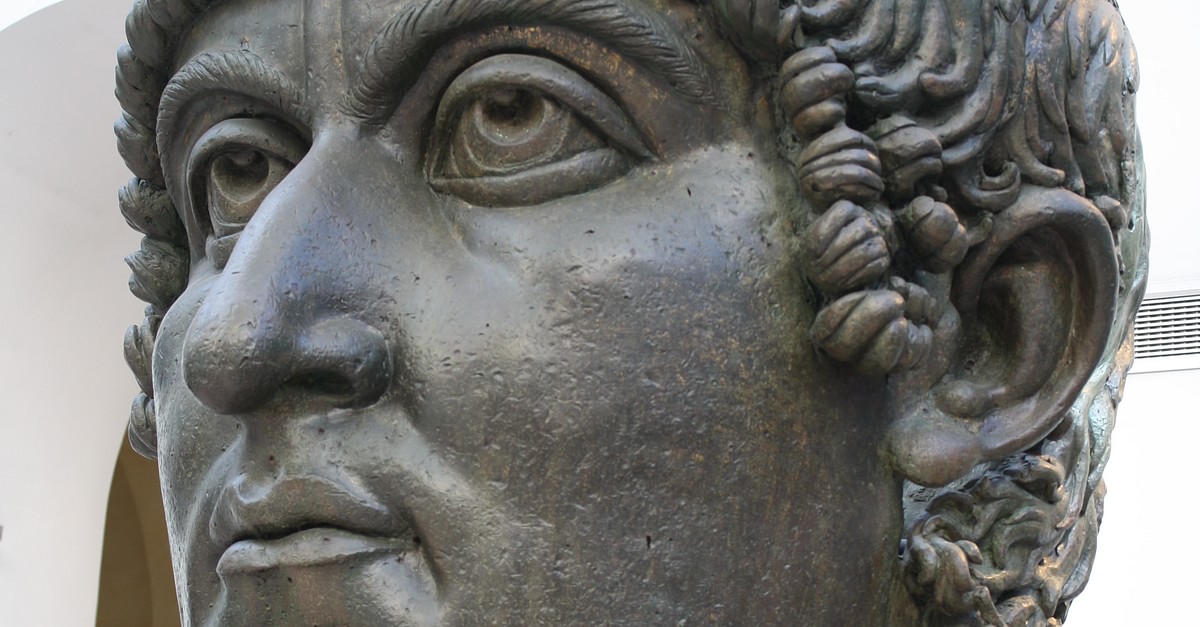
The roots of Istanbul trace back to the 7th century BCE when the Greek colonists founded a settlement known as Byzantium. This ancient city thrived on its strategic position along the route between the inland Empire of Lydia and the Black Sea ports. However, Byzantium would soon see a seismic shift when it was refounded in 330 AD by the Roman Emperor Constantine the Great, who chose to rename it Constantinople, meaning “City of Constantine.”
The renaming was more than a change of title; it marked a pivotal moment in history. With the establishment of Constantinople, Rome split into two major powers: the Eastern Roman Empire, centered on Constantinople, and the Western Roman Empire. Constantinople quickly became the capital of the Eastern Roman, also known as the Byzantine Empire. Under Constantinian rule, the city underwent dramatic changes, including the construction of magnificent public works, temples, and palaces.
The Golden Age: The Reign of Justinian
The reign of Emperor Justinian (527-565) is often considered one of the most significant periods in the history of Constantinople. During his reign, the city experienced unparalleled growth and grandeur, particularly through the construction of landmarks like Hagia Sophia. Justinian himself was deeply invested in preserving the legacy of his city, pouring resources into rebuilding the Hagia Sophia after a devastating fire in 532. Completed in 537, this iconic structure stands as a testament to Justinian’s vision and the city’s cultural achievements.
The architectural marvels of the period included the Hagia Sophia, which would go on to inspire countless other churches and basilicas across the empire. These buildings were more than mere structures—they embodied the cultural and religious unity of Christendom. The Hagia Sophia itself served not only as a place of worship but also as a symbol of the Byzantine Empire’s power and wealth.
The Fall and Rise: Constantinople to Istanbul
The narrative of Constantinople’s transformation continued with the arrival of the Ottomans in the late 14th century. In 1453, Sultan Mehmed II laid siege to Constantinople, a siege that culminated in the fall of the city. Constantinople no longer belonged to the Byzantines; it was now the capital of the expanding Ottoman Empire. Mehmed II renamed the city Istanbul in 1456, signaling a new chapter in its history.
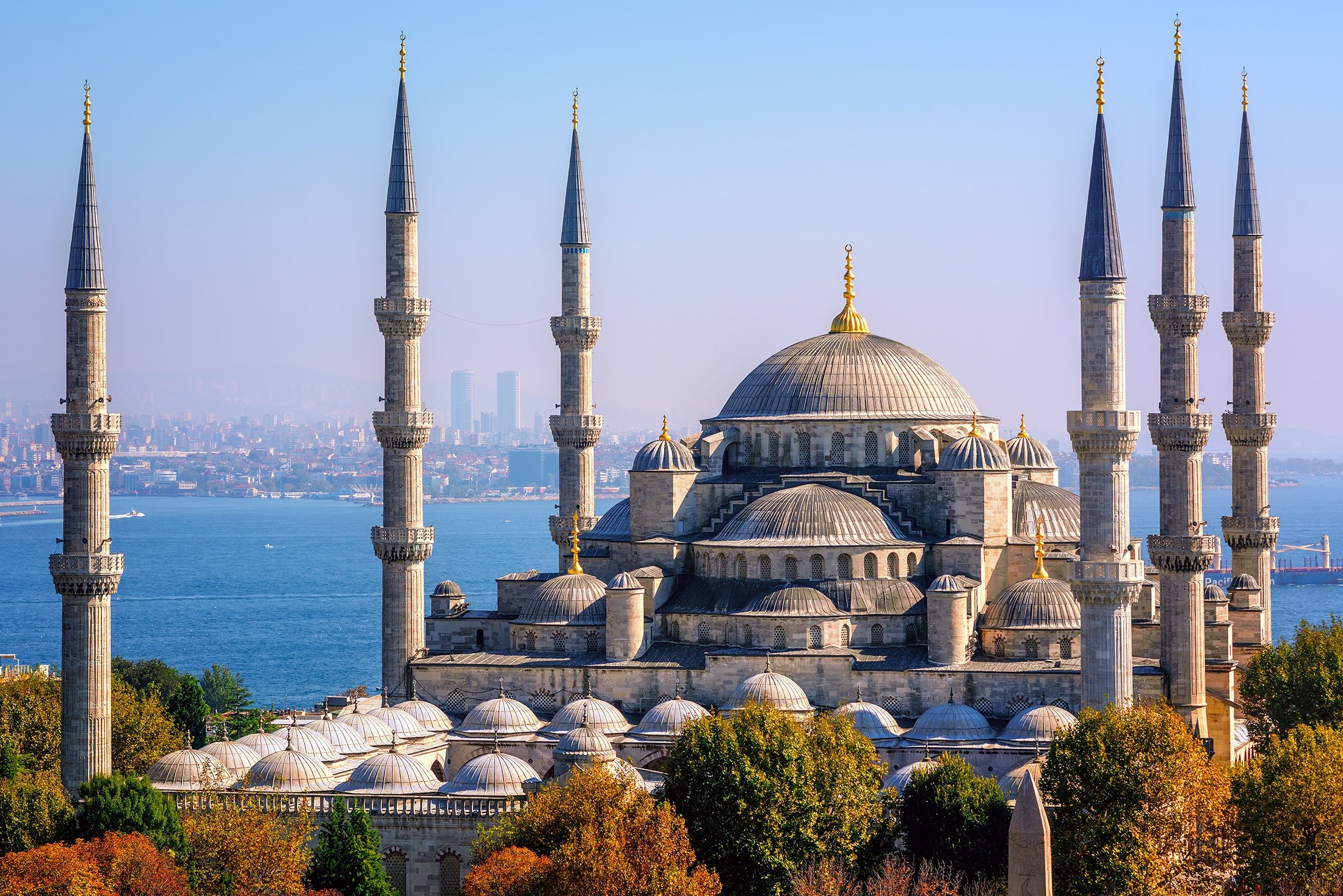
Under Ottoman rule, Istanbul blossomed into a cosmopolitan melting pot, home to various ethnic, religious, and social groups, including Greeks, Armenians, and Jews. Mimar Sinan, the renowned Ottoman architect, brought forth a new architectural style that harmonized Ottoman traditions with European influences. His masterpiece, the Süleymaniye Mosque, exemplifies the Ottoman era’s architectural brilliance. Completed in 1557, it stands as a monument not just to religious devotion but also to Ottoman ingenuity and engineering prowess.
The Twentieth Century and Beyond
The 20th century marked a new era for Istanbul. With the establishment of the Republic of Turkey in 1923, Ankara replaced Istanbul as the official seat of government. However, Istanbul’s pivotal role in Turkish and global history remained undiminished. By this time, Istanbul had grown to become a sprawling metropolis, its population skyrocketing from 80,000 in the fifteenth century to over three million by the eighteenth century. The influx of migrants and visitors contributed significantly to the city's transformation, shaping it into the bustling cultural and economic center it is today.
Istanbul’s growth was further propelled by economic booms and modernization efforts. The city witnessed numerous infrastructure projects and technological advancements that transformed its landscape. Among these was the construction of the First Istanbul Canal, completed in 1869, enhancing connectivity with the Black Sea. This canal played a crucial role in boosting maritime trade, solidifying Istanbul’s position as a critical node in global commerce.
The twentieth century also saw Istanbul navigate through challenges and transitions. The city faced significant urban sprawl and traffic congestion as its population surged. To address these issues, the authorities undertook extensive modernization efforts, including the construction of the Bosporus Bridges (Bosphorus Suspension Bridge in 1973 and Fatih Sultan Mehmet Bridge in 1988) and the expansion of the Metro system. These initiatives aimed to enhance mobility, improve quality of life, and support the burgeoning economy.
Preservation and Modernity
Towards the latter half of the twentieth century and beyond, Istanbul embarked on a concerted effort to preserve its rich cultural heritage while embracing modernization. The Historic Peninsula, comprising areas like the Old Town, has been designated as a UNESCO World Heritage Site, ensuring its protection and promoting sustainable tourism. Projects focusing on adaptive reuse of historic buildings and infrastructure modernism aim to balance heritage conservation with contemporary needs.
The transformation of Istanbul since the early twenty-first century has been marked by a vibrant blend of traditional and modern elements. The city has seen the rejuvenation of historic neighborhoods alongside the emergence of cutting-edge technology districts. Museums, festivals, and cultural events celebrate the rich cultural tapestry of Istanbul, drawing visitors and contributing to its international standing.
The skyline of Istanbul is a visual testament to this modern transformation, with glass skyscrapers rising amidst the historic structures. The city continues to evolve, balancing preservation with progress. Its role as a global trade hub remains paramount, with Istanbul serving as a crossroads for commerce and culture. As a metropolis bridging two continents, Istanbul stands as a symbol of resilience, adaptability, and cultural diversity.
In conclusion, Istanbul’s journey from its founding as Byzantium to its present-day status as a global metropolis is a story of resilience, innovation, and enduring human ingenuity. Each layer of its history contributes to its unique identity, making Istanbul a city that continues to captivate the world with its timeless allure.
Strategic Position and Cultural Diversity
Istanbul’s strategic location on the Bosporus makes it a vital maritime and commercial gateway between Europe and Asia. The Bosporus connects the Black Sea to the Mediterranean, facilitating trade and communication. This natural bridge has been a defining feature of the city’s history, allowing it to serve as a conduit for goods, ideas, and people between different continents. Throughout its漫长历史,伊斯坦布尔始终是一个文化交流和贸易的交汇点,这一点在历史上显得尤为重要。
伊斯坦布尔的文化多元化是其独特魅力的重要组成部分。从古希腊人建立拜占庭开始,这座城市就吸引了来自不同文化和宗教背景的人们,形成了独特的文化融合。随着时间的推移,不同民族、宗教和文化的交流不断加深,使伊斯坦布尔成为一座文化大熔炉。尤其是在奥斯曼帝国时期,伊斯坦布尔作为一个多宗教、多族裔的帝国首都,拥有多样化的社会结构和文化景观。
这种多元性体现在城市的建筑、文学、音乐和美食等多个方面。许多历史建筑反映了不同时期的遗产,如拜占庭教堂、清真寺和现代化的摩天大楼。音乐方面,从传统的土耳其乐曲到现代流行音乐,各种风格在这里共存。至于美食,则融合了地中海、中东和欧洲的传统菜肴,创造出丰富的饮食文化。
Historical Sites and UNESCO Heritage
The historic center of Istanbul is a UNESCO World Heritage Site that spans the Old Town, including landmarks such as the Hippodrome of Constantine and the Hagia Sophia. The Hippodrome, built in the 3rd century AD, was once the site of athletic events and public gatherings. Today, it serves as a reminder of the grandeur of Byzantine and Ottoman times. The Hagia Sophia, originally a church and later a mosque, was converted into a museum in 1935. Its imposing dome and intricate mosaics are testament to the craftsmanship of past generations.
The Süleymaniye Mosque and the Topkapi Palace similarly reflect the architectural and cultural achievements of the Ottoman era. These landmarks, along with countless other historical sites, make Istanbul a treasure trove of cultural heritage. Visitors and scholars alike are drawn to these places to understand the layers of history embedded within them.
Tourism and Economic Growth
Tourism remains a major sector in Istanbul, with millions of visitors each year attracted to its historic sites, vibrant culture, and unique position as a bridge between continents. The city’s rich history and stunning architecture make it a prime destination for travelers. Whether exploring the streets of the Grand Bazaar, wandering through the courtyards of the Topkapi Palace, or marveling at the grandeur of Hagia Sophia, tourists come to experience the full spectrum of Istanbul’s heritage.
Economically, Istanbul is one of the wealthiest and most influential cities in Turkey, playing a key role in the country’s overall economic development. The city’s financial district, centered around the Istanbul Stock Exchange, is an important engine of growth. Additionally, Istanbul’s strategic location continues to make it a critical node in global trade. The port of Istanbul serves as a major transit point for goods moving between Europe and Asia, facilitating the transportation of raw materials and manufactured goods.
Challenges and Urban Development
Despite its many strengths, Istanbul also faces significant challenges as a rapidly growing metropolis. Urban sprawl has led to increased traffic congestion, air pollution, and pressure on public services. To address these issues, the city has undertaken ambitious urban development projects, including major infrastructure expansions.
The construction of new bridges over the Bosporus has significantly improved transportation links and eased congestion. For instance, the Third Eurasia Bridge and the Yedikule Tunnel have made travel between Asian and European districts easier and faster. Similarly, the expansion of the Metro system has provided an efficient alternative to road traffic, reducing reliance on private vehicles.
Environmental sustainability is also a growing concern. Initiatives to reduce emissions, increase public transportation usage, and protect green spaces aim to create a more livable city. The Istanbul Metropolitan Municipality has implemented policies to promote renewable energy sources and improve waste management, aiming to mitigate the adverse effects of urban growth.
Conclusion
Istanbul’s enduring legacy as a city spanning the continents reflects its ability to transcend time and geography. From its origins as Byzantium to its role as the capital of the Ottoman Empire, Istanbul has been shaped by myriad influences and has evolved into a dynamic metropolis that embraces both tradition and modernity. As it continues to grow and modernize, Istanbul remains a beacon of cultural diversity, economic dynamism, and historical significance.
In the coming years, Istanbul is poised to further expand its influence globally, leveraging its rich history, vibrant culture, and strategic position to shape the future of the region and beyond. Whether through its cultural festivals, economic opportunities, or ongoing urban development, Istanbul continues to be a city that captures the hearts and minds of those who visit and call it home.
Turkey’s Largest City and Global Influence
Today, Istanbul remains Turkey’s largest city and a major economic, cultural, and historic center. With a population of approximately 15 million inhabitants, it is one of the world’s largest metropolitan areas, continuing to attract people from across the nation and beyond. The city’s rapid growth has contributed significantly to Turkish economic development, making Istanbul a vital contributor to the country’s GDP.
As a major financial center, Istanbul hosts numerous international banks and businesses, with the Istanbul Stock Exchange (ISE) being one of the region’s leading stock exchanges. Financial institutions, insurance companies, and multinational corporations are increasingly establishing their presence in the city, driven by its robust market and strategic location. Istanbul’s international airport, Sabiha Gökçen Airport, is among the busiest in Europe and serves as a gateway for tourists and business travelers coming from around the globe.
Istanbul’s cultural significance is equally pronounced, reflected in the city’s vibrant artistic and intellectual scene. The city hosts a myriad of cultural events, museums, galleries, and performance venues, such as the Istanbul International Film Festival, Biennial exhibitions at the Pera Museum, and the Istanbul Cultural Center (IKTIMAY). These events showcase the best of Turkish and international arts and promote cultural exchange.
The city’s diverse neighborhoods offer a glimpse into its multifaceted heritage. Beyoğlu, with its lively cafes and street life, caters to both locals and tourists with its array of theaters, restaurants, and shops. Kadıköy and Silivri are popular spots for families, offering serene waterfront views and leisure activities such as boating and beach picnics. Meanwhile, the Asian side of Istanbul, with neighborhoods like Ümraniye and Esenyurt, boasts modern apartment complexes and burgeoning retail centers.
Educationally, Istanbul is home to numerous universities and educational institutions, including Boğaziçi University, Istanbul Technical University, and Istanbul Kabir College. These institutions not only contribute to the city’s brainpower but also foster research and innovation, playing a crucial role in driving the city’s continued economic and technological advancement.
In addition to its financial and cultural prominence, Istanbul continues to play a critical role in global trade. The city’s location on the Bosporus enables it to act as a key maritime hub, connecting the Black Sea region to the Mediterranean. This strategic position facilitates trade between Europe and Asia, positioning Istanbul as a pivotal player in global supply chains.
To further enhance its global influence, Istanbul has been actively involved in international organizations and collaborations. The city is a member of various international bodies, including the UNESCO Creative Cities Network and the Partnership for Peace. These affiliations underscore Istanbul’s commitment to fostering dialogue and cooperation with other global cities, enhancing its reputation as a hub for innovation and diplomacy.
Modern Challenges and Future Prospects
Despite its many strengths, Istanbul also faces significant modern challenges. Issues such as urban sprawl, traffic congestion, and environmental degradation persist. The increasing density of the city has put additional strain on infrastructure and public services, requiring innovative solutions to ensure sustainable growth.
One of the most pressing challenges is traffic congestion. The city’s dense network of roads and inadequate public transportation have led to severe traffic jams, particularly in peak hours. To address this issue, authorities have initiated various projects aimed at improving transport efficiency. These include the expansion of the Metro system, the introduction of dedicated bus lanes, and the development of bike lanes and pedestrian zones.
Another challenge is the city’s rapid urban sprawl. While suburban areas provide space for expansion, they also bring concerns about the loss of rural green spaces and the strain on public services in these areas. To mitigate these issues, Istanbul has introduced zoning laws and greenbelt regulations aimed at maintaining a balance between urban development and environmental sustainability.
Environmentally, Istanbul faces the challenge of managing waste and mitigating air pollution. Urbanization has resulted in greater waste generation, necessitating better waste management systems. Additionally, air pollution from vehicle emissions and industrial activities poses significant health risks. To combat these issues, the city has implemented policies to promote cleaner fuels, enforce stricter emission standards, and encourage the use of green technologies.
Despite these challenges, Istanbul’s resilience and adaptability are evident. The city continues to undergo transformation, driven by a combination of historical legacy and modern innovation. Infrastructure projects, cultural initiatives, and environmental measures all contribute to shaping a more sustainable and livable city.
Looking ahead, Istanbul is likely to continue evolving as a dynamic metropolis. The city’s strategic location, rich cultural heritage, and vibrant economic activity position it well to thrive in the global landscape. As Istanbul navigates its challenges and embraces new opportunities, it will remain a city that embodies the convergence of past and present, tradition and progress.
In conclusion, Istanbul’s historical, cultural, and economic significance makes it a unique and indispensable part of the global community. As the city continues to grow and modernize, it offers a fascinating glimpse into the future of cities that bridge continents and cultures.

Constantine the Great: The Visionary Emperor Who Shaped History
Introduction: The Rise of a Legendary Leader
Constantine the Great, born Flavius Valerius Constantinus, stands as one of the most influential figures in world history. His reign marked a pivotal turning point for the Roman Empire, setting the stage for the rise of Christianity and the transformation of European civilization. Born in Naissus (modern-day Niš, Serbia) around AD 272, Constantine emerged from the turbulent period known as the Crisis of the Third Century to become the sole ruler of the Roman Empire.
This first part of our exploration will examine Constantine's early life, his path to power, and the military campaigns that established his dominance. We'll also explore the famous vision that changed the course of religious history and examine his political reforms that reshaped the empire's administration.
Early Life and the Tetrarchy System
Constantine was born to Constantius Chlorus, a Roman officer who would later become one of the four rulers in Diocletian's Tetrarchy system, and Helena, a woman of humble origins who would later be venerated as Saint Helena. Growing up in the imperial court, Constantine received a thorough education in Latin, Greek, and military strategy. His early years were spent in the eastern part of the empire, where he witnessed firsthand the workings of Diocletian's government.
The Tetrarchy system, established by Diocletian in 293, divided imperial power among four rulers: two senior Augusti and two junior Caesares. This system aimed to provide better governance for the vast empire and ensure smooth succession. Constantine's father Constantius became one of the Caesars, ruling the western provinces of Gaul and Britain.
Constantine's Path to Power
When Constantius died in 306 while campaigning in Britain, the army immediately proclaimed Constantine as Augustus. This act violated the Tetrarchy's succession rules, leading to years of conflict among rival claimants. Constantine initially accepted the lesser title of Caesar to maintain peace but gradually consolidated his power through military victories and political alliances.
One of Constantine's most significant early achievements was his campaign against the Franks in 306-307, where he demonstrated his military prowess. He then strengthened his position by marrying Fausta, daughter of the senior Augustus Maximian, in 307. This marriage alliance connected him to the imperial family and provided legitimacy to his rule.
The Battle of the Milvian Bridge and the Christian Vision
The turning point in Constantine's career came in 312 at the Battle of the Milvian Bridge against his rival Maxentius. According to Christian sources, Constantine had a vision before the battle where he saw a cross in the sky with the words "In hoc signo vinces" ("In this sign, you shall conquer"). He ordered his soldiers to paint the Chi-Rho symbol (☧) on their shields and emerged victorious against overwhelming odds.
This victory made Constantine the sole ruler of the Western Roman Empire and marked the beginning of his support for Christianity. While the exact nature of his conversion remains debated among historians, the Edict of Milan in 313, which he issued jointly with Licinius, granted religious tolerance throughout the empire and ended the persecution of Christians.
Consolidation of Power and Administrative Reforms
After defeating Licinius in 324, Constantine became the sole ruler of the entire Roman Empire. He immediately set about implementing significant reforms that would transform the empire's structure:
- He established a new capital at Byzantium, which he renamed Constantinople (modern-day Istanbul)
- He reorganized the military, creating mobile field armies and separating military and civilian administration
- He reformed the currency with the introduction of the gold solidus
- He restructured provincial administration, increasing the number of provinces and creating the diocesan system
These reforms strengthened the empire's governance and laid the foundation for what would later become the Byzantine Empire.
Constantine and Christianity
Constantine's relationship with Christianity was complex and evolved throughout his reign. While he never made Christianity the official state religion, he gave it significant privileges and actively supported the Church. He:
- Funded the construction of important churches, including the original St. Peter's Basilica in Rome
- Exempted clergy from taxation and civic duties
- Intervened in theological disputes, convening the First Council of Nicaea in 325
- Promoted Christians to high offices in his administration
At the same time, Constantine maintained some traditional Roman religious practices and was only baptized on his deathbed, a common practice at the time among those who feared post-baptismal sin.
Legacy of the First Christian Emperor
By the time of his death in 337, Constantine had transformed the Roman Empire in fundamental ways. His reign marked the transition from classical antiquity to the medieval period and set the stage for the Byzantine Empire. The city he founded, Constantinople, would remain a center of power for over a thousand years.
Constantine's support for Christianity had profound consequences for European history, making the religion a dominant force in Western civilization. His political and military reforms helped stabilize the empire during a period of crisis, though some historians argue they also contributed to the eventual division between East and West.
This concludes our first part on Constantine the Great. In the next section, we will explore in greater depth his religious policies, the founding of Constantinople, and his complex personal life and family relationships that would shape the empire's future after his death.
The Religious Transformation: Constantine's Christian Policies
Constantine's approach to Christianity was neither immediate nor absolute. His policies represented a gradual shift that balanced imperial tradition with the growing influence of the Christian faith. Following the Edict of Milan in 313, Constantine implemented measures that deeply altered the religious landscape of the empire:
- He returned confiscated Christian property seized during previous persecutions
- Granted tax exemptions and financial support to Christian clergy
- Gave bishops judicial authority within their communities
- Established Sunday as an official day of rest in 321
- Banned certain pagan practices while maintaining the title of Pontifex Maximus
This calculated approach allowed Christianity to flourish while preventing immediate upheaval of traditional Roman religion. Constantine's personal faith remains complex—he continued to use ambiguous religious language in official documents and maintained elements of solar monotheism (Sol Invictus) in his imagery.
The First Council of Nicaea (325 AD)
Constantine's most significant religious intervention came with the Arian controversy regarding the nature of Christ. To settle the dispute, he convened the First Ecumenical Council at Nicaea:
- Brought together approximately 300 bishops from across the empire
- Personally inaugurated the council, though not baptized himself
- Resulted in the Nicene Creed establishing orthodox doctrine
- Created a precedent for imperial involvement in church affairs
The council demonstrated Constantine's desire for religious unity as a stabilizing force and established the framework for Christian orthodoxy that would endure for centuries.
The New Rome: Founding of Constantinople
In 324, Constantine began his most ambitious project—the transformation of the ancient Greek city Byzantium into a new imperial capital. Officially dedicated on May 11, 330, Constantinople was designed as:
- A strategically located capital at the crossroads of Europe and Asia
- A Christian alternative to pagan Rome with churches instead of temples
- A fortress city with expanded walls and natural defenses
- A center of culture and learning with imported artworks and scholars
Urban Planning and Symbolism
Constantine's architects employed sophisticated urban design to create a city that would rival and eventually surpass Rome:
- Laid out the city on seven hills like Rome, with fourteen districts
- Created the monumental Mese, a colonnaded main street
- Erected the Milion as the symbolic center of the empire's road network
- Constructed the Great Palace complex as the imperial residence
The city's Christian character was emphasized through prominent churches and the absence of pagan temples, though some traditional civic structures were maintained for practical purposes.
Military Reforms and Frontier Defense
Recognizing the empire's security challenges, Constantine reshaped Rome's military structure:
| Reform | Description | Impact |
|---|---|---|
| Field Armies | Created mobile strike forces (comitatenses) | Allowed rapid response to border threats |
| Border Forces | Strengthened limitanei frontier troops | Provided static defense of imperial borders |
| New Units | Introduced cavalry-heavy formations | Countered growing threat from mounted enemies |
These reforms maintained imperial security but also had long-term consequences, including increased military spending and greater separation between civilian and military authority.
Constantine's Family Dynamics
The imperial household was both Constantine's greatest strength and his tragic weakness. His marriage to Fausta produced five children who would play crucial roles in his succession plans. However, multiple family crises marked his reign:
The Crisis of 326
This pivotal year saw the execution of Constantine's eldest son Crispus and shortly after, his wife Fausta under mysterious circumstances:
- Crispus had been a successful general and heir apparent
- Ancient sources suggest Fausta may have falsely accused Crispus
- The scandal necessitated rewriting Constantine's succession plans
- Three surviving sons (Constantine II, Constantius II, Constans) became new heirs
The Imperial Succession
Constantine developed an ambitious plan to divide power while maintaining dynastic unity:
- Appointed his sons as Caesars during his lifetime
- Created a network of cousins to administer provinces
- Established Constantinople as neutral territory under Senate control
- This complex system quickly collapsed after his death in 337
Legal and Social Reforms
Constantine's legal enactments reflected both traditional Roman values and Christian influence:
| Area | Reform | Significance |
|---|---|---|
| Slavery | Restricted separation of slave families | Reflected Christian ethics |
| Marriage | Strict penalties for adultery | Moral legislation |
| Crime | Crucifixion abolished | Symbolic Christian reform |
| Wills | Recognized validity of Christian wills | Legal status for Christian practice |
While these reforms improved conditions for some, Constantine also enacted harsh penalties, including branding and amputation, for certain offenses.
Preparing for the Next Part
In this second part, we've examined Constantine's complex religious policies, the monumental founding of Constantinople, critical military reforms, and fascinating family dynamics. As we conclude this section, we've laid the groundwork for understanding how Constantine's reign fundamentally transformed the Roman world.
Our third and final installment will explore Constantine's final years, his baptism and death, the immediate aftermath of his reign, and the lasting impact of his rule on Western civilization. We'll examine how his successors managed—or failed to maintain—his vision and how modern historians assess his complex legacy.
The Final Years and Legacy of Constantine the Great
The Road to Baptism and Death
In his later years, Constantine prepared for what he believed would be his most important transition - the passage from earthly power to eternal salvation. Following contemporary Christian practice that feared post-baptismal sin, he postponed his baptism until he fell seriously ill near the end of his life. This final act occurred in 337 at the suburban villa of Ancyrona near Nicomedia when:
- He was baptized by the Arian bishop Eusebius of Nicomedia
- Chose to be clothed in white baptismal robes rather than his imperial purple
- Reportedly refused to wear his imperial insignia afterward
- Died shortly thereafter on May 22, 337, at approximately age 65
The Imperial Succession and Family Conflict
Constantine's carefully planned succession quickly unraveled after his death. The empire became embroiled in a bloody transition period that revealed the fragility of his dynastic vision:
| Successor | Territory | Fate |
|---|---|---|
| Constantine II | Gaul, Britain, Spain | Killed in 340 invading Constans' territory |
| Constantius II | Eastern provinces | Became sole emperor by 353 |
| Constans | Italy, Africa | Assassinated in 350 |
The power struggle extended to Constantine's extended family, with most male relatives murdered within months of his death in a purge likely ordered by Constantius II. This tragic outcome contrasted sharply with Constantine's hopes for dynastic continuity.
The Milvian Bridge Legacy: Christianity's Imperial Future
Constantine's support for Christianity set in motion changes that would far outlive his empire:
- The Christian church gained legal status and eventually became the state religion under Theodosius I
- Ecclesiastical structures mirrored imperial administration
- Christian theology became intertwined with Roman imperial ideology
- The bishop of Rome (the Pope) gained increasing political authority
The Donation of Constantine Controversy
Centuries after his death, an eighth-century document called the "Donation of Constantine" purported to record Constantine giving temporal power over Rome and the western empire to Pope Sylvester I. While proved a medieval forgery in the 15th century, it:
- Influenced papal claims to political authority throughout the Middle Ages
- Became a key document in church-state conflicts
- Demonstrated Constantine's lasting symbolic importance to the Catholic Church
Constantinople: The Enduring City
Constantine's "New Rome" outlasted the Western Roman Empire by nearly a thousand years, becoming:
- The capital of the Byzantine Empire until 1453
- A bulwark against eastern invasions of Europe
- The center of Orthodox Christianity
- A cosmopolitan hub of commerce, culture, and learning
Even after its fall to the Ottomans, the city (renamed Istanbul) remained a major world capital, maintaining elements of Constantine's urban design into modern times.
Military and Administrative Aftermath
Constantine's reforms established patterns that defined later Byzantine governance:
| Reform | Long-term Impact |
|---|---|
| Separate military commands | Became standard in medieval European states |
| Mobile field armies | Precursor to later Byzantine tagmata forces |
| Gold solidus currency | Remained stable for 700 years |
| Regional prefectures | Influenced medieval administrative divisions |
Historical Assessment and Modern Views
Historians continue to debate Constantine's legacy:
The Christian Hero Narrative
Traditional Christian historiography views Constantine as:
- The emperor who ended persecution
- A divinely inspired leader
- The founder of Christian Europe
The Pragmatic Politician Interpretation
Modern secular scholarship often emphasizes:
- His manipulation of religion for political unity
- The continuities with earlier imperial systems
- His military and administrative skills
The Ambiguous Legacy
Most contemporary historians recognize:
- Both genuine faith and political calculation in his policies
- His central role in Europe's Christianization
- The unintended consequences of his reforms
Constantine in Art and Culture
The first Christian emperor became an enduring cultural symbol:
Medieval Depictions
- Featured in Byzantine mosaics and manuscripts
- Central to Crusader ideology
- Subject of medieval romance literature
Renaissance and Baroque Art
- The Vision of Constantine became popular subject
- Depicted in Raphael's "The Baptism of Constantine"
- Sculptures in major European churches
Modern Representations
- Appears in films and television series
- Subject of historical novels
- Inspiration for Christian political movements
Conclusion: The Architect of a New World
Constantine the Great stands as one of history's pivotal figures whose decisions fundamentally altered the course of Western civilization. By combining Roman imperial tradition with Christian faith, military prowess with administrative genius, and dynastic ambition with strategic vision, he created a synthesis that would endure for centuries. Though his immediate successors failed to maintain his vision perfectly, the foundations he laid—the Christian Roman Empire, the city of Constantinople, and new models of governance—shaped medieval Europe and influence our world today.
From the Roman persecutions to the edicts of tolerance, from the old Rome to the new, from pagan empire to Christian state, Constantine presided over one of history's great transitions. His life reminds us that individual leaders can indeed change the world, though often in ways more complex than they could foresee. Whether viewed as saint, opportunist, or simply as one of Rome's greatest emperors, Constantine's impact on religion, politics, and culture remains undeniable more than sixteen centuries after his death.